


Product Monograph - ACH-Temozolomide (Accord Healthcare, 20 mg, ..., 5 mg)
RECENT MAJOR LABEL CHANGES
| 7 WARNING AND PRECAUTIONS, Reproductive Health: Females and Males Potential | 02/2023 |
|---|
TABLE OF CONTENTS
Sections or subsections that are not applicable at the time of authorization are not listed .
RECENT MAJOR LABEL CHANGES ............................................................................................. 2
TABLE OF CONTENTS ............................................................................................................... 2
PART I: HEALTH PROFESSIONAL INFORMATION ....................................................................... 4
1 INDICATIONS................................................................................................................... 4
1.1 Pediatrics .................................................................................................................... 4
1.2 Geriatrics ..................................................................................................................... 4
2 CONTRAINDICATIONS ..................................................................................................... 4
3 SERIOUS WARNINGS AND PRECAUTIONS BOX ................................................................ 4
4 DOSAGE AND ADMINISTRATION ..................................................................................... 5
4.1 Dosing Considerations................................................................................................. 5
4.2 Recommended Dose and Dosage Adjustment ............................................................ 5
4.4 Administration ............................................................................................................ 7
4.5 Missed Dose ................................................................................................................ 7
5 OVERDOSAGE ................................................................................................................. 7
6 DOSAGE FORMS, STRENGTHS, COMPOSITION AND PACKAGING ..................................... 7
7 WARNINGS AND PRECAUTIONS ...................................................................................... 8
7.1 Special Populations ................................................................................................... 11
7.1.1 Pregnant Women: ................................................................................................. 11
7.1.2 Breast-feeding: ..................................................................................................... 11
7.1.3 Pediatrics .............................................................................................................. 11
7.1.4 Geriatrics ............................................................................................................... 12
8 ADVERSE REACTIONS .................................................................................................... 12
8.2 Clinical Trial Adverse Reactions ................................................................................. 12
8.4 Abnormal Laboratory Findings: Hematologic, Clinical Chemistry and Other Quantitative Data .............................................................................................................. 20
8.5 Post-Market Adverse Reactions ................................................................................ 21
9 DRUG INTERACTIONS .................................................................................................... 22
9.4 Drug-Drug Interactions ............................................................................................. 22
9.5 Drug-Food Interactions ............................................................................................. 23
9.6 Drug-Herb Interactions ............................................................................................. 23
9.7 Drug-Laboratory Test Interactions ............................................................................ 23
10 CLINICAL PHARMACOLOGY ........................................................................................... 23
10.1 Mechanism of Action ................................................................................................ 23
10.2 Pharmacodynamics ................................................................................................... 24
10.3 Pharmacokinetics ...................................................................................................... 25
11 STORAGE, STABILITY AND DISPOSAL ............................................................................. 27
12 SPECIAL HANDLING INSTRUCTIONS ............................................................................... 27
PART II: SCIENTIFIC INFORMATION ........................................................................................ 28
13 PHARMACEUTICAL INFORMATION ................................................................................ 28
14 CLINICAL TRIALS ............................................................................................................ 29
14.1 Clinical Trial by Indication ......................................................................................... 29
Newly Diagnosed Glioblastoma Multiforme ...................................................................... 29
Malignant Gliomas Showing Recurrence or Progression after Standard Therapy:............. 30
14.3 Comparative Bioavailability Studies .......................................................................... 33
15 MICROBIOLOGY ............................................................................................................ 34
16 NON-CLINICAL TOXICOLOGY ......................................................................................... 34
17 SUPPORTING PRODUCT MONOGRAPHS ........................................................................ 46
PATIENT MEDICATION INFORMATION ................................................................................... 47
PART I: HEALTH PROFESSIONAL INFORMATION
1 INDICATIONS
ACH-TEMOZOLOMIDE (temozolomide) is indicated for:
- treatment of adult patients with newly diagnosed glioblastoma multiforme concomitantly with radiotherapy and then as maintenance treatment.
- treatment of adult patients with glioblastoma multiforme or anaplastic astrocytoma and documented evidence of recurrence or progression after standard therapy.
1.1 Pediatrics
Pediatrics (<18 years and >3 years): Based on the data submitted and reviewed by Health Canada, the safety and efficacy of temozolomide in pediatric patients has not been established; therefore, Health Canada has not authorized an indication for pediatric use. (see 7 WARNINGS AND PRECAUTIONS)
1.2 Geriatrics
Geriatrics (≥70 years old): Evidence from clinical studies and experience suggests that use in the geriatric population is associated with differences in safety or effectiveness. (see 7 WARNINGS AND PRECAUTIONS)
2 CONTRAINDICATIONS
- ACH-TEMOZOLOMIDE is contraindicated in patients who have a history of hypersensitivity reaction to its components or to dacarbazine (DTIC).
- The use of ACH-TEMOZOLOMIDE is not recommended in patients with severe myelosuppression.
3 SERIOUS WARNINGS AND PRECAUTIONS BOX
Serious Warnings and Precautions
ACH-TEMOZOLOMIDE should be prescribed by a qualified healthcare professional who is experienced in the use of antineoplastic therapy. The following are clinically significant adverse events:
ACH-TEMOZOLOMIDE may have to be discontinued or the dose may have to be adjusted (see 4 DOSAGE AND ADMINISTRATION). |
4 DOSAGE AND ADMINISTRATION
4.1 Dosing Considerations
Prior to dosing and during treatment, proper hematologic monitoring must be performed (see 7 WARNINGS AND PRECAUTIONS) to ensure that the following laboratory parameters are met: absolute neutrophil count (ANC) ≥1.5 x 10⁹ / L and platelets ≥100 x 109 / L. If the ANC falls to <1.0 x 10⁹ / L or the platelet count is <50 x 109 / L during any cycle, the next cycle should be reduced one dose level. Dose levels include 100 mg / m2, 150 mg / m2, and 200 mg / m2. The lowest recommended dose is 100 mg / m2. Dose modification for ACH-TEMOZOLOMIDE should be based on toxicities according to nadir ANC or platelet counts.
Since women taking temozolomide capsules were reported to have a higher incidence of grade 4 neutropenia and thrombocytopenia than men in the first cycle of therapy, they must be closely monitored for abnormal neutrophil and platelet counts.
4.2 Recommended Dose and Dosage Adjustment
Adults Patients with Newly Diagnosed Glioblastoma Multiforme:
Concomitant Phase
ACH-TEMOZOLOMIDE is administered at a dose of 75 mg / m2 daily for 42 days concomitant with radiotherapy (60 Gy administered in 30 fractions) followed by maintenance ACH-TEMOZOLOMIDE for 6 cycles. No dose reductions are recommended; however, dose interruptions may occur based on patient tolerance. The ACH-TEMOZOLOMIDE dose can be continued throughout the 42 day concomitant period up to 49 days if all of the following conditions are met: absolute neutrophil count ≥1.5 x 10⁹ / L; platelet count ≥100 x109 / L; common toxicity criteria (CTC) non-hematological toxicity Grade ≤1 (except for alopecia, nausea and vomiting). During treatment a complete blood count should be obtained weekly. ACH-TEMOZOLOMIDE dosing should be interrupted or discontinued during concomitant phase according to the hematological and non-hematological toxicity criteria as noted in Table 1.
| Table 1. ACH-TEMOZOLOMIDE Dosing Interruption or Discontinuation During Concomitant Radiotherapy and ACH-TEMOZOLOMIDE | ||
| Toxicity | ACH-TEMOZOLOMIDE Interruptiona | ACH-TEMOZOLOMIDE Discontinuation |
| Absolute Neutrophil Count | ≥0.5 and <1.5 x 10⁹ / L | <0.5 x 10⁹ / L |
| Platelet Count | ≥10 and <100 x 109 / L | <10 x 109 / L |
| CTC Non-hematological Toxicity (except for alopecia, nausea, vomiting) | CTC Grade 2 | CTC Grade 3 or 4 |
a: Treatment with concomitant ACH-TEMOZOLOMIDE could be continued when all of the following conditions were met: absolute neutrophil count ≥1.5 x 10⁹ / L; platelet count≥100 x 109 / L; CTC non-hematological toxicity Grade ≤1 (except for alopecia, nausea, vomiting). CTC = Common Toxicity Criteria. | ||
Maintenance Phase
Four weeks after completing the ACH-TEMOZOLOMIDE + RT (Radiotherapy) phase, ACH-TEMOZOLOMIDE is administered for an additional 6 cycles of maintenance treatment. Dosage in Cycle 1 (maintenance) is 150 mg / m2 once daily for 5 days followed by 23 days without treatment. At the start of Cycle 2, the dose is escalated to 200 mg / m2, if the CTC non-hematologic toxicity for Cycle 1 is Grade ≤ 2 (except for alopecia, nausea and vomiting), absolute neutrophil count (ANC) is ≥ 1.5 x 10⁹ / L, and the platelet count is ≥ 100 x 109 / L. If the dose was not escalated at Cycle 2, escalation should not be done in subsequent cycles. The dose remains at 200 mg / m2 per day for the first 5 days of each subsequent cycle except if toxicity occurs. Dose reductions during the maintenance phase should be applied according to Tables 2 and 3.
During treatment a complete blood count should be obtained on day 22 (21 days after the first dose of ACH-TEMOZOLOMIDE). The ACH-TEMOZOLOMIDE dose should be reduced or discontinued according to Table 3.
| Table 2. ACH-TEMOZOLOMIDE Dose Levels for Maintenance Treatment | ||
| Dose Level | Dose (mg / m2 / day) | Remarks |
| -1 | 100 | Reduction for prior toxicity |
| 0 | 150 | Dose during Cycle 1 |
| 1 | 200 | Dose during Cycles 2-6 in absence of toxicity |
| Table 3. ACH-TEMOZOLOMIDE Dose Reduction or Discontinuation During Maintenance Treatment | ||
| Toxicity | Reduce ACH-TEMOZOLOMIDE by 1 Dose Levela | Discontinue ACH-TEMOZOLOMIDE |
| Absolute Neutrophil Count | <1.0 x 10⁹ / L | See footnote b |
| Platelet Count | <50 x 109 / L | See footnote b |
CTC Non-hematological Toxicity (except for alopecia, nausea, vomiting) | CTC Grade 3 | CTC Grade 4b |
a: ACH-TEMOZOLOMIDE dose levels are listed in Table 2. b: ACH-TEMOZOLOMIDE is to be discontinued if dose reduction to <100 mg/m2 is required or if the same Grade 3 non-hematological toxicity (except for alopecia, nausea, vomiting) recurs after dose reduction. CTC = Common Toxicity Criteria. | ||
Malignant Gliomas Showing Recurrence or Progression after Standard Therapy:
Adult patients: In patients previously untreated with chemotherapy, ACH-TEMOZOLOMIDE is administered at a dose of 200 mg / m2 once daily for 5 days per 28-day cycle. For patients previously treated with chemotherapy, the initial dose is 150 mg / m2 once daily for 5 days, to be increased in the second cycle to 200 mg / m2 once daily for 5 days, providing there is no hematologic toxicity (see 7 WARNINGS AND PRECAUTIONS).
In the reference controlled trial of GBM, the majority of patients treated with temozolomide (90%) received more than one cycle and 22% of patients received 6 or more cycles. These patients received a total of 484 cycles of temozolomide capsules in total; 60% of cycles at 200 mg / m2 / day and 36% at 150 mg / m2 / day. In the single arm AA trial, 93% of patients received more than one cycle and 25% of patients continued on study for 12 months or greater. Eighty-eight percent of patients were receiving either their initial dose or a higher dose at the last cycle. However, limited experience is available on the prolonged use of temozolomide in this patient population.
ACH-TEMOZOLOMIDE therapy can be continued until disease progression.
4.4 Administration
ACH-TEMOZOLOMIDE Capsules
ACH-TEMOZOLOMIDE should be administered in the fasting state, at least one hour before a meal. Antiemetic therapy may be administered prior to or following administration of ACH-TEMOZOLOMIDE. If vomiting occurs after the dose is administered, a second dose should not be administered.
Store ACH-TEMOZOLOMIDE between 15°C and 30°C. Protect from moisture.
4.5 Missed Dose
If a dose is missed, or vomiting occurs after taking a dose, the physician should be contacted for instructions.
5 OVERDOSAGE
Doses of 500, 750, 1,000, and 1,250 mg / m2 (total dose per cycle over 5 days) have been evaluated clinically in patients. Dose-limiting toxicity was hematological and was reported at any dose but is expected to be more severe at higher doses. An overdose of 2,000 mg per day for 5 days was taken by one patient and the adverse events reported were pancytopenia, pyrexia, multi-organ failure and death. There are reports of patients who have taken more than 5 consecutive days of treatment (up to 64 consecutive days) with adverse events reported including bone marrow suppression, with or without infection, in some cases severe and prolonged and resulting in death. In the event of an overdose, hematologic evaluation is needed. Supportive measures should be provided as necessary.
| For management of a suspected drug overdose, contact your regional Poison Control Centre. |
|---|
6 DOSAGE FORMS, STRENGTHS, COMPOSITION AND PACKAGING
Table 4 – Dosage Forms, Strengths, Composition and Packaging
| Route of Administration | Dosage Form / Strength/ Composition | Non-medicinal Ingredients |
| Oral | Capsule / 5 mg, 20 mg, 100 mg, 140 mg, and 250 mg | Lactose anhydrous, colloidal silicon dioxide, sodium starch glycolate, stearic acid and tartaric acid; capsule shells contain gelatin and, titanium dioxide and branded with black printing ink consisting of shellac, dehydrated alcohol, isopropyl alcohol, butyl alcohol, propylene glycol, strong ammonia solution, black iron oxide and potassium hydroxide. 5 mg capsule shells also contain FD & C blue no. 2 and yellow iron oxide. 20 mg capsule shells also contain yellow iron oxide. 100 mg also contains red iron oxide. 140 mg capsule shells also contain FD & C blue no. 2. |
5 mg:
Green / White, EHG capsules, Size‘3’, Imprinted ‘TMZ’ on cap and ‘5’ on body. Unit dose sachets of 1 capsules (5 or 20 sachets per box) and Amber bottles of 5 capsules.
20 mg:
Yellow / White, EHG capsules, Size‘5’, Imprinted ‘TMZ’ on cap and ‘20’ on body. Unit dose sachets of 1 capsule (5 or 20 sachets per box) and Amber bottles of 5 capsules.
100 mg:
Pink / White, EHG capsules, Size‘3’, Imprinted ‘TMZ’ on cap and ‘100’ on body. Unit dose sachets of 1 capsule (5 or 20 sachets per box) and Amber bottles of 5 capsules.
140 mg:
Transparent Blue / White, EHG capsules, Size‘1’, Imprinted ‘TMZ’ on cap and ‘140’ on body. Unit dose sachets of 1 capsule (5 or 20 sachets per box) and Amber bottles of 5 capsules.
250 mg:
White/White EHG capsules, Size‘0’, Imprinted ‘TMZ’ on cap and ‘250’ on body. Unit dose sachets of 1 capsule (5 or 20 sachets per box) and Amber bottles of 5 capsules.
7 WARNINGS AND PRECAUTIONS
General
The treating physician should use his discretion with respect to the use of ACH-TEMOZOLOMIDE in patients with poor performance status, severe debilitating diseases or infection when the risk of treatment outweighs the potential benefit to the patient.
Drug Interactions:
Co-administration with valproic acid was associated with a small but statistically significant decrease in clearance of temozolomide.
The combination of temozolomide with other chemotherapeutic agents has not been fully evaluated. Combination with other alkylating agents is likely to result in increased myelosuppression.
Gastrointestinal
Antiemetic therapy:
Nausea and vomiting are very commonly associated with temozolomide, and guidelines are provided:
Patients with newly diagnosed glioblastoma multiforme:
- anti-emetic prophylaxis is recommended prior to the initial dose of concomitant ACH-TEMOZOLOMIDE,
- anti-emetic prophylaxis is strongly recommended during the maintenance phase.
Patients with recurrent or progressive glioma: Patients who have experienced severe (Grade 3 or 4) vomiting in previous treatment cycles may require anti-emetic therapy.
Hematologic
Myelosuppression:
Temozolomide is an alkylating antitumor drug. Severe myelosuppression can occur, and is a dose limiting side effect. Temozolomide is associated with Grade 3 and Grade 4 neutropenia and Grade 3 and Grade 4 thrombocytopenia. Prior to dosing and during treatment, proper hematologic monitoring must be performed. ACH-TEMOZOLOMIDE may have to be discontinued or the dose may have to be adjusted (see 7 WARNINGS AND PRECAUTIONS/ Monitoring and Laboratory Tests, 8 ADVERSE REACTIONS and 4 DOSAGE AND ADMINISTRATION/Administration).
Patients treated with temozolomide who experience myelosuppression, may experience prolonged pancytopenia, which may result in aplastic anemia, which in some cases has resulted in a fatal outcome. In some cases, exposure to concomitant medications associated with aplastic anemia, including carbamazepine, phenytoin, and sulfamethoxazole / trimethoprim, complicates assessment.
Hepatic/Biliary/Pancreatic
Hepatotoxicity, including liver enzyme elevation, hyperbilirubinemia, cholestasis and hepatitis, has been observed with temozolomide use in the post-market setting (see 8 ADVERSE REACTIONS/Post-Market Adverse Drug Reactions). Hepatic injury, including fatal hepatic failure, has been reported in patients treated with temozolomide. Baseline liver function tests should be performed prior to treatment initiation. If abnormal, physicians should assess the benefit/risk prior to initiating temozolomide including the potential for fatal hepatic failure. For patients on a 42 day treatment cycle liver function tests should be repeated midway during this cycle. For all patients, liver function tests should be checked after each treatment cycle. For patients with significant liver function abnormalities, physicians should assess the benefit/risk of continuing treatment. Liver toxicity may occur several weeks or more after the last treatment with temozolomide. In the absence of formal studies in patients suffering from severe hepatic dysfunction the treating physician should use his discretion in weighing the benefits of using ACH-TEMOZOLOMIDE in this patient population against the potential risks.
Additionally, hepatitis due to hepatitis B virus (HBV) reactivation, in some cases resulting in death, has been reported. Patients should be screened for HBV infection before treatment initiation. Patients with evidence of current or prior HBV infection should be monitored for clinical and laboratory signs of hepatitis or HBV reactivation during and for several months following treatment with ACH-TEMOZOLOMIDE. Therapy should be discontinued for patients with evidence of active hepatitis B infection.
Infection
Cases of herpes simplex encephalitis (HSE), including cases with fatal outcomes, were reported mostly in association with concomitant radiotherapy. All patients, particularly those with previous herpes simplex infection need to be monitored for signs and symptoms of HSE during the treatment.
Monitoring and Laboratory Tests
Baseline liver function tests should be performed prior to treatment initiation. If abnormal, physicians should assess the benefit / risk prior to initiating temozolomide including the potential for fatal hepatic failure. For patients on a 42 day treatment cycle liver function tests should be repeated midway during this cycle. For all patients, liver function tests should be checked after each treatment cycle.
Liver toxicity may occur several weeks or more after the last treatment with temozolomide.
Patients should also be screened for HBV infection before treatment initiation. Patients with evidence of current or prior HBV infection should be monitored for clinical and laboratory signs of hepatitis or HBV reactivation during and for several months following treatment with ACH-TEMOZOLOMIDE. Therapy should be discontinued for patients with evidence of active hepatitis B infection.
Concomitant phase for adult patients with newly diagnosed glioblastoma multiforme:
Temozolomide is administered at 75 mg / m2 daily for 42 days concomitant with radiotherapy (60 Gy administered in 30 fractions). A complete blood count should be obtained prior to initiation of treatment and weekly during treatment. ACH-TEMOZOLOMIDE dosing should be interrupted or discontinued during concomitant phase according to the hematological and non-hematological toxicity criteria (see 4 DOSAGE AND ADMINISTRATION).
Maintenance phase for adults with newly diagnosed glioblastoma multiforme or treatment for patients with malignant gliomas showing recurrence or progression after standard therapy:
ACH-Temozolomide is administered at a dose of 150 or 200 mg / m2 once daily for 5 days per 28-day cycle. Prior to dosing, on Day 1 of each cycle, the following values must be met: absolute neutrophil count (ANC) >1.5 x 10⁹ / L and platelets >100 x 109 / L. A complete blood count must also be obtained on Day 22 (21 days after the first dose) or within 48 hours of that day, and weekly until ANC is above 1.5 x 10⁹ / L and platelet count exceeds 100 x 109 / L. If the ANC falls to <1.0 x 10⁹ / L or the platelet count is <50 x 109 / L during any cycle, the next cycle should be reduced by one dose level, based upon the nadir blood count (see 4 DOSAGE AND ADMINISTRATION). Dose levels include 100 mg / m2, 150 mg / m2 and 200 mg / m2.
The lowest recommended dose is 100 mg / m2.
Renal
In the absence of formal studies in patients suffering from severe renal failure the treating physician should use his discretion in weighing the benefits of using ACH-TEMOZOLOMIDE in this patient population against the potential risks.
Reproductive Health: Female and Male Potential
Female patients: Women of childbearing potential should be advised to use effective contraception during treatment with ACH-TEMOZOLOMIDE therapy and in the six months after discontinuation of treatment.
Male patients: ACH-TEMOZOLOMIDE can have genotoxic effects. Effective contraception should also be used by male patients taking ACH-TEMOZOLOMIDE. Men being treated with ACH-TEMOZOLOMIDE are advised not to father a child during or up to 6 months after treatment and to seek advice on cryoconservation of sperm prior to treatment because of the possibility of irreversible infertility due to therapy with ACH-TEMOZOLOMIDE.
Respiratory
Patients who received concomitant temozolomide and radiotherapy in a pilot trial for the prolonged 42 day schedule were shown to be at particular risk for developing Pneumocystis carinii pneumonia. Thus prophylaxis against Pneumocystis carinii pneumonia (PCP) is required for all patients receiving concomitant temozolomide and radiotherapy for the 42 day regimen (with a maximum of 49 days). There may be a higher occurrence of PCP when ACH-TEMOZOLOMIDE is administered during a longer dosing regimen.
However, all patients receiving ACH-TEMOZOLOMIDE, particularly patients receiving steroids should be observed closely for the development of PCP regardless of the regimen.
Cases of interstitial pneumonitis/pneumonitis have been reported in post-marketing experience. These events have the potential to be fatal.
Skin
Serious dermatologic reactions including Stevens-Johnson syndrome (SJS) and toxic epidermal necrolysis (TEN) have been reported in post-marketing experience. These events have the potential to be fatal. When SJS/TEN is suspected, appropriate action should be taken, including close monitoring of the patient. Discontinuation of all concomitant medications suspected to contribute to SJS/TEN and ACH-TEMOZOLOMIDE should be evaluated.
7.1 Special Populations
7.1.1 Pregnant Women:
There are no studies in pregnant women. In preclinical studies in rats and rabbits administered 150 mg / m2, teratogenicity and/or fetal toxicity were demonstrated. Therefore, ACH-TEMOZOLOMIDE should not be administered to pregnant women. If use during pregnancy must be considered, the patient should be apprised of the potential risks to the fetus. Women of childbearing potential should be advised to avoid pregnancy while they are receiving ACH-TEMOZOLOMIDE therapy and in the six months after discontinuation of treatment.
7.1.2 Breast-feeding:
It is not known whether temozolomide is excreted in human milk. Lactating mothers should be advised to stop lactation while under treatment.
7.1.3 Pediatrics
Pediatrics (<18 years and >3 years): Based on the data submitted and reviewed by Health Canada, the safety and efficacy of temozolomide in pediatric patients has not been established; therefore, Health Canada has not authorized an indication for pediatric use. (see 7 WARNINGS AND PRECAUTIONS).
7.1.4 Geriatrics
Geriatrics (>70 years of age): Elderly patients appear to be at increased risk of neutropenia and thrombocytopenia, compared with younger patients.
8 ADVERSE REACTIONS
8.2 Clinical Trial Adverse Reactions
Clinical trials are conducted under very specific conditions. The adverse reaction rates observed in the clinical trials; therefore, may not reflect the rates observed in practice and should not be compared to the rates in the clinical trials of another drug. Adverse reaction information from clinical trials may be useful in identifying and approximating rates of adverse drug reactions in real-world use.
Clinical trial experience in patients treated with Temozolomide Capsules Newly Diagnosed Patients with Glioblastoma Multiforme
Table 5 provides treatment emergent adverse events, in (causality not determined during clinical trials) patients with newly diagnosed glioblastoma multiforme during the concomitant and maintenance phases of treatment.
| Table 5. Temozolomide and radiotherapy: Treatment-emergent events during concomitant and maintenance treatment. | |||
| Body System | Temozolomide + concomitant radiotherapy n= 288* n (%) | Temozolomide maintenance therapy n=224 n (%) | Total n=288 n (%) |
| Infections and Infestations | |||
| Candidiasis oral | 4 (1%) | 5 (2%) | 7 (2%) |
| Herpes simplex | 4 (1%) | 2 (1%) | 6 (2%) |
| Herpes zoster | 0 (0%) | 3 (1%) | 3 (1%) |
| Infection | 4 (1%) | 8 (4%) | 12 (4%) |
| Influenza–like symptoms | 0 (0%) | 3 (1%) | 3 (1%) |
| Pharyngitis | 2 (1%) | 1 (<1%) | 3 (1%) |
| Wound infection | 2 (1%) | 0 (0%) | 2 (1%) |
| Blood and the lymphatic system disorders | |||
| Anemia | 3 (1%) | 4 (2%) | 6 (2%) |
| Febrile neutropenia | 2 (1%) | 4 (2%) | 6 (2%) |
| Leukopenia | 6 (2%) | 5 (2%) | 10 (3%) |
| Lymphopenia | 7 (2%) | 2 (1%) | 7 (2%) |
| Neutropenia | 6 (2%) | 7 (3%) | 10 (3%) |
| Thrombocytopenia | 11 (4%) | 19 (8%) | 29 (10%) |
| Petechiae | 1 (<1%) | 2 (1%) | 3 (1%) |
| Endocrine disorders | |||
| Cushingoid | 4 (1%) | 2 (1%) | 6 (2%) |
| Metabolism and nutrition disorders | |||
| Table 5. Temozolomide and radiotherapy: Treatment-emergent events during concomitant and maintenance treatment. | |||
| Body System | Temozolomide + concomitant radiotherapy n= 288* n (%) | Temozolomide maintenance therapy n=224 n (%) | Total n=288 n (%) |
| Anorexia | 56 (19%) | 61 (27%) | 91 (32%) |
| Alkaline phosphatase increased | 3 (1%) | 1 (<1%) | 4 (1%) |
| Hyperglycemia | 7 (2%) | 3 (1%) | 9 (3%) |
| Hypokalemia | 2 (1%) | 1 (<1%) | 3 (1%) |
| Weight decreased | 5 (2%) | 7 (3%) | 11 (4%) |
| Weight increased | 4 (1%) | 3 (1%) | 6 (2%) |
| Psychiatric disorders | |||
| Agitation | 2 (1%) | 1 (<1%) | 3 (1%) |
| Amnesia | 0 (0%) | 2 (1%) | 2 (1%) |
| Anxiety | 5 (2%) | 8 (4%) | 10 (3%) |
| Apathy | 2 (1%) | 1 (<1%) | 3 (1%) |
| Behavior disorder | 2 (1%) | 1 (<1%) | 2 (1%) |
| Depression | 3 (1%) | 6 (3%) | 8 (3%) |
| Emotional lability | 5 (2%) | 7 (3%) | 10 (3%) |
| Hallucination | 2 (1%) | 2 (1%) | 4 (1%) |
| Insomnia | 14 (5%) | 9 (4%) | 18 (6%) |
| Nervous system disorders | |||
| Aphasia | 9 (3%) | 5 (2%) | 11 (4%) |
| Ataxia | 3 (1%) | 3 (1%) | 5 (2%) |
| Cerebral hemorrhage | 2 (1%) | 0 (0%) | 2 (1%) |
| Balance impaired | 5 (2%) | 4 (2%) | 9 (3%) |
| Cognition impaired | 2 (1%) | 0 (0%) | 2 (1%) |
| Concentration impaired | 6 (2%) | 6 (3%) | 10 (3%) |
| Confusion | 11 (4%) | 12 (5%) | 22 (8%) |
| Consciousness decreased | 5 (2%) | 1 (<1%) | 6 (2%) |
| Convulsions | 17 (6%) | 25 (11%) | 36 (13%) |
| Coordination abnormal | 0 (0%) | 2 (1%) | 2 (1%) |
| Dizziness | 12 (4%) | 12 (5%) | 22 (8%) |
| Dysphasia | 4 (1%) | 9 (4%) | 10 (3%) |
| Extrapyramidal disorder | 2 (1%) | 0 (0%) | 2 (1%) |
| Gait abnormal | 4 (1%) | 3 (1%) | 7 (2%) |
| Headache | 56 (19%) | 51 (23%) | 87 (30%) |
| Hemiparesis | 4 (1%) | 8 (4%) | 10 (3%) |
| Hemiplegia | 0 (0%) | 2 (1%) | 2 (1%) |
| Hyperesthesia | 2 (1%) | 2 (1%) | 3 (1%) |
| Hypoesthesia | 2 (1%) | 1 (<1%) | 3 (1%) |
| Memory impairment | 8 (3%) | 16 (7%) | 21 (7%) |
| Neurological disorder (NOS) | 3 (1%) | 6 (3%) | 7 (2%) |
| Neuropathy | 8 (3%) | 6 (3%) | 12 (4%) |
| Table 5. Temozolomide and radiotherapy: Treatment-emergent events during concomitant and maintenance treatment. | |||
| Body System | Temozolomide + concomitant radiotherapy n= 288* n (%) | Temozolomide maintenance therapy n=224 n (%) | Total n=288 n (%) |
| Paresthesia | 6 (2%) | 4 (2%) | 7 (2%) |
| Peripheral neuropathy | 2 (1%) | 4 (2%) | 5 (2%) |
| Sensory disturbance | 0 (0%) | 2 (1%) | 2 (1%) |
| Somnolence | 5 (2%) | 5 (2%) | 10 (3%) |
| Speech disorder | 6 (2%) | 9 (4%) | 14 (5%) |
| Status epilepticus | 2 (1%) | 0 (0%) | 2 (1%) |
| Tremor | 7 (2%) | 9 (4%) | 14 (5%) |
| Eye disorders | |||
| Diplopia | 1 (<1%) | 5 (2%) | 6 (2%) |
| Eye pain | 3 (1%) | 2 (1%) | 4 (1%) |
| Eyes dry | 1 (<1%) | 2 (1%) | 2 (1%) |
| Hemianopia | 2 (1%) | 1 (<1%) | 2 (1%) |
| Vision blurred | 26 (9%) | 17 (8%) | 33 (11%) |
| Vision disorder | 2 (1%) | 2 (1%) | 4 (1%) |
| Visual acuity reduced | 2 (1%) | 3 (1%) | 4 (1%) |
| Visual field defect | 4 (1%) | 5 (2%) | 7 (2%) |
| Ear and labyrinth disorders | |||
| Deafness | 1 (<1%) | 2 (1%) | 2 (1%) |
| Earache | 3 (1%) | 3 (1%) | 5 (2%) |
| Hearing impairment | 8 (3%) | 10 (4%) | 13 (5%) |
| Hyperacusis | 2 (1%) | 1 (<1%) | 2 (1%) |
| Otitis media | 2 (1%) | 0 (0%) | 2 (1%) |
| Tinnitus | 4 (1%) | 4 (2%) | 6 (2%) |
| Vertigo | 1 (<1%) | 3 (1%) | 3(1%) |
| Cardiac disorders | |||
| Palpitation | 2 (1%) | 0 (0%) | 2 (1%) |
| Vascular disorders | |||
| Deep venous thrombosis | 5 (2%) | 4 (2%) | 8 (3%) |
| Edema | 6 (2%) | 2 (1%) | 8 (3%) |
| Edema leg | 6 (2%) | 4 (2%) | 9 (3%) |
| Edema peripheral | 0 (0%) | 3 (1%) | 3 (1%) |
| Embolism pulmonary | 0 (0%) | 2 (1%) | 2 (1%) |
| Hemorrhage | 7 (2%) | 7 (3%) | 13 (5%) |
| Hypertension | 2 (1%) | 1 (<1%) | 3 (1%) |
| Respiratory, thoracic and mediastinal disorders | |||
| Bronchitis | 0 (0%) | 2 (1%) | 2 (1%) |
| Coughing | 15 (5%) | 19 (8%) | 26 (9%) |
| Dyspnea | 11 (4%) | 12 (5%) | 19 (7%) |
| Nasal congestion | 2 (1%) | 1 (<1%) | 3 (1%) |
| Pneumonia | 4 (1%) | 2 (1%) | 6 (2%) |
| Table 5. Temozolomide and radiotherapy: Treatment-emergent events during concomitant and maintenance treatment. | |||
| Body System | Temozolomide + concomitant radiotherapy n= 288* n (%) | Temozolomide maintenance therapy n=224 n (%) | Total n=288 n (%) |
| Upper respiratory infection | 4 (1%) | 2 (1%) | 6 (2%) |
| Sinusitis | 1 (<1%) | 2 (1%) | 3(1%) |
| Gastrointestinal disorders | |||
| Abdominal distension | 1 (<1%) | 2 (1%) | 3 (1%) |
| Abdominal pain | 7 (2%) | 11 (5%) | 15 (5%) |
| Constipation | 53 (18%) | 49 (22%) | 87 (30%) |
| Diarrhea | 18 (6%) | 23 (10%) | 36 (13%) |
| Dyspepsia | 9 (3%) | 4 (2%) | 10 (3%) |
| Dysphagia | 6 (2%) | 6 (3%) | 9 (3%) |
| Fecal incontinence | 0 (0%) | 2 (1%) | 2 (1%) |
| Gastrointestinal disorder | 1 (<1%) | 2 (1%) | 3 (1%) |
| Gastroenteritis | 0 (0%) | 2 (1%) | 2 (1%) |
| Hemorrhoids | 1 (<1%) | 2 (1%) | 3 (1%) |
| Mouth dry | 1 (<1%) | 5 (2%) | 6 (2%) |
| Nausea | 105 (36%) | 110 (49%) | 165 (57%) |
| Stomatitis | 19 (7%) | 20 (9%) | 36 (13%) |
| Vomiting | 57 (20%) | 66 (29%) | 106 (37%) |
| Skin and subcutaneous tissue disorders | |||
| Alopecia | 199 (69%) | 124 (55%) | 208 (72%) |
| Dermatitis | 8 (3%) | 1 (<1%) | 9 (3%) |
| Dry skin | 7 (2%) | 11 (5%) | 17 (6%) |
| Erythema | 14 (5%) | 2 (1%) | 16 (6%) |
| Exfoliation dermatitis | 4 (1%) | 0 (0%) | 4 (1%) |
| Photosensitivity reaction | 2 (1%) | 0 (0%) | 2 (1%) |
| Pigmentation abnormal | 4 (1%) | 2 (1%) | 5 (2%) |
| Pruritus | 11 (4%) | 11 (5%) | 20 (7%) |
| Rash | 56 (19%) | 29 (13%) | 74 (26%) |
| Sweating increased | 1 (<1%) | 2 (1%) | 3 (1%) |
| Musculoskeletal and connective tissue disorders | |||
| Arthralgia | 7 (2%) | 14 (6%) | 17 (6%) |
| Back pain | 2 (1%) | 3 (1%) | 5 (2%) |
| Musculoskeletal pain | 2 (1%) | 4 (2%) | 6 (2%) |
| Muscle weakness | 8 (3%) | 6 (3%) | 11 (4%) |
| Myalgia | 3 (1%) | 7 (3%) | 9 (3%) |
| Myopathy | 3 (1%) | 3 (1%) | 5 (2%) |
| Renal and urinary disorders | |||
| Dysuria | 1 (<1%) | 2 (1%) | 2 (1%) |
| Micturition frequency | 5 (2%) | 1 (<1%) | 6 (2%) |
| Urinary incontinence | 6 (2%) | 4 (2%) | 10 (3%) |
| Reproductive system and breast disorders | |||
| Table 5. Temozolomide and radiotherapy: Treatment-emergent events during concomitant and maintenance treatment. | |||
| Body System | Temozolomide + concomitant radiotherapy n= 288* n (%) | Temozolomide maintenance therapy n=224 n (%) | Total n=288 n (%) |
| Amenorrhea | 0 (0%) | 1 (1%) | 1 (1%) |
| Breast pain | 0 (0%) | 1 (1%) | 1 (1%) |
| Impotence | 1 (1%) | 0 (0%) | 1 (1%) |
| Menorrhagia | 0 (0%) | 1 (1%) | 1 (1%) |
| Vaginal haemorrhage | 0 (0%) | 1 (1%) | 1 (1%) |
| Vaginitis | 0 (0%) | 1 (1%) | 1 (1%) |
| General disorders and administration site conditions | |||
| Allergic reaction | 13 (5%) | 6 (3%) | 17 (6%) |
| Asthenia | 3 (1%) | 2 (1%) | 5 (2%) |
| Condition aggravated | 2 (1%) | 2 (1%) | 4 (1%) |
| Face edema | 8 (3%) | 3 (1%) | 9 (3%) |
| Fatigue | 156 (54%) | 137 (61%) | 205 (71%) |
| Fever | 12 (4%) | 8 (4%) | 18 (6%) |
| Flushing | 2 (1%) | 1 (<1%) | 3 (1%) |
| Hot flushes | 2 (1%) | 1 (<1%) | 2 (1%) |
| Pain | 5 (2%) | 5 (2%) | 9 (3%) |
| Parosmia | 2 (1%) | 0 (0%) | 2 (1%) |
| Radiation injury | 20 (7%) | 5 (2%) | 22 (8%) |
| Rigors | 2 (1%) | 3 (1%) | 4 (1%) |
| Taste perversion | 18 (6%) | 11 (5%) | 22 (8%) |
| Thirst | 3 (1%) | 0 (0%) | 3 (1%) |
| Tooth disorder | 0 (0%) | 2 (1%) | 2 (1%) |
| Tongue discolouration | 2 (1%) | 0 (0%) | 2 (1%) |
| Investigation | |||
| Gamma GT increased | 4 (1%) | 0 (0%) | 4 (1%) |
| Hepatic enzymes increased | 3 (1%) | 1 (<1%) | 3 (1%) |
| SGOT increased | 3 (1%) | 0 (0%) | 3 (1%) |
| SGPT increased | 12 (4%) | 5 (2%) | 13 (5%) |
*A patient who was randomised to the RT arm only, received temozolomide + RT
Malignant Gliomas Showing Recurrence or Progression after Standard Therapy:
A total of 1030 patients with advanced malignancies, among which 400 recurrent glioma patients, were treated with temozolomide in clinical trials. The most common treatment-related adverse events in the total population analysed for safety were gastrointestinal disturbances, specifically nausea (43%) and vomiting (36%). These effects were usually Grade 1 or 2 mild to moderate in severity (0-5 episodes of vomiting in 24 hours), and were either self-limiting or readily controlled with standard anti-emetic therapy. The incidence of severe nausea and vomiting was 4% each.
The grade 3 or 4 treatment-related hematologic adverse events (defined as those laboratory hematologic events leading to discontinuation, hospitalization, or transfusion) of thrombocytopenia, neutropenia, and anemia, occurred in 9%, 3%, and 3% of the total population analysed for safety (1030 patients), respectively. In the recurrent glioma population (400 patients), these events occurred in 9%, 4%, and 1% of patients, respectively.
Myelosuppression was predictable (typically within the first 2-4 cycles with platelet and neutrophil nadirs between Days 21 to 28) and recovery was rapid, usually within 2 weeks. Myelosuppression was not cumulative. Pancytopenia and leukopenia have been reported. Lymphopenia has been commonly reported.
| Table 6. Treatment-related Grade 3 and 4 Adverse Events for All Cycles - Recurrent Glioma Population | |||||||||
| Body System/ Adverse Event | Number (%) of Patients; N=400 | ||||||||
| Grade 3 Adverse Events Reported in At Least 2 Patients | Grade 4 Adverse Events Reported in All Patients | ||||||||
| No. of Subjects with any AE | 87 (22%) | 26 (7%) | |||||||
| Body as a Whole, General | 25 (6%) | 2 (<1%) | |||||||
| Asthenia | 6 (2%) | 2 (<1%) | |||||||
| Fatigue | 9 (2%) | 0 | |||||||
| Fever | 2 (<1%) | 0 | |||||||
| Headache | 6 (2%) | 0 | |||||||
| Central and Peripheral Nervous System | 11 (3%) | 1 (<1%) | |||||||
| Confusion | 2 (<1%) | 0 | |||||||
| Consciousness decreased | 0 | 1 (<1%) | |||||||
| Convulsions | 2 (<1%) | 0 | |||||||
| Hemiparesis | 2 (<1%) | 0 | |||||||
| Paresis | 2 (<1%) | 0 | |||||||
| Transient ischemic attack | 0 | 1 (<1%) | |||||||
| Gastrointestinal System | 33 (8%) | 1 (<1%) | |||||||
| Abdominal pain | 2 (<1%) | 0 | |||||||
| Constipation | 2 (<1%) | 0 | |||||||
| Dehydration | 2 (<1%) | 0 | |||||||
| Diarrhea | 2 (<1%) | 0 | |||||||
| Nausea | 18 (5%) | 0 | |||||||
| Vomiting | 14 (4%) | 1 (<1%) | |||||||
| Metabolic and Nutritional | 2 (<1%) | 0 | |||||||
| Hyperglycemia | 2 (<1%) | 0 | |||||||
| Platelet, Bleeding & Clotting | 17 (4%) | 19 (5%) | |||||||
| Thrombocytopenia | 17 (4%) | 19 (5%) | |||||||
| Psychiatric Disorders | 3 (1%) | 0 | |||||||
| Somnolence | 3 (1%) | 0 | |||||||
| Red Blood Cells | 3 (1%) | 3 (1%) | |||||||
| Anemia | 2 (<1%) | 2 (<1%) | |||||||
| Pancytopenia | 1 (<1%) | 1 (<1%) | |||||||
| Respiratory System | 3 (1%) | 1 (<1%) | |||||||
| Table 6. Treatment-related Grade 3 and 4 Adverse Events for All Cycles - Recurrent Glioma Population | ||||||||||
| Body System/ Adverse Event | Number (%) of Patients; N=400 | |||||||||
| Grade 3 Adverse Events Reported in At Least 2 Patients | Grade 4 Adverse Events Reported in All Patients | |||||||||
| No. of Subjects with any AE | 87 (22%) | 26 (7%) | ||||||||
| Pneumonia | 2 (<1%) | 0 | ||||||||
| Pulmonary Infection | 1 (<1%) | 1 (<1%) | ||||||||
| Vascular (extra cardiac) | 1 (<1%) | 5 (1%) | ||||||||
| Embolism pulmonary | 0 | 1 (<1%) | ||||||||
| Hemorrhage intracranial | 0 | 1 (<1%) | ||||||||
| Hemorrhage, NOS | 0 | 2 (<1%) | ||||||||
| Purpura | 1 (<1%) | 0 | ||||||||
| Thrombophlebitis, deep | 0 | 2 (<1%) | ||||||||
| White Cell and RES | 14 (4%) | 10 (3%) | ||||||||
| Leukopenia | 10 (3%) | 6 (2%) | ||||||||
| Neutropenia | 7 (2%) | 7 (2%) | ||||||||
| Only lab abnormalities that led to discontinuation, hospitalization or transfusion were reported as AEs and are included in this table. A patient is counted only once if >1 occurrence of a specific AE. Body system total numbers and percentages reflect all patients reporting any AE within that body system. | ||||||||||
In a population pharmacokinetics analysis of clinical trial experience there were 101 female and 169 male subjects for whom nadir neutrophil counts were available and 110 female and 174 male subjects for whom nadir platelet counts were available. There were higher rates of Grade 4 neutropenia (ANC <500 cells / mcL), 12% versus 5%, and thrombocytopenia (<20,000 cells / mcL), 9% versus 3%, in women vs. men in the first cycle of therapy. In a 400-subject recurrent glioma data set, Grade 4 neutropenia occurred in 8% of female versus 4% of male subjects and Grade 4 thrombocytopenia in 8% of female vs. 3% of male subjects in the first cycle of therapy. In a study of 288 subjects with newly diagnosed glioblastoma multiforme, Grade 4 neutropenia occurred in 3% of female vs 0% of male subjects and Grade 4 thrombocytopenia in 1% of female vs 0% of male subjects in the first cycle of therapy.
Other adverse events reported frequently in the total population analysed for safety included fatigue (22%), constipation (17%), and headache (14%). Anorexia (11%), diarrhea (8%), rash, fever, asthenia, and somnolence (6% each) were also reported. Less common adverse events (2% to 5%) and in descending order of frequency, were abdominal pain, pain, dizziness, weight decrease, malaise, dyspnea, alopecia, rigors, pruritus, dyspepsia, taste perversion, paresthesia and petechiae.
The table below shows the treatment-related adverse events reported in ≥2% of patients in clinical trials involving a total of 400 glioma patients treated with temozolomide.
| Table 7. Treatment-Related Adverse Events Reported in ≥2% of recurrent Glioma Patients | |
| Body System/Adverse Event | Number (%) of Patients |
| No. of Subjects with any AE | 304 (76%) |
| Body as a Whole, General | 154 (39%) |
| Fatigue | 90 (23%) |
| Table 7. Treatment-Related Adverse Events Reported in ≥2% of recurrent Glioma Patients | |
| Body System/Adverse Event | Number (%) of Patients |
| No. of Subjects with any AE | 304 (76%) |
| Headache | 42 (11%) |
| Fever | 15 (4%) |
| Asthenia | 19 (5%) |
| Pain | 10 (3%) |
| Malaise | 7 (2%) |
| Rigors | 2 (<1%) |
| Weight decrease | 4 (1%) |
| Central and Peripheral Nervous System | 52 (13%) |
| Convulsions | 10 (3%) |
| Dizziness | 9 (2%) |
| Paresthesia | 6 (2%) |
| Gastrointestinal System | 230 (58%) |
| Nausea | 162 (41%) |
| Vomiting | 137 (34%) |
| Constipation | 60 (15%) |
| Anorexia | 35 (9%) |
| Diarrhea | 28 (7%) |
| Abdominal pain | 13 (3%) |
| Dyspepsia | 9 (2%) |
| Musculo-skeletal System | 8 (2%) |
| Myalgia | 3 (1%) |
| Platelet, Bleeding & Clotting | 35 (9%) |
| Thrombocytopenia | 35 (9%) |
| Psychiatric Disorders | 37 (9%) |
| Somnolence | 18 (4%) |
| Depression | 4 (1%) |
| Insomnia | 6 (2%) |
| Red Blood Cells | 10 (2%) |
| Anemia | 8 (2%) |
| Pancytopenia | 2 (<1%) |
| Resistance Mechanism | 31 (8%) |
| Candidiasis Oral | 9 (2%) |
| Respiratory System | 27 (7%) |
| Dyspnea | 6 (2%) |
| Special Senses | 4 (1%) |
| Taste Perversion | 4 (1%) |
| Skin and Appendages | 73 (18%) |
| Rash | 21 (5%) |
| Alopecia | 15 (4%) |
| Pruritus | 12 (3%) |
| Petechiae | 14 (4%) |
| Table 7. Treatment-Related Adverse Events Reported in ≥2% of recurrent Glioma Patients | |
| Body System/Adverse Event | Number (%) of Patients |
| No. of Subjects with any AE | 304 (76%) |
| White Cell and RES | 21 (5%) |
| Neutropenia | 14 (4%) |
| Leukopenia | 15 (4%) |
| Only lab abnormalities that led to discontinuation, hospitalization or transfusion were reported as AEs and are included in this table. A patient is counted only once if >1 occurrence of a specific AE. Body system total numbers and percentages reflect all patients reporting any AE within that body system. | |
In the phase II malignant recurrent glioma trials, serious adverse events were reported in 278 (70%) patients treated with temozolomide. The majority of serious adverse events were hospitalizations due to disease progression or disease-related complications, and were unrelated to temozolomide. Hematologic toxicity, usually grade 3 or 4 thrombocytopenia or neutropenia, was the most common serious adverse event. The majority of these reports were at the 200 mg/m2/day dose level, and most cases resolved with one dose level reduction. Non-hematologic serious adverse events were uncommon.
Within 30 days of the last dose of temozolomide, forty recurrent glioma patients died, the majority due to disease progression or disease-related complications. Two deaths were judged as possibly related to the administration of temozolomide (grade 4 intratumoral hemorrhage with grade 3 cerebral edema in one patient and grade 4 cerebral ischemia in one patient).
8.4 Abnormal Laboratory Findings: Hematologic, Clinical Chemistry and Other Quantitative Data
Laboratory results: Myelosuppression, (neutropenia and thrombocytopenia), which are known dose limiting toxicities for most cytotoxic agents, including temozolomide, were observed. When laboratory abnormalities and adverse events were combined across concomitant and maintenance treatment phases, Grade 3 or Grade 4 neutrophil abnormalities including neutropenic events were observed in 8% of the patients. Grade 3 or Grade 4 platelets abnormalities, including thrombocytopenic events were observed in 14% of the patients who received temozolomide.
Table 8. Grade 3 or Grade 4 Abnormalities Related to Neutrophils and Platelets. Protocol No. P00458 | |
| Temozolomide | |
Neutrophils Platelets | 8% (24 / 288) 14% (39 / 288) |
| Includes patients with Grade 3 or 4 abnormalities based on either the lowest observed post-baseline laboratory values (Common Toxicity Criteria) for hematology assessments and/or adverse events related to hematological abnormalities. | |
| Table 9. Temozolomide + Radiotherapy: Grade 3/4 Abnormalities During Concomitant and Maintenance Phases Related to Neutrophils and Platelets | ||
| Concomitant Phase n=288 | Maintenance n=224 | |
| Neutrophil Abnormalities | 13 (5%) ¹ | 14 (6%) ¹ |
| Febrile Neutropenia | 2 (1%) | 3 (1%) |
| Neutropenia | 2 (1%) | 5 (2%) |
| Lab Only | 9 (3%) ² | 6 (3%) |
| Platelet Abnormalities | 12 (4%) ³ | 28 (13%) ³ |
| Cerebral hemorrhage | 2 (1%) | 0 |
| Hemorrhage * | 4 (1%) | 3 (1%) |
| Thrombocytopenia | 8 (3%)-- | 8 (4%) |
| Lab Only | 2 (1%) | 18 (8%) |
¹ Three patients reported neutrophil abnormalities in both phases. A total of 24 patients (8%) reported Grade 3/4 neutropenia.
² Two of the 9 patients (182 & 194) reported event of neutropenia in Maintenance phase and Lab Only neutropenia in Concomitant Phase and are included in both categories.
³ One patient reported platelet abnormality in both phases. A total of 39 patients (14%) reported Grade 3/4 platelet abnormalities.
* All reports of hemorrhage were associated with Grade 3/4 thrombocytopenia
-- One of 8 events of thrombocytopenia was Grade 5 = fatal
Among all patients treated with temozolomide, changes in hematologic laboratory data from Grade 0-2 at Baseline to Grade 3-4 during treatment (thrombocytopenia, neutropenia, and anemia) occurred in 19%, 17% and 7% of the total population analysed for safety, respectively and in 20%, 14%, and 5% of recurrent glioma patients respectively.
| Table 10. Changes in Hematologic laboratory Data from Grade 0-2 at Baseline to Grade 3-4 During Treatment (Overall and Recurrent Glioma Population) | ||
Overall Population (N=1030)a | Recurrent Glioma Population (N=400)a | |
| Platelets | 19% (180 / 950) | 20% (79 / 394) |
| Neutrophils | 17% (154 / 907) | 14% (52 / 366) |
| Hemoglobin | 7% (63 / 969) | 5% (20 / 397) |
| a: Percents were based on the number of patients with data available at baseline and at least one subsequent visit for each parameter. | ||
8.5 Post-Market Adverse Reactions
The following adverse events have been reported from post-marketing experience:
- Allergic reactions, including anaphylaxis
- Erythema multiforme, toxic epidermal necrolysis (TEN), Stevens-Johnson syndrome (SJS)
- Opportunistic infections including Pneumocystis carinii pneumonia (PCP) and primary and reactivated cytomegalovirus (CMV) infection, and reactivation of hepatitis B infection, including some cases with fatal outcomes (see 7 WARNINGS AND PRECAUTIONS)
- Cases of herpes simplex encephalitis, including cases with fatal outcomes
- Myelodysplastic syndrome (MDS) and secondary malignancies including myeloid leukemia
- Pancytopenia, which may result in aplastic anemia has been reported, and in some cases has resulted in a fatal outcome
- Interstitial pneumonitis/pneumonitis and pulmonary fibrosis
- Hepatotoxicity including elevations of liver enzymes, hyperbilirubinemia, cholestasis and hepatitis. Hepatic injury, including fatal hepatic failure, has been reported (see 7 WARNINGS AND PRECAUTIONS).
- Diabetes insipidus.
- Drug reaction with eosinophilia and systemic symptoms (DRESS)
9 DRUG INTERACTIONS
9.4 Drug-Drug Interactions
Antiemetic therapy may be administered prior to or following administration of ACH-TEMOZOLOMIDE.
No studies have been conducted to determine the effect of temozolomide on the metabolism or elimination of other medicinal products. However, since temozolomide does not require hepatic metabolism, has a short half-life, and exhibits low protein binding, it is unlikely that it would affect the pharmacokinetics of other medicinal products.
The combination of temozolomide with other chemotherapeutic agents has not been fully evaluated.
Table 11 - Established or Potential Drug-Drug Interactions
| [Proper/ Common name] | Source of Evidence | Effect | Clinical comment |
|---|---|---|---|
H2-receptor agonists (such as ranitidine) | CT | Administration of temozolomide with ranitidine did not result in clinically significant alterations in the extent of absorption of temozolomide. | No Dose adjustment is required for ACH-TEMOZOLOMIDE. |
CYP3A inducers (such as phenytoin, carbamazepine, phenobarbital) | CT | Analyses of data obtained from population pharmacokinetics in the phase II studies demonstrated that co- administration of phenytoin, carbamazepine, or phenobarbital with temozolomide did not alter the clearance of temozolomide. | No Dose adjustment is required for ACH-TEMOZOLOMIDE. |
CYP3A substrates (such as dexamethasone) | CT | Analyses of data obtained from population pharmacokinetics in the phase II studies demonstrated that co- administration of | No Dose adjustment is required for ACH-TEMOZOLOMIDE. |
| dexamethasone with temozolomide did not alter the clearance of temozolomide | |||
CYP2D6 substrates (such as prochlorperazine) | CT | Analyses of data obtained from population pharmacokinetics in the phase II studies demonstrated that co- administration of prochlorperazine with temozolomide did not alter the clearance of temozolomide. | No Dose adjustment is required for ACH-TEMOZOLOMIDE. |
|---|---|---|---|
| Valproic acid | CT | Co-administration with valproic acid was associated with a small but statistically significant decrease in clearance of temozolomide. | See 7 WARNINGS AND PRECAUTIONS, Drug interactions. |
Alkylating agents (such as bendamustine, carboplatin, cisplatin) | T | Combination with other alkylating agents is likely to result in increased myelosuppression. | See 7 WARNINGS AND PRECAUTIONS, Drug interactions. |
Legend: C = Case Study; CT = Clinical Trial; T = Theoretical
9.5 Drug-Food Interactions
Temozolomide interactions with food have not been established.
9.6 Drug-Herb Interactions
Temozolomide interactions with herbal products have not been established.
9.7 Drug-Laboratory Test Interactions
Temozolomide interactions with laboratory tests have not been established.
10 CLINICAL PHARMACOLOGY
10.1 Mechanism of Action
Temozolomide is an imidazotetrazine alkylating agent with antitumor activity that can be used orally. It undergoes rapid chemical conversion in the systemic circulation at physiologic pH to the active compound, MTIC. The cytotoxicity of MTIC is thought to be due primarily to alkylation at the O6 position of guanine with additional alkylation also occurring at the N7 position. Cytotoxic lesions that develop subsequently are thought to involve aberrant repair of the methyl adduct.
After oral administration to adult patients, temozolomide is absorbed rapidly with peak plasma concentrations reached as early as 20 minutes post-dose (mean Tmax range between 0.5 and 1.5 hours).
Plasma concentrations are dose-dependent, while plasma clearance, volume of distribution and half-life are independent of dose. Temozolomide demonstrates low protein binding (10% to 20%), and thus is not expected to interact with highly protein bound agents. After oral administration of 14C labelled temozolomide, mean fecal elimination of 14C over 7 days post-dose was 0.8% indicating complete absorption. Following oral administration, approximately 5% to 10% of the dose is recovered unchanged in the urine over 24 hours, and the remainder excreted as AIC (4-amino-5-imidazole-carboxamide hydrochloride) or unidentified polar metabolites.
Analysis of population based pharmacokinetics of temozolomide revealed that plasma temozolomide clearance was independent of age, renal function, hepatic function, or tobacco use.
Pediatric patients (<18 years old and >3 years old) had a higher area under the curve (AUC) than adult patients; however, the maximum tolerated dose (MTD) was 1000 mg/m2 per cycle both in children and in adults.
10.2 Pharmacodynamics
The anti-tumor properties of temozolomide have been demonstrated in vitro and in vivo, with tumor cell lines and xenograft models. The cytotoxicity of temozolomide results from DNA methylation and correlates specifically with the O6-methylation of guanine residues.
Temozolomide showed marked in vivo anti-tumor activity in murine xenograft models. Murines with subcutaneous or intracranial implanted human CNS tumor were either long term, tumor-free survivors or their tumors had substantial growth delays.
Among a panel of human tumor cell lines, U373MG astrocytoma and U87MG glioblastoma were revealed as the most sensitive to temozolomide. In another in vitro study, with a broader profile of human glioma and medulloblastoma, CNS cell lines were as sensitive as U373MG astrocytoma to temozolomide.
In another study, temozolomide given orally to mice in early stage subcutaneous implanted astrocytoma xenograft model revealed dose-dependent anti-tumor activity: 60-100% of mice were tumor-free on Day 54. Of 60 U251 glioblastoma xenografts treated with temozolomide, all 57 surviving animals showed complete tumor regression.
Temozolomide showed greater tumor growth delay than BCNU or procarbazine with all four CNS tumor xenografts models studied.
Some studies showed that temozolomide would have potential synergistic effects with other cytotoxic drugs such as O6-Benzylguanine, cisplatin, topotecan, 3-aminobenzamine or chloroethylnitrosoureas.
Temozolomide safety pharmacology was assessed in cell lines, mice, rats and dogs. It was shown that it affected hematological parameters, increased total bilirubin and γ-glutamyltransferase. Temozolomide also decreased food consumption, body weight and body weight gain; it even produced weight loss. Temozolomide did not affect the blood pressure and electrocardiogram in dogs. Temozolomide did not cause gastric mucosal lesions nor affect intestinal transit after a single oral dose. Temozolomide caused a moderate inhibition of gastric emptying. It increased urine volume and BUN values and decreased urine osmolality in rats. Finally, temozolomide had CNS effects when given at lethal doses: hypoactivity, hunched posture, partial closure of the eyes, tremors, prostration, emesis and salivation.
Human Pharmacology
Clinical Pharmacology
Temozolomide was rapidly and completely absorbed when administered orally at therapeutic doses to humans. Cmax and AUC increased in a dose-proportional manner. No accumulation occurred on multiple dosing. The volume of distribution, clearance, and half-life were dose-independent, had very low coefficient of variation, and were predictable and reproducible. The major pathways for elimination of temozolomide from plasma were non-enzymatic hydrolysis to MTIC and renal excretion of parent drug. TMA was the only metabolite of significance and accounted for <3% of the dose excreted in urine.
Cytochrome P450 (CYP450)-mediated metabolism as assessed by measuring TMA levels did not contribute significantly to the plasma clearance of temozolomide. Consequently, clearance of temozolomide should not be affected to a clinically meaningful degree by interaction of concurrent medications with specific isozymes of CYP450 nor would administration of temozolomide alter by competitive inhibition the metabolism of other drugs. Analysis of data from phase II studies confirmed that clearance of temozolomide was unaffected by 7 medications commonly used by this patient population (i.e., phenytoin, phenobarbital, carbamazepine, dexamethasone, H2-receptor antagonists, prochlorperazine, and ondansetron). Valproic acid was associated with a statistically significant (p=0.019) but clinically insignificant 4.7% decrease in the clearance of temozolomide. Renal disease should not affect temozolomide clearance. This is in agreement with experimental data which demonstrated that age, renal function, hepatic function and use of tobacco did not alter clearance of temozolomide. Female patients had a clinically insignificantly lower clearance of temozolomide than did male patients. Administration of temozolomide with food delayed absorption of temozolomide and resulted in a clinically insignificant 9% decrease in exposure. Compared to adults, pediatric patients over three years of age had higher plasma temozolomide concentrations. This is probably due to their higher body surface area to weight ratio.
MTIC degrades to AIC at a much faster rate than its rate of formation from temozolomide. Following oral dosing with temozolomide, the plasma t½ for MTIC was the same as that for temozolomide (1.8 hours). Since the volume of distribution for temozolomide and MTIC are approximately the same, the AUC for MTIC could be predicted. The AUC for MTIC was approximately 2-4% of that of temozolomide.
Pharmacodynamic evaluations indicated that the primary hematologic toxicities of temozolomide (severe thrombocytopenia and neutropenia) were uncommon during the first cycle. Increasing dose and AUC of temozolomide were associated with an increased incidence of neutropenia and thrombocytopenia. Patients >70 years of age appeared to be at increased risk of neutropenia, although the number of patients in this age subgroup was small (8 patients). The incidence of thrombocytopenia and neutropenia was approximately three times higher in females. Pediatric patients appeared to tolerate higher plasma concentrations of temozolomide before reaching dose limiting toxicity. This is likely due to increased bone marrow reserves in pediatric patients.
10.3 Pharmacokinetics
Table 12 - Summary of temozolomide Pharmacokinetic Parameters in Adult patients
| Cmax | Tmax | t½ (h) | AUC0-∞ | CL | Vd | |
|---|---|---|---|---|---|---|
Single oral dose mean | 7.5 mcg/mL | 1 hour | 1.8 hours | 23.4 mcg hr/mL | 5.5 L/hr/m2 | 0.4L/kg |
Absorption
The median Tmax is 1 hour.
Effect of Food
The mean Cmax and AUC decreased by 32% and 9%, respectively, and median Tmax increased by 2-fold (from 1 to 2.25 hours) when temozolomide capsules were administered after a modified high-fat breakfast (587 calories comprised of 1 fried egg, 2 strips of bacon, 2 slices of toast, 2 pats of butter, and 8 oz whole milk).
Distribution:
Temozolomide has a mean apparent volume of distribution of 0.4 L/kg (%CV=13%). The mean percent bound of drug-related total radioactivity is 15%.
Elimination
Clearance of temozolomide is about 5.5 L/hr/m2 and the mean elimination half-life is 1.8 hours
Metabolism:
Temozolomide is spontaneously hydrolyzed at physiologic pH to the active species, MTIC and to temozolomide acid metabolite. MTIC is further hydrolyzed to 5-amino-imidazole-4-carboxamide (AIC), which is known to be an intermediate in purine and nucleic acid biosynthesis, and to methylhydrazine, which is believed to be the active alkylating species. Cytochrome P450 enzymes play only a minor role in the metabolism of temozolomide and MTIC. Relative to the AUC of temozolomide, the exposure to MTIC and AIC is 2.4% and 23%, respectively.
Excretion
About 38% of the administered temozolomide total radioactive dose is recovered over 7 days: 38% in urine and 0.8% in feces. The majority of the recovery of radioactivity in urine is unchanged temozolomide (6%), AIC (12%), temozolomide acid metabolite (2.3%), and unidentified polar metabolite(s) (17%).
Temozolomide is hydrolysed at physiological pH to MTIC, the metabolite responsible for DNA alkylation. The latter then breaks down into a reactive methyl-diazonium cation and AIC. AIC is an intermediate on the biosynthetic pathway to purines and ultimately to nucleic acids. Temozolomide is stable in acidic pH (<5) and labile at pH >7, and MTIC is unstable at pH <7 and more stable at alkaline pH.
Temozolomide was given to mice, rats and dogs under various forms of administration: orally (PO), intraperitonealy (IP), intraarterialy (IA) and intravenously (IV) to determine its pharmacokinetics properties. It also has been studied in vitro in an aqueous buffer to assess its rate of chemical degradation.
Cmax was attained in mice 10 minutes after temozolomide PO and IP administration. Following oral administration in rats, temozolomide was rapidly absorbed and was completely bioavailable 0.25 hours later. Its mean half-life was found to be 1.2 hours and it was independent of the route of administration. This value was lower than the value reported for the degradation in aqueous buffer due to the renal clearance contribution.
Terminal phase half-life of temozolomide was similar in sick rats, compared to the value found in healthy rats. The volume of distribution at steady state was larger than in healthy rats and is probably due to the hyperpermeable state and neovascularization of the tumor.
Following PO dosing in healthy dogs, temozolomide was rapidly and completely absorbed. Its absolute bioavailability ranged from 95 to 110%. Bioavailability of the toxicology capsule was compared to the clinical capsule in dogs. There was no significant formulation effects seen in Cmax or AUC(I) but there was a decrease in Tmax value indicating a more rapid absorption following administration of the clinical capsule.
Temozolomide was mainly excreted in urine and in small amounts in feces. 1.39% (IV) and 1.45% (PO) of the radiocarbon administered to rats was excreted in bile collected 48 hours postdose.
After repeated administration, AUC(tf) values for Day 1 and Day 5 of each cycle were the same for all dose levels in both rat and dog except for the 800 mg/m2 given to male rats where the mean AUC(tf) value was higher for Day 5. Since temozolomide was shown to have a short elimination half-life, no accumulation with multiple dosing was expected.
Tissue distribution was assessed in rats in two studies. 14C-temozolomide extensively distributed to all tissues. In both studies, high concentrations of radiocarbon were noted in tissues at the late sampling times due to the incorporation of 14C-AIC into the purine biosynthetic pool. Results suggest that temozolomide crosses the blood-brain barrier rapidly and is present in the cerebrospinal fluid. Concentrations in brain and testes appeared highest at 1 hour postdose then decreased slowly; higher levels of radioactivity remained in the kidneys, liver, large and small intestinal wall, salivary gland and testes. No difference was found in tissue concentration related to gender.
No metabolites were identified in mouse during an in vitro study. In an in vivo study, it was found that 39% of temozolomide was excreted unchanged and that a small amount of TMA (temozolomide acid metabolite) was also excreted. No other metabolites were seen.
In rat, no metabolites were detected through 6 hours. Females excreted the same percentage of parent drug as males did. For dogs, temozolomide represented about 30% of the radiocarbon in plasma by 8 hours postdose.
11 STORAGE, STABILITY AND DISPOSAL
Store at 15°C to 30°C. Protect from moisture.
12 SPECIAL HANDLING INSTRUCTIONS
ACH-TEMOZOLOMIDE must not be opened or chewed, but are to be swallowed whole with a glass of water. If a capsule becomes damaged, avoid contact of the powder contents with skin or mucous membrane. In the case of accidental contact with skin or mucous membrane, flush with water.
KEEP OUT OF REACH AND SIGHT OF CHILDREN.
PART II: SCIENTIFIC INFORMATION
13 PHARMACEUTICAL INFORMATION
Drug Substance
Proper name: Temozolomide
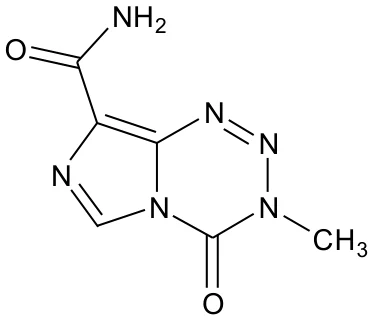
Chemical name: Imidazo[5, 1 -d]- 1,2,3 ,5-tetrazine-8-carboxamide,3 ,4-dihydro-3 -methyl-4-oxo
Molecular formula: C6H6N6O2
Molecular mass: 194.15 g/mol
Structural formula:
Physicochemical properties:
Physical form: Temozolomide is a white to light pink/light tan powder.
Solubility: Temozolomide is sparingly soluble in dimethyl sulfoxide and slightly soluble in water, 0.01 M hydrochloric acid, pH 2.1 buffer, pH 3.9 buffer, pH 5.6 buffer, dichloromethane, acetone, Tween 80, acetonitrile, methanol and polyethylene glycol. Temozolomide is insoluble in toluene and very slightly soluble in ethyl acetate and ethanol.
PKa/pH: Temozolomide contains no functional groups that can be protonated or deprotonated between pH 1 and pH 13, and therefore, does not have a dissociation constant (pKa) in this pH range. The pH of a 10 mg/mL aqueous dispersion of temozolomide is about 5.8.
Partition coefficient: Temozolomide partitions primarily into the organic phase and the pH of the aqueous phase has little, if any effect, on the partition coefficient.
Solvent Partition Coefficient (octanol/aqueous)
water 22.4
phosphate buffer pH 7.0 (0.1 M) 22.0
0.1N HCl 20.8
Melting point: Temozolomide does not show a true melting point but undergoes decomposition from about 182°C to 200°C.
14 CLINICAL TRIALS
14.1 Clinical Trial by Indication
Newly Diagnosed Glioblastoma Multiforme
Table 13 - Summary of patient demographics for clinical trials in Newly Diagnosed Gliobastoma Multiforme
| Study # | Study design | Dosage, route of administration and duration | Study subjects (n) | Median age (Range) | Sex |
|---|---|---|---|---|---|
| P00458 | Open-label, Randomized | Initial - 75 mg/m2, maintenance 150mg/m2 Cycle 1 then 200 mg/m2 Cycles 2-6, oral | 573 | 56 (18-70) | Male 63% |
Five hundred seventy-three subjects were randomized to receive either temozolomide + Radiotherapy (RT) (n=287) or RT alone (n=286). Patients in the temozolomide + RT arm received concomitant temozolomide (75 mg/m2) once daily, starting the first day of RT until the last day of RT, for 42 days (with a maximum of 49 days). This was followed by maintenance temozolomide (150 or 200 mg/m2) on day 1 -5 of every 28 -day cycle for 6 cycles, starting 4 weeks after the end of RT. Patients in the control arm received RT only. Pneumocystis carinii pneumonia (PCP) prophylaxis was required during RT and combined temozolomide therapy, and was to continue until recovery of lymphopenia to grade <1.
Temozolomide was administered as salvage therapy in the follow-up phase in 161 patients of the 282 (57 %) in the RT alone arm, and 62 patients of the 277 (22 %) in the temozolomide + RT arm.
Table 14 - Results of study in Newly Diagnosed Gliobastoma Multiforme
| Primary Endpoints | Associated value and statistical significance for Drug at specific dosages | Associated value and statistical significance for Placebo or active control |
|---|---|---|
| Overall Survival (OS) | 14.6 months HR 1.59 (CI=1.33-1.91) | 12.1 months |
The hazard ratio (HR) for overall survival was 1.59 (95 % CI for HR=1.33 -1.91) with a log-rank P <0.0001 in favour of the temozolomide arm. The estimated probability of surviving 2 years or more (26 % vs 10 %) is higher for the RT + temozolomide arm. The addition of concomitant and maintenance temozolomide to radiotherapy in the treatment of patients with newly diagnosed glioblastoma multiforme demonstrated a statistically significant improved overall survival compared with radiotherapy alone. (Figure 1).
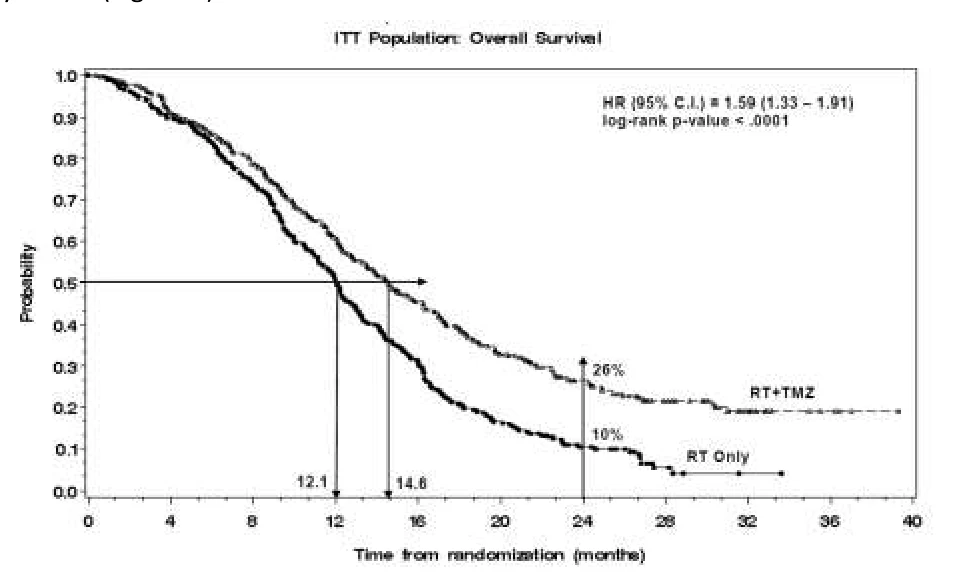
Figure 1 Kaplan-Meier Curves for Overall Survival (Intent To Treat) ITT Population
Malignant Gliomas Showing Recurrence or Progression after Standard Therapy:
Table 15 - Summary of patient demographics for clinical trials in Malignant Gliomas Showing Recurrence or Progression after Standard Therapy
| Study # | Study design | Dosage, route of administration and duration | Study subjects (n) | Median age (Range) | Sex |
|---|---|---|---|---|---|
| C/I94-091 | Open-label, randomized | No prior chemotherapy, 200 mg/m2 (Days 1-5)/cycle. Prior chemotherapy, 150 mg/m2 (Days 1-5)/cycle. Cycle length 28 days. Orally administered. | 225 | 52 yrs, (21-76) | Male – 66.2% |
| I94-122 | Open-label, uncontrolled | No prior chemotherapy, 200 mg/m2 (Days 1-5)/cycle. Prior chemotherapy, 150 mg/m2 (Days 1-5)/cycle. Cycle length 28 days. Orally administered. | 138 | 54 yrs, (24-77) | Male - 62% |
| C/I94-123 | Open-label, uncontrolled | No prior chemotherapy, 200 mg/m2 (Days 1-5)/cycle. Prior chemotherapy, 150 mg/m2 (Days 1-5)/cycle. Cycle length 28 days. Orally administered. | 162 | 42, (19-76) | Male - 57.4% |
Consistent patient selection criteria were used in the 3 phase II studies. In all trials, adult patients ≥18 years of age with histologically confirmed supratentorial GBM or AA at first relapse, a baseline Karnofsky performance status (KPS) of at least 70, and a life expectancy >12 weeks were eligible. Patients had unequivocal evidence of tumor recurrence or progression (first relapse) and evaluable enhancing residual disease. They failed a conventional course of radiation therapy for initial disease and no more than one prior regimen of adjuvant chemotherapy (with either a single agent or a regimen containing a nitrosourea).
In the phase II studies, consistent criteria based on neuroimaging and clinical neurologic examination were used to define overall response and to determine disease progression for the progression-free survival analysis. Objective assessments of overall response were based upon tumor assessments interpreted in light of steroid use and, to a lesser extent, neurologic status. Overall response was based on the following:
- Complete response (CR): Disappearance of all enhancing tumor (measurable or non-measurable) on consecutive magnetic resonance imaging (MRI) scans at least one month apart, off steroids except for physiologic doses which may have been required following prolonged therapy and neurologically stable or improved.
- Partial response (PR): For patients with lesions which were either all measurable or all nonmeasurable, greater than or equal to a 50% reduction (<100%) in the sum of the products of the largest perpendicular diameters of contrast enhancement for all measurable lesions or +2 rating (definitely better) for all non-measurable lesions on consecutive MRI scans at least one month apart, steroids stable for 7 days prior to each scan at the same dose administered at the time of the previous scan or at a reduced dose, and neurologically stable or improved. No new lesions could arise.
- Progressive disease (PD): Greater than or equal to a 25% increase in size of the product of the largest perpendicular diameters of contrast enhancement for any measurable lesions or -2 rating (definitely worse) for any non-measurable lesions or any new tumor on MRI scans, steroids stable for 7 days prior to each scan at the same dose administered at the time of the previous scan or at an increased dose, with or without neurologic progression. The investigator had to carefully exclude non-tumor-related causes of clinical or radiological worsening (i.e. pseudo progression).
- Stable disease (SD): All other situations.
Table 16 - Results of 3 studies listed above in Malignant Gliomas Showing Recurrence or Progression after Standard Therapy
| Primary Endpoints | Associated value and statistical significance for Drug at specific dosages | Associated value and statistical significance for Placebo or active control |
|---|---|---|
| PFS at 6-months | 21% (CI-13%-29%) | 8% (CI- 3%-14%) |
| PFS at 6-months | 19% (CI-12%-26%) | NA |
| PFS at 6-months | 46% (CI-38%-54%) | NA |
Temozolomide has been shown to be effective in prolonging progression-free survival and maintaining or improving health-related quality of life (HQL) in adult patients with recurrent high grade glioma. Both patients with anaplastic astrocytoma (AA) and glioblastoma multiforme (GBM) experienced clinically meaningful efficacy and HQL benefits.
In an open-label, active-reference study in which patients received either temozolomide or procarbazine, temozolomide demonstrated efficacy in GBM patients at first relapse based on improvements in progression-free survival, event-free survival and overall survival relative to the reference agent, procarbazine. This study was not designed nor powered to make statistically valid comparisons between the two drugs.
Two hundred ten patients were determined by central review as having histologically confirmed GBM or gliosarcoma and comprise the eligible histology population. In the temozolomide group, the median age was 52 years and 69% were male. Karnofsky performance status was ≥80 in 70% of patients. At the time of initial diagnosis, 86% of patients in the temozolomide group had undergone surgical resection, with all patients subsequently receiving radiation therapy. Chemotherapy was administered in 65% of patients in the temozolomide group. The median time from initial diagnosis to first relapse was 7.0 months for temozolomide patients. At first relapse, 20% of patients had surgical resection.
Results from this controlled trial are summarized in the table below:
Efficacy Results: Controlled Study
| Study | Histology | No. Pts. | Drug Study | PFS at 6 mos (95% CI) | Median PFS (Months) | Median OS (Months) | 6-month Survival Rate |
| C/I94-091 | GBM | 112 | TMZ | 21% (13%-29%) | 2.99 | 7.34 | 60% |
| C/I94-091 | GBM | 113 | PROC | 8% (3%-15%) | 1.97 | 5.82 | 44% |
PFS: Progression-free survival TMZ: Temozolomide CI: Confidence Intervals PROC: Procarbazine OS: Overall Survival | |||||||
Objective response (partial response; PR) as determined by Gd-MRI scan after independent central review was achieved in 5% (6 / 112) of temozolomide patients and 6% (6 / 113) of procarbazine patients. Including stable disease (SD), the objective response (PR and SD) rate was 46% for temozolomide and 33% for procarbazine.
In patients with prior exposure to chemotherapy, the benefit of temozolomide was limited to those with KPS ≥80. In patients who were progression-free at 6 months, quality of life was maintained or improved.
Results from study I94-122, a large, non-comparative trial provide further evidence of the efficacy of temozolomide in patients with relapsing GBM. Of the 128 patients with eligible histologies, all but two had GBM, the remaining two had gliosarcoma. The median age was 54 years and 62% were male. Karnofsky performance status was ≥ 80 in 57%. At the time of initial diagnosis, 89% of patients underwent surgical resection, with all patients subsequently receiving radiation therapy. Eighty-six percent of patients were treated with standard dose fractionation. Nitrosourea-based chemotherapy was administered in 29% of patients. The median time from initial diagnosis to first relapse was 8.1 months. At first relapse, 13% of patients had surgical resection. The primary endpoint, progression-free survival at 6 months, was 19% (95% CI: 12%-26%) for the intent-to-treat (ITT) population. The median progression-free survival was 2.1 months. Median overall survival was 5.4 months. The objective response (CR / PR) as determined by Gd-MRI scan after independent central review was 8% (11 / 138) for the ITT population. Including stable disease, the objective response (CR, PR and SD) was 51% (71 / 138). Both overall response as objectively assessed and maintenance in progression-free status were associated with HQL benefits.
In a large phase II study (C/I94-123), temozolomide demonstrated clinically meaningful efficacy in AA patients in relapse. A total of 162 patients were enrolled and comprise the ITT population. A total of 111 patients was determined by central review as having histologically confirmed AA or AOA (anaplastic oligoastrocytoma) and comprises the eligible histology population who received temozolomide. Fifty one patients were excluded from the eligible histology population.
The median age was 42 years and 57% were male. Karnofsky performance status was ≥80 in 67%. At the time of initial diagnosis, 68% of patients underwent surgical resection, with all patients subsequently receiving radiation therapy. Ninety-one percent of patients were treated with standard dose fractionation. Nitrosourea-based chemotherapy was administered in 60% of patients. The median time from initial diagnosis to first relapse was 14.9 months. At first relapse, 18% of patients had surgical resection.
Progression-free survival at 6 months was 46% (95% CI: 39%-54%). The median progression-free survival was 5.4 months. Twenty four percent of patients remained progression-free after 12 months. The median overall survival was 14.6 months. Fifty-eight percent of patients remained alive after 12 months.
The objective response rate (CR / PR) as determined by Gd-MRI scan after independent central review was 35% (13 CR and 43 PR) for the ITT population. Including stable disease, the objective response rate (CR, PR and SD) was 61% (99 / 162). For the 13 complete responders, the progression-free survival range was 11 to 26 months, with 7 patients remaining in complete response beyond 16 months; the overall survival for these patients ranged from 15 to 30 months, with 8 patients alive beyond 20 months. For the 43 partial responders, the median progression-free survival was 11 months and the median overall survival was 21 months.
14.3 Comparative Bioavailability Studies
A blinded, randomized, multicentre, two-treatment, two-period, single oral dose (1 x 250 mg), crossover comparative bioavailability study of ACH-TEMOZOLOMIDE capsules 250 mg (Accord Healthcare, Inc.) and TEMODAL® capsules 250 mg (Schering-Plough Europe), was conducted in adult male and female patients with newly diagnosed glioblastoma multiforme or recurrent/progressing malignant glioma, under fasting conditions. Comparative bioavailability data from 31 patients that were included in the statistical analysis are presented in the following table:
SUMMARY TABLE OF THE COMPARATIVE BIOAVAILABILITY DATA
Temozolomide (1 x 250 mg) Geometric Mean Arithmetic Mean (CV %) | ||||
| Parameter | Test1 | Reference2 | % Ratio of Geometric Means | 90% Confidence Interval |
AUCT (ng·h/mL) | 28973.02 29579.44 (20.8) | 28106.54 28910.43(23.0) | 103.7 | 99.8 – 107.7 |
AUCI (ng·h/mL) | 30551.15 31148.51 (19.9) | 29060.41 29881.15 (22.8) | 105.7 | 101.5 – 110.0 |
Cmax (ng/mL) | 8802.04 9469.98 (40.9) | 9329.05 10227.85 (42.6) | 96.1 | 85.7 – 107.7 |
Tmax3 (h) | 2.00 (0.33 – 6.00) | 1.13 (0.25 – 6.00) | ||
T½4 (h) | 1.94 (24.0) | 1.79 (10.7) | ||
1 ACH-TEMOZOLOMIDE (temozolomide) capsules, 250 mg (Accord Healthcare, Inc.)
2 TEMODAL® (temozolomide) capsules, 250 mg (Schering-Plough Europe, Belgium)
3 Expressed as the median (range) only
4 Expressed as the arithmetic mean (CV %) only
ACH-Temozolomide 5 mg capsules have satisfied the criteria for a Biopharmaceutics Classification System (BCS)-based biowaiver in comparison to the Canadian Reference Product, TEMODAL® 5 mg capsules (Merck Canada Inc.).
15 MICROBIOLOGY
No microbiological information is required for this drug product.
16 NON-CLINICAL TOXICOLOGY
Acute Toxicity
Acute toxicity studies were conducted in both mice and rats. In single dose studies conducted in mice, calculated LD50 values were 891 (males) and 1072 (females) mg / m2 for oral administration and 1297 (males) and 891 (females) mg / m2 for intraperitoneal administration of temozolomide. In rats, LD50 values were 1937 mg / m2 when temozolomide was given orally and 1414 mg / m2 for intraperitoneal administration. Antemortem observations for both mice and rats included hypoactivity, hunched posture and partial closure of the eyes (dose ≥1000 mg / m2 generally). Tremors (≥1000 mg / m2 PO, ≥2000 mg / m2 IP), prostration (≥2000 mg / m2) and ataxia (≥4000 mg / m2 IP) were also observed in mice. At necropsy, dark-red areas were observed in the stomachs of male mice at doses ≥3000 mg / m2 (PO) or ≥2000 mg / m2 (IP) and in female mice at doses ≥1000 mg / m2 of temozolomide.
Observations for rats included abnormal or few feces (≥1500 mg / m2 PO) and dyspnea (≥2500 mg / m2 PO). When doses reached 5000 mg / m2 orally or more, poor appetite, thin appearance, few or abnormal feces, anorexia and dyspnea were noted. Anorexia and swollen heads were also noted in rats at intraperitoneal doses of ≥2000 mg / m2 of temozolomide. At necropsy, dark-red areas were observed in the stomach of rats at oral doses ≥1500 mg / m2 and intraperitoneal doses ≥2000 mg / m2. Dark areas were also noted in the brain, reproductive organs, lymph nodes, lung, pancreas, cecum and subcutaneous tissue at oral doses ≥1500 mg / m2. At intraperitoneal doses ≥2000 mg / m2, dark areas were observed in the small intestine (males, 4000 mg / m2), lymph nodes, lung and subcutaneous tissue.
Clinical observations in dogs which received a total dose of 3500 mg / m2 of temozolomide over 6 days included emesis, hypoactivity, ataxia, polypnea, mydriasis and discolored mucoid feces. At necropsy, dark-red areas were observed in the stomach and dark-red to brown material in the gastrointestinal tract.
Emesis, salivation and abnormal or few feces were noted in dogs administered single oral doses ≥200 mg / m2 of temozolomide. All dogs which received 200 or 400 mg / m2 survived the 14-day observation period; dogs administered 600, 1000 or 1500 mg / m2 of temozolomide died or were sacrificed in poor condition before the 14-day period was completed. Necropsy observations at doses 1000 mg / m2 included dark areas in the stomach, lymph nodes, cecum, small intestine, heart, urinary bladder and subcutaneous tissue. There was no gross lesion observed at doses <1000 mg / m2.
Multiple-Dose Toxicity
The toxicity of temozolomide was evaluated in single-cycle, three-cycle and six-cycle studies, in rats and dogs. Results are reported in the following tables.
| RATS | DOGS | |||||||
|---|---|---|---|---|---|---|---|---|
| DOSES | TOXIC EFFECTS | DOSES | TOXIC EFFECTS | |||||
SINGLE-CYCLE STUDIES Rats: Dogs: | 200 mg / m2 |
| 200 mg / m2 |
| ||||
400 mg / m2 |
| 500 mg / m2 |
|
800 / male or 600 / female mg / m2 |
| 1000 mg / m2 |
|
| RATS | DOGS | |||
|---|---|---|---|---|
| DOSES | TOXIC EFFECTS | DOSES | TOXIC EFFECTS | |
| 25mg/m2 |
| 25 mg / m2 | ||
| 50mg/m2 |
| 50 mg / m2 |
| |
| 100mg/m2 |
| 125 mg / m2 |
|
| RATS | DOGS | |||
|---|---|---|---|---|
| DOSES | TOXIC EFFECTS | DOSES | TOXIC EFFECTS | |
150 mg / m2 |
| |||
200 mg / m2 |
|
| RATS | DOGS | ||||||||||
|---|---|---|---|---|---|---|---|---|---|---|---|
| DOSES | TOXIC EFFECTS | DOSES | TOXIC EFFECTS | ||||||||
| |||||||||||
THREE-CYCLE STUDIES Rats: Dogs: | 25 mg / m2 |
| 25 mg / m2 |
| |||||||
| 50 mg / m2 |
| 50 mg / m2 |
| ||||||||
| RATS | DOGS | |||||||
|---|---|---|---|---|---|---|---|---|
| DOSES | TOXIC EFFECTS | DOSES | TOXIC EFFECTS | |||||
| 200 mg / m2 |
| 125 mg / m2 |
| |||||
SIX-CYCLE STUDIES Rats: Dogs: | 25 mg / m2 |
| 25 mg / m2 |
| ||||
| RATS | DOGS | |||
|---|---|---|---|---|
| DOSES | TOXIC EFFECTS | DOSES | TOXIC EFFECTS | |
| 50 mg / m2 |
| 50 mg / m2 |
|
| RATS | DOGS | |||
|---|---|---|---|---|
| DOSES | TOXIC EFFECTS | DOSES | TOXIC EFFECTS | |
| 125 mg / m2 |
| 125 mg / m2 |
|
These studies demonstrated that temozolomide was absorbed in a dose-related manner, without sex differences and no evidence of accumulation. The overall carcinogenic potential of temozolomide in rats does not appear significantly different from other chemotherapeutic drugs. Hematologic changes seem to be cyclic: they happened after dosing and were followed by a recovery period.
Carcinogenicity
Carcinogenicity studies of temozolomide have not been conducted. However, the results of the six-cycle study in rats can be used to evaluate the carcinogenic potential of temozolomide.
Many types of neoplasms were observed in the six-cycle rat study. They included mammary carcinoma, carcinoma in situ, keratoacanthoma of the skin and basal cell adenoma. Mesenchymal neoplasms included fibrosarcoma, malignant schwannoma, endometrial stromal sarcoma, sarcoma, hemangiosarcoma and fibroma. No tumors or indication of preneoplastic changes were observed in the dog studies. Considering that temozolomide is a prodrug of an alkylating agent, MTIC, its carcinogenic potential is not unexpected.
Mutagenicity
Temozolomide was found to be mutagenic in two studies: an Ames Assay for bacterial mutagenicity and a human peripheral blood lymphocyte assay. Additional in vitro toxicity studies are not being conducted as both assays were positive for mutagenic potential, and neoplasia has been observed in vivo. Since these findings are consistent with other drugs in this class, it is unlikely that in vivo assays would provide additional information that could impact the clinical use of temozolomide or aid in the assessment of human risk. Therefore, no in vivo mutagenic potential studies were conducted.
Reproductive Toxicity
Segment I studies were not conducted with temozolomide. In pregnant rats and rabbits, temozolomide did not affect pregnancy maintenance.
The results of the multiple-cycle studies indicate testicular toxicity: reduced absolute testes weights occurred in rats at doses of 50 mg / m2 and syncytial cells were observed in the testes of both rats and dogs at doses of 125 mg / m2. These results suggest additional potential reproductive effects including infertility and possibly genetic damage to germ cells.
Testing for reproductive toxicity was limited to dose range finding studies in rats and rabbits. No significant maternal toxicity was observed and pregnancy rates were not affected in either species. Dosing did not influence implantation rates or lengths of gestation. Resorptions and post implantation loss were increased at the 150 mg / m2 / day dose level, compared to 5, 25 and 50 mg / m2 / day dose levels. Fetal weights were reduced at 50 (slight) and 150 mg / m2 / day. No external variations or malformations were observed in the rat study. In the rabbit study, 18 different types of malformations were observed in the fetuses of rabbits dosed with 125 mg / m2 / day. Based on these results, the developmental NOEL is approximately 50 mg / m2 / day. These data indicate that temozolomide, like other alkylating agents, has potential to produce embryolethality and malformations in rats and rabbits.
Segment III studies of temozolomide were not conducted. Considering that temozolomide's therapeutic intent is to interfere with mitosis, postnatal growth and development of offspring may be adversely affected by exposure to temozolomide if present in mothers’ milk.
The preclinical toxicology profile of temozolomide for IV administration is comparable to that of the oral (capsule) formulation and consistent with that of other marketed alkylating anticancer agents. While the IV formulation produced local irritation at the site of injection in both rabbits and rats, the irritation was transient and not associated with lasting tissue damage.
17 SUPPORTING PRODUCT MONOGRAPHS
- 1. PrTEMODAL® (temozolomide capsules, 5 mg, 20 mg, 100 mg, 140 mg and 250 mg), submission control 256104, product monograph, Merck Canada Inc. (AUG 16 2022).