


Product Monograph - Act Diclo-Miso
SUMMARY PRODUCT INFORMATION
| Route of Administration | Dosage Form / Strength | All Nonmedicinal Ingredients |
| Oral | Enteric coated tablets: 50 mg diclofenac/200 mcg misoprostol, and 75 mg diclofenac/200 mcg misoprostol | Colloidal Silicon Dioxide, Corn Starch, Crospovidone, Hydrogenated Castor Oil, Lactose Monohydrate, Magnesium Stearate, Microcrystalline Cellulose, Povidone K-30, Sodium Hydroxide, Talc, Triethyl Citrate. The tablet film coating contains: Methacrylic Acid-Ethyl Acrylate, Sodium Lauryl Sulfate, Polysorbate 80 |
INDICATIONS AND CLINICAL USE
ACT DICLO-MISO (diclofenac sodium plus misoprostol) is indicated for the following:
- Acute and chronic use in the relief of the signs and symptoms of rheumatoid arthritis and osteoarthritis.
Throughout this document, the term NSAIDs refers to both non-selective NSAIDs and selective COX-2 inhibitor NSAIDs, unless otherwise indicated.
Diclofenac, particularly at higher doses, is associated with an increased risk of serious cardiovascular related adverse events that is comparable to COX-2 inhibitors and high dose ibuprofen. For patients with pre-existing risk factors for cardiovascular disease (including ischemic heart disease, cerebrovascular disease and/or congestive heart failure NYHA II-IV) other management strategies that do not include NSAlDs, particularly COX-2 inhibitors, ibuprofen and diclofenac, should be considered first (see CONTRAINDICATIONS and WARNINGS AND PRECAUTIONS).
For patients with increased risk of developing GI adverse events other management strategies that do not include NSAIDs should be considered first (see
CONTRAINDICATIONS and WARNINGS AND PRECAUTIONS).
Use of ACT DICLO-MISO should be limited to the lowest effective dose for the shortest possible duration of treatment in order to minimize the potential risk for cardiovascular or gastrointestinal adverse events (see CONTRAINDICATIONS and WARNINGS AND PRECAUTIONS).
ACT DICLO-MISO, as a NSAID, does NOT treat clinical disease or prevent its progression.
ACT DICLO-MISO, as a NSAID, only relieves symptoms and decreases inflammation for as long as the patient continues to take it.
Geriatrics (> 65 years of age):
Evidence from clinical studies and postmarket experience suggests that use in geriatric patients is associated with differences in safety or effectiveness (see WARNINGS AND PRECAUTIONS)
Pediatrics (<18 years of age):
Not recommended for pediatric use (see CONTRAINDICATIONS).
CONTRAINDICATIONS
ACT DICLO-MISO (diclofenac sodium plus misoprostol) is contraindicated in:
- The peri-operative setting of coronary artery bypass graft surgery (CABG). Although Diclofenac sodium plus Misoprostol has NOT been studied in this patient population, a selective COX-2 inhibitor NSAID studied in such a setting has led to an increased incidence of cardiovascular/thromboembolic events, deep surgical infections and sternal wound complications.
- The women who are pregnant, or in whom pregnancy has not been excluded. Women of childbearing potential should be fully counseled about misoprostol’s abortifacient potential and the importance of effective contraception (oral contraceptive or intrauterine device) and prevention of pregnancy while undergoing treatment (see WARNINGS AND PRECAUTIONS – Special Populations – Pregnant Women).
- Women who are breastfeeding, because of the potential for serious adverse reactions in nursing infants.
- Severe uncontrolled heart failure.
- Known or suspected hypersensitivity to diclofenac sodium, misoprostol, or any of the components/excipients.
History of asthma, urticaria, or allergic-type reactions after taking ASA or other NSAIDs (i.e. complete or partial syndrome of ASA-intolerance – rhinosinusitis, urticaria/angiodema, nasal polyps, asthma). Fatal anaphylactoid reactions have occurred in such individuals. As well, individuals with the above medical problems are at risk of a
- severe reaction even if they have taken NSAIDs in the past without any adverse reaction. The potential for cross-reactivity between different NSAIDs must be kept in mind (see WARNINGS AND PRECAUTIONS – Hypersensitivity Reactions – Anaphylactoid Reactions).
- Patients with active gastric / duodenal / peptic ulcer, active gastrointestinal bleeding, a history of recurrent ulceration or active inflammatory disease of the gastrointestinal system.
- Cerebrovascular bleeding or other bleeding disorders.
- Inflammatory bowel disease.
- Significant hepatic impairment or active liver disease.
- Severely impaired or deteriorating renal function (creatinine clearance <30 mL/min or 0.5 mL/sec). Individuals with lesser degrees of renal impairment are at risk of deterioration of their renal function when prescribed NSAIDs and must be monitored (see WARNINGS AND PRECAUTIONS – Renal).
- Known hyperkalemia (see WARNINGS AND PREACUTIONS – Renal –Fluid and Electrolyte Balance).
- Children and adolescents less than (18) years of age.
- Diclofenac is contraindicated for use with other NSAIDs because of the absence of any evidence demonstrating synergistic benefits and the potential for additive side effects (see DRUG INTERACTIONS).
WARNINGS AND PRECAUTIONS
Risk of Cardiovascular (CV) Adverse Events: Cardiovascular Disease (including Ischemic Heart Disease, Cerebrovascular Disease, Congestive Heart Failure (NYHA II-IV) (see WARNINGS AND PRECAUTIONS – Cardiovascular) Diclofenac is associated with an increased risk of cardiovascular adverse events (such as myocardial infarction, stroke or thrombotic events, which can be fatal) that is comparable to COX-2 inhibitors and high dose ibuprofen. Meta-analyses of randomized clinical trials comparing several different NSAIDs suggest that diclofenac, particularly at higher doses, is associated with an increased risk of cardiovascular adverse events that is comparable to COX-2 inhibitors and high dose ibuprofen. Large population-based observational studies conducted in the general population also support these findings. The risk may increase with the dose and duration of use. Patients with cardiovascular disease or risk factors for cardiovascular disease may be at greater risk. For patients with a high risk of developing an adverse CV event, other management strategies that do NOT include NSAIDs, particularly COX-2 inhibitors, ibuprofen and diclofenac, should be considered first. To minimize the potential risk for an adverse CV event, the lowest |
effective dose should be used for the shortest possible duration. Treatment with ACT DICLO-MISO is not recommended in patients with pre-existing cardiovascular disease (congestive heart failure NYHA – II-IV, ischemic heart disease, peripheral arterial disease) cerebrovascular disease, uncontrolled hypertension or patients with risk factors for cardiovascular disease (e.g. hypertension, hyperlipidemia, diabetes mellitus and smoking). These patients should be treated with ACT DICLO-MISO only after careful consideration. Use of NSAIDs, such as ACT DICLO-MISO can promote sodium retention in a dose-dependent manner, through a renal mechanism, which can result in increased blood pressure and/or exacerbation of congestive heart failure (see also WARNINGS AND PRECAUTIONS – Renal – Fluid and Electrolyte Balance). Risk of Gastrointestinal (GI) Adverse Events (see WARNINGS AND PRECAUTIONS – Gastrointestinal) Use of NSAIDs, such as ACT DICLO-MISO, is associated with an increased incidence of gastrointestinal adverse events (such as peptic/duodenal ulceration, perforation, obstruction and gastrointestinal bleeding). |
General
Frail or debilitated patients may tolerate side effects less well and therefore special care should be taken in treating this population. To minimize the potential risk for an adverse event, the lowest effective dose should be used for the shortest possible duration. As with other NSAIDs, caution should be used in the treatment of elderly patients who are more likely to be suffering from impaired renal, hepatic or cardiac function. For high risk patients, alternate therapies that do not involve NSAIDs should be considered.
The use of diclofenac/misoprostol is NOT recommended for use with other NSAIDs, with the exception of low-dose ASA for cardiovascular prophylaxis, because of the absence of any evidence demonstrating synergistic benefits and the potential for additive adverse reactions including gastrointestinal ulcers and bleeding (see DRUG INTERACTIONS – Drug-Drug Interactions – Acetylsalicylic acid (ASA) or other NSAIDs).
In common with other anti-inflammatory drugs, ACT DICLO-MISO may mask the usual signs of infection, such as fever.
Carcinogenesis and Mutagenesis
(See TOXICOLOGY)
Cardiovascular Diclofenac is associated with an increased incidence of cardiovascular adverse events (such as myocardial infarction, stroke or thrombotic events, which can be fatal) that is comparable to COX-2 inhibitors and high dose ibuprofen. Patients with cardiovascular disease or risk factors for cardiovascular disease may be at greater risk.
As the cardiovascular risks of diclofenac may increase with dose and duration of exposure, the lowest effective daily dose should be used for the shortest duration possible. The patient's need for symptomatic relief and response to therapy should be re-evaluated periodically.
Patients should remain alert for the signs and symptoms of serious arteriothrombotic events (e.g. chest pain, shortness of breath, weakness, slurring of speech), which can occur without warnings. Patients should be instructed to see a physician immediately in case of such an event.
Use of NSAIDs, such as ACT DICLO-MISO, can lead to new hypertension or can worsen pre-existing hypertension, either of which may increase the risk of cardiovascular events as described below. Thus blood pressure should be monitored regularly. Consideration should be given to discontinuing ACT DICLO-MISO should hypertension either develop or worsen with its use.
Use of NSAIDs, such as ACT DICLO-MISO, can induce fluid retention and edema, and may exacerbate congestive heart failure, through a renally-mediated mechanism. (See WARNINGS AND PRECAUTIONS - Renal - Fluid and Electrolyte Balance).
Caution should be exercised in prescribing ACT DICLO-MISO to patients with risk factors for cardiovascular disease, cerebrovascular disease or renal disease, such as any of the following (NOT an exhaustive list):
- Hypertension
- Dyslipidemia/Hyperlipidemia
- Diabetes Mellitus
- Congestive Heart Failure (NYHA II-IV)
- Ischemic heart disease
- Peripheral Arterial Disease
- Smoking
- Creatinine Clearance < 60 mL/min or 1mL/sec
- Acute myocardial infarction, history of myocardial infarction and/or angina
- Stroke, cerebrovascular accident, transient ischemic attacks, and/or amaurosis fugax
If needed, these patients should be treated only after careful consideration (See WARNINGS AND PRECAUTIONS BOX).
Endocrine and Metabolism
With nonsteroidal anti-inflammatory treatment there is a potential risk of hyperkalemia, particularly in patients with conditions such as diabetes mellitus or renal failure; elderly patients; or in patients receiving concomitant therapy with beta-adrenergic blockers, angiotensin converting enzyme inhibitors or some diuretics. Serum electrolytes should be monitored periodically during long-term therapy, especially in those patients who are at risk.
Corticosteroids:
ACT DICLO-MISO (diclofenac sodium plus misoprostol) is NOT a substitute for corticosteroids. It does NOT treat corticosteroid insufficiency. Abrupt discontinuation of corticosteroids may lead to exacerbation of corticosteroid-responsive illness. Patients on prolonged corticosteroid therapy should have their therapy tapered slowly if a decision is made to discontinue corticosteroids (see DRUG INTERACTIONS – Drug-Drug Interactions – Glucocorticoids).
Gastrointestinal (GI)
The presence of misoprostol in the product may protect against the mucosal damaging effects of the other component, diclofenac.
However, serious GI toxicity, such as peptic/duodenal ulceration, inflammation, perforation, obstruction and gastrointestinal bleeding, sometimes severe and occasionally fatal can occur at any time, with or without symptoms in patients treated with NSAIDs including ACT DICLO-MISO (diclofenac sodium plus misoprostol). NSAIDs, including ACT DICLO-MISO, should be used with caution in patients with a history of, or active, GI disease, such as ulceration, bleeding, or inflammatory conditions. Most spontaneous reports of fatal GI events are in elderly or debilitated patients and therefore special care should be taken in treating this population. To minimize the potential risk for an adverse GI event, the lowest effective dose should be used for the shortest possible duration. For high risk patients, alternate therapies that do not involve NSAIDs should be considered (see WARNINGS AND PRECAUTIONS – Special Populations- Geriatrics).
Minor upper GI problems, such as dyspepsia, commonly occur at any time. Physicians should remain alert for ulceration and bleeding in patients treated with nonsteroidal anti-inflammatory drugs, even in the absence of previous GI tract symptoms.
Physicians should inform patients about the signs and/or symptoms of serious GI toxicity and instruct them to discontinue using ACT DICLO-MISO and seek emergency medical attention if they experience any such symptoms. Because serious GI tract ulceration and bleeding can occur without warning symptoms, physicians should follow chronically treated patients by checking their hemoglobin periodically and by being vigilant for the signs and symptoms of ulceration and bleeding.
The utility of periodic laboratory monitoring has NOT been demonstrated, nor has it been adequately assessed. Most patients who develop a serious upper GI adverse event on NSAID therapy have no symptoms. Upper GI ulcers, gross bleeding or perforation, caused by NSAIDs, appear to occur in approximately 1% of patients treated for 3-6 months, and in about 2-4% of patients treated for one year. These trends continue, thus increasing the likelihood of developing a serious GI event at some time during the course of therapy. Even short-term therapy has its risks.
Caution should be taken if prescribing ACT DICLO-MISO to patients with a prior history of peptic/duodenal ulcer disease or gastrointestinal bleeding as these individuals have a greater than 10-fold higher risk for developing a GI bleed when taking a NSAID than patients with neither of these risk factors. Other risk factor for GI ulceration and bleeding include the following: Helicobacter pylori infection, increased age, prolonged use of NSAID therapy, excess alcohol intake, smoking, female gender, poor general health status or concomitant therapy with any of the following:
- Anti-coagulants (e.g. warfarin)
- Anti-platelet agents (e.g. ASA, clopidogrel)
- Oral corticosteroids (e.g. prednisone)
- Selective Serotonin Reuptake Inhibitors (SSRIs) (e.g. citalopram, fluoxetine, paroxetine, sertraline)
If ulceration is suspected or confirmed, or if GI bleeding occurs, ACT DICLO-MISO should be discontinued immediately, appropriate treatment instituted and the patient monitored closely. No studies, to date, have identified any group of patients not at risk of developing ulceration and bleeding. Studies to date show that all NSAIDs can cause GI tract adverse events. Although existing data do not clearly identify differences in risk between various NSAIDs, this may be shown in the future.
Genitourinary
Some NSAIDs are associated with persistent urinary symptoms (bladder pain, dysuria, urinary frequency), hematuria or cystitis. The onset of these symptoms may occur at any time after the initiation of therapy with an NSAID. Some cases have become severe on continued treatment. Should urinary symptoms occur, in the absence of an alternate explanation, treatment with ACT DICLO-MISO (diclofenac sodium plus misoprostol) must be stopped to ascertain if symptoms disappear. This should be done before any urological investigations or treatments are carried out.
Post-menopausal vaginal bleeding may be related to Diclofenac sodium plus Misoprostol administration. If this occurs, diagnostic workup should be undertaken to rule out gynecological pathology (see ADVERSE DRUG REACTIONS).
Hematologic
NSAIDs inhibiting prostaglandin biosynthesis interfere with platelet function to varying degrees; patients who may be adversely affected by such an action, such as those on anti-coagulants or suffering from haemophilia or platelet disorders should be carefully monitored when ACT DICLO-MISO is administered.
Anti-coagulants:
The concomitant use of NSAIDs, including diclofenac/misoprostol, with anticoagulants increases the risk of GI and non-GI bleeding and should be given with caution. Concurrent therapy of ACT DICLO-MISO with anticoagulants requires close monitoring of anticoagulation (see DRUG INTERACTIONS).
Even with therapeutic INR monitoring, increased bleeding may occur.
Anti-platelet Effects:
NSAIDs inhibit platelet aggregation and have been shown to prolong bleeding time in some patients. Unlike acetylsalicylic acid (ASA), their effect on platelet function is quantitatively less, or of shorter duration, and is reversible. Misoprostol does not exacerbate the effects of diclofenac on platelet activity.
Diclofenac sodium plus Misoprostol and other NSAIDs have no proven efficacy as anti-platelet agents and should NOT be used as a substitute for ASA or other anti-platelet agents for prophylaxis of cardiovascular thromboembolic diseases. Anti-platelet therapies (e.g. ASA) should NOT be discontinued. There is some evidence that use of NSAIDs with ASA can markedly attenuate the cardioprotective effects of ASA (see DRUG INTERACTIONS – Drug-Drug Interactions – Acetylsalicylic Acid (ASA) or other NSAIDs).
Concomitant administration of Diclofenac sodium plus Misoprostol with low dose ASA increases the risk of GI ulceration and associated complications.
Blood dyscrasias:
Cases of agranulocytosis and hemolytic anemia, some serious, were identified in patients taking diclofenac sodium or diclofenac/misoprostol.
Other blood dyscrasias (such as neutropenia, leucopenia, thrombocytopenia, aplastic anemia) associated with the use of NSAIDs are rare, but could occur with severe consequences.
Anemia is sometimes seen in patients receiving NSAIDs, including Diclofenac sodium plus Misoprostol. This may be due to fluid retention, GI blood loss, or an incompletely described effect upon erythropoiesis. Patients on long-term treatment with NSAIDs, including ACT DICLO-MISO, should have their haemoglobin or hematocrit checked if they exhibit any signs or symptoms of anemia or blood loss.
Hepatic/Biliary/Pancreatic
As with other NSAIDs, including Diclofenac sodium plus Misoprostol, borderline elevations of one or more liver function tests (AST, ALT, alkaline phosphatase) may occur in up to 15% of patients. These abnormalities may progress, may remain essentially unchanged, or may be transient with continued therapy. In clinical trials of 4 to 12 weeks duration, clinically significant (>3 times the upper limit of normal) elevations of SGPT (ALT) and/or SGOT (AST), were observed in 2.5% or less of patients who received diclofenac/misoprostol or diclofenac/placebo. In a large trial where patients received diclofenac for a mean of 18 months, ALT/AST elevations >3xULN were observed in 3.1% of patients and elevations >5xULN were observed in 1.3% of patients. ALT/AST elevations usually occur within 1-6 months. However, clinically important liver events, resulting in hospitalization, occurred at various times during the study, and not necessarily early in the course of therapy. Furthermore, more meaningful elevations in transaminases were detected before patients became symptomatic due to routine testing during the trial (see Monitoring and Laboratory testing).
In postmarketing reports of patients receiving diclofenac, cases of drug-induced hepatotoxicity have been reported in the first month, and in some cases, the first 2 months of therapy, but can occur at any time during the treatment. A patient with symptoms and/or signs suggesting liver dysfunction, or in whom an abnormal liver test has occurred, should be evaluated for evidence of the development of more severe hepatic reaction while on therapy with this drug. Postmarketing surveillance has reported cases of severe hepatic reactions including jaundice, fulminant hepatitis with and without jaundice, liver necrosis and hepatic failure. Some of these cases have resulted in fatalities or liver transplantation.
Physicians should measure transaminases periodically in patients receiving Diclofenac sodium plus Misoprostol because severe hepatotoxicity may develop without a prodrome of distinguishing symptoms. Severe hepatic reactions can occur at any time during treatment with diclofenac. Although such reactions are rare, if abnormal liver function tests persist or worsen, if clinical signs and symptoms consistent with liver disease develop (e.g. jaundice), or if systemic manifestations occur (e.g. eosinophilia, rash, etc.), this drug should be discontinued immediately.
To minimize the possibility that hepatic injury will become severe between transaminase measurements, physicians should inform patients of the warning signs and symptoms of hepatotoxicity (e.g. nausea, fatigue, lethargy, diarrhea, pruritus, jaundice, right upper quadrant tenderness, and «flu-like» symptoms), and the appropriate action patients should take if these signs and symptoms appear. Use of ACT DICLO-MISO is contraindicated in patients with significant hepatic impairment or active liver disease. If there is a need to prescribe this drug in the presence of all other patients with liver impairment, it must be done under strict observation.
Caution is advised when using ACT DICLO-MISO in patients with hepatic porphyria, since Diclofenac sodium plus Misoprostol may trigger an attack.
Hypersensitivity Reactions
Anaphylactoid Reactions:
As with NSAIDs in general, anaphylactoid reactions have occurred in patients without known prior exposure to Diclofenac sodium plus Misoprostol. In post-marketing experience, rare cases of anaphylactic/anaphylactoid reactions and angioedema have been reported in patients receiving Diclofenac sodium plus Misoprostol. ACT DICLO-MISO should NOT be given to patients with the ASA-triad. This symptom complex typically occurs in asthmatic patients who experience rhinitis with or without nasal polyps, or who exhibit severe, potentially fatal bronchospasm after taking ASA or other NSAIDs (see CONTRAINDICATIONS).
ASA-Intolerance:
ACT DICLO-MISO should NOT be given to patients with complete or partial syndrome of ASA-intolerance (rhinosinusitis, urticaria/angioedema, nasal polyps, asthma) in whom asthma, anaphylaxis, urticaria/angioedema, rhinitis or other allergic manifestations are precipitated by ASA or other NSAIDs. Fatal anaphylactoid reactions have occurred in such individuals. As well, individuals with the above medical problems are at risk of a severe reaction even if they have taken NSAIDs in the past without any adverse reaction (see CONTRAINDICATIONS).
Cross-sensitivity:
Patients sensitive to one NSAID may be sensitive to any of the other NSAIDs as well.
Serious skin reactions:
(See WARNINGS AND PRECAUTIONS – Skin)
Immune
(See WARNINGS AND PRECAUTIONS – Infection – Aseptic Meningitis)
Infection
ACT DICLO-MISO, in common with other NSAIDs, may mask signs and symptoms of an underlying infections disease.
Aseptic Meningitis:
Rarely, with some NSAIDs, the symptoms of aseptic meningitis (stiff neck, severe headaches, nausea and vomiting, fever or clouding of consciousness) have been observed. Patients with autoimmune disorders (systemic lupus erythematosus, mixed connective tissue diseases, etc.) seem to be pre-disposed. Therefore, in such patients, the health care provider must be vigilant to the development of this complication.
Neurologic
Some patients may experience drowsiness, dizziness, blurred vision, vertigo, tinnitus, hearing loss, insomnia or depression with the use of NSAIDs such as ACT DICLO-MISO. If patients experience these side effects, they should exercise caution in carrying out activities that require alertness.
Ophthalmologic
Blurred, diminished vision, and/or sensitivity to light have been reported with the use of
NSAIDs. If such symptoms develop, ACT DICLO-MISO should be discontinued and an ophthalmologic examination performed; ophthalmologic examination should be carried out at periodic intervals in any patient receiving ACT DICLO-MISO for an extended period of time.
Peri-Operative Considerations
(See CONTRAINDICATIONS – Coronary Artery Bypass Graft Surgery)
Psychiatric
Some patients may experience depression with the use of diclofenac (see WARNINGS AND PRECAUTIONS –Neurologic).
Renal
Long-term administration of nonsteroidal anti-inflammatory drugs to animals has resulted in renal papillary necrosis and other abnormal renal pathology. In humans, there have been reports of acute interstitial, nephritis, hematuria, low grade proteinuria, and occasionally nephrotic syndrome.
Renal insufficiency due to NSAID use is seen in patients with prerenal conditions leading to the reduction in renal blood flow or blood volume. Under these circumstances, renal prostaglandins help maintain renal perfusion and glomerular filtration rate (GFR). In these patients, administration of a NSAID may cause a reduction in prostaglandin formation and may precipitate overt renal decompensation. Patients at greatest risk of this reaction are those with pre-existing renal insufficiency (GFR<60 mL/min or 1 mL/s), dehydrated patients, patients on salt-restricted diets, heart failure, cirrhosis, liver dysfunction, those taking angiotensin-converting enzyme inhibitors, angiotensin-II receptor blockers, cyclosporin, diuretics, and the elderly. Serious or life-threatening renal failure has been reported in patients with normal or impaired renal function after short term therapy with NSAIDs. Even patients at risk who demonstrated the ability to tolerate a NSAID under stable conditions may decompensate during periods of added stress (e.g. dehydration due to gastroenteritis). Discontinuation of NSAIDs is usually followed by recovery to the pre-treatment state.
Diclofenac and its metabolites are eliminated primarily by the kidneys, therefore ACT DICLO-MISO should be used with great caution in patients with impaired renal function. In these cases, utilization of lower doses of diclofenac should be considered and patients carefully monitored. Caution should be used when initiating treatment with NSAIDs, such as ACT DICLO-MISO, in patients with dehydration. It is advisable to rehydrate patients first and then start therapy. The dose should be kept as low as possible and renal function should be monitored.
During long-term therapy kidney function should be monitored periodically.
Advanced Renal Disease:
(See CONTRAINDICATIONS)
Fluid and Electrolyte Balance:
Use of NSAIDs, such as ACT DICLO-MISO, can promote sodium retention in a dose-dependent manner, which can lead to fluid retention and edema, and consequences of increased blood pressure and exacerbation of congestive heart failure. Thus, caution should be exercised in prescribing ACT DICLO-MISO in patients with a history of congestive heart failure, compromised cardiac function, hypertension, increased age or other conditions predisposing to fluid retention (see WARNINGS AND PRECAUTIONS – Cardiovascular).
Use of NSAIDs, such as ACT DICLO-MISO, can increase the risk of hyperkalemia, especially in patients with diabetes mellitus, renal failure, increased age, or those receiving concomitant therapy with adrenergic blockers, angiotensin-converting enzyme inhibitors, angiotensin-II receptor antagonists, cyclosporin, or some diuretics.
Electrolytes should be monitored periodically (see CONTRAINDICATIONS).
Respiratory
ASA-induced asthma is an uncommon but very important indication of ASA and NSAID sensitivity. It occurs more frequently in patients with asthma who have nasal polyps.
Sexual Function / Reproduction
The use of ACT DICLO-MISO, as with any drug known to inhibit cyclooxygenase/ prostaglandin synthesis, may impair fertility and is not recommended in women attempting to conceive.
Therefore, in women who have difficulties conceiving, or who are undergoing investigation of infertility, withdrawal of ACT DICLO-MISO should be considered.
Skin
In rare cases, serious skin reactions such as Stevens-Johnson syndrome, toxic epidermal necrolysis, exfoliative dermatitis and erythema multiforme have been associated with the use of some NSAIDs. Because the rate of these reactions is low, they have usually been noted during post-marketing surveillance in patients taking other medications also associated with the potential development of these serious skin reactions. Thus, causality is NOT clear. These reactions are potentially life-threatening but may be reversible if the causative agent is discontinued and appropriate treatment instituted. Patients should be advised that if they experience a skin rash they should discontinue their NSAID and contact their physician for assessment and advice, including which additional therapies to discontinue.
ACT DICLO-MISO may cause sensitivity to sunlight. Any exposure to sunlight or sunlamps may cause sunburn, skin blisters, skin rash, redness, itching or discoloration. Patients should be advised that if they experience any of these symptoms, they should discontinue their NSAID and contact their physician for assessment and advice, including which additional therapies to discontinue.
Special Populations
Pregnant Women:
ACT DICLO-MISO is CONTRAINDICATED for use in women who are pregnant, or in whom pregnancy has not been excluded. Misoprostol administration to pregnant women induces uterine contractions and is associated with abortion, premature birth, birth defects and fetal death. Misoprostol can cause uterine tetany and uterine rupture if administered to pregnant women beyond the eighth week of pregnancy (see CONTRAINDICATIONS and ADVERSE REACTIONS – Post-Market Adverse Drug Reactions).
Inhibition of prostaglandin synthesis may adversely affect pregnancy and/or the embryo-foetal development. Data from epidemiological studies suggest an increased risk of miscarriage and of cardiac malformation after use of a prostaglandin synthesis inhibitor in early pregnancy.
In animals, administration of a prostaglandin synthesis inhibitor has been shown to result in increased pre-and post-implantation loss and embryo-foetal lethality. In addition, increased incidences of various malformations, including cardiovascular, have been reported in animals given a prostaglandin synthesis inhibitor during the organogenetic period.
Nursing Women:
Misoprostol is rapidly metabolised in the mother to misoprostol acid, which is biologically active and is excreted in breast milk. Diclofenac/misoprostol is contraindicated in nursing mothers because the excretion of misoprostol acid could cause undesirable effects such as diarrhea in nursing infants (see CONTRAINDICATIONS).
Pediatrics (<18 years of age):
(See CONTRAINDICATIONS)
Geriatrics (>65 years of age):
Patients older than 65 years and frail or debilitated patients are most susceptible to a variety of adverse reactions from NSAIDs. The incidence of these adverse reactions increases with dose and duration of treatment. In addition, these patients are less tolerant to ulceration and bleeding. Most reports of fatal GI events are in this population. Older patients are also at risk of lower esophageal ulceration and bleeding (see ACTION AND CLINICAL PHARMACOLOGY). For such patients, consideration should be given to a starting dose lower than the one usually recommended, with individual adjustment when necessary and under close supervision.
As with any NSAID, the elderly are likely to tolerate adverse events less well than younger patients.
Diclofenac is known to be substantially excreted by the kidney, and the risk of toxic reactions to ACT DICLO-MISO may be greater in patients with impaired renal function. Because elderly patients are more likely to have decreased renal function, care should be taken in dose selection, and it may be useful to monitor renal function (see WARNINGS AND PRECAUTIONS – Renal).
Monitoring and Laboratory Tests
Cardiovascular (Hypertension): Blood pressure should be monitored regularly during therapy with ACT DICLO-MISO.
Hematologic: Patients on long-term treatment with NSAIDs, including ACT DICLO-MISO, should have their hemoglobin, hematocrit, red blood cells, white blood cells, and platelets checked if they exhibit any signs or symptoms of anemia or blood loss or blood dyscrasia.
Concurrent therapy of ACT DICLO-MISO with warfarin requires close monitoring of the international normalized ratio (INR).
Hepatic: Hepatic functions (e.g. serum transaminases, bilirubine) should be performed within 4 to 8 weeks of starting therapy, and then monitored regularly during therapy with ACT DICLO-MISO. Patient with symptoms and/or signs of liver dysfunction, or in whom an abnormal liver function test has occurred, their hepatic function (e.g. serum transaminases, bilirubine) should be monitored carefully for evidence of the development of a more severe hepatic reaction while on therapy with ACT DICLO-MISO. If abnormal liver tests persist or worsen, ACT DICLO-MISO should be discontinued.
Ophthalmologic: Patients on long-term treatment with ACT DICLO-MISO should have an ophthalmologic examination performed periodically, and if they experience blurred and/or diminished vision.
Renal: Renal function should be monitored in high-risk populations, such as the elderly, patients with advanced renal disease, patients with cardiovascular disease and diabetes mellitus, as well as in the setting of concomitant use of diuretics and ACE inhibitors (see CONTRAINDICATIONS). If abnormal renal tests persist or worsen, ACT DICLO-MISO should be discontinued.
Electrolytes, including serum potassium, should be monitored periodically, especially in patients with diabetes mellitus, renal failure, increased age, or those receiving concomitant therapy with adrenergic blockers, angiotensin-converting enzyme inhibitors, angiotensin-II receptor antagonists, cyclosporine, or some diuretics.
Laboratory abnormalities included increased alkaline phosphatase, decreased hematocrit and elevated SGPT (ALT).
Persistently abnormal or worsening renal, hepatic or hematological test values should be followed up carefully since they may be related to therapy.
ADVERSE REACTIONS
Adverse Drug Reaction Overview
The most common adverse reactions encountered with nonsteroidal anti-inflammatory drugs are gastrointestinal, of which peptic ulcer, with or without bleeding, is the most severe. Fatalities have occurred, particularly in the elderly.
Most fatal gastrointestinal events occur in the elderly or debilitated patients. Gastrointestinal adverse events can develop at any time in the course of the therapy.
Clinical Trial Adverse Drug Reactions
Because clinical trials are conducted under very specific conditions the adverse reaction rates observed in the clinical trials may not reflect the rates observed in practice and should not be compared to the rates in the clinical trials of another drug. Adverse drug reaction information from clinical trials is useful for identifying drug-related adverse events and for approximating rates.
In clinical trials, 3549 arthritic patients have been treated with Diclofenac sodium plus Misoprostol, 506 of whom received Diclofenac sodium plus Misoprostol for more than one year. A total of 285 patients have been treated with Diclofenac sodium plus Misoprostol 75 in clinical trials for a duration of up to 12 weeks.
The following adverse reactions occurred with an incidence of 1% or greater with at least one of the Diclofenac sodium plus Misoprostol or Diclofenac dosing regimens presented below:
A501 BID N=391 | A501 TID N=692 | A501 BID/TID N=750 | D502 BID/TID N=754 | A753 BID* N=285 | D754 BID* N=260 | |
|---|---|---|---|---|---|---|
| Body as a Whole: | ||||||
| Influenza-Like Symptoms | 1.0 | 0.6 | 2.0 | 1.5 | 1.1 | 2.3 |
| Pain | 0.5 | 1.0 | 0.7 | 0.8 | 4.2 | 1.9 |
| Back Pain | 0.8 | 0.6 | 1.2 | 1.1 | 3.2 | 3.5 |
| Chest Pain | 1.0 | 0.3 | 1.1 | 0.5 | 0.7 | 3.1 |
| Fever | 0.0 | 0.6 | 0.7 | 1.1 | 1.4 | 0.0 |
| Asthenia | 0.0 | 0.1 | 0.1 | 0.7 | 1.1 | 0.4 |
| Myalgia | 0.8 | 0.7 | 0.8 | 0.3 | 1.1 | 0.4 |
| Arthralgia | 0.0 | 0.7 | 0.3 | 0.3 | 2.8 | 3.5 |
| Arthrosis | 0.0 | 0.1 | 0.3 | 0.0 | 1.4 | 1.2 |
| Cardiovascular: | ||||||
| Hypertension | 0.0 | 0.5 | 0.0 | 0.1 | 1.1 | 2.3 |
| Edema | 0.8 | 0.7 | 0.0 | 0.3 | 1.1 | 1.2 |
| Dependent Edema | 0.0 | 0.3 | 0.4 | 0.5 | 1.1 | 0.4 |
| Leg Edema | 0.0 | 0.1 | 0.0 | 0.1 | 1.1 | 0.8 |
| Central Nervous System: | ||||||
| Headache | 9.2 | 6.4 | 7.3 | 9.2 | 12.3 | 15.8 |
A501 BID N=391 | A501 TID N=692 | A501 BID/TID N=750 | D502 BID/TID N=754 | A753 BID* N=285 | D754 BID* N=260 | |
|---|---|---|---|---|---|---|
| Dizziness | 2.6 | 2.0 | 3.5 | 5.3 | 3.9 | 4.2 |
| Migraine | 1.3 | 0.6 | 0.4 | 0.9 | 1.4 | 0.8 |
| Paresthesia | 0.3 | 0.3 | 0.7 | 0.7 | 1.1 | 0.4 |
| Dermatologic: | ||||||
| Rash | 0.8 | 1.4 | 1.5 | 1.1 | 2.1 | 3.5 |
| Pruritis | 1.0 | 0.4 | 1.2 | 0.9 | 2.1 | 1.9 |
| Skin ulceration | 0.0 | 0.0 | 0.1 | 0.0 | 1.1 | 0.4 |
| Gastrointestinal: | ||||||
| Abdominal Pain | 19.4 | 19.4 | 23.2 | 19.5 | 24.6 | 24.2 |
| Diarrhea | 15.9 | 17.8 | 19.9 | 11.3 | 20.4 | 16.2 |
| Dyspepsia | 7.2 | 14.5 | 11.3 | 7.8 | 33.3 | 34.6 |
| Nausea | 10.2 | 10.0 | 11.7 | 6.5 | 14.0 | 9.2 |
| Flatulence | 6.1 | 8.7 | 8.0 | 3.1 | 18.2 | 9.2 |
| Gastritis | 2.8 | 2.3 | 3.6 | 6.8 | 7.4 | 13.1 |
| Vomiting | 2.6 | 3.3 | 3.1 | 1.3 | 3.9 | 5.4 |
| Constipation | 1.8 | 2.6 | 2.1 | 2.9 | 4.9 | 6.9 |
| Eructation | 2.6 | 0.3 | 2.0 | 0.8 | 2.1 | 0.4 |
| Esophagitis | 0.8 | 1.7 | 1.1 | 0.8 | 3.9 | 1.9 |
| Duodenitis | 2.3 | 0.9 | 0.9 | 2.3 | 3.5 | 5.0 |
| Gastroesophageal Reflux | 0.0 | 1.0 | 0.4 | 1.7 | 1.1 | 1.2 |
| Duodenal Ulcer | 0.0 | 1.2 | 0.1 | 0.4 | 0.7 | 2.7 |
| Gastric Ulcer | 0.8 | 0.6 | 0.7 | 1.7 | 3.2 | 6.9 |
| Tooth Disorder | 0.3 | 0.6 | 0.0 | 0.0 | 1.1 | 0.8 |
| Hepatic: | ||||||
| SGPT (ALT) Increased | 0.5 | 0.6 | 0.1 | 0.7 | 2.5 | 2.3 |
| SGOT (AST) Increased | 0.5 | 0.4 | 0.0 | 0.5 | 1.1 | 2.3 |
| Psychiatric: | ||||||
| Insomnia | 1.3 | 0.4 | 0.9 | 1.2 | 2.5 | 1.9 |
| Somnolence | 0.8 | 0.6 | 0.7 | 0.9 | 1.1 | 0.8 |
| Respiratory: | ||||||
| Upper Respiratory Tract Infection | 1.0 | 2.7 | 1.1 | 2.1 | 2.8 | 3.8 |
| Pharyngitis | 0.5 | 1.9 | 1.1 | 1.9 | 3.5 | 1.5 |
| Rhinitis | 0.8 | 2.6 | 0.3 | 0.9 | 3.2 | 4.2 |
| Sinusitis | 0.0 | 0.9 | 0.1 | 0.1 | 6.0 | 2.7 |
| Coughing | 0.3 | 1.2 | 0.4 | 1.2 | 1.8 | 3.5 |
| Bronchitis | 0.0 | 0.4 | 0.7 | 1.1 | 2.1 | 1.5 |
| Dyspnea | 0.3 | 0.4 | 0.4 | 0.7 | 1.4 | 0.4 |
| Urogenital: | ||||||
| Menorrhagia | 0.9 | 0.6 | 1.3 | 0.0 | 0.0 | 0.5 |
| Vaginitis | 0.0 | 0.9 | 0.0 | 0.0 | 1.0 | 1.1 |
| Perineal Pain, male | 0.6 | 0.0 | 0.0 | 0.0 | 1.1 | 0.0 |
1A50 = Diclofenac sodium 50 mg plus Misoprostol 200 mcg
2D50 = Diclofenac 50 mg
3A75 = Diclofenac sodium 75 mg plus Misoprostol 200 mcg
4D75 = Diclofenac 75 mg
* Patients must have experienced ulceration in order to enter study. This represents an extremely high risk cohort
Abdominal pain and diarrhea were generally transient and mild to moderate in severity, occurring early in the course of therapy and lasting several days. The abdominal pain and diarrhea usually resolved spontaneously while continuing Diclofenac sodium plus Misoprostol.
Less Common Clinical Trial Adverse Drug Reactions (<1%)
The following adverse events were reported by 1% or less of the subjects receiving Diclofenac sodium plus Misoprostol. Causal relationships between Diclofenac sodium plus Misoprostol and these events have not been established but cannot be excluded.
| Body as a Whole: | hot flushes, malaise, rigors |
| Cardiovascular: | palpitation and syncope |
| Central Nervous System/ Psychiatric: | anorexia, anxiety, concentration impaired, depression hypoesthesia, speech disorder and vertigo. |
| Dermatologic: | angioedema, erythematous rash, sweating increased, urticaria and purpura |
| Gastrointestinal: | mouth dry, abdomen enlarged, esophageal ulceration, glossitis, hematemesis, hiccup and melena |
| Gynecological: | menstrual disorder, intermenstrual, bleeding, dysmenorrhea, leukorrhea, vaginal bleeding, breast pain and uterine cramping. (Post-menopausal vaginal bleeding may be related to Diclofenac sodium plus Misoprostol administration. If this occurs, diagnostic workup should be undertaken to rule out gynecological pathology.) |
| Hematologic: | leukopenia and thrombocytopenia |
| Hepatic: | gall bladder disorder, bilirubinemia, abnormal hepatic function, LDH increased, and alkaline phosphatase increased, hepatitis. |
| Metabolic: | BUN increased and glycosuria |
| Respiratory: | hyperventilation and sputum increased |
| Special Senses: | earache, eye pain, taste loss, taste abnormalities, tinnitus and vision abnormal |
| Urinary: | dysuria and urine abnormal |
Abnormal Hematologic and Clinical Chemistry findings
See DRUG INTERACTIONS – Drug Laboratory Interactions
Post-Market Adverse Drug Reactions
Additional reports of serious adverse events temporally associated with Diclofenac sodium plus Misoprostol during worldwide post-marketing experience are included below. Because these events are reported voluntary from a population of uncertain size, it is not always possible to reliably estimate their frequency or establish a causal relationship to Diclofenac sodium plus Misoprostol exposure.
| Body as a whole: | Death, fatigue, infection, sepsis |
| Immune System Disorders: | Allergic reactions including anaphylaxis and angioedema, Laryngeal/pharyngeal edema |
| Cardiovascular: | Myocardial infarction, stroke, transient ischemic attack, cerebral hemorrhage, hypertension, cardiac failure, vasculitis arrhythmia, atrial fibrillation, congestive heart failure, hypotension, increased CPK, phlebitis, premature ventricular contractions, tachycardia |
| Central Nervous System/ Psychiatric: | Changes in mood, nightmares, meningitis aseptic, tremor, coma, convulsions, drowsiness, hyperesthesia, hypertonia, neuralgia, confusion, disorientation, dream abnormalities, hallucinations, irritability, nervousness, paranoia, psychotic reaction |
| Dermatologic: | Cutaneous reactions (including rash, pruritus and bullous eruption), rare cases of mucocutaneous reactions, Edema, urticaria, Stevens-Johnson syndrome, toxic epidermal necrolysis, erythema multiforme, dermatitis exfoliative acne, alopecia, bruising, pemphigoid reaction, photosensitivity, pruritus ani |
| Gastrointestinal: | Pancreatitis, stomatitis and ulcerative stomatitis, gastrointestinal inflammation, gastrointestinal bleeding, gastrointestinal ulceration, gastrointestinal perforation, gastrointestinal neoplasm benign, heartburn, hemorrhoids, tenesmus, appetite changes, dry mouth, dysphagia, enteritis |
| Gynecological: | Abnormal uterine contractions, uterine hemorrhage, uterine rupture/perforation, retained placenta, amniotic fluid embolism, incomplete abortion, premature birth, fetal death, and birth defects, female fertility decreased |
| Hematology: | Thrombocytopenia, platelet aggregation inhibition, hemolytic anemia, agranulocytosis, anemia, aplastic anemia, coagulation time increased, ecchymosis, eosinophilia, epistaxis, leukocytosis, lymphadenopathy, pancytopenia, pulmonary embolism, rectal bleeding, thrombocythemia, decreased |
| hematocrit | |
| Hepatic: | Hepatitis, hepatotoxicity, severe hepatic reactions including liver necrosis, jaundice, fulminant hepatitis with and without jaundice, and liver failure, with a fatal outcome or requiring liver transplantation (see WARNINGS AND PRECAUTIONS – Hepatic/Biliary/Pancreatic). |
| Special Senses: | Blurred vision, hearing impairment, amblyopia, conjunctivitis, diplopia, glaucoma, iritis, lacrimation abnormal, night blindness |
| Urogenital: | Renal failure, interstitial nephritis, glomerulonephritis, glomerulonephritis membranous, glomerulonephritis minimal lesion, renal papillary necrosis, nephrotic syndrome, renal impairment, impotence, cystitis, hematuria, micturition frequency, nocturia, oliguria/polyuria, proteinuria, urinary tract infection |
| Metabolism and nutrition disorders: | Fluid retention, alkaline phosphatase increased, dehydration, gout, hypercholesterolemia, hyperglycemia, hyperuricemia, hypoglycemia, hyponatremia, periorbital edema, porphyria, weight changes |
| Respiratory system: | Asthma, pneumonia, respiratory depression |
Meta-analysis and pharmacoepidemiological data point towards an increased risk of arteriothrombotic events associated with the use of diclofenac, particularly at a high dose (see WARNINGS AND PRECAUTIONS BOX).
DRUG INTERACTIONS
Overview
Factors such as excess alcohol intake, smoking, and concomitant NSAID and oral steroid or anticoagulant use have been associated with increased risk of GI adverse events such as ulceration and bleeding. In laboratory studies, misoprostol has shown no significant effect on the cytochrome P450-linked hepatic mixed function oxidase system, and therefore should not affect the metabolism of theophylline, warfarin, benzodiazepines or other drugs normally metabolized by this system.
Diclofenac metabolism is predominantly mediated via cytochrome P450 CYP2C9 in the liver. Patients who are known or suspected to be poor CYP2C9 metabolizers based on previous history/experience with other CYP2C9 substrates should be administered diclofenac with caution as they may have abnormally high plasma levels due to reduced metabolic clearance. Caution is recommended when co-prescribing diclofenac with potent CYP2C9 inhibitors (such as sulfinpyrazone and voriconazole), which could result in a significant increase in peak plasma concentrations and exposure to diclofenac due to inhibition of diclofenac metabolism. Caution should be exercised when prescribing ACT DICLO-MISO with concomitant drugs that are known to be potentially hepatotoxic (e.g. antibiotics, anti-epileptics).
Drug-Drug Interactions
Misoprostol has been used concomitantly with at least 44 different classes of drugs, including more than 150 drugs. There were no reports of any clinically significant drug interactions.
Acetylsalicylic Acid (ASA) or other NSAID’s:
When diclofenac and ASA are taken simultaneously, the bioavailability of each is reduced. Concomitant administration of ACT DICLO-MISO and ASA is not recommended because diclofenac is displaced from its binding sites by ASA, resulting in lower plasma concentrations, peak plasma levels and AUC values. Misoprostol does not affect the kinetics of other NSAIDs (e.g., ibuprofen, indomethacin and piroxicam). The use of ACT DICLO-MISO in addition to any other NSAID, including those over the counter ones (such as ASA and ibuprofen) for analgesic and/or anti-inflammatory effects is NOT recommended because of the absence of any evidence demonstrating synergistic benefits and the potential for additive adverse reactions.
The exception is the use of low dose ASA for cardiovascular protection, when another NSAID is being used for its analgesic/anti-inflammatory effect, keeping in mind that combination NSAID therapy is associated with additive adverse reactions.
Some NSAIDs (e.g. ibuprofen) may interfere with the anti-platelet effects of low dose ASA, possibly by competing with ASA for access to the active site of cyclooxygenase-I.
Antacids:
Only aluminum-based antacids should be used with ACT DICLO-MISO as magnesium-based antacids may increase the potential for diarrhea (see ADVERSE REACTIONS). The concomitant administration of aluminum hydroxide or magnesium hydroxide antacids may delay the absorption of diclofenac but does not affect the total amount of the drug absorbed. The total availability of misoprostol acid is reduced by antacids in large doses.
Anticoagulants:
Numerous studies have shown that the concomitant use of NSAIDs and anticoagulants increases the risk of GI adverse events such as ulceration and bleeding. Pharmacodynamic studies have shown no potentiation of anticoagulant drugs due to concurrent administration with diclofenac. However, other NSAIDs have been shown to interact with anticoagulant agents. Although clinical investigations would appear to indicate that diclofenac has no influence on the effect of anticoagulants, there are isolated reports of an increased risk of hemorrhage with the combined use of diclofenac and nicoumalone anticoagulant therapy. Special caution is therefore recommended and frequent laboratory tests should be performed to check that the desired response to the anticoagulant is being maintained. Because prostaglandins play an important role in hemostasis and NSAIDs affect platelet function as well, concurrent therapy of ACT DICLO-MISO with warfarin requires close monitoring to be certain no change in anticoagulant dosage is necessary (see WARNINGS AND PRECAUTIONS – Hematologic – Anti-coagulants).
Anti-hypertensives:
NSAIDs may diminish the anti-hypertensive effect of diuretics and other antihypertensive drugs including Angiotensin Converting Enzyme (ACE) inhibitors, angiotensin II antagonists (AIIA) and beta-blockers.
Co-administration of ACE inhibitors, angiotensin-II antagonists, or diuretics with NSAIDs can have an increased risk for deterioration of renal function, acute renal failure and hyperkalemia. Blood pressure and renal function (including electrolytes) should be monitored more closely in this situation, as there can be a substantial increase in blood pressure.
Dehydrated patients or elderly patients with compromised renal function may be at greater risk.
Anti-platelet Agents (including ASA):
There is an increased risk of bleeding, via inhibition of platelet function, when anti-platelet agents are combined with NSAIDs, such as ACT DICLO-MISO (see WARNINGS AND PRECAUTIONS – Hematologic – Anti-platelet Effects).
Cyclosporin or Tacrolimus:
When co-administered with cyclosporine, there is a two-fold increase in diclofenac systemic exposure. It is prudent to start with the lowest dose of diclofenac/misoprostol and to monitor closely for signs of toxicity.
Co-administration of cyclosporin or tacrolimus may also increase the nephrotoxic effect of cyclosporin or tacrolimus due to the NSAID's effect on renal prostaglandins. Renal function should be monitored when ACT DICLO-MISO and either of these drugs is used in combination.
Digoxin:
Diclofenac may increase the plasma concentration of digoxin. Dosage adjustment of the digoxin may be required with ACT DICLO-MISO. Serum digoxin levels should be monitored for possible digoxin toxicity.
Diuretics/Antihypertensives:
Clinical studies as well as post-marketing observations have shown that NSAIDs can reduce the effect of diuretics. Concomitant treatment of ACT DICLO-MISO with potassium-sparing diuretics may be associated with increased serum potassium levels, thus making it necessary to monitor the latter. The antihypertensive effect of hydrochlorothiazide and ACE inhibitors may be decreased by diclofenac in patients with essential hypertension. Co-administration of ACT DICLO-MISO with ACE inhibitors may result in an impairment of renal function.
Glucocorticoids:
Some studies have shown that the concomitant use of NSAIDs and oral glucocorticoids increases the risk of GI side effects such as ulceration and bleeding. This is especially the case in older (>65 years of age) individuals.
Lithium:
Diclofenac, when administered concomitantly with lithium, increases the lithium plasma concentration through an effect on lithium renal clearance. Lithium toxicity may develop in these patients. Dosage adjustment of lithium may be required with ACT DICLO-MISO.
Methotrexate:
Concurrent administration of methotrexate and diclofenac may result in increased plasma levels of methotrexate and rare cases of fatal renal toxicity have been reported. Thus, caution should be taken when administering ACT DICLO-MISO and methotrexate.
Oral Contraceptives:
No drug interaction data are available for Diclofenac sodium plus Misoprostol and the co-administration of oral contraceptives.
Oral hypoglycemic agents:
Diclofenac does not alter glucose metabolism in normal subjects, and pharmacodynamic studies have shown no potentiation of oral hypoglycemic drugs due to concurrent administration with diclofenac. However, other NSAIDs have been shown to interact with oral hypoglycemic agents. Therefore, ACT DICLO-MISO should be administered with caution in patients receiving insulin or oral hypoglycemic agents.
Phenytoin:
When using phenytoin concomitantly with diclofenac, monitoring of phenytoin plasma concentrations is recommended due to an expected increase in exposure to phenytoin.
Selective Serotonin Reuptake Inhibitors (SSRIs):
Concomitant administration of NSAIDs and SSRIs may increase the risk of gastrointestinal ulceration and bleeding (see WARNINGS AND PRECAUTIONS – Gastrointestinal).
Sulfinpyrazone:
Concomitant administration of diclofenac and sulfinpyrazone could result in a significant increase in peak plasma concentrations and exposure to diclofenac due to inhibition of diclofenac metabolism.
Voriconazole:
Voriconazole increased Cmax and AUC of diclofenac (50 mg single dose) by 114% and 78%, respectively.
Drug-Food Interactions
Interactions with food have not been established.
Drug-Herb Interactions
Interactions with herbal products have not been established.
Drug-Laboratory Interactions
Diclofenac increases platelet aggregation time but does not affect bleeding time, plasma prothrombin clotting time, plasma fibrinogens, or factors V and VII to XII. Statistically significant changes in prothrombin and partial thromboplastin times have been reported in normal volunteers. The mean changes were observed to be less than 1 second in both instances, and are unlikely to be clinically important.
Drug-Lifestyle Interactions
Smoking and alcohol intake should be discouraged while taking ACT DICLO-MISO as they constitute risk factors for increased cardiovascular and gastrointestinal problems respectively. Patients experiencing visual disturbances, dizziness, vertigo, somnolence or other central nervous system disturbances while taking ACT DICLO-MISO should refrain from driving or using machines.
DOSAGE AND ADMINISTRATION
Dosing Considerations
In elderly patients: the dosage should be reduced to the lowest dose that will provide control of symptoms, adjusted when necessary, and closely supervised (see WARNINGS AND PRECAUTIONS – Special Populations – Geriatrics).
Cardiovascular disease or cardiovascular risk factors: Treatment with ACT DICLO-MISO (diclofenac sodium) is not recommended in patients with pre-existing cardiovascular disease (congestive heart failure NYHA II-IV, ischemic heart disease, peripheral arterial disease), cerebrovascular disease, uncontrolled hypertension, or patients with risk factors for cardiovascular disease (e.g. hypertension, hyperlipidemia, diabetes mellitus and smoking). These patients should be treated with ACT DICLO-MISO only after careful consideration (see WARNINGS AND PRECAUTIONS-BOX).
Renal Insufficiency: In patients with mild to moderate renal insufficiency, the lowest dose of ACT DICLO-MISO should be considered, and patients should be monitored closely (see WARNINGS AND PRECAUTIONS – Renal). ACT DICLO-MISO is contraindicated in patients with severe renal impairment (estimated creatinine clearance < 30 mL/min or 0.5 mL/sec) (see CONTRAINDICATIONS).
Hepatic Insufficiency: If ACT DICLO-MISO must be used in patients with mild to moderate hepatic impairment, these patients must be closely monitored (see WARNINGS AND PRECAUTIONS – Hepatic/Biliary/Pancreatic). ACT DICLO-MISO is contraindicated in patients with significant hepatic impairment or active liver disease (see CONTRAINDICATIONS).
Diclofenac metabolism is predominantly mediated via cytochrome P450 CYP 2C9 in the liver. Patients who are known or suspected to be poor CYP2C9 metabolizers based on previous history/experience with other CYP2C9 substrates should be administered diclofenac with caution (see DRUG INTERACTIONS – Overview). Caution should be exercised when prescribing ACT DICLO-MISO with concomitant drugs that are known to be potentially hepatotoxic (e.g. antibiotics, anti-epileptics).
Recommended Dose and Dosage Adjustment
Use of ACT DICLO-MISO should be limited to the lowest effective dose in every patient (see WARNINGS AND PRECAUTIONS).
The recommended daily oral dose of ACT DICLO-MISO (diclofenac sodium plus misoprostol) for treating the signs and symptoms of rheumatoid arthritis and osteoarthritis is 100 mg administered as two divided doses (50 mg twice per day) (see WARNINGS AND PRECAUTIONS – Cardiovascular).
The recommended maximum daily dose is 100 mg.
ACT DICLO-MISO should be taken immediately after a meal or with food or milk and the tablets should be swallowed whole.
Missed Dose
If a dose of ACT DICLO-MISO is missed, the next dose should be taken at the regular time. The dose should not be doubled.
OVERDOSAGE
Diclofenac Sodium
Worldwide reports on overdosage with diclofenac cover 27 cases. In 10 of these 27 cases, diclofenac was the only drug taken; all of these patients recovered. The highest dose of diclofenac was 2.5 g in a 20-year-old male who suffered acute renal failure as a consequence, and who was treated with dialysis sessions and recovered in 2 days. The next highest dose was 2.35 g in a 17-year-old female who experienced vomiting and drowsiness. A dose of 2.0 g of diclofenac was taken by a woman of unspecified age who remained asymptomatic.
There is no specific antidote for diclofenac. In cases of overdosage, absorption should be prevented as soon as possible by means of induction of vomiting, gastric lavage or treatment with activated charcoal.
Supportive and symptomatic treatment should be given for complications such as drowsiness, confusion, general hypotonia, hypotension, renal failure, convulsions, gastrointestinal irritation and respiratory depression. Measures to accelerate elimination (forced diuresis, hemoperfusion, dialysis) may be considered, but may be of limited use because of the high protein-binding and extensive metabolism (diclofenac 99% protein bound and misoprostol acid less than 90% protein bound).
Misoprostol
The toxic dose of misoprostol in humans has not been determined. Cumulative total daily doses of 1,600 mcg have been tolerated with only symptoms of gastrointestinal discomfort being reported.
Clinical signs that may indicate an overdose are sedation, tremor, convulsions, dyspnea, abdominal pain, diarrhea, fever, palpitations, hypotension, or bradycardia. Symptoms should be treated with supportive therapy.
It is not known if misoprostol acid is dialyzable. However, because misoprostol is metabolized like a fatty acid, it is unlikely that dialysis would be appropriate treatment for overdosage.
The use of oral activated charcoal may help to reduce the absorption of diclofenac and misoprostol.
| For management of a suspected drug overdose, contact your regional Poison Control Centre. |
ACTION AND CLINICAL PHARMACOLOGY
Mechanism of Action
ACT DICLO-MISO (diclofenac sodium plus misoprostol) is a combination of a nonsteroidal anti-inflammatory drug (NSAID) with a mucosal protective synthetic analog of prostaglandin E1.
Diclofenac inhibits prostaglandin synthesis by interfering with the action of prostaglandin synthetase. This inhibitory effect may partially explain its actions, both therapeutic and adverse.
Misoprostol has been shown to inhibit both basal and stimulated gastric acid secretion. In addition, increases in gastric mucosal blood flow, duodenal bicarbonate secretion and gastric mucus secretion have all been observed following treatment with misoprostol. It is not known whether the ability of misoprostol to prevent gastric and duodenal ulcers is the result of its antisecretory effect, its mucosal protective effect, or both.
Pharmacokinetics
The pharmacokinetic profiles of diclofenac and misoprostol administered alone are similar to the profiles when they are co-administered as separate tablets, or given as Diclofenac sodium plus
Misoprostol combination therapy. No pharmacokinetic interaction between the two drugs has been observed following either single or multiple doses.
There was no accumulation of diclofenac or misoprostol acid in plasma following repeated doses of Diclofenac sodium plus Misoprostol.
Table 1 Summary of Mean Diclofenac Sodium Plus Misoprostol Pharmacokinetic Parameters
| Cmax | AUC | Tmax | ||||
|---|---|---|---|---|---|---|
D* (mcg/mL) | M* (pg/mL) | D (mcg·h/mL) | M (pg·h/mL) | D (h) | M (h) | |
| Single dose of Diclofenac sodium 50 mg plus Misoprostol 200 mcg, Healthy Male Subjects, N=36 | 1.13 | 136 | 1.63 (AUC(0-24)) | 238 (AUC(0-4)) | 3.9 | 0.87 |
| Single dose of Diclofenac sodium 75 mg plus Misoprostol 200 mcg, Healthy Male and Female Subjects, N=35 | 2.03 | 304 | 2.77 (AUC(0-12)) | 177 (AUC(0-4)) | 1.96 | 0.26 |
*D = Diclofenac; M= Misoprostol acid
Absorption:
Orally administered diclofenac is rapidly and almost completely absorbed.
Orally administered misoprostol is also rapidly and extensively absorbed.
With Diclofenac sodium plus Misoprostol the effect of food on the bioavailability of the diclofenac and misoprostol components is similar to that reported for the individual drugs. The times of peak concentration (Tmax) for diclofenac and misoprostol are prolonged by approximately 50% and 100% respectively, while the peak concentrations (Cmax) are decreased by about 25% for diclofenac and 50% for misoprostol: the AUC for diclofenac is decreased by approximately 60%, while that of misoprostol is increased by about 25%.
Distribution:
Diclofenac is highly but reversibly bound in the plasma. Following administration of enteric-coated tablets there is high between- and within-subject variability in the plasma concentrations of diclofenac, particularly if the tablets are taken with food. However, the plasma concentrations show a linear relationship to the amount of drug administered and no accumulation occurs provided that the recommended dosage intervals are observed.
There is high variability in plasma levels of misoprostol acid, but mean values after single doses show a linear relationship with dose over the range of 200 to 400 mcg. No accumulation has been found in multiple dose studies and plasma steady state was achieved within two days.
Metabolism:
Diclofenac metabolism is predominantly mediated via cytochrome P450 CYP2C9 in the liver. Diclofenac undergoes single and multiple hydroxylation and methoxylation, producing 3'-, 4'-, 5- hydroxy, 4'-5-hydroxy and 3'-hydroxy-4'-methoxy derivatives of diclofenac. These phenolic metabolites are largely inactive, and (along with the parent compound) are mostly converted to glucuronide conjugates.
Misoprostol undergoes rapid metabolism to misoprostol acid.
Excretion:
The half-life of diclofenac is 1 to 2 hours. Forty to 60% of the drug and its metabolites are eliminated in the urine and the balance in the bile.
Misoprostol acid is quickly eliminated (elimination half-life of approximately 30 minutes). Approximately 70% of the dose of misoprostol is excreted in the urine, mainly as biologically inactive metabolites.
Special Populations and Conditions
Geriatrics:
The kinetics and metabolism of diclofenac do not appear to be affected by age.
In the elderly, the AUC of misoprostol acid is increased by roughly 40%.
Poor CYP2C9 Metabolizers:
Diclofenac metabolism is predominantly mediated via cytochrome P450 CYP2C9 in the liver.
Patients who are known or suspected to be poor CYP2C9 metabolizers based on previous history/experience with other CYP2C9 substrates should be administered diclofenac with caution (see DRUG INTERACTIONS – Overview).
Hepatic Insufficiency:
The kinetics and metabolism of diclofenac do not appear to be affected by hepatic impairment. Misoprostol does not affect the hepatic mixed function oxidase (cytochrome P-450) enzyme system in animals. In a study of people with mild to moderate hepatic impairment, mean misoprostol acid AUC and Cmax showed approximately double the mean values obtained in healthy people. Three people who had the lowest antipyrine and lowest indocyanine green clearance values had the highest misoprostol acid AUC and Cmax values.
Renal Insufficiency:
Differences in the pharmacokinetics of diclofenac (50 mg intravenously) have not been detected in studies of patients with renal impairment (N=5, creatinine clearance 3 to 42 mL/min). In these patients, AUC values and elimination rates were comparable to those in healthy people.
Following oral administration of misoprostol in patients with mild-to-moderate renal impairment, there was no significant effect on the pharmacokinetic profile compared to normal subjects. However, in anuric patients, an approximate doubling of Cmax, AUC and t1/2 of misoprostol acid has been observed compared to normal subjects.
STORAGE AND STABILITY
Store at room temperature (15-30°C). Protect from heat and humidity.
DOSAGE FORMS, COMPOSITION AND PACKAGING
Dosage Forms
ACT DICLO-MISO tablets are formulated as enteric-coated tablets and are available as 50 mg/200 mcg and 75 mg/200 mcg tablets with the following descriptions:
ACT DICLO-MISO 50 mg/200 mcg tablets are white to off-white, round, biconvex tablets, plain on one side and debossed with “0397” on the other side. Each tablet has an enteric-coated core containing 50 mg diclofenac sodium, surrounded by an outer layer containing 200 mcg misoprostol.
ACT DICLO-MISO 75 mg/200 mcg tablets are White to off-white, round, biconvex tablets, plain on one side and debossed with “0398” on the other side. Each tablet has an enteric-coated core containing 75 mg diclofenac sodium, surrounded by an outer layer containing 200 mcg misoprostol.
Composition
ACT DICLO-MISO 50 mg/200 mcg Tablets
Each tablet contains 50 mg diclofenac sodium and 200 mcg misoprostol as the active ingredients, and the following inactive ingredients: Colloidal Silicon Dioxide, Corn Starch, Crospovidone, Hydrogenated Castor Oil, Lactose Monohydrate, Magnesium Stearate, Microcrystalline Cellulose, Povidone K-30, Sodium Hydroxide, Talc, Triethyl Citrate. In addition, the tablet film coating contains: Methacrylic Acid-Ethyl Acrylate, Sodium Lauryl Sulfate, Polysorbate 80.
ACT DICLO-MISO 75 mg/200 mcg Tablets
Each tablet contains 75 mg diclofenac sodium and 200 mcg misoprostol as the active ingredients, and the following inactive ingredients: Colloidal Silicon Dioxide, Corn Starch, Crospovidone, Hydrogenated Castor Oil, Lactose Monohydrate, Magnesium Stearate, Microcrystalline Cellulose, Povidone K-30, Sodium Hydroxide, Talc, Triethyl Citrate. In addition, the tablet film coating contains: Methacrylic Acid-Ethyl Acrylate, Sodium Lauryl Sulfate, Polysorbate 80.
Packaging
ACT DICLO-MISO 50 mg/200 mcg tablets are available in HDPE bottles of 100, 250 and 500 tablets.
ACT DICLO-MISO 75 mg/200 mcg tablets are available in HDPE bottles of 100, 250 and 500 tablets.
PART II: SCIENTIFIC INFORMATION
PHARMACEUTICAL INFORMATION
Drug Substance: Diclofenac Sodium
Proper name: Diclofenac Sodium
Chemical name: [o-(2,6-dichloroaniline)phenyl]acetic acid sodium salt
Molecular formula: C14H10Cl2NNaO2
Molecular mass: 318.13 g/mol
Structural formula:
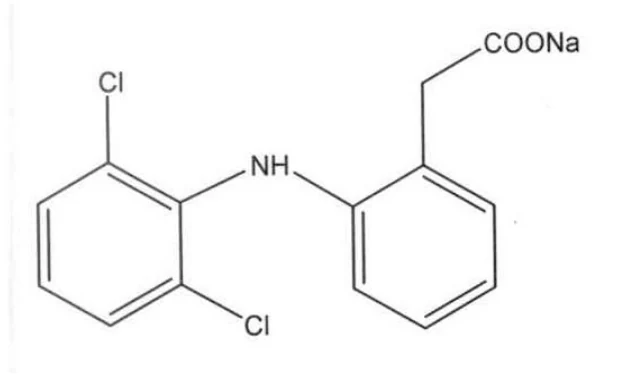
Physicochemical properties: Diclofenac sodium is a white to slightly yellowish-white crystalline powder. Diclofenac sodium is sparingly soluble in water, freely soluble in methanol, soluble in ethanol 95%, slightly soluble in acetone, and practically insoluble in ether.
Drug Substance: Misoprostol
Proper name: Misoprostol
Chemical name: (±)-Methyl (1R,2R,3R)-3-hydroxy-2-[(E)-(4RS)-4-hydroxy-4- methyl-1-octenyl]-5-oxocyclopentaneheptanoate
Molecular formula: C22H38O5
Molecular mass: 382.53 g/mol
Structural formula:
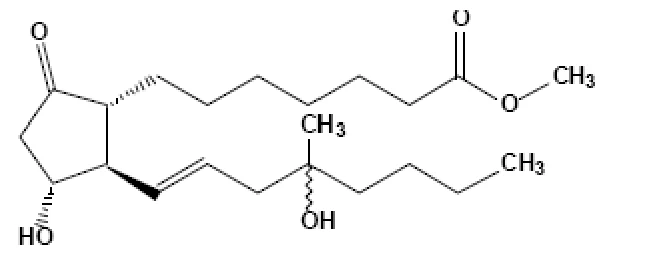
Physicochemical properties: Misoprostol is a clear pale yellow viscous liquid. Misoprostol is soluble in water and ethanol.
CLINICAL TRIALS
Comparative Bioavailability Study
A randomized, blinded, two period, two sequence, two treatment, single dose crossover study to assess the bioequivalence of ACT DICLO-MISO (Diclofenac/Misoprostol) 75 mg/200 mcg tablets and Arthrotec® (Diclofenac/Misoprostol), 75 mg/200 mcg tablets, manufactured by Pfizer Canada Inc. (Canada), was conducted in 36 healthy, adult male volunteers under fasting conditions (Study # 12896/10-11). A summary of the bioavailability data is presented in the tables below.
In addition, a randomized, blinded, two period, two sequence, two treatment, single dose crossover study to assess the bioequivalence of ACT DICLO-MISO (Diclofenac/Misoprostol) 75 mg/ 200 mcg tablets and Arthrotec® (Diclofenac/Misoprostol), 75 mg/200 mcg tablets, manufactured by Pfizer Canada Inc. (Canada), was conducted in 38 healthy, adult male volunteers under fed conditions (Study # 12897/10-11). A summary of the bioavailability data is presented in the tables below.
Comparative Bioavailability Data for ACT DICLO-MISO (Diclofenac sodium/Misoprostol) 75 mg/200 mcg Tablets vs. Arthrotec® 75 mg/200 mcg Tablets Administered under Fasting Conditions
Diclofenac (1 x 75 mg / 200 mcg Diclofenac sodium/Misoprostol) From measured diclofenac data Geometric Mean Arithmetic Mean (CV %) | ||||
|---|---|---|---|---|
| Parameter | Test* | Reference† | % Ratio of Geometric Means | 90% Confidence Interval |
AUCT (ng.hr/mL) | 2409.81 2463.91(21.76) | 2394.78 2458.65(22.19) | 100.63 | 95.11 – 106.47 |
AUCI (ng.hr/mL) | 2480.83 2533.51(21.18) | 2517.29 2573.40(20.06) | 98.55 | 94.19 – 103.11 |
Cmax (ng/mL) | 1761.29 1907.87(38.13) | 1731.74 1849.56(33.69) | 101.71 | 87.84 – 117.76 |
Tmax§ (h) | 1.00(0.75,5.00) | 1.00(0.50,10.00) | ||
T½€ (h) | 1.17(28.20) | 1.25(41.18) | ||
* Test Product: Diclofenac sodium / Misoprostol Tablets, 75 mg / 200 mcg
† Reference Product: PrArthrotec® 75. Tablets, 75 mg/200 mcg; Manufactured By: Pfizer Canada Inc., Licensee Kirkland (Quebec) H9J 2M5 (purchased in Canada)
§ Expressed as the median range only
€ Expressed as the arithmetic mean (CV%) only
Misoprostol Acid (1 x 75 mg/200 mcg Diclofenac sodium/Misoprostol) From measured data Geometric Mean Arithmetic Mean (CV %) | ||||
|---|---|---|---|---|
| Parameter | Test* | Reference† | % Ratio of Geometric Means | 90% Confidence Interval |
AUCT (pg.hr/mL) | 402.37 417.62 (27.16) | 414.27 433.61 (30.86) | 97.13 | 91.72 – 102.86 |
AUCI (pg.hr/mL) | 415.76 431.46(27.15) | 428.17 447.41(30.30) | 97.10 | 91.65 – 102.87 |
Cmax (pg/mL) | 617.76 649.13(32.86) | 640.27 681.69(37.23) | 96.48 | 87.44 – 106.46 |
Tmax§ (h) | 0.25(0.17,1.00) | 0.25(0.17,1.00) | ||
T½€ (h) | 0.65(44.10) | 0.61(30.36) | ||
* Test Product: Diclofenac sodium / Misoprostol Tablets, 75 mg / 200 mcg
† Reference Product: PrArthrotec® 75. Tablets, 75 mg/200 mcg; Manufactured By: Pfizer Canada Inc., Licensee Kirkland (Quebec) H9J 2M5 (purchased in Canada)
§ Expressed as the median range only
€ Expressed as the arithmetic mean (CV%) only
Comparative Bioavailability Data for ACT DICLO-MISO (Diclofenac sodium/Misoprostol)
75 mg/200 mcg Tablets vs. Arthrotec® 75 mg/200 mcg Tablets Administered under Fed Conditions
Diclofenac (1 x 75 mg / 200 mcg Diclofenac sodium/Misoprostol) From measured data Geometric Mean Arithmetic Mean (CV %) | ||||
|---|---|---|---|---|
| Parameter | Test* | Reference† | % Ratio of Geometric Means | 90% Confidence Interval |
AUCT (ng.hr/mL) | 2500.76 2701.66 (35.80) | 2664.41 2794.42 (35.23) | 93.86 | (85.20, 103.40) |
AUCI £ (ng.hr/mL) | 2771.48 2908.69 (30.29) | 2690.71 2791.94 (28.71) | 103.00 | (97.35, 108.98) |
Cmax (ng/mL) | 1856.99 2222.27 (59.90) | 1769.68 2089.29 (60.55) | 104.93 | (86.90, 126.71) |
Tmax§ (h) | 3.50 (1.00, 12.00) | 4.25 (1.50, 8.00) | ||
T½€ (h) | 1.130 (56.48) | 1.123 (37.86) | ||
* Single oral dose of Diclofenac sodium / Misoprostol Tablets, 75 mg / 200 mcg under fed condition
† Single oral dose of PrArthrotec® 75. Tablets, 75 mg/200 mcg under fed condition; Manufactured By: Pfizer Canada inc.,licensee Kirkland (Quebec) H9J 2M5
£ Data on 37 subjects
§ For Tmax, Median (range) is presented
€ For T½ arithmetic mean (CV%) is presented. Data on 37 subjects.
Misoprostol Acid (1 x 75 mg/200 mcg Diclofenac sodium/Misoprostol) From measured data Geometric Mean Arithmetic Mean (CV %) | ||||
|---|---|---|---|---|
| Parameter | Test* | Reference† | % Ratio of Geometric Means | 90% Confidence Interval |
AUCT (pg.hr/mL) | 407.63 429.26 (34.70) | 419.73 445.15 (38.74) | 97.12 | (92.55, 101.91) |
AUCI £ (pg.hr/mL) | 447.61 463.73 (34.88) | 460.22 488.65 (34.71) | 97.26 | (91.63, 103.24) |
Cmax (pg/mL) | 200.40 239.72 (79.16) | 196.04 218.29 (49.53) | 102.23 | (90.41, 115.60) |
Tmax§ (h) | 0.33 (0.17, 4.00) | 1.33 (0.17, 5.00) | ||
T½€ (h) | 1.325 (62.30) | 1.120 (39.71) | ||
* Single oral dose of Diclofenac sodium / Misoprostol Tablets, 75 mg / 200 mcg under fed condition
† Single oral dose of PrArthrotec® 75. Tablets, 75 mg/200 mcg under fed condition; Manufactured By: Pfizer Canada inc.,licensee Kirkland (Quebec) H9J 2M5
£ Data on 37 subjects
§ For Tmax, Median (range) is presented
€ For T½ arithmetic mean (CV%) is presented. Data on 37 subjects.
Safety and Efficacy Trials
Large meta-analyses of randomized clinical trials show that diclofenac is associated with an increased incidence of stroke, cardiovascular death, and death from any cause when compared with placebo. Data also suggest that diclofenac, particularly when used at a high dose (150 mg daily), may have a higher risk of thrombotic CV events than other NSAIDs.
Large population-based observational studies, meta-analyses and systematic reviews suggest that diclofenac use is associated with an increased incidence of cardiovascular thrombotic events, including myocardial infarction and ischemic stroke. Results of some studies suggest that the CV risk is related to the dose and duration of diclofenac exposure and is greater in patients with risk factors for CV disease.
In two multicentre, double-blind, controlled clinical trials of 12 weeks duration involving a total of 346 and 339 patients with rheumatoid arthritis respectively, patient global assessments of the arthritic condition revealed no statistically significant differences between Diclofenac sodium plus Misoprostol 50 and a fixed-combination of diclofenac/placebo.
In two multicentre, double-blind, controlled trials of four weeks duration in 455 and 361 patients with osteoarthritis, patient global assessments of the arthritic condition revealed no overall differences between Diclofenac sodium plus Misoprostol 50 and diclofenac/placebo.
A multicentre, double-blind, controlled trial of 6 weeks duration involving a total of 572 patients
(154 in the diclofenac group, 152 in the Diclofenac sodium plus Misoprostol 50 group, 175 in the
Diclofenac sodium plus Misoprostol 75 group and 91 in the placebo group) showed that Diclofenac sodium plus Misoprostol 50 three times daily and Diclofenac sodium plus Misoprostol 75 twice daily were equivalent to diclofenac/placebo in relieving the signs and symptoms of osteoarthritis.
A multicentre, double-blind, controlled trial of 12 weeks duration involving a total of 380 patients (107 in the diclofenac group, 107 in the Diclofenac sodium plus Misoprostol 50 group, 111 in the Diclofenac sodium plus Misoprostol 75 group and 55 in the placebo group) showed that Diclofenac sodium plus Misoprostol 50 three times daily and Diclofenac sodium plus Misoprostol 75 twice daily were equivalent to diclofenac/placebo in relieving the signs and symptoms of rheumatoid arthritis.
Misoprostol has been compared to placebo in the prevention of clinically significant and serious gastrointestinal events associated with NSAID use. In a six-month, double-blind study of 8,843 patients (4,404 in the misoprostol group, 4,439 in the placebo group, mean age 68 years) with rheumatoid arthritis, misoprostol significantly reduced the incidence of serious complications, such as gastrointestinal bleeding and ulcer perforation, by 40-50%.
Diclofenac sodium plus Misoprostol is associated with a low incidence of gastroduodenal lesions relative to diclofenac/placebo.
DETAILED PHARMACOLOGY
Diclofenac inhibits cyclo-oxygenase and thus reduces prostaglandin synthesis. This inhibition is believed to underlie the anti-inflammatory and analgesic effects of diclofenac. In addition, evidence suggests that increases in plasma beta-endorphin concentrations may mediate diclofenac-induced analgesia. The inhibition of prostaglandin synthesis is also believed to be involved in diclofenac-induced gastroduodenal mucosal injury. Increases in fecal blood loss and endoscopically verified mucosal damage were associated with diclofenac, as were increases in gastric transmural potential difference (i.e., an index of gastric irritation). Diclofenac has also demonstrated significant inhibition of platelet aggregation induced by adenosine diphosphate (ADP), adrenalin and collagen. However, its effects on spontaneous aggregation appear to vary with the disease state of the patient. Increases in blood urea have been associated with diclofenac in patients with osteoarthritis, but decreases in proteinurea were seen in patients with membranoproliferative disease or IgA glomerulonephritis.
Misoprostol enhances several of the factors implicated in maintaining gastroduodenal mucosal integrity. Basal-, histamine- and meal-stimulated acid secretion are reduced by misoprostol. Mucosal blood flow which supplies nutrients and oxygen to the gastric mucosa has been shown to be increased by misoprostol. Misoprostol increases bicarbonate secretion from the proximal and distal segments of the duodenum in a dose-related manner. Misoprostol also increases basal mucus concentration and pentagastrin-stimulated mucus output and concentration.
Co-administration of misoprostol with ASA did not significantly affect the antiplatelet effects associated with ASA alone. Misoprostol reduced the decrement in renal function observed in patients with alcoholic cirrhosis and ascites who were receiving indomethacin.
Misoprostol 200 mcg co-administered with diclofenac 50 mg TID to healthy volunteers had no clinically significant antiplatelet effects and would present no additional risk of bleeding diathesis apart from that due to diclofenac alone. The concurrent administration of diclofenac 50 mg BID and misoprostol 200 mcg BID did not produce a significant treatment difference for whole bowel transit time, stool frequency or stool consistency from administration of either of the individual compounds. Misoprostol did not exacerbate renal impairment in rheumatoid arthritis patients with mild to moderate renal impairment who were receiving diclofenac for their arthritis.
TOXICOLOGY
Single-Dose Toxicity
Diclofenac Sodium
| Species | Route | LD50 Range (mg/kg) |
| Mouse | p.o. | 185-541 |
| i.v. | 92-147 | |
| Rat | p.o. | 55-240 |
| i.v. | 97-161 | |
| Rabbit | p.o. | 125-300 |
| Dog | p.o. | >800 |
| Monkey | p.o. | 3200 |
The main clinical signs included convulsions, saltatory spasms, reduced activity, diarrhea and signs of acute systemic illness. The oral LD50 for the dog was >800 mg/kg and for the monkey 3200 mg/kg. Dogs had transient anorexia, diarrhea and duodenal erosions. Monkeys had diarrhea, anorexia, emesis, salivation and rectal ulcers.
Misoprostol
| Species | Route | LD50 Range (mg/kg) |
| Mouse | p.o. | 27-138 |
| i.p. | 70-160 | |
| Rat | p.o. | 81-100 |
| i.p. | 40-62 | |
| Dog | p.o. | 9.0* |
*single value
The main clinical signs were reduced activity and diarrhea in the mouse and rat. The main clinical signs in the dog were emesis, diarrhea, tremors and mydriasis.
Diclofenac Sodium/Misoprostol
(250:1; diclofenac sodium/misoprostol)
| Species | Sex | Route | *LD50 Range (mg/kg) |
| Mouse | M | p.o. | 110-190 |
| F | i.p. | 140-240 | |
| Rat | M | p.o. | 220-490 |
| F | i.p. | 110-180 |
*Expressed as dosage of diclofenac sodium
Repeat-Dose Toxicity
Diclofenac Sodium
Studies in Rats with Diclofenac Sodium:
Studies of 4, 13, 15 and 26 weeks were done either in Wistar or Sprague-Dawley strains.
All rats in an oral 4-week study at doses of 0.5 to 16 mg/kg died within seven days. The main findings were necrosis (ulceration of the gastrointestinal mucosa, peritoneal adhesions, hypertrophy of mesenteric nodes and spleen, hemorrhages and hypoplasia of bone marrow). No deaths occurred in a diet admix study at doses up to 2 mg/kg, and there were no gastrointestinal ulcers. There were no adverse effects in one subcutaneous study at doses up to 6 mg/kg but in another subcutaneous study, one female at 10 mg/kg died and three had intestinal ulcers. Two females at the 6 mg/kg dose also had ulcers.
In the 15-week and 90-day studies with 4 and 6 mg/kg, respectively, there were significant decreases in hemoglobin, packed cell volume, total protein and alpha globulin. Significant increases occurred in reticulocytes and neutrophils. No gastrointestinal lesions were found in the 13-week study, but one 6 mg/kg rat in the 15-week study had fibrinopurulent peritonitis.
In a 6-month rat study at doses from 0.25 to 4 mg/kg, no effects occurred up to 1 mg/kg. At 2 mg/kg, females had an increase in neutrophils and hypertrophied mesenteric nodes. At 4 mg/kg, females had lowered hemoglobin, hematocrit and erythrocyte counts and an increase in leucocytes and neutrophils. Some also had intestinal ulcers with peritonitis and enlarged mesenteric nodes.
In a 98-week diet admix study in rats at doses of 0.25, 1.0 and 2.0 mg/kg, the high dose was terminated at 59 weeks because of deaths; 54% in males and 92% in females. Rats in the medium and high-dose groups had lowered hemoglobin, hematocrit and erythrocyte counts, and neutrophilic leucocytosis. Females at 1 and 2 mg/kg had lowered serum glucose and raised serum alkaline phosphatase activity. Livers of the four surviving high-dose females at week 59 weighed about 1.5 times more than control livers. Adrenal weight for medium and high-dose females was significantly increased.
Drug-related morphologic changes included splenomegaly, enlarged mesenteric nodes, ulceration of the small intestine, peritonitis (mainly in 1.0 and 2.0 mg/kg dose females), adrenocortical atrophy, prostatitis and plasma cell hyperplasia of mesenteric nodes.
Studies in Dogs with Diclofenac Sodium:
Studies of 16, 30 and 90 days were done by oral doses ranging from 0.5 to 10 mg/kg. Drug-related deaths or severe illness characterized by weakness and weight loss occurred at doses as low as 1.0 mg/kg. Findings were as follows: lowering of hemoglobin, hematocrit, erythrocyte count, total protein and albumin, elevation of leucocyte and reticulocyte counts and alpha and beta globulins, and marked hematopoiesis in the spleen with splenomegaly.
Changes were associated with erosions and perforated ulcers of the gastric and duodenal mucosa. No changes were reported at the low dose of 0.5 mg/kg in the 90-day study.
Studies in Primates with Diclofenac Sodium:
In a 3-month study in Rhesus monkeys at 5, 15 and 50 mg/kg and in a 6-month study at 5, 15 and 75 mg/kg, deaths occurred only at 75 mg/kg. Diarrhea/loose stools occurred at all doses. Hemoglobin, hematocrit and erythrocyte counts were decreased at all doses, while platelets, leucocytes and reticulocytes were increased. There were no gross or microscopic changes at doses up to 50 mg/kg. At 75 mg/kg the following were noted: alkaline phosphatase and blood urea nitrogen levels were elevated, total protein was decreased, liver weight was increased with signs of cellular vacuolation and hypertrophy, cellular vacuolation of kidneys with hyaline casts and debris in tubules and erosions/ulcers and hemorrhage in the gastrointestinal tract.
A one-year oral toxicity study was done in baboons at doses of 5, 15 and 50 mg/kg/day. Administration of the high dose was discontinued on day 19 and reinitiated on day 38 at a lower dose of 30 mg/kg. The medium dose was reduced from 15 mg/kg to 10 mg/kg on day 254. Five of 16 medium and 15 of 16 high-dose animals died or were killed in extremis. The main signs were emesis, shivering, lethargy, skin ulcers, bloody feces, facial edema and greatly reduced weight gain. At the medium and high doses, there was a dose-related decrease in hemoglobin, hematocrit value and erythrocyte count, and an increase in reticulocytes, neutrophilic leucocytes and platelets, with a left shift in the differential count. Serum globulins were increased. Shallow colonic ulcers were seen at the low dose. At the high dose, there were gastrointestinal ulcers, some of which had perforated with resultant peritonitis. Gastrointestinal changes at the low and medium doses were less severe. Animals allowed to recover had no drug-related lesions of the stomach or intestines.
Misoprostol
Studies in Rats with Misoprostol:
Two 4, 5, 13 and 52 weeks toxicity studies were done in rats at daily oral dosages up to 9,000 mcg/kg. There were no drug related deaths.
The clinical signs were diarrhea, salivation, vaginal dilation and discharge, decreased body weight gain and increased food consumption.
In the 52-week study, there were no abnormal clinical signs at 160 mcg/kg and all signs at the higher doses were absent at the end of a 13-week reversal period.
Clinical laboratory changes included decreases in serum total protein and increases in serum iron. Study serum total protein decreased approximately 7 to 11% at 9,000 mcg/kg.
Hyperkeratosis of the aglandular part of the stomach and mucosal epithelial hyperplasia of the glandular part were the prominent gross and microscopic changes at all dosages. Hyperplasia of the superficial epithelial cells of the colon was observed at 9,000 mcg/kg, but were absent at the end of the reversal period. The morphologic changes in the stomach were reflected in increased stomach weights and stomach to body weight ratios.
Electron microscopy of the stomach mucosa of some control and high dose (9,000 mcg/kg) animals showed the aglandular part of the stomach of treated animals had hyperkeratosis on the mucosal surface but the mucosal cells and keratin had normal structure. The corpus and antrum of the high dose rats had increased depth of gastric pits.
Studies in Dogs with Misoprostol:
Two 5, 13, and 52-week toxicity studies were conducted in beagle dogs at daily oral dosages ranging from 30 to 1,000 mcg/kg/day. The most prominent clinical signs were emesis, diarrhea, soft and/or mucoid stools and increased rectal temperatures.
The clinical observations were absent or decreased in severity at the end of the reversal periods (13 and 52 week studies).
One animal was killed in extremis at 300 mcg/kg during the first week of the study because it had stopped eating.
In the 52-week study, mean chloride concentrations were significantly increased, approximately 2, 4 and 5% in females at 30, 100 and 300 mcg/kg dosages, respectively. There were no abnormal clinical laboratory findings at the end of the reversal periods.
Radiographic examination of long bones was performed after 10 months in the 52-week toxicity and showed no significant differences between misoprostol-treated and control animals. There was no evidence of hyperostosis.
Reversible gastric mucosal epithelial hyperplasia was a consistent gross and microscopic change.
After a four-week recovery period in the 13-week study, a slight villous epithelial hyperplasia remained in the 480 mcg/kg group. After a three-month recovery period in the 52-week study, there were no gross changes in the stomach and only one 300 mcg/kg group male dog had hyperplasia of the pyloric epithelium.
Diclofenac Sodium/Misoprostol
| Species | Period | No Significant Toxic Effect (mg/kg)* | Minimum Lethal Dose (mg/kg)* |
| Rat | 4 weeks | >6 | >6 |
| 6 months | 1 | 6 | |
| Dog | 4 weeks | 0.5 | 2 |
| Monkeys | 6 months | >6 | 50 |
*Expressed as dosage of diclofenac sodium (p.o. daily dose)
Studies in Rats with Diclofenac Sodium/Misoprostol:
In a 4-week oral study in rats, the dosages of misoprostol and diclofenac sodium, respectively, were 2, 8 and 24 mcg/kg and 0.5, 2 and 6 mg/kg. Two other groups were given diclofenac sodium alone at 0.5 and 6 mg/kg. There were no deaths, clinical signs and gross and microscopic changes. Serum albumin concentrations were decreased in all treated females at all doses.
In a 6-month oral study in rats, the dosages of misoprostol and diclofenac sodium, respectively, were 4, 10, and 24 mcg/kg and 1, 2.5, and 6 mg/kg. Three other groups were given diclofenac sodium alone at 1, 2.5 and 6 mg/kg. Gross and microscopic findings, seen primarily in the females of the high dosage groups, included jejunal ulceration, frequently associated with a granulation tissue reaction, jejunal dilatation and/or thickening, and diffuse peritonitis.
The splenic enlargement and extramedullary hematopoiesis of the spleen were considered secondary to ulceration. Jejunal ulcers were present in two females of the high combination group after the 4-week reversal period.
Hematological and serum chemical changes included anemia, thrombocytosis, neutrophilic leucocytosis, decreased serum protein and albumin, and increased alkaline phosphatase. Most of the changes were still present at the end of the reversal period. These changes were considered consistent with direct or indirect ulcerogenic effects of diclofenac on the gastrointestinal tract.
Studies in Dogs with Diclofenac Sodium/Misoprostol:
In a 4-week oral study in dogs, the dosages of misoprostol and diclofenac sodium, respectively, were 2, 4 and 8 mcg/kg and 0.5, 1 and 2 mg/kg. Two other groups were given diclofenac sodium alone at 0.5 and 2 mg/kg. One dog died at the high diclofenac dose and three at the high combined dose. These deaths were attributed to the effects of diclofenac.
Clinical signs in the two high dose groups included dark or bloody feces, loose stools, emesis, reduced activity and pale mucous membranes. Gross and microscopic findings included gastrointestinal ulcers, peritonitis, necrosis/edema of the renal crest, increased splenic hematopoiesis, and thymic and prostatic atrophy. Dogs in the two high dose groups were anemic and had neutrophilic leucocytosis, lowered plasma protein, albumin and calcium. In the two high dose groups mean splenic weight was increased and mean thymic weight decreased.
Diclofenac induced injury to the renal crest (hyperemia, edema and necrosis) in equal incidence whether given alone or in combination with misoprostol. There was a significant difference in severity of the lesions with necrosis occurring in 1/8 animals given the combination compared to 3/8 animals given diclofenac alone.
Studies in Monkeys with Diclofenac Sodium/Misoprostol:
In a 26-week oral study in Cynomolgus monkeys, the dosages of misoprostol and diclofenac sodium, respectively, were 24, 68 and 200 mcg/kg and 6, 17, and 50 mg/kg. Two other groups were given diclofenac sodium alone at 6 and 50 mg/kg. Clinical signs of loose stools and salivation were mainly observed in combination groups and were considered to be related to the effect of misoprostol.
Significantly decreased body weight gains were observed in high-diclofenac males starting at week 3 and were not present at the end of the reversal period. Gross and microscopic changes including hyperemia, hemorrhages, and ulcerations of the gastrointestinal tract with various inflammatory reactions in other organs including peritonitis were seen in animals dying during the study and in animals from both high dose groups at the scheduled 26-week sacrifice. In a high-diclofenac female, acute myocarditis and pericarditis were associated with suppurative pyelonephritis. After 4 weeks reversal, cecal mucosal hemorrhage was still observed in two high combination males and one male each from the low and high-diclofenac groups.
Clinical laboratory changes were observed in animals of both high dose groups, but were generally more marked in animals treated with diclofenac alone. These changes included: anemia with increased reticulocytes and neutrophil count and decreased lymphocytes; thrombocytosis; decreased serum albumin and calcium; and increased serum globulin. With the exception of the reticulocyte counts in the high dose diclofenac group, the clinical laboratory changes were no longer observed or were subsiding at the end of the reversal period.
Genotoxicity
Diclofenac Sodium
No evidence of mutagenic potential was found in the following test systems: Ames Salmonella/microsome assay and yeast (S. cereviseae) mutation, mouse lymphoma TK+/- assay, nucleus anomaly in Chinese hamster bone marrow cells, chromosomal aberration and dominant lethal.
Misoprostol
The mutagenic/carcinogenic potential of misoprostol was evaluated in five in vitro assays: Ames Salmonella/microsome assay; mouse lymphoma TK+/- assay; sister chromatid exchange assay; yeast gene conversion assay; and the C3H 10T1/2 cell transformation assay. Misoprostol was negative in all tests. Ames tests were also negative for misoprostol degradation products (SC-29636, SC-32759, SC-33188).
Diclofenac Sodium/Misoprostol
No evidence of mutagenicity was found in the following test systems: Ames Salmonella/microsome assay, CHO/HGPRT mutation assay, in vitro chromosome aberration assay in rat lymphocytes and in the mouse bone marrow micronucleus test.
Carcinogenicity
Carcinogenicity studies were conducted with misoprostol in rats and mice and with diclofenac sodium in rats. Neither diclofenac nor misoprostol is carcinogenic. Carcinogenicity studies have not been conducted with the combination of diclofenac sodium and misoprostol.
Reproductive and Developmental Toxicity
Reproductive Studies:
Diclofenac Sodium
Fertility (Segment I) and perinatal/postnatal (Segment III) studies were performed in the rat and teratology (Segment II) studies were performed in the mouse, rat and rabbit. There was no effect on fertility but maternal toxicity (intestinal ulcers and peritonitis) was produced at the high dose of 4 mg/kg. Postnatal growth and survival of pups in the Segment I study were equal between treated and control groups.
No teratogenic effects were evident in any of the Segment II studies but maternotoxicity and embryotoxicity occurred in some. Diclofenac has been shown to cross the placental barrier in mice and rats. Maternal deaths occurred at both doses of 2 and 4 mg/kg in the Segment III study.
All dams that died or were killed in extremis had peritonitis, presumably associated with intestinal ulcers. Stillbirths and resorptions were higher in the two treated groups. Pups from dams receiving 4 mg/kg grew at a slower rate after the first week. Viability of offspring from surviving dams was not reduced.
Misoprostol
Fertility (Segment I) and perinatal/postnatal (Segment III) studies in rat and teratology (Segment
II) studies in rat and rabbit were performed. There were drug-related clinical signs of salivation, soft feces, lethargy, and unkempt appearance at the higher doses of misoprostol. At a dosage of 100 mcg/kg, no drug-related clinical signs occurred.
Although no drug-related deaths occurred, at doses of 1,600 mcg/kg and above in rats and 300 mcg/kg and above in rabbits decreases in body weights of male or female animals given misoprostol were observed.
In two rat fertility studies the number of implantations was decreased at 1,600 mcg/kg and above. An increased number of resorptions occurred at 1,000 and 10,000 mcg/kg in one study but were not reproduced in other studies. The increased number of resorptions and decreased number of implantations accounted for a decreased number of live fetuses or pups at 10,000 mcg/kg, whereas the decreased number of implantations accounted for a decreased number of fetuses at 1,600 mcg/kg. Fetal and pup survival or growth were unaffected. Behavioral, sensory, and reproductive assessment of the F1 offspring revealed no adverse effects.
There was no evidence of embryotoxicity, fetotoxicity, or teratogenicity in two teratology rat studies at the maximum dosage of 10,000 mcg/kg.
No evidence of fetotoxicity or teratogenicity was observed in two teratology rabbit studies at the maximum dosage of 1,000 mcg/kg. However, there was an increased number of resorptions, evidence of possible embryotoxicity, in one of the two studies at 1,000 mcg/kg.
In the perinatal/postnatal study, pup growth at 10,000 mcg/kg was retarded as evidenced by the decreased weight gain during lactation. However, pup survival was unaffected.
Diclofenac Sodium/Misoprostol
One oral teratology (Segment II) study was done in rabbits. The dosages of misoprostol and diclofenac sodium, respectively, were 4, 12 and 40 mcg/kg and 1, 3 and 10 mg/kg. At the high dose, there was lowered food intake, decreased weight gain, embryotoxicity and one possibly drug-related death.
At the lower doses, neither embryotoxicity nor maternotoxicity was noted. There was no evidence at any dose of fetotoxicity or teratogenicity.
REFERENCES
NSAIDs
- 1. Armstrong CP, Blower AL. Nonsteroidal anti-inflammatory drugs and life threatening complications of peptic ulceration. Gut 1987;28:527-532.
- 2. Champion MC. NSAID-associated mucosal damage and ulceration - Incidence, etiology, prophylaxis and treatment. Can J Gastroenterol July 1993;7(5):427-439.
- 3. Larkai EN, Smith JL, Lidsky MD, Graham DY. Gastroduodenal mucosa and dyspeptic symptoms in arthritic patients during chronic nonsteroidal anti-inflammatory drug use. Am J Gastroenterol 1987;82:1153-1158.
- 4. Somerville K, Faulkner G, Langman M. Non-steroidal anti-inflammatory drugs and bleeding peptic ulcer. Lancet 1986;1:462-464.
DICLOFENAC
- 1. Brogden RN, Heel RC, Pakes GE, Speight TM, Avery GS. Diclofenac Sodium: A review of its pharmacological properties and therapeutic use in rheumatic diseases and pain of varying origin. Drugs 1980;20:24-48.
- 2. Todd PA, Sorkin EM. Diclofenac sodium: A reappraisal of its pharmacodynamic and pharmacokinetic properties, and therapeutic efficacy. Drugs 1988;35:244-285.
- 3. Willis, JV, Kendall, MJ, Flinn, RM, Thornhill, DP, Welling PG. The pharmacokinetics of diclofenac sodium following intravenous and oral administration. Eur J Clin Pharmacol 1979;16:405-410.
MISOPROSTOL
- 1. Dajani EZ, Nissen CH. Gastrointestinal cytoprotective effects of misoprostol: clinical efficacy overview. Dig Dis Sci 1985;30:194S-200S.
- 2. Graham DY. Agrawal NM, Roth SH. Prevention of NSAID-induced gastric ulcer with misoprostol: multicentre, double-blind, placebo-controlled trial. Lancet 1988;3:1277-1280.
- 3. Karim A. Antiulcer prostaglandin misoprostol: single and multiple dose pharmacokinetic profile. Prostaglandins 1987;33(Suppl):40-50.
- 4. Steiner JA. Misoprostol clinical pharmacology: establishment of activity in man. Dig Dis Sci 1985;30:136S-141S.
- 5. Roth S, Agrawal N, Mahowald M, Montoya H, Robbins D, Miller S, Nutting E, Woods E, Crager M, Nissen C, Swabb E. Misoprostol heals gastroduodenal injury in patients with rheumatoid arthritis receiving aspirin. Arch Int Med 1989;149:775-779.
- 6. Silverstein FE, Graham DY, Senior JR, Davies HW, Struthers BJ, Bittman RM, Geis GS. Misoprostol reduces serious gastrointestinal complications in patients with rheumatoid arthritis receiving nonsteroidal anti-inflammatory drugs. Annals of Internal Medicine, August 15, 1995;123(4):241-249.
DICLOFENAC SODIUM/MISOPROSTOL
- 1. Geis GS, Stead H, Wallemark C, Nicholson PA. Prevalence of mucosal lesions in the stomach and duodenum due to chronic use of NSAID in patients with rheumatoid arthritis or osteoarthritis, an interim report on prevention by misoprostol of diclofenac associated lesions. J Rheumatol 1991;18:11-14.
- 2. Stead H, Geis GS. Treatment of NSAID-induced gastric and duodenal ulcers with misoprostol in patients with rheumatoid arthritis or osteoarthritis. Brit J Rheum 1992;31 (Suppl 2):177.
- 3. Geis GS, Erhardt LJ, Stead H. Prevention of diclofenac-induced gastroduodenal mucosal ulcers by misoprostol: a one year study. Brit J Rheum 1992;31 (Suppl 2):180.
DICLOFENAC SODIUM PLUS MISOPROSTOL
- 1. Verdickt W, Moran C, Hantzschel H, Fraga AM, Stead H, Geis GS. A double-blind comparison of the gastroduodenal safety and efficacy of diclofenac and a fixed dose combination of diclofenac and misoprostol in the treatment of rheumatoid arthritis. Scand J Rheum 1992;21:85-91.
- 2. Bolten W, De Melo Gomes JA, Stead H, Geis GS. The gastroduodenal safety and efficacy of the fixed combination of diclofenac and misoprostol in the treatment of osteoarthritis. Brit J Rheum 1992;31:753-758.
- 3. Hannequin JR. Efficacy of Arthrotec in the treatment of rheumatoid arthritis. Scand J Rheumatol 1992;Suppl 96:7-14.
- 4. Doherty M. The efficacy of Arthrotec in the treatment of osteoarthritis. Scand J Rheumatol 1992; Suppl 96:15-21.
- 5. De Melo Gomes JA. The safety of Arthrotec in patients with rheumatoid arthritis or osteoarthritis: An assessment of the upper gastrointestinal tract by endoscopy. Scand J Rheumatol 1992; Suppl 96:23-31.
- 6. Geis GS. Overall safety of Arthrotec. Scand J Rheumatol 1992; Suppl 96:33-36.
- 7. De Melo Gomes JA, Roth SH, Zech J, Bruyn GAW, Woods EM, Geis GS. Double-blind comparison of efficacy and gastroduodenal safety of diclofenac/misoprostol, piroxicam, and naproxen in the treatment of osteoarthritis. Annals of the Rheumatic Diseases 1993;52:881-885.
- 8. Karim A, Smith M. Biopharmaceutical profile of diclofenac-misoprostol combination tablet, Arthrotec. Scand J Rheumatol 1992;Suppl 96:37-48.
- 9. Kiff PS, Stead H, Morant SV, Shield MJ. Arthrotec, diclofenac and ibuprofen in general practice. European J Rheumatol 1994;14(Issue 3):31-38.
- 10. De Queriroz MV, Beaulieu A, Kruger MD, Woods E, Stead H, Geis GS. Double-blind comparison of the efficacy of diclofenac/misoprostol and diclofenac in the treatment of rheumatoid arthritis. Eur J Rheumatol Inflam 1994;14(Issue 2):5-13.
- 11. Product Monograph for Arthrotec 50TM and Arthrotec 75TM manufactured by Pfizer Canada Inc., Kirkland, Quebec. Submission Control No 185625; Date of Revision: October 13, 2015.