


Product Monograph - Act Raloxifene
SUMMARY PRODUCT INFORMATION
Route of Administration | Dosage Form / Strength | Clinically Relevant Nonmedicinal Ingredients |
| Oral | Tablet/60 mg | Lactose monohydrate For a complete listing see Dosage Forms, Composition and Packaging section. |
INDICATIONS AND CLINICAL USE
ACT RALOXIFENE (raloxifene hydrochloride) is indicated for:
- The treatment of osteoporosis in postmenopausal women.
- The prevention of osteoporosis in postmenopausal women.
Women with diagnosed postmenopausal osteoporosis should be considered for pharmacologic therapy, in conjunction with education and appropriate lifestyle modifications.
No single clinical finding or test result can quantify risk of postmenopausal osteoporosis with certainty. However, clinical assessment can help to identify women at increased risk. Widely accepted risk factors include Caucasian or Asian descent, slender body build, early estrogen deficiency, smoking, alcohol consumption, low calcium diet, sedentary lifestyle, personal history of any fracture after age 40 and family history of osteoporosis. The greater the number of clinical risk factors, the greater the probability of developing postmenopausal osteoporosis. These risk factors may be considered in the decision to use ACT RALOXIFENE for prevention of postmenopausal osteoporosis.
For either osteoporosis treatment or prevention, supplemental calcium and/or vitamin D should be added to the diet if daily intake is inadequate.
Geriatrics: Safety and efficacy in older and younger postmenopausal women in the osteoporosis treatment trial appeared to be comparable (see WARNINGS AND PRECAUTIONS).
Pediatrics: The safety and efficacy of ACT RALOXIFENE have not been studied in pediatric populations. ACT RALOXIFENE should not be used in pediatric patients (see WARNINGS AND PRECAUTIONS).
CONTRAINDICATIONS
- Patients who are hypersensitive to this drug or to any ingredient in the formulation or component of the container. For a complete listing, see DOSAGE FORMS, COMPOSITION and PACKAGING section of the Product Monograph.
- Women of childbearing potential. ACT RALOXIFENE therapy during pregnancy may be associated with an increased risk of congenital defects in the fetus.
- Women with active or past history of venous thromboembolic events, including deep vein thrombosis, pulmonary embolism, and retinal vein thrombosis.
WARNINGS AND PRECAUTIONS
General
Concurrent Estrogen Therapy: Safety information regarding the concurrent use of raloxifene hydrochloride and systemic hormone therapy (estrogen with or without progestin) is limited and therefore concomitant use of ACT RALOXIFENE with systemic estrogens is not recommended.
Endometrium: Unexplained uterine bleeding should be investigated as clinically indicated.
Breast: Any unexplained breast abnormality occurring during ACT RALOXIFENE therapy should be investigated.
| Other Osteoporosis Treatment and Prevention Measures: Patients should be instructed to take | |
| supplemental calcium and/or vitamin D, if daily dietary intake is inadequate. Weight-bearing | |
| exercise should be considered along with the modification of certain behavioral factors, such as | |
| cigarette smoking, and/or alcohol consumption, if these factors exist. | |
| Cardiovascular | |
| Vasodilatation | |
| ACT RALOXIFENE is not effective in reducing vasodilatation (hot flashes or flushes) | |
| associated with estrogen deficiency. In some patients, vasodilatation may occur upon | |
| beginning ACT RALOXIFENE therapy. | |
Venous Thromboembolic Events (VTE)
The risk-benefit balance should be considered in women at risk of thromboembolic disease for any reason. ACT RALOXIFENE should be discontinued at least 72 hours prior to and during prolonged immobilization (e.g. post-surgical recovery, prolonged bed rest) and ACT RALOXIFENE therapy should be resumed only after the patient is fully ambulatory. In clinical
trials raloxifene hydrochloride-treated women had an increased risk of venous thromboembolism (deep vein thrombosis and pulmonary embolism). VTE events reported in the osteoporosis treatment and prevention trials were infrequent (1.44, 3.32 and 3.63 events per 1,000 person-years for placebo, raloxifene 60 mg/day and raloxifene 120 mg/day, respectively). The incidence rate of VTE reported from the Raloxifene Use for The Heart (RUTH) study was 2.70 and 3.88 events per 1,000 person-years for placebo and raloxifene 60mg/day, respectively.
Other venous thromboembolic events could also occur. A less serious event, superficial thrombophlebitis, also has been reported more frequently with raloxifene hydrochloride. The greatest risk for deep vein thrombosis and pulmonary embolism occurs during the first 4 months of treatment, and the magnitude of risk is similar to that associated with use of hormone replacement therapy.
Stroke
The risk-benefit balance of ACT RALOXIFENE in postmenopausal women with a history of stroke or other significant stroke risk factors, such as transient ischemic attack or atrial fibrillation, should be considered when prescribing ACT RALOXIFENE. The RUTH trial investigated the effects of raloxifene hydrochloride in postmenopausal women (average age = 67 years) with known heart disease or at high risk for a coronary event. The RUTH trial demonstrated an increase in mortality due to stroke for raloxifene hydrochloride compared to placebo. The incidence of stroke mortality was 1.5 per 1,000 women per year for placebo versus 2.2 per 1,000 women per year for raloxifene hydrochloride (p=0.0499). The incidence of stroke, myocardial infarction, hospitalized acute coronary syndrome, cardiovascular mortality, or overall mortality (all causes combined) was comparable for raloxifene hydrochloride and placebo.
Endocrine and Metabolism
Estrogen-Induced Hypertriglyceridemia
Patients with a history of estrogen-induced hypertriglyceridemia can experience an increase in triglyceride levels during treatment with raloxifene hydrochloride. Therefore, triglyceride levels should be followed in such patients and the risk-benefit balance of raloxifene hydrochloride treatment in such cases should be reassessed (see CLINICAL TRIALS, Effects on Lipid Metabolism).
Hepatic Dysfunction
Raloxifene was studied as a single dose in patients with Child-Pugh Class A cirrhosis with total serum bilirubin ranging from 0.6 to 2.0 mg/dL (10.3 to 34.2 mmol/L). Plasma raloxifene concentrations were approximately 2.5 times higher than in controls and correlated with total bilirubin concentrations. Safety and efficacy have not been established in patients with moderate or severe hepatic insufficiency.
Lipid Metabolism
Raloxifene hydrochloride lowers serum total and LDL cholesterol by 6% to 11%, but does not affect serum concentrations of total HDL cholesterol or triglycerides. HDL-2 cholesterol
subfraction is increased by raloxifene hydrochloride. These effects should be taken into account in therapeutic decisions for patients who may require therapy for hyperlipidemia. Concurrent use of raloxifene hydrochloride and lipid lowering agents has not been studied.
Peri-Operative Considerations
Patient Immobilization
ACT RALOXIFENE should be discontinued at least 72 hours prior to and during prolonged immobilization (e.g. post surgical recovery, prolonged bed rest) and ACT RALOXIFENE therapy should be resumed only after the patient is fully ambulatory because of the increased risk of venous thromboembolic events.
Psychiatric
Cognition and Affect
Any change in cognition and affect during ACT RALOXIFENE therapy should be investigated as clinically indicated.
Special Populations
Pregnancy
ACT RALOXIFENE should not be used in women who are or may become pregnant (see CONTRAINDICATIONS).
Nursing Women
ACT RALOXIFENE should not be used by lactating women (see CONTRAINDICATIONS). It is not known whether raloxifene is excreted in human milk.
Premenopausal Use
Safety of ACT RALOXIFENE in premenopausal women has not been established and its use is not indicated.
Pediatrics (< 18 years of age)
ACT RALOXIFENE should not be used in pediatric patients.
Geriatrics
In the osteoporosis treatment trial of 7705 postmenopausal women, 4621 women were considered geriatric (greater than 65 years old). Of these, 845 women were greater than 75 years old. Safety and efficacy in older and younger postmenopausal women in the osteoporosis treatment trial appeared to be comparable.
Use in Men
There is no indication for use of ACT RALOXIFENE in men.
Monitoring and Laboratory Tests
If ACT RALOXIFENE is given concomitantly with warfarin or other coumarin derivatives, the prothrombin time should be monitored when starting or stopping therapy with ACT RALOXIFENE (see DRUG INTERACTIONS section).
ADVERSE REACTIONS
The safety of raloxifene has been established in Phase 2 and Phase 3 placebo-controlled, estrogen-controlled, and HRT-controlled studies. Twelve studies comprised the primary safety database for the prevention indication, and the safety of raloxifene in the treatment of osteoporosis was assessed in a large, multinational, placebo-controlled trial. In the osteoporosis prevention trials, the duration of treatment ranged from 2 to 30 months and 2036 women were exposed to raloxifene. In the osteoporosis treatment trial, 5129 women were exposed to raloxifene (2557 received 60 mg/day and 2572 received 120 mg/day) for 36 months. The osteoporosis treatment trial was extended by 12 months to a 4th year during which patients were permitted the concomitant use of bisphosphonates, fluorides and calcitonins.
Adverse Drug Reaction Overview
The most commonly observed treatment-emergent adverse events associated with the use of raloxifene hydrochloride in double-blind, placebo-controlled, osteoporosis treatment and prevention clinical trials were vasodilatation and leg cramps.
Vasodilatation events (hot flashes or flushes) were common in placebo-treated women, and the frequency was modestly increased in raloxifene hydrochloride-treated women. The first occurrence of this event was most commonly reported during the first 6 months of treatment and infrequently was reported de novo after that time.
Venous thromboembolism (VTE) and pulmonary embolism are uncommon but serious adverse events associated with raloxifene therapy. The greatest risk for deep vein thrombosis and pulmonary embolism occurs during the first 4 months of treatment.
An increase in mortality due to stroke for raloxifene hydrochloride compared to placebo was demonstrated in the RUTH trial which investigated the effects of raloxifene hydrochloride in postmenopausal women (average age = 67 years) with known heart disease or at high risk for a coronary event, (see WARNINGS AND PRECAUTIONS).
The majority of adverse events occurring during clinical trials were mild and did not require discontinuation of therapy. Discontinuation of therapy due to any clinical adverse experience occurred in 10.9% of 2557 raloxifene hydrochloride-treated women and 8.8% of 2576 placebo-treated women in the osteoporosis treatment trial, and in 11.4% of 581 raloxifene hydrochloride-treated women and 12.2% of 584 placebo-treated women in the osteoporosis prevention trials.
Clinical Trial Adverse Drug Reactions
Because clinical trials are conducted under very specific conditions the adverse reaction rates observed in the clinical trials may not reflect the rates observed in practice and should not be compared to the rates in the clinical trials of another drug. Adverse drug reaction information from clinical trials is useful for identifying drug-related adverse events and for approximating rates.
Adverse Events in Placebo-Controlled Clinical Trials
Table 1 lists adverse events occurring in either the osteoporosis treatment (up to 3 years) or prevention placebo-controlled clinical trials with raloxifene hydrochloride at a frequency ≥1.0% in raloxifene hydrochloride-treated women and at a significantly greater incidence than in placebo-treated women.
| Table 1: Adverse Events Occurring in Placebo-Controlled Osteoporosis Clinical | |
| Trials (up to 36 months) at a Frequency ≥1.0% in Raloxifene hydrochloride- | |
| treated (60 mg once daily) Women and at a Significantly Greater Incidence | |
| Than in Placebo-Treated Women | |
| Osteoporosis Treatment | Osteoporosis Prevention | ||||
| Raloxifene | Placebo | Raloxifene | Placebo | ||
| Hydrochloride | N=2576 | Hydrochloride | N=584 | ||
| N=2557 | % | N=581 | % | ||
| Body System | % | % | |||
| Body as a Whole | |||||
| Flu Syndrome | 13.5* | 11.4 | 14.6 | 13.5 | |
| Leg Cramps | 7.0* | 3.7 | 5.9* | 1.9 | |
| Cardiovascular | |||||
| Vasodilatation | 9.7* | 6.4 | 24.6 | 18.3 | |
| Metabolic and Nutritional | |||||
| Diabetes Mellitus | 1.2* | 0.5 | A | A | |
| A Placebo incidence greater than or equal to raloxifene hydrochloride incidence. | |||||
| * Significantly (p<0.05) different from placebo. | |||||
Glycemic Control
Diabetes mellitus was reported more frequently as an adverse event among raloxifene hydrochloride-treated patients (1.2%) compared with placebo-treated patients (0.5%) in the osteoporosis treatment trial. However, there were no differences between the raloxifene and placebo groups in either fasting glucose or hemoglobin A1c (objective measures of glycemic control) in the osteoporosis treatment trial.
Peripheral Edema in the Treatment and Prevention Trials
A significant dose trend was observed for peripheral edema in the treatment and prevention studies. Cumulative frequency of the event at the 60 mg/day dose was 5.2% for raloxifene hydrochloride-treated patients versus 4.4% for placebo treated patients in the treatment study, and 3.1% for raloxifene hydrochloride-treated patients versus 1.9% for placebo-treated patients in the prevention studies, which was not a statistically significant difference.
48-Month Osteoporosis Treatment Trial Adverse Events
The osteoporosis treatment trial was extended by 12 months to a 4th year during which patients were permitted the concomitant use of bisphosphonates, fluorides and calcitonins. The incidence trend of treatment-emergent adverse events occurring at a frequency ≥1.0% in raloxifene hydrochloride-treated women, and at a significantly greater incidence than in placebo-treated women after year 4 of the osteoporosis treatment trial, were generally similar to the 1 to 3 year results presented in Table 1.
At 48 months in the osteoporosis treatment trial, vasodilatation was reported in 10.6% of patients on raloxifene hydrochloride versus 7.1% of placebo patients (p<0.001), and leg cramps were reported in 9.2% of patients on raloxifene hydrochloride versus 6.0% of placebo patients (p<0.001).
At 48 months in the same osteoporosis treatment trial, flu syndrome (16.2% of raloxifene hydrochloride treated patients versus 14.0% of placebo patients), uterine disorder (endometrial cavity fluid in 12.7% of raloxifene hydrochloride treated patients versus 9.6% of placebo patients), diabetes mellitus (1.5% of raloxifene hydrochloride treated patients versus 0.7% of placebo patients), and peripheral edema (7.1% of raloxifene hydrochloride treated patients versus 6.1% of placebo patients) were also treatment-emergent adverse events which occurred more frequently with patients receiving raloxifene hydrochloride compared to placebo (p<0.05).
Adverse Reactions in a Placebo-Controlled Trial of Postmenopausal Women at Increased Risk for Major Coronary Events
The safety of raloxifene hydrochloride (60 mg once daily) was assessed in a placebo-controlled multinational trial of 10,101 postmenopausal women (age range 55-92) with documented coronary heart disease (CHD) or multiple CHD risk factors. Median study drug exposure was 5.1 years for both treatment groups (see CLINICAL TRIALS). Therapy was discontinued due to an adverse event in 25% of 5044 raloxifene hydrochloride-treated women and 24% of 5057 placebo-treated women. The incidence per year of all-cause mortality was comparable between the raloxifene (2.07%) and placebo (2.25%) groups.
Adverse reactions reported at a frequency of ≥2.0%, which were considered to be possibly related to raloxifene hydrochloride, and which occurred at a statistically significantly greater rate than placebo, were peripheral edema (14.1% raloxifene versus 11.7% placebo), muscle spasms/leg cramps (12.1% raloxifene versus 8.3% placebo), hot flashes (7.8% raloxifene versus 4.7% placebo), venous thromboembolic events (2.0% raloxifene versus 1.4% placebo), and
| cholelithiasis (3.3% raloxifene versus 2.6% placebo). Although cholelithiasis was reported more | |
| frequently for raloxifene than placebo, reports of cholecystectomy (2.3% raloxifene versus 2.0% | |
| placebo) were not significantly different. | |
| Bladder cancer was reported in 0.2% (10/5044) of patients on raloxifene hydrochloride versus | |
| 0.1% (4/5057) of placebo patients in the RUTH trial. In an osteoporosis placebo-controlled | |
| treatment trial, bladder cancer was reported in 0.1% (3/5129) of patients on raloxifene | |
| hydrochloride versus 0.2% (4/2576) of placebo patients. | |
| Comparison of Raloxifene Hydrochloride and Hormone Replacement Therapy Adverse | |
| Events | |
| Raloxifene hydrochloride (N=317) was compared with continuous combined (N=96) | |
| hormone replacement therapy (HRT) or cyclic estrogen plus progestin HRT in 3 clinical | |
| trials for prevention of osteoporosis. | |
The incidence of breast pain (4.4% for raloxifene hydrochloride-treated patients, 37.5% for continuous combined HRT-treated patients, and 29.7% for cyclic estrogen plus progestin HRT-treated patients), vaginal bleeding (6.2% for raloxifene hydrochloride -treated patients, 64.2% for continuous combined HRT-treated patients and 88.5% for cyclic estrogen plus progestin HRT-treated patients), and abdominal pain (6.6% for raloxifene hydrochloride-treated patients, 10.4% for continuous combined HRT-treated patients, and 18.7% for cyclic estrogen plus progestin HRT-treated patients) were significantly lower in raloxifene hydrochloride-treated patients versus patients treated with either form of HRT (p<0.05).
Conversely, the incidence of vasodilatation (28.7% for raloxifene hydrochloride-treated patients, 3.1% for continuous combined HRT-treated patients, and 5.9% for cyclic estrogen plus progestin HRT-treated patients) was significantly greater in raloxifene hydrochloride-treated patients versus patients treated with either form of HRT (p<0.05).
Laboratory Changes: The following changes in analyte concentrations are commonly observed during raloxifene hydrochloride therapy: increased serum HDL-2 cholesterol subfraction and apolipoprotein A1; and reduced serum total cholesterol, LDL cholesterol, fibrinogen, apolipoprotein B, and lipoprotein (a). Raloxifene hydrochloride modestly increases hormone-binding globulin concentrations, including sex steroid binding globulin, thyroxine binding globulin, and corticosteroid binding globulin with corresponding increases in measured total hormone concentrations. There is no evidence that these changes in hormone binding globulin concentrations affect concentrations of the corresponding free hormones.
DRUG INTERACTIONS
Clinically Significant Drug-Drug Interactions
Cholestyramine: Cholestyramine, an anion exchange resin, significantly reduces the absorption and enterohepatic cycling of raloxifene and should not be co-administered with raloxifene. Although not specifically studied, it is anticipated that other anion exchange resins would have a similar effect.
Warfarin: Co-administration of raloxifene and warfarin does not alter the pharmacokinetics of either compound. However, modest decreases in prothrombin time have been observed in single-dose studies. If raloxifene is given concurrently with warfarin or other coumarin derivatives, prothrombin time should be monitored.
Drug-Drug Interactions
Ampicillin and Other Oral Antimicrobials: Peak concentrations of raloxifene are reduced with co-administration of ampicillin. The reduction in peak concentrations is consistent with reduced enterohepatic cycling associated with antibiotic reduction of enteric bacteria. Since the overall extent of absorption and the elimination rate of raloxifene are not affected, raloxifene can be concurrently administered with ampicillin. In the osteoporosis treatment trial, co-administered oral antimicrobial agents (including amoxicillin, cephalexin, ciprofloxacin, macrolide antibiotics, sulfamethoxazole/trimethoprim and tetracycline) had no effect on plasma raloxifene concentrations.
Corticosteroids: The chronic administration of raloxifene in postmenopausal women has no effect on the pharmacokinetics of methylprednisolone given as a single oral dose.
Digoxin: Raloxifene has no effect on the pharmacokinetics of digoxin. In the osteoporosis treatment trial, co-administered digoxin had no effect on plasma raloxifene concentration.
Gastrointestinal Medications: Concurrent administration of calcium carbonate or aluminum and magnesium hydroxide-containing antacids does not affect the systemic exposure of raloxifene. In the osteoporosis treatment trial, co-administered gastrointestinal medications (including bisacodyl, cisapride, docusate, H2-antagonists, laxatives, loperamide, omeprazole and psyllium) had no effect on plasma raloxifene concentration.
Highly Protein-Bound Drugs: Raloxifene is more than 95% bound to plasma proteins. The influence of co-administered highly protein-bound drugs (including diazepam, gemfibrozil, ibuprofen, naproxen and warfarin) on raloxifene plasma concentrations was evaluated in the osteoporosis treatment trial. No clinically significant effects of these agents on raloxifene plasma concentrations were identified. In vitro, raloxifene did not affect the binding of phenytoin, tamoxifen or warfarin.
Highly Glucuronidated Drugs: Raloxifene undergoes extensive first-pass metabolism to glucuronide conjugates. The influence of co-administered highly glucuronidated drugs (including acetaminophen, ketoprofen, morphine and oxazepam) on raloxifene plasma concentrations was
evaluated in the osteoporosis treatment trial. No clinically significant effects of these agents on raloxifene plasma concentrations were identified.
Other Medications: The influence of concomitant medications on raloxifene plasma concentrations was evaluated in the osteoporosis treatment clinical trial. The 152 most commonly co-administered medications were grouped by pharmacological class based on their therapeutic use. Frequently co-administered drugs included: ACE inhibitors and angiotensin antagonists, alpha agonists and antagonists, anticholinergics, antidepressants, antimicrobials, antipsychotics, benzodiazepines, beta blockers and agonists, bisphosphonates, calcium channel blockers, diuretics, estrogen preparations, glucocorticoids, guaifenesin, H1-antagonists, H2-antagonists and proton pump inhibitors, hypoglycemics, hypolipidemics, iron preparations, muscle relaxants, nitrates, non-benzodiazepine hypnotics, non-steroidal anti-inflammatory drugs (NSAIDs), opioid analgesics, theophylline and thyroid hormone. No clinically relevant effects of the co-administration of any of these agents on raloxifene plasma concentrations were observed.
Drug-Food Interactions
ACT RALOXIFENE can be administered without regard to meals.
Drug-Laboratory Interactions
Interactions with laboratory tests have not been established (see ADVERSE REACTIONS for additional laboratory safety information).
DOSAGE AND ADMINISTRATION
Recommended Dose
The recommended dosage is one 60-mg ACT RALOXIFENE tablet daily which may be administered any time of day without regard to meals.
Missed Dose
If a scheduled daily dose of ACT RALOXIFENE is missed, it should be taken as soon as remembered and one tablet once daily resumed. Do not take two doses at the same time.
OVERDOSAGE
In an 8-week study of 63 postmenopausal women, a dose of raloxifene HCl 600 mg/day was safely tolerated. In clinical trials, no overdose of raloxifene has been reported.
In post-marketing spontaneous reports, overdose has been reported very rarely (less than 1 out of 10,000 [<0.01%] patients treated). The highest overdose has been approximately 1.5 grams. No fatalities associated with overdose have been reported. In adults, symptoms reported in patients who took more than 120 mg as a single ingestion included leg cramps and dizziness. In some cases, no adverse events were reported as a result of the overdose.
In accidental overdose in children under 2 years of age, the maximum reported dose has been 180 mg. In children, symptoms reported included ataxia, dizziness, vomiting, rash, diarrhea, tremor, and flushing, as well as elevation in alkaline phosphatase.
There is no specific antidote for raloxifene.
For management of a suspected drug overdose, contact your regional Poison Control Centre immediately.
ACTION AND CLINICAL PHARMACOLOGY
Mechanism of Action
Raloxifene is a selective estrogen receptor modulator (SERM) that belongs to the benzothiophene class of compounds. The SERM profile of raloxifene includes estrogen agonist effects on bone and lipid metabolism, and estrogen antagonist effects in uterine and breast tissues. Raloxifene’s biological actions, like those of estrogen, are mediated through high-affinity binding to estrogen receptors and regulation of gene expression. This binding results in differential expression of multiple estrogen-regulated genes in different tissues.
Pharmacodynamics
Effects On the Skeleton
During early to middle adult life, bone undergoes continuous remodeling. In this process, local areas of bone resorption are refilled completely by ensuing bone formation; that is, resorption and formation are in balance. The result is that bone mass remains relatively constant. Ovarian estrogen is important for maintenance of this balance in bone turnover. Marked decreases in estrogen availability, such as after oophorectomy or menopause, lead to marked increases in bone resorption, accelerated bone loss and increased risk of fracture. After menopause, bone is initially lost rapidly because the compensatory increase in bone formation is inadequate to offset resorptive losses.
This imbalance between resorption and formation may be related to loss of estrogen, or to age-related impairment of osteoblasts or their precursors. Estrogen replacement therapy reduces resorption of bone by inhibiting the formation and action of osteoclasts, and decreases overall bone turnover. These effects on bone are manifested as reductions in the serum and urine levels of bone turnover markers, histologic evidence of decreased bone resorption and formation, and increased bone mineral density (BMD). Although raloxifene hydrochloride increases BMD to a lesser extent than estrogen, the effects of raloxifene hydrochloride on bone turnover in postmenopausal women parallel those of estrogen, as shown by studies of bone mineral densitometry, radiocalcium kinetics, bone markers, and bone histomorphometry. Raloxifene hydrochloride reduces biochemical markers of bone metabolism into the range seen in premenopausal women.
Pharmacokinetics
The disposition of raloxifene has been evaluated in more than 3000 postmenopausal women in selected raloxifene osteoporosis treatment and prevention clinical trials using a population approach. Pharmacokinetic data were also obtained in conventional clinical pharmacology studies in 292 postmenopausal women. Raloxifene exhibits high within-subject variability (approximately 30%) of most pharmacokinetic parameters. Table 2 summarizes the pharmacokinetic parameters of raloxifene.
Table 2: Summary of Raloxifene Pharmacokinetic Parameters in the Healthy
Postmenopausal Woman
| Cmaxa | AUC0-∞a | |||||
| CL/F | V/F | |||||
| (ng/mL)/ | t½ (hr) | (ng•hr/mL)/ | ||||
| (L/kg•hr) | (L/kg) | |||||
| (mg/kg) | (mg/kg) | |||||
| Single Dose | ||||||
| Mean | 0.50 | 27.7 | 27.2 | 44.1 | 2348 | |
| CV(%) | 52 | 10.7 to 273b | 44 | 46 | 52 | |
| Multiple Dose | ||||||
| Mean | 1.36 | 32.5 | 24.2 | 47.4 | 2853 | |
| CV(%) | 37 | 15.8 to 86.6 b | 36 | 41 | 56 | |
| Abbreviations: Cmax = maximum plasma concentration, t½ = half-life, AUC = area under the curve, CL =clearance, | ||||||
| V = volume of distribution, F = bioavailability, CV = coefficient of variation. | ||||||
| a data normalized based on dose in mg and body weight in kg | ||||||
| b range of observed half-life | ||||||
| Absorption: Raloxifene is absorbed rapidly after oral administration. Approximately 60% of an | ||||||
| oral dose is absorbed, but presystemic glucuronide conjugation is extensive. Absolute | ||||||
| bioavailability of raloxifene is 2.0%. The time to reach average maximum plasma concentration | ||||||
| and bioavailability are functions of systemic interconversion and enterohepatic cycling of | ||||||
| raloxifene and its glucuronide metabolites. | ||||||
| Administration of raloxifene HCl with a standardized, high-fat meal increases the absorption of | ||||||
| raloxifene slightly, but does not lead to clinically meaningful changes in systemic exposure. | ||||||
| ACT RALOXIFENE can be administered without regard to meals. | ||||||
| Distribution: Following oral administration of single doses ranging from 30 to 150 mg of | ||||||
| raloxifene HCl, the apparent volume of distribution is 2348 L/kg and is not dose dependent. | ||||||
| Raloxifene and the monoglucuronide conjugates are highly bound to plasma proteins. Raloxifene | ||||||
| binds to both albumin and α1-acid glycoprotein, but not to sex steroid binding globulin. | ||||||
| Metabolism: Biotransformation and disposition of raloxifene in humans have been determined | ||||||
| following oral administration of 14C-labeled raloxifene. Raloxifene undergoes extensive first-pass | ||||||
| metabolism to the glucuronide conjugates: raloxifene-4’-glucuronide, raloxifene-6-glucuronide, | ||||||
and raloxifene-6, 4’-diglucuronide. No other metabolites have been detected, providing strong evidence that raloxifene is not metabolized by cytochrome P450 pathways. Unconjugated raloxifene comprises less than 1% of the total radiolabeled material in plasma. The terminal log-linear portion of the plasma concentration curve for raloxifene and the glucuronides are generally parallel. This is consistent with interconversion of raloxifene and the glucuronide metabolites.
Following intravenous administration, raloxifene is cleared at a rate approximating hepatic blood flow. Apparent oral clearance is 44.1 L/kg•hr. Raloxifene and its glucuronide conjugates are interconverted by reversible systemic metabolism and enterohepatic cycling, thereby prolonging its plasma elimination half-life to 27.7 hours after oral dosing.
Results from single oral doses of raloxifene predict multiple-dose pharmacokinetics. Following chronic dosing, clearance ranges from 40 to 60 L/kg•hr. Increasing doses of raloxifene HCl (ranging from 30 to 150 mg) result in slightly less than a proportional increase in the area under the plasma time concentration curve (AUC).
Excretion: Raloxifene is primarily excreted in feces, and negligible amounts are excreted unchanged in urine. Less than 6% of the raloxifene dose is eliminated in urine as glucuronide conjugates.
Special Populations and Conditions
Geriatrics: The pharmacokinetics of raloxifene are independent of age (42 to 84 years).
Pediatrics: The pharmacokinetics of raloxifene have not been evaluated in a pediatric population.
Gender: Total extent of exposure and oral clearance, normalized for lean body weight, are not significantly different between age-matched male and female volunteers.
Race: Pharmacokinetic differences due to race have been studied in 1712 women including 97.5% Caucasian, 1.0% Asian, 0.7% Hispanic, and 0.5% Black in the osteoporosis treatment trial and in 1053 women including 93.5% Caucasian, 4.3% Hispanic, 1.2% Asian, and 0.5% Black in the osteoporosis prevention trials. There were no discernible differences in raloxifene plasma concentrations among these groups. The influence of race cannot be conclusively determined because of the small numbers of non-Caucasians.
Renal Insufficiency: Since negligible amounts of raloxifene are eliminated in urine, a study in patients with renal insufficiency was not conducted. In the osteoporosis treatment and prevention trials, raloxifene and metabolite concentrations were not affected by renal function in women having estimated creatinine clearance as low as 21 mL/min (0.35 mL/s). Raloxifene hydrochloride should be used with caution in patients with moderate or severe renal impairment. Safety and efficacy have not been established in patients with moderate or severe renal impairment.
Hepatic Insufficiency: Raloxifene was studied as a single dose in patients with Child-Pugh Class A cirrhosis with total serum bilirubin ranging from 0.6 to 2.0 mg/dL (10.3 to 34.2 mmol/L). Plasma raloxifene concentrations were approximately 2.5 times higher than in controls and correlated with bilirubin concentrations. Safety and efficacy have not been evaluated further in patients with hepatic insufficiency (see WARNINGS AND PRECAUTIONS).
STORAGE AND STABILITY
Store at room temperature, 15° to 30°C, in a dry place.
DOSAGE FORMS, COMPOSITION AND PACKAGING
ACT RALOXIFENE is supplied in a tablet dosage form for oral administration. Each ACT RALOXIFENE tablet contains 60 mg of raloxifene hydrochloride, which is the molar equivalent of 56.0 mg of free base.
Inactive ingredients include citric acid monohydrate, dibasic calcium phosphate, hypromellose, lactose monohydrate, magnesium stearate, microcrystalline cellulose, poloxamer, polyethylene glycol, sodium starch glycolate, and titanium dioxide.
ACT RALOXIFENE 60 mg tablets are white, elliptical, biconvex, film-coated tablets with ‘R121’ on one side and, blank on the other side. Available in blister pack of 30 tablets (3 x 10’s) and HDPE bottles of 100’s.
PART II: SCIENTIFIC INFORMATION
PHARMACEUTICAL INFORMATION
Drug Substance
Proper name: raloxifene hydrochloride
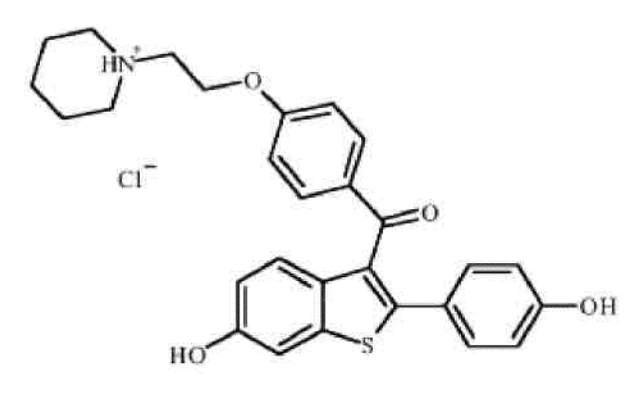
Chemical name: methanone, [6-hydroxy-2-(4-hydroxyphenyl) benzo[b] thien-3-yl]-
[4-[2-(1 piperidinyl)ethoxy]phenyl]-, hydrochloride
Molecular formula: C28H27NO4S•HCl
Molecular mass: 510.05 g/mol
Structural formula:
Physicochemical properties:
| Description: | Raloxifene hydrochloride is an off-white to pale-yellow |
| solid that is very slightly soluble in water. | |
| pH: | 4.5 (25 °C, saturated raloxifene hydrochloride solution in |
| water) | |
| pKa: | 8.44, 9.12, and 10.0 (extrapolated aqueous pKa's) |
| Melting Point: | 257-262 ºC |
CLINICAL TRIALS
Comparative Bioavailability Studies
A single dose crossover comparative bioavailability study of ACT RALOXIFENE 60 mg tablets and Evista® 60 mg tablets administered as 1x 60 mg tablets in healthy postmenopausal female volunteers under fasting conditions (n=42) was conducted. The results indicate that ACT RALOXIFENE 60mg tablets are bioequivalent to Evista® 60 mg tablets. The summary of results is presented in the following table:
Summary Table of the Comparative Bioavailability Data
Raloxifene (1 x 60 mg tablet) From measured data Geometric Mean Arithmetic Mean (CV %) | ||||
| Parameter | Test* | Reference† | % Ratio of Geometric Means | Confidence Interval (90%) |
AUC0-72 (pg·h/mL) | 12645.3 13722.8 (39.7) | 11128.6 11812.4 (33.2) | 113.63 | 107.78-119.79 |
AUCI (pg·h/mL) | 16404.7 18871.2 (49.4) | 14664.4 16152.9 (41.2) | 111.87 | 103.88-120.47 |
Cmax (pg/mL) | 409.1 479.5 (58.0) | 347.4 399.3 (58.6) | 117.48 | 104.62-132.54 |
Tmax§ (h) | 5.50 (0.500 – 48.00) | 5 (0.500 – 72.00) | ||
T½€ (h) | 37.04 (55.4) | 36.38 (52.5) | ||
* Test product: ACT RALOXIFENE 60 mg Tablets manufactured by Actavis Pharma Company. † Reference product: Evista 60 mg Tablets (manufactured by Eli Lilly) was purchased in Canada § Expressed as the median (range)
€ Expressed as the arithmetic mean (CV%)
In postmenopausal women with osteoporosis, raloxifene hydrochloride reduced the risk of fractures. Raloxifene hydrochloride also increased BMD of the spine, hip and total body.
Similarly, in postmenopausal women without osteoporosis, raloxifene hydrochloride preserved bone mass and increased BMD relative to calcium alone at 24 months. The effect on hip bone mass was similar to that for the spine.
Treatment of Osteoporosis
The effects of raloxifene hydrochloride on fracture incidence and BMD in postmenopausal women with osteoporosis were examined at 3 years in a large, randomized, placebo-controlled, double-blind multinational osteoporosis treatment trial. The study population consisted of 7705 postmenopausal women with osteoporosis as defined by: a) low BMD (vertebral or hip bone mineral density at least 2.5 standard deviations below the mean value for healthy young women) without baseline vertebral fractures, or b) one or more baseline vertebral fractures. Women enrolled in this study had a median age of 67 years (range 31 to 80) and a median time since menopause of 19 years. All women received calcium (500 mg/day) and vitamin D (400-600 IU/day).
Raloxifene hydrochloride, 60 mg administered once daily, decreased the incidence of one or more vertebral fractures by as much as 55% (Table 3) and increased BMD compared to an active therapy of calcium plus vitamin D supplemented placebo. Raloxifene hydrochloride reduced the incidence of vertebral fractures whether or not patients had experienced a previous fracture. The decrease in incidence of vertebral fracture was greater than could be accounted for by increase in BMD alone (Figure 1).
| Table 3: Effect of Raloxifene Hydrochloride on Risk of Vertebral Fractures | |||
| Number of Patients | Relative Risk | ||
| Raloxifene | Placebo | (95% CI) | |
| Hydrochloride | |||
| a | |||
| n=1401 | n=1457 | ||
| Patients with no baseline fracture | |||
| Number of patients with ≥1 new vertebral fracture | 27 | 62 | 0.45 |
| (0.29, 0.71) | |||
| a | |||
| n=858 | n=835 | ||
| Patients with ≥1 baseline fracture | |||
| Number of patients with ≥1 new vertebral fracture | 121 | 169 | 0.70 |
| (0.56, 0.86) | |||
| All randomized patients | n=2557 | n=2576 | |
| Number of patients with ≥1 new clinical (painful) | 47 | 81 | 0.59 |
| vertebral fracture | (0.41, 0.83) | ||
| a Includes all patients with baseline and at least one follow-up radiograph. | |||
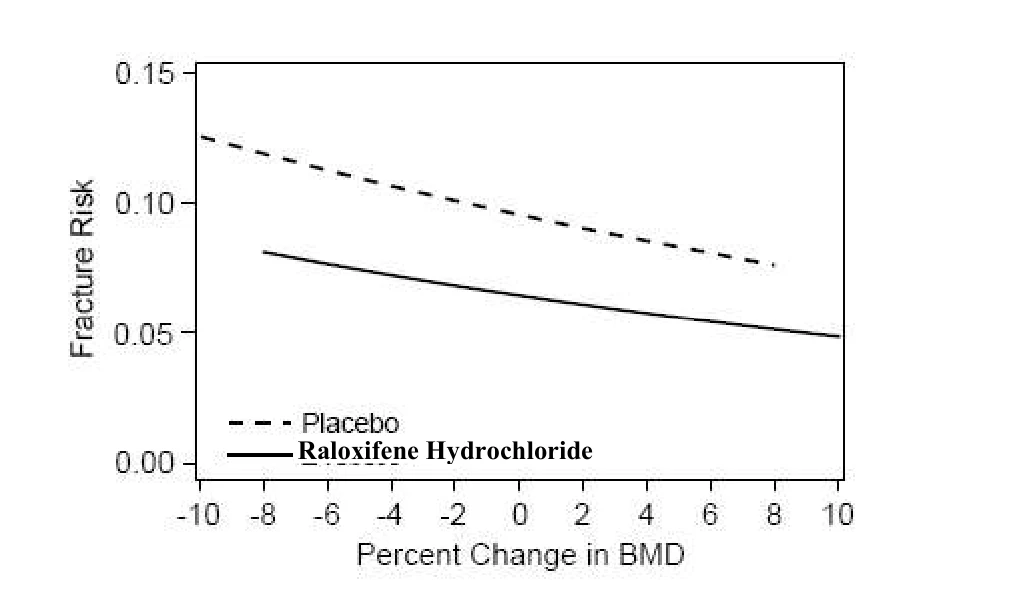
Figure 1: Changes in BMD do not fully account for vertebral fracture risk reduction.
This figure shows the correlation between vertebral fracture risk and percent change in femoral neck BMD at 3 years based on a logistic regression analysis of the clinical trial data. For any given change in BMD from baseline, raloxifene hydrochloride-treated patients had a lower risk for vertebral fracture compared to placebo.
Retrospective analysis of the patients in the osteoporosis treatment study, demonstrates that there was a statistically significant reduction (p<0.001) in the risk of clinical (symptomatic) vertebral fracture after 12 months of treatment. At 12 months the risk of clinical vertebral fractures was decreased by 68% (95% CI, 0.13-0.79) in postmenopausal women taking raloxifene hydrochloride 60 mg per day.
The same osteoporosis treatment study was extended by 12 months to a 4th year during which, patients were permitted the use of concomitant medications, including bisphosphonates, calcitonins and fluorides. The statistically significant reduction in vertebral fractures and increase in BMD seen at 3 years continued into the 4th year extension of the osteoporosis treatment study. The sustained reduction in vertebral fractures is illustrated in Figure 2 below, a Kaplan-Meier analysis of time to first vertebral fracture over the 48 months of the study.
Raloxifene Hydrochloride
TIME TO EVENT FOR VERBRAL FRACTURES
NEW FRACTURE PATIENTS H3S-MC-GGGK 48-MONTH INTERIM ANALYSIS
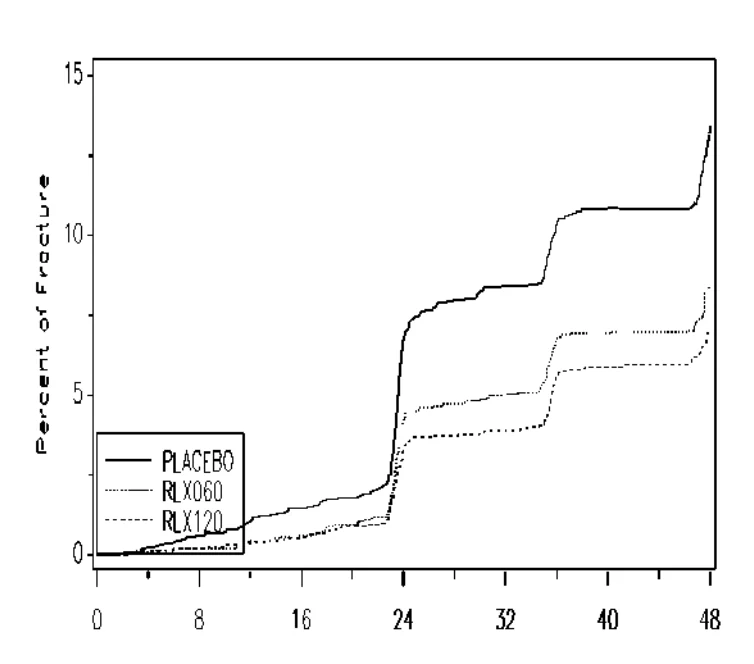
Months of Exposure
P-VALUE OF LOG-RANK <0.001
Figure 2: Time to Event for Vertebral Fractures Over 48 Months
Overall osteoporotic fracture risk was significantly reduced with raloxifene hydrochloride therapy. Over 4 years there was no difference seen in nonvertebral fracture incidence in women treated with raloxifene compared to placebo. At 3 years, the risk of individual nonvertebral fractures versus placebo decreased with increasing exposure to raloxifene hydrochloride.
At every time point, the mean percentage change in BMD from baseline for raloxifene hydrochloride was significantly greater than for placebo at each skeletal site measured (Table 4).
Table 4: Raloxifene hydrochloride (60 mg Once Daily) Related Increases in BMD for the Osteoporosis Treatment Study Expressed as Mean Percentage Increase versus calcium-and vitamin D-supplemented Placeboa
| Site | Time | ||
| 12 Months | 24 Months | 36 Months | |
| % | % | % | |
| Lumbar Spine | 2.0 | 2.6 | 2.6 |
| Femoral Neck | 1.3 | 1.9 | 2.1 |
| Ultradistal Radius | ND | 2.2 | ND |
| Distal Radius | ND | 0.9 | ND |
| Total Body | ND | 1.1 | ND |
Note: all BMD increases were statistically significant (p<0.001)
a Intent-to-treat analysis; last observation carried forward.
ND= not done (total body and radius BMD were measured only at 24 months)
Discontinuation from the study was required when excessive bone loss or multiple incident vertebral fractures occurred. Such discontinuation was significantly more frequent in the calcium- and vitamin D-supplemented placebo group (3.9%) than in the raloxifene hydrochloride group (1.1%).
Prevention of Osteoporosis
The effects of raloxifene hydrochloride on BMD in postmenopausal women were examined in three large randomized, placebo-controlled, double-blind osteoporosis prevention trials: (1) a North American trial enrolled 544 women; (2) a European trial, 601 women; and (3) an international trial, 619 women who had undergone hysterectomy. In these trials, all women received calcium supplementation (400 to 600 mg/day).
Raloxifene hydrochloride, 60 mg administered once daily, produced significant increases in bone mass versus calcium supplementation alone, as reflected by dual-energy x-ray absorptiometric (DXA) measurements of hip, spine, and total body BMD. The increases in BMD were statistically significant at 12 months and were maintained at 24 months (Table 5). In contrast, the calcium-supplemented placebo groups lost approximately 1% of BMD over 24 months.
Table 5: Raloxifene hydrochloride (60 mg Once Daily) Increases in BMD for the
Three Osteoporosis Prevention Studies Expressed as Percentage Increase versus Calcium-Supplemented Placebo at 24 Months
| Study | |||
| Site | NA | EU | a |
| INT | |||
| % | % | ||
| % | |||
| Total Hip | 2.0 | 2.4 | 1.3 |
| Femoral Neck | 2.1 | 2.5 | 1.6 |
| Trochanter | 2.2 | 2.7 | 1.3 |
| Intertrochanter | 2.3 | 2.4 | 1.3 |
| Lumbar Spine | 2.0 | 2.4 | 1.8 |
Abbreviations: NA = North American, EU = European, INT = international.
a All women in the study had previously undergone hysterectomy.
Raloxifene hydrochloride also increased BMD compared with placebo in the total body by 1.3% to 2.0% and in Ward’s Triangle (hip) by 3.1% to 4.0%. In the international trial, conjugated equine estrogen 0.625 mg/day (ERT) was used as an active comparator. The mean increases in BMD at 24 months for estrogen compared with placebo were: lumbar spine, 5.4%; total hip, 2.9%. Thus, in postmenopausal women, Raloxifene hydrochloride preserves bone mass and increases BMD significantly relative to calcium alone at 24 months. The effect on hip bone mass is similar to that for the spine.
Assessments of Bone Turnover
In a 31-week radiocalcium kinetics study, raloxifene hydrochloride was associated with reduced bone resorption and a positive shift in calcium balance (+60 mg Ca/day), due primarily to decreased urinary calcium losses. These findings were similar to those observed with hormone replacement therapy.
In both the osteoporosis treatment and prevention trials, raloxifene hydrochloride therapy resulted in consistent, statistically significant suppression of bone resorption, bone formation, and overall bone turnover, as reflected by changes in serum and urine markers of bone turnover (e.g. bone-specific alkaline phosphatase, osteocalcin, and collagen breakdown products). The suppression of bone turnover markers was evident by 3 months and persisted throughout the 36-month and 24-month observation periods, respectively.
Bone Histomorphometry
In the treatment study, bone biopsies for qualitative and quantitative histomorphometry were obtained at baseline and after 2 years of treatment. There were 56 paired biopsies evaluable for all indices. In raloxifene hydrochloride-treated patients, there were significant decreases in bone formation rate per tissue volume, consistent with a reduction in bone turnover. Normal bone
quality was maintained; specifically, there was no evidence of osteomalacia, marrow fibrosis, cellular toxicity or woven bone after 2 years of treatment.
The tissue- and cellular-level effects of raloxifene were assessed by quantitative measurements (bone histomorphometry) on animal bones and human iliac crest bone biopsies taken after administration of a fluorochrome substance to label areas of mineralizing bone. The effects of raloxifene hydrochloride on bone histomorphometry were determined by pre- and post-treatment biopsies in a 6-month study of postmenopausal women. Bone in raloxifene hydrochloride-treated women was histologically normal, showing no evidence of mineralization defects, woven bone, or marrow fibrosis. The patterns of change were consistent with reduced bone turnover, although most changes were not statistically significant. In another bone histomorphometry study, postmenopausal women were treated for 6 months with raloxifene HCl at a higher dose (150 mg/day). Bone was also histologically normal, with no woven bone, marrow fibrosis, or mineralization defects.
Effects on Lipid Metabolism
The effects of raloxifene hydrochloride on cardiovascular intermediate endpoints were evaluated in a 6-month study of 390 postmenopausal women. Raloxifene hydrochloride was compared with continuous combined estrogen/progestin (0.625 mg conjugated equine estrogen plus 2.5 mg medroxyprogesterone acetate, [HRT]) and placebo (Table 6). Raloxifene hydrochloride decreased serum total and LDL cholesterol without significant effects on serum total HDL cholesterol or triglycerides. Raloxifene hydrochloride significantly increased HDL-2 cholesterol subfraction. In addition, raloxifene hydrochloride significantly decreased serum fibrinogen and lipoprotein (a).
Table 6: Raloxifene Hydrochloride and HRT Effects on Cardiovascular Intermediate
Endpoints in a 6-Month Study -- Median Percentage Change from Baseline
| Treatment Group | ||||
| Endpoint | Raloxifene | |||
| PLACEBO | HRT | |||
| Hydrochloride | ||||
| (N=98) | (N=96) | |||
| (N=95) | ||||
| % | % | |||
| % | ||||
| Total Cholesterol | 0.9 | -6.6 | -4.4 | |
| LDL Cholesterol | 1.0 | -10.9 | -12.7 | |
| HDL Cholesterol | 0.9 | 0.7 | 10.6 | |
| HDL-2 Cholesterol | 0.0 | 15.4 | 33.3 | |
| Fibrinogen | -2.1 | -12.2 | -2.8 | |
| Lipoprotein (a) | 3.3 | -4.1 | -16.3 | |
| Triglycerides | -0.3 | -4.1 | 20.0 | |
| Abbreviations: HRT = continuous combined estrogen/progestin (0.625 mg conjugated equine estrogen plus 2.5 mg | ||||
| medroxyprogesterone acetate). | ||||
| Consistent with results from the 6-month study, in the osteoporosis treatment (36 months) and | |
| prevention (24 months) studies raloxifene hydrochloride significantly decreased serum total and | |
| LDL cholesterol, but did not increase HDL cholesterol or triglycerides. In the osteoporosis | |
| treatment study, significantly fewer raloxifene hydrochloride-treated patients required initiation of | |
| hypolipidemic therapy compared to placebo. Raloxifene hydrochloride has no effect on clinical | |
| cardiovascular outcomes, in spite of the observed changes in lipid profile measurements (see | |
| WARNINGS AND PRECAUTIONS and CLINICAL TRIALS, Effects on the Cardiovascular | |
| System). | |
| In a 12 patient, single-arm, open-label study in patients with a history of oral estrogen-induced | |
| marked hypertriglyceridemia (generally 5.6 to 39 mmol/L [500 to 3400 mg/dL]), 3 patients had | |
| increases of serum triglycerides to >11.3 mmol/L (1000 mg/dL) within 2 weeks after initiation of | |
| raloxifene hydrochloride therapy. In 2 of these 3 patients, serum triglyceride levels decreased | |
| while raloxifene hydrochloride was continued. Patients with this medical history should have | |
| serum triglycerides monitored when taking raloxifene hydrochloride. | |
| Effects on the Uterus | |
| In the osteoporosis treatment trial, endometrial thickness was evaluated annually in a subset of the | |
| study population (1781 patients) for 3 years. Endometrial thickness measurements in raloxifene | |
| hydrochloride-treated women were not different from baseline after 3 years of therapy. Placebo- | |
| treated women had a 0.27 mm decrease from baseline in endometrial thickness over 3 years. | |
| There was no difference between raloxifene hydrochloride- and placebo-treated women in the | |
| incidences of endometrial carcinoma, vaginal bleeding or vaginal discharge. | |
| In placebo-controlled osteoporosis prevention trials, endometrial thickness was evaluated every 6 | |
| months (for 24 months) by transvaginal ultrasonography (TVU), a non-invasive method of | |
| visualizing the uterus. A total of 2,978 TVU measurements were collected from 831 women in | |
| all dose groups. Raloxifene-treated women consistently had endometrial thickness measurements | |
| indistinguishable from placebo. Furthermore, there were no differences between the raloxifene | |
| and placebo groups with respect to the incidence of reported vaginal bleeding. | |
| In a 6-month study comparing raloxifene hydrochloride to conjugated equine estrogens (0.625 | |
| mg/day [ERT]), endpoint endometrial biopsies demonstrated stimulatory effects of ERT which | |
| were not observed for raloxifene hydrochloride (Table 7). All samples from raloxifene | |
| hydrochloride-treated women showed nonproliferative endometrium. |
| Table 7: Raloxifene Hydrochloride and ERT Effects on Endometrial Histology | ||||
| After 6-Months of Therapy | ||||
| Endpoint Biopsy Result | Treatment Group | |||
| Raloxifene | ERT | |||
| Hydrochloride | (n=8) | |||
| (n=10) | ||||
| a | 10 | 2 | ||
| Nonproliferative Endometrium | ||||
| Proliferative Tissue | 0 | 4 | ||
| Simple Hyperplasia | 0 | 2 | ||
| Abbreviations: ERT = conjugated equine estrogens (0.625 mg/day). | ||||
| a The term nonproliferative endometrium includes endometrial atrophy, surface endometrium, and inadequate | ||||
| sample. | ||||
| A 12-month study of uterine effects compared a higher dose of raloxifene HCl (150 mg/day) | ||||
| with HRT. At baseline, 43 raloxifene-treated women and 37 HRT-treated women had a | ||||
| nonproliferative endometrium. At study completion, endometrium in all of the raloxifene treated | ||||
| women remained nonproliferative whereas 13 HRT-treated women had developed proliferative | ||||
| changes. Also, HRT significantly increased uterine volume; raloxifene did not increase uterine | ||||
| volume. Thus, no stimulatory effect of raloxifene on the endometrium was detected at more than | ||||
| twice the recommended dose. | ||||
| Raloxifene hydrochloride does not increase the risk of ovarian carcinoma. | ||||
| Effects on the Breast | ||||
| Across all placebo-controlled trials, raloxifene hydrochloride was indistinguishable from placebo | ||||
| with regard to frequency and severity of breast symptoms. Raloxifene hydrochloride was | ||||
| associated with significantly fewer breast symptoms than reported by women receiving estrogens | ||||
| with or without added progestin (see ADVERSE REACTIONS). | ||||
| In clinical trials with raloxifene hydrochloride involving 17,151 patients, at least 10,850 women | ||||
| were exposed to raloxifene for up to 58 months. All cases of breast cancer in women enrolled in | ||||
| clinical trials were reviewed without knowledge of treatment status (blinded) by an independent | ||||
| Adjudication Review Board. There was a statistically significant reduction in the frequency of | ||||
| newly diagnosed invasive breast cancers in raloxifene-treated women compared with placebo. | ||||
| In a large 4-year randomized, placebo-controlled osteoporosis treatment trial, raloxifene | ||||
| compared to placebo reduced the incidence of invasive breast cancer by 72% (RR 0.28; 95% CI | ||||
| 0.17-0.46). The incidence rates were 5.3 per 1000 women-years for placebo, and 1.9 per 1000 | ||||
| women years for raloxifene. A portion of these patients participated in a 4-year placebo- | ||||
| controlled follow-up study. During the 4-year follow-up, raloxifene compared to placebo | ||||
| reduced the incidence of invasive breast cancer by 59% (HR 0.41; 95% CI 0.24-0.71). For the | ||||
| combined 8-year period, raloxifene reduced invasive breast cancer by 66% compared to placebo | ||||
(HR 0.34; 95%CI 0.22-0.50). These observations are consistent with the preclinical pharmacologic profile of raloxifene (selective estrogen receptor modulator) and support the conclusion that raloxifene hydrochloride has no intrinsic estrogen agonist activity in mammary tissue. The long-term effectiveness of raloxifene in reducing the risk of breast cancer has not been fully established.
Effects on the Central Nervous System
Raloxifene hydrochloride has not been associated with deterioration of cognitive function or a change in affect. In the Multiple Outcomes of Raloxifene Evaluation (MORE) trial, cognitive function was assessed as a secondary outcome in 7705 postmenopausal women with osteoporosis. Treatment with raloxifene at 60 mg/day or 120 mg/day for a 3 year period did not affect overall cognitive scores compared to placebo. In the same study, including a 1-year extension during which concomitant medications (bisphosphonates, calcitonins and fluorides) were permitted, neuropsychomotor tests showed no statistically significant differences between placebo and treatment groups for the 4 year period.
Effects on the Cardiovascular System:
In placebo-controlled clinical trials ranging from 6 months to 5 years in duration, raloxifene has been shown to have no significant effect on C-reactive protein, and to significantly lower LDL-cholesterol without changing HDL-cholesterol or triglyceride concentrations. In a large 4-year randomized, placebo-controlled osteoporosis treatment trial, there were no significant differences between raloxifene and placebo in the overall cohort with respect to combined coronary and cerebrovascular events.
The risk-benefit balance of raloxifene hydrochloride in postmenopausal women with a history of stroke or other significant stroke risk factors, such as transient ischemic attack or atrial fibrillation, should be considered when prescribing raloxifene hydrochloride. The Raloxifene Use for The Heart (RUTH) trial investigated the effects of raloxifene hydrochloride in postmenopausal women (average age = 67 years) with known heart disease or at high risk for a coronary event. The RUTH trial demonstrated an increase in mortality due to stroke for raloxifene hydrochloride compared to placebo. The incidence of stroke mortality was 1.5 per 1,000 women per year for placebo versus 2.2 per 1,000 women per year for raloxifene hydrochloride (p=0.0499). The incidence of stroke, myocardial infarction, hospitalized acute coronary syndrome, cardiovascular mortality, or overall mortality (all causes combined) was comparable for raloxifene hydrochloride and placebo. It can therefore be concluded that raloxifene hydrochloride has no effect on clinical cardiovascular outcomes, in spite of the observed changes in lipid profile measurements.
DETAILED PHARMACOLOGY
| Animal Pharmacology | |
| Effects on Bone: The effects of raloxifene on bone mass, architecture, and quality have been | |
| evaluated in young adult or aged rats that were ovariectomized and then orally dosed for up to 12 | |
| months. Bone densitometry and histomorphometry showed that raloxifene has efficacy | |
| comparable to 17α-ethynyl estradiol or 17β-estradiol in preventing the loss of trabecular bone | |
| resulting from ovariectomy. Biomechanical analyses of bone quality showed that raloxifene is as | |
| efficacious as 17α-ethynyl estradiol in maintaining the mechanical integrity and strength of the | |
| lumbar vertebrae, femoral neck, and femoral diaphysis. Bone densitometry of lumbar vertebrae, | |
| distal femora, or proximal tibiae suggested that raloxifene HCl has maximal efficacy at a dose of | |
| 1 mg/kg, and half-maximal efficacy (ED50) at 0.3 mg/kg. In vivo potency differences between | |
| raloxifene and estrogen were observed, with 17α-ethynyl estradiol more potent than raloxifene. | |
| Serum and urinary biochemical markers of bone metabolism also showed that the effects of | |
| raloxifene parallel those of estrogen in OVX rats. | |
| A similar pattern of activity was observed in OVX cynomolgus monkeys. Over a 2-year | |
| treatment period in OVX cynomolgus monkeys, raloxifene blunted the ovariectomy-induced | |
| elevation of circulating markers of bone metabolism and produced higher vertebral bone mineral | |
| density (BMD) when compared with OVX controls. While ovariectomy was not associated with | |
| consistently significant deficiencies in biomechanical strength of bone in this study, a significant | |
| correlation was observed between vertebral strength and vertebral BMD in control, estrogen-, | |
| and raloxifene-treated OVX monkeys. A significant correlation was also observed in OVX rats. | |
| Furthermore, after the 2-year treatment period, biomechanical analysis of material properties of | |
| milled bone samples from monkeys revealed no adverse effects of raloxifene treatment on bone | |
| quality. | |
| Histomorphometric evaluations in the OVX rat model showed that, similar to 17α-ethynyl | |
| estradiol, raloxifene blocks ovariectomy-stimulated bone resorption by inhibiting increases in | |
| osteoclast number, eroded perimeter, trabecular separation, and bone turnover. Raloxifene | |
| appears to have less suppressive effect on bone formation than estrogen under certain | |
| experimental conditions, although suppression of bone formation with raloxifene can be | |
| demonstrated in OVX rats and monkeys. Polarized light microscopy indicated that bone was of | |
| normal quality in the raloxifene-treated OVX monkeys following the 2-year treatment period, | |
| with no evidence of woven bone formation. | |
| Collectively, these studies demonstrate that the raloxifene profile of effects on bone in rats and | |
| monkeys is very similar to that of estrogen. | |
| Effects on the Cardiovascular System: The increased incidence of coronary heart | |
| disease in postmenopausal women is at least partially attributed to estrogen deficiency- | |
| induced changes in lipoprotein metabolism. Since the mechanisms by which estrogen | |
lowers cholesterol in rats and humans are similar (i.e. induction of hepatic LDL receptors and enhanced clearance of LDL-C), the rat is a useful species in which to study the pharmacological effects of estrogen-like compounds on cholesterol homeostasis. Thus, the ability of estrogen and estrogen-like compounds to lower serum cholesterol in rats may be predictive of human effects.
In OVX rats, raloxifene produces a marked cholesterol-lowering effect similar to that of estrogen. After 5 weeks of treatment, raloxifene HCl significantly lowered serum cholesterol at oral doses as low as 0.1 mg/kg, with an ED50 of 0.2 mg/kg. This cholesterol-lowering activity was maintained during administration of raloxifene for up to 12 months. Dose-response curves for cholesterol lowering produced by 17α-ethynyl estradiol in the presence or absence of raloxifene indicated that cholesterol lowering by these two agents is not additive when one of them is present at a maximally effective dose. The cholesterol-lowering effect of raloxifene in rats appears to involve ER-mediated induction of hepatic LDL-receptors, leading to enhanced clearance of serum lipoproteins containing apolipoprotein B or apolipoprotein E. Additionally, a similar reduction in serum total cholesterol was observed in OVX monkeys during 24 months of treatment with raloxifene HCl using dosages which produced plasma concentrations of raloxifene similar to those in postmenopausal women receiving 60 mg/day of the drug.
In cholesterol-fed OVX rabbits, treatment with raloxifene led to a significant reduction in the accumulation of aortic cholesterol. The magnitude of this reduction was less than that observed in similar rabbits treated with 17β-estradiol. However, the plasma concentrations of raloxifene achieved in this study were low, relative to plasma concentrations observed in clinical trials. Similar to the situation with estrogen, the effect of raloxifene on aortic cholesterol accumulation could not be fully explained by alterations in serum lipids alone. However, no reduction of a high-cholesterol-diet-induced thickening of coronary intima in monkeys was observed after treatment with raloxifene.
In addition to its cholesterol-lowering activity, raloxifene also produces other cardiovascular effects in vitro or in animal models. These include inhibition of endothelial cell activation, inhibition of smooth-muscle cell migration, inhibition of LDL oxidation, and inhibition of intimal thickening in response to balloon injury in rats. In ovariectomized cholesterol fed rabbits with pre-induced atherosclerosis, raloxifene and estradiol treatment for a 39 week period significantly reduced the progression of atherosclerosis (p<0.01) compared to placebo.
Effects on the Uterus: In estrogen deficient animals (rats, rabbits, monkeys) raloxifene fails to produce estrogen-like stimulation of the uterus. While a small, non-dose-related elevation of uterine weight has been observed in ovariectomized rats (an effect attributed to water retention in the stromal compartment), no stimulation of the endometrium or other estrogen-sensitive uterine markers (i.e. eosinophilia) was observed.
Raloxifene fails to mimic estrogen’s stimulatory effect on the uterus; it is a potent and complete antagonist of estrogen induced uterine weight gain, eosinophilia, endometrial c-fos expression
and glycogen synthesis. Raloxifene is unique among selective estrogen receptor modulators in this regard. The ability of raloxifene to function as a complete estrogen antagonist in the uterus is due to the lack of intrinsic activity at activating estrogen receptor mediated pathways in the uterus.
Effects on Mammary Tumours: Raloxifene completely antagonizes the proliferation of ER- dependent mammary tumour cells, including the MCF-7 human cell line, with an inhibitory concentration for 50% inhibition (IC50) value of approximately 0.2 nM in vitro. The antiproliferative effect of raloxifene on estrogen-receptor-positive human breast cancer cell lines can be demonstrated in the presence of added estrogen, but raloxifene produces no proliferative effect when administered to these cells in the absence of estrogen (ie, lack of direct estrogen agonist activity). As might be expected, raloxifene has no antiproliferative activity against nonestrogen-dependent mammary carcinoma lines, such as the androgen-sensitive Shionogi mouse mammary carcinoma. In vivo, raloxifene effectively antagonizes the growth of established mammary tumours induced by carcinogens, (ie, dimethylbenzanthracene [DMBA]) or implanted as xenografts in athymic mice (ie, MCF-7). Raloxifene also prevents the development of mammary tumours induced by the chemical carcinogen nitrosomethylurea (NMU). In this prevention model, raloxifene (at 20 mg/kg orally) reduced tumour incidence by 57% and tumour burden by 82%.
In Vitro Pharmacology
Thrombomodulin: An in vitro study in human umbilical vein endothelial cells has demonstrated the effect of raloxifene on upregulating thrombomodulin, which results in an enhancing of the anticoagulant properties of unstimulated and IL-1-activated endothelial cells. Thrombomodulin is involved in the feedback mechanism of the coagulation cascade and studies have indicated that impaired expression of thrombomodulin may contribute to an increased risk for cardiovascular disease. The extent to which the observed effects of raloxifene on thrombomodulin activity occur in vivo is unknown.
TOXICOLOGY
Acute Toxicity
No mortality occurred in mice or rats administered single 5000-mg/kg oral doses of raloxifene HCl. An intraperitoneal dose of 2000 mg/kg given to rats produced 20% mortality. Clinical signs were limited to leg weakness, soft stools, and compound-colored feces in rats given raloxifene orally and to leg weakness, hypoactivity, and poor grooming in rats given the compound parenterally. No effects were seen in dogs or monkeys given a single oral dose of 300 mg/kg. Rhesus monkeys tolerated a single 300-mg/kg dose of raloxifene without developing any physical signs of toxicity.
Repeated-Dose Toxicity
B6C3F1 mice administered raloxifene HCl in the diet for 3 months at average daily doses up to approximately 120 mg/kg had decreases in body weight gain with no associated toxicologically important effects. The most notable treatment-related finding was the estrogen antagonist effect of decreased uterine weight. The 6-month and 1-year dietary studies in Fischer 344 rats at doses up to approximately 25 mg/kg produced similar findings.
In males, there were treatment-related decreases in food consumption and body weight gain. In female rats, decreased uterine weights and moderate elevations in serum alkaline phosphatase occurred at all doses. Moderate increases in adrenal weights were also seen in rats that received raloxifene, but these increases were not associated with any substantive histologic changes. Mineralization of the corticomedullary tubules of the kidneys occurred in both male and female rats of all dose groups. In a 6-month study in dogs at doses up to 30 mg/kg, the only treatment- related findings were decreased prostate weights in 2 of the 4 high-dose dogs, and aspermatogenesis and slight prostatic atrophy in 1 of those 2 dogs. The effects on the prostate are consistent with the pharmacologic activity of raloxifene. No effects were observed in female dogs. There were no proliferative changes and no ocular effects in the chronic studies in rats and dogs.
In subchronic studies conducted with CD-1 mice, Fischer 344 rats, and cynomolgus monkeys using raloxifene doses up to approximately 1700, 700, and 1000 mg/kg, respectively, results were similar to those of the subchronic and chronic studies described previously. The primary findings in rodents included reduced food consumption and reduced body weight; decreased uterine and pituitary weights; and uterine hypoplasia, vaginal mucoid metaplasia, and ovarian changes. However, in female mice, body weight was increased at raloxifene doses ≥184 mg/kg. The most important effects seen in monkeys treated for 1 month were decreased food consumption, various stool abnormalities in high-dose animals, and reduced thymus weights in males. At all doses, reduced uterine weights and ovarian cysts were observed. With the exception of the abnormal stools in monkeys given 1000 mg/kg, all of the changes produced by raloxifene treatment were attributable to its estrogen agonist/antagonist activity.
A 1-year toxicity study was conducted in cynomolgus monkeys to evaluate the effects of raloxifene HCl on intact females, OVX females, and juvenile males at daily raloxifene doses of 0, 15, 30, or 100 mg/kg. Increases (2- to 6-fold above control values) in serum alanine transaminase (ALT) were observed in all groups of raloxifene-treated OVX females, but only in the mid- and high-dose groups of intact females. Serum ALT values in males were unaffected. Other serum enzymes associated with impaired liver function were not similarly increased, and there were no significant morphologic hepatocellular changes in any treated animals. Because estrogen has been shown to induce elevations in serum transaminases in the absence of hepatocellular damage, the increased serum ALT values seen in this study were likely related to the estrogenic activity of raloxifene in the liver and were not an indicator of hepatocellular damage. Reduced uterine weight and generalized atrophy of the uterus occurred in intact females
treated with raloxifene. In raloxifene-treated OVX females, the uteri were indistinguishable (in weight and morphology) from those of the OVX control group. Ovarian weights were significantly increased in the mid- and high-dose groups compared to the control. Ovaries in raloxifene-treated animals had developing follicles and/or corpora lutea, but no follicular cysts were seen in any treated animal. Pituitary weights were reduced in males at all dose levels and thymus weights were decreased in high-dose males, but neither of these changes was associated with any abnormal tissue morphology. There were no proliferative lesions in any tissues or organs and no ocular effects. All of the notable effects in this study were attributable to raloxifene's pharmacologic activity as a SERM, and were not considered to represent toxicologically important findings.
Carcinogenesis, Teratogenesis, Impairment of Fertility
In a 2-year carcinogenicity study in rats, an increased incidence in ovarian tumours of granulosa/theca cell origin was observed in females given 279 mg/kg. Systemic exposure (AUC) of raloxifene in this group was approximately 400 times that in postmenopausal women administered a 60 mg dose. In a 21-month carcinogenicity study in mice, there was an increased incidence of testicular interstitial cell tumours and prostatic adenomas and adenocarcinomas in males given 41 or 210 mg/kg, and prostatic leiomyoblastoma in males given 210 mg/kg. In female mice, an increased incidence of ovarian tumours in animals given 9 to 242 mg/kg (0.3 to 32 times the AUC in humans) included benign and malignant tumours of granulosa/theca cell origin and benign tumours of epithelial cell origin. The female rodents in these studies were treated during their reproductive lives when their ovaries were functional and highly responsive to hormonal stimulation. In contrast to the highly responsive ovaries in this rodent model, the human ovary after menopause is relatively unresponsive to reproductive hormonal stimulation.
In teratology studies, a no-observed-effect level of 0.1 mg/kg raloxifene HCl was established for fetal effects in CD rats, but fetal abnormalities were observed at the lowest doses tested in two strains of rabbits. The developmental deviation in rats was wavy ribs. In Dutch Belted rabbits at a dose of 10 mg/kg and in New Zealand white rabbits at doses ≥0.1 mg/kg, developmental toxicity was manifested as a low incidence of hydrocephaly (3 out of 56), and as a ventricular septal defect of the heart (3 out of 338), respectively.
When male and female rats were given daily doses >5 mg/kg prior to and during mating, no pregnancies occurred. In male rats, daily doses up to 100 mg/kg for at least 2 weeks did not affect sperm production or quality, or reproductive performance. At doses of 0.1 to 10 mg/kg/day in female rats, raloxifene disrupted estrous cycles during treatment, but did not delay fertile matings after treatment termination and marginally decreased litter size, increased gestation length, and altered the timing of events in neonatal development. When given during the preimplantation period, raloxifene delayed and disrupted embryo implantation resulting in prolonged gestation and reduced litter size, but development of offspring to weaning was not affected. The reproductive and developmental effects observed in animals are consistent with the estrogen receptor activity of raloxifene.
Mutagenesis
Raloxifene HCl was not genotoxic in any of the following test systems: the Ames test for bacterial mutagenesis with and without metabolic activation, the unscheduled DNA synthesis assay in rat hepatocytes, the mouse lymphoma assay for mammalian cell mutation, the chromosomal aberration assay in Chinese hamster ovary cells, the in vivo sister chromatid exchange assay in Chinese hamsters, and the in vivo micronucleus test in mice. Raloxifene HCl did not cause formation of DNA adducts in the liver of rats given an intraperitoneal dose of 20 mg/kg.
REFERENCES
- 1) Anderson PW, Cox DA, Sashegyi A, Paul S, Silfen SL, Walsh BW. Effects of raloxifene and hormone replacement therapy on markers of serum atherogenicity in healthy postmenopausal women. Maturitas 2001; 39:71-77.
- 2)
Barrett-Connor E, Mosca L, Collins P, Geiger MJ, Grady D, Kornitzer M, McNabb MA,
Wenger NK; Raloxifene Use for The Heart (RUTH) Trial Investigators. Effects of Raloxifene on Cardiovascular Events and Breast Cancer in Postmenopausal Women. N Engl J Med 2006: 355; 125-37.
- 3) Bjarnason NH, Haarbo J, Byrjalsen I et al. Raloxifene and estrogen reduces progression of advanced atherosclerosis-A study in ovariectomized, cholesterol fed rabbits. Atherosclerosis 2001; 154(10): 97-102.
- 4)
Black LJ, Sato M, Rowley ER, Magee DE, Bekele A, Williams DC, Cullinan GJ,
Bendele R, Kauffman RF, Bensch WR, Frolik CA, Termine JD, Bryant HU. Raloxifene (LY139481HCl) prevents bone loss and reduces serum cholesterol without causing uterine hypertrophy in ovariectomized rats. J Clin Invest 1994; 93(1): 63-69.
- 5)
Bryant HU, Glasebrook AL, Yang NN, Sato M. A pharmacological review of raloxifene. J
Bone Miner Metab 1996; 14(1):1-9.
- 6) Cauley JA, Norton L, Lippman ME, Eckert S, et al. Continued breast cancer risk reduction in postmenopausal women treated with raloxifene: 4-year results from the MORE trial. Breast Cancer Res Treat 2001; 65: 125-134.
- 7) Cummings SR, Duong T, Kenyon E, Cauley JA, Whitehead M, Krueger KA. Serum estradiol level and risk of breast cancer during treatment with raloxifene. JAMA 2002; 287(2): 216-220.
- 8) Cummings SR, Eckert S, Krueger KA, Grady D et al. The effect of raloxifene on risk of breast cancer in postmenopausal women: Result from the MORE randomized trial. JAMA 1999; 281(23); 2189-2197.
- 9) Delmas PD, Bjarnason NH, Mitlak BH, Ravoux A-C, Shah AS, Huster WJ, et al. Effects of raloxifene on bone mineral density, serum cholesterol concentrations, and uterine endometrium in postmenopausal women. N Engl J Med 1997; 337(23):1641-1647.
- 10) Draper MW, Flowers DE, Huster WJ, Neild JA, Harper KD, Arnaud C. A controlled trial of raloxifene (LY139481) HCl: Impact on bone turnover and serum lipid profile in healthy postmenopausal women. J Bone Miner Res 1996; 11(6): 835-842.
- 11)
Evans G, Bryant HU, Magee D, Sato M, Turner RT. The effects of raloxifene on tibia
histomorphometry in ovariectomized rats. Endocrinol 1994; 134(5): 2283-2288.
- 12) Freedman M, San Martin J, O’Gorman et al. Digitized mammography: a clinical trial of postmenopausal women randomly assigned to receive raloxifene, estrogen or placebo. J Nat Cancer Inst 2001; 93(1):51-56.
- 13) Glasebrook AL, Phillips DL, Sluka JP. Multiple binding sites for the anti-estrogen raloxifene (LY156758). J Bone Miner Res 1993; 8(suppl. 1): S268.
- 14)
Johnston CC, Bjarnason NH, Cohen FJ, Shah A, Lindsay R, Mitlak BH, Huster W,
Draper MW, Harper KD, Gennari C, Christiansen C, Arnaud CD, Delmas PD. Long-term effects of raloxifene on bone mineral density, bone turnover, and serum lipid levels in early postmenopausal women. Arch Int Med 2000; 160:3444-3450.
- 15)
Jolly EE, Bjarnason NH, Neven P, Plouffe L Jr, Johnston CC Jr, Watts SD, Arnaud CD,
Mason TM, Crans G, Akers R, Draper MW. Prevention of osteoporosis and uterine effects in postmenopausal women taking raloxifene for 5 years. Menopause. 2003 Jul-Aug; 10(4):337-44.
- 16)
Kauffman RF, Bryant HU. Selective estrogen receptor modulators. Drug News and
Perspectives 1995; 8(9):531-539.
- 17)
Lufkin EG, Whitaker MD, Nickelsen T, Argueta R, Caplan RH, Knickerbocker RK,
Riggs BL. Treatment of established postmenopausal osteoporosis with raloxifene: a randomized trial. J Bone Miner Res 1998; 13:1747-1754.
- 18) Maricic M, Adachi JD, Sarkar S, Wu W, Wong M, Harper KD. Early effects of raloxifene on clinical vertebral fractures at 12 months in postmenopausal women with osteoporosis. Arch Int Med 2002; 162: 1140-1143.
- 19)
Martino S, Cauley JA, Barrett-Connor E, Powles TJ, Mershon J, Disch D, Secrest RJ,
Cummings SR. Continuing Outcomes Relevant to Evista: Breast Cancer Incidence in Postmenopausal Osteoporotic Women in a Randomized Trial of Raloxifene. J Natl Cancer Inst. 2004 Dec 1; 96(23):1751-61.
- 20) Nickelsen T, Lufkin EG, Riggs BL, Cox DA, Crook III TH. Raloxifene hydrochloride, a selective estrogen receptor modulator: safety assessment of effects on cognitive function and mood in postmenopausal women. Psychoneuroendocrinology. 1999; 24 (1):115-128.
- 21) Nilsen J, Mor G, Naftolin F. Raloxifene induces neurite outgrowth in estrogen receptor positive PC12 cells. Menopause 1998;5:211-216.
- 22)
Recker RR, Kendler D, Recknor CP, Rooney TW, Lewiecki EM, Utian WH, Cauley JA,
Lorraine J, Qu Y, Kulkarni PM, Caich CL, Wong M, Plouffe Jr. L, Stock JL.
Comparative effects of raloxifene and alendronate on fracture outcomes in postmenopausal women with low bone mass. J Bone (2007);40: 843-851.
- 23) Richardson MA, Berg DT, Calnek DS, et al. 17-Estradiol, but not raloxifene, decreases thrombomodulin in the antithrombotic protein C pathway. Endocrinol 2000; 141(10): 3908-3911.
- 24)
Sarkar S, Mitlak BH, Wong M, et al. Relationships between bone mineral density and incident vertebral fracture risk with raloxifene therapy. J Bone Miner Res 2002; 17(1): 1-
10.
- 25) Turner CH, Sato M, Bryant HU. Raloxifene preserves bone strength and bone mass in ovariectomized rats. Endocrinol 1994; 135(5): 2001-2005.
- 26)
Vogel VG, Costantino JP, Wickerham DL, Cronin WM, Cecchini RS, Atkins JN, Bevers
TB, Fehrenbacher L, Pajon ER Jr, Wade JL 3rd, Robidoux A, Margolese RG, James J, Lippman SM, Runowicz CD, Ganz PA, Reis SE, McCaskill-Stevens W, Ford LG, Jordan VC, Wolmark N; National Surgical Adjuvant Breast and Bowel Project (NSABP). Effects of tamoxifen vs raloxifene on the risk of developing invasive breast cancer and other disease outcomes: the NSABP Study of Tamoxifen and Raloxifene (STAR) P-2 trial. JAMA 2006; 295(23): 2727-41.
- 27) Walsh BW, Kuller LH, Wild RA, Paul S, Farmer M, Lawrence JB, et al. Effects of raloxifene on serum lipids and coagulation factors in healthy postmenopausal women. JAMA 1998;279: 1445-51.
- 28) Walsh BW, Paul S, Wild RA, et al. The effects of hormone replacement therapy and raloxifene on C-reactive protein and homocysteine in healthy postmenopausal women: A randomized, controlled trial. J Clin Endocrinol Metab 2000; 85(1): 214-218.
- 29) Yang NN, Venugopalan M, Hardikar S, Glasebrook A. Identification of an estrogen response element activated by metabolites of 17-estradiol and raloxifene. Science 1996; 273(5279):1222-1225.
- 30)
Yaffe K, Krueger K, Sarkar S, Grady D, Barrett-Connor E, Cox DA, Nickelsen T.
Cognitive function in postmenopausal women treated with raloxifene. N Engl J Med 2001; 344(6): 1207-1213.
- 31) Product Monograph Evista®, Eli Lilly Canada Inc. 10 October 2008.