


Product Monograph - Apo-Lithium Carbonate
RECENT MAJOR LABEL CHANGES
| 3 SERIOUS WARNINGS AND PRECAUTIONS BOX | 07/2024 |
|---|---|
| 7 WARNINGS AND PRECAUTIONS, Skin, Drug Rash with Eosinophilia and Systemic Symptoms (DRESS) | 07/2024 |
TABLE OF CONTENTS
Sections or subsections that are not applicable at the time of authorization are not listed.
RECENT MAJOR LABEL CHANGES ............................................................................................ 2
TABLE OF CONTENTS .............................................................................................................. 2
PART I: HEALTH PROFESSIONAL INFORMATION ...................................................................... 4
1 INDICATIONS ................................................................................................................... 4
1.1 Pediatrics ................................................................................................................... 4
1.2 Geriatrics ................................................................................................................... 4
2 CONTRAINDICATIONS ...................................................................................................... 4
3 SERIOUS WARNINGS AND PRECAUTIONS BOX ................................................................. 5
4 DOSAGE AND ADMINISTRATION ...................................................................................... 5
4.1 Dosing Considerations ............................................................................................... 5
4.2 Recommended Dose and Dosage Adjustment .......................................................... 7
4.4 Administration ........................................................................................................... 9
4.5 Missed Dose .............................................................................................................. 9
5 OVERDOSAGE .................................................................................................................. 9
6 DOSAGE FORMS, STRENGTHS, COMPOSITION AND PACKAGING...................................... 9
7 WARNINGS AND PRECAUTIONS ...................................................................................... 10
7.1 Special Populations .................................................................................................. 13
7.1.1 Pregnant Women .................................................................................................... 13
7.1.2 Breast-feeding ......................................................................................................... 13
7.1.3 Pediatrics ................................................................................................................. 13
7.1.4 Geriatrics ................................................................................................................. 13
8 ADVERSE REACTIONS ...................................................................................................... 14
8.1 Adverse Reaction Overview ..................................................................................... 14
8.5 Post-Market Adverse Reactions .............................................................................. 14
9 DRUG INTERACTIONS ...................................................................................................... 16
9.4 Drug-Drug Interactions ............................................................................................ 16
9.5 Drug-Food Interactions ............................................................................................ 20
10 CLINICAL PHARMACOLOGY ............................................................................................. 20
10.1 Mechanism of Action ............................................................................................... 20
10.2 Pharmacodynamics ................................................................................................. 20
10.3 Pharmacokinetics .................................................................................................... 21
11 STORAGE, STABILITY AND DISPOSAL ............................................................................... 22
12 SPECIAL HANDLING INSTRUCTIONS ................................................................................ 22
PART II: SCIENTIFIC INFORMATION ........................................................................................ 23
13 PHARMACEUTICAL INFORMATION ................................................................................. 23
14 CLINICAL TRIALS ............................................................................................................. 23
14.3 Comparative Bioavailability Studies......................................................................... 23
15 MICROBIOLOGY ............................................................................................................. 25
16 NON-CLINICAL TOXICOLOGY ......................................................................................... 25
17 SUPPORTING PRODUCT MONOGRAPHS.......................................................................... 26
PATIENT MEDICATION INFORMATION ................................................................................... 27
PART I: HEALTH PROFESSIONAL INFORMATION
1 INDICATIONS
APO-LITHIUM CARBONATE (Lithium Carbonate Capsules) is indicated in:
- the treatment of manic episodes of manic-depressive illness.
Maintenance therapy has been found to be useful in preventing or diminishing the frequency of subsequent relapses in bipolar manic-depressive patients (with a history of mania).
1.1 Pediatrics
Pediatrics (< 12 years of age): No data are available to Health Canada; therefore, Health Canada has not authorized an indication for pediatric use (see 7.1.3 Pediatrics).
1.2 Geriatrics
Geriatrics (> 65 years of age): Evidence from clinical studies and experience suggests that use in the geriatric population is associated with differences in safety or effectiveness (see 7.1.4 Geriatrics).
2 CONTRAINDICATIONS
APO-LITHIUM CARBONATE is contraindicated in patients:
- who are hypersensitive to this drug or to any ingredient in the formulation or component of the container. For a complete listing, see 6 DOSAGE FORMS, COMPOSITION AND PACKAGING.
- with significant renal or cardiovascular disease;
- with severe debilitation;
- with severe dehydration;
- with sodium depletion;
- receiving diuretics;
- brain damage;
- conditions requiring low sodium intake.
If the psychiatric indication is life-threatening, and if such a patient fails to respond to other measures, APO-LITHIUM CARBONATE may be undertaken with extreme caution, including daily serum lithium determinations and adjustments to the usually low doses ordinarily tolerated by these individuals. In such instances, hospitalization is necessary.
3 SERIOUS WARNINGS AND PRECAUTIONS BOX
| Lithium toxicity is closely related to serum lithium concentrations and can occur at doses close to therapeutic concentrations. Facilities for prompt and accurate serum lithium determinations should be available before initiating therapy (see 7 WARNINGS AND PRECAUTIONS, General). |
|---|
4 DOSAGE AND ADMINISTRATION
4.1 Dosing Considerations
Typical symptoms of mania, as an affective disorder, include pressure of speech, motor hyperactivity, reduced need for sleep, flight of ideas, grandiosity, or poor judgment, aggressiveness, and possibly hostility. When given to a patient experiencing a manic episode, APO-LITHIUM CARBONATE may produce a normalization of symptomatology within 1 to 3 weeks.
Selection of patients and approach to lithium therapy
The results of lithium therapy depend largely on the nature and course of the illness itself, rather than on the symptoms. The selection of patients for long-term treatment requires a clear-cut diagnosis of primary affective disorder, the condition for which the stabilizing effects of lithium have been found useful.
The variables that have been more consistently associated with response to lithium therapy in patients with a primary affective disorder are:
- the good quality of remissions with good function and no significant symptomatology during the free intervals between previous episodes of illness;
- low frequency of episodes, typically 1 or 2 (and not more than 3 or 4) per year;
- and symptomatology during the acute episodes that meet strict criteria for a primary affective disorder (DSM-III; Research Diagnosis Criteria).
Screening for lithium candidates should include at least a medical history and physical examination with emphasis on the CNS, urinary, cardiovascular, gastrointestinal and endocrine systems and the skin.
It should also include:
- routine 24-hour urine volume,
- serum creatinine,
- record of weight,
- ECG, possibly electrolytes,
- TSH.
Long-term treatment should also include:
- creatinine clearance,
- a urine concentration test.
Also, consider serum calcium level before onset of treatment, after 6 months, and yearly thereafter in long-term treatment.
Other examinations and tests should be used when indicated.
Monitoring lithium treatment should include, for each visit:
- mental status,
- physical examination,
- weight,
- 12-hour serum lithium,
- a check for lithium adverse reactions and compliance.
It should also include:
- serum creatinine every 2 months,
- plasma thyroid hormone and TSH every 6 to 12 months, particularly in female patients,
- attention to renal and thyroid function should be maintained throughout, with tests used for baseline screening repeated as required.
The first objective of treatment is to establish an effective and safe daily dosage of lithium with the aid of standardized 12-hour serum lithium levels maintained within the therapeutic range, as high as necessary for efficacy, and with the patient as much as possible, free of significant adverse reactions. Three daily doses should be used initially, at least until the daily dosage is established. The next aim is to move to an optimal dose, which should be as low as possible, consistent with protection against relapse. During follow-up, an adjustment to lower dosages may be required to minimize adverse effects, and a change in the lithium preparation used and/or the frequency of dosing, either towards multiple doses or towards a single dose, may be necessary to handle absorption-related adverse effects or concern over possible renal toxicity. Intermittent lithium treatment in carefully selected patients has been recommended by some lithium experts but should not be undertaken without careful planning and great caution. The cooperation of patients and relatives is required throughout.
Before deciding on the institution of long-term treatment, it is essential to establish that the patient has clearly responded to a course of stabilizing lithium therapy and that the risk of such therapy is acceptable. Maintaining a patient with a lithium non-responsive condition on long-term therapy poses an unacceptable risk. A decision with regards to long-term therapy can be made during a time-limited trial of lithium therapy with frequent reassessment of outcome.
The following are among the factors to be reassessed before a decision is made:
- careful reconfirmation of the diagnosis of primary affective disorder;
- the health status of the patient;
- the adverse reactions of lithium therapy experienced by the patient,
- the response to treatment.
Assessment of response to treatment is based strictly on firm evidence of relapse prevention during a reasonable trial period but can be assisted by consideration of the predictors of response outlined above. Great pains should be taken to exclude false responders and false non-responders. It should also be borne in mind that non-responders are more susceptible to the adverse effects of APO-LITHIUM CARBONATE.
Once daily administration
Clinical trials comparing once daily at bedtime dosing versus 2 to 4 times-a-day dosing have shown that urinary volume is significantly decreased with single daily dosing.
Total daily doses of APO-LITHIUM CARBONATE required to reach therapeutic levels were lower with the once-daily dosage schedule than with the divided dosage schedule.
In addition, administration of a single bedtime dose of APO-LITHIUM CARBONATE may result in initial post-absorptive symptoms, which are believed to be associated with rapid rise in serum lithium levels, to occur at night while the patient is sleeping.
In one study, significantly less sclerotic glomeruli, atrophic tubules and interstitial fibrosis were observed in patients on a single daily dosage regimen, as compared to patients on a multiple daily dosage regimen.
4.2 Recommended Dose and Dosage Adjustment
Acute Mania
The therapeutic dose for the treatment of acute mania should be based primarily on the patient's clinical condition. It must be individualized for each patient according to blood concentrations and clinical response. The dosage should be adjusted to obtain serum concentrations between 0.8 and 1.2 mEq or mmol/L (in blood samples drawn before the patient has had his first lithium dose of the day).
In properly screened adult patients, with good renal function, the suggested initial daily dosage for acute mania is 900 to 1800 mg (15 to 20 mg/kg), divided into 3 doses. In view of the large variability of renal lithium excretion between individuals, it is suggested that lithium treatment be started at a dose between 600 and 900 mg/day, reaching gradually a level of 1200 to 1800 mg in 3 divided doses. Depending on the patient's clinical condition, the initial dosage should be adjusted to produce the desired serum lithium concentration. The weight of the patient should also influence the choice of the initial dose.
Pediatrics (< 12 years of age): No data are available to Health Canada; therefore, Health Canada has not authorized an indication for pediatric use (see 7.1.3 Pediatrics).
Geriatrics (> 65 years of age): Lithium carbonate should be used cautiously and in reduced doses in the elderly patient, usually in the range of 600 to 1200 mg/day. Serum lithium concentrations should be monitored frequently and kept below 1.0 mEq/L or mmol/L.
Maintenance Therapy
After the acute manic episode subsides, the dosage should be rapidly reduced to achieve serum concentrations between 0.6 and 1.0 mEq or mmol/L, since there is evidence at this time of a decreased tolerance to lithium. The average suggested dosage at this stage is 900 mg/day (approximately 25 mEq), divided into 3 doses, with a range usually between 500 and 1200 mg/day. If a satisfactory response to antimanic lithium is not obtained in 14 days, consider discontinuing lithium therapy. When the manic attack is controlled, maintain lithium administration during the expected duration of the manic phase, since early withdrawal might lead to relapse. It is essential to maintain clinical supervision of the patient and monitor lithium concentrations as required during treatment (see 3 SERIOUS WARNINGS AND PRECAUTIONS BOX).
Once patients are stabilized on a maintenance dose with a multiple dosing schedule, and once stable therapeutic blood levels are reached, the dosage schedule may be changed to a once daily dosage administration.
The total daily dose, when administered as a single daily dose, may be approximately 5 to 30% lower than when given in divided doses over the day.
It is essential to maintain clinical supervision of the patient and to monitor serum lithium levels both when using the divided daily dosage regimen and when transferring to the once daily administration dosage regimen.
In uncomplicated cases receiving maintenance therapy during remission, serum lithium levels should be monitored at least every two months.
Patients abnormally sensitive to lithium may exhibit toxic signs at serum levels of 1 to 1.4 mEq/L.
Geriatrics (> 65 years of age): Elderly patients often respond to reduced dosage and may exhibit signs of toxicity at serum levels ordinarily tolerated by other patients.
NOTE: Blood samples for serum lithium determination should be drawn immediately prior to the next dose when lithium concentrations are relatively stable (i.e., 12 ± 1 hours after the previous dose of lithium). Total reliance must not be placed on serum levels alone.
Adequate patient evaluation requires both clinical assessment and laboratory analysis.
4.4 Administration
Other medicines together with APO-LITHIUM CARBONATE should not be taken without advice from a health professional. APO-LITHIUM CARBONATE should be taken with food and swallowed in whole and should not be broken or chewed. It is important to consume sufficient fluid and a well-balanced sodium intake.
4.5 Missed Dose
In case of missed dose, the next dose should be taken as scheduled. A double dose should not be taken.
5 OVERDOSAGE
Symptoms
Lithium toxicity is closely related to the concentration of lithium in the blood and is usually associated with serum concentrations in excess of 1.5 mEq or mmol/L. Early signs of toxicity which may occur at lower serum concentrations and usually respond to reduction of dosage (see 8.1 Adverse Reaction Overview). Lithium intoxication has been preceded by the appearance or aggravation of the following symptoms: sluggishness, drowsiness, lethargy, coarse tremors or muscle twitchings, loss of appetite, vomiting, and diarrhea. Occurrence of these symptoms requires immediate cessation of medication and careful clinical reassessment and management.
Treatment of Overdosage
No specific antidote for lithium poisoning is known. Early symptoms of lithium toxicity can usually be treated by reduction or cessation of dosage of the drug and resumption of the treatment at a lower dose after 24 to 48 hours. In severe cases of lithium poisoning, the first and foremost goal of treatment consists of elimination of this ion from the patient and supportive care.
Recommended treatment consists of gastric lavage, correction of fluid and electrolyte imbalance and regulation of kidney function. Urea, mannitol and aminophylline all produce significant increases in lithium excretion. Hemodialysis is an effective and rapid means of removing the ion from the severely toxic patient. Infection prophylaxis, regular chest x-ray, and preservation of adequate respiration are essential.
| For management of a suspected drug overdose, contact your regional poison control centre. |
|---|
6 DOSAGE FORMS, STRENGTHS, COMPOSITION AND PACKAGING
Table 1: Dosage Forms, Strengths, Composition and Packaging
| Route of Administration | Dosage Form / Strength/Composition | Non-medicinal Ingredients |
| Oral | Capsules, 150 mg and 300 mg lithium carbonate | D&C red #28, D&C yellow #10 (150 mg only), FD&C red #40, FD&C yellow #6 (300 mg only), gelatin, talc and titanium dioxide. The edible black printing ink on the capsule shell contains the non-medicinal ingredient black iron oxide, potassium hydroxide, propylene glycol, shellac and strong ammonia solution. |
- APO-LITHIUM CARBONATE Capsules 150 mg: Orange opaque body, white opaque cap, hard gelatin capsule, imprinted "APO 150", with a white powder fill, contains lithium carbonate 150 mg. One capsule contains approximately 4.0 mmol of lithium.
- APO-LITHIUM CARBONATE Capsules 300 mg: Flesh opaque body, flesh opaque cap, hard gelatin capsule, imprinted "APO 300", with a white powder fill, contains lithium carbonate 300 mg. One capsule contains approximately 8.1 mmol of lithium.
APO-LITHIUM CARBONATE Capsules are available in bottles of 100, 500 and 1000 capsules for the 150 mg and 300 mg strengths.
7 WARNINGS AND PRECAUTIONS
Please see 3 SERIOUS WARNINGS AND PRECAUTIONS BOX
General
Lithium toxicity is closely related to serum lithium levels and can occur at doses close to the therapeutic levels. Facilities for prompt and accurate serum lithium determinations should be available before initiating therapy.
To maximize benefits, minimize the risks, and reduce as much as possible the adverse effects of lithium therapy, it is essential to provide proper information to patients and relatives about the treatment regimen and control procedures required during treatment, as well as an explanation of the expected benefits and the most commonly experienced immediate and long-term adverse reactions. In most cases, appropriate written material should be provided to supplement verbal information.
Out-patients and their families should be warned that the patient must discontinue therapy and contact the health professional if such clinical signs of lithium toxicity as diarrhea, vomiting, tremor, mild ataxia, drowsiness, or muscular weakness occur.
The ability to tolerate APO-LITHIUM CARBONATE is greater during the acute manic phase and decreases when manic symptoms subside.
Cardiovascular
Patients with underlying cardiovascular disease should be observed carefully for signs of arrhythmias.
Dependence/Tolerance
After the acute manic episode subsides, usually within a week, the dosage of lithium carbonate should be rapidly reduced since there is evidence at this time of a decreased tolerance to lithium (see 4.2 Recommended Dose and Dosage Adjustment).
Driving and operating machinery
Since lithium carbonate may impair mental and/or physical abilities, patients should be cautioned about undertaking activities requiring alertness.
Endocrine and metabolism
Hypothyroidism: Previously existing underlying thyroid disorders do not necessarily constitute a contraindication to lithium carbonate therapy; where hypothyroidism exists, careful monitoring of the thyroid function during lithium stabilization and maintenance allows for correction of changing thyroid parameters, if any. Where hypothyroidism occurs during lithium stabilization and maintenance, supplemental thyroid treatment may be used.
Parathyroid Abnormalities: A systematic review and meta-analysis indicate that about 10% of patients on long-term lithium carbonate therapy may develop hypercalcemia with or without hyperparathyroidism. Screening of serum calcium level and if necessary, serum parathormone level need to be considered.
Parathyroid Disorders: Hypercalcemia with or without hyperparathyroidism has been reported in patients on lithium carbonate therapy. Screening of serum calcium level and if necessary, serum parathormone level need to be considered.
Infectious Disease
In addition to sweating and diarrhea, concomitant infection with elevated temperatures may necessitate a temporary reduction or cessation of medication.
Neurologic
An encephalopathy resembling the malignant neuroleptic syndrome (characterized by weakness, lethargy, fever, tremulousness and confusion, extrapyramidal symptoms, leucocytosis, elevated serum enzymes, BUN and FBS) followed by irreversible brain damage has occurred in a few patients treated with lithium carbonate plus haloperidol. A causal relationship between these events and concomitant administration of lithium carbonate and haloperidol has not been clearly established; however, patients receiving such combined therapy should be monitored closely for early evidence of neurological toxicity such as rigidity and/or hyperpyrexia and treatment discontinued promptly if such signs appear (see 9 DRUG INTERACTIONS).
Renal
Impaired Renal Function: Chronic lithium therapy is frequently associated with a decrease in renal concentrating capacity with development of thirst, polyuria, micturia, weight gain and altered kidney function tests, occasionally presenting as nephrogenic diabetes insipidus. Such patients should be carefully managed to avoid dehydration with resulting lithium retention and toxicity. The evidence suggests that impaired renal function during chronic therapy may be in most instances, only partially reversible when lithium carbonate is discontinued.
Prevention of renal toxicity and other toxic effects of long-term therapy requires a firm diagnosis of bipolar manic depressive illness; careful screening for pre-existing renal and other diseases; establishment of standardized 12 hour serum lithium levels which are as low as possible yet clinically effective; maintaining control of treatment by monitoring serum lithium levels and exercising clinical and laboratory surveillance over possible adverse reactions or signs of lithium intoxication; exercising maximum control of at-risk patients; insuring that long-term lithium therapy is maintained only when clinical response has been clearly established; and adjusting the dosage schedule and preparation used so as to obtain temporarily periods of lithium concentrations as low as possible in the kidney.
Glomerular sclerosis and interstitial fibrosis as well as tubular lesions have been reported in patients on chronic lithium therapy.
When kidney function is assessed for baseline data prior to starting lithium therapy or thereafter, routine urinalysis and other tests may be used to evaluate tubular function (e.g., urine specific gravity or osmolality or 24-hour urine volume) and glomerular function (e.g., serum creatinine or creatinine clearance).
During lithium therapy, progressive or sudden changes in renal function, even within the normal range indicate the need for re-evaluation of treatment including dosage and frequency of lithium administration, and a reassessment of the risk-benefit of long-term lithium therapy.
Lithium carbonate decreases sodium re-absorption by the renal tubules which would lead to sodium depletion. Therefore, it is essential for the patient to maintain a normal diet, including salt, and an adequate fluid intake (2500 to 3000 mL), at least during the initial stabilization period. Decreased tolerance to lithium has been reported to ensue from protracted sweating or diarrhea and, if such occur, supplemental fluid and salt should be administered. In addition to sweating and diarrhea, concomitant infection with elevated temperatures may also necessitate a temporary reduction or cessation of medication.
Reproductive Health: Female and Male Potential
Refer to section 7.1.1 Pregnant Women and 16 NON-CLINICAL TOXICOLOGY, Reproductive and Developmental Toxicology.
- Fertility
Lithium decreases the fertility of male rats and is spermicidal in vitro for human and animal spermatozoa see 16 NON-CLINICAL TOXICOLOGY, Reproductive and Developmental Toxicology.
Skin
Drug Rash with Eosinophilia and Systemic Symptoms (DRESS): Drug Rash with Eosinophilia and Systemic Symptoms (DRESS) including fatal cases have been reported with the use of APO-LITHIUM CARBONATE. If this syndrome is recognized, the drug should be discontinued immediately.
7.1 Special Populations
7.1.1 Pregnant Women
Data from lithium birth registries suggest an increase in cardiac and other anomalies, especially Ebstein's anomaly; nephrogenic diabetes insipidus, euthyroid goiter and hypoglycemia have occurred in infants born to women who took lithium during pregnancy. Therefore, lithium should not be used during pregnancy or in women of child-bearing potential unless it cannot be substituted by other appropriate therapy and in the opinion of the health professional the expected benefits outweigh the possible hazards to the foetus.
7.1.2 Breast-feeding
Lithium is excreted in human milk. Nursing should not be undertaken during lithium therapy except in rare and unusual circumstances where, in the view of the health professional the potential benefits to the mother outweigh possible hazards to the child.
7.1.3 Pediatrics
Pediatrics (< 12 years of age)
No data are available to Health Canada; therefore, Health Canada has not authorized an indication for pediatric use.
7.1.4 Geriatrics
Geriatrics (> 65 years of age)
APO-LITHIUM CARBONATE should be used cautiously and in reduced doses in the elderly patient, usually in the range of 600 to 1200 mg/day. Serum lithium concentrations should be monitored frequently and kept below 1.0 mEq/L or mmol/L (see 4.2 Recommended Dose and Dosage Adjustment, Acute Mania).
Geriatric patients often respond to reduced dosage and may exhibit signs of toxicity at serum levels ordinarily tolerated by other patients (see 4.2 Recommended Dose and Dosage Adjustment, Maintenance Therapy).
8 ADVERSE REACTIONS
8.1 Adverse Reaction Overview
Adverse reactions may be encountered even when serum lithium levels remain below 1 mEq/L. The most frequent adverse reactions are the initial post-absorptive symptoms, believed to be associated with rapid rise in serum lithium levels. They include nausea, abdominal pain, vomiting, diarrhea, vertigo, muscle weakness, sleepiness and a dazed feeling, and frequently disappear after stabilization of therapy. The more common and persistent adverse reactions are fine tremor of the hands which is not responsive to antiparkinson drugs, and at times, fatigue, thirst and polyuria (renal toxicity). These adverse reactions may subside with continued treatment or a temporary reduction or cessation of dosage. If persistent, a lowering or cessation of dosage and reassessment of lithium therapy is indicated.
Mild to moderate toxic reactions may occur at lithium levels from 1.5 to 2 mEq/L, and moderate to severe reactions at levels above 2 mEq/L. Permanent neurological damage has been reported after exposure to toxic levels of lithium.
A number of patients may experience lithium accumulation during initial therapy, increasing to toxic levels and requiring immediate discontinuation of the drug. Some elderly patients with lowered renal clearances for lithium may also experience different degrees of lithium toxicity, requiring reduction or temporary withdrawal of medication. However, in patients with normal renal clearance the toxic manifestations appear to occur in a fairly regular sequence related to serum lithium levels. The usually transient gastrointestinal symptoms are the earliest adverse reactions to occur. A mild degree of fine tremor of the hands may persist throughout therapy. Thirst and polyuria may be followed by increased drowsiness, ataxia, tinnitus, and blurred vision, indicating early intoxication. As intoxication progresses the following manifestations may be encountered: confusion, increasing disorientation, muscle twitching, hyperreflexia, nystagmus, seizures, diarrhea, vomiting and eventually coma and death.
8.5 Post-Market Adverse Reactions
The following toxic reactions have been reported and appear to be related to serum lithium levels, including levels within the therapeutic range.
Autonomic Nervous System: blurred vision, dry mouth.
Cardiovascular: cardiac arrhythmia, hypotension, peripheral circulatory collapse.
- EEG Changes: diffuse slowing, widening of frequency spectrum, potentiation and disorganization of background rhythm.
- ECG Changes: reversible flattening, isoelectricity or inversion of T waves.
CNS: blackout spells, epileptiform seizures, slurred speech, dizziness, vertigo, incontinence of urine or feces, somnolence, psychomotor retardation, restlessness, confusion, stupor, coma.
Dermatologic: drying and thinning of hair, anesthesia of skin, acne, chronic folliculitis, xerosis cutis, alopecia and exacerbation of psoriasis.
- Drug Rash with Eosinophilia and Systemic Symptoms (DRESS): skin eruption, hematologic abnormalities (eosinophilia, atypical lymphocytosis), lymphadenopathy, and internal organ involvement (liver, kidney, lung).
Gastrointestinal: anorexia, nausea, vomiting, diarrhea.
Genitourinary: albuminuria, oliguria, polyuria, glycosuria.
Miscellaneous: fatigue, lethargy, transient scotomata, dehydration, weight loss, tendency to sleep.
Miscellaneous reactions frequently unrelated to dosage: leucocytosis, headache, diffuse non-toxic goiter with or without hypothyroidism, transient hyperglycemia, generalized pruritus with or without rash, cutaneous ulcers, albuminuria, worsening of organic brain syndrome, excessive weight gain, edematous swelling of ankles or wrists, and thirst or polyuria, sometimes resembling diabetes insipidus, and metallic taste.
A single instance has been reported of the development of painful discoloration of fingers and toes and coldness of the extremities within one day of starting treatment with lithium carbonate. The mechanism through which these symptoms (resembling Raynaud's syndrome) developed is not known. Recovery followed discontinuance.
Neuromuscular: tremor, ataxia, muscle hyperirritability (fasciculations and twitching), extrapyramidal symptoms (e.g., clonic movements of the limbs, choreoathetotic movements, dystonia, parkinsonism, etc.) and hyperactive deep tendon reflexes.
Serious reactions to long-term therapy: In addition to other possible adverse reactions, the main concern during chronic lithium therapy centres on the kidney function, the thyroid, parathyroid, the bones and skin.
Thyroid Abnormalities: euthyroid goiter and/or hypothyroidism (including myxedema) accompanied by lower T3 and T4 levels and elevated TSH. Iodine131 uptake may be elevated. On the average 5 to 15% of patients on long-term lithium therapy manifest clinical signs or have altered serum hormone levels. Rare cases of hyperthyroidism have been reported.
9 DRUG INTERACTIONS
9.4 Drug-Drug Interactions
Table 2 - Established or Potential Drug-Drug Interactions
| Drug class / name | Source of Evidence | Effect | Clinical Comment |
|---|---|---|---|
| Diuretics or Angiotensin Converting Enzyme (ACE) Inhibitors | T | Caution should be exercised when lithium and diuretics or ACE inhibitors are used concomitantly because sodium loss may reduce the renal clearance of lithium and increase serum lithium levels with risk of lithium toxicity. | When such combinations are used, the lithium dosage may need to be decreased, and more frequent monitoring of lithium plasma levels is recommended (see also 7 WARNINGS AND PRECAUTIONS, Renal). |
| Haloperidol | T | It has been proposed that haloperidol and lithium could have a combined inhibitory effect on striatal adenylate cyclase. | If haloperidol and lithium are used concomitantly, careful attention should be given to the dose of both agents as well as to early detection of neurotoxicity, particularly in the presence of one or more predisposing factors which include large doses of one or both drugs, the presence of acute mania, failure to discontinue drugs when adverse effects occur, pre existing brain damage, a history of extrapyramidal symptoms with neuroleptic therapy alone, the concurrent use of anticholinergic antiparkinsonian drugs, and the presence of other physiologic disturbances such as infection, fever, or dehydration (see also 7 WARNINGS AND PRECAUTIONS, |
| Drug class / name | Source of Evidence | Effect | Clinical Comment |
|---|---|---|---|
| Neurologic). | |||
| Phenothiazines | C | Both pharmacokinetic interactions and clinical toxicity with the combined use of these agents have been described. Lithium-induced reductions in plasma chlorpromazine levels, phenothiazine-induced increases in red cell uptake of APO-LITHIUM CARBONATE and chlorpromazine-induced increases in renal lithium excretion have been reported. Clinically, occasional cases of neurotoxicity have been reported and may be more likely to occur with thioridazine than other phenothiazines, when combined with APO-LITHIUM CARBONATE. | Health professionals should be alert for altered response to either drug when used in combination and when either drug is withdrawn. |
| Non-Steroidal Anti-Inflammatory Drugs (NSAID)s | C | NSAIDs have been reported to increase significantly, steady state plasma lithium levels. In some cases, lithium toxicity has resulted from such interactions. | In a patient stabilized on lithium and NSAIDs, discontinuation of the NSAIDs may result in inadequate serum lithium concentrations. When such combinations are used, more frequent plasma lithium level monitoring is recommended. |
| Drug class / name | Source of Evidence | Effect | Clinical Comment |
|---|---|---|---|
| Selective Serotonin Reuptake Inhibitors (SSRI) Drugs (including fluvoxamine, fluoxetine, and sertraline) | C and CT | Lithium may enhance the serotonergic effects of SSRI drugs. Co-administration of lithium with SSRI drugs may lead to a higher incidence of serotonin associated side effects (serotonin syndrome) and lithium toxicity. | Combined use of lithium and SSRI drugs should be carried out with caution. Lithium levels should be monitored when these drugs are administered concomitantly, so that appropriate adjustments to the lithium dose may be made if necessary. Monitor patients for signs and symptoms of serotonin syndrome, particularly during lithium initiation. If serotonin syndrome occurs, consider discontinuation of lithium and/or concomitant serotonergic drugs. |
| Carbamazepine | C | Concurrent use of APO-LITHIUM CARBONATE and carbamazepine might result in an increased risk of CNS toxicity. | Patients should be monitored for evidence of lithium toxicity when carbamazepine is given concurrently. It is not yet established whether plasma lithium concentrations are useful in monitoring this interaction since the carbamazepine might increase the effect of lithium without increasing plasma lithium concentrations. |
| Neuromuscular Blocking Agents | T | The action of neuromuscular blocking agents may be prolonged in patients receiving APO-LITHIUM CARBONATE. Therefore, caution should be exercised when the | Patients should be monitored for prolonged paralysis. |
| Drug class / name | Source of Evidence | Effect | Clinical Comment |
|---|---|---|---|
| combination is required. A temporary omission of a few doses of APO-LITHIUM CARBONATE can reduce the risks of this interaction. | |||
| Bronchodilators | T | The administration of theophylline and aminophylline to patients on lithium therapy may require increased lithium doses to maintain the psychotropic effect. | Monitoring of serum lithium concentration is recommended. |
| Calcium Channel Blockers (CCBs) | T | The addition of verapamil or diltiazem to patients stabilized on lithium therapy may result in neurotoxicity. The CCB effects may be additive to that of lithium on transmitter secretion in the nervous system. | The use of CCBs in the treatment of patients with bipolar disorders receiving lithium should be commenced carefully with observation for neurotoxic effects. The therapeutic range of lithium may need to be toward the lower end when a CCB is co-administered. |
| Tricyclic Antidepressants | T | Both lithium and tricyclic antidepressants lower the seizure threshold. An additive effect is possible. | |
| Potassium Iodide | T | The hypothyroidic and goitrogenic effects of lithium carbonate and potassium iodide (and possibly other iodides) may be additive if the two drugs are used concurrently. | Monitor patients for signs or symptoms of hypothyroidism and goiter. |
| Sodium Bicarbonate | T | Concomitant use can lower serum lithium concentrations by increasing urinary lithium excretion. | Patients on combined sodium bicarbonate and lithium therapy should be monitored for decreased lithium effects. Lithium blood levels may be helpful in assessing this |
| Drug class / name | Source of Evidence | Effect | Clinical Comment |
|---|---|---|---|
| interaction. | |||
| Sodium-Glucose Cotransporter 2 (SGLT2) inhibitor | C | Concomitant use of APO-LITHIUM CARBONATE with a Sodium-Glucose Cotransporter 2 (SGLT2) inhibitor may decrease serum lithium concentrations. Monitor serum lithium concentration more frequently during SGLT2 inhibitor initiation and dosage changes. | Monitor serum lithium concentration more frequently during SGLT2 inhibitor initiation and dosage changes. |
| Other | C | Isolated cases of lithium toxicity have been reported to be induced by concomitant administration of mazindol, methyldopa, tetracyclines and phenytoin | Monitor patients closely for adverse reactions of methyldopa, tetracyclines and phenytoin. |
Legend: C = Case Study; CT = Clinical Trial; T = Theoretical
9.5 Drug-Food Interactions
Patients on salt-restricted diets who receive lithium are prone to developing symptoms of lithium toxicity. In contrast, increased sodium intake has been associated with reduced therapeutic response to lithium. Extremely large or small intakes of sodium chloride should be avoided in patients receiving lithium (see 7 WARNINGS AND PRECAUTIONS, Renal).
10 CLINICAL PHARMACOLOGY
10.1 Mechanism of Action
Preclinical studies have shown that lithium carbonate alters sodium transport in nerve and muscle cells and effects a shift toward intraneuronal metabolism of catecholamines, but the specific biochemical mechanism of lithium carbonate action in mania is unknown.
10.2 Pharmacodynamics
Lithium is inactive in most screening psychopharmacological tests, but it produces marked potentiation of amphetamine hyperactivity in animals. It does not appear to protect against the action of stimulant and convulsive drugs and produces only slight potentiation of CNS depressants.
Lithium can replace sodium in extracellular fluid and during the process of depolarization it has an extremely rapid intracellular influx. However, it is not effectively removed by the sodium pump, thereby preventing the cellular re-entry of potassium. As a result, it interferes with electrolyte distribution across the neuronal membrane, leading to a fall in membrane potential and changes in conduction and neuronal excitability. In humans, lithium alters the excitability of the CNS as measured by cortical-evoked potentials.
Balance studies indicate that lithium may produce a transitory diuresis with increase in sodium and potassium excretion. A period of equilibrium or slight retention may follow, but persistent polyuria may occur in some patients.
There is evidence that therapeutic doses of lithium decrease the 24-hour exchangeable sodium. Longitudinal metabolic studies have demonstrated cumulative lithium retention in some patients without undue rise in plasma lithium values, indicating a possible intracellular retention of lithium. There is some evidence that lithium may affect the metabolism of potassium, magnesium and calcium.
There is evidence to indicate that lithium might produce a shift in norepinephrine metabolism from o-methylation to intraneuronal deamination, as evidenced by a decrease in normetanephrine and an increase in deaminated catechols observed in animal studies. This would suggest that lithium may decrease levels of norepinephrine available at the central adrenergic receptors. It would appear, however, that this action is not specific of lithium. Lithium may also alter the metabolism of other monoamines such as serotonin.
EKG changes with lithium have been reported in both animals and man.
10.3 Pharmacokinetics
Absorption
Lithium ions are rapidly absorbed from the gastrointestinal tract and plasma lithium peaks are reached two to four hours after lithium administration.
Distribution
The distribution of lithium in the body approximates that of total body water, but its passage across the blood-brain barrier is slow and at equilibration the CSF lithium level reaches only approximately half the plasma concentration.
Metabolism
Lithium undergoes a biphasic elimination pathway with an alpha half-life of 5 hours and beta half-life of 18 hours.
Elimination
Lithium is excreted primarily in urine with less than 1% being eliminated with the feces. Lithium is filtered by the glomeruli and 80% of the filtered lithium is reabsorbed in the tubules, probably by the same mechanism responsible for sodium reabsorption. The renal clearance of lithium is proportional to its plasma concentration. About 50% of a single dose of lithium is excreted in 24 hours. A low salt intake resulting in low tubular concentration of sodium will increase lithium reabsorption and might result in retention or intoxication (see 7 WARNINGS AND PRECAUTIONS, Renal).
Renal lithium clearance tends to be remarkably constant in the same individual but decreases with age and when sodium intake is lowered. The dose necessary to maintain a given concentration of serum lithium depends on the ability of the kidney to excrete lithium. However, renal lithium excretion may vary greatly between individuals and lithium dosage must, therefore, be adjusted individually. In clinical reports, it has been noted that serum lithium may rise an average of 0.2 to 0.4 mEq or mmol/L after intake of 300 mg and 0.3 to 0.6 mEq or mmol/L after intake of 600 mg of lithium carbonate. It has been suggested that manic patients retain larger amounts of lithium during the active manic phase, but recent studies have been unable to confirm a clear difference in excretion patterns. However, patients in a manic state seem to have an increased tolerance to lithium.
11 STORAGE, STABILITY AND DISPOSAL
Store at room temperature between 15°C and 30°C, away from heat and direct light. Do not store in a humid place (bathroom). Keep in a well closed container.
Keep out of reach and sight of children.
12 SPECIAL HANDLING INSTRUCTIONS
There are no special handling instructions for this product.
PART II: SCIENTIFIC INFORMATION
13 PHARMACEUTICAL INFORMATION
Drug Substance
Proper name: Lithium Carbonate
Chemical name: Lithium Carbonate
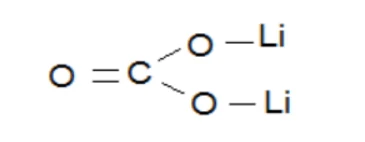
Molecular formula and molecular mass: Li2CO3 and 73.89 g/mol
Structural formula:
Physicochemical properties:
Description: Lithium carbonate is a white, odourless, amorphous or microcrystalline powder.
One g of lithium carbonate corresponds to 27 mmol of lithium; one 150 mg Apo-Lithium Carbonate capsule contains approximately 4.0 mmol, one 300 mg Apo-Lithium Carbonate capsule contains approximately 8.1 mmol of lithium. Lithium is a monovalent cation which belongs to the group of alkali metals together with sodium, potassium and other elements with which it shares some of its properties.
Lithium is extremely reactive. It is present in trace amounts in animal tissues, but its possible physiological role is not known.
Solubility: Lithium carbonate is slightly soluble in water and practically insoluble in alcohol. It dissolves, with effervescence, in dilute mineral acids. A saturated solution is alkaline to litmus.
Melting point: 618°C.
14 CLINICAL TRIALS
14.3 Comparative Bioavailability Studies
A randomized, two-way, single-dose, crossover comparative bioavailability study of APO-LITHIUM CARBONATE 300 mg capsules (Apotex Inc.) and CARBOLITHTM 300 mg capsules (ICN Canada Ltd.) was conducted in healthy, adult, male subjects under fasting conditions. Comparative bioavailability data from the 20 subjects that were included in the statistical analysis are presented in the following table.
SUMMARY TABLE OF THE COMPARATIVE BIOAVAILABILITY DATA
Lithium (2 x 300 mg) Geometric Mean Arithmetic Mean (CV%) | ||||
|---|---|---|---|---|
| Parameter | Test1 | Reference2 | % Ratio of Geometric Means | 95% Confidence Interval |
AUC72 (mcg.h/mL) | 60.05 60.68 (14.9) | 60.54 61.21 (15.1) | 99.2 | 96.5 – 101.9 |
AUCI (mcg.h/mL) | 64.79 65.60 (16.4) | 65.03 65.91 (16.8) | 99.6 | 96.6– 102.7 |
Cmax (mcg/mL) | 4.26 4.30 (13.0) | 4.62 4.65 (12.7) | 92.4 | 86.3 – 98.9 |
Tmax3 (h) | 1.75 (1.00-4.00) | 1.63 (0.75-5.00) | ||
Thalf4 (h) | 20.20 (11.6) | 19.50 (14.3) | ||
1 APO-LITHIUM CARBONATE (lithium carbonate) capsules, 300 mg (Apotex Inc.) 2 CARBOLITHTM (lithium carbonate) capsules, 300 mg (ICN Canada Ltd.) 3 Expressed as the median (range) only 4 Arithmetic means (CV%) only | ||||
A randomized, two-way, single-dose, crossover comparative bioavailability study of APO- LITHIUM CARBONATE 300 mg capsules (Apotex Inc.) and CARBOLITHTM 300 mg capsules (ICN Canada Ltd.) was conducted in healthy, adult, male subjects under fed conditions. Comparative bioavailability data from the 20 subjects that were included in the statistical analysis are presented in the following table.
SUMMARY TABLE OF THE COMPARATIVE BIOAVAILABILITY DATA
Lithium (2 x 300 mg) Geometric Mean Arithmetic Mean (CV%) | ||||
|---|---|---|---|---|
| Parameter | Test1 | Reference2 | % Ratio of Geometric Means | 95% Confidence Interval |
AUC72 (mcg.h/mL) | 57.40 57.43 (10.7) | 58.40 58.50 (9.8) | 98.3 | 96.0– 100.6 |
AUCI (mcg.h/mL) | 63.66 63.80 (13.4) | 64.92 65.14 (11.8) | 98.1 | 95.5– 100.7 |
Cmax (mcg/mL) | 3.77 3.79 (11.6) | 3.91 3.93 (12.5) | 96.6 | 91.0 – 102.6 |
Tmax3 (h) | 3.00 (1.50-4.00) | 2.50 (1.25-4.00) | ||
Thalf4 (h) | 21.94 (17.6) | 21.93 (16.2) | ||
1 APO- LITHIUM CARBONATE (lithium carbonate) capsules, 300 mg (Apotex Inc.) 2 CARBOLITHTM (lithium carbonate) capsules, 300 mg (ICN Canada Ltd.) 3 Expressed as the median (range) only 4 Arithmetic means (CV%) only | ||||
15 MICROBIOLOGY
No microbiological information is required for this drug product.
16 NON-CLINICAL TOXICOLOGY
General Toxicology
Acute Toxicity (Mice and Rats): The oral ED50 of lithium carbonate in the rat is 635 mg/kg, and in the mouse 650 mg/kg.
Subacute Toxicity: Subacute toxicity studies indicate that lithium accumulates faster, and death occurs earlier in rats and dogs fed low sodium diets. Dogs given 20 mg/kg/day of lithium chloride showed no signs of toxicity when fed a normal salt diet but died in 2 to 4 weeks when fed a low sodium diet. Similar results occurred in rats. The signs of toxicity consisted of tremors, lethargy, salivation, vomiting, diuresis, bloody diarrhea, anorexia, emaciation and coma. EKG changes similar to those produced by potassium intoxication, were observed. Animals protected by a high sodium intake developed only polyuria. Serum lithium rose gradually in the animals developing signs of toxicity, while serum potassium levels remained fairly constant. In the final stages, serum lithium values rose rapidly as a result of irreversible renal damage in the terminal stages hyperkalemia and azotemia were recorded.
The principal toxic effects of lithium are on the kidney with lesions in the distal convoluted tubule of dogs and in the proximal convoluted tubules of rats. The primary toxic effects in man appear to be on the central nervous system.
Long-term toxicity: The long-term toxicity of lithium has not yet been tested in animal studies.
Reproductive and Developmental Toxicology
Lithium salts influenced the embryonal development of sea urchins, mollusks, amphibians, and chicken embryos.
Adverse effects on reproduction have also been reported in mammalian species. Adverse effects on the number of corpora lutea, percentage of resorption, embryonal viability and weaning weights in rats, the number of implantation sites in rabbits, and the birth weights in monkeys, have been produced in lithium studies. Cleft palates occurred in the offspring of treated mice and rats, in the latter species together with ocular and auricular defects, with lithium doses producing blood levels similar to those obtained with therapeutic doses in man.
Lithium decreases the fertility of male rats and is spermicidal in vitro for human and animal spermatozoa.
The retrospective studies congenital abnormalities were observed in 6% of infants born to mothers taking lithium carbonate during the first trimester of pregnancy. This incidence was considered to be no greater than that observed in the general population of infants.
Infants born to mothers who took lithium during pregnancy had a higher-than-expected ratio of cardiovascular anomalies (6%).
17 SUPPORTING PRODUCT MONOGRAPHS
- 1. CARBOLITH® (Lithium Carbonate Capsules, 150, 300 and 600 mg), submission control 275931, Product Monograph, Bausch Health, Canada Inc. (NOV 22, 2023)