


Product Monograph - Aridol
1. INDICATIONS
Aridol (mannitol inhalation powder), is indicated for:
- the assessment of bronchial hyperresponsiveness in patients 6 years and over who do not have clinically apparent asthma.
Limitations of Use: Aridol is not a stand-alone test or a screening test for asthma. Bronchial challenge testing with Aridol should be used only as part of a physician’s overall assessment of asthma.
1.1 Pediatrics
Pediatrics (>6 years and over): Based on the data submitted and reviewed by Health Canada, the safety and efficacy of Aridol in pediatric patients has been established; therefore, Health Canada has authorized an indication for pediatric use. (See Section 7.1.3 Pediatrics).
1.2 Geriatrics
Geriatrics (> 50 years of age): There was insufficient number of subjects 50 years of age and older in the clinical program. Therefore, the safety and efficacy of bronchial challenge testing with Aridol in the older population cannot be adequately assessed. It is unknown whether any differences in the safety and efficacy of bronchial challenge testing with Aridol exist between subjects 50 years of age and older and younger subjects.
2. CONTRAINDICATIONS
Aridol is contraindicated in patients who are hypersensitive to this drug or to any ingredient in the formulation, including any non-medicinal ingredient, or component of the container. For a complete listing, see Dosage Forms, Strengths, Composition and Packaging.
Aridol should not be given to patients with conditions that may be compromised by induced bronchospasm or repeated spirometry manoeuvres. These include:
- aortic or cerebral aneurysm
- uncontrolled hypertension
- myocardial infarction or a cerebral vascular accident
3. SERIOUS WARNINGS AND PRECAUTIONS BOX
WARNING: RISK OF SEVERE BRONCHOSPASM. Mannitol, the active ingredient in Aridol, acts as a bronchoconstrictor and may cause severe bronchospasm. Bronchial challenge testing with Aridol is for diagnostic purposes only. Bronchial challenge testing with Aridol should only be conducted by trained professionals under the supervision of a physician familiar with all aspects of the bronchial challenge test and the management of acute bronchospasm. Medications (such as short acting inhaled beta agonist) and equipment to treat severe bronchospasm must be present in the testing area. If severe bronchospasm occurs it should be treated immediately by administration of a short acting inhaled beta-agonist. Because of the potential for severe bronchoconstriction, the bronchial challenge testing with Aridol should not be performed in any patient with clinically apparent asthma or very low baseline pulmonary function tests (e.g., FEV1 < 1-1.5 liters or <70% of the predicted values).
4. DOSAGE AND ADMINISTRATION
4.1 Dosing Considerations
Aridol is supplied in a kit containing:
sufficient capsules to complete one complete maximum dose (635mg) challenge
3 blisters (marked 1, 2 and 3)
- Blister 1 contains doses 1-4
- Blister 2 contains doses 5-7
- Blister 3 contains doses 8-9
- an RS01 Model 7 inhaler.
The airway response to Aridol is measured using Forced Expiratory Volume (FEV1).
Prior to the challenge, spirometry should be performed and the reproducibility of the resting
FEV1 established.
4.2 Recommended Dose and Dosage Adjustment
Health Canada has not authorized an indication for use in pediatric patients less than 6 years of age.
4.3 Administration
Step 1: Ensure subject has withheld medications as per recommendations (See table below). These times are minimum recommendations only and withholding of drugs for only the minimum time may still affect the results of the Aridol challenge. Recommended periods for withholding medications are generally based on their duration of action.
| Minimum | Medication | ||
| Time to | |||
| Withhold | |||
| 6-8 hours | INHALED NON-STEROIDAL ANTI-INFLAMMATORY AGENTS e.g. cromolyn sodium, nedocromil sodium | ||
| 8 hours | SHORT-ACTING BETA2 AGONISTS e.g. salbutamol, terbutaline | ||
| 12 hours | INHALED CORTICOSTEROIDS e.g. beclomethasone; budesonide, ciclesonide,fluticasone, mometasone | ||
| 12 hours | SHORT-ACTING MUSCARINIC ANTAGONISTS e.g. ipratropium bromide | ||
| 36 hours | INHALED CORTICOSTEROIDS PLUS LONG-ACTING BETA2 AGONISTS e.g. fluticasone and salmeterol | ||
| 36 hours | LONG-ACTING BETA2 AGONISTS e.g. salmeterol; formoterol, vilanterol | ||
| 24 hours | XANTHINES e.g. theophylline, oxtriphylline |
| 72 hours | LONG-ACTING MUSCARINIC ANTAGONIST e.g. aclidinium, glycopyrronium, tiotropium and umeclidinium |
| 72 hours | ANTIHISTAMINES e.g. cetirizine, desloratatdine, fexofenadine, loratadine |
| 4 days | LEUKOTRIENE-RECEPTOR ANTAGONISTS e.g. montelukast sodium, zafirlukast |
Foods: Ingestion of caffeine containing foods such as coffee, tea, cola and chocolate may effect test results. These substances should be withheld for 12 hours prior to the test.
Other factors that may confound results: Smoking and vigorous exercise should not be undertaken for 6 and 12 hours respectively prior to testing.
STEP 2: Subject should be seated for the test. Explain the procedure; include what is required for a Forced Vital Capacity (FVC) manoeuvre and FEV1 measurement and the type of inspiratory flow required for the Inhaler. Demonstrate as required.
STEP 3: Enter the subject’s details in the spirometer as applicable (age, height, race, date of birth, gender, etc.).
STEP 4: Determine the pre-challenge FEV1. Ask the subject to perform an FVC manoeuvre according to the American Thoracic Society (ATS) / European Respiratory Society (ERS) guidelines. The subject’s FEV1 should be ≥ 70% predicted. Caution should be used in subjects with an FEV1 of less than 70% predicted.
STEP 5: Calculate the baseline FEV1 (0 mg)
a. Remove the 0 mg Aridol capsule from the blister, twist open the Inhaler (as per the arrow on the device), place the capsule inside and close the device.
b. Pierce the capsule once only by depressing the coloured buttons on either side of the inhaler.
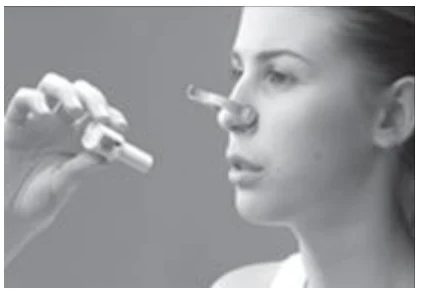
c. A nose clip may be used if preferred. If so, apply nose clip to the subject and direct the subject to breathe through the mouth
d. Tilt the Inhaler at a 45º angle (mouthpiece down). Check the capsule has moved from the piercing chamber into the spinning chamber closest to the mouthpiece. You can often hear the capsule fall forward or see the capsule through the vents on each side of the device. Give the Inhaler to the subject ensuring that they keep the Inhaler at the same 45º angle.
e. Ensure the subject is sitting up straight. Ask the subject to exhale (away from the
Inhaler), seal their lips around the Inhaler mouthpiece and take a controlled and deep inspiration. During successful inhalation you should hear a ‘rattling’ sound as the capsule spins within the device.
f. At the end of the subject’s inhalation, start a 60 second timer, and ask the subject to hold their breath for 5 seconds. When 5 seconds has passed, instruct the subject to exhale through their mouth (away from the Inhaler), remove the noseclip if required and breathe normally.
g. When the timer beeps after 60 seconds, immediately instruct the subject to perform two acceptable FEV1 measurements. Record the highest FEV1 reading as the baseline FEV1. If the highest FEV1 is ≥10% drop from the pre-challenge FEV1 do not continue with the test.
h. Calculate the target FEV1
A positive Aridol challenge result is achieved when the subject’s FEV1 falls ≥ 15% from their baseline FEV1. To calculate the target FEV1, multiply the baseline FEV1 (the highest reading obtained at 0mg) obtained above by 0.85. Record this value.
STEP 6: 5 mg capsule
a. Insert 5 mg capsule into the Inhaler and pierce as in Step 5.
b. Repeat as in steps c – f above.
c. Following inhalation remove the capsule from the Inhaler and check to ensure it has been emptied completely, if not, a second inhalation will be required immediately.
d. Load the 10 mg capsule in readiness for the next dose.
e. At 60 seconds following inhalation, immediately measure the subject’s FEV1 twice
(acceptability criteria must be met). Use the highest of these two values to calculate the change in FEV1.
f. Compare the FEV1 value at this dose to the target FEV1. If the FEV1 value is equal to or below the target value, or there has been an incremental fall of ≥ 10% from the previous dose, the challenge is positive and complete. If not, immediately proceed to next dose step.
STEP 7: 10 mg, 20 mg, and 40 mg capsules
Administer the 10 mg, 20 mg and 40 mg doses following the directions given above (in step 6) for the 5 mg dose.
STEP 8: 80 mg dose (2 x 40mg capsules)
a. Insert and pierce the first of the 40 mg capsules that comprise the 80 mg dose.
b. The subject should inhale the dose in the same manner as previous doses, hold their breath for 5 seconds and exhale.
c. Remove the first 40 mg capsule from device and check to ensure it has been emptied completely, if not, a second inhalation will be required immediately. Do this following the administration of every capsule.
d. Following inhalation, load the second 40 mg capsule and offer to the subject immediately following exhalation after the first 40 mg capsule.
e. Instruct the subject to inhale the second capsule immediately to ensure that the osmotic effect of mannitol is cumulative.
f. At the end of the subject’s inhalation, start a 60 second timer, and ask the subject to hold their breath for 5 seconds. When 5 seconds has passed, instruct the subject to exhale through their mouth (away from the Inhaler), remove the noseclip if required, and breathe normally.
g. At 60 seconds following inhalation of the second capsule, immediately measure the subject’s FEV1 twice (according to ATS/ERS Guidelines). Use the higher of these two values to calculate the change in FEV1.
h. Compare the FEV1 value at this dose to the target FEV1. If the FEV1 value is equal to or below the target value, or there has been an incremental fall of ≥ 10% from the previous dose, the challenge is positive and complete. If not, immediately proceed to next dose step.
STEP 9: 1st of 160 mg dose (4 x 40 mg capsules)
a. Insert and pierce the first of the 40 mg capsules that comprise the 160 mg dose.
b. The subject should inhale the dose in same manner as previous doses, hold their breath for 5 seconds and exhale.
c. Remove capsule from device and check to ensure it has been emptied completely, if not, a second inhalation will be required immediately. Do this following the administration of every capsule.
d. Following inhalation, load the second 40 mg capsule and offer to the subject immediately following exhalation.
e. The subject should inhale contents of the second capsule, hold their breath for 5 seconds and exhale.
f. Following inhalation, load the third 40 mg capsule and offer to the subject immediately following exhalation.
g. The subject should inhale the contents of the third capsule, hold their breath for 5 seconds and exhale.
h. Immediately following inhalation, load the fourth 40 mg capsule and offer to the subject immediately following exhalation.
i. Instruct the subject to inhale the fourth capsule immediately to ensure that the osmotic effect of mannitol is cumulative.
j. Set the time for 60 seconds when the fourth 40 mg capsule has been inhaled.
k. Instruct the subject to hold their breath for 5 seconds, before exhaling.
l. At 60 seconds following inhalation of the fourth capsule, immediately measure the subject’s FEV1 twice (according to ATS/ERS Guidelines). Use the higher of these two values to calculate the change in FEV1.
m. Compare the FEV1 value at this dose to the target FEV1. If the FEV1 value is equal to or below the target value, or there has been an incremental fall of ≥ 10% from the previous dose, the challenge is positive and complete. If not, immediately proceed to next dose step.
STEP 10: 2nd 160 mg dose (4 x 40mg capsules)
Administer the second 160 mg dose following the directions given above in step 9.
STEP 11: 3rd 160 mg dose (4 x 40 mg capsules)
Administer the third 160 mg dose following the directions given above in step 9. At the completion of this dose, 635 mg has been administered. Providing a positive response has not been met, the challenge should be considered negative and complete.
STEP 12: Following completion of the challenge with a positive result or significant respiratory symptoms (e.g. wheezing, dyspnea, cough), you should administer a short-acting inhaled beta-agonist and monitor the subject until their FEV1 has returned to baseline levels. In the case of a negative result, if the patient has significant respiratory symptoms a short-acting inhaled beta-agonist should be administered.
The dose steps for the Aridol challenge are listed below.
| DOSE STEPS FOR ARIDOL CHALLENGE | |||
| Dose # | Dose mg | Cumulative Dose mg | Capsules per dose |
| 1 | 0 | 0 | 1 x 0 mg |
| 2 | 5 | 5 | 1 x 5 mg |
| 3 | 10 | 15 | 1 x 10 mg |
| 4 | 20 | 35 | 1 x 20 mg |
| 5 | 40 | 75 | 1 x 40 mg |
| 6 | 80 | 155 | 2 x 40 mg |
| 7 | 160 | 315 | 4 x 40 mg |
| 8 | 160 | 475 | 4 x 40 mg |
| 9 | 160 | 635 | 4 x 40 mg |
Inhaler instructions.
These instructions show you how to use the inhaler device.
- 1. Remove Cap: Using both hands, hold the Inhaler upright and remove the cap.
- 2. Open: Hold the base of the Inhaler firmly with one hand and open the device by rotating
the mouthpiece in the direction of the arrow on the device. 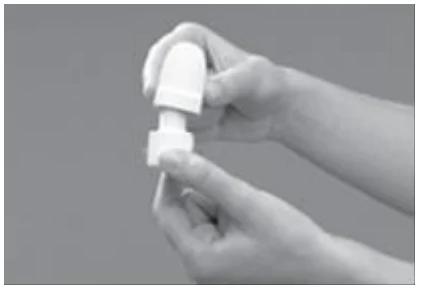
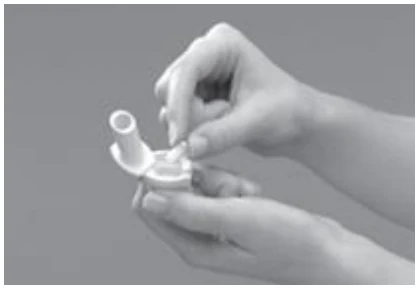
- 3.
Load: Using dry hands, remove a capsule from the Aridol foil and
place into the inhaler as illustrated. It does not matter which way the capsule is placed in the chamber.
- 4. Close: Keeping the device in an upright position, twist the mouthpiece into the closed position until you hear it ‘click’ shut.
- 5.
Pierce Capsule: Hold the Inhaler upright and fully depress both piercing buttons on the sides of the device at the same time.
Do this once only, since piercing the capsule more than once may cause it to split/fragment. The piercing action makes holes in the capsule and allows the powder in the capsule to be released when the subject inhales through the device.
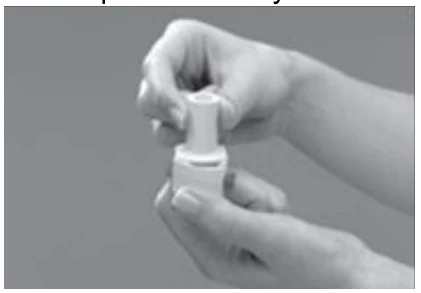
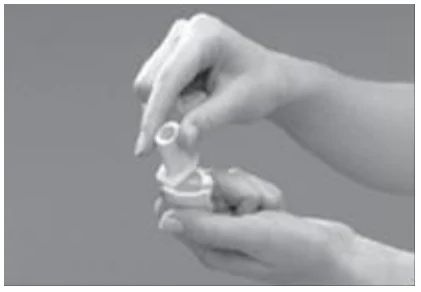
- 6. Prepare for Inhalation: Tilt the Inhaler so that the mouthpiece faces slightly downward at
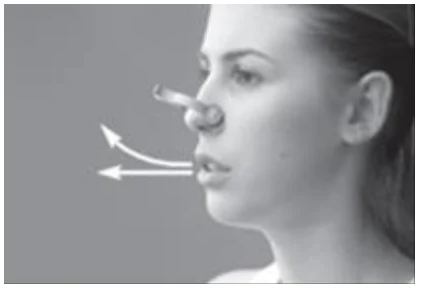
a 45 degree angle as shown. This allows the capsule to drop forward into the spinning chamber. Keep the device tilted in this way and instruct the subject to breathe out completely (away from the inhaler). A nose clip may be used, if preferred. If so, apply the nose clip to the subject and direct the subject to breathe through his/her mouth. 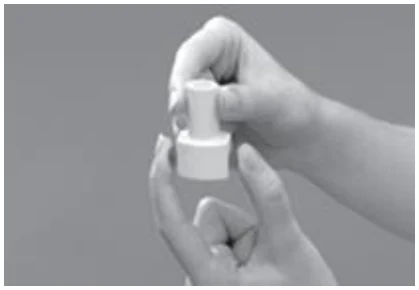
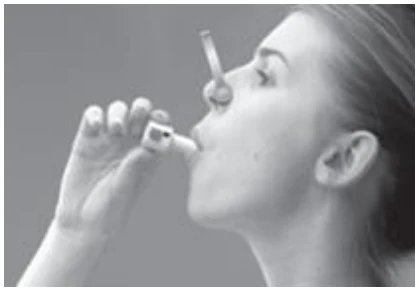
- 7. Inhale: The subject should tilt their head back slightly, and keeping the Inhaler mouthpiece facing downward at a 45 degree angle, raise the device to their mouth and ensure they close their lips tightly around the mouthpiece. Encourage the subject to take a controlled deep inspiration. The subject should then hold their breath for five seconds.
Note: During a successful inhalation you should hear a ‘rattling’ sound as the capsule spins in the inhaler.
- 8. Exhale: Remove the Inhaler from the subject’s mouth, allow them to exhale away from the inhaler and resume normal breathing.
- 9. Check: The Aridol capsule must spin in the Inhaler in order to empty. A second inhalation (using the same capsule) may be required immediately if the capsule is not empty following inhalation. Check the capsule following each inhalation.
The Inhaler is designed as SINGLE USE ONLY (one device per challenge) and should not be cleaned during the challenge. Discard the inhaler following each Aridol Challenge. Do not sterilise and re-use as this may compromise the integrity of subsequent results. 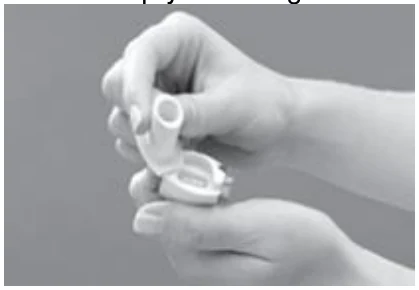
A positive response is achieved when the patient experiences either of the following:
≥ 15% fall in FEV1 from baseline (0 mg dose)
or
≥ 10% incremental fall in FEV1 between consecutive doses
Examples of positive tests:
- 1.
FEV1 fall following dose step 2: 3%
FEV1 fall following dose step 3: 8%
FEV1 fall following dose step 4: 16%
- as the total fall is 16% (≥15%), the test is positive.
- 2.
FEV1 fall following dose step 2: 3%
FEV1 fall following dose step 3: 14%
- although the total fall is <15%, the incremental fall is 11% (≥10%) and the test is positive.
Points to remember:
- 1. There should be minimal delay between FEV1 measurement and the next dose so that the osmotic effect in the airway is cumulative.
- 2. At least 2 acceptable FEV1 measures should be obtained after each dose. More than 2 measurements may be required, for example in the case of variability between readings or improper manoeuvres during measurement.
- 3. The 80 and 160 mg doses are administered in multiples of 40 mg capsules (i.e., 2 x 40 mg and 4 x 40 mg, respectively). There is no interval between administering multiple capsules for these doses. One capsule should be followed immediately by the next until the total dose has been inhaled.
- 4. After inhalation of each dose, the capsule should be checked to ensure it is empty. A second inhalation from the same capsule may be required if the dose has not been entirely dispersed from the capsule.
- 5. To minimize the possibility of splitting and fragmentation of the gelatin capsules, each capsule should be pierced once only.
- 6.
A new inhalation device is to be used for each test and should not be cleaned during the test.
Most patients recover spontaneously after the challenge test, however those with a positive challenge or who experience aggravation of asthma should receive a standard dose of a short-acting beta2 agonist to expedite recovery. Those with a negative challenge may also receive a standard dose of a short-acting beta2 agonist to expedite recovery. Following administration of a short-acting beta2 agonist, FEV1 usually returns to baseline within 10-20 minutes. Patients should be monitored until their FEV1 has returned to baseline levels.
- 7. Inhalation of Aridol may cause cough and/or a dry throat. This is a routine consequence of bronchial challenge testing. You can allow the subject to sip water between capsules if necessary and/or offer the subject a glass of water at challenge completion.
- 8. If static is an issue or the sound of the capsule ‘rattling’ cannot be heard during inhalation of mannitol, firmly tap the base of the inhaler with one hand while holding the inhaler with the other hand (mouthpiece facing downwards at a 45° angle). This should ensure that the capsule has been ‘dislodged’ and moved from the piercing chamber into the spinning chamber.
5. OVERDOSAGE
Susceptible persons experience excessive bronchospasm from an overdose. If such bronchospasm occurs, immediately administer a short acting inhaled beta2-agonist and other medical treatments such as oxygen, as necessary.
For management of a suspected drug overdose, contact your regional poison control centre.
6. DOSAGE FORMS, STRENGTHS, COMPOSITION AND PACKAGING
Aridol is provided as a complete diagnostic kit. Each kit contains:
- 1 x empty clear capsule printed with two white bands
- 1 x 5mg white/clear capsule
- 1 x 10 mg yellow/clear capsule
- 1 x 20mg pink/clear capsule
- 15 x 40mg red/clear capsule
- 1 x RS01 Model 7 Inhaler device
Mannitol is the only medicinal ingredient in the contents of Aridol hard gelatin capsules. The doses of the tests are provided in 3 aluminium blister strips. Each blister strip is clearly marked with the dose step. The delivered dose from each of the 5, 10, 20 and 40mg capsules is approximately 3, 8, 16 and 34 mg, respectively.
7. WARNINGS AND PRECAUTIONS
Please see the Serious Warnings and Precautions Box near the beginning of Part I: Health Professional Information.
General
Aridol is to be administered by inhalation only. The Aridol inhalation test should only be conducted by physicians or trained professionals familiar with all aspects of bronchial challenge tests and the management of acute bronchospasm. Patients should not be left unattended during the procedure once the administration of Aridol has begun.
| Route of Administration | Dosage Form / Strength/Composition | Non-medicinal Ingredients |
| Inhalation | Hard gelatin capsule, 0 mg, 5 mg, 10 mg, 20 mg, 40 mg mannitol | Gelatin, red iron oxide (20 mg and 40 mg capsule), titanium dioxide, yellow iron oxide (10 mg capsule ) |
Medications and equipment to treat severe bronchospasm must be present in the testing area.
If a patient has spirometry induced asthma or the FEV1 fall following the 0 mg capsule is greater than 10%, the bronchial challenge test should be discontinued and the patient should be given a standard dose of short acting inhaled beta agonist and monitored accordingly.
General precautions when conducting spirometry and bronchial challenge testing should be observed, including using caution in patients with the following:
- severe cough
- ventilatory impairment
- spirometry induced bronchoconstriction
- haemoptysis of unknown origin
- pneumothorax
- recent abdominal or thoracic surgery
- recent intraocular surgery
- unstable angina
- upper or lower respiratory tract infection
Exercise: Vigorous exercise should be completely avoided (prior to testing) on the day of the test.
Smoking: Patients should refrain from smoking for at least 6 hours prior to testing.
Carcinogenesis and Mutagenesis
No relevant clinical trials have been conducted in humans.
Preclinical data reveal no special hazard for humans based on short- and long-term oral repeat dose toxicity, and local tolerance studies.
(see Section 14 Non-clinical toxicology for animal data)
Renal
Formal pharmacokinetic studies with mannitol, the active ingredient, in Aridol, have not been conducted in patients with renal impairment. However, an increase in systemic exposure of mannitol can be expected in patients with renal impairment based on the kidney being its primary route of elimination.
Given parenterally, mannitol is used as an osmotic diuretic in a variety of clinical situations including acute renal failure where the osmotic effects of mannitol inhibit the rate of water re-absorption and maintain the rate of urine production.
Respiratory
Mannitol, the active ingredient in Aridol, acts as a bronchoconstrictor and may cause severe bronchospasm.
Sexual Health
Fertility
The effect of inhaled mannitol on fertility has not been investigated.
(see Section 14 Non-clinical toxicology for animal data)
7.1 Special Populations
7.1.1 Pregnant Women
There are no adequate and well-controlled clinical studies of mannitol in pregnant women. The effects of a possible hyperresponsiveness reaction on the mother and/or the foetus are unknown and therefore Aridol should not be given to pregnant women.
7.1.2 Breast-feeding
It is not known whether mannitol is excreted in human milk. Because many drugs are excreted in human milk, Aridol should be used with caution during breastfeeding only if the potential benefit to the mother outweighs the potential risks to the infant.
7.1.3 Pediatrics
Pediatrics (< 6 years): Based on the data submitted and reviewed by Health Canada, the safety and efficacy of Aridol in pediatric patients less than 6 years has not been established; therefore, Health Canada has not authorized an indication for pediatric use in patients less than 6 years of age.
7.1.4 Geriatrics
There was insufficient number of subjects 50 years of age and older in the clinical program. Therefore, the safety and efficacy of bronchial challenge testing with Aridol in the older population cannot be adequately assessed. It is unknown whether any differences in the safety and efficacy of bronchial challenge testing with Aridol exist between subjects 50 years of age and older and younger subjects.
8. ADVERSE REACTIONS
8.1 Adverse Reaction Overview
Mannitol, the active ingredient in ARIDOL, is a sugar alcohol that may cause severe bronchospasm in susceptible subjects. A positive result with Aridol may produce symptoms of bronchospasm such as chest tightness, cough or wheezing.
The safety profile of the Aridol bronchial challenge test is based on pooled data from two open-label, cross-over, Phase 3 clinical trials consisting of 1046 patients with asthma, symptoms suggestive of asthma, and healthy individuals from 6 years of age and older. Children and adolescents comprised 23% of the total study population with 118 children aged 6-11 years and 128 adolescents aged 12-17 years.
Adverse reactions were reported at the time of the testing procedure and for one day thereafter. No serious adverse reactions were reported following bronchial challenge testing with Aridol in either trial.
Most patients experienced cough during the challenge; however, it was only occasional in the majority of these patients (87%). In the remainder, it was frequent enough to cause some delay in continuation of the challenge (13%) or discontinuation (1%). Oropharyngeal pain was also a commonly reported adverse reaction.
Five adult subjects (0.6%) discontinued from the studies within a day following bronchial challenge testing with Aridol because of cough, decreased lung function, feeling jittery, sore throat, and throat irritation. One adult subject (0.3%) discontinued following the methacholine bronchial challenge test because of dizziness. One pediatric subject (0.4%) discontinued from the studies within a day following bronchial challenge testing with Aridol because of retching.
8.2 Clinical Trial Adverse Reactions
Because clinical trials are conducted under very specific conditions, the adverse reaction rates observed in the clinical trials may not reflect the rates observed in practice and should not be compared to the rates in the clinical trials of another drug. Adverse reaction information from clinical trials is useful for identifying drug-related adverse events and for approximating rates.
Table 8.2 shows adverse reactions occurring in subjects after bronchial challenge testing with Aridol at a frequency ≥ 1%.
| Table 8.2: Incidence of Adverse Reactions ≥1% of Aridol treated patients | ||
Adverse Reaction System Organ Class (Preferred Term) | Aridol N=1046 N (%) | Methacholine N= 420 N(%) |
| Gastrointestinal disorders | ||
| Nausea | 20 (2) | 0 |
| General disorders and administration site conditions | ||
| Chest discomfort | 12 (1) | 10 (2.38) |
| Respiratory, thoracic and mediastinal disorders | ||
| Cough | 18 (2) | 7 (1.67) |
| Dyspnoea | 12 (1) | 18 (4.29) |
| Oropharyngeal pain | 28 (3) | 1 (0.16) |
| Rhinorrhoea | 15 (1) | 0 |
| Throat irritation | 19 (2) | 1 (0.24) |
| Nervous system disorders | ||
| Headache | 52 (5) | 0 |
8.3 Less Common Clinical Trial Adverse Reactions (<1%)
Cardiac disorders: tachycardia
Ear and Labyrinth disorders: ear pain
Eye disorders: conjunctival hyperaemia, eye irritation, eye pruritus, lacrimation increased, vision blurred
Gastrointestinal disorders: abdominal pain, abdominal pain upper, diarrhoea, dry mouth, dyspepsia, eructation, gastroenteritis, gingival pain, loose stools, mouth ulceration, oral pain, retching, vomiting
General disorders and administration site conditions: chest pain, chest tightness, fatigue, feeling jittery, malaise, pyrexia, thirst
Immune system disorders: seasonal allergy
Infections and infestations: nasopharyngitis
Musculoskeletal and connective tissue disorders: back pain, muscle cramps, muscle tightness, neck pain, neck stiffness, pain in jaw
Nervous system disorders: burning sensation mucosal, dizziness, increased activity, migraine, paraesthesia, sinus headache
Respiratory, thoracic and mediastinal disorders: asthma, asthma aggravated, bronchospasm, cough aggravated, dry throat, dysphonia, epistaxis, hoarseness, laryngeal disorder, lung disorder, nasal congestion, nasal discomfort, oxygen saturation decreased, phlegm, postnasal drip, productive cough, rhinitis, sneezing, stridor, wheezing, wheezing aggravated
Skin and subcutaneous tissue disorders: hyperhidrosis, pruritus, rash
Vascular disorders: flushing, peripheral coldness
8.4 Clinical Trial Adverse Reactions (Pediatrics)
Children and Adolescents Aged 6 to 17 Years: Overall, the types and severities of adverse reactions in children were similar to those observed in the adult population. As in the adult population, the adverse reactions of pharyngolaryngeal pain, nausea, and headache were the more common with incidences of 4%, 3%, and 3%, respectively. There were no major differences in the types of adverse reactions observed in children 6-11 years of age compared to adolescents 12-17 years old.
The decrease in FEV1 in children and adolescents who received the Aridol bronchial challenge test was similar to that of the adult population with 5%, 15% and 9% of pediatric subjects who had bronchial challenge testing with Aridol, methacholine and exercise, respectively, experiencing reduction in FEV1 ≥30%. No patient who had bronchial challenge testing with Aridol or exercise had a decrease in FEV1 ≥60%, whereas, one adolescent patient (aged 12 years) who received methacholine had a decrease in FEV1 ≥60%.
8.5 Post-Market Adverse Reactions
The following adverse reactions have been identified post approval in other jurisdictions: occupational exposure and decreased forced expiratory volume.
9. DRUG INTERACTIONS
9.1 Drug-Drug Interactions
Interactions with other drugs have not been established.
Regular use of inhaled corticosteroids may reduce the airway sensitivity to Aridol and in many individuals, complete inhibition of the airway response may occur.
There are recommended periods for withholding some medicines before the Aridol test. (See section 4.3 Administration)
9.2 Drug-Food Interactions
Ingestion of significant quantities of coffee, tea, cola drinks, chocolate or other food containing caffeine may decrease bronchial responsiveness and should be totally avoided for 12 hours prior to testing.
9.3 Drug-Herb Interactions
The interactions of mannitol with herbal medications or supplements have not been established.
9.4 Drug-Laboratory Test Interactions
The interactions of mannitol with laboratory tests have not been established.
9.5 Drug-Lifestyle Interactions
Vigorous exercise should not be performed for 12 hours prior to testing on the day of the test.
Patients should refrain from smoking for at least 6 hours prior to testing.
10. ACTION AND CLINICAL PHARMACOLOGY
10.1 Mechanism of Action
Aridol is an indirect bronchial challenge test. The precise mechanisms through which inhaled mannitol causes bronchoconstriction are not known. Published data indicate that Inhaled mannitol increases the osmolarity in the airways which is associated with the release of a variety of mediators of bronchoconstriction from inflammatory cells within the airways. The mediators then act via specific receptors on bronchial smooth muscle to cause contraction of the bronchial smooth muscle and the airways to narrow.
10.2 Pharmacodynamics
The airway response to Aridol is measured using the forced expiratory volume in one second (FEV1). The sensitivity to mannitol is reported as a PD15, the provoking dose of mannitol to cause a 15% reduction in FEV1.
10.3 Pharmacokinetics
Table 10.3 - Summary of Aridol Pharmacokinetic Parameters in healthy adult male subjects.
| Cmax | Tmax | t½ (h) | AUC0-∞ | CL | Vd | |
| Single dose mean | 13.71 mcg/mL | 1.5 hours | 4.7 hours | 73.15 mcg•hr/ mL | 5.1 L/hr | 34.3 L |
Absorption:The rate and extent of absorption of mannitol after oral inhalation was generally similar to that observed after oral administration. In a study of 18 healthy adult male subjects the absolute bioavailability of mannitol powder following oral inhalation was 59% while the relative bioavailability of inhaled mannitol in comparison to orally administered mannitol was 96%.
Following oral inhalation of 635 mg, the mean mannitol peak plasma concentration (Cmax) was 13.71 mcg/mL while the mean extent of systemic exposure (AUC) was 73.15 mcg•hr/mL. The mean time to peak plasma concentration (Tmax) after oral inhalation was 1.5 hours.
Distribution: Based on intravenous administration, the volume of distribution of mannitol was 34.3 L.
Metabolism: The extent of metabolism of mannitol appears to be small. This is evident from a urinary excretion of about 87% of unchanged drug after an intravenous dose to healthy subjects.
Elimination: Following oral inhalation, the elimination half-life of mannitol was 4.7 hours. The mean terminal elimination half-life for mannitol in plasma remained unchanged regardless of the route of administration (oral, inhalation, and intravenous). The urinary excretion rate versus time profile for mannitol was consistent for all routes of administration. The total clearance after intravenous administration was 5.1 L/hr while the renal clearance was 4.4 L/hr. Therefore, the clearance of mannitol was predominately via the kidney. Following inhalation of 635 mg of mannitol in 18 healthy subjects, about 55% of the total dose was excreted in the urine as unchanged mannitol. Following oral or intravenous administration of a 500 mg dose, the corresponding values were 54% and 87% of the dose, respectively.
Hepatic Insufficiency: Formal pharmacokinetic studies using Aridol have not been conducted in patients with hepatic impairment.
Renal Insufficiency: Formal pharmacokinetic studies using Aridol have not been conducted in patients with renal impairment. Since the drug is eliminated primarily via the kidney, an increase in systemic exposure can be expected in renally impaired patients.
11. STORAGE, STABILITY AND DISPOSAL
Aridol should be stored below 25°C.
Do not remove capsules from blister until immediately before use.
All remaining unused (opened and unopened) blister packs and the inhaler should be properly discarded at the completion of the test.
PART II: SCIENTIFIC INFORMATION
12. PHARMACEUTICAL INFORMATION
Drug Substance
Proper name: Mannitol
Chemical name: D-Mannitol
Molecular formula and molecular mass: C6H14O6. Molecular weight is 182.2
Structural formula:
Physicochemical properties: Mannitol is a hexahydric alcohol. The powder is a white or almost white, crystalline powder of free-flowing granules. Mannitol is freely soluble in water, and very slightly soluble in alcohol. Mannitol shows polymorphism.
13. CLINICAL TRIALS
13.1 Trial Design and Study Demographics
The effectiveness of Aridol in assessing bronchial hyperresponsiveness to aid in the diagnosis of adults and children 6 years of age and older was assessed in two clinical studies.
Study 1 (A-305) was an operator-blinded, open-label crossover trial that assessed the sensitivity and specificity of bronchial challenge testing with Aridol compared with a methacholine bronchial challenge test in detecting bronchial hyperresponsiveness in subjects with symptoms suggestive of asthma but without a definite diagnosis of asthma. During the course of the study subjects underwent three types of bronchial challenge tests utilizing exercise, Aridol, and methacholine. A positive exercise test was defined as a decrease in FEV1 ≥10%, a positive bronchial challenge test with Aridol was defined by either a decrease in FEV1 by ≥15% from baseline or a between-dose reduction in FEV1 ≥10%, and a positive methacholine response was defined as a decrease in FEV1 ≥20% after breathing methacholine at a concentration less than or equal to 16 mg/mL. The sensitivity and specificity of bronchial challenge testing with Aridol and methacholine were then assessed relative to exercise testing which served as a common comparator. The sensitivity and specificity of Aridol and methacholine challenges were also assessed using a blinded study physician’s diagnosis of asthma at the end of the study. 509 subjects aged 6 to 50 years were screened for enrolment with 419 and 420 subjects receiving at least one dose of mannitol, the active ingredient in Aridol, or methacholine, respectively. The maximum cumulative dose of mannitol was 635 mg.
Study 2 (A-301) was a crossover study comparing bronchial challenge testing with Aridol to hypertonic (4.5%) saline in identifying bronchial hyperresponsiveness in subjects 6 to 83 years of age with (n=551) and without (n=95) asthma. In this study the efficacy endpoint of interest was an estimation of the sensitivity and specificity of bronchial challenge testing with Aridol with respect to a physician’s clinical diagnosis of asthma. Following completion of the bronchial challenge tests with Aridol and hypertonic saline, a respiratory physician assessed the data and categorized the subjects as having or not having asthma.
| Table 12.1 Study Design and Demographics for the two phase 3 studies | |||||
| Study # | Trial design | Dosage, route of administration and duration | Study subjects (n) | Mean age (Range) | Sex |
| A-305 | Open-label, Operator blinded, randomized, crossover | Mannitol Cumulative dose up to 635 mg inhaled Methacholine up to 16 mg/mL 2 exercise tests, 1 mannitol and 1 methacholine challenge over 5 – 20 days | 509 | 23.0 (6-50) | M – 236 F– 273 |
| A-301 | Open-label, Operator blinded, randomized, crossover | Mannitol Cumulative dose up to 635 mg inhaled Hypertonic saline 4.5% sodium chloride inhaled for maximum 15.5 minutes 2 challenges (1 mannitol and 1 hypertonic saline) over 21 days | Asthmatic patients (551) Non-asthmatic adults (95) | 33.9 (6-83) | M – 301 F– 345 |
13.2 Study Results
In Study 1, Bronchial challenge testing with Aridol and methacholine demonstrated similar sensitivity and specificity in predicting bronchial hyperresponsiveness defined by a positive exercise challenge (Table 12.3).
| Table 12.3 Comparisons of the sensitivity and specificity (calculated relative to exercise challenge) for the Aridol test and methacholine (Study 1: A-305) | |||
| Population | Treatment | Sensitivity % (95% CI) | Specificity % (95% CI) |
| Overall Population (n=419) | |||
| Aridol | 58 (50, 65) | 63 (57, 69) | |
| Methacholine | 53 (46, 51) | 68 (62, 73) | |
| Difference | 5 (-4, 13) | -5 (-12, 3) | |
The sensitivity and specificity of bronchial challenge testing with Aridol in children and adolescents 6 to 17 years of age in Study 1 was similar to that in the overall population.
Bronchial challenge testing with Aridol and methacholine also demonstrated similar sensitivity and specificity when calculated relative to a blinded study physician’s diagnosis of asthma in subjects at the end of the study.
In study 2, the sensitivity of the Aridol bronchial challenge test in subjects with a physician diagnosis of asthma was 58% [(54%, 62%, 95th CI)] compared to a sensitivity of the physician diagnosis in the same population of 97% [(95%, 98%, 95th CI)]. The specificity of the Aridol bronchial challenge test in subjects without asthma was 95% [(90%, 99%, 95th CI)] compared to the specificity of the physician diagnosis of 98% [(95%, 100%, 95th CI)]
14. NON-CLINICAL TOXICOLOGY
14.1 Toxicity
Safety of the inhalation route was demonstrated by a single dose and a two week repeat dose toxicity study in rats that revealed no toxicologically significant findings.
The safety of inhaled mannitol was also established in 2-week and 26-week repeat dose toxicity studies in dogs, which demonstrated no toxicological findings of concern. Cough, the most common adverse event reported in these studies, occurred at dosages in excess of the equivalent recommended human dosage. Other adverse events noted at similar dosages were non-serious and transient in nature.
Animal reproduction studies have not been carried out with inhaled mannitol. However, studies conducted with orally administered mannitol indicated no teratogenic effects in mice or rats, at doses of up to 1.6 g/kg, or in hamsters at 1.2 g/kg
14.2 Genotoxicity
Preclinical data reveal no special hazard for humans based on genotoxicity studies.
14.3 Carcinogenicity
Dietary mannitol (≤5%) given for 2 years had no significant effect on tumour incidence in mice and rats. Animal carcinogenicity studies have not been carried out with inhaled mannitol.