


Patient Medication Information: uses, side effects, how to take - Auro-Azithromycin
What is Auro-Azithromycin used for?
Auro-Azithromycin is an antibiotic medicine used to treat the following types of mild to moderate infections by certain microorganisms in children: ear infections, pneumonia, and throat infections and in adults who have difficulty swallowing tablets, for various conditions.
Antibacterial drugs like Auro-Azithromycin treat only bacterial infections. They do not treat viral infections such as the common cold. Although you may feel better early in treatment, Auro-Azithromycin should be taken exactly as directed. Misuse or overuse of Auro-Azithromycin could lead to the growth of bacteria that will not be killed by Auro-Azithromycin (resistance). This means that Auro-Azithromycin may not work for you in the future. Do not share your medicine.
How does Auro-Azithromycin work?
Auro-Azithromycin helps stop the growth of the bacteria that cause infection. It gets into infected tissue where it is released slowly over time so the medicine keeps fighting bacteria for many days after the last dose is taken. This is why Auro-Azithromycin may be taken for as short a time as one day.
What are the ingredients in Auro-Azithromycin?
Medicinal ingredients: Azithromycin dihydrate
Non-medicinal ingredients: Art Cherry Flavor, Art Ripe Banana FL SD, FD&C Red No.40, Hydroxypropyl Cellulose, Sucrose (4.014 g per 100 mg/5 mL and 3.887 g per 200 mg/5 mL), Tribasic Sodium Phosphate Anhydrous and Xanthan Gum.
Auro-Azithromycin comes in the following dosage forms:
Powder for oral suspension – azithromycin 300, 600, 900 mg/bottle, or 100 mg/5 ml, 200 mg/
5 ml when reconstituted (as azithromycin dihydrate)
Do not use Auro-Azithromycin if:
- you have a history of liver problems when you have used azithromycin.
- you are hypersensitive (allergic) to azithromycin, or any macrolide or ketolide antibiotic (including erythromycin) or any other ingredient of Auro-Azithromycin (see What are the ingredients in Auro-Azithromycin?).
To help avoid side effects and ensure proper use, talk to your healthcare professional before you take Auro-Azithromycin. Talk about any health conditions or problems you may have, including if you:
- have a known prolonged heart cycle (interval) (QT prolongation)
- are currently taking medication known to prolong QT interval (prolong your heart cycle) such as antiarrhythmics (drugs to regulate your heart beat such as class IA: quinidine, procainamide and class III; dofetilide, amiodarone, sotalol); antipsychotic agents; antidepressants; and fluoroquinolones (a class of antibiotics)
- have a history of life-threatening irregular heart beat
- have constantly low levels of potassium or magnesium in your blood
- have a history for heart problems such as slow heart rate, irregular heart beat or cardiac insufficiency (your heart has a hard time pumping blood to your body)
- have diabetes or hereditary problems of fructose intolerance, glucose-galactose malabsorption or saccharase-isomaltase deficiency, as this product contains sucrose.
are pregnant or think you are pregnant,
- are breastfeeding or planning to breastfeed. Azithromycin is excreted in human breast milk. It is not known if Auro-Azithromycin could affect a baby. Discuss with your doctor.
- have ever had any liver or kidney problems
- have a weak immune system
- have myasthenia gravis (a chronic autoimmune neuromuscular disease which causes muscle weakness)
- are allergic to any medicines including antibiotics such as erythromycin
Other warnings you should know about:
If your child develops diarrhea during or after treatment with Auro-Azithromycin, tell your child’s doctor at once. Do not use any medicine to treat your child’s diarrhea without first checking with your child’s doctor.
Your child should begin to feel better within the first few days, but be sure to give Auro-Azithromycin for the full number of days your child’s doctor prescribed. Although Auro-Azithromycin dosing is short and you may be able to give all the medicine to your child more easily, you should not expect Auro-Azithromycin to work faster than other antibiotics which are dosed for up to 10 days. If you stop giving Auro-Azithromycin to your child too soon, their infection could come back. The next infection may be worse and be more difficult to treat. If you are not able to give all the medicine to your child, tell your child’s doctor.
If your baby develops projectile vomiting or irritability during feeding, during or after treatment with Auro-Azithromycin, contact your baby’s doctor at once.
Your child's doctor or nurse can advise you when your child should begin feeling better.
Tell your healthcare professional about all the medicines you take, including any drugs, vitamins, minerals, natural supplements or alternative medicines.
The following may interact with Auro-Azithromycin:
- Warfarin (or other anticoagulant medicine);
- Cyclosporin (used to suppress the immune system to prevent and treat rejection in organ or bone marrow transplants);
- Digoxin (used for treatment of heart problem);
- Colchicine (used for treatment of gout);
- Nelfinavir (used for treatment of HIV infections);
- Ergotamine and ergot derivatives (used for migraine treatment). Ergotamine and ergot derivatives should not be used with Auro-Azithromycin.
Some medicines may affect how well Auro-Azithromycin works. Check with your doctor before starting any new prescription or over-the-counter medicines, including natural/herbal remedies or antacids, while on Auro-Azithromycin.
How to take Auro-Azithromycin:
Your child's doctor will decide the total amount of Auro-Azithromycin to give to your child, depending on your child's weight and on the specific infection your child has. In addition to deciding the total amount of Auro-Azithromycin to give to your child, the doctor will tell you to give all the medicine to your child in 1 day or to divide it over 3 days or over 5 days.
Auro-Azithromycin should be taken once-a-day and may be given with or without food. Shake the bottle well just before you give a dose.
Give Auro-Azithromycin for the full number of days prescribed by the doctor, even if your child feels better before finishing all the medicine as prescribed.
Usual dose:
For Ear Infections
For ear infections, your child's doctor will tell you to give Auro-Azithromycin to your child in one of the following ways:
- the total amount as 1 dose on 1 day or
- once-a-day for 3 days or
- once-a-day for 5 days, with a double dose on the first day.
Whether given all on 1 day, or divided over 3 days or over 5 days, the total amount of Auro-Azithromycin you give to your child should be the same.
For Pneumonia
For pneumonia, your child's doctor will tell you to give Auro-Azithromycin to your child once-a-day for 5 days, with a double dose on the first day.
For Throat Infections
For throat infections, your child's doctor will tell you to give Auro-Azithromycin to your child in the following way: once-a-day for 5 days. When Auro-Azithromycin is given for 5 days for throat infections, you do not need to give a double dose on the first day (as you would with ear infections).
If your child vomits within 30 minutes after the 1-day treatment for an ear infection, it is recommended that you call your pharmacist or child’s doctor because your child may need to receive the same dose of medicine again.
If you have questions about how to give Auro-Azithromycin to your child, please ask your child's doctor, nurse or pharmacist.
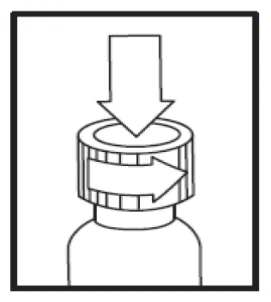
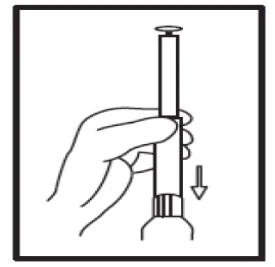
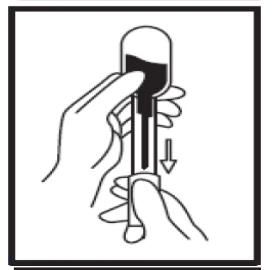
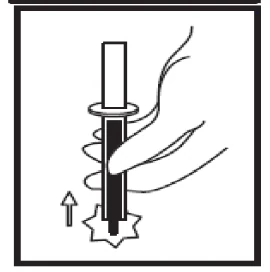
Instructions for Use of the Dosing Devices:
Use only the dosing device provided to measure the correct amount of suspension.
 |
|
|---|
 |
|
|---|---|
 |
|
 |
|
 |
|
 |
|
 |
|
Instructions for Use of the Dosing Cup
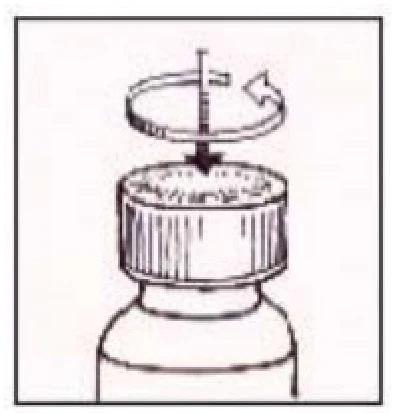
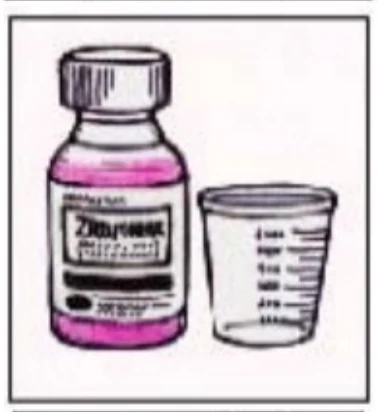
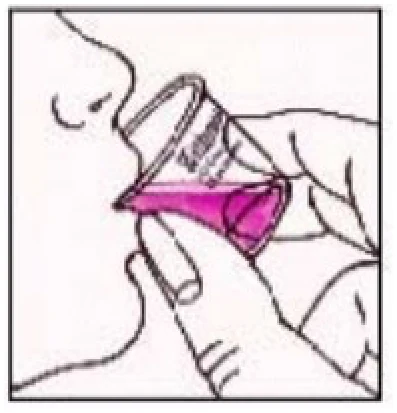
If you receive the dosing cup with Auro-Azithromycin oral suspension shake the bottle well before using. Rinse the cup with water after each daily dose. After your child has taken Auro-Azithromycin for the correct number of days, throw out the cup, cap, and bottle.
 |
|
|---|---|
 |
|
 |
|
|
Do not save any medicine for future use.
Overdose:
| If you think you, or a person you are caring for, have taken too much Auro-Azithromycin, contact a healthcare professional, hospital emergency department, or regional poison control centre immediately, even if there are no symptoms. |
|---|
Missed Dose:
If you forget to give your child a dose, call your pharmacist or child’s doctor. Do not double dose.
What are possible side effects from using Auro-Azithromycin?
These are not all the possible side effects you may have when taking Auro-Azithromycin. If you experience any side effects not listed here, tell your healthcare professional.
Side effects may include:
- Diarrhea/loose stools
- Stomach pain
- Nausea and vomiting
- Headache
 |
|---|
Serious side effects and what to do about them
| Symptom / effect | Talk to your healthcare professional | Stop taking drug and get immediate medical help | |
|---|---|---|---|
| Only if severe | In all cases | ||
| COMMON | |||
Clostridioides difficile colitis (bowel inflammation): severe diarrhea (bloody or watery) with or without fever, abdominal pain, or tenderness | √ | ||
| UNCOMMON | |||
Abnormal heart rhythm: feel your heart beating in your chest, abnormal heartbeat, dizziness or feeling faint | √ | ||
Severe allergic reaction: trouble breathing, swelling of the face, mouth, throat, neck, severe skin rash or blisters | √ | ||
Intestinal blockage: Projectile vomiting, irritability during feeding | √ | ||
Liver disorder: abdominal pain, nausea, vomiting, yellowing of skin and eyes, dark urine | √ | ||
Myasthenia gravis: muscle weakness, drooping eyelid, vision changes, difficulty chewing and swallowing, trouble breathing | √ | ||
If you have a troublesome symptom or side effect that is not listed here or becomes bad enough to interfere with your daily activities, tell your healthcare professional.
Reporting Side Effects
You can report any suspected side effects associated with the use of health products to Health Canada by:
NOTE: Contact your health professional if you need information about how to manage your side effects. The Canada Vigilance Program does not provide medical advice. |
|---|
Storage:
Dry powder: Store at room temperature (15°C - 30°C).
Reconstituted suspension: Store between 5°C and 30°C. Discard unused portion after 10 days.
Keep out of reach and sight of children.
If you want more information about Auro-Azithromycin:
- Talk to your healthcare professional
- Find the full product monograph that is prepared for healthcare professionals and includes this Patient Medication Information by visiting the Health Canada website: (https://www.canada.ca/en/health-canada/services/drugs-health-products/drug-products/drug-product-database.html); the manufacturer’s website http://www.auropharma.ca or by calling 1-855-648-6681.