


Product Monograph - Auro-Tramadol/Acetaminophen
SUMMARY PRODUCT INFORMATION
Route of Administration | Dosage Form / Strength | All Non-medicinal Ingredients |
| oral | Tablet / 37.5 mg tramadol Hydrochloride / 325 mg acetaminophen tablets | Tablet core: Corn Starch (Extra maize starch), Microcrystalline Cellulose (MICCEL-101/PH-101/Avicel PH-101), Sodium Starch Glycolate (Primojel), Pregelatinized Starch (Starch 1500), Microcrystalline Cellulose (MICCEL-102/PH-102/Avicel PH-102) and Magnesium Stearate (Ligamed MF-2-V) Film coat: Hypromellose, Titanium Dioxide, Yellow Iron Oxide, Polyethylene Glycol 400 and Polysorbate 80 |
INDICATIONS AND CLINICAL USE
Adults:
AURO-TRAMADOL/ACETAMINOPHEN (tramadol hydrochloride and acetaminophen) is indicated for the management of moderate to moderately severe pain.
Tramadol hydrochloride and Acetaminophen has not been systematically evaluated beyond 12 weeks in controlled clinical trials. Therefore, the physician who elects to use AURO-TRAMADOL/ACETAMINOPHEN for extended periods should periodically re-evaluate the long-term usefulness of the drug for the individual patient.
Geriatrics (> 65 years of age):
In general, dose selection for an elderly patient should be cautious, usually starting at the low end of the dosing range, reflecting the greater frequency of decreased hepatic, renal, or cardiac function, concomitant disease or other drug therapy.
Healthy elderly subjects aged 65 to 75 years administered tramadol have plasma concentrations and elimination half-lives comparable to those observed in healthy subjects less than 65 years of age. AURO-TRAMADOL/ACETAMINOPHEN should be administered with greater caution in patients older than 75 years, due to the greater potential for adverse events in this population (see
WARNINGS AND PRECAUTIONS and DOSAGE AND ADMINISTRATION).
Pediatrics (<18 years of age):
The safety and efficacy of tramadol hydrochloride and acetaminophen has not been studied in the pediatric population. Therefore, use of AURO-TRAMADOL/ACETAMINOPHEN is not recommended in patients under 18 years of age.
CONTRAINDICATIONS
AURO-TRAMADOL/ACETAMINOPHEN (tramadol hydrochloride and acetaminophen) tablets is contraindicated in:
- Patients who are hypersensitive to the active substance (tramadol and acetaminophen) or other opioid analgesics or to any ingredient in the formulation. For a complete listing, see the DOSAGE FORMS, COMPOSITION AND PACKAGING section of the Product Monograph.
- Patients with known or suspected mechanical gastrointestinal obstruction (e.g., bowel obstruction or strictures) or any diseases/conditions that affect bowel transit (e.g., ileus of any type).
- Patients with suspected surgical abdomen (e.g., acute appendicitis or pancreatitis).
- Patients with severe hepatic or renal impairment (creatinine clearance of less than 30 mL/min and/or Child-Pugh Class C).
- Patients with mild pain that can be managed with other pain medications.
- Patients with acute or severe bronchial asthma, chronic obstructive airway, or status asthmaticus.
- Patients with acute respiratory depression, elevated carbon dioxide levels in the blood, and corpulmonale.
- Patients with acute alcoholism, delirium tremens, and convulsive disorders.
- Patients with severe CNS depression, increased cerebrospinal or intracranial pressure, and head injury.
- Patients taking monoamine oxidase inhibitors (MAOIs) (or within 14 days following discontinuation of such therapy).
- Women who are pregnant, nursing or during labor and delivery.
- Any situation where opioids are contraindicated, including acute intoxication with any of the following: alcohol, hypnotics, centrally acting analgesics, opioids or psychotropic drugs. AURO-TRAMADOL/ACETAMINOPHEN may worsen central nervous system and respiratory depression in these patients.
- Pediatric patients less than 18 years of age who have undergone tonsillectomy and/or adenoidectomy for obstructive sleep apnea syndrome.
- Pediatric patients less than 12 years of age.
WARNINGS AND PRECAUTIONS
SERIOUS WARNINGS AND PRECAUTIONS Limitations of Use Because of the risks of addiction, abuse, and misuse with opioids, even at recommended doses, and because of the risks of overdose and death with immediate release opioid formulations, AURO-TRAMADOL/ACETAMINOPHEN (tramadol hydrochloride and acetaminophen tablets) should only be used in patients for whom alternative treatment options (e.g., non-opioid analgesics) are ineffective, not tolerated, or would be otherwise inadequate to provide appropriate management of pain (see DOSAGE AND ADMINISTRATION). Addiction, Abuse, and Misuse AURO-TRAMADOL/ACETAMINOPHEN poses risks of opioid addiction, abuse, and misuse, which can lead to overdose and death. Each patient’s risk should be assessed prior to prescribing AURO-TRAMADOL/ACETAMINOPHEN, and all patients should be monitored regularly for the development of these behaviors or conditions (see WARNINGS AND PRECAUTIONS). AURO-TRAMADOL/ACETAMINOPHEN should be store d securely to avoid theft or misuse. Life-threatening Respiratory Depression: OVERDOSE Serious, life -threatening, or fatal respiratory depression may occur with use of AURO-TRAMADOL/ACETAMINOPHEN. Infants exposed in-utero or through breast milk are at risk of life-threatening respiratory depression upon delivery or when nursed. Patients should be monitored for respiratory depression, especially during initiation of AURO-TRAMADOL/ACETAMINOPHEN or following a dose increase. AURO-TRAMADOL/ACETAMINOPHEN must be swallowed whole. Cutting, breaking, crushing, chewing or dissolving AURO-TRAMADOL/ACETAMINOPHEN can lead to dangerous adverse events including death (see WARNINGS AND PRECAUTIONS). Further, instruct patients of the hazards related to taking opioids including fatal overdose. Accidental Exposure Accidental ingestion of even one dose of AURO-TRAMADOL/ACETAMINOPHEN, especially by children, can result in a fatal overdose of tramadol and acetaminophen (see DOSAGE AND ADMINISTRATION, Disposal, for instructions on proper disposal). Neonatal Opioid Withdrawal Syndrome Prolonged maternal use of AURO-TRAMADOL/ACETAMINOPHEN during pregnancy can result in neonatal opioid withdrawal syndrome, which may be life -threatening (see WARNINGS AND PRECAUTIONS). Interaction with Alcohol The co-ingestion of alcohol with AURO-TRAMADOL/ACETAMINOPHEN should be avoided as it may result in dangerous additive effects, causing serious injury or death (see WARNINGS AND PRECAUTIONS and DRUG INTERACTIONS). Hepatotoxicity AURO-TRAMADOL/ACETAMINOPHEN contains acetaminophen. Acetaminophen has been associated with cases of acute liver failure, at times resulting in liver transplant and death. Most of |
the cases of liver injury are associate d with the use of acetaminophen at doses that exceed the maximum daily limits, and often involve more than one acetaminophen-containing product. Risks From Concomitant Use With Benzodiazepines or Other CNS Depressants Concomitant use of opioids with benzodiazepine s or other central nervous system (CNS) depressants, including alcohol, may result in profound sedation, respiratory depression, coma, and death (see WARNINGS AND PRECAUTIONS, Neurologic and DRUG INTERACTIONS). |
General
Patients should be instructed not to give AURO-TRAMADOL/ACETAMINOPHEN (tramadol hydrochloride and acetaminophen) tablets to anyone other than the patient for whom it was prescribed, as such inappropriate use may have severe medical consequences, including death.
AURO-TRAMADOL/ACETAMINOPHEN should be store d securely to avoid theft or misuse.
AURO-TRAMADOL/ACETAMINOPHEN should only be prescribed by persons knowledgeable in the administration of potent opioids, in the management of patients receiving potent opioids for the treatment of pain, and in the detection and management of respiratory depression, including the use of opioid antagonists.
Patients should be cautioned not to consume alcohol while taking AURO-TRAMADOL/ACETAMINOPHEN as it may increase the chance of experiencing serious adverse events, including death.
Hyperalgesia that will not respond to a further dose increase of opioids can occur at particularly high doses. A tramadol and acetaminophen dose reduction or change in opioid may be required.
Seizure Risk
Seizures have been reported in patients receiving tramadol within the recommended dosage range. Spontaneous post-marketing reports indicate that seizure risk is increased with doses of tramadol above the recommended range (see Neurologic and DRUG INTERACTIONS, Drug-Drug Interactions). Concomitant use of tramadol increases the seizure risk in patients taking:
- serotonergic drugs including selective serotonin reuptake inhibitors (SSRI antidepressants or anorectics) or serotonin-norepinephrine reuptake inhibitors (SNRIs);
- tricyclic antidepressants (TCAs) (e.g., imipramine and amitriptyline) and other tricyclic compounds (e.g., cyclobenzaprine, promethazine, etc.); or
- opioids.
Administration of tramadol may enhance the seizure risk in patients taking:
- monoamine oxidase inhibitors (MAOIs) (see CONTRAINDICATIONS);
- neuroleptics; or
- other drugs that reduce the seizure threshold.
Risk of convulsions may also increase in patients with epilepsy, those with a history of seizures or in patients with a recognized risk for seizure (such as head trauma, metabolic disorders, alcohol and drug withdrawal, CNS infections). In tramadol overdose, naloxone administration may increase the risk of seizure (see OVERDOSAGE, Treatment).
Anaphylactic Reactions
Serious and rarely fatal anaphylactic reactions have been reported in patients receiving therapy with tramadol. When these rare reactions do occur, it is often following the first dose. Other reported allergic reactions include pruritus, hives, bronchospasm, angioedema, toxic epidermal necrolysis and Stevens-Johnson syndrome. Patients with a history of anaphylactic reactions to codeine and other opioids may be at increased risk and therefore should not receive (see CONTRAINDICATIONS).
There have been post-marketing reports of hypersensitivity and anaphylaxis associated with the use of acetaminophen. Clinical signs included swelling of the face, mouth, and throat, respiratory distress, urticaria, rash, pruritus, and vomiting. There were infrequent reports of life-threatening anaphylaxis requiring emergency medical attention. Instruct patients to discontinue AURO-TRAMADOL/ACETAMINOPHEN immediately and seek medical care if they experience these symptoms. Do not prescribe AURO-TRAMADOL/ACETAMINOPHEN to patients with an acetaminophen allergy.
Abuse and Misuse
Like all opioids, AURO-TRAMADOL/ACETAMINOPHEN is a potential drug of abuse and misuse, which can lead to overdose and death. Therefore, AURO-TRAMADOL/ACETAMINOPHEN should be prescribed and handled with caution.
Patients should be assessed for their clinical risks for opioid abuse or addiction prior to being prescribed opioids. All patients receiving opioids should be routinely monitored for signs of misuse and abuse.
Opioids, such as AURO-TRAMADOL/ACETAMINOPHEN, should be used with particular care in patients with a history of alcohol and illicit/prescription drug abuse. However, concerns about abuse, addiction, and diversion should not prevent the proper management of pain.
AURO-TRAMADOL/ACETAMINOPHEN is intended for oral use only. The tablets should be swallowed whole, and not chewed or crushed. Abuse of oral dosage forms can be expected to result in serious adverse events, including death.
Dependence/Tolerance
As with other opioids, tolerance and physical dependence may develop upon repeated administration of AURO-TRAMADOL/ACETAMINOPHEN and there is a potential for development of psychological dependence.
Physical dependence and tolerance reflect the neuroadaptation of the opioid receptors to chronic exposure to an opioid and are separate and distinct from abuse and addiction. Tolerance, as well as physical dependence, may develop upon repeated administration of opioids, and are not by themselves evidence of an addictive disorder or abuse.
Patients on prolonged therapy should be tapered gradually from the drug if it is no longer required for pain control. Withdrawal symptoms may occur following abrupt discontinuation of therapy or upon administration of an opioid antagonist. Some of the symptoms that may be associated with abrupt withdrawal of an opioid analgesic include body aches, diarrhea, gooseflesh, loss of appetite, nausea, nervousness or restlessness, anxiety, runny nose, sneezing, tremors or shivering, stomach cramps, tachycardia, trouble with sleeping, unusual increase in sweating, palpitations, unexplained fever, weakness and yawning (see ADVERSE REACTIONS and DOSAGE AND ADMINISTRATION, Adjustment or Reduction of Dosage).
Carcinogenesis, Mutagenesis, Impairment of Fertility
There are no animal or laboratory studies on the combination product (tramadol and acetaminophen) to evaluate carcinogenesis, mutagenesis, or impairment of fertility.
A slight but statistically significant increase in two common murine tumors, pulmonary and hepatic, was observed in a mouse carcinogenicity study, particularly in aged mice. Mice were dosed orally up to 30 mg/kg (90 mg/m2 or 0.5 times the maximum daily human tramadol dosage of 185 mg/m2) for approximately two years, although the study was not done with the Maximum Tolerated Dose. This finding is not believed to suggest risk in humans. No such finding occurred in a rat carcinogenicity study (dosing orally up to 30 mg/kg, 180 mg/m2, or 1 times the maximum daily human tramadol dosage).
Tramadol was not mutagenic in the following assays: Ames Salmonella microsomal activation test, CHO/HPRT mammalian cell assay, mouse lymphoma assay (in the absence of metabolic activation), dominant lethal mutation tests in mice, chromosome aberration test in Chinese hamsters, and bone marrow micronucleus tests in mice and Chinese hamsters. Weakly mutagenic results occurred in the presence of metabolic activation in the mouse lymphoma assay and micronucleus test in rats. Overall, the weight of evidence from these tests indicates that tramadol does not pose a genotoxic risk to humans.
No effects on fertility were observed for tramadol at oral dose levels up to 50 mg/kg (350 mg/m2) in male rats and 75 mg/kg (450 mg/m2) in female rats. These dosages are 1.6 and 2.4 times the maximum daily human tramadol dosage of 185 mg/m2.
No drug-related teratogenic effects were observed in the progeny of rats treated orally with tramadol and acetaminophen. The tramadol/acetaminophen combination product was shown to be embryotoxic and fetotoxic in rats at a maternally toxic dose, 50/434 mg/kg tramadol/ acetaminophen (300/2604 mg/m2 or 1.6 times the maximum daily human tramadol/ acetaminophen dosage of 185/1591 mg/m2), but was not teratogenic at this dose level. Embryo and fetal toxicity consisted of decreased fetal weights and increased supernumerary ribs.
Tramadol alone was evaluated in peri- and post-natal studies in rats. Progeny of dams receiving oral (gavage) dose levels of 50 mg/kg (300 mg/m2 or 1.6 times the maximum daily human tramadol dosage) or greater had decreased weights, and pup survival was decreased early in lactation at 80 mg/kg (480 mg/m2 or 2.6 times the maximum daily human tramadol dosage).
Cardiovascular
Tramadol and acetaminophen administration may result in severe hypotension in patients whose ability to maintain adequate blood pressure is compromised by reduced blood volume, or concurrent administration of drugs such as phenothiazine’s and other tranquilizers, sedative/hypnotics, tricyclic antidepressants or general anesthetics. These patients should be monitored for signs of hypotension after initiating or titrating the dose of AURO-TRAMADOL/ACETAMINOPHEN.
The use of AURO-TRAMADOL/ACETAMINOPHEN in patients with circulatory shock should be avoided as it may cause vasodilation that can further reduce cardiac output and blood pressure.
QTc Interval Prolongation: The effect of tramadol on the QT/QTc interval was evaluated in a dedicated randomized, double-blind, 4-way crossover, placebo- and positive-controlled, multiple dose ECG study in healthy subjects (N=62). The study involved administration of tramadol at a supra-therapeutic dose of 100 mg every 6 h on days 1-3 (400 mg/day), with a single 100 mg dose on day 4, or 150 mg every 6 h (600 mg/day) on days 1-3, with a single 150 mg dose on day 4. The maximum placebo-adjusted mean change from baseline in the QTcF interval was 5.5 ms (90% CI 3.2, 7.8) in the 400 mg/day treatment arm and 6.5 ms (90% CI 4.1, 8.8) in the 600 mg/day mg treatment arm, both occurring at the 8h time point. Both treatment groups were within the 10 ms threshold for QT prolongation (see ACTION AND CLINICAL PHARMACOLOGY, Cardiac Electrophysiology). Post-marketing experience with the use of tramadol containing products included rare reports of QT prolongation reported with an overdose (see ADVERSE REACTIONS, Post-Marketing Reports with Tramadol; DRUG INTERACTIONS, QTc Interval-Prolonging Drugs; OVERDOSAGE).
Many drugs that cause QTc prolongation are suspected to increase the risk of torsade de pointes. Torsade de pointes is a polymorphic ventricular tachyarrhythmia. Generally, the risk of torsade de pointes increases with the magnitude of QTc prolongation produced by the drug. Torsade de pointes may be asymptomatic or experienced by the patient as dizziness, palpitations, syncope, or seizures. If sustained, torsade de pointes can progress to ventricular fibrillation and sudden cardiac death.
Particular care should be exercised when administering AURO-TRAMADOL/ACETAMINOPHEN to patients who are suspected to be at an increased risk of experiencing torsade de pointes during treatment with a QTc-prolonging drug.
Risk factors for torsade de pointes in the general population include, but are not limited to, the following:
- female gender;
- age 65 years or older;
- baseline prolongation of the QT/QTc interval;
- presence of pathological genetic variants affecting cardiac ion channels or regulatory proteins, especially congenital long QT syndromes;
- family history of sudden cardiac death at <50 years;
- cardiac disease (e.g., myocardial ischemia or infarction, congestive heart failure, left ventricular hypertrophy, cardiomyopathy, conduction system disease);
- history of arrhythmias (especially ventricular arrhythmias, atrial fibrillation, or recent conversion from atrial fibrillation);
- electrolyte disturbances (e.g., hypokalemia, hypomagnesemia, hypocalcemia);
- bradycardia (<50 beats per minute);
- acute neurological events (e.g., intracranial or subarachnoid hemorrhage, stroke, intracranial trauma);
- nutritional deficits (e.g., eating disorders, extreme diets);
- diabetes mellitus;
- autonomic neuropathy.
When drugs that prolong the QTc interval are prescribed, healthcare professionals should counsel their patients concerning the nature and implications of the ECG changes, underlying diseases and disorders that are considered to represent risk factors, demonstrated and predicted drug-drug interactions, symptoms suggestive of arrhythmia, risk management strategies, and other information relevant to the use of the drug.
Use in Drug and Alcohol Addiction
AURO-TRAMADOL/ACETAMINOPHEN is an opioid with no approved use in the management of addictive disorders. Its proper usage in individuals with drug or alcohol dependence, either active or in remission is for the management of pain requiring opioid analgesia. Patients with a history of addiction to drugs or alcohol may be at higher risk of becoming addicted to AURO-TRAMADOL/ACETAMINOPHEN unless used under extreme caution and awareness.
Endocrine and Metabolism
Adrenal Insufficiency
Cases of adrenal insufficiency have been reported with opioid use, more often following greater than one month of use. Presentation of adrenal insufficiency may include non-specific symptoms and signs including nausea, vomiting, anorexia, fatigue, weakness, dizziness, and low blood pressure. If adrenal insufficiency is suspected, confirm the diagnosis with diagnostic testing as soon as possible. If adrenal insufficiency is diagnosed, treat with physiologic replacement doses of corticosteroids. Wean the patient off of the opioid to allow adrenal function to recover and continue corticosteroid treatment until adrenal function recovers. Other opioids may be tried as some cases reported use of a different opioid without recurrence of adrenal insufficiency. The information available does not identify any particular opioids as being more likely to be associated with adrenal insufficiency.
Hyponatremia
Hyponatremia has been reported very rarely with the use of tramadol, usually in patients with predisposing risk factors, such as elderly patients and/or patients using concomitant medications that may cause hyponatremia (e.g., antidepressants, benzodiazepines, diuretics). In some reports, hyponatremia appeared to be the result of the syndrome of inappropriate antidiuretic hormone secretion (SIADH) and resolved with discontinuation of AURO-TRAMADOL/ACETAMINOPHEN and appropriate treatment (e.g., fluid restriction). During AURO-TRAMADOL/ACETAMINOPHEN treatment, monitoring for signs and symptoms of hyponatremia is recommended for patients with predisposing risk factors.
Gastrointestinal Effects
Tramadol and other morphine-like opioids have been shown to decrease bowel motility. Tramadol and acetaminophen may obscure the diagnosis or clinical course of patients with acute abdominal conditions (see CONTRAINDICATIONS).
Neonatal Opioid Withdrawal Syndrome (NOWS)
Prolonged maternal use of opioids during pregnancy can result in withdrawal signs in the neonate. Neonatal opioid withdrawal syndrome, unlike opioid withdrawal syndrome in adults, may be life-threatening.
Neonatal opioid withdrawal syndrome presents as irritability, hyperactivity and abnormal sleep pattern, high pitched cry, tremor, vomiting, diarrhea and failure to gain weight. The onset, duration, and severity of neonatal opioid withdrawal syndrome vary based on the specific opioid used, duration of use, timing and amount of last maternal use, and rate of elimination of the drug by the newborn.
Use of AURO-TRAMADOL/ACETAMINOPHEN is contraindicated in pregnant women (see CONTRAINDICATIONS). Neurologic
Serotonin toxicity / Serotonin syndrome: Serotonin toxicity, also known as serotonin syndrome, is a potentially life-threatening condition and has been reported with tramadol, including tramadol hydrochloride and acetaminophen, particularly during combined use with other serotonergic drugs (See DRUG INTERACTIONS).
Serotonin toxicity is characterised by neuromuscular excitation, autonomic stimulation (e.g. tachycardia, flushing) and altered mental state (e.g., anxiety, agitation, hypomania). In accordance with the Hunter Criteria, serotonin toxicity diagnosis is likely when, in the presence of at least one serotonergic agent, one of the following is observed:
- Spontaneous clonus
- Inducible clonus or ocular clonus with agitation or diaphoresis
- Tremor and hyperreflexia
- Hypertonia and body temperature >38°C and ocular clonus or inducible clonus.
If concomitant treatment with and other serotonergic agents is clinically warranted, careful observation of the patient is advised, particularly during treatment initiation and dose increases (see DRUG INTERACTIONS). If serotonin toxicity is suspected, discontinuation of the serotonergic agents should be considered.
Interactions with Central Nervous System (CNS) Depressants (including benzodiazepines and alcohol):
Tramadol should be used with caution and in a reduced dosage during concomitant administration of other opioid analgesics, general anesthetics, phenothiazines and other tranquilizers, sedative-hypnotics, tricyclic antidepressants, antipsychotics, antihistamines, benzodiazepines, centrally-active anti-emetics and other CNS depressants. Respiratory depression, hypotension and profound sedation, coma or death may result.
Observational studies have demonstrated that concomitant use of opioid analgesics and benzodiazepines increases the risk of drug-related mortality compared to use of opioid analgesics alone. Because of similar pharmacological properties, it is reasonable to expect similar risk with the concomitant use of other CNS depressant drugs with opioid analgesics (see DRUG INTERACTIONS). If the decision is made to prescribe a benzodiazepine or other CNS depressant concomitantly with an opioid analgesic, prescribe the lowest effective dosages and minimum durations of concomitant use. In patients already receiving an opioid analgesic, prescribe a lower initial dose of the benzodiazepine or other CNS depressant than indicated in the absence of an opioid, and titrate based on clinical response. If an opioid analgesic is initiated in a patient already taking a benzodiazepine or other CNS depressant, prescribe a lower initial dose of the opioid analgesic, and titrate based on clinical response. Follow patients closely for signs and symptoms of respiratory depression and sedation.
Advise both patients and caregivers about the risks of respiratory depression and sedation when AURO-TRAMADOL/ACETAMINOPHEN is used with benzodiazepines or other CNS depressants (including alcohol and illicit drugs). Advise patients not to drive or operate heavy machinery until the effects of concomitant use of the benzodiazepine or other CNS depressant have been determined. Screen patients for risk of substance use disorders, including opioid abuse and misuse, and warn them of the risk for overdose and death associated with the use of additional CNS depressants including alcohol and illicit drugs (see DRUG INTERACTIONS).
AURO-TRAMADOL/ACETAMINOPHEN should not be consumed with alcohol as it may increase the chance of experiencing dangerous side effects, including death (see CONTRAINDICATIONS; ADVERSE REACTIONS, Sedation and DRUG INTERACTIONS).
Severe pain antagonizes the subjective and respiratory depressant actions of opioid analgesics. Should pain suddenly subside, these effects may rapidly become manifest.
Head Injury: The respiratory depressant effects of tramadol, and the capacity to elevate cerebrospinal fluid pressure, may be greatly increased in the presence of an already elevated intracranial pressure produced by trauma. Also, tramadol may produce confusion, miosis, vomiting and other side effects which obscure the clinical course of patients with head injury. In such patients, tramadol must be used with extreme caution and only if it is judged essential (see CONTRAINDICATIONS).
Opioid induced hyperalgesia: Opioid induced hyperalgesia (OIH) is a paradoxical response to an opioid in which there is an increase in pain perception despite stable or increased opioid exposure. It differs from tolerance, in which higher opioid doses are required to achieve the same analgesic effect or treat recurring pain. Clinically, OIH may be associated with high opioid doses, long term opioid treatment, and intra-operative opioid use. OIH may manifest as an unexplained increase in pain, more diffuse pain than pre-existing, or as pain from ordinary (i.e. non-painful) stimuli (allodynia) in the absence of disease progression. When OIH is suspected, the dose of opioid should be reduced or tapered off, if possible. It is reasonable to consider opioid rotation, or the use of a non-opioid strategy for pain control. There is currently no well- established treatment for OIH.
Peri-Operative Considerations
AURO-TRAMADOL/ACETAMINOPHEN is not indicated for pre-emptive analgesia (administration pre-operatively for the management of post-operative pain). AURO-TRAMADOL/ACETAMINOPHEN should only be used during post-operative period in patients that can take oral medications.
The administration of analgesics in the peri-operative period should be managed by healthcare providers with adequate training and experience (e.g., by an anesthesiologist).
Tramadol and other morphine-like opioids have been shown to decrease bowel motility. Ileus is a common post-operative complication, especially after intra-abdominal surgery with opioid analgesia. Caution should be taken to monitor for decreased bowel motility in post-operative patients receiving opioids. Standard supportive therapy should be implemented.
Psychomotor Impairment
AURO-TRAMADOL/ACETAMINOPHEN may impair the mental and/or physical abilities needed for certain potentially hazardous activities such as driving a car or operating machinery. Patients should be cautioned accordingly. Patients should also be cautioned about the combined effects of tramadol with other CNS depressants, including other opioids, phenothiazine, sedative/hypnotics and alcohol.
Respiratory
Respiratory Depression: Administer AURO-TRAMADOL/ACETAMINOPHEN cautiously in patients at risk for respiratory depression, including patients with substantially decreased respiratory reserve, hypoxia, hypercapnia, or pre-existing respiratory depression, as in these patients, even therapeutic doses of AURO-TRAMADOL/ACETAMINOPHEN may decrease respiratory drive to the point of apnea. In these patients, alternative non-opioid analgesics should be considered.
When large doses of tramadol are administered with anesthetic medications or alcohol, respiratory depression may result. Respiratory depression should be treated as an overdose. If naloxone is to be administered, use cautiously because it may precipitate seizures (see Seizure Risk and OVERDOSAGE, Tramadol).
Serious, life-threatening, or fatal respiratory depression has been reported with the use of opioids, even when used as recommended. Respiratory depression from opioid use, if not immediately recognized and treated, may lead to respiratory arrest and death. Management of respiratory depression may include close observation, supportive measures, and use of opioid antagonists, depending on the patient’s clinical status. Tramadol should be used with extreme caution in patients with substantially decreased respiratory reserve, pre-existing respiratory depression, hypoxia or hypercapnia (see CONTRAINDICATIONS).
While serious, life-threatening, or fatal respiratory depression can occur at any time during the use of AURO-TRAMADOL/ACETAMINOPHEN, the risk is greatest during the initiation of therapy or following a dose increase. Patients should be closely monitored for respiratory depression when initiating therapy with AURO-TRAMADOL/ACETAMINOPHEN and following dose increases.
During treatment with AURO-TRAMADOL/ACETAMINOPHEN, cases of severe respiratory depression have been reported in patients with risk factors of respiratory depression or in cases of overdose.
Life-threatening respiratory depression is more likely to occur in the elderly, cachectic, or debilitated patients because they may have altered pharmacokinetics or altered clearance compared to younger, healthier patients.
To reduce the risk of respiratory depression, proper dosing and titration of AURO-TRAMADOL/ACETAMINOPHEN are essential. Overestimating the AURO-TRAMADOL/ACETAMINOPHEN dose when converting patients from another opioid product can result in a fatal overdose with the first dose. In these patients, the use of non-opioid analgesics should be considered, if feasible (see WARNINGS AND PRECAUTIONS, Special Populations, Special Risk Groups, and DOSAGE AND ADMINISTRATION).
Sleep Apnea: Opioids can cause sleep-related breathing disorders such as sleep apnea syndromes (including central sleep apnea [CSA]) and hypoxia (including sleep-related hypoxia) (see ADVERSE REACTIONS). Opioid use increases the risk of CSA in a dose-dependent fashion. Evaluate patients on an ongoing basis for the onset of a new sleep apnea, or a worsening of an existing sleep apnea. In these patients, consider reducing or stopping the opioid treatment if appropriate, using best practices for tapering of opioids (see WARNINGS AND PRECAUTIONS, Dependence/Tolerance; DOSAGE AND ADMINISTRATION,
Adjustment or Reduction of Dosage).
Use with MAO Inhibitors (MAOIs):
Concomitant use of AURO-TRAMADOL/ACETAMINOPHEN with MAOIs is contraindicated (see CONTRAINDICATIONS).
Animal studies have shown increased deaths with combined administration of MAOIs and tramadol. Concomitant use of tramadol with MAOIs increases the risk of adverse events, including seizure (see Seizure Risk and DRUG INTERACTIONS) and serotonin syndrome (see Serotonin Syndrome).
Cytochromes P450 (CYP) 2D6 Ultra-Rapid Metabolism: Some individuals may be CYP2D6 ultra-rapid metabolizers. These individuals convert tramadol more rapidly than other people into its more potent opioid metabolite O-desmethyltramadol (M1). Even at labelled dosage regimens, this rapid conversion could result in higher than expected opioid-like side effects including life- threatening or fatal respiratory depression or experience signs of overdose (such as extreme sleepiness, confusion, or shallow breathing) (see OVERDOSAGE, Symptoms: Tramadol; WARNINGS AND PRECAUTIONS, Special Populations, Labour, Delivery and Nursing
Women; DRUG INTERACTIONS, Overview). The prevalence of this CYP2D6 phenotype varies widely in the population (see ACTION AND CLINICAL PHARMACOLOGY, Special Populations and Conditions, Race).
Use in Patients with Chronic Pulmonary Disease: Monitor patients with significant chronic obstructive pulmonary disease or corpulmonale, and patients having a substantially decreased respiratory reserve, hypoxia, hypercapnia, or pre-existing respiratory depression for respiratory depression, particularly when initiating therapy and titrating with AURO-TRAMADOL/ACETAMINOPHEN, as in these patients, even usual therapeutic doses of AURO-TRAMADOL/ACETAMINOPHEN may decrease respiratory drive to the point of apnea. In these patients, use of alternative non-opioid analgesics should be considered, if possible. The use of AURO-TRAMADOL/ACETAMINOPHEN is contraindicated in patients with acute or severe bronchial asthma, chronic obstructive airway, or status asthmaticus (see CONTRAINDICATIONS).
Hepatic
Administration of acetaminophen in doses higher than recommended may result in hepatic injury, including the risk of severe hepatotoxicity and death. The risk of acute liver failure is higher in individuals with underlying liver disease and in individuals who ingest alcohol while taking acetaminophen.
The maximum daily dose of acetaminophen includes all routes of administration (intravenous, oral and rectal) and all products containing acetaminophen (oral solutions/drops, syrup, pills, capsules, suppositories, etc.). Instruct patients not to exceed the maximum recommended daily dose of acetaminophen (see DOSAGE AND ADMINISTRATION, Dosing Considerations). Advise your patients to seek medical attention as soon as an acetaminophen overdose is suspected. Advise them not to wait for symptoms to appear (see OVERDOSAGE, Acetaminophen).
Use with Other Acetaminophen-Containing Products
Due to the potential for acetaminophen hepatotoxicity at doses higher than the recommended dose, AURO-TRAMADOL/ACETAMINOPHEN should not be used concomitantly with other acetaminophen-containing products. Patients with or without liver disease should not exceed the daily maximum dose of acetaminophen. The maximum daily dose of acetaminophen includes all routes of administration (intravenous, oral and rectal) and all products containing acetaminophen (oral solutions/drops, syrup, pills, capsules, suppositories etc.).
Risk of Over dosage
Serious potential consequences of over dosage with AURO-TRAMADOL/ACETAMINOPHEN are central nervous system depression, respiratory depression, seizures and death (see Seizure Risk and Respiratory). A serious potential consequence of over dosage with acetaminophen is hepatic (centrilobular) necrosis, leading to hepatic failure and death (see Hepatic).
Emergency help should be sought immediately and treatment initiated without delay if overdose is suspected, even if symptoms are not apparent. In treating an overdose of tramadol, primary attention should be given to maintaining adequate ventilation along with general supportive treatment (see OVERDOSAGE, Treatment).
Do not prescribe AURO-TRAMADOL/ACETAMINOPHEN for patients who are suicidal or addiction-prone.
AURO-TRAMADOL/ACETAMINOPHEN should not be taken in doses higher than those recommended by the physician. The judicious prescribing of tramadol is essential to the safe use of this drug. With patients who are depressed or suicidal, consideration should be given to the use of non-narcotic analgesics.
Hypersensitivity Reactions
Serious Skin Reactions
Rarely, acetaminophen can cause serious skin reactions such as acute generalized exanthematous pustulosis (AGEP), Stevens-Johnson Syndrome (SJS), and toxic epidermal necrolysis (TEN), which can be fatal. It is important to recognize and react quickly to the initial symptoms of these reactions which may occur without warning but may be manifested by any serious skin reactions. Patients should be informed about the signs of serious skin reactions, and use of the drug should be discontinued at the first appearance of skin rash or any other sign of hypersensitivity.
Sexual Function/Reproduction
Long-term use of opioids may be associated with decreased sex hormone levels and symptoms such as low libido, erectile dysfunction, or infertility (see ADVERSE REACTIONS, Androgen deficiency).
Special Populations
Special Risk Groups:
Tramadol should be administered with caution to patients with a history of alcohol and drug abuse and in a reduced dosage to debilitated patients, and in patients with severely impaired pulmonary function, Addison’s disease, hypothyroidism, myxedema, toxic psychosis, prostatic hypertrophy or urethral stricture.
Pregnant Women:
Animal reproduction studies have revealed no evidence of harm to the fetus due to tramadol and acetaminophen (see TOXICOLOGY, Teratogenicity). However, as studies in humans have not been conducted, and since tramadol and acetaminophen crosses the placental barrier, AURO-TRAMADOL/ACETAMINOPHEN is contraindicated in pregnant women (see CONTRAINDICATIONS).
Prolonged maternal use of opioids during pregnancy can result in withdrawal signs in the neonate. Neonatal opioid withdrawal syndrome, unlike opioid withdrawal syndrome in adults, may be life-threatening (see WARNINGS AND PRECAUTIONS, Neonatal Opioid Withdrawal Syndrome, ADVERSE REACTIONS, Other Clinically Significant Adverse Experiences Previously Reported in Clinical Trials or Post-marketing Reports withTramadol).
Labour, Delivery and Nursing Women:
AURO-TRAMADOL/ACETAMINOPHEN is contraindicated in nursing women (see CONTRAINDICATIONS). Following a single 100 mg i.v. dose of tramadol, the cumulative excretion in breast milk within 16 hours post-dose was 100 mcg of tramadol (0.1% of the maternal dose) and 27 mcg of M1.
Tramadol is subject to the same polymorphic metabolism as codeine, with ultra-rapid metabolizers of CYP2D6 substrates being potentially exposed to life-threatening levels of O-desmethyltramadol (M1). At least one death was reported in a breast-feeding infant who was exposed to high levels of morphine in breast milk because the mother was an ultra-rapid metabolizer of codeine. A baby breast-feeding from an ultra-rapid metabolizer mother taking AURO-TRAMADOL/ACETAMINOPHEN could potentially be exposed to high levels of M1, and experience life-threatening respiratory depression. Therefore, maternal use of tramadol can lead to serious adverse reactions, including death in nursing infants (see WARNINGS AND PRECAUTIONS, Respiratory).
Since opioids can cross the placental barrier and are excreted in breast milk, AURO-TRAMADOL/ACETAMINOPHEN is also contraindicated during labor and delivery. Life-threatening respiratory depression can occur in the infant if opioids are administered to the mother. Naloxone, a drug that counters the effects of opioids, should be readily available if AURO-TRAMADOL/ACETAMINOPHEN is used in this population.
Pediatrics (< 18 years of age):
The use of AURO-TRAMADOL/ACETAMINOPHEN is contraindicated in children below 12 years of age (see CONTRAINDICATIONS). The safety and efficacy of tramadol hydrochloride and acetaminophen has not been studied in the pediatric population. Therefore, use of AURO-TRAMADOL/ACETAMINOPHEN is not recommended in patients under 18 years of age. Further, adolescent patients (12 to 18 years old) who are obese or have conditions such as obstructive sleep apnea or severe lung disease may be at increased risk of serious breathing problems; the use of AURO-TRAMADOL/ACETAMINOPHEN is not recommended in these pediatrics patients. Because of the risk of life-threatening respiratory depression and death, avoid the use of AURO-TRAMADOL/ACETAMINOPHEN in adolescents (12 to 18 years old) who have other risk factors that may increase their sensitivity to the respiratory depressant effects of tramadol. Risk factors include conditions associated with hypoventilation such as postoperative status, obstructive sleep apnea and concomitant use of other medications that cause respiratory depression.
Geriatrics (> 65 years of age): In general, dose selection for an elderly patient should be cautious, usually starting at the low end of the dosing range and titrate slowly, reflecting the greater frequency of decreased hepatic, renal or cardiac function; concomitant disease and multiple drug therapy (see DOSAGE AND ADMINISTRATION and ACTION AND CLINICAL PHARMACOLOGY, Special Populations and Conditions, Geriatrics).
Patients with Hepatic Impairment
AURO-TRAMADOL/ACETAMINOPHEN is contraindicated in patients with severe hepatic impairment (see CONTRAINDICATIONS). In patients with compromised liver function, acetaminophen could exacerbate liver insufficiency. Pain control may also be compromised because tramadol is not properly metabolized.
Tramadol hydrochloride and acetaminophen has not been studied in patients with impaired hepatic function. Theoretical risk factors for acetaminophen hepatotoxicity in patients with chronic liver disease include slower metabolism of acetaminophen, increased activity of the cytochrome P450 enzyme system, or depleted glutathione stores. Liver function should be monitored in patients with liver disease.
Patients with Renal Impairment
AURO-TRAMADOL/ACETAMINOPHEN is contraindicated in patients with severe renal impairment (defined as glomerular filtration rate of less than 30 mL/min/1.73 m2). Acetaminophen has been reported to cause toxicity in this population.
Tramadol hydrochloride and acetaminophen has not been studied in patients with impaired renal function. Experience with tramadol suggests that impaired renal function results in a decreased rate and extent of excretion of tramadol and its active metabolite, M1 (see CONTRAINDICATIONS, ACTION AND CLINICAL PHARMACOLOGY, Special Populations and Conditions, Renal Impairment).
ADVERSE REACTIONS
Adverse Drug Reaction Overview
Adverse effects of tramadol hydrochloride and acetaminophen tablets are similar to those of other opioid analgesics, and represent an extension of pharmacological effects of the drug class. The major hazards of opioids include respiratory and central nervous system depression and to a lesser degree, circulatory depression, respiratory arrest, shock and cardiac arrest.
The most frequently observed adverse effects of tramadol hydrochloride and acetaminophen are headache, dizziness, nausea, constipation and somnolence as presented in Table 1.1.
Clinical Trial Adverse Drug Reactions
Because clinical trials are conducted under very specific conditions the adverse reaction rates observed in the clinical trials may not reflect the rates observed in practice and should not be compared to the rates in the clinical trials of another drug. Adverse drug reaction information from clinical trials is useful for identifying drug-related adverse events and for approximating rates.
Tramadol hydrochloride and acetaminophen tablets were administered to 1,597 patients during the double-blind or open-label extension periods in studies of chronic non-malignant pain. Of these patients, 539 were 65 years old or older. The most frequently reported events were in the central nervous and gastrointestinal systems. These are common effects associated with other drugs with opioid agonist activity.
Table 1.1 Treatment-emergent adverse events reported in at least 2% of Tramadol Hydrochloride and Acetaminophen Tablets patients with chronic paina and an incidence greater than with placebo
Body System Adverse Events | Tramadol Hydrochloride and Acetaminophen Tablets (N=481) % | Placebo (N=479) % |
|---|---|---|
Body as a Whole Fatigue Hot Flushes Influenza-like Symptoms | 7 2 3 | 2 0 2 |
Cardiovascular Disorders Hypertension | 3 | 1 |
| Body System |
|---|
Adverse Events
| Tramadol Hydrochloride and Acetaminophen Tablets (N=481) % | Placebo (N=479) % | |
|---|---|---|
Central and Peripheral Nervous System Disorders Headache Dizziness Hypoesthesia | 15 11 2 | 10 4 0 |
Gastro-Intestinal System Disorders Nausea Constipation Mouth Dry Vomiting Abdominal Pain Diarrhea | 18 16 8 5 5 5 | 5 5 1 1 4 3 |
Psychiatric Disorders Somnolence Insomnia Anorexia Nervousness | 14 5 4 2 | 2 1 1 0 |
Skin and Appendages Disorders Pruritus Sweating Increased Rash | 6 4 3 | 1 0 1 |
a In placebo controlled trials of three months in duration
Incidence at least 1% – Causal Relations hip at Least Possible or Greater
The following lists treatment-emergent adverse reactions that occurred with an incidence of at least 1% in clinical trials with a population of 2,836 tramadol/acetaminophen-exposed subjects in the 18 acute and chronic pain studies combined.
Body as a Whole: asthenia, fatigue, hot flushes
Central and Peripheral Nervous System: dizziness, headache, tremor
Gastrointestinal System: abdominal pain, constipation, diarrhea, dyspepsia, flatulence, dry mouth, nausea, vomiting
Psychiatric Disorders: anorexia, anxiety, confusion, euphoria, insomnia, nervousness, somnolence
Skin and Appendages: pruritus, rash, increased sweating
Among these, the most common (≥ 5% of subjects) treatment-emergent adverse events were nausea (14%), dizziness (10%), somnolence (9%), constipation (8%), vomiting (5%), and headache (5%). These data are consistent with data presented in Table 1.1.
Sedation: Sedation is a common side effect of opioid analgesics, especially in opioid naïve individuals. Sedation may also occur partly because patients often recuperate from prolonged fatigue after the relief of persistent pain. Most patients develop tolerance to the sedative effects of opioids within three to five days and, if the sedation is not severe, will not require any treatment except reassurance. If excessive sedation persists beyond a few days, the dose of the opioid should be reduced and alternate causes investigated. Some of these are: concurrent CNS depressant medication, hepatic or renal dysfunction, brain metastases, hypercalcemia and respiratory failure. If it is necessary to reduce the dose, it can be carefully increased again after three or four days if it is obvious that the pain is not being well controlled. Dizziness and unsteadiness may be caused by postural hypotension, particularly in elderly or debilitated patients, and may be alleviated if the patient lies down.
Nausea and Vomiting: Nausea is a common side effect on initiation of therapy with opioid analgesics and is thought to occur by activation of the chemoreceptor trigger zone, stimulation of the vestibular apparatus and through delayed gastric emptying. The prevalence of nausea declines following continued treatment with opioid analgesics. When instituting therapy with an opioid for chronic pain, the routine prescription of an antiemetic should be considered. In the cancer patient, investigation of nausea should include such causes as constipation, bowel obstruction, uremia, hypercalcemia, hepatomegaly, tumor invasion of celiac plexus and concurrent use of drugs with emetogenic properties. Persistent nausea which does not respond to dosage reduction may be caused by opioid-induced gastric stasis and may be accompanied by other symptoms including anorexia, early satiety, vomiting and abdominal fullness. These symptoms respond to chronic treatment with gastrointestinal prokinetic agents.
Constipation: Practically all patients become constipated while taking opioids on a persistent basis. In some patients, particularly the elderly or bedridden, fecal impaction may result. It is essential to caution the patients in this regard and to institute an appropriate regimen of bowel management at the start of prolonged opioid therapy. Stimulant laxatives, stool softeners, and other appropriate measures should be used as required. As fecal impaction may present as overflow diarrhea, the presence of constipation should be excluded in patients on opioid therapy prior to initiating treatment for diarrhea.
The following adverse effects occur less frequently with opioid analgesics and include those reported in tramadol hydrochloride and acetaminophen clinical trials, whether related or not to tramadol and acetaminophen.
Less Common Clinical Trial Adverse Drug Reactions (<1%)
The following lists clinically relevant treatment-emergent adverse reactions that occurred with an incidence of less than 1% in tramadol/acetaminophen clinical trials.
| Body as a Whole: | chest pain, rigors, syncope, withdrawal syndrome, allergic reaction |
| Cardiovascular Disorders: | hypertension, aggravated hypertension, hypotension, dependent edema |
Central and Peripheral Nervous System: | ataxia, convulsions, hypertonia, migraine, aggravated migraine, involuntary muscle contractions, paresthesia, stupor, vertigo |
| Gastrointestinal System: | dysphagia, melena, tongue edema |
| Hearing and Vestibular Disorders: | tinnitus |
| Heart Rate and Rhythm Disorders: | arrhythmia, palpitation, tachycardia |
| Liver and Biliary System: | abnormal hepatic function, SGPT (ALAT) increased, SGOT (ASAT) increased |
| Metabolic and Nutritional Disorders: | weight decrease, hypoglycemia, increased alkaline phosphatase, weight increase |
| Musculoskeletal System Disorders: | arthralgia |
| Platelets, Bleeding and Clotting Disorders: | increased coagulation time, purpura |
| Psychiatric Disorders: | amnesia, depersonalisation, depression, drug abuse, emotional lability, hallucination, impotence, bad dreams, abnormal thinking |
| Red Blood Cell Disorders: | anemia |
| Respiratory System: | dyspnea, bronchospasm |
| Skin and Appendages Disorders: | dermatitis, erythematous rash |
| Urinary System: | albuminuria, micturition disorder, oliguria, urinary retention |
| Vision Disorders: | abnormal vision |
| White Cell and RES Disorders: | granulocytopenia and leukocytosis |
Other Clinically Significant Adverse Experiences Previously Reported in Clinical Trials or Post-marketing Reports with Tramadol
Other events which have been reported with the use of tramadol products and for which a causal association has not been determined include: vasodilation, orthostatic hypotension, myocardial ischemia, pulmonary edema, allergic reactions (including anaphylaxis and urticaria, Stevens- Johnson syndrome/TENS), cognitive dysfunction, difficulty concentrating, suicidal tendency, hepatitis, liver failure, worsening of asthma, and gastrointestinal bleeding. Reported laboratory abnormalities included elevated creatinine and liver function tests.
Additional events which have been reported with the use of tramadol products and for which a causal association has not been determined include: abdominal discomfort, agitation, chest discomfort, cold sweat, disorientation, dry throat, ear discomfort, feeling abnormal, feeling jittery, gait disturbance, irritability, lethargy, malaise, memory impairment, prothrombin time prolonged, psychomotor hyperactivity, sleep disorder, thirst, vision blurred.
Serotonin syndrome (whose symptoms may include mental status change, hyperreflexia, fever, shivering, tremor, agitation, diaphoresis, seizures and coma) has been reported with tramadol when used concomitantly with other serotonergic agents such as SSRIs and MAOIs.
Post-marketing experience with the use of tramadol containing products included rare reports of delirium, miosis, mydriasis, and speech disorder, and very rare reports of movement disorder including dyskinesia and dystonia. Electrocardiogram QT prolonged, ventricular fibrillation, and ventricular tachycardia have been reported during post-market use.
Cases of hypoglycemia have been reported in patients taking tramadol, mostly in patients with pre-disposing risk factors, including diabetes, elderly and renal insufficiency. Caution should be exercised when prescribing tramadol to diabetic patients. More frequent monitoring of blood glucose levels may be appropriate, including at initiation or dose increase.
Cases of hyponatremia and/or SIADH have been reported very rarely in patients taking tramadol, usually in patients with predisposing risk factors, such as the elderly or those using concomitant medications that may cause hyponatremia.
Androgen deficiency: Chronic use of opioids may influence the hypothalamic-pituitary-gonadal axis, leading to androgen deficiency that may manifest as low libido, impotence, erectile dysfunction, amenorrhea, or infertility. The causal role of opioids in the clinical syndrome of hypogonadism is unknown because the various medical, physical, lifestyle, and psychological stressors that may influence gonadal hormone levels have not been adequately controlled for in studies conducted to date. Patients presenting with symptoms of androgen deficiency should undergo laboratory evaluation.
Hallucinations: Visual and auditory hallucinations have been reported at therapeutic doses of tramadol, during post-marketing experience, in a higher rate in elderly patients compared to younger patients. This is consistent with potential risk factors of polypharmacy, hepatic and renal impairment, and comorbid conditions being more common among elderly patients.
Other Clinically Significant Adverse Experiences Previously Reported in Clinical Trials or Post-marketing Reports with Acetaminophen
Allergic reactions (primarily skin rash) or reports of hypersensitivity secondary to acetaminophen are rare and generally controlled by discontinuation of the drug and, when necessary, symptomatic treatment. There have been several reports that suggest that acetaminophen may produce hypoprothrombinemia when administered with warfarin-like compounds. In other studies, prothrombin time did not change.
Additional events which have been reported with the use of acetaminophen products and for which a causal association has not been determined include: feeling hot, fixed eruption, pruritus generalized.
DRUG INTERACTIONS
Overview
Based on its pharmacodynamic and pharmacokinetic properties, tramadol and acetaminophen exhibits a potential for pharmacodynamic and pharmacokinetic interactions. The various types of interactions, associated general recommendations and lists of examples are described in Table 1.2 below. These lists of examples are not comprehensive and therefore it is recommended that the label of each drug that is co-administered with tramadol and acetaminophen be consulted for information related to interaction pathways, potential risks, and specific actions to be taken with regards to co-administration (see ACTION AND CLINICAL PHARMACOLOGY, Pharmacokinetics, Metabolism).
Table 1.2 Drug Interactions with AURO-TRAMADOL/ACETAMINOPHEN
| Inhibitors of CYP2D6 | ||||
| Mechanism: | Enzyme inhibition resulting in decreased rate of metabolism of tramadol | |||
| Clinical Impact: | The concomitant use of AURO-TRAMADOL/ACETAMINOPHEN and CYP2D6 inhibitors may result in an increase in the plasma concentration of tramadol and a decrease in the plasma concentration of M1, particularly when an inhibitor is added after a stable dose of AURO-TRAMADOL/ACETAMINOPHEN is achieved. Since M1 is a more potent µ-opioid agonist, decreased M1 exposure could result in decreased therapeutic effects, and may result in signs and symptoms of opioid withdrawal in patients who had developed physical dependence to tramadol. Increased tramadol exposure can result in increased or prolonged therapeutic effects and increased risk for serious adverse events including seizures, serotonin syndrome, and QTc interval prolongation, potentially resulting in cardiac arrhythmias. After stopping an inhibitor of CYP2D6, as the effects of the inhibitor decline, the tramadol plasma concentration will decrease and the M1 plasma concentration will increase which could increase or prolong therapeutic effects but also increase adverse reactions related to opioid toxicity and may cause potentially fatal respiratory depression (see ACTION AND CLINICAL PHARMACOLOGY, Pharmacokinetics ). | |||
| Intervention: | If concomitant use of an inhibitor of CYP2D6 is necessary, follow patients closely for adverse reactions including opioid withdrawal, seizures and serotonin syndrome, QTc interval prolongation, potentially resulting in cardiac arrhythmias (see WARNINGS AND PRECAUTIONS, Cytochrome s P450 (CYP) 2D6 Ultra-Rapid Metabolism). If an inhibitor of CYP2D6 is discontinued, consider lowering AURO-TRAMADOL/ACETAMINOPHEN dosage until stable drug effects are achieved. Follow patients closely for adverse events including respiratory depression and sedation. | |||
| Examples | Quinidine, fluoxetine, paroxetine, amitriptyline and bupropion | |||
| Inhibitors of CYP3A4 | ||||
| Mechanism: | Enzyme inhibition resulting in decreased rate of metabolism of tramadol | |||
| Clinical Impact: | The concomitant use of AURO-TRAMADOL/ACETAMINOPHEN and an inhibitor of CYP3A4 can increase the plasma concentration of tramadol and may result in a greater amount of metabolism via CYP2D6 and greater levels of M1. Increased tramadol exposure resulting from CYP3A4 inhibition can also be associated serious adverse events, including seizures, serotonin syndrome, and QTc interval prolongation, potentially resulting in cardiac arrhythmias. After stopping an inhibitor of CYP3A4, as the effects of the inhibitor decline, the tramadol plasma concentration will decrease, resulting in decreased opioid efficacy and possibly signs and symptoms of opioid withdrawal in patients who had developed physical dependence to tramadol. | |||
| Intervention: | If concomitant use is necessary, consider dosage reduction of AURO-TRAMADOL/ACETAMINOPHEN until stable drug effects are achieved. Follow patients closely for increased risk of serious adverse events including seizures and serotonin syndrome, QTc interval prolongation, potentially resulting in cardiac arrhythmias and adverse reactions related to opioid toxicity including potentially fatal respiratory depression, particularly when an inhibitor is added after a stable dose of AURO-TRAMADOL/ACETAMINOPHEN is achieved. If an inhibitor of CYP3A4 is discontinued, consider increasing the AURO-TRAMADOL/ACETAMINOPHEN dosage until stable drug effects are achieved and follow patients for signs and symptoms of opioid withdrawal. | |||
| Examples | Macrolide antibiotics (e.g., erythromycin), azole-antifungal agents (e.g. ketoconazole), protease inhibitors (e.g., ritonavir) | |||
| CYP3A4 Inducers | ||||
| Mechanism: | Enzyme induction resulting in increased rate of metabolism of tramadol. | |||
| Clinical Impact: | The concomitant use of AURO-TRAMADOL/ACETAMINOPHEN and an inducer of CYP3A4 can decrease the plasma concentration of tramadol, resulting in decreased efficacy or onset of a withdrawal syndrome in patients who have developed physical dependence to tramadol. After stopping an inducer of CYP3A4, as the effects of the inducer decline, the tramadol plasma concentration will increase, which could increase or prolong both the therapeutic effects and adverse reactions, and may cause serious respiratory depression, seizures and serotonin syndrome. | |||
| Intervention: | If concomitant use is necessary, consider increasing the AURO-TRAMADOL/ACETAMINOPHEN dosage until stable drug effects are achieved. Follow patients for signs of opioid withdrawal. If an inducer of CYP3A4 is discontinued, consider AURO-TRAMADOL/ACETAMINOPHEN dosage reduction and monitor for seizures and serotonin syndrome, and signs of sedation and respiratory depression. Patients taking carbamazepine, an inducer of CYP3A4, may have a significantly reduced analgesic effect of tramadol. Because carbamazepine increases tramadol metabolism and because of the seizure risk associated with tramadol, concomitant administration of AURO-TRAMADOL/ACETAMINOPHEN and carbamazepine is not recommended. | |||
| Examples: | Rifampin, carbamazepine, phenytoin | |||
| Benzodiazepines and Other Central Nervous System (CNS) Depressants including alcohol | ||||
| Mechanism: | Additive or synergistic pharmacodynamic effect | |||
| Clinical Impact: | Due to additive pharmacological effect, the concomitant use of benzodiazepines or other CNS depressants (e.g., other opioids, sedatives/hypnotics, antidepressants, anxiolytics, tranquilizers, muscle relaxants, general anesthetics, antipsychotics, phenothiazines, neuroleptics, antihistamines, antiemetics, and alcohol) and beta-blockers, increases the risk of hypotension, respiratory depression, profound sedation, coma, and death. If concomitant use of AURO-TRAMADOL/ACETAMINOPHEN with a CNS depressant is clinically necessary, prescribe the lowest effective dosages and minimum duration for both drugs, and follow patients closely for signs of respiratory depression. | |||
| Intervention: | Reserve concomitant prescribing of these drugs for use in patients for whom alternative treatment options are inadequate. Limit dosages and durations to the minimum required. Follow patients closely for signs of respiratory depression and sedation (see WARNINGS AND PRECAUTIONS). | |||
| Examples: | Benzodiazepines and other sedatives/hypnotics, antidepressants, anxiolytics, tranquilizers, muscle relaxants, general anesthetics, other opioids, antipsychotics, phenothiazines, neuroleptics, antihistamines, antiemetics, alcohol. | |||
| Serotonergic Drugs | ||||
| Mechanism: | Additive or synergistic pharmacodynamic effect | |||
| Clinical Impact: | Concomitant use of tramadol with serotonergic drugs increases the risk of adverse events, including seizures and serotonin syndrome. | |||
| Intervention: | Use caution when administering AURO-TRAMADOL/ACETAMINOPHEN in patients taking serotonergic drugs and monitor for signs of adverse events. Discontinue AURO-TRAMADOL/ACETAMINOPHEN if serotonin syndrome is suspected. | |||
| Examples: | Selective serotonin reuptake inhibitors (SSRIs), serotonin and norepinephrine reuptake inhibitors (SNRIs), tricyclic antidepressants (TCAs), triptans, 5-HT3 receptor antagonists, drugs that affect the serotonin neurotransmitter system (e.g., mirtazapine and trazodone), some muscle relaxants (e.g., cyclobenzaprine), MAOIs (e.g. linezolide and methylene blue, lithium or St. John’s Wort), serotonin-precursors such as L-tryptophan, with drugs which impair metabolism of serotonin and with drugs which may impair metabolism of tramadol (CYP2D6 and CYP3A4 inhibitors). |
| Monoamine Oxidase Inhibitors (MAOIs) | |
| Mechanism | Additive or synergistic pharmacodynamic effect |
| Clinical Impact: | The concomitant use of AURO-TRAMADOL/ACETAMINOPHEN with MAOIs, or use within 14 days of their discontinuation, is contraindicated due to the increased risk of seizures and serotonin syndrome (see CONTRAINDICATIONS). MAOI interactions with opioids may manifest as serotonin syndrome (see WARNINGS AND PRECAUTIONS, Neurologic) or opioid toxicity (e.g., respiratory depression, coma) (see WARNINGS AND PRECAUTIONS, Respiratory). |
| Intervention: | Do not use AURO-TRAMADOL/ACETAMINOPHEN in patients taking MAOIs or within 14 days of stopping such treatment. |
| Examples: | phenelzine, tranylcypromine, linezolid |
| Warfarin | |
| Clinical Impact: | As medically appropriate, periodic evaluation of prothrombin time should be performed when AURO-TRAMADOL/ACETAMINOPHEN and this agent are administered concurrently due to reports of increased International Normalized Ratio (INR) in some patients. Post-marketing surveillance of tramadol has revealed rare reports of alteration of warfarin effect, including elevation of prothrombin times. There have been several reports that suggest that acetaminophen may produce hypoprothrombinemia when administered with warfarin-like compounds. |
| Intervention: | Monitor the prothrombin time of patients on warfarin for signs of an interaction and adjust the dosage of warfarin as needed. |
| Floxacillin | |
| Mechanism: | Additive or synergistic pharmacodynamic effect |
| Clinical Impact: | High anion gap metabolic acidosis (HAGMA) from pyroglutamic acid (5-oxoprolinemia) has been reported with concomitant use of therapeutic doses of acetaminophen and floxacillin. Patients reported to be most at risk are elderly, females and those with underlying disease such as sepsis, renal function abnormality, and malnutrition. Most patients improve after stopping one or both of the drugs. |
| Intervention: | Caution should be taken when floxacillin is used concomitantly with acetaminophen. If co-administration is necessary, close monitoring is recommended in order to detect the appearance of acid-base disorders, namely HAGMA, including the search of urinary 5-oxoproline. Discontinue AURO-TRAMADOL/ACETAMINOPHEN and/or floxacillin if HAGMA is suspected. |
| Cimetidine | |
| Clinical Impact: | Concomitant administration of tramadol and cimetidine does not result in clinically significant changes in tramadol pharmacokinetics. |
| Digoxin | |
| Clinical Impact: | Post-marketing surveillance of tramadol has revealed rare reports of digoxin toxicity. |
| Intervention: | Follow patients for signs of digoxin toxicity and treat as needed. |
QTc Interval-Prolonging Drugs
The concomitant use of AURO-TRAMADOL/ACETAMINOPHEN with QTc interval-prolonging drugs should be avoided. Drugs that have been associated with QTc interval prolongation and/or torsade de pointes include, but are not limited to, the examples in the following list. Chemical/pharmacological classes are listed if some, although not necessarily all, class members have been implicated in QTc interval prolongation and/or torsade de pointes:
- Class IA antiarrhythmics (e.g., quinidine, procainamide, disopyramide)
- Class III antiarrhythmics (e.g., amiodarone, sotalol, ibutilide, dronedarone)
- Class 1C antiarrhythmics (e.g., flecainide, propafenone)
- antipsychotics (e.g., chlorpromazine, pimozide, haloperidol, droperidol, ziprasidone, risperidone)
- antidepressants (e.g., fluoxetine, citalopram, venlafaxine, tricyclic/tetracyclic antidepressants [e.g., amitriptyline, imipramine, maprotiline])
- opioids (e.g., methadone)
- macrolide antibiotics and analogues (e.g., erythromycin, clarithromycin, azithromycin, tacrolimus)
- quinolone antibiotics (e.g., moxifloxacin, levofloxacin, ciprofloxacin)
- pentamidine
- antimalarials (e.g., quinine, chloroquine)
- azole antifungals (e.g., ketoconazole, fluconazole, voriconazole)
- domperidone
- 5-hydroxytryptamine (5-HT)3 receptor antagonists (e.g., ondansetron)
- tyrosine kinase inhibitors (e.g., sunitinib, nilotinib, ceritinib, vandetanib)
- arsenic trioxide
- histone deacetylase inhibitors (e.g., vorinostat)
- beta-2 adrenoceptor agonists (e.g., salmeterol, formoterol)
Drugs that Affect Electrolytes
The use of AURO-TRAMADOL/ACETAMINOPHEN with drugs that can decrease electrolyte levels should be avoided to the extent possible. Drugs that can decrease electrolyte levels include, but are not limited to, the following:
- loop, thiazide, and related diuretics
- laxatives and enemas
- amphotericin B
- high-dose corticosteroids
- proton pump inhibitors
The above list of potentially interacting drugs is not comprehensive. Current information sources should be consulted for newly approved drugs that prolong the QTc interval or decrease electrolytes, as well as for older drugs for which these effects have recently been established. (See WARNINGS AND PRECAUTIONS, Cardiovascular; ADVERSE REACTIONS,
Other Clinically Significant Adverse Experiences Previously Reported in Clinical Trials or Post-Marketing Reports with Tramadol; ACTION AND CLINICAL PHARMACOLOGY, Cardiac Electrophysiology).
Drug-Food Interactions
When AURO-TRAMADOL/ACETAMINOPHEN was administered with food, the time to peak plasma concentration was delayed for approximately 35 minutes for tramadol and almost one hour for acetaminophen.
However, peak plasma concentration and the extent of absorption of either tramadol or acetaminophen were not affected. The clinical significance of this difference is unknown.
Drug-Life style Interactions
The concomitant use of alcohol should be avoided (see WARNINGS AND PRECAUTIONS,
Serious Warnings and Precautions Box).
DOSAGE AND ADMINISTRATION
AURO-TRAMADOL/ACETAMINOPHEN should only be used in patients for whom alternative treatment options are ineffective or not tolerated (e.g, non-opioid analgesics).
AURO-TRAMADOL/ACETAMINOPHEN must be swallowed whole. Cutting, breaking, crushing, chewing, or dissolving AURO-TRAMADOL/ACETAMINOPHEN can lead to dangerous adverse events including death (see WARNINGS AND PRECAUTIONS).
For acute pain, it is recommended that AURO-TRAMADOL/ACETAMINOPHEN be used for a maximum of 7 days at the lowest dose that provides adequate pain relief.
All doses of opioids carry an inherent risk of fatal or non-fatal adverse events. This risk is increased with higher doses. Each patient should be assessed for their risk prior to prescribing AURO-TRAMADOL/ACETAMINOPHEN, as the likelihood of experiencing serious adverse events can depend upon the type of opioid, duration of treatment, level of pain as well as the patient’s own level of tolerance. In addition, the level of pain should be assessed routinely to confirm the most appropriate dose and the need for further use of AURO-TRAMADOL/ACETAMINOPHEN (see Recommended Dose and Dos age Adjustment below).
Dosing Considerations
AURO-TRAMADOL/ACETAMINOPHEN (tramadol hydrochloride and acetaminophen) tablets should only be used during post-operative period in patients that can take oral medications (see WARNINGS AND PRECAUTIONS, Peri-operative Considerations).
AURO-TRAMADOL/ACETAMINOPHEN is not indicated for rectal administration.
Do not co-administer AURO-TRAMADOL/ACETAMINOPHEN tablets with other acetaminophen-or tramadol-containing products.
AURO-TRAMADOL/ACETAMINOPHEN may be taken with or without food.
The maximum recommended dose of AURO-TRAMADOL/ACETAMINOPHEN should not be exceeded. The lowest effective dose should be used for the shortest period of time consistent with individual patient treatment goals.
Tramadol is converted to the active M1 metabolite by CYP2D6, hence its safety and efficacy is controlled by CYP2D6 activity, which has a high degree of variability in humans (see ACTION AND CLINICAL PHARMACOLOGY, Special Populations and Conditions, Race). Levels of CYP2D6 activity have been associated with outcomes from tramadol administration that range from an absence of effect to responses with the potential of serious medical consequences (see WARNINGS AND PRECAUTIONS, Respiratory and DRUG INTERACTIONS,
Overview).
Recommended Dose and Dosage Adjustment Adults:
For the management of pain, the recommended dose of AURO-TRAMADOL/ACETAMINOPHEN is 1 or 2 tablets every 4 to 6 hours as needed for pain relief up to a maximum of 8 tablets per day.
Patients with Hepatic Impairment: AURO-TRAMADOL/ACETAMINOPHEN is contraindicated in patients with severe hepatic impairment (see CONTRAINDICATIONS).
Patients with Renal Impairment: AURO-TRAMADOL/ACETAMINOPHEN is contraindicated in patients with severe renal impairment (see CONTRAINDICATIONS).
Dose Titration:
Dose titration is the key to success with opioid analgesic therapy. Proper optimization of doses scaled to the relief of the individual's pain should aim at administration of the lowest dose which will achieve the overall treatment goal of satisfactory pain relief with acceptable side effects.
Dosage adjustments should be based on the patient's clinical response.
Geriatrics:
Respiratory depression has occurred in the elderly following administration of large initial doses of opioids to patients who were not opioid-tolerant or when opioids were co-administered with other agents that can depress respiration. AURO-TRAMADOL/ACETAMINOPHEN should be initiated at a low dose and slowly titrated to effect (see WARNINGS AND PRECAUTIONS and ACTION AND CLINICAL PHARMACOLOGY).
Pediatric Use:
The safety and effectiveness of tramadol hydrochloride and acetaminophen has not been studied in the pediatric population. Therefore, use of AURO-TRAMADOL/ACETAMINOPHEN is not recommended in patients under 18 years of age.
Use with Non-Opioid Medications:
If a non-opioid analgesic is being provided, it may be continued. If the non-opioid is discontinued, consideration should be given to increasing the opioid dose to compensate for the non-opioid analgesic. AURO-TRAMADOL/ACETAMINOPHEN can be safely used concomitantly with usual doses of other non-opioid analgesics.
Management of Patients Requiring Rescue Medication:
If AURO-TRAMADOL/ACETAMINOPHEN is used as rescue medication in conjunction with extended-release tramadol tablets, the total daily dose of tramadol should not exceed 300 mg (8 tablets). Fentanyl products should not be used as rescue medication in patients taking AURO-TRAMADOL/ACETAMINOPHEN.
Adjustment or Reduction of Dosage:
Physical dependence with or without psychological dependence tends to occur with chronic administration of opioids, including AURO-TRAMADOL/ACETAMINOPHEN. Withdrawal (abstinence) symptoms may occur following abrupt discontinuation of therapy. These symptoms may include body aches, diarrhea, gooseflesh, loss of appetite, nausea, nervousness or restlessness, runny nose, sneezing, tremors or shivering, stomach cramps, tachycardia, trouble with sleeping, unusual increase in sweating, palpitations, unexplained fever, weakness and yawning. Do not stop use of AURO-TRAMADOL/ACETAMINOPHEN abruptly (see WARNINGS AND PRECAUTIONS, Dependence/Tolerance).
Following successful relief of moderate to severe pain, periodic attempts to reduce the opioid dose should be made. Smaller doses or complete discontinuation may become feasible due to a change in the patient’s condition or mental state. Patients on prolonged therapy should be withdrawn gradually from the drug if it is no longer required for pain control. In patients who are appropriately treated with opioid analgesics and who undergo gradual withdrawal for the drug, these symptoms are usually mild (see WARNINGS AND PRECAUTIONS). Tapering should be carried out under medical supervision.
Patient should be informed that reducing and/or discontinuing opioids decreases their tolerance to these drugs. If treatment needs to be re-initiated, the patient must start at the lowest dose and titrate up to avoid overdose.
Disposal
AURO-TRAMADOL/ACETAMINOPHEN should be kept in a safe place, out of the sight and reach of children before, during and after use. AURO-TRAMADOL/ACETAMINOPHEN should not be used in front of children, since they may copy these actions.
AURO-TRAMADOL/ACETAMINOPHEN should never be disposed of in house hold trash. Disposal via a pharmacy take-back program is recommended. Unused or expired AURO-TRAMADOL/ACETAMINOPHEN should be properly disposed of as soon as it is no longer needed to prevent accidental exposure to others, including children or pets. If temporary storage is required before disposal, a sealed child-proof container, such as a biohazard waste container or a lockable medication box could be obtained from a pharmacy.
Missed Dose
If the patient forgets to take one or more doses, they should take their next dose at the next scheduled time and in the normal amount.
OVERDOSAGE
| For management of a suspected drug overdose, contact your regional Poison Control Centre immediately, even if there are no symptoms. |
AURO-TRAMADOL/ACETAMINOPHEN is a combination product. The clinical presentation of overdose may include the signs and symptoms of tramadol toxicity, acetaminophen toxicity or both.
Accidental ingestion
Accidental ingestion of tramadol can result in respiratory depression and seizures due to an overdose of tramadol. Respiratory depression and seizures have been reported in a child following ingestion of a single tablet.
Fatalities due to tramadol overdose have also been reported.
Symptoms: Tramadol
Serious potential consequences of overdosage are respiratory depression, serotonin syndrome, hyponatremia, lethargy, coma, seizure, toxic leukoencephalopathy, delayed post-hypoxic leukoencephalopathy, cardiac arrest and death. In addition, cases of QT prolongation have been reported during overdose.
Fatalities have been reported in post-marketing in association with both intentional and unintentional overdose with tramadol. The initial symptoms of tramadol overdosage may include respiratory depression and/or seizures. In treating an overdose, primary attention should be given to maintaining adequate ventilation along with general supportive treatment.
Acetaminophen
Serious potential consequences of overdosage with acetaminophen are hepatic centrilobular necrosis, leading to hepatic failure and death. Renal tubular necrosis, hypoglycemia and coagulation defects also may occur. The initial symptoms seen within the first 24 hours following an acetaminophen overdose are: gastrointestinal irritability, anorexia, nausea, vomiting, malaise, pallor and diaphoresis. Clinical and laboratory evidence of hepatic toxicity may not be apparent until 48 to 72 hours post-ingestion. Emergency help should be sought immediately and treatment initiated immediately if overdose is suspected, even if symptoms are not apparent.
Treatment:
A single or multiple overdose with AURO-TRAMADOL/ACETAMINOPHEN may be a potentially lethal polydrug overdose, and consultation with a regional poison control centre is recommended. The stomach should be emptied promptly and vigorous supportive therapy is required in severe intoxication.
In treating an overdose of AURO-TRAMADOL/ACETAMINOPHEN, primary attention should be given to maintaining adequate ventilation along with general supportive treatment. Hypotension is usually hypovolemic in etiology and should respond to fluids. Supportive measures (including oxygen and vasopressors) should be employed in the management of circulatory shock and pulmonary edema accompanying overdose as indicated. Cardiac arrest or arrhythmias may require cardiac massage or defibrillation. Intubation should be considered before gastric lavage of the unconscious patient and when necessary, to provide assisted respiration.
While naloxone will reverse some, but not all, symptoms caused by overdosage with tramadol, the risk of seizures is also increased with naloxone administration. In animals, convulsions following the administration of toxic doses of tramadol could be suppressed with barbiturates or benzodiazepines, but were increased with naloxone. Naloxone administration did not change the lethality of an overdose in mice. Based on experience with tramadol, hemodialysis is not expected to be helpful in an overdose because it removes less than 7% of the administered dose in a 4-hour dialysis period.
In the treatment of acetaminophen over dosage, gastric decontamination should be administered just prior to acetaminophen antidote N-acetylcysteine (NAC) to decrease systemic absorption if acetaminophen ingestion is known or suspected to have occurred within a few hours of presentation. Serum acetaminophen levels should be obtained immediately if the patient presents 4 or more hours after ingestion to assess potential risk of hepatotoxicity; acetaminophen levels drawn less than 4 hours post-ingestion may be misleading. The antidote NAC should be administered as soon as possible by intravenous or oral route of administration.
ACTION AND CLINICAL PHARMACOLOGY
Mechanism of Action
Tramadol
Tramadol is a centrally acting synthetic opioid analgesic. Although its mode of action is not completely understood, from animal tests, at least two complementary mechanisms appear applicable: binding of parent and M1 metabolite to μ-opioid receptors and weak inhibition of reuptake of norepinephrine and serotonin.
Opioid activity is due to both low affinity binding of the parent compound and higher affinity binding of the O-demethylated metabolite M1 to μ-opioid receptors. In animal models, M1 is up to 6 times more potent than tramadol in producing analgesia and 200 times more potent in μ-opioid binding. Tramadol-induced analgesia is only partially antagonized by the opiate antagonist naloxone in several animal tests. The relative contribution of both tramadol and M1 to human analgesia is dependent upon the plasma concentrations of each compound (see Pharmacokinetics).
Tramadol has been shown to inhibit reuptake of norepinephrine and serotonin in vitro, as have some other opioid analgesics. These mechanisms may contribute independently to the overall analgesic profile of tramadol.
Apart from analgesia, tramadol administration may produce a constellation of symptoms (including dizziness, somnolence, nausea, constipation, sweating and pruritus) similar to that of opioids. In contrast to morphine, tramadol has not been shown to cause histamine release. At therapeutic doses, tramadol has no effect on heart rate, left-ventricular function or cardiac index. Orthostatic hypotension has been observed.
Acetaminophen
Acetaminophen is a non-opiate, non-salicylate analgesic.
Tramadol/Acetaminophen Combination
When evaluated in a standard animal model, the combination of tramadol and acetaminophen exhibited a synergistic effect. That is, when tramadol and acetaminophen were administered together, significantly less of each drug was needed to produce a given analgesic effect than would be expected if their effects were merely additive. Tramadol reaches peak activity in 2 to 3 hours with a prolonged analgesic effect, so that its combination with acetaminophen, a rapid- onset, short-acting analgesic agent, provides substantial benefit to patients over either component alone.
Pharmacodynamics
Central Nervous System:
Tramadol produces respiratory depression by direct action on brain stem respiratory centers. The respiratory depression involves both a reduction in the responsiveness of the brain stem centers to increases in CO2 tension and to electrical stimulation.
Tramadol depresses the cough reflex by direct effect on the cough centre in the medulla. Antitussive effects may occur with doses lower than those usually required for analgesia.
Tramadol causes miosis, even in total darkness. Pinpoint pupils are a sign of opioid overdose but are not pathognomonic (e.g., pontine lesions of hemorrhagic or ischemic origin may produce similar findings). Marked mydriasis rather than miosis may be seen with hypoxia in the setting of oxycodone overdose.
Gastrointestinal Tract and Other Smooth Muscle:
Tramadol causes a reduction in motility associated with an increase in smooth muscle tone in the antrum of the stomach and duodenum. Digestion of food in the small intestine is delayed and propulsive contractions are decreased. Propulsive peristaltic waves in the colon are decreased, while tone may be increased to the point of spasm resulting in constipation. Other opioid-induced effects may include a reduction in gastric, biliary and pancreatic secretions, spasm of the sphincter of Oddi, and transient elevations in serum amylase.
Endocrine System:
Opioids may influence the hypothalamic-pituitary-adrenal or -gonadal axes. Some changes that can be seen include an increase in serum prolactin, and decreases in plasma cortisol and testosterone. Clinical signs and symptoms may be manifest from these hormonal changes.
Immune System:
In vitro and animal studies indicate that opioids have a variety of effects on immune functions, depending on the context in which they are used. The clinical significance of these findings is unknown.
Cardiac Electrophysiology: In a randomized, double-blind, 4-way crossover, placebo- and positive-controlled, multiple dose ECG assessment study in healthy subjects (N=62), the following tramadol treatments were tested: A) 100 mg every 6 h on days 1-3 (400 mg/day), with a single 100 mg dose on day 4 and B) 150 mg every 6 h (600 mg/day) on days 1-3, with a single 150 mg dose on day 4. The maximum dose for tramadol hydrochloride and acetaminophen is 8 tablets per day or 300 mg of tramadol/day. In both treatment arms, the maximum difference from placebo in the mean change from baseline QTcF interval occurred at the 8 h time point: 5.5 ms (90% CI 3.2, 7.8) in the 400 mg/day treatment arm and 6.5 ms (90% CI 4.1, 8.8) in the 600 mg/day mg treatment arm. Both treatment groups were within the 10 ms threshold for QT prolongation (see WARNINGS AND PRECAUTIONS, Cardiovascular; ADVERSE REACTIONS, Other Clinically Significant Adverse Experiences Previously Reported in Clinical Trials or Post-Marketing Reports with Tramadol; DRUG INTERACTIONS, QTc Interval-Prolonging Drugs; DOSAGE AND ADMINISTRATION, Recommended Dose and Dos age Adjustment; OVERDOSAGE).
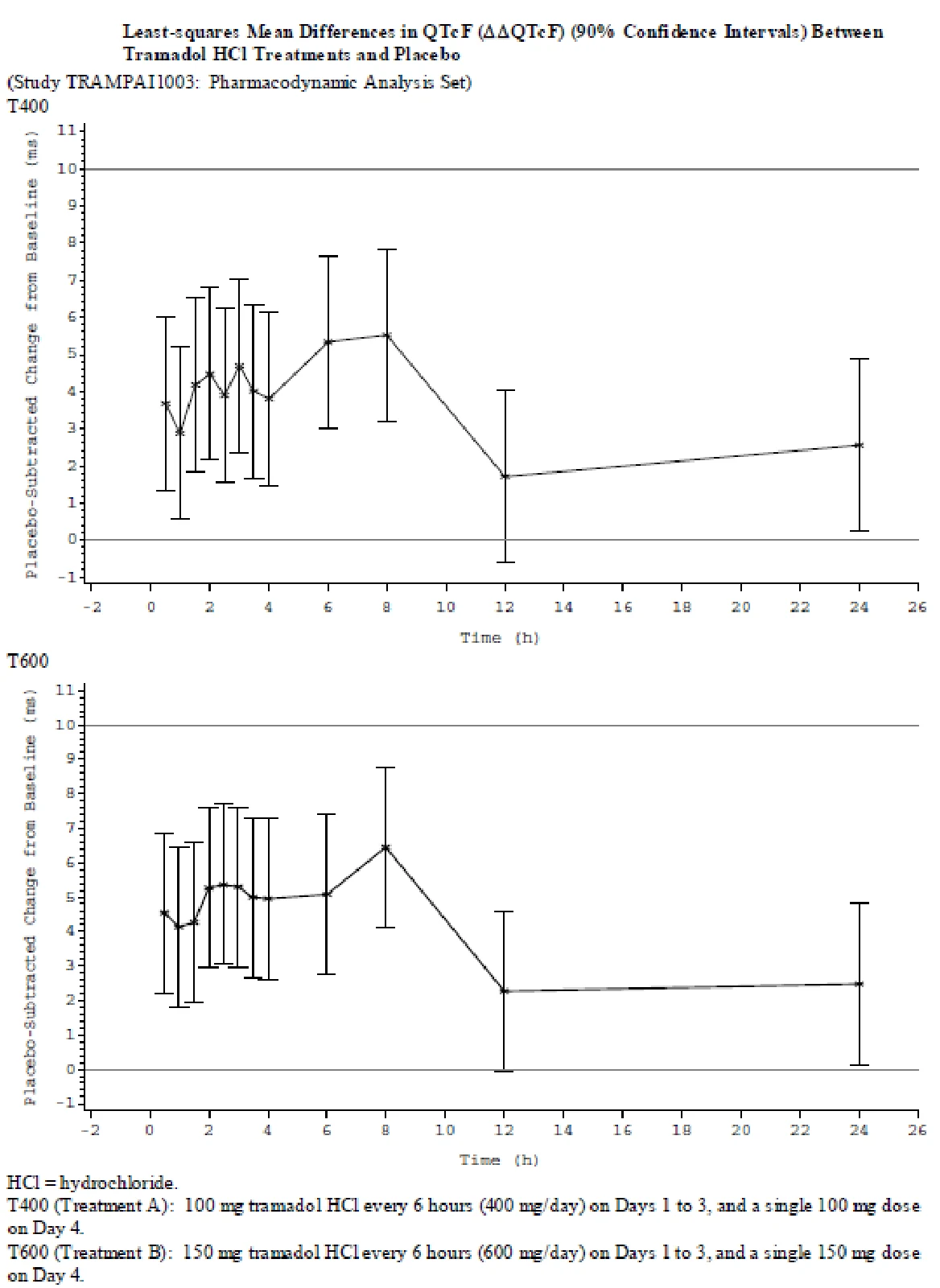
Concentration – Efficacy Relationships
The minimum effective analgesic concentration will vary widely among patients, especially among patients who have been previously treated with potent opioid agonists. The minimum effective analgesic concentration of tramadol for any individual patient may increase over time due to an increase in pain, the development of a new pain syndrome and/or the development of analgesic tolerance.
Concentration – Adverse Reaction Relationship
There is a relationship between increasing tramadol plasma concentration and increasing frequency of dose-related opioid adverse reactions such as nausea, vomiting, CNS effects, and respiratory depression. In opioid-tolerant patients, the situation may be altered by the development of tolerance to opioid-related adverse reactions (see DOSAGE AND ADMINISTRATION).
Pharmacokinetics
Tramadol
Tramadol is administered as a racemate and both the (-) and (+) forms of both tramadol and M1 are detected in the circulation. The pharmacokinetics of plasma tramadol and acetaminophen following oral administration of one tablet are shown in Table 1.3. Tramadol has a slower absorption and longer half-life when compared to acetaminophen.
| Table 1.3: Summary of Mean (±SD) Pharmacokinetic Parameters of the (+) and (-) Enantiomers of Tramadol and M1, and Acetaminophen Following a Single Oral Dose of One Tramadol/Acetaminophen Combination Tablet (37.5 mg / 325 mg) in Volunteers | |||||||||||||
| Parameter | (+)-Tramadol | (-)-Tramadol | (+)- M1 | (-)-M1 | acetaminophen | ||||||||
Cmax (ng/mL) | 64.3 (9.3) | 55.5 (8.1) | 10.9 (5.7) | 12.8 (4.2) | 4.2 (0.8) | ||||||||
| tm ax (h) | 1.8 (0.6) | 1.8 (0.7) | 2.1 (0.7) | 2.2 (0.7) | 0.9 (0.7) | ||||||||
CL/F (mL/min) | 588 (226) | 736 (244) | — | — | 365 (84) | ||||||||
| t½ (h) | 5.1 (1.4) | 4.7 (1.2) | 7.8 (3.0) | 6.2 (1.6) | 2.5 (0.6) | ||||||||
| a For acetaminophen, Cmax was measured as mcg/mL. | |||||||||||||
A single-dose pharmacokinetic study of tramadol hydrochloride and acetaminophen in volunteers showed no drug interactions between tramadol and acetaminophen. Upon multiple oral dosing to steady state, however, the bioavailability of tramadol and metabolite M1 was lower for the combination tablets compared to tramadol administered alone. The decrease in AUC was 14% for (+)-tramadol, 10.4% for (-)-tramadol, 11.9% for (+)-M1 and 24.2% for (-)-M1. The cause of this reduced bioavailability is not clear. Following single or multiple dose administration of tramadol hydrochloride and acetaminophen, no significant change in acetaminophen pharmacokinetics was observed when compared to acetaminophen given alone.
Absorption
The absolute bioavailability of tramadol from tramadol hydrochloride and acetaminophen tablets has not been determined.
Tramadol hydrochloride has a mean absolute bioavailability of approximately 75% following administration of a single 100 mg oral dose of tramadol HCl tablets. The mean peak plasma concentration of racemic tramadol and M1 after administration of two tramadol hydrochloride and acetaminophen tablets occurs at approximately two and three hours, respectively, post-dose.
Peak plasma concentrations of acetaminophen occur within one hour and are not affected by co- administration with tramadol. Oral absorption of acetaminophen following administration of tramadol hydrochloride and acetaminophen occurs primarily in the small intestine.
Food Effects
When tramadol hydrochloride and acetaminophen was administered with food, the time to peak plasma concentration was delayed for approximately 35 minutes for tramadol and almost one hour for acetaminophen.
However, peak plasma concentration and the extent of absorption of either tramadol or acetaminophen were not affected. The clinical significance of this difference is unknown.
Distribution
The volume of distribution of tramadol was 2.6 and 2.9 L/kg in male and female subjects, respectively, following a 100 mg intravenous dose. The binding of tramadol to human plasma proteins is approximately 20%, and binding also appears to be independent of concentration up to 10 mcg/mL. Saturation of plasma protein binding occurs only at concentrations outside the clinically relevant range.
Acetaminophen appears to be widely distributed throughout most body tissues except fat. Its apparent volume of distribution is about 0.9 L/kg. A relatively small portion (~ 20%) of acetaminophen is bound to plasma protein.
Metabolism
Following oral administration, tramadol is extensively metabolized by a number of pathways, including CYP2D6 and CYP3A4, as well as by conjugation of parent and metabolites. Approximately 30% of the dose is excreted in the urine as unchanged drug, whereas 60% of the dose is excreted as metabolites. The major metabolic pathways appear to be N- and O- demethylation and glucuronidation or sulfation in the liver. Metabolite M1 (O- desmethyltramadol) is pharmacologically active in animal models.
Patients who are CYP2D6 ultra-rapid metabolizers convert tramadol to its active metabolite (M1) more rapidly and completely than other patients.
Conversely, some patients are CYP2D6 poor metabolizers of tramadol, or other drugs (e.g., debrisoquine, dextromethorphan, and tricyclic antidepressants) (see Special Populations and Conditions, Race).
Based on a population PK analysis of Phase I studies in healthy subjects, concentrations of tramadol were approximately 20% higher in “CYP2D6 poor metabolizers” versus “extensive CYP2D6 metabolizers”, while M1 concentrations were 40% lower. In vitro drug interaction studies in human liver microsomes indicate that inhibitors of CYP2D6 such as fluoxetine and its metabolite norfluoxetine, amitriptyline and quinidine inhibit the metabolism of tramadol to various degrees. The full pharmacological impact of these alterations in terms of either efficacy or safety is unknown. Concomitant use of serotonin reuptake inhibitors and MAO inhibitors may enhance the risk of adverse events, including seizure and serotonin syndrome (see WARNINGS AND PRECAUTIONS).
Acetaminophen
Acetaminophen is primarily metabolized in the liver by first-order kinetics and involves three principal separate pathways:
- a. conjugation with glucuronide;
- b. conjugation with sulfate; and
- c. Oxidation via the cytochrome, P450-dependent, mixed-function oxidase enzyme pathway to form a reactive intermediate metabolite, which conjugates with glutathione and is then further metabolized to form cysteine and mercapturic acid conjugates. The principal cytochrome P450 isoenzyme involved appears to be CYP2E1, with CYP1A2 and CYP3A4 additional pathways.
In adults, the majority of acetaminophen is conjugated with glucuronic acid and, to a lesser extent, with sulfate. These glucuronide-, sulfate- and glutathione-derived metabolites lack biologic activity. In premature infants, newborns and young infants, the sulfate conjugate predominates.
Excretion
Tramadol is eliminated primarily through metabolism by the liver and the metabolites are eliminated primarily by the kidneys. The plasma elimination half-lives of racemic tramadol and M1 are approximately 5-6 and 7 hours, respectively, after administration of tramadol hydrochloride and acetaminophen. The apparent plasma elimination half-life of racemic tramadol increased to 7-9 hours upon multiple dosing of tramadol hydrochloride and acetaminophen.
The half-life of acetaminophen is about 2 to 3 hours in adults. It is somewhat shorter in children and somewhat longer in neonates and in cirrhotic patients. Acetaminophen is eliminated from the body primarily by formation of glucuronide and sulfate conjugates in a dose-dependent manner. Less than 9% of acetaminophen is excreted unchanged in the urine.
Special Populations and Conditions
Pediatrics: Individuals under 18 years of age should not take AURO-TRAMADOL/ACETAMINOPHEN tablets.
The pharmacokinetics of tramadol and acetaminophen tablets have not been studied in pediatric patients below 18 years of age.
Geriatrics:
A population pharmacokinetic analysis of data obtained from a clinical trial in patients with chronic pain treated with tramadol hydrochloride and acetaminophen which included 55 patients between 65 and 75 years of age and 19 patients over 75 years of age, showed no significant changes in pharmacokinetics of tramadol and acetaminophen in elderly patients with normal renal and hepatic function.
Gender:
Tramadol clearance was 20% higher in female subjects compared to males on four Phase I studies of tramadol hydrochloride and acetaminophen in 50 male and 34 female healthy subjects. The clinical significance of this difference is unknown.
Race:
Some patients are CYP2D6 ultra-rapid metabolizers of tramadol due to a specific genotype. These individuals convert tramadol into its active metabolite, M1, more rapidly and completely than other people leading to higher-than-expected serum M1 levels. The prevalence of this CYP2D6 phenotype varies widely and has been estimated at 0.5 to 1% in Chinese, Japanese and
Hispanics, 1 to 10% in Caucasians, 3% in African Americans, and 16 to 28% in North Africans, Ethiopians, and Arabs. Data are not available for other ethnic groups (see WARNINGS AND
PRECAUTIONS, Respiratory and Special Populations, Labor, De livery and Nursing Women).
In contrast, some patients exhibit the CYP2D6 poor metabolizer phenotype and do not convert tramadol to the active M1 metabolite sufficiently to benefit from the analgesic effect of the drug (see DRUG INTERACTIONS, Overview). The prevalence of this CYP2D6 phenotype is about 5-10 percent in Caucasians and 1 percent of Asians.
Hepatic Impairment:
The pharmacokinetics and tolerability of tramadol hydrochloride and acetaminophen in patients with impaired hepatic function has not been studied. Since tramadol and acetaminophen are both extensively metabolized by the liver, the use of AURO-TRAMADOL/ACETAMINOPHEN in patients with hepatic impairment is not recommended (see CONTRAINDICATIONS and WARNINGS AND PRECAUTIONS, Hepatic).
Renal Impairment
The pharmacokinetics of tramadol hydrochloride and acetaminophen in patients with renal impairment have not been studied.
Based on studies using tramadol alone, excretion of tramadol and metabolite M1 is reduced in patients with creatinine clearance of less than 30 mL/min. The total amount of tramadol and M1 removed during a 4-hour dialysis period is less than 7% of the administered dose based on studies using tramadol alone. AURO-TRAMADOL/ACETAMINOPHEN is contraindicated in patients with severe renal impairment (see CONTRAINDICATIONS, WARNINGS AND PRECAUTIONS, Renal).
STORAGE AND STABILITY
Store at room temperature (15°C to 30°C). Keep out of the sight and reach of children.
Because of the risks associated with accidental ingestion, misuse, and abuse, advise patients to store AURO-TRAMADOL/ACETAMINOPHEN securely.
SPECIAL HANDLING INSTRUCTIONS
AURO-TRAMADOL/ACETAMINOPHEN should never be thrown into house hold trash, where children and pets may find it. It should be returned to a pharmacy for proper disposal.
DOSAGE FORMS, COMPOSITION AND PACKAGING
Dosage Form:
AURO-TRAMADOL/ACETAMINOPHEN are available as Light Yellow, capsule-shaped biconvex film coated tablets debossed with “I 90” on one side and plain on the other side.
Composition:
Each film-coated tablet contains 37.5 Tramadol Hydrochloride USP and 325 mg Acetaminophen USP.
Non-Medicinal Ingredients:
Tablet core:
Corn Starch (Extra maize starch), Microcrystalline Cellulose (MICCEL-101/PH-101/Avicel PH-101), Sodium Starch Glycolate (Primojel), Pregelatinized Starch (Starch 1500), Microcrystalline Cellulose (MICCEL-102/PH-102/Avicel PH-102) and Magnesium Stearate (Ligamed MF-2-V).
Film coat:
Hypromellose, Titanium Dioxide, Yellow Iron Oxide, Polyethylene Glycol 400 and Polysorbate 80.
Packaging:
Blister Pack of 6 x 10’s Count and HDPE Pack of 100’s Count.
PART II: SCIENTIFIC INFORMATION
PHARMACEUTICAL INFORMATION
Drug Substance
Proper name: tramadol hydrochloride
Chemical name: (±) cis-2-[(dimethylamino)methyl]-1-(3-methoxyphenyl) cyclohexanol hydrochloride
Molecular formula and molecular mass: C16H25NO2·HCl and 299.84 g / mol
Structural formula:
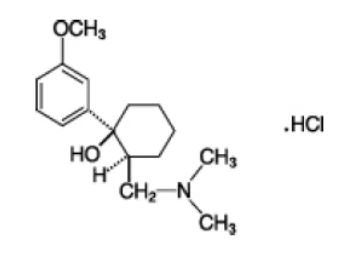
Physicochemical properties: Tramadol hydrochloride is a white crystalline powder and freely soluble in water and in methanol, very slightly soluble in acetone.
Drug Substance
Proper name: acetaminophen
Chemical name: N-Acetyl-p-aminophenol
Molecular formula and molecular mass: C8H9NO2 and 151.16 g / mol
Structural formula:
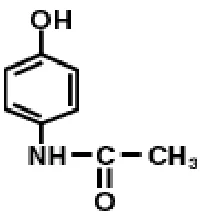
Physicochemical properties: Acetaminophen occurs as a white crystalline powder, odorless, slight bitterness and 1 g of the specimen dissolves in 20 ml boil water, 15 ml l mol/L sodium Hydroxide solution, freely soluble in alcohol.
CLINICAL TRIALS
Comparative Bioavailability Studies
A double blind, randomized, two treatment, two sequence, two period, cross-over, single-dose comparative oral bioavailability study of AURO-TRAMADOL/ACETAMINOPHEN Tablets 37.5 mg / 325 mg [Test; Aurobindo Pharma Limited, India manufactured for Auro Pharma Inc. (Canada)] versus TRAMACET® Tablets 37.5 mg / 325 mg [Reference; Janssen Inc., Canada] was conducted in 32 healthy, adult, male subjects under fasting conditions. The data from the 31 subjects who completed both periods of the study are presented below.
Summary Table of the Comparative Bio-availability Data (Tramadol)
Tramadol (1 x 37.5 mg / 325 mg tramadol hydrochloride/acetaminophen) From measured data Geometric Mean Arithmetic Mean (CV %) | ||||
|---|---|---|---|---|
| Parameter | Test* | Reference† | % Ratio of Geometric Means | 90% Confidence Interval |
AUC0→t (hr.ng/mL) | 1217.6 1283.7 (35.4) | 1228.1 1288.0 (33.2) | 99.1 | 96.0 – 102.4 |
AUC0→∞ (hr.ng/mL) | 1285.0 1374.7 (42.3) | 1291.1 1368.6 (37.9) | 99.5 | 96.3 – 102.8 |
| Cmax (ng/mL) | 129.6 133.9 (27.0) | 129.3 133.2 (25.2) | 100.3 | 92.5 – 108.7 |
| Tmax§ (hr) | 1.3 (0.8 – 2.5) | 1.3 (0.8 – 4.0) | ||
| T½$ (hr) | 8.1 (27.5) | 8.1 (20.3) | ||
*AURO-TRAMADOL/ACETAMINOPHEN (Tramadol Hydrochloride and Acetaminophen) Tablets 37.5 / 325 mg, by Auro Pharma Inc.
† TRAMACET® (Tramadol Hydrochloride and Acetaminophen) Tablets 37.5 / 325 mg, of Janssen Inc. Canada were purchased from Canada.
§ Expressed as the median (range) only.
$ Expressed as arithmetic mean (%CV) only.
Summary Table of the Comparative Bio-availability Data (Acetaminophen)
Acetaminophen (1 x 37.5 mg/325 mg tramadol hydrochloride/acetaminophen) From measured data Geometric Mean Arithmetic Mean (CV %) | ||||
|---|---|---|---|---|
| Parameter | Test* | Reference† | % Ratio of Geometric Means | 90% Confidence Interval |
AUC0→t (hr. μg/mL) | 14.2 14.9 (28.5) | 14.4 15.0 (27.9) | 98.9 | 95.4 – 102.6 |
AUC0→∞ (hr. μg/mL) | 15.6 16.2 (26.6) | 15.7 16.4 (27.1) | 99.0 | 95.5 – 102.6 |
| Cmax (μg/mL) | 4.6 4.8 (32.1) | 4.5 4.8 (35.4) | 100.8 | 89.2 –114.0 |
| Tmax§ (hr) | 0.5 (0.3 – 1.8) | 0.5 (0.3 –2.0) | ||
| T½$ (hr) | 2.9 (23.8) | 3.0 (28.2) | ||
*AURO-TRAMADOL/ACETAMINOPHEN (Tramadol Hydrochloride and Acetaminophen) Tablets 37.5 / 325 mg, by Auro Pharma Inc.
† TRAMACET® (Tramadol Hydrochloride and Acetaminophen) Tablets 37.5 / 325 mg, of Janssen Inc. Canada were purchased from Canada.
§ Expressed as the median (range) only.
$ Expressed as arithmetic mean (%CV) only.
Single -Dose Studies
In the double-blind, placebo- and active-controlled, parallel-group, single-dose, factorial design studies, two tablets of tramadol hydrochloride and acetaminophen administered to patients with pain following oral surgical procedures provided greater relief than placebo or either of the individua l components given at the same dose. The onset of pain relief after tramadol hydrochloride and acetaminophen was faster than tramadol alone. Onset of analgesia occurred in less than one hour. The duration of pain relief after tramadol hydrochloride and acetaminophen was longer than acetaminophen alone. Analgesia was generally comparable to that of the comparator, ibuprofen. In another single-dose study of subjects experiencing pain following an oral surgical procedure, there was a statistically significant dose response for pain relief over placebo, 37.5 mg tramadol HCl/325 mg acetaminophen, and 75 mg tramadol HCl/650 mg acetaminophen.
Studies for Treatment of Acute Pain
CAPSS-105 evaluated the safety and efficacy of tramadol hydrochloride and acetaminophen in the treatment of a painful flare of osteoarthritis of the knee or hip. All 308 randomized subjects were included in the Intent-to-Treat population and in the Evaluation-for-Safety population. Of these subjects, 197 were randomized to tramadol HCl/acetaminophen (102 to 37.5 mg tramadol HCl/325 mg acetaminophen; 95 to 75 mg tramadol HCl/650 mg acetaminophen for the initial dose); and 111 were randomized to placebo. The treatment groups were similar with regard to demographic characteristics such as gender and age. The majority of subjects designated the knee (77.9%) as the target joint for the study. After the initial dose, subjects received 1 to 2 tablets of 37.5 mg tramadol HCl/325 mg acetaminophen or matching placebo every 4 to 6 hours as needed. Overall, tramadol HCl/acetaminophen was more effective than placebo in helping subjects manage a painful flare of osteoarthritis. During Days 1 to 5, tramadol HCl/acetaminophen was significantly more effective than placebo in decreasing the average daily Pain Intensity Score (p<0.001) and in increasing the average daily Pain Relief Score (p<0.001).
CAPSS-115 compared tramadol HCl /acetaminophen and acetaminophen/codeine in subjects with post-surgical (orthopedic or abdominal) pain. Of the 306 randomized subjects, 98 were randomized to tramadol HCl/acetaminophen, 99 to placebo, and 109 to acetaminophen with codeine phosphate (30 mg). There were no clinically meaningful differences among the three treatment groups for any of the demographic or baseline characteristics. Tramadol HCl/ acetaminophen was statistically superior to placebo for all three primary efficacy variables, i.e., TOTPAR (total pain relief) (p=0.004), SPID (sum of pain intensity difference) (p=0.015), and SPRID (sum of total pain relief and sum of pain intensity differences) (p=0.005).
Studies for Treatment of Chronic Pain
Tramadol hydrochloride and Acetaminophen (37.5 mg tramadol HCl/325 mg acetaminophen) tablet was evaluated in three placebo-controlled studies in 960 patients with osteoarthritis of hip and knee, and lower back pain.
Each of the placebo-controlled studies started with a titration period of approximately 10 days, followed by a maintenance phase with dosing of 1 to 2 tablets (37.5 mg tramadol/325 mg acetaminophen to 75 mg tramadol/650 mg acetaminophen) every 4 to 6 hours not to exceed the maximum of 8 tablets a day. All three studies had a treatment duration of 90 days. Mean tramadol hydrochloride and acetaminophen daily doses for the controlled studies ranged from 4.1 to 4.2 tablets.
Osteoarthritis Pain (CAPSS-114), Lower Back Pain (TRP-CAN-1 and CAPSS-112)
All three studies had the final pain intensity, measured by Pain Visual Analog (100 mm) Scale as the primary endpoints.
CAPSS-114
CAPSS-114 included 306 subjects who had symptomatic osteoarthritis for at least one year, and continued to experience at least moderate OA pain (≥50/100 mm on VAS) despite treatment with a stable dose of celecoxib (≥200 mg/day) or rofecoxib (25 mg/day) for at least 2 weeks. No pain medication or treatment other than the study drug and the COX 2 selective inhibitor was allowed during the course of the study. Tramadol hydrochloride and Acetaminophen treated subjects received on average 155 mg tramadol/1346 mg acetaminophen during the study period.
CAPSS-112 and TRP -CAN-1
CAPSS-112 and TRP-CAN-1 enrolled 654 patients with chronic lower back pain that was severe enough to have required daily medication for the previous three months, and at least moderate pain (40/100 mm) on VAS. The average tramadol hydrochloride and acetaminophen daily dosages for CAPSS-112 and TRP-CAN-1 were 159 mg tramadol/1391 mg acetaminophen and 158 mg tramadol/1369 mg acetaminophen, respectively.
| Study No. | Mean | Primary Endpoints | Test | Comparator |
| Age (Range) | tramadol hydrochloride and acetaminophen tablets | Placebo |
| PRI/TRP-CAN-1 | ||
55.7 (22-76) | ||
| Final Pain Intensity | ||
| Baseline | 67.9 ± 14.95 | 67.6 ± 15.53 |
| Final | 47.4 ± 31.39 | 62.9 ± 27.50 |
| (100 mm VAS) | tramadol hydrochloride and acetaminophen tablets vs. Placebo, p<0.001 | |
| CAPSS-112 | ||
57.5 (25-82) | ||
| Final Pain Intensity | ||
| Baseline | 71.1 ± 14.54 | 68.8 ± 14.87 |
| Final | 44.4 ± 30.59 | 52.3 ± 29.11 |
| (100 mm VAS) | tramadol hydrochloride and acetaminophen tablets vs. Placebo, p=0.015 | |
| CAPSS-114 | ||
49.6 (19-75) | ||
| Final Pain Intensity | ||
| Baseline | 69.0 ± 12.52 | 69.5 ± 13.17 |
| Final | 41.5 ± 26.0 | 48.3 ± 26.63 |
| (100 mm VAS) | tramadol hydrochloride and acetaminophen tablets vs. Placebo, p=0.025 | |
Mean of the Final Pain Intensity with 3 months treatment period
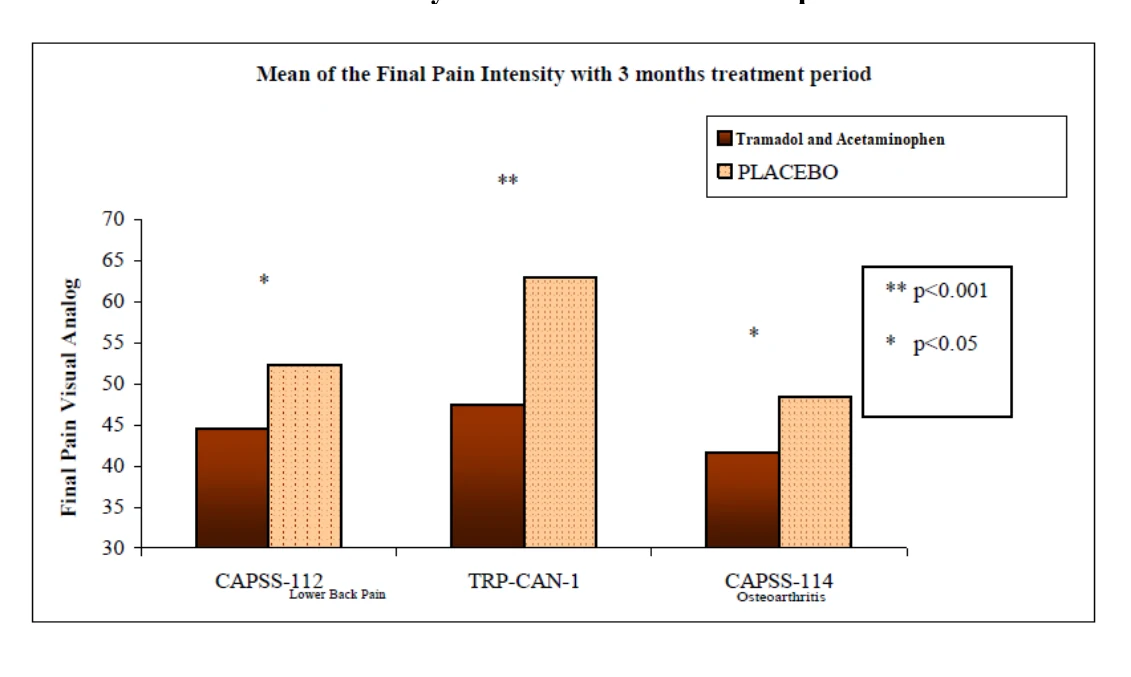
DETAILED PHARMACOLOGY
Pharmacodynamics Tramadol
Tramadol HCl, 2-[(dimethylamino) methyl]-1-(3-methoxyphenyl) cyclohexanol HCl, is a centrally acting synthetic analgesic compound. It is thought to produce its analgesic effect through at least two complementary mechanisms of action: agonist activity at the μ-opioid receptor and weak inhibition of neuronal monoamine reuptake. These dual activities are observed in studies conducted in vitro as well as in nonclinical animal models of antinociception. In studies conducted in vitro, tramadol inhibited binding to native rat μ-opioid receptor at approximately the same concentration at which it blocked the reuptake of norepinephrine and serotonin. The K1 values for μ-opioid receptor affinity and monoamine reuptake inhibitory activities are 2.1 and ~ 1 mcM, respectively. Tramadol affinities for recombinant human opioid receptors (K1 = 17 mcM) were slightly weaker than those observed at the rat receptors. Apart from analgesia, tramadol may produce a constellation of symptoms similar to that of an opioid.
Tramadol is an efficacious analgesic in a wide variety of standard analgesic models of acute, tonic, chronic, or neuropathic pain. In some of these studies, specific antagonists were used to probe the mechanism of tramadol's antinociceptive action. In contrast to the full blockade of morphine antinociception by naloxone, the antinociceptive action of tramadol in most tests is only partially blocked by naloxone. Furthermore, although the antinociception of morphine is unaffected by the alpha2-adrenergic antagonist yohimbine or the serotonergic antagonist ritanserin, each of these antagonists reduces tramadol's antinociception. These pharmacologic studies suggest the contribution of both opioid and monoamine mechanisms to tramadol antinociception.
In drug interaction studies carried out with tramadol, a substantial increase in toxicity was found after pretreatment with an MAO inhibitor, tranylcypromine. The antinociceptive effect of the compound was reduced by concomitant administration of barbiturates and atropine, and was virtually eliminated by tranylcypromine. Physostigmine potentiated the antinociceptive effect of a sub-maximal dose of tramadol. Other potential drug interactions based on enzyme induction or displacement from protein binding were thought to be unlikely with tramadol as no inductive effect on liver enzymes has been found for this agent and the protein binding is too low to induce relevant interference with the binding of other compounds.
Acetaminophen
Acetaminophen is another centrally acting analgesic. Although the exact site and mechanism of its analgesic action is not clearly defined, acetaminophen appears to produce analgesia by elevation of the pain threshold. The potential mechanism may involve inhibition of the nitric oxide pathway mediated by a variety of neurotransmitter receptors including N-methyl-D- aspartate and Substance P.
Tramadol/Acetaminophen Combination
Some combinations of analgesic agents with different mechanisms of action result in either enhanced analgesic effect or reduced side effects. The effectiveness of fixed-ratio combinations of tramadol: acetaminophen (1:1 through 1:1,600) were evaluated in a standard mouse antinociceptive test. The combination exhibited a synergistic antinociceptive effect in this model. That is, when tramadol and acetaminophen were administered together, significantly less of each drug was needed to produce a given analgesic effect than would be expected if their effects were merely additive.
Pharmacokinetics
Tramadol
Tramadol was rapidly absorbed after oral administration in the mouse, rat, and dog. In dogs, the mean absolute bioavailability of a single 20 mg/kg oral dose of tramadol (Avicel formulation in gelatin capsules) was 81.8%, with maximum plasma concentrations achieved in about one hour. Distribution of radioactivity into tissues was rapid following the intravenous administration of 14C-labelled tramadol to rats, with the highest concentration of radioactivity found in the liver. Radioactivity levels in the brain were comparable to plasma levels for the first 2 hours post- injection, demonstrating that the drug crosses the blood brain barrier. Concentrations in the kidneys, lungs, spleen, and pancreas were also higher than the serum concentration.
The major metabolic pathway was qualitatively similar for all species studied, including mouse, rat, hamster, guinea pig, rabbit, and man, and involved both Phase I (N- and O-demethylation and 4-hydroxylation; eight metabolites) and Phase II (glucuronidation or sulfation; thirteen metabolites) reactions. The primary metabolite mono-O-desmethyltramadol (M1) has antinociceptive activity. In biochemical studies, (±) mono-O-desmethyltramadol and its enantiomers each had greater affinity for opioid receptors and were less potent inhibitors of monoamine uptake than were the corresponding parent compounds.
Excretion was primarily by the renal route in the animal species studied. After oral administration, fecal excretion was approximately 13% in rats and dogs, and 80% of 14C- labelled tramadol doses were excreted in the urine within 72 to 216 hours of dosing. Amounts of unchanged tramadol excreted in the urine were higher in man (approximately 30% of the dose) than in animals (approximately 1%).
Tramadol is a mild inducer of ethoxycoumarin deethylase activity in the mouse and dog.
Acetaminophen
Acetaminophen is rapidly and extensively absorbed from the gastrointestinal tract following an oral dose, and that absorption occurs by passive transport. Acetaminophen appears to be rapidly and uniformly distributed throughout most body fluids, except fat and cerebrospinal fluid. Binding of acetaminophen to plasma proteins in humans is minimal under normal conditions; it is only slightly increased following overdose. Acetaminophen has been reported to bind to the plasma proteins of rats and hamsters at approximately 27 and 11%, respectively.
In most species, acetaminophen is metabolized in the liver by three distinct pathways, glucuronide conjugation, sulfate conjugation, and the hepatic cytochrome P450-dependent mixed-function oxidase system. There is, however, some variation among species in the quantities of these metabolites that can be found in the urine. Nevertheless, at low acetaminophen doses, the majority of an oral dose of acetaminophen is conjugated with glucuronic acid and/or sulfate in all species. Small amounts are oxidatively metabolized by hepatic cytochrome P450 isoforms to form the reactive alkylating metabolite N-acetyl-para-benzoquinonimine, which reacts with hepatic glutathione to form a glutathione conjugate. The glutathione conjugate is then further metabolized to cysteine and mercapturic acid conjugates which are excreted in the urine.
Although the cytochrome P450 pathway is a minor metabolic pathway, the reactive intermediate produced is believed to play an important role in acetaminophen-induced hepatotoxicity, particularly at high doses. Following large, toxic acetaminophen doses, the two main metabolic pathways become saturated, allowing more reactive metabolite to be formed, which results in a depletion of hepatic glutathione stores with subsequent hepatotoxicity resulting from the interactions of excess reactive metabolite with cellular constituents.
TOXICOLOGY
Acute Toxicity
The acute toxicity of the acetaminophen and tramadol hydrochloride combination has been examined in rat and dog. Summarized results of the three studies are presented in the following table.
| Species/Strain Age/B.W. | No./Sex/ Group Duration | Route | Vehicle | Dosage Levels (mg/kg) | Lethality | Results |
Rat Crl: COBS® (WI) BR Age: 7 to 8 wk B.W. Range: 161 to 220 g | 5M or 8M single dose | p.o. (gavage) | 1% aqueous HPMC | Tramadol: 150 APAP: 300 Tramadol/APAP: 150/300 Vehicle Control:1% aqueous HPMC (9 mL/kg) | No Mortality | No treatment-related mortality, clinical observations, or effects on body weight. |
Rat Crl:CD® BR, VAF/Plus® Age: 9 wk B.W. Range: M: 236.0 to 274.5 g F: 158.5 to 180.0 g | 5 single dose | p.o. (gavage) | 0.5% Methocel |
| 0/5 M, 0/5 F 0/5 M, 0/5 F 1/5 M, 1/5 F 2/5 M, 4/5 F 3/5 M, 4/5 F | 100/867.1: ↓Activity, ↑salivation and nasal discharge in both sexes; ↓feces, ↓BW gain in males; urine stained coat in females. 215/1864.0: ↓Activity, ↓feces, ↑salivation, nasal discharge, ↓respiration, urine stained coat in both sexes; ↓BW gain in males; straub tail in females 275/2384.3: ↓Activity, ↓feces, ↑salivation, nasal discharge, ↓respiration, urine stained coat, straub tail, ↓BW gain in both sexes 340/2947.8: ↓Activity, ↓feces, ↑salivation, nasal discharge, ↓respiration, urine stained coat, straub tail, ↓BW gain in both sexes; Fluid in stomach, distended urinary bladder, and lung discoloration were observed in some rats dying prior to scheduled necropsy. |
| Species/Strai n Age/B.W. | No./Sex/ Group Duration | Route | Vehicle | Dosage Levels (mg/kg) | Lethality | Results |
Dog Beagle Age: 9 to 11 mo B.W. Range: 8.74 to 13.14 kg | 2 single dose | p.o. (gavage) | 0.5% Methocel |
0.5% Methocel (2 mL/kg)
15/130 20/173 40/347 60/520 | No mortality | Vehicle Control: ↑salivation in females 15/130.1: ↑salivation in females 20/173.4: ↑licking, ↑salivation, in males; ↓activity, fine tremor, ↑vocalization in females 40/346.8: ↓activity, ataxia, cyanosis, ↑salivation, crusty/mucoid eye discharge in both sexes; fine tremor, coarse tremor in males; ↑vocalization, edema, reddened conjunctiva, ptosis, ↓food consumption in females 60/520.2: ↓activity, ataxia, ↑licking, ↑vocalization, cyanosis, ↑salivation, edema, reddened conjunctiva, crusty/mucoid eye discharge, dyspnea, and coarse tremor in both sexes; ptosis, clonic convulsion in males; ↑muscle tone, ↓food consumption in females. |
| APAP = acetaminophen; B.W. = body weight; HPMC = hydroxypropyl methylcellulose; M = male; F = female; mo = month; p.o. = oral; wk = week; ↑ = increased; ↓ = decreased | ||||||
Long-Term Toxicity
Multi-dose toxicity studies were conducted in rat and dog. The following table summarizes the results of the two pivotal multi-dose studies.
| Table 2.2: Multi-dose Toxicity Studies – Protocol Summaries/Results | |||||
| Species/Strai n Age/B.W. | No./Group/ Duration/Route | Dosage (mg/kg/day) | Evaluated Parameters | Results | |
Rat Crl: CD® BR, VAF/Plus® | 10 3 mo p.o. (gavage) |
| Mortality, clinical observations, B.W., food consumption, ophthalmological examination, drug metabolism, hematology, coagulation, clinical chemistry, urinalysis, organ weights, gross pathology, histopathology | Vehicle Control: Four M deaths (attributed to dosing errors); alopecia in both sexes 7.5/65: Alopecia in both sexes; 8 liver weights in males 22.5/195: One M death (cause of death not determined); alopecia in both sexes;↑liver weights in males; slightly 8 urine volume in females 45/390: Alopecia, ↑salivation, slightly higher urine volume in both sexes; mild treatment related increases in K+ concentration, slightly 9 RBC, 8 MCV, MCH, 8 liver weights, slightly 9 ALT and AST activity and 8 ALP in females 45: Alopecia, 8 salivation, in both sexes; slightly 9 ALT and AST activity and 8 ALP in females. 390: 8 salivation, slightly higher urine volume in both sexes; 8 liver weights in males; slightly 9 RBC, 8 MCV, MCH in males; alopecia, mild treatment related increases in K+concentration, slightly 9 ALT and AST activity and 8 ALP in females. Additional findings: (1) higher kidney weights in males dosed with APAP or tramadol/APAP; (2) lower adrenal gland weights in males dosed with tramadol and/or APAP. | |
ALP = alkaline phosphatase; ALT = alanine aminotransferase; APAP = acetaminophen; AST = aspartate aminotransferase; K = potassium; MCH = mean corpuscular hemoglobin; MCV = mean corpuscular volume; mo = month; p.o. = oral; RBC = red blood cell; wk = week; 8 = increased; 9 = decreased
Table 2.2: Multi-dose Toxicity Studies – Protocol Summaries/Results (continued)
| Species/Strain Age/B.W. | No./Group/ Duration/Route | Dosage (mg/kg/day) | Evaluated Parameters | Results |
| Dog Beagle | 4 3 mo p.o. (gavage) daily dose divided between two dosing sessions approx. 5.5 h apart |
| Mortality, clinical observations, B.W., estimated food consumption, electrocardiographic/ ophthalmological/ physical examination, drug absorption, hematology. Coagulation, clinical chemistry, urinalysis, gross pathology, microscopic histopathology, organ weights. | 7.5/65: NOAEL 22.5/195: One male dog was sacrificed moribund on Day 32. 9 activity, discoloured/food emesis, decreased/absent feces, discoloured urine, urine stained coat, jaundice, occult blood in urine, 9 B.W. early in study related to 9 food consumption, slightly to moderately 9 RBC, Hb, and Hct counts, 8 MCV, reticulocyte and platelet counts, slightly to moderately 8 ALT, ALP, GGT, and urine bilirubin values, changes in liver, kidney, bone marrow, spleen, (males) and thymus (males) in both sexes; fine tremor, edema in males; hunched posture, emaciation, ataxia, pallor, 8 total bilirubin, in females 22.5: 9 B.W. early in study related to 9 food consumption in both sexes. 195: 9 B.W. early in study related to 9 food consumption, slightly to moderately 9 RBC, Hb, and Hct counts, 8 MCV, reticulocyte and platelet counts, 8 urine bilirubin, changes in liver, kidney, bone marrow, spleen (males), and thymus (males) in both sexes; slightly 8 ALP, GGT, and total bilirubin values in females |
a Continuation of 4-week dog study results
ALP = alkaline phosphatase; ALT = alanine aminotransferase; APAP = acetaminophen; AST = aspartate aminotransferase; K = potassium; MCH = mean corpuscular hemoglobin; MCV = mean corpuscular volume; mo = month; p.o. = oral; RBC = red blood cell; wk = week; 8 = increased; 9 = decreased;
Hb = Hemoglobin; Hct = Hematocrit; GGT = γglutamyl transferase
Carcinogenicity
Tramadol
Two carcinogenicity studies were conducted: a 24-month oral mouse study and a 30-month oral rat study. These studies examined approximately 4 times the human therapeutic daily dose. There was no evidence that tramadol is carcinogenic. In mice, chronic administration of tramadol at doses of 0, 7.5, 15, or 30 mg/kg/day did not affect life span or enhance tumor formation. There was a slight but statistically significant increase in the incidence of commonly occurring tumors in aged mice. Rats treated at the same dosage levels for 30 months did not show any evidence of carcinogenic potential.
Acetaminophen
In one strain of mice, acetaminophen was shown to increase the incidence of multiple benign and malignant liver tumors at a markedly toxic dose (10000 mg/kg diet); when administered to another strain of mice in two other studies, a well-tolerated dose that was about half this markedly toxic dose (6000 mg/kg diet) did not increase tumor incidence. In some strains of rats, acetaminophen administration did not appear to increase tumor incidence, while neoplastic liver nodules and bladder papillomas and carcinomas were seen in another rat strain. Due to the varied results in animal studies, the IARC has classified the evidence for the carcinogenicity of acetaminophen in experimental animals as limited.
Mutagenicity
Tramadol
Tramadol hydrochloride did not demonstrate any mutagenic activity in the Ames test, the
CHO/HPRT assay, or in the mouse lymphoma assay in the absence of metabolic activation. Weakly mutagenic results were obtained in the presence of metabolic activation in the mouse lymphoma assay, but these were secondary to high levels of induced cytotoxicity. In vivo studies (micronucleus test in the mouse, rat, and hamster) were negative. A bone marrow cytogenics test in hamsters was negative, as was a dominant lethal test in mice.
Acetaminophen
The mutagenic and genotoxic potential of acetaminophen has been studied in a number of in vivo and in vitro test systems. Multiple studies have shown that acetaminophen does not induce mutations in Salmonella typhimurium or Escherichia coli in the presence or absence of metabolic activation. When fed to male Drosophila melanogaster, acetaminophen did not induce sex-linked lethal mutations.
Chromosomal aberrations were detected in human lymphocytes in vivo and in vitro, as well as micronuclei in a rat kidney cell line, and sister chromatid exchange and chromosomal aberrations in CHO cells. Genetic effects such as deoxyribonucleic acid (DNA) strand breaks and unscheduled DNA synthesis have been reported in a number of other mammalian and rodent cell systems.
Teratogenicity:
Tramadol
The potential of tramadol to produce reproductive toxicity was evaluated in a series of six main studies in mice, rats, and rabbits. The results of these studies indicated that tramadol had no effect on fertility in male or female rats, even at toxic oral dose levels (up to 50 mg/kg in males and 75 mg/kg in females). Tramadol did not induce teratogenicity in mice, rats, or rabbits given up to 140, 80, or 300 mg/kg, respectively. Embryo/fetal toxicity, consisting of slight decreases in fetal weight, and/or variations in bone ossification, occurred at tramadol doses 3 to 15 times the maximum human dose or higher, but only in the presence of maternal toxicity. Maternal toxicity generally consisted of decreased body weight gain in conjunction with decreased food consumption.
In peri- and postnatal studies in the rat, maternal toxicity occurred in dams treated with tramadol gavaged doses of 8 mg/kg and higher. Signs of toxicity included decreased body weight gain and reduced food consumption. A rebound in these parameters did occur during lactation, suggesting some adaptation to the effects of the drug, although weight gain of treated dams continued to lag behind those of the controls throughout the remainder of the study. At doses of 20 mg/kg and higher, clinical signs such as exophthalmia and dilated pupils increased; alopecia increased at doses of 40 mg/kg and greater. Progeny of dams receiving 50 mg/kg or higher had decreased body weights. At doses of 80 mg/kg or higher, decreased pup survival during early lactation was noted.
Acetaminophen
Animal studies have indicated acetaminophen was not teratogenic in mice when administered in the diet at levels up to 1430 mg/kg/day, and did not cause intrauterine growth abnormalities in
Sprague-Dawley rats when administered orally at doses up to 250 mg/kg/day on Days 8 to 19 of gestation. Single-dose studies in rats (1000 mg/kg oral dose on Day 21 of gestation) and sheep (20 mg/kg intramuscular injection on Day 125 of gestation) have demonstrated that acetaminophen can be associated with premature closure of the ductus arteriosus. When orally administered to male rats at 500 mg/kg/day for 70 days, a significant decrease in testicular weight was reported in one study. Testicular atrophy was also reported in another study where approximately 765 mg/kg/day acetaminophen was given in the diet to rats for 100 days.
Tramadol/Acetaminophen Combination
A study was conducted in female rats to evaluate the developmental toxicity/teratogenic potential when administered (via gavage) on Days 6 through 17 of gestation. The protocol and results of this study are summarized in the following table.
| Table 2.3: Reproductive Study – Summary | ||||
| Species/Stra in (No./Group) | Route/ Duration | Dosage (mg/kg/day) | Observations | Results |
Rat Crl:CD® BR, VAF/Plus ® 28/group | p.o. (gavag e) Gestati on Days 6 throug h 17 |
| Maternal B.W.; food consumption, clinical signs, and post-mortem exam; number of corpora lutea, implantations, fetuses, resorptions, and pre-and postimplantation loss; fetal weight; fetal alterations | 10/87: 9 B.W. gain during treatment; 8 B.W. gain during post dose period; 9 food consumption during treatment 25/217: 8 alopecia during and after treatment; B.W. loss at treatment initiation; 9 B.W. gain during treatment; 8 B.W. gain during post dose period; 9 food consumption during treatment 50/434: 8 alopecia during and after treatment; B.W. loss at treatment initiation; 9 B.W. gain during treatment; 8 B.W. gain during post dose period; 9 food consumption during treatment; 9 fetal B.W.; 8 supernumerary ribs (attributed to maternal stress, not drug treatment) 50: 8 alopecia during and after treatment; B.W. loss at treatment initiation; ↓ B.W. gain during treatment; 8 B.W. gain during post dose period; 9 food consumption during treatment; 9 fetal B.W. Embryo/fetal NOAEL for tramadol/APAP combination: 25/217 mg/kg/day |
APAP = acetaminophen; B.W. = body weight; NOAEL = no-observed-adverse-effect level; p.o. = oral; 8 = increased; 9= decreased
Dependence Liability
The physical dependence liability potential associated with the chronic use of tramadol has been evaluated in a number of animal studies, including investigations in the mouse, rat, and monkey. A slight degree of antinociceptive tolerance to tramadol evolved in the mouse studies, but there was little or no indication of the development of physical dependence. No evidence of dependence was observed in the rat study. However, in dogs addicted to morphine, withdrawal symptoms were relieved by tramadol. In primate studies, which evaluated the physical dependence and reinforcement properties of tramadol, the physical dependence of the drug was deemed to be low.
REFERENCES
Product Monograph for TRAMACET® (Tramadol Hydrochloride and Acetaminophen Tablets) Janssen Inc. Control No: 260176; Date of Revision: June 07, 2022.