


Product Monograph - Ava-Tamsulosin CR
SUMMARY PRODUCT INFORMATION
Route of Administration | Dosage Form/ Strength | Clinically Relevant Nonmedicinal Ingredients |
| oral | Controlled release tablet/0.4 mg | None For a complete listing see DOSAGE FORMS, COMPOSITION AND PACKAGING. |
INDICATIONS AND CLINICAL USE
Ava-Tamsulosin CR (tamsulosin hydrochloride) is indicated for the treatment of Lower Urinary Tract Symptoms (LUTS) associated with benign prostatic hyperplasia (BPH).
Geriatrics (> 65 years of age):
Ava-Tamsulosin CR has been found to be a safe and effective alpha1 adrenoceptor antagonist when administered at therapeutic doses (0.4 mg once daily) to patients over the age of 65 years.
Pediatrics :
Ava-Tamsulosin CR is not indicated for use in children.
CONTRAINDICATIONS
Ava-Tamsulosin CR is contraindicated in patients known to have hypersensitivity including drug induced angioedema to tamsulosin or any component of the Ava-Tamsulosin CR controlled release formulation. For a complete listing, see the DOSAGE FORMS, COMPOSITION AND PACKAGING section of the Product Monograph.
WARNINGS AND PRECAUTIONS
As with all α1-adrenoceptor antagonists, a reduction in blood pressure can occur in individual cases during treatment with tamsulosin hydrochloride, as a result of which, rarely, syncope can occur. At the first signs of orthostatic hypotension (dizziness, weakness), the patient should sit or lie down until the symptoms have disappeared. Patients beginning treatment with tamsulosin hydrochloride should be cautioned to avoid situations where injury could result should syncope occur (see ADVERSE REACTIONS).
General
Tamsulosin hydrochloride is not indicated for the treatment of hypertension.
Carcinoma of the prostate
Carcinoma of the prostate and BPH cause many of the same symptoms. These two diseases frequently co-exist. Patients should be evaluated to rule out the presence of carcinoma of the prostate.
Orthostatic Hypotension
While syncope is the most severe orthostatic symptom of α1-adrenoceptor antagonists, other symptoms can occur (dizziness and postural hypotension). In a phase III, randomized, doubleblind, placebo-controlled trial involving male patients treated once daily with either 0.4 mg tamsulosin hydrochloride controlled release tablets (n=350) or placebo (n=356), both supine and standing blood pressure were monitored over the course of the 12 week treatment period. There was a small, clinically insignificant decrease from baseline in mean supine and standing systolic/diastolic BP in both treatment groups; the decrease in BP from baseline in the tamsulosin hydrochloride group (< 2 mmHg) was comparable to the placebo group (< 1.5 mmHg). There were no cases of orthostatic hypotension or syncope reported in either treatment group.
Patients in occupations in which orthostatic hypotension could be dangerous should be treated with caution.
If hypotension occurs, the patient should be placed in the supine position and if this measure is inadequate, volume expansion with intravenous fluids or vasopressor therapy may be used. A transient hypotensive response is not a contraindication to further therapy with tamsulosin hydrochloride.
Hepatic
The treatment of patients with severe hepatic impairment should be approached with caution as no studies have been conducted in this patient population. No dose adjustment is warranted in hepatic insufficiency.
Renal
The treatment of patients with severe renal impairment (creatinine clearance of <10 mL/min) should be approached with caution, as these patients have not been studied.
Intraoperative Floppy Iris Syndrome
During cataract surgery, a variant of small pupil syndrome known as Intraoperative Floppy Iris Syndrome (IFIS) has been reported during post-marketing surveillance in association with alpha-1 blocker therapy, including tamsulosin hydrochloride. Most reports to date were in patients taking tamsulosin hydrochloride when IFIS occurred, but in some cases, tamsulosin hydrochloride had been stopped prior to surgery. In most of these cases, the tamsulosin hydrochloride had been stopped recently prior to surgery (2 to 14 days), but in a few cases, IFIS was reported after the patient had been off tamsulosin hydrochloride for a longer period. This variant of small pupil syndrome is characterized by the combination of a flaccid iris that billows in response to intraoperative irrigation currents, progressive intraoperative miosis despite preoperative dilation with standard mydriatic drugs and potential prolapse of the iris toward the phacoemulsification incisions. The patient's
ophthalmologist should be prepared for possible modifications to their surgical technique, such as the utilization of iris hooks, iris dilator rings, or viscoelastic substances. The benefit of stopping alpha-1 blocker therapy, including tamsulosin hydrochloride prior to cataract surgery has not been established.
Special Populations
Pregnant Women: Tamsulosin hydrochloride controlled release tablet is not indicated for use in women. Studies in pregnant rats and rabbits at daily doses of 300 and 50 mg/kg, respectively (30,000 and 5,000 times the anticipated human dose), revealed no evidence of harm to the fetus. There are no adequate data on the use of tamsulosin in pregnant women; therefore the potential risk from the use of tamsulosin during pregnancy in humans is unknown.
Nursing Women: Tamsulosin hydrochloride controlled release tablet is not indicated for use in women.
Pediatrics: Tamsulosin hydrochloride controlled release tablet is not indicated for use in children.
Geriatrics (>65 years of age): There were no pharmacokinetic studies conducted in geriatric patients with tamsulosin hydrochloride controlled release tablet. Cross-study comparisons of overall exposure (AUC) and half-life of tamsulosin hydrochloride sustained release capsules indicate that the pharmacokinetic disposition of tamsulosin may be slightly prolonged in geriatric males compared to young healthy male volunteers. However, tamsulosin hydrochloride sustained release capsules have been found to be a safe and effective alpha1 adrenoreceptor antagonist when administered at therapeutic doses to patients over the age of 65 years.
Gender Effects: Tamsulosin hydrochloride controlled release tablet is not indicated for use in women. Safety, effectiveness, and pharmacokinetics have not been evaluated in women.
Monitoring and Laboratory Tests
No laboratory test interactions with tamsulosin hydrochloride controlled release tablets are known. Treatment with tamsulosin hydrochloride controlled release tablet for up to 3 months had no significant effect on prostate specific antigen (PSA).
Information for the patient (see PART III: Consumer information)
Patients should be advised not to crush or chew Ava-Tamsulosin CR tablets. These tablets are specially formulated to control the delivery of tamsulosin HCl to the blood stream.
There are no specific studies conducted with Ava-Tamsulosin CR tablets and the ability to drive vehicles or use machinery. However patients should be advised that dizziness can occur with Ava-Tamsulosin CR tablets, requiring caution in people who must drive, operate machinery, or perform hazardous tasks.
Patients should be advised about the possibility of priapism as a result of treatment with Ava-Tamsulosin CR tablets and other similar medications. Patients should be informed that this reaction is extremely rare, but if not brought to immediate medical attention, can lead to permanent erectile dysfunction (impotence).
ADVERSE REACTIONS
Adverse Drug Reaction Overview
Information on the safety profile of tamsulosin hydrochloride controlled release tablets was derived from two, 3-month placebo-controlled clinical trials involving 1840 male subjects. Of these, 563 were treated with tamsulosin hydrochloride controlled release tablets 0.4 mg, 709 with tamsulosin hydrochloride sustained release capsules 0.4 mg and 568 with placebo. The results suggest that tamsulosin hydrochloride controlled release tablets 0.4 mg and tamsulosin hydrochloride sustained release capsules 0.4 mg were very well tolerated with the AE profile of tamsulosin hydrochloride controlled release tablets 0.4 mg tending to be more favourable than that of tamsulosin hydrochloride sustained release capsules.
In these studies, 3.6% of patients taking tamsulosin hydrochloride controlled release tablets (0.4 mg) discontinued from the study due to adverse events compared with 1.2% in the placebo group. The most frequently reported Treatment Emergent Adverse Events (TEAE) in the tamsulosin hydrochloride controlled release tablets 0.4 mg group were dizziness and those related to abnormal ejaculation, although the incidence of both were comparable to placebo.
Impotence and other events related to sexual function are commonly associated with other alpha1-blockers, however in the 3-month studies with tamsulosin hydrochloride controlled release tablets there were minimal effects on sexual function and ejaculatory disorders/abnormalities with no reports of priapism. The difference in incidence of ejaculatory disorders/abnormalities between tamsulosin hydrochloride controlled release tablets and placebo was not statistically significant. No patient discontinued treatment with tamsulosin hydrochloride controlled release tablets 0.4 mg due to ejaculatory disorders/abnormalities.
Clinical Trial Adverse Drug Reactions
Because clinical trials are conducted under very specific conditions the adverse reaction rates observed in the clinical trials may not reflect the rates observed in practice and should not be compared to the rates in the clinical trials of another drug. Adverse drug reaction information from clinical trials is useful for identifying drug-related adverse events and for approximating rates.
Table 1:TREATMENT-EMERGENT ADVERSE EVENTS IN ≥ 2% OF PATIENTS RECEIVING
EITHER TAMSULOSIN OR PLACEBO DURING THE 3 MONTH PLACEBO AND ACTIVE-CONTROLLED STUDY
| SOC/Preferred term | Placebo N=356 | Tamsulosin Hydrochloride Controlled Release Tablets 0.4 mg N=360 | Tamsulosin Hydrochloride Sustained Release Capsules 0.4 mg N=709 |
| Any TEAE | 71 (19.9%) | 93 (25.8%) | 168 (23.7%) |
| Cardiac disorders | 8 (2.2%) | 8 (2.2%) | 16 (2.3%) |
| Gastrointestinal disorders | 7 (2.0%) | 14 (3.9%) | 34 (4.8%) |
General Disorders and administration site conditions | 2 (0.6%) | 8 (2.2%) | 11 (1.6%) |
| Infections and infestations | 16 (4.5%) | 20 (5.6%) | 32 (4.5%) |
| Investigations | 10 (2.8%) | 6 (1.7%) | 10 (1.4%) |
Musculoskeletal and connective tissue disorders | 7 (2.0%) | 9 (2.5%) | 12* (1.7%) |
| Nervous system disorders | 9 (2.5%) | 11 (3.1%) | 29 (4.1%) |
Reproductive system and breast disorders | 2 (0.6%) | 12 (3.3%) | 28 (3.9%) |
Respiratory, thoracic and mediastinal disorders | 3 (0.8%) | 10 (2.8%) | 20 (2.8%) |
| Vascular disorders | 8 (2.2%) | 6# (1.7%) | 15 (2.1%) |
Number (%) of patients
A patient may experience an AE more than once or may experience more than one AE within the same SOC.
* Post database lock: deletion of 1 AE
# Post database lock: addition of 1 AE
TABLE 2: NUMBER (%) OF PATIENTS WITH TEAES COMMONLY ASSOCIATED WITH Α1-AR
ANTAGONISTS DURING THE 3 MONTH PLACEBO AND ACTIVE-CONTROLLED STUDY
| SOC/Preferred term | Placebo N=356 | Tamsulosin Hydrochloride Controlled Release Tablets 0.4mg N=360 | Tamsulosin Hydrochloride Sustained Release Capsules 0.4mg N=709 |
| Non-cardiovascular class effects | |||
Retrograde ejaculation Ejaculation Failure Semen volume reduced Ejaculation delayed Ejaculation disorder NOS | 1 (0.3%) 0 (0.0%) 0 (0.0%) 0 (0.0%) 0 (0.0%) | 6 (1.7%) 0 (0.0%) 1 (0.3%) 1 (0.3%) 0 (0.0%) | 10 (1.4%) 2 (0.3%) 2 (0.3%) 2 (0.3%) 6 (0.8%) |
| ABNORMAL EJACULATION POOLED | 1 (0.3%) | 7 (1.9%) | 22 (3.1%) |
Headache NOS Asthenia Fatigue Somnolence Rhinitis NOS Nasal congestion Nasal obstruction | 4 (1.1%) 1 (0.3%) 1 (0.3%) 0 (0.0%) 0 (0.0%) 0 (0.0%) 0 (0.0%) | 3 (0.8%) 1 (0.3%) 3 (0.8%) 0 (0.0%) 1 (0.3%) 1 (0.3%) 0 (0.0%) | 10 (1.4%) 1 (0.1%) 2 (0.3%) 2 (0.3%) 2 (0.3%) 1 (0.1%) 0 (0.0%) |
| SUB-TOTAL | 7 (2.0%) | 16 (4.4%) | 36 (5.1%) |
| Cardiovascular class effects | |||
Dizziness Dizziness aggravated Dizzy spell | 5 (1.4%) 0 (0.0%) 0 (0.0%) | 5 (1.4%) 0 (0.0%) 0 (0.0%) | 9 (1.3%) 2 (0.3%) 1 (0.1%) |
| DIZZINESS POOLED | 5 (1.4%) | 5 (1.4%) | 12 (1.7%) |
Palpitations Tachycardia NOS Hypotension NOS Orthostatic hypotension Dizziness postural Syncope Orthostatic/circulatory collapse Depressed level of/loss of consciousness. | 2 (0.6%) 0 (0.0%) 1 (0.3%) 0 (0.0%) 0 (0.0%) 0 (0.0%) 0 (0.0%) 0 (0.0%) | 2 (0.6%) 1 (0.3%) 0 (0.0%) 0 (0.0%) 0 (0.0%) 0 (0.0%) 0 (0.0%) 1 (0.3%) | 1 (0.1%) 2 (0.3%) 2 (0.3%) 3 (0.4%) 2 (0.3%) 1 (0.1%) 0 (0.0%) 1 (0.1%) |
| SUB-TOTAL | 8 (2.2%) | 9 (2.5%) | 23 (3.2%) |
| TOTAL | 13 (3.7%) | 25 (6.9%) | 55 (7.8%) |
A patient may experience an AE more than once or may experience more than one AE within the same SOC.
Angioedema or priapism were not reported in the phase 2 or 3 studies.
Post-Market Adverse Drug Reactions
The following adverse reactions have been reported during the use of tamsulosin hydrochloride at a frequency of:
>1% AND < 10%:
Nervous System Disorders: dizziness
> 0.1% AND < 1%:
Cardiac disorders: palpitations
Gastrointestinal Disorders: constipation, diarrhea, nausea, and vomiting
General disorders and administration site conditions: asthenia
Nervous systems disorders: headache
Reproductive system and breast disorders: abnormal ejaculation
Respiratory, thoracic and mediastinal disorders: rhinitis
Skin and subcutaneous tissue disorders: rash, pruritus, urticaria
Vascular disorders: postural hypotension
> 0.01% AND < 0.1%:
syncope, angioedema
< 0.01%:
priapism
During cataract surgery, a variant of small pupil syndrome known as Intraoperative Floppy Iris Syndrome (IFIS) has been reported during post-marketing surveillance in association with alpha-1 blocker therapy, including tamsulosin hydrochloride (see WARNINGS AND PRECAUTIONS).
An open label extension study involving 609 male patients with lower urinary tract symptoms (LUTS) associated with BPH demonstrated sustained efficacy, safety and long-term tolerability of tamsulosin for up to 6 years.
DRUG INTERACTIONS
Overview
There were no drug interaction studies conducted specifically with tamsulosin hydrochloride controlled release tablets and it is expected that the interaction profile would not be any different than that of tamsulosin hydrochloride sustained release capsules. As with tamsulosin hydrochloride sustained release capsules, caution should be exercised with concomitant administration of tamsulosin hydrochloride controlled release tablets and other alpha-adrenergic blocking agents.
No clinically significant drug-drug interactions were observed when tamsulosin hydrochloride
sustained release capsules 0.4 mg or 0.8 mg were administered with one of the following therapeutic agents: nifedipine, atenolol, enalapril, digoxin, furosemide or theophylline.
Drug-Drug Interactions
Nifedipine, Atenolol, Enalapril: No dosage adjustments are necessary when tamsulosin hydrochloride controlled release tablets is administered concomitantly with nifedipine, atenolol, or enalapril. In three studies in hypertensive subjects (age range 47-79 years) whose blood pressure was controlled with stable doses of nifedipine, atenolol or enalapril for at least three months, tamsulosin hydrochloride sustained release 0.4 mg capsules for seven days followed by tamsulosin hydrochloride sustained release 0.8 mg capsules for another seven days (n=8 per study) resulted in no clinically significant effects on blood pressure and pulse rate compared to placebo (n=4 per study).
Warfarin: A definitive drug-drug interaction study between tamsulosin and warfarin was not conducted. Results from limited in-vitro and in-vivo studies are inconclusive. Therefore, caution should be exercised with concomitant administration of warfarin and tamsulosin hydrochloride controlled release tablets.
Digoxin and Theophylline: No dosage adjustments are necessary when tamsulosin hydrochloride controlled release tablet is administered concomitantly with digoxin or theophylline. In two studies in healthy volunteers (n=10 per study; age range 19-39 years), receiving tamsulosin hydrochloride sustained release capsules 0.4 mg/day for two days, followed by tamsulosin hydrochloride sustained release capsules 0.8 mg/day for five to eight days, single intravenous doses of digoxin 0.5 mg or theophylline 5 mg/kg resulted in no change in the pharmacokinetics of digoxin or theophylline.
Furosemide: No dosage adjustments are necessary when tamsulosin hydrochloride controlled release tablets is administered concomitantly with furosemide. The pharmacokinetic and pharmacodynamic interaction between tamsulosin hydrochloride sustained release capsules 0.8 mg/day (steady-state) and furosemide 20 mg intravenously (single dose) was evaluated in ten healthy volunteers (age range 21-40 years). Tamsulosin hydrochloride sustained release capsules had no effect on the pharmacodynamics (excretion of electrolytes) of furosemide. While furosemide produced a 11% to 12% reduction in tamsulosin Cmax and AUC, these changes are expected to be clinically insignificant and do not require adjustment of the tamsulosin hydrochloride controlled release tablet dosage.
Cimetidine: The effects of cimetidine at the highest recommended dose (400 mg every six hours for six days) on the pharmacokinetics of a single tamsulosin hydrochloride sustained release 0.4 mg capsules dose was investigated in ten healthy volunteers (age range 21-38 years). Treatment with cimetidine resulted in a moderate increase in tamsulosin AUC (44%) due to a significant decrease (26%) in the clearance of tamsulosin. Therefore, tamsulosin hydrochloride controlled release tablet should be used with caution in combination with cimetidine.
Drug-Laboratory Interactions
No laboratory test interactions with tamsulosin hydrochloride controlled release tablets are known. Treatment with tamsulosin hydrochloride controlled release tablets for up to 3 months had no
significant effect on prostate specific antigen (PSA).
DOSAGE AND ADMINISTRATION
Dosing Considerations
Ava-Tamsulosin CR tablet 0.4 mg once daily is recommended as the dose for the treatment of lower urinary tract symptoms (LUTS) associated with Benign Prostatic Hyperplasia (BPH).
Missed Dose
If a dose of Ava-Tamsulosin CR tablet is missed, the missed dose can be taken later the same day. If a day is missed, the missed dose should be skipped and the regular dosing schedule should be resumed. Doses must not be doubled.
Administration
Ava-Tamsulosin CR tablets should be taken at the same time each day with or without food. Ava-Tamsulosin CR tablets must be swallowed whole, as crushing or chewing will interfere with the controlled release of the active ingredient.
OVERDOSAGE
Should overdosage of Ava-Tamsulosin CR lead to hypotension, (see WARNINGS AND PRECAUTIONS), support of the cardiovascular system is of first importance. Restoration of blood pressure and normalization of heart rate may be accomplished by keeping the patient in the supine position. If this measure is inadequate, then administration of intravenous fluids should be considered. If necessary, vasopressors should then be used and renal function should be monitored and supported as needed. Laboratory data indicate that tamsulosin is 94% to 99% protein bound: therefore dialysis is unlikely to be of benefit.
Measures such as emesis, can be taken to impede absorption. When large quantities are involved, gastric lavage can be applied and activated charcoal and an osmotic laxative, such as sodium sulphate can be administered.
Acute overdose with 5 mg tamsulosin hydrochloride has been reported. Acute hypotension (systolic blood pressure 70 mmHg), vomiting and diarrhoea were observed, which were treated with fluid replacement and the patient was discharged the same day. One patient reported an overdose of 30 X 0.4 mg tamsulosin hydrochloride sustained release capsules. Following the ingestion of the capsules, the patient reported a headache judged to be severe and probably drug-related that resolved the same day.
For management of a suspected drug overdose, contact your regional Poison Control Centre.
ACTION AND CLINICAL PHARMACOLOGY
Mechanism of Action
Tamsulosin hydrochloride is an alpha1 adrenoreceptor (AR) blocking agent used for the treatment of lower urinary tract symptoms (LUTS) associated with benign prostatic hyperplasia (BPH). It exhibits selectivity for both alpha1A and alpha1D receptors over the alpha1B AR subtype. These three AR subtypes have a distinct distribution pattern in human tissue. Whereas approximately 70% of the alpha1-receptors in human prostate are of the alpha1A subtype, the human bladder contains predominantly the alpha1D subtype while blood vessels express predominantly alpha1B subtype.
Stimulation/antagonism of each of the receptor subtypes gives rise to a distinct pharmacological effect.
Lower Urinary Tract Symptoms (LUTS) suggestive of benign prostatic obstruction (BPO) formerly referred to as symptomatic benign prostatic hyperplasia (BPH) are very common in men > 50 years old; the prevalence increases with age. The symptoms associated with LUTS/BPH are comprised of two underlying components: the static and dynamic. The static component is related to an increase in prostate size caused, in part, by a proliferation of smooth muscle cells in the prostatic stroma. However, the severity of BPH symptoms and the degree of urethral obstruction do not correlate well with the size of the prostate. The dynamic component is a function of an increase in smooth muscle tone in the prostate and bladder neck leading to constriction of the bladder outlet. Smooth muscle tone is mediated by the sympathetic nervous stimulation of alpha1 adrenoreceptors, which are abundant in the prostate, prostatic capsule, prostatic urethra, and bladder neck. Blockade of these adrenoreceptors can cause smooth muscles in the bladder neck and prostate to relax, resulting in an improvement in urine flow rate and a reduction in symptoms of BPH.
It is further believed that blockade of alpha1D subtypes in the human obstructed bladder may be responsible for reducing detrusor overactivity and subsequent relief of storage symptoms.
Tamsulosin hydrochloride is not intended for use as an antihypertensive drug.
Pharmacodynamics
Tamsulosin hydrochloride controlled release tablet is designed to provide a consistent slow release of tamsulosin which is maintained throughout the gastro-intestinal tract, resulting in an adequate exposure, with little fluctuation, over 24 hours.
The pharmacokinetics of tamsulosin have been evaluated in adult healthy volunteers with doses ranging from 0.4 mg to 1.6 mg.
Pharmacokinetics
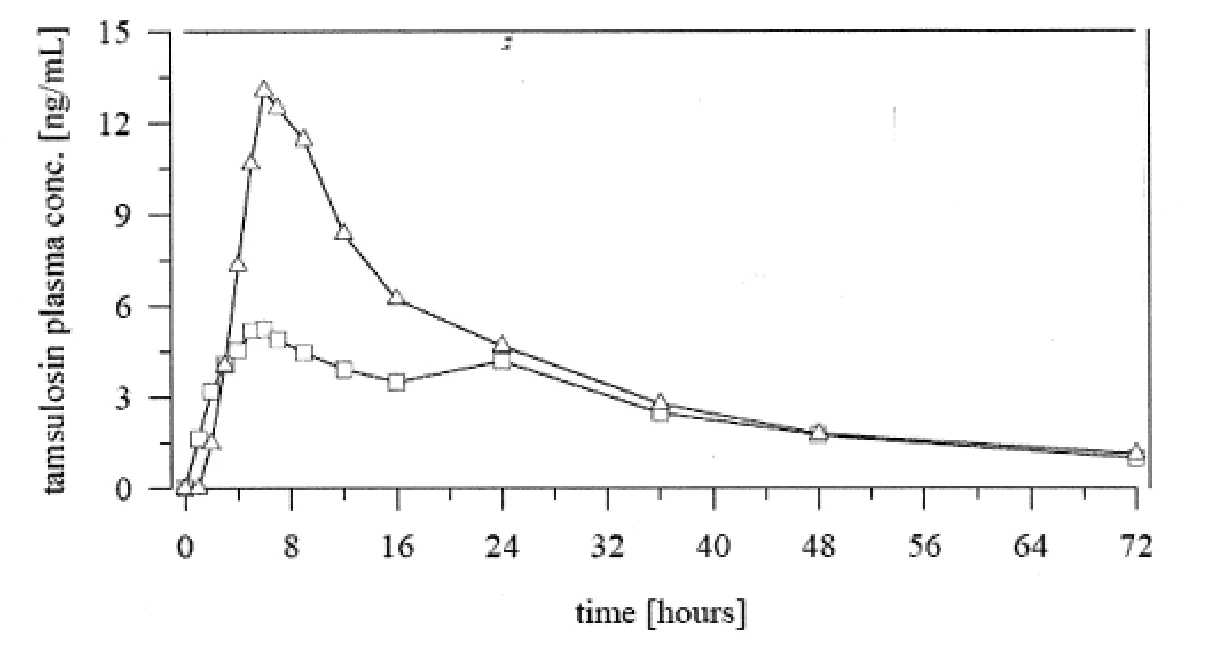
Absorption: After a single oral dose of 0.4 mg tamsulosin hydrochloride controlled release tablet in the fasted state, the plasma concentration of tamsulosin gradually increased reaching Cmax at a
median time of 6 hours. At steady state, which is reached by day 4 of multiple dosing, plasma concentrations of tamsulosin peak at 4 - 6 hours in the fasted and fed state. Peak plasma concentrations increase from approximately 6 ng/ml after the first dose to 11 ng/ml in steady state. After Cmax is reached, the plasma concentration decreases, but at approximately 16 - 24 hours post-dose, a small increase or second plateau is observed. The absolute bioavailability of tamsulosin from tamsulosin hydrochloride controlled release tablet was estimated to be 55-59%.
A study conducted at steady state with 0.4 mg tamsulosin hydrochloride controlled release tablet demonstrated that the plasma concentration-time profile in the fed state was bioequivalent to the fasted state, indicating the absence of a food effect (Table 3).
Table 3: MEAN PHARMACOKINETIC PARAMETERS OF TAMSULOSIN AT STEADY STATE
FOLLOWING ADMINISTRATION OF ONCE DAILY DOSES OF 0.4 MG TAMSULOSIN HYDROCHLORIDE CONTROLLED RELEASE TABLET IN BOTH THE FED AND FASTED STATE
| Parameter | Tamsulosin hydrochloride controlled release tablet 0.4mg (Fed) (n=24) | Tamsulosin hydrochloride controlled release tablet 0.4mg (Fasted) (n=24) |
| AUC 0-inf (ng.h/ml) | 291.1 | 278.7 |
| Cmax (ng/ml) | 11.1 | 10.7 |
| C24(ng/ml) | 4.8 | 4.6 |
| Tmax (h) | 4.16 | 4.75 |
| T1/2 (h) | 14.6 | 15.6 |
The 0.4 mg tamsulosin hydrochloride controlled release tablet is not bioequivalent to the 0.4 mg tamsulosin hydrochloride sustained release capsule, as the test/reference ratio for Cmax and AUC did not fall within the predefined limits of 80-125%. The plasma concentration-time profile presented in Figure 1 shows the lack of a pronounced spike in Cmax with tamsulosin hydrochloride controlled release tablets compared with sustained release capsules which may be consistent with a more favourable safety profile.
FIGURE 1: MEAN TAMSULOSIN PLASMA VS. TIME PROFILES OF TAMSULOSIN
HYDROCHLORIDE CONTROLLED RELEASE TABLET 0.4 MG AND TAMSULOSIN SUSTAINED RELEASE CAPSULES, 0.4 MG (N=12)

Distribution: The mean steady-state apparent volume of distribution of tamsulosin after intravenous administration to ten healthy male adults was 16 litres, which is suggestive of distribution into extracellular fluids in the body. Additionally, whole body autoradiographic studies in mice, rats and dogs indicate that tamsulosin is widely distributed to most tissues including kidney, prostate, liver, gall bladder, heart, aorta, and brown fat, and minimally distributed to the brain, spinal cord, and testes.
Tamsulosin is extensively bound to human plasma proteins (94% to 99%), primarily alpha-1-acid glycoprotein (AAG) in humans, with linear binding over a wide concentration range (20 to 600 ng/mL). The results of two-way in vitro studies indicate that the binding of tamsulosin to human plasma proteins is not affected by amitriptyline, diclofenac, glyburide, simvastatin plus simvastatin-hydroxy acid metabolite, warfarin, diazepam, propranolol, trichlormethiazide, or chlormadinone. Likewise, tamsulosin had no effect on the extent of binding of these drugs.
Metabolism : Tamsulosin is extensively metabolized by cytochrome P450 enzymes (CYP3A) in the liver, followed by extensive glucuronide or sulfate conjugation of metabolites. On administration of a dose of radiolabelled tamsulosin to four healthy volunteers, 97% of the administered radioactivity was recovered, with urine (76%) representing the primary route of
excretion compared to feces (21%) over 168 hours. Less than 10% of the dose was recovered as unchanged (parent) compound in the urine.
Metabolites of tamsulosin do not contribute significantly to tamsulosin adrenoreceptor antagonist activity. Furthermore, there is no enantiomeric bioconversion from tamsulosin [R(-) isomer] to the S(+) isomer in studies with mice, rats, dogs, and humans.
Incubations with human liver microsomes showed no evidence of clinically significant interactions between tamsulosin and drugs which are known to interact or be metabolized by hepatic enzymes, such as amitriptyline, diclofenac, albuterol (beta agonist), glyburide (glibenclamide), finasteride (5 alpha-reductase inhibitor for treatment of BPH), and warfarin. No dose adjustment is warranted in hepatic insufficiency.
Excretion: Tamsulosin undergoes restrictive clearance in humans, with a relatively low systemic clearance (2.88 L/h). Tamsulosin exhibits linear pharmacokinetics following single or multiple dosing of tamsulosin hydrochloride controlled release tablets resulting in a proportional increase in Cmax and AUC with increasing doses. Intrinsic clearance is independent of tamsulosin binding to AAG, but diminishes with age, resulting in a 40% overall higher exposure (AUC) in subjects of age 55 to 75 years compared to subjects of age 20 to 32 years.
Following intravenous or oral administration of an immediate-release formulation, the elimination half-life of tamsulosin in plasma ranged from five to seven hours. Because of absorption rate-controlled pharmacokinetics with the tamsulosin hydrochloride controlled release tablets formulation, the apparent half-life of tamsulosin increases to approximately 12 to 15 hours in healthy volunteers.
Special Populations and Conditions
Pediatrics: Tamsulosin hydrochloride controlled release tablet is not indicated for use in children. Pharmacokinetics have not been evaluated in pediatrics.
Geriatrics: There were no pharmacokinetic studies conducted in geriatric patients with tamsulosin hydrochloride controlled release tablets. Cross-study comparisons of overall exposure (AUC) and half-life of tamsulosin hydrochloride sustained release capsules indicate that the pharmacokinetic disposition of tamsulosin may be slightly prolonged in geriatric males compared to young healthy male volunteers. However, tamsulosin hydrochloride sustained release capsules have been found to be a safe and effective alpha1 adrenoreceptor antagonist when administered at therapeutic doses to patients over the age of 65 years.
Gender Effects: Tamsulosin hydrochloride controlled release tablet is not indicated for use in women. Pharmacokinetics have not been evaluated in women.
Hepatic Insufficiency: The pharmacokinetics of tamsulosin have been compared in subjects with hepatic dysfunction (n=8) and in normal subjects (n=8). While a change in the overall plasma concentration of tamsulosin was observed as the result of altered binding to AAG, the unbound (active) concentration of tamsulosin does not change significantly with only a modest (32%) change in intrinsic clearance of unbound tamsulosin. Therefore, patients with mild to moderate
hepatic dysfunction do not require an adjustment in tamsulosin hydrochloride dosage.
Renal Insufficiency: The pharmacokinetics of tamsulosin have been compared in subjects with moderate (n=6) or severe (n=6) renal impairment and in normal subjects (n=6). While a change in the overall plasma concentration of tamsulosin was observed as the result of altered binding to AAG, the unbound (active) concentration of tamsulosin, as well as the intrinsic clearance, remained relatively constant. Therefore, patients with such renal impairment do not require an adjustment in tamsulosin hydrochloride dosing. Patients with end stage renal disease (Clcr <10 mL/min) have not been studied.
STORAGE AND STABILITY
Store at room temperature (15ºC -30ºC).
DOSAGE FORMS, COMPOSITION AND PACKAGING
Ava-Tamsulosin CR are brown, round, biconvex tablets with debossing “0.4” on one side and “SZ” on the other side.
Each Ava-Tamsulosin CR controlled-release formulation tablet for oral administration contains tamsulosin HCl 0.4 mg, and the following non-medicinal ingredients (in alphabetical order): black iron oxide (E172), butylhydroxytoluene, carmine (E120), colloidal anhydrous silica, hydroxypropylcellulose, hypromellose, magnesium stearate, microcrystalline cellulose, polyethylene glycol, polyethylene oxide, quinoline yellow (E104), talc, titanium dioxide.
Ava-Tamsulosin CR (tamsulosin hydrochloride) 0.4 mg is supplied in HDPE bottles of 100 tablets.
PART II: SCIENTIFIC INFORMATION
PHARMACEUTICAL INFORMATION
Drug Substance
Proper name: Tamsulosin hydrochloride
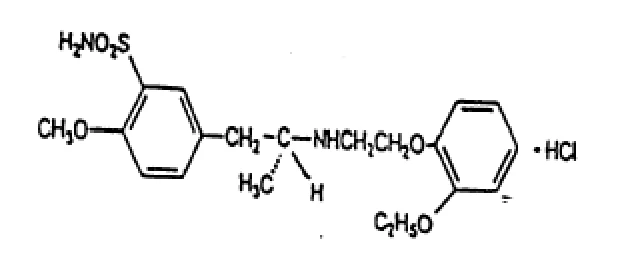
Chemical name: (-)-(R)-5-[2-[[2-o-ethoxyphenoxy)ethyl]amino]propyl]-2- methoxybenzenesulfonamide monohydrochloride.
Molecular formula and molecular mass: C20H28N2O5S•HCl; 444.98
Structural formula:
Physicochemical properties:
Tamsulosin HCl occurs as white crystals that melt with decomposition at approximately 230ºC. It is sparingly soluble in water and in methanol, slightly soluble in glacial acetic acid and in ethanol, and practically insoluble in ether.
pH (7.5 mg/mL): 5.20
pKa: 8.37 (secondary amine) ; 10.23 (sulfonamide)
CLINICAL TRIALS
A comparative, single dose, blinded, randomized, 2-way crossover bioequivalence study of Tamsulosin CR (tamsulosin hydrochloride controlled release tablets) vs Flomax CR® (tamsulosin hydrochloride Controlled Release tablets, Boehringer Ingelheim, Canada), each administered as 1 x 0.4 mg tablet dose, was conducted on a total of 46 healthy male volunteers, aged 18-55 years, under fasting conditions.
Tamsulosin (1 x 0.4 mg) From measured data Geometric Mean Arithmetic Mean (CV %) | ||||
| Parameter | Test* | Reference product † | % Ratio of Geometric Means1 | 90% Confidence Interval 1 |
AUC0-t (pg.h/mL) | 85230.80 100232.36 (59.36) | 95234.39 110756.98 (53.90) | 89.50 % | 80.19 % to 99.88 % |
AUC0-inf (pg.h/mL) | 96997.08 117398.13 (62.64) | 107274.69 130448.45 (66.73) | 90.42 % | 79.06 % to 103.41 % |
Cmax (pg/mL) | 4928.53 5423.85 (48.23) | 5011.89 5384.21 (41.07) | 98.34 % | 90.33 % to 107.06 % |
Tmax§ (h) | 5.06 (60.07) | 6.40 (90.85) | ||
T½ el § (h) | 14.15 (44.81) | 14.21 (41.91) | ||
* Tamsulosin CR (tamsulosin hydrochloride controlled release tablets)
† Flomax® CR (Manufactured by Astellas Pharma Europe B.V., Pays-Bas; distributed by Boehringer Ingelheim (Canada) Ltd. and purchased in Canada)
§ Expressed as either the arithmetic mean (CV%) only
1 Based on least-squares mean estimates
A comparative, single dose, blinded, randomized, 2-way crossover bioequivalence study of Tamsulosin CR (tamsulosin hydrochloride controlled release tablets) vs Flomax CR® (tamsulosin hydrochloride Controlled Release tablets, Boehringer Ingelheim, Canada), each administered as 1 x 0.4 mg tablet dose, was conducted on a total of 25 healthy male volunteers, aged 18-55 years, under fed conditions.
Tamsulosin Hydrochloride (1 x 0.4 mg) From measured data Geometric Mean Arithmetic Mean (CV %) | ||||
| Parameter | Test * | Reference † | % Ratio of Geometric Means1 | 90% Confidence Interval 1 |
AUC0-t (pg.h/mL) | 146393.08 155162.63 (30.92) | 153622.89 161690.74 (32.68) | 95.29% | 88.59% to 102.50% |
AUC0-inf (pg.h/mL) | 162224.99 171414.06 (30.65) | 165344.01 174817.18 (34.06) | 98.11% | 91.21% to 105.54% |
Cmax (pg/mL) | 9406.47 9830.45 (28.44) | 8964.18 9380.37 (33.62) | 104.93% | 94.32% to 116.75% |
Tmax§ (h) | 6.16 (39.89) | 9.22 (58.34) | ||
T½ el § (h) | 13.25 (33.24) | 11.09 (25.42) | ||
* Tamsulosin CR (tamsulosin hydrochloride controlled release tablets)
† Flomax® CR (Manufactured by Astellas Pharma Europe B.V., Pays-Bas; distributed by Boehringer Ingelheim (Canada) Ltd. and purchased in Canada)
§ Expressed as either the arithmetic mean (CV%) only
1 Based on least-squares mean estimates
A comparative, multiple dose, blinded, randomized, 2-way crossover bioequivalence study of Tamsulosin CR (tamsulosin hydrochloride controlled release tablets) vs Flomax CR® (tamsulosin hydrochloride Controlled Release tablets, Boehringer Ingelheim (Canada) Ltd.), each administered as 1 x 0.4 mg tablet dose daily for 7 consecutive days, was conducted on a total of 40 healthy male volunteers, aged 18-55 years, under fasting conditions.
Tamsulosin (1 x 0.4 mg) From measured data Geometric Mean Arithmetic Mean (CV %) | ||||
| Parameter | Test* | Reference product † | % Ratio of Geometric Means1 | 90% Confidence Interval1 |
AUC0-τ ss (pg.h/mL) | 130636.93 148764.43 (62.75) | 124261.72 133863.34 (44.09) | 105.13 % | 95.46 % to 115.78 % |
Cmax ss (pg.h/mL) | 9521.77 10479.85 (48.38) | 9355.86 10016.58 (39.04) | 101.77 % | 92.85 % to 111.55 % |
Cmin ss (pg/mL) | 2769.59 3520.21 (88.41) | 2523.18 2979.81 (65.08) | 109.77 % | 94.06 % to 128.09 % |
Tmax§ (h) | 4.04 (28.10) | 4.68 (26.01) | ||
Fl (%) | 125.38 (32.04) | 134.42 (32.08) | ||
* Tamsulosin CR (tamsulosin hydrochloride controlled release tablets)
† Flomax® CR (Manufactured by Astellas Pharma Europe B.V., Pays-Bas; distributed by Boehringer Ingelheim (Canada) Ltd. and purchased in Canada)
§ Expressed as either the arithmetic mean (CV%) only
1 Based on least-squares mean estimates
Study demographics and trial design
Efficacy of tamsulosin hydrochloride controlled release tablets has been evaluated in two double-blind, randomized, placebo-controlled studies of 12-weeks duration involving a total of 1840 male subjects. Of these, 563 were treated with tamsulosin hydrochloride controlled release tablets 0.4 mg, 709 with tamsulosin hydrochloride sustained release capsules 0.4 mg and 568 with placebo. The main inclusion criteria in both trials were: male patients aged ≥ 45 years with symptoms diagnosed as LUTS suggestive of BPH. These patients had to have a total International Prostate Symptom Score (I-PSS) of ≥13 at enrollment and after 2 week placebo run-in. In both studies, tamsulosin (or placebo) was orally administered at the specified dosage once daily.
The primary efficacy parameter for both studies was the change from baseline to endpoint in Total I-PSS for the full analysis set (FAS). The I-PSS consists of questions that assess the severity of both irritative and obstructive symptoms, with possible scores ranging from 0 to 35. The secondary efficacy analysis contained the changes from baseline in voiding and storage I-PSS subscores, I-PSS QoL score and the individual I-PSS items.
TABLE 4: EFFECT ON TOTAL I-PSS IN THE 3- MONTH STUDIES
| Study | Treatment Arm | No. Baseline/ Endpoint | Baseline Mean (SD) | Endpoint Mean (SD) | Change at Endpoint Mean (SD) [%] | Difference vs. Placebo Mean (95% CI) | P-value vs. Placebo |
| 617-CL- 303 | Placebo Tamsulosin Hydrochloride Controlled Release Tablets 0.4 mg | 210a/211 203/203 | 17.8 (4.0) 18.0 (4.3) | 11.7 (6.1) 10.4 (5.5) | -6.0 (5.4) [-34.5] -7.6 (5.3) [-42.4] | - -1.6 (-2.5, -0.6) | 0.0016 |
| 617-CL- 307 | Placebo Tamsulosin Hydrochloride Controlled Release Tablets 0.4 mg Tamsulosin Hydrochloride Sustained Release Capsules 0.4 mg | 350/350 354/354 700/700 | 18.3 (4.5) 18.5 (4.4) 18.5 (4.5) | 12.4 (6.4) 10.8 (6.2) 10.6 (5.9) | -5.8 (5.6) [-32.0] -7.7 (5.8) [41.7] -8.0 (5.6) [-43.2] | - -1.7 (-2.5, -1.0) -2.0 (-2.6, -1.3) | - <0.0001 <0.0001 |
a Patient 1607 in the placebo group did not have an I-PSS at baseline (Visit 2) and the Visit 1 I-PSS of this 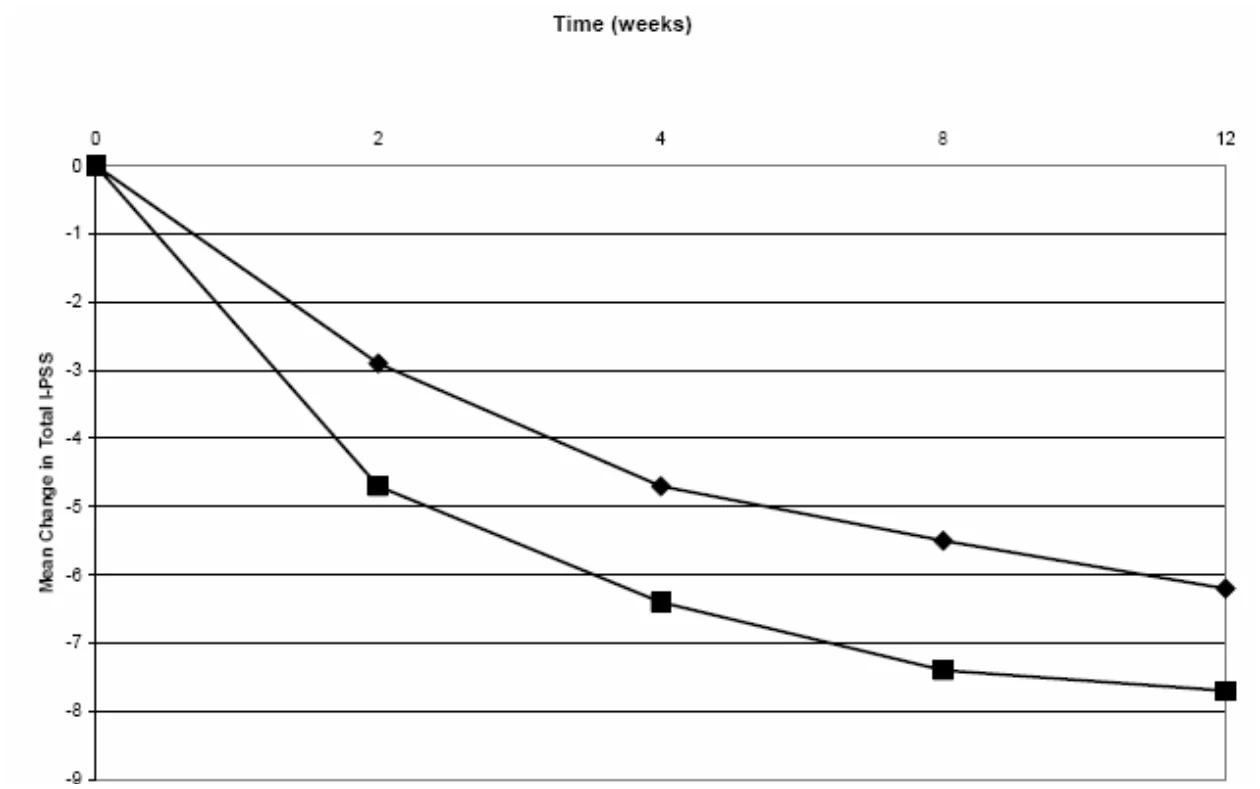

patient was not included in the mean (SD) at baseline.
FIGURE 2: MEAN CHANGE FROM BASELINE IN TOTAL I-PSS OVER TIME IN THE PLACEBO-
CONTROLLED STUDY
FIGURE 3: MEAN CHANGE FROM BASELINE IN TOTAL I-PSS OVER TIME IN THE PLACEBO-
AND ACTIVE-CONTROLLED STUDY
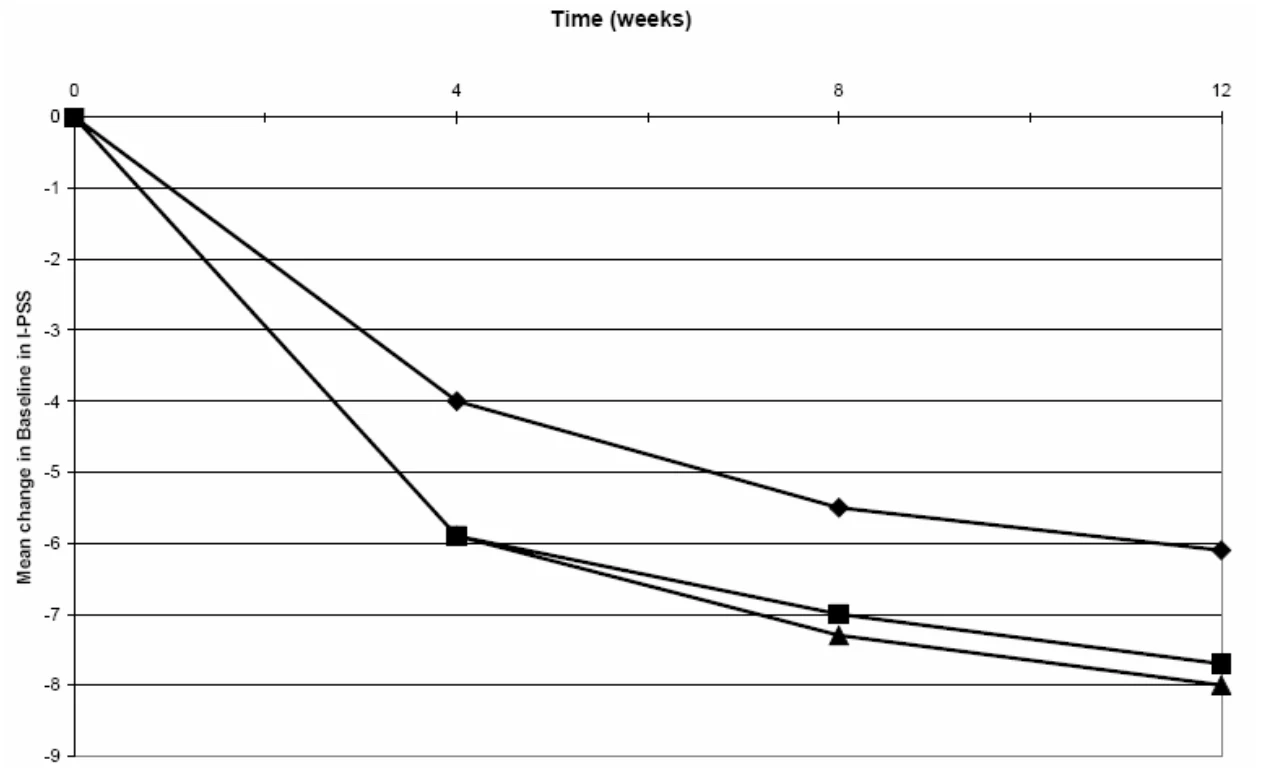

In both studies, tamsulosin hydrochloride controlled release tablets 0.4 mg had a fast onset of action with decrease in I-PSS at 2 - 4 weeks. As evident from Table 4 and Figures 2 and 3, there was a statistically significant reduction (p<0.001) in the I-PSS vs. placebo in both studies indicating a reduction in symptom severity. This was due to a statistically significant improvement in both the irritative and obstructive subscores. Tamsulosin hydrochloride controlled release tablets 0.4 mg was an efficacious dose and provided a response which was equivalent to that of tamsulosin hydrochloride sustained release 0.4 mg capsules confirming the recommendation of once daily dosing of 0.4 mg.
DETAILED PHARMACOLOGY
See ACTION AND CLINICAL PHARMACOLOGY section.
TOXICOLOGY
Carcinogenesis, Mutagenesis, and Impairment of Fertility
Rats administered doses up to 43 mg/kg/day in males and 52 mg/kg/day in females had no
increases in tumour incidence with the exception of a modest increase in the frequency of mammary gland fibroadenomas in female rats receiving doses ≥ 5.4 mg/kg (P<0.015). The highest doses of tamsulosin evaluated in the rat carcinogenicity study produced systemic exposures (AUC) in rats 3 times the exposures in men receiving doses of 0.8 mg/day.
Mice were administered doses up to 127 mg/kg/day in males and 158 mg/kg/day in females. There were no significant tumour findings in male mice. Female mice treated for 2 years with the two highest doses of 45 and 158 mg/kg/day had statistically significant increases in the incidence of mammary gland fibroadenomas (P<0.0001) and adenocarcinomas (P<0.0075). The highest dose levels of tamsulosin evaluated in the mice carcinogenicity study produced systemic exposures (AUC) in mice 8 times the exposures in men receiving doses of 0.8 mg/day.
The increased incidences of mammary gland neoplasms in female rats and mice were considered secondary to tamsulosin-induced hyperprolactinemia. It is not known if tamsulosin elevates prolactin in humans. The relevance for human risk of the findings of prolactin-mediated endocrine tumours in rodents is not known.
Tamsulosin produced no evidence of mutagenic potential in vitro in the Ames reverse mutation test, mouse lymphoma thymidine kinase assay, and chromosomal aberration assays in Chinese hamster ovary cells or human lymphocytes. There were no mutagenic effects in the in vivo sister chromatid exchange and mouse micronucleus assay.
Studies in rats revealed significantly reduced fertility in males dosed with single or multiple daily doses of 300 mg/kg/day of tamsulosin (AUC exposure in rats about 50 times the human exposure at a dose of 0.8 mg/day). The mechanism of decreased fertility in male rats is considered to be an effect of the compound on the vaginal plug formation possibly due to changes of semen content or impairment of ejaculation. The effects on fertility were reversible showing improvement by 3 days after a single dose and 4 weeks after multiple dosing. Effects on fertility in males were completely reversed within nine weeks of discontinuation of multiple dosing. Multiple doses of 10 and 100 mg/kg/day tamsulosin (1/5 and 16 times the anticipated human AUC exposure) did not significantly alter fertility in male rats. Effects of tamsulosin on sperm counts or sperm function have not been evaluated.
Studies in female rats revealed significant reductions in fertility after single or multiple dosing with 300 mg/kg/day of the R-isomer or racemic mixture of tamsulosin, respectively. In female rats, the reductions in fertility after single doses were considered to be associated with impairments in fertilization. Multiple dosing with 10 or 100 mg/kg/day of the racemic mixture did not significantly alter fertility in female rats.
REFERENCES
- 1. McGrath, J.C., Lepor H., Wyllit M.G. Report of a unique meeting between the alpha-blocker subcommittee and pharmaceutical industry. Urol 48(5), 1996.
- 2.
Price D.T., Lomasney J.W., Allen L.F., Caron M.G., Lefkowitz. Identification,
quantification, and localization of mRNA for three distinct alpha1 adrenergic receptor subtypes in human prostate. J Urol 1993; 150:546-551.
- 3.
Hatano A., Takahashi H., Tamaki M., Komeyama T., Koizumi T., Takeda M.
Pharmacological evidence of distinct α1 - adrenoceptor subtypes mediating the contraction of human prostatic urethra and peripheral artery. Br J Pharmacol 1994; 113:723-728.
- 4.
Moriyama N., Hamada K., Takanashi M., Kurimoto S., Kimura K., Inagaki O. Evaluation of
α1 - adrenoceptor subtypes in human hypertrophied prostate using [3H]YM617, an α1-selective antagonist. Acta Histochem Cytochem 1994; 27 (3):219-225.
- 5. Faure C., Pimoule C., Vallancien G., Langer S.Z., Graham D. Identification of α1 – adrenoceptor subtypes present in the human prostate. Life Sci 1994;54(21):1595-1605.
- 6. Michel M.C., Insel P.A. Comparison of cloned and pharmacologically defined rat tissue α1 – adrenoceptor subtypes. Naunyn-Schmiedebergs Arch Pharmacol 1994;350(2):136-142.
- 7. Yamada S., Suzuki M., Tanaka C., Mori R., Kimura R., Inagaki O. Comparative study on α1 - adrenoceptor antagonist binding in human prostate and aorta. Clinical and Experimental Pharmacol and Physiol 1994;21:405-411.
- 8.
Chapple, CR. The total approach in lower urinary symptoms/ benign prostatic
hyperplasia (LUTS/BPH) management: introduction and conclusions. Eur Urol 2003; 2:1-5.
- 9. Dunn C.J., Matheson A., Faulds D.M. Tamsulosin: A review of its pharmacology and therapeutic efficacy in the management of lower urinary tract symptoms. Drugs Aging 2002;19(2):135-161.
- 10. Narayan P., Evans C.P., Moon T., Long-term safety and efficacy of tamsulosin for the treatment of lower urinary tract symptoms associated with benign prostatic hyperplasia. J Urol 2003;170:498-502.
- 11. Foglar R., Shibata K., Horie K., Hirasawa A., Tsujimoto G. Use of recombinant α1- adrenoceptors to characterize subtype selectivity of drugs for the treatment of prostatic hypertrophy. Eur J Pharmacol 1995; 288:201-207.
- 12. Kim H.L., Kim J.C., Benson D.A., Bales G., Gerber G.S. Results of treatment with tamsulosin in men with acute urinary retention. Tech Urol 2001; 7(4):256-60.
- 13. Patel R., Fiske J., Lepor H. Tamsulosin reduces the incidence of acute urinary retention following early removal of the urinary catheter after radical retropubic prostatectomy. Urology 2003; 62 (2):287-91.
- 14.
Kloner R.A., Jackson G., Emmick J.T., et al. Interaction between the phosphodiesterase
5 inhibitor, tadalafil, and two alpha-blockers: doxazosin and tamsulosin. J Urol 2004; 4(Suppl):abstr 1195.
- 15. Romic I., Kiss T., Kisbenedek L., et al. Tamsulosin drug ratio in prostate versus free fraction in plasma supports pharmacokinetic (pk) contribution to its uroselectivity. Ann Mtg of the American Urological Association, Chicago, 26 April -1 May 2003.
- 16. Davis B.J., Noble A., Chapple C.R, Chess-Williams R. Human prostate-artery selectivity of tamsulosin, doxazosin and alfuzosin. Br J Pharmacol 2000; 129(Suppl): abstr 52p.
- 17. Michel MC., Korstanje C, Krauwinkel W, Shear M, Davies J, Quartel A. Comparison of vascular α1-adrenoceptorantagonism of tamsulosin in oral controlled absorption system (OCAS) and modified release (MR) formulations. European Urology Supplements 4 (2005) 45-52.
- 18. Michel MC., Korstanje C, Krauwinkel W, Shear M, Davies J, Quartel A. Cardiovascular safety of the oral controlled absorption system (OCAS) formulation compared to the modified release (MR) formulation. European Urology Supplements 4 (2005) 53-60.
- 19.
Boehringer Ingelheim (Canada) Inc., Burlington, (ON), Canada, FLOMAX CR Product
Monograph (tamsulosin hydrochloride controlled-release tablets 0.4 mg), Control No.: 117980; Date of Revision: January 21, 2008.