


Product Monograph - Besponsa
RECENT MAJOR LABEL CHANGES
| 4 Dosage and Administration, Special Populations and Conditions | 2024-06 |
|---|
TABLE OF CONTENTS
Sections or subsections that are not applicable at the time of authorization are not listed.
RECENT MAJOR LABEL CHANGES ......................................................................................... 2
TABLE OF CONTENTS .......................................................................................................... 2
PART I: HEALTH PROFESSIONAL INFORMATION ................................................................... 4
1 INDICATIONS ........................................................................................................... 4
1.1 Pediatrics .................................................................................................................... 4
1.2 Geriatrics .................................................................................................................... 4
2 CONTRAINDICATIONS .............................................................................................. 4
3 SERIOUS WARNINGS AND PRECAUTIONS BOX ......................................................... 4
4 DOSAGE AND ADMINISTRATION .............................................................................. 5
4.1 Dosing Considerations ............................................................................................... 5
4.2 Recommended Dose and Dosage Adjustment .......................................................... 5
4.4 Administration ......................................................................................................... 10
4.5 Missed Dose ............................................................................................................. 11
5 OVERDOSAGE ........................................................................................................ 11
6 DOSAGE FORMS, STRENGTHS, COMPOSITION AND PACKAGING ............................ 11
7 WARNINGS AND PRECAUTIONS ............................................................................. 11
7.1 Special Populations .................................................................................................. 17
7.1.1 Pregnant Women ........................................................................................... 17
7.1.2 Breast-feeding ................................................................................................ 18
7.1.3 Pediatrics ........................................................................................................ 18
7.1.4 Geriatrics ........................................................................................................ 18
8 ADVERSE REACTIONS ............................................................................................. 19
8.1 Adverse Reaction Overview ..................................................................................... 19
8.2 Clinical Trial Adverse Reactions ............................................................................... 20
8.2.1 Clinical Trial Adverse Reactions – Pediatrics......................................................... 23
8.4 Abnormal Hematologic and Clinical Chemistry Findings and Other Quantitative
Data ................................................................................................................................ 24
9 DRUG INTERACTIONS ............................................................................................ 25
9.2 Drug Interactions Overview ..................................................................................... 26
9.3 Drug-Behaviour Interactions .................................................................................... 26
9.4 Drug-Drug Interactions ............................................................................................ 26
9.5 Drug-Food Interactions ............................................................................................ 26
9.6 Drug-Herb Interactions ............................................................................................ 26
9.7 Drug-Laboratory Test Interactions ........................................................................... 27
10 CLINICAL PHARMACOLOGY .................................................................................... 27
10.1 Mechanism of Action ............................................................................................. 27
10.2 Pharmacodynamics ................................................................................................ 27
10.3 Pharmacokinetics ................................................................................................... 27
11 STORAGE, STABILITY AND DISPOSAL ...................................................................... 30
PART II: SCIENTIFIC INFORMATION ................................................................................... 32
13 PHARMACEUTICAL INFORMATION ......................................................................... 32
14 CLINICAL TRIALS .................................................................................................... 32
14.1 Clinical Trials by Indication..................................................................................... 32
14.4 Immunogenicity ..................................................................................................... 35
15 MICROBIOLOGY ..................................................................................................... 35
16 NON-CLINICAL TOXICOLOGY .................................................................................. 36
PATIENT MEDICATION INFORMATION .............................................................................. 37
PART I: HEALTH PROFESSIONAL INFORMATION
1 INDICATIONS
BESPONSA (inotuzumab ozogamicin for injection) is indicated for:
- Monotherapy for the treatment of adults with relapsed or refractory CD22-positive B-cell precursor acute lymphoblastic leukemia (ALL).
1.1 Pediatrics
Pediatrics (< 18 years of age): Based on the data submitted and reviewed by Health Canada the safety and efficacy of BESPONSA in the pediatric population has not been established; therefore, Health Canada has not authorized an indication for pediatric use. (See 7 WARNINGS AND PRECAUTIONS, 8.2.1 Clinical Trial Adverse Reactions, Pediatric and 10.3 Pharmacokinetics, Special Populations and Conditions).
1.2 Geriatrics
Geriatrics (> 65 years of age): In a randomized clinical study of BESPONSA for the treatment of patients with ALL (Study 1), 30/164 (18%) patients treated with BESPONSA were ≥65 years of age. No overall differences were observed in the safety and efficacy of BESPONSA between patients who were ˂65 and ≥65 years of age. However, increased age was associated with an increased risk of venoocclusive disease/sinusoidal obstruction syndrome (VOD/SOS) after hematopoietic stem cell transplant (HSCT) (see 7 WARNINGS AND PRECAUTIONS, Hepatic/Biliary/Pancreatic, Hepatotoxicity, including VOD/SOS).
2 CONTRAINDICATIONS
BESPONSA is contraindicated in patients who are hypersensitive to this drug or to any ingredient in the formulation, including any non-medicinal ingredient, or component of the container. For a complete listing, see 6 DOSAGE FORMS, STRENGTH COMPOSITION AND PACKAGING section of the product monograph.
3 SERIOUS WARNINGS AND PRECAUTIONS BOX
Serious Warnings and Precautions
|
|---|
|
|---|
4 DOSAGE AND ADMINISTRATION
4.1 Dosing Considerations
- For patients with circulating lymphoblasts, cytoreduction with a combination of hydroxyurea, steroids, and/or vincristine to a peripheral blast count ≤10,000/mm3 is recommended prior to the first dose.
- Premedication with a corticosteroid, antipyretic, and antihistamine is recommended prior to dosing (see 4 DOSAGE AND ADMINISTRATION, Dosing Considerations). Patients should be observed during and for at least 1 hour after the end of infusion for symptoms of infusion-related reactions (see 4 DOSAGE AND ADMINISTRATION, Dosing Considerations, and 7 WARNINGS AND PRECAUTIONS, Immune, Infusion-related reactions).
- BESPONSA must be reconstituted and diluted before administration. For instructions on reconstitution and dilution of the medicinal product before administration, see 4 DOSAGE AND ADMINISTRATION, Instructions for Reconstitution, Dilution, and Administration.
4.2 Recommended Dose and Dosage Adjustment
Administer BESPONSA intravenously by infusion over 1 hour. Do not administer BESPONSA as an intravenous push or bolus.
Administer BESPONSA in 3- to 4-week cycles. For patients proceeding to HSCT, the recommended duration of treatment with BESPONSA is 2 cycles. A third cycle should be considered for those patients who do not achieve a CR or a CRi and MRD negativity after 2 cycles (see 7 WARNINGS AND PRECAUTIONS, Hepatic/Biliary/Pancreatic, Hepatotoxicity, including VOD/SOS). For patients with a CR or CRi and MRD negativity not proceeding to HSCT, a maximum of 6 cycles may be administered.
Any patients who do not achieve a CR or CRi within 3 cycles should discontinue treatment.
Table 1 shows the recommended dosing regimens.
For the first cycle, the recommended total dose of BESPONSA for all patients is 1.8 mg/m2 per cycle, administered as 3 divided doses on Days 1 (0.8 mg/m2), 8 (0.5 mg/m2), and 15 (0.5 mg/m2). Cycle 1 is
3 weeks in duration, but may be extended to 4 weeks if the patient achieves a CR or a CRi, and/or to allow recovery from toxicity.
For subsequent cycles, the recommended total dose of BESPONSA is 1.5 mg/m2 per cycle, administered as 3 divided doses on Days 1 (0.5 mg/m2), 8 (0.5 mg/m2), and 15 (0.5 mg/m2) for patients who achieve a CR or CRi or 1.8 mg/m2 per cycle given as 3 divided doses on Days 1 (0.8 mg/m2), 8 (0.5 mg/m2), and 15 (0.5 mg/m2) for patients who do not achieve a CR or CRi. Subsequent cycles are 4 weeks in duration.
| Table 1. Dosing Regimen for Cycle 1 and Subsequent Cycles Depending on Response to Treatment | ||||||||
|---|---|---|---|---|---|---|---|---|
| Day 1 | Day 8a | Day 15a | ||||||
| Dosing regimen for Cycle 1 | ||||||||
| All patients: | ||||||||
| Dose (mg/m2)b | 0.8 | 0.5 | 0.5 | |||||
| Cycle length | 21 daysc | |||||||
| Dosing regimen for subsequent cycles depending on response to treatment | ||||||||
| Patients who have achieved a CRc or CRid: | ||||||||
| Dose (mg/m2)b | 0.5 | 0.5 | 0.5 | |||||
| Cycle length | 28 daysf | |||||||
| Patients who have not achieved a CRd or CRie: | ||||||||
| Dose (mg/m2)b | 0.8 | 0.5 | 0.5 | |||||
| Cycle length | 28 daysf | |||||||
| Abbreviations: CR= complete remission; CRi= complete remission with incomplete hematologic recovery. | ||||||||
| a | +/- 2 days (maintain minimum of 6 days between doses). | |||||||
| b | Dose is based on the patient’s body surface area (m2). | |||||||
| c | For patients who achieve a CR or a CRi, or to allow for recovery from toxicity, the cycle length may be extended up to 28 days (i.e., 7-day treatment-free interval starting on Day 21). | |||||||
| d | CR is defined as <5% of blasts in the bone marrow and the absence of peripheral blood leukemic blasts, full recovery of peripheral blood counts (platelets ≥100 x 109/L and absolute neutrophil counts [ANC] ≥1 x 10⁹/L) and resolution of any extramedullary disease. | |||||||
| e | CRi is defined as <5% blasts in the bone marrow and the absence of peripheral blood leukemic blasts, incomplete recovery of peripheral blood counts (platelets <100 x 109/L and/or ANC <1 x 10⁹/L) and resolution of any extramedullary disease. | |||||||
| f | 7-day treatment-free interval starting on Day 21. | |||||||
Dose Modification
Dose modification of BESPONSA may be required based on individual safety and tolerability (see 7 WARNINGS AND PRECAUTIONS). Management of some adverse drug reactions may require dosing interruptions and/or dose reductions, or permanent discontinuation of BESPONSA (see 7 WARNINGS
AND PRECAUTIONS, and 8 ADVERSE REACTIONS). If the dose is reduced due to BESPONSA-related toxicity, the dose must not be re-escalated.
Table 2 and Table 3 show the dose modification guidelines for hematologic and non-hematologic toxicities, respectively. BESPONSA doses within a treatment cycle (i.e., Days 8 and/or 15) do not need to be interrupted due to neutropenia or thrombocytopenia, but dosing interruptions within a cycle are recommended for non-hematologic toxicities.
| Table 2. Dose Modifications for Hematologic Toxicities | ||
|---|---|---|
| Hematologic toxicity | Dose modification(s) | |
| If prior to BESPONSA treatment: | ||
| ANC was ≥1 x 10⁹/L | If ANC decreases, then interrupt the next cycle of treatment until recovery of ANC to ≥1 x 10⁹/L. | |
| Platelet count was ≥50 x 109/La | If platelet count decreases, then interrupt the next cycle of treatment until platelet count recovers to ≥50 x 109/La. | |
| ANC was <1 x 10⁹/L and/or platelet count was <50 x 109/La | If ANC and/or platelet count decreases, then interrupt the next cycle of treatment until at least one of the following occurs:
| |
Abbreviation: ANC= absolute neutrophil count. a Platelet count used for dosing should be independent of blood transfusion. | ||
| Table 3. Dose Modifications for Non-hematologic Toxicities | |
|---|---|
| Non-hematologic toxicity | Dose modification(s) |
| VOD/SOS or other severe liver toxicity | Permanently discontinue treatment (see 7 WARNINGS AND PRECAUTIONS, Hepatic/Biliary/Pancreatic, Hepatotoxicity, including VOD/SOS). |
| Total bilirubin >1.5 x ULN and AST/ALT >2.5 x ULN | Interrupt the dosing until recovery of total bilirubin to ≤1.5 x ULN and AST/ALT to ≤2.5 x ULN prior to each dose unless due to Gilbert’s syndrome or hemolysis. Permanently discontinue treatment if total bilirubin does not recover to ≤1.5 x ULN or AST/ALT does not recover to ≤2.5 x ULN (see 7 WARNINGS AND PRECAUTIONS, Hepatic/Biliary/Pancreatic, Hepatotoxicity, including VOD/SOS). |
| Infusion-related reaction | Interrupt the infusion and institute appropriate medical management. Depending on the severity of the infusion-related reaction, consider discontinuation of the infusion |
| Table 3. Dose Modifications for Non-hematologic Toxicities | |
|---|---|
| Non-hematologic toxicity | Dose modification(s) |
| or administration of steroids and antihistamines. For severe or life-threatening infusion reactions, permanently discontinue treatment (see 7 WARNINGS AND PRECAUTIONS, Immune, Infusions-related reaction). | |
| Non-hematologic toxicity ≥Grade 2a | Interrupt treatment until recovery to Grade 1 or pre-treatment grade levels prior to each dose. |
Abbreviations: ALT= alanine aminotransferase; AST= aspartate aminotransferase; VOD/SOS= venoocclusive liver disease/sinusoidal obstruction syndrome; ULN= upper limit of normal. a Severity grade according to National Cancer Institute Common Terminology Criteria for Adverse Events (NCI CTCAE) version 3.0 | |
Table 4 shows the dose modification guidelines depending on the duration of dosing interruptions due to toxicity.
| Table 4 Dose Modifications Depending on Duration of Dosing Interruption Due to Toxicity | |
|---|---|
| Duration of dosing interruption due to toxicity | Dose modification(s) |
| <7 days (within a cycle) | Interrupt next dose (maintain a minimum of 6 days between doses). |
| ≥7 days | Omit next dose within the cycle. |
| ≥14 days | Once adequate recovery is achieved, decrease the total dose by 25% for the subsequent cycle. If further dose modification is required, then reduce the number of doses to 2 per cycle for subsequent cycles. If a 25% decrease in the total dose followed by a decrease to 2 doses per cycle is not tolerated, then permanently discontinue treatment. |
| >28 days | Consider permanent discontinuation of treatment. |
Special Populations and Conditions
Pediatrics (< 18 years of age): The safety and efficacy of BESPONSA in the pediatric population have not been established; therefore, Health Canada has not authorized an indication for pediatric use. (see 1 INDICATIONS, Pediatrics). Currently available data are described in section 10 CLINICAL PHARMACOLOGY, Special Populations and Conditions but no recommendation on a posology can be made.
Geriatrics (> 65 years of age): Based on a population pharmacokinetic analysis of pooled data in 765 patients with relapsed or refractory ALL [n=234] and relapsed or refractory non-Hodgkin lymphoma (NHL) [n=531] (range: 18-92 years; n=314 ≥65 years), the effect of age on clearance and volume of distribution was not significant. No adjustment to the starting dose is required based on age (see 10 CLINICAL PHARMACOLOGY, Special Populations and Conditions, Geriatrics).
Hepatic Impairment: No formal studies of inotuzumab ozogamicin in patients with hepatic impairment have been conducted.
No adjustment to the starting dose is required when administering BESPONSA to patients with hepatic impairment defined by total bilirubin ≤1.5 × ULN and AST/ALT ≤2.5 × ULN (see 10 CLINICAL PHARMACOLOGY, Special Populations and Conditions, Hepatic insufficiency).
There is limited safety information available in patients with hepatic impairment defined by total bilirubin >1.5 × ULN and AST/ALT >2.5 × ULN prior to dosing. Interrupt dosing until recovery of total bilirubin to ≤1.5 × ULN and AST/ALT to ≤2.5 × ULN prior to each dose unless due to Gilbert’s syndrome or hemolysis. Permanently discontinue treatment if total bilirubin does not recover to ≤1.5 × ULN or AST/ALT does not recover to ≤2.5 × ULN (see Table 5; 10 CLINICAL PHARMACOLOGY, Special Populations and Conditions).
Renal Impairment: No formal studies of inotuzumab ozogamicin in patients with renal impairment have been conducted.
No adjustment to the starting dose is required when administering BESPONSA to patients with mild or moderate renal impairment (creatinine clearance [CrCL] 60-89 mL/min or 30-59 mL/min respectively) (see 10 CLINICAL PHARMACOLOGY, Special Populations and Conditions, Renal insufficiency).
There is limited data available on the safety and efficacy of inotuzumab ozogamicin in patients with severe renal impairment (CrCL 15-29 mL/min). Based on a population pharmacokinetic analysis, which included 4 patients with severe renal impairment who received no adjustment to the starting dose, the clearance of inotuzumab ozogamicin was similar to patients with normal renal function. However, given the limited information on inotuzumab ozogamicin in patients with severe renal impairment (n=4), interpretation of the data should be made with caution.
The safety and efficacy of inotuzumab ozogamicin have not been studied in patients with end stage renal disease.
4.3 Reconstitution
Use appropriate aseptic technique for the reconstitution and dilution procedures. BESPONSA (which has a density of 1.02 g/mL at 20°C) is light sensitive and should be protected from ultraviolet light during reconstitution, dilution, and administration. The maximum time from reconstitution through the end of administration should be ≤ 8 hours, with ≤ 4 hours between reconstitution and dilution.
- Calculate the dose (mg) and number of vials of BESPONSA required.
- Reconstitute each vial as follows:
| Vial Size | Volume of Diluent to be Added to Vial | Approximate Available Volume | Concentration per mL |
| 0.9 mg/vial | 4 mL of Sterile Water for Injection, USP | 3.6 mL (0.9 mg) | 0.25 mg/mL |
- Gently swirl the vial to aid dissolution. Do not shake.
- Inspect the reconstituted solution for particulates and discoloration. The reconstituted solution should be clear to slightly cloudy, colorless, and essentially free of visible foreign matter.
- BESPONSA contains no bacteriostatic preservatives. The reconstituted solution should be used immediately. If the reconstituted solution cannot be used immediately, it may be refrigerated (2-8°C) for up to 4 hours. Protect from light and do not freeze.
Dilution
- Calculate the required volume of the reconstituted solution needed to obtain the appropriate dose according to patient body surface area. Withdraw this amount from the vial(s) using a syringe. Protect from light. Discard any unused reconstituted solution left in the vial.
- Add the reconstituted solution to an infusion container with 0.9% Sodium Chloride for Injection, USP, to a total nominal volume of 50 mL. The final concentration should be between 0.01 and 0.1 mg/mL. Protect from light. An infusion container made of polyvinyl chloride (PVC) (di(2-ethylhexyl)phthalate [DEHP]- or non-DEHP-containing), polyolefin (polypropylene and/or polyethylene), or ethylene vinyl acetate (EVA) is recommended.
- Gently invert the infusion container to mix the diluted solution. Do not shake.
- The diluted solution should be used immediately or stored at room temperature (20-25°C) or refrigerated (2-8°C). The maximum time from reconstitution through the end of administration should be ≤ 8 hours, with ≤ 4 hours between reconstitution and dilution. Protect from light and do not freeze.
4.4 Administration
- If the diluted solution is refrigerated (2-8oC), the solution should be allowed to equilibrate at room temperature (20-25oC) for approximately 1 hour prior to administration. Protect from light.
- Filtration of the diluted solution is not required. However, if the diluted solution is filtered, polyethersulfone (PES)-, polyvinylidene fluoride (PVDF)- or hydrophilic polysulfone (HPS)-based filters are recommended. Do not use filters made of nylon or mixed cellulose ester (MCE).
- Protect the intravenous bag from light using an ultraviolet light-blocking cover (i.e., amber, dark brown, or green bags or aluminum foil) during infusion. The infusion line does not need to be protected from light.
- Infuse the diluted solution for 1 hour at a rate of 50 mL/hour at room temperature (20-25oC). Protect from light. Infusion lines made of PVC (DEHP- or non-DEHP-containing), polyolefin (polypropylene and/or polyethylene), or polybutadiene are recommended.
Do not mix BESPONSA or administer as an infusion with other medicinal products.
See Table 7 under 11 STORAGE, STABILITY AND DISPOSAL for the storage times and conditions for reconstitution, dilution, and administration of BESPONSA.
4.5 Missed Dose
If a dose of BESPONSA is missed, administer the dose as soon as possible, and adjust the dosing schedule to maintain the dosing interval with a minimum of 6 days between doses (see Table 1).
5 OVERDOSAGE
There is no specific treatment or antidote for inotuzumab ozogamicin overdose. Treatment of inotuzumab ozogamicin overdose should consist of general supportive measures.
6 DOSAGE FORMS, STRENGTHS, COMPOSITION AND PACKAGING
To help ensure the traceability of biologic products, health professionals should recognise the importance of recording both the brand name and the non-proprietary (active ingredient) name as well as other product-specific identifiers such as the Drug Identification Number (DIN) and the batch/lot number of the product supplied.
| Route of Administration | Dosage Form / Strength | Non-medicinal Ingredients |
| Intravenous infusion | Lyophilized powder for solution for infusion / 0.9 mg | polysorbate 80, sodium chloride, sucrose, and tromethamine |
Each BESPONSA carton contains 1 BESPONSA single-dose vial containing a sterile, preservative-free, white to off-white lyophilized cake or powder. Each vial delivers 0.9 mg inotuzumab ozogamicin. The following non-medicinal ingredients are contained in the vial: sucrose, polysorbate 80, sodium chloride, and tromethamine.
The container is a Type I amber glass vial with chlorobutyl rubber stoppers and crimp seal with flip-off cap.
7 WARNINGS AND PRECAUTIONS
Please see 3 SERIOUS WARNINGS AND PRECAUTIONS BOX.
General
Post-HSCT non-relapse mortality
In the pivotal ALL study (B1931022), a higher post-HSCT non-relapse mortality rate was observed in patients receiving BESPONSA compared to the Investigator’s choice of chemotherapy arm, resulting in a higher Day 100 post-HSCT mortality rate.
| For management of a suspected drug overdose, contact your regional poison control centre. |
|---|
Overall, 79/164 (48%) patients in the BESPONSA arm and 35/162 (22%) patients in the Investigator’s choice of chemotherapy arm had a follow-up HSCT. The post-HSCT non-relapse mortality rate was 31/79 (39%) and 8/35 (23%) in the BESPONSA arm compared to the Investigator’s choice of chemotherapy arm, respectively.
In the BESPONSA arm, the most common causes of post-HSCT non-relapse mortality included VOD and infections. Five of the 18 VOD/SOS events that occurred post-HSCT were fatal (see 7 WARNINGS AND PRECAUTIONS, Hepatic/Biliary/Pancreatic, Hepatotoxicity, including VOD/SOS). Six patients had ongoing VOD at time of death and died due to multiorgan failure (MOF) or infection (3 patients died due to MOF, 2 patients died due to infection, and 1 patient died due to MOF and infection).
Monitor closely for toxicities post-HSCT, including signs and symptoms of infection and VOD (see 7 WARNINGS AND PRECAUTIONS, Hepatic/Biliary/Pancreatic, Hepatotoxicity, including VOD/SOS and 7 WARNINGS AND PRECAUTIONS, Hematologic, Myelosuppression/cytopenias).
Carcinogenesis and Mutagenesis
Inotuzumab ozogamicin is genotoxic (see 16 NON-CLINICAL TOXICOLOGY, Genotoxicity).
Formal carcinogenicity studies have not been conducted with inotuzumab ozogamicin (see 16 NON-CLINICAL TOXICOLOGY, Carcinogenicity).
Cardiovascular
QT interval prolongation
BESPONSA is associated with QTc prolongation. In the pivotal ALL study (B1931022), increases in QT interval corrected for heart rate using Fridericia’s formula (QTcF) of ≥60 msec from baseline were measured in 4/162 (3%) patients. No patients had QTcF values >500 msec (see 10 CLINICAL PHARMACOLOGY, Pharmacodynamics, Cardiac electrophysiology). Grade 2 QT prolongation was reported in 9/162 (6%) patients. No Grade ≥3 QT prolongation or events of Torsade de Pointes were reported (see 8 ADVERSE REACTIONS, 10 CLINICAL PHARMACOLOGY, Pharmacodynamics, Cardiac electrophysiology).
QTc prolongation may lead to an increased risk of ventricular arrhythmias including Torsade de Pointes. Torsade de Pointes is a polymorphic ventricular tachyarrhythmia. Generally, the risk of Torsade de Pointes increases with the magnitude of QTc prolongation produced by the drug. Torsade de Pointes may be asymptomatic or experienced by the patient as dizziness, palpitations, syncope, or seizures. If sustained, Torsade de Pointes can progress to ventricular fibrillation and sudden cardiac death. BESPONSA should be administered with caution in patients who have a history of or predisposition for QTc prolongation, other risk factors for Torsade de Pointes, or who are taking medicinal products that are known to prolong QT interval, and in patients with electrolyte disturbances (see 9 DRUG INTERACTIONS, QTc interval-prolonging drugs). Hypokalemia, hypomagnesemia, and hypocalcemia should be corrected prior to BESPONSA administration.
Risk factors for Torsade de pointes in the general population include, but are not limited to, the following: female gender; age ≥65 years; baseline prolongation of the QT/QTc interval; presence of genetic variants affecting cardiac ion channels or regulatory proteins, especially congenital long QT syndromes; family history of sudden cardiac death at <50 years of age; cardiac disease (e.g., myocardial ischemia or infarction, congestive heart failure, cardiomyopathy, conduction system disease); history of arrhythmias; electrolyte disturbances (e.g., hypokalemia, hypomagnesemia, hypocalcemia) or conditions leading to electrolyte disturbances (e.g., persistent vomiting, eating disorders); bradycardia; acute neurological events (e.g., intracranial or subarachnoid haemorrhage, stroke, intracranial trauma); diabetes mellitus; and autonomic neuropathy.
When drugs that prolong the QTc interval are prescribed, healthcare professionals should counsel their patients concerning the nature and implications of the ECG changes, underlying diseases and disorders that are considered to represent risk factors, demonstrated and predicted drug-drug interactions, symptoms suggestive of arrhythmia, risk management strategies, and other information relevant to the use of the drug. Patients should be advised to contact their healthcare provider immediately to report any new chest pain or discomfort, changes in heartbeat, palpitations, dizziness, lightheadedness, fainting, or changes in or new use of other medications.
Electrocardiograms (ECGs) and electrolytes should be obtained prior to the start of treatment and periodically monitored during treatment (see 10 CLINICAL PHARMACOLOGY, Pharmacodynamics, Cardiac electrophysiology, and 7 WARNINGS AND PRECAUTIONS, Monitoring and Laboratory Tests, Cardiac).
PR interval prolongation
Prolongation of the PR interval of the electrocardiogram was observed in patients treated with BESPONSA (see 10 CLINICAL PHARMACOLOGY, Pharmacodynamics, Cardiac electrophysiology, and 9 DRUG INTERACTIONS, PR interval-Prolonging Drugs).
Caution should be observed in patients with pre-existing conduction system abnormalities (e.g., marked first-degree AV block or second- or third-degree AV block) or a history of rhythm disturbances (e.g., tachyarrhythmias).
Driving and Operating Machinery
BESPONSA has moderate influence on the ability to drive and use machines. Patients may experience fatigue during treatment with BESPONSA (see 8 ADVERSE REACTIONS). Therefore, caution is recommended when driving or operating machines.
Endocrine and Metabolism
Tumor lysis syndrome
In the pivotal ALL study (B1931022), tumor lysis syndrome (TLS), which may be life-threatening or fatal, was reported in 4/164 (2%) patients (see 8 ADVERSE REACTIONS). Grade 3/4 TLS was reported in 3/164 (2%) patients. TLS occurred shortly after the end of the BESPONSA infusion and resolved with medical management.
Monitor for signs and symptoms of TLS and treat according to standard medical practice.
Hematologic
In the pivotal ALL study (B1931022), some patients received medication to reduce circulating lymphoblasts prior to their first dose (see 4 DOSAGE AND ADMINISTRATION, Dosing Considerations).
Myelosuppression/cytopenias
In the pivotal ALL study (B1931022), neutropenia, thrombocytopenia, anemia, leukopenia, febrile neutropenia, lymphopenia, and pancytopenia, some of which were life-threatening, were reported in patients receiving BESPONSA (see 8 ADVERSE REACTIONS).
Thrombocytopenia and neutropenia were reported in 83/164 (51%) and 81/164 (49%) patients, respectively. Grade 3 thrombocytopenia and neutropenia were reported in 23/164 (14%) patients and 33/164 (20%) patients, respectively. Grade 4 thrombocytopenia and neutropenia were reported in 46/164 (28%) patients and 45/164 (27%) patients, respectively. Febrile neutropenia, which may be life-threatening, was reported in 43/164 (26%) patients.
Complications associated with neutropenia and thrombocytopenia (including infections and bleeding/hemorrhagic events, respectively) were reported (see 8 ADVERSE REACTIONS).
Infections, including serious infections, some of which were life-threatening or fatal, were reported in 79/164 (48%) patients. Fatal infections, including pneumonia, neutropenic sepsis, sepsis, septic shock, and pseudomonal sepsis, were reported in 8/164 (5%) patients. Bacterial, viral, and fungal infections were reported.
Bleeding/hemorrhagic events, mostly mild in severity, were reported in 54/164 (33%) patients. Grade 3/4 bleeding/hemorrhagic events were reported in 8/164 (5%) patients. One Grade 5 bleeding/hemorrhagic event (intra-abdominal hemorrhage) was reported in 1/164 (1%) patient. The most common bleeding event was epistaxis which was reported in 24/139 (15%) patients.
Monitor complete blood counts prior to each dose of BESPONSA and monitor for signs and symptoms of infection during treatment and after HSCT (see 7 WARNINGS AND PRECAUTIONS, Hematologic, Myelosuppression/cytopenias; 7 WARNINGS AND PRECAUTIONS, Monitoring and Laboratory Tests, Hematologic), bleeding/hemorrhage, or other effects of myelosuppression during treatment with BESPONSA. As appropriate, administer prophylactic anti-infectives, and employ surveillance testing during and after treatment with BESPONSA. Management of patients with severe infection, bleeding/hemorrhage, or other effects of myelosuppression, including severe neutropenia or thrombocytopenia, may require dosing interruption, dose reduction, or permanent discontinuation of BESPONSA (see 4 DOSAGE AND ADMINISTRATION, Recommended Dose and Dosage Adjustment).
Hepatic/Biliary/Pancreatic
Hepatotoxicity, including VOD/SOS
In the pivotal ALL study (B1931022), hepatotoxicity, including severe, life-threatening, and sometimes fatal hepatic VOD/SOS, and increases in liver tests, were reported in patients receiving BESPONSA (see 8 ADVERSE REACTIONS).
VOD/SOS was reported in 23/164 (14%) patients during or following treatment, or following a HSCT after completion of treatment. Grade 3/4 aspartate aminotransferase (AST), alanine aminotransferase (ALT), and total bilirubin abnormal liver tests occurred in 7/160 (4%), 7/161 (4%), and 8/161 (5%) patients, respectively (see 8 ADVERSE REACTIONS).
Among all 164 patients treated, VOD/SOS was reported in 5/164 (3%) patients during study therapy or in follow-up without an intervening HSCT. Among the 79 patients who proceeded to a subsequent HSCT (8 of whom received additional salvage therapy after treatment with BESPONSA before proceeding to HSCT), VOD/SOS was reported in 18/79 (23%) patients. Five of the 18 VOD/SOS events that occurred post-HSCT were fatal (see 7 WARNINGS AND PRECAUTIONS, General, Post-HSCT non-relapse mortality).
VOD/SOS was reported up to 56 days after the final dose during treatment or during follow-up without an intervening HSCT. The median time from HSCT to onset of VOD/SOS was 15 days (range: 3-57 days).
The following patients may be at increased risk for developing VOD/SOS:
- Patients who have experienced prior VOD/SOS or have serious ongoing hepatic liver disease (e.g., cirrhosis, nodular regenerative hyperplasia, active hepatitis) may be at increased risk for worsening of liver disease, including developing VOD/SOS, following treatment with BESPONSA.
- Patients with prior HSCT may have an associated increased risk of developing VOD/SOS. Of the 5 patients who experienced VOD/SOS during treatment with BESPONSA but without an intervening HSCT, 2 patients had also received a HSCT before BESPONSA treatment. Among patients who proceeded to HSCT, VOD/SOS was reported after the HSCT that followed treatment with BESPONSA in 5/11 (46%) patients who received a HSCT both prior to and after BESPONSA treatment and in 13/68 (19%) patients who only received a HSCT after BESPONSA treatment.
- Patients who proceed to HSCT. The use of HSCT conditioning regimens containing 2 alkylating agents and last total bilirubin level ≥ upper limit of normal (ULN) before follow-up HSCT are significantly associated with an increased risk of VOD/SOS after HSCT.
- Other factors that may also be associated with an increased risk of VOD/SOS after HSCT include increased age, a history of liver disease and/or hepatitis before treatment, later salvage lines, and a greater number of treatment cycles.
Due to the risk of VOD/SOS, especially after HSCT, monitor closely for signs and symptoms of VOD/SOS; these may include elevations in total bilirubin, hepatomegaly (which may be painful), rapid weight gain, and ascites. Monitoring only total bilirubin may not identify all patients at risk of VOD/SOS. In all patients, monitor liver tests, including alanine aminotransferase (ALT), aspartate aminotransferase (AST), total bilirubin and alkaline phosphatase, prior to and following each dose of BESPONSA. For patients who develop abnormal liver tests, more frequent monitoring of liver tests and clinical signs and symptoms of hepatotoxicity is recommended. For patients who proceed to HSCT, monitor liver tests closely during the first month post-HSCT, then less frequently thereafter, according to standard medical practice. Elevation of liver tests may require dosing interruption, dose reduction, or permanent discontinuation of BESPONSA (see 4 DOSAGE AND ADMINISTRATION, Recommended Dose and Dosage Adjustment).
Carefully consider the benefit/risk before administering BESPONSA to patients who have experienced prior VOD/SOS or patients with serious ongoing liver disease (e.g., cirrhosis, nodular regenerative hyperplasia, active hepatitis). If these patients are treated with BESPONSA, monitor closely for signs and symptoms of VOD/SOS and permanently discontinue treatment if VOD/SOS occurs (see 4 DOSAGE AND ADMINISTRATION, Recommended Dose and Dosage Adjustment).
Particular attention should be paid when administering BESPONSA to patients who are older, have had a prior HSCT, are in later lines of salvage, and/ or have a prior history of liver disease and/or hepatitis. Due to the risk of VOD, patients proceeding to HSCT, the recommended duration of treatment with BESPONSA is 2 cycles; a third cycle should be considered for those patients who do not achieve a CR or CRi and MRD negativity after 2 cycles (see 4 DOSAGE AND ADMINISTRATION, Recommended Dose and Dosage Adjustment). If CR or CRi and MRD negativity is not achieved by cycle 3, BESPONSA treatment should be permanently discontinued. Avoid the use of HSCT conditioning regimens containing 2 alkylating agents.
Permanently discontinue treatment if VOD/SOS occurs (see 4 DOSAGE AND ADMINISTRATION, Recommended Dose and Dosage Adjustment).
If severe VOD/SOS occurs, treat according to standard medical practice.
Immune
Infusion-related reactions
In the pivotal ALL study (B1931022), infusion-related reactions, all of which were Grade ≤2 in severity, were reported in 4/164 (2%) patients (see 8 ADVERSE REACTIONS). Infusion-related reactions generally occurred in Cycle 1 shortly after the end of the BESPONSA infusion and resolved spontaneously or with medical management. Premedication, with a corticosteroid, antipyretic, and antihistamine, is recommended prior to dosing in all patients (see 4 DOSAGE AND ADMINISTRATION, Recommended Dose and Dosage Adjustment).
Monitor patients closely during and for at least 1 hour after the end of infusion for the potential onset of infusion-related reactions, including symptoms such as fever, chills, rash or breathing problems. If an infusion-related reaction occurs, interrupt the infusion and institute appropriate medical management. Depending on the severity of the infusion-related reaction, consider discontinuation of the infusion and/or administration of steroids and antihistamines. For severe or life-threatening infusion reactions, permanently discontinue BESPONSA (see 4 DOSAGE AND ADMINISTRATION, Recommended Dose and Dosage Adjustment).
Immunizations
The safety of immunization with live vaccines during or following BESPONSA therapy has not been studied. Vaccination with live vaccines is not recommended for at least 2 weeks prior to the start of BESPONSA treatment, during treatment, and until recovery of B-lymphocytes following the last treatment cycle.
Monitoring and Laboratory Tests
CD22 Testing
In order to receive BESPONSA, patients must have documented baseline CD22-positive (>0%) leukemic blasts determined by a validated CD22 assay. Assessment for CD22-positive leukemic blasts should have been performed by laboratories with demonstrated proficiency in the specific technology being utilized. In study B1931022, all evaluable patients had B-cell precursor ALL that expressed CD22. The clinical benefit of BESPONSA in patients with CD22-negative precursor B-cell ALL has not been established; therefore, BESPONSA is not recommended for these patients.
Hepatic
In all patients, monitor liver tests prior to and after each dose with BESPONSA. During and after treatment, signs and symptoms of hepatotoxicity, and signs and symptoms of VOD/SOS should be monitored (see 7 WARNINGS AND PRECAUTIONS, Hepatic/Biliary/Pancreatic, Hepatotoxicity, including VOD/SOS).
Hematologic
Complete blood counts should be monitored prior to each dose and signs and symptoms of infection, bleeding/hemorrhage, or other effects of myelosuppression should be monitored (see 7 WARNINGS AND PRECAUTIONS, Hematologic, Myelosuppression/cytopenias).
Infusion-related reactions
Infusion-related reactions should be monitored during the infusion and for at least 1 hour after the end of the infusion (see 7 WARNINGS AND PRECAUTIONS, Immune, Infusion-related reactions).
Hepatobiliary/Pancreatic
Amylase and lipase increases should be monitored. Potential hepatobiliary disease should be evaluated and treated according to standard medical practice.
Tumor Lysis Syndrome
Signs and symptoms of TLS should be monitored (see 7 WARNINGS AND PRECAUTIONS, Endocrine and Metabolism, Tumor lysis syndrome).
Cardiac
ECGs and electrolytes should be obtained prior to the start of treatment and periodically monitored during treatment. Increase ECG monitoring frequency in case of concomitant use of BESPONSA with medicinal products known to prolong QT or PR interval or decrease electrolytes or in patients with risk factors for Torsade de Pointes (see 7 WARNINGS AND PRECAUTIONS, Cardiovascular, QT interval prolongation, and 7 WARNINGS AND PRECAUTIONS, Cardiovascular, PR interval prolongation).
7.1 Special Populations
7.1.1 Pregnant Women
Women of childbearing potential: BESPONSA can cause embryo-fetal harm when administered to a pregnant woman.
Pregnancy status should be verified in women with childbearing potential prior to initiating BESPONSA. Advise women of childbearing potential to avoid becoming pregnant and to use effective contraception during treatment with BESPONSA and for at least 8 months after the final dose.
Due to the potential for genotoxicity, advise males with female partners of childbearing potential to use effective contraception during treatment with BESPONSA and for at least 5 months after the final dose.
Fertility: Based on nonclinical findings, male and female fertility may be compromised by treatment with BESPONSA (see 16 NON-CLINICAL TOXICOLOGY, Reproduction toxicity). Patients should seek advice for fertility preservation before treatment.
Pregnant Women: There are no data in pregnant women using BESPONSA. Based on the mechanism of action and safety findings in animals, BESPONSA can cause embryo-fetal harm (see 16 NON-CLINICAL TOXICOLOGY, Reproduction toxicity).
Pregnant women, patients becoming pregnant while receiving BESPONSA, or treated male patients as partners of pregnant women should be apprised of the potential hazard to the fetus. Advise women to contact their healthcare provider if they become pregnant or if pregnancy is suspected, during treatment with BESPONSA.
7.1.2 Breast-feeding
There is no data on the presence of BESPONSA or its metabolites in human milk, the effects on the breastfed infant, or the effects on milk production. Precaution should be exercised because many drugs can be excreted in human milk. A risk to the newborn/infant cannot be excluded. Because of the potential for adverse reactions in breastfed infants, women should not breastfeed during treatment with BESPONSA and for at least 2 months after the final dose (see 16 NON-CLINICAL TOXICOLOGY, Genotoxicity).
7.1.3 Pediatrics
Pediatrics (< 18 years of age): Based on the data submitted and reviewed by Health Canada the safety and efficacy of BESPONSA in the pediatric population (<18 years) have not been established; therefore, Health Canada has not authorized an indication for pediatric use (see 7 WARNINGS AND PRECAUTIONS, 8.2.1 Clinical Trial Adverse Reactions, Pediatrics and 10.3 Pharmacokinetic, Special Populations and Conditions.).
7.1.4 Geriatrics
Geriatrics (> 65 years of age): No adjustment to the starting dose is required based on age (see 10 CLINICAL PHARMACOLOGY, Special Populations and Conditions, Geriatrics). However, increased age has been associated with an increased risk of VOD/SOS post-HSCT (see 7 WARNINGS AND PRECAUTIONS, Hepatic/Biliary/Pancreatic, Hepatotoxicity, including VOD/SOS).
8 ADVERSE REACTIONS
8.1 Adverse Reaction Overview
The following adverse reactions, including appropriate management recommendations, are discussed in greater detail under 7 WARNINGS AND PRECAUTIONS:
- Post-HSCT non-relapse mortality
- Hepatotoxicity, including VOD/SOS
- Myelosuppression/cytopenias
- Infusion-related reactions
- Tumor lysis syndrome
- QT interval prolongation
- PR interval prolongation
The adverse reactions described in this section reflect exposure to BESPONSA in 164 patients with relapsed or refractory ALL who participated in a randomized clinical study of BESPONSA versus Investigator’s choice of chemotherapy (fludarabine + cytarabine + granulocyte colony-stimulating factor [FLAG], mitoxantrone + cytarabine [MXN/Ara-C], or high dose cytarabine [HIDAC]) (Study 1) (see 14 CLINICAL TRIALS, Study design and patient demographics). Of the 164 patients who received BESPONSA, the median age was 47 years (range: 18-78 years), 56% were male, 68% had received 1 prior treatment regimen for ALL, 31% had received 2 prior treatment regimens for ALL, 68% were White, 19% were Asian, and 2% were Black.
In patients who received BESPONSA, the median duration of treatment was 8.9 weeks (range: 0.1-26.4 weeks), with a median of 3 treatment cycles started in each patient. In patients who received Investigator’s choice of chemotherapy, the median duration of treatment was 0.9 weeks (range: 0.1-15.6 weeks), with a median of 1 treatment cycle started in each patient.
In patients who received BESPONSA, the most common (≥10%) adverse reactions (frequency not adjusted for exposure duration) were thrombocytopenia, neutropenia, infection, anemia, leukopenia, fatigue, hemorrhage, pyrexia, nausea, headache, febrile neutropenia, transaminases increased, abdominal pain, gamma-glutamyltransferase increased, hyperbilirubinemia, lymphopenia, diarrhea, constipation, vomiting, stomatitis, alkaline phosphatase increased, decreased appetite and chills.
In patients who received BESPONSA, the most common (≥10%) Grade 3/4 adverse reactions were neutropenia, thrombocytopenia, leukopenia, febrile neutropenia, anemia, infection, lymphopenia, and GGT increased.
Deaths (Grade 5 adverse events [frequency not adjusted for exposure duration]) were reported in 26/164 (16%) of patients in the BESPONSA arm and 16/143 (11%) of patients in the Investigator’s choice of chemotherapy arm. The most common (≥2 patients) reasons for deaths (Grade 5 adverse events) were disease progression, VOD, pneumonia, and sepsis in the BESPONSA arm and disease progression, respiratory failure, multiorgan failure, and sepsis in the Investigator’s choice of chemotherapy arm.
Serious adverse reactions were reported in 39% of patients who received BESPONSA. The most common (≥2%) serious adverse reactions were infection, febrile neutropenia, hemorrhage, abdominal pain, pyrexia, VOD/SOS, and fatigue.
Overall, 26/164 patients (16%) in the BESPONSA arm and 9/143 patients (6%) patients in the Investigator’s choice of chemotherapy arm discontinued treatment due to an adverse reaction, 3/164 patients (3%) in the BESPONSA arm and 3/143 patients (2%) patients in the Investigator’s choice of chemotherapy arm had a dose reduction due to an adverse reaction, and 69/164 patients (42%) in the BESPONSA arm and 11/143 patients (8%) patients in the Investigator’s choice of chemotherapy arm had a dose delay due to an adverse reaction.
In patients who received BESPONSA, the most common (≥2%) adverse reactions reported as the reason for permanent discontinuation were infection (6%), thrombocytopenia (2%), hyperbilirubinemia (2%), transaminases increased (2%), and hemorrhage (2%); the most common (≥5%) adverse reactions reported as the reason for dosing interruption were neutropenia (17%), infection (10%), thrombocytopenia (10%), transaminases increased (6%); and febrile neutropenia (5%), and the most common (≥1%) adverse reactions reported as the reason for dose reduction were neutropenia (1%), thrombocytopenia (1%), and transaminases increased (1%).
VOD was reported in 23/164 (14%) patients and 3/143 (2%) patients who received BESPONSA and Investigator’s choice of chemotherapy, respectively, during or following treatment or following a HSCT after completion of treatment (see 7 WARNINGS AND PRECAUTIONS, Hepatic/Biliary/Pancreatic, Hepatotoxicity, including VOD/SOS).
8.2 Clinical Trial Adverse Reactions
Because clinical trials are conducted under very specific conditions the adverse reaction rates observed in the clinical trials may not reflect the rates observed in practice and should not be compared to the rates in the clinical trials of another drug. Adverse drug reaction information from clinical trials may be useful for identifying drug-related adverse events and for approximating rates in real-world use.
Table 5 shows the adverse reactions with ≥1% incidence reported in patients with relapsed or refractory ALL who received BESPONSA or Investigator’s choice of chemotherapy.
| Table 5. Adverse Reactions With ≥1% Incidencea in Patients With Relapsed or Refractory B-Cell Precursor ALL Who Received BESPONSA or Investigator’s Choice of Chemotherapy (FLAG, MXN/Ara-C, or HIDAC) | |||||||||||
|---|---|---|---|---|---|---|---|---|---|---|---|
System Organ Class Adverse Reaction | BESPONSA (N=164) | FLAG, MXN/Ara-C, or HIDAC (N=143b) | |||||||||
| All Grades | Grade ≥3 | All Grades | Grade ≥3 | ||||||||
| % | % | % | % | ||||||||
| Infections and infestations | |||||||||||
| Infectionc | 48 | 28 | 76 | 54 | |||||||
| Blood and lymphatic system disorders | |||||||||||
| Thrombocytopeniad | 51 | 42 | 61 | 59 | |||||||
| Neutropeniae | 49 | 48 | 45 | 43 | |||||||
| Table 5. Adverse Reactions With ≥1% Incidencea in Patients With Relapsed or Refractory B-Cell Precursor ALL Who Received BESPONSA or Investigator’s Choice of Chemotherapy (FLAG, MXN/Ara-C, or HIDAC) | ||||||||||||
|---|---|---|---|---|---|---|---|---|---|---|---|---|
System Organ Class Adverse Reaction | BESPONSA (N=164) | FLAG, MXN/Ara-C, or HIDAC (N=143b) | ||||||||||
| All Grades | Grade ≥3 | All Grades | Grade ≥3 | |||||||||
| % | % | % | % | |||||||||
| Anemiaf | 36 | 24 | 59 | 47 | ||||||||
| Leukopeniag | 35 | 33 | 43 | 42 | ||||||||
| Febrile neutropenia | 26 | 26 | 53 | 53 | ||||||||
| Lymphopeniah | 18 | 16 | 27 | 26 | ||||||||
| Pancytopeniai | 2 | 1 | 7 | 5 | ||||||||
| Metabolism and nutrition disorders | ||||||||||||
| Decreased appetite | 12 | 1 | 13 | 2 | ||||||||
| Hyperuricemia | 4 | 2 | 1 | 0 | ||||||||
| Tumor lysis syndrome | 2 | 2 | 3 | 1 | ||||||||
| Nervous system disorders | ||||||||||||
| Headachej | 28 | 2 | 27 | 1 | ||||||||
| Vascular disorders | ||||||||||||
| Hemorrhagek | 33 | 5 | 28 | 5 | ||||||||
| Gastrointestinal disorders | ||||||||||||
| Nausea | 31 | 2 | 46 | 0 | ||||||||
| Abdominal painl | 23 | 3 | 23 | 1 | ||||||||
| Diarrhea | 17 | 1 | 38 | 1 | ||||||||
| Constipation | 16 | 0 | 24 | 0 | ||||||||
| Vomiting | 15 | 1 | 24 | 0 | ||||||||
| Stomatitism | 13 | 2 | 26 | 3 | ||||||||
| Abdominal distention | 6 | 0 | 1 | 0 | ||||||||
| Ascites | 4 | 2 | 0 | 0 | ||||||||
| Hepatobiliary disorders | ||||||||||||
| Hyperbilirubinemia | 21 | 5 | 17 | 6 | ||||||||
| Venoocclusive liver diseasen | 3 | 2 | 0 | 0 | ||||||||
| General disorders and administration site conditions | ||||||||||||
| Table 5. Adverse Reactions With ≥1% Incidencea in Patients With Relapsed or Refractory B-Cell Precursor ALL Who Received BESPONSA or Investigator’s Choice of Chemotherapy (FLAG, MXN/Ara-C, or HIDAC) | ||||
|---|---|---|---|---|
System Organ Class Adverse Reaction | BESPONSA (N=164) | FLAG, MXN/Ara-C, or HIDAC (N=143b) | ||
| All Grades | Grade ≥3 | All Grades | Grade ≥3 | |
| % | % | % | % | |
| Fatigueo | 35 | 5 | 25 | 3 |
| Pyrexia | 32 | 3 | 42 | 6 |
| Chills | 11 | 0 | 11 | 0 |
| Investigations | ||||
| Transaminases increasedp | 26 | 7 | 13 | 5 |
| Gamma-glutamyltransferase increased | 21 | 10 | 8 | 4 |
| Alkaline phosphatase increased | 13 | 2 | 7 | 0 |
| Lipase increased | 9 | 4 | 1 | 1 |
| Amylase increased | 5 | 2 | 1 | 0 |
| Electrocardiogram QT prolonged | 1 | 0 | 1 | 0 |
| Injury, poisoning and procedural complications | ||||
| Infusion-related reactionq | 2 | 0 | 1 | 0 |
Adverse reactions included treatment-emergent all-causality events that commenced on or after Cycle 1 Day 1 within 42 days after the final dose of BESPONSA, but prior to the start of a new anticancer treatment (including HSCT). Preferred terms were retrieved by applying the Medical Dictionary for Regulatory Activities (MedDRA) version 18.1. Abbreviations: ALL=acute lymphoblastic leukemia; FLAG=fludarabine + cytarabine + granulocyte colony-stimulating factor; HIDAC=high dose cytarabine; HSCT=hematopoietic stem cell transplant; MXN/Ara-C=mitoxantrone + cytarabine; N=number of patients; NCI CTCAE=National Cancer Institute Common Terminology Criteria for Adverse Events, VOD/SOS=venoocclusive liver disease/sinusoidal obstruction syndrome. a Only adverse reactions with ≥10% incidence in the BESPONSA arm are included. b 19 patients randomized to FLAG, MXN/Ara-C, or HIDAC did not receive treatment. c Infection includes any reported preferred terms for BESPONSA retrieved in the System Organ Class Infections and infestations. d Thrombocytopenia includes the following reported preferred terms: Platelet count decreased and Thrombocytopenia. e Neutropenia includes the following reported preferred terms: Neutropenia and Neutrophil count decreased. f Anemia includes the following reported preferred terms: Anemia and Hemoglobin decreased. | ||||
| Table 5. Adverse Reactions With ≥1% Incidencea in Patients With Relapsed or Refractory B-Cell Precursor ALL Who Received BESPONSA or Investigator’s Choice of Chemotherapy (FLAG, MXN/Ara-C, or HIDAC) | |||
|---|---|---|---|
System Organ Class Adverse Reaction | BESPONSA (N=164) | FLAG, MXN/Ara-C, or HIDAC (N=143b) | |
| All Grades | Grade ≥3 | All Grades | Grade ≥3 |
| % | % | % | % |
g Leukopenia includes the following reported preferred terms: Leukopenia, Monocytopenia, and White blood cell count decreased. h Lymphopenia includes the following reported preferred terms: B-lymphocyte count decreased, Lymphocyte count decreased, and Lymphopenia. i Pancytopenia includes the following reported preferred terms: Bone marrow failure, Febrile bone marrow aplasia, and Pancytopenia. j Headache includes the following reported preferred terms: Headache, Migraine, and Sinus headache. k Hemorrhage includes reported preferred terms for BESPONSA retrieved in the Standard MedDRA Query (narrow) for Hemorrhage terms (excluding laboratory terms), resulting in the following preferred terms: Conjunctival hemorrhage, Contusion, Ecchymosis, Epistaxis, Eyelid bleeding, Gastrointestinal hemorrhage, Gingival bleeding, Gastritis hemorrhagic, Hematemesis, Hematochezia, Hematotympanum, Hematuria, Hemorrhoidal hemorrhage, Hemorrhage intracranial, Hemorrhage subcutaneous, Intra-abdominal hemorrhage, Lip hemorrhage, Lower gastrointestinal hemorrhage, Mesenteric hemorrhage, Metrorrhagia, Mouth hemorrhage, Muscle hemorrhage, Oral mucosa hematoma, Petechiae, Post-procedural hematoma, Rectal hemorrhage, Shock hemorrhagic, Subcutaneous hematoma, Subdural hematoma, Upper gastrointestinal hemorrhage, and Vaginal hemorrhage. l Abdominal pain includes the following reported preferred terms: Abdominal pain, Abdominal pain lower, Abdominal pain upper, Abdominal tenderness, Esophageal pain, and Hepatic pain. m Stomatitis includes the following reported preferred terms: Aphthous ulcer, Mucosal inflammation, Mouth ulceration, Oral pain, Oropharyngeal pain, and Stomatitis. n In the BESPONSA arm, VOD/SOS includes 1 additional patient with Venoocclusive liver disease that occurred at Day 56 with no intervening HSCT. o Fatigue includes the following reported preferred terms: Asthenia and Fatigue. p Transaminases increased includes the following reported preferred terms: Aspartate aminotransferase increased, Alanine aminotransferase increased, Hepatocellular injury, and Hypertransaminasemia. q Infusion-related reaction includes the following reported preferred terms: Hypersensitivity and Infusion-related reaction | |||
8.2.1 Clinical Trial Adverse Reactions – Pediatrics
Study ITCC-059 was a Phase 1/2 multicenter, single-arm, open-label study conducted in 53 pediatric patients ≥1 and <18 years of age with relapsed or refractory CD22-positive B-cell precursor ALL to identify a recommended Phase 2 Dose (Phase 1) and to further evaluate the efficacy, safety, and tolerability of the selected BESPONSA dose as a monotherapy agent (Phase 2).
In the Phase 1 Cohort (N=25), two dose levels were examined (initial dose of 1.4 mg/m2 per cycle and an initial dose of 1.8 mg/m2 per cycle). In the Phase 2 Cohort (N=28), patients were treated at the initial dose of 1.8 mg/m2 per cycle (0.8 mg/m2 on Day 1, 0.5 mg/m2 on Days 8 and 15) followed by a dose reduction to 1.5 mg/m2 per cycle for patients in remission. In both Cohorts, patients received a median of 2 cycles of therapy (range: 1 to 4 cycles). In the Phase 1 Cohort, the median age was 11 years (range: 1-16 years), and 52% of patients had second or greater relapsed B-cell precursor-ALL. In the Phase 2 Cohort, the median age was 7.5 years (range: 1-17 years), and 57% of patients had second or greater relapsed B-cell precursor ALL.
The most common adverse reactions (>30%) in the pediatric study ITCC-059 were thrombocytopenia (60%), pyrexia (52%), anaemia (48%), vomiting (48%) neutropenia (44%), infection (44%), haemorrhage (40%), febrile neutropenia (32%), nausea (32%), abdominal pain (32%) in the Phase 1 Cohort and pyrexia (46%), thrombocytopenia (43%), anaemia (43%), vomiting (43%), neutropenia (36%), leukopenia (36%), nausea (32%), infection (32%), transaminase increased (32%), and hemorrhage (32%) in the Phase 2 Cohort.
In the Phase 1 Cohort, 2/25 (8.0%) patients had VOD (neither received transplant) and 6/28 (21.4%) patients in the Phase 2 Cohort had VOD, with a post-HSCT VOD rate of 5/18 (27.8% [95% CI: 9.69-53.48]). In the Phase 1 Cohort, 8/25 patients (32%) and 18/28 (64%) in the Phase 2 Cohort had a follow-up HSCT. The post-HSCT non-relapse mortality rate was 2/8 (25%) and 5/18 (28%) in the Phase 1 Cohort and the Phase 2 Cohort, respectively.
In clinical study ITCC-059 of BESPONSA in pediatric patients with relapsed or refractory ALL (n=51), the incidence of ADA against BESPONSA was 0%.
8.4 Abnormal Hematologic and Clinical Chemistry Findings and Other Quantitative Data
Table 6 shows the clinically important laboratory abnormalities reported in patients with relapsed or refractory ALL who received BESPONSA or Investigator’s choice of chemotherapy.
| Table 6. Laboratory Abnormalities in Patients With Relapsed or Refractory B-Cell Precursor ALL Who Received BESPONSA or Investigator’s Choice of Chemotherapy (FLAG, MXN/Ara-C, or HIDAC) | |||||||||||||||
|---|---|---|---|---|---|---|---|---|---|---|---|---|---|---|---|
| Laboratory Abnormality | N | BESPONSA | N | FLAG, MXN/Ara-C, or HIDAC | |||||||||||
| All Grades | Grade 3/4 | All Grades | Grade 3/4 | ||||||||||||
| % | % | % | % | ||||||||||||
| Hematology | |||||||||||||||
| Platelet count decreased | 161 | 98 | 76 | 142 | 100 | 99 | |||||||||
| Hemoglobin decreased | 161 | 94 | 40 | 142 | 100 | 70 | |||||||||
| Leukocytes decreased | 161 | 95 | 82 | 142 | 99 | 98 | |||||||||
| Neutrophil count decreased | 160 | 94 | 86 | 130 | 93 | 88 | |||||||||
| Lymphocytes (absolute) decreased | 160 | 93 | 71 | 127 | 97 | 91 | |||||||||
| Chemistry | |||||||||||||||
| GGT increased | 148 | 67 | 18 | 111 | 68 | 17 | |||||||||
| AST increased | 160 | 71 | 4 | 134 | 38 | 4 | |||||||||
| ALP increased | 158 | 57 | 1 | 133 | 52 | 3 | |||||||||
| ALT increased | 161 | 49 | 4 | 137 | 46 | 4 | |||||||||
| Blood bilirubin increased | 161 | 36 | 5 | 138 | 35 | 6 | |||||||||
| Lipase increased | 139 | 32 | 13 | 90 | 20 | 2 | |||||||||
| Hyperuricemia | 158 | 16 | 3 | 122 | 11 | 0 | |||||||||
| Amylase increased | 143 | 15 | 2 | 102 | 9 | 1 | |||||||||
| Abbreviations: ALL=acute lymphoblastic leukemia; ALP=alkaline phosphatase; ALT=alanine aminotransferase; AST=aspartate aminotransferase; FLAG=fludarabine + cytarabine + granulocyte colony-stimulating factor; GGT=gamma-glutamyltransferase; HIDAC=high dose cytarabine; MXN/Ara-C=mitoxantrone + cytarabine; N=number of patients. | |||||||||||||||
Immunogenicity
As with all therapeutic proteins, there is potential for immunogenicity (see 14 CLINICAL TRIALS, Immunogenicity).
9 DRUG INTERACTIONS
9.2 Drug Interactions Overview
No clinical drug interaction studies have been performed with BESPONSA (see 10 CLINICAL PHARMACOLOGY, Drug Interactions).
QTc Interval-Prolonging Drugs: In a randomized clinical study of BESPONSA in patients with relapsed or refractory ALL (Study 1), prolongation of the QTc interval was observed with BESPONSA (see 7 WARNINGS AND PRECAUTIONS, Cardiovascular, QT interval prolongation, and 8 ADVERSE REACTIONS). The concomitant use of BESPONSA with medicinal products known to prolong QT interval or able to induce Torsade de Pointes may increase the risk of clinically significant QTc prolongation. While the patient is using BESPONSA, other QTc-prolonging drugs should be discontinued and alternative concomitant drugs chosen that do not prolong the QTc interval. When it is not feasible to avoid concomitant use of drugs known to prolong QTc interval, obtain ECGs and electrolytes prior to the start of treatment, after initiation of any drug known to prolong the QTc, and periodically monitor as clinically indicated during treatment (see 7 WARNINGS AND PRECAUTIONS, Cardiovascular, QT interval prolongation).
PR Interval-Prolonging Drugs: Prolongation of the PR interval of the electrocardiogram was observed in patients treated with BESPONSA (see 7 WARNINGS AND PRECAUTIONS, Cardiovascular, PR interval prolongation, and 10 CLINICAL PHARMACOLOGY, Pharmacodynamics, Cardiac electrophysiology). Co-administration of BESPONSA with other drugs that cause PR interval prolongation should be undertaken with caution.
Drugs that Affect Electrolytes: Use of BESPONSA with drugs that can decrease electrolyte levels should be avoided to the extent possible.
Current information sources should be consulted for newly approved drugs that prolong the QTc or PR interval or decrease electrolytes, as well as for older drugs for which these effects have been established.
9.3 Drug-Behaviour Interactions
No formal drug-behaviour interaction studies have been conducted with BESPONSA.
9.4 Drug-Drug Interactions
No formal clinical drug interaction studies have been performed with BESPONSA.
9.5 Drug-Food Interactions
No formal drug-food interaction studies have been conducted with BESPONSA.
9.6 Drug-Herb Interactions
No formal drug-herb interaction studies have been conducted with BESPONSA.
9.7 Drug-Laboratory Test Interactions
No formal drug-laboratory interaction studies have been conducted with BESPONSA.
10 CLINICAL PHARMACOLOGY
10.1 Mechanism of Action
Inotuzumab ozogamicin is a CD22-directed ADC. Inotuzumab is a humanized IgG4 antibody which specifically recognizes human CD22. The small molecule, N-acetyl-gamma-calicheamicin, is a cytotoxic semisynthetic natural product. N-acetyl-gamma-calicheamicin is covalently attached to the antibody via a linker composed of the condensation product of 4-(4'-acetylphenoxy)-butanoic acid (AcBut) and 3methyl3mercaptobutane hydrazide (known as dimethylhydrazide). Nonclinical data suggest that the anticancer activity of inotuzumab ozogamicin is due to the binding of the ADC to CD22expressing tumor cells, followed by internalization of the ADCCD22 complex, and the intracellular release of N-acetyl-gamma-calicheamicin dimethylhydrazide via hydrolytic cleavage of the linker. N-acetyl-gamma-calicheamicin dimethylhydrazide induces double-stranded DNA breaks, subsequently inducing cell cycle arrest and apoptotic cell death.
10.2 Pharmacodynamics
During the treatment period, the pharmacodynamic response to inotuzumab ozogamicin was characterized by the depletion of CD22-positive leukemic blasts.
Cardiac electrophysiology
In a randomized clinical study in patients with relapsed or refractory ALL (Study B1931022), the mean change from baseline QTcF interval was 4.4 ms (90% CI 2.7, 6.1; n=159) and 1.3 ms (90% CI -0.9, 3.5; n=103) on Cycle 1/Day 1, 5.6 ms (90% CI 2.9, 8.4; N=121) and 12.6 msec (on Cycle 2/Day 1; N=23), and 15.3 ms (90% CI 9.5, 21.1; N=41) and 25 msec (90% CI 25,25; N=1) on Cycle 4/Day 1 in the BESPONSA arm and Investigator’s choice of chemotherapy arm, respectively. Increases in QTcF of ≥60 msec from baseline were measured in 4/162 patients (3%) in the BESPONSA arm and 3/124 (2%) patients in the Investigator’s choice of chemotherapy arm. One subject (0.6%) in the BESPONSA arm had a treatment-emergent maximum QTcF interval >480 ms. QTcF values >500 ms were not observed in the BESPONSA arm.
The mean change from baseline PR interval was -0.6 ms (90% CI -1.7, 0.5; N=158) and -0.7 ms (90% CI -2.1, 0.6; N=103) on Cycle 1/Day 1, 4.9 ms (90% CI 3.1, 6.8; N=120) and 5.1 ms (90% CI 1.0, 9.2; N=23) on Cycle 2/Day 1 (N=120), and 7.8 ms (90% CI 4.0, 11.5; N=44) and 43.3 ms (90% CI 43.3,43.3; N=1) on Cycle 4/Day 1 in the BESPONSA arm and Investigator’s choice of chemotherapy arm, respectively. The proportion of subjects with on-treatment PR values >200 ms was 10/162 (6.2%) in the inotuzumab ozogamicin BESPONSA arm and 1/125 (0.8%) in the Investigator’s choice of chemotherapy arm.
10.3 Pharmacokinetics
The pharmacokinetics of inotuzumab ozogamicin was evaluated in preliminary clinical trials and in a population pharmacokinetic analysis of pooled data in 765 patients with relapsed or refractory ALL and non-Hodgkin lymphoma (NHL). The pooled data used for the population pharmacokinetic analysis was from two (2) studies in adult patients with relapsed or refractory ALL (n=234) and 9 studies in adult patients with relapsed or refractory NHL (n=531). In studies with patients with ALL, inotuzumab ozogamicin was administered as a single-agent, and in the studies with patients with NHL, inotuzumab ozogamicin was administered as a single-agent, in combination with rituximab, or in combination with rituximab plus chemotherapy.
In patients with relapsed or refractory ALL, steady-state exposure was achieved by Cycle 4. The mean maximum concentration (Cmax) of inotuzumab ozogamicin was 308 ng/mL. Based on the population pharmacokinetic analysis, the mean simulated total the area under the curve (AUC) per cycle was 100,000 ng·hr/mL.
Distribution:
In vitro, the binding of N-acetyl-gamma-calicheamicin dimethylhydrazide to human plasma proteins is approximately 97%.
Based on the population pharmacokinetic analysis, the total volume of distribution of inotuzumab ozogamicin was approximately 12 L.
Metabolism:
In vitro, N-acetyl-gamma-calicheamicin dimethylhydrazide was primarily metabolized via nonenzymatic reduction. In vitro, N-acetyl-gamma-calicheamicin dimethylhydrazide is a substrate of P-glycoprotein (P-gp). In humans, N-acetyl-gamma-calicheamicin dimethylhydrazide serum levels were typically below the limit of quantitation.
Elimination
Based on the population pharmacokinetic analysis, inotuzumab ozogamicin pharmacokinetics were well characterized by a 2-compartment model with linear and time-dependent clearance components. In 234 patients with relapsed or refractory ALL, the estimated clearance of inotuzumab ozogamicin at steady state was 0.0333 L/hr and the estimated terminal half-life (t1/2) was 12.3 days. Following administration of multiple doses, a 5.3 times accumulation of inotuzumab ozogamicin was predicted by Cycles 4.
Based on a population pharmacokinetic analysis of pooled data in 765 patients with relapsed or refractory ALL (n=234) and NHL (n=531), body surface area was found to significantly affect inotuzumab ozogamicin disposition. The dose of BESPONSA is administered based on body surface area (see 4 DOSAGE AND ADMINISTRATION, Recommended Dose and Dosage Adjustment).
Drug Interactions
No formal clinical drug interaction studies have been performed with BESPONSA.
Effect of Other Drugs on BESPONSA
In vitro, N-acetyl-gamma-calicheamicin dimethylhydrazide is a substrate of P-glycoprotein (P-gp).
In vitro, N-acetyl-gamma-calicheamicin dimethylhydrazide is primarily metabolized via nonenzymatic reduction. Therefore, coadministration of BESPONSA with inhibitors or inducers of cytochrome P450 (CYP) or uridine diphosphate glucuronosyltransferase (UGT) drug metabolizing enzymes are unlikely to alter exposure to N-acetyl-gamma-calicheamicin dimethylhydrazide.
Based on a population pharmacokinetic analysis in 765 patients with relapsed or refractory ALL (n=234) and NHL (n=531), concomitant administration of cytoreductive drugs including hydroxyurea, granulocyte colony-stimulating factors including filgrastim or lenograstim, and P-gp inhibitors, had no apparent effect on inotuzumab ozogamicin clearance.
Effect of BESPONSA on Other Drugs
Effect on CYP substrates
In vitro, N-acetyl-gamma-calicheamicin dimethylhydrazide and inotuzumab ozogamicin had a low potential to inhibit the activities of CYP1A2, CYP2A6 (tested only using inotuzumab ozogamicin), CYP2B6, CYP2C8, CYP2C9, CYP2C19, CYP2D6, and CYP3A4/5 or to induce the activities of CYP1A2, CYP2B6, and CYP3A4 at clinically relevant concentrations.
Effect on UGT substrates
In vitro, N-acetyl-gamma-calicheamicin dimethylhydrazide had a low potential to inhibit the activities of UGT1A1, UGT1A4, UGT1A6, UGT1A9, and UGT2B7 at clinically relevant concentrations.
Effects on drug transporter substrates
In vitro, N-acetyl-gamma-calicheamicin dimethylhydrazide had a low potential to inhibit the activities of P-gp, breast cancer resistance protein (BCRP), organic anion transporter (OAT)1 and OAT3, organic cation transporter (OCT)2, and organic anion transporting polypeptide (OATP)1B1 and OATP1B3 at clinically relevant concentrations.
Special Populations and Conditions
Pediatrics: The safety and efficacy of BESPONSA in the pediatric population (˂18 years) have not been established; therefore, Health Canada has not authorized an indication for pediatric use.
At the adult recommended dose, the population analysis indicated that the mean exposure in pediatric patients with ALL (aged ≥1 and < 18 years) was 29% higher than those in adults. The clinical relevance of the increased exposure is unknown.
Geriatrics: Based on a population pharmacokinetic analysis of pooled data in 765 patients with relapsed or refractory ALL (n=234) and NHL (n=531), age did not significantly affect inotuzumab ozogamicin disposition.
Sex: Based on a population pharmacokinetic analysis of pooled data in 765 patients with relapsed or refractory ALL (n=234) and NHL (n=531), gender did not significantly affect inotuzumab ozogamicin disposition.
Ethnic Origin: Based on a population pharmacokinetic analysis of pooled data in 765 patients with relapsed or refractory ALL (n=234) and NHL (n=531), race did not significantly affect inotuzumab ozogamicin disposition.
Hepatic insufficiency: No formal pharmacokinetic studies of BESPONSA have been conducted in patients with hepatic impairment.
Based on a population pharmacokinetic analysis of pooled data in 765 patients with relapsed or refractory ALL (n=234) and NHL (n=531), the clearance of inotuzumab ozogamicin in patients with hepatic impairment defined by National Cancer Institute Organ Dysfunction Working Group (NCI ODWG) category B1 (total bilirubin ≤ ULN and AST > ULN; n=133) or B2 (total bilirubin >1.0-1.5 × ULN and AST any level; n=17) was similar to patients with normal hepatic function (total bilirubin/AST ≤ ULN; n=611) (see 4 DOSAGE AND ADMINISTRATION, Special Populations and Conditions, Hepatic insufficiency).
Due to the limited data available in patients with hepatic impairment defined by NCI ODWG category C (total bilirubin >1.5-3 × ULN and AST any level, n=3) and NCI ODWG category D (total bilirubin >3 × ULN and AST any level, n=1), inference on the effect of inotuzumab ozogamicin clearance in these patients cannot be made.
Renal insufficiency: No formal pharmacokinetic studies of BESPONSA have been conducted in patients with renal impairment.
Based on population pharmacokinetic analysis in 765 patients with relapsed or refractory ALL (n=234) and NHL (n=531), the clearance of inotuzumab ozogamicin in patients with mild renal impairment (CrCL 60-89 mL/min; n=237), moderate renal impairment (CrCL 30-59 mL/min; n=122), or severe renal impairment (CrCL 15-29 mL/min; n=4) was similar to patients with normal renal function (CrCL ≥90 mL/min; n=402).
Due to the limited data available in patients with severe renal impairment (CrCL 15-29 mL/min; n=4), inference on the effect of inotuzumab ozogamicin in these patients cannot be made (see 4 DOSAGE AND ADMINISTRATION, Special Populations and Conditions, Renal insufficiency). The safety and efficacy of inotuzumab ozogamicin have not been studied in patients with end stage renal disease.
11 STORAGE, STABILITY AND DISPOSAL
Store in a refrigerator (2-8˚C).
Do not freeze.
Store in the original carton in order to protect from light.
Table 7 below shows the storage times and conditions for reconstitution, dilution, and administration of BESPONSA.
| Table 7. Storage Times and Conditions for Reconstituted and Diluted BESPONSA Solution | ||||||
|---|---|---|---|---|---|---|
| BESPONSA must be protected from light during reconstitution, dilution and administration. | ||||||
| Maximum time from reconstitution through administration is 8 hours with up to 4 hours between reconstitution and dilution. | ||||||
| Reconstituted solution | Diluted solution | |||||
| After dilution | Administration | |||||
Use immediately or after being stored in a refrigerator (2-8oC) for up to 4 hours. Do not freeze. | Use diluted solution immediately or after being stored at room temperature (20-25°C) or in a refrigerator (2-8°C). Do not freeze. | If the diluted solution is stored in a refrigerator (2-8oC), bring it to room temperature (20-25°C) for approximately 1 hour prior to administration. | ||||
Disposal
Any unused product or waste material should be disposed of in accordance with local requirements.
PART II: SCIENTIFIC INFORMATION
13 PHARMACEUTICAL INFORMATION
Drug Substance
Proper name: inotuzumab ozogamicin
Structural formula: Inotuzumab ozogamicin is a CD22-directed ADC consisting of 3 components: 1) the recombinant humanized IgG4 kappa antibody inotuzumab, specific for human CD22, 2) N-acetyl-gamma-calicheamicin that causes DNA double strand-breaks, and 3) an acid-cleavable linker composed of the condensation product of 4-(4’-acetylphenoxy)-butanoic acid (AcBut) and 3-methyl-3-mercaptobutane hydrazide (known as dimethylhydrazide) that covalently attaches N-acetyl-gamma-calicheamicin to inotuzumab.
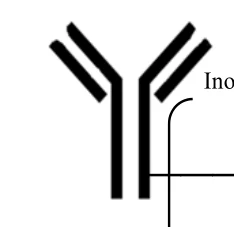
Physicochemical properties: Physiochemical properties: Inotuzumab ozogamicin has an approximate molecular weight of 160 kDa. Approximately 6 molecules of calicheamicin derivative are attached to each antibody molecule. Inotuzumab ozogamicin is produced by chemical conjugation of the antibody and small molecule components. The antibody is produced by mammalian (Chinese hamster ovary) cells, and the semisynthetic calicheamicin derivative is produced by microbial fermentation followed by synthetic modification.
14 CLINICAL TRIALS
14.1 Clinical Trials by Indication
Patients with Relapsed or Refractory ALL Who Have Received 1 or 2 Prior Treatment Regimens for ALL – B1931022
Study design and patient demographics
The safety and efficacy of BESPONSA in patients with relapsed or refractory ALL were evaluated in a randomized, open-label, international, multicenter Phase 3 study (B1931022). Patients were stratified at randomization based on duration of first remission (< 12 months or ≥ 12 months, salvage treatment (Salvage 1 or 2) and patient age at randomization (< 55 or ≥ 55 years). Patients (n=326) were ≥18 years of age with Philadelphia chromosome-negative or Philadelphia chromosome-positive relapsed or refractory B-cell precursor ALL. All patients were required to have ≥5% bone marrow blasts and to have received 1 or 2 previous induction chemotherapy regimens for ALL. Patients with Philadelphia chromosome-positive B-cell precursor ALL were required to have disease that failed treatment with at least 1 tyrosine kinase inhibitor and standard chemotherapy. All evaluable patients had B-cell precursor ALL that expressed CD22, with ≥90% of evaluable patients exhibiting ≥70% leukemic blast CD22 positivity prior to treatment, as assessed by flow cytometry performed at a central laboratory. Table 3 shows the dosing regimen used to treat patients.
The co-primary endpoints were CR/CRi, assessed by a blinded independent endpoint adjudication committer (EAC) and OS. The secondary endpoints included minimal residual disease (MRD) negativity, duration of remission (DoR), and the number of patients that proceeded to hematopoietic stem cell transplant. CR/CRi, MRD, and DoR were analyzed in the initial 218 randomized patients and OS was analyzed in all 326 randomized patients.
Among the initial 218 randomized patients who received BESPONSA (N=109) or Investigator’s choice of chemotherapy including FLAG, MXN/Ara-C, or HIDAC (N=109), and who were assessed for CR/CRi by the Endpoint Adjudication Committee (EAC), 142 (65%) patients had received 1 prior treatment regimen for ALL and 74 (34%) patients had received 2 prior treatment regimens for ALL. The median age was 47 years (range: 18-79 years), 186 (79%) patients had Philadelphia chromosome-negative ALL, 133 (61%) patients had a duration of first remission <12 months, and 39 (18%) patients had undergone a HSCT prior to receiving BESPONSA or Investigator’s choice of chemotherapy.
Among all 326 patients who were randomized to receive BESPONSA (N=164) or Investigator’s choice of chemotherapy (N=162), 215 (66%) patients had received 1 prior treatment regimen for ALL and 108 (33%) patients had received 2 prior treatment regimens for ALL. The median age was 47 years (range: 18-79 years), 276 (85%) patients had Philadelphia chromosome-negative ALL, 206 (63%) patients had a duration of first remission <12 months, and 55 (18%) patients had undergone a HSCT prior to receiving BESPONSA or Investigator’s choice of chemotherapy.
Overall, the efficacy of BESPONSA was established on the basis of CR/CRi, and CR, the duration of CR/CRi and CR, and proportion of MRD-negative CR/CRi and CR (< 1 x 10⁻⁴ of bone marrow nucleated cells by flow cytometry) in the first 218 patients randomized.
Study Results
Table 8 shows the efficacy results from study B1931022.
| Table 8. Efficacy Results in Patients With Relapsed or Refractory B-Cell Precursor ALL Who Received BESPONSA or Investigator’s Choice of Chemotherapy (FLAG, MXN/Ara-C, or HIDAC) | ||||||
|---|---|---|---|---|---|---|
| CRa | CRib | CR/CRia,b | ||||
| HIDAC, | HIDAC, | HIDAC, | ||||
| Table 8. Efficacy Results in Patients With Relapsed or Refractory B-Cell Precursor ALL Who Received BESPONSA or Investigator’s Choice of Chemotherapy (FLAG, MXN/Ara-C, or HIDAC) | ||||||||||||||||||||
|---|---|---|---|---|---|---|---|---|---|---|---|---|---|---|---|---|---|---|---|---|
BESPONSA (N=109) | FLAG, or MXN/Ara-C (N=109) | BESPONSA (N=109) | FLAG or MXN/Ara-C (N=109) | BESPONSA (N=109) | FLAG, or MXN/Ara-C (N=109) | |||||||||||||||
| Responding (CR/CRi) patients | ||||||||||||||||||||
n (%) [95% CI] | 39 (35.8) [26.8-45.5] | 19 (17.4) [10.8-25.9] | 49 (45.0) [35.4-54.8] | 13 (11.9) [6.5-19.5] | 88 (80.7) [72.1-87.7] | 32 (29.4) [21.0-38.8] | ||||||||||||||
Rate differencec (97.5% CI)c | 51.4 (38.4-64.3) | |||||||||||||||||||
| p-valued | <0.0001 | |||||||||||||||||||
| MRD-negativitye | ||||||||||||||||||||
| n | 35 | 6 | 34 | 3 | 69 | 9 | ||||||||||||||
Ratef (%) [95% CI] | 35/39 (89.7) [75.8-97.1] | 6/19 (31.6) [12.6-56.6] | 34/49 (69.4) [54.6-81.7] | 3/13 (23.1) [5.0-53.8] | 69/88 (78.4) [68.4-86.5] | 9/32 (28.1) [13.7-46.7] | ||||||||||||||
| DoRg | ||||||||||||||||||||
| n | 39 | 18 | 45 | 14 | 84 | 32 | ||||||||||||||
Median, months [95% CI] | 8.0 [4.9-10.4] | 4.9 [2.9-7.2] | 4.6 [3.7-5.7] | 2.9 [0.6-5.7] | 5.4 [4.2-8.0] | 3.5 [2.9-6.6] | ||||||||||||||
| Abbreviations: CI=confidence interval; CR=complete remission; CRi=complete remission with incomplete hematologic recovery; DoR=duration of remission; EAC=Endpoint Adjudication Committee; FLAG=fludarabine + cytarabine + granulocyte colony-stimulating factor; HIDAC=high-dose cytarabine; HR=hazard ratio; MRD=minimal residual disease; MXN/AraC=mitoxantrone + cytarabine; N/n=number of patients; | ||||||||||||||||||||
a CR, per EAC, was defined as <5% blasts in the bone marrow and the absence of peripheral blood leukemic blasts, full recovery of peripheral blood counts (platelets ≥100 × 109/L and absolute neutrophil counts [ANC] ≥1 × 10⁹/L) and resolution of any extramedullary disease (Cycle 1 extramedullary disease status). b CRi, per EAC, was defined as <5% blasts in the bone marrow and the absence of peripheral blood leukemic blasts, partial recovery of peripheral blood counts (platelets <100 × 109/L and/or ANC <1 × 10⁹/L) and resolution of any extramedullary disease (Cycle 1 extramedullary disease status). c The 97.5% confidence interval for the difference in CR/CRi rate was calculated asymptotically based on normal approximation. d 1-sided p-value using Chi-squared test. e MRD-negativity was defined by flow cytometry as leukemic cells comprising <1 × 10⁻⁴ (<0.01%) of bone marrow nucleated cells. f Rate was defined as the number of patients who achieved MRD negativity divided by the total number of patients who achieved CR/CRi per EAC. g DoR, based on a later cutoff date than the CR/CRi, was defined for patients who achieved CR/CRi per Investigator’s assessment as time since first response of CRa or CRib per Investigator’s assessment to the date of a PFS event or censoring date if no PFS event was documented. | ||||||||||||||||||||
Among the initial 218 randomized patients, 64/88 (73%) and 21/88 (24%) of responding patients per EAC achieved CR/CRi in Cycles 1 and 2, respectively, in the BESPONSA arm, and 29/32 (91%) and 1/32 (3%) of responding patients per EAC achieved a CR/CRi in Cycles 1 and 2, respectively, in the Investigator’s choice of chemotherapy arm.
CR/CRi, MRD, and DoR results in the initial 218 randomized patients were consistent with those seen in all 326 randomized patients.
Overall, 79/164 (48.2%) patients in the BESPONSA arm and 35/162 (21.6%) patients in the Investigator’s choice of chemotherapy arm had a follow-up HSCT.
Figure 1 shows the analysis of overall survival (OS). The analysis of OS did not meet the pre-specified boundary for statistical significance.
Figure 1. Kaplan-Meier Curve for Overall Survival (Intent-to-Treat Population)
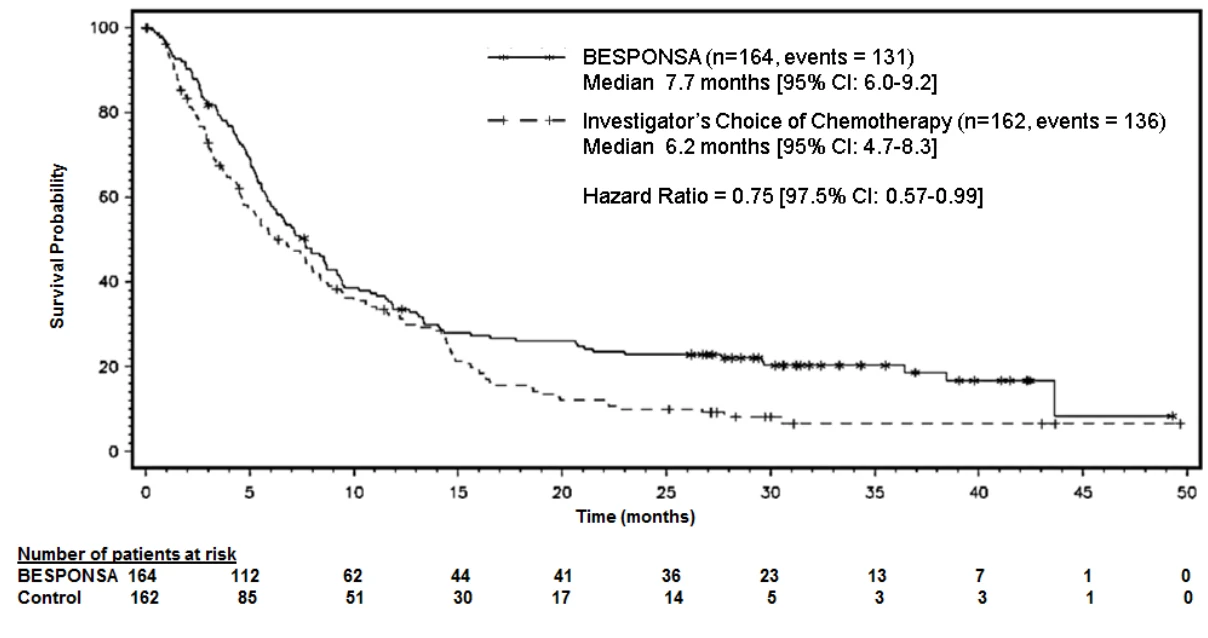
14.4 Immunogenicity
In clinical studies of BESPONSA in patients with relapsed or refractory ALL, the immunogenicity of BESPONSA was evaluated using an electrochemiluminescence (ECL)-based immunoassay to test for anti-inotuzumab ozogamicin antibodies (ADA). For patients whose sera tested positive for ADA, a cell-based luminescence assay was performed to detect neutralizing antibodies (Nab).
In clinical studies of BESPONSA in adult patients with relapsed or refractory ALL, 7/236 (3%) patients tested positive for ADA. No patients tested positive for neutralizing ADA. In patients who tested positive for ADA, the presence of ADA did not affect clearance following BESPONSA treatment. The number of patients with positive ADA was too small to assess the impact of ADA on efficacy and safety.
15 MICROBIOLOGY
No microbiological information is required for this drug product.
16 NON-CLINICAL TOXICOLOGY
General Toxicology:
Repeat-dose toxicity
In repeat-dose toxicity studies in rats and monkeys up to 26 weeks in duration, primary target organs included the liver (liver enzyme elevations, sinusoidal dilation with hepatocyte atrophy, hepatocyte hypertrophy and karyomegaly, and angiectasis), bone marrow and lymphoid organs (hypocellularity), and hematologic changes (reduced platelets, red blood cell [RBC] mass, and lymphocytes). Other toxicity including peripheral and central axonal degeneration and renal nephropathy were observed in rats only, and glomerulonephritis with multisystemic vasculitis was identified in 1 monkey. Other observed changes included male and female reproductive organ effects and preneoplastic and neoplastic lesions (see below). The reversibility of axonal degeneration and liver findings were not established following a 4-week non-dosing period in rats administered 4.07 mg/m2/week (approximately 21 times the human clinical exposure based on AUC), whereas partial to full reversal of effects on the hematolymphopoietic system and kidney were observed in rats and monkeys and in liver in monkeys.
Carcinogenicity:
Formal carcinogenicity studies have not been conducted with inotuzumab ozogamicin. In toxicity studies, rats were dosed weekly for 4 or 26 weeks with inotuzumab ozogamicin at doses up to 4.07 mg/m2/week and 0.727 mg/m2/week, respectively. After 4 or 26 weeks of dosing, rats developed oval cell hyperplasia, altered cell foci, and hepatocellular adenomas in the liver at ≥0.073 mg/m2/week (approximately 0.3 times the human clinical exposure based on AUC). In 1 monkey a focus of hepatocellular alteration was detected at 0.732 mg/m2/week (approximately 3.1 times the human clinical exposure based on AUC) at the end of the 26-week dosing period. The relevance of these animal findings to humans is uncertain.
Genotoxicity: Inotuzumab ozogamicin was clastogenic in vivo in the bone marrow of male mice that received single doses ≥1.14 mg/m2. This is consistent with the known induction of DNA breaks by calicheamicin. N-acetyl-gamma-calicheamicin dimethylhydrazide (the cytotoxic agent released from inotuzumab ozogamicin) was mutagenic in the Ames assay.
Reproductive and Developmental Toxicology:
Administration of 0.109 mg/m2/day of inotuzumab ozogamicin (approximately 2.3 times the human clinical exposure based on AUC) prior to mating and during the first week of gestation resulted in embryo-fetal toxicity, including increased resorptions and decreased viable embryos. Fetal growth retardation in rats also occurred at 0.036 mg/m2/day (approximately 0.4 times the human clinical exposure based on AUC).
Inotuzumab ozogamicin is considered to have the potential to impair reproductive function and fertility in men and women based on nonclinical findings. In repeat dose toxicity studies in rats and monkeys, female reproductive findings included atrophy of ovaries, uterus, vagina, and mammary gland. The no observed adverse effect level (NOAEL) for the effects on female reproductive organs was 0.727 mg/m2/week in the rat and 0.732 mg/m2/week in the monkey (approximately 2.2 and 3.1