


Product Monograph - Bexxar Therapy
SUMMARY PRODUCT INFORMATION
Route of Administration | Dosage Form / Strength | Clinically Relevant Nonmedicinal Ingredients |
| Intravenous | Intravenous / 35 mg / 2.5 mL 225 mg /16.1 mL | Not applicable. For a complete listing see Dosage Forms, Composition and Packaging section. |
DESCRIPTION
Physical Characteristics
Iodine-131 decays with beta and gamma emissions with a physical half life of 8.04 days. The principal beta emission has a mean energy of 191.6 keV and the principal gamma emission has an energy of 364.5 keV.22
External Radiation
The specific gamma ray constant for iodine-131 is 2.2 R/millicurie hour at 1 cm. The first half-value layer is 0.24 cm lead (Pb) shielding. A range of values is shown in Table 1 for the relative attenuation of the radiation emitted by this radionuclide that results from interposition of various thicknesses of Pb. To facilitate control of the radiation exposure from this radionuclide, the use of a 2.55 cm thickness of Pb will attenuate the radiation emitted by a factor of about 1,000.
Table 1 Radiation Attenuation by Lead Shielding
Shield Thickness (Pb) cm | Attenuation Factor |
| 0.24 0.89 1.60 2.55 3.7 | 0.5 10-1 10-2 10-3 10-4 |
The fraction of iodine-131 radioactivity that remains in the vial after the date of calibration is calculated as follows:
Fraction of remaining radioactivity of iodine-131 after x days = 2-(x/8.04).
Physical decay is presented in Table 2.
Table 2 Physical Decay Chart: iodine-131: Half-Life 8.04 Days
| Days | Fraction Remaining |
| 0* 1 2 3 4 5 6 7 8 9 10 11 12 13 14 | 1.000 0.917 0.842 0.772 0.708 0.650 0.596 0.547 0.502 0.460 0.422 0.387 0.355 0.326 0.299 |
*(Calibration day)
INDICATIONS AND CLINICAL USE
BEXXAR® therapy (tositumomab and iodine I 131 tositumomab) is indicated for:
- the treatment of patients with CD20 positive relapsed or refractory, low grade, follicular, or transformed non-Hodgkin's lymphoma, including patients with rituximab-refractory non-Hodgkin’s lymphoma.
This product should be administered under the supervision of a qualified health professional who is appropriately qualified in the use of radioimmunotherapy and the management of patients with non-Hodgkin's lymphoma (NHL). Appropriate management of therapy and complications is only possible when adequate diagnostic and treatment facilities are readily available.
CONTRAINDICATIONS
BEXXAR® therapy (tositumomab and iodine I 131 tositumomab) is contraindicated in patients with known hypersensitivity to murine proteins or any component of BEXXAR®.
WARNINGS AND PRECAUTIONS
Serious Warnings and Precautions
Special requirements: BEXXAR® therapy (tositumomab and iodine I 131 tositumomab) contains a radioactive component and should be administered only by physicians and other health care professionals qualified by training in the safe use and handling of therapeutic radionuclides.
Thyroid-blocking therapy must be initiated at least 24 hour before receiving the dosimetric dose and continued for 14 days after the therapeutic dose of BEXXAR® to decrease the risk of hypothyroidism (See WARNINGS AND PRECAUTIONS, Endocrine and Metabolism and DOSAGE AND ADMINISTRATION).
Hypersensitivity reactions, including anaphylaxis: Serious hypersensitivity reactions, including some with fatal outcome, have been reported with BEXXAR®. Medications for the treatment of severe hypersensitivity reactions should be available for immediate use. Patients who develop severe hypersensitivity reactions should have infusions of BEXXAR® discontinued and receive medical attention (see ADVERSE REACTIONS, Infusional Toxicity and WARNINGS AND PRECAUTIONS, Immune).
Prolonged and severe cytopenias: The majority of patients who received BEXXAR® experienced severe thrombocytopenia and neutropenia. BEXXAR® should not be administered to patients with > 25% lymphoma marrow involvement, platelet count < 100 x 109/L or neutrophil count < 1.5 x 10⁹/L, and/or impaired bone marrow reserve (see WARNINGS AND PRECAUTIONS, Hematologic and ADVERSE REACTIONS).
Pregnancy: BEXXAR® can cause fetal harm when administered to a pregnant woman.
General
BEXXAR® therapy (tositumomab and iodine I 131 tositumomab) is a biologic product with a radioactive component and should be administered only under the supervision of a health professional who is experienced in the use of radionuclides. Appropriate management of therapy and complications is only possible when adequate diagnostic and treatment facilities are readily available.
Radionuclide Precautions: Iodine I 131 tositumomab is radioactive. It may be received, used and administered only by authorized personnel. Its receipt, storage, use, transfer and disposal are subject to the regulations and/or appropriate licenses of local competent official organizations. As in the use of any other radioactive material, care should be taken to minimize radiation exposure to patients consistent with proper patient management, and to minimize radiation exposure to occupational workers.
Advise patients of the risks of radiation exposure of household contacts, pregnant women, and small children and of the steps to be taken to reduce these risks.
Contamination
The following measures should be taken by the patient for up to 2 weeks after receiving the radiopharmaceutical.
Therapeutic dose:
Avoidance of contact with infants, young children and pregnant women. Sleeping in a separate bed (separated by a distance of at least 2 to 3 meters). Maintain an appropriate distance of 2 meters from others. Travel alone in a private automobile if possible, otherwise maintain as great a distance as possible between patient and driver. Toilet should be used instead of urinal. Male patients should sit to use the toilet. Toilet should be flushed several times after use. Separate laundry and eating utensils and wash items separately.
Carcinogenesis, Mutagenesis and Impairment of Fertility
No long-term animal studies have been performed to establish the carcinogenic or mutagenic potential of BEXXAR® or to determine its effects on fertility in males or females. However, radiation is a potential carcinogen and mutagen. Administration of BEXXAR® results in delivery of a significant radiation dose to the testes. The radiation dose to the ovaries has not been established. There have been no studies to evaluate whether administration of BEXXAR® causes hypogonadism, premature menopause, azoospermia, and/or mutagenic alterations to germ cells. There is a potential risk that BEXXAR® may cause toxic effects on the male and female gonads. Effective contraceptive methods should be used during treatment and for 12 months following administration of BEXXAR®.
Secondary Malignancies: Although there were 995 patients in the investigator assessment, 10 patients were determined to have MDS/AML prior to BEXXAR® and were then excluded from the independent, masked pathology review. Based on an independent, masked pathology review, myelodysplastic syndrome (MDS) and/or acute leukemia developed in 32/985 (3.2%) patients after receiving BEXXAR®. This analysis yields an annualised incidence of 1.3% per year (95% CI: 0.9% - 1.8% per year).
Most patients had extensive exposure to common alkylating agents and/or to topoisomerase II inhibiting agents, which have all been documented as risk factors for the development of MDS and leukemia.9,11,13 It is unknown to what extent BEXXAR® plays a role in the development of MDS and/or leukemia in patients with NHL. (See ADVERSE REACTIONS, Secondary Leukemias and Myelodysplastic Syndrome (MDS))
Endocrine and Metabolism
Hypothyroidism: Use of BEXXAR® may result in hypothyroidism. Thyroid-blocking therapy must be initiated at least 24 hours before receiving the dosimetric dose and continue for 14 days after the therapeutic dose of BEXXAR® to decrease the risk of hypothyroidism. TSH levels should be monitored before and after BEXXAR®. After treatment, patients should be monitored for elevation of TSH and/or signs or symptoms of hypothyroidism every 6 months for the first 2 years, and annually thereafter.
Hematologic
Prolonged and Severe Cytopenias (See Serious Warnings and Precautions and ADVERSE REACTIONS, Hematologic Events): The most common adverse reactions associated with BEXXAR® were grade 3 or grade 4 cytopenias. These consisted primarily of grade 3 or 4 thrombocytopenia (53%) and grade 3 or 4 neutropenia (63%). The time to nadir was 4 to 7 weeks and the duration of cytopenias was approximately 30 days. Thrombocytopenia, neutropenia, and anemia persisted for more than 90 days following administration of BEXXAR® in 16 (7%), 15 (7%), and 12 (5%) patients respectively (this includes patients with transient recovery followed by recurrent cytopenia). Due to the variable nature in the onset of cytopenias, complete blood counts should be obtained weekly following BEXXAR® and should continue until levels recover.
The safety of BEXXAR® has not been established in patients with > 25% lymphoma marrow involvement, platelet count < 100 x 109/L or neutrophil count < 1.5 x 10⁹/L, therefore it should not be administered to these patients.
Immune
Hypersensitivity Reactions Including Anaphylaxis (see ADVERSE REACTIONS: Immunogenicity): Severe hypersensitivity reactions may result in fatal outcomes during and following administration of BEXXAR®. Emergency supplies including medications for the treatment of hypersensitivity reactions, e.g., epinephrine, antihistamines, and corticosteroids, should be available for immediate use in the event of an allergic reaction during administration of BEXXAR®. Signs and symptoms of severe allergic reactions may include fever, rigors or chills, sweating, hypotension, dyspnea, bronchospasm, and nausea and have been reported during or within 48 hours of infusion. Patients who have received murine proteins should be screened for human anti-murine antibodies (HAMA). Patients who are positive for HAMA may be at increased risk of anaphylaxis and serious hypersensitivity reactions during administration of BEXXAR®.
Immunization: The safety of immunization with live viral vaccines following administration of BEXXAR® has not been studied. The ability of patients who have received BEXXAR® to generate a primary or anamnestic humoral response to any vaccine has not been studied. Do not administer live viral vaccines to patients recently treated with BEXXAR®.
Renal
Renal Function: Iodine I 131 tositumomab and iodine-131 are excreted primarily by the kidneys. Impaired renal function may decrease the rate of excretion of the radiolabelled iodine and increase patient exposure to the radioactive component of BEXXAR®. There are no data regarding the safety of administration of BEXXAR® in patients with impaired renal function.
Special Populations
Pregnant Women: Ideally examinations and treatments using radiopharmaceuticals, in women of childbearing capability should be performed during the first ten days following the onset of menses. Limited data suggest an increased risk of miscarriage up to a year following I-131 treatment. While there are no adequate and well-controlled studies of BEXXAR® in pregnant animals or humans, use of BEXXAR® in women of childbearing age should be deferred until the possibility of pregnancy has been ruled out. If the patient becomes pregnant while being treated with BEXXAR®, the patient should be apprised of the potential hazard to the fetus.
Males and females of reproductive potential should use effective contraceptive methods during treatment and for 12 months following administration of BEXXAR®.
Embryo-fetal Toxicity: Use of BEXXAR® may cause fetal harm when administered to a pregnant woman. Iodine-131 may cause harm to the fetal thyroid gland when administered to pregnant women. Review of the literature has shown that transplacental passage of radioiodide may cause severe, and possibly irreversible, hypothyroidism in neonates. Evaluate infants born to mothers treated with BEXXAR® during pregnancy for hypothyroidism at time of delivery and during the neaonatal period
Nursing Women: Radioiodine is excreted in breast milk and may reach concentrations equal to or greater than maternal plasma concentrations. Immunoglobulins are also known to be excreted in breast milk. The absorption potential and potential for adverse effects of the monoclonal antibody component (tositumomab) in the infant are not known. Therefore, formula feedings should be substituted for breast feedings before starting treatment. Women should be advised to discontinue nursing.
Pediatrics (< 18 years of age): The safety and effectiveness of BEXXAR® in pediatric patients has not been evaluated.
Geriatrics (> 65 years of age): Clinical studies of BEXXAR® did not include sufficient numbers of patients aged 65 and over to determine whether they respond differently from younger patients. In clinical studies, 230 patients received BEXXAR® at the recommended dose. Of these, 27% (61 patients) were age 65 or older and 4% (10 patients) were age 75 or older. While the incidence of severe hematologic toxicity was lower, the duration of severe hematologic toxicity was longer in those age 65 or older as compared to patients less than 65 years of age. Due to the limited experience, greater sensitivity of some older individuals cannot be ruled out.
Monitoring and Laboratory Tests
A complete blood count (CBC) with differential and platelet count should be obtained prior to, and at least weekly following, administration of BEXXAR® and should continue until levels recover. More frequent monitoring is indicated in patients with evidence of moderate or more severe cytopenias (see WARNINGS AND PRECAUTIONS). Thyroid stimulating hormone (TSH) levels should be monitored before treatment with BEXXAR®, and then every 6 months for the first 2 years, and annually thereafter. Serum creatinine levels should be measured prior to administration of BEXXAR®.
Administration of BEXXAR® may result in the development of human anti-murine antibodies (HAMA). The presence of HAMA may affect the accuracy of the results of in vitro and in vivo diagnostic tests and may affect the toxicity profile and efficacy of therapeutic agents that rely on murine antibody technology. Patients who are HAMA positive may be at increased risk for serious allergic reactions and other side effects if they undergo in vivo diagnostic testing or treatment with murine monoclonal antibodies.
ADVERSE REACTIONS
Clinical Trial Adverse Drug Reactions
Because clinical trials are conducted under very specific conditions the adverse reaction rates observed in the clinical trials may not reflect the rates observed in practice and should not be compared to the rates in the clinical trials of another drug. Adverse drug reaction information from clinical trials is useful for identifying drug-related adverse events and for approximating rates.
The most serious adverse reactions observed in the clinical trials were prolonged and severe cytopenias, which were generally reversible, and the sequelae of cytopenias, which included infections (sepsis) and hemorrhage in thrombocytopenic patients, allergic reactions (bronchospasm and angioedema), secondary leukemia, and myelodysplasia (see WARNINGS AND PRECAUTIONS section).
The most common adverse reactions occurring in the clinical trials included neutropenia, thromobocytopenia, and anemia. Less common but severe adverse reactions included pneumonia, pleural effusion, and dehydration.
Data regarding adverse events were primarily obtained in 230 patients with non-Hodgkin's lymphoma enrolled in five clinical trials using the recommended dose and schedule. Patients had a median follow-up of 39 months and 79% of the patients were followed at least 12 months for survival and selected adverse events. Patients had a median of 3 prior chemotherapy regimens, a median age of 55 years, 60% were male, 27% had transformation to a higher grade histology, 29% were intermediate grade and 2% high grade histology (IWF), and 68% had Ann Arbor stage IV disease. Patients enrolled in these studies were not permitted to have prior hematopoietic stem cell transplantation or irradiation to more than 25% of the red marrow. In the expanded access program, which included 765 patients, data regarding clinical serious adverse events and HAMA and TSH levels were used to supplement the characterization of delayed adverse events (see ADVERSE REACTIONS, Hypothyroidism, Secondary Leukemia and Myelodysplastic Syndrome, Immunogenicity).
Table 3 lists adverse events that occurred in ≥ 1% of patients in clinical trials.
Table 3 Incidence of Adverse Experiences Regardless of Relationship to Study Drug
Occurring in ≥ 1% of the Patients Treated with BEXXAR® therapy
(N = 230)
| Body System Preferred Term | All Gradesa | Grade III/IV |
| Total | n = 224 (97%) | n = 180 (78%) |
| Non-Hematologic AEs | ||
| Body as a Whole | 81% | 12% |
| Asthenia | 46% | 2% |
| Fever | 37% | 2% |
| Infectionb | 21% | <1% |
| Pain | 19% | 1% |
| Chills | 18% | 1% |
| Headache | 16% | 0% |
| Abdominal pain | 15% | 3% |
| Back pain | 8% | 1% |
| Chest pain | 7% | 0% |
| Neck pain | 6% | 1% |
| Malaise | 4% | <1% |
| Sepsis | 4% | 3% |
| Injection site reaction | 3% | 0% |
| Face oedema | 2% | 0% |
| Pelvic pain | 2% | 0% |
| Cellulitis | 2% | 0% |
| Injection site hypersensitivity | 1% | 0% |
| Flu syndrome | 1% | 0% |
| Cardiovascular System | 26% | 3% |
| Hypotension | 7% | 1% |
| Vasodilation | 5% | 0% |
| Tachycardia | 5% | 0% |
| Cardiovascular disorder | 3% | 0% |
| Deep thrombophlebitis | 2% | <1% |
| Palpitation | 2% | 0% |
| Syncope | 2% | <1% |
| Postural hypotension | 1% | 0% |
| Digestive System | 56% | 9% |
| Nausea | 36% | 3% |
| Vomiting | 15% | 1% |
| Anorexia | 14% | 0% |
| Diarrhea | 12% | 0% |
| Constipation | 6% | 1% |
| Dyspepsia | 6% | <1% |
| Dysphagia | 2% | <1% |
| Stomatitis | 2% | <1% |
| Flatulence | 2% | 0% |
| Gastrointestinal Carcinomac | 2% | 2% |
| Rectal disorder | 2% | 0% |
| Gastritis | 1% | 0% |
| Melena | 1% | 0% |
| Mouth ulceration | 1% | 0% |
| Ulcerative stomatitis | 1% | 0% |
| Endocrine System | 7% | 0% |
| Hypothyroidismc | 7% | 0% |
| Hemic and lymphatic system | 66% | 65% |
| Myeloproliferative disorder | 10% | 10% |
| Ecchymosis | 4% | <1% |
| Acute myeloblastic leukemiac | 3% | 3% |
| Lymphadenopathy | 2% | 0% |
| Lymphoma like reaction | 2% | 1% |
| Petechia | 2% | 0% |
| Metabolic and Nutritional Disorders | 21% | 3% |
| Peripheral edema | 9% | 0% |
| Weight loss | 6% | <1% |
| Oedema | 3% | <1% |
| Dehydration | 3% | <1% |
| Hypercalcaemia | 2% | <1% |
| Musculoskeletal System | 23% | 3% |
| Myalgia | 13% | <1% |
| Arthralgia | 10% | 1% |
| Pathological fracture | 2% | <1% |
| Arthritis | 1% | <1% |
| Myasthenia | 1% | 0% |
| Nervous System | 26% | 3% |
| Dizziness | 5% | 0% |
| Somnolence | 5% | 0% |
| Insomnia | 4% | 0% |
| Anxiety | 3% | 0% |
| Confusion | 2% | 1% |
| Paresthesia | 2% | 0% |
| Peripheral Neuritis | 1% | 0% |
| Depression | 1% | 0% |
| Respiratory System | 44% | 8% |
| Cough increased | 21% | 1% |
| Pharyngitis | 12% | 0% |
| Dyspnea | 11% | 3% |
| Rhinitis | 10% | 0% |
| Pneumonia | 6% | 3% |
| Epistaxis | 4% | 0% |
| Bronchitis | 4% | <1% |
| Sinusitis | 3% | 0% |
| Lung disorder | 3% | <1% |
| Pleural effusion | 3% | 2% |
| Asthma | 2% | 0% |
| Skin and Appendages | 44% | 5% |
| Rash | 17% | <1% |
| Pruritus | 10% | 0% |
| Sweating | 8% | <1% |
| Skin carcinomac | 7% | 3% |
| Urticaria | 4% | 0% |
| Herpes zoster | 4% | 0% |
| Skin disorder | 3% | 0% |
| Skin ulcer | 3% | 1% |
| Herpes simplex | 2% | 0% |
| Special Senses | 8% | <1% |
| Conjunctivitis | 2% | 0% |
| Ear disorder | 2% | 0% |
| Urogenital System | 14% | 3% |
| Urinary tract infection | 4% | <1% |
| Urinary frequency | 2% | 0% |
| Dysuria | 1% | 0% |
| Bladder carcinomac | 1% | <1% |
a AEs for ANC, platelets, and hemoglobin derived from laboratory data. Only Grade 3/4 hematologic AEs are reported from laboratory data.
b The COSTART term for infection includes a subset of infections (e.g., upper respiratory infection). Other terms are mapped to preferred terms (e.g., pneumonia and sepsis).
c Please refer to the Delayed Adverse Reactions section for details.
Hematologic Events: Hematologic toxicity was the most frequently observed adverse event in clinical trials with BEXXAR® therapy (tositumomab and iodine I 131 tositumomab) (see Table 4). Sixty-three (27%) of 230 patients received one or more hematologic supportive care measures following the therapeutic dose (see WARNINGS AND PRECAUTIONS) 12% received filgrastim, 7% received Epoetin alfa, 15% received platelet transfusions, and 16% received packed red blood cell transfusions. Twenty-eight (12%) patients experienced hemorrhagic events; the majority were mild to moderate. Table 4 provides a detailed description of the hematologic toxicity.
Table 4 Hematologic Toxicitya (N=230)
Endpoint
Values
Platelets
Median nadir (x 109/L) 43 Per patient incidencea platelets < 50 x 109/L 53% (n=123) Medianb duration of platelets < 50 x 109/L (days) 32 Grade 3/4 without recovery to Grade 2, N (%) 16 (7%) Per patient incidencec platelets < 25 x 109/L 21% (n=47)
ANC
Median nadir (x 109/L) 0.69 Per patient incidencea ANC < 1 x 10⁹/L 63% (n=145) Medianb duration of ANC < 1 x 10⁹/L (days) 31 Grade 3/4 without recovery to Grade 2, N (%) 15 (7%) Per patient incidencec ANC < 0.5 x 10⁹/L 25% (n=57)
Hemoglobin
Median nadir (gm/L) 100 Per patient incidencea < 80 gm/L 29% (n=66) Medianb duration of hemoglobin < 80 gm/L (days) 23 Grade 3/4 without recovery to Grade 2, N (%) 12 (5%) Per patient incidencec hemoglobin < 65 gm/L 5% (n=11)
a Grade 3/4 toxicity was assumed if patient was missing 2 or more weeks of hematology data between Week 5 and Week 9.
b Duration of Grade 3/4 of 1000+ days (censored) was assumed for those patients with undocumented grade 3/4 and no hematologic data on or after Week 9.
c Grade 4 toxicity was assumed if patient had documented Grade 3 toxicity and was missing 2 or more weeks of hematology data between Week 5 and Week 9.
Infectious Events: One hundred and thirty of 230 (57%) patients developed one or more adverse events possibly related to infection. The majority of these were viral (rhinitis, pharyngitis, flu symptoms, or herpes) or other minor infections. Twenty of 230 (9%) patients experienced 24 infections that were considered to be serious, because the patient was hospitalized for management of the infection. Documented infections included pneumonia, bacteremia, septicemia, bronchitis, and skin infections.
Hypersensitivity Reactions: Fourteen patients (6%) experienced one or more of the following adverse events: allergic reaction, face edema, injection site hypersensitivity, anaphylactoid reaction, laryngismus, and serum sickness.
Gastrointestinal Toxicity: Eighty-seven patients (38%) experienced one or more gastrointestinal adverse events, including nausea, emesis, abdominal pain, and diarrhea. These events were temporally related to the infusion of the antibody. Nausea, vomiting, and abdominal pain were often reported within days of infusion, whereas diarrhea was generally reported days to weeks after infusion.
Infusional Toxicity: A constellation of symptoms, including fever, rigors or chills, sweating, hypotension, dyspnea, bronchospasm, and nausea have been reported during or within 48 hours of infusion. Sixty-seven patients (29%) reported fever, rigors/chills, or sweating within 14 days following the dosimetric dose. Adjustment of the rate of infusion to control adverse reactions occurred in 16 patients (7%); seven patients required adjustments for only the dosimetric infusion, two required adjustments for only the therapeutic infusion, and seven required adjustments for both the dosimetric and the therapeutic infusions. Adjustments included reduction in the rate of infusion by 50%, temporary interruption of the infusion, and in 2 patients, infusion was permanently discontinued.
Less Common Clinical Trial Adverse Drug Reactions (<1%)
The following list the adverse experiences regardless of relationship to study drug occurring in <1% of the patients treated with BEXXAR® therapy.
Body as a Whole: abdomen enlarged, accidental injury, allergic reaction, anaphylactoid reaction, ascites, carcinoma, chest pain substernal, chills and fever, cyst, hernia, injection site edema, injection site pain, neck rigidity, and serum sickness.
Cardiovascular system: aortic stenosis, arrhythmia, atrial flutter, cardiomegaly, cerebral hemorrhage, hemorrhage, migraine, peripheral vascular disorder, pulmonary embolus, shock, thrombophlebitis and thrombosis.
Digestive system: abnormal stools, carcinoma of mouth, cholecystitis, colitis, dry mouth, eructation, gastroenteritis, gastrointestinal disorder, gastrointestinal hemorrhage, gingivitis, glossitis, gum hemorrhage, hepatitis, increased appetite, intestinal obstruction, jaundice, liver function tests abnormal, nausea and vomiting, oral moniliasis, periodontal abscess, tenesmus and ulcerative colitis.
Hemic and Lymphatic system: chronic leukemia, leukemia, lymphedema.
Metabolic and Nutritional Disorders: generalized edema, hyperuricemia, hypoglycemia, hypokalemia, hyponatremia, hypovolemia and weight gain.
Musculoskeletal system: arthrosis, bone disorder, bone pain, muscle atrophy, tendon disorder and tenosynovitis.
Nervous system: abnormal gait, agitation, amnesia, ataxia, depersonalization, encephalopathy, foot drop, hypertonia, hypokinesia, nervousness, neuralgia, neuropathy, paralysis, subdural hematoma, thinking abnormal and tremor.
Respiratory system: aspiration pneumonia, atelectasis, carcinoma of lung, hemoptysis, hyperventilation, hypoxia, laryngismus, lung hemorrhage, pneumothorax and voice alteration.
Skin and Appendages: acne, erythema nodosum, fungal dermatitis, hair disorder, maculopapular rash, pustular rash, skin benign neoplasm, skin discoloration, skin melanoma, skin nodule and vesiculobullous rash.
Special Senses: abnormal vision, amblyopia, diplopia, dry eyes, ear pain, lacrimation disorder, parosmia, taste loss, taste perversion, tinnitus and vestibular disorder.
Urogenital system: breast carcinoma, breast pain, genital edema, hydronephrosis, kidney failure, kidney function abnormal, nocturia, oliguria, prostatic carcinoma, urinary incontinence, urinary retention, urinary tract disorder, urinary urgency and urination impaired.
Delayed Adverse Reactions
Delayed adverse reactions, including hypothyroidism, HAMA, and myelodysplasia/leukemia, were assessed in 230 patients included in clinical studies and 765 patients included in expanded access programs. The entry characteristics of patients included from the expanded access programs were similar to the characteristics of patients enrolled in the clinical studies, except that the median number of prior chemotherapy regimens was fewer (2 vs. 3) and the proportion with low-grade histology was higher (77% vs. 70%) in patients from the expanded access programs.
Hypothyroidism: Twelve percent (27/230) of the patients included from the clinical studies had an elevated TSH level (8%) or no TSH level obtained (4%) prior to treatment. Of the 203 patients documented to be euthyroid at entry, 137 (67%) patients had at least one follow-up TSH value. The overall incidence of hypothyroidism in the clinical study patients was 18% with cumulative incidences of 11% and 19% at 2 and 5 years respectively. New events have been observed up to 90 months post-treatment. Of the 765 patients in the expanded access programs, 670 patients did not have elevated TSH upon study entry. Of these, 455 patients had at least one post-treatment TSH value available and were not taking thyroid hormonal treatment upon study entry. With a median follow-up period of 33 months, the incidence of hypothyroidism based on elevated TSH or initiation of thyroid replacement therapy in these 455 patients was 13% with a median time to development of hypothyroidism of 15 months. The cumulative incidences of hypothyroidism at 2 and 5 years in these patients were 9% and 17% respectively.
Immunogenicity: Immune response to murine antibody may be masked in patients after administration of BEXXAR®. Eighty of the 788 patients (10%) with a negative baseline HAMA and follow-up converted to a positive HAMA. The median time to a positive HAMA was 167 days (range: 5 - 3400 days). After administration of BEXXAR®, the 1-, 2-, and 5-year cumulative incidences of testing positive for HAMA were 9% (95% CI: 7% - 11%), 9% (95% CI: 8% - 12%), and 10% (95% CI: 8% - 12%), respectively. There was an apparent plateau in the cumulative incidence between 1 and 2 years.
The data reflect the percentage of patients whose test results were considered positive for HAMA in an ELISA assay that detects antibodies to the Fc portion of IgG1 murine immunoglobulin and are highly dependent on the sensitivity and specificity of the assay. Additionally, the observed incidence of antibody positivity in an assay may be influenced by several factors including sample handling, concomitant medications, and underlying disease. For these reasons, comparison of the incidence of HAMA in patients treated with BEXXAR® with the incidence of HAMA in patients treated with other products may be misleading.
Secondary Leukemia and Myelodysplastic Syndrome (MDS): There were 34 new cases of MDS/secondary leukemia reported among 995 (3.4%) patients included in clinical studies and expanded access programs, with a median follow-up of 2.4 years. The overall incidence of MDS/secondary leukemia among the 230 patients included in the clinical studies, was 10% (24/230), with a median follow-up of 39 months and a median time to development of MDS of 34 months. The cumulative incidence of MDS/secondary leukemia was 4.7% at 2 years and 15% at 5 years. Among the 765 patients included in the expanded access program, where the median duration of follow-up was shorter (27 months), the overall incidence of MDS/secondary leukemia was 3% (20/765) and the median time to development of MDS was 31 months. In the expanded access population, the cumulative incidence of MDS/secondary leukemia was 1.6% at 2 years and 6% at 5 years.
In a study of 76 previously untreated patients with low-grade non-Hodgkin’s lymphoma who received BEXXAR®, no patients developed MDS with a median follow-up of 5.1 years.
Secondary Malignancies: There were 65 reports of second malignancies, excluding secondary leukemia. The most common included non-melanomatous skin cancers, breast, lung, bladder, and head and neck cancers. Some of these events included recurrence of an earlier diagnosis of cancer.
Postmarketing Reactions
The following adverse reactions have been identified during post-approval use of the BEXXAR® therapeutic regimen. Because these reactions are reported voluntarily from a population of uncertain size, it is not always possible to reliably estimate their frequency or establish a causal relationship to drug exposure:
Immune system disorders: Hypersensitivity reactions including fatal anaphylaxis. Nervous system disorders: Axonal neuropathy leading to quadriparesis.
DRUG INTERACTIONS
Drug-Drug Interactions
No formal drug-drug interaction studies have been performed. Due to the frequent occurrence of severe and prolonged thrombocytopenia, the potential benefits of medications that interfere with platelet function and/or anticoagulation should be weighed against the potential increased risk of bleeding and hemorrhage.
DOSAGE AND ADMINISTRATION
BEXXAR® therapy (tositumomab and iodine I 131 tositumomab) is suitable for administration on an outpatient basis with appropriate license conditions as granted by the Canadian Nuclear Safety Commission (CNSC). BEXXAR® is intended as a single course of treatment. The safety of multiple courses of BEXXAR® therapy, or combination of this regimen with other forms of irradiation or chemotherapy, has not been evaluated.
Dosing Considerations
The safety of BEXXAR® was established only in the setting of patients receiving thyroid blocking agents and premedication to ameliorate/prevent infusion reactions (see Concomitant Medications).
Concomitant Medications: The safety of BEXXAR® was established in studies in which all patients received the following concurrent medications:
Thyroid protective agents: Saturated solution of potassium iodide (SSKI) 4 drops orally three times daily; Lugol's solution 20 drops orally three times daily; or potassium iodide tablets 130 mg orally daily. Thyroid protective agents should be initiated at least 24 hours prior to administration of the iodine I 131 tositumomab dosimetric dose and continued until 2 weeks after administration of the iodine I
131 tositumomab therapeutic dose.
- Patients should not receive the dosimetric dose of iodine I 131 tositumomab if they have not yet received at least three doses of SSKI, three doses of Lugol's solution, or one dose of 130 mg potassium iodide tablet (at least 24 hours prior to the dosimetric dose).
- Acetaminophen 650 mg orally and diphenhydramine 50 mg orally 30 minutes prior to administration of tositumomab in the dosimetric and therapeutic steps.
Dosage
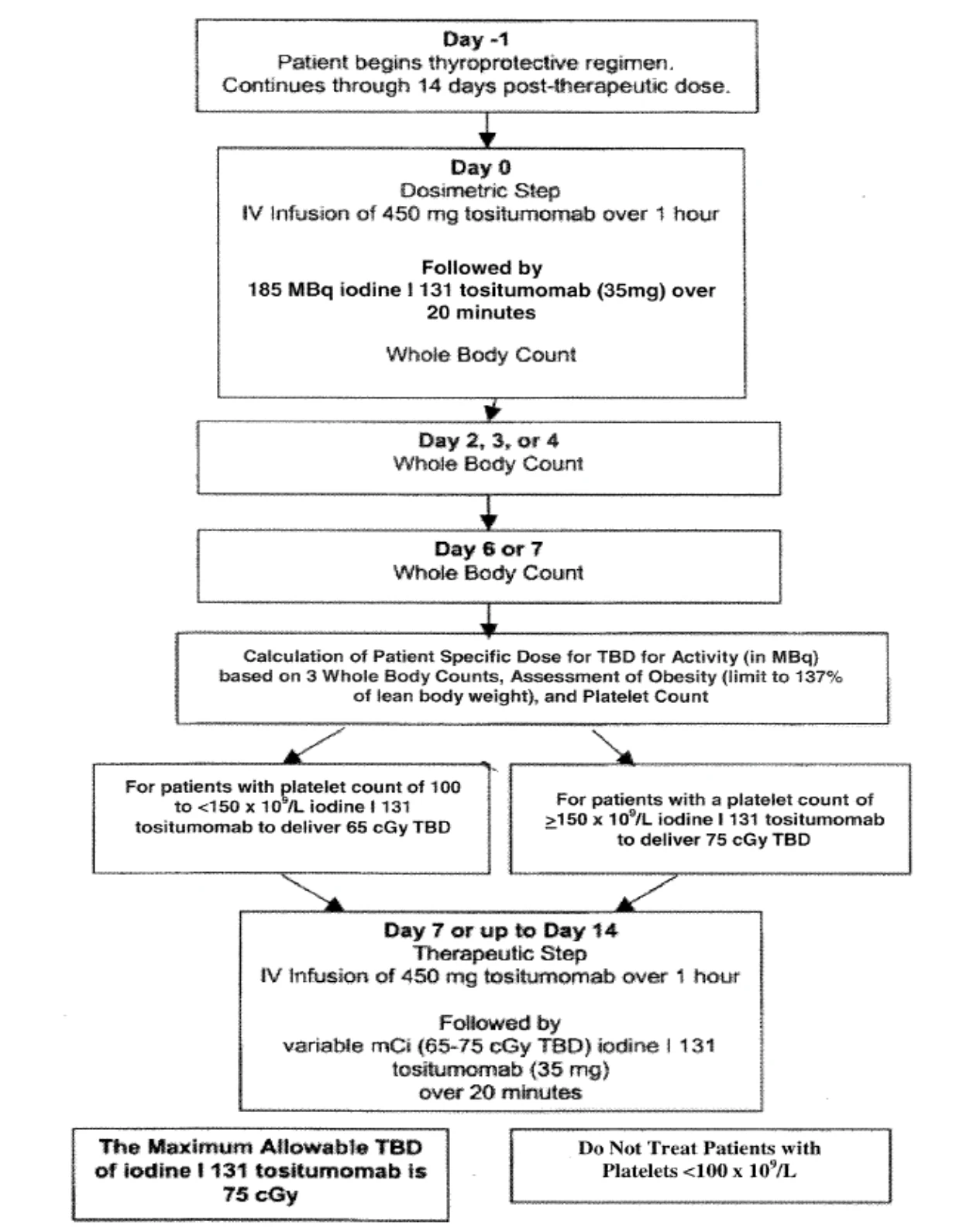
BEXXAR® consists of four components administered in two discrete steps: the dosimetric step, followed 7-14 days later by a therapeutic step.
Dosimetric step
Tositumomab 450 mg intravenously in 50 mL 0.9% sodium chloride over
60 minutes. Reduce the rate of infusion by 50% for mild to moderate infusional toxicity; interrupt infusion for severe infusional toxicity. After complete resolution of severe infusional toxicity, infusion may be resumed with a 50% reduction in the rate of infusion.
- Iodine I 131 tositumomab (containing 185 MBq (5.0 mCi) iodine-131 and 35 mg tositumomab) intravenously in 30 mL 0.9% Sodium Chloride over 20 minutes. Reduce the rate of infusion by 50% for mild to moderate infusional toxicity; interrupt infusion for severe infusional toxicity. After complete resolution of severe infusional toxicity, infusion may be resumed with a 50% reduction in the rate of infusion.
Therapeutic step
Note: Do not administer the therapeutic step if biodistribution is altered (see Assessment of Biodistribution of iodine I 131 tositumomab).
Tositumomab 450 mg intravenously in 50 mL 0.9% Sodium Chloride over
60 minutes. Reduce the rate of infusion by 50% for mild to moderate infusional toxicity; interrupt infusion for severe infusional toxicity. After complete resolution of severe infusional toxicity, infusion may be resumed with a 50% reduction in the rate of infusion.
- Iodine I 131 tositumomab (see calculation of iodine-131 activity for the therapeutic dose). Reduce the rate of infusion by 50% for mild to moderate infusional toxicity; interrupt infusion for severe infusional toxicity. After complete resolution of severe infusional toxicity, infusion may be resumed with a 50% reduction in the rate of infusion.
- Patients with platelet counts ≥ 150 x 109/L: The recommended dose is the activity of iodine-131 calculated to deliver 75 cGy total body irradiation and 35 mg tositumomab, administered intravenously over 20 minutes.
Patients with NCI Grade 1 thrombocytopenia (platelet counts ≥ 100 x 109/L but
< 150 x 109/L): The recommended dose is the activity of iodine-131 calculated to deliver 65 cGy total body irradiation and 35 mg tositumomab, administered intravenously over 20 minutes.
Figure 1 shows an overview of the dosing schedule.
Figure 1: Effective Recommended Dose - Dosing Schedule
Dosimetry
The following section describes the procedures for image acquisition for collection of dosimetry data, interpretation of biodistribution images, calculation of residence time, and calculation of activity hours. Please read all sections carefully.
Image Acquisition and Interpretation
Manufacturer-specific quality control procedures should be followed for the gamma camera/computer system, the collimator, and the dose calibrator. Less than 20% variance between maximum and minimum pixel count values in the useful field of view is acceptable on iodine-131 intrinsic flood fields and variability < 10% is preferable. Iodine-131-specific camera uniformity corrections are strongly recommended, rather than applying lower energy correction to the Iodine-131 window. Camera extrinsic uniformity should be assessed at least monthly using 99mTc or 57Co as a source with imaging at the appropriate window.
Additional (non-routine) quality control procedures are required. To assure the accuracy and precision of the patient total body counts, the gamma camera must undergo validation and daily quality control on each day it is used to collect patient images.
Each imaging day, 3 separate anterior whole body scans are acquired, one each for the source, background, and patient. The source, background and patient scans are acquired in whole body mode using the exact same scanning parameters for all 3 scans. The source and background counts are obtained first and the camera sensitivity (i.e., constant counting efficiency) is established prior to obtaining the patient count.
The total counts from each scan are separately recorded. Please note that some equipment may require drawing a Region of Interest (ROI) around the whole body field of view to obtain total counts from the whole body scan. Use whatever procedure is necessary for the type of camera used.
Gamma Camera Set-Up
The same camera, collimator, scanning speed, energy window, and setup must be used for all studies.
The gamma camera must be capable of whole body imaging and have a large or extra large field of view with a digital interface.
The camera and computer must be set up for scanning as follows:
- High-energy or medium-energy parallel hole collimator
- 20-25% symmetric window centred on the 364-keV photo peak of iodine
- Matrix: appropriate whole body matrix
Scanning speed: 30-100 cm/minute as appropriate for collimator (314-
414 keV)
Counts from Calibrated Source for Quality Control
Camera sensitivity for iodine-131 must be determined each day. Determination of the gamma camera's sensitivity is obtained by scanning a calibrated activity of iodine-131 (e.g., 7400 - 9250 kBq (200 - 250 µCi) in at least 20 mL of saline within a sealed pharmaceutical vial). The radioactivity of the iodine-131 source is first determined using a NIST-traceable-calibrated clinical dose calibrator at the iodine-131 setting.
Background Counts
The background count is obtained from a scan with no radioactive source. This should be obtained following the count of the calibrated source just prior to obtaining the patient count.
If abnormally high background counts are measured, the source should be identified and, if possible, removed. If abnormally low background counts are measured, the camera energy window setting and collimator should be verified before repeating the background counts.
The counts per kBq (μCi) are obtained by dividing the background-corrected source count by the calibrated activity for that day. For a specific camera and collimator, the counts per kBq (μCi) should be relatively constant. When values vary more than 10% from the established ratio, the reason for the discrepancy should be ascertained and corrected and the source count repeated.
Patient Total Body Counts
Acquire anterior whole body images for gamma camera counts. For any particular patient, the same gamma camera must be used for all scans. To obtain proper counts, extremities must be included in the images, and arms should not cross over the body. The scans should be centred on the midline of the patient. Record the time of the start of the radiolabelled dosimetric infusion and the time of the start of each count acquisition.
Gamma camera counts will be obtained at the three imaging time points:
Count 1: Within an hour of end of the infusion of the iodine I 131 tositumomab dosimetric dose prior to patient voiding.
Count 2: Two to 4 days after administration of the iodine I 131 tositumomab dosimetric dose and immediately following patient voiding.
Count 3: Six to 7 days after the administration of the iodine I 131 tositumomab dosimetric dose and immediately following patient voiding.
Tumour or organ imaging is not required.
Assessment of Biodistribution of iodine I 131 tositumomab
The biodistribution of iodine I 131 tositumomab should be assessed by either evaluation of the total body residence time or visual examination of whole body gamma camera images from the first image taken at the time of Count 1 (within an hour of the end of the infusion) and from the second image taken at the time of Count 2 (at 2 to 4 days after administration). To resolve ambiguities, an evaluation of the third image at the time of Count 3 (6 to 7 days after administration) may be necessary. Biodistribution should not be evaluated on the third image. If either of these methods indicate that the biodistribution is altered when compared to expected biodistribution as described below, the tositumomab iodine I 131 therapeutic dose should not be administered. A Nuclear Medicine Physician and/or Radiation Oncologist (as appropriate) should be consulted to determine whether the gamma scans indicate that the biodistribution is altered when compared to expected biodistribution as described below.
Anterior images obtained using a high energy or medium energy collimator used at 30-100 cm/min (as appropriate) are adequate for evaluation.
Expected Biodistribution
Total Body Residence Time: The median total body residence time is 90 hours with an expected range of 50 to 150 hours.
Whole Body Camera Imaging: On the first image, obtained shortly after the dosimetric dose injection, most of the activity is in the blood pool (heart and major blood vessels) and the uptake in normal liver and spleen is generally less than in the heart. On the second image, obtained 2-4 days after administration of the dosimetric dose, the activity in the blood pool decreases significantly and is generally moderately decreased in liver and spleen. Images may show uptake by thyroid, kidneys, stomach, and urinary bladder, and minimal uptake in the lungs. Tumour uptake in soft tissues and in normal organs may be seen as areas of increased intensity in the later images. If tumour is present in the spleen, focal or moderately intense splenic uptake is an expected pattern. Visualization of tumours is desirable, but not required for the expected biodistribution pattern.
Altered Biodistribution
Total Body Residence Time: Total body residence times outside the range of 50 to 150 hours are considered altered. (Note: If the results are outside the range, first verify the camera acquisition and the calculations of the total body residence time).
Whole Body Camera Imaging: On the first day, if the blood pool is not visualized on the first imaging study or if there is diffuse intense tracer uptake in the liver and/or spleen or uptake suggestive of urinary obstruction the biodistribution is altered. Diffuse lung uptake greater than that of blood pool on the first day would not be expected unless there was pulmonary involvement with tumour.
Calculation of iodine-131 Activity for Therapeutic Dose
There are two options for calculation of the lodine-131 activity for the therapeutic dose. The derived values and calculation of the therapeutic dose may be determined manually [see “The Dosimetry Workbook”] or calculated automatically using the BEXXAR® Dosimetry Software.
The methods for determining the activity hours (MBq hr or mCi hr), residence time (hr), and desired total body dose (cGy) are described below:
Residence Time (hr)
For each timepoint, calculate the background corrected total body count by subtracting the background count from the patient's anterior total body count. The percent of injected activity remaining at each timepoint is calculated by dividing the background-corrected total body count from that timepoint by the background-corrected total body count from Day 0 and multiplying by 100. The time from the start of the dosimetric dose of iodine I 131 tositumomab to the acquisition of each total body count should be calculated in hours. The residence time (hr) is determined by plotting the time from the start of the infusion and the percent injected activity values for the last two patient count acquisition timepoints on Graph 1.
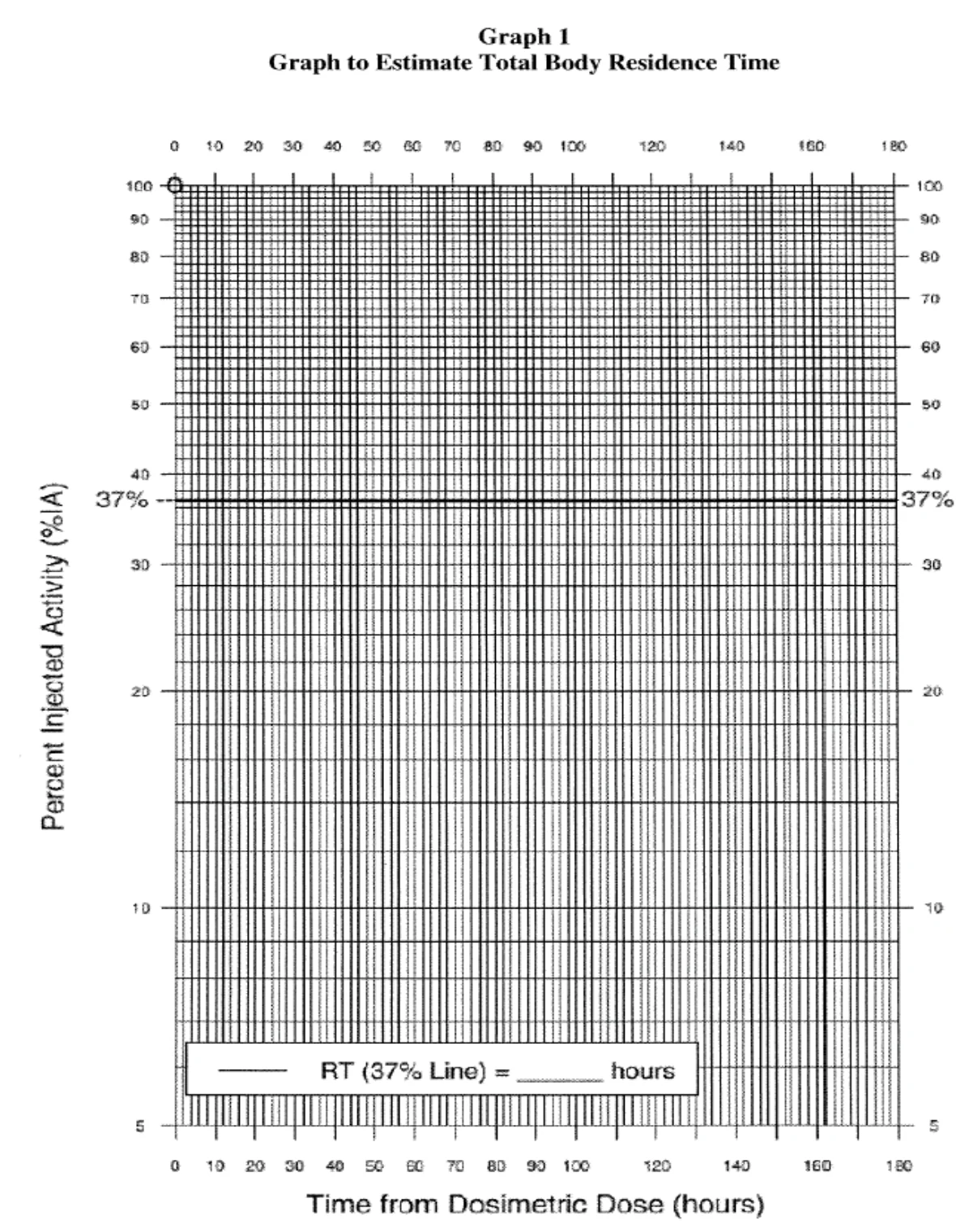
A best-fit line is then drawn from 100% (the pre-plotted day 0 value) through the two plotted points (if the line does not intersect the two points, one point must lie above the best-fit line and one point must lie the same distance below the best-fit line). The residence time (hr) is read from the x axis of the graph at the point where the fitted line intersects the horizontal 37% injected activity line.
Activity Hours (MBq hr)
In order to determine the activity hours (MBq hr), look up the patient's maximum effective mass derived from the patient's sex and height in Table 5. If the patient's actual weight is less than the maximum effective mass, the actual weight should be used in the activity hours table (see Table 6). If the patient's actual weight is greater than the maximum effective mass, the maximum effective mass from Table 5 should be used.
Table 5
Dosimetry - Maximum Effective Mass
Men Women
Height
(ft'-in")
Height
(cm)
Maximum
Effective Mass
(kg)
Height (ft'-in")
Height (cm)
Maximum Effective Mass
(kg)
4'-5" 134.5 40.5 4'-5" 134.5 40.7 4'-6" 137.0 44.2 4'-6" 137.0 43.8 4'-7" 140.0 47.9 4'-7" 140.0 47.0 4'-8" 142.0 51.6 4'-8" 142.0 50.2 4'-9" 145.0 55.3 4'-9" 145.0 53.3 4'-10" 147.5 59.0 4'-10" 147.5 56.5 4'-11" 150.0 62.7 4'-11" 150.0 59.7 5'-0" 152.5 66.3 5'-0" 152.5 62.8 5'-1" 155.0 70.0 5'-1" 155.0 66.0 5'-2" 157.5 73.7 5'-2" 157.5 69.2 5'-3" 160.0 77.4 5'-3" 160.0 72.3 5'-4" 162.5 81.1 5'-4" 162.5 75.5 5'-5" 165.0 84.8 5'-5" 165.0 78.7 5'-6" 167.5 88.5 5'-6" 167.5 81.8 5'-7" 170.0 92.2 5'-7" 170.0 85.0 5'-8" 172.5 95.8 5'-8" 172.5 88.2 5'-9" 175.5 99.5 5'-9" 175.5 91.3 5'-10" 178.0 103.2 5'-10" 178.0 94.5 5'-11" 180.5 106.9 5'-11" 180.5 97.7 6'-0" 183.0 110.6 6'-0" 183.0 100.8 6'-1" 185.5 114.3 6'-1" 185.5 104.0 6'-2" 188.0 118.0 6'-2" 188.0 107.2 6'-3" 190.5 121.7 6'-3" 190.5 110.3 6'-4" 193.0 125.4 6'-4" 193.0 113.5 6'-5" 195.5 129.0 6'-5" 195.5 116.7 6'-6" 198.0 132.7 6'-6" 198.0 119.8 6'-7" 200.5 136.4 6'-7" 200.5 123.0 6'-8" 203.0 140.0 6'-8" 203.0 126.2 6'-9" 205.5 143.8 6'-9" 205.5 129.3 6'-10" 208.5 147.5 6'-10" 208.5 132.5 6'-11" 211.0 151.2 6'-11" 211.0 135.7 7'-0" 213.5 154.9 7'-0" 213.5 138.8
Multiply pounds by 0.454 to obtain kilograms. To calculate the maximum effective mass for patient heights not included in above table, use the following formulas:
Males: Maximum effective mass (kg) = 65.76 + 1.452 (height in cm – 152) Females: Maximum effective mass (kg) = 62.34 + 1.247 (height in cm – 152) Adapted from: Zasadny KR et al 23
Table 6 Dosimetry: Activity Hours
Mass a (kg) 40.0 40.5 41.0 41.5 42.0 42.5 43.0 43.5 44.0 44.5 45.0 45.5 46.0 46.5 47.0 47.5 48.0 48.5 49.0 49.5 50.0 50.5 51.0 51.5 52.0 52.5 53.0 53.5 54.0 54.5 55.0 55.5 56.0 56.5 57.0 57.5 58.0 58.5 59.0 59.5 | Activity Hours (MBqh) 171606 173530 175491 177452 179376 181337 183261 185185 187109 189033 190920 192844 194768 196655 198542 200466 202353 204240 206127 207977 209864 211788 213675 215562 217486 219373 221260 223147 225034 226921 228808 230658 232545 234395 236282 238132 239982 241832 243682 245532 | Mass a (kg) 60.0 60.5 61.0 61.5 62.0 62.5 63.0 63.5 64.0 64.5 65.0 65.5 66.0 66.5 67.0 67.5 68.0 68.5 69.0 69.5 70.0 70.5 71.0 71.5 72.0 72.5 73.0 73.5 74.0 74.5 75.0 75.5 76.0 76.5 77.0 77.5 78.0 78.5 79.0 79.5 | Activity Hours (MBqh) 247382 249269 251119 253006 254856 256706 258593 260443 262293 264143 265993 267806 269656 271506 273319 275169 276982 278832 280645 282458 284271 286121 287971 298821 291671 293484 295334 297147 298997 300810 302660 304473 306286 308099 309912 311725 313538 315351 317164 318977 | Mass a (kg) 80.0 80.5 81.0 81.5 82.0 82.5 83.0 83.5 84.0 84.5 85.0 85.5 86.0 86.5 87.0 87.5 88.0 88.5 89.0 89.5 90.0 90.5 91.0 91.5 92.0 92.5 93.0 93.5 94.0 94.5 95.0 95.5 96.0 96.5 97.0 97.5 98.0 98.5 99.0 99.5 | Activity Hours (MBqh) 320790 322566 324379 326192 327968 329781 331557 333370 335146 336922 338698 340474 342287 344063 345839 347578 349354 351130 352906 354645 356421 358234 360010 361823 363599 365375 367188 368964 370740 372516 374329 376105 377881 379657 381433 383209 384948 386724 388500 390276 | Mass a (kg) 100.0 100.5 101.0 101.5 102.0 102.5 103.0 103.5 104.0 104.5 105.0 105.5 106.0 106.5 107.0 107.5 108.0 108.5 109.0 109.5 110.0 110.5 111.0 111.5 112.0 112.5 113.0 113.5 114.0 114.5 115.0 115.5 116.0 116.5 117.0 117.5 118.0 118.5 119.0 119.5 | Activity Hours (MBqh) 392015 393791 395530 397306 399045 400821 402560 404299 406075 407814 409553 411292 413031 414770 416509 418248 419987 421726 423465 425204 426906 428645 430384 432086 433825 435527 437266 438968 440670 442409 444111 445813 447515 449217 450919 452621 454323 456025 457727 459429 | Mass a (kg) 120.0 120.5 121.0 121.5 122.0 122.5 123.0 123.5 124.0 124.5 125.0 125.5 126.0 126.5 127.0 127.5 128.0 128.5 129.0 129.5 130.0 130.5 131.0 131.5 132.0 132.5 133.0 133.5 134.0 134.5 135.0 135.5 136.0 136.5 137.0 137.5 138.0 138.5 139.0 139.5 | Activity Hours (MBqh) 461131 462833 464572 466274 467976 469678 471417 473119 474821 476523 478225 479927 481629 483331 485033 486735 488400 490102 491804 493469 495171 496873 498538 500240 501905 503607 505272 506937 508639 510304 511969 513634 515336 517001 518666 520331 521996 523661 525326 526954 |
a The minimum of the patient’s actual weight (kg) or maximum effective mass (kg) from Table 5. For values between 140 kg and 160 kg, use the following formula:
Activity Hours (MBqh) = 14287 + (88.74) (Wt in kg – 140)
Calculation of iodine-131 Activity for the iodine I 131 tositumomab Therapeutic Dose
The following equation is used to calculate the activity of iodine-131 required for delivery of the desired total body dose of radiation.
iodine-131 Activity Hours (MBq hr) x Desired Total Body Dose (cGy)
Activity (MBq*) = Residence Time (hr) 75 cGy
*1 mCi = 37 MBq
Instructions for Preparation and Use
PREPARATION OF BEXXAR®
General
Read all directions thoroughly and assemble all materials before preparing the dose for administration.
The iodine I 131 tositumomab dosimetric and therapeutic doses should be measured by a suitable radioactivity calibration system immediately prior to administration. The dose calibrator must be operated in accordance with the manufacturer's specifications and quality control for the measurement of iodine-131.
All supplies used for preparation and administration of BEXXAR® therapy should be sterile. Use appropriate aseptic technique and radiation precautions for the preparation of the components for BEXXAR®.
Gloves (i.e., latex, vinyl, etc.) should be utilized in the preparation and administration of the product. Iodine I 131 tositumomab doses should be prepared, assayed, and administered by personnel who are licensed to handle and/or administer radionuclides. Appropriate shielding should be used during preparation and administration of the product.
Restrictions on patient contact with others and release from the hospital must follow all applicable regulations and/or appropriate licenses of local competent official organizations.
Preparation for the Dosimetric Step
Tositumomab Dose
Method:
- 1. Using an aseptic needle, withdraw and dispose of 32 mL of saline from a 50 mL bag of sterile 0.9% sodium chloride for injection, USP.
- 2. Withdraw the entire contents from each of the two 225 mg vials (a total of 450 mg tositumomab in 32 mL) and transfer to the infusion bag containing 18 mL of 0.9% Sodium Chloride for Injection, USP to yield a final volume of 50 mL.
- 3. Gently mix the solution by inverting/rotating the bag. Do not shake.
- 4. The diluted tositumomab may be stored for up to 24 hours when stored refrigerated at 2°C-8°C (36°F-46°F) and for up to 8 hours at room temperature.
Note: tositumomab solution may contain particulates that are generally white in nature. The product should appear clear to opalescent, colourless to slightly yellow.
Preparation of iodine I 131 tositumomab Dosimetric Dose
Method:
- 1. Allow minimum 60 minutes (may require up to 120 minutes) for thawing (at ambient temperature) of the iodine I 131 tositumomab dosimetric vial with appropriate lead shielding.
- 2. Based on the activity concentration of the vial (see actual product specification sheet for the vial supplied in the dosimetric package), calculate the volume required for an iodine I 131 tositumomab activity of 185 MBq (5.0 mCi)
- 3. Withdraw the calculated volume from the iodine I 131 tositumomab vial.
- 4. Transfer this volume to the shielded preparation vial.
- 5.
Assay the dose to ensure that the appropriate activity (MBq) has been prepared.
a. If the assayed dose is 185 MBq (5.0 mCi) (+/- 10%) proceed with step 6.
b. If the assayed dose does not contain 185 MBq (5.0 mCi) (+/- 10%)
recalculate the activity concentration of the iodine I 131 tositumomab at this time, based on the volume and the activity in the preparation vial. Recalculate the volume required for an iodine I 131 tositumomab activity of 185 MBq (5.0 mCi). Using the same 30 mL syringe, add or subtract the appropriate volume from the iodine I 131 tositumomab vial so that the preparation vial contains the volume required for an iodine I 131 tositumomab activity of 185 MBq (5.0 mCi) (+/- 10%). Re-assay the preparation vial and proceed with step 6.
- 6. Calculate the amount of tositumomab contained in the solution of iodine I 131 tositumomab in the shielded preparation vial, based on the volume and protein concentration (see actual product specification sheet supplied in the dosimetric package).
- 7. If the shielded preparation vial contains less than 35 mg, calculate the amount of additional tositumomab needed to yield a total of 35 mg protein. Calculate the volume needed from the 35 mg vial of tositumomab, based on the protein concentration. Withdraw the calculated volume of tositumomab from the 35 mg vial of tositumomab, and transfer this volume to the shielded preparation vial. The preparation vial should now contain a total of 35 mg of tositumomab.
- 8. Add a sufficient quantity of 0.9% sodium chloride for injection, USP to the shielded preparation vial to yield a final volume of 30 mL. Gently mix the solutions.
- 9. Withdraw the entire contents from the preparation vial into a 30 mL or larger syringe with a large bore needle (18 - 20 gauge).
- 10. Assay and record the activity.
Administration
Administration of the Dosimetric Step
BEXXAR® is administered via an IV tubing set with an in-line 0.22 micron filter. The same IV tubing set and filter must be throughout the entire dosimetric or therapeutic step. A change in filter can result in loss of drug. If a new IV line without an in-line filter is connected to the patient’s intravenous access, prime the IV line with 0.9% sodium chloride prior to the iodine I 131 tositumomab infusion.
Tositumomab Infusion:
A 0.22 micron in-line filter should be attached to the primary IV infusion set and the bag of sterile 0.9% Sodium Chloride for Injection. Prime lines. Attach tositumomab bags and infuse tositumomab over 60 minutes. After completion of the tositumomab infusion, inject 50 mL saline into empty tositumomab bag and mix. Flush primary IV infusion set and the in-line IV filter set for 10 minutes. Discard the tositumomab bag.
Iodine I 131 Tositumomab Dosimetric Infusion:
Set syringe pump to deliver the entire 185 MBq (5.0 mCi) (35 mg) dose of iodine I 131 tositumomab over 20 minutes. At the end of the infusion, attach a syringe with 30 mL of 0.9% sodium chloride to the 3-way stopcock and back flush (rinse) the syringe. Infuse the 30 mL rinse into the patient over 10 minutes (infusion rate of 180 mL/hour).
Determination of Dose for the Therapeutic Step (see calculation of iodine-131 activity for therapeutic dose):
The methodology for determining and calculating the patient-specific dose of iodine-131 activity (MBq or mCi) to be administered in the therapeutic step involves the following three steps:
- 1.
Following infusion of the iodine I 131 tositumomab dosimetric dose, obtain total body gamma camera counts and whole body images:
- Within one hour of infusion and prior to urination;
- 2-4 days after infusion of the dosimetric dose, following urination;
- 6-7 days after infusion of the dosimetric dose, following urination.
- 2. Assess biodistribution. If biodistribution is altered, the therapeutic step should not be administered.
- 3. Calculate iodine-131 activity for the therapeutic dose. This step can be completed manually or calculate automatically using the BEXXAR® dosimetry software.
For more detail regarding image acquisition and therapeutic dose calculations see Dosimetry section.
Preparation for the Therapeutic Step (7 to 14 days following dosimetric dose)
Tositumomab Dose
Refer to Preparation for the Dosimetric Step. Tositumomab Dose Preparation of iodine I 131 tositumomab Therapeutic Dose
Method:
- 1. Allow minimum 60 (may require up to 120 minutes) for thawing (at ambient temperature) of the iodine I 131 tositumomab therapeutic vial with appropriate lead shielding.
- 2. Calculate the dose of iodine I 131 tositumomab required (see calculation of iodine-131 activity for therapeutic dose).
- 3. Based on the activity concentration of the vial (see actual product specification sheet for each vial supplied in the therapeutic package), calculate the volume required for the iodine I 131 tositumomab activity required for the therapeutic dose.
- 4. Using one or more 30 mL syringe withdraw the calculated volume from the iodine I 131 tositumomab vials.
- 5. Transfer this volume to the shielded preparation vial.
- 6.
Assay the dose to ensure that the appropriate activity (MBq or mCi) has been prepared.
a. If the assayed dose is the calculated dose (+/- 10%) needed for the therapeutic step, proceed with step 7.
b. If the assayed dose does not contain the desired dose (+/- 10%), re-calculate the activity concentration of the iodine I 131 tositumomab at this time, based on the volume and the activity in the preparation vial. Re-calculate the volume required for an iodine I 131 tositumomab activity for the therapeutic dose. Using the same syringe, add or subtract the appropriate volume from the iodine I 131 tositumomab vial so that the preparation vial contains the volume required for the iodine I 131 tositumomab activity required for the therapeutic dose. Re-assay the preparation vial. Proceed to step 7.
- 7.
Calculate the amount of tositumomab protein contained in the solution of iodine I
131 tositumomab in the shielded preparation vial, based on the volume and protein concentration (see product specification sheet).
- 8.
If the shielded preparation vial contains less than 35 mg, calculate the amount of additional tositumomab needed to yield a total of 35 mg protein. Calculate the volume needed from the 35 mg vial of tositumomab, based on the protein concentration. Withdraw the calculated volume of tositumomab from the 35 mg vial of tositumomab, and transfer this volume to the shielded preparation vial. The preparation vial should now contain a total of 35 mg of tositumomab.
Note: If the dose of iodine I 131 tositumomab requires the use of 2 vials of iodine I 131 tositumomab or the entire contents of a single vial of iodine I 131 tositumomab, there may be no need to add protein from the 35 mg vial of tositumomab.
- 9. Add a sufficient quantity of 0.9% sodium chloride for injection, USP to the shielded preparation vial to yield a final volume of 30 mL. Gently mix the solutions.
- 10.
Withdraw the entire volume from the preparation vial into a sterile 30 mL or
60 mL syringe using a large bore needle.
- 11. Assay and record the activity.
Administration of the Therapeutic Step
Note: Release from the hospital must follow all applicable federal and institutional regulations.
BEXXAR® therapy can be administered on an outpatient basis with specific instructions to minimize radiation dose to others.
Tositumomab Infusion:
Refer to Administration of the Dosimetric Step: Tositumomab Infusion
Iodine I 131 Tositumomab Therapeutic Infusion:
Set syringe pump to deliver the entire therapeutic dose of iodine I 131 Tositumomab over 20 minutes.
After completion of the infusion of iodine I 131 tositumomab, close the stopcock to the syringe. Flush the secondary IV infusion set and the extension set with 0.9% sodium chloride from the 50 mL bag of sterile, 0.9% sodium chloride for injection, USP.
OVERDOSAGE
For management of a suspected drug overdose, contact your regional Poison Control Centre.
Some patients have received more than 75 cGy total body dose of radiation. The maximum dose of BEXXAR® therapy (tositumomab and iodine I 131 tositumomab) that was administered in clinical trials was 88 cGy. Three patients were treated with a total body dose of 85 cGy of iodine I 131 tositumomab in a dose escalation study. Two of the 3 patients developed Grade 4 toxicity of 5 weeks duration with subsequent recovery. In addition, accidental overdose of BEXXAR® occurred in one patient at a total body dose of 88 cGy. The patient developed Grade 3 hematologic toxicity of 18 days duration. Patients who receive an accidental overdose of iodine I 131 tositumomab should be monitored closely for cytopenias and radiation-related toxicity. The effectiveness of hematopoietic stem cell transplantation as a supportive care measure for marrow injury has not been studied; however, the timing of such support should take into account the pharmacokinetics of BEXXAR® and decay rate of the iodine-131 in order to minimize the possibility of irradiation of infused hematopoietic stem cells.
ACTION AND CLINICAL PHARMACOLOGY
BEXXAR® therapy (tositumomab and iodine I 131 tositumomab) is an anti-neoplastic radioimmunotherapeutic monoclonal antibody-based regimen composed of the monoclonal antibody, tositumomab, and the radiolabeled monoclonal antibody, iodine I 131 tositumomab.
Mechanism of Action
Tositumomab binds specifically to an epitope within the extracellular domain of the CD20 molecule. The CD20 molecule is expressed on normal B lymphocytes (pre-B lymphocytes to mature B lymphocytes) and on B-cell non-Hodgkin's lymphomas. The high-energy beta particles emitted by I-131 are cytotoxic over distances of approximately 1-2 mm (the average path length is 0.8 mm and the maximum path length is 2.4 mm), thus permitting eradication of antigen-negative tumour cells by crossfire from neighbouring antibody-coated cells.20 In addition to cell death associated with ionizing radiation from the radioisotope, possible mechanisms of action of BEXXAR® include induction of apoptosis16, complement-dependent cytotoxicity (CDC)5, and antibody-dependent cellular cytotoxicity (ADCC)3 mediated by the antibody.
Pharmacodynamics
In two clinical studies (one in chemotherapy-naive patients and one in heavily pretreated patients), the administration of the BEXXAR therapeutic regimen resulted in sustained depletion of circulating CD20-positive cells. At 7 weeks following treatment, the median number of circulating CD20-positive cells was zero (range: 0 to 490 cells/mm3) with recovery beginning at approximately 12 weeks. At 6 months following treatment, 8 (14%) of 58 chemotherapy-naive patients and 6 (32%) of 19 heavily pretreated patients had CD20-positive cell counts below normal limits. There was no consistent effect of the BEXXAR therapeutic regimen on post-treatment serum IgG, IgA, or IgM levels.
Pharmacokinetics
Table 7 Summary of Pharmacokinetic Parameters of Iodine I131 Tositumumab in
Patients with Non-Hodgkin’s Lymphoma [Median (range)]
Cmax (%ID/mL) | t½ (h) | AUC0-∞ (%ID.h/mL) | CL (mL/h) | Vss (L) | |
| ≥450 mg TST + I131-TST | 0.0188 (0.0108-0.0356) | 66.4 (26.3-197) | 1.47 (0.38-3.32) | 68.2 (30.2-261) | 6.69 (3.73-12.7) |
TST = tositumomab; %ID = percentage of injected dose
Absorption: BEXXAR therapy is administered by intravenous infusion. The median values of Cmax and AUC0-∞ after administration of 485 mg protein (450 mg tositumumab and 35 mg iodine I131 tositumomab) in 110 patients with non-Hodgkin’s lymphoma (NHL) were 0.0188 %ID/mL and 1.47 %ID.h/mL.
Distribution: Tositumumab/I131-tositumomab had a small volume of distribution, with a median value of 6.7 L in 110 patients with NHL after adminstration of 485 mg protein
(450 mg tositumomab and 35 mg iodine I131 tositumomab).
Metabolism/Excretion:
Tositumomab is a protein for which the expected metabolic pathway is degradation to small peptides and individual amino acids by ubiquitous proteolytic enzymes.
The median blood clearance following administration of 485 mg of protein (450 mg dose of tositumomab followed by a 35 mg dose of tositumomab containing the appropriate MBq (mCi) of iodine I 131 tositumomab) in 110 patients with NHL was 68.2 mL/hr. Patients with high tumour burden, splenomegaly, or bone marrow involvement were noted to have a faster clearance, shorter terminal half-life, and larger volume of distribution. The total body clearance, as measured by total body gamma camera counts, was mono-exponential and dependent on the same factors noted for blood clearance. The effective half-life was 65 hours.19
Elimination of iodine-131 occurs by decay (see Table 2) and excretion in the urine. Urine was collected for 49 dosimetric doses. After 5 days, the whole body excretion was 67% of the injected dose. Ninety-eight percent (98%) of the excretion was accounted for in the urine.
Special Populations and Conditions
Pharmacokinetic parameter values in 110 patients with NHL were summarized by patient characteristics, and the median values were compared. Patient-specific dosing using dosimetry, based on total body clearance, provided a consistent total body radiation dose, despite variable pharmacokinetics, by allowing each patient's administered activity to be adjusted for individual patient variables.
Pediatrics: No pharmacokinetic data are available in pediatric patients.
Geriatrics: There were insufficient pharmacokinetic data in geriatric patients to assess the influence of age.
Gender: Female patients had 29% smaller median clearance, 30% higher median Cmax, and 29% smaller median volume of distribution than male patients. Patient-specific dosing adjusts for individual patient variables.
Race: Most (95%) patients were Caucasian; thus, the effect of race on pharmacokinetics could not be assessed.
Hepatic Insufficiency: No pharmacokinetic data are available in patients with hepatic insufficiency.
Renal Insufficiency: No assessment was made of the effect of impaired renal function on pharmacokinetics.
Genetic Polymorphism: No genetic polymorphism data are available.
RADIATION DOSIMETRY
Estimations of radiation-absorbed doses for iodine I 131 tositumomab were performed using sequential whole body images and the MIRDOSE 3 software program. The estimated radiation-absorbed doses to organs and marrow from a course of the BEXXAR® therapy (tositumomab and iodine I 131 tositumomab) are presented in Table 8. The average tumour dose was 12 times the total body dose and higher than any of the average organ doses.
Table 8 Estimated Radiation-Absorbed Organ Doses
| From Organ ROIs | BEXXAR® therapy BEXXAR® therapy mGy/MBq mGy/MBq Median Range |
| Thyroid Kidneys ULI Wall LLI Wall Heart Wall Spleen Testes Liver Lungs Red Marrow Stomach Wall | 2.71 1.4 - 6.2 1.96 1.5 - 2.5 1.34 0.8 - 1.7 1.30 0.8 - 1.6 1.25 0.5 - 1.8 1.14 0.7 - 5.4 0.83 0.3 - 1.3 0.82 0.6 - 1.3 0.79 0.5 - 1.1 0.65 0.5 - 1.1 0.40 0.2 - 0.8 |
From Whole Body ROIs Urine Bladder Wall Bone Surfaces Pancreas Gall Bladder Wall Adrenals Ovaries Small Intestine Thymus Uterus Muscle Breasts Skin Brain Total Body | 0.64 0.6 - 0.9 0.41 0.4 - 0.6 0.31 0.2 - 0.4 0.29 0.2 - 0.3 0.28 0.2 - 0.3 0.25 0.2 - 0.3 0.23 0.2 - 0.3 0.22 0.1 - 0.3 0.20 0.2 - 0.2 0.18 0.1 - 0.2 0.16 0.1 - 0.2 0.13 0.1 - 0.2 0.13 0.1 - 0.2 0.24 0.2 - 0.3 |
STORAGE AND STABILITY
Tositumomab
Vials of tositumomab (35 mg and 225 mg) should be stored refrigerated at 2-8°C (36-
46°F) prior to dilution. Do not use beyond expiration date. Protect from strong light. Do not shake. Do not freeze. Discard any unused portions left in the vial.
Solutions of diluted tositumomab are stable for up to 24 hours when stored refrigerated at 2-8°C (36-46°F) and for up to 8 hours at room temperature. However, it is recommended that the diluted solution be stored refrigerated at 2-8°C (36-46°F) prior to administration because it does not contain preservatives. Any unused portion must be discarded. Do not freeze solutions of diluted tositumomab.
Iodine I 131 Tositumomab
Store frozen in the original lead pots. Do not use beyond the expiration date on the label of the lead pot. The dosimetric dose has a 16 day shelf life and the therapeutic dose has a shelf life of 5 days when stored frozen.
Thawed dosimetric and therapeutic doses of iodine I 131 tositumomab should be stored in the upright position. Thawed doses are stable up to 8 hours at 2-8°C (36-46°F) or at room temperature. Because solutions of iodine I 131 tositumomab diluted for infusion contain no preservatives, it is recommended that the diluted solution be stored refrigerated at 2-8°C (36-46°F) prior to administration (do not freeze). Any unused portion must be discarded according to federal regulations.
SPECIAL HANDLING INSTRUCTIONS
As in the use of any other radioactive material, care should be taken to minimize radiation exposure to patients consistent with proper patient management, and to minimize radiation exposure to occupational workers. See DOSAGE AND ADMINISTRATION section.
DOSAGE FORMS, COMPOSITION AND PACKAGING
BEXXAR® therapy
The components of the BEXXAR® therapy (tositumomab, iodine I 131 tositumomab) for the dosimetric or therapeutic step are scheduled to arrive on the same day. These components include :
Tositumomab therapy Kit.
Two single - use 225 mg vials (16.1 mL) and one single-use 35 mg vial (2.5mL) of tositumomab supplied by GlaxoSmithKline Inc. One kit is supplied for each of the dosimetric and therapeutic doses.
Iodine I 131 Tositumomab Dosimetric Dose Vial
Each lead pot for preparation of the iodine I 131 tositumomab dosimetric dose contains one single-use vial with not less than 20 mL of iodine I 131 tositumomab at nominal protein and activity concentrations of 0.1 mg/mL and 22.57 MBq/mL (0.61 mCi/mL) (at calibration), respectively supplied by MDS Nordion.
Iodine I 131 Tositumomab Therapeutic Dose Vial
Each lead pot for preparation of the iodine I 131 tositumomab therapeutic dose contains one single-use vial with not less than 20 mL of iodine I 131 tositumomab at nominal protein and activity concentrations of 1.1 mg/mL and 207.2 MBq/mL (5.6 mCi/mL) (at calibration), respectively, supplied by MDS Nordion.
BEXXAR® therapy
BEXXAR® is supplied in two discrete steps as follows:
BEXXAR® Dosimetric Step
- A carton containing two single-use 225 mg vials and one single-use 35 mg vial of tositumomab supplied by GlaxoSmithKline Inc. and
A package containing a single-use vial of iodine I 131 tositumomab
(22.57 MBq/mL (0.61 mCi/mL) at calibration), supplied by MDS Nordion.
BEXXAR® Therapeutic Step
- A carton containing two single-use 225 mg vials and one single-use 35 mg vial of tositumomab, supplied by GlaxoSmithKline Inc. and
A package containing one or two single-use vials of iodine I 131 tositumomab
(207.2 MBq/mL (5.6 mCi/mL) at calibration), supplied by MDS Nordion.
Composition
BEXXAR® is an anti-neoplastic radioimmunotherapeutic monoclonal antibody-based regimen composed of the monoclonal antibody, tositumomab, and the radiolabelled monoclonal antibody, iodine I 131 tositumomab.
Iodine I 131 tositumomab is produced by oxidative radioiodination of the base monoclonal antibody to form stable covalent bonds with iodine-131. The radiolabelled antibody is purified by ion exchange chromatography to remove unbound iodine.
Tositumomab
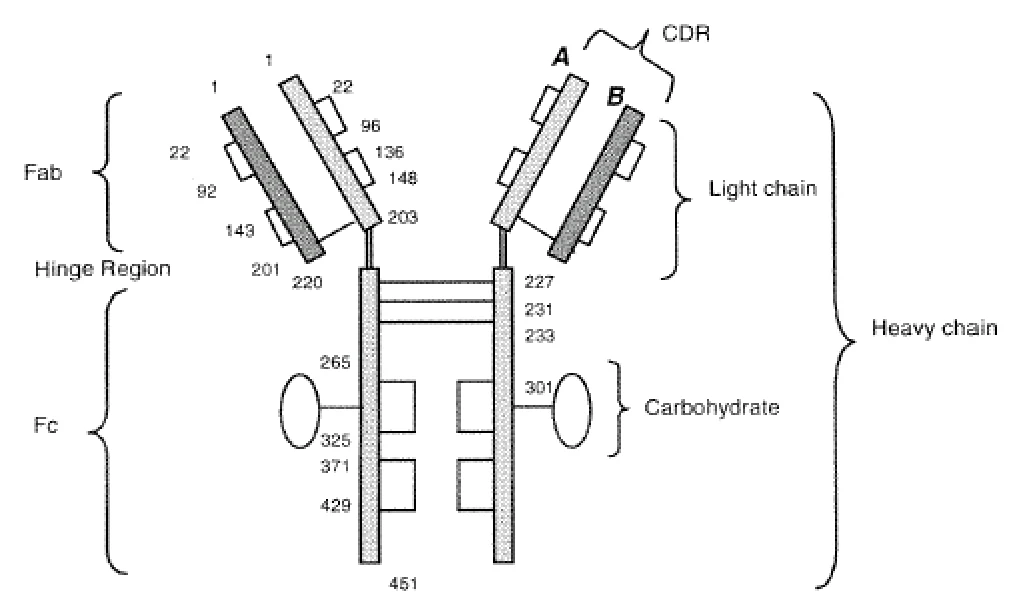
Tositumomab is a murine IgG2a lambda monoclonal antibody directed against the CD20 antigen, which is found on the surface of normal and malignant B lymphocytes. Tositumomab is produced in an antibiotic-free culture of mammalian cells and the manufacturing process includes specific steps for viral inactivation and viral removal. The antibody is composed of two murine gamma 2a heavy chains of 451 amino acids each and two lambda light chains of 220 amino acids each. The approximate molecular weight of tositumomab is 150 kD.
Tositumomab is supplied as a sterile, pyrogen-free, clear to opalescent, colourless to slightly yellow, preservative-free liquid concentrate. It is supplied at a nominal concentration of 14 mg/mL tositumomab in 35 mg and 225 mg single-use vials. The formulation contains 10% (w/v) maltose, 145 mM sodium chloride, 10 mM phosphate,
17.5 mM potassium hydroxide, and Water for Injection, USP. The pH is approximately 7.2.
Iodine I 131 Tositumomab
Iodine I 131 tositumomab is a radioiodinated derivative of tositumomab that has been covalently linked to iodine-131. Unbound radioiodine and other reactants have been removed by chromatographic purification steps. Iodine I 131 tositumomab is supplied as a sterile, clear, preservative-free liquid for IV administration. The dosimetric dosage form is supplied at nominal protein and activity concentrations of 0.1 mg/mL and 22.57 MBq/mL (0.61 mCi/mL) (at date of calibration), respectively. The therapeutic dosage form is supplied at nominal protein and activity concentrations of 1.1 mg/mL and 207.2 MBq/mL (5.6 mCi/mL) (at date of calibration), respectively. The formulation for the dosimetric and the therapeutic dosage forms contains 4.4%-6.6% (w/v) povidone, 1-2 mg/mL maltose (dosimetric dose) or 9-15 mg/mL maltose (therapeutic dose), 8.5 - 9.5 mg/mL sodium chloride, 1.22 mg/mL phosphoric acid, 1.05- 6.57 mg/mL potassium hydroxide and 0.9-1.3 mg/mL ascorbic acid. The pH is approximately 7.0.
PART II: SCIENTIFIC INFORMATION
PHARMACEUTICAL INFORMATION
Drug Substance
Proper name: Base monoclonal antibody: tositumomab,
Radiolabeled monoclonal antibody: iodine I 131 tositumomab
Molecular formula: C6542 H10156 N1724 O2026 S60,
Molecular mass: The calculated molecular masses (monoisotopic mass) for the heavy and light chain amino acid sequences are: heavy chain 49,764.6 Da and light chain 23,837.7 Da, resulting in a theoretical mass of 147,204.6 Da.
Glycosylation of the heavy chain, with the core N-linked oligosaccharide HexNAc4 Hex3 dHex1, results in a mass of 150,095.5 Da (monoisotopic mass).
Structural formula:
Product Characteristics
Physical Characteristics
Iodine-131 decays with beta and gamma emissions with a physical half life of 8.04 days. The principal beta emission has a mean energy of 191.6 keV and the principal gamma emission has an energy of 364.5 keV.22
External Radiation
The specific gamma ray constant for iodine-131 is 2.2 R/millicurie hour at 1 cm. The first half-value layer is 0.24 cm lead (Pb) shielding. A range of values is shown in Table 1 for the relative attenuation of the radiation emitted by this radionuclide that results from interposition of various thicknesses of Pb. To facilitate control of the radiation exposure from this radionuclide, the use of a 2.55 cm thickness of Pb will attenuate the radiation emitted by a factor of about 1,000.
CLINICAL TRIALS
The efficacy of the BEXXAR® therapy (tositumomab, iodine I 131 tositumomab) was evaluated in 2 pivotal studies and 3 supportive studies of patients with low-grade, follicular, or transformed low-grade; or follicular large-cell lymphoma whose disease had not responded to or had progressed after chemotherapy and rituximab therapy (Study 1) or chemotherapy alone (Studies 2 - 5).
Determination of clinical benefit of the was based on evidence of durable responses without evidence of an effect on survival. All patients in the studies had received prior treatment without an objective response, or had progression of disease following treatment.
Patients were also required to have a granulocyte count > 1.5 x 10⁹/L, a platelet count > 100 x 109/L, an average of < 25% of the intratrabecular marrow space involved by lymphoma, and no evidence of progressive disease arising in a field irradiated with > 3500 cGy within 1 year of completion of irradiation.
Study 1 (CP-97-012): This was a multicenter, single arm study of forty patients whose disease had not responded to or had progressed after at least four doses of rituximab therapy.
The median age was 57 (range: 35-78); the median time from diagnosis to protocol entry was 50 months (range: 11-70); and the median number of prior chemotherapy regimens was 4 (range: 1-11). Twenty-four patients had disease that did not respond to their last treatment with rituximab, 11 patients had disease that responded to rituximab for less than 6 months, and five patients had disease that responded to rituximab, with a duration of response of 6 months or greater. The median duration of response to the most recent rituximab therapy was 4.7 months. Overall, 35 of the 40 patients met the definition of "rituximab refractory", defined as no response or a response of less than 6 months duration. Table 9 summarizes efficacy outcome data from study 1, as determined by an independent panel that reviewed patient records and radiologic studies. The median duration of follow-up was 26 months for all patients and 26 months for the rituximab-refractory subset.
Table 9 Efficacy Outcomes in Rituximab-Relapsed/Refractory Patients
Objective Responses to BEXXAR® therapy in Patients Refractory to rituximab N=35 | Objective Responses to BEXXAR® therapy in All Patients N=40 | |
Response Rate (%) (95% CIa) Median Duration of Response (Mos, Range) | Response Rate (%) (95% CIa) Median Duration of Response (Mos, Range) | |
Overall Response Complete Response c | 63% (45%, 79%) 25 (4+, 35+) 29% (15%, 46%) NRb (4, 35+) | 68% (51%, 81%) 16 (1+, 35+) 33% (19%, 49%) NR (4, 35+) |
aCI = Confidence Interval
bNR = Not reached
cComplete response rate = Pathologic and clinical complete response
Durable responses to BEXXAR® defined as responses with a time to progression of greater than 1 year) were observed in 17 of 40 (43%) patients. The median time to progression for these 17 patients was 31.5 months (range:12 - 36.7+ months).
Study 2 (RIT-II-004): This was a multicenter, single arm, open-label study of 60 chemotherapy refractory patients with low-grade and transformed low grade NHL. The median age was 60 (range: 38 - 82), the median time from diagnosis to protocol entry was 53 months (range: 9 - 334), the median number of prior chemotherapy regimes was 4 (range: 2 - 13) and 38% had transformed NHL.
Fifty-three patients had not responded to prior therapy and 7 patients had responded with a duration of response < 6 months.
The primary endpoint was a comparison, as assessed by an independent panel, of the number of patients with a longer duration of response (> 30 days) following BEXXAR® to the number of patients with a longer duration of response following their last qualifying chemotherapy regimen. Twenty-six patients had a longer duration of response following BEXXAR® while only 5 had a longer duration of response on the last qualifying chemotherapy regimen (p < 0.001).
Secondary endpoints included response rate and duration of response are shown in Table 9. The overall response rate in this population was 47% and the complete response rate was 20%. Duration of overall response was 11.7 months and duration of complete response was 47.2 months. Fifteen of 60 (25%) patients achieved a durable response (defined as responders with time to progression greater than 1 year). Median time to progression for the durable responders was 48.7 months.
Studies 3 to 5 (RIT-II-002, RIT-I-000, RIT-II-001): Three single-arm studies enrolled 130 patients evaluable for efficacy with rituximab-naive, follicular non-Hodgkin’s lymphoma with or without transformation, who had relapsed following, or were refractory to, chemotherapy. In these studies, the overall response rates ranged from 49% to 64% and the median duration of response ranged from 12.6 to 15.5 months. Results are shown in Table 10.
Table 10 Efficacy Outcomes in Chemotherapy Relapsed/Refractory Patients
| Overall Response | Complete Response | |||
| Study Number | Response Rate (%) | Median Duration of Response (months) | Response Rate % | Median Duration of Response (months) |
| Primary Studies | ||||
| RIT-II-004 (N=60) | 47% | 11.7 | 20% | 47.2 |
| CP-97-012 (N=40) | 68% | 16.1 | 33% | NR |
| Supportive Studies | ||||
| RIT-I-000b (N=22) | 64%c | 15.5 | 41% | 36.5 |
| RIT-II-001 (N=47) | 49%c | 12.6 | 26% | 58.4 |
| RIT-II-002 (N=61a) | 59% | 13.2 | 36% | NR |
aPatients receiving iodine I 131 tositumomab (Arm A and Arm B Crossover). Excludes patients who only received tositumomab (Arm B).
bExcludes 17 patients with intermediate- or high-grade lymphoma.
cMIRROR Panel-assessed when available (i.e., all patients with transformed low-grade NHL and those patients with low-grade NHL who had available radiographs and medical notes and Investigator-assessed TTP of a least 12 months).
TTP=Time to progression; NR=Not reached. MIRROR=Masked Independent Randomized Radiology and Oncology Review.
DETAILED PHARMACOLOGY
Tositumomab has been shown to bind with high affinity and unique specificity to the CD20 antigen.2,10,16 This antigen is a transmembrane phosphoprotein expressed on pre-B lymphocytes and at higher density on mature B lymphocytes.17 The antigen is also expressed on >90% of B-cell non-Hodgkin's lymphomas (NHL).1 CD20 is not expressed on hematopoietic stem cells, normal plasma cells, or other normal tissues.1,6,16 CD20 is expressed at low levels on a minor population of T-lymphocytes. The recognition epitope for tositumomab is found within the extracellular domain of the CD20 antigen. CD20 does not shed from the cell surface and does not internalize following antibody binding.12
Mechanism of Action
The high-energy beta particles emitted by I-131 are cytotoxic over distances of approximately 1-2 mm (the average path length is 0.8 mm and the maximum path length is 2.4 mm), thus permitting eradication of antigen-negative tumour cells by crossfire from neighbouring antibody-coated cells.20 In addition to cell death associated with ionizing radiation from the radioisotope, possible mechanisms of action of BEXXAR® therapy (tositumomab, iodine I 131 tositumomab) include induction of apoptosis16, complement-dependent cytotoxicity (CDC)5, and antibody-dependent cellular cytotoxicity (ADCC)3 mediated by the antibody.
Pharmacokinetics/Pharmacodynamics
The unlabelled antibody (tositumomab) is given prior to the radiolabelled dose to exert immune-related cytotoxicity and to saturate non-tumour B-cells in the circulation and organs (live and spleen) leading to increased tumour uptake of radiolabelled tositumomab.14 Administration of tositumomab prior to radiolabelled tositumomab resulted in an increased tumour uptake of radiolabelled tositumomab in a mouse xenograft tumour model.4 Dose-dependent blood pharmacokinetics of the antibody were observed with increasing amounts of tositumomab prior to administration of iodine I 131 tositumomab. A total protein dose of 485 mg (450-mg dose of tositumomab followed by a 35-mg dose of tositumomab containing the appropriate MBq (mCi) of iodine I 131 tositumomab) was selected for the dosimetric and therapeutic doses based on or high tumour burden, a higher response rate, and reduced pharmacokinetic variability. The median blood clearance following administration of 485 mg of protein in 110 patients with NHL was 68.2 mg/hr (range: 30.2 - 260.8 mg/hr). Patients with high tumour burden, splenomegaly, or bone marrow involvement were noted to have a faster clearance, shorter terminal half-life, and larger volume of distribution. The total body clearance, as measured by total body gamma camera counts, was mono-exponential and dependent on the same factors noted for blood clearance. The effective half-life was 65 hours.19 Patient-specific dosing using dosimetry, based on total body clearance, provided a consistent total body radiation dose, despite variable pharmacokinetics, by allowing each patient's administered activity to be adjusted for individual patient variables.
Elimination of iodine-131 occurs by decay (see Table 2) and excretion in the urine. Urine was collected for 49 dosimetric doses. After 5 days, the whole body clearance was 67% of the injected dose. Ninety-eight percent of the clearance was accounted for in the urine.
Administration of BEXXAR® results in sustained depletion of circulating CD20 positive cells. The impact of administration of BEXXAR® on circulating CD20 positive cells was assessed in two clinical studies, one conducted in chemotherapy-naïve patients and one in heavily pretreated patients. The assessment of circulating lymphocytes did not distinguish normal from malignant cells. Consequently, assessment of recovery of normal B cell function was not directly assessed. At seven weeks, the median number of circulating CD20 positive cells was zero (range: 0 - 0.49 x 10⁹/L). Lymphocyte recovery began at approximately 12 weeks following treatment. Among patients who had CD20 positive cell counts recorded at baseline and at 6 months, 8 of 58 (14%) chemotherapy-naïve patients had CD20 positive cell counts below normal limits at six months and 6 of 19 (32%) heavily pretreated patients had CD20 positive cell counts below normal limits at six months. There was no consistent effect of BEXXAR® on post-treatment serum IgG, IgA, or IgM levels.
TOXICOLOGY
No long-term animal studies have been performed to evaluate carcinogenic or mutagenic potential or whether BEXXAR® therapy (tositumomab and iodine I 131 tositumomab) affects fertility in males and females.
As with other radiopharmaceuticals which distribute intracellularly, there may be increased risk of chromosome damage from Auger electrons if nuclear uptake occurs.
REFERENCES
- 1.
Anderson KC, Bates MP, Slaughenhoupt BL, Pinkus GS, Schlossman SF, Nadler
LM. Expression of human B cell-associated antigens on leukemias and lymphomas: a model of human B cell differentiation. Blood 1984; 63(6):1424-1433.
- 2. Boldt DH, Fischbach M, Kuehl TJ. Cellular immunology in the baboon (Papio cynocephalus): examination of structural and functional characteristics of adult and fetal lymphoid cells. J Immunogenet 1984; 11(3-4):219-232.
- 3. Buchsbaum DJ, Wahl RL, Normolle DP, Kaminski MS. Therapy with unlabeled and 131I-labeled pan-B-cell monoclonal antibodies in nude mice bearing Raji Burkitt's lymphoma xenografts. Cancer Res 1992; 52(23):6476-6481.
- 4. Buchsbaum DJ, Wahl RL, Glenn SD, Normolle DP, Kaminski MS. Improved delivery of radiolabeled anti-B1 monoclonal antibody to Raji lymphoma xenografts by predosing with unlabeled anti-B1 monoclonal antibody. Cancer Res 1992; 52(3):637-642.
- 5. Cardarelli PM, Quinn M, Buckman D, Fang Y, Colcher D, King DJ et al. Binding to CD20 by anti-B1 antibody or F(ab')(2) is sufficient for induction of apoptosis in B-cell lines. Cancer Immunol Immunother 2002; 51(1):15-24.
- 6. Dörken B, Möller P, Pezzutto A, Schartz-Albiez R, Moldenhauer G. B-cells antigens:CD20. Knapp W, Dörken B, Gilks WR, Rieder EP, Schmidt RD, Stein H, et al , editors Leukocyte typing IV:white cell differentiation antigens Oxford: Oxford University Press 1989;46-48.
- 7.
Horning SJ, Younes A, Lucas J, Podoloff D, Jain V. Rituximab Treatment
Failures: Tositumomab and Iodine I 131 Tositumomab (Bexxar(R)) Can Produce Meaningful Durable Responses. Blood 2002; November 16:11-4971.
- 8. Kaminski MS, Zelenetz AD, Press OW, Saleh M, Leonard J, Fehrenbacher L et al. Pivotal study of iodine I 131 tositumomab for chemotherapy-refractory low-grade or transformed low-grade B-cell non-Hodgkin's lymphomas. J Clin Oncol 2001; 19(19):3918-3928.
- 9. Levine EG, Bloomfield CD. Leukemias and myelodysplastic syndromes secondary to drug, radiation, and environmental exposure. Semin Oncol 1992; 19(1):47-84.
- 10.
Nadler LM, Anderson KC, Bates M, Park E, Slaughenhupt B, Schlossman SF.
Human B cell-associated antigens: expression on normal and malignant B lymphocytes. Leukocyte typing: human leukocyte defferentiation antigens detected by monoclonal antibodies Berlin: Springer-Verlag 1984;354-363.
- 11. Pedersen-Bjergaard J, Ersboll J, Sorensen HM, Keiding N, Larsen SO, Philip P et al. Risk of acute nonlymphocytic leukemia and preleukemia in patients treated with cyclophosphamide for non-Hodgkin's lymphomas. Comparison with results obtained in patients treated for Hodgkin's disease and ovarian carcinoma with other alkylating agents. Ann Intern Med 1985; 103(2):195-200.
- 12. Press OW, Howell-Clark J, Anderson S, Bernstein I. Retention of B-cell-specific monoclonal antibodies by human lymphoma cells. Blood 1994; 83(5):1390-1397.
- 13. Rosenbloom B, Schreck R, Koeffler HP. Therapy-related myelodysplastic syndromes. Hematol Oncol Clin North Am 1992; 6(3):707-722.
- 14. Seldin DW. Techniques for using Bexxar for the treatment of non-Hodgkin's lymphoma. J Nucl Med Technol 2002; 30(3):109-114.
- 15. Shan D, Ledbetter JA, Press OW. Apoptosis of malignant human B cells by ligation of CD20 with monoclonal antibodies. Blood 1998; 91(5):1644-1652.
- 16.
Stashenko P, Nadler LM, Hardy R, Schlossman SF. Characterization of a human
B lymphocyte-specific antigen. J Immunol 1980; 125(4):1678-1685.
- 17. Tedder TF, Boyd AW, Freedman AS, Nadler LM, Schlossman SF. The B cell surface molecule B1 is functionally linked with B cell activation and differentiation. J Immunol 1985; 135(2):973-979.
- 18. Travis LB, Curtis RE, Boice JD, Jr., Fraumeni JF, Jr. Bladder cancer after chemotherapy for non-Hodgkin's lymphoma. N Engl J Med 1989; 321(8):544-545.
- 19.
Vose JM, Wahl RL, Saleh M, Rohatiner AZ, Knox SJ, Radford JA et al.
Multicenter phase II study of iodine-131 tositumomab for chemotherapy-relapsed/refractory low-grade and transformed low-grade B-cell non-Hodgkin's lymphomas. J Clin Oncol 2000; 18(6):1316-1323.
- 20. Vose JM. Bexxar: novel radioimmunotherapy for the treatment of low-grade and transformed low-grade non-Hodgkin's lymphoma. Oncologist 2004; 9(2):160-172.
- 21.
Wahl RL, Zasadny KR, MacFarlane D, Francis IR, Ross CW, Estes J et al.
Iodine-131 anti-B1 antibody for B-cell lymphoma: an update on the Michigan Phase I experience. J Nucl Med 1998; 39(8 Suppl):21S-27S.
- 22. Weber DA, Eckman KF, Dillman LT, Ryman JC. MIRD: radionuclide data and decay schemes. New York: Society of Nuclear Medicine Inc 1989;229.
- 23. Zasadny KR, Gates VL, Fisher SJ, Kaminski MS, Wahl RL. Correlation of dosimetric parameters with hematological toxicity after radioimmunotherapy of non-Hodgkin's lymphoma with I-131 anti-B1. Utility of a new parameter: "Total body dose-lean". Journal of Nuclear Medicine 1995; 36(suppl 5):214.