


Product Monograph - Bi-Peglyte
SUMMARY PRODUCT INFORMATION
| Route of Administration | Dosage Form / Strength | Clinically Relevant Nonmedicinal Ingredients |
| Oral | Polyethylene Glycol 3350 and Electrolytes for Oral Solution Per sachet: Polyethylene glycol 3350 …59.55 g Sodium sulphate ……………5.74 g Sodium bicarbonate ………...1.69 g Sodium chloride ……………1.46 g Potassium chloride …………0.76 g Bisacodyl Delayed Release Tablet USP 5 mg | Polyethylene Glycol 3350 and Electrolytes for Oral Solution (sachet): Fruit flavours, Sodium saccharin Bisacodyl Delayed Release Tablets: Lactose For a complete listing see Dosage Forms, Composition and Packaging section. |
INDICATIONS AND CLINICAL USE
Bi-PEGLYTE® Bowel Prep Kit (Polyethylene Glycol 3350 and Electrolytes for Oral Solution USP and Bisacodyl Delayed Release Tablets USP) is indicated for cleansing of the colon as a preparation for colonoscopy in adults.
Pediatrics:
Safety and effectiveness of Bi-PEGLYTE® in pediatric patients have not been established.
CONTRAINDICATIONS
Bi-PEGLYTE® is contraindicated in patients with
- ileus
- gastric retention
- gastrointestinal (GI) obstruction
- bowel perforation
- toxic colitis
- toxic megacolon
- acute surgical abdomen
- appendicitis
- rectal bleeding
- gastroenteritis
- diverticulitis
- hypersensitivity to this drug or to any ingredient in the formulation or component of the container. For a complete listing, see the Dosage Forms, Composition and Packaging section of the Prescribing Information.
WARNINGS AND PRECAUTIONS
General
Use of Bi-PEGLYTE® is not recommended when abdominal pain, nausea, or vomiting are present. No additional flavourings or ingredients should be added to the PEG 3350 and Electrolytes solution (PEG-ELS) of Bi-PEGLYTE®.
Bi-PEGLYTE® may result in a potential interactive effect when used with starch-based food thickeners. The PEG ingredient counteracts the thickening effect of starch, effectively liquefying preparations that need to remain thick for people with swallowing problems. This warning applies to all polyethylene glycol (PEG) containing-products.
Advise all patients to hydrate adequately before, during, and after the use of Bi-PEGLYTE®.
Cardiac Arrhythmias
There have been rare reports of serious cardiac arrhythmias associated with the use of ionic osmotic laxative products for bowel preparation. Use caution when prescribing BI-PEGLYTE® for patients at increased risk of arrhythmias (e.g., patients with a history of prolonged QT, uncontrolled arrhythmias, recent myocardial infarction, unstable angina, congestive heart failure, or cardiomyopathy). Pre-dose and post-colonoscopy ECGs should be considered in patients at increased risk of serious cardiac arrhythmias.
Gastrointestinal
Bi-PEGLYTE® should be used with caution in patients with severe ulcerative colitis. Patients with impaired gag reflex and patients prone to regurgitation or aspiration during administration of PEG/Electrolyte solution of Bi-PEGLYTE® should be closely observed. If GI obstruction or perforation is suspected, appropriate studies should be performed to rule out these conditions before administration. If a patient experiences severe bloating, distension or abdominal pain, administration of the solution should be slowed or temporarily discontinued until the symptoms subside. Patients suffering from acute exacerbation of inflammatory bowel disease have not been studied.
Ischemic colitis has been reported with use of a bowel preparation kit which contains the same major active components (PEG 3350 and bisacodyl) and follows the same or similar dosing schedule as Bi-PEGLYTE® (see ADVERSE REACTIONS). If patients develop severe abdominal pain and/or rectal bleeding, immediate evaluation and close medical attention should be provided.
Immunological
Cases of urticaria, rhinorrhea, dermatitis and anaphylactic reactions have been reported with PEG-based colon preparation products, which may represent allergic reactions.
Neurologic
Use of large-volume (4 litres) PEG-based colon preparation products has resulted in reports of generalized tonic-clonic seizures in patients with no prior history of seizures. Electrolyte abnormalities, such as hyponatremia and hypokalemia, as well as severe vomiting and excessive beverage consumption have also been associated with tonic-clonic seizures. A correction of fluid and electrolyte abnormalities resolved the neurologic irregularity. Therefore, in patients with known or suspected hyponatremia, or in patients using concomitant medications that increase the risk of electrolyte abnormalities (such as diuretics), Bi-PEGLYTE® should be used with caution. In these patients, baseline and post-colonoscopy laboratory tests (sodium, potassium, calcium, creatinine, and blood urea nitrogen or BUN) should be monitored.
Renal
Patients with impaired water handling who experience severe vomiting should be closely monitored, including measurement of electrolytes (sodium, potassium, calcium, BUN and creatinine).
Special Populations
Pregnant Women: Reproduction studies of oral doses of bisacodyl tablets have been performed in rats administered up to 70 times the human dose, and have revealed no evidence of impaired fertility damage to the fetus. At the dose which equated to 70 times the human dose, there was some evidence of lower litter survival at weaning. There are however, no adequate and well-controlled studies in pregnant women; hence, bisacodyl tablets should be used during pregnancy only at the discretion of the physician.
Animal reproduction studies have not been conducted with the PEG/Electrolytes powder, and it is also not known whether the PEG/Electrolytes powder can affect reproductive capacity or harm the fetus when administered to a pregnant patient. Bi-PEGLYTE® should be given to a pregnant patient only if clearly needed.
Nursing Women: It is not known whether this drug is excreted in human milk. Because many drugs are excreted in human milk, caution should be exercised when Bi-PEGLYTE® is used in a nursing woman.
Pediatrics: Safety and effectiveness of Bi-PEGLYTE® in pediatric patients have not been established.
Geriatrics (> 60 years of age): There are isolated reports of serious post-marketing events following the administration of PEG-based products in patients over 60 years of age (acute pulmonary edema after vomiting and aspirating the PEG-based solution, asystole, esophageal perforation, and upper GI bleeding from a Mallory-Weiss tear). Caution is required in patients with renal and cardiac dysfunction.
Carcinogenesis and Mutagenesis
Long-term carcinogenic and reproductive studies with animals have not been performed.
ADVERSE REACTIONS
Gastrointestinal: Nausea, abdominal fullness and bloating are the most frequent adverse reactions occurring in up to 50% of patients taking 4 L PEG/Electrolyte bowel preparation products. Less frequent adverse reactions to these products are abdominal cramps, vomiting and anal irritation. These adverse effects are transient.
A number of clinical studies in the literature have demonstrated that administration of 2 L PEG-Electrolyte Solution (PEG-ELS) products similar to the PEG-ELS found in Bi-PEGLYTE®, in conjunction with bisacodyl tablets (15 or 20 mg), resulted in significantly less nausea and vomiting (approximately 43% and 50%, respectively) than administration of a 4 L PEG-ELS product. In addition, the 2 L PEG-ELS + bisacodyl regimen also resulted in less abdominal pain, bloating, fullness, anal irritation and overall feeling of discomfort, resulting in better patient compliance.
The most frequent adverse reactions occurring in up to 50% of patients taking Bi-PEGLYTE in a split-dose regimen (1L in the evening and 1L in the morning) are abdominal cramps, bloating, nausea, vomiting, insomnia (from frequent bathroom trips) and headache (see CLINICAL TRIALS).
Cramping and abdominal discomfort has occurred in some patients after bisacodyl administration; no systemic effects have been reported.
Rare and mild ischemic colitis (IC) has been reported with use of a bowel preparation kit which contains the same major active ingredients (PEG 3350 and bisacodyl) and follows a similar dosing schedule as the full-dosing regimen of Bi-PEGLYTE®. The IC is shown to be dose-dependent with bisacodyl and found to occur at an oral dose as low as 10 mg bisacodyl. Bi-PEGLYTE® contains 15 mg of bisacodyl.
The following rare adverse events have been reported following administration of 4 L PEG-ELS products which contain the same or similar major active ingredient, PEG 3350, as Bi-PEGLYTE®.
Cardiovascular: bradycardia, acute pulmonary edema, hypotension, arrhythmia, cardiac arrest
Eye: sensitivity to light, painful irritated eyes
Gastrointestinal: rectal bleeding (occult blood in stool), sores in mouth, pancreatitis, colitis
General and Administration Site Conditions: chills, loss of appetite
Hematologic: anemia
Metabolism and Nutrition: fluid imbalance, hypoglycaemia
Musculoskeletal and Connective Tissue: muscle pain
Nervous System: headaches, unconscious, coma, seizures, shakes, generalized tonic-clonic seizures
Psychiatric: confused feeling, disorientation
Respiratory, Thoracic and Mediastinal: aspiration
Skin and Subcutaneous Tissue: oily hair and skin, facial swelling, leg swelling
Possible allergic reactions: urticaria, rhinorrhea, dermatitis
In patients over 60 years of age, there are isolated reports of serious post-marketing events following the administration of a sodium sulphate-free PEG electrolyte solution and bisacodyl 20 mg bowel prep kit. These adverse reactions include acute pulmonary edema after vomiting and aspirating the PEG-based solution, asystole, esophageal perforation, and upper GI bleeding from a Mallory-Weiss tear. In addition, the following serious adverse reactions were seen during administration of 4 L of PEG-3350 colon cleansing preparation: two deaths in end-stage renal failure patients who developed diarrhea, vomiting and dysnatremia.
DRUG INTERACTIONS
Drug-Drug Interactions
Oral medications administered within 2 hours before the start of administration of the PEG/ELS may be flushed out from the gastrointestinal tract and may not be adequately absorbed.
There is a potential risk of Ischemic colitis with co-exposure to osmotic laxatives (PEG
3550/Macrogol) such as Bi-PEGLYTE® and stimulant laxatives (e.g., bisacodyl). If patients develop severe abdominal pain and/or rectal bleeding, immediate evaluation and close medical attention should be provided.
Drug-Food Interactions
No solid foods or milk, except clear liquids, should be taken before the clinical procedure.
Patients should adequately hydrate before, during, and after the use of Bi-PEGLYTE®.
DOSAGE AND ADMINISTRATION
Recommended Dose and Dosage Adjustment
The recommended Bi-PEGLYTE® Bowel Prep Kit oral dosage regimen for adults prior to colonoscopy is the entire contents of one kit, administered either in a full-dose regimen or a split-dose regimen.
Prior to Gastrointestinal Examination or Procedure
On the day before the procedure, no solid foods or milk, except clear liquids, should be taken after 11:00 AM. No antacids should be taken within one hour of taking the bisacodyl tablets.
Reconstitution of the PEG/Electrolytes Solution:
- 1. Dissolve the entire contents of one sachet in 1 L (32 ounces) of lukewarm water and mix rapidly until a clear solution forms. Do not use cold water. Repeat the step with the second sachet. Patients should be instructed not to add any other ingredient (such as flavors, juice, etc) than the recommended quantity of water.
- 2. Refrigerate the solution as chilling improves the taste. Using a straw may make the solution more palatable and easier to drink
- 3. Use the freshly-made solution within 48 hours and discard unused portion.
Administration:
| Steps | Full-dosing Regimen* | Split-dosing Regimen* | ||||
| Day before procedure | 1 | Take 3 bisacodyl tablets (total of 15 mg) with water at a time as instructed by the physician. Do not chew or crush the tablets. | Take 3 bisacodyl tablets (total of 15 mg) with water in the afternoon (at around 2:00 PM**). Do not chew or crush the tablets. | |||
| 2 | Wait for a bowel movement (or maximum of 6 hours). | Not applicable | ||||
| 3 | After a bowel movement, or if there is no bowel movement within 6 hours of taking the Bisacodyl tablets, rapidly drink a glassful (250 mL) of the PEG/Electrolytes solution every 10 minutes until the 1 litre solution is finished. | In the evening (at around 8:00 PM** or 6 hours after taking the bisacodyl tablets), rapidly drink a glassful (250 mL) of the PEG/Electrolytes solution every 10 minutes until the 1 litre solution is finished. | ||||
| 4 | Take the second PEG/Electrolytes solution and rapidly drink a glassful (250 mL) of the solution every 10 minutes until the 1 litre solution is finished or as directed by a physician. | Not applicable |
| Day of procedure | ||
| 5 | Not applicable | About 4 hours** before the procedure, take the second PEG/Electrolytes solution and rapidly ,drink 250 mL of the solution every 10 minutes until the 1 litre solution is finished. |
*Instructions must be followed as prescribed by the physician. Physicians may choose to prescribe the full-dosing or the split-dosing regimen.
**Time to be confirmed by the physician.
Watery bowel movements should begin within 1 hour after beginning PEG/Electrolytes administration and patients will continue to have loose bowel movements for 1 to 2 hours after finishing the solution. Lavage is complete when fecal discharge is clear. Patients should be instructed to drink all of the solution.
OVERDOSAGE
For management of suspected drug overdose, consult the regional Poison Control Centre.
There are no specific antidotes that are required to be administered in the event of overdose; however, supportive care may be required in order to prevent dehydration and/or electrolyte imbalance.
ACTION AND CLINICAL PHARMACOLOGY
Mechanism of Action
The PEG-ELS in Bi-PEGLYTE® cleanses the bowel by induction of diarrhea. The osmotic activity of PEG 3350 in the PEG-ELS retains water in the lumen of the intestine, promotes intestinal smooth muscle contraction and peristaltic waves and induces bowel movement for evacuation of the colon. The electrolytes at the concentrations used in the PEG-ELS help to maintain electrolyte and water balance in the body.
Bisacodyl is a stimulant laxative pro-drug. After oral administration, bisacodyl is metabolized on the inner surface of the intestine to produce the active metabolite, 4,4'-dihydroxydiphenyl-(2-pyridyl) methane, which induces intestinal contraction and peristalsis and increases intestinal mucosal secretion.
Bisacodyl is very poorly absorbed in the intestine.
STORAGE AND STABILITY
The Bi-PEGLYTE® Bowel Prep Kit carton should be stored at room temperature (15-30°C). The freshly-reconstituted PEG/ELS should be used within 48 hours if stored at room temperature. Discard unused portion.
DOSAGE FORMS, COMPOSITION AND PACKAGING
Bi-PEGLYTE® Bowel Prep Kit (Polyethylene Glycol 3350 and Electrolytes for Oral Solution USP and Bisacodyl Delayed Release Tablets USP) contains two sachets of PEG/Electrolytes powder (Polyethylene Glycol 3350 and Electrolytes for Oral Solution USP, 70 g each) and one blister-pack containing three (3) Bisacodyl Delayed Release Tablets USP.
Each 70 g sachet of PEG/Electrolytes powder (fruit-flavoured), to be dissolved in 1 L of water, contains:
Polyethylene Glycol 3350…..59.55 g
Sodium Sulphate……………..5.74 g
Sodium Bicarbonate………….1.69 g
Sodium Chloride……………..1.46 g
Potassium Chloride…………..0.76 g
Also contains (in alphabetical order): Fruit flavour and sodium saccharin.
The mmol/L equivalents of the PEG/Electrolytes ingredient concentrations are as follows:
Polyethylene glycol 18 mmol/L
Sodium 126 mmol/L
Potassium 10 mmol/L
Chloride 35 mmol/L
Sulphate 40 mmol/L
Bicarbonate 20 mmol /L
The osmolarity of a prepared solution of PEG/Electrolytes ranges from 235-305 mOsmol.
Each blister-pack of Bisacodyl Delayed Release Tablets USP holds three (3) yellow, enteric coated tablets containing bisacodyl USP 5 mg each. Also contains (in alphabetical order): D&C Yellow No.10 Aluminum Lake, FD&C Yellow No.6 Aluminum Lake, Glyceryl Stearate, Hypromellose, Lactose Monohydrate, Magnesium Stearate, Methylated Silica, Methylcellulose, Microcrystalline Cellulose, Polydextrose, Polydimethylsiloxane, Polyethylene Glycol, Polysorbate 65, Polyvinyl Acetate Phthalate, Silica, Sodium Alginate, Sodium Bicarbonate, Sodium Carboxymethylcellulose, Sorbic Acid, Stearic Acid, Sulphuric Acid, Talc, Titanium Dioxide, Triacetin, Triethyl Citrate.
PART II: SCIENTIFIC INFORMATION
PHARMACEUTICAL INFORMATION
PEG/Electrolytes Sachet
| Drug Substance | Polyethylene Glycol 3350 | Sodium Sulphate | Sodium Bicarbonate | Sodium Chloride | Potassium Chloride |
| Proper name: | Polyethylene glycol | Sodium sulfate | Sodium bicarbonate | Sodium chloride | Potassium chloride |
| Chemical | Ethanol, 2,2'-(oxybis(2,1-ethanediyloxy)bis- | Bisodium sulfate; Dibasic sodium sulfate | Bicarbonate of soda; Carbonic acid, monosodium salt | Sodium chloride | Potassium chloride |
| Molecular formula: | (C2H4O)nH2O | H2O4S.2Na | CH2O3.Na | NaCl | KCl |
| Structural formula: | 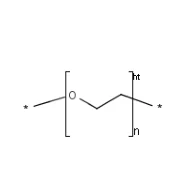 | 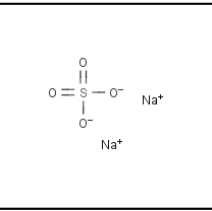 | 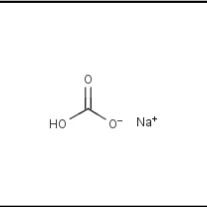 | 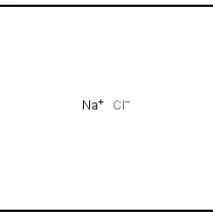 | 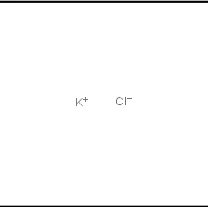 |
Bisacodyl Delayed Released Tablets
Drug Substance
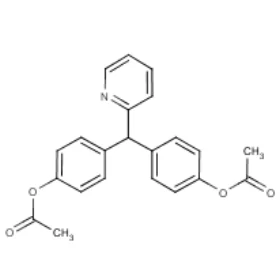
Proper name: Bisacodyl
Chemical name: Bisacodyl 4,4'-(2-pyridylmethylene) bisphenol diacetate; (4,4'-Diacetoxydiphenyl) (2-pyridyl) methane
Molecular formula: C22H19NO4
Structural formula:
Physicochemical properties: Tasteless crystals, melting point 138 °C. Practically insoluble in water and alkaline solutions. Soluble in acids, alcohol, acetone, propylene glycol, and other organic solvents.
CLINICAL TRIALS
In a published study by Adams et al (1994), a single-blind, randomized, controlled study was conducted to exam the bowel cleansing effect, safety and patient tolerance of a 4L PEG electrolyte solution (4L PEG-E) and a 2L PEG electrolyte solution preceded by 15 mg oral bisacodyl (bisacodyl plus 2L PEG-E). The patients in both groups were allowed a light breakfast on the day before and clear fluids thereafter until 7 AM on the day of the procedure. On the day prior to endoscopic procedure, patients (191) in the 4L PEG-E group orally consumed 4 L PEG-isotonic salt solution over 4 hours from 4 PM, while patients (191) in the bisacodyl plus 2L PEG-E group orally took 3 tablets of 5 mg bisacodyl at 8 AM and then consumed 2 L of PEG-E from 4 PM over 2 hours.
The quality of bowel preparation was rated on a scale of 1 to 5, i.e. 1) all mucosa easily visualized no fecal material present other than a liquid pool in the rectum; 2) multiple liquid pools present through the colon easily aspirated to allow visualization of all mucosa; 3) multiple pools of mixed solid and liquid feces present requiring some effort to see all mucosa; 4) multiple collections of solid feces present and 5) procedure abandoned due to poor preparation.
The rate of patients with bowel preparation rated at 1 or 2 in the bisacodyl plus 2L PEG-E group and the 4L PEG-E group was 69.1% vs 65.4%, respectively (Table 1). Only 66% of the patients in the 4L PEG-E group consumed all 4 liters of the PEG-E solution, whereas 93% in the bisacodyl plus 2L PEG-E group finished the 2 liters of the PEG-E solution.
The common adverse reactions were abdominal pain, nausea and vomiting. In patients who provided symptom information (see Table 1), nausea and vomiting were reported at a higher rate in the 4L PEG-E group than that in the bisacodyl plus 2L PEG-E group, while the reporting rate of abdominal pain was comparable in the two study groups.
Table 1: Comparison of the clinical effects of two bowel preparation regimens
| PEG-E regimen | bisacodyl plus 2L PEG-E | 4L PEG-E | |||||
| n=191 | n=191 | ||||||
| Patients with bowel cleansing quality rated at 1 or 2a* (% ) | 69.1 | 65.4 | |||||
| n=148** | n=147** | ||||||
| Patients adhered to required PEG-E volume** (% ) | 93.0 | 66.0 | |||||
| Adverse reactions** (% ) | Nausea | 25.0 | 42.6 | ||||
| Vomiting | 6.8 | 12.2 | |||||
| Abdominal pain | 30.0 | 30.4 | |||||
aThe bowel cleansing quality was rated in a scoring system similar to the Ottawa Bowel Preparation Score (OBPS) system
* the numbers are based on the data in Table 3 in the article by Adams WJ, et al, 1994
** the numbers are based on or derived from the data in Table 2 in the article by Adams WJ, et al, 1994.
A randomized single-blinded clinical study (Brahmania et al., 2014) examined bowel cleansing efficacy and patient tolerability of a 4L PEG electrolytes solution (PEGLYTE) or a 2L PEG electrolytes solution with oral 15 mg bisacodyl (Bi-PEGLYTE) administrated in a split-dose regimen. Patients in both study groups were only allowed a clear-liquid diet starting from 11:00 AM on the day before the procedure until the end of the procedure. Patients in the PEGLYTE group consumed the first 2 liters of the PEG electrolytes solution around 3:00 PM on the day before the procedure and then took the second 2 liters of the PEG electrolytes solution 4 hours before the colonoscopy procedure. Patients in the Bi-PEGLYTE group took three 5mg bisacodyl oral tablets at 2:00 PM and consumed the first liter of the PEG electrolytes solution around 8:00 PM on the day before the procedure and then took the second liter of the PEG electrolytes solution 4 hours before the colonoscopy procedure. The bowel cleansing quality was assessed with both the Ottawa Bowel Preparation Score (OBPS) and the Boston Ottawa Bowel Preparation Score (OBPS).
The patients with satisfactory bowel cleansing quality (total OBPS ≥8) were 64% and 60% in the Bi-PEGLYTE group and the PEGLYTE group, respectively. More than 98% of patients in both study groups consumed more than 80% of the required dosing volume of the PEG-E solution. Also, significantly higher proportions of patients found that Bi-PEGLYTE was easier or acceptable than PEGLYTE (89.9% vs 74.8%, p< 0.001) and were willing to repeat the same preparation (98.7% vs 73.6%, p <0.001). Nausea, vomiting, abdominal cramps, headache, sleep disturbance were reported at comparable rates in both study groups (Table 2).
Table 2. Adverse events in patients received PEGLYTE or Bi-PEGLYTE in a split-dose regimen (Brahmania et al., 2014)
Adverse Events
Bi-PEGLYTE (n=159) % | PEGLYTE (n=159) % | |
| Experienced adverse events | 49.7 | 47.8 |
| Nausea/vomiting | 16.4 | 18.2 |
| Abdominal cramps | 15.7 | 18.9 |
| Headache | 13.8 | 15.1 |
| Sleep disturbance | 12.6 | 10.7 |
| Bloating | 17.0 | 16.4 |
REFERENCES
- 1. Adams WJ, Meagher AP, Lubowski DZ, King DW. Bisacodyl reduces the volume of polyethylene glycol solution required for bowel preparation. Dis Colon Rectum. 1994 Mar;37(3):229-33; discussion 233-4.
- 2. Brady CE 3rd, Dipalma JA, Beck DE. Effect of bisacodyl on gut lavage cleansing for colonoscopy. Ann Clin Res. 1987;19(1):34-8.
- 3. Brahmania M, Ou G, Bressler B, Ko Hin Kin, Lam E, Telford J and Enns R. 2 L versus 4 L of PEG3350 þ electrolytes for outpatient colonic preparation: a randomized, controlled trial. Gastrointestinal Endoscopy. 2014; 79, 408-16
- 4. Clarkston WK, Smith OJ. The use of GoLYTELY and Dulcolax in combination in outpatient colonoscopy. J Clin Gastroenterol. 1993 Sep;17(2):146-8.
- 5. HalfLytely US Prescribing Information, Braintree Laboratories Inc., September 2007, NDA 21-551/S-006.
- 6. Huppertz-Hauss G, Bretthauer M, Sauar J, Paulsen J, Kjellevold Ø, Majak B, Hoff G. Polyethylene glycol versus sodium phosphate in bowel cleansing for colonoscopy: a randomized trial. Endoscopy 2005 Jun;37(6):537-41.
- 7. Sharma VK, Chockalingham SK, Ugheoke EA, Kapur A, Ling PH, Vasudeva R, Howden CW. Prospective, randomized, controlled comparison of the use of polyethylene glycol electrolyte lavage solution in four-liter versus two-liter volumes and pretreatment with either magnesium citrate or bisacodyl for colonoscopy preparation. Gastrointest Endosc. 1998 Feb;47(2):167-71.
- 8. Sharma VK, Schaberg JW, Chockalingam SK, Vasudeva R, Howden CW. The effect of stimulant laxatives and polyethylene glycol-electrolyte lavage solution for colonoscopy preparation on serum electrolytes and hemodynamics. J Clin Gastroenterol. 2001 Mar;32(3):238-9.
- 9. Vaizman K, Li J, Iswara, K, Tenner S. Ischemic colitis induced by the combination of bisacodyl and polyethylene glycol in preparation for colonoscopy. The American Journal of Gastroenterology. 2007;102, S249–S271.