


Product Monograph - Brinavess
SUMMARY PRODUCT INFORMATION
| Route of Administration | Dosage Form / Strength | Clinically Relevant Nonmedicinal Ingredients |
| intravenous infusion | 20 mg/mL in 25 mL vial | None For a complete listing see Dosage Forms, Composition and Packaging section. |
INDICATIONS AND CLINICAL USE
BRINAVESS (vernakalant hydrochloride) is indicated for rapid conversion of recent onset atrial fibrillation (AF) to sinus rhythm, for:
- non-surgery patients, with duration of AF ≤ 7 days, and
- post-cardiac surgery patients, with duration of AF ≤ 3 days.
BRINAVESS is NOT recommended for conversion of atrial flutter (AFL) to sinus rhythm (see CLINICAL TRIALS).
Geriatrics (≥ 65 years of age)
No dose adjustment of BRINAVESS is required on the basis of age.
Pediatrics (<18 years of age):
Since BRINAVESS has not been studied in this patient population, its use is not recommended in these patients.
CONTRAINDICATIONS
Due to the risk of developing clinically-relevant hypotension or ventricular arrhythmias, in patients with:
- severe aortic stenosis
- systolic blood pressure (SBP) < 100 mmHg
- NYHA Class III or IV heart failure
Due to the risk of developing clinically-relevant arrhythmias, in patients with:
- significant prolonged QT at baseline, e.g., uncorrected QT > 440 msec
- congenital or acquired long QT syndrome
Due to the risk of developing cardiac conduction defects, in patients with:
- severe bradycardia
- sinus node dysfunction
- second degree or third degree atrioventricular heart block, in the absence of an in situ properly functioning pacemaker
- Use of intravenous antiarrhythmic drugs (Class I or III) within 4 hours prior to, or 4 hours after, BRINAVESS (vernakalant hydrochloride) administration (see DOSAGE AND ADMINISTRATION)
- Patients experiencing an acute coronary syndrome (ACS), or acute decompensated heart failure (ADHF), within the last 30 days
- Patients who are hypersensitive to this drug or to any ingredient in the formulation or component of the container. For a complete listing, see DOSAGE FORMS, COMPOSITION AND PACKAGING.
WARNINGS AND PRECAUTIONS
General
Cases of serious hypotension have been reported during and immediately following BRINAVESS (vernakalant hydrochloride) infusion. Patients should be carefully observed during BRINAVESS infusion, and for at least 2 hours after administration of BRINAVESS treatment, with assessment of vital signs and continuous cardiac rhythm monitoring (see DOSAGE AND ADMINISTRATION).
Resuscitation equipment and the capability to place a temporary pacemaker should be readily available, since some patients may develop sinus arrest or clinically significant bradycardia after converting to sinus rhythm (see WARNINGS AND PRECAUTIONS, Bradycardia).
Patients should be adequately hydrated, anticoagulated in accordance with treatment guidelines, and checked for hypokalemia prior to use of BRINAVESS (see DOSAGE AND ADMINISTRATION).
Cardiovascular
Bradycardia
Serious adverse events of bradycardia have been reported during or following treatment with BRINAVESS infusion. Most cases occurred soon after conversion to sinus rhythm.
In general, bradycardia responded well to discontinuation of BRINAVESS and/or administration of atropine, however, some events of bradycardia requiring electrical pacing have been reported (see ADVERSE REACTIONS, Bradycardia). On occasion, these events were associated with clinically-relevant hypotension.
Hypotension
Hypotension has been observed with BRINAVESS infusion. Hypotension typically occurs early, either during the infusion or early after the end of the infusion, and can usually be corrected by standard supportive measures. Uncommonly, cases of severe hypotension have been observed (see ADVERSE REACTIONS, Post Market Adverse Reactions).
The median duration of hypotensive adverse events in BRINAVESS-treated patients in clinical trials was about 18 minutes, and occurred at about 37 minutes from the start of the first infusion, i.e., 2 minutes after the end of the scheduled second infusion (see DOSAGE AND ADMINISTRATION). Not all patients required treatment. In general, patients were placed in the Trendelenburg position, with hypotension responding to treatment with a saline infusion. Overall, hypotension with BRINAVESS infusion in the patients enrolled in these clinical trials was generally transient and typically responded to discontinuation of study drug and routine management.
Occasional serious hypotensive adverse events were noted in association with BRINAVESS treatment. Most of these patients had received a single infusion of BRINAVESS only, with hypotension occurring at about 10-15 minutes after the start of the infusion, i.e., at the end or within approximatively 5 minutes after completion of the first BRINAVESS infusion.
The patient is required to be monitored for signs and symptoms of a sudden decrease in blood pressure or heart rate for the duration of the first infusion and for at least 15 minutes after the completion of the infusion with assessment of vital signs and continuous cardiac rhythm monitoring. At that time, if vital signs are deemed to be stable, and the patient remains in atrial fibrillation or secondary atrial flutter, a second lower dose infusion may be started. The patient should be further monitored for the duration of the second infusion and for at least two (2) hours after cessation of BRINAVESS infusion, and until clinical and ECG parameters have stabilised (see DOSAGE AND ADMINISTRATION).
BRINAVESS patients with a history of congestive heart failure (CHF) showed a higher overall incidence of hypotensive events, during the first 2 hours post-dose in patients treated with BRINAVESS, compared to patients receiving placebo, at 13.4% versus 4.7%, respectively (see ADVERSE REACTIONS, Patients with Congestive Heart Failure). Caution is required in these patients. Further, BRINAVESS is contraindicated in patients with NYHA Class III or IV heart failure, or in those who have experienced an episode of acute decompensated heart failure (ADHF) within 30 days of intended treatment (see CONTRAINDICATIONS).
Patients with systolic blood pressure (SBP) < 105 mm/Hg at the time of initiation of BRINAVESS infusion, had a 3-fold increased incidence of hypotension, defined as SBP < 90 mm Hg. Caution is required in these patients. Use of BRINAVESS in patients with SBP < 100 mg/Hg is contraindicated (see CONTRAINDICATIONS).
Patients with background use of beta-blockers treated with BRINAVESS have a higher risk of hypotension in the first 2 hours post-dose (BRINAVESS 7.6%, placebo 3.5%), compared to patients without (BRINAVESS 3.6%, placebo 8.5%). These patients should be monitored closely.
In the clinical development program, loading doses or bolus supplementation of beta-blockers were withheld from 2 hours before and until 2 hours after completion of the study drug infusion. Therefore, use of intravenous beta-blockers is not recommended within 2 hours prior to, or 2 hours after, BRINAVESS administration.
Atrial flutter
Patients receiving BRINAVESS have a higher incidence of converting to atrial flutter within the first 2 hours post-dose than placebo-treated patients (see ADVERSE REACTIONS, Atrial Flutter). This risk is higher in patients exposed to Class I anti-arrhythmics (see DRUG INTERACTIONS). These patients should be carefully observed and treated with appropriate supportive medical care, as required (see DOSAGE AND ADMINISTRATION, Atrial Flutter).
Most patients who have developed atrial flutter will be stable without treatment. In case of any signs of hemodynamic instability or development of 1:1 atrioventricular (AV) conduction, BRINAVESS infusion should be discontinued and electrical cardioversion should be considered.
In post-marketing experience, very rare cases of atrial flutter with 1:1 AV conduction have been observed in association with BRINAVESS treatment.
Congestive Heart Failure
Due to the higher incidence of adverse events of hypotension in patients with history of CHF, BRINAVESS should be used cautiously in hemodynamically stable patients with CHF functional classes NYHA I to II. There is limited experience with the use of BRINAVESS in patients with previously documented LVEF ≤ 35%, its use in these patients is not recommended. The use of BRINAVESS in NYHA III or NYHA IV CHF patients is contraindicated (see CONTRAINDICATIONS).
Long QT Syndrome
QT prolongation may occur with BRINAVESS treatment (see ADVERSE REACTIONS, and ACTION AND CLINICAL PHARMACOLOGY, Pharmacodynamics). BRINAVESS is contraindicated in patients with a history of Long QT Syndrome or baseline uncorrected QT > 440 msec (see CONTRAINDICATIONS). BRINAVESS has been administered to patients with an uncorrected QT < 440 msec without an increased risk of torsade de pointes.
Patients with a family history of Long QT syndrome may be at increased risk for developing torsade de pointes. BRINAVESS use is not recommended in these patients unless a diagnosis of Long QT syndrome has been definitively ruled out by specialised testing in the patient to be treated.
Class I and III Anti-Arrhythmic Drugs
BRINAVESS should be used with caution in patients taking background oral Class I or III anti-arrhythmic drugs, due to limited experience (see DOSAGE AND ADMINISTRATION, Recommended Dose and Dosage Adjustment). Risk of atrial flutter may be increased in patients receiving background oral treatment with Class I anti-arrhythmics drugs (see Atrial Flutter).
Due to an expected increased risk of adverse effects, BRINAVESS infusion is contraindicated within 4 hours of intravenous Class I or III antiarrhythmic drug treatment (see CONTRAINDICATIONS). BRINAVESS has not been studied when used in conjunction with intravenous Class I or III anti-arrhythmic treatment.
Valvular Heart Disease
In patients with a history of valvular heart disease who received BRINAVESS, there was a significantly increased incidence of ventricular arrhythmia and bradycardia in the first 2 hours post dose (see ADVERSE REACTIONS). These patients should be monitored closely.
Other diseases and conditions
Since BRINAVESS has not been evaluated in patients with clinically meaningful hypertrophic obstructive cardiomyopathy, restrictive cardiomyopathy, or constrictive pericarditis, its use cannot be recommended in such cases. There is limited experience with BRINAVESS in patients with pacemakers.
Endocrine and Metabolism
Vernakalant is a substrate of CYP 2D6, and moderate, competitive inhibition of human CYP 2D6 was observed. No other CYP P450 isozymes were found to be inhibited by vernakalant. In vitro studies indicate that vernakalant is a substrate, but not inhibitor of P-glycoprotein. For further details on metabolism and drug interactions (see ACTION AND CLINICAL PHARMACOLOGY, Pharmacokinetics, and DRUG INTERACTIONS).
Sodium content of BRINAVESS infusion
BRINAVESS contains approximately 3.5 mmol (80 mg) sodium in each 25 mL (500 mg of vernakalant hydrochloride) vial. This should be taken into consideration if the patient is on a controlled sodium diet.
Special Populations
Hepatic Impairment
As the clinical trial experience in patients with advanced hepatic impairment is limited, BRINAVESS is not recommended in these patients (see ACTION AND CLINICAL PHARMACOLOGY, Hepatic Insufficiency).
Pregnant Women
BRINAVESS has not been studied in pregnant women. Animal studies have shown malformations after repeated oral exposure (see TOXICOLOGY). Accordingly, BRINAVESS should not be used during pregnancy.
Nursing Women
It is unknown whether vernakalant or its metabolites are excreted in human milk. There is no information on the excretion of these in animal milk. A risk to the breast-fed child cannot be excluded. Accordingly, use of BRINAVESS should be avoided in breast-feeding women.
Geriatrics (≥ 65 years of age)
No dose adjustment of BRINAVESS is required on the basis of age.
Pediatrics (< 18 years of age)
Since BRINAVESS has not been studied in this patient population, its use is not recommended in these patients.
Monitoring and Laboratory Tests
BRINAVESS should be administered by intravenous infusion in a monitored clinical setting appropriate for cardioversion. Only a well-qualified healthcare professional should administer BRINAVESS and should carefully and frequently monitor the patient for the duration of the infusion and for at least 2 hours after completion of treatment with BRINAVESS, using continuous cardiac rhythm monitoring and assessing vital signs and patient symptoms for a sudden decrease in blood pressure or heart rate (see DOSAGE AND ADMINISTRATION).
ADVERSE REACTIONS
Adverse Drug Reaction Overview
The safety of BRINAVESS (vernakalant hydrochloride) has been evaluated in clinical studies involving 1,148 subjects, including patients and healthy volunteers, who were exposed to BRINAVESS. Based on data from 1,018 patients in eight Phase 2 and Phase 3 trials, the most commonly reported adverse reactions (> 5%) seen in the first 24 hours after receiving BRINAVESS were dysgeusia (taste disturbance) (18.2%), sneezing (12.9%), and paresthesia (7.4%). These reactions occurred around the time of infusion, were transient, and were rarely treatment limiting
Clinical Trial Adverse Drug Reactions
Because clinical trials are conducted under very specific conditions the adverse reaction rates observed in the clinical trials may not reflect the rates observed in practice and should not be compared to the rates in the clinical trials of another drug. Adverse drug reaction information from clinical trials is useful for identifying drug-related adverse events and for approximating rates.
Treatment emergent adverse events (AE) occurring within 24 hours of study drug administration and reported for ≥ 1% of atrial fibrillation (AF) patients receiving BRINAVESS during eight randomised, controlled clinical Phase 2 and Phase 3 studies in patients with recent onset of atrial fibrillation of at least 3 hours of duration and up to 45 days are summarised in Table 1.
Table 1 - Summary of common adverse events occurring within 2 hours, and 24 hours, following initiation of BRINAVESS infusion*
| 0-2 hours | 0-24 hours | |||
BRINAVESS n = 1,018 (%) | Placebo n = 403 (%) | BRINAVESS n = 1,018 (%) | Placebo n = 403 (%) | |
Nervous system disorders Dysgeusia Paresthesia Headache Dizziness | 18.0 7.2 1.6 2.8 | 2.2 0.7 2.5 1.7 | 18.2 7.4 3.7 3.6 | 2.2 1.2 3.5 2.7 |
Cardiac disorders Atrial fibrillation Bradycardia Atrial flutter Sinus bradycardia Ventricular tachycardia Atrioventricular block, first degree | 1.4 2.4 2.0 0.5 0.4 0.4 | 1.2 0.2 0.2 0 0.2 0.2 | 4.2 3.1 2.5 1.3 1.1 1.0 | 5.0 1.7 0.5 1.2 0.7 0.7 |
Vascular disorders Hypotension Hypertension | 3.6 1.4 | 1.5 0.5 | 4.9 1.6 | 3.7 0.7 |
Respiratory, thoracic and mediastinal disorders Sneezing Cough Nasal discomfort Dyspnea | 12.9 3.9 2.0 0.8 | 0 0.5 0 0 | 12.9 4.0 2.0 1.5 | 0 1.0 0 0.5 |
| 0-2 hours | 0-24 hours | |||
BRINAVESS n = 1,018 (%) | Placebo n = 403 (%) | BRINAVESS n = 1,018 (%) | Placebo n = 403 (%) | |
Gastrointestinal disorders Nausea Paresthesia, oral Vomiting Diarrhea | 4.6 1.9 1.1 0.8 | 0.2 0.2 0 0.2 | 5.7 1.9 1.3 1.3 | 1.2 0.2 0.2 0.7 |
Skin and subcutaneous tissue disorders Pruritus Hyperhidrosis | 2.9 2.6 | 0 0.2 | 3.0 2.8 | 0 0.7 |
General disorders and administrative site conditions Fatigue Feeling hot Infusion site pain | 1.1 2.4 2.0 | 0.5 0.5 0.2 | 2.8 2.4 2.0 | 1.5 0.5 0.2 |
* ≥ 1.0% non-procedural AE from 0-24 hours following BRINAVESS infusion
Serious Adverse Events in the first two hours Post-dose
Within the first 2 hours, the incidence of serious adverse events was higher in the BRINAVESS group (2.8% BRINAVESS, 0.7% placebo). However, no difference in the incidence of serious adverse events between BRINAVESS and placebo within the first 24 hours was shown (4.7% BRINAVESS, 4.5% placebo). In the first 2 hours post-dose, serious adverse events occurring in more than one (1) BRINAVESS patient and more frequent for BRINAVESS than placebo included, hypotension (0.8% BRINAVESS, 0% placebo), sinus arrest (0.2% BRINAVESS, 0% placebo), sinus bradycardia (0.2% BRINAVESS, 0% placebo), and ventricular fibrillation (0.2% BRINAVESS, 0% placebo).
Clinically significant adverse reactions observed in clinical trials included hypotension (see WARNINGS AND PRECAUTIONS, Hypotension), and ventricular arrhythmia.
Patients with Congestive Heart Failure (CHF)
In patients with a history of CHF who received BRINAVESS, there was a significantly increased incidence of hypotension in the first 2 hours post-dose compared to patients receiving placebo (13.4% vs. 4.7%). This significantly increased incidence was not apparent in the 2-24 hours post-dose period and in the analysis of overall time period of the first 24 hours. In patients without a history of CHF, the incidence of hypotension was not significantly different during the first 2 hours after dose in patients treated with BRINAVESS, compared to patients receiving placebo (4.2% vs. 5.6%).
The incidence of ventricular arrhythmia in patients with CHF in the first 2 hours post-dose was 6.4% in BRINAVESS group and 1.6% in placebo group, and the incidence of bradycardia in patients with CHF was 3.8% with BRINAVESS and 4.7% with placebo.
Bradycardia
Bradycardia was observed predominantly at the time of conversion to sinus rhythm. In general, with conversion of recent-onset atrial fibrillation to sinus rhythm, subsequent meaningful slowing of heart rate is to be expected, see Figure 1, below. The majority of bradycardia events occurring in the first 2 hours post-dose were peri-infusional and resolved spontaneously.
In the first 2 hours post-dose, the overall incidence of any bradycardia was 4.8% for patients receiving BRINAVESS, and 2.9% for patients receiving placebo. In an analysis of 737 BRINAVESS and 315 placebo-treated patients from Phase 3 studies, the incidence of bradycardia in the first 2 hours post-dose was similar in BRINAVESS and placebo groups (3.8% and 4.0%, respectively) in patients who did not convert to sinus rhythm within the first 90 minutes post-dose. The rate of bradycardia in BRINAVESS patients who converted within 90 minutes was 8.2% in the first 2 hours post-dose and 0% in placebo patients, also see, Figure 1, below. In patients who did not convert within the first 90 minutes, but who subsequently underwent electrical cardioversion or other therapy after 2 hours post-dose, the rate of bradycardia from 2-24 hours post-dose was 14.7% in the placebo group and 7.7% in the BRINAVESS group.
Figure 1. Mean Heart Rate by Responder Status (± Standard Error of the Mean) Over Time*
*excluding patients with a pacemaker at screening
Atrial Flutter 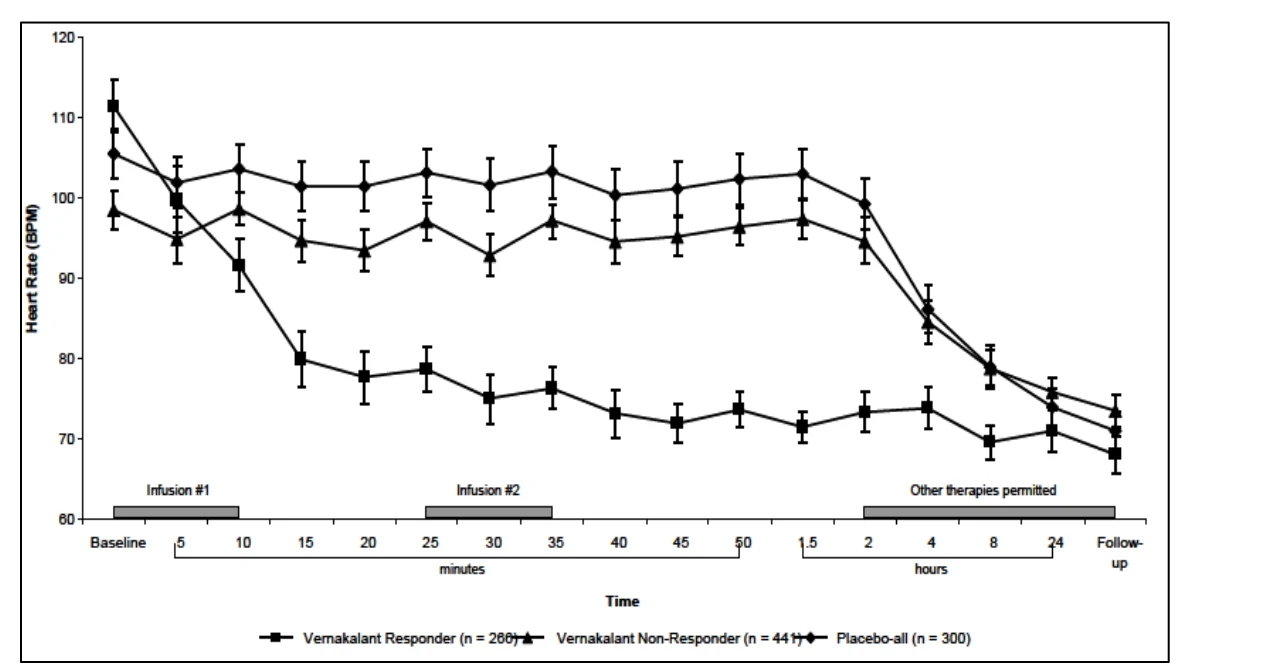
In placebo-controlled clinical trials, vernakalant infusion was associated with a significantly higher incidence of development of atrial flutter (AFL) in patients presenting with recent onset atrial fibrillation in the first 2 hours post-dose at 10.0%, compared to placebo at 2.5%. The reported incidence of AFL in the subpopulation of patients with background use of Class I anti-arrhythmic drugs was 17.6% with vernakalant, compared to 0% with placebo.
In the pooled Phase 2 and Phase 3 clinical database, clinically meaningful atrial flutter, which was reported as serious or resulted in study drug discontinuation, was 0.3% (3/1,073) within the first 2 hours after exposure to vernakalant, and 0% of placebo-treated patients. No patient with AFL following treatment with vernakalant injection developed 1:1 atrio-ventricular (AV) conduction in this clinical database.
In placebo-controlled studies, of 31 patients who presented with atrial fibrillation (AF) in the ACT I/III pooled population and developed new onset AFL within 90 minutes of the start of the initial dose of vernakalant, the majority (87.1%) went on to convert to sinus rhythm (SR) without sequelae. Specifically, 10 converted to SR within 90 minutes of vernakalant treatment, 4 converted after 90 minutes, 13 were electrically cardioverted within 24 hours. The remaining 4 patients reverted to atrial fibrillation within 6 hours, and remained in AF at Hour 24.
Ventricular arrhythmia
Overall, treatment with BRINAVESS was not associated with a significant increased risk of ventricular arrhythmia (torsade de pointes, ventricular arrhythmia, ventricular fibrillation or ventricular tachycardia). The majority of the ventricular arrhythmia events seen in the BRINAVESS and placebo groups were asymptomatic monomorphic non-sustained (average 3-5 beats) ventricular tachycardia (VT).
The overall incidence of any ventricular arrhythmia event in the first 2 hours post-dose was similar in the BRINAVESS group (3.2%) and in the placebo group (2.6%). During the first 2 hours in the clinical trial dataset, no patient experienced torsade de pointes in BRINAVESS or placebo groups; 0.2% patients had ventricular fibrillation with BRINAVESS and none with placebo (0%); no significant difference regarding ventricular tachycardia was reported (2.7% BRINAVESS vs 2.0% placebo), 1.8% patients in the BRINAVESS group had unsustained monomorphic VT compared to 1.3% in the placebo group; 0.1% BRINAVESS-treated patients had sustained monomorphic VT and none in the placebo group (0%), and 0.5% patients had unsustained polymorphic VT in the BRINAVESS group versus 1.0% in the placebo group.
Within the first two hours, there was a significantly increased incidence of ventricular arrhythmia in patients with a history of valvular heart disease who received BRINAVESS compared to placebo (6.4% vs 0%), this significantly increased incidence was not apparent in the 2-24 hours post-dose period.
Less Common Clinical Trial Treatment-Emergent Adverse Drug Reactions within 24 hours of study drug administration (>0.1 % and <1.0 % patients receiving BRINAVESS)
Nervous System Disorders: hypoesthesia; parosmia; somnolence; syncope Endocrine Disorders: hyperthyroidism
General Disorders And Administration Site Conditions: asthenia; catheter site erythema; chest discomfort; chest pain; chills; infusion site pruritus; injection site irritation or pain; injection site reaction; malaise; edema, peripheral; pyrexia
Cardiac Disorders: angina pectoris; atrial thrombosis; atrioventricular block complete; left bundle branch block; right bundle branch block; cardiogenic shock; mitral valve incompetence; nodal rhythm; palpitations; sinus arrest; supraventricular extrasystoles; supraventricular tachycardia; ventricular extrasystoles; ventricular fibrillation; QRS complex prolonged; QT prolonged
Gastrointestinal Disorders: abdominal discomfort; abdominal pain; constipation, defecation urgency; dry mouth; dyspepsia; hypoesthesia, oral
Infections And Infestations: cystitis; nasopharyngitis; rhinitis; upper respiratory tract infection; urinary tract infection
Laboratory Investigations: aspartate aminotransferase increased; blood creatinine increased; blood potassium decreased; blood urea increased; gamma-glutamyltransferase increased; hemoglobin decreased
Metabolism And Nutrition Disorders: hyperkalemia; hypokalemia
Musculoskeletal And Connective Tissue Disorders: arthralgia; back pain; muscle spasms; musculoskeletal pain; myalgia; pain in extremity
Eye Disorders: eye irritation; lacrimation increased; vision blurred; visual impairment Psychiatric Disorders: agitation; anxiety; confusional state; insomnia
Renal And Urinary Disorders: hematuria; urinary retention; urine output decreased Respiratory, Thoracic And Mediastinal Disorders: hyperventilation; nasal congestion; oropharyngeal pain; orthopnea; pulmonary edema; rales; rhinorrhea; suffocation feeling; throat irritation
Skin And Subcutaneous Tissue Disorders: ecchymosis; erythema; generalised pruritus; rash Vascular Disorders: flushing; pallor
Post-Market Adverse Reactions
In a post-marketing safety study that included 1,143 patients with 1,256 BRINAVESS treatment episodes, a total of 15 pre-defined events of medically significant hypotension, significant ventricular arrhythmia (defined as sustained ventricular tachycardia, torsades de pointes, ventricular fibrillation), significant atrial flutter, significant bradycardia, were reported. Fourteen of these events occurred within two hours from the start of first BRINAVESS infusion, one at 3 hours.
Among these 15 events, 12 were significant bradycardia, defined as bradycardia requiring electrical pacing, whether temporary or permanent, or any other serious adverse event reports involving bradycardia, amounting to a cumulative incidence of 1.0%. All of these events occurred in the first 2 hours following BRINAVESS infusion. Of these 12 significant bradycardia events, two required temporary electrical pacing (both in patients following cardiac surgery), and two occurred simultaneously with significant hypotension, with these two cases amounting to a cumulative incidence of 0.2%.
In post-marketing experience, very rare cases of atrial flutter with 1:1 atrioventricular conduction have been observed (see WARNINGS AND PRECAUTIONS, Atrial Flutter).
DRUG INTERACTIONS
Overview
No formal interaction studies have been undertaken with vernakalant injection.
Pharmacokinetic Drug Interaction
Although vernakalant is a substrate of CYP 2D6, population pharmacokinetic (PK) analyses demonstrated that no substantial differences in the acute exposure of vernakalant (Cmax and AUC0-90min) were observed when weak or potent CYP 2D6 inhibitors were administered within 1 day prior to BRINAVESS (vernakalant hydrochloride) infusion, compared to patients that were not on concomitant therapy with CYP 2D6 inhibitors. In addition, acute exposure to vernakalant in poor metabolisers of CYP 2D6 appeared to be only marginally different, compared to that of extensive metabolisers. No dose adjustment of BRINAVESS is required on the basis of CYP 2D6 metaboliser status, or when vernakalant is administered concurrently with CYP 2D6 inhibitors.
Vernakalant is a moderate, competitive inhibitor of CYP 2D6. BRINAVESS given by infusion is not expected to cause meaningful drug interactions, including with CYP 2D6, due to the rapid distribution and transient exposure, low protein binding, lack of inhibition of other CYP P450 enzymes tested (CYP 3A4, 1A2, 2C9, 2C19 or 2E1), and lack of P-glycoprotein inhibition in a digoxin transport assay.
Drug-Drug Interactions
No formal drug interaction studies have been conducted with BRINAVESS. However, as shown in a population PK study, acute exposure is not significantly influenced by concomitant administration of CYP 2D6 inhibitors, beta blockers, and other medications, including warfarin, metoprolol, furosemide, and digoxin, which suggests that dose adjustment is not required for vernakalant.
BRINAVESS has been safely administered to patients receiving concomitant warfarin.
Drug-Food Interactions
This medicinal product contains approximately 3.5 mmol (80 mg) sodium in each 500 mg vial. This should be taken into consideration when treating patients on a controlled sodium diet.
Drug-Herb Interactions
Interactions with herbal preparations have not been established.
DOSAGE AND ADMINISTRATION
BRINAVESS (vernakalant hydrochloride) should be administered by intravenous infusion in a monitored clinical setting appropriate for cardioversion.
Cases of serious hypotension have been reported during and immediately following BRINAVESS infusion. Patients should be carefully observed during BRINAVESS infusion, and for at least 2 hours after cessation of BRINAVESS treatment, with assessment of vital signs and continuous cardiac rhythm monitoring.
If any of the following signs or symptoms occurs, administration of BRINAVESS should be discontinued promptly and patients should receive appropriate medical management (also, see WARNINGS AND PRECAUTIONS, and ADVERSE REACTIONS):
- A sudden drop in blood pressure or heart rate, with or without symptomatic hypotension or bradycardia
- Hypotension
- Bradycardia
- ECG changes (such as a clinically meaningful sinus pause, complete heart block, new bundle branch block, significant prolongation of the QRS or QT interval, changes consistent with ischemia, infarction, or ventricular arrhythmia)
If these events occur during or shortly after the first infusion of BRINAVESS, patients should NOT receive the second infusion of BRINAVESS.
As in other circumstances when conversion from atrial fibrillation to sinus rhythm occurs, serious adverse events of bradycardia, or sinus node dysfunction, may occur (see WARNINGS AND PRECAUTIONS, Bradycardia). In some cases of bradycardia, especially in post-cardiac surgery patients, electrical pacing may be required.
Patients should be monitored for at least two (2) hours after cessation of BRINAVESS infusion, and until clinical and ECG parameters have stabilised.
Recommended Dose and Dosage Adjustment
Prior to administration of BRINAVESS, the healthcare professional to administer BRINAVESS infusion should confirm the patient’s eligibility for treatment by completing the supplied BRINAVESS Pre-Infusion Checklist.
A pre-infusion checklist is provided with the medicinal product and also available at http://www.cipherpharma.com/products/hospital-acute-care/Brinavess-Preinfusion-Checklist-
Resuscitation equipment and the capability to place a temporary pacemaker should be readily available to provide hemodynamic support, as necessary.
Patients should be adequately hydrated, anticoagulated in accordance with treatment guidelines, and checked for hypokalemia, prior to use of BRINAVESS. In patients with uncorrected hypokalemia, i.e., serum potassium < 3.5 mmol/L, potassium levels should be corrected prior to use of BRINAVESS.
BRINAVESS is dosed by patient body weight, with a maximum calculated dose of 565 mg (based upon a body weight of 113 kg). The recommended initial infusion is 3 mg/kg to be infused over a 10 minute period. For patients weighing ≥ 113 kg, the maximum initial dose of 339 mg (84.7 mL of 4 mg/mL solution) should not be exceeded. If conversion to sinus rhythm does not occur within 15 minutes after the end of the initial infusion, and the patient remains hemodynamically stable, a second 10 minute infusion of 2 mg/kg may be administered. For patients weighing ≥ 113 kg, the maximum second infusion of 226 mg (56.5 mL of 4 mg/mL solution) should not be exceeded. Cumulative doses of greater than 5 mg/kg should not be administered within 24 hours.
There are no clinical data for repeat doses after the initial and second infusions, or for cumulative doses greater than 565 mg.
If conversion to sinus rhythm occurs during either the initial or second infusion, that infusion should be continued to completion, if the patient’s clinical condition so allows.
Do not administer BRINAVESS in patients who have received intravenous antiarrhythmic treatment, either Class I or III, within 4 hours of intended BRINAVESS infusion (see CONTRAINDICATIONS, and WARNINGS AND PRECAUTIONS, Class I and III Anti-arrhythmic Drugs). Do not restart or initiate oral Class I or III antiarrhythmic treatment until at least 2 hours after cessation of BRINAVESS infusion. Use of BRINAVESS has not been studied within 2 hours of intravenous beta-blocker use (see WARNINGS AND PRECAUTIONS, Hypotension).
Atrial Flutter
Brief runs of secondary atrial flutter have been observed in patients with atrial fibrillation receiving BRINAVESS within the first 2 hours post-dose. With continuation of BRINAVESS infusion as recommended above, the majority of these patients continue to convert to sinus rhythm. In the remaining patients, electrical cardioversion can be recommended.
In post-marketing experience, very rare cases of atrial flutter with 1:1 atrioventricular conduction were observed, a majority of which required immediate discontinuation of BRINAVESS infusion and urgent electrical cardioversion.
Administration
Concentrate - Must be diluted before use
BRINAVESS should be administered by intravenous infusion in a monitored clinical setting appropriate for cardioversion. Only a well-qualified healthcare professional should administer BRINAVESS. Patients should be monitored frequently during and following BRINAVESS administration for signs and symptoms of a sudden decrease in blood pressure or heart rate, or significant QT prolongation (see WARNINGS AND PRECAUTIONS).
An infusion pump is the preferred delivery device. However, a syringe pump is acceptable provided that the calculated volume can be accurately given within the specified infusion time.
BRINAVESS should NOT be administered as an intravenous push or bolus.
BRINAVESS vials are for single use only and must be diluted prior to administration.
Read all steps before administration.
Preparation of BRINAVESS for Infusion
Step 1: BRINAVESS vials should be visually inspected for particulate matter and discolouration before administration. Any vials exhibiting particulate matter or discolouration should not be used. Note: BRINAVESS ranges from colourless to pale yellow. Variations of colour within this range do not affect potency.
Step 2: Dilution of concentrate
To ensure proper administration, a sufficient amount of BRINAVESS 20 mg/mL should be prepared at the outset of therapy to deliver the initial and second infusion should it be warranted. Create a solution with a concentration of 4 mg/mL following the dilution guidelines below: Patients ≤ 100 kg: 25 mL of BRINAVESS 20 mg/mL is added to 100 mL of diluent. Patients > 100 kg: 30 mL of BRINAVESS 20 mg/mL is added to 120 mL of diluent.
Step 3: Inspection of the solution
The diluted sterile solution should be clear, colourless to pale yellow. The solution should be visually re-inspected for particulate matter and discolouration before administering.
Reconstitution
Parenteral Products: Recommended diluents are 0.9% Sodium Chloride for Injection, Lactated Ringers for Injection, or 5% Glucose for Injection.
Table 2. Reconstitution
| Vial Size | Volume of Diluent to be Added to Vial | Approximate Available Volume | Nominal Concentration per mL |
| 25 mL | 100 mL | 125 mL | 4 mg |
This medicinal product must not be mixed with other medicinal products except those mentioned above.
OVERDOSAGE
One patient who received 3 mg/kg of BRINAVESS (vernakalant hydrochloride) over 5 minutes, instead of the recommended 10 minutes, developed stable wide complex tachycardia which resolved without sequelae.
In case of accidental overdose or excessive infusion flow rate of BRINAVESS injection, discontinue BRINAVESS infusion immediately. The patient’s cardiac rhythm and clinical condition should be closely monitored for at least four (4) hours, and until clinical and ECG parameters have completely stabilised. Appropriate supportive measures should be instituted to maintain blood pressure, and treatment of life-threatening arrhythmias provided, if they occur.
Resuscitation equipment and the capability to place a temporary pacemaker should be readily available to provide hemodynamic support, as necessary.
For management of a suspected drug overdose, contact your regional Poison Control Centre.
ACTION AND CLINICAL PHARMACOLOGY
Mechanism of Action
BRINAVESS (vernakalant hydrochloride) is an anti-arrhythmic drug that acts preferentially in the atria by prolonging atrial refractoriness and slowing impulse conduction in a rate-dependent fashion. These actions on refractoriness and conduction are thought to suppress atrial re-entry, and are likely the predominant electrophysiological properties underlying the anti-arrhythmic effects of vernakalant. The relative atrial selective activity of vernakalant results in significantly prolonged atrial refractoriness without significant effects on ventricular refractoriness at clinically relevant plasma levels in clinical electrophysiologic studies. Because of its atrial preferential actions, vernakalant does not readily fit in the Vaughan Williams anti-arrhythmic drug classification, which is based on ventricular activity.
Pharmacodynamics
Vernakalant blocks voltage-gated potassium channels, i.e., Kv1.5 (IKur or Isus), Kv4.3 (Ito), and hERG (IKr), as well as the acetylcholine-activated potassium current (IKACh). It exerts minimal or no effect on L-type calcium channels (Ica,L), the inward-rectifying potassium channels (IK1), and the slowly activating delayed rectifier potassium channel (IKs). The micromolar affinity of vernakalant for Kv1.5 (IKur) and Kv4.3 (Ito) may be partly responsible for its preferential effects on atrial tissue.
In humans, IKur, Ito, and IKACh currents are restricted to, or are functionally predominant in, atrial myocytes, and are not functional in the ventricle. Thus, vernakalant would be expected to have a greater effect on prolonging atrial action potentials than ventricular action potentials.
Sodium channel block by vernakalant is relatively rapid in association and use dependent states, displaying weak closed state block. Vernakalant also possesses voltage-dependent block of cardiac sodium channels, such that when tissue is depolarised, as in atrial fibrillation, sodium channel block is enhanced. When tissue is normally polarised, as in the ventricle, vernakalant is relatively non-potent on cardiac sodium channels.
Although hERG channels are blocked by vernakalant, the potency of vernakalant is about 30- to 100-fold lower than that of quinidine or propafenone. It is believed that the QT prolongation observed with vernakalant in humans is the result of its prolonging effects on action potential duration (APD), being at least partially offset by its ability to block a late component of the inward sodium current, i.e., Late INa, that is active during Phase 3 repolarisation, in addition to its lack of effects on IKs, thus preserving repolarisation reserve.
In a Phase 2B, ascending-dose, open-label study, it was determined that vernakalant injection prolonged atrial effective refractory period (AERP) in a dose-dependent manner and exhibited a small conduction slowing effect in the atrium and AV node at the higher dose level. In addition, a significant correlation between plasma concentrations, and PR interval and sinus node recovery time was seen at the higher dose level. No significant effects on ventricular refractoriness, ventricular repolarisation or QT interval were noted. Vernakalant injection tended to slow conduction in ventricular tissue at the higher dose level.
In the clinical trials, QTcF interval increased following administration of vernakalant. Placebo subtracted peaks of +22.1 msec (at Minute 10, corresponding to the end of the first vernakalant infusion), and +18.8 msec (at Minute 35, corresponding to the end of second infusion), were recorded. Following these transient increases with vernakalant infusion, QTcF values resolved by 50 minutes post-dose to the values seen at discharge in both treatment groups.
Modelling of clinical data showed that QTcF is affected by conversion from atrial fibrillation (AF) to sinus rhythm (SR), which was associated with an increase of approximately 8-10 msec. There is a consistent and reproducible effect of plasma concentration of vernakalant on the QTcF interval. Modelling predicts ~20 msec median increase in QTcF at Cmax with the recommended intravenous dose.
Since vernakalant acts on the heart by concentration-dependent blockade of early activating and acetylcholine-activated potassium channels, which predominantly affect atrial repolarisation, combined with concentration-, voltage- and frequency-dependent blockade of sodium channels, its net effect is prolonged atrial refractoriness and rate-dependent slowing of atrial conduction.
In the setting of atrial fibrillation, with rapid atrial depolarisations, both prolongation of atrial refractoriness and rate-dependent slowing of atrial conduction by vernakalant are enhanced. It is thought that these mechanisms are the basis by which vernakalant converts recent-onset atrial fibrillation to sinus rhythm.
In a pooled analysis of the ACT I and ACT III clinical trials, the time to recovery of electrical systole post-conversion (representing the time from the last QRS in atrial fibrillation to the first QRS in sinus rhythym) was not prolonged in vernakalant-treated patients who converted to SR, compared to those who converted to SR following electrical cardioversion (ECV). For AF patients who converted to SR in the first two hours following first vernakalant infusion, 1.8% of these patients had ≥ 5 second sinus pause immediately following conversion to SR, compared to 6.3% of placebo-treated who converted to SR following ECV. Vernakalant injection also did not suppress recovery of nodal function following termination of AF, since a supraventricular QRS conducted from a sinus P wave was seen in twice as many patients converted with vernakalant infusion (70.9%), compared to placebo-treated patients converted following ECV (35.5%). Pharmacokinetics
Table 3 - BRINAVESS Pharmacokinetic Parameters in AF Patients
| Cmax | t½ (h) | AUC0-∞ | Clearance | Volume of distribution | |
Single dose mean | 3.9 μg/mL after first infusion; 4.3 μg/mL after second infusion | 3-5.5 | 4141 ng*hr/mL after first infusion 8968 ng*hr/mL after second infusion | 0.41 L/hr/kg | 2 L/kg |
Absorption: In patients, the average peak plasma concentration of vernakalant was 3.9 μg/mL, following a single 10 minute infusion of 3 mg/kg vernakalant hydrochloride, and 4.3 μg/mL following a second infusion of 2 mg/kg with a 15 minute interval between doses.
Distribution: Vernakalant is extensively and rapidly distributed in the body, with a volume of distribution of approximately 2 L/kg. The Cmax and AUC were dose proportional between 0.5 mg/kg and 5 mg/kg. In patients, the typical total body clearance of vernakalant was estimated to be 0.41 L/hr/kg. The free fraction of vernakalant in human serum is 53-63% at a concentration range of 1-5 μg/mL.
Metabolism: Metabolism of vernakalant was investigated in liver microsomes of various species and recombinant enzymes. In vitro human studies determined CYP 2D6 to be the isozyme responsible for the production of the major (demethylated) metabolite. Moderate, competitive inhibition of human CYP 2D6 was observed, with an IC50 of 20.1 mcM, and a Ki of 3.0 mcM. No other CYP P450 isozymes were found to be inhibited by vernakalant. An in vitro study was performed to assess the likelihood of an interaction between CYP 2D6 substrates and inhibitors, which suggested that fluoxetine, propafenone and paroxetine may inhibit the metabolism of vernakalant in vivo, but metoprolol is unlikely to have an effect. These effects may result in delayed clearance of vernakalant, but are unlikely to affect Cmax with intravenous dosing since its rapid and extensive tissue distribution is unaffected by metabolism. In vitro studies indicate that vernakalant is a substrate, but not inhibitor of P-glycoprotein.
Vernakalant given by infusion is not expected to cause meaningful drug-drug interactions due to the rapid distribution and transient exposure, low protein binding, lack of inhibition of other CYP P450 enzymes tested (CYP 3A4, 1A2, 2C9, 2C19 or 2E1) and lack of P-glycoprotein inhibition in a digoxin transport assay. In vitro studies indicate that vernakalant is a substrate, but not inhibitor of P-glycoprotein.
The mean elimination half-life of vernakalant in patients was approximately 3 hours in CYP 2D6 extensive metabolisers, and approximately 5.5 hours in poor metabolisers.
Excretion: Vernakalant is mainly eliminated by CYP 2D6-mediated O-demethylation in CYP 2D6-extensive metabolisers. Glucuronidation and renal excretion are the main mechanisms of elimination in CYP 2D6-poor metabolisers.
Special Populations and Conditions
Pediatrics: BRINAVESS has not been studied in this patient population.
Geriatrics: No dose adjustment of BRINAVESS is required on the basis of age.
Gender: Acute exposure is not significantly influenced by gender. No dose adjustment of BRINAVESS is required on the basis of gender.
Hepatic Insufficiency: Vernakalant systemic exposure was elevated by about 40% in patients with severe hepatic impairment, compared to healthy volunteers. Patients with mild or moderate hepatic impairment did not demonstrate increased systemic exposure, compared to healthy volunteers. No dose adjustment of BRINAVESS is required for this condition. However, use of BRINAVESS is not recommended in patients with advanced hepatic impairment (see WARNINGS AND PRECAUTIONS, Hepatic Impairment).
Renal Insufficiency: Acute exposure is not significantly influenced by renal impairment. No dose adjustment of BRINAVESS is required.
STORAGE AND STABILITY
Store the BRINAVESS concentrate at room temperature (15-30°C).
The diluted sterile concentrate is chemically and physically stable for 12 hours at or below 25°C.
From a microbiological point of view, the medicinal product should be used immediately. If not used immediately, store no longer than 24 hours at 2 °C to 8 °C.
SPECIAL HANDLING INSTRUCTIONS
Any unused medicinal product or waste material should be disposed of in accordance with local requirements.
DOSAGE FORMS, COMPOSITION AND PACKAGING
Each mL of BRINAVESS concentrate contains 20 mg of vernakalant hydrochloride which is equivalent to 18.1 mg of vernakalant.
Non-medicinal ingredients: citric acid, sodium chloride, sodium hydroxide and water for injection.
Each 25 mL vial contains 500 mg of vernakalant hydrochloride equivalent to 452.5 mg of vernakalant.
After dilution of BRINAVESS with 100 mL of a recommended diluent (see DOSAGE AND ADMINISTRATION, Reconstitution), the concentration of the solution is 4 mg/mL vernakalant hydrochloride.
Each mL of the diluted solution contains approximately 3.5 mg of sodium (sodium chloride 9 mg/mL (0.9%) solution for injection), 0.64 mg sodium (5% glucose solution for injection) or 3.2 mg sodium (Lactated Ringers solution for injection).
PART II: SCIENTIFIC INFORMATION
PHARMACEUTICAL INFORMATION
Drug Substance
Proper name: Vernakalant hydrochloride
Chemical name: 3-Pyrrolidinol, 1-[(1R,2R)-2-[2-(3,4-
dimethoxyphenyl)ethoxy]cyclohexyl]-, hydrochloride, (3R)-
Molecular formula and molecular mass: C20H31NO4·HCl, 385.93 g/mol
Structural formula:
Physicochemical properties: White to beige powder
pH of approximately 5.7 in water
melting point: 147 to 155 ⁰C
CLINICAL TRIALS
BRINAVESS (vernakalant hydrochloride) infusion has been evaluated in the treatment of recent-onset atrial fibrillation in four randomised, double-blind, placebo-controlled studies (ACT I, ACT II, ACT III, ACT V), and in an active comparator trial versus intravenous amiodarone (AVRO). In clinical studies, the need for anticoagulation prior to administration of BRINAVESS was assessed as per clinical practice of the treating physician. For atrial fibrillation lasting less than 48 hours, immediate cardioversion was allowed. For atrial fibrillation lasting longer than 48 hours, anticoagulation was required as per treatment guidelines.
Some patients with typical atrial flutter were included in the ACT II and ACT III studies. However, BRINAVESS was not found to be effective in converting atrial flutter to sinus rhythm (see INDICATIONS AND CLINICAL USE). In another study that evaluated patients presenting with typical atrial flutter, less than 5% of patients exposed to vernakalant infusion converted to sinus rhythm within 90 minutes, compared to none that were treated with placebo. 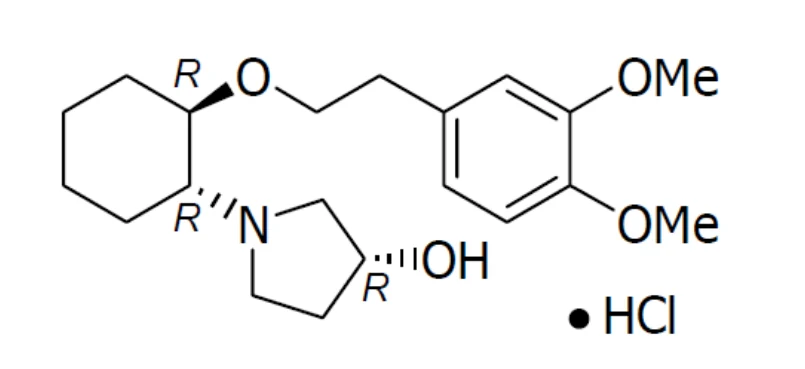
ACT I (N=336 pts, 221 vernakalant-treated pts) and ACT III (N=265 pts, 134 vernakalant-treated pts) studied the effect of BRINAVESS in the treatment of patients with sustained atrial fibrillation > 3 hours but not more than 45 days in duration. ACT V (N=197 pts, 129 vernakalant-treated pts) assessed the effect of BRINAVESS in patients with symptomatic AF with a duration of > 3 hours to ≤ 7 days, and no history or evidence of CHF. AVRO (N=232 pts, 116 vernakalant-treated pts) studied the effect of BRINAVESS versus intravenous amiodarone in patients with recent-onset atrial fibrillation of 3 to 48 hours duration. In all studies, patients received a 10-minute infusion of 3.0 mg/kg BRINAVESS (or matching placebo), followed by a 15-minute observation period. If the patient was in atrial fibrillation or atrial flutter at the end of the 15-minute observation period, a second 10-minute infusion of 2.0 mg/kg BRINAVESS (or matching placebo) was administered. Treatment success, i.e., responder status, was defined as conversion of atrial fibrillation to sinus rhythm within 90 minutes. Patients who did not respond to treatment were managed by the physician using standard care.
In ACT II, efficacy was studied in patients with new onset atrial fibrillation after cardiac surgery, a Phase 3, double-blind, placebo-controlled, parallel group study in 161 patients (107 vernakalant-treated patients) with sustained atrial fibrillation of 3 to 72 hours duration, that occurred between 24 hours and 7 days following coronary artery bypass graft and/or valvular surgery.
In the AVRO Study, BRINAVESS was studied in 116 patients with atrial fibrillation of 3 hours to 48 hours duration, including patients with hypertension (74.1%), ischemic heart disease (19%), valvular heart disease (3.4%) and CHF (17.2%). No patients with NYHA Class III/IV were included in the study. In AVRO, the amiodarone infusion was given over 2 hours, i.e., 1 hour loading dose of 5 mg/kg, followed by 1 hour maintenance infusion of 50 mg.
Study results
Table 4 - Results of study ACT I, ACT II, ACT III, ACT V and AVRO, limited to patients with recent-onset AF < 7 days duration*
| Primary Endpoint | Conversion rate for BRINAVESS per study | Conversion rate for placebo or active control per study; statistical significance for difference |
Conversion rate (Proportion of subjects with short duration atrial fibrillation who had a treatment-induced conversion of atrial fibrillation to sinus rhythm for a minimum duration of one minute within 90 minutes of first exposure to study drug) | ACT I > 3 hours to ≤ 7 days: 75/145 (51.7%) ACT II > 3 hours to ≤ 72 hours: 47/100 (47.0%) ACT III > 3 hours to ≤ 7 days: 44/86 (51.2%) ACT V > 3 hours to ≤ 7 days: 59/129 (45.7%) | ACT I > 3 hours to ≤ 7 days: Placebo: 3/75 (4.0%) p-value†: < 0.0001 ACT II > 3 hours to ≤ 72 hours: Placebo: 7/50 (14.0%) p-value†= 0.0001 ACT III > 3 hours to ≤ 7 days: Placebo: 3/84 (3.6%) p-value†: < 0.0001 ACT V > 3 hours to ≤ 7 days: Placebo: 1/68 (1.5%) p-value†: < 0.0001 |
| Conversion rate (Proportion of patients that achieved sinus rhythm (SR) at 90 minutes after initiating therapy, limiting the conclusions to the effects seen in this time window) | AVRO 60/116 (51.7%) | AVRO Amiodarone: 6/116 (5.2 %) p-value: < 0.0001 |
†Cochran-Mantel-Haenszel test
*patients who presented with atrial flutter are not included in this presentation
The primary efficacy endpoint employed was the proportion of subjects with short duration atrial fibrillation (>3 hours to 7 days) who had a treatment-induced conversion of atrial fibrillation to sinus rhythm for a minimum duration of one minute within 90 minutes of first exposure to study drug. In ACT I and ACT III, efficacy was studied in a total of 390 hemodynamically stable adult patients with short duration atrial fibrillation, including patients with a history of the following: hypertension (40.5%), ischaemic heart disease (12.8%), valvular heart disease (9.2%) and CHF (10.8%). In these studies, treatment with BRINAVESS effectively converted atrial fibrillation to sinus rhythm as compared with placebo, see Table 4, above.
In responders, conversion of atrial fibrillation to sinus rhythm occurred at a median time to conversion of 11 minutes from the start of the first infusion. Sinus rhythm was maintained through 24 hours in 97% of the patients converted to sinus rhythm.
Treatment with BRINAVESS did not affect the response rate to electrical cardioversion, including the median number of shocks or joules required for successful cardioversion, when attempted within 2 to 24 hours of study drug administration.
Similar to ACT I and ACT III, a significantly greater proportion of patients converted from atrial fibrillation to sinus rhythm in the ACT V Study, see Table 4, above.
Conversion of atrial fibrillation in patients with longer-duration atrial fibrillation (> 7 days and ≤ 45 days), assessed as a secondary efficacy endpoint in a total of 185 patients, did not show statistically significant differences between BRINAVESS and placebo. In the ACT I and ACT III studies, conversion of longer-duration AF (n=185) was achieved in only 6.5% (7/108) of the vernakalant-treated patients, compared to 1.3% (1/77) of the placebo-treated patients (p=0.14).
In the AVRO study, the primary endpoint was the proportion of patients that achieved sinus rhythm (SR) at 90 minutes after initiating therapy. Treatment with BRINAVESS converted 51.7% of patients to SR at 90 minutes, versus 5.2% with amiodarone, resulting in a significantly higher conversion rate from AF to SR within the first 90 minutes, compared to amiodarone (p-value < 0.0001).
Efficacy following cardiac surgery
In ACT II, treatment with BRINAVESS converted atrial fibrillation to sinus rhythm (47.0% BRINAVESS, 14.0% placebo; p value = 0.0001). Conversion of atrial fibrillation to sinus rhythm occurred at a median time to conversion of 12 minutes from the start of infusion.
TOXICOLOGY
From safety pharmacology studies, vernakalant-related adverse effects were seen on the neurobehavioral system, on pulmonary function (hyperpnea, dyspnea), and on the cardiovascular system (reduced heart rate, while increasing the PR, QRS and QT intervals in rats, and dose-dependent and negative inotropic effect - decrease in left ventricular contractility [dP/dt] - in dogs).
General Toxicity
Single-dose toxicity studies showed a maximum tolerated dose of 40 mg/kg vernakalant in rats and 20 mg/kg vernakalant in dogs. Repeat-dose studies with intravenous vernakalant were conducted in rats and dogs for up to 28 days. Some mortality occurred in rats at exposures similar to the proposed clinical exposure, based on AUC; there was no mortality observed in dogs. Some signs were noted in rats, including, severely decreased activity, slight to moderate uncoordinated gait, severe clonic convulsions, prostration, tremors, labored respiration and respiratory arrest, and in dogs, including, uncoordinated gait, tremors, tonic convulsions and excessive licking, salivation, ataxia, retching, increased aggression disorientation and hypersensitivity, at exposures similar to the proposed clinical exposure, based on AUC. The signs observed suggest effects of vernakalant on the central nervous system in rats and dogs, and respiratory system in rats.
Genotoxicity
Vernakalant was not genotoxic in the bacterial reverse mutation assay, the mouse lymphoma assay, or the mouse micronucleus assay. In the chromosomal aberration test in CHO cells, statistically significant increases in aberrations were only observed at concentrations associated with significant (≥ 60%) cytotoxicity.
Carcinogenicity
Long-term carcinogenicity studies have not been performed as part of the clinical development of BRINAVESS (vernakalant hydrochloride) injection, since its use is intended for acute administration only.
Reproductive and Developmental Toxicology
No effects on fertility, embryofetal development, parturition or postnatal development were observed after intravenous administration of vernakalant at exposures, similar or below the human exposure levels, based on AUC, achieved after a single intravenous dose of vernakalant in rats and rabbits.
In embryofetal development studies with oral administration of vernakalant two times a day resulting at exposure levels generally higher than those achieved in humans after a single intravenous dose of vernakalant, malformations, including, misshapen/absent/fused skull bones, cleft palates, bent radius, bent/misshapen scapula, constricted trachea, absent thyroid, undescended testes, occurred in rats, and increased embryofetal lethality, increased number of fetuses with fused and/or additional sternebrae, were seen in rabbits at the highest doses tested.
REFERENCES
Roy D, Pratt CM, Torp- Pedersen C, et al; for the Atrial Arrhythmia Conversion Trial Investigators. Vernakalant hydrochloride for rapid conversion of atrial fibrillation: a phase 3, randomized, placebo-controlled trial. Circulation. 2008;117(12):1518–1525.
Pratt CM, Roy D, Torp-Pedersen C, et al; for the Atrial Arrhythmia Conversion Trial (ACT-III) Investigators. Usefulness of vernakalant hydrochloride injection for rapid conversion of atrial fibrillation. Am J Cardiol. 2010;106(9):1277–1283.
Camm AJ, Capucci A, Hohnloser SH, et al; on behalf of the AVRO Investigators. A randomized active-controlled study comparing the efficacy and safety of vernakalant to amiodarone in recent-onset atrial fibrillation. J Am Coll Cardiol. 2011;57(3):313–321.
Kowey PR, Dorian P, Mitchell LB, et al; for the Atrial Arrhythmia Conversion Trial Investigators. Vernakalant hydrochloride for the rapid conversion of atrial fibrillation after cardiac surgery: a randomized, double-blind, placebo-controlled trial. Circ Arrhythm Electrophysiol. 2009;2(6):652–659.