


Product Monograph - Butrans 5
Recent Major Label Changes
| 7 Warnings and Precautions, Dependence, Tolerance and/or Abuse Liability, Hyperalgesia | 2023-07 |
|---|---|
| 7 Warnings and Precautions, Dependence, Tolerance and/or Abuse Liability | 2025-11 |
Table of Contents
Certain sections or subsections that are not applicable at the time of the preparation of the most recent authorised product monograph are not listed.
Recent Major Label Changes ................................................................................................. 2
Table of Contents ................................................................................................................. 2
Part 1: Healthcare Professional Information.......................................................................... 5
- 1.
Indications..................................................................................................................... 5
1.1. Pediatrics .................................................................................................................... 5
1.2. Geriatrics .................................................................................................................... 5
- 2. Contraindications .......................................................................................................... 5
- 3. Serious Warnings and Precautions Box ........................................................................... 6
- 4.
Dosage and Administration ............................................................................................ 7
4.1. Dosing Considerations ............................................................................................... 7
4.2. Recommended Dose and Dosage Adjustment .......................................................... 7
4.4. Administration ......................................................................................................... 11
4.5. Missed Dose ............................................................................................................. 11
- 5. Overdose ..................................................................................................................... 11
- 6.
Dosage Forms, Strengths, Composition, and Packaging ................................................ 12
6.1. Physical Characteristics ............................................................................................ 12
- 7.
Warnings and Precautions ........................................................................................... 13
General ................................................................................................................................. 14
Carcinogenesis and Genotoxicity ......................................................................................... 15
Cardiovascular ...................................................................................................................... 15
Dependence, Tolerance and/or Abuse Liability ................................................................... 16
Driving and Operating Machinery ........................................................................................ 17
Endocrine and Metabolism .................................................................................................. 17
Gastrointestinal .................................................................................................................... 17
Hepatic/Biliary/Pancreatic ................................................................................................... 18
Immune ................................................................................................................................ 18
Neonatal Opioid Withdrawal Syndrome (NOWS) ................................................................ 18
Neurologic ............................................................................................................................ 19
Perioperative Considerations ............................................................................................... 20
Reproductive Health ............................................................................................................. 20
Respiratory ........................................................................................................................... 21
Skin ....................................................................................................................................... 22
Patient Counselling Information .......................................................................................... 22
7.1. Special Populations .................................................................................................. 25
7.1.1. Pregnancy ......................................................................................................... 25
7.1.2. Breastfeeding ................................................................................................... 25
7.1.3. Pediatrics (<18 years of age) ............................................................................ 25
7.1.4. Geriatrics (>65 years of age) ............................................................................ 25
- 8.
Adverse Reactions ....................................................................................................... 26
8.1. Adverse Reaction Overview ..................................................................................... 26
8.2. Clinical Trial Adverse Reactions ............................................................................... 26
8.3. Less Common Clinical Trial Adverse Reactions ........................................................ 32
8.5. Post-Market Adverse Reactions ............................................................................... 36
- 9.
Drug Interactions ......................................................................................................... 37
9.1. Serious Drug Interactions ........................................................................................ 37
9.2. Drug Interactions Overview ..................................................................................... 37
9.3. Drug-Behaviour Interactions .................................................................................... 38
9.4. Drug-Drug Interactions ............................................................................................ 38
9.5. Drug-Food Interactions ............................................................................................ 38
9.6. Drug-Herb Interactions ............................................................................................ 38
9.7. Drug-Laboratory Test Interactions........................................................................... 38
- 10.
Clinical Pharmacology .................................................................................................. 39
10.1. Mechanism of Action ............................................................................................... 39
10.2. Pharmacodynamics .................................................................................................. 39
10.3. Pharmacokinetics ..................................................................................................... 40
- 11. Storage, Stability, and Disposal .................................................................................... 44
- 12. Special Handling Instructions ....................................................................................... 44
Part 2: Scientific Information .............................................................................................. 45
- 13. Pharmaceutical Information ........................................................................................ 45
- 14.
Clinical Trials ............................................................................................................... 46
14.1. Clinical Trials by Indication ...................................................................................... 46
- 16. Non-Clinical Toxicology ................................................................................................ 52
Patient Medication Information ......................................................................................... 54
Part 1: Healthcare Professional Information
1. Indications
BuTrans (buprenorphine transdermal patch) is indicated for the management of pain in adults severe enough to require daily, continuous, long-term opioid treatment, and:
- that is opioid-responsive, and:
- for which alternative options are inadequate
BuTrans is not indicated as an as-needed (prn) analgesic
1.1. Pediatrics
Pediatrics (<18 years of age): Based on the data submitted and reviewed by Health Canada, the safety and efficacy of BuTrans in pediatric patients has not been established; therefore, Health Canada has not authorized an indication for use in patients under 18 years of age.
1.2. Geriatrics
Geriatrics (>65 years of age): In elderly patients, BuTrans may have altered pharmacokinetics due to poor fat stores, muscle wasting or altered clearance. Therefore, dose selection for an elderly patient should be cautious, reflecting the greater frequency of decreased hepatic, renal, or cardiac function, concomitant disease or drug therapy. Elderly patients should be initiated on the lowest available BuTrans strength (see 4 Dosage and Administration).
2. Contraindications
BuTrans is contraindicated in:
- Patients who are hypersensitive to this drug or to any ingredient in the formulation, including any non-medicinal ingredient, or component of the container, including previous history of application site reactions suggestive of allergic contact dermatitis with buprenorphine transdermal patches. For a complete listing, see 6 Dosage Forms, Strengths, Composition, and Packaging.
- Patients who have ileus of any type.
- Patients with suspected surgical abdomen (e.g., acute appendicitis or pancreatitis).
- Patients with mild, intermittent or short duration pain that can otherwise be managed.
- The management of acute pain, including use in out-patient or day surgeries.
- The management of peri-operative pain relief, or in other situations characterized by rapidly varying analgesic requirements (see 7 Warnings and Precautions, Perioperative Considerations).
- Patients with acute asthma or other obstructive airway, and status asthmaticus.
- Patients with acute respiratory depression, elevated carbon dioxide levels in the blood, and cor pulmonale.
- Patients with acute alcoholism or alcohol dependence, delirium tremens, and convulsive disorders.
- Patients with severe CNS depression, increased cerebrospinal or intracranial pressure, and head injury.
- Patients taking monoamine oxidase (MAO) inhibitors (or within 14 days of such therapy).
- Women during pregnancy, labour and delivery or breast-feeding (see 3 Serious Warnings and Precautions Box and 7 Warnings and Precautions).
- Opioid dependant patients and for narcotic withdrawal treatment.
- Patients suffering from myasthenia gravis.
- Patients who have severe hepatic insufficiency.
3. Serious Warnings and Precautions Box
Limitations of Use
Because of the risks of addiction, abuse, and misuse with opioids, even at recommended doses, and because of the greater risks of overdose and death with controlled release opioid formulations, BuTrans should only be used in patients for whom alternative treatment options (e.g., non-opioid analgesics) are ineffective, not tolerated, or would be otherwise inadequate to provide appropriate management of pain (see 4 Dosage and Administration).
Addiction, Abuse, and Misuse
BuTrans poses risks of opioid addiction, abuse, and misuse, which can lead to overdose and death. Each patient’s risk should be assessed prior to prescribing BuTrans, and all patients should be monitored regularly for the development of these behaviours or conditions (see 7 Warnings and Precautions). BuTrans should be stored securely to avoid theft or misuse.
Life-threatening Respiratory Depression: Overdose
Serious, life-threatening, or fatal respiratory depression may occur with use of BuTrans. Infants exposed in-utero or through breast milk are at risk of life-threatening respiratory depression upon delivery or when nursed. Patients should be monitored for respiratory depression, especially during initiation of BuTrans or following a dose increase. Placing BuTrans patch in the mouth, chewing it, swallowing it or using it in any way other than indicated may cause choking or overdose that could result in death (see 7 Warnings and Precautions). Further, instruct patients of the hazards related to taking opioids including fatal overdose.
Accidental Exposure
Serious medical consequences, including death, may occur if people, especially children, are accidentally exposed to BuTrans. Examples of accidental exposure include transfer of BuTrans while hugging, sharing a bed, or moving a patient (see 11 Storage, Stability, and Disposal).
Neonatal Opioid Withdrawal Syndrome
Prolonged maternal use of BuTrans during pregnancy can result in neonatal opioid withdrawal syndrome, which may be life-threatening (see 7 Warnings and Precautions)
Interaction with Alcohol
The co-ingestion of alcohol with BuTrans should be avoided as it may result in dangerous additive effects, causing serious injury or death (see 7 Warnings and Precautions and 9 Drug Interactions).
Risks From Concomitant Use with Benzodiazepines or Other CNS Depressants
Concomitant use of opioids with benzodiazepines or other CNS depressants, including alcohol, may result in profound sedation, respiratory depression, hypotension, coma, and death (see 7 Neurologic and 9 Drug Interactions)
- Reserve concomitant prescribing of BuTrans and benzodiazepines or other CNS depressants for use in patients for whom alternative treatment options are inadequate.
Limit dosages and durations to the minimum required.
Follow patients for signs and symptoms of respiratory depression and sedation.
4. Dosage and Administration
4.1. Dosing Considerations
All doses of opioids carry an inherent risk of fatal or non-fatal adverse events. This risk is increased with higher doses. For the management of chronic non-cancer, non-palliative pain, it is recommended that 90 morphine milligram equivalent daily of BuTrans not be exceeded. Each patient should be assessed for their risk prior to prescribing BuTrans, as the likelihood of experiencing serious adverse events can depend upon the type of opioid, duration of treatment, level of pain as well as the patient’s own level of tolerance. In addition, the level of pain should be assessed routinely to confirm the most appropriate dose and the need for further use of BuTrans.
BuTrans should only be used in patients for whom alternative treatment options (e.g., non-opioid analgesics) are ineffective, or not tolerated, or would be otherwise inadequate to provide appropriate management of pain.
Placing BuTrans patch in the mouth, chewing it, swallowing it or using it in any ways other than indicated may cause choking or overdose that could result in death (see 7 Warnings and Precautions).
BuTrans should only be prescribed by persons knowledgeable in the continuous administration of potent opioids, in the management of patients receiving potent opioids for treatment of pain, and in the detection and management of respiratory depression including the use of opioid antagonists.
4.2. Recommended Dose and Dosage Adjustment
Pediatrics (<18 years of age): Health Canada has not authorized an indication for pediatric use in patients less than 18 years of age (see 1 Indications).
Adults (>18 years of age): BuTrans is intended to be used for the continual release of buprenorphine transdermally over a 7-day period per patch. BuTrans can be used in either opioid naïve patients or patients previously treated with PRN (as needed) analgesics when the analgesic requirement has progressed to a need for continuous opioid analgesia.
BuTrans doses must be individualized based upon the status of each patient and should be assessed at regular intervals after application. Proper optimization of doses scaled to the relief of the individual’s pain should aim at the regular administration of the lowest dose of BuTrans which provides pain relief with acceptable side effects. The dosage of the drug must be individualized according to the response and tolerance of the patient. An important factor to be considered in determining the appropriate dose is the extent of pre-existing opioid tolerance (see Conversion from Opioid or Fixed-Ratio Opioid/Non-Opioid Combination Drugs). Initiation on the lowest available strength of BuTrans with appropriate dose titration is suggested for the elderly and other groups (see 7 Warnings and Precautions).
The patch should be worn for 7 days continuously before changing to a new patch at the same dose. A new skin area should be selected when changing to a new patch. After the patch is removed, a minimum 3-week interval is required before the same area can be re-used. When returning to a previously used area, after at least 3 weeks, a different skin site within the area should be used if possible. (see Patient Medication Information, How to Use BuTrans).
BuTrans should not be used in individuals less than 40 kg in weight. BuTrans may have altered pharmacokinetics due to poor fat stores, muscle wasting or altered clearance.
Opioid analgesics may be only partially effective in relieving dysesthetic pain, postherpetic neuralgia, stabbing pains, activity-related pain and some forms of headache. That is not to say that patients with these types of pain should not be given an adequate trial of opioid analgesics, but it may be necessary to refer such patients at an early time to other forms of pain therapy.
BuTrans has potential for abuse and diversion (see 7 Warnings and Precautions).
Initial Dose Selection
BuTrans is designed to allow for once weekly dosing, i.e., dosing every 7 days. Treatment with BuTrans should generally be initiated at the lowest available dose (BuTrans 5).
Patients Not Already Taking Opioids (Opioid-Naïve)
In situations when it is clinically indicated to initiate opioid therapy with a maintenance (around-the-clock) opioid in an opioid naïve patient, clinical trials have shown that such patients may successfully initiate opioid therapy with BuTrans. The lowest dose available (BuTrans 5) should always be used as the initial dose and titrated as required. If the patient requires rescue medication, see 4 Dosage and Administration, Management of Patients Requiring Rescue Medication.
Conversion from Opioid or Fixed-Ratio Opioid/Non-Opioid Combination Drugs
BuTrans has been studied as an alternative opioid analgesic in patients taking up to 80 mg of oral morphine-equivalents a day. Such patients should be started on BuTrans 5 or BuTrans 10 and be provided with adequate rescue medication and titrated as required (see 4 Dosage and Administration, Management of Patients Requiring Rescue Medication).
Dose Titration
Proper optimization of doses scaled to the relief of the individual's pain should aim at regular administration of the lowest dose of BuTrans which will achieve the overall treatment goal of satisfactory pain relief with acceptable side effects. On average, steady-state blood levels are achieved after 3 days. It is recommended that doses of BuTrans be slowly titrated – with dosage adjustment generally separated by 7 days. The dose of BuTrans should not be increased before 3 days as the plasma concentrations continue to increase following application. Subsequent increases of BuTrans dosage must be individualized according to the pain relief and tolerance of the patient with adequate rescue medication, as required (see 4 Dosage and Administration, Management of Patients Requiring Rescue Medication). If pain repeatedly occurs at the end of the dosing interval it is generally an indication for a dosage increase rather than more frequent administration of BuTrans. Attempts should be made to identify the source of pain, while adjusting the BuTrans dose to decrease the level of pain. Dose adjustments may be made in 5 mcg/h or 10 mcg/h increments by using no more than two patches of the 5 mcg/h or 10 mcg/h system(s). The total combined dose from all patches should not exceed 20 mcg/h. Once a successful dose is determined, the patient should be given a prescription for a single patch of that dose.
To increase the dose, the patch that is currently being worn should be removed, disposed of properly, and the next higher strength of BuTrans should be used. Application sites should be rotated whenever a patch is replaced or added. Application areas should be re-used at no less than 3-week intervals. It is recommended that no more than two patches be applied at the same time (see Patient Medication Information, How to Use BuTrans).
No change in dose titration is required in patients with renal impairment or mild to moderate hepatic impairment. Patients with severe hepatic impairment may accumulate buprenorphine and BuTrans should not be used in such patients.
Management of Patients Requiring Rescue Medication
During initiation, titration, and treatment with BuTrans, patients may continue their existing NSAID or acetaminophen regimen as needed. In clinical trials with BuTrans, acetaminophen and acetaminophen with codeine combinations were used as rescue medications. If episodes of pain are encountered with appropriate adjustments of the BuTrans dose, fentanyl products should not be used as rescue medication in patients taking BuTrans. Selection of rescue medication should be based on individual patient conditions. For patients whose dose has been titrated to the recommended maintenance dose, without attainment of adequate analgesia, the total daily dose may be increased, unless precluded by side effects.
If dose limiting adverse events occur before the therapeutic goal of mild or no pain is achieved, the events should be treated with appropriate medications such as laxatives or anti-nauseants. Once adverse events are under control, upward titration should continue to an acceptable level of pain control.
If adequate pain control cannot be achieved with the maximum patch dose of BuTrans 20 mcg/h every 7 days, the patient should be converted to an alternative around-the-clock μ-opioid agonist, and the dose of the alternative analgesic further titrated, as appropriate.
Managing Expected Opioid Adverse Experiences
Many patients receiving opioids, especially those who are opioid naïve, will experience side effects. Clinical trials have shown that these effects are most bothersome during the initial application and can be minimized by starting at BuTrans 5 and gradually increasing the dose as needed. Although the side effects from BuTrans are often transient, some may require treatment. Adverse events such as constipation should be anticipated and treated with a stimulant laxative and/or stool softener. Patients do not usually become tolerant to the constipating effects of opioids.
Other opioid related side effects such as sedation and nausea are usually self-limited and often do not persist beyond the first few days. If nausea persists and is unacceptable to the patient, treatment with anti-emetics or other modalities may relieve these symptoms and should be considered.
Discontinuation of BuTrans Therapy
After removal of BuTrans, plasma concentrations decrease gradually, and the analgesic effect is maintained for a certain amount of time. This needs to be considered when use of BuTrans is to be followed by other opioids. As a general rule, a subsequent opioid should not be administered within 24 hours of removal of a BuTrans patch. As part of an overall strategy to suitably manage pain in this period, the use of appropriate rescue medication and/or careful monitoring during this time should be considered. Initial buprenorphine concentration decline is approximately 50% in 12 hours. (range 10-24 h). Thereafter, mean elimination half-life has been reported to be between 30 and 45 hours. (see 10.3 Pharmacokinetics).
Adjustment of Reduction of Dosage: Physical dependence with or without psychological dependence tends to occur with chronic administration of opioids, including BuTrans. Withdrawal (abstinence) symptoms may occur following abrupt discontinuation of therapy. These symptoms may include body aches, diarrhea, and gooseflesh, loss of appetite, nausea, nervousness or restlessness, runny nose, sneezing, tremors or shivering, stomach cramps, tachycardia, trouble with sleeping, unusual increase in sweating, palpitations, unexplained fever, weakness and yawning.
Following successful relief of severe pain, periodic attempts to reduce the opioid dose should be made. Smaller doses or complete discontinuation may become feasible due to a change in the patient's condition or mental state. Patients on prolonged therapy should be withdrawn gradually from the drug if it is no longer required for pain control. In patients who are appropriately treated with opioid analgesics and who undergo gradual withdrawal for the drug, these symptoms are usually mild (see 7 Warnings and Precautions). Tapering should be individualized and carried out under medical supervision.
Patients should be informed that reducing and/or discontinuing opioids decreases their tolerance to these drugs. If treatment needs to be re-initiated, the patient must start at the lowest dose and titrate up to avoid overdose.
Safety and Handling
The buprenorphine contained in BuTrans is supplied in sealed transdermal patches. If the adhesive from the drug accidentally contacts the skin other than intended application site, the area should be washed with water. Do not use soap, alcohol or other solvents to remove the adhesive because they may enhance the absorption of the drug. When changing the patch, remove the used BuTrans patch, fold it over itself, and discard it (consult with a pharmacist about disposal options).
4.4. Administration
Patch Application (See also Patient Counselling Information)
In order to ensure effective analgesia of buprenorphine and to minimise the potential of skin reactions (see 7 Warnings and Precautions) the following directions of use should be followed:
BuTrans should be applied to non-irritated, intact skin of the upper outer arm, upper chest, upper back or the side of the chest. BuTrans should be applied to a relatively hairless or nearly hairless skin site. If none are available, the hair at the site should be clipped, not shaven.
Application should be rotated to a different area whenever a patch is replaced or added. Application areas should be re-used at no less than 3-week intervals. When returning to a previously used area, after at least 3 weeks, a different skin site within the area should be used if possible (see Patient Medication Information, Where to Apply BuTrans).
If the application site must be cleaned, it should be done with clear water only. Soaps, alcohol, oils, lotions or abrasive devices must not be used. The skin site must be dry before the patch is applied. BuTrans should be immediately applied after removal from the sealed pouch. Following removal of the protective layer, the transdermal patch should be pressed firmly in place with the palm of the hand for approximately 30 seconds, making sure the contact is complete, especially around the edges. If the edges of the patch begin to peel off, the edge may be taped down with first aid tape. When applying the first aid tape, do not cover any printing on the BuTrans patch.
Bathing, showering or swimming should not affect the patch. While wearing BuTrans, patients should be advised to avoid exposing the patch site to direct external heat sources, to avoid enhanced drug absorption (see 7 Warnings and Precautions).
4.5. Missed Dose
If a patch is left on for more than 7 days, remove the patch and apply a new patch following the instructions given (see Patient Medication Information, How to use BuTrans).
5. Overdose
For the most recent information in the management of a suspected drug overdose, contact your regional poison control centre or Health Canada’s toll-free number, 1-844 POISON-X (1-844-764-7669).
Symptoms
The manifestations of BuTrans overdose are an extension of its pharmacologic actions, but in overdose the antagonist properties may predominate. Symptoms include respiratory depression, sedation, drowsiness, nausea, vomiting, toxic leukoencephalopathy, delayed post-hypoxic leukoencephalopathy and marked miosis. Respiratory depression has been absent in some cases of buprenorphine overdose. However, respiratory depression, including apnea, and cardiovascular collapse have occurred in other overdose situations.
Other important adverse events reported with opioid overdose include sudden sensorial hearing loss, rhabdomyolysis progressing to renal failure, serotonin syndrome, and hypoglycemia.
Treatment
Support: Establish and maintain a patent airway, assist or control respiration as indicated, and maintain adequate body temperature and fluid balance. Oxygen, intravenous fluids, vasopressors, and other supportive measures should be employed as indicated.
Topical Exposure: Remove any patch in contact with the patient and dispose of it properly.
Ingestion of BuTrans: Administer activated charcoal (either 1g/kg or 50 g) with an accompanying cathartic (e.g., 70% sorbitol, 1 mL/kg) to reduce buprenorphine absorption.
Opioid Antagonist: A specific opioid antagonist such as naloxone may reverse the effects of buprenorphine. The dose of naloxone required to antagonize the respiratory depressant effects of BuTrans may be in the range of 5 to 12 mg intravenously which is significantly higher than that used for a narcotic such as morphine. The onset of naloxone effect may also be delayed by 30 minutes or more. Maintenance of adequate ventilation is essential when managing a BuTrans overdose and more important than specific antidote treatment with a narcotic antagonist, such as naloxone.
- 6. Dosage Forms, Strengths, Composition, and Packaging
Table 1 – Dosage Forms, Strengths, Composition, and Packaging
6.1. Physical Characteristics
Patch Components and Structure BuTrans is a rectangular or square, beige coloured patch consisting of a protective liner and functional layers. Proceeding from the outer surface toward the surface adhering to the skin, the layers are (1) a beige coloured web backing layer of polyester material; (2) an adhesive matrix rim without buprenorphine; (3) a separating foil over the adhesive matrix; (4) the buprenorphine containing adhesive matrix with inactive ingredients including aluminum acetylacetonate, levulinic acid, oleyl oleate, polyacrylate (dry solids), povidone; and (5) a release liner (see Figure 1). Before use, the release liner covering the adhesive layer is removed and discarded.
| Route of Administration | Dosage Form / Strength/Composition | Non-Medicinal Ingredients |
| Transdermal | Patch Four strengths with 5, 10, 15 and 20 mg buprenorphine per patch, delivering 5, 10, 15 and 20 mcg/h buprenorphine respectively for 7 days. | Aluminum acetylacetonate, levulinic acid, oleyl oleate, polyacrylate, polyethylene terephthalate, povidone. |
Figure 1 – Cross Section Diagram of BuTrans
Backing layer Overlaying adhesive rim Separating layer Drug/polymer matrix Peel-off release protective layer 




Dosage Forms
Four strengths of BuTrans are available: BuTrans 5, BuTrans 10, BuTrans 15 and BuTrans 20 (Table 2). The composition of all four strengths is identical except for size. The active component of the patch is buprenorphine. The remaining components are pharmacologically inactive. The amount of buprenorphine base mixed in the adhesive matrix is the same for each of the strengths (10% by weight). The amount of buprenorphine released from each patch per hour is proportional to the surface area of the patch.
Table 2 – BuTrans Product Specifications - Delivery Rate and Active Surface Area
Packaging
BuTrans 5, 10, 15 and 20 Transdermal Patches are available in cartons of four (4) patches.
7. Warnings and Precautions
Please see the 3 Serious Warnings and Precautions Box at the beginning of Part I: HEALTH PROFESSIONAL INFORMATION.
| Total Buprenorphine Content (mg) | Delivery Rate (mcg/h) | Active Surface Area (cm2) |
BuTrans 5 BuTrans 10 BuTrans 15 BuTrans 20 | 5 10 15 20 | 6.25 12.5 18.75 25.0 |
General
Patients should be instructed not to give BuTrans to anyone other than for whom it was prescribed, as such, inappropriate use may have severe medical consequences, including death. BuTrans should be stored securely to avoid theft or misuse.
BuTrans should ONLY be prescribed to patients who require continuous opioids for pain management. Initiation doses higher than the 5 mg patch should not be used in opioid naïve patients (see 4 Dosage and Administration, Patients Not Already Taking Opioids (Opioid-Naïve)).
BuTrans should only be prescribed by persons knowledgeable in the continuous administration of potent opioids, in the management of patients receiving potent opioids for treatment of pain, and in the detection and management of respiratory depression including the use of opioid antagonists.
Since serum buprenorphine concentrations decline gradually after patch removal (approximately 50% in the initial 12 hours (thereafter mean elimination half-life has been reported to be between 30 and 45 hours), patients who have experienced serious adverse events should be monitored for at least 24 hours after BuTrans removal or until the adverse reaction has subsided.
Due to the formation of a subcutaneous depot of buprenorphine, not only does continued exposure occur after patch removal but, in the case of removal prior to attainment of peak buprenorphine exposure, buprenorphine plasma levels may continue to increase after removal of BuTrans patches.
As with other CNS depressants, patients who have received BuTrans should be monitored especially for signs of respiratory depression until a stable maintenance dose is reached.
BuTrans patches are intended for transdermal use on intact skin only; use on compromised skin can lead to increased exposure to buprenorphine.
Patients should be cautioned not to consume alcohol while using BuTrans as it may increase the chance of experiencing dangerous side effects (see 9 Drug Interactions).
Risk of Unintentional Increase of Drug Exposure
Patients with Fever: A pharmacokinetic study showed no alteration of buprenorphine plasma concentrations in subjects with mild fever induced by endotoxin administration. However, because increased blood flow to the skin may enhance absorption, patients with severe febrile illness should be monitored for opioid side effects and may require dose adjustment.
Application of External Heat: While wearing the BuTrans transdermal patch, patients should be advised to avoid exposing the BuTrans site to external heat sources, such as heating pads, electric blankets, heated water beds, heat or tanning lamps, hot water bottles, hot baths, saunas, hot whirlpool spa baths and sunbathing, as an increase in absorption of buprenorphine may occur and result in serious medical consequences.
Acute Abdominal Conditions
As with other μ-opioid receptor agonists, the administration of BuTrans may obscure the diagnosis or clinical course in patients with acute abdominal conditions.
Addiction, Abuse and Misuse
Like all opioids, BuTrans is a potential drug of abuse and misuse, which can lead to overdose and death. Therefore, BuTrans should be prescribed and handled with caution. Patients should be assessed for their clinical risks for opioid abuse or addiction prior to being prescribed opioids. All patients receiving opioids should be routinely monitored for signs of misuse and abuse.
Opioids, such as BuTrans, should be used with particular care in patients with a history of alcohol and illicit/prescription drug abuse, and other mental health disorders including, but not limited to, major depression and anxiety. However, concerns about abuse, addiction, and diversion should not prevent the proper management of pain.
BuTrans patches contain a large amount of a potent opioid, buprenorphine. The high buprenorphine content in BuTrans patches may be a target for abuse and diversion, with alternative routes of administration potentially resulting in overdose due to uncontrolled delivery of the opioid. This risk should be considered when prescribing or dispensing BuTrans in situations where the healthcare professional is concerned about increased risk of misuse, abuse or diversion.
Careful record keeping of prescribing information, including quantity, frequency, and renewal requests is strongly advised. Proper assessment of the patient, proper prescribing practices, periodic re-evaluation of therapy, and proper dispensing and storage are appropriate measures that help to limit abuse of opioid drugs.
Carcinogenesis and Genotoxicity
See 16 Non-Clinical Toxicology.
Cardiovascular
Hypotension
BuTrans should be administered with caution to patients at risk for hypotension. Buprenorphine, like other opioids, may cause severe hypotension in patients with depleted blood volume or after agents acting on vasomotor tone such as phenothiazines or general anesthetics. Patients receiving BuTrans as their first around-the-clock opioid may be at increased risk of hypotension or orthostatic syncope, similar to that seen with other opioids.
Concomitant Use of CYP3A4 Inhibitors
The concomitant use of BuTrans with cytochrome P450 3A4 inhibitors such as ritonavir, ketoconazole, itraconazole, troleandomycin, clarithromycin, nelfinavir, nefazodone, verapamil, diltiazem, amiodarone, amprenavir, fosamprenavir, aprepitant, fluconazole, erythromycin and grapefruit juice may result in an increase in buprenorphine plasma concentrations, which could increase dose related toxicity, including potential fatal respiratory depression. In this situation, special patient care and observation is appropriate (see 9 Drug Interactions).
Concomitant Use of CYP3A4 Inducers
The interaction between buprenorphine and CYP3A4 enzyme inducers has not been studied. Co-administration of BuTrans and enzyme inducers (e.g., phenobarbital, carbamazepine, phenytoin, and rifampin) could lead to increased clearance which might result in reduced efficacy.
Dependence, Tolerance and/or Abuse Liability
As with other opioids, tolerance and physical dependence may develop upon repeated administration of BuTrans and there is a potential for development of psychological dependence. Repeated use of BuTrans can lead to drug dependence, even at therapeutic doses. The risk of drug dependence may vary depending on a patient’s individual risk factors, dosage, and duration of opioid treatment. BuTrans should therefore be prescribed and handled with the degree of caution appropriate to the use of a drug with abuse potential.
Physical dependence and tolerance reflect the neuroadaptation of the opioid receptors to chronic exposure to an opioid and are separate and distinct from abuse and addiction. Tolerance, as well as physical dependence, may develop upon repeated administration of opioids, and are not by themselves evidence of an addictive disorder or abuse. Buprenorphine is a partial μ-opioid agonist. Chronic use of buprenorphine can result in the development of a limited degree of physical dependence, and opioid use disorder (OUD). A higher dose and longer duration of opioid treatment can increase the risk of developing OUD.
In addition, abuse of opioids can occur in the absence of true addiction and is characterized by misuse for non-medical purposes. Abuse or intentional misuse of BuTrans may result in overdose and/or death.
To prevent symptoms of withdrawal, patients on prolonged therapy should be tapered gradually from the drug if it is no longer required for pain control. Withdrawal (abstinence syndrome) may occur following abrupt discontinuation of therapy or upon administration of an opioid antagonist. Some of the symptoms that may be associated with abrupt withdrawal of an opioid analgesic include body aches, diarrhea, gooseflesh, loss of appetite, nausea, nervousness or restlessness, anxiety, runny nose, sneezing, tremors or shivering, stomach cramps, tachycardia, trouble with sleeping, unusual increase in sweating, palpitations, unexplained fever, weakness and yawning. It is generally mild, begins after two days and may last up to two weeks. Reports of physical dependence and withdrawal syndrome with BuTrans treatment are uncommon.
Before initiating treatment with BuTrans and during treatment, treatment goals and a discontinuation plan should be agreed with the patient. Before and during treatment the patient should also be informed about the risks and signs of OUD. If these signs occur, patients should be advised to contact their physician.
Patients will require monitoring for signs of drug-seeking behaviour (e.g. too early requests for refills). This includes the review of concomitant opioids and psychoactive drugs (e.g. benzodiazepines). For patients with signs and symptoms of OUD, consultation with an addiction specialist should be considered, where possible.
BuTrans should not be prescribed to patients with known physical dependence on other opioids. Due to its antagonist component, BuTrans may not substitute for other opioids in such patients, as it may precipitate an abstinence syndrome depending on the level of physical dependence, and the timing and dose of buprenorphine. BuTrans should be used with particular care in patients with a personal or family history (parents or siblings) of substance misuse disorder (including alcohol use disorder), in current tobacco users or personal history of mental health disorder.
All buprenorphine products have some potential for opioid abuse and dependence. However, reports of abuse with BuTrans in clinical trial and post marketing experience are uncommon.
Opioid induced hyperalgesia: Opioid induced hyperalgesia (OIH) is a paradoxical response to an opioid in which there is an increase in pain perception despite stable or increased opioid exposure. It differs from tolerance, in which higher opioid doses are required to achieve the same analgesic effect or treat recurring pain. Clinically, OIH may be associated with high opioid doses, long term opioid treatment, and intra-operative opioid use. OIH may manifest as an unexplained increase in pain, more diffuse pain than pre-existing, or as pain from ordinary (i.e. non-painful) stimuli (allodynia) in the absence of disease progression. When OIH is suspected, the dose of opioid should be reduced or tapered off, if possible. It is reasonable to consider opioid rotation, or the use of a non-opioid strategy for pain control. There is currently no well-established treatment for OIH.
Use in Drug and Alcohol Addiction
BuTrans has not been studied and is not approved for use in the management of addictive disorders. Its proper usage in individuals with drug or alcohol dependence, either active or in remission is for the management of pain requiring opioid analgesia. Patients with a history of addiction to drugs or alcohol may be at higher risk of becoming addicted to BuTrans; extreme caution and awareness is warranted to mitigate the risk.
Driving and Operating Machinery
Opioid analgesics, including buprenorphine, can have a depressant effect on mental and/or physical responses. Caution must be exercised in activities requiring mental alertness such as driving a car or operating heavy machinery, especially when doses are being adjusted or when other CNS active drugs are being added to the treatment regimen. This impairment may be potentiated by concomitant depressant medications such as other opioids, phenothiazines, alcohol, sedatives, hypnotics, or other CNS depressants. Patients using BuTrans should not drive or operate dangerous machinery unless they are tolerant to the effects of the drug.
Endocrine and Metabolism
Adrenal Insufficiency
Cases of adrenal insufficiency have been reported with opioid use, more often following greater than one month of use. Presentation of adrenal insufficiency may include non-specific symptoms and signs including nausea, vomiting, anorexia, fatigue, weakness, dizziness, and low blood pressure. If adrenal insufficiency is suspected, confirm the diagnosis with diagnostic testing as soon as possible. If adrenal insufficiency is diagnosed, treat with physiologic replacement doses of corticosteroids. Wean the patient off of the opioid to allow adrenal function to recover and continue corticosteroid treatment until adrenal function recovers. Other opioids may be tried as some cases reported use of a different opioid without recurrence of adrenal insufficiency. The information available does not identify any particular opioids as being more likely to be associated with adrenal insufficiency.
Gastrointestinal
Cases of opioid-induced esophageal dysfunction (OIED) in patients taking opioids long-term have been reported in the post-marketing setting with onset within weeks to months after opioid initiation. The most common esophageal symptoms appear to be dysphagia, gastroesophageal reflux and chest pain. Patients with OIED had high resolution manometry results showing spastic and/or obstructive abnormalities.
Hepatic/Biliary/Pancreatic
Because buprenorphine is extensively metabolized by the liver, the activity of BuTrans may be increased and/or extended in those individuals with impaired hepatic function or those receiving other agents known to decrease hepatic clearance. Patients with severe hepatic impairment may accumulate buprenorphine during BuTrans treatment. Consideration of alternate therapy should be given, and BuTrans should not be used in such patients (see 2 Contraindications).
Buprenorphine has been shown to increase intracholedochal pressure, as do other opioids, and cause spasm of the Sphincter of Oddi and should be used with caution in patients with biliary tract disease, including acute pancreatitis. Opioids may also cause an increase in serum amylase concentration.
Immune
Cases of acute and chronic hypersensitivity to buprenorphine have been reported in clinical trials in buprenorphine marketed products. The most common signs and symptoms include rashes, hives and pruritus.
Cases of bronchospasm, angioneurotic edema and anaphylactic shock have also been reported. A history of hypersensitivity to buprenorphine or any component of the formulation is a contraindication to BuTrans use.
Neonatal Opioid Withdrawal Syndrome (NOWS)
Prolonged maternal use of opioids during pregnancy can result in withdrawal signs in the neonate. Neonatal opioid withdrawal syndrome, unlike opioid withdrawal syndrome in adults, may be life-threatening.
Neonatal opioid withdrawal syndrome presents as irritability, hyperactivity and abnormal sleep pattern, high pitched cry, tremor, vomiting, diarrhea and failure to gain weight. The onset, duration, and severity of neonatal opioid withdrawal syndrome vary based on the specific opioid used, duration of use, timing and amount of last maternal use, and rate of elimination of the drug by the newborn.
Use of BuTrans is contraindicated in pregnant women (see 2 Contraindications).
In France, neonatal withdrawal has been reported in infants of women treated with sublingual buprenorphine for drug-addiction during pregnancy. Time to onset of withdrawal symptoms ranged from Day 1 to Day 8 of life with most occurring on Day 1 (69%). The most commonly reported manifestations include abnormal crying, agitation, hypertonia, tremor and convulsions. Respiratory depression has occurred in neonates whose mothers had taken high doses, even for a short duration of time in the third trimester.
Neurologic
Interactions with CNS Depressants (including benzodiazepines and alcohol)
BuTrans should be used with caution and in a reduced dosage during concomitant administration of other opioid analgesics, general anesthetics, phenothiazines and other tranquilizers, sedative-hypnotics, tricyclic antidepressants, antipsychotics, antihistamines, benzodiazepines, gabapentinoids, baclofen, centrally-active anti-emetics and other CNS depressants. Respiratory depression, hypotension and profound sedation, coma or death may result. When such combination therapy is contemplated, a substantial reduction in the dose of one or both agents should be considered and patients should be carefully monitored. Patients should be cautioned not to consume alcohol while using BuTrans as it may increase the chance of experiencing dangerous side effects (see 9 Drug Interactions).
Observational studies have demonstrated that concomitant use of opioid analgesics and benzodiazepines increases the risk of drug-related mortality compared to use of opioid analgesics alone. Because of similar pharmacological properties, it is reasonable to expect similar risk with the concomitant use of other CNS depressant drugs with opioid analgesics (see 9 Drug Interactions). If the decision is made to prescribe a benzodiazepine or other CNS depressant concomitantly with an opioid analgesic, prescribe the lowest effective dosages and minimum durations of concomitant use. In patients already receiving an opioid analgesic, prescribe a lower initial dose of the benzodiazepine or other CNS depressant than indicated in the absence of an opioid, and titrate based on clinical response. If an opioid analgesic is initiated in a patient already taking a benzodiazepine or other CNS depressant, prescribe a lower initial dose of the opioid analgesic, and titrate based on clinical response. Follow patients closely for signs and symptoms of respiratory depression and sedation.
Advise both patients and caregivers about the risks of respiratory depression and sedation when BuTrans is used with benzodiazepines or other CNS depressants (including alcohol and illicit drugs). Advise patients not to drive or operate heavy machinery until the effects of concomitant use of the benzodiazepine or other CNS depressant have been determined. Screen patients for risk of substance use disorders, including opioid abuse and misuse, and warn them of the risk for overdose and death associated with the use of additional CNS depressants including alcohol and illicit drugs (see 9 Drug Interactions).
BuTrans should not be consumed with alcohol as it may increase the chance of experiencing dangerous side effects, including death (see 2 Contraindications and 8 Adverse Reactions, and 9 Drug Interactions).
Severe pain antagonizes the subjective and respiratory depressant actions of opioid analgesics. Should pain suddenly subside, these effects may rapidly become manifest.
Use in Patients with Convulsive or Seizure Disorders
The buprenorphine in BuTrans may aggravate convulsions in patients with convulsive disorders, and may induce or aggravate seizures in some clinical settings. Therefore, BuTrans should not be used in these patients (see 2 Contraindications).
Serotonin Toxicity / Serotonin Syndrome
Serotonin toxicity also known as serotonin syndrome is a potentially life-threatening condition and has been reported with buprenorphine, including BuTrans, particularly during combined use with other serotonergic drugs (see 9 Drug Interactions).
Serotonin toxicity is characterised by neuromuscular excitation, autonomic stimulation (e.g. tachycardia, flushing) and altered mental state (e.g. anxiety, agitation, hypomania). In accordance with the Hunter Criteria, serotonin toxicity diagnosis is likely when, in the presence of at least one serotonergic agent, one of the following is observed:
- Spontaneous clonus
- Inducible clonus or ocular clonus with agitation or diaphoresis
- Tremor and hyperreflexia
- Hypertonia and body temperature >38°C and ocular clonus or inducible clonus.
If concomitant treatment with BuTrans and other serotonergic agents is clinically warranted, careful observation of the patient is advised, particularly during treatment initiation and dose increases (see 9 Drug Interactions). If serotonin toxicity is suspected, discontinuation of the serotonergic agents should be considered.
Head Injury and Increased Intracranial Pressure
BuTrans should not be used in patients who may be particularly susceptible to the intracranial effects of carbon dioxide (CO2) retention such as those with evidence of increased intracranial pressure, impaired consciousness, shock, or coma. Respiratory depression may be exacerbated in the presence of head injury, intracranial lesions (e.g., space occupying tumours) or increased intracranial pressure. Pupillary responses and effects on consciousness resulting from buprenorphine may mask neurologic signs of increasing intracranial pressure. Opioids may obscure the clinical course of patients with head injury.
Perioperative Considerations
BuTrans is contraindicated for peri-operative pain relief, or in other situations characterized by rapidly varying analgesic requirements. In the case of planned chordotomy or other pain-relieving operations, patients should not be treated with BuTrans for at least 48 hours before the operation and BuTrans should not be used in the immediate post-operative period. Thereafter if BuTrans is to be continued after the patient recovers from the post-operative period, a new dosage should be administered in accordance with the changed need for pain relief. The risk of withdrawal in opioid-tolerant patients should be addressed as clinically indicated (see Dependence/Tolerance).
The administration of analgesics in the peri-operative period should be managed by healthcare providers with adequate training and experience (e.g., by an anesthesiologist) (see 2 Contraindications).
Reproductive Health
Long term use of opioids may be associated with decreased sex hormone levels and symptoms such as low libido, erectile dysfunction, or infertility (see 8.5 Post-Market Adverse Reactions).
Respiratory
Respiratory Depression
Serious, life-threatening, or fatal respiratory depression has been reported with the use of opioids, even when used as recommended. Respiratory depression from opioid use, if not immediately recognized and treated, may lead to respiratory arrest and death. Management of respiratory depression may include close observation, supportive measures, and use of opioid antagonists, depending on the patient’s clinical status. Carbon dioxide (CO2) retention from opioid-induced respiratory depression can exacerbate the sedating effects of opioids.
While serious, life-threatening, or fatal respiratory depression can occur at any time during the use of BuTrans, the risk is greatest during the initiation of therapy or following a dose increase. Patients should be closely monitored for respiratory depression when initiating therapy with BuTrans and following dose increases.
To reduce the risk of respiratory depression, proper dosing and titration of BuTrans are essential (see 4 Dosage and Administration). Overestimating the BuTrans dose when converting patients from another opioid product can result in a fatal overdose with the first dose.
As with other potent opioids, clinically significant respiratory depression may occur in patients receiving buprenorphine. Some cases of death due to respiratory depression have been reported, particularly when addicts have intravenously abused buprenorphine, usually in combination with benzodiazepines, or with concomitant administration of buprenorphine with other depressants such as alcohol or other opioids. Opioids, including buprenorphine, should be used with caution in patients with compromised respiratory function (e.g., chronic obstructive pulmonary disease, cor pulmonale, decreased respiratory reserve, hypoxia, hypercapnia or pre-existing respiratory depression), in the elderly and in debilitated patients. Particular caution is advised if BuTrans is to be administered to patients taking, or recently receiving, drugs with CNS/respiratory depressant effects.
IN THE CASE OF OVERDOSE, THE PRIMARY MANAGEMENT SHOULD BE THE REESTABLISHMENT OF ADEQUATE VENTILATION WITH MECHANICAL ASSISTANCE OF RESPIRATION, IF REQUIRED. NALOXONE MAY NOT BE EFFECTIVE IN REVERSING ANY RESPIRATORY DEPRESSION PRODUCED BY BUPRENORPHINE (see 5 Overdose).
Although BuTrans is a partial opioid agonist, buprenorphine may cause hypoventilation at analgesic doses, especially in patients who have an underlying pulmonary condition or who receive usual doses of opioids or other CNS drugs associated with hypoventilation in addition to BuTrans (see 9 Drug Interactions the use of concomitant CNS active drugs). Comparative effects of BuTrans have not been evaluated, but in clinical trials (up to doses of BuTrans 40 mcg/hr), respiratory failure was reported as a rare adverse event (i.e., <0.1%, but at least in more than 1 patient (see 8 Adverse Reactions).
If respiratory depression from BuTrans occurs, it may persist beyond the removal of the patch. Patients with hypoventilation should be observed for at least several hours and until their respiratory rate has recovered.
In patients with respiratory depression, symptomatic treatment following standard intensive care measures should be instituted (see 5 Overdose).
Use in Patients with Chronic Pulmonary Disease
Buprenorphine should be used with caution in patients with chronic pulmonary disease, patients with decreased respiratory reserve and others with potentially compromised respiration. Normal analgesic doses of opioids may further decrease respiratory drive in these patients to the point of respiratory failure. In these patients, use of alternative non-opioid analgesics should be considered, if possible. The use of BuTrans is contraindicated in patients with acute or severe bronchial asthma, chronic obstructive airway, or status asthmaticus (see 2 Contraindications).
Sleep Apnea
Opioids can cause sleep-related breathing disorders such as sleep apnea syndromes (including central sleep apnea [CSA]) and hypoxia (including sleep-related hypoxemia). Opioid use increases the risk of CSA in a dose-dependent fashion. Evaluate patients on an ongoing basis for the onset of a new sleep apnea, or a worsening of an existing sleep apnea. In these patients, consider reducing or stopping the opioid treatment if appropriate, using best practices for tapering of opioids (see 7 Dependence, Tolerance and/or Abuse Liability and 4.2 Recommended Dose and Dosage Adjustment).
Skin
Application Site Skin Reactions
To minimise the risk of occurrence of application site skin reactions, it is important to follow the application instructions (See 4.4 Administration, Patch Application).
Application site reactions with BuTrans usually present as a mild or moderate skin inflammation (contact dermatitis), and their typical appearance may include erythema, oedema, pruritus, rash, small blisters (vesicles), and painful/burning sensation at the application site.
Most commonly the cause is skin irritation (irritant contact dermatitis), and these reactions resolve spontaneously after removal of the BuTrans patch. Patients and caregivers should be instructed accordingly to monitor the application sites for such reactions.
However severe application site skin reactions with signs of marked inflammation have occurred in some cases. Time of onset varies, ranging from days to months following the initiation of BuTrans treatment. Instruct patients and caregivers to promptly report the development of severe application site reactions and to discontinue therapy.
Patient Counselling Information
A patient information sheet is included in the package of BuTrans patches dispensed to the patient.
Patients receiving BuTrans patches should be given the following instructions by the physician:
- 1. Patients should be informed that accidental ingestion or use by individuals (including children) other than the patient for whom it was originally prescribed, may lead to severe, even fatal, consequences.
- 2. Patients should be advised that BuTrans patches contain buprenorphine, an opioid pain medicine.
- 3. Patients should be advised that each BuTrans patch should be worn continuously for 7 days. After 7 days, the old patch should be removed prior to applying a new patch.
- 4. Patients are advised not to apply more than one patch at the same time unless prescribed by your doctor. If two patches are prescribed, the patches should be applied at the same time and at the same site right next to each other. Always apply and remove the two patches together at the same time. The maximum total dose cannot exceed 20 mcg/h.
- 5. Patients should be advised that the application area should be rotated whenever a patch is replaced. A 3-week interval is required before the same area can be re-used as a strategy to prevent skin irritation and/or reduce the potential for increased drug absorption. After 3 weeks, when returning to a previously used area, patients should vary the skin site used within the area if possible.
- 6.
Patients should be advised that BuTrans patches should be applied to intact, non-irritated and non-irradiated skin on a flat surface such as the upper chest, upper back, side of chest, or upper outer arm. Additionally, patients should be advised of the following:
- • If BuTrans is part of an overall strategy to suitably manage pain in patients with cognitive impairment, the potential of each patient to remove the patch(es) and place them in the mouth or on others should be considered when recommending rotation sites;
- • Hair at the application site should be clipped (not shaved) prior to patch application;
- • If the site of BuTrans application must be cleansed prior to application of the patch, do so with clear water;
- • Allow the skin to dry completely prior to patch application;
- • Do not use soaps, oils, lotions, alcohol, or any other agents that may irritate the skin or alter its characteristics.
- 7.
Patients should be advised that BuTrans should be applied immediately upon removal from the sealed package and after removal of the protective liner. Additionally, patients should be advised of the following:
- • The BuTrans patch should not be used if the seal is broken, or if it is altered, cut, or damaged in any way prior to application. The transdermal patch should be pressed firmly in place with the palm of the hand for 30 seconds, making sure the contact is complete, especially around the edges;
- • The patch should not be folded.
- 8.
Patients should be advised that while wearing the patch, they should avoid exposing the BuTrans application site to direct external heat sources, such as:
- • heating pads
- • electric blankets
- • heat lamps
- • saunas
- • hot water bottles
- • hot tubs
- • heated water beds
- 9. Patients should be advised that there is a potential for temperature-dependent increase in buprenorphine release from the patch that could result in an overdose of buprenorphine. If patients develop a high fever while wearing the patch they should contact their physician.
- 10. Patients should be advised that if they experience problems with adhesion of the BuTrans patch, they may tape the edges of the patch with first aid tape.
- 11. Patients should be advised that if the patch falls off before 7 days a new patch may be applied to a different skin site. If two patches were applied and one falls off, remove the second patch on the body, discard both and apply two new patches next to each other on a different skin site.
- 12. When BuTrans is no longer needed (used or unused), patients should be advised to fold the patch (so that the adhesive side adheres to itself) and discard it (consult with a pharmacist about disposal options).
- 13. Patients should be instructed that, if the drug adhesive layer accidentally contacts the skin other than the intended application site, the area should be washed clean with clear water and not soap, alcohol, or other chemicals, because these products may increase the ability of buprenorphine to go through the skin.
- 14. Patients should be advised that the dose of BuTrans should NEVER be adjusted without the prescribing health care professional’s instruction.
- 15. Patients should be advised that BuTrans may impair mental and/or physical ability required for the performance of potentially hazardous tasks (e.g., driving, operating machinery).
- 16. Patients should be advised to refrain from any potentially dangerous activity when initially starting on BuTrans or when their dose is being adjusted, until it is established that they have not been adversely affected.
- 17. Patients should be advised that BuTrans should not be combined with alcohol or other centrally acting agents, such as: sleep medications, tranquilizers, sedatives and hypnotics because dangerous additive effects may occur, resulting in serious injury or death.
- 18. Patients should be advised to consult their physician or pharmacist if other medications are being, or will be, used with BuTrans.
- 19. Patients should be advised of the potential for severe constipation.
- 20. Patients should be advised that if they have been receiving treatment with BuTrans and cessation of therapy is indicated, it may be appropriate to taper the BuTrans dose, rather than abruptly discontinue it, due to the risk of precipitating withdrawal symptoms. Withdrawal symptoms are generally milder than seen with full agonists, and begin after two days and may last up to two weeks.
- 21. Patients should be advised that BuTrans contains buprenorphine, a drug with a potential for abuse.
- 22. Patients, family members and caregivers should be advised to protect BuTrans from theft or misuse in the work or home environment.
- 23. Patients should be advised that BuTrans should never be given to anyone other than the individual for whom it was prescribed because of the risk of death or other serious medical problems to that person, for whom it was not intended.
- 24. Patients should be instructed to keep BuTrans in a secure place out of sight and reach of children due to the risk of fatal respiratory depression.
- 25. Women of childbearing potential who become or are planning to become pregnant should be advised to consult a physician prior to initiating or continuing therapy with BuTrans.
Patients should be informed that, if the patch dislodges and accidentally sticks to the skin of another person, they should immediately take the patch off, wash the exposed area with water (and not soap, alcohol, or other chemicals, because these products may increase the ability of buprenorphine to go through the skin) and seek immediate medical attention for the accidentally exposed individual.
7.1. Special Populations
Special Risk Groups
Use of BuTrans, like all opioid analgesics, is associated with increased potential risks and should be used only with caution in the following conditions: adrenocortical insufficiency (e.g., Addison’s disease); CNS depression or coma; high-risk debilitated patients; myxedema or hypothyroidism; prostatic hypertrophy or urethral stricture, and toxic psychosis.
The administration of buprenorphine, like other opioid analgesics, may obscure the diagnosis or clinical course in patients with acute abdominal conditions.
Buprenorphine may aggravate convulsions in patients with convulsive disorders and may induce or aggravate seizures in some clinical settings.
7.1.1. Pregnancy
BuTrans is contraindicated during pregnancy, labour, delivery, and in nursing mothers (see 2 Contraindications). Prolonged maternal use of opioids during pregnancy can result in withdrawal signs in the neonate. Neonatal opioid withdrawal syndrome, unlike opioid withdrawal syndrome in adults, may be life-threatening (see 7 Warnings and Precautions, Neonatal Opioid Withdrawal Syndrome). Buprenorphine crosses the placental barrier and has been detected in newborn blood, urine and meconium. BuTrans should not be used in women of childbearing potential who are not using effective contraception unless, in the judgment of the physician, the potential benefits outweigh the possible hazards.
7.1.2. Breastfeeding
Buprenorphine is excreted in breast milk. Life-threatening respiratory depression may occur in the infant if opioids are administered to the mother. Naloxone, a drug that counters the effects of opioids, should be readily available if BuTrans is used in this population.
7.1.3. Pediatrics (<18 years of age)
BuTrans has not been studied in children and is not indicated for patients less than 18 years of age. The safety and efficacy of BuTrans in children have not been studied.
7.1.4. Geriatrics (>65 years of age)
The pharmacokinetic profile of BuTrans is similar in healthy elderly and younger adult subjects. Elderly subjects trended toward higher plasma concentrations of buprenorphine immediately after removal of BuTrans. In a pharmacokinetic study in healthy volunteers, mean plasma concentrations changed from 88.11 pg/mL at the time of patch removal at steady state to a peak of 90.77 pg/mL one hour after patch removal in younger adults (n=12). By three hours after patch removal, mean plasma levels had declined to less than 88.11 pg/mL (i.e., 73.76 pg/mL).
Mean plasma concentrations in healthy elderly adults (n=12) changed from 90.68 pg/mL at patch removal to a peak of 99.56 pg/mL 12 hours after patch removal. By 18 hours after patch removal, mean plasma concentrations had declined to less than 90.68 pg/mL (i.e., 84.18 pg/mL) in healthy elderly adults. Both groups subsequently eliminated buprenorphine at similar rates. In a safety study evaluating the recommended dose-escalation schedule, the pharmacokinetics in healthy elderly were similar to healthy younger adults.
8. Adverse Reactions
8.1. Adverse Reaction Overview
Serious adverse drug reactions which may be associated with BuTrans therapy in clinical use are those observed with other opioid analgesics, including respiratory depression (especially when used with other CNS depressants) and hypotension. Care must be exercised when using BuTrans in patients who are using benzodiazepines or other agents with CNS activity.
The adverse drug reactions seen on initiation of therapy with BuTrans in clinical studies are those often observed with other opioid analgesics (nausea, vomiting, dizziness, somnolence, constipation, pruritus and dry mouth). The frequency of these events depends on the dose, the clinical setting, the patient’s level of opioid tolerance, and factors specific to the individual. They should be expected and managed as part of opioid analgesic therapy.
The most common adverse effects in six randomized titration-to-effect placebo-controlled clinical trials with BuTrans were anorexia, application site erythema, application site reactions, asthenia, constipation, dizziness, dry mouth, headache, hyperhidrosis, insomnia, nausea, somnolence and vomiting. Opioid-agonist related adverse events tend to reduce over time, except for constipation.
A summary of adverse events for the randomized parallel-design titration-to-effect placebo controlled clinical trials occurring at an incidence of ≥1% is provided in Table 3. A summary of adverse events for the randomized crossover-design titration-to-effect placebo controlled clinical trials occurring at an incidence of ≥1% is provided in Table 4. A summary of adverse events, occurring at an incidence of ≥1% in a clinical trial in patients shown to be tolerant and responsive to a BuTrans (5 -20 mcg/h) patch during a run-in period of 3 weeks maximum, prior to randomization is provided in Table 5. The Tables include all events which occurred more frequently with active treatment than with placebo, whether considered by the clinical investigator to be related to the study drug or not. A summary of the less common clinical trial adverse events follows these Tables.
8.2. Clinical Trial Adverse Reactions
Because clinical trials are conducted under very specific conditions, the adverse reaction rates observed in the clinical trials may not reflect the rates observed in practice and should not be compared to the rates in the clinical trials of another drug. Adverse reaction information from clinical trials is useful for identifying drug-related adverse events and for approximating rates.
The stated frequencies of adverse events represent the proportion of individuals who experienced at least once, a treatment-emergent adverse event regardless of causality. An event was considered treatment emergent if it occurred for the first time or worsened while receiving therapy following baseline evaluation. Reported adverse events were classified using the Medical dictionary for Regulatory Activities (MedDRA), version 10.0 and are grouped by System Organ Class (SOC).
Table 3 – Adverse Events ≥1% for Parallel-Design Titration-to-Effect Clinical Trials (BP96-0604, BP99-0203, BP98-1201, BUP3002)
| SOC MedDRA Preferred Term | BuTrans (n=392) | Placebo (n=261) | |||
| SOC MedDRA Preferred Term | BuTrans (n=392) | Placebo (n=261) | |||
| SOC MedDRA Preferred Term | BuTrans (n=392) | Placebo (n=261) | |||
| Ear and Labyrinth Disorders | |||||
| Tinnitus | 1.3 | 0.4 | |||
| Eye Disorders | |||||
| Vision blurred | 1.5 | 0.4 | |||
| Gastrointestinal Disorders | |||||
| Nausea | 22.7 | 7.7 | |||
| Constipation | 13.5 | 5.4 | |||
| Vomiting | 11.2 | 1.5 | |||
| Dry mouth | 7.1 | 1.5 | |||
| Diarrhea | 3.1 | 1.9 | |||
| Stomach discomfort | 2.0 | 1.1 | |||
| General Disorders and Administration Site Conditions | |||||
| Application site pruritus | 15.1 | 11.9 | |||
| Peripheral edema | 7.4 | 3.4 | |||
| Application site erythema | 7.1 | 1.5 | |||
| Fatigue | 5.1 | 1.1 | |||
| Application site pain | 1.5 | 0.8 | |||
| Pain | 1.5 | 1.5 | |||
| Pyrexia | 1.5 | 0.4 | |||
| Asthenia | 1.3 | 1.1 | |||
| Application site vesicles | 1.0 | 0.0 | |||
| Infections and Infestations | |||||
| Urinary tract infection | 2.6 | 2.3 | |||
| Influenza | 1.3 | 0.4 | |||
| Sinusitis | 1.0 | 0.4 | |||
| Injury, Poisoning and Procedural Complications | |||||
| Fall | 3.8 | 1.5 | |||
| Skin Laceration | 1.3 | 1.1 | |||
| Investigations | |||||
| Blood pressure increased | 1.0 | 0.4 | |||
| Metabolism and Nutrition Disorders | |||||
| Anorexia | 2.0 | 0.8 | |||
| Musculoskeletal and Connective Tissue Disorders | |||||
| Pain in extremity | 2.8 | 2.3 | |||
| Back pain | 2.6 | 1.5 | |||
| Joint swelling | 2.6 | 0.8 | |||
| Arthralgia | 2.0 | 1.9 | |||
| Muscle spasms | 1.3 | 0.8 | |||
| Muscular weakness | 1.0 | 0.4 | |||
| Nervous System Disorders | |||||
| Dizziness | 16.3 | 7.7 | |||
| Headache | 16.1 | 11.5 | |||
| Somnolence | 13.5 | 4.6 | |||
| Hypoesthesia | 2.3 | 0.8 | |||
| Paraesthesia | 2.0 | 0.8 | |||
| Tremor | 2.0 | 0.4 | |||
| Migraine | 1.0 | 0.8 | |||
| Psychiatric Disorders | |||||
| Insomnia | 2.8 | 1.9 | |||
| Anxiety | 1.8 | 0.8 | |||
| Depression | 1.3 | 0.8 | |||
| Agitation | 1.0 | 0.0 | |||
| Disorientation | 1.0 | 0.4 | |||
| Nervousness | 1.0 | 0.4 | |||
| Respiratory, Thoracic and Mediastinal Disorders | |||||
| Dyspnea | 2.8 | 1.1 | |||
| Cough | 1.3 | 0.4 | |||
| Skin and Subcutaneous Tissue Disorders | |||||
| Hyperhidrosis | 4.3 | 1.1 | |||
| Pruritus | 4.1 | 0.8 | |||
| Rash | 2.0 | 1.1 | |||
| Pruritus generalized | 1.5 | 0.8 | |||
Table 4 – Adverse Events ≥1% for Crossover-Design Titration-to-Effect Clinical Trials (020-006 and 020-007)
SOC MedDRA Preferred Term | BuTrans (n=146) | Placebo (n=133) | |||
SOC MedDRA Preferred Term | BuTrans (n=146) | Placebo (n=133) | |||
| Cardiac Disorders | |||||
| Palpitations | 3.4 | 0.8 | |||
| Ear and Labyrinth Disorders | |||||
| Tinnitus | 1.4 | 0.0 | |||
| Vertigo | 1.4 | 0.0 | |||
| Gastrointestinal Disorders | |||||
| Nausea | 45.9 | 18.0 | |||
| Constipation | 21.9 | 13.5 | |||
| Vomiting | 18.5 | 4.5 | |||
| Dry mouth | 10.3 | 1.5 | |||
| Abdominal pain upper | 3.4 | 2.3 | |||
| Gastroesophageal reflux disease | 1.4 | 0.0 | |||
| General Disorders and Administration Site Conditions | |||||
| Application site pruritus | 25.3 | 24.8 | |||
| Asthenia | 12.3 | 8.3 | |||
| Fatigue | 9.6 | 3.0 | |||
| Peripheral edema | 8.9 | 0.8 | |||
| Application site rash | 3.4 | 3.0 | |||
| Application site pain | 2.1 | 1.5 | |||
| Influenza-like illness | 2.1 | 0.0 | |||
| Application site bruising | 1.4 | 0.0 | |||
| Immune System Disorders | |||||
| Urticaria | 1.4 | 0.0 | |||
| Infections and Infestations | |||||
| Influenza | 2.1 | 1.5 | |||
| Urinary tract infection | 2.1 | 0.8 | |||
| Metabolism and Nutrition Disorders | |||||
| Anorexia | 13.0 | 11.3 | |||
| Musculoskeletal and Connective Tissue Disorders | |||||
| Myalgia | 2.1 | 0.0 | |||
| Musculoskeletal stiffness | 1.4 | 0.8 | |||
| Nervous System Disorders | |||||
| Dizziness | 27.4 | 6.0 | |||
| Somnolence | 24.0 | 6.0 | |||
| Headache | 11.6 | 6.0 | |||
| Tremor | 4.1 | 2.3 | |||
| Migraine | 2.7 | 1.5 | |||
| Paraesthesia | 1.4 | 0.8 | |||
| Psychiatric Disorders | |||||
| Agitation | 2.7 | 1.5 | |||
| Anxiety | 2.1 | 0.8 | |||
| Nightmare | 1.4 | 0.8 | |||
| Skin and Subcutaneous Tissue Disorders | |||||
| Hyperhidrosis | 16.4 | 9.0 | |||
| Erythema | 1.4 | 0.0 | |||
| Pruritus | 1.4 | 0.8 | |||
| Surgical and Medical Procedures | |||||
| Endodontic procedure | 1.4 | 0.0 | |||
| Vascular Disorders | |||||
| Hot flush | 4.1 | 1.5 | |||
Table 5 – Adverse Events ≥ 1% for Patients shown to be Tolerant and Responsive to a BuTrans (5 – 20 mcg/h) Patch during a Run-in Period of 3 Weeks Maximum, Prior to Randomization (Study BUP3012)
SOC MedDRA Preferred Term | BuTrans (n=164) | Placebo (n=162) |
| Gastrointestinal Disorders | ||
| Nausea | 8.9 | 8.9 |
| Constipation | 7.1 | 5.2 |
| Dry mouth | 2.8 | 2.1 |
| Vomiting | 2.1 | 0.9 |
| Diarrhea | 1.5 | 1.5 |
| Abdominal pain | 1.2 | 0.0 |
| General Disorders and Administration Site Conditions | ||
| Application site pruritus | 4.6 | 3.4 |
| Peripheral edema | 3.4 | 0.6 |
| Application site erythema | 3.1 | 1.5 |
| Fatigue | 2.5 | 1.5 |
| Application site rash | 2.1 | 0.6 |
| Infections and Infestations | ||
| Urinary tract infection | 1.2 | 0.3 |
| Musculoskeletal and Connective Tissue Disorders | ||
| Back pain | 2.5 | 2.1 |
| Pain in extremity | 1.2 | 1.2 |
| Nervous System Disorders | ||
| Dizziness | 6.1 | 3.7 |
| Psychiatric Disorders | ||
| Anxiety | 1.2 | 0.3 |
In clinical trials in which BuTrans was compared to active controls, expected opioid effects (nausea, vomiting, dry mouth, pruritus, dizziness, somnolence), on initiation of therapy in non-tolerant individuals, reached their maximum 1 – 2 days after BuTrans application and usually decreased with continued use.
8.3. Less Common Clinical Trial Adverse Reactions
Untoward events associated with the exposure were recorded by clinical investigators using terminology of their own choosing. Consequently, it is not possible to provide a meaningful estimate of the proportion of individuals experiencing adverse events without first grouping similar types of untoward events into a smaller number of standardized event categories.
The events listed below present treatment emergent adverse events reported during the clinical development program of buprenorphine in a total of 5,561 patients in the Phase 3 controlled and open-label clinical trials. Excluded from this list are those events already listed in Table 3 – Table 5.
It is important to emphasize that, although the events reported occurred during treatment with buprenorphine, they were not necessarily caused by it. The events are categorized by body system and listed according to the following criteria: frequent: adverse events that occurred on one or more occasions in at least 1/100 patients and less than 1/10; infrequent: adverse events that occurred in less than 1/100 patients but at least in 1/1000 patients; rare: adverse events that occurred in less than 1/1000, but in at least more than 1 patient in 10,000; and very rare: adverse events that occurred in less than 1/10000.
Blood and Lymphatic System Disorder:
Infrequent: anemia, lymphadenopathy.
Rare: leukocytosis.
Cardiac Disorders:
Infrequent: angina pectoris, atrial fibrillation, bradycardia, cardiac failure congestive, myocardial infarction, tachycardia.
Rare: acute coronary syndrome, acute myocardial infarction, angina unstable, arrhythmia, atrioventricular block first degree, bundle branch block left, cardiac flutter, cardiomegaly, coronary artery disease, extrasystoles, sinus bradycardia, supraventricular extrasystoles, ventricular extrasystoles.
Ear and Labyrinth Disorder:
Infrequent: cerumen impaction, ear pain.
Rare: ear discomfort, ear haemorrhage, inner ear disorder, middle ear effusion, otorrhoea, tympanic membrane hyperaemia.
Endocrine Disorders:
Rare: hyperthyroidism, hypothyroidism.
Eye Disorders:
Infrequent: cataract, conjunctivitis, dry eye, eye pruritus, eye swelling, vision blurred.
Rare: asthenopia, blepharospasm, conjunctival haemorrhage, diplopia, eye disorder, eye irritation, eye pain, eyelid irritation, lacrimation increased, lenticular opacities, miosis, myopia, ocular hyperaemia, photopsia, visual acuity reduced, visual disturbance.
Gastrointestinal Disorders:
Frequent: dyspepsia.
Infrequent: abdominal discomfort, abdominal distension, abdominal pain lower, colonic polyp, dental caries, dysphagia, flatulence, food poisoning, gastric ulcer, gastritis, haemorrhoids, lip swelling, oral pain, rectal haemorrhage, toothache.
Rare: abdominal haematoma, abdominal hernia, abdominal mass, abdominal tenderness, colitis, Crohn's disease, diverticulum, eructation, faeces discoloured, faeces hard, frequent bowel movements, gastrointestinal haemorrhage, gastrointestinal pain, gingival pain, haematochezia, haemorrhoidal haemorrhage, hiatus hernia, hypoaesthesia oral, ileus, inguinal hernia, intestinal obstruction, irritable bowel syndrome, mouth ulceration, oesophageal spasm, oral discomfort, oral mucosal blistering, pancreatitis, paraesthesia oral, peptic ulcer, retching, stomatitis, swollen tongue, tooth disorder, umbilical hernia.
General Disorders and Administration Site Conditions:
Frequent: application site irritation, chest pain.
Infrequent: application site dermatitis, application site discharge, application site discolouration, application site dryness, application site excoriation, application site exfoliation, application site inflammation, application site oedema, application site papules, application site paraesthesia, application site reaction, application site scab, application site swelling, chest discomfort, chills, drug withdrawal syndrome, energy increased, feeling abnormal, feeling hot, feeling jittery, gait disturbance, irritability, malaise, oedema, thirst.
Rare: application site anaesthesia, application site bleeding, application site hypersensitivity, application site induration, application site odour, application site perspiration, application site urticaria, application site warmth, axillary pain, cyst, discomfort, face oedema, facial pain, feeling cold, feeling hot and cold, feeling of relaxation, generalised oedema, hernia, hunger, inadequate analgesia, inflammation, inflammatory pain, local swelling, lower extremity mass, pitting oedema, pre-existing condition improved, sensation of pressure, sluggishness, swelling, temperature intolerance, therapeutic response unexpected.
Hepatobiliary Disorders:
Rare: biliary colic, cholecystitis, cholecystitis acute, cholelithiasis, gallbladder disorder.
Immune System Disorders:
Infrequent: allergic reaction (including oropharyngeal swelling and swollen tongue), hypersensitivity, seasonal allergy.
Rare: drug hypersensitivity.
Infections and Infestations:
Frequent: bronchitis, nasopharyngitis, upper respiratory tract infection.
Infrequent: application site pustules, cellulitis, cystitis, diverticulitis, ear infection, eye infection, folliculitis, fungal infection, gastroenteritis, gastroenteritis viral, herpes zoster, kidney infection, laryngitis, localised infection, lower respiratory tract infection, oral herpes, otitis media, pharyngitis, pharyngitis streptococcal, pneumonia, tooth abscess, tooth infection, viral infection.
Rare: abscess, application site cellulitis, application site infection, body tinea, fungal skin infection, furuncle, gingival infection, Helicobacter infection, Herpes simplex, infected sebaceous cyst, labyrinthitis, lobar pneumonia, mastoiditis, onychomycosis, oral candidiasis, oral fungal infection, osteomyelitis, otitis externa, respiratory tract infection, rhinitis, sepsis, skin candida, Staphylococcal infection, tinea pedis, tonsillitis, vaginal candidiasis, vaginal infection, viral upper respiratory tract infection, vulvovaginal mycotic infection, vulvovaginitis, wound infection.
Injury, Poisoning and Procedural Complication:
Infrequent: arthropod bite, back injury, contusion, excoriation, foot fracture, injury, joint dislocation, joint injury, joint sprain, limb injury, muscle strain, procedural pain, road traffic accident, thermal burn.
Rare: accident, animal bite, arthropod sting, bite, concussion, corneal abrasion, epicondylitis, eye injury, facial bones fracture, foreign body in eye, hand fracture, head injury, hip fracture, laceration, ligament rupture, lower limb fracture, medical device site reaction, meniscus lesion, mouth injury, neck injury, rib fracture, scratch, skeletal injury, sunburn, tooth fracture, upper limb fracture, whiplash injury, wrist fracture.
Investigations:
Infrequent: alanine aminotransferase increased, aspartate aminotransferase increased, blood creatinine increased, blood glucose increased, blood potassium decreased, blood potassium increased, blood sodium decreased, blood triglycerides increased, blood urea increased, blood uric acid increased, blood urine present, body temperature increased, cardiac murmur, glucose urine present, haematocrit decreased, haemoglobin decreased, heart rate increased, liver function test abnormal, weight decreased, weight increased, white blood cell count increased.
Rare: blood alkaline phosphatase increased, blood bilirubin increased, blood chloride decreased, blood cholesterol increased, blood glucose decreased, blood lactate dehydrogenase increased, blood pressure decreased, blood pressure diastolic increased, blood stimulating hormone, body temperature fluctuation, breath sounds abnormal, carbon dioxide decreased, electrocardiogram QT corrected interval, electrocardiogram T wave abnormal, eosinophil count decreased, gamma-glutamyltransferase increased, gastric pH decreased, haemoglobin increased, heart rate irregular, Helicobacter pylori identification, hepatic enzyme increased, lymphocyte count increased, neutrophil count decreased, platelet count decreased, platelet count increased, prostate examination abnormal, protein urine present, red blood cell count decreased, respiratory rate decreased, urine analysis, abnormal, urine ketone body present, urine output decreased, white blood cells urine positive.
Metabolism and Nutrition Disorders:
Infrequent: decreased appetite, dehydration, diabetes mellitus, fluid retention, gout, hypercholesterolaemia, hyperglycaemia, hyperlipidaemia, hypokalaemia.
Rare: diabetes mellitus inadequate control, diabetes mellitus non insulin-dependent, electrolyte imbalance, hyperkalaemia, hyperphagia, hypertriglyceridaemia, hyperuricaemia, hypoglycaemia, hyponatraemia, hypovolaemia, increased appetite, lactose intolerance, malnutrition.
Musculoskeletal and Connective Tissue Disorders:
Frequent: musculoskeletal pain, neck pain.
Infrequent: arthritis, bone pain, bursitis, costochondritis, exostosis, flank pain, groin pain, intervertebral disc protrusion, joint crepitation, joint range of motion decreased, joint stiffness, muscle twitching, musculoskeletal chest pain, osteoarthritis, pain in jaw, rotator cuff syndrome, tendonitis.
Rare: arthropathy, bunion, coccydynia, fibromyalgia, joint effusion, lumbar spinal stenosis, muscle tightness, musculoskeletal discomfort, musculoskeletal disorder, osteoporosis, periarthritis, plantar fasciitis, rheumatoid arthritis, sensation of heaviness, synovial cyst, trigger finger.
Neoplasms Benign, Malignant and Unspecified (including cysts and polyps):
Rare: basal cell carcinoma, benign breast neoplasm, lipoma seborrheic keratosis, skin cancer.
Nervous System Disorders:
Infrequent: amnesia, balance disorder, burning sensation, carpal tunnel syndrome, coordination abnormal, disturbance in attention, dysarthria, dysgeusia, lethargy, memory impairment, mental impairment, neuropathy peripheral, sciatica, sedation, sinus headache, syncope, tension headache, transient ischaemic attack.
Rare: ageusia, carotid artery stenosis, cerebrovascular accident, convulsion, depressed level of consciousness, dizziness postural, facial palsy, formication, hypersomnia, hyperalgesia, hypoaesthesia, hyporeflexia nerve compression, neuralgia, neuropathy, poor quality sleep, presyncope, restless legs syndrome, subarachnoid haemorrhage.
Psychiatric Disorders:
Infrequent: abnormal dreams, confusional state, depersonalisation, depressed mood, euphoric mood, hallucination, libido decreased, mood swings, panic attack.
Rare: affect lability, anorgasmia, anxiety disorder, crying, delirium, initial insomnia, listless, loss of libido, major depression, mood altered, nicotine dependence, paranoia, psychotic disorder, restlessness, sleep disorder, stress, tension, thinking abnormal, tic.
Renal and Urinary Disorders:
Infrequent: dysuria, haematuria, micturition urgency, nephrolithiasis, pollakiuria, urinary hesitation, urinary retention.
Rare: acute prerenal failure, bladder spasm, chromaturia, incontinence, micturition frequency decreased, nocturia, polyuria, proteinuria, renal cyst, renal failure, renal failure acute, renal pain, urinary incontinence.
Reproductive System and Breast Disorders:
Infrequent: breast mass, dysmenorrhoea, erectile dysfunction.
Rare: benign prostatic hyperplasia, breast discharge, breast pain, breast tenderness, ejaculation delayed, ejaculation disorder, ejaculation failure, genital rash, menstruation irregular, metrorrhagia, pelvic pain, priapism, prostatic disorder, prostatitis, sexual dysfunction, vaginal discharge, vaginal haemorrhage.
Respiratory, Thoracic and Mediastinal Disorders:
Frequent: pharyngolaryngeal pain.
Infrequent: asthma, chronic obstructive pulmonary disease, epistaxis, hiccups, hyperventilation, hypoxia, nasal congestion, respiratory disorder, respiratory tract congestion, rhinitis allergic, rhinorrhea, sinus congestion, sneezing, upper respiratory tract congestion, wheezing, yawning.
Rare: allergic sinusitis, bronchospasm, dry throat, dysphonia, dyspnoea exertional, emphysema, nasal discomfort, nasal dryness, paranasal sinus hypersecretion, pharyngeal erythema, pleural effusion, postnasal drip, productive cough, pulmonary embolism, pulmonary hypertension, pulmonary oedema, rales, respiratory failure, rhonchi, sinus disorder, throat irritation, throat tightness.
Skin and Subcutaneous Tissue Disorders:
Infrequent: acne, alopecia, blister, cold sweat, dermatitis, dermatitis allergic, dermatitis contact, dry skin, eczema, night sweats, psoriasis, rash erythematous, rash generalised, rash papular, rash pruritic, skin irritation, skin lesion, swelling face.
Rare: angioedema, decubitus ulcer, dermal cyst, ecchymosis, heat rash, hyperkeratosis, hypoaesthesia facial, ingrowing nail, petechiae, piloerection, rash macular, skin burning sensation, skin discolouration, skin exfoliation, skin ulcer.
Very rare: pustules, vesicles.
Social Circumstances:
Infrequent: drug abuser.
Rare: menopause.
Surgical and Medical Procedures:
Rare: knee arthroplasty, tooth extraction, tooth repair.
Vascular Disorders:
Frequent: hypertension, vasodilatation.
Infrequent: flushing, haematoma, hypotension.
Rare: aortic aneurysm, deep vein thrombosis, hypertensive crisis, orthostatic hypotension, pallor, varicose vein.
8.5. Post-Market Adverse Reactions
In addition to adverse events reported from clinical trials, the following events have been identified during post-market use of BuTrans. Because these reactions are reported voluntarily from a population of an unknown size, it is not always possible to reliably estimate their frequency or establish a causal relationship to drug exposure.
General Disorders and Administration Site Conditions: Drug withdrawal syndrome neonatal.
Androgen Deficiency: Chronic use of opioids may influence the hypothalamic-pituitary-gonadal axis, leading to androgen deficiency that may manifest as low libido, impotence, erectile dysfunction, amenorrhea, or infertility. The causal role of opioids in the clinical syndrome of hypogonadism is unknown because the various medical, physical, lifestyle, and psychological stressors that may influence gonadal hormone levels have not been adequately controlled for in studies conducted to date. Patients presenting with symptoms of androgen deficiency should undergo laboratory evaluation.
Gastrointestinal Disorders: Cases of opioid-induced esophageal dysfunction (OIED) through manometry findings have been reported in patients taking opioids long-term, and in some cases with onset within weeks to months after opioid initiation. The most common esophageal symptoms appear to be dysphagia, gastroesophageal reflux and chest pain.
Immune System Disorders: Anaphylactic responses.
Metabolic and Nutritional Disorders: Hypoglycemia. Cases of hypoglycemia have been reported in patients taking opioids. Most reports were in patients with at least one predisposing risk factor (e.g., diabetes).
Psychiatric Disorders: Aggression.
9. Drug Interactions
9.1. Serious Drug Interactions
Risks from concomitant use of opioids and benzodiazepines or other central nervous system (CNS) depressants, including alcohol, may result in profound sedation, respiratory depression, coma, and death (see 7 Warnings and Precautions)
- Reserve concomitant prescribing of BuTrans and benzodiazepines or other CNS depressants for use in patients for whom alternative treatment options are inadequate
- Consider dose reduction of CNS depressants in situations of concomitant prescribing
- Follow patients for signs and symptoms of respiratory depression and sedation
- MAO inhibitors intensify the effects of opioid drugs which can cause anxiety, confusion and decreased respiration. BuTrans is contraindicated in patients receiving MAO inhibitors or who have used them within the previous 14 days.
9.2. Drug Interactions Overview
Additive Effects of Other CNS Depressants (including benzodiazepines and alcohol)
BuTrans should be dosed with caution in patients who are currently taking other CNS depressants or other drugs that may cause respiratory depression, hypotension, profound sedation, or may potentially result in coma. Such agents include antidepressants, antihistamines, antipsychotics, anxiolytics, barbiturates, sedatives (including benzodiazepines), centrally acting anti-emetics, gabapentinoids (gabapentin and pregabalin) baclofen, clonidine and related substances, general anaesthetics, neuroleptics, other opioid derivatives (analgesic and antitussive), phenothiazines and sedatives or hypnotics and alcohol. Concomitant administration of BuTrans with anticholinergics or medications with anticholinergic activity (e.g. tricyclic antidepressants, antihistamines, antipsychotics, muscle relaxants, anti-Parkinson drugs) may result in increased anticholinergic adverse effects. When such combined therapy is contemplated, a substantial reduction in the dose of one or both agents should be considered, and patients carefully monitored (see 7 Warnings and precautions, Neurologic – Interactions with CNS Depressants (including benzodiazepines and alcohol). Patients should also be warned that these combinations increase central nervous system depression and can make driving vehicles and operating machinery hazardous (see 7 Warnings and Precautions, Driving and Operating Machinery). Patients should be cautioned not to consume alcohol while using BuTrans as it may increase the chance of experiencing dangerous side effects.
9.3. Drug-Behaviour Interactions
The concomitant use of alcohol should be avoided (see 7 Warnings and Precautions, General).
9.4. Drug-Drug Interactions
The drugs listed in this table are based on either drug interaction case reports or studies, or potential interactions due to the expected magnitude and seriousness of the interaction (i.e., those identified as contraindicated).
CYP 3A4 Inhibitors: Buprenorphine is primarily metabolized by glucuronidation and to a lesser extent (about 30%) by CYP3A4. Concomitant treatment with CYP3A4 inhibitors (e.g., ritonavir, ketoconazole, itraconazole, troleandomycin, clarithromycin, nelfinavir, nefazodone, verapamil, diltiazem, amiodarone, amprenavir, fosamprenavir, aprepitant, fluconazole, erythromycin and grapefruit juice) may lead to elevated plasma concentrations with an increase in dose related toxicity of buprenorphine including potentially fatal respiratory depression (see 7 Warnings and Precautions, Concomitant Use of CYP3A4 Inhibitors). The interaction between buprenorphine and CYP3A4 enzyme inducers has not been studied. Co-administration of BuTrans and enzyme inducers (e.g., phenobarbital, carbamazepine, phenytoin, and rifampin) could lead to increased clearance which might result in reduced efficacy.
MAO Inhibitors: MAO inhibitors intensify the effects of opioid drugs which can cause anxiety, confusion and decreased respiration. Buprenorphine is contraindicated in patients receiving MAO inhibitors or who have used them within the previous 14 days (see 2 Contraindications, 7 Warnings and Precautions).
Warfarin: The potential may exist for INR elevation in patients who are concomitantly taking warfarin.
Anesthetics: Reductions in hepatic blood flow induced by some general anesthetics (e.g., halothane) and other drugs may result in a decreased rate of hepatic elimination of buprenorphine.
Flunitrazepam: Deaths have been reported in the addict population when buprenorphine was co-administered with flunitrazepam. This adverse drug interaction cannot be explained by a pharmacokinetic drug-drug interaction. Caution must be exercised with the combined use of buprenorphine and flunitrazepam and a dosage reduction in one or both drugs should be considered.
Serotonergic Agents: Co-administration of buprenorphine with a serotonergic agent, such as a selective serotonin re-uptake inhibitor (SSRI) or a serotonin norepinephrine re-uptake inhibitor (SNRI), may increase the risk of serotonin syndrome, a potentially life-threatening condition (see 7 Warnings and precautions, Neurologic).
9.5. Drug-Food Interactions
Interactions with food have not been established.
9.6. Drug-Herb Interactions
Interactions with herbal products have not been established.
9.7. Drug-Laboratory Test Interactions
Interactions with laboratory tests have not been established.
10. Clinical Pharmacology
10.1. Mechanism of Action
Buprenorphine is a lipophilic, partial agonist with potent activity at the μ-opioid receptor. Buprenorphine produces dose related analgesia up to doses of 1.0 mg subcutaneously. The exact mechanism of analgesia is not known, but it involves the binding to μ-opioid receptors in the central nervous system (CNS) and peripheral tissues. The drug may also alter the pain threshold (threshold of afferent nerve endings to noxious stimuli). Buprenorphine is highly lipophilic and binds with high affinity to μ-, κ-, and δ-opioid receptors. Buprenorphine binds and dissociates from the μ-receptor slowly, which may account for the prolonged duration of analgesia and, in part, for the limited physical dependence potential of the drug as well as explain why the administration of a narcotic antagonist (e.g., naloxone) does not readily reverse the respiratory depression, if it occurs.
Buprenorphine is also a kappa-receptor antagonist, but the clinical relevance of this finding has not been established. Like other opioid agonists, buprenorphine may produce increases in cerebrospinal fluid pressure, cause altered mentation, mental clouding or amnesia following intravenous administration.
Buprenorphine acts to reduce blood pressure in a manner similar to other opioids.
Opioids have been associated with effects on the neuraxis, resulting in alterations in plasma cortisol, growth hormone, and the immune system. The clinical significance of these opioid-induced changes in humans is unknown.
Like other opioids, buprenorphine may cause nausea, vomiting and constipation. Use of opioids may also result in an increase in biliary tract pressure as a result of spasm of the Sphincter of Oddi.
Buprenorphine causes dose-related miosis and produces urinary retention in some patients.
10.2. Pharmacodynamics
Buprenorphine is a lipophilic, partial agonist, semi-synthetic narcotic opioid of the oripavine series. Buprenorphine acts as a partial agonist at the μ-receptors and as a kappa (κ) antagonist. Buprenorphine also binds to the orphanin (nociceptin) receptor where it is a full agonist.
Buprenorphine binds to opiate receptors with a stronger potency than morphine. In a binding study using human recombinant receptors, buprenorphine had a K1 of 1.33 nM at the μ receptor as compared to a published K1 of 230 nM for morphine, showing a >100 fold relative potency. Buprenorphine also binds to the κ receptor with a K1 of 0.157 nM, to the δ receptor with a K1 of 1.9 nM, and to the orphanin (nociceptin) receptor with a K1 of 128 nM. Buprenorphine acts as a partial agonist, consistent with molecular studies that show only 66% of full agonist activity to increase [35S]GTPyS binding. Buprenorphine is hypothesized to dissociate slowly from its receptor once bound (pretreatment with a narcotic antagonist can prevent pharmacologic effects, but once established, effects are not readily reversible by administration of a narcotic antagonist). In most studies in vivo, buprenorphine is 10 to 100 fold more potent than morphine, in line with buprenorphine’s relative binding potency at the μ receptor. Pharmacologic effects observed following buprenorphine administration are consistent with known opioid pharmacology.
Animal studies have demonstrated a blunting of the dose response curve for respiratory effects with buprenorphine. The relevance of this effect at analgesic doses in man is unknown.
Cardiovascular
In vitro data suggests that buprenorphine is a human cardiac HERG potassium channel inhibitor, although at concentrations higher than used clinically. The clinical significance of this finding is unknown.
Endocrine System
Opioids may also influence the hypothalamic –pituitary-adrenal or –gonadal axes, including an increase in serum prolactin and decreases in plasma cortisol and testosterone, which can manifest in clinical symptoms.
Immune System
In vitro and animal studies indicate various effects of natural opioids, such as morphine, on components of the immune system; the clinical significance of these findings is unknown. Whether buprenorphine, a semisynthetic opioid, has immunological effects similar to morphine is unknown.
10.3. Pharmacokinetics
The composition of the four strengths of BuTrans (5, 10, 15, 20) is identical except for size. The amount of buprenorphine released from each patch per hour is proportional to the surface area of the patch. The skin is the limiting barrier to diffusion from the patch into the bloodstream. Flux rate through the skin was determined in two studies by three methods of analysis each yielding similar results. Buprenorphine flux for the 7 day application period was established to be 5, 10 and 20 mcg/h for the 7 day application period for the BuTrans 5, 10 and 20, respectively.
Each BuTrans transdermal patch provides a steady delivery of buprenorphine for up to 7 days (see Figure 2). Steady state concentrations were achieved during the first application after day 3.
Figure 2 – Buprenorphine Plasma Concentrations (pg/mL) in Healthy Subjects
Mean (± 1.5 SEM), BuTrans 10 Application for 7 days
(n = 23)
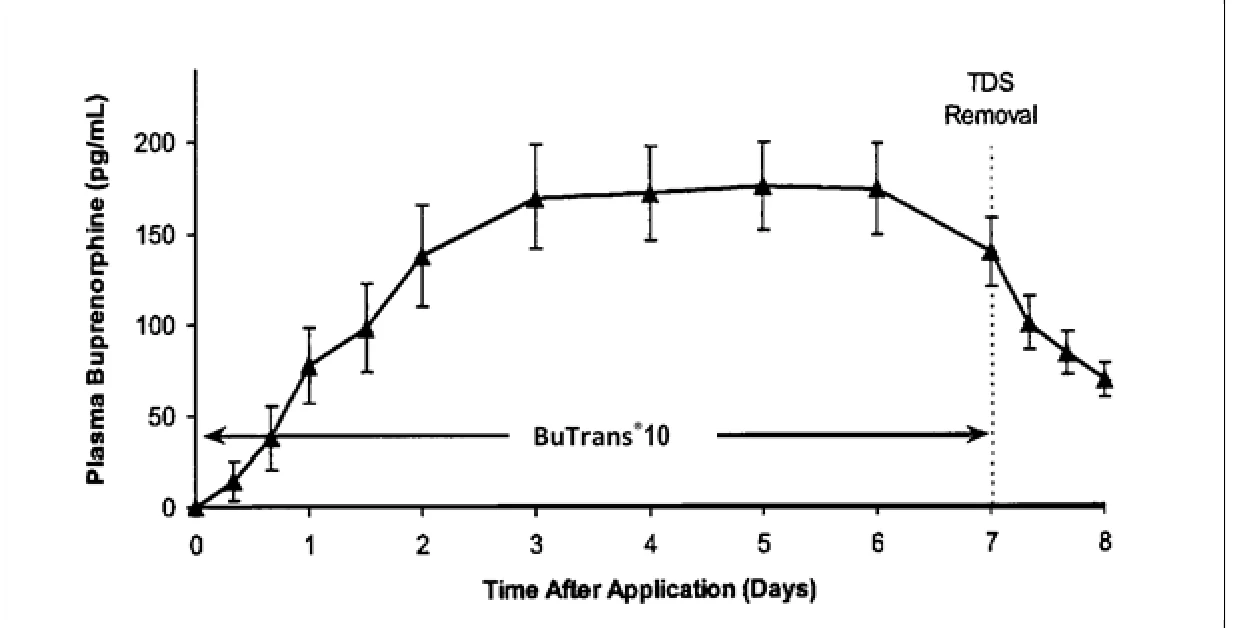
BuTrans 5, 10 and 20 provide dose-proportional increases in total exposure (AUC) over a 7 day application period (see Table 6). Dose-proportional, steady-state plasma concentrations were maintained with BuTrans application for up to 60 days and accumulation of plasma buprenorphine did not occur (see Figure 3). After removal of BuTrans, buprenorphine concentrations decline, initially decreasing approximately 50% in 12 hours (range 10-24 h). Thereafter, mean elimination half-life has been reported to be between 30 and 45 hours.
Table 6 – Summary of BuTrans Pharmacokinetic Parameters in Health Subjects (Single 7 day application) Mean ± Standard Deviation
| Dose | N | AUC (pg.h/mL) | Average Concentration (pg/mL) | Cmax (pg/mL) |
| BuTrans 5 | 12 | 12,647 ± 2,015 | 75.3 ± 12.0 | 176 ± 34 |
| BuTrans 10 | 12 | 24,311 ± 2,355 | 145 ± 14.0 | 191 ± 19 |
| BuTrans 15 | 9 | 51,106 ± 6,156 | 304 ± 36.6 | 471 ± 77 |
Figure 3 – Buprenorphine Plasma Concentration (pg/mL)
Mean (± 1.5 SEM), 7 day wear of BuTrans 5, 10 or 20 for 60 days
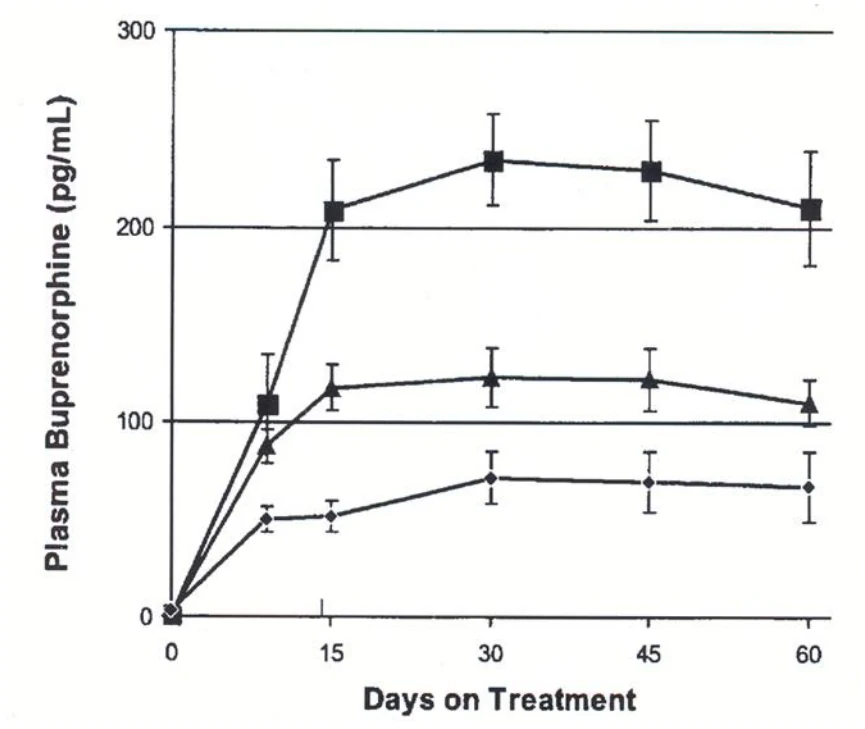
-■- BuTrans 20
(n = 85)
-▲- BuTrans 10
(n = 92)
-♦- BuTrans 5 n = 82)
Application Site:
A study in healthy subjects demonstrated that the pharmacokinetic profile of buprenorphine delivered by BuTrans is similar when applied to the upper outer arm, upper chest, upper back or the side of the chest (midaxillary line, 5th intercostal space).
In a study of healthy subjects receiving BuTrans repeatedly to the same site, immediate reapplication caused increased absorption. For this reason, rotation of application sites is recommended.
In a study of healthy subjects, application of a heating pad directly on the BuTrans patch caused a transient, 26 - 55% increase in blood concentrations of buprenorphine. Concentrations returned to normal within 5 hours after the heat was removed. For this reason, applying an external heat source directly, such as a heating pad, to the BuTrans patch during wear is not recommended. A heating pad applied to a BuTrans site, immediately after patch removal, did not alter absorption from the skin depot.
Absorption
Following BuTrans application, buprenorphine diffuses from the patch through the skin. In clinical pharmacology studies, the median time for BuTrans 10 to deliver detectable buprenorphine concentrations (25 pg/mL) was approximately 17 hours. The absolute bioavailability of BuTrans relative to IV, following a 7 day application is approximately 15% for all treatments (BuTrans 5, 10, 20). Plasma levels following sublingual buprenorphine doses of 4 mg to 16 mg have been reported to be in the range of 2000 – 4420 pg/mL. Plasma levels of oral sublingual buprenorphine are much higher in comparison to the plasma levels obtained in BuTrans 20 patch administration (471 pg/mL).
Distribution
Buprenorphine is approximately 96% bound to plasma proteins. Studies of IV buprenorphine have shown a large volume of distribution, implying extensive distribution of buprenorphine. In a study of IV buprenorphine in healthy subjects, the volume of distribution at steady state was 430 L, reflecting the large volume of distribution and lipophilicity of the drug.
Following IV administration, buprenorphine and its metabolites are secreted into bile, and within several minutes, distribute into the cerebrospinal fluid (CSF). CSF buprenorphine concentrations appear to be approximately 15% to 25% of concurrent plasma concentrations.
Metabolism and Elimination
Buprenorphine metabolism in the skin following BuTrans application is negligible. Following transdermal application, buprenorphine is eliminated via hepatic metabolism, with subsequent biliary excretion and renal excretion of soluble metabolites. Hepatic metabolism, through CYP3A4 and UGT1A1/1A3 enzymes, results in two primary metabolites - norbuprenorphine and buprenorphine 3-O-glucuronide, respectively. Norbuprenorphine is also glucuronidated prior to elimination. Buprenorphine is also eliminated in the feces. Following intramuscular administration of 2 mcg/kg, approximately 70% of the dose was excreted in feces within 7 days. The total clearance of buprenorphine is approximately 55 L/h in postoperative patients.
Norbuprenorphine is the only known active metabolite of buprenorphine. It has been shown to be a respiratory depressant in rats, but only at concentrations at least 50-fold greater than observed following application of BuTrans 20.
Reductions in hepatic blood flow induced by some general anaesthetics (e.g., halothane) and other drugs may result in a decreased rate of hepatic elimination of the drug. Since buprenorphine elimination and metabolism is not solely dependent on the CYP450 enzyme system, inhibition of the CYP3A4 enzyme would not decrease buprenorphine clearance by non-CYP450 pathways, such as direct glucuronidation. BuTrans metabolism is not expected to be affected by the usual doses of drugs inhibiting CYP450 pathways. Based on in vitro studies in human microsomes and hepatocytes, buprenorphine does not appear to have the potential to inhibit metabolism by CYP450 isoenzymes at concentrations obtained with BuTrans use.
Endotoxin Challenge: In a crossover study of healthy subjects receiving endotoxin or placebo challenge during BuTrans wear, the AUC and Cmax were similar despite a physiologic response to endotoxin. Therefore, BuTrans’ performance is unlikely to be significantly affected during intercurrent mild febrile illness.
Special populations and conditions
Cardiovascular: In two thorough QTc studies, the effects of BuTrans on the QT interval were assessed in healthy volunteers. BuTrans 10 mcg/h was not different from placebo and was not associated with a clinically meaningful effect. BuTrans 20 mcg/h was not studied. BuTrans 40 mcg/h (not a recommended dose) was associated with a mean prolongation of the QT interval of 5.9 msec and 6.64 msec, compared to placebo.
Consider these observations in clinical decisions when prescribing BuTrans to patients with hypokalemia or clinically unstable cardiac disease, including: unstable atrial fibrillation, symptomatic bradycardia, unstable congestive heart failure, or active myocardial ischemia. Avoid the use of BuTrans in patients with a history of Long QT Syndrome or an immediate family member with this condition, or those taking Class IA antiarrhythmic medications (e.g., quinidine, procainamide, disopyramide) or Class III antiarrhythmic medications (e.g., sotalol, amiodarone).
Pediatrics (<18 years of age): BuTrans has not been studied in children and is not indicated for patients less than 18 years of age.
Geriatrics (>65 years of age): The pharmacokinetic profile of BuTrans is similar in healthy elderly and young adult subjects, although elderly subjects trended toward higher plasma concentrations of buprenorphine immediately after removal of BuTrans, than young adult subjects. Both groups eliminated buprenorphine at similar rates after patch removal.
Sex: No differences in plasma buprenorphine concentrations were detected between males and females treated with BuTrans.
Genetic Polymorphism: No data available.
Ethnic Origin: No data available.
Hepatic Insufficiency: In a pharmacokinetic study utilizing intravenous buprenorphine, there were no differences in clearance of buprenorphine between mild to moderate hepatically impaired subjects relative to healthy adult subjects. These data show no need for dosage adjustment when using BuTrans in patients with mild to moderate hepatic impairment.
Renal Insufficiency: A pharmacokinetic study showed that pharmacokinetic parameters for buprenorphine were similar in patients with severe renal impairment compared with normal adults. This study confirmed with multiple-dose use, that the accumulation of buprenorphine metabolites did not decrease the clearance of the parent molecule in chronic use. Therefore, no special dose adjustment of buprenorphine is necessary in patients with renal impairment.
Obesity: No data available.
- 11. Storage, Stability, and Disposal
Store at 15°C - 30°C.
Do not freeze.
Disposal
BuTrans should never be disposed of in household trash. Disposal via a pharmacy take back program is recommended
BuTrans should be kept in a safe place, such as under lock and out of the sight and reach of children before, during and after use. BuTrans should not be used in front of children, since they may copy these actions.
Upon removal, the used patch should be folded in half so that the adhesive side of the patch adheres to itself, and should be immediately packaged in such a way as to prevent accidental exposure to others, including children or pets until it can be returned to a pharmacy for proper disposal. If the drug adhesive layer accidentally contacts the skin, the area should be washed with clear water. Used patches still contain a considerable amount of drug. Unused patches should be removed from their pouch, folded so that the adhesive side of the patch adheres to itself, and disposed of similarly to used patches. The patient should speak to their pharmacist about temporary storage options, if required, until the medication can be returned to the pharmacist for safe disposal.
12. Special Handling Instructions
BuTrans should be kept in a safe place out of the sight and reach of children before and after use. Do not give to others. BuTrans patches should not be divided, cut or damaged in any other way.
The buprenorphine contained in BuTrans is supplied in sealed transdermal patches. If the adhesive from the drug accidentally contacts the skin other than the intended application site, the area should be washed with water. Do not use soap, alcohol or other solvents to remove the adhesive because they may enhance the absorption of the drug. When changing the patch, remove the used BuTrans, fold it over itself, and discard it (consult with a pharmacist about disposal options).
Part 2: Scientific Information
13. Pharmaceutical Information
Drug Substance
Non-proprietary name of the drug substance: Buprenorphine
Chemical name: 17-(cyclopropylmethyl)-α-(1,1-dimethylethyl)-4, 5-epoxy-18, 19-dihydro-3-hydroxy-6-methoxy- α -methyl-6, 14-ethenomorphinan-7methanol-, [5 α, 7 α, (S)]
Molecular formula and molecular mass: C29H41NO4, 467.6 g/mol
Structural formula:
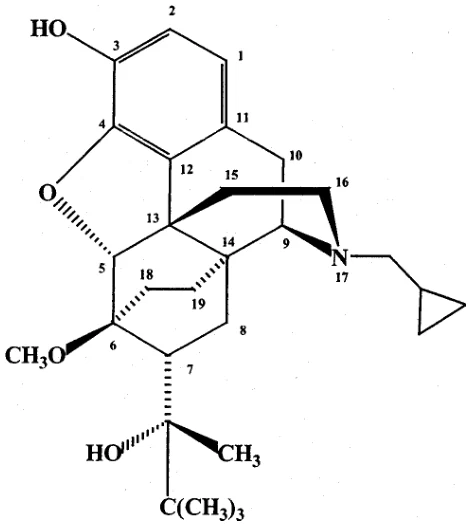
Physicochemical properties: Buprenorphine is an opioid analgesic.
Product Characteristics
Physical Description: White or almost white crystalline powder.
Solubility: Very slightly soluble in water. Freely soluble in acetone. Soluble in methanol, ethanol and diethyl ether. Slightly soluble in cyclohexane.
14. Clinical Trials
14.1. Clinical Trials by Indication
The safety and efficacy of BuTrans (buprenorphine transdermal patch) has been evaluated in five pivotal clinical trials n=797 patients treated with BuTrans for the management of two types of persistent pain, osteoarthritis and low back pain.
Table 7 - Summary of Patient Demographics for Clinical Trials in Chronic Pain
| Study # | Trial design | Dosage, route of administration and duration | Study subjects (n) | Mean age (Range) | Sex |
| Study # | Trial design | Dosage, route of administration and duration | Study subjects (n) | Mean age (Range) | Sex |
| Study # | Trial design | Dosage, route of administration and duration | Study subjects (n) | Mean age (Range) | Sex |
Study 1 (BP96-0604) | Placebo-controlled 3-arm, parallel design, titration-to-effect, in patientsa with chronic back pain: Patients were randomized to BuTrans vs. Oxycodone/ acetaminophen tablets vs. Placebo | BuTrans 5, 10 or 20 mcg/h transdermal patch vs. 5 mg oxycodone/ 325 mg acetaminophen tablets (qid) vs. Placebo Duration: 12 weeks | 134 BuTrans (46) Oxycodone/ Acetaminophen (43) Placebo (45) | 52 (19-85) | Male: 54 Female: 80 |
Study 2 (020-007) | Placebo-controlled, 2-way crossover, titration-to-effect design: Patients with chronic back pain were randomized to BuTrans vs. placebo | BuTrans 10, 20 or 40 (2x20) mcg/h transdermal patch(es) vs. Placebo Supplemental pain meds: PRN acetaminophen 325mg, max. 12 tablets/day Duration: 8 weeks (4 weeks/phase) | 78 BuTrans (73) Placebo (68) | 51 (27-77) | Male: 31 Female: 47 |
Study 3 (020-006) | Placebo-controlled, 2-way crossover, titration-to-effect design: Patients with chronic back pain were randomized to BuTrans vs. placebo | BuTrans 5, 10 or 20 mcg/h transdermal patch vs. Placebo Supplemental pain meds: PRN codeine 30 mg/ acetaminophen 300 mg, max. 12 tablets/day Duration: 8 weeks (4 weeks/phase) | 79 BuTrans (73) Placebo (68) | 54 (20-76) | Male: 39 Female: 40 |
Study 4 (BUP3015) | Active control, 3-arm parallel design, in patients with chronic back pain: After 3 weeks open-label exposure to BuTrans, patients were randomized to BuTrans 5 or 20, or immediate-release oxycodone | BuTrans 5 mcg/h transdermal patch vs. BuTrans 20 mcg/h, transdermal patch vs. IR oral oxycodone 40 mg/day Supplemental pain meds: PRN acetaminophen 500mg, max. 4g/day or PRN ibuprofen 200mg, max. 3,200mg/day Duration: 12 weeks | 660 BuTrans 5 (221) BuTrans 20 (219) Oxy•IR (220) | 50 (21-89) | Male: 346 Female: 314 |
Study 5 (BUP3012) | Placebo-controlled, 2-arm parallel design, maintenance of analgesia in patientsb with osteoarthritis of the hip or knee: After 3 weeks stabilization on BuTrans, patients were randomized to BuTrans vs. Placebo | BuTrans 5, 10 or 20 mcg/h transdermal patch vs. Placebo Supple pain meds: acetaminophen 500 mg PRN, max. 8 tablets/ day Duration: 4 weeks | n=326 total BuTrans-164 Placebo-162 | 61 (36-79) | Male: 107 Female: 219 |
- a. Approximately 80% of patients were opioid naïve
- b. Approximately 98% of patients were opioid naïve
Study Results
Study 1 (BP96-0604)
A 12-week double-blind, double-dummy, 3-arm parallel-design, placebo-controlled, titration-to-effect study was conducted in 134 patients with chronic back pain. Approximately 80% of the patients were opioid naïve. Patients were randomized 1:1:1 to receive BuTrans (5, 10 or 20 mcg/hr), or 5 mg oxycodone/325 mg acetaminophen tablets (1-3 tablets QID), or placebo. Patients were initiated on the lowest dose and titrated during the first 3 weeks to achieve acceptable analgesia. The primary efficacy measures were “Average pain over the last 24 hours” (0-10 scale), and “Pain right now” (0-10 scale). The primary efficacy endpoint was mean change from baseline for the maintenance period (Day 21 to Day 84; six scheduled assessment points), as determined by repeated measures analysis of variance. The primary comparison was BuTrans vs placebo.
The difference between the BuTrans and placebo groups was significant for both “pain on average” (-1.92 ± 0.34 vs. -1.01 ± 0.37, respectively, p = 0.035), and “pain right now” (-1.66 ± 0.34 vs. -0.80 ± 0.38, respectively, p = 0.045).
Studies 2 and 3 (020-007, 020-006)
Both studies were randomized, double-blind, double-dummy two-way crossover studies comparing BuTrans and placebo over a 4-week period per phase in patients with chronic low back pain (n= 78 and 79 patients, respectively). In both studies, the primary measure of efficacy was pain intensity (100 mm VAS and 0-4 ordinal) measured over the last week of treatment in each phase.
In Study 2, patients were titrated to effect in each phase, using 10, 20 or 40 mcg/h doses (BuTrans or placebo). Acetaminophen 325 mg tablets were provided in both phases for rescue analgesia (1-2 tablets prn, maximum 12 tablets/day). In Study 3, patients were titrated to effect in each phase, using 5, 10 or 20 mcg/h BuTrans or placebo. Codeine 30 mg/acetaminophen 300 mg tablets were provided for rescue analgesia in both phases (1-2 tablets prn, maximum 12 tablets/day).
As shown in Table 8 and Table 9, the pain intensity scores during the last week of treatment were significantly lower with BuTrans than with placebo for both primary endpoints, in both studies. While no carryover effect was detected, the treatment difference in pain intensity scores between active and placebo arms was greater in the second phase for both crossover studies.
Table 8 – Study 2 (020-007)
| Primary Endpoints | Associated Values and Statistical Significance |
| Pain Intensity (100mm VAS), Last Week of Treatment | Baseline 60.9 ± 15.4 BuTrans Placebo (plus PRN acetaminophen) 45.3 ± 21.3 53.1 ± 24.3 p = 0.0219 |
| Pain Intensity (Ordinal Scale, 0-4), Last Week of Treatment | Baseline 2.6 ± 0.5 BuTrans Placebo (plus PRN acetaminophen) 1.9 ± 0.7 2.2 ± 0.8 p = 0.0439 |
Table 9 – Study 3 (020-006)
| Primary Endpoints | Associated Values and Statistical Significance |
| Pain Intensity (100mm VAS), Last Week of Treatment | Baseline 62.1 ± 15.5 BuTrans Placebo (plus PRN codeine 30mg/acetaminophen) 37.6 ± 20.7 43.6 ± 21.2 p = 0.0487 |
Pain Intensity (Ordinal Scale, 0-4), Last Week of Treatment | Baseline 2.5 ± 0.6 BuTrans Placebo (plus PRN codeine 30mg/acetaminophen) 1.7 ± 0.6 2.0 ± 0.7 p = 0.0358 |
Study 4 (BUP3015)
A 12-week double-blind, double-dummy parallel-design, 3-arm active-control study was conducted in 660 patients with chronic back pain randomized 1:1:1 to receive BuTrans 5, or BuTrans 20, or immediate release oxycodone (Oxy∙IR). Each patient entering the 12-week double-blind phase had demonstrated analgesic benefit and tolerability with BuTrans 20 treatment in the 3-week open-label run-in period. The primary measure of efficacy was “Average pain over the last 24 hours” (0-10 scale). The primary efficacy endpoint was mean pain measurement scores for Weeks 4, 8 and 12, as determined by repeated measure analysis of variance. The primary comparison was BuTrans 20 vs BuTrans 5. The difference in pain scores for these two strengths was assessed using the least square means at weeks 4, 8 and 12 estimated from the mixed effects linear model.
Patients randomized to BuTrans 20 had statistically significantly lower mean pain scores than those randomized to BuTrans 5 (difference of 0.67, p< 0.001).
Study 5 (BUP3012)
A 4-week “maintenance of analgesia”, double-dummy, 2-arm, parallel-design placebo-controlled study was conducted in patients with chronic pain due to osteoarthritis (OA) of the hip or knee. Patients were first screened into a maximum 3-week open-label run-in period, and those who achieved the criteria of adequate analgesia while on the same patch (5, 10 or 20 mcg/h dose) for 7 consecutive days were randomized 1:1 to receive BuTrans or placebo (n = 529 patients screened in; n = 327 patient randomized). Assigned dose in the double blind period for each patient was the individual dose achieved in the open-label period. Approximately 98% of the n = 529 patients were opioid naïve.
The primary efficacy endpoint was time (days) from the initial double-blind dose to the onset of inadequate analgesia, defined as: (1) Patient’s pain over the last 24 hours for primary OA site was ≥ 5 (11-point scale) on any 2 days or more, or (2) Patients required > 1000 mg/day acetaminophen for pain at primary OA site for 2 days or more, or (3) The first day the patient required another opioid for pain at primary OA site.
The proportion of patients who completed the double-blind period (i.e., reached either the primary endpoint of inadequate analgesia or the 4-week time point) was not different between the treatment arms (93% for BuTrans and 97% for placebo). A total of three patients, all in the placebo arm, reported the onset of one or more symptoms of opioid withdrawal during the double-blind phase. None of the patients transferring from active treatment to placebo were considered to have experienced opioid withdrawal based on investigator assessment, in the context of protocol specified criteria for “definite withdrawal”. Of the patients who completed, 54% (83 /153) in the BuTrans arm developed inadequate analgesia compared to 68% (107 /157) in the placebo arm. The median time to onset of inadequate analgesia was significantly longer for subjects receiving BuTrans than for subjects receiving placebo. (BuTrans = 21 days vs. placebo = 7 days; p=0.0026 based on log-rank statistic). The treatment difference between the placebo group and the BuTrans group was maintained for the 4-week duration.
Figure 4 – Kaplan-Meier Survival Plot for the Time (Days) to Onset of Inadequate Analgesia at the Primary OA Pain Site
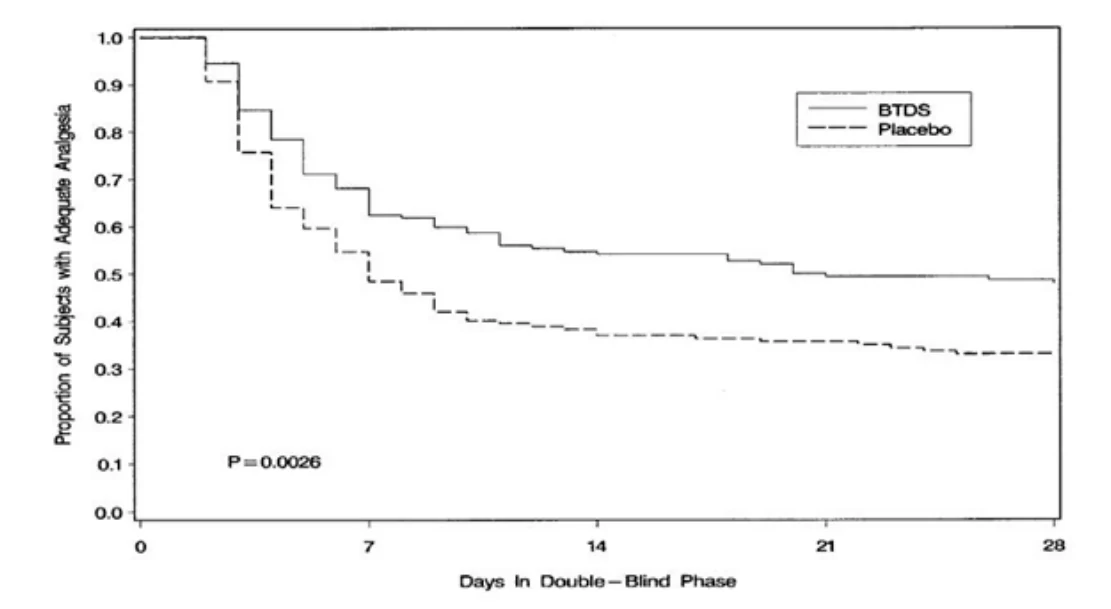
16. Non-Clinical Toxicology
General Toxicology
The acute toxicity of buprenorphine is dependent on the route of administration. Acute toxic signs associated with buprenorphine administration are similar to those of other opioids and consist of convulsions and changes in motor activity including ataxia. Cause of death is attributed to cardiorespiratory failure. LD50 values in the mouse and rat range from 24 to 72 mg/kg and 31 to 62 mg/kg, respectively following intravenous (IV) administration and are >1,000 mg/kg in both species following subcutaneous (SC) administration. The values following subcutaneous administration (the closest approximation to dermal application of a patch) showed the LD50 in mice and rats is approximately 3400 times the projected human dose on a mg/kg basis (assuming the worst-case scenario of complete and immediate release of all material in the patch).
No mortality or organ toxicity was seen in 90-day toxicity studies in rats and dogs at doses up to 5 and 2.5 mg/kg, respectively (approximately 50 and 25 times the human dose, respectively).
Studies conducted using dermal application of the Buprenorphine Transdermal Patch for up to 6 months have been conducted in rabbits, dogs and minipigs. No drug related mortality or organ toxicity was seen.
Genotoxicity
Buprenorphine was not genotoxic in 4 genetic toxicology studies (bacterial mutagenicity test, mouse lymphoma assay, chromosomal aberration assay in human peripheral blood lymphocytes, and an in vivo mouse micronucleus test).
Carcinogenicity
Buprenorphine was administered by skin painting to Sprague-Dawley rats for 100 weeks at dosages (0, 20, 60, and 200 mg/kg/day) that produced systemic exposures (based on AUC) that range from 88- to 342- times that of human subjects administered BuTrans 20mcg/h. Statistically significant increased incidences of three tumour types (benign testicular interstitial cell tumours in mid and high dose male rats, benign adrenal medullary pheochromocytomas in female rats at all dose levels, and endometrial stromal benign polyps/malignant sarcoma in female rats at the low and high dose levels were considered to be buprenorphine-related. The increased incidences were at or slightly above the highest incidences in the historical control database of testing facility, except for the endometrial polyp/sarcoma incidence at the low dose level that was within the historical control range. The occurrence of these tumours at high dose levels in rats are considered of low relevance to humans, based on the relatively high sensitivity of the rat to these tumour types, and the high exposure margins achieved relative to humans using the BuTrans 20 mcg/h product. Furthermore, the increased incidences of adrenal medullary and endometrial (including a stromal sarcoma) tumours were not dose-dependent. The mechanism(s) leading to the tumour findings are unknown.
Buprenorphine was administered by skin painting to hemizygous Tg.AC transgenic mice over a 6-month study period. At the dosages administered (0, 18.75, 37.5, 150, and 600 mg/kg/day), systemic exposure (AUC) to buprenorphine ranged from about 50- to 440 times that of human subjects administered BuTrans 20mcg/h. Buprenorphine was not tumourigenic in the study.
Reproductive and Developmental Toxicology
Impairment of fertility: BuTrans or subcutaneous administration of buprenorphine had no effect on fertility or general reproductive performance of rats at exposure levels (AUC) as high as 100- to 152-times that of human subjects who received BuTrans 20 mcg/h.
Reproductive toxicity studies showed that buprenorphine was not teratogenic and had no effect on reproductive capacity, duration of gestation or parturition. An increase in fetal deaths and increased pup mortality was seen, indicating buprenorphine may have mild embryocidal properties in rodents. There is some indication that buprenorphine may affect milk production, which could be related to pup mortality. The relevance to human pregnancy is unclear.
Tissue Irritation and Administration Studies
Buprenorphine did not cause dermal sensitization in guinea pigs. Other safety/special toxicity studies showed that no significant toxicity was observed in dogs following buccal or oral administration of the buprenorphine transdermal patch (to mimic swallowing/ mouthing a buprenorphine transdermal patch). Following buccal administration a mean Cmax that was approximately 370 times the Cmax seen in man (following application of a 20 mcg/h buprenorphine transdermal patch for 7 days) was observed. No significant effect on plasma concentrations in minipigs was seen following immersion in a heated bath.