


Patient Medication Information: uses, side effects, how to take - Caldolor
WARNINGS AND PRECAUTIONS
ADVERSE REACTIONS
DRUG INTERACTIONS
DOSAGE AND ADMINISTRATION
OVERDOSAGE
ACTION AND CLINICAL PHARMACOLOGY
STORAGE AND STABILITY
DOSAGE FORMS, COMPOSITION AND PACKAGING
PART II: SCIENTIFIC INFORMATION
PHARMACEUTICAL INFORMATION
CLINICAL TRIALS
DETAILED PHARMACOLOGY
TOXICOLOGY
REFERENCES
PART III: CONSUMER INFORMATION
PrCALDOLOR®
(Ibuprofen for Intravenous Injection)
PART I: HEALTH PROFESSIONAL INFORMATION
SUMMARY PRODUCT INFORMATION
| Route of Administration | Dosage Form / Strength | Non-medicinal Ingredients |
|---|---|---|
| Intravenous (i.v.) infusion at controlled speed | Solution for Injection, 100 mg/ml | Arginine, Hydrochloric acid (as pH adjuster), Water for injection |
INDICATIONS AND CLINICAL USE
Caldolor® (ibuprofen) is indicated for the reduction of fever in adult patients where non parenteral antipyretic medication is inappropriate or impossible.
Caldolor® is indicated for the management of moderate to severe pain as an adjunct to intravenous opioid analgesics.
Geriatrics (> 65 years of age)
Lower dose and shorter duration are recommended for the elderly, reflecting the greater frequency of decreased hepatic, renal, or cardiac function, and of concomitant disease or other drug therapy. Elderly patients are at increased risk for serious Gastrointestinal (GI) adverse events. (See WARNINGS AND PRECAUTIONS)
Pediatrics (<18 years of age)
Safety and efficacy of Caldolor® for the reduction of fever and pain has not been established in pediatric patients below the age of 18 years.
CONTRAINDICATIONS
Caldolor® is contraindicated in:
- Hypersensitivity to ibuprofen or to any of the components/excipients.
- Caldolor® should not be given to patients who have a history of asthma, urticaria, or allergic type reactions after taking acetylsalicylic acid (ASA) or other selective or nonselective cyclooxygenase inhibitors or Nonsteroidal Anti-inflammatory Drugs (NSAIDs). (See WARNINGS AND PRECAUTIONS – Hypersensitivity Reactions - Anaphylactoid Reactions)
- The perioperative use of Coronary Artery Bypass Graft (CABG) surgery. (See SERIOUS WARNINGS AND PRECAUTIONS and WARNINGS AND PRECAUTIONS)
- Uncontrolled heart failure.
- Cerebrovascular bleeding or other bleeding disorders.
- Active gastric / duodenal / peptic ulcer, active gastrointestinal (GI) bleeding.
- Inflammatory bowel diseases.
- Moderate to severe liver impairment or active liver disease.
- Moderate to severe renal impairment or deteriorating renal disease. (See WARNINGS AND PRECAUTIONS - Renal)
- Hyperkalemia. (See WARNINGS AND PRECAUTIONS - Renal - Fluid and Electrolyte Balance)
- The third trimester of pregnancy, because of risk of premature closure of the ductus arteriosus and prolonged parturition.
- Women who are breastfeeding, because of the potential for serious adverse reactions in nursing infants.
- Children and adolescents less than 18 years of age.
WARNINGS AND PRECAUTIONS
Serious Warnings and Precautions
Cardiovascular Risk
Gastrointestinal Risk
Risk in Pregnancy
|
|---|
|
|---|
General
To minimize the potential risk for an adverse event, the lowest effective dose should be used for the shortest possible duration.
Debilitated patients may tolerate side effects less well and therefore special care should be taken in treating this population. Lower than the recommended doses should be used for a shorter duration.
Masking Fever and Inflammation
The pharmacological activity of ibuprofen in reducing fever and inflammation may alter the clinical presentation of disease conditions with symptoms and signs of fever and inflammation.
Cardiovascular
For patients with a high risk of developing an adverse CV event, management strategies other than the use of Caldolor®, or other NSAIDs, should be considered first.
Caution should be exercised in prescribing Caldolor® to patients with risk factors for cardiovascular disease, cerebrovascular disease or renal disease, including, but not limited to:
- Hypertension
- Dyslipidemia / Hyperlipidemia
- Diabetes Mellitus
- Congestive Heart Failure (NYHA I)
- Coronary Artery Disease (Atherosclerosis)
- Peripheral Arterial Disease
- Smoking
Cardiovascular Thrombotic Events
Clinical trials of several COX-2 selective and nonselective NSAIDs of up to three years' duration have shown an increased risk of serious CV thrombotic events, myocardial infarction and stroke, which can be fatal. All NSAIDs, both COX-2 selective and nonselective, may have a similar risk. Patients with known CV disease or risk factors for CV disease may be at greater risk. To minimize the potential risk for an adverse CV event in patients treated with an NSAID, use the lowest effective dose for the shortest duration possible. Physicians and patients should remain alert for the development of such events, even in the absence of previous CV symptoms. Patients should be informed about the signs and/or symptoms of serious CV events and the steps to take if they occur.
Two large, controlled clinical trials of a COX-2 selective NSAID for the treatment of pain in the first 10-14 days following CABG surgery found an increased incidence of myocardial infarction and stroke. (See CONTRAINDICATIONS)
There is no consistent evidence that concurrent use of aspirin mitigates the increased risk of serious CV thrombotic events associated with NSAID use. The concurrent use of aspirin and an NSAID does increase the risk of serious GI events.
Hypertension
NSAIDs, including ibuprofen, can lead to onset of new hypertension or worsening of preexisting hypertension, either of which may contribute to the increased incidence of CV events. Use NSAIDs, including ibuprofen, with caution in patients with hypertension. Monitor blood pressure closely during the initiation of NSAID treatment and throughout the course of therapy.
Patients taking ACE inhibitors, thiazides, or loop diuretics may have impaired response to these therapies when taking NSAIDs.
Congestive Heart Failure and Oedema
Fluid retention and oedema have been observed in some patients taking NSAIDs. Use Caldolor® with caution in patients with fluid retention or heart failure.
Endocrine and Metabolism
Corticosteroids
The necessity of intravenous corticosteroid therapy must be considered as per standard clinical practice, especially in patients who are maintained on prolonged corticosteroid therapy or who may require corticosteroid therapy as part of the treatment plan. However, concurrent use of a corticosteroid and ibuprofen may significantly increase the risk of the gastrointestinal complications, such as ulcers and bleeding.
Gastrointestinal
Risk of Ulceration, Bleed, and Perforation
Nonselective cyclooxygenase inhibitor NSAIDs, including ibuprofen, can cause serious GI adverse events including inflammation, bleeding, ulceration, and perforation of the stomach, small intestine, or large intestine, which can be fatal. These serious adverse events can occur at any time, with or without warning symptoms, in patients treated with NSAIDs. Only one in five patients who develop a serious upper GI adverse event on NSAID therapy is symptomatic. Upper GI ulcers, gross bleeding, or perforation caused by NSAIDs occur in approximately 1 % of patients treated for 3-6 months and in about 2-4% of patients treated for one year. These trends continue with longer duration of use, increasing the likelihood of developing a serious GI event at some time during the course of therapy. However, even short-term therapy is not without risk.
Nonselective cyclooxygenase inhibitor NSAIDs, including Caldolor® should be prescribed with caution in those with a prior history of ulcer disease or GI bleeding. Patients with a prior history of peptic ulcer disease and/or GI bleeding who use NSAIDs have a greater than 10- fold increased risk for developing a GI bleed compared to treated patients with neither of these risk factors. Other factors that increase the risk of GI bleeding in patients treated with NSAIDs include concomitant use of oral corticosteroids or anticoagulants, longer duration of NSAID therapy, smoking, use of alcohol, older age, and poor general health status. Most reports of spontaneous fatal GI events are in elderly or debilitated patients, and therefore special care should be taken in treating this population.
To minimize the potential risk for an adverse GI event in patients treated with an NSAID, it is recommended to use the lowest effective dose for the shortest possible duration. Patients and physicians should remain alert for signs and symptoms of GI ulcerations and bleeding during NSAID therapy and promptly initiate additional evaluation and treatment if a serious GI event is suspected. This should include discontinuation of the NSAID until a serious GI adverse event is ruled out. For high-risk patients, alternate therapies that do not involve NSAIDs should be considered.
Hematologic
Risk of Bleeding
Nonselective cyclooxygenase inhibitor NSAIDs inhibit platelet aggregation and have been shown to prolong bleeding time in some patients. Unlike acetylsalicylic acid (ASA), their effect on platelet function is quantitatively less, or of shorter duration, and is reversible. Carefully monitor patients who may be adversely affected by alterations in platelet function, such as those with coagulation disorders or patients receiving anticoagulants.
Blood dyscrasias
Blood dyscrasias (such as neutropenia, leukopenia, thrombocytopenia, aplastic anemia and agranulocytosis) associated with the use of NSAIDs are rare, but could occur with severe consequences.
Anemia may occur in patients receiving NSAIDs, including Caldolor®. This may be due to fluid retention, occult or gross GI blood loss, or an incompletely described effect upon erythropoiesis. Patients on Caldolor® should have their hemoglobin or hematocrit monitored where appropriate.
Hepatic/Biliary/Pancreatic
Borderline elevations of one or more liver tests may occur in up to 15% of patients taking NSAIDs, including ibuprofen. These laboratory abnormalities may progress, may remain unchanged, or may be transient with continuing therapy. Notable elevations of alanine aminotransferase (ALT) or aspartate aminotransferase (AST) (approximately three or more times the upper limit of normal) have been reported in approximately 1 % of patients in clinical trials with NSAIDs. In addition, rare cases of severe hepatic reactions have been reported, including jaundice, fulminant hepatitis, liver necrosis and hepatic failure, some with fatal outcomes. A patient with symptoms and/or signs suggesting liver dysfunction, or with abnormal liver test values, should be evaluated for evidence of the development of a more severe hepatic reaction while on therapy with ibuprofen. If clinical signs and symptoms consistent with liver disease develop, or if systemic manifestations occur (e.g., eosinophilia, rash, etc.), ibuprofen should be discontinued.
Hypersensitivity Reactions
Anaphylactoid Reaction
As with NSAIDs in general, anaphylactoid reactions have occurred in patients without known prior exposure to ibuprofen. In post-marketing experience, rare cases of anaphylactic/ anaphylactoid reactions and angioedema have been reported in patients receiving ibuprofen. Caldolor® should NOT be given to patients with the ASA-triad. This symptom complex typically occurs in asthmatic patients who experience rhinitis with or without nasal polyps, or who exhibit severe, potentially fatal bronchospasm after taking ASA or other NSAIDs. (See CONTRAINDICATIONS)
ASA-Intolerance
Caldolor® should NOT be given to patients with complete or partial syndrome of ASA-intolerance (rhinosinusitis, urticaria/angioedema, nasal polyps, and asthma) in whom asthma, anaphylaxis, urticaria/angioedema, rhinitis or other allergic manifestations are precipitated by ASA or other NSAIDs. Fatal anaphylactoid reactions have occurred in such individuals. As well, individuals with the above medical problems are at risk of a severe reaction even if they have taken NSAIDs in the past without any adverse reaction. (See CONTRAINDICATIONS)
Cross-sensitivity
Patients sensitive to one NSAID may be sensitive to any of the other NSAIDs as well.
Serious skin reactions
Use of some NSAIDs such as Caldolor®, have been associated with rare post-market cases of serious, fatal or otherwise life-threatening skin reactions, including:
- Drug Reaction with Eosinophilia and Systemic Symptoms (DRESS)
|
|---|
Patients appear to be at higher risk for these events early in the course of therapy, with the onset of cases usually occurring within the first month of treatment. These reactions may be reversible if the causative agent is discontinued and appropriate treatment instituted. Patients should be advised that they should discontinue their NSAID at the first appearance of a skin rash, mucosal lesions or any other sign of hypersensitivity and contact their physician immediately for assessment and advice, including which therapies to discontinue.
DRESS typically, although not exclusively, presents with fever, rash, lymphadenopathy, and/or facial swelling. Other clinical manifestations may include hepatitis, nephritis, hematological abnormalities, myocarditis, or myositis. Sometimes symptoms of DRESS may resemble an acute viral infection, and eosinophilia is often present. Because this disorder is variable in its presentation, other organ systems not noted here may be involved. It is important to note that early manifestations of hypersensitivity, such as fever or lymphadenopathy, may be present even though rash is not evident.
Infection
Caldolor®, in common with other NSAIDs, may mask signs and symptoms of an underlying infectious disease.
Aseptic Meningitis
Aseptic meningitis with fever and coma has been observed in patients on oral ibuprofen therapy. Although it is probably more likely to occur in patients with systemic lupus erythematosus and related connective tissue diseases, it has been reported in patients who do not have underlying chronic disease. If signs or symptoms of meningitis develop in a patient on ibuprofen, ibuprofen therapy should be stopped and differential diagnosis initiated.
Neurologic
Some patients may experience drowsiness, dizziness, blurred vision, vertigo, tinnitus, hearing loss, insomnia or depression with the use of NSAIDs, such as Caldolor®. If patients experience such adverse reaction(s), they should exercise caution in carrying out activities that require alertness.
Ophthalmologic
Blurred or diminished vision, scotomata, and changes in color vision have been reported with oral ibuprofen. Discontinue ibuprofen if a patient develops such complaints, and refer the patient for an ophthalmologic examination that includes central visual fields and color vision testing.
Renal
Caution should be used when initiating treatment with NSAIDs, such as Caldolor®, in patients with considerable dehydration. Such patients should be rehydrated prior to initiation of therapy.
Long-term administration of NSAIDs has resulted in renal papillary necrosis and other renal injury. Renal toxicity has also been seen in patients in whom renal prostaglandins have a compensatory role in the maintenance of renal perfusion. In these patients, administration of an NSAID may cause a dose dependent reduction in prostaglandin formation and, secondarily, in renal blood flow, which may precipitate overt renal decompensation. Patients at greatest risk of this reaction are those with impaired renal function, heart failure, liver dysfunction, those taking diuretics or ACE inhibitors, and the elderly. Discontinuation of NSAID therapy is usually followed by recovery to the pretreatment state.
No information is available from controlled clinical studies regarding the use of Caldolor® in patients with advanced renal disease. If Caldolor® therapy must be initiated in patients with advanced renal disease, closely monitor the patient's renal function. Caldolor® is contraindicated in patients with moderate to severe renal impairment. (See CONTRAINDICATIONS)
Fluid and Electrolyte Balance
Use of NSAIDs, such as Caldolor®, can promote sodium retention in a dose-dependent manner, which can lead to fluid retention and edema, and consequences of increased blood pressure and exacerbation of congestive heart failure. Thus, caution should be exercised in prescribing
Caldolor® in patients with a history of congestive heart failure, compromised cardiac function, hypertension, increased age or other conditions predisposing to fluid retention. (See WARNINGS AND PRECAUTIONS - Cardiovascular)
Use of NSAIDs, such as Caldolor®, can increase the risk of hyperkalemia, especially in patients with diabetes mellitus, renal failure, increased age, or those receiving concomitant therapy with adrenergic blockers, angiotensin-converting enzyme inhibitors, angiotensin-II receptor antagonists, cyclosporin, or some diuretics.
Electrolytes should be monitored periodically. (See CONTRAINDICATIONS)
Genitourinary
Some NSAIDs are associated with persistent urinary symptoms (bladder pain, dysuria, and urinary frequency), hematuria or cystitis. The onset of these symptoms may occur at any time after the initiation of therapy with a NSAID. Should urinary symptoms occur, in the absence of an alternate explanation, treatment with Caldolor® should be stopped to ascertain if symptoms disappear. This should be done before urological investigations or treatments are carried out.
Respiratory
ASA-induced asthma is an uncommon but very important indication of ASA and NSAID sensitivity. It occurs more frequently in patients with asthma who have nasal polyps.
Sexual Function / Reproduction
The use of Caldolor®, as with any drug known to inhibit cyclooxygenase/prostaglandin synthesis, may impair fertility and is not recommended in women attempting to conceive.
Sensitivity/Resistance
(See WARNINGS AND PRECAUTIONS - Respiratory)
Special Populations
Pregnant Women
Caldolor® is CONTRAINDICATED for use during the third trimester of pregnancy because of risk of premature closure of the ductus arteriosus and the potential to prolong parturition. (See Toxicology)
There are no adequate, well-controlled studies in pregnant women. Prior to the third trimester of pregnancy, Caldolor® should be used only if the potential benefit to the mother justifies the potential risk to the fetus.
Caldolor® is contraindicated for use during the third trimester of pregnancy because of risks of premature closure of the ductus arteriosus and the potential to prolong parturition (see TOXICOLOGY).
Caution is recommended in prescribing Caldolor® during the first and second trimesters of pregnancy, particularly from the middle to end of the second trimester of pregnancy (onset at approximately 20 weeks) due to possible fetal renal dysfunction leading to oligohydramnios and, in some cases, neonatal renal impairment or failure.
Published studies and postmarketing reports describe maternal NSAID use at approximately 20 weeks gestation or later in pregnancy associated with fetal renal dysfunction leading to oligohydramnios, and in some cases, neonatal renal impairment or failure. NSAIDs were shown to cause significant reduction in fetal urine production prior to reduction of amniotic fluid volume. There have also been a limited number of case reports of maternal NSAID use and neonatal renal dysfunction and renal impairment without oligohydramnios, some of which were irreversible even after treatment discontinuation.
These adverse outcomes are seen, on average, after days to weeks of treatment, although oligohydramnios has been infrequently reported as soon as 48 hours after NSAID initiation. Complications of prolonged oligohydramnios may for example, include limb contractures and delayed lung maturation. In some postmarketing cases of impaired neonatal renal function, invasive procedures such as exchange transfusion or dialysis were required.
If after careful consideration of the benefit-risk, NSAID treatment is considered necessary to be administered anywhere from the middle (onset at approximately 20 weeks) to the end of the second trimester of pregnancy, the use should be limited to the lowest effective dose and shortest duration possible. It is also recommended that ultrasound monitoring of amniotic fluid be considered if Caldolor® treatment extends beyond 48 hours and that NSAIDs treatment be discontinued if oligohydramnios occurs, followed by appropriate medical follow up.
Inhibition of prostaglandin synthesis may adversely affect pregnancy and/or the embryo-fetal development. Data from epidemiological studies suggest an increased risk of miscarriage and of cardiac malformation after use of a prostaglandin synthesis inhibitor in early pregnancy.
In animals, administration of a prostaglandin synthesis inhibitor has been shown to result in increased pre- and post-implantation loss and embryo-foetal lethality. In addition, increased incidences of various malformations, including cardiovascular, have been reported in animals given a prostaglandin synthesis inhibitor during the organogenesis period.
Women in Labour and Delivery
Caldolor® is contraindicated during labour and delivery. (See CONTRAINDICATIONS)
Nursing Women
Caldolor® is contraindicated in nursing mothers. (See CONTRAINDICATIONS)
Pediatrics (<18 years of age)
Safety and efficacy of Caldolor® for the treatment of fever and pain has not been established in pediatric patients below the age of 18 years. (See CONTRAINDICATIONS)
Geriatrics (> 65 years of age)
Clinical studies of Caldolor® did not include sufficient numbers of subjects aged 65 and over to determine whether they respond differently from younger subjects. Dose selection for an elderly patient should be cautious, usually starting at the lower end of the dosing range, reflecting the greater frequency of decreased hepatic, renal, or cardiac function, and of concomitant disease or other drug therapy. Elderly patients are at increased risk for serious GI adverse events.
Monitoring and Laboratory Tests
Because serious GI tract ulcerations and bleeding can occur without warning symptoms, physicians should monitor for signs or symptoms of GI complications.
Laboratory indicators for haematology, coagulation, and clinical chemistry, especially those that are indicative of liver and renal functions, should be monitored in conjunction with the diagnosis and treatment of the underlying patient disease conditions.
Pregnancy: If Caldolor® is administered in the middle (approximately 20 weeks) to the end of the second trimester, it is recommended that pregnant women on Caldolor® be closely monitored for amniotic fluid volume since Caldolor® may result in reduction of amniotic fluid volume and even oligohydramnios (see Special Populations). Caldolor® is contraindicated for use in the third trimester of pregnancy.
ADVERSE REACTIONS
Adverse Drug Reaction Overview
Because clinical trials are conducted under widely varying conditions, adverse reaction rates observed in the clinical trials may not reflect the rates observed in practice and should not be compared to the rates in the clinical trials of another drug. Adverse drug reaction information from clinical trials is useful for identifying drug related adverse events and for approximating rates.
During clinical development, 122 patients with fever and 537 patients in pain studies were exposed to Caldolor®. Within the fever study, 92 patients were administered Caldolor® at doses of 100 mg, 200 mg, or 400 mg, which was repeated every four or six hours up to 24 hours. Thirty fever patients were exposed to Caldolor® in the malaria study. During the pain studies, Caldolor® was administered at a dose of 400 mg or 800 mg every six hours. The majority (81%) received their dosing at 24 hours. The patients were monitored for up to five days or until discharge.
Clinical Trial Adverse Drug Reactions
Fever Studies
Fever studies were conducted in hospitalized febrile patients with varying causes of fever and a smaller number of patients with malaria fever.
Adverse reactions observed in ≥3% of all patients administered Caldolor® are listed in Table 1 below.
Table 1: Number of Patients Experiencing Treatment-Emergent Adverse Events by Preferred Term; Events that Occur in ≥ 3% of Patients Administered Caldolor®; Fever Studies
| Event | Caldolor® | Placebo N=28 | ||
|---|---|---|---|---|
100 mg N=31 | 200 mg N=30 | 400 mg N=31 | ||
| Any Reaction | 27 (87%) | 25 (83%) | 23 (74%) | 25 (89%) |
| Anemia | 5 (17%) | 6 (20%) | 11 (36%) | 4 (14%) |
| Eosinophilia | 7 (23%) | 7 (23%) | 8 (26%) | 7 (25%) |
| Hypokalemia | 4 (13%) | 4 (13%) | 6 (19%) | 5 (18%) |
| Hypoproteinemia | 3 (10%) | 0 | 4 (13%) | 2 (7%) |
| Neutropenia | 2 (7%) | 2 (7%) | 4 (13%) | 2 (7%) |
| Blood urea increased | 0 | 0 | 3 (10%) | 0 |
| Hypernatremia | 2 (7%) | 0 | 3 (10%) | 0 |
| Hypertension | 0 | 0 | 3 (10%) | 0 |
| Hypoalbuminemia | 3 (10%) | 1 (3%) | 3 (10%) | 1 (4%) |
| Hypotension | 0 | 2 (7%) | 3 (10%) | 1 (4%) |
| Diarrhea | 3 (10%) | 3 (10%) | 2 (7%) | 2 (7%) |
| Pneumonia bacterial | 3 (10%) | 1 (3%) | 2 (7%) | 0 |
| Blood LDH increased | 3 (10%) | 2 (7%) | 1 (3%) | 1 (4%) |
| Thrombocythemia | 3 (10%) | 2 (7%) | 1 (3%) | 0 |
| Bacteremia | 4 (13%) | 0 | 0 | 0 |
Pain Studies
Adverse events, listed in the following table, were derived from three multicentre, controlled clinical studies in peri-operative patients. Treatment Emergent adverse events observed in ≥ 3% of all patients administered Caldolor® in these studies is provided in the Table 2 below.
Table 2: Treatment-Emergent Adverse Events by Preferred Term; Events that Occur in ≥ 3% of all Patients Administered Caldolor®; Pain Studies
| System Organ Class: Preferred Term | Placebo (N=373) | Caldolor® Overall (N=537) |
|---|---|---|
| Any Treatment-Emergent Event | 332 (89%) | 468 (87%) |
| Gastrointestinal disorders | ||
| Vomiting | 62 (17%) | 103 (19%) |
| Nervous system disorders | ||
| Dizziness | 8 (2%) | 25 (5%) |
| Renal and urinary disorders | ||
| Urinary retention | 12 (3%) | 26 (5%) |
| Reproductive system and breast disorders | ||
| Vaginal hemorrhage | 16 (4%) | 26 (5%) |
| Investigations | ||
| Hemoglobin decreased | 3 (<1%) | 14 (3%) |
Less Common Clinical Trial Adverse Drug Reactions (<3%)
Blood and lymphatic system disorders: Leukopenia, thrombocytopenia
Ear and labyrinth disorders: Ear pain
Endocrine disorders: Adrenal insufficiency
Gastrointestinal disorders: Abdominal discomfort, abdominal pain, abdominal pain upper, constipation, dry mouth, dyspepsia, gastroesophageal reflux disease, ileus
General disorders and administration site conditions: Chest pain, edema peripheral, inflammation, infusion site bruising, infusion site extravasation, infusion site irritation, infusion site pain, infusion site swelling, multi-organ failure
Immune system disorders: Hypersensitivity
Infections and infestations: Cellulitis, urinary tract infection fungal, vulvovaginal mycotic infection
Injury, poisoning and procedural complications: Anaemia postoperative, postoperative wound infection, procedural pain, wound complication
Investigations: Blood albumin decreased, blood creatinine increased, blood glucose increased, blood pressure increased, blood test abnormal, breath sounds abnormal, hepatic enzyme increased, liver function test abnormal, oxygen saturation decreased, platelet count decreased, urine output decreased
Metabolism and nutrition disorders: Acidosis, hyperglycemia, hypocalcemia, hypomagnesemia, hyponatremia
Musculoskeletal and connective tissue disorders: Arthralgia, back pain, neck pain, pain in extremity
Nervous system disorders: Headache, hypoesthesia, syncope, tremor, insomnia
Psychiatric disorders: Agitation, anxiety, confusional state, disorientation
Renal and urinary disorders: Hematuria, renal failure acute
Respiratory, thoracic and mediastinal disorders: Cough, dyspnea, epistaxis, nasal congestion, pharyngeal edema, pharyngolaryngeal pain, pulmonary embolism, pulmonary edema, respiratory depression, respiratory failure, sleep apnea syndrome, wheezing
Skin and subcutaneous tissue disorders: Cellulitis, decubitus ulcer, dermatitis allergic, hyperhidrosis, rash
Surgical and medical procedures: Wound drainage
Vascular disorders: Deep vein thrombosis, hematoma, wound hemorrhage
Abnormal Hematologic and Clinical Chemistry Findings
The reported abnormalities reflect the significant underlying disease conditions found in the patient populations studied and the pharmacological actions of ibuprofen. (See WARNINGS AND PRECAUTIONS - Blood dyscrasias)
Post-Market Adverse Drug Reactions
The post-market experience with Caldolor® is limited. Some warnings and precautions have been derived from post-market experience of available oral ibuprofen formulations.
(See DRUG-DRUG INTERACTIONS – Diuretics)
DRUG INTERACTIONS
Overview
Ibuprofen’s potential for pharmacodynamic drug interaction originates from its nonselective inhibition of cyclooxygenase-1 and 2 (COX-1 and COX-2), resulting in the reduced production of thromboxanes and prostaglandins. Due to its higher protein binding (>90%), ibuprofen may result in adverse drug interactions with some drugs with high plasma protein binding.
Drug-Drug Interactions
Acetylsalicylic acid (ASA) or other NSAIDs
When ibuprofen is administered with ASA, ibuprofen’s protein binding is reduced, although the clearance of free ibuprofen is not altered. The clinical significance of this interaction is not known; however, as with other NSAIDs, concomitant administration of Caldolor® and ASA is not recommended because of the potential for increased adverse effects.
Concomitant use of other selective or nonselective cyclooxygenase inhibitor NSAIDs during Caldolor® treatment is not recommended.
Anti-coagulants
The effects of warfarin and NSAIDs on GI bleeding are synergistic, such that the users of both drugs together have a higher risk of serious GI bleeding than users of either drug alone. (See WARNINGS AND PRECAUTIONS – Hematologic – Anti-coagulants)
Angiotensin Converting Enzyme (ACE) Inhibitors
NSAIDs may diminish the antihypertensive effect of ACE inhibitors. This interaction should be given consideration in patients taking NSAIDs concomitantly with ACE inhibitors.
Diuretics
Clinical studies and post-market observations have shown that ibuprofen can reduce the natriuretic effects of furosemide and thiazides in some patients. This response has been attributed to inhibition of renal prostaglandin synthesis. During concomitant therapy with NSAIDs, patients should be monitored closely for signs of renal failure, as well as to assure diuretic efficacy. (See WARNINGS AND PRECAUTIONS)
Glucocorticoids
Some patients may have a bona fide or relative glucocorticoid deficiency, especially those under critical care and during the peri-operative period. Extreme caution is advised when contemplating the potential for concomitant use of Caldolor® and glucocorticoids in these patients.
In the clinical studies of Caldolor®, patients with current glucocorticoid therapy or an expectation for such a therapy were excluded, because of the known adverse drug interactions between a nonselective cyclooxygenase inhibitor and glucocorticoids in increasing significantly the risk of gastrointestinal bleeding and / or perforation.
Lithium
NSAIDs have produced elevations of plasma lithium levels and a reduction in renal lithium clearance. The mean minimum lithium concentration increased by 15%, and the renal clearance of lithium decreased by 20%. This effect has been attributed to inhibition of renal prostaglandin synthesis by the NSAIDs. Thus, when NSAIDs and lithium are administered concurrently, patients should be carefully observed for signs of lithium toxicity.
Methotrexate
NSAIDs have been reported to competitively inhibit methotrexate accumulation in rabbit kidney slices. This indicates that NSAIDs may enhance the toxicity of methotrexate. Use caution when NSAIDs are administered concomitantly with methotrexate.
H-2 Antagonists
In studies of human volunteers, co-administration of cimetidine or ranitidine with ibuprofen had no substantive effect on ibuprofen serum concentrations.
Selective Serotonin Reuptake Inhibitors (SSRIs)
Concomitant administration of NSAIDs and SSRIs may increase the risk of gastrointestinal ulceration and bleeding. (See WARNINGS AND PRECAUTIONS - Gastrointestinal)
Drug-Food Interactions
Interactions with food have not been established.
Drug-Herb Interactions
Interactions with herbal products have not been identified.
Drug-Laboratory Interactions
Drug-Laboratory Interactions have not been identified.
Drug-Lifestyle Interactions
The ability to drive or operate machinery of the patients who have received Caldolor® treatment should be determined individually according to the patients overall physical and mental condition.
DOSAGE AND ADMINISTRATION
Dosing Considerations - General
- In patients with respiratory or cardiovascular instabilities, Caldolor® should be given only when these instabilities are adequately addressed. Patient must be well hydrated before Caldolor® administration.
- Caldolor® without dilution in a suitable solution is haemolytic and must not be administered intravenously or intramuscularly. Some patients may experience mild to moderate infusion pain and / or injection site pain.
Dosing Considerations – Fever
- Caldolor® reduces the febrile temperature set-point. Appropriate measure should be taken to allow adequate body heat dissipation.
- Caldolor® shows a dose response within the range of 100 – 400 mg single dose infusions in adults. Use the lowest effective dose for the shortest duration consistent with individual patient disease conditions and treatment goals. After observing the response to initial therapy with Caldolor®, the dose and frequency should be adjusted to suit an individual patient's needs. Do not exceed 2400 mg total daily dose. This limit must be lowered accordingly if any other nonselective cyclooxygenase inhibitor NSAID has been used recently, or is planned to be used, by any route of administration.
Recommended Dose and Dosage Adjustment – Fever
Infuse Caldolor® 200 – 400 mg intravenously with proper dilution. The infusion should be made into a large vein if available. Recommended infusion time is 30 minutes. A shorter infusion time may be attempted only when the patient’s overall condition is stable and the potential benefits of a faster infusion outweigh its potential risks. If no antipyretic response is observed after 4 hours of the first dose, additional and / or alternative fever reduction treatments should be considered. The antipyretic response may be maintained by repeating the initial dose every 4 – 6 hours, up to 24 hours. The recommended maximum total daily dose is 2400 mg.
Dosing Considerations – Pain
- Caldolor® is intended as an adjunct to post-operative intravenous opioid for moderate to severe pain in patients who undergo general anaesthesia. For those who undergo their surgery under regional anesthesia, such as epidural, spinal, or other nerve blocks, specific clinical assessment is required before using Caldolor®, especially in those with an indwelling epidural catheter.
- Caldolor® is recommended to be given around the time of skin incision when the patient’s overall condition is stabilized.
Recommended Dose and Dosage Adjustment – Pain
Infuse Caldolor® intravenously with proper dilution. The infusion should be made into a large vein if available. Recommended infusion time is 30 minutes. A shorter infusion time may be attempted only when the patient’s overall condition is stable and the potential benefits of a faster infusion outweigh its potential risks.
Administer 400 mg to 800 mg intravenously every 6 hours as necessary. The highest recommended dose is 2400 mg daily. Do not exceed 3200 mg. Similarly, going beyond 24 hours must be justified based on ongoing benefits over risks assessments.
Missed Dose
(See DOSAGE AND ADMINISTRATIONS - Recommended Dose and Dosage Adjustment)
Administration
Caldolor® is sterile and is intended for i.v. infusion after proper dilution only.
Caldolor® should not be given as an i.v. bolus or an intramuscular (i.m.) injection.
Caldolor® must be diluted prior to intravenous infusion. Dilute in 250 mL of 0.9% Sodium Chloride Injection USP (normal saline), 5% Dextrose Injection USP (D5W), or Lactated Ringers Solution.
Dilute to a final concentration of 4 mg/mL or less. Diluted Caldolor® can be stored for up to 24 hours at room temperature.
Parenteral drug products should be inspected visually for particulate matter and discoloration prior to administration.
Drug Incompatibility
The following intravenous medications are not compatible with diluted Caldolor® solution when administered concurrently through a single i.v. line: ciprofloxacin, diphenhydramine, dopamine, levofloxacin, and lidocaine.
OVERDOSAGE
The following signs and symptoms have occurred in individuals following an overdose of oral ibuprofen: abdominal pain, nausea, vomiting, drowsiness, and dizziness.
There is no known antidote to ibuprofen. In case of an inadvertent overdosage, discontinue Caldolor® therapy, and initiate symptomatic treatment when necessary. The patient must be closely monitored for cardiovascular and respiratory functions. Laboratory indicators of renal, hepatic, gastrointestinal, and coagulatory functions should be followed up. If warranted, the clinical management may include respiratory support with oxygen and positive airway pressure for respiratory distress, pressor for hypotension, diuretic for oliguria, proton pump inhibitor for the risk of gastrointestinal mucosal injury, and fresh blood component transfusions for the risk of metabolic and coagulatory abnormalities.
| For management of a suspected drug overdose, contact your regional Poison Control Centre for the most current information. |
|---|
ACTION AND CLINICAL PHARMACOLOGY
Mechanism of Action
Caldolor® inhibits both cyclooxygenase-1 (COX-1) and cyclooxygenase-2 (COX-2) activities and thereby inhibits the synthesis of prostaglandins and thromboxanes; however, the mode of action of Caldolor®, like that of other NSAIDs is not completely understood.
Pharmacodynamics
Caldolor® is a nonselective cyclooxygenase inhibitor NSAID that possesses anti-inflammatory, analgesic and antipyretic activities.
A clinical pharmacology study shows that intravenous infusion of ibuprofen in the dose range of 100, 200, and 400 mg single-dose reduces the Glomerulus Filtration Rate with dose dependence in the rage from 15 – 30%.
Pharmacokinetics
Absorption
The pharmacokinetic parameters after intravenous administration of a single dose of Caldolor®, 100 mg, 200 mg and 400 mg, infused over 30 minutes in hospitalized febrile patients (Study CPI-CL-004) are presented below.
Table 3: Summary of Pharmacokinetic Parameters in
Hospitalized Febrile Patients
Study CPI-CL-004: 30 minute infusion (Hospitalized Febrile Patients) | |||||||||||
|---|---|---|---|---|---|---|---|---|---|---|---|
| Caldolor® | |||||||||||
| 100 mg | 200 mg | 400 mg | |||||||||
| N | 31 | 30 | 31 | ||||||||
| AUC (mcg·h/mL) (SD) | 22.3 + 12.8 | 32.6 + 17.4 | 70.6 + 31.9 | ||||||||
| Cmax (mcg/mL) (SD) | 12.1 + 6.8 | 18.9 + 10.5 | 39.8 + 17.8 | ||||||||
| Tmax (h) (SD) | 0.5 + 0.1 | 0.5 + 0.1 | 0.5 + 0.0 | ||||||||
| T1/2 (h) (SD) | 2.5 + 1.2 | 2.1 + 1.1 | 2.26 + 1.0 | ||||||||
Distribution
Ibuprofen is a racemic mixture of [-]R- and [+]S-isomers. In vivo and in vitro studies indicate that the [+]S-isomer is responsible for clinical activity. The [-]R-form, while thought to be pharmacologically inactive, is slowly and incompletely (~60%) interconverted into the active [+]S species in adults. The [-]R-isomer serves as a circulating reservoir to maintain levels of active drug.
Ibuprofen, like most NSAIDs, is highly protein bound (>99% bound at 20 mcg/mL). Protein binding is saturable, and at concentrations >20 mcg/mL binding is nonlinear. Based on oral dosing data, there is an age- or fever-related change in volume of distribution for ibuprofen.
Metabolism
Ibuprofen is metabolized extensively in the liver via the CYP isoenzymes. There is also evidence of extensive enterohepatic cycling.
Excretion
In humans, the excretion of ibuprofen is rapid and complete, with more than 90% of an ingested dose excreted in the urine as metabolites or their conjugates.
Special Populations and Conditions
Pediatrics
Safety and efficacy of Caldolor® for the treatment of fever and pain has not been established in pediatric patients below the age of 18 years.
Geriatrics
(See WARNINGS AND PRECAUTIONS – General)
(See SPECIAL POPULATIONS – Geriatrics)
Hepatic Impairment
Caldolor® has not been studied in patients with hepatic impairment. Ibuprofen is extensively metabolized in the liver via the CYP isoenzymes. Caldolor® is contraindicated in patients with moderate to severe hepatic impairment. (See CONTRAINDICATIONS and WARNINGS AND PRECAUTIONS)
Renal Impairment
Caldolor® is contraindicated in patients with moderate to severe renal impairment or deteriorating renal disease. Caldolor® has not been studied in patients with renal impairment. Ibuprofen and its metabolites are eliminated via the kidney. Ibuprofen’s action on inhibiting the renal prostaglandin production may increase the risk of renal adverse events. (See CONTRAINDICATIONS and WARNINGS AND PRECAUTIONS)
STORAGE AND STABILITY
Store at controlled room temperature 15° to 30°C.
DOSAGE FORMS, COMPOSITION AND PACKAGING
Caldolor® is available in cartons of 25 single dose vials each containing 400 mg ibuprofen (100 mg/mL, 4 mL) or 800 mg ibuprofen (100 mg/mL, 8 mL).
Each 1 mL of solution contains 100 mg of ibuprofen.
Non-medicinal ingredients: Water for injection, hydrochloric acid for pH adjustment and 78 mg/mL arginine at a molar ratio of 0.92:1 arginine: ibuprofen.
Caldolor® is sterile and is intended for i.v. administration only.
The stopper in the Caldolor® vial does not contain natural rubber latex, dry natural rubber or blends of natural rubber.
PART II: SCIENTIFIC INFORMATION
PHARMACEUTICAL INFORMATION
Drug Substance
Proper name:
ibuprofen
Chemical name:
(±)-2-(p-isobutylphenyl) propionic acid
Molecular formula and molecular mass: C13H18O2 206.28
Structural formula:
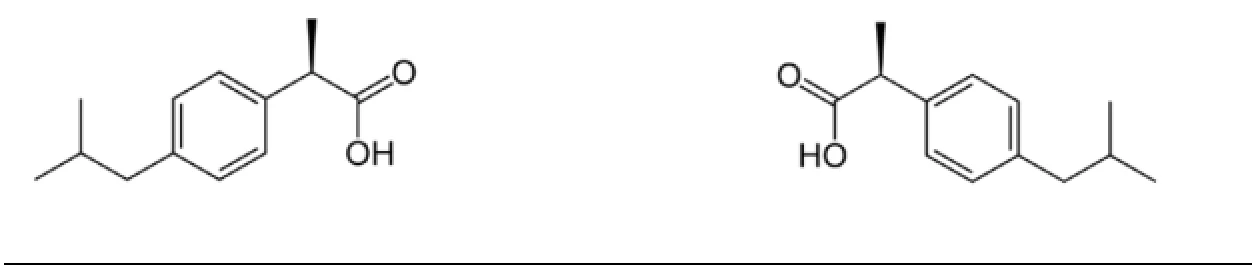
R-Ibuprofen S-Ibuprofen
Physicochemical properties:
Ibuprofen is a white powder with a melting point of 75-77°C. It is practically insoluble in water (<1 mg/mL) and readily soluble in organic solvents such as ethanol and acetone.
Each 1 mL of Caldolor® solution contains 100 mg of ibuprofen USP and Ph. Eur., in Water for Injection, USP, with HCl for pH adjustment.
CLINICAL TRIALS
Randomized clinical trials with Caldolor® have NOT been designed to detect differences in cardiovascular adverse events in a chronic setting.
Antipyretic (Anti-Fever)
The effect of Caldolor® on fever was studied in two randomized, double-blind studies. The studies conducted had a total enrollment of 180 male and female patients with an age range of 17-89 years.
Study results
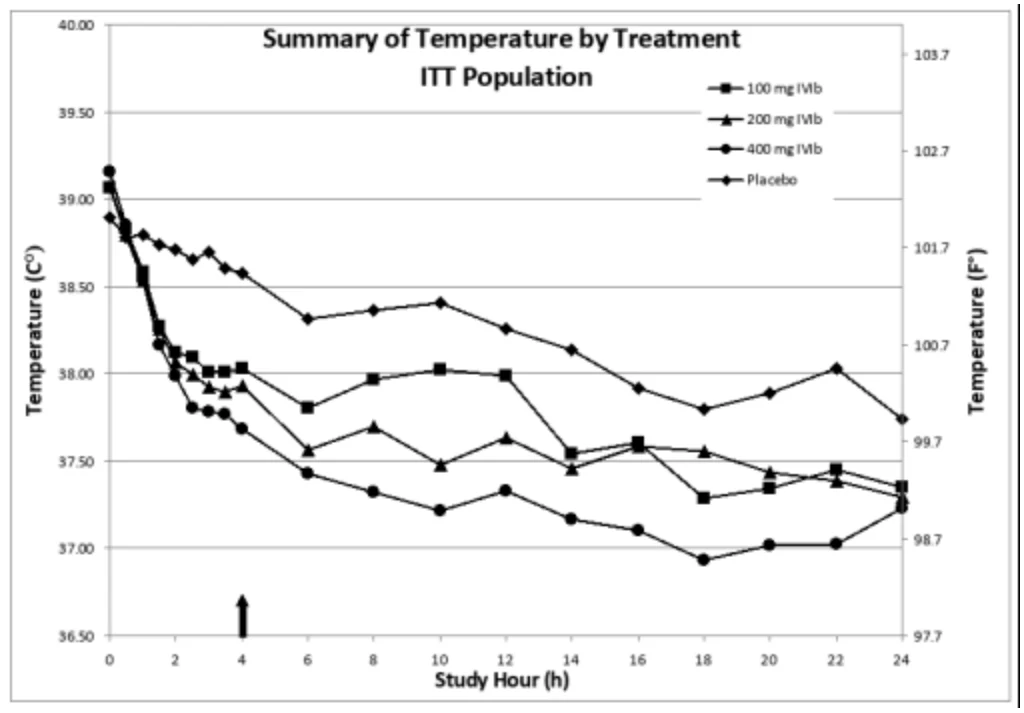
In a single multi-center study, 120 hospitalized patients (88 men, 32 women) with temperatures of 38.3°C or greater were randomized to Caldolor® at 100 mg, 200 mg, 400 mg or placebo, administered every 4 hours for 24 hours. Both non-critically ill and critically ill patients (i.e., requiring mechanical ventilation for respiratory failure, pressor support for hypotension, or both) were included. The primary endpoint was the percentage of patients with temperature less than 38.3 ºC at 4 hours after the first dose of intravenous ibuprofen of the 400 mg group. At 4 hours, the percentage of patients with a temperature less than 38.3 ºC was 32% on placebo (n=28), 77% on ibuprofen 400 mg (n=31), 73% on 200 mg (n=30), and 65% on 100 mg (n=31). The profiles of the mean body temperature for all the treatment groups up to 4 hours are shown in the graph below. The graph includes the data points for maintenance up to 24 hours.
Supportive evidence of efficacy and safety was found in a single centre placebo-controlled trial conducted in hospitalized febrile adult patients with uncomplicated P. falciparum malaria.
Analgesia (Pain Relief)
The effect of Caldolor® as an adjunct to intravenous morphine on post-operative pain was studied in three multi-center randomized, double-blind studies. These three studies included a total of 910 patients with an age range of 18-80 years.
Study Results
A multi-center, randomized, double-blind, placebo-controlled trial was conducted to evaluate the efficacy of Caldolor® for treatment of moderate to severe pain in adult patients undergoing knee or hip orthopaedic surgery. The study was conducted with 185 patients, 65 men and 120 women. Caldolor® 800 mg, or placebo, was administered at approximately the initiation of anesthesia, prior to surgery, and every 6 hours thereafter up to 5 doses from initial dose at Hour 0 to Hour 24. In the previous clinical studies, the initial dose was administered at the end of surgery. The primary endpoint was Area Under the Curve based on the 100-mm Visual Analog Scale (AUC-VAS) with movement from Hour 6 – 28. It was observed that compared with placebo, there was a significant reduction in pain with movement as measured by the AUC-VAS for the 6-28 hour time period (p<0.001). The data on pain reduction at rest were supportive.
Supportive evidence of efficacy was found in two other multi-center, randomized, double-blind, placebo-controlled trials of Caldolor® as adjunct to intravenous morphine for the treatment of moderate to severe pain in post-operative adult patients. The first study was conducted in 406 patients (87 men, 319 women) undergoing elective gynecology, orthopedics, or abdominal surgeries. Caldolor® 400 mg or 800 mg every 6 hours was compared with placebo. The second study was conducted in 319 women undergoing elective abdominal hysterectomy. Caldolor® 800 mg every 6 hours was compared with placebo.
DETAILED PHARMACOLOGY
Oral ibuprofen has been used in humans for more than 30 years, with anti-inflammatory, analgesic and antipyretic activity being well-recognized pharmacological activities of ibuprofen.
Pharmacodynamics
The mechanism of action of ibuprofen is believed to include inhibition of cyclooxygenase mediated prostaglandin formation; however, the exact action is not known. Ibuprofen inhibits both cyclooxygenase-1 (COX-1) and cyclooxygenase-2 (COX-2) activities and thereby synthesis of prostaglandins and thromboxanes. The inhibition of COX-2 is thought to mediate, at least in part, the antipyretic, analgesic, and anti-inflammatory actions of NSAIDs (including ibuprofen). The inhibition of COX-1 is believed to be responsible for the unwanted effects related to ibuprofen administration, particularly those leading to gastric ulcers.
Animal models for pain have been developed to predict the analgesic response in humans. Orally administered ibuprofen had a marked inhibitory effect in phenylbenozoquinone-induced writhing test in mice. Oral or subcutaneous ibuprofen also reversed the effects of inflammation-induced edema and hyperalgesia, increased pain threshold, and had antipyretic activity in rats. In guinea pigs, oral ibuprofen had a potent anti-inflammatory effect in an ultraviolet irradiation mediated erythema test. Oral ibuprofen had a positive analgesic effect on mice treated postsurgically as evidenced by significantly greater locomotor activity on days 2 through 5 after surgery and a more rapid return to stable postsurgical levels of activity and water intake compared to untreated mice.
Pharmacokinetics
Distribution
The distribution of orally administered 14C-ibuprofen was investigated in rats, rabbits and dogs.
Distribution studies showed that, in the rat, tissue concentrations were greater than plasma concentrations of ibuprofen; however, in the dog, tissue concentrations of ibuprofen were less than plasma concentrations. However, high levels of ibuprofen were found in the bile of the dogs. Following repeated administration, ibuprofen did not accumulate in the liver of rats or dogs. After multiple doses of 20 mg/kg/day in the rat, 14C-labeled ibuprofen accumulated in the adrenals, ovaries, fat, and to a lesser extent the skin. Function and structure of these tissues remained normal. In dogs, despite high plasma levels, a high concentration of the drug only occurred in the bile, suggesting enterohepatic circulation.
Tissue distribution studies in pregnant rats and pregnant rabbits demonstrated that ibuprofen and its metabolites pass freely across the placenta.
At concentrations up to 100 μg/mL ibuprofen, more than 90% was bound to plasma protein in rats and dogs.
Metabolism
The metabolism in animals was studied following oral administration of labelled ibuprofen to rats, rabbits and dogs. In rats most of the plasma content was unchanged ibuprofen with the remaining largely as metabolite A, and with smaller quantities of metabolites B and C. In the rabbit studies, ibuprofen dissipated much more quickly than metabolite B; in addition, rabbit plasma also contained smaller amounts of metabolites A, C, and D, another metabolite not found in other species. Dog studies observed no metabolites in the plasma, with the entire radioactivity being present as ibuprofen.
The metabolites, A and B, identified within the animal studies correspond to the two principle metabolites of ibuprofen identified in human urine, (+)-2,4'-(2-hydroxy-2-methylpropyl) phenylpropionic acid, and (+)-2,4' (2-carboxypropyl) phenylpropionic acid respectively. The metabolites designated C and D have not yet been identified in humans.
Excretion
Measurement of radioactivity in the urine and feces of dogs, following a single oral dose of 8 mg/kg, showed that 60% of the dose was eliminated within the first 24 hours, and the proportion rose to 80 and 100% after 3 to 5 days. It was observed that the distribution of radioactivity in the urine and feces was about 2 to 1, respectively. Additionally, the levels of radioactivity within dog tissue did not exceed those in the plasma after repeated doses of 8 mg/kg twice daily, however extremely high concentrations were observed in the bile. Therefore it is probable that the radioactivity found within the feces originated from the bile.
Safety Pharmacology
Local Tolerance and Compatibility Studies
Cumberland conducted a local tolerance study in rabbits at concentrations of 1.6, 20, and 100 mg/mL (mg/kg) with varying pH levels from 7.4 to 7.8; and in vitro compatibility studies in human serum, plasma, and blood at concentrations of 1.6, 4.0, and 100 mg/mL. The local tolerance study showed that a concentration of 1.6 mg/mL produced similar findings to control, with the exception of an increase incidence of congestion of the small vessels, while concentrations of 20 and 100 mg/mL produced more prominent irritative changes. Caldolor® solution was compatible with human serum and plasma at concentrations up to 100 mg/mL and did not produce hemolysis at concentrations up to 4.0 mg/mL. At a concentration of 100 mg/mL, 97.4% hemolysis was observed.
TOXICOLOGY
Nonclinical Toxicology
The toxicity profile of ibuprofen has been well described in the published literature mainly following oral administration, but also following other routes of administration, including intravenous. In addition to the background toxicology data for ibuprofen, toxicology studies in dogs to evaluate the toxicity and toxicokinetics of ibuprofen were conducted.
Acute Toxicity
Published toxicology studies with ibuprofen include numerous acute toxicity studies in mice and rats by oral, intraperitoneal, subcutaneous, and intravenous administration. These studies indicate that GI effects, including gastric and intestinal ulceration/erosion, are the predominant findings following acute oral or parenteral administration ibuprofen. Such findings occurred in rats following intravenous doses of 270 and 530 mg/kg. Mild prostration, slight motor incoordination, and dyspnea occurred in rats following intravenous doses of 100 and 150 mg/kg. In beagle dogs, a single dose of 120 mg/kg also produced macroscopic GI observations.
Repeat-Dose Toxicity
Several repeat-dose oral toxicity studies have also been published, including: a 90-day dietary study in mice at doses of 19, 75, and 300 mg/kg/day; a 90-day oral gavage study in rats at doses of 20, 60, and 180 mg/kg/day; a 6-month oral toxicity study in rats at doses of 7.5, 20, 60, and 180 mg/kg/day; a 30-day oral toxicity study in beagle dogs at doses of 4, 8, and 16 mg/kg/day; a 6-month oral toxicity study in beagle dogs at doses of 2, 4, and 16 mg/kg/day; and a 6-month oral toxicity study in monkeys at doses of 100, 200, and 300 mg/kg/day. A 14-day intravenous toxicity study in monkeys at doses of 50, 100, and 200 mg/kg/day has also been published. These studies showed that the predominant findings were GI effects, including gastric and intestinal ulceration. Enlargement of some organs, including the liver, was observed in mice and rats, although these results were not associated with any histopathological findings. Anemia was also observed in rats, dogs, and monkeys following chronic oral administration of high-dose ibuprofen. Similar findings of GI ulceration were observed in dogs and monkeys following repeat-dose intravenous administration of ibuprofen.
In order to supplement the oral toxicity profile established in these studies, Cumberland conducted additional toxicity studies in beagle dogs, including a 10-day intravenous and oral dose-range finding study and two 28-day intravenous toxicity studies, each with a comparative oral group at the highest dose level. Beagle dogs appear to be the most susceptible species in toxicity studies. The dose levels in the first 28-day study were 1, 5, and 15 mg/kg/day (divided in 3 daily doses), and 15, 30, and 45 mg/kg/day in the second study (divided in 3 daily doses). Both 28-day studies included toxicokinetic analyses. These studies demonstrated that the intravenous route of administration was associated with similar findings to those observed in the oral toxicity studies, including GI ulceration, renal injury, and anemia, especially in the group on oral and intravenous ibuprofen 45 mg/kg/day. The results showed that the ibuprofen blood concentrations found in the 15 and 30 mg/kg daily groups in beagles reached the ibuprofen blood concentrations found in the 400 and 800 mg/kg daily groups in humans. Based on the body surface areas, the ibuprofen dosing levels at 15 and 30 mg/kg daily in beagles is equivalent to the ibuprofen dosing level at 800 and 1600 mg/kg daily in humans.
Genotoxicity
Ibuprofen was not mutagenic in the Ames tests, with or without metabolic activation, while a weak genotoxic response was observed in the SCE assay at doses of 50 and 100 mg/kg, with no effect at a dose of 25 mg/kg. There was no evidence of carcinogenicity for ibuprofen in mice or rats.
Reproduction Toxicity
The reproductive and developmental toxicity of ibuprofen has been investigated in published studies, including a dietary fertility study in rats at doses of 20 and 30 mg/kg/day; a developmental toxicity study in rats at doses of 7.5, 20, 60, and 180 mg/kg/day given during days 1 to 20 of gestation; another developmental toxicity study in rats at doses of 7.5 and 30 mg/kg/day given throughout pregnancy until parturition, and a developmental toxicity study in rabbits at doses of 7.5, 20, and 60 mg/kg/day given during days 1 to 29 of gestation. Its adverse effects on reproduction are nonspecific and consistent with its general toxic effects on the gastrointestinal tract, the kidney, and anaemia.
REFERENCES
- 1. Adams SS, Bough RG, Cliffe EE, et al. Some aspects of the pharmacology, metabolism, and toxicology of ibuprofen. Rheumatol Phys Med 1970; 10:9-26.
- 2. Adams SS, Bough RG, Cliffe EE, Lessel B, Mills RFN. Absorption, distribution and toxicity of ibuprofen. Toxicol Appl Pharmacol 1969; 15:310-330.
- 3. Bernard GR, Wheeler AP, Russell JA, Schein R, Summer WR et al. The effects of ibuprofen on the physiology and survival of patients with sepsis. N Engl J Med 1997;336:912-918.
- 4. Cioli V, Putzolu S, Rossi V, Scorza Barcellona P, Corradino C. The role of direct tissue contact in the production of gastrointestinal ulcers by anti-inflammatory drugs in rats. Toxicol Appl Pharmacol 1979; 50:283-289.
- 5. Dascombe MJ. The pharmacology of fever. Prog Neurobiol 1985; 25:327-373.
- 6. Elliott GA, Purmalis A, VanderMeer DA, Denlinger RH. The propionic acids. Gastrointestinal toxicity in various species. Toxicol Pathol 1988; 16(2):245-250.
- 7. Hayes KE, Raucci JA Jr, Gades NM, Toth LA. An evaluation of analgesic regimens for abdominal surgery in mice. Contemp Top Lab Anim Sci. 2000 Nov;39(6):18-23.
- 8. Insel PA. Analgesic-antipyretic and antiinflammatory agents and drugs employed in the treatment of gout. In: Goodman & Gilman's: The Pharmacological Basic of Therapeutics, 1996:617-657.
- 9. Ivey KJ. Mechanisms of nonsteroidal anti-inflammatory drug-induced gastric damage. Actions of therapeutic agents. Am J Med 1988; 84(2A):41-8.
- 10. Kroll PB, Meadows L, Rock A, Pavliv L. A multicenter, randomized, double-blind, placebo-controlled trial of intravenous ibuprofen (IV-ibuprofen) in the management of postoperative pain following abdominal hysterectomy. Pain Pract 2010 Jul 19. Epub.
- 11. Krudsood S, Tangpukdee N, Wilairatana P, Pothipak N, Duangdee C, Warrell DA et al. Intravenous ibuprofen (IV-ibuprofen) controls fever effectively in adults with acute uncomplicated Plasmodium falciparum malaria but prolongs parasitemia. Am J Trop Med Hyg. 2010; 83(1): 51-55.
- 12. Matson DJ, Broom DC, Carson SR, Baldassari J, Kehne J, Cortright DN. Inflammation-induced reduction of spontaneous activity by adjuvant: A novel model to study the effect of analgesics in rats. J Pharmacol Exp Ther. 2007 Jan; 320(1):194-201.
- 13. Milton AS. Evidence for the involvement of prostaglandins in pyrogen fever. In: Fever. New York: Raven Press, 1980:141-148.
- 14.
Morris PE, Promes JT, Guntupalli KK, Wright PE, Arons MM. A multi-center, randomized, double-blind, parallel, placebo-controlled trial to evaluate the efficacy,
- safety, and pharmacokinetics of intravenous ibuprofen for the treatment of fever in critically ill and non-critically ill adults. Critical Care 2010; 14:R125 1-13.
- 15. Rao CS, Muralidhar N, Naidu MU, Junnarkar AY, Singh PP. A rapid method for evaluation of analgesic and anti-inflammatory activity in rats. Indian J Exp Biol. 1991 Feb;29(2):120-2.
- 16. Römer D. Pharmacological evaluation of mild analgesics. Br J Clin Pharmacol. 1980 Oct;10 Suppl 2:247S-251S.
- 17. Singla N, Rock A, Pavliv L. A multi-center, randomized, double-blind placebo-controlled trial of intravenous-ibuprofen (iv-ibuprofen) for treatment of pain in post-operative orthopedic adult patients. Pain Med 2010: 1-10.
- 18. Southworth S, Peters J, Rock A, Pavliv L. A Multicenter, Randomized, double-blind, placebo-controlled trial of intravenous ibuprofen 400 and 800 mg every 6 hours in the management of postoperative pain. Clin Therapeut 2009; 31(9):1922-1935.
PART III: CONSUMER INFORMATION
PrCALDOLOR®
Ibuprofen for Intravenous Injection
Caldolor® must be administered by a healthcare professional. The information here may help the consumer to know more about this drug.
This leaflet is part III of a three-part "Product Monograph" published when Caldolor® was approved for sale in Canada and is designed specifically for Consumers. This leaflet is a summary designed specifically for you to read. It will NOT tell you everything about Caldolor®. See your healthcare professional and pharmacist regularly and ask them questions about your health and any medications you take.
ABOUT THIS MEDICATION
What the medication is used for:
Caldolor® is a prescription medicine used in adults to:
- Reduce fever in patients who have to take medications through an intravenous (i.v.) line;
- Manage moderate to severe pain when used in addition to an intravenous opioid analgesic (strong pain killer).
What it does:
Caldolor® is called a nonselective cyclooxygenase inhibitor nonsteroidal anti-inflammatory drug (NSAID). It reduces fever and pain. Caldolor® does NOT cure your illness or prevent it from getting worse.
When it should not be used:
Caldolor® should not be given to you:
- If you have known allergies or anaphylactoid reactions to ibuprofen
- If you have experienced asthma, hives, or allergic-type reactions after taking acetylsalicylic acid (ASA) or other NSAIDs
- If you are allergic to ASA or other NSAIDs
- If you have recently had heart bypass surgery, or are planning to have one soon
- If you have severe, uncontrolled heart failure
- If you have bleeding in the brain or other bleeding disorders
- If you have ulcers (active)
- If you have bleeding from the stomach or gut (active)
- If you have inflammatory bowel disease (Crohn’s Disease or Ulcerative Colitis)
- If you have any liver disease (active or moderate to severe)
If you have any kidney disease (moderate to severe or worsening)
- If you have high potassium in the blood
- If you are pregnant and in a later stage of pregnancy (28 weeks or later)
- If you are breastfeeding (or planning to breastfeed)
- If you are younger than 18 years of age
What the medicinal ingredient is:
Ibuprofen
What the non medicinal ingredients are:
Arginine, Hydrochloric Acid and Water for Injection
What dosage forms it comes in:
Solution for injection, 100 mg/ml, available in single dose vials of 4 mL and 8 mL for intravenous infusion after proper dilution.
WARNINGS AND PRECAUTIONS
Serious Warnings and Precautions
Risk of A Heart Attack or Stroke
Caldolor®, like other Nonsteroidal anti-inflammatory drugs (NSAIDs), may increase the risk of blood clots in the heart or the brain. This risk may go higher if someone uses more of it. Caldolor® should not be used before or after a bypass surgery.
Risk of Ulcers or Gut Bleeding
Caldolor®, like other Nonsteroidal anti-inflammatory drugs (NSAIDs), increases the risk of ulcers and bleeding in the stomach or the gut. The ulcers and bleeding can happen all of a sudden. Elderly patients and patients in poor health are at greater risk.
Pregnancy
DO NOT take Caldolor® if you are pregnant and in a later stage of pregnancy (28 weeks or later).
If you are pregnant and in an earlier stage of pregnancy (less than 28 weeks) only take Caldolor® if you are told to do so by your doctor. Medicines like Caldolor® may cause harm to you and your baby. You doctor will need to closely monitor your health and that of your baby (including your amniotic fluid levels) if they prescribe Caldolor® during this time.
Caldolor® is used only in a healthcare facility by healthcare professionals. It must be diluted and given slowly through an intravenous (i.v.) line.
Caldolor® can be dangerous in patients with allergies and some disease conditions, or in patients taking other medications, including over-the-counter drugs. Be sure to tell your healthcare professional about all of your health issues and any other medications you take by mouth or through injection. Your healthcare professional will need know all of your health issues to decide if you can use Caldolor®, or how to best use it.
Be sure to tell your healthcare professional how far you are into your pregnancy and if you are breastfeeding or plan to breastfeed your child. Caldolor® cannot be used in anyone who is younger than 18 years of age.
BEFORE you use Caldolor® talk to your doctor or pharmacist if you:
- Are pregnant, planning on becoming pregnant or become pregnant while taking Caldolor®.
Serious Skin Reactions: In rare cases, serious or life-threatening skin reactions listed below have been reported with some NSAIDs, such as Caldolor®.
- Drug reaction with eosinophilia and systemic symptoms (DRESS)
- Stevens-Johnson syndrome (SJS),
- toxic epidermal necrolysis (TEN),
- exfoliative dermatitis and
- erythema multiforme
You may be at a greater risk of experiencing a serious skin reaction usually during the first month of treatment. See the Serious side effects and what to do about them table, below, for more information on these and other serious side effects.
INTERACTIONS WITH THIS MEDICATION
Talk to your healthcare professional and pharmacist if you are taking any other medication (prescription or non-prescription); such as any of the medications listed below (NOT a complete list).
Drugs that may interact with Caldolor® include:
Acetylsalicylic Acid (ASA) or other NSAIDs, e.g. ASA, celecoxib, diclofenac, ibuprofen, indomethacin, ketorolac, meloxicam, naproxen.
Antidepressants (Selective Serotonin Reuptake Inhibitors (SSRIs)), e.g. citalopram, fluoxetine, paroxetine, sertraline
Blood pressure medications (ACE (angiotensin converting enzyme) inhibitors), e.g. enalapril, lisinopril, perindopril, ramipril
ARBs (angiotensin II receptor blockers), e.g. candesartan, irbesartan, losartan, valsartan
Blood thinners, e.g. warfarin, ASA, clopidogrel
Corticosteroids (including glucocorticoids), e.g. prednisone
Diuretics, e.g. furosemide, hydrochlorothiazide
Lithium
PROPER USE OF THIS MEDICATION
Usual dose:
| Indication of use | Age Group | Usual Starting Dose | Usual Maximum Dose (per day) | Usual Maximum Duration of Treatment |
|---|---|---|---|---|
| Reduce Fever | Adults | 200 mg to 400 mg | 1 dose every 4-6 hours. Maximum daily dose is 2400 mg. | Infusion time 30 minutes or less depending on your condition |
| Manage moderate to severe pain | Adults | 400 mg to 800 mg | 1 dose every 6 hours. Highest recommended dose is 2400 mg daily. Do not exceed 3200 mg a day. | Infusion time 30 minutes or less depending on your condition |
Caldolor® is used only in a healthcare facility by healthcare professionals. It must be given through an intravenous (i.v.) line over 30 minutes or less depending on your condition.
Caldolor® is sterile and is intended for intravenous (i.v.) infusion. Caldolor® must be diluted prior to use. Dilute in 250 ml of 0.9% Sodium Chloride Injection USP (normal saline), 5% Dextrose Injection USP (D5W), or Lactated Ringers Solution. Diluted Caldolor® can be stored for up to 24 hours at room temperature.
The following intravenous medications must not be administered through a single intravenous line with Caldolor®: ciprofloxacin, diphenhydramine, dopamine, levofloxacin, and lidocaine.
Solution should be inspected visually for clarity, particulate matter, precipitation, discolouration, and leakage prior to administration whenever solution and container permit.
Do not use product if solution shows haziness, particulate matter, discolouration, or leakage.
Your healthcare professional may decide to use other additional measures to reduce your pain or your fever. It is important to select the best dose and best infusion speed.
Overdose:
The following signs and symptoms have occurred in individuals following an overdose of oral ibuprofen: breathing difficulties, coma, drowsiness, irregular heartbeat, kidney failure, low blood pressure, seizures and vomiting. There is no known antidote to ibuprofen. There are no specific measures to treat acute overdosage with Caldolor®. Your healthcare professional will manage your overdose based on your conditions. Tell your health care professional if you feel you are getting too much medicine or too fast. Your healthcare professional may follow up with you to see how you are doing.
| If you think you, or a person you are caring for, have taken too much Caldolor, contact a healthcare professional, hospital emergency department, or regional poison control centre immediately, even if there are no symptoms. |
|---|
SIDE EFFECTS AND WHAT TO DO ABOUT THEM
Caldolor® may cause some side effects, especially when used repeatedly or in large doses. Side effects may include: abdominal discomfort, nausea, vomiting, and bruising. When these side effects occur, you may require medical attention. Report all symptoms or side effects to your healthcare professional.
Caldolor® may make you feel drowsy or tired. Be sure to ask your healthcare professional about driving or participating in activities that require you to be alert.
Caldolor® may make you become more sensitive to sunlight. Any exposure to sunlight or sunlamps may cause sunburn, skin blisters, skin rash, redness, itching or discoloration, or vision changes. If you have a reaction from the sun, check with your healthcare professional.
Check with your healthcare professional IMMEDIATELY if you develop chills, fever, muscle aches or pains, or other flu-like symptoms, especially if they occur before or together with a skin rash. These symptoms may be the first signs of a SERIOUS ALLERGIC REACTION to this medication.
| SERIOUS SIDE EFFECTS, HOW OFTEN THEY HAPPEN AND WHAT TO DO ABOUT THEM | ||||||
|---|---|---|---|---|---|---|
| Symptom / effect | Talk to your healthcare professional | Stop taking drug and get immediate medical help | ||||
| Only if severe | In all cases | |||||
| Unknown | Allergic Reaction: Rash, hives, swelling of the face, lips, tongue, or throat, difficulty swallowing or breathing | ✓ | ||||
| Common | Skin rash | ✓ | ||||
| Uncommon | Low Blood Pressure: dizziness, fainting, lightheadedness | ✓ | ||
|---|---|---|---|---|
| High Blood Pressure: headaches, vision disorders, nausea and vomiting | ✓ | |||
| Anemia: fatigue, loss of energy, weakness, shortness of breath | ✓ | |||
| Fever | ✓ | |||
| Muscle aches or pains | ✓ | |||
| Flu-like symptoms | ✓ | |||
| Chills | ✓ | |||
| Rare | Serious Skin Reactions: fever, severe rash, swollen lymph glands, flu-like feeling, blisters and peeling skin that may start in and around the mouth, nose, eyes and genitals and spread to other areas of the body, swelling of face and/or legs, yellow skin or eyes, shortness of breath, dry cough, chest pain or discomfort, feeling thirsty, urinating less often, less urine or dark urine | ✓ |
This is not a complete list of side effects. For any unexpected effects while taking Caldolor®, contact your doctor or pharmacist.
HOW TO STORE IT
Caldolor® is used only in a health care facility. Store at controlled room temperature 15° to 30°C.
Keep out of reach and sight of children.
Reporting Side Effects
You can report any suspected side effects associated with the use of health products to Health Canada by:
NOTE: Contact your health professional if you need information about how to manage your side effects. The Canada Vigilance Program does not provide medical advice. |
|---|
MORE INFORMATION
- Talk to your healthcare professional
- Find the full product monograph that is prepared for healthcare professionals and includes this Consumer Information by visiting the Health Canada website: (https://www.canada.ca/en/health-canada/services/drugs-health-products/drug-products/drug-product-database.html); the manufacturer’s website www.cumberlandpharma.com, or by calling 1-877-484-2700.
Caldolor® is a registered trademark of Cumberland Pharmaceuticals Inc. Caldolor® is distributed by Teligent Canada Inc. under licence from Cumberland Pharmaceuticals Inc.