


Product Monograph - Cleviprex
1 INDICATIONS
CLEVIPREX (clevidipine) is indicated for:
- The management of acute elevation of blood pressure in perioperative settings.
1.1 Pediatrics (<18 years of age):
The safety and effectiveness of CLEVIPREX in children under 18 years of age have not been established.
1.2 Geriatrics (≥65 years of age):
Of the 1406 subjects treated with CLEVIPREX during clinical studies (1307 with hypertension), 620 were ≥65 years of age and 232 were ≥75 years of age. No overall differences in safety or effectiveness were observed between these and younger patients. No dosage adjustment is required.
2 CONTRAINDICATIONS
CLEVIPREX is contraindicated in patients with:
- Allergy to clevidipine, soybeans, soybean oil, soy products, eggs or egg products, or peanut.
- Defective lipid metabolism such as pathologic hyperlipidemia, lipoid nephrosis, or acute pancreatitis if it is accompanied by hyperlipidemia.
- Severe aortic stenosis (see 7 WARNINGS AND PRECAUTIONS).
4 DOSAGE AND ADMINISTRATION
4.1 Dosing Considerations
- Blood pressure and heart rate should be monitored continuously during infusion and afterwards until vital signs are stable. Patients who are on prolonged infusions should be monitored for the possibility of rebound hypertension for at least 8 hours after stopping the infusion.
4.2 Recommended Dose and Dosage Adjustment
CLEVIPREX is intended for intravenous use only. Titrate the drug to achieve the desired blood pressure reduction. Individualize dosage depending on the blood pressure to be obtained and the response of the patient.
Initial dose: Initiate the intravenous infusion of CLEVIPREX at a rate of 1 to 2 mg/h.
Dose titration: The dose may be doubled at short (90 second) intervals until the desired blood pressure level is about to be reached. Continue titration until the desired target range is achieved by increasing the dose in smaller increments and at longer intervals (5 to 10 minutes). A 1 to 2 mg/h increase will generally produce an additional 2 to 4 mmHg decrease in systolic pressure.
Maintenance dose: The desired therapeutic response for most patients occurs at doses of 4 to 6 mg/h. Patients may require doses up to 32 mg/h, but there is limited experience at this dose rate.
Maximum dose: The maximum dose is 32 mg/h, although most patients were treated with doses of 16 mg/h or less. No more than 1000 mL of CLEVIPREX infusion is recommended in the initial 24-hour period due to the associated potential lipid load. There is little experience with infusion durations beyond 72 hours at any dose.
Transition to an oral anti-hypertensive agent: Discontinue CLEVIPREX or titrate downward while appropriate oral therapy is established. When an oral anti-hypertensive agent is being instituted, consider the lag time of onset of the oral agent’s effect. Continue blood pressure monitoring until desired effect is achieved.
Hepatic or Renal Impairment: During clinical trials, there was limited experience in patients with hepatic or renal impairment. From all clinical trials, there were 78 patients with abnormal liver function and 121 patients with moderate to severe renal impairment. No dose adjustment was required for these patients.
Health Canada has not authorized an indication for pediatric use.
Table 1 provides a guideline for dosing conversion from mg/h to mL/h.
Table 1 CLEVIPREX Dosing Conversion from mg/h to mL/h
| Dose (mg/h) | Dose (mL/h) |
| 1 | 2 |
| 2 | 4 |
| 4 | 8 |
| 6 | 12 |
| 8 | 16 |
| 10 | 20 |
| 12 | 24 |
| 14 | 28 |
| 16 | 32 |
| 18 | 36 |
| 20 | 40 |
| 22 | 44 |
| 24 | 48 |
| 26 | 52 |
| 28 | 56 |
| 30 | 60 |
| 32 | 64 |
4.4 Administration
Maintain strict aseptic technique while handling CLEVIPREX. CLEVIPREX is a single-use parenteral product that contains 0.005% disodium edetate to inhibit the rate of growth of microorganisms, for up to 12 hours, in the event of accidental contamination. However, CLEVIPREX can still support the growth of microorganisms, as it is not an antimicrobially preserved product under USP standards. Do not use if contamination is suspected. Once the stopper is punctured use within 12 hours and discard any unused portion (see 7 WARNINGS AND PRECAUTIONS).
CLEVIPREX is supplied in sterile, single-use, pre-mixed, ready-to-use 50 mL or 100 mL vials. Invert vial gently several times before use to ensure uniformity of the emulsion prior to administration. Inspect parenteral drug products for particulate matter and discoloration prior to administration. Discard products that are discoloured or contain particulate matter. Administer CLEVIPREX using an infusion device allowing calibrated infusion rates. Commercially available standard plastic cannulae may be used to administer the infusion. Administer CLEVIPREX by either a central line or peripheral line.
Lipid filters with a 1.2 micron pore size may be used when administering CLEVIPREX.
CLEVIPREX should not be infused in the same line as other medications.
CLEVIPREX should not be diluted, but it can be administered with any of the following:
- Water for Injection, USP
- Sodium Chloride (0.9%) Injection, USP
- Sodium Chloride (0.45%) Injection
- Dextrose (5%) Injection, USP
- Dextrose (5%) in Sodium Chloride (0.9%) Injection, USP
- Dextrose (5%) in Ringers Lactate Injection, USP
- Lactated Ringers Injection, USP
- 40 meq Potassium Chloride in 0.9% Sodium Chloride
- 10% amino acid
5 OVERDOSAGE
There has been no experience of overdosage in human clinical trials.
In clinical trials 1 healthy subject was titrated to a dose above the normal recommended limit (up to 106 mg/h) and experienced mild flushing and a slight transient increase in serum creatinine.
The expected major effects of overdose would be hypotension and reflex tachycardia.
When CLEVIPREX is discontinued, blood pressure returns to baseline pre-treatment levels within 5 to 15 minutes (see 10 CLINICAL PHARMACOLOGY, 10.2 Pharmacodynamics). In a case of suspected overdosage, CLEVIPREX should be discontinued immediately and the patient’s blood pressure should be supported and monitored.
| For management of a suspected drug overdose, contact your regional poison control centre. |
6 DOSAGE FORMS, STRENGTHS, COMPOSITION AND PACKAGING
Table 2 Dosage Forms, Strengths, Composition and Packaging
| Route of Administration | Dosage Form / Strength/Composition | Non-medicinal Ingredients |
|---|---|---|
| Intravenous | Emulsion for infusion, for | Edetate disodium, glycerin, oleic acid, purified |
CLEVIPREX (clevidipine) Emulsion for Intravenous Infusion 0.5 mg/mL is supplied as a sterile, milky-white oil-in-water emulsion for intravenous injection.
Available as:
50 mL single use glass vial containing 0.5 mg/mL clevidipine.
- Each vial is individually packaged in its own carton.
- Available in boxes of 10 vials.
100 mL single use glass vial containing 0.5 mg/mL clevidipine.
- Each vial is individually packaged in its own carton.
- Available in boxes of 10 vials.
Vials are sealed with 32 mm grey bromobutyl rubber stoppers and capped with 32 mm “Flip-Off” aluminum overseals, which keep the stopper in its proper position in the neck of the vial.
7 WARNINGS AND PRECAUTIONS
General
CLEVIPREX is a single-use parenteral product that contains phospholipids and can support microbial growth. Strict aseptic technique must be adopted while handling CLEVIPREX. Once the stopper is punctured, use within 12 hours and discard any unused portion.
CLEVIPREX should not be administered in the same line with other medications and should not be diluted (see 4 DOSAGE AND ADMINISTRATION).
Cardiovascular
Dihydropyridine calcium channel blockers can produce negative inotropic effects and exacerbate heart failure. Monitor heart failure patients carefully.
Rapid pharmacologic reductions in blood pressure may produce systemic hypotension and reflex tachycardia. If this occurs with CLEVIPREX, decrease the dose.
CLEVIPREX is contraindicated in patients with critical aortic stenosis because excessive afterload reduction can reduce myocardial oxygen delivery in these patients.
There was no evidence of significant rebound hypertension following discontinuation of CLEVIPREX infusion. Patients who receive prolonged or high doses of CLEVIPREX should be monitored for at least 8 hours.
There is no information to guide use of CLEVIPREX in treating hypertension associated with pheochromocytoma.
Endocrine and Metabolism
CLEVIPREX should not be used in patients with defective lipid metabolism such as pathologic hyperlipidemia, lipoid nephrosis, or acute pancreatitis if it is accompanied by hyperlipidemia.
Patients on other lipid-based therapy
intravenous use 0.5 mg/mL clevidipine | egg yolk phospholipids, sodium hydroxide (for pH adjustment), soybean oil, water for injections |
CLEVIPREX contains approximately 0.2 g of lipid per millilitre (8.4 kJ/2.0 kcal). In patients with lipid load restrictions the quantity of concurrently administered lipids may need to be adjusted to compensate for the amount of lipid infused as part of the clevidipine formulation.
Hepatic/Biliary/Pancreatic
Patients with underlying hepatic, biliary, or pancreatic conditions were not specifically studied. Clinical trials included 78 patients with elevated serum bilirubin, AST/SGOT, and/or ALT/SGPT. Because clevidipine is rapidly metabolized in the blood and extravascular tissues, its elimination is unlikely to be affected by hepatic dysfunction and dosage adjustments are therefore not required (see 10.3 Pharmacokinetics).
Monitoring and Laboratory Tests
Blood pressure and heart rate should be monitored continuously during and after the infusion until vital signs are stable (see 7 WARNINGS AND PRECAUTIONS and 4 DOSAGE AND ADMINISTRATION).
Renal
Patients with underlying renal conditions were not specifically studied. In clinical trials, 121 patients with moderate to severe renal impairment were treated with CLEVIPREX. No clinically important differences or safety signals were observed. As clevidipine elimination is unlikely to be affected by renal dysfunction, dosage adjustments are not required (see 10.3 Pharmacokinetics).
Reproductive Health: Female and Male Potential
Fertility
There were no adverse effects on fertility or mating behaviour of male rats with clevidipine doses of up to 55 mg/kg/day. Female rats demonstrated pseudopregnancy and changes in estrus cycle at doses as low as 13 mg/kg/day; however, doses of up to 55 mg/kg/day did not affect mating or fertility (see 16 NON-CLINICAL TOXICOLOGY).
When pregnant rats were dosed with clevidipine during late gestation and early lactation (terminating on day 4 post-partum), there were dose-related increases in mortality, length of gestation, and prolonged parturition at dose levels as low as 13 mg/kg/day. When offspring of these dams were mated, they had a conception rate lower than that of controls. Clevidipine crosses the placental membrane in this species and doses of ≥35 mg/kg/day administered during organogenesis adversely affected fetal survival. Fetal survival was also adversely affected when pregnant rabbits were treated during organogenesis with 55 mg/kg/day (see 16 NON-CLINICAL TOXICOLOGY).
7.1 Special Populations
7.1.1 Pregnant Women
There have been no studies of CLEVIPREX use in pregnant women. CLEVIPREX should only be used during pregnancy if the potential benefit to the mother outweighs the potential risk to the fetus (see 16 NON-CLINICAL TOXICOLOGY).
The safety and efficacy of CLEVIPREX during labour and delivery have not been established. Other calcium channel blockers are known to suppress uterine contractions in humans. Pregnant rats treated with clevidipine during late gestation showed an increased rate of prolonged parturition (see 16 NON-CLINICAL TOXICOLOGY).
7.1.2 Breast-feeding
It is not known if clevidipine is excreted in human milk. Because many drugs are excreted in human milk, consider possible infant exposure when CLEVIPREX is administered to a nursing mother.
7.1.3 Pediatrics
Pediatrics (<18 years): The safety and effectiveness of CLEVIPREX in children under 18 years of age have not been established.
7.1.4 Geriatrics
In limited experience with CLEVIPREX in elderly patients, no differences were identified in the clinical response of patients over 65 years of age and younger patients.
8 ADVERSE REACTIONS
8.1 Adverse Reaction Overview
CLEVIPREX (clevidipine) was administered to 1099 hypertensive patients in peri-operative settings. No association between gender, age, race, or ethnicity and the incidence of adverse events was observed.
Although infusions of lipid containing products may be associated with increases in triglycerides, no consistent changes in triglyceride levels were observed with CLEVIPREX.
8.2 Clinical Trial Adverse Reactions
Clinical trials are conducted under very specific conditions. The adverse reaction rates observed in the clinical trials, therefore, may not reflect the rates observed in practice and should not be compared to the rates in the clinical trials of another drug. Adverse reaction information from clinical trials may be useful in identifying and approximating rates of adverse drug reactions in real-world use.
There were many adverse events associated with the operative procedure, but relatively few that could plausibly be related to the anti-hypertensive drugs. Thus, the ability to differentiate the adverse event profile between treatments was limited. The incidence of adverse events leading to the discontinuation of the study drug was 5.9% of patients receiving CLEVIPREX and 3.2% for all active comparators. The most common adverse reactions leading to study drug discontinuation in all groups were hypertension and, when combined with a beta-blocker, hypotension. The incidence of serious adverse events and associated discontinuation rates within 1 hour of the drug infusion were similar among patients receiving CLEVIPREX and all active comparators.
Placebo-controlled peri-operative studies
The placebo-controlled experience with CLEVIPREX in the peri-operative setting was both small and brief (about 30 minutes).
Table 3 lists the treatment-emergent adverse events and the category “any common adverse event” in the ESCAPE-1 and ESCAPE-2 studies (see 14 CLINICAL TRIALS).
Table 3 Common Adverse Events in Placebo-controlled Peri-operative Studies
| Adverse Event | ESCAPE-1 | ESCAPE-2 | ||||||||||||||
|---|---|---|---|---|---|---|---|---|---|---|---|---|---|---|---|---|
| CLEVIPREX N=53 n (%) | Placebo N=51 n (%) | CLEVIPREX N=61 n (%) | Placebo N=49 n (%) | |||||||||||||
| Any common1 adverse event | 27 (51%) | 21 (41%) | 32 (53%) | 24 (49%) | ||||||||||||
| Cardiac disorders | ||||||||||||||||
| Atrial fibrillation | 7 (13%) | 6 (12%) | 13 (21%) | 6 (12%) | ||||||||||||
| Gastrointestinal disorders | ||||||||||||||||
| Nausea | 3 (6%) | 5 (10%) | 13 (21%) | 6 (12%) | ||||||||||||
| General disorders and administration site conditions | ||||||||||||||||
| Pyrexia | 11 (19%) | 7 (14%) | 3 (5%) | 3 (6%) | ||||||||||||
| Psychiatric disorders | ||||||||||||||||
| Insomnia | NR2 | NR2 | 7 (12%) | 3 (6%) | ||||||||||||
| Renal and urinary disorders | ||||||||||||||||
| Acute renal failure | 5 (9%) | 1 (2%) | 4 (7%) | 4 (8%) | ||||||||||||
| Respiratory, thoracic and mediastinal disorders | ||||||||||||||||
| Atelectasis | 3 (6%) | 0 (0%) | NR2 | NR2 | ||||||||||||
1 Where the rate with CLEVIPREX exceeded the rate with placebo by at least 5% in one of the two trials. 2 Not reported.
Peri-operative clinical studies using active controls
Three studies called ECLIPSE compared CLEVIPREX to three active controls: nitroglycerin, sodium nitroprusside, and nicardipine (see 14 CLINICAL TRIALS). Drug exposure in these studies was longer, the pooled mean maximum dose being 10 mg/h, and the mean duration of treatment was 8 hours. The adverse events observed within 1 hour of the end of the infusion were similar in all patients who received CLEVIPREX and those who received the comparator drugs.
Rebound hypertension was assessed as the maximum increase in systolic blood pressure (SBP) from the last measurement on study drug to 1 hour after termination of the study drug. In both the CLEVIPREX and active comparator groups, 10.7 to 12% of patients exhibited greater than 30% increase in SBP.
8.2.1 Clinical Trial Adverse Reactions – Pediatrics
The safety and effectiveness of CLEVIPREX in children under 18 years of age have not been established.
8.3 Less Common Clinical Trial Adverse Reactions
Adverse reactions occurring in patients treated with CLEVIPREX at a higher frequency than placebo in the ESCAPE-1 or ESCAPE-2 trials included:
Blood and lymphatic system disorders: anemia, coagulopathy, leukocytosis
Cardiac disorders: right bundle branch block, pericarditis, sinus bradycardia, sinus tachycardia, supraventricular extrasystoles, tachycardia, ventricular bigeminy, ventricular extrasystoles, ventricular tachycardia
Gastrointestinal disorders: bowel sounds abnormal, constipation, diarrhea
General disorders and administration site conditions: anasarca, application site reaction, asthenia, chest discomfort, chest pain, peripheral edema, induration, nodule, secretion discharge
Infections and infestations: bacteremia, bacterial infection, bronchitis, cellulitis, oral candidiasis, pneumonia, urinary tract infection, wound infection
Injury, poisoning and procedural complications: postoperative anemia, incision site complication, medical device complication, postoperative ileus, post procedural hemorrhage
Investigations: abnormal blood gases, decreased cardiac output, abnormal QRS complex electrocardiogram, Gram stain positive, increased international normalised ratio, abnormal liver function test, increased troponin
Metabolism and nutrition disorders: acidosis, diabetes mellitus, hyperglycemia, hyponatremia, malnutrition, metabolic acidosis
Musculoskeletal and connective tissue disorders: back pain, muscle spasms
Nervous system disorders: cerebrovascular accident, dizziness, headache
Psychiatric disorders: abnormal behaviour, agitation, anxiety, confusional state, delirium, depression, disorientation, restlessness
Renal and urinary disorders: incontinence, oliguria, nephrolithiasis, renal insufficiency
Respiratory, thoracic and mediastinal disorders: acute respiratory distress syndrome, cough, diaphragmatic paralysis, dyspnea, hypoxia, mediastinal hemorrhage, nasal congestion, pleural effusion, pulmonary edema, respiratory distress, respiratory failure, throat tightness, wheezing
Skin and subcutaneous tissue disorders: decubitus ulcer, hyperhidrosis, subcutaneous emphysema
Surgical and medical procedures: nasal sinus drainage
Vascular disorders: hemorrhage, hypertension, hypotension, thrombophlebitis
8.3.1 Less Common Clinical Trial Adverse Reactions – Pediatrics
The safety and effectiveness of CLEVIPREX in children under 18 years of age have not been established.
8.4 Abnormal Laboratory Findings: Hematologic, Clinical Chemistry and Other Quantitative Data
Clinical Trial Findings
Laboratory analyses were performed as part of all clinical studies. Individual hematologic and clinical chemistry abnormalities occurred in <0.5% of all patients.
8.5 Post-Market Adverse Reactions
CLEVIPREX was first marketed in September 2008 (US). Adverse events reported globally since market introduction include: tachycardia, respiratory gas exchange disorder (ventilation perfusion mismatch and oxygen saturation decrease), ileus, hypersensitivity, and infusion site reaction. Post-marketing data are often insufficient to support an estimate of incidence or to firmly establish causation.
9 DRUG INTERACTIONS
9.2 Drug Interactions Overview
No formal clinical interaction studies were conducted. Pharmacokinetic drug interactions are unlikely to occur as clevidipine is metabolized by hydrolysis. Clevidipine and its major dihydropyridine metabolite do not have the potential for blocking or inducing any CYP enzymes when used in the therapeutic dose range.
9.3 Drug-Behavioural Interactions
Interactions with behavioural risks have not been established.
9.4 Drug-Drug Interactions
During clinical trials, 801 of 866 peri-operative patients treated with CLEVIPREX received some type of beta-blocker. Other frequently used concomitant medications in these patients included natural opium alkaloids, benzodiazepine derivatives, and sulfonamides. In patients with severe hypertension, the most frequently used classes of concomitant medications were imidazoline receptor agents, angiotensin converting enzyme (ACE) inhibitors, and selective beta-blocking agents. There was no pattern of increased adverse events in the presence of these concomitant medications (see 8 ADVERSE REACTIONS and 10 CLINICAL PHARMACOLOGY, 10.3 Pharmacokinetics).
In the Phase III peri-operative studies, patients receiving a concomitant beta-blocker during the CLEVIPREX infusion experienced a similar incidence of hypotension or labile blood pressure (12.3%) as did those not receiving a beta-blocker (15.4%). Only one patient with severe hypertension (2.2%) experienced hypotension while receiving a concomitant beta-blocker.
Interactions with other drugs have not been established.
9.5 Drug-Food Interactions
Interactions with food have not been established.
9.6 Drug-Herb Interactions
Interactions with herbal products have not been established.
9.7 Drug-Laboratory Test Interactions
Interactions with laboratory tests have not been established.
10 CLINICAL PHARMACOLOGY
10.1 Mechanism of Action
CLEVIPREX contains the active ingredient clevidipine, a 1,4-dihydropyridine L-type calcium channel antagonist. It lowers arterial blood pressure by decreasing systemic vascular resistance due to an action mainly on resistance (arterial) blood vessels.
Experiments in anesthetized rats and dogs showed that clevidipine reduces mean arterial blood pressure by decreasing systemic vascular resistance. Clevidipine does not reduce cardiac filling pressure (pre-load), confirming lack of effects on the venous capacitance vessels.
In vitro
Whole cell patch clamp experiments using rabbit isolated ventricular cells demonstrated that the primary mechanism of action of clevidipine is the inhibition of the calcium current in L-type calcium channels. In isolated organ bath experiments, clevidipine reduced the contraction of portal vein smooth muscle and heart papillary muscle in a concentration-dependent manner, but this action was of greater potency on vascular tissue with a selectivity ratio of about 50.
In vivo
Clevidipine had dose-dependent hypotensive effects in rats and dogs. In conscious but not in anesthetized animals, the heart rate was also increased by clevidipine in a dose-dependent manner. In anesthetized spontaneously hypertensive rats (SHR), the two enantiomers of clevidipine had similar hypotensive potency and duration of effect as did the racemic clevidipine. Formulated clevidipine was found to be more potent than nitroglycerin. The potency of sodium nitroprusside was similar to nicardipine and was less potent than felodipine and isradipine. Moreover, clevidipine was shorter acting than the latter three drugs, and was similarly and slightly longer acting than nitroglycerin and sodium nitroprusside, respectively.
In anesthetized beagle dogs, clevidipine caused a relaxation of vascular smooth muscle, which resulted in a 40% reduction in total peripheral resistance at the highest dose level of 24.84 ug/kg/min and caused increased cardiac output because of increased stroke volume. Clevidipine did not, however, have negative inotropic, chronotropic, or dromotropic effects and did not induce venous dilation in anesthetized dogs. These results confirmed in vitro findings that clevidipine has high vascular versus myocardial selectivity and also showed a high arterial versus venous selectivity.
10.2 Pharmacodynamics
CLEVIPREX has a rapid onset and offset activity which allows titration of arterial pressure. The effect of CLEVIPREX appears to plateau at approximately 25% of baseline systolic pressure. The infusion rate for which half the maximal effect is observed is approximately 10 mg/h.
Onset of Effect: In the peri-operative patient population, CLEVIPREX produced a 4% to 5% reduction in systolic blood pressure within 2 to 4 minutes after starting a 0.4 ug/kg/min infusion (approximately 2 mg/h).
Maintenance of Effect: In studies up to 72 hours of continuous infusion, there was no evidence of tachyphylaxis or hysteresis.
Offset of Effect: Most patients returned to pre-treatment baseline values in 5 to 15 minutes after the infusion was stopped.
Hemodynamics: CLEVIPREX causes a dose-dependent decrease in systemic vascular resistance. It exerts a favourable effect on cardiac hemodynamic parameters due to its arterial-selective effect, resulting in decreased systemic vascular resistance without changes in venous tone.
Heart Rate: A reflex-induced increase in heart rate is an expected response to a decrease in blood pressure. In some patients the increase in heart rate may be pronounced (see 7 WARNINGS AND PRECAUTIONS).
Electrophysiologic Effects: In healthy volunteers, neither clevidipine nor its major carboxylic acid metabolite prolonged cardiac repolarization at therapeutic and supratherapeutic concentrations.
10.3 Pharmacokinetics
Table 4 Summary of Clevidipine Pharmacokinetic Parameters in Healthy Population and Perioperative Hypertension
| t½ (initial phase) (min) | t1/2 (terminal phase) (min) | CL (L/min/kg) | Vd (L/kg) | |
|---|---|---|---|---|
| Healthy Males (venous) | 1 | 12 | 0.14 | 0.5-0.6 |
| Perioperative hypertension (arterial) | 0.4 | 15 | 0.05 | 0.2 |
| Perioperative hypertension (venous) | 0.9 | 5.4 | 0.081 | 0.14 |
| Perioperative hypertension (arterial) | 0.5 | 3.4 | 0.045 | 0.03 |
Clevidipine is rapidly distributed and metabolized resulting in a very short half life. The arterial blood concentration of clevidipine declines in a multi-phasic pattern following termination of the infusion. The initial phase half-life is approximately 1 minute and accounts for 85% to 90% of clevidipine elimination. The terminal half-life is approximately 15 minutes.
Absorption
After intravenous administration, the bioavailability of clevidipine is 100%.
Distribution
Clevidipine is >99.5% bound to proteins in plasma at 37°C. The steady-state volume of distribution was determined to be 0.17 L/kg in arterial blood.
Metabolism
Clevidipine is rapidly metabolized by hydrolysis of the ester linkage, primarily by esterases in the blood and extravascular tissues, making its elimination unlikely to be affected by hepatic or renal dysfunction. The primary metabolites are the carboxylic acid metabolite and formaldehyde formed by hydrolysis of the ester group. The carboxylic acid metabolite is inactive as an anti-hypertensive. This metabolite is further metabolized by glucuronidation or oxidation to the corresponding pyridine derivative.
In vitro studies show that clevidipine and its metabolites at the concentrations achieved in clinical practice will not inhibit or induce any CYP enzyme.
Elimination
The clearance of the primary dihydropyridine metabolite is 0.03 L/h/kg and the terminal half life is approximately 9 hours.
In a clinical study with radiolabeled clevidipine, 83% of the drug was excreted in urine and feces. The major fraction, 63% to 74% is excreted in the urine, 7% to 22% in the feces. More than 90% of the recovered radioactivity is excreted within the first 72 hours of collection.
Special Populations and Conditions
- Pediatrics: Health Canada has not authorized an indication for pediatric use.
- Geriatrics: There is no significant pharmacokinetic association between clevidipine and age.
- Sex: There is no significant pharmacokinetic association between clevidipine and sex.
- Pregnancy and Breast-feeding: The pharmacokinetics of clevidipine in those who are pregnant or breast-feeding have not been evaluated.
- Genetic Polymorphism: There is no significant pharmacokinetic association between clevidipine and genetic polymorphisms.
- Ethnic Origin: There is no significant pharmacokinetic association between clevidipine and ethnic origin.
- Hepatic Insufficiency: There is no significant pharmacokinetic association between clevidipine and liver function. Clevidipine is not eliminated through hepatic pathways.
- Renal Insufficiency: There is no significant pharmacokinetic association between clevidipine and kidney function. Clevidipine is not eliminated through renal pathways. The major metabolite of clevidipine is eliminated via the kidney but has no pharmacologic activity.
- Obesity: The pharmacokinetics of clevidipine in patients with obesity have not been evaluated.
11 STORAGE, STABILITY AND DISPOSAL
The shelf-life is 30 months when stored at 2°C to 8°C packaged in the marketing packs of 100 mL or 50 mL glass vials sealed with grey bromobutyl stoppers and capped with aluminum overseals. Each vial is placed within a carton in order to protect it from light until administration. Do not freeze.
12 SPECIAL HANDLING INSTRUCTIONS
Vials in cartons may be transferred to 25°C (USP controlled room temperature) for a period not to exceed 2 months. Upon transfer to room temperature, mark vials in cartons “This product was removed from the refrigerator on _/_/_ date. It must be used or discarded 2 months after this date or the labelled expiration date (whichever date comes first).” Do not return to refrigerated storage after beginning room temperature storage.
PART II: SCIENTIFIC INFORMATION
13 PHARMACEUTICAL INFORMATION
Drug Substance
Proper name: clevidipine
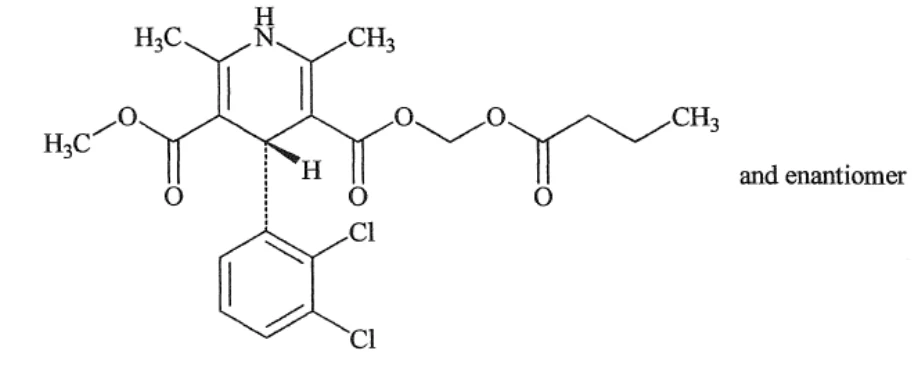
Chemical name: (butanoyloxy)methyl methyl (4RS)-4-(2,3-dichlorophenyl)-2,6-dimethyl-1,4-dihydropyridine-3,5-dicarboxylate
Molecular formula and molecular mass: C21H23Cl2NO6, 456.3 g/mol
Structural formula:
Physicochemical properties: White to off-white solid, which is practically insoluble in water, sparingly soluble in 99.5% ethanol, and slightly soluble in soybean oil.
Two polymorphic forms occur. Polymorph A is the predominant form, which melts at 138°C.
Clevidipine is a racemic mixture of (+)-S and (-)-R enantiomers.
pH of the oil-in-water emulsion formulation: 6.0 to 8.0.
14 CLINICAL TRIALS
14.1 Trial Design and Study Demographics
Table 5 Summary of patient demographics for clinical trials in peri-operative hypertension
| Study # | Study design | Dosage, route of administration and duration | Study subjects (n) | Median age (Range) | Sex |
| ESCAPE-1 | Double-blind, randomized, parallel, placebo-controlled, multicenter trial in cardiac surgery patients – preoperative | Starting IV infusion rate of 0.4 mcg/kg/min, titrating upward, as tolerated, in doubling increments every ~90 sec up to 3.2 mcg/kg/min for ≥30 to ≤60 min | 105 53 clevidipine 52 placebo | Clevidipine: 68.0 (43-82) Placebo: 61.0 (40-82) | Clevidipine: 16 female, 37 male Placebo: 16 female, 36 male |
| ESCAPE-2 | Double-blind, randomized, parallel, placebo-controlled, multicenter trial in cardiac surgery patients – postoperative | Starting IV infusion rate of 0.4 mcg/kg/min, titrating upward, as tolerated, in doubling increments every ~90 sec up to 3.2 mcg/kg/min for ≥30 to ≤60 min | 110 61 clevidipine 49 placebo | Clevidipine: 66.0 (27-83) Placebo: 62.0 (40-83) | Clevidipine: 14 female, 47 male Placebo: 11 female, 38 male |
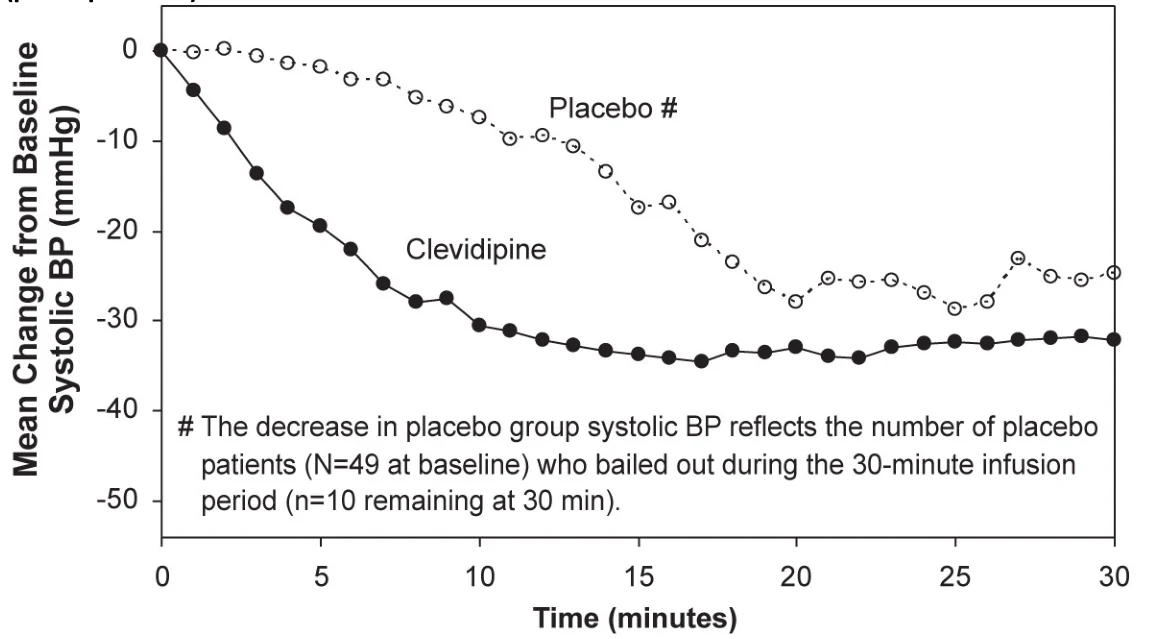
CLEVIPREX was evaluated in two double-blind, randomized, parallel, placebo-controlled, multicenter trials of cardiac surgery patients - preoperative use in ESCAPE-1 (n=105) and postoperative use in ESCAPE-2 (n=110). Patients were undergoing coronary artery bypass grafting, with or without valve replacement. Inclusion in ESCAPE-1 required a systolic pressure ≥160 mmHg. In ESCAPE-2, the entry criterion was systolic pressure of ≥140 mmHg within 4 hours of the completed surgery. The mean baseline blood pressure was 178/77 mmHg in ESCAPE-1 and 150/71 mmHg in ESCAPE-2. The population of both studies included 27% females and 47% patients older than age 65.
CLEVIPREX was infused in ESCAPE-1 preoperatively for 30 minutes, until treatment failure, or until induction of anesthesia, whichever came first. CLEVIPREX was infused in ESCAPE-2 postoperatively for a minimum of 30 minutes unless alternative therapy was required. The maximum infusion time allowed in the ESCAPE studies was 60 minutes.
In both studies infusion of CLEVIPREX was started at a dose of 1 to 2 mg/hour and was titrated upwards, as tolerated, in doubling increments every 90 seconds up to an infusion rate of 16 mg/hour in order to achieve the desired blood pressure-lowering effect. At doses above 16 mg/hour increments were 7 mg/hour. The average CLEVIPREX infusion rate in ESCAPE-1 was 15.3 mg/hour and in ESCAPE-2 it was 5.1 mg/hour. The mean duration of exposure in the same ESCAPE studies was 30 minutes for the CLEVIPREX treated patients.
Approximately 4% of CLEVIPREX-treated subjects in ESCAPE-1 and 41% in ESCAPE-2 were on concomitant vasodilators during the first 30 minutes of CLEVIPREX administration.
14.2 Study Results
CLEVIPREX lowered blood pressure within 2 to 4 minutes. The change in systolic blood pressure over 30 minutes for ESCAPE-1 (preoperative) and ESCAPE-2 (postoperative) are shown in Figure 1 and Figure 2.
Figure 1 Mean change in systolic blood pressure (mmHg) during 30-minute infusion, ESCAPE-1 (preoperative)
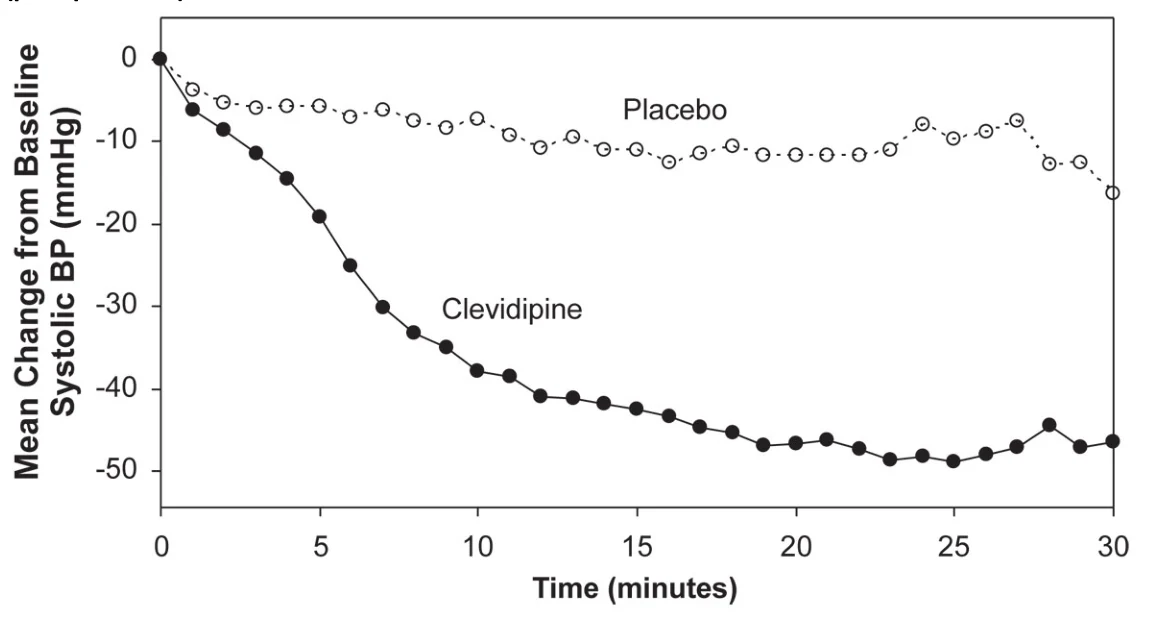
Figure 2 Mean change in systolic blood pressure (mmHg) during 30-minute infusion, ESCAPE-2 (postoperative)
15 MICROBIOLOGY
No microbiological information is required for this drug product.
16 NON-CLINICAL TOXICOLOGY
General Toxicology: In a 4-week study in rats, clevidipine was infused continuously at daily dose levels of 23, 39, and 66 mg/kg. The no-observed-adverse-effect level (NOAEL) was 23 mg/kg/day at a rate of 0.92 mL/kg/hour, approximately half the maximum recommended human dose (MRHD) of 504 mg/day (21 mg/h x 24 hours; 8.4 mg/kg/day for a patient with a body weight of 60 kg) on a body surface area basis. Changes associated with clevidipine were increased water consumption and urine output and increased adrenal (males) and ovary weights at the 39 and 66 mg/kg/day dose levels. Organ weight changes were without histopathological correlates and were reversible in recovery females. In a 4-week study in dogs, clevidipine was infused 12 hour/day at daily dose levels of 16, 32, and 66 mg/kg. The NOAEL was 16 mg/kg/day at an infusion rate of 1.32 mg/kg/hour, approximately equivalent to the MRHD on a body surface area basis. Pharmacologically related increases in heart rate were observed at all dose levels with a decrease in PR and QT intervals at the highest dose levels (32 and 66 mg/kg/day). This effect was more significant after the first dose than at the end of the study and is considered a reflex response to clevidipine-induced decreased blood pressure in normal dogs. Mean testes weights were low at all dose levels, but there were no microscopic changes that indicated a toxic effect on the testes. Spleen and adrenal weights were higher at the 32 and 66 mg/kg/day and 66 mg/kg/day dose levels, respectively. A marginal increased frequency of injection site changes, including thrombosis and phlebitis, appeared clevidipine related.
Carcinogenicity: Long-term studies for evaluation of the carcinogenic potential have not been performed with clevidipine due to the intended short-term duration of human use.
Genotoxicity: Clevidipine displayed a positive genotoxic potential in vitro in the Ames test, the mouse lymphoma thymidine kinase locus assay, and in the chromosomal aberration assay, but not in the in vivo mouse micronucleus test. Formaldehyde, a metabolite of clevidipine, a known genotoxicant in vitro and a probable human carcinogen, appears to be at least partially responsible for the positive in vitro results.
Reproductive and Developmental Toxicology: There were no adverse effects on fertility or mating behaviour of male rats with clevidipine doses of up to 55 mg/kg/day, approximately equivalent to the MRHD of 504 mg/day (21 mg/h x 24 hours) on a body surface area basis. Female rats demonstrated pseudopregnancy and changes in estrus cycle at doses as low as 13 mg/kg/day (about 1/4 the MRHD); however, doses of up to 55 mg/kg/day did not affect mating or fertility.
When pregnant rats were dosed with clevidipine during late gestation and early lactation (terminating on day 4 post-partum), there were dose-related increases in mortality, length of gestation, and prolonged parturition at dose levels as low as 13 mg/kg/day about 1/4 the MRHD of 504 mg/day (21 mg/h x 24 hours) on a body surface area basis. When offspring of these dams were mated, they had a conception rate lower than that of controls. Clevidipine crosses the placental membrane in this species and doses of 35 or more mg/kg/day (about 0.7 times the MRHD) administered during organogenesis adversely affected fetal survival. Fetal survival was also adversely affected when pregnant rabbits were treated during organogenesis with 55 mg/kg/day (about twice the MRHD) on a body surface area basis.
Increased post-implantation losses and dose-related decreases in ossification were seen in both rats and rabbits. In rats, a reduction in ossification of paws was observed that included partially ossified metacarpals, metatarsals, and phalanges suggesting developmental retardation. Renal pelvic cavitation was also observed. In addition, malrotations of a hind limb were observed that were not considered related to skeletal alterations.
Rabbits exhibited a reduction in ossification of supraoccipital bones and sternebrae and unossified heads of long limb bones. In addition, an increase in fused and/or misaligned sternebrae was observed. These effects are similar to changes reported with other calcium channel antagonists.
Juvenile Toxicity: There were no adverse effects on sexual maturation and reproductive performance of female and male juvenile rats treated with clevidipine doses of 10, 20, or 40 mg/kg administered over 5 consecutive days by intraperitoneal injection during developmental intervals representing postnatal days (PND) 10-14, 16-20, 21-25, and 26-30 or by 2-hour IV infusion in older, more developmentally mature rats (PND 32-36). After a treatment-free period until they were approximately 85 days of age, animals were paired for mating. The growth, survival, and clinical condition of F1 pups was unaffected by F0 test article administration at the same dose levels and developmental intervals. Bilateral small testes and epididymes were observed in 1 male in the 20 mg/kg PND 16-20 group and 2 males in the 40 mg/kg PND 21-25 group. The NOAEL for systemic and reproductive toxicity was 10 mg/kg.
In a subsequent juvenile toxicity study, there were no adverse findings in juvenile male rats dosed with 10, 20, or 40 mg/kg clevidipine by intraperitoneal injection during PND 21-25. There were no test article-related findings on spermatogenesis parameters or microscopic findings in the testes. The NOAEL for systemic toxicity and spermatogenesis parameters was 40 mg/kg/day.