


Product Monograph - Cyclosporine (Edenbridge Pharmaceuticals)
SUMMARY PRODUCT INFORMATION
| Route of Administration | Dosage Form / Strength | Clinically Relevant Nonmedicinal Ingredients |
|---|---|---|
| Oral | Soft Gelatin Capsules / 25 mg, 50 mg and 100 mg | Ethyl lactate and macrogolglycerol hydroxystearate For a complete listing see DOSAGE FORMS, COMPOSITION AND PACKAGING. |
Only physicians experienced in immunosuppressive therapy and management of organ transplant patients should prescribe CYCLOSPORINE (cyclosporine). Patients receiving the drug should be managed in centres staffed with professionals experienced in transplantation and the use of immunosuppressants and equipped with adequate laboratory facilities to monitor cyclosporine levels. The ability to measure cyclosporine blood levels facilitates the management of the patient. The radioimmunoassay (RIA) method has been used most often in clinical trials. For long-term follow-up, the attending physician should receive complete information from the transplant centre on the patient, to include: recommended CYCLOSPORINE dosage, target trough levels of cyclosporine and, frequency of determination of these levels. The attending physician should consult with the transplant centre when making dose adjustments to ensure that toxicity is minimized while maintaining adequate immunosuppression. Increased susceptibility to infection and the possible development of lymphoma may result from immunosuppression. Psoriasis/Rheumatoid Arthritis/Nephrotic Syndrome: Careful monitoring of CYCLOSPORINE treated patients is mandatory. CYCLOSPORINE should only be prescribed for psoriasis, rheumatoid arthritis or nephrotic syndrome by physicians experienced with its use. Psoriasis patients previously treated with PUVA and to a lesser extent, methotrexate, or other immunosuppressive agents, UVB, coal tar, or radiation therapy, are at an increased risk of developing skin malignancies when taking cyclosporine.” |
|---|
INDICATIONS AND CLINICAL USE
Solid Organ Transplantation
CYCLOSPORINE is indicated in the prevention of graft rejection following solid organ transplantation and in the treatment of transplant rejection in patients previously receiving other immunosuppressive agents.
Bone Marrow Transplantation
CYCLOSPORINE is indicated in the prevention of graft rejection following bone marrow transplantation and the prevention or treatment of graft-versus-host disease (GVHD).
Psoriasis
CYCLOSPORINE is indicated for the treatment of severe psoriasis in patients for whom conventional therapy is ineffective or inappropriate.
Rheumatoid Arthritis
CYCLOSPORINE is also indicated for the treatment of severe active rheumatoid arthritis in patients for whom classical slow-acting antirheumatic agents are inappropriate or ineffective.
Nephrotic Syndrome
CYCLOSPORINE is indicated in adults and children for steroid dependent and steroid resistant nephrotic syndrome due to glomerular diseases such as minimal change nephropathy; focal and segmental glomerulosclerosis, or membranous glomerulonephritis. CYCLOSPORINE can be used to induce remissions and to maintain them. It can also be used for maintenance of steroid induced remissions, allowing withdrawal of, or reduction in the dosage of steroids.
CONTRAINDICATIONS
- Patients who are hypersensitive to cyclosporine or any of its excipients. For a complete listing, see the DOSAGE FORMS, COMPOSITION AND PACKAGING section of the Product Monograph.
- CYCLOSPORINE is also contraindicated in the treatment of psoriasis and rheumatoid arthritis patients under the following circumstances: abnormal renal function; uncontrolled hypertension; malignancy (except non-melanoma skin cancer); uncontrolled infection; primary or secondary immunodeficiency excluding autoimmune disease.
- Co-administration of cyclosporine together with bosentan is contraindicated.
WARNINGS AND PRECAUTIONS
General
Medical supervision
CYCLOSPORINE (cyclosporine) should be prescribed only by physicians who are experienced in immunosuppressive therapy and management of transplant patients and can provide adequate follow-up, including regular full physical examination, measurement of blood pressure and control of laboratory safety parameters. Patients receiving the drug should be managed in facilities with adequate laboratory and supportive medical resources.
For All Patients
Appropriate patient and laboratory monitoring is essential to prevent, reverse or minimize the following adverse events: nephrotoxicity; hypertension; the development of malignancies and lymphoproliferative disorders; increased risk of infections; hepatotoxicity; lipoprotein abnormalities; neurotoxicity.
Cyclosporine absorption has significant inter-and intra-patient variability. Cyclosporine whole blood concentrations as well as the effectiveness and the adverse events related to cyclosporine should be appropriately monitored in all patients, particularly in de novo patients undergoing any change in their treatment regimen, to ensure maximum safety and optimal clinical outcome.
Non transplant indications
Patients with impaired renal function (except in nephrotic syndrome patients with a permissible degree of renal impairment), abnormal liver function, uncontrolled hypertension, uncontrolled infections or any kind of malignancy should not receive CYCLOSPORINE. The risks inherent in treatment with cyclosporine have to be justified for the non-transplant patients.
Psoriasis
CYCLOSPORINE should only be prescribed for psoriatic patients by physicians experienced with its use. All patients to be treated with CYCLOSPORINE for psoriasis must have a pre-treatment physical examination to include blood pressure, renal function and careful examination for tumours, particularly of the skin, to establish accurate baseline values and clinical status.
Skin lesions not typical of psoriasis should be biopsied to exclude skin cancers, mycosis fungoides or other pre-malignant conditions.
Rheumatoid Arthritis
Discontinuation of the drug is recommended if hypertension developing during CYCLOSPORINE therapy cannot be controlled with appropriate antihypertensive therapy. As with other long-term immunosuppressive treatments, an increased risk of lymphoproliferative disorders must be borne in mind.
Nephrotic Syndrome
CYCLOSPORINE should only be prescribed by physicians experienced with its use. All patients to be treated with CYCLOSPORINE for nephrotic syndrome must have a pre-treatment physical examination to include blood pressure, renal function (see DOSAGE AND ADMINISTRATION) and screening for malignancies.
Carcinogenesis and Mutagenesis
Malignancy and lymphoproliferative disorders have developed, but their incidence and distribution are similar to those in patients on conventional immuno-suppressive therapy.
In psoriatic patients on cyclosporine therapy, development of malignancies (in particular of the skin) has been reported. Patients with psoriasis previously treated with PUVA and to a lesser extent, methotrexate or other immunosuppressive agents, UVB are at an increased risk of developing skin malignancies when taking CYCLOSPORINE. Skin lesions, not typical of psoriasis, but suspected to be malignant or premalignant should be biopsied before starting cyclosporine treatment. Patients with malignant or premalignant alterations of the skin should be treated with cyclosporine only after appropriate treatment of such lesions and if no other option for successful therapy exists. Cyclosporine should be discontinued if malignancy occurs.
In view of the potential risk of skin malignancy, patients on CYCLOSPORINE, should be warned to avoid excess ultraviolet light exposure. In view of the potential risk of skin malignancy, patients on CYCLOSPORINE, should be warned to avoid excess unprotected sun exposure and should not receive concomitant ultraviolet B irradiation or PUVA photochemotherapy. Malignancy and lymphoproliferative disorders have developed, but their incidence and distribution are similar to those in patients on conventional immuno-suppressive therapy. In psoriatic patients on cyclosporine therapy, development of malignancies (in particular of the skin) has been reported.
Cardiovascular
Hypertension
Patients receiving cyclosporine may develop hypertension, and regular monitoring of blood pressure is required. Caution is advised in choosing an agent to treat this hypertension. Preference should be given to an antihypertensive agent that does not interfere with the pharmacokinetics of cyclosporine, e.g. isradipine. Diuretics are not recommended (see DRUG INTERACTIONS).
In addition, in psoriasis patients; beta-blockers are not generally recommended due to their propensity to exacerbate psoriasis. Only calcium channel blockers which do not interfere with cyclosporine pharmacokinetics are recommended (see DRUG INTERACTIONS).
Endocrine and Metabolism
Lipoprotein Abnormalities
Many transplant patients have hyperlipidemia and cyclosporine may contribute to the genesis of this problem. It is advisable to perform lipid determination before treatment and after the first month of therapy. If lipids are increased, restriction of dietary fat should be considered. (If the risk benefit ratio warrants, a reduction of CYCLOSPORINE dose may also be considered.) Caution is advised in the co-administration of CYCLOSPORINE and the HMG-CoA reductase inhibitor, lovastatin due to the risk of myocyte necrosis. The potential for interaction with other drugs in this class should be considered (see DRUG INTERACTIONS, ADVERSE REACTIONS and REFERENCES).
Hyperkalemia/Hyperuricemia/Hypomagnesemia
Cyclosporine enhances the risk of hyperkalemia, especially in patients with renal dysfunction (see ADVERSE REACTIONS). Caution is also required when cyclosporine is co-administered with potassium sparing diuretics, angiotensin converting enzyme inhibitors, angiotensin II receptor antagonists and potassium containing drugs as well as in patients on a potassium rich diet (see DRUG INTERACTIONS). Control of potassium levels in these situations is advisable.
Caution is required in treating patients with hyperuricemia. (see DRUG INTERACTIONS and
ADVERSE REACTIONS)
Cyclosporine enhances the clearance of magnesium. This can lead to symptomatic hypomagnesemia, especially in the peri-transplant period (see ADVERSE REACTIONS). Control of serum magnesium levels is therefore recommended in the peri-transplant period, particularly in the presence of neurological symptoms/signs. If considered necessary, magnesium supplementation should be given.
Hepatic/Biliary/Pancreatic
Hepatotoxicity
Cyclosporine may also cause dose-dependent, reversible increases in serum bilirubin and in liver enzymes (see ADVERSE REACTIONS).
There have been solicited and spontaneous postmarketing reports of hepatotoxicity and liver injury including cholestasis, jaundice, hepatitis and liver failure in patients treated with cyclosporine. Most reports included patients with significant co-morbidities, underlying conditions and other confounding factors including infectious complications and co-medications with hepatotoxic potential. In some cases, mainly in transplant patients, fatal outcomes have been reported (see ADVERSE REACTIONS).
Close monitoring of parameters that assess hepatic function is required. Abnormal values may necessitate dose reduction (see DOSAGE AND ADMINISTRATION and ACTION AND CLINICAL PHARMACOLOGY).
Immune
Infection/Immunization
Like other immunosuppressants, cyclosporine, predisposes patients to the development of a variety of bacterial, fungal, parasitic and viral infections, often with opportunistic pathogens. Activation of latent polyomavirus infections that may lead to Polyomavirus associated nephropathy (PVAN), especially to BK virus nephropathy (BKVN), or to JC virus associated progressive multifocal leukoencephalopathy (PML) has been observed in patients receiving cyclosporine. These conditions are often related to a high total immunosuppressive burden and should be considered in the differential diagnosis in immunosuppressed patients with deteriorating renal function or neurological symptoms. Serious and/or fatal outcomes have been reported. Effective pre-emptive and therapeutic strategies should be employed particularly in patients on multiple long-term immunosuppressive therapy.
Vaccination may be less effective and the use of live attenuated vaccines should be avoided.
Neurologic
Cyclosporine is neurotoxic and has the potential to induce tremor, convulsions and paresthesia in post-transplant recipients. More complex neurological abnormalities including motor spinal cord, cerebellar syndromes, and encephalopathy have been reported in post-transplant patients. In many cases, changes in the white matter of the brain have been detected. Dose reduction or discontinuation should be considered in patients with severe cyclosporine-associated neurotoxicity.
Renal
Cyclosporine may cause increases in serum creatinine and urea levels, even at recommended doses as a result of reduced glomerular filtration rate (GFR). The mechanism leading to these increases is not fully understood. These functional changes are dose dependent and reversible, and usually respond to dose reduction. Although less frequent, some patients may develop structural changes in the kidney (e.g. arteriolar hyalinosis, tubular atrophy and interstitial fibrosis) during long term treatment. Although these renal changes are less common, they may be irreversible. Therefore, dose reduction or discontinuation should be considered in these patients.
In renal transplant patients, structural changes in the kidney must be differentiated from organ rejection.
Close monitoring of parameters that assess renal function is required. Abnormal values may necessitate dose reduction.
In elderly patients (> 65 years of age), renal function should be monitored more closely. Kidney changes occur both structurally and functionally with aging leading to a natural decrease of renal function. Cyclosporine whole blood concentrations should be closely monitored in this patient group to ensure maximum safety and optimal clinical outcome.
In patients who are treated with cyclosporine for non-transplant indications, the risk of renal structural changes is greater if the serum creatinine level increases more than 30% from the patient's own baseline value. Thus regular measurements of serum creatinine levels must be made (see also MONITORING AND LABORATORY TESTS, PSORIASIS/ RHEUMATOID ARTHRITIS/ NEPHROTIC SYNDROME PATIENT MANAGEMENT).
Special Excipients: Ethyl Lactate
Ethyl lactate is known to breakdown into ethanol. CYCLOSPORINE may result in ethanol exposure of up to 1,359 mg at maximum daily dose, which is equivalent to 34 ml of beer or 12 ml of wine. The breakdown of ethyl lactate to ethanol should be taken into account, especially when given to pregnant or breast-feeding women and children, to patients with liver disease or epilepsy, and to patients with alcohol-dependence.
Special Populations
Women of child-bearing potential:
There are no special recommendations for women of child-bearing potential.
Pregnant Women:
There are no adequate data in pregnant women and, therefore, CYCLOSPORINE should not be used during pregnancy unless the expected benefit to the mother outweighs the potential risk to the fetus. The breakdown of ethyl lactate to ethanol should also be taken into account in pregnant women (see WARNINGS AND PRECAUTIONS, Special Excipients).
Animal studies have shown reproductive toxicity in rats and rabbits (see DETAILED PHARMACOLOGY).
Cyclosporine is not teratogenic in animals, but was shown to be both embryo- and feto-toxic in rats and rabbits at 2 to 5 times the human dose.
To date, information has been received on 514 pregnancies with exposure to the conventional formulation of cyclosporine for injection. In most patients, the indication for cyclosporine therapy was organ transplantation.
Pregnant women receiving immunosuppressive therapies after transplantation, including cyclosporine and cyclosporine-containing regimens, are at risk of premature delivery (<37 weeks).
Most patients who became pregnant continued cyclosporine therapy throughout pregnancy, usually in combination with other immunosuppressive drugs and further medication.
Fetal loss occurred in 9.1% of the patients, which is within the range found in a normal population. In 4.9% of the patients, the pregnancy was interrupted, either for medical considerations or at the wish of the patient.
The course of pregnancy was often complicated by disorders specific to pregnancy, in particular in renal transplant patients, or by disorders relating to the underlying disease. A large proportion of the pregnancies ended in preterm delivery. Accordingly, the main problems seen in the neonates relate to prematurity, best exemplified by the short median gestation duration of 35.7 weeks in the 439 pregnancies completed, and the low median birth weight, 2291 g, of the 446 babies delivered, including 10 twins.
It appears that premature delivery and the delivery of infants small for their age occur more often in patients who have undergone a renal transplantation.
Out of 102 babies born to mothers treated with the conventional formulation cyclosporine for injection, five were born with malformations. It is not clear what role cyclosporine has played in the complications of pregnancy.
Males treated with cyclosporine have fathered normal children.
In pregnant transplant recipients who are being treated with immunosupressants the risks of premature births is increased.
A limited number of observations in children exposed to cyclosporine in utero is available, up to an age of approximately 7 years. Renal function and blood pressure in these children were normal.
Nursing Women:
Cyclosporine passes into breast milk. Mothers receiving treatment with CYCLOSPORINE should not breast feed. The breakdown of ethyl lactate to ethanol of CYCLOSPORINE should also be taken into account. Because of the potential of CYCLOSPORINE to cause serious adverse drug reactions in breastfed newborns/infants, a decision should be made whether to abstain from breast-feeding or to abstain from using the medicinal drug, taking into account the importance of the medicinal product to the mother.
Fertility
There is a limited data on the effect of cyclosporine on human fertility. No impairment in fertility was demonstrated in studies in male and female rats (see DETAILED PHARMACOLOGY).
Renal impairment
All indications
Cyclosporine undergoes minimal renal elimination and its pharmacokinetics is not affected by renal impairment (see ACTION AND CLINICAL PHARMACOLOGY). However, due to its nephrotoxic potential (see ADVERSE REACTIONS), a careful monitoring of the renal function is recommended (see WARNINGS AND PRECAUTIONS, ALL INDICATIONS).
Non-transplant indications
Patients with impaired renal function, except nephrotic syndrome patients, should not receive cyclosporine (see WARNINGS AND PRECAUTIONS, ADDITIONAL PRECAUTIONS IN
NON-TRANSPLANT INDICATIONS). In nephrotic syndrome patients with impaired renal function, the initial dose should not exceed 2.5 mg/kg per day.
Hepatic impairment
Cyclosporine is extensively metabolized by the liver. The terminal half-life varied between 6.3 hours in healthy volunteers to 20.4 hours in severe liver disease patients (see ACTION AND CLINICAL PHARMACOLOGY). Dose reduction may be necessary in patients with severe liver impairment to maintain blood levels within the recommended target range (see WARNINGS AND PRECAUTIONS and ACTION AND CLINICAL PHARMACLOGY).
Pediatrics:
CYCLOSPORINE is not recommended in children of non-transplant indications other than nephrotic syndrome. Pediatric patients have similar adverse drug reaction profiles as those in the adults (see WARNINGS AND PRECAUTIONS and ADVERSE REACTIONS).
Clinical studies in patients with nephrotic syndrome have included children from one year of age using standard cyclosporine dosage. In several studies, pediatric patients required higher doses of cyclosporine per kg body weight than those used in adults.
Geriatrics (> 65 years of age):
Experience with cyclosporine in the elderly is limited, but no particular problems have been reported following the use of the drug at the recommended dose. However, factors sometimes associated with aging, in particular impaired renal function, necessitate careful supervision and may necessitate dosage adjustment.
In rheumatoid arthritis clinical trials with cyclosporine, 17.5% of patients were age 65 or older. These patients were more likely to develop systolic hypertension on therapy, and more likely to show serum creatinine rises > 50% above the baseline after 3-4 months of therapy.
Clinical studies of cyclosporine in transplant and psoriasis patients did not include a sufficient number of subjects aged 65 and over to determine whether they respond differently from younger subjects. Other reported clinical experiences have not identified differences in response between the elderly and younger patients. In general, dose selection for an elderly patient should be cautious, usually starting at the low end of the dosing range, reflecting the greater frequency of decreased hepatic, renal, or cardiac function, and of concomitant disease or other drug therapy.
Monitoring and Laboratory Tests
Transplant Patient Management
Laboratory
Accurate and regular monitoring of cyclosporine blood levels in conjunction with other laboratory and clinical parameters is regarded as an essential aid to maintain the trough concentrations within the relatively narrow therapeutic window between efficacy and toxicity.
During the immediate post-operative period, levels should be monitored every 2-3 days.
Monitoring schedules should continue until the patient's clinical condition and CYCLOSPORINE dosage are stable. Following discharge from hospital, cyclosporine levels are determined at each clinic visit, which is usually twice weekly for the first two months, weekly until four months and monthly thereafter for the first year.
The reported therapeutic range for 12 hour trough levels from whole blood which appear to minimize side effects and rejection episodes are between 100-400 ng/mL as measured by the RIA method using specific monoclonal antibody (see DOSAGE AND ADMINISTRATION).
Two methods are available for the specific assay of cyclosporine parent compound: radioimmunoassay (RIA) and high-performance liquid chromatography (HPLC). Comparative findings for the analysis of blood samples by both the RIA method (based on specific monoclonal antibody) and the HPLC method has established that the specific antibody gives a selective measure of the cyclosporine parent compound without significant interference from drug metabolites. Therefore, 12 hour trough levels of the cyclosporine parent compound should routinely be measured using the radioimmunoassay (RIA) kit for cyclosporine based on the specific monoclonal antibody.
Because there is a temperature and time-dependent uptake of cyclosporine by erythrocytes, the concentration of cyclosporine in plasma separated at room temperature and 37°C will differ substantially, the latter being higher. For this reason, it is not recommended to use plasma or serum as the matrix of choice. However, if plasma or serum is used a standard separation protocol (time and temperature) should be followed.
Whole blood is the matrix of choice. Specimens should be collected into tubes containing ethylene diamine tetraacetic acid (EDTA) anticoagulant. Heparin anticoagulation is not recommended because of the tendency to form clots on storage. Samples which are not to be analyzed immediately should be stored in a refrigerator (4°C) and assayed within 7 days; if the samples are to be kept longer they should be deep frozen (-20°C) for up to 6 months.
Psoriasis / Rheumatoid Arthritis / Nephrotic Syndrome Patient Management
Prior to Initiation of CYCLOSPORINE Therapy
Clinical
Before treatment, the patient should undergo a history and physical examination with investigations as warranted. An initial blood pressure reading should be made on at least two occasions within 2 weeks to establish a baseline. As CYCLOSPORINE is immunosuppressive, a search should be made for tumours of all kinds, particularly of the skin. Any persistent previously undiagnosed skin lesion should be biopsied for a confirmed diagnosis prior to starting therapy. Female patients should have an examination of the cervix within the first 6 months of therapy, and periodically thereafter, to exclude malignancy.
Laboratory
Prior to therapy, a 12-hour fasting serum creatinine should be measured on at least three occasions within 2 weeks to give an accurate baseline value. A baseline creatinine clearance is also suggested, if possible.
It is recommended that initial investigations should include urinalysis, complete blood count, liver function tests, serum uric acid and serum potassium.
Follow-up during CYCLOSPORINE Therapy
Clinical
Regular clinical examinations are necessary during treatment with CYCLOSPORINE. Follow-up assessment of blood pressure should be performed every 2 weeks during the initial 3 months and every month thereafter.
Should hypertension occur, in the majority of patients, elevated blood pressure can be adequately controlled by dose reduction. Should antihypertensive therapy be necessary, diuretics are not recommended. In addition, in psoriasis patients, beta-blockers are not generally recommended due to their propensity to exacerbate psoriasis. Only calcium channel blockers which do not interfere with CYCLOSPORINE pharmacokinetics are recommended (see DRUG INTERACTIONS). If hypertension is uncontrolled with antihypertensive treatment, CYCLOSPORINE should be discontinued. When CYCLOSPORINE is discontinued, blood pressure returns to normal within 3 months. Development of malignancies has been reported in patients when treated with cyclosporine. In patients with nephrotic syndrome treated with immunosuppressants (including cyclosporine) the occurrence of malignancies (including Hodgkin’s lymphoma) has occasionally been reported. Careful physical examination should thus be made for malignancies, notably of skin, oral mucosa, major lymph nodes. Psoriatic patients should avoid direct sun exposure as this will increase the risk of skin cancer.
Laboratory
- a) Psoriasis and rheumatoid arthritis
A complete blood count including, differential WBC, platelet counts, liver function tests, urinalysis, serum potassium, uric acid should be measured periodically during treatment with CYCLOSPORINE. Serum creatinine should be measured every 2 weeks for the initial 3 months (see DOSAGE AND ADMINISTRATION). Thereafter, if creatinine levels remain stable, measurements should be made every 2 months in patients who are receiving up to 2.5 mg/kg/day and every 4 weeks in patients who are receiving higher doses. If creatinine increased from the baseline, dose reduction or discontinuation should be considered.
More frequent checks are necessary when the CYCLOSPORINE dose is increased or concomitant treatment with a non-steroidal anti-inflammatory drug is initiated or the dosage is increased. The same precaution applies to the introduction of any drug known to increase cyclosporine blood levels.
Routine measurements of cyclosporine blood levels are not necessary because of their poor predictive value, but may be useful in special cases where drug interactions or altered bioavailability are suspected.
- b) Nephrotic syndrome
Since cyclosporine can impair renal function, it is necessary to assess renal function frequently and, if the serum creatinine remains increased by more than 30% above baseline at more than one measurement the dosage of CYCLOSPORINE must be reduced by 25 to 50%. If the creatinine increase greater than 30% occurs, further dose reduction or discontinuation should be considered. In some patients it may be difficult to detect cyclosporine-induced renal dysfunction because of changes in renal function related to the nephrotic syndrome itself. This may explain why, in rare cases, cyclosporine- associated structural kidney alterations have been observed without changes in serum creatinine. Therefore, renal biopsy should be considered for patients with steroid- dependent minimal change nephropathy in whom cyclosporine therapy has been maintained for more than one year.
Periodic monitoring of cyclosporine trough levels is recommended.
Drug Interactions
Caution should be exercised in patients receiving drug treatment with:

Nephrotoxic Drugs
Cytotoxic Drugs
Immunosuppressants or radiation (including PUVA or UVB)
Drugs affecting metabolism/absorption of cyclosporine
Lercanidipine
Methotrexate
Substrates of P-glycoprotein (Pgp) such as aliskiren
Cyclosporine may increase blood levels of concomitant medications that are substrates for the multidrug efflux transporter P-glycoprotein or the organic anion transporter proteins (OATP) such as aliskiren, dabigatran or bosentan. Co-administration of cyclosporine with aliskiren is not recommended. Co-administration of cyclosporine together with dabigatran should be avoided. Co-administration of cyclosporine together with bosentan is contraindicated. These recommendations are based upon the potential clinical impact of these interactions (see DRUG
INTERACTIONS).
ADVERSE REACTIONS
Adverse drug reactions from clinical trials are listed by MedDRA system organ classes. Within each system organ class, the adverse drug reactions are ranked by frequency with the most frequent reactions first. Within each frequency grouping, adverse drug reactions are presented in order of decreasing seriousness. In addition, the corresponding frequency category for each adverse drug reaction is based on the following convention (CIOMS III) very common (≥ 1/10); common (≥ 1/100, < 1/10); uncommon (≥ 1/1,000, < 1/100); rare (≥ 1/10,000, < 1/1,000) very rare (< 1/10,000), including isolated reports.
Adverse Drug Reaction Overview
Despite the increase in Cmax and AUC seen in patients who are treated with the modified formulation of cyclosporine, a similar safety profile to the conventional formulation of cyclosporine has been observed. Studies have reported no significant difference between the two formulations in terms of renal safety, risk of adverse events, or laboratory parameters (eg blood pressure, creatinine clearance, serum levels of urea, creatinine, potassium, cholesterol, triglycerides). Furthermore, there is no indication of a correlation between peak cyclosporine concentration (Cmax) and changes in renal function.
The following adverse reactions observed with conventional formulation of cyclosporine are also likely to occur with modified formulation of cyclosporine.
The principal adverse reactions observed in clinical trials and associated with the administration of cyclosporine include renal dysfunction, tremor, hirsutism, hypertension, diarrhea, anorexia, nausea and vomiting.
Many side effects associated with cyclosporine therapy are dose-dependent and responsive to dose reduction. In the various indications, the overall spectrum of side effects is essentially the same. There are, however, differences in incidence and severity. As a consequence of the higher initial doses and longer maintenance therapy required after transplantation, side effects are more frequent and usually more severe in transplant patients than in patients treated for other indications.
Infections and Infestations
Patients receiving immunosuppressive therapies, including cyclosporine and cyclosporine- containing regimens, are at increased risk of infections (viral, bacterial, fungal, parasitic) (see WARNINGS AND PRECAUTIONS). Both generalised and localised infections can occur. Pre- existing infections may also be aggravated and reactivation of polyomavirus infections may lead to Polyomavirus associated nephropathy (PVAN) or to JC virus associated progressive multifocal leukoencephalopathy (PML). Serious and/or fatal outcomes have been reported.
Neoplasms benign, malignant and unspecified (including cysts and polyps)
Patients receiving immunosuppressive therapies, including cyclosporine and cyclosporine- containing regimens are at increased risk of developing lymphomas or lymphoproliferative disorders and other malignancies, particularly of the skin. The frequency of malignancies increases with the intensity and duration of therapy (see WARNINGS AND PRECAUTIONS).
Blood and Lymphatic System disorders: Common: Leucopenia; Uncommon: anemia (in 1 patient only <1%), thrombocytopenia (in 5 patients i.e., 2%), thrombotic thrombocytopenic purpura reported as purpura 2 patients (<1%) in the pooled data of bone marrow transplantation and GvHD trials.
Cardiovascular disorders: Very common: hypertension (particularly in heart transplant patients); Common: flushing.
Gastrointestinal tract disorders: Very common: nausea, vomiting, abdominal discomfort, diarrhea, gingival hyperplasia; Common: peptic ulcer. Rare: Pancreatitis acute (in 1 patient only
<1%).
General disorders and administration site conditions: Common: pyrexia, edema; Uncommon: weight increase (in 1 patient only <1%).
Hepatobiliary disorders: Uncommon: hepatoxicity (in 3 patients only <1%)
Metabolism and nutrition disorders: Very common: anorexia, hyperglycemia
Musculoskeletal and connective tissue disorders: Uncommon: muscle cramps (in 1 patient only <1%) myalgia (reported as muscle pain in 2 patients (<1%)
Nervous system disorders:
Very common: tremor, headache
Common: convulsions, paresthesia
Renal and Urinary disorders: Very common: renal dysfunction (see WARNINGS AND PRECAUTIONS).
Reproductive System and breast disorders: Rare: Menstrual disturbances, Uncommon: Gynecomastia reported in US CyA liver and kidney transplant studies as 2 patients and 4 patients respectively.
Skin and subcutaneous tissue disorders: Very common: hirsutism; Common: acne.
Especially in liver transplant patients, signs of encephalopathy, vision and movement disturbances, and impaired consciousness are described. Whether these alterations are caused by cyclosporine, the underlying disease or other conditions remains to be established.
In rare instances, thrombocytopenia, in some patients associated with micro-angiopathic hemolytic anemia and renal failure (hemolytic uremic syndrome), has been observed.
Malignancies and lymphoproliferative disorders have developed, but their incidence and distribution are similar to those in patients on conventional immunosuppressive therapy.
Clinical Trial Adverse Drug Reactions
Because clinical trials are conducted under very specific conditions the adverse reaction rates observed in the clinical trials may not reflect the rates observed in practice and should not be compared to the rates in the clinical trials of another drug. Adverse drug reaction information from clinical trials is useful for identifying drug-related adverse events and for approximating rates.
Transplantation
The following events occurred in patients involved in two clinical trials with cyclosporine. The first column reports on a study in which stable renal transplant patients were switched to cyclosporine; in the second, de novo renal transplant patients were treated with cyclosporine.
| Adverse Event |
|
|
|---|---|---|
Gingival hyperplasia Hypertrichosis Edema Tremor Loss of muscle strength Changes in vegetative functions Nausea, vomiting, epigastrical pain Headache Paresthesia Heat Sensations Others | 29 (7.8%) 24 (6.5%) 32 (8.6%) 31 (8.3%) 3 (0.8%) 24 (6.5%) 30 (8.1%) 37 (10.0%) 16 (4.3%) 28 (7.5%) 62 (16.7%) | 3 (6.7%) 17 (37.8%) 14 (31.1%) 19 (42.2%) 8 (17.8%) 8 (17.8%) 7 (15.6%) 10 (22.2%) 5 (11.1%) 5 (11.1%) 11 (27.5%) |
Psoriasis
In clinical trials, the most frequent side effects associated with the use of cyclosporine in psoriasis were renal dysfunction, hypertension, gastrointestinal disorders, hypertrichosis, paresthesia, headache, influenza-like symptoms, upper-respiratory tract infections, gum hyperplasia, fatigue, hyperuricemia, hypomagnesemia and increase in plasma liquids.
The following events (excluding renal dysfunction, hypertension and malignancies) occurred in 3% or greater of 631 psoriatic patients involved in clinical trials:
Body System Adverse Event | % |
|---|---|
Skin and Appendages Hypertrichosis | 14.6 |
Central and Peripheral Nervous System Paresthesia Headache | 11.4 9.4 |
Gastrointestinal Tract Nausea Gingival overgrowth Gastrointestinal disorder | 4.8 4.6 3.3 |
|---|---|
General Disorders Fatigue | 4.0 |
E.N.T. and Respiratory Tract Influenza-like symptoms Upper respiratory tract infection | 5.5 4.6 |
In psoriasis in 1,439 patients treated with conventional formulation of cyclosporine, the following were reported: 21 cases of skin cancer, 17 cases of solid malignant tumours and 6 cases of lymphoproliferative disorders (2 lymphomas).
There is an increased risk of malignancies, particularly skin cancer in psoriasis patients especially when the psoriasis has been previously treated with carcinogens, such as PUVA treatment.
Rheumatoid Arthritis
In clinical trials, the most frequent side effects associated with the use of cyclosporine in rheumatoid arthritis were hypertrichosis; hypertension; nausea; abdominal pain; paresthesia; headache and gum disorders.
Body System Adverse Event | IV Conventional Cyclosporine Initial Dose < 6 mg/kg/d (n=378) (%) | Placebo-Treated Patients (n=176) (%) |
|---|---|---|
Skin Appendages Alopecia Hypertrichosis Rash | 3.4 33.9 3.4 | 2.3 5.1 6.3 |
Central and Peripheral Cramps Dizziness Headache Paresthesia Tremor | 4.0 4.5 15.6 15.9 13.5 | 0.6 4.5 9.7 6.3 3.4 |
Autonomic Nervous Flushing | 5.0 | 1.7 |
Gastro-Intestinal Abdominal pain Diarrhea Dyspepsia Gum Disorders | 18.8 6.1 9.5 11.6 | 10.2 6.3 5.7 0.6 |
Nausea Vomiting | 27.2 8.2 | 13.6 2.3 |
|---|---|---|
Body as a Whole Fatigue Fever Edema | 4.2 3.2 4.8 | 4.0 2.3 2.8 |
Resistance Change Pharyngitis | 3.2 | 2.3 |
Nephrotic Syndrome
In clinical trials, the most frequent side effects associated with the use of cyclosporine in nephrotic syndrome were: renal dysfunction, hypertrichosis, gingival hyperplasia, hypertension, tremor and paresthesia, and gastrointestinal symptoms.
The following events occurred in 3% or greater of nephrotic syndrome patients involved in clinical trials :
Body System Adverse Event | Conventional formulation of cyclosporine (n=270) (%) |
|---|---|
Skin/Appendages Hypertrichosis Hypotrichosis | 31.5% 3.0% |
Musculo-Skeletal Muscle Contraction | 4.1% |
Central and Peripheral Nervous System Paresthesia Headache Tremor | 12.2% 5.6% 5.6% |
Psychiatric Disorders Weakness | 4.8% |
Gastro-Intestinal Gingival Hyperplasia Nausea Gastric Pain Diarrhea Abdominal Pain | 27.0% 4.4% 3.7% 3.3% 3.1% |
Liver and Biliary System Liver Enzyme Increase | 3.3% |
Metabolic and Nutritional Hypomagnesemia | 5.2% |
|---|---|
Cardiovascular Hypertension | 13.7% |
Urinary System Renal Dysfunction | 7.0% |
In nephrotic syndrome of 660 patients treated with conventional formulation of cyclosporine, malignancies occurred in 5 patients (3 carcinomas, 2 Hodgkin’s lymphomas).
Post-Marketing Adverse Drug Reactions
The following adverse drug reactions have been derived from post-marketing experience with all formulations of cyclosporine via spontaneous case reports and literature cases. Because these reactions are reported voluntarily from a population of uncertain size, it is not possible to reliably estimate their frequency which is therefore categorized as not known. Adverse drug reactions are listed according to system organ classes in MedDRA. Within each organ class, ADRs are presented below in order of decreasing seriousness.
Blood and Lymphatic System disorders: Thrombotic microangiopathy, haemolytic uremic syndrome
Metabolism and nutrition disorders: hyperlipidemia, hyperuricemia, hyperkalemia, hypomagnesemia.
Nervous system disorders: Encephalopathy including Posterior Reversible Encephalopathy Syndrome (PRES), signs and symptoms such as convulsions, confusion, disorientation, decreased responsiveness, agitation, insomnia, visual disturbances, cortical blindness, coma, paresis, cerebellar ataxia, optic disc edema including papilledema, with possible visual impairment secondary to benign intracranial hypertension, peripheral neuropathy, migraine.
Hepatobiliary disorders: Liver injury including cholestasis, jaundice, hepatitis and liver failure with some fatal outcome (see WARNINGS AND PRECAUTIONS) .
Skin and subcutaneous tissue disorders: Hypertrichosis.
Musculoskeletal and connective tissue disorders: Myopathy, muscular weakness, as well as muscle pain, myositis, and rhabdomyolysis (with concomitant administration of cyclosporine with lovastatin, simvastatin, atorvastatin, pravastatin, and rarely fluvastatin (see DRUG-DRUG INTERACTIONS), pain of lower extremities (including as part of Calcineurin-Inhibitor Induced Pain Syndrome (CIPS) as described in the literature).
General disorders and administration site conditions: Fatigue
Description of selected adverse drug reactions
Hepatotoxicity and liver injury
There have been solicited and spontaneous post marketing reports of hepatotoxicity and liver injury including cholestasis, jaundice, hepatitis and liver failure in patients treated with cyclosporine. Most reports included patients with significant co-morbidities, underlying conditions and other confounding factors including infectious complications and comedications with hepatotoxic potential. In some cases, mainly in transplant patients, fatal outcomes have been reported (see WARNINGS AND PRECAUTIONS).
Acute and chronic nephrotoxicity
Patients receiving calcineurin inhibitors (CNIs) therapies, including cyclosporine and cyclosporine- containing regimens, are at increased risk of acute or chronic nephrotoxicity. There have been reports from clinical trials and from the post marketing setting associated with the use of cyclosporine. Cases of acute nephrotoxicity reported disorders of ion homeostasis, such as hyperkalemia, hypomagnesemia, hyperuricemia which developed in the majority of the cases within the first month of treatment. Cases reporting chronic morphological changes included arteriolar hyalinosis, tubular atrophy and interstitial fibrosis (see WARNINGS AND PRECAUTIONS).
DRUG INTERACTIONS
Overview
Of the many drugs reported to interact with cyclosporine, those for which the interactions are adequately substantiated and considered to have clinical implications are listed below.
Various agents are known to either increase or decrease plasma or whole blood cyclosporine levels usually by inhibition or induction of enzymes involved in the metabolism of cyclosporine, in particular CYP3A4.
If the concomitant use of drugs known to interact with cyclosporine cannot be avoided, the following basic recommendations should be observed:
- In transplant patients: frequent measurements of cyclosporine levels and, if necessary, cyclosporine dosage adjustment are required, particularly during the introduction or withdrawal of the co-administered drug.
- In non-transplant patients: the value of cyclosporine blood level monitoring is questionable, as in these patients the relationship between blood level and clinical effects is less well established. If drugs known to increase cyclosporine levels are given concomitantly, frequent assessment of renal function and careful monitoring for cyclosporine-related side effects may be more appropriate than blood level measurement.
Cyclosporine is also an inhibitor of CYP3A4 and of the multidrug efflux transporter P- glycoprotein and may increase plasma levels of comedications that are substrates of this enzyme and/or transporter.
Nonsteroidal Anti-inflammatory Drugs
Nonsteroidal anti-inflammatory drug therapy should be discontinued where possible. As nonsteroidal anti-inflammatory drugs alone can have an adverse effect on renal function, addition of these drugs to CYCLOSPORINE therapy or an increase in their dosage should be accompanied by particular close monitoring of renal function.
Infection/Immunization
During treatment with cyclosporine, vaccination may be less effective; the use of live-attenuated vaccines should be avoided.
HMG-CoA Reductase Inhibitors
In transplant patients who received the HMG-CoA reductase inhibitor lovastatin in combination with cyclosporine and other immunosuppressive drugs, there have been reports of severe rhabdomyolysis that precipitated acute renal failure. The potential for CYCLOSPORINE to interact with drugs in this class should be considered.
Cyclosporine may reduce the clearance of digoxin*, colchicine*, prednisolone*, HMG-CoA reductase inhibitors (statins), etoposide, aliskiren, bosentan or dabigatran.
Severe digitalis toxicity has been seen within days of starting cyclosporine in several patients taking digoxin. There are also reports on the potential of cyclosporine to enhance the toxic effects of colchicine such as myopathy and neuropathy, especially in patients with renal dysfunction. If digoxin or colchicine is used concurrently with cyclosporine, close clinical observation is required in order to enable early detection of toxic manifestations of digoxin or colchicine, followed by reduction of dosage or its withdrawal.
Literature and post marketing cases of myotoxicity, including muscle pain and weakness, myositis, and rhabdomyolysis, have been reported with concomitant administration of cyclosporine with lovastatin, simvastatin, atorvastatin, pravastatin, and, rarely, fluvastatin. When concurrently administered with cyclosporine, the dosage of these statins should be reduced according to label recommendations. Statin therapy needs to be temporarily withheld or discontinued in patients with signs and symptoms of myopathy or those with risk factors predisposing to severe renal injury, including renal failure, secondary to rhabdomyolysis.
If digoxin, colchicine or HMG-CoA reductase inhibitors (statins) are used concurrently with cyclosporine, close clinical observation is required in order to enable early detection of toxic manifestations of the drugs, followed by reduction of its dosage or its withdrawal.
Elevations in serum creatinine were observed in the studies using sirolimus in combination with full- dose cyclosporine for microemulsion. This effect is often reversible with cyclosporine dose
* If digoxin, colchicine, or HMG-CoA reductase inhibitors (statins), are used concurrently with cyclosporine, close clinical observation is required in order to enable early detection of toxic manifestations of the drug, followed by reduction of its dosage or its withdrawal.
reduction. Sirolimus had only a minor influence on cyclosporine pharmacokinetics. Co- administration of cyclosporine significantly increases blood levels of sirolimus.
The concomitant use of these drugs with CYCLOSPORINE should be carefully considered.
In graft recipients there have been isolated reports of considerable but reversible impairment of kidney function (with corresponding increase in serum creatinine) following concomitant administration of fibric acid derivatives (e.g. bezafibrate, fenofibrate). Kidney function must therefore be closely monitored in these patients. In the event of significant impairment of kidney function the comedication should be withdrawn.
Prednisolone and methylprednisolone
It has been noted that cyclosporine reduces the clearance of prednisolone and conversely, high dose therapy with methylprednisolone can increase the blood concentration of cyclosporine.
Potassium sparing drugs and potassium containing drugs
Caution is required for concomitant use of potassium sparing drugs (e.g. potassium sparing diuretics, angiotensin converting enzyme inhibitors, angiotensin II receptor antagonists) or potassium containing drugs since they may lead to significant increases in serum potassium (see WARNINGS AND PRECAUTIONS).
Cyclosporine may increase the plasma concentrations of repaglinide and thereby increase the risk of hypoglycaemia.
Co-administration of bosentan and cyclosporine in healthy volunteers resulted in an approximately 2-fold increase in bosentan exposure and a 35% decrease in cyclosporine exposure (see WARNINGS AND PRECAUTIONS).
Following concomitant administration of cyclosporine and aliskiren, the Cmax of aliskiren was increased by approximately 2.5 fold and the AUC by approximately 5 fold. However, the pharmacokinetic profile of cyclosporine was not significantly altered (see WARNINGS AND PRECAUTIONS).
Concomitant administration of dabigatran and cyclosporine leads to increased plasma level of dabigatran due to the P-gp inhibitory activity of cyclosporine (see WARNINGS AND PRECAUTIONS). Dabigatran has a narrow therapeutic index and an increase in plasma level may be associated with an increased risk of bleeding.
Multiple dose administration of ambrisentan and cyclosporine in healthy volunteers resulted in an approximately 2-fold increase in ambrisentan exposure while the cyclosporine exposure was marginally increased (approximately 10%).
A significant increased exposure in anthracycline antibiotics (e.g. doxorubicine, mitoxanthrone, daunorubicine) was observed in oncology patients with the intravenous co-administration of anthracycline antibiotics and very high doses of cyclosporine.
Lercanidipine
Following concomitant administration of cyclosporine and lercanidipine, the AUC of lercanidipine was increased threefold and the AUC of cyclosporine was increased 21%. Therefore caution is recommended when co-administering cyclosporine together with lercanidipine (see WARNINGS AND PRECAUTIONS).
Drug-Drug Interactions
The drugs listed in this table are based on either drug interaction case reports or studies, or potential interactions due to the expected magnitude and seriousness of the interaction.
During the concomitant use of a drug that may exhibit nephrotoxic synergy, close monitoring of renal function (in particular serum creatinine) should be performed. If a significant impairment of renal function occurs, the dosage of the co-administered drug should be reduced or alternative treatment considered.
Summary of Drug Interactions
| Drugs Increasing the Serum Concentration of Cyclosporine | Drugs Decreasing the Serum Concentration of Cyclosporine | Drugs Causing additive nephrotoxicity | |
|---|---|---|---|
| Substantiated Interactions | Allopurinol Amiodarone Calcium-channel blockers
Colchicine Cholic acid and derivatives Corticosteroids Danazol Fluconazole Imatinib Imipenem Itraconazole Ketoconazole Macrolide antibiotics (erythromycin, azithromycin and clarithromycin) Lercanidipine Metoclopramide Methylprednisolone Norethisterone or danazol Oral contraceptives Protease inhibitors Voriconazole Nefazodone | Barbiturates Bosentan Carbamazepine Hypericum perforatum (St. John’s wort) Metamizole Nafcillin Octreotide Orlistat Oxcarbazepine Phenytoin or phenobarbitone Probucol Rifampicin i.v. Sulfadimine i.v. and trimethoprim i.v. Sulfinpyrazone Terbinafine Ticlopidine | Aminoglycosides (incl. Gentamycin, tobramycin) Amphotericin B Ciprofloxacin Colchicine Cotrimoxazole or Trimethoprim (+ sulfamethoxazole) Melphalan Methotrexate* Vancomycin |
| Suspected or potential Interactions | Acyclovir Androgenic steroids Cephalosporins Furosemide H2-antagonists Thiazide diuretics Warfarin | Anticonvulsants | Histamine H2 receptor antagonist (e.g. cimetidine, ranitidine) Nonsteroidal anti- inflammatory drugs (e.g. diclofenac, naproxen, sulindac) Tacrolimus |
*Care should be taken when using cyclosporine together with methotrexate in rheumatoid arthritis patients due to the risk of nephrotoxic synergy (see WARNINGS AND
PRECAUTIONS).
Concomitant use with tacrolimus should be avoided due to increased potential for nephrotoxicity.
The concomitant use of diclofenac and cyclosporine has been found to result in a significant increase in the bioavailability of diclofenac, with the possible consequence of renal function impairment which shows reversible after discontinuation of both the medications in a 24 week study. The increase in the bioavailability of diclofenac is most probably caused by a reduction of its high first-pass effect. If non-steroidal anti-inflammatory drugs with a low first-pass effect (e.g. acetylsalicylic acid) are given together with cyclosporine, no increase in their bioavailability is to be expected. Non-steroidal anti-inflammatory drugs known to undergo strong first-pass metabolism (e.g. diclofenac) should be given at doses lower than those that would be used in patients not receiving cyclosporine.
In graft recipients, there have been isolated reports of considerable but reversible impairment of kidney function (with corresponding increase in serum creatinine) following concomitant administration of fibric acid derivatives (e.g. bezafibrate, fenofibrate). Kidney function must therefore be closely monitored in these patients. In the event of significant impairment of kidney function the co-medication should be withdrawn.
If combined administration is unavoidable, careful monitoring of blood cyclosporine concentration and appropriate modification of CYCLOSPORINE dosage are essential.
Caspofungin: In two clinical studies, cyclosporine (one 4 mg/kg dose or two 3 mg/kg doses) increased the AUC of caspofungin by approximately 35%. Caspofungin did not increase the blood levels of cyclosporine. There were transient increases in liver ALT and AST when caspofungin and cyclosporine were co-administered. Cyclosporine and caspofungin should only be used concomitantly in those patients for whom the potential benefit outweighs the potential risk. Patients who develop abnormal liver function tests during concomitant therapy should be monitored and the risk/benefit of continuing therapy should be evaluated.
Miscellaneous Interactions
| Alteration of Immunosuppressive Effect | Interactions with Alcohol Content | Others |
|---|---|---|
Etoposide Propranolol Verapamil | Chlorpropamide Disulfiram Metronidazole | Aliskiren (cyclosporine may increase blood levels of concomitant medications that are substrates of P-glycoprotein (Pgp)) Caspofungin Captopril Colchicine Digoxin HMG-CoA reductase inhibitors Nifedipine* Prednisolone Toxoids or vaccines Potassium sparing drugs |
*Concurrent administration of nifedipine with cyclosporine may result in an increased rate of gingival hyperplasia compared with that observed when cyclosporine is given alone. The concomitant use of nifedipine should be avoided in patients in whom gingival hyperplasia develops as a side-effect of cyclosporine.
Serious drug interactions may occur between cyclosporine and St. John’s Wort, as concomitant administration may decrease cyclosporine level.
Drug-Food Interactions
Grapefruit juice should be avoided owing to its interference with the P450 enzyme system which has been reported to increase the bioavailability of cyclosporine.
DOSAGE AND ADMINISTRATION
Dosing Considerations
The dose ranges of CYCLOSPORINE given below are intended to serve as guideline only. Routine monitoring of cyclosporine blood levels is required; this can be carried out by means of an RIA method based on monoclonal antibodies. Routine monitoring of cyclosporine blood levels is also required when switching a patient from one oral cyclosporine formulation to another. The results obtained will serve as a guide for determining the actual dosage required to achieve the desired target concentration in individual patients.
Because of considerable inter- and intra-individual variations in absorption and elimination and the possibility of pharmacokinetic drug interactions (see DRUG INTERACTIONS), doses should be titrated individually according to clinical response and tolerability.
In transplant patients, routine monitoring of cyclosporine trough blood levels is required to avoid adverse effects due to high levels and to prevent organ rejection due to low levels (see WARNINGS AND PRECAUTIONS).
In patients treated for non-transplant indications, monitoring of cyclosporine blood levels is of limited value except in the case of unexpected treatment failure or relapse, where it may be appropriate to establish the possibility of very low levels caused by non-compliance, impaired gastrointestinal absorption, or pharmacokinetic interactions (see WARNINGS AND PRECAUTIONS).
CYCLOSPORINE may result in ethanol exposure of up to 1,359 mg at maximum daily dose, which is equivalent to 34 ml of beer or 12 ml of wine. This should be taken into account, especially when given to pregnant or breast-feeding women and children, to patients with liver disease or epilepsy, and to patients with alcohol-dependence
Recommended Dose and Dosage Adjustment
Solid organ transplantation
Treatment with CYCLOSPORINE may be initiated within 12 hours prior to surgery at a dose of 10 to 15 mg/kg given in two divided doses, 12 hours apart. This dose should be maintained as the daily dose for one to two weeks post-operatively before being gradually reduced in accordance with blood levels until a maintenance dose of about 2 to 6 mg/kg given in two divided doses is reached. The following table outlines the recommended steady state therapeutic ranges of cyclosporine 12 hour trough levels (the level immediately before the next dose).
| Target Trough Levels | ||
|---|---|---|
| RIA Method | Blood ng/mL | Plasma/serum ng/mL |
| Monoclonal specific1 Polyclonal non-specific2 | 100-400 150-1500 | 50-200 50-300 |
1Values are based on HPLC data and the results of a multi-centre comparison of the monoclonal specific RIA with the polyclonal RIA kit. Plasma serum values are based on separation at 37oC. These values will be lower if plasma/serum is separated at room temperature.
2Whole blood values are based on a multiplication factor of 3-5x concentration obtained using plasma/serum values. Plasma/serum values are based on separation at 22oC.
When CYCLOSPORINE is given with other immunosuppressants (e.g. with corticosteroids or as part of a triple or quadruple drug therapy), lower doses (e.g. 3 to 6 mg/kg given in two divided doses 12 hours apart for the initial treatment) may be used.
Bone marrow transplantation
The initial dose should be given on the day before transplantation. Maintenance treatment with CYCLOSPORINE is at a daily dose of about 12.5 mg/kg given in two divided doses, 12 hours apart, and should be continued for at least 3 months (and preferably for 6 months) before the dose is gradually decreased to zero by one year after transplantation. If CYCLOSPORINE is used to initiate therapy, the recommended daily dose is 12.5 to 15 mg/kg given in two divided doses, starting on the day before transplantation.
Higher doses of CYCLOSPORINE may be necessary in the presence of gastrointestinal disturbances which might decrease drug absorption. In some patients, GVHD occurs after discontinuation of cyclosporine treatment, but usually responds favourably to re- introduction of therapy. In such cases, an initial oral loading dose of 10 to 12.5 mg/kg should be given, followed by daily oral administration of the maintenance dose previously found to be satisfactory.
Low doses of CYCLOSPORINE should be used to treat mild, chronic GVHD.
Non-transplantation
When using CYCLOSPORINE in any of the established non-transplant indications, the following general rules should be adhered to:
- Before initiation of treatment a reliable baseline level of serum creatinine should be established by at least two measurements, and renal function must be assessed regularly throughout therapy to allow dosage adjustment (see WARNINGS AND PRECAUTIONS).
- The only accepted route of administration is by the mouth (the concentrate for intravenous infusion must not be used), and the daily dose should be given in two divided doses.
- Except in children with nephrotic syndrome, the total daily dose must never exceed 5 mg/kg.
- For maintenance, the lowest effective and well tolerated dosage should be determined individually.
- In patients in whom within a given time no adequate response is achieved or the effective dose is not compatible with the established safety guidelines, treatment with CYCLOSPORINE should be discontinued.
Psoriasis
Dose Titration for Induction of Remission, the recommended initial dose is 2.5 mg/kg/day given in two divided oral doses, 12 hours apart.
If there is no improvement after one month, the daily dose may be gradually increased. Dose adjustments should be made in increments of 0.5 to 1.0 mg/kg/day body weight per month and total daily dose, depending on monitoring of drug tolerance, should not exceed 5 mg/kg/day.
Treatment Discontinuation
Treatment should be discontinued in patients in whom psoriatic lesions do not respond sufficiently within 6 weeks on 5.0 mg/kg/day, or in whom the effective dose is not compatible with the safety guidelines given below under Monitoring (see WARNINGS AND PRECAUTIONS). As skin lesions improve the dose should be reduced in increments of 0.5-1 mg/kg/day per month.
Long-term Goals of Therapy
Psoriasis generally recurs when cyclosporine treatment is stopped. The goal of maintenance therapy is to optimize therapy and achieve sustained improvement. That is, to keep the patient's disease controlled with the minimal dose of CYCLOSPORINE in order to avoid adverse effects. Total clearing of the skin should not always be the ultimate goal.
Maintenance Dose
After reaching a relatively disease-free state, the patient should be given the minimum effective maintenance dose. For maintenance treatment, doses should be titrated individually to the lowest effective level, and, depending on monitoring of drug tolerance, should not exceed 5.0mg/kg/day.
If a patient experienced a worsening of the condition during maintenance, therapy can be changed to a dose that is sufficient to control psoriasis while remaining compatible with the safety guidelines, i.e. maximum 5.0 mg/kg/day. An attempt should then be made to reduce the dose to the lowest effective level.
Dosage adjustments should follow the guidelines for inducing remission. If no relapse occurs within 6 months, an attempt should be made to wean the patient off CYCLOSPORINE.
Monitoring for Psoriasis Patients
Since CYCLOSPORINE can impair renal function, serum creatinine should be measured every 2 weeks for the first 3 months of therapy. Thereafter, if creatinine remains stable, measurements should be done every 2 months in patients who are on up to 2.5 mg/kg/day, and at monthly intervals in patients who require higher doses. The dose must be reduced by 25-50% when serum creatinine increases by more than 30% above the patient's own baseline, even if the values are still within the normal range. If dose reduction is not successful within 1 month, CYCLOSPORINE treatment should be discontinued.
Discontinuation of CYCLOSPORINE therapy is also recommended if hypertension developing during CYCLOSPORINE therapy cannot be controlled with appropriate therapy.
As cyclosporine is an immunosuppressive agent, search should be made for tumours of all kinds, in particular the skin, oral mucosa and major lymph nodes. This physical examination should be made initially at least every 3 months and any skin lesion not typical for psoriasis should be biopsied. CYCLOSPORINE treatment should be discontinued if a malignancy occurs, and appropriate treatment of the malignancy instituted.
Rheumatoid Arthritis
For the first 6 weeks of treatment, the recommended initial dose is 2.5 mg/kg/day orally given in two divided doses, 12 hours apart. If necessary, the daily dose may then be increased gradually as tolerability permits (see WARNINGS AND PRECAUTIONS) but, depending on monitoring of drug tolerance, should not exceed 5 mg/kg/day. Up to 12 weeks of CYCLOSPORINE therapy may be required before full effectiveness is achieved.
For maintenance therapy, the dose must be titrated individually to the lowest effective level according to tolerability.
CYCLOSPORINE may be given in combination with low-dose corticosteroids and/or non-steroidal anti- inflammatory drugs (see WARNINGS AND PRECAUTIONS).
Monitoring for Rheumatoid Arthritis Patients
Since cyclosporine can impair renal function, a reliable baseline level of serum creatinine should be established by at least two measurements prior to treatment, and serum creatinine should be monitored every 2 weeks during the first 3 months of therapy. Thereafter, if creatinine remains stable, measurements can be made every 4 weeks. More frequent checks are necessary when the dose of CYCLOSPORINE is increased or concomitant treatment with a non-steroidal anti-inflammatory drug is initiated or its dosage increased. The same precaution applies to the introduction of any drug known to increase cyclosporine blood levels.
Dose adjustment based on creatinine values: If serum creatinine remains increased by more than 30% above baseline at more than one measurement, the dosage of CYCLOSPORINE should be reduced. If serum creatinine increases by more than 50%, a dosage reduction by 50% is mandatory. These recommendations apply even if the patient's values still lie within the laboratory normal range. If dose reduction is not successful in reducing levels within one month, CYCLOSPORINE treatment should be discontinued.
Nephrotic Syndrome
Dose Titration for Induction of Remission
In patients with impaired renal function, the initial dose should not exceed 2.5 mg/kg/day. If the renal function is normal (except for proteinuria), the recommended initial dose is given BID in two divided oral doses, 12 hours apart:
- 3.5mg/kg/day for adults
- 4.2mg/kg/day for children
Dose should be titrated for induction of remission and renal function. The combination of CYCLOSPORINE with low doses of oral corticosteroids is recommended if the effect of CYCLOSPORINE is not satisfactory, especially in steroid-resistant patients.
Treatment Discontinuation
Treatment should be discontinued if no improvement has been observed after three months' of
CYCLOSPORINE therapy.
Maintenance Dose
The dose must be adjusted individually according to efficacy (proteinuria) and safety (primarily serum creatinine), but, depending on monitoring of drug tolerance, should not exceed 5 mg/kg a day in adults and 6 mg/kg a day in children.
Monitoring for Nephrotic Syndrome Patients
For maintenance treatment, the dose should be slowly reduced to the lowest effective level.
Since CYCLOSPORINE can impair renal function, it is necessary to assess renal function frequently and if serum creatine remains increased by more than 30% above baseline at more than one measurement, the dosage of CYCLOSPORINE must be reduced by 25% to 50%.
In some patients it may be difficult to detect cyclosporine-induced renal dysfunction because of changes in renal function related to the nephrotic syndrome itself. Renal biopsy should be considered for patients with steroid-dependent minimal change nephropathy in whom CYCLOSPORINE therapy has been maintained for more than one year.
Periodic monitoring of cyclosporine trough levels is recommended.
Method of administration
Oral administration
CYCLOSPORINE SOFT GELATIN CAPSULES: When the blister package is opened, a characteristic smell is noticeable. This is normal and does not mean that there is anything wrong with the capsule.
CYCLOSPORINE should be swallowed whole.
OVERDOSAGE
| For management of a suspected overdose, please contact your regional Poison Control Centre |
|---|
Experience with acute overdosage of cyclosporine is limited. Oral doses of cyclosporine of up to 10 g (about 150 mg/kg) have been tolerated with relatively minor clinical consequences, such as vomiting, drowsiness, headache, tachycardia, hyperesthesia in the hands and feet, flushing of face, gum soreness and bleeding, and sensation of increased abdominal girth. Although high levels may cause transient hepato- and nephrotoxicity, no permanent residual or long-term sequelae have been reported. However, serious symptoms of intoxication have been reported following accidental parenteral overdosage with cyclosporine in premature neonates.
If overdosage occurs, the patient must be monitored for evidence of toxicity, and standard supportive treatment applied as necessary. Cyclosporine is not dialysable to any great extent nor is it cleared well by charcoal hemoperfusion.
ACTION AND CLINICAL PHARMACOLOGY
Mechanism of Action
Cyclosporine is a potent immunosuppressive agent with a narrow therapeutic range which has been shown in man to prolong the survival of allogenic transplants.
The modified formulation of cyclosporine provides a more complete and consistent absorption profile and is less influenced by concomitant food intake or by diurnal rhythm than the previously marketed conventional formulation of cyclosporine. These properties combined yield a lower intra- patient variability, as well as in some cases, a lower inter-patient variability in pharmacokinetics of cyclosporine and a stronger correlation between trough concentration and total exposure (AUCβ) for a more accurate targeting of the level of immunosuppression.
As a consequence of these properties, the time schedule of the modified formulation of cyclosporine administration does not require that meals be considered. In addition, the modified formulation of cyclosporine produces a more even exposure to cyclosporine throughout the day and from day to day on a maintenance regimen, thereby helping to avoid periods of either under- immunosuppression or over-exposure to the drug.
Cyclosporine is distributed largely outside the blood volume. In the blood, 33 to 47 % is present in plasma, 4 to 9 % in lymphocytes, and 41 to 58 % in erythrocytes. In plasma, approximately 90% is bound to proteins, mostly lipoproteins.
Cyclosporine is extensively biotransformed to approximately 15 metabolites. There is no single major metabolic pathway. Elimination is primarily biliary, with only 6% of the oral dose excreted in the urine; only 0.1 % is excreted in the urine as unchanged drug. The distribution of cyclosporine appears to conform to a multicompartmental model in which continued administration leads to eventual saturation of the peripheral compartment.
The half-life of cyclosporine is approximately 18 hours (range 7.7 to 26.9). However there is a high variability in the data reported on the terminal half-life of cyclosporine depending on the assay applied and on the target population. For example, the terminal half-life ranged from 6.3 hours in healthy volunteers to 20.4 hours in patients with severe liver disease.
The recommended therapeutic range for 12-hour trough (C0) levels from whole blood which appear to minimize side effects and rejection episodes is between 100-400 ng/mL as measured by the RIA method based on the specific monoclonal antibody (see DOSAGE AND ADMINISTRATION).
It has however been reported that monitoring with the area under the time concentration curve for the first 4 hours (AUC0-4) may provide for a more accurate prediction of optimal cyclosporine immunosuppression than trough (C0) monitoring, thereby minimizing the risk of rejection, nephrotoxicity, neurotoxicity, hepatoxicity, and lowering serum creatinine levels.
Reports in the literature further indicate that using a single sampling point at 2 hours post-dose (C2) best correlates with AUC0-4 and provides for accurate assessment of cyclosporine absorption and immunosuppression in organ transplant recipients. When compared to C0 monitoring, cyclosporine C2 monitoring provided lower rates of rejection and toxicity in liver and renal transplant patients who attained C2 target levels.
Pharmacodynamics
Cyclosporine strongly suppresses cell mediated immunity and is therefore highly effective in preventing allograft rejection. However, interference with the primary activation of T- helper/inducer lymphocytes through the suppression of IL-2 production may be only one of several mechanisms contributing to an immunosuppressed state.
Pharmacokinetics
Absorption:
When the modified formulation of cyclosporine is given, it provides improved dose linearity in cyclosporine exposure (AUCB), a more consistent absorption profile and less influence from concomitant food intake and from diurnal rhythm than does the conventional formulation of cyclosporine. These properties combined yield a lower within-patient variability in pharmacokinetics of cyclosporine and a stronger correlation between trough concentration and total exposure (AUC). As a consequence of these additional advantages, the time schedule of the modified formulation of cyclosporine administration does not require that meals be considered. In addition, the modified formulation of cyclosporine produces a more uniform exposure to cyclosporine throughout the day and from day to day on a maintenance regimen.
Compared to other oral forms of the conventional formulation of cyclosporine, the modified formulation of cyclosporine capsules and solution are more quickly absorbed (resulting in a 1 hour earlier mean Tmax and a 59% higher mean Cmax) and exhibits, on average, a 29% higher bioavailability.
Distribution:
In blood, cyclosporine is highly bound to erythrocytes and plasma lipoprotein. However, all cyclosporine metabolites are less bound to plasma lipoprotein than cyclosporine itself. The relative distribution of cyclosporine in blood is a function of drug concentration, hematocrit, temperature and lipoprotein concentration. At a blood concentration of 500 mg/mL, 58 % of the drug is associated with erythrocytes, 4% with granulocytes, 5% with lymphocytes and the remaining 33% is distributed within the plasma. The plasma concentration of cyclosporine increased linearly with whole blood concentrations up to 1000 ng/mL. Above this concentration, the distribution of cyclosporine between blood and plasma is non-linear. Blood cells appear saturated by cyclosporine at concentrations above 500 ng/mL. Above this concentration there is a sharp decrease in the fraction of cyclosporine absorbed by erythrocytes, with a corresponding increase in the fraction of drug in the plasma.
In transplant recipients, low hematocrit (due to chronic disease or intraoperative blood loss) alters cyclosporine distribution between blood and plasma, resulting in higher levels of the drug in the plasma. This effect is temperature-dependent.
In plasma, more than 80% of cyclosporine is bound to lipoproteins. The major lipoprotein fractions involved are high-(HDL) and low-(LDL) density lipoprotein, which bind more than 80% of cyclosporine in plasma. The binding of cyclosporine to plasma protein is independent of concentration between 20 and 20X103 ng/mL. However, binding is markedly influenced by temperature; about 70% of the drug is bound at 4oC, 93% at 20oC and 98% at 37oC.
With a temperature decrease from 37o to 21 o C, approximately 50% of cyclosporine diffuses from the plasma to the red blood cells, where it binds to hemoglobin; this process is reversible upon re-equilibration at 37 o C for 2 hours.
Consistent with the lipophilic nature of cyclosporine, body fat contains the highest concentration of the drug. Accumulation also occurs in liver, pancreas, lungs, kidneys, adrenal glands, spleen and lymph nodes. Very low levels are found in brain tissues and cerebrospinal fluid suggesting that cyclosporine does not readily cross the blood brain barrier. The large tissue distribution of cyclosporine is consistent with the large apparent volume of distribution of 3.5-9 litres/kg and results from the high lipid solubility of cyclosporine and its ability to diffuse easily through biological membranes.
Metabolism:
Cyclosporine is primarily metabolized by the hepatic mono-oxygenase multiple forms of cytochrome P-450. Metabolites and unchanged drug are excreted into bile. Of the 17 suspected metabolites of cyclosporine, 9 have been isolated and identified. All the identified metabolites have the intact cyclic oligopeptide structure of the parent drug. Structural modifications during metabolism include mono- and dihydroxylation as well as N-demethylation, mainly at the N- methyl leucines. Both cyclosporine clearance and half-life are highly variable among patients and seem to be influenced by the type of transplant, age, disease state and concurrent drug therapy.
Since cyclosporine is primarily eliminated by hepatic metabolism, its clearance is impaired in patients with liver disease and in liver transplant recipients in the early post-operative phase. On a bodyweight basis, pediatric patients appear to clear the drug more rapidly as compared to adults. Therefore, children may require more frequent and larger doses of cyclosporine to achieve therapeutic blood levels. The metabolism of cyclosporin is also significantly influenced by changes in the activity of the hepatic drug metabolizing system; for example, the induction of the cytochrome P-450 enzyme system by barbiturates, phenytoin and rifampicin markedly accelerated the elimination of cyclosporine, potentially causing inadequate immunosuppression and acute rejection. In contrast, ketoconazole increases cyclosporine levels by inhibiting its metabolism and/or active transport into the bile. A similar interaction is observed with erythromycin.
The administration of high dose methylprednisolone (for acute rejection) and long term steroid therapy may also affect the pharmacokinetics of cyclosporine.
Excretion:
The major route of elimination of cyclosporine is through the bile. Less than 1% of an administered dose of cyclosporine is excreted in the bile as parent drug. More than 44% of a cyclosporine dose appears in the bile as metabolites when measured by RIA.
Enterohepatic recirculation of parent drug is thus very low. Hepatic functional impairment can reduce total clearance of parent drug and/or metabolite. Renal excretion is a minor pathway with only 6 % of an oral dose excreted in urine; only 0. 1 % is excreted as unchanged drug.
Special Population
Renal impairment
In a study performed in patients with terminal renal failure, following an intravenous infusion of 3.5 mg/kg over 4 hours mean peak blood levels of 1,800 ng/mL (range 1,536 to 2,331 ng/mL) resulted. The mean volume of distribution (Vdss) was 3.49 L/kg and systemic clearance (CL) was 0.369 L/hr/kg. This systemic CL (0.369 L/hr/kg) was approximately two thirds of the mean systemic CL (0.56 L/hr/kg) in patients with normally functioning kidneys.
Hepatic impairment
In a study performed in severe liver disease patients with biopsy-proven cirrhosis, the terminal half-life was 20.4 hours (range between 10.8 to 48.0 hours compared to 7.4 to 11.0 hours in healthy subjects.
STORAGE AND STABILITY
CYCLOSPORINE Soft Gelatin Capsules
CYCLOSPORINE should be stored at temperatures between 15 and 30°C and should not be removed from the blister packs until required for use.
DOSAGE FORMS, COMPOSITION AND PACKAGING
CYCLOSPORINE soft grey gelatin capsules are supplied in 25 mg, 50 mg and 100 mg strengths of cyclosporine imprinted with “DX 25 mg”, “DX 50 mg”, and “DX 100 mg” respectively. 25 mg, 50 mg and 100 mg: supplied in packs of 30 capsules which contain 5 full aluminum blister strips of 6 capsules each.
Composition
CYCLOSPORINE Soft Gelatin Capsules
Active Ingredient: Cyclosporine
Non-medicinal Ingredients: Polysorbate 20, Sorbitan oleate, Lecithin, Triglyceride
Capric Acid (decanoat), Macrogolglycerol hydroxystearate,
Ethyl lactate
Capsule shell: Gelatin, Glycerol
Coloring Agents: Titanium Dioxide (E171), Ferric oxide black (E172)
PART II: SCIENTIFIC INFORMATION
PHARMACEUTICAL INFORMATION
Drug Substance
Proper name:
Ciclosporin (in English)
Ciclosporinum (in Latin)
Cyclosporine
Cyclosporin
Cyklosporin
Chemical name: Cyclosporine A
Cyclo-[[(E)-(2S,3R,4R)-3-hydroxy-4-methyl-2-(methylamino)-6- octenoyl]-L-2-aminobutyryl-N-methylglycyl-
N-methyl-L-leucyl-L-valyl-N-methyl-L-leucyl-L-alanyl-D-alanyl-N- methyl-L-leucyl-N-methyl-L-leucyl-N-methyl-L-valyl]
Cyclo-(MeBmt1-Abu2-Sar3-MeLeu4-Val5-MeLeu6-Ala7-D-Ala8- MeLeu9-MeLeu10-MeVal11),
where MeBmt = (4R)-4-[(E)-2-butenyl]-4,N-dimethyl-L-threonine [(2S,3R,4R,6E)-3-hydroxy-4-methyl-2-(N-methylamino)-6-octenoic acid)]
(R-[R*,R*-(E)]]-Cyclic(L-alanyl-D-alanyl-N-methyl-L-leucyl-N- methyl-L-leucyl-N-methyl-L-valyl-3-hydroxy-N, 4-dimethyl-L-2- amino-6-octenoyl-L-α-aminobutyryl-N-methylglycyl-N-methyl-L- leucyl-L-valyl-N-methyl-L-leucyl).
Molecular formula and molecular mass: C62H111N11O12 and 1202.6 g/mol
Structural formula:
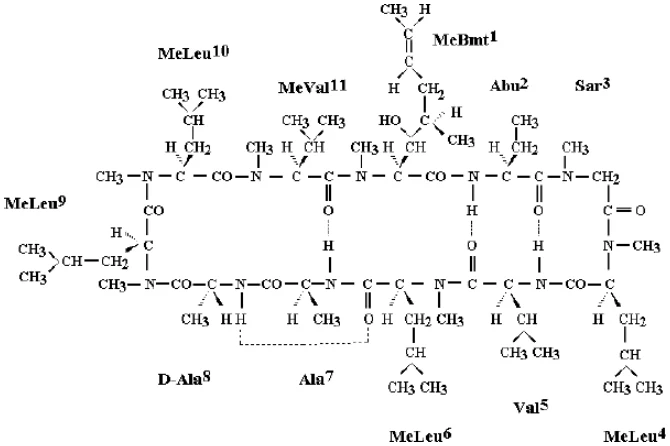
Physicochemical properties:
Description: Cyclosporine A is white or almost white odorless powder, which is insoluble in water and n-hexane, soluble in methanol, ethanol, acetone and chloroform.
| Solubility Profile: | Water 0.04 mg/g | Diisopropyl ether > 20 mg/g |
|---|---|---|
| Acetone > 50 mg/g | Ethyl acetate > 100 mg/g | |
| Chloroform > 100 mg/g | Cyclohexane 17 mg/g | |
| Acetonitrile > 100 mg/g | n-Hexane 5.5 mg/g | |
| Benzene > 100 mg/g | Isopropyl alcohol > 100 mg/g | |
| Melting Point: | Methanol > 100 mg/g 144-146 oC | Ethanol > 100 mg/g |
CLINICAL TRIALS
Comparative Bioavailability Study
A single dose, two-sequence, crossover oral bioequivalence study of CYCLOSPORINE (cyclosporine) 1 x 100 mg soft gelatin capsules (Edenbridge Pharmaceuticals, LLC.) and NEORAL (cyclosporine) 1 x 100 mg soft gelatin capsules (Novartis Pharmaceuticals Canada) in healthy male and female adult subjects was conducted under fasting conditions (n = 54).
Summary Table of the Comparative Bioavailability Data for Fasted Conditions
Cyclosporine Soft Gelatin Capsules (1 x 100 mg) Geometric Mean Arithmetic Mean (CV %) | ||||
|---|---|---|---|---|
| Parameter | Test* | Reference† | % Ratio of Geometric Means | 90% Confidence Interval |
AUCT (ng*hr/mL) | 2658.94 2745.37 (25.80) | 2672.56 2735.65 (22.34) | 99.49 | 96.02 - 103.08 |
Cmax (ng/mL) | 828.72 849.15 (21.86) | 829.04 845.41 (19.75) | 99.96 | 94.80 - 105.40 |
AUCI (ng*hr/mL) | 2955.30 (26.45) | 2936.36 (22.51) | 99.70 | 96.21 – 103.32 |
| Tmax § (h) | 1.49 (22.45) | 1.457 (22.17) | ||
| T½ € (h) | 5.71 (32.08) | 5.63 (29.51) | ||
* CYCLOSPORINE (cyclosporine) 100 mg capsules manufactured by Edenbridge Pharmaceuticals, LLC.
† NEORAL (cyclosporine) 100 mg capsules manufactured by Novartis Pharmaceuticals Canada, and purchased in Canada
§ Expressed as either the arithmetic mean (CV%) only or the median (range) only
€ Expressed as the arithmetic mean (CV%) only
A single dose, two-sequence, crossover oral bioequivalence study of CYCLOSPORINE (cyclosporine) 1 x 100 mg soft gelatin capsules (Edenbridge Pharmaceuticals, LLC.) and NEORAL (cyclosporine) 1 x 100 mg soft gelatin capsules (Novartis Pharmaceuticals Canada) in healthy male adult subjects was conducted under fed conditions (n = 47).
Summary Table of the Comparative Bioavailability Data for Fed conditions
Cyclosporine Soft Gelatin Capsules (1 x 100 mg) Geometric Mean Arithmetic Mean (CV %) | ||||
|---|---|---|---|---|
| Parameter | Test* | Reference† | % Ratio of Geometric Means | 90% Confidence Interval |
AUCT (ng*hr/mL) | 2831.45 2954.11 (28.38) | 2733.33 2836.22 (28.64) | 103.59 | 99.22 - 108.15 |
| Cmax (ng/mL) | 693.87 735.64 (33.41) | 647.09 687.82 (35.26) | 107.23 | 98.29 - 116.99 |
AUCI (ng*hr/mL) | 3205.44 (28.83) | 3087.52 (29.35) | 103.30 | 98.97 – 107.82 |
Tmax § (h) | 2.06 (39.84) | 1.96 (39.60) | ||
| T½ € (h) | 6.59 (37.52) | 6.58 (41.66) | ||
* CYCLOSPORINE (cyclosporine) 100 mg capsules manufactured by Edenbridge Pharmaceuticals, LLC.
† NEORAL (cyclosporine) 100 mg capsules manufactured by Novartis Pharmaceuticals Canada, and purchased in Canada
§ Expressed as either the arithmetic mean (CV%) only or the median (range) only
€ Expressed as the arithmetic mean (CV%) only
Transplantation indications
Solid organ transplantation
The efficacy of cyclosporine has been demonstrated in 13 global studies which evaluated the success transplantation rate using cyclosporine versus other immunosuppressive agents. Clinical trials have been performed in various regions (Europe, Australia and North America). Some of these trials included the evaluation of different solid organs including kidney, liver, heart, combined heart-lung, lung or pancreas allogenic transplantation. In the clinical trials performed, the cyclosporine dose used in transplanted patients ranged from 10 to 25 mg/kg per day as initial treatment dose and ranged from 6 to 8 mg/kg per day as maintenance dose (see DOSAGE AND ADMINISTRATION).
Clinical studies are displayed in below Tables 1 to 4.
Kidney and pancreas transplantation
Table 1 presents clinical studies that were mainly performed in kidney transplanted patients and
Table 2 presents clinical studies performed only in kidney transplanted patients. Table 1 also includes pancreas-transplanted patients. The included studies in these tables confirm that cyclosporine used in combination with steroids is an effective treatment in renal transplantation.
The one year graft survival was significantly improved in these cyclosporine-treated patients over control therapy.
Table 1 Solid organ transplant - European Clinical Studies and Australian clinical study
| Study Number/ Country | Study Characteristics | Organ (N) | One year Graft survival CsA/control | One year Patient | |
|---|---|---|---|---|---|
| (%) | survival CsA/control | ||||
| Study # 1 | Single center | Kidney (63) | 70/ 55% | 77/NR | |
| Cambridge, UK | CsA | Liver (7) | |||
| vs. | Pancreas (10) | ||||
| Historical AZA+CS | Including Kidney/Pancreas (7) | ||||
| Kidney/Liver (1) | |||||
| Pancreas/Liver (1) | |||||
| Study #2 | Single center, randomized | Kidney | 78/73 | 78/92 | |
| Australia | CsA | (29 total; 14 | |||
| vs. | Cyclosporine) | ||||
| AZA+CS+ALG | |||||
| Study #3 | Multicenter randomized | Kidney | 73-53 | 98/94 | |
| European | CsA | (232 total; 117 | |||
| Multicenter Trial | vs | Cyclosporine) | |||
| AZA+Pred | |||||
| Study #4 | Single center; | Kidney (20) | 55-49 | 68/72 | |
| Sweden | CsA (4 patients) | ||||
| CsA + Pred (16) | |||||
| vs. | |||||
| Historical control | |||||
| Study # 5 | Multicenter | Kidney | 67 (CsA)- | 90(both arms) | |
| Finland | 77(CsA+MP)/73 | /87 | |||
| CsA | (9) | ||||
| vs. | |||||
| AZA+MP | (32) | ||||
| vs. | |||||
| CsA IV+ MP | (32) | ||||
UK: United Kingdom; CsA: cyclosporine; AZA: azathioprine; CS: corticosteroids; ALG: anti lymphocyte globulin; Pred: prednisone; MP: methylprednisolone; IV: intravenous; N: Number of patients.
NR: non retrievable data
Table 2 Solid organ transplant - North American clinical studies
| Study Number Country | Study characteristics | Organ (N) | One year graft survival (%) CsA/control | One year patient survival (%) CsA/control |
|---|---|---|---|---|
Study # 2 USA | Group I: CsAa+ TDD Group II: CsAb Group III: CsAc All patients received CS | Kidney Group I: 12 Group II: 20 Group III: 34 | 76/53 | 86/83 |
Study # 5 USA | CsA +low dose pred vs. AZA+ ATG | Kidney (98 total; 47 CsA) | 86/82 | 94/100 |
Study #7 USA | CsA + CS+ diuretics vs. AZA+ CS+ diuretics | Kidney (27 total; 14 CsA) | 71/66* | 100/93 |
Study #15 USA | Open, randomized CsA+pred vs. AZA+pred | Kidney (41 total; 21 CsA) | 90/53 | 100/100 |
| Canadian Multicenter | Randomized, CsA vs. AZA + CS | Kidney (209 ; 103 CsA) | 80/64 | 87/86* |
*Statistically significant
TDD: thoracic duct drainage; CsA: cyclosporine; CS: corticosteroids; Pred: prednisone; ATG: anti-lymphocyte globulin; AZA: azathioprine; a. CsA administered as a single dose on the day of transplant and subsequently b. CsA administered 2-30 days prior to transplant, without TDD c. CsA administered as a single dose on the day of the transplant and subsequently without TDD
Liver transplantation
In the liver transplantation (see Table 3), the clinical studies demonstrated that one year patient survival rate was higher in the cyclosporine group than historical controls that were under previous immunosuppressive regimens.
Most of the thirteen deaths were attributed to surgical complications, acute infections (usually developing in the immediate period after transplantation, and possibly caused by organ procurement and preservation procedure), or recurrence of the original disease.
The episodes of acute rejection were generally controlled by increased steroid administration whereas several episodes of nephrotoxicity were noted which resolved on dosage reduction of cyclosporine. The clinical studies demonstrated that cyclosporine and steroid therapy offers considerable advantage over standard therapy using azithromycin and steroids.
Table 3 Solid organ transplant- Liver studies
Study Number Country | Design | Organ (N) | Patient/ graft survival |
|---|---|---|---|
Study #4 USA | Single arm CsA+CS vs. Historical Control With TDD | Liver (14) | 71% (CsA) 32% (Historical control) |
Study #14 USA | Single arm CsA +CS vs. Historical control | Liver 26 (17 adults, 9 children) | 64% versus 32% (Historical control) |
CsA: cyclosporine; CS: corticosteroids; TDD: thoracic duct drainage
Heart and Heart-lung transplantation
In heart transplantation, the clinical studies demonstrated that one year and 18 months patient survival rates were significantly higher in the cyclosporine-treated patients than in the control- group patients. Ten of the 28 patients enrolled in heart transplantation had no rejection episodes following transplantation.
In heart-lung transplantation, the one year survival rate was 67% in the cyclosporine-treated patients.
In both heart and heart-lung transplantation, episodes of suspected hepatotoxicity and nephrotoxicity were controlled by dosage reduction of cyclosporine. Serious lung infections were observed and the majority was successfully treated.
Results of the clinical trials performed in heart and heart-lung transplanted patients are summarized in Table 4 below.
Table 4 Solid organ transplantation- Heart and Heart/Lung Studies
| Study Number Country | Design | Organ (N) | 1 Year Patient survival (%) |
|---|---|---|---|
Study # 9 USA | CsA+Pred+ATG vs. Historical (AZA+CS+ATG) | Heart (28) Heart/Lung (6) | 76% vs. 62% 67% |
Study #99 USA | Pilot CsA + Pred | Heart (12) | 67% |
CsA: cyclosporine; Pred: prednisone; ATG: anti thymocyte globulin; AZA: azathioprine.
Bone marrow transplantation
The efficacy of the conventional formulation of cyclosporine has been demonstrated in bone marrow transplant (BMT) recipients in eight studies carried out in Europe and US with a total of 227 patients. Seven trials were conducted for the prevention of graft-versus host disease (GVHD), one trial for the treatment of acute GVHD. Five European centers (EU 1-5) and one U.S. center (US #6) conducted “open” non-randomized trials for the prevention of GVHD. One randomized trial (US #3) was conducted for the prevention of GVHD and one randomized trial (US #11) was conducted for the treatment of acute GVHD. Six patients in US #6 received cyclosporine in an effort to reverse established acute, severe (Grade III-IV) GVHD. These patients had not been previously treated with cyclosporine and the GVHD was resistant to other therapies. Results from these studies were compared to methotrexate (MTX) therapy in the prevention of GVHD trials (historical controls in the open trials) and to steroid therapy in the treatment of GVHD trial. These studies contained 227 patients: 204 patients were BMT recipients treated for prophylaxis of GVHD, and 23 patients treated for established GVHD. There were a total of 20 HLA mismatched patients in these studies.
The dosage of cyclosporine varied in the different studies. For prevention of GVHD the usual dosage was 12.5 mg/kg/day. However, several European centers started higher (20-25 mg/kg/day) during the first few days then tapered to 12.5 mg/kg/day. Most centers held the dose constant and tapered after several months, usually discontinuing after 4-6 months. The dosage of cyclosporine used for treatment of GVHD was approximately 15 mg/kg/day. This was tapered over time and discontinued at about 6 months. Cyclosporine was given mostly once or twice daily, but at one center, three times daily. In most studies, if the I.V. formulation of cyclosporine was used, it was given at about 1/3 the oral dose.
Results obtained from the use of CsA in bone marrow transplantation after hematopoietic neoplasia show that CsA appears to be effective for decreasing the severity and possibly also the incidence of GVHD in comparison with the standard of care at the time of the studies. One year survival for all CsA treated patients with matched grafts was close to 70%. Leukemia patients transplanted in first remission showed one year survival (76%) in comparison with patients treated with MTX (52%). In matched grafts the number of deaths associated with GVHD was 8% vs. the number previously reported 25% treated with MTX.
Non-transplantation indications
Nephrotic syndrome
The efficacy of the conventional formulation of cyclosporine has been demonstrated in four randomized controlled and 5 uncontrolled studies. The clinical results from these nine clinical studies were analyzed using a pooling of data from all studies (controlled and uncontrolled).
Adults and pediatric patients included in the studies were mainly steroid resistant or steroid dependent patients or patients with signs of steroid toxicity needing alternate treatment.
The controlled studies included 47 patients amongst which 43 were pediatric patients (defined as patients up to 16 years of age). These patients were presenting with focal segmental glomerulosclerosis (FSGS), Minimal change nephropathy (MCN) and Membranous glomerulonephritis (MG) and were steroid dependent and steroid resistant. Additionally, 24 adult patients with IgA nephropathy (an entity that may present with nephrotic syndrome, particularly common in patients with Asian origin) were studied as well. The studies compared cyclosporine either with cyclophosphamide (OL9511), chlorambucil (OL9505), placebo (OL9509) or “no treatment” or palliative care (OL9510).
The uncontrolled trials studied 361 adult patients and 178 pediatric patients (aged 1-17 years of age) with FSGS, MCN and MG nephrotic syndrome and were steroid dependent or steroid resistant (391 patients from a retrospective study OL 03). In addition, 9 adult and 27 pediatric patients with frequently relapsing forms of FSGS and MCN nephrotic syndrome were studied.
Of the 9 studies described in this document, seven included pediatric patients between 1 to 17 years of age. One controlled study (OL9505) and one uncontrolled study (OL9504) were performed exclusively in the pediatric population. A total of 398 children (319 treated with cyclosporine) were included in these studies.
The efficacy and safety results from the studies including pediatrics were similar to those in the adult population. Most of the steroid dependent patients achieved complete remission. The elimination of cyclosporine is influenced by the age of the patients. Pediatric patients clear the drug more rapidly than adults on a body weight basis. Therefore pediatric patients require higher doses of cyclosporine per kilogram of body weight to achieve blood concentrations of the drug similar to those observed in adult patients (see DOSAGE AND ADMINISTRATION).
In minimal change nephropathy 54 to 76% of patients developed complete remission and 8 to 21% had a partial remission. In focal segmental glomerulosclerosis 0 up to 29 % had a complete remission and 0- up to 37% had partial remission. Of note, there have been studies that showed 0% rates of remissions, however these included patients with steroid resistant and steroid dependent nephrotic syndrome. In membranous glomerulonephritis, 21 % of patients reached complete remission and 28% partial remission.
Rheumatoid arthritis
The efficacy of cyclosporine in the treatment of severe rheumatoid arthritis was evaluated in 5 clinical studies involving a total of 728 cyclosporine-treated patients and 273 placebo-treated patients.
A summary of the results is presented for the “responder” rates per treatment group, with a responder being defined as a patient having completed the trial with a 20% improvement in the tender and the swollen joint counts and a 20% improvement in 2 of 4 of investigator global, patient global, disability, and erythrocyte sedimentation rates (ESR) for the Studies 651 and 652 and 3 of 5 of investigator global, patient global, disability, visual analog pain, and ESR for Studies 2008, 654, and 302 (Figure 1).
Study 651 enrolled 264 patients with active rheumatoid arthritis with at least 20 involved joints, who had failed at least one major RA drug, using a 3:3:2 randomization to one of the following three groups: (1) cyclosporine dosed at 2.5-5 mg/kg/day, (2) methotrexate at 7.5-15 mg/week, or
(3) placebo. Treatment duration was 24 weeks. The mean cyclosporine dose at the last visit was 3.1 mg/kg/day (Figure 1).
Study 652 enrolled 250 patients with active RA with > 6 active painful or tender joints who had failed at least one major RA drug. Patients were randomized using a 3:3:2 randomization to 1 of 3 treatment arms: (1) 1.5-5 mg/kg/day of cyclosporine, (2) 2.5-5 mg/kg/day of cyclosporine, and (3) placebo. Treatment duration was 16 weeks. The mean cyclosporine dose for group 2 at the last visit was 2.92 mg/kg/day (Figure 1).
Study 2008 enrolled 144 patients with active RA and >6 active joints who had unsuccessful treatment courses of aspirin and gold or Penicillamine. Patients were randomized to 1 of 2 treatments groups (1) cyclosporine 2.5-5 mg/kg/day with adjustments after the first month to achieve a target trough level and (2) placebo. Treatment duration was 24 weeks. The mean cyclosporine dose at the last visit was 3.63 mg/kg/day (Figure1).
Study 654 enrolled 148 patients who remained with active joint counts of 6 or more despite treatment with maximally tolerated methotrexate doses for at least three months. Patients continued to take their current dose of methotrexate and were randomized to receive, in addition, one of the following medications: (1) cyclosporine 2.5 mg/kg/day with dose increases of 0.5 mg/kg/day at weeks 2 and 4 if there was no evidence of toxicity and further increases of 0.5 mg/kg/day at weeks 8 and 16 if a <30% decrease in active joint count occurred without any significant toxicity; dose decreases could be made at any time for toxicity or (2) placebo. Treatment duration was 24 weeks. The mean cyclosporine dose at the last visit was 2.8 mg /kg/day (range: 1.3-4.1) (Figure 1).
Study 302 enrolled 299 patients with severe active RA, 99% of who were unresponsive or intolerant to at least one prior major RA drug. Patients were randomized to 1 of 2 treatment groups (1) cyclosporine and (2) cyclosporine, both of which were started at 2.5 mg/kg/day and increased after 4 weeks for inefficacy in increments of 0.5 mg/kg/day to a maximum of 5 mg/kg/day and decreased at any time for toxicity. Treatment duration was 24 weeks. The mean cyclosporine dose at the last visit was 2.91 mg/kg/day (range: 0.72-5.17) for cyclosporine and 3.27 mg/kg/day (range: 0.73-5.68) for cyclosporine (Figure 1).
Figure 1 Efficacy of cyclosporine in the treatment of severe rheumatoid arthritis in 5 clinical studies (651, 652, 2008, 654 and 302)
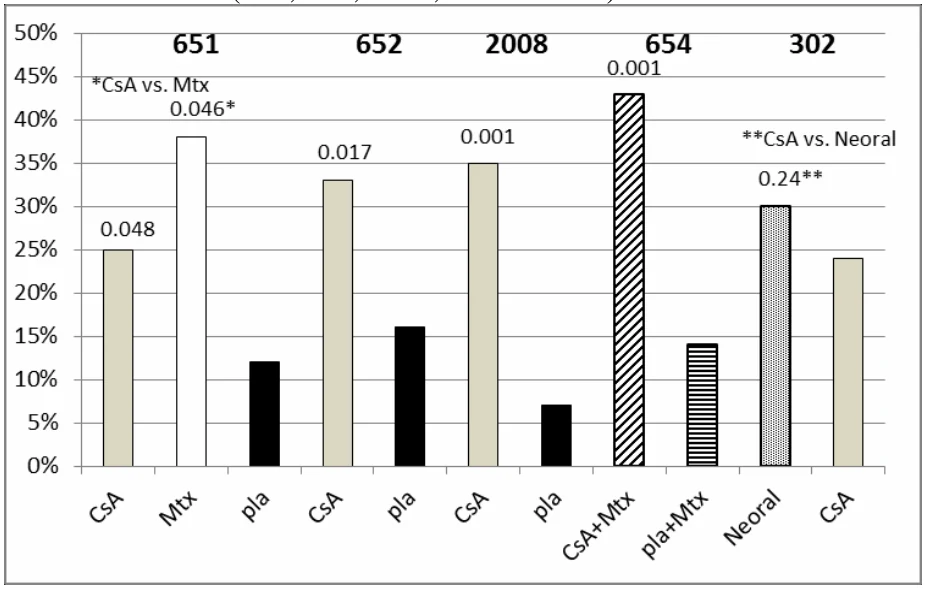
*CsA: cyclosporine, Mtx: methotrexate, Pla: Placebo
Psoriasis
The efficacy of cyclosporine has been demonstrated in 1,270 patients with severe psoriasis in 13 clinical studies. Three main double blind placebo controlled trial enrolling overall 296 patients, of whom 199 treated with cyclosporine and 97 with placebo, have been conducted over a 12-16 week treatment period (Study US299, US501 and US502); smaller placebo controlled studies including overall 105 patients, of whom 53 treated with cyclosporine and 52 treated with placebo (Study OL8002, OL8003, OL8006 and CyA40) supported the short term use. Two larger studies (Study OL8013 and OL8014) including 405 patient of whom 192 treated with cyclosporine and 38 with etretinate, provided information on long term efficacy, safety and tolerability of different cyclosporine dosing. The two formulation of cyclosporine were directly compared in a multicenter randomized double blind study including 309 patients (Study OLP302), supported by a smaller PK study including 39 patients (Study N101) and by an investigational study (Study OL8095) in which the microemulsion formulation was given intermittently to 41 patients.
Patients treated in the clinical programme were adult patients with severe psoriasis in whom conventional therapy was ineffective or inappropriate. A number of different primary measures of efficacy were used in the clinical studies i.e. the overall and global evaluation scores assessed by the investigators, the time to relapse, the evaluation of the body surface area (BSA), the evaluation of the psoriasis area and severity index (PASI score).
The results of a pooled analysis of the 3 main double blind placebo controlled trials (Study US299, US501 and US502) showed a reduction at least of 75% in PASI in a range from 76% of the patients treated with a starting dose of 3 mg/kg/day to 100% of the patients treated with a starting dose of 7.5 mg/kg/day, being 83% in patients treated with 5 mg/kg/day. The highest percentage of patients in the placebo group was 4%. The results of a pooled analysis of other trials (Study 8002, 8003, 8006, CyA-40, 8013 and 8014) showed a reduction at least of 75% in
PASI in 55% of the patients treated with a starting dose of 2.5 mg/kg/day to 87% of the patients treated with a starting dose of 5 mg/kg/day. Reduction of at least 75% in PASI was observed in 72% of the 152 patients treated with the modified formulation of cyclosporine and in 62% of the 156 patients treated with the conventional formulation of cyclosporine (Study OLP302); in both arms the starting dose was 2.5 mg/kg/day.
DETAILED PHARMACOLOGY
Cyclosporine strongly suppresses cell mediated immunity and is therefore highly effective in preventing allograft rejection. However, interference with the primary activation of T- helper/inducer lymphocytes through the suppression of IL-2 production may be only one of several mechanisms contributing to an immunosuppressed state.
Hemopoiesis
All available experimental evidence indicates that unlike cytostatic agents, immunosuppression with cyclosporine neither impairs the number nor the proliferative capacity of hemopoietic stem cells, nor does it affect the function of non-lymphocytic leucocytes.
Hypersensitivity
In experiments with Lewis rats, cyclosporine shows no effect on immediate hypersensitivity reactions, mediated by mast cells, or on Arthus-type skin reactions characterized by immune complex formulation and granulocytic infiltration. Cyclosporine however does inhibit delayed- type hypersensitivity (DTH) reactions (a T-cell mediated response) with a marked decrease in mononuclear cell infiltration. This suppression of DTH is dose dependent and mediated by inhibiting the release of lymphocyte-directed chemotactic factor (LDCT), macrophage migration- inhibition factor (MIF), macrophage activation factor (MAF) and gamma interferon (INF γ).
Humoral Immunity
Generally, cyclosporine appears to suppress the antibody response (IgM, IgG) to thymus dependent antigens and the proliferative response of cultured B lymphocytes to thymus- dependent mitogens such as pokeweed mitogen (PWM). Inhibition of these responses can conceivably occur through an inhibition of T-helper cell function, although cyclosporine inhibition of human tonsillar B lymphocyte response to PWM is resistant to the exogenous addition of growth factors (IL-1, IL-2, BCGF) alone or in combination.
By contrast, cyclosporine appears to have little or no effect on either humoral immunity or proliferative responses to thymus-independent antigens or mitogens. For example, the proliferative response of cultured murine or human B lymphocytes to the thymus independent activator lipopolysacharide (LPS) or the B95-8 strain of Epstein-Barr virus are unaffected by pre- exposure to cyclosporine. However, in both murine and human models there may be a cyclosporine sensitive component to the cultured B lymphocyte response to some thymus- independent activators. The activation of murine B lymphocytes by the anti-Ig antibody anti-tt, which is believed to mimic the early events of antigen stimulation on B cells, is highly susceptible to inhibition by cyclosporine. Similarly, although the thymus-independent activator anti-μ is not mitogenic for lymphocytes of the CBA/N strain of mice or for human B lymphocytes, the combination of anti-μ and LPS (with CBA/N murine lymphocytes) or anti-μ and BCGF (with human lymphocytes) results in the generation of a large proliferative response which is totally abrogated by the early addition of cyclosporine. Therefore, cyclosporine may, under certain circumstances, be inhibiting an early T-independent primary stage by which B lymphocytes are activated to enter the GI phase of the cell cycle.
Cell-Mediated Immunity
Abrogation of T lymphocyte activation
Cyclosporine completely suppresses the lymphoproliferative responses of murine, guinea pig and human cultured T lymphocytes to mitogenic stimulation with Concanavalin A (ConA) and Phytohemagglutinin (PHA). Although the 50% inhibitory concentration can vary from 2-200 ng/mL, depending on the mitogen and source of lymphocytes used, cyclosporine must always be present when the cultures are initiated or must be added shortly thereafter, in order to be inhibitory. Cyclosporine also inhibits the proliferative response and the induction of cytotoxic T lymphocytes (CTL) in murine, guinea pig and human allogenic and syngeneic mixed lymphocyte responses (MLR). The doses of cyclosporine required to inhibit are comparable to the levels achieved in vivo with regimens used for clinical immunosuppression (> 100 ng/mL).
Virtually all studies on T cell proliferation following mitogenic stimulation and on CTL induction in a primary MLR show a significant inhibitory effect of cyclosporine on the production of IL-2. The decrease in IL-2 production occurs also in secondary responses with pre-sensitized lymphocytes. The inability of exogenous IL-2 to restore the cyclosporine inhibited CTL activity in a human allogenic MLR or the cyclosporine inhibited primary T cell proliferative response in a guinea pig allogenic MLR, suggests that, in these systems at least, cyclosporine may be inhibiting the precursor CTL (PCTL) from acquiring functional responsiveness to IL-2. Cyclosporine, although not inhibiting the expression of IL-2 receptor (TAC antigen) on ConA or PHA stimulated human lymphocytes, does inhibit the expression of TAC antigen in cultures of human allogenic MLR and ConA stimulated murine lymphocytes.
Cyclosporine also inhibits the production of a number of cytokines other than the lymphokine IL-2. Cyclosporine inhibits the production of the monocyte derived cytokine IL- I by an apparent indirect action on OKT4 (+) T-helper lymphocytes. IL-1 and the lymphokine IL-3 are inhibited following cyclosporine therapy in rats with allogenic heart transplants. The generation, by antigen or mitogen activated guinea pig lymphocytes and murine spleen cells, of lymphocyte- derived chemotactic factor (LDCF) and soluble mediators stimulating macrophage procoagulant activity (MPA) are impaired in the presence of cyclosporine. Cyclosporine also inhibits the production of migration inhibitory factor (MIF) by human lymphocytes stimulated with ConA, and gamma interferon (INFγ) and by human or mouse lymphocytes stimulated with mitogen or alloantigen.
The expression of a number of T lymphocyte surface activation antigens including class II major histocompatibility antigen, antigens detected by OKT9 and OKT10 monoclonal antibodies, and transferring receptors, also appear to be inhibited, to some degree, by cyclosporine.
In contrast to cytotoxic inducer T-helper cells, the suppressor amplifier T-helper cells may be quite resistant to the effect of cyclosporine. This differential effect on activation of T suppressor versus T cytotoxic cells may facilitate the establishment or re-establishment of a specific state of immune unresponsiveness, as seen with certain experimental models.
Binding Sites and Molecular Effects
Although there is some evidence suggesting that cyclosporine may be blocking initial membrane activation signals, recent studies using fluorescein conjugated, dansylated, or radiolabelled cyclosporine have revealed no competitive binding on membrane receptors for mitogen such as PHA, ConA, the OKT3 monoclonal antibody, HLA-DR receptors or the IL-2 receptor. Cyclosporine does, however, competitively inhibit the binding of the immune regulator prolactin to its cell surface receptor.
The reversible and specific binding of cyclosporine to the cytosolic protein, calmodulin, which mediates the activating effect of Ca++ on intracellular metabolism is consistent with the observation that although cyclosporine does not abrogate mitogen-induced phosphoinositide breakdown in the plasma membrane, or the consequent elevation of intracellular Ca++ or activation of protein kinases, cyclosporine does seem to selectively block the activation of normal lymphocytes by agents which mobilize Ca++, namely ligands which cross-link antigen receptors, or Ca++ ionophores. In contrast, responses to polyclonal activators which do not provoke Ca++ flux (phorbol, esters, lipopolysaccharide, growth factors) are cyclosporine resistant except perhaps in tumour cells.
Cyclosporine also inhibits the induction of ornithine decarboxylase (the rate limiting enzyme step in the production of polyamines required for DNA and MRNA synthesis). Reduction of IL- 2 mRNA occurs following addition of cyclosporine to human and murine cell lines cultured in the presence of phorbol-12- myristyl-13-acetate. Mitogen restimulation, in the presence of cyclosporine, of a three day old ConA-induced lymphoblast culture, also results in a significant reduction in the synthesis of mRNA for the lymphokines INFγ, B cell stimulating factor, and cytotoxic differentiation factor.
Reproduction and fertility
Cyclosporine is not teratogenic in animals, but was shown to be both embryo- and feto-toxic in rats and rabbits at 2 to 5 times the human dose.
To date, information has been received on 514 pregnancies with exposure to the conventional formulation of cyclosporine. In most patients, the indication for cyclosporine therapy was organ transplantation.
Pregnant women receiving immunosuppressive therapies after transplantation, including cyclosporine and cyclosporine-containing regimens, are at risk of premature delivery (<37 weeks).
Most patients who became pregnant continued cyclosporine therapy throughout pregnancy, usually in combination with other immunosuppressive drugs and further medication.
Fetal loss occurred in 9.1% of the patients, which is within the range found in a normal population. In 4.9% of the patients, the pregnancy was interrupted, either for medical considerations or at the wish of the patient. The course of pregnancy was often complicated by disorders specific to pregnancy, in particular in renal transplant patients, or by disorders relating to the underlying disease. A large proportion of the pregnancies ended in preterm delivery. Accordingly, the main problems seen in the neonates relate to prematurity, best exemplified by the short median gestation duration of 35.7 weeks in the 439 pregnancies completed, and the low median birth weight, 2291 g, of the 446 babies delivered, including 10 twins.
It appears that premature delivery and the delivery of infants small for their age occur more often in patients who have undergone a renal transplantation.
Out of 102 babies born to mothers treated with the conventional formulation of cyclosporine, five were born with malformations. It is not clear what role cyclosporine has played in the complications of pregnancy.
Males treated with cyclosporine have fathered normal children.
Cyclosporine should be used during pregnancy only if the potential benefit justifies the potential risk to the fetus.
Teratological and Reproduction Studies:
Rats and rabbits were given cyclosporine 10-300 mg/kg/day in 2 % gelatin, on days 6 to 15 or 6 to 18 post-coitum. Dams and their fetuses were sacrificed at term and examined. In rats, prenatal mortality accompanied maternal toxicity at doses of 30 mg/kg/day and above.
In rabbits, dose levels of 100 and 300 mg/kg/day proved to be increasingly embryo- and fetotoxic. At doses which were well tolerated by the dams, cyclosporine caused neither teratogenic nor embryolethal effects in either species.
In a peri- and post-natal study in rats, 5.0 or 15.0 mg/kg/day (p.o.) given from day 15 post- coitum until day 21 postpartum caused no adverse effects. At 45 mg/kg/day, cyclosporine was toxic to the females and their offspring.
Rats of both sexes were treated orally with cyclosporine 1.5, 5.0 or 15.0 mg/kg/day, from 9 weeks (males) or 2 weeks (females) prior to mating until autopsy. In F0 males, 5.0 and 15.0 mg/kg/day caused toxic effects not seen with prolonged administration of 1.5 mg/kg/day. All but two F0 females tolerated the highest dose level.
The reproductive performance of F0 animals were normal except for an increased perinatal mortality and a questionably impaired postnatal development of F1 pups in single litters at the 15 mg/kg/day dose level. Fertility of randomly selected F1 animals and the development of their offspring was normal.
In two published research studies, rabbits exposed to cyclosporine in utero (10 mg/kg/day subcutaneously) demonstrated reduced numbers of nephrons, renal hypertrophy, systemic hypertension, and progressive renal insufficiency up to 35 weeks of age.
Pregnant rats which received 12 mg/kg/day of cyclosporine intravenously (twice the recommended human intravenous dose) had foetuses with an increased incidence of ventricular septal defect.
These findings have not been demonstrated in other species and their relevance for humans is unknown.
Mutagenicity Studies
Cyclosporine was not mutagenic in the following tests: Ames Test, using Salmonella typhimurium; mouse Micronucleus Test; Chromosome Analysis Test, using adult Chinese hamsters, and dominant Lethal Test in male mice.
TOXICOLOGY
Acute Toxicity
Acute toxicity of cyclosporine in mice, rats, rabbits, dogs and monkeys was studied after oral or intravenous administration. Animals were observed until death occurred or for a period of 14 days following administration.
Table 5: ACUTE TOXICITY
| SPECIES | Dose mg/kg | Route | Number of Days | LDd50 mg/kg/day (95% C.L.) | Observations |
|---|---|---|---|---|---|
| Mouse | - | IV IV PO | 14 14 14 | 107 148 2329 (1848-3020) | Dyspnea, tachypnea, cramplike movements, stupor, piloerection Death occurred within 3 hours (I.V.) or 9 days (P.O.) |
| Rat | - | IV | 14 | 25.8 104 1480 (1105-1997) | Surviving animals recovered completely. |
| Rabbit | IV IV PO | 14 14 14 | > 10 46 > 1000 | ||
| Dog | 1.5 | IV | 1 | - | No adverse effects. |
| Monkey | 10-13 | IV | 10 | - | No adverse effects. |
Hemolytic potential was tested in vitro using human erythrocytes and in vivo up to a dose of 1.5 mg/kg given intravenously to dogs. No relevant degree of hemolysis was observed.
Table 6: SUB-ACUTE TOXICITY Rats:
Cyclosporine was given in the feed for 13 weeks:
| Dosage (mg/kg/day) | Observations |
|---|---|
| 14 | No clinical adverse findings. Slight reduction in circulating lymphocytes after 3 weeks. Occasional erythrocytes in urinary sediment. Loose, divergent or overgrown incisors in several rats. Some lymphoid atrophy and slight adaptive changes in kidneys and livers of males. |
| 45-90 | Lethal to 6/20 rats at mid and 18/20 rats at high dose levels due to hepatic and renal toxicity. After 6 weeks without drug, survivors' BUN and SGPT returned to normal. Loosening of incisor teeth and hair loss. |
No toxic effect level = 14 mg/kg/day
Table 7: SUB-ACUTE TOXICITY Monkeys:
Daily oral administration (gelatin capsules) for 13 weeks:
| Dosage (mg/kg/day) | Observations |
|---|---|
| 20 | No adverse effects. |
| 60 | Transient decrease in leukocyte count - normal by week 13. |
| 200-3001 | Slightly impaired weight gain. Normal bone marrow. Atrophy of lymphatic tissues. Some G.I. irritation. Renal and hepatic changes. Reduced mitogenic responses. |
1300 mg/kg/day for the last 4 weeks. No toxic effect level = 60 mg/kg/day.
Table 8: CHRONIC TOXICITY Mice:
Cyclosporine given in feed for 78 weeks:
| Dosage (mg/kg/day) | Toxic Effects | Carcinogenicity |
|---|---|---|
| 1.0 | none | none |
| 4.0 | Slight to distinct anemia in 2 mice, none with reticulocytosis. | none |
| 16.0 | Increased mortality rate especially in males. Distinct anemia (4/20). Lymphocytic leukocytosis with atypical lymphocytes (1/20). Fewer thrombocytes (3/20). | No increase in neoplastic or non-neoplastic lesions |
Table 9: CHRONIC TOXICITY Rats:
Cyclosporine given in feed for 2 years:
| Dosage (mg/kg/day) | Toxic Effects | Carcinogenicity |
|---|---|---|
| 0.52 | Divergent incisors (2/50) | |
| 2.1 | Slightly reduced weight gain and increased mortality in females. Slight anemia, leukopenia (transient), slight renal toxicity in males. | |
| 8.0 | Distinct inhibition of weight gain. Reduced food intake and increased mortality. Divergent incisors (7/100). Slight to moderate anemia. Slight hepato- and nephrotoxicity seen in males. Transient decrease in leukocyte count. | Not different from controls |
No toxic effect level = 0.52 - 2.1 mg/kg/day
Table 10: CHRONIC TOXICITY Beagle Dogs:
Oral administration in olive oil for 52 weeks:
| Dosage (mg/kg/day) | Toxic Effects | Carcinogenicity |
|---|---|---|
| 5 | Emesis (1/8); slight decrease in sedimentation rate and serum albumin concentration | - |
| 15 | As above - also periodontitis and gingivitis (1 dog) -mononuclear cell infiltration (1 dog)* in hepatic portal fields. Decreased eosinophils, slight leukopenia (1 dog). Some blood chemistry abnormalities (2/8 dogs). | Fibroma on left upper thigh (1 dog)* |
| 45 | As above - also temporary sedation, slight alopecia*, slight conjunctivitis*, decreased leukocyte counts and anemia (2/8). General atrophy and diaphragm (2/8)* of lymphoid organs. Slight degeneration of renal tubular epithelium (3/8). Reversible papillomatosis in some dogs. | As above Cystic nodules on pericardium and diaphragm (2/8)* |
*Occurs spontaneously in this species (beagle) not necessarily related to cyclosporine.
No toxic effect level = 15 mg/kg/day.
REFERENCES
- 1. PrNEORAL® Product Monograph by Novartis Pharmaceuticals Canada Inc. (Control No. 178637). Date of Revision: January 9, 2015.