


Patient Medication Information: uses, side effects, how to take - Duragesic
Serious Warnings and Precautions
Seek immediate medical help for your baby.
|
|---|
What is DURAGESIC® used for?
DURAGESIC® is used for the long-term management of pain, when:
- the pain is severe enough to require daily, around-the-clock painkillers
- the doctor determines that other treatment options are not able to effectively treat your pain
DURAGESIC® is NOT used (“as needed”) to treat pain that you only have once in a while.
How does DURAGESIC® work?
DURAGESIC® is a painkiller belonging to the class of medicines known as opioids. It relieves pain by acting on specific nerve cells of the spinal cord and brain.
What is DURAGESIC®?
DURAGESIC® is a thin, adhesive, rectangular patch that is placed on your skin. DURAGESIC® delivers an opioid medicine called fentanyl continuously through the skin and into the bloodstream to control your pain around the clock.
What to expect from DURAGESIC®
Because the medicine in DURAGESIC® is gradually released from the patch and slowly absorbed through the skin, do not expect immediate pain relief after you apply your first patch. During this initial period, your doctor may ask you to take additional pain medication until you experience the full benefits of DURAGESIC®.
While most patients obtain adequate pain relief with DURAGESIC®, your pain may vary and occasionally break through. This is not unusual. If this occurs, your doctor may prescribe additional pain medication.
It is important to let your doctor know whether or not your pain is under control. If you frequently need additional short-acting pain medication, or if pain is waking you at night, you may need a change in your DURAGESIC® dose. If you continue to have pain, call your doctor.
Always follow your doctor's instructions carefully and do not change or stop your DURAGESIC® medication without first consulting with your doctor.
What are the ingredients in DURAGESIC®?
Medicinal ingredients: fentanyl
Non-medicinal ingredients:
- Protective liner: polyethylene terephalate (PET)
- Backing layer: polyethylene terephalate/ethyl vinyl acetate (PET/EVA) film
- Drug in adhesive layer: polyacrylate adhesive
DURAGESIC® comes in the following dosage forms:
DURAGESIC® is a transdermal patch that comes in five strengths: 2.1 mg, 4.2 mg, 8.4 mg, 12.6 mg, and 16.8 mg fentanyl per patch, delivering 12, 25, 50, 75, and 100 mcg fentanyl per hour respectively for 72 hours.
Do not use DURAGESIC® if:
- you are allergic to fentanyl or any of the other ingredients of DURAGESIC®
- your pain can be controlled by the occasional use of painkillers including those available without a prescription
- you have severe asthma, trouble breathing or other lung problems
- you have bowel blockage or narrowing of the stomach or intestines
- you are going to have, or recently had, a planned surgery
- you have never taken a strong opioid medication
- you are also taking MAO inhibitors (certain medicines used for treatment of depression) or have taken them in the last 14 days before treatment with DURAGESIC®
- you have a head injury
- you are at risk for seizures
you suffer from alcoholism
- you get sudden severe pain in your abdomen and the cause has not been diagnosed
you are pregnant or plan to become pregnant or in labour
- you are breastfeeding
- you are under 18 years of age
To help avoid side effects and ensure proper use, talk to your healthcare professional before you take DURAGESIC®. Talk about any health conditions or problems you may have, including if you:
- have any other medical conditions (such as diseases of the heart, lung, brain, liver and kidney)
- have a history of sleep apnea or if anyone notices you stop breathing from time to time while sleeping
- have severe kidney or liver disease
- have problems with your pancreas
- have a head injury or brain tumour
- or a family member have a history of illicit or prescription drug or alcohol abuse
- have chronic and severe constipation
- suffer from migraines
Other warnings you should know about:
Driving and using machines: Before you do tasks which may require special attention, you should wait until you know how you react to DURAGESIC®. DURAGESIC® can cause:
- drowsiness
- dizziness or
- light headedness
This can usually occur after you take your first dose and when your dose is increased.
Disorder of the adrenal gland: You may develop a disorder of the adrenal gland called adrenal insufficiency. This means that your adrenal gland is not making enough of certain hormones. You may experience symptoms such as:
- nausea, vomiting
- feeling tired, weak or dizzy
- decreased appetite
You may be more likely to have problems with your adrenal gland if you have been taking opioids for longer than one month. Your doctor may do tests, give you another medication, and slowly take you off DURAGESIC®.
Serotonin Syndrome: DURAGESIC® can cause Serotonin Syndrome, a rare but potentially life-threatening condition. It can cause serious changes in how your brain, muscles and digestive system work. You may develop Serotonin Syndrome if you take DURAGESIC® with certain anti-depressants or migraine medications.
Serotonin Syndrome symptoms include:
- fever, sweating, shivering, diarrhea, nausea, vomiting;
- muscle shakes, jerks, twitches or stiffness, overactive reflexes, loss of coordination;
- fast heartbeat, changes in blood pressure;
- confusion, agitation, restlessness, hallucinations, mood changes, unconsciousness, and coma.
Sexual Function/Reproduction: Long term use of opioids may lead to a decrease in sex hormone levels. It may also lead to low libido (desire to have sex), erectile dysfunction or being infertile.
Fever/exposure to heat sources:
At high temperatures, greater than usual quantities of fentanyl can be released into your body. If you have a fever, you should contact your doctor, who may adjust your dose if necessary. Increased release of fentanyl can also result from direct exposure to heat sources.
Do not expose the patch area to sources of heat such as heating pads, electric blankets, heated waterbeds, heat lamps, saunas and hot tubs, intensive sunbathing, etc., as this may increase the drug's ability to go through the skin and therefore result in an overdose. This may also occur if you develop a fever.
Tolerance
DURAGESIC® may lead to tolerance in the long run. It is therefore possible that your doctor will prescribe a higher dose of DURAGESIC® after some time to produce the same result.
Dependence
There is a possibility that you may become dependent on DURAGESIC® (fentanyl) with longer term use. Discuss with your doctor.
Tell your healthcare professional about all the medications you take, including any drugs, vitamins, minerals, natural supplements or alternative medicines.
The following may interact with DURAGESIC®:
- alcohol, including prescription and non-prescription medications containing alcohol. Do not drink alcohol while taking DURAGESIC®. This can lead to drowsiness, depressed breathing, unusually slow or weak breathing, serious side effects or a fatal overdose
- other sedative drugs which may enhance the drowsiness caused by DURAGESIC®
- other opioid analgesics (for pain)
- general anaesthetics (used during surgery)
- benzodiazepines (drugs used to help you sleep or to reduce anxiety)
- antidepressants (for depression and mood disorders) such as selective serotonin reuptake inhibitors (SSRIs), serotonin norepinephrine reuptake inhibitors (SNRIs). Do not take DURAGESIC® with MAO inhibitors or if you have taken MAO inhibitors in the last 14 days before treatment with DURAGESIC®
- drugs used to treat migraines (e.g. triptans)
- drugs used to treat serious mental or emotional disorders such as schizophrenia
- certain drugs used to treat convulsions (such as carbamazepine, phenobarbital or phenytoin)
- antihistamines (for allergies)
- anti-emetics (for prevention of vomiting)
- drugs used to treat muscle spasms and back pain
- anti-retroviral, anti-fungal and antibiotic drugs
- St. John’s Wort
Patients should not consume grapefruit juice while taking this medication as it may make the side effects worse.
How to use DURAGESIC®:
DURAGESIC® should only be used on the skin.
- Make a note of the day, date and time the patch is applied, as a reminder of when it needs to be changed
- There is enough medicine on each patch to last 3 days (72 hours).
- Change the patch at the same time of day every 3 days (72 hours)
- Always remove the old patch before applying a new one. This is important to avoid overdose
- If more than one patch is used, change all the patches at the same time
- Apply on clean, dry, intact, non-hairy area on your upper chest, upper back, or upper arm. If the area you choose has body hair, clip (do not shave) the hair close to the skin with scissors.
- If you need to clean the skin where the patch will be applied, use only clear water.
Do not:
- apply heat to the area before or after applying the patch.
- apply the patch on the same place twice in a row
- chew, swallow, put it in your mouth, or use the patch in any way other than on the skin.
- wear more than one patch at a time, unless your doctor tells you to.
- use the DURAGESIC® patch if the seal is broken or the patch is cut, damaged or changed in any way.
- apply your patch in front of children since they may copy your actions
- exceed the dose recommended by your doctor.
Usual Adult Starting Dose
You should already be taking some type of strong opioid medication before you begin using DURAGESIC® patches.
Dosage is individualized. Be sure to follow your doctor’s dosing instructions exactly.
Your doctor will determine the strength of DURAGESIC® you should use based on your own particular needs. Do not change your dose without consulting your doctor. Each patch can be used for up to 72 hours (3 days). Taking higher doses can lead to more side effects and a greater chance of overdose.
How to apply DURAGESIC®
Step 1. 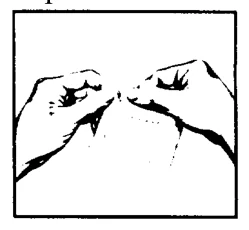 | Each patch is sealed in its own protective pouch. Do not remove the patch from the pouch until you are ready to use it. When you are ready, tear open the pouch at the notched corner. |
Step 2.  | A stiff protective liner covers the sticky side of the patch — the side that will be put on your skin. Hold the liner at the edge and pull the patch from the liner. Try not to touch the sticky side of the patch. Throw away the liner. |
Step 3.  | Immediately after you have removed the liner, apply the sticky side of the patch to a dry area of your chest, back, flank or upper arm. Press the patch firmly on your skin with the palm of your hand for about 30 seconds. Not all adhesive products stick to all patients. If the patch does not stick well, or loosens after application, tape only the edges down with first aid tape. In the event that the patch falls off before 3 days or 72 hours, discard it (see Disposal) and apply a patch of the same strength at a different skin site. This may result in increased serum concentrations, therefore monitor the patient closely. Be sure to let your doctor know that this has happened, and do not replace the new patch until 3 days (72 hours) after you put it on (or as directed by your doctor). |
| Step 4. | Wash your hands, with water only, when you have finished applying the patch. |
| Step 5. | Special labels are provided to help you remember when you last put on your patch. After putting on the patch, write the date and time on a label, then stick the label on the patch. |
| Step 6. | After wearing the patch for 3 days, or as directed by your doctor, remove it (see Disposal). Then choose a different place on your skin to apply a new patch and repeat steps 1 to 5 in order. Do not apply the new patch to the same place as the last one until several days have lapsed. |
Water and DURAGESIC®
You can bathe, swim, or shower while you are wearing DURAGESIC®. If the patch falls off, discard the patch properly (see Disposal) and apply a new one at a different skin site, making sure the new skin area you choose is dry. Be sure to let your doctor know that this has happened. Take note of the time you applied the new patch and change it only after the required number of hours.
Missed Dose:
If a patch is left on for more than three days (72 hours), remove patch and apply a new patch following instructions given (see How to use DURAGESIC®).
Discontinuation of DURAGESIC®:
Please do not suddenly stop taking DURAGESIC® as it may cause unwanted side effects such as nausea, vomiting, diarrhea, anxiety and shivering. Your doctor can discuss the best way for you to stop taking DURAGESIC®.
Refilling Prescriptions for DURAGESIC®:
A new written prescription is required from your doctor each time you need more DURAGESIC®. Therefore, it is important that you contact your doctor before your current supply runs out.
What are possible side effects from using DURAGESIC®?
These are not all the possible side effects you may feel when taking DURAGESIC®. If you experience any side effects not listed here, contact your healthcare professional.
Side effects may include:
- Drowsiness, insomnia
- Dizziness, fainting
- Nausea, vomiting, poor appetite, dry mouth
- Headache
- Problems with vision
- Weakness, lack of coordination
- Itching, hives, or inflammations
- skin irritations (thinning or redness; ulcer (sore) where the patch has been)
- Sweating
- Constipation
- Confusion
- Seeing, feeling, hearing or smelling things that are not there (hallucinations)
- Depression
- Low level of oxygen in the blood
- Stopping breathing from time to time while sleeping
Be aware that removing the patch does not completely remove the source of drug, as drug is deposited under the skin and will continue to be released into the bloodstream over the next hours after the patch is removed.
Opioid Withdrawal Symptoms
Opioid withdrawal symptoms such as nausea, vomiting, diarrhea, anxiety and shivering are possible after converting from your previous opioid analgesic to DURAGESIC®, or converting from DURAGESIC® to another opioid. Contact your doctor if you experience these symptoms when switching to or from DURAGESIC®.
Talk with your doctor or pharmacist about ways to prevent constipation when you start using DURAGESIC®.
Overdose:
Signs of overdose may include abnormally slow or weak breathing, dizziness, confusion or extreme drowsiness.
If a person is having the above signs of overdose, check all areas of their skin and remove any patches. There may be more than one patch, if a previous patch was not removed. Wash the area with water and seek immediate emergency medical help.
| If you think you have taken too much DURAGESIC®, contact your healthcare professional, hospital emergency department or regional Poison Control Centre immediately, even if there are no symptoms. |
Serious side effects and what to do about them
| Symptom / effect | Talk to your healthcare professional | Stop taking drug and get immediate medical help | |
| Only if severe | In all cases | ||
RARE Overdose: hallucinations, confusion, inability to walk normally, slow or weak breathing, extreme sleepiness, sedation, or dizziness, floppy muscles/low muscle tone, cold and clammy skin. | ✓ | ||
Respiratory Depression: slow, shallow or weak breathing. | ✓ | ||
| Allergic Reaction: rash, hives, swelling of the face, lips, tongue or throat, difficulty swallowing or breathing. | ✓ | ||
Bowel Blockage (impaction): abdominal pain, severe constipation, nausea. | ✓ | ||
| Withdrawal: nausea, vomiting, | ✓ | ||
| diarrhea, anxiety, shivering, cold and clammy skin, body aches, loss of appetite, sweating. | |||
| Fast, Slow or Irregular Heartbeat: heart palpitations. | ✓ | ||
| Low Blood Pressure: dizziness, fainting, light-headedness. | ✓ | ||
| Seizures (convulsions) | ✓ | ||
| Stevens-Johnson Syndrome: Severe rash with blisters and peeling skin, particularly around the mouth, nose, eyes and genitals. | ✓ | ||
| Serotonin syndrome: A combination of most or all of the following; agitation, tremor, confusion, restlessness, sweating, shaking, shivering, hallucinations, sudden jerking of the muscles, fast heartbeat, labile blood pressure, nausea, vomiting, diarrhea | ✓ | ||
If you have a troublesome symptom or side effect that is not listed here or becomes bad enough to interfere with your daily activities, talk to your healthcare professional.
Reporting Side Effects
You can help improve the safe use of health products for Canadians by reporting serious and unexpected side effects to Health Canada. Your report may help to identify new side effects and change the product safety information. 3 ways to report:
Postage paid labels and the Consumer Side Effect Reporting Form are available at MedEffect® (www.canada.ca/en/health-canada/services/drugs-health-products/medeffect-canada). NOTE: Contact your health professional if you need information about how to manage your side effects. The Canada Vigilance Program does not provide medical advice. |
Storage:
Keep unused, used, or expired DURAGESIC® in a secure place to prevent theft, misuse or accidental exposure. It may harm people who may take this medicine by accident, or intentionally when it has not been prescribed for them.
Keep DURAGESIC® in its protective pouch until you are ready to use it. Store DURAGESIC® between 15° and 30°C (86°F). Remember, the inside of your car can reach temperatures much higher than 30°C on a sunny day. Do not carry pouch in your pocket as it may reach body temperature (36°C).
Keep DURAGESIC® out of the sight and reach of children and pets.
Disposal:
Before putting on a new DURAGESIC® patch, remove the patch you have been wearing. Fold the used patch in half so the sticky side sticks to itself. If the drug adhesive layer accidentally contacts the skin, the area should be washed with clear water. A used DURAGESIC® can be very dangerous for, or even lead to death in babies, children, pets, and adults who have not been prescribed DURAGESIC® as a considerable amount of drug remains in the patch after use.
DURAGESIC® should never be thrown into household trash, where children and pets may find it. It should be returned to a pharmacy for proper disposal.
Wash your hands, with water only, after removing the patch.
Dispose of any patches that are left over from your prescription as soon as they are no longer needed. Remove the left-over patches from their protective pouches and remove the protective liners. Fold the patches in half and return to a pharmacy for proper disposal.
Safety and handling:
DURAGESIC® is sealed to keep the drug adhesive layer from getting on your hands or body. If the drug adhesive layer accidentally touches the skin, wash the area with large amounts of water. Do not use soap, alcohol, or other solvents as these may increase the drug’s ability to go through the skin.
Serious medical consequences, including death, have occurred when patches were accidentally transferred to other people, for example while hugging, sharing a bed or moving a patient. If your patch dislodges and accidentally sticks to the skin of another person, take the patch off immediately, wash the area with water, and get medical care for them right away. This is true for both fresh and used patches, as a considerable amount of drug remains in the patch after use.
If you want more information about DURAGESIC®:
- Talk to your healthcare professional
- For questions or concerns contact the manufacturer, Janssen Inc. (www.janssen.com/canada)
- Find the full product monograph that is prepared for healthcare professionals and includes this patient medication information by visiting the Health Canada website (www.healthcanada.gc.ca); the manufacturer’s website, www.janssen.com/canada or by calling 1-800-567-3331 or 1-800-387-8781.
Last revised: December 16, 2019
All trademarks used under license. Manufactured by ALZA Corp. for Janssen Inc.