


Patient Medication Information: uses, side effects, how to take - Durezol
ABOUT THIS MEDICATION
What the medication is used for:
DUREZOL (difluprednate) ophthalmic emulsion is used to treat:
- inflammation and pain associated with cataract surgery
endogenous anterior uveitis (inflammation of the uvea i.e.
the middle part of the eye)
What it does:
DUREZOL ophthalmic emulsion is believed to stimulate the production of certain proteins that help prevent the production of other substances that are part of the inflammatory process (e.g. prostaglandins, leukotrienes). This helps to reduce the pain and inflammation of cataract surgery and uveitis.
When it should not be used:
DUREZOL ophthalmic emulsion should not be used if you:
are allergic to difluprednate or any ingredients contained
in DUREZOL ophthalmic emulsion (see What the important nonmedicinal ingredients are)
- are allergic to other corticosteroids
have eye diseases caused by viruses (such as herpes
simplex, vaccinia, and varicella) or caused by bacteria or a fungus
- think you have any other eye infection
What the medicinal ingredient is:
Difluprednate, 0.05% w/v.
What the important nonmedicinal ingredients are:
INACTIVE: boric acid, castor oil, glycerin, sodium acetate, sodium EDTA, sodium hydroxide (to adjust the pH to 5.2 to 5.8), polysorbate 80 and water for injection.
PRESERVATIVE: sorbic acid 0.1%.
What dosage forms it comes in:
DUREZOL ophthalmic emulsion is a sterile preserved ophthalmic emulsion for topical ophthalmic use only.
WARNINGS AND PRECAUTIONS
BEFORE you use DUREZOL ophthalmic emulsion, talk to your doctor or pharmacist:
- if you have or have ever had glaucoma (increased pressure in the eye that can lead to gradual loss of vision). DUREZOL ophthalmic emulsion may increase the risk of developing glaucoma when it is used for a long period of time. If you use DUREZOL for 7 days or longer, your doctor will probably monitor the pressure in your eyes.
- if you have or have ever had herpes simplex virus (a virus that causes sores on the face, lips, genitals, and rectum and can also cause eye infections.)
- if you currently have an any type of eye infection. Your doctor will probably tell you not to use DUREZOL ophthalmic emulsion.
- if you have diabetes. You may be at a higher risk of developing glaucoma or cataracts (clouding of the lens) if DUREZOL is used for long periods of time.
- if you are allergic to difluprednate, other steroid medications, any other medications or any of the ingredients in DUREZOL ophthalmic emulsion.
- if you are taking any other prescription and nonprescription medications, including nonsteroidal anti-inflammatory drugs (NSAIDs), vitamins, nutritional supplements, and herbal products. Your doctor may need to change the doses of your medications or monitor you carefully for side effects.
if you are pregnant, plan to become pregnant, are breast-feeding, or planning to breastfeed. If you become pregnant while using DUREZOL ophthalmic emulsion, call your doctor.
- if you are using another eye drop medication. Use the eye medications at least 10 minutes apart.
While taking DUREZOL ophthalmic emulsion
Tell your doctor if your symptoms do not improve after 2 days of treatment with DUREZOL ophthalmic emulsion. Do not stop using DUREZOL ophthalmic emulsion suddenly without first talking to your doctor.
Corticosteroid Side Effects
Corticosteroid side effects (such as swelling around the trunk and in the face area with weight gain.) may occur when corticosteroids such as DUREZOL become absorbed into your blood. This may occur after intensive or long-term continuous treatment with an ophthalmic corticosteroid such as DUREZOL. Predisposed patients, including children and patients treated with medicines containing ritonavir or cobicistat (used to treat HIV/AIDS), are especially at risk. Talk to you doctor if you experience swelling around the trunk and in the face area with weight gain. Do not stop using DUREZOL ophthalmic emulsion suddenly without first talking to your doctor.
Eye Problems
In patients receiving ophthalmic corticosteroid therapy such as DUREZOL, there is a risk for an increase in pressure inside the 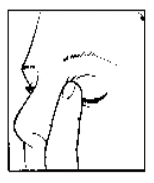
eye or the formation of cataracts, both of which can lead to gradual vision loss. While you are using DUREZOL ophthalmic emulsion you should have your eyes checked routinely and frequently. Ask your doctor for advice.
Slowed healing after surgery
DUREZOL ophthalmic emulsion may slow healing after surgery and increase the risk of certain complications, such as eye infection or worsening an infection. Call your doctor right away if your pain and swelling do not improve or if you experience any of the following: eye redness, itching, tearing or discharge; feeling that something is in your eye; seeing floating spots; sensitivity to light; or red, swollen or crusty eyelids.
If you wear contact lenses
Do not use DUREZOL ophthalmic emulsion while you are wearing regular contact lenses. DUREZOL ophthalmic emulsion contains sorbic acid, a preservative that can be absorbed by soft contact lenses and cause discoloration. Wait at least 10 minutes after using DUREZOL ophthalmic emulsion before putting your contact lenses in.
Driving and using machines
DUREZOL ophthalmic emulsion can cause side effects that may impair your vision. Do not drive or use machines until your vision is clear.
INTERACTIONS WITH THIS MEDICATION
No specific drug interaction studies have been done with DUREZOL ophthalmic emulsion.
Tell your doctor or pharmacist if you are taking (or recently took) any topical NSAIDs. Taking DUREZOL ophthalmic emulsion and NSAIDS at the same time may delay healing after surgery.
Tell your doctor if you are taking medicines used to treat HIV/AIDS containing ritonavir or cobicistat, as they may increase the amount of DUREZOL in the blood.
Please tell your doctor or pharmacist if you are taking (or recently took) any other medicines (including with or without prescription, over the counter, vitamins, minerals, and herbals).
PROPER USE OF THIS MEDICATION
Always use DUREZOL ophthalmic emulsion exactly as your doctor has told you.
Usual dose:
Treatment of inflammation and pain after cataract surgery Apply one drop of DUREZOL ophthalmic emulsion into the pocket between the eyelid and affected eye 4 times daily beginning 24 hours after surgery and continuing for 2 weeks. Then change your dose as directed by your doctor.
Treatment of endogenous anterior uveitis
Apply one drop into the pocket between the eyelid and the affected eye 4 times daily for 14 days. Then change your dose as directed by your doctor.
How to Use:
| 1 2 3 |
- Wash your hands thoroughly with soap and water.
- Check the dropper tip to make sure that it is not chipped or cracked.
- Avoid touching the dropper tip against your eye or anything else to avoid contamination. Eye drops and eye dropper must be kept clean.
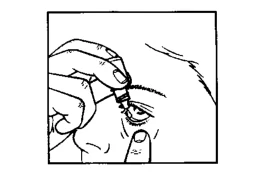
- Pull down your lower eyelid with a clean finger until there is a ‘pocket’ between the eyelid and your eye. The drop will go in here (picture 1).
- Bring the bottle tip close to the eye. Do this in front of a mirror if it helps.
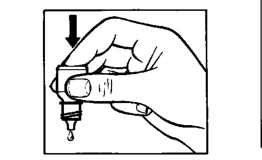
- Gently press on the base of the bottle to release one drop of DUREZOL emulsion at a time.
- Do not squeeze the bottle: it is designed so that a gentle press on the bottom is all that it needs (picture 2).
- After using DUREZOL emulsion, press a finger into the corner of your eye, by the nose (picture 3). This helps to stop DUREZOL emulsion getting into the rest of the body.
- If you use drops in both eyes, repeat the steps for your other eye.
- Close the bottle cap firmly immediately after use. Do not wipe or rinse the dropper tip.
- If a drop misses your eye, try again.
- Wipe any excess liquid from your face with a tissue.
- If you are using other eye drop or eye ointment medicines, leave at least 5 minutes between each medicine. Eye ointments should be administered last.
- Wash your hands to remove any medication.
When you use DUREZOL ophthalmic emulsion, be careful not to let the tip of the bottle touch your eyes, fingers, face, or any surface. If the tip does touch another surface, bacteria may get into the eye drops. Using eye drops that are contaminated with bacteria may cause serious damage to the eye or loss of vision. If you think your eye drops have become contaminated, call your doctor or pharmacist.
Overdose:
If you use more DUREZOL than you should, rinse it all out with warm water. Do not put in any more drops until it is time for your next regular dose.
In case of drug overdose, contact a health care practitioner, hospital emergency department or regional Poison Control Centre immediately, even if there are no symptoms.
Missed Dose:
Use the medication as soon as you remember the missed dose. If it is almost time for your next dose, skip the missed dose and use the medicine at your next regularly scheduled time. Do not use extra medicine to make up the missed dose. Do not double dose.
SIDE EFFECTS AND WHAT TO DO ABOUT THEM
Like all medicines, DUREZOL ophthalmic emulsion can cause side effects, although not everybody gets them.
Side effects in the eye observed with DUREZOL ophthalmic emulsion include: increase in eye pressure; slowed or impaired healing of the eye; reduced vision; clouding of the lens; eye inflammation with or without surface damage; floating particles that appear as spots; problems with the iris, including inflammation; separation of vitreous gel from the retina, which may result in retinal detachment; bloodshot eyes; eyelid inflammation or swelling; eyelashes that curve towards the eye; problems with the cornea, including damage, tiny tears and ulcers; dry eye; flashes of light in vision; damage to the eye surface; and complications following cataract surgery, including contraction of the lens capsule, displacement of the pupil, dislocation of the lens and removal of blebs from the eye.
Side effects in the rest of the body observed with DUREZOL ophthalmic emulsion include: dizziness, diarrhea, skin discoloration and increased heart rate.
Some side effects can be serious. If you experience any of the following symptoms, call your doctor immediately:
SERIOUS SIDE EFFECTS, HOW OFTEN THEY HAPPEN AND WHAT TO DO ABOUT THEM | |||
| Symptom / effect | Talk with your doctor or pharmacist | Stop taking drug and call your doctor or pharmacist | |
| Only if severe | In all cases | ||
| Allergic (hypersensitivity) reactions / with symptoms such as hives, difficulty breathing; swelling of the face, lips, tongue, or throat | √ | ||
Vision changes / with symptoms such as sudden vision loss, blurred vision, tunnel vision, eye pain, eye itching, irritation or redness, severe headache, sensitivity to light, foreign body sensation in eye | √ | ||
| New infection- with symptoms such as eye swelling, weeping, drainage, crusting | √ | ||
This is not a complete list of side effects. For any unexpected effects while taking DUREZOL ophthalmic emulsion, contact your doctor or pharmacist.
HOW TO STORE IT
Store at 15 - 25°C (59 - 77°F). Do not freeze. Protect from light. When not in use keep the bottles in the protective carton.
Keep DUREZOL ophthalmic emulsion out of sight and reach of children.
REPORTING SIDE EFFECTS
You can report any suspected side effects associated with the use of health products to Health Canada by:
Visiting the Web page on Adverse Reaction Reporting
(https://www.canada.ca/en/health-canada/services/drugs-health-products/medeffect-canada/adverse-reaction-reporting.html) for information on how to report online, by mail or by fax; or
- Calling toll-free at 1-866-234-2345.
NOTE: Contact your health professional if you need information about how to manage your side effects. The Canada Vigilance Program does not provide medical advice.
MORE INFORMATION
This document plus the full product monograph, prepared for health professionals can be found at:
www.novartis.ca or by contacting the sponsor, Novartis Pharmaceuticals Canada Inc., at: 1-800-363-8883.
Last revised: July 19, 2018
DUREZOL is a registered trademark.