


Product Monograph - Dutasteride (Sivem Pharmaceuticals)
SUMMARY PRODUCT INFORMATION
Route of Administration | Dosage Form / Strength | All Nonmedicinal Ingredients |
| Oral | Capsules, 0.5 mg | Glycerol Monocaprylocaprate (Type I), Butyl hydroxy toluene, Gelatin, Glycerol, Titanium Dioxide, yellow iron oxide and traces of medium chain triglycerides and isopropyl alcohol may be present. |
INDICATIONS AND CLINICAL USE
Monotherapy: DUTASTERIDE (dutasteride) is indicated for the treatment of symptomatic Benign Prostatic Hyperplasia (BPH) in men with enlarged prostates.
Combination therapy: DUTASTERIDE (dutasteride) in combination with the alpha blocker, tamsulosin, is indicated for the treatment of moderate to severe symptomatic BPH in men with enlarged prostates.
DUTASTERIDE administered alone or in combination with the alpha blocker, tamsulosin has been shown to reduce prostate size, improve urinary flow and symptoms of BPH.
DUTASTERIDE administered as monotherapy has been shown to reduce the risk of acute urinary retention (AUR) and the need for BPH related surgery. Combination therapy was statistically significant to tamsulosin monotherapy but not dutasteride monotherapy at reducing the relative risk of AUR or BPH-related surgery (see Clinical Trials).
Limitations of Use: DUTASTERIDE is not approved for the prevention of prostate cancer.
CONTRAINDICATIONS
DUTASTERIDE is contraindicated for use in women and children (see WARNINGS AND PRECAUTIONS, Exposure of Women-Risk to Male Fetus).
DUTASTERIDE is contraindicated in patients with known hypersensitivity to dutasteride, other 5 alpha-reductase inhibitors, or any component of the preparation.
WARNINGS AND PRECAUTIONS
Serious Warnings and Precautions
DUTASTERIDE is for use for men only.
Exposure of Women-Risk to Male Fetus:
Dutasteride is absorbed through the skin. Therefore, women who are pregnant or may be pregnant should not handle DUTASTERIDE capsules.
General
Increased Risk of High-grade Prostate Cancer: Prior to treatment with DUTASTERIDE, patients should be assessed thoroughly to rule out other urological diseases including prostate cancer. DUTASTERIDE may be associated with an increase in high grade prostate cancer. In men aged 50 to 75 years with a recent negative biopsy for prostate cancer and a serum PSA between 2.5 ng/mL and 10.0 ng/mL, taking dutasteride for 4 years, there was an increased incidence of Gleason score 8-10 prostate cancer compared with men taking placebo (see ADVERSE REACTIONS). At this time it is unknown how therapy with dutasteride might influence the progression of prostate cancer or affect high grade prostate cancer. No causal relationship between dutasteride and high grade prostate cancer has been established. In a 7-year placebo-controlled clinical trial with another 5 alpha-reductase inhibitor (finasteride 5 mg,), similar results for Gleason score 8-10 prostate cancer were observed (finasteride 1.8% versus placebo 1.1%). 5 alpha-reductase inhibitors may increase the risk of development of high-grade prostate cancer. Whether the effect of 5 alpha-reductase inhibitors to reduce prostate volume, or study related factors, impacted the results of these studies has not been established. See INDICATION AND CLINICAL USE and ADVERSE REACTIONS.
Breast changes including breast enlargement, tenderness and cancer have been reported. Prescribers should instruct their patients to promptly report any changes in their breast tissue such as lumps or nipple discharge (see ADVERSE REACTIONS).
Patients with a large residual urinary volume and/or severely diminished urinary flow may not be proper candidates for 5 alpha-reductase inhibitor therapy and should be carefully monitored for obstructive uropathy.
No study has been conducted to determine if dutasteride can be used for the control of BPH in asymptomatic patients.
The long-term (> 4 years) beneficial and adverse effects of dutasteride have not been established.
Cardiovascular
In two 4-year clinical studies, the incidence of cardiac failure (a composite term of reported events, primarily cardiac failure and congestive cardiac failure) was higher among subjects taking the combination of dutasteride and an alpha-blocker, primarily tamsulosin, than it was among subjects not taking the combination. The relative risk estimate for time to first cardiac failure event was 3.57 [95% CI: 1.17, 10.8] for combination treatment compared with dutasteride monotherapy and 1.36 [95% CI: 0.61, 3.07] compared with tamsulosin monotherapy. In these 2 studies, the incidence of cardiac failure was low (≤ 1%) and variable between the studies. No imbalance was observed in the incidence of cardiovascular adverse events overall in either study. While no causal relationship between dutasteride (alone or in combination with an alpha-blocker) and cardiac failure has been established, patients with underlying risk factors for cardiovascular disease, including past or current cardiovascular conditions, advanced age, elevated resting heart rate, should be monitored for signs and symptoms of cardiac failure (see ADVERSE REACTIONS).
Endocrine and Metabolism
Hormone Levels
In healthy volunteers, 52 weeks of treatment with dutasteride 0.5 mg/day (n = 26) resulted in no clinically significant change compared with placebo (n = 23) in sex hormone binding globulin, estradiol, luteinizing hormone, follicle-stimulating hormone, thyroxine (free T4), and dehydroepiandrosterone. Statistically significant, baseline-adjusted mean increases compared with placebo were observed for total testosterone at 8 weeks (3.37 nmol/L, p < 0.003) and thyroid-stimulating hormone (TSH) at 52 weeks (0.4 mcIU/mL, p < 0.05). The median percentage changes from baseline within the dutasteride group were 17.9% for testosterone at 8 weeks and 12.4% for TSH at 52 weeks. After stopping dutasteride for 24 weeks, the mean levels of testosterone and TSH had returned to baseline in the group of subjects with available data at the visit. In patients with BPH treated with dutasteride 0.5 mg/day for 4 years, the median decrease in serum DHT was 94% at 1 year, 93% at 2 years, and 95% at both 3 and 4 years. The median increase in serum testosterone was 19% at both 1 and 2 years, 26% at 3 years, and 22% at 4 years, but the mean and median levels remained within the physiologic range. In patients with BPH treated with dutasteride in a large Phase III trial, there was a median percent increase in luteinizing hormone of 12% at 6 months and 19% at both 12 and 24 months.
Hematologic
Men treated with dutasteride should not donate blood until at least 6 months have passed following their last dose. The purpose of this deferred period is to prevent administration of dutasteride to a pregnant female transfusion recipient.
Hepatic
The effect of hepatic impairment on dutasteride pharmacokinetics has not been studied. Because dutasteride is extensively metabolized and has a half-life of 3 to 5 weeks, caution should be used in the administration of dutasteride to patients with liver disease.
Sexual Function/Reproduction
The effects of dutasteride 0.5 mg/day on semen characteristics were evaluated in normal volunteers aged 18 to 52 (n=27 dutasteride, n=23 placebo) throughout 52 weeks of treatment and 24 weeks of post treatment follow-up. At 52 weeks, the mean percent reduction from baseline in total sperm count, semen volume, and sperm motility were 23%, 26%, and 18%, respectively, in the dutasteride group when adjusted for changes from baseline in the placebo group. Sperm concentration and sperm morphology were unaffected. After 24 weeks of follow-up, the mean percent change in total sperm count in the dutasteride group remained 23% lower than baseline. While mean values for all semen parameters at all time points remained within the normal ranges and did not meet predefined criteria for a clinically significant change (30%), two subjects in the dutasteride group had decreases in sperm count of greater than 90% from baseline at 52 weeks, with partial recovery at the 24-week follow-up. The clinical significance of dutasteride's effect on semen characteristics for an individual patient’s fertility is not known.
Exposure of Women-Risk to Male Fetus:
Dutasteride is absorbed through the skin. Therefore, women who are pregnant or may be pregnant should not handle DUTASTERIDE because of the possibility of absorption of dutasteride and the potential risk of a fetal anomaly to a male fetus. Pre- clinical data suggests that the suppression of circulating levels of dihydrotestosterone may inhibit the development of the external genital organs in a male foetus carried by a woman exposed to dutasteride (see TOXICOLOGY). In addition, women should use caution whenever handling DUTASTERIDE. If contact is made with leaking capsules, the contact area should be washed immediately with soap and water.
Special Populations
Pregnant Women:
DUTASTERIDE is contraindicated for use in women. There are no adequate and well-controlled studies in pregnant women. Dutasteride has not been studied in women because pre-clinical data suggests that the suppression of circulating levels of dihydrotestosterone may inhibit the development of the external genital organs in a male fetus carried by a women expose to dutasteride (see TOXICOLOGY).
Nursing Women:
DUTASTERIDE is contraindicated for use in women. It is not known whether dutasteride is excreted in human milk.
Pediatrics: BPH is not a disease of childhood. DUTASTERIDE is contraindicated for use in children. Safety and effectiveness in children have not been established. Dutasteride is absorbed through the skin and therefore contact with leaking capsules must be avoided. If contact is made with leaking capsules, the contact area should be washed immediately with soap and water.
Geriatrics: No dose adjustment is necessary in the elderly. The pharmacokinetics and pharmacodynamics of dutasteride were evaluated in 36 healthy male subjects between the ages of 24 and 87 years following administration of a single 5 mg dose of dutasteride. In this single dose study, dutasteride half life increased with age (approximately 170 hours in men aged 20 to 49 years, approximately 260 hours in men aged 50 to 69 years, and approximately 300 hours in men older than 70 years). Of 2,167 men treated with dutasteride in the 3 pivotal studies, 60% were age 65 and over and 15% were age 75 and over. No overall differences in safety or efficacy were observed between these patients and younger patients.
Monitoring and Laboratory Tests
Effects on Prostate Specific Antigen (PSA) and Prostate Cancer Detection
Digital rectal examination, as well as other evaluations for prostate cancer, should be performed on patients with BPH prior to initiating therapy with DUTASTERIDE capsules and periodically thereafter.
In clinical studies, dutasteride reduced serum PSA concentration by approximately 50% within 3 to 6 months of treatment. This decrease was predictable over the entire range of PSA values in patients with symptomatic BPH, although it may vary in individuals. DUTASTERIDE may also cause decreases in serum PSA in the presence of prostate cancer. To interpret serial PSAs in men taking DUTASTERIDE, a new PSA baseline should be established at least 3 months after starting treatment and PSA monitored periodically thereafter. Any confirmed increase from the lowest PSA value while on DUTASTERIDE may signal the presence of prostate cancer and should be evaluated, even if PSA levels are still within the normal range for men not taking a 5 alpha-reductase inhibitor. Noncompliance with DUTASTERIDE may also affect PSA test results.
To interpret an isolated PSA value in a man treated with dutasteride for 3 months or more, the PSA value should be doubled for comparison with normal values in untreated men.
The ratio of free to total PSA (percent free PSA) remains constant even under the influence of dutasteride. If clinicians elect to use percent free PSA as an aid in the detection of prostate cancer in men undergoing DUTASTERIDE therapy, no adjustment to its value appears necessary.
Co-administration of tamsulosin with dutasteride resulted in similar changes to total PSA as dutasteride monotherapy.
ADVERSE REACTIONS
Adverse Drug Reaction Overview
Most adverse reactions were mild or moderate and generally resolved while on treatment in both the dutasteride and placebo groups. The most common adverse events leading to withdrawal in both treatment groups were associated with the reproductive system.
From the clinical trials described below in which dutasteride was administered alone or in combination with tamsulosin:
- The most common adverse reactions reported in subjects receiving dutasteride were impotence, decreased libido, breast disorders (including breast enlargement and tenderness), and ejaculation disorders. The most common adverse reactions reported in subjects receiving combination therapy (dutasteride plus tamsulosin) were impotence, decreased libido, breast disorders (including breast enlargement and tenderness), ejaculation disorders, and dizziness. The percentages of subjects with ejaculation disorders, decrease libido and impotence were higher in the combination therapy group compared with either monotherapy groups.
- Study withdrawal due to adverse reactions occurred in 4% of subjects receiving dutasteride, 6% of subjects receiving combination therapy (dutasteride plus tamsulosin), 4% of subjects receiving tamsulosin and 3% of subjects receiving placebo. The most common adverse reaction in all treatment arms leading to study withdrawal was impotence.
Clinical Trial Adverse Drug Reactions
Because clinical trials are conducted under very specific conditions the adverse reaction rates observed in the clinical trials may not reflect the rates observed in practice and should not be compared to the rates in the clinical trials of another drug. Adverse drug reaction information from clinical trials is useful for identifying drug-related adverse events and for approximating rates.
Dutasteride Monotherapy
Over 4,300 male subjects with BPH were randomly assigned to receive placebo or 0.5 mg daily doses of dutasteride in 3 identical 2 year, placebo-controlled, double blind, Phase 3 treatment studies, each with 2 year open-label extensions. During the double blind treatment period, 2,167 male subjects were exposed to dutasteride, including 1,772 exposed for 1 year and 1,510 exposed for 2 years. When including the open label extensions, 1,009 male subjects were exposed to dutasteride for 3 years and 812 were exposed for 4 years.
The population was aged 47 to 94 years (mean age, 66 years) and greater than 90% Caucasian. Over the 2-year double-blind treatment period, 376 subjects (9% of each treatment group) were withdrawn from the studies due to adverse experiences, most commonly associated with the reproductive system, with similar findings during the 2- year open-label extensions. Table 1 summarizes clinical adverse reactions that were reported by the investigator as drug-related in at least 1% of subjects receiving dutasteride and at a higher incidence than subjects receiving placebo.
Table 1 Drug-Related Adverse Events* Reported in ≥ 1% Subjects Over a 48-Month Period and More Frequently in the Dutasteride Group Than the Placebo Group (Pivotal Studies Pooled)
| Adverse Event Onset | ||||||||
| Double-Blind | Open-Label** | |||||||
Adverse Events Dutasteride (n) Placebo (n) | Month 0-6 (n = 2167) (n = 2158) | Month 7-12 (n = 1901) (n = 1922) | Month 13-18 (n = 1725) (n = 1714) | Month 19-24 (n = 1605) (n = 1555) | Month 25-36 (n = 1188) (n = 1152) | Month 39-48 (n = 1041) (n = 968) | ||
Impotence†† Dutasteride Placebo | 4.7% 1.7% | 1.4% 1.5% | 1.0% 0.5% | 0.8% 0.9% | 1.4% 2.8% | 0.4% 0.4% | ||
Decreased libido†† Dutasteride Placebo | 3.0% 1.4% | 0.7% 0.6% | 0.3% 0.2% | 0.3% 0.1% | 0.4% 2.4% | 0.1% 0.2% | ||
Ejaculation disorder†† Dutasteride Placebo | 1.4% 0.5% | 0.5% 0.3% | 0.5% 0.1% | 0.1% 0.0% | 0.3% 1.2% | 0.1% 0.3% | ||
Breast disorders† Dutasteride Placebo | 0.5% 0.2% | 0.8% 0.3% | 1.1% 0.3% | 0.6% 0.1% | 1.8% 1.3% | 0.7% 0.9% | ||
- A drug-related adverse event is one considered by the investigator to have a reasonable possibility of being caused by the study medication. In assessing causality, investigators were asked to select from 1 of 2 options: reasonably related to study medication or unrelated to study medication.
- Includes breast tenderness and breast enlargement.
- All subjects switched to open-label dutasteride for months 25 to 48.
- These sexual adverse events are associated with dutasteride treatment (including monotherapy and combination with tamsulosin). These adverse events may persist after treatment discontinuation. The role of dutasteride in this persistence is unknown.
In BPH monotherapy clinical trials, providing 3,374 patient-years of exposure to dutasteride, there were 2 cases of breast cancer reported in dutasteride-treated patients, one after 10 weeks and one after 11 months of treatment and 1 case in a patient who received placebo. In subsequent clinical trials in BPH and prostate cancer risk reduction providing 17,489 patient-years exposure to dutasteride and 5,027 patient years exposure to dutasteride and tamsulosin combination, there were no additional cases in any of the treatment groups. The relationship between long term use of dutasteride and male breast cancer is unknown. The relationship between long -term use of Dutasteride and Leydig cell tumours of the testis, Hepatocellular adenomas, and the Gleason score (grade of malignancy) of prostate cancer in patients taking long term alpha-reductase inhibitors is currently unknown.
Combination with Alpha-Blocker Therapy (CombAT) study:
The CombAT study was a 4-year multicenter, double-blind study in which over
4844 male subjects with BPH were randomly assigned to receive combination therapy (dutasteride 0.5 mg/day plus tamsulosin 0.4 mg/day, n =1,610), dutasteride alone (n =1,623) or tamsulosin alone (n=1,611). Over the 4 years of treatment, 1,623 subjects received monotherapy with dutasteride; 1,611 subjects received monotherapy with tamsulosin; and 1,610 subjects received combination therapy. The population was aged 49 to 88 years (mean age 66 years) and 88% Caucasian. Table 2 summarizes adverse reactions reported in at least 1% of subjects in any treatment group over 4 years of treatment.
Table 2 Adverse Reactions Reported Over a 48-Month Period in ≥ 1% of Subjects in Any Treatment Group (CombAT)
| Adverse Reaction Time of Onset | |||||||||||||
| Adverse Reaction Time of Onset | |||||||||||||
| Year 1 | Year 2 | Year 3 | Year 4 | ||||||||||
| Year 1 | Year 2 | Year 3 | Year 4 | ||||||||||
| Adverse Reaction | Months 0-6 | Months 7-12 | |||||||||||
| Adverse Reaction | Months 0-6 | Months 7-12 | |||||||||||
| Combinationa | (n = 1,610) | (n = 1,527) | (n = 1,428) | (n = 1,283) | (n = 1,200) | ||||||||
| Dutasteride | (n = 1,623) | (n = 1,548) | (n = 1,464) | (n = 1,325) | (n = 1,200) | ||||||||
| Tamsulosin | (n = 1,611) | (n = 1,545) | (n = 1,468) | (n = 1,281) | (n = 1,112) | ||||||||
| Impotenceb | |||||||||||||
| Combination | 5.4% | 1.1% | 1.8% | 0.9% | 0.4% | ||||||||
| Dutasteride | 4.0% | 1.1% | 1.6% | 0.6% | 0.3% | ||||||||
| Tamsulosin | 2.6% | 0.8% | 1.0% | 0.6% | 1.1% | ||||||||
| Decreased libidob | |||||||||||||
| Combination | 4.5% | 0.9% | 0.8% | 0.2% | 0.0% | ||||||||
| Dutasteride | 3.1% | 0.7% | 1.0% | 0.2% | 0.0% | ||||||||
| Tamsulosin | 2.0% | 0.6% | 0.7% | 0.2% | <0.1% | ||||||||
| Ejaculation disordersb | |||||||||||||
| Combination | 7.8% | 1.6% | 1.0% | 0.5% | <0.1% | ||||||||
| Dutasteride | 1.0% | 0.5% | 0.5% | 0.2% | 0.3% | ||||||||
| Tamsulosin | 2.2% | 0.5% | 0.5% | 0.2% | 0.3% | ||||||||
| Breast disordersc | |||||||||||||
| Combination | 1.1% | 1.1% | 0.8% | 0.9% | 0.6% | ||||||||
| Dutasteride | 0.9% | 0.9% | 1.2% | 0.5% | 0.7% | ||||||||
| Tamsulosin | 0.4% | 0.4% | 0.4% | 0.2% | 0.0% | ||||||||
| Dizziness | |||||||||||||
| Combination | 1.1% | 0.4% | 0.1% | <0.1% | 0.2% | ||||||||
| Dutasteride | 0.5% | 0.3% | 0.1% | <0.1% | <0.1% | ||||||||
| Tamsulosin | 0.9% | 0.5% | 0.4% | <0.1% | 0.0% | ||||||||
- a Combination = Dutasteride 0.5 mg once daily plus tamsulosin 0.4 mg once daily.
- b These sexual adverse events are associated with dutasteride treatment (including monotherapy and combination with tamsulosin). There adverse events may persist after treatment discontinuation. The role of dutasteride in this persistence is unknown.
- c Includes breast tenderness and breast enlargement.
Cardiovascular Disorders
In CombAT, after 4 years of treatment, the incidence of the composite term cardiac failure in the combination group (14/1,610, 0.9%) was higher than in either monotherapy group: dutasteride, 4/1,623 (0.2%) and tamsulosin, 10/1,611 (0.6%). The relative risk estimate for time to first cardiac failure event was 3.57 [95% CI: 1.17, 10.8] for combination treatment compared with dutasteride monotherapy and 1.36 [95% CI: 0.61, 3.07] compared with tamsulosin monotherapy, as shown in Table 3.
In a 4-year comparison of placebo and dutasteride in men at risk of developing prostate cancer, there was a higher incidence of the composite term cardiac failure in subjects taking dutasteride (30/4,105, 0.7%) versus placebo (16/4,126, 0.4%) for a relative risk estimate for time to first cardiac failure event of 1.91 [95% CI: 1.04, 3.50] (Table 3).
Table 3 Number (%) of Subjects with Cardiac Failure Adverse Events in Study ARI40005 and Study ARI40006, Year 4
| Study | Dut + Tam (n/N (%)) | Dutasteride (n/N (%)) | Tamsulosin (n/N (%)) | Placebo (n/N (%)) | Relative risk estimate1 [95% CI] | |||||||||||||||
Combination vs. Dutasteride | Combination vs. Tamsulosin | Dutasteride vs. Placebo | ||||||||||||||||||
| ARI40005 | 14/1610 (0.9) | 4/1623 (0.2) | 10/1611 (0.6) | --- | 3.57 (1.17, 10.8) | 1.36 (0.61, 3.07) | --- | |||||||||||||
| ARI40006 | --- | 30/4105 (0.7) | --- | 16/4126 (0.4) | --- | --- | 1.91 (1.04, 3.50) | |||||||||||||
1 Relative risk (hazard ratio) based on Cox proportional hazards model
ARI40005 – CombAT study, a 4-year multicenter, double-blind study in which combination of dutasteride and tamsulosin administered randomly to male subjects with BPH
ARI40006 – 4-year comparison of placebo and dutasteride in men at risk of developing prostate cancer
In a post-hoc analysis of concomitant alpha-blocker use, there was a higher incidence of the composite term cardiac failure in subjects taking dutasteride and an alpha-blocker concomitantly (12/1,152, 1.0%), compared with subjects not taking dutasteride and an alpha-blocker concomitantly: dutasteride and no alpha-blocker (18/2,953, 0.6%), placebo and an alpha-blocker (1/1,399, < 0.1%), placebo and no alpha-blocker (15/2,727, 0.6%).
No imbalance was observed in the incidence of overall cardiovascular adverse events in either study. No causal relationship between dutasteride (alone or in combination with an alpha-blocker) and cardiac failure has been established (see WARNINGS AND PRECAUTIONS).
Long-Term Treatment (Up to 4 Years): High-grade Prostate Cancer
In a 4-year clinical study comparing placebo and dutasteride in 8,231 men aged 50 to 75 years with a serum PSA of 2.5 ng/mL to 10.0 ng/mL who had a undergone a negative prostate biopsy within six months of participation in the study, 1,517 men were diagnosed with prostate cancer. Classic Gleason scoring was used in this study (as compared to the current modified Gleason scoring). There were numerically more cases in the sub-set of Gleason 8-10 cancers in the dutasteride group (29, 0.9%) compared to the placebo group (19, 0.6%) (p=0.15). In Years 1-2, the number of subjects with Gleason 8-10 cancers was similar in the dutasteride group (17, 0.5%) and the placebo group (18, 0.5%). In Years 3-4, more Gleason 8-10 cancers were diagnosed in the dutasteride group (12, 0.5%) compared with the placebo group (1, <0.1%) (p=0.0035). No causal relationship between dutasteride and high grade prostate cancer has been established. In a 7-year placebo-controlled clinical trial with another 5 alpha-reductase inhibitor (finasteride 5mg,), similar results for Gleason score 8-10 prostate cancer were observed (finasteride 1.8% versus placebo 1.1%).
No clinical benefit has been demonstrated in patients with prostate cancer treated with dutasteride.
Post-Market Adverse Drug Reactions
The following events have been reported voluntarily during post-market use of dutasteride. Because these reactions are reported voluntarily from a population of uncertain size, it is not always possible to estimate their frequency or establish a causal relationship to drug exposure. These events have been chosen for inclusion due to their seriousness, frequency of reporting, potential causal connection to drug exposure or a combination of these factors.
Very rare - depressed mood, allergic reactions, including rash, pruritus, urticaria, localized edema, serious skin reactions and angioedema, testicular pain, and testicular swelling.
Rare - alopecia (primarily body hair loss) and hypertrichosis.
Spontaneous reports of breast cancer in dutasteride-treated patients were reported in GSK worldwide safety database. The relationship between long-term use of dutasteride and male breast cancer is unknown.
DRUG INTERACTIONS
Overview
Care should be taken when administering dutasteride to patients taking potent, chronic CYP3A4 inhibitors such as ritonavir, ketoconazole, verapamil, diltiazem, cimetidine, troleandomycin, and ciprofloxacin. Based on the in vitro data, blood concentrations of dutasteride may increase in the presence of CYP3A4 inhibitors.
Dutasteride does not inhibit the in vitro metabolism of model substrates for the major human cytochrome P450 isoenzymes CYP1A2, CYP2A6, CYP2E1, CYP2C8, CYP2C9, CYP2C19, CYP2B6, CYP2D6, and CYP3A4) at a concentration of 1000 ng/mL, 25 times greater than steady-state serum concentrations in humans. In vitro studies demonstrate that dutasteride does not displace warfarin, diazepam, or phenytoin from plasma protein binding sites, nor do these model compounds displace dutasteride.
Drug-Drug Interactions
Cytochrome P450 Inhibitors: Dutasteride is extensively metabolized in humans by the CYP3A4 and CYP3A5 isoenzymes. The effect of potent CYP3A4 inhibitors on dutasteride has not been studied. Because of the potential for drug-drug interactions, use caution when prescribing DUTASTERIDE to patients taking potent, chronic CYP3A4 enzyme inhibitors (e.g., ritonavir).
Digoxin: In a study of 20 healthy volunteers, dutasteride did not alter the steady-state pharmacokinetics of digoxin when administered concomitantly at a dose of 0.5 mg/day for 3 weeks.
Warfarin: In a study of 23 healthy volunteers, 3 weeks of treatment with dutasteride 0.5 mg/day did not alter the steady-state pharmacokinetics of the S- or R-warfarin isomers or alter the effect of warfarin on prothrombin time when administered with warfarin.
Alpha-Adrenergic Blocking Agents: In a single sequence, crossover study in healthy volunteers, the administration of tamsulosin or terazosin in combination with dutasteride had no effect on the steady state pharmacokinetics of either alpha adrenergic blocker. The percent change in DHT concentrations was similar for dutasteride alone compared with the combination treatment.
A clinical trial was conducted in which dutasteride and tamsulosin were administered in BPH patients concomitantly for 24 weeks followed by 12 weeks of treatment with either the dutasteride and tamsulosin combination or dutasteride monotherapy. Results from the second phase of the trial revealed no excess of serious adverse events or discontinuations due to adverse events in the combination group compared to the dutasteride monotherapy group.
If DUTASTERIDE is administered in combination with the alpha-blocker tamsulosin, please refer to the WARNINGS AND PRECAUTIONS, ADVERSE REACTIONS and CLINICAL TRIALS sections of this Product Monograph.
Calcium Channel Antagonists: In a population pharmacokinetics analysis, a decrease in clearance of dutasteride was noted when co-administered with the CYP3A4 inhibitors verapamil (-37%, n = 6) and diltiazem (-44%, n = 5). In contrast, no decrease in clearance was seen when amlodipine, another calcium channel antagonist that is not a CYP3A4 inhibitor, was co administered with dutasteride (+7%, n = 4). The decrease in clearance and subsequent increase in exposure to dutasteride in the presence of verapamil and diltiazem is not considered to be clinically significant. No dose adjustment is recommended.
Cholestyramine: Administration of a single 5 mg dose of dutasteride followed 1 hour later by 12 g cholestyramine did not affect the relative bioavailability of dutasteride in 12 normal volunteers.
Other Concomitant Therapy: Although specific interaction studies were not performed with other compounds, approximately 90% of the subjects in the 3 Phase III pivotal efficacy studies receiving dutasteride were taking other medications concomitantly. No clinically significant adverse interactions could be attributed to the combination of dutasteride and concurrent therapy when dutasteride was co-administered with anti-hyperlipidemics, angiotensin converting enzyme (ACE) inhibitors, beta adrenergic blocking agents, calcium channel blockers, corticosteroids, diuretics, nonsteroidal anti inflammatory drugs (NSAIDs), phosphodiesterase Type V inhibitors, and quinolone antibiotics.
Drug-Food Interactions
Dutasteride absorption is not affected by food. The effects of CYP3A4 inhibitors found in foods on dutasteride pharmacokinetics have not been studied. Care should be taken when administering dutasteride to patients who chronically consume CYP3A4 inhibitors found in foods and beverages such as grapefruit juice.
Drug-Herb Interactions
The effects of herbal remedies on the pharmacokinetics of dutasteride have not been studied. Care should be taken when administering dutasteride to patients who chronically consume herbal remedies containing CYP3A4 inhibitors (e.g., milk thistle) or CYP3A4 inducers (e.g., St. John’s wort).
Drug-Laboratory Interactions
Effects on Prostate Specific Antigen: Dutasteride reduces serum PSA levels by approximately 50% within 3 to 6 months of therapy, although it may vary for each individual. For patients undergoing PSA screening, increases in PSA levels while on treatment with dutasteride may signal the presence of prostate cancer and should be evaluated by a healthcare provider (see WARNINGS AND PRECAUTIONS: Effects on PSA and Prostate Cancer Detection).
In a study of dutasteride administrated in combination with tamsulosin, changes to total PSA for combination therapy were similar to those for dutasteride monotherapy.
DOSAGE AND ADMINISTRATION
Recommended Dose and Dosage Adjustment
Adult males (including elderly)
Monotherapy
The recommended dose of DUTASTERIDE (dutasteride) is one 0.5 mg capsule taken orally once a day.
Combination Therapy
The recommended dose of DUTASTERIDE in combination with alpha-blocker is one 0.5 mg DUTASTERIDE capsule taken once daily and one tamsulosin 0.4 mg capsule taken once daily.
Administration
DUTASTERIDE capsules should be swallowed whole and not chewed or opened, as contact with the capsule contents may result in irritation of the oropharyngeal mucosa. (see WARNINGS AND PRECAUTIONS, Exposure of Women - Risk to Male Fetus and SPECIAL HANDLING INSTRUCTIONS).
DUTASTERIDE may be taken with or without food (see WARNINGS AND PRECAUTIONS, Drug-Food Interactions).
Although an improvement in symptoms may be observed after 3 months in some patients, it can take up to 6 months before a response to the treatment can be achieved (See CLINICAL TRIALS).
Renal Impairment
The effect of renal impairment on dutasteride pharmacokinetics has not been studied. However, less than 0.1% of a steady state 0.5 mg dose of dutasteride is recovered in human urine, and no adjustment in dose is anticipated for patients with renal impairment.
Hepatic Impairment
The effect of hepatic impairment on dutasteride pharmacokinetics has not been studied. Because dutasteride is extensively metabolized and has a half-life of 3 to 5 weeks, caution should be used in the administration of dutasteride to patients with liver disease.
Missed Dose
If a dose is missed the capsule can be taken at the next scheduled dose. Extra capsules taken for missed doses are not necessary.
OVERDOSAGE
For management of a suspected drug overdose, contact your regional Poison Control Centre immediately.
In volunteer studies of dutasteride, single daily doses of dutasteride up to 40 mg/day (80 times the therapeutic dose) have been administered for 7 days without significant safety concerns. In clinical studies, doses of 5 mg daily have been administered to subjects for 6 months with no additional adverse effects to those seen at therapeutic doses of 0.5 mg.
There is no specific antidote for DUTASTERIDE. Therefore, in cases of suspected overdosage, symptomatic and supportive treatment should be given as appropriate, taking the long half-life of dutasteride in consideration.
ACTION AND CLINICAL PHARMACOLOGY
Mechanism of Action
Dutasteride, a synthetic 4-azasteriod compound, inhibits the conversion of testosterone to 5 α-dihydrotestosterone (DHT). DHT is the androgen primarily responsible for the initial development and subsequent enlargement of the prostate gland. Testosterone is converted to DHT by the enzyme 5 α-reductase, which exists as 2 isoforms, Type I and Type II. Both Type I and Type II isoenzymes are present in the prostate. The Type I isoenzyme is also responsible for testosterone conversion in the skin and liver. It has been observed that compared to normal tissue, the expression of both isoenzymes are increased in BPH tissue.
Dutasteride is a competitive and specific inhibitor of both Type I and Type II 5 α-reductase isoenzymes, with which it forms a stable enzyme complex. Dissociation from this complex has been evaluated under in vitro and in vivo conditions and is extremely slow. Dutasteride lowers DHT levels and leads to a reduction in prostatic volume, thereby treating an underlying cause of BPH. Dutasteride does not bind to the human androgen receptor.
Pharmacodynamics
The maximum effect of daily doses of dutasteride on the reduction on DHT is dose dependent and is observed within 1-2 weeks. After 1 week and 2 weeks of daily dosing of dutasteride 0.5 mg, median serum DHT concentrations were reduced by 85% and 90% respectively.
In patients with BPH treated with dutasteride 0.5 mg/day for 4 years, the median decrease in serum DHT was 94% at 1 year, 93% at 2 years, and 95% at both 3 and 4 years. The median increase in serum testosterone was 19% at both 1 and 2 years, 26% at 3 years, and 22% at 4 years. The testosterone concentrations remain within the physiological normal range.
In BPH patients treated with 5 mg/day of dutasteride or placebo for up to 12 weeks prior to transurethral resection of the prostate, mean DHT concentrations in prostatic tissue were significantly lower in the dutasteride group compared with placebo (784 and 5,793 pg/g, respectively, p < 0.001). Mean prostatic tissue concentrations of testosterone were significantly higher in the dutasteride group compared with placebo (2,073 and 93 pg/g, respectively, p < 0.001).
In BPH patients (N=43) treated with dutasteride 0.5 mg/day or placebo for 3 months prior to transurethral resection of the prostate (TURP), the adjusted mean intraprostatic DHT level was significantly lower in the dutasteride group compared to the placebo group (0.209 ng/g and 3.23 ng/g, respectively, p<0.001).
In another study, men with localized prostate cancer received a loading dose of dutasteride 10 mg/day for 7 days followed by dutasteride 5 mg/day for up to 10 weeks prior to radical prostatectomy, Mean DHT concentrations in prostatic tissue were substantially lower in the dutasteride group compared with placebo (177 and 6,179 pg/g, respectively).
Pharmacokinetics
Absorption: Dutasteride is rapidly absorbed with peak concentrations occurring at 1 to 3 hours and absorption is not affected by food. Absolute bioavailability is approximate 60% relative to a 2-hour intravenous infusion.
Distribution: Dutasteride has a large volume of distribution (300- 500 L) and is highly bound to proteins in plasma (> 99.5%). The half-life of dutasteride is 3 to 5 weeks. Steady state serum concentrations (Css) of approximately 40 ng/mL are achieved after 6 months of dosing with dutasteride 0.5 mg once daily. Similarly, dutasteride concentrations in semen reached steady-state at 6 months. After 52 weeks of treatment, semen dutasteride concentrations averaged 3.4 ng/mL (range 0.4 to 14 ng/mL).
Metabolism: Dutasteride is extensively metabolized in humans. Studies showed that CYP3A4 isoenzymes are involved in metabolism of dutasteride.
Excretion: Dutasteride and its metabolites were excreted mainly in feces. Only trace amounts of unchanged dutasteride were found in urine (< 1%) (see DETAILED PHARMACOLOGY).
Special Populations and Conditions
Geriatrics: No dose adjustment is necessary in the elderly. The pharmacokinetics and pharmacodynamics of dutasteride were evaluated in 36 healthy male subjects between the ages of 24 and 87 years following administration of a single 5 mg dose of dutasteride. In this single-dose study, dutasteride half-life increased with age (approximately 170 hours in men aged 20 to 49 years, approximately 260 hours in men aged 50 to 69 years, and approximately 300 hours in men older than 70 years). Of 2,167 men treated with dutasteride in the 3 pivotal studies, 60% were age 65 and over and 15% were age 75 and over. No overall differences in safety or efficacy were observed between these patients and younger patients.
Gender: DUTASTERIDE is not indicated for use in women (see WARNINGS AND PRECAUTIONS).
Race: The effect of race on dutasteride pharmacokinetics has not been studied.
Hepatic Insufficiency: The effect on the pharmacokinetics of dutasteride in hepatic impairment has not been studied.
Renal Insufficiency: The effect of renal impairment on dutasteride pharmacokinetics has not been studied. However, less than 0.1% of a steady-state 0.5 mg dose of dutasteride is recovered in human urine, so no adjustment in dosage is anticipated for patients with renal impairment.
STORAGE AND STABILITY
Store at room temperature (15°C to 30°C). Protect from moisture.
SPECIAL HANDLING INSTRUCTIONS
Dutasteride is absorbed through the skin; therefore, women and children must avoid contact with leaking capsules. If contact is made with leaking capsules, the contact area should be washed immediately with soap and water (see CONTRAINDICATIONS, WARNINGS AND PRECAUTIONS).
DOSAGE FORMS, COMPOSITION AND PACKAGING
| Dosage form | Capsules |
| Strength | 0.5 mg |
| Description | Size 6, dull yellow, opaque, oblong shaped soft gelatin capsules, containing clear, colourless to pale yellow viscous oil absent of any visible particles, and/or crystals. |
| Composition | Glycerol Monocaprylocaprate (Type I), Butyl hydroxy toluene, Gelatin, Glycerol, Titanium Dioxide, yellow iron oxide and traces of medium chain triglycerides and isopropyl alcohol may be present. |
| Packaging | Blister pack of 30 (3 X 10) Capsules and HDPE bottles of 30’s, 100’s & 500 Capsules. |
PART II: SCIENTIFIC INFORMATION
PHARMACEUTICAL INFORMATION
Drug Substance
Proper name: dutasteride
Chemical name: N-[2,5-Bis-(trifluoromethyl)phenyl]-3-oxo-4- aza-5α-androst-1-ene-17β-carboxamide
or
(4aR,4bS,6aS,7S,9aS,9bS,11aR)-N-[2,5-Bis- (trifluoromethyl)phenyl]-4a,6a-dimethyl-2-oxo-4a,4b,5,6,6a,7,8,9,9a,9b,10,11,11atetradecahydro-1H-indeno[5,4-f]-quinoline-7-carboxamide
or
(5α,17β)-N-[2,5-Bis(trifluoromethyl)phenyl]-3-oxo-4-azaandrost-1-ene-17-carboxamide
Molecular formula: C27H30F6N2O2
Molecular mass : 528.53 g/mol
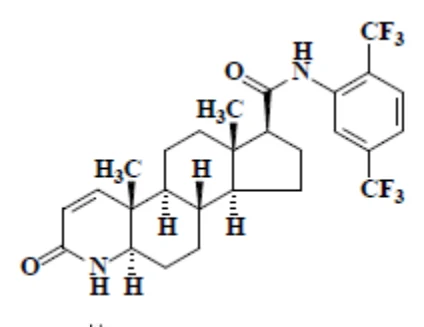
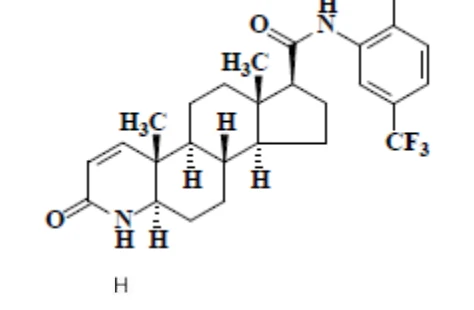
Structural formula:
Physicochemical properties: White or pale yellow powder. Freely soluble in methylene chloride, soluble or sparingly soluble in anhydrous ethanol, practically insoluble in water.
CLINICAL TRIALS
Comparative Bioavailability Studies
A double blind, balanced, randomized, two-treatment, two-sequence, two-period, crossover, single dose oral bioequivalence study of DUTASTERIDE soft capsules 0.5 mg [Test; Aurobindo Pharma Limited, India manufactured for Sivem Pharmaceuticals ULC (Canada)] Avodart® (dutasteride) capsules 0.5 mg [Reference; GlaxoSmithKline inc, Canada] was conducted in 42 healthy, adult, human, male subjects under fasting conditions. A summary of the bioavailability data of 38 subjects who completed the study is presented in the following table.
SUMMARY TABLE OF THE COMPARATIVE BIOAVAILABILITY DATA
Dutasteride (1 X 0.5 mg) From measured data Geometric Mean Arithmetic Mean (CV %) | ||||
| Parameter | Test* | Reference† | % Ratio of Geometric Means | 90% Confidence Interval |
AUC72 (hr. pg/mL) | 62295.3 70476.2 (46.9) | 60679.0 68209.7 (46.5) | 102.7 | 97.5-108.1 |
Cmax (pg/mL) | 3215.3 3425.9 (35.1) | 3095.5 3366.1 (39.3) | 103.9 | 96.8-111.5 |
| Tmax§ (h) | 2.5 (1.3-6.0) | 2.5 (1.3-5.0) | ||
*DUTASTERIDE (Dutasteride capsules 0.5 mg), by Sivem Pharmaceuticals ULC
† AVODART® (Dutasteride capsules 0.5 mg), of GlaxoSmithKline Inc., Canada were purchased from Canada.
§ Expressed as the median (range) only.
$ Expressed as arithmetic mean (% CV) only.
Due to the long elimination half-life of dutasteride, AUCI and T1/2 could not be accurately calculated from the data obtained in this study
Monotherapy
Study demographics and trial design
Dutasteride 0.5 mg/day (n = 2,167) or placebo (n = 2,158) was evaluated in male subjects with BPH in three 2-year multicenter, placebo-controlled, double-blind studies, each with 2-year open-label extensions (n = 2,340). More than 90% of the study population was Caucasian. Subjects were at least 50 years of age with a serum prostate specific antigen (PSA) ≥ 1.5 ng/mL and < 10 ng/mL and BPH diagnosed by medical history and physical examination, including enlarged prostate ( ≥ 30 cc) and BPH symptoms that were moderate to severe according to the American Urological Association Symptom Index (AUA-SI). Most of the 4,325 subjects randomly assigned to receive either dutasteride or placebo completed 2 years of double blind treatment (70% and 67%, respectively). Most of the 2,340 subjects in the study extensions completed 2 additional years of open label treatment (71%).
Study results
Effect on Symptom Scores: Symptoms were quantified using the AUA-SI, a questionnaire that evaluates urinary symptoms (incomplete emptying, frequency, intermittency, urgency, weak stream, straining, and nocturia) by rating on a 0 to 5 scale for a total possible score of 35. The baseline AUA SI score across the 3 studies was approximately 17 units in both treatment groups.
Subjects receiving dutasteride achieved statistically significant improvement in symptoms versus placebo by Month 3 in one study and by Month 12 in the other 2 pivotal studies. Pooled results of the 3 pivotal studies compared to placebo at Month 6 showed that dutasteride was associated with a significantly greater change from baseline (p < 0.001). At Month 12, the mean decrease from baseline in AUA SI symptom scores across the 3 studies pooled was -3.3 units for dutasteride and -2.0 units for placebo with a mean difference between the 2 treatment groups of -1.3 (range, -1.1 to -1.5 units in each of the 3 studies, p < 0.001) and was consistent across the 3 studies. At Month 18, the mean decrease from baseline was -3.7 units for dutasteride and - 2.1 units for placebo with a mean difference of -1.6 (range, -1.4 to -1.9 units in each of the 3 studies, p < 0.001). At Month 24, the mean decrease from baseline was -3.8 units for dutasteride and -1.7 units for placebo with a mean difference of -2.1 (range, -1.9 to -2.2 units in each of the 3 studies, p < 0.001) (See Figure 1). Continued symptom improvement was also seen during the additional 2 years of open label extension studies. For those subjects who continued with dutasteride treatment the change in AUA-SI score from months 24 to 48 was statistically significant (p < 0.001). The mean decrease from baseline in AUA-SI symptom scores across the 3 studies pooled at Month 48 was -6.5 units for subjects on continued dutasteride treatment throughout 48 months and -5.6 units for subjects on placebo treatment for 24 months followed by dutasteride treatment for 24 months (See Figure 2).
These studies were prospectively designed to evaluate effects on symptoms based on prostate size at baseline. In men with prostate volumes ≥ 40 cc, the mean decrease was -3.8 units for dutasteride and -1.6 units for placebo, with a mean difference between the 2 treatment groups of 2.2 at Month 24. In men with prostate volumes < 40 cc, the mean decrease was -3.7 units for dutasteride and -2.2 units for placebo, with a mean difference between the 2 treatment groups of 1.5 at Month 24.
Figure 1 represents the 24 month pooled Phase III data for AUA-SI. Figure 2 represents the 48 months intent to treat population. At the 2 year time point, all continuing subjects switched to open-label dutasteride.
Figure 1 AUA-SI Score* Change from Baseline (Pivotal Studies Pooled)
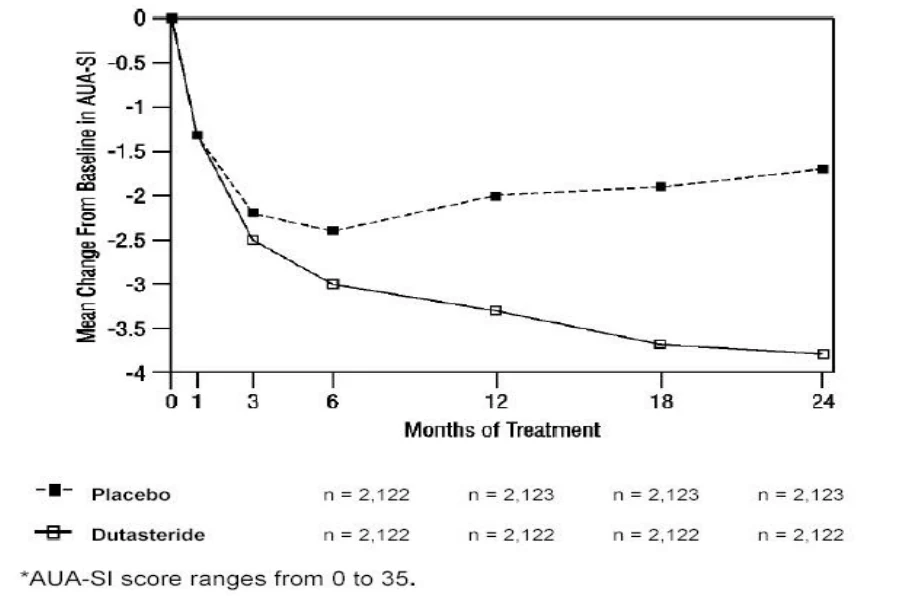
Figure 2 AUA-SI* Score Mean Change from Baseline
(Open-Label ITT** Population, Pooled Data)
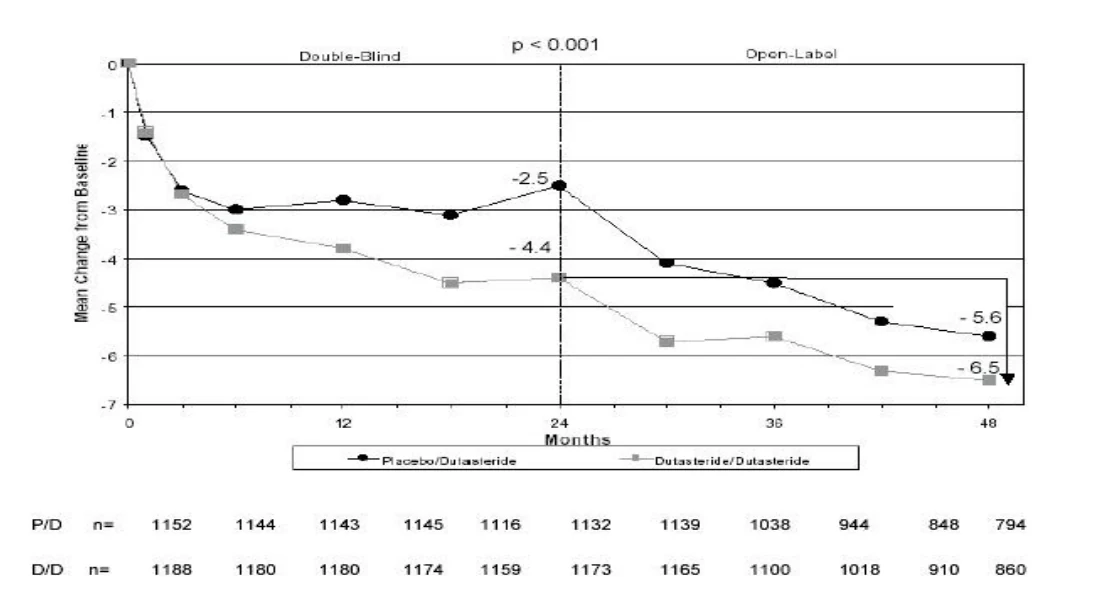
All subjects switch to open-label dutasteride for months 24 to 48.
*AUA SI (American Urological Association Symptom Index) is a seven-item questionnaire with a maximum score of 35. Entry criteria included a screening score of ≥12 (moderate to severe symptoms). A reduction in score signifies an improvement in symptoms.
**ITT (Intent to treat population)
Qmax (maximum urine flow)
A mean peak urine flow rate (Qmax) of ≤ 15 mL/sec was required for study entry. Qmax was approximately 10 mL/sec at baseline across the 3 pivotal studies.
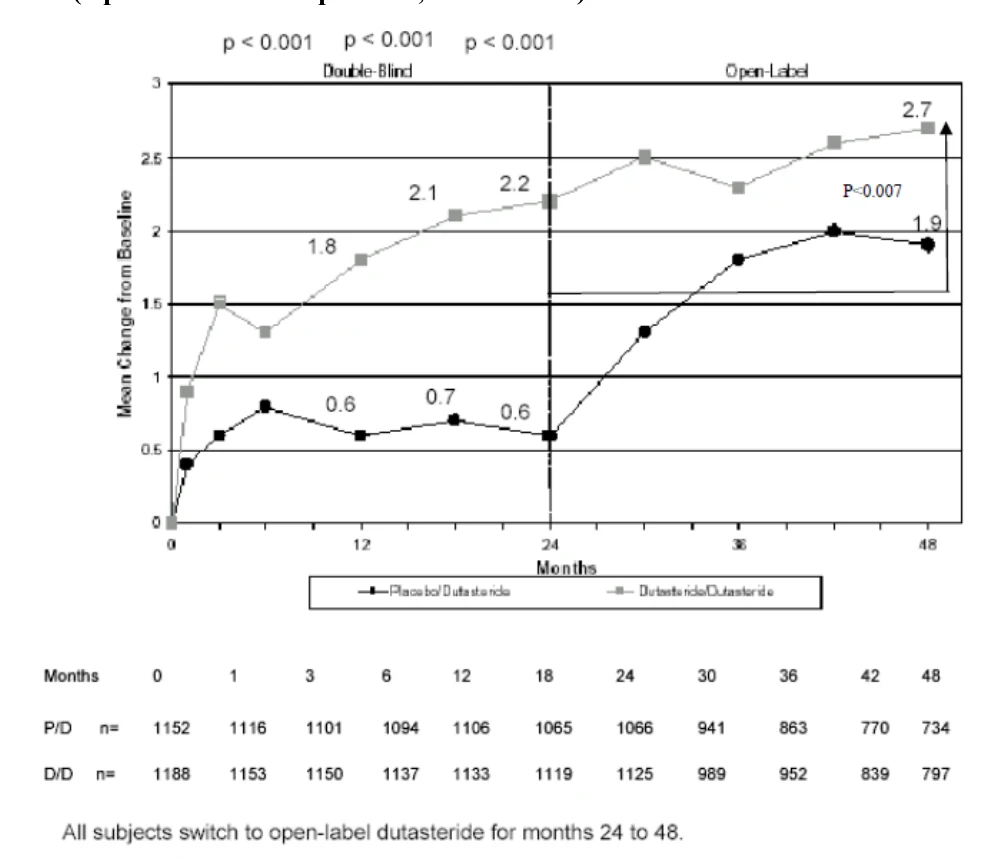
Differences between the 2 groups were statistically significant from baseline at Month 3 in all 3 studies and were maintained through Month 12. At Month 12, the mean increase in Qmax across the 3 studies pooled was 1.6 mL/sec for dutasteride and 0.7 mL/sec for placebo; the mean difference (dutasteride minus placebo) was 0.8 mL/sec (range, 0.7 to 1.0 mL/sec in each of the 3 studies, p < 0.001). At Month 18, the mean increase in Qmax was 1.7 mL/sec for dutasteride and 0.7 mL/sec for placebo, with a mean difference of 1.0 mL/sec (range, 0.8 to 1.1 units in each of the 3 studies, p < 0.001). At Month 24, the mean increase in Qmax was 1.8 mL/sec for dutasteride and 0.7 mL/sec for placebo, with a mean difference of 1.1 mL/sec (range, 1.0 to 1.2 mL/sec in each of the 3 studies, p < 0.001) (See Figure 3). The increase in maximum urine flow rate was continued during the additional 2 years of open label extension studies. For those subjects who continued with dutasteride treatment the mean increase in Qmax from months 24 to 48 was statistically significant (p ≤ 0.007). The mean increase from baseline in maximum urinary flow rate across the 3 studies pooled at Month 48 was 2.7 ml/sec for subjects on continued dutasteride treatment throughout 48 months and 1.9 ml/sec for subjects on placebo treatment for 24 months followed by dutasteride treatment for 24 months (See Figure 4).
Figure 3 Qmax Change from Baseline
(Pivotal Studies Pooled)
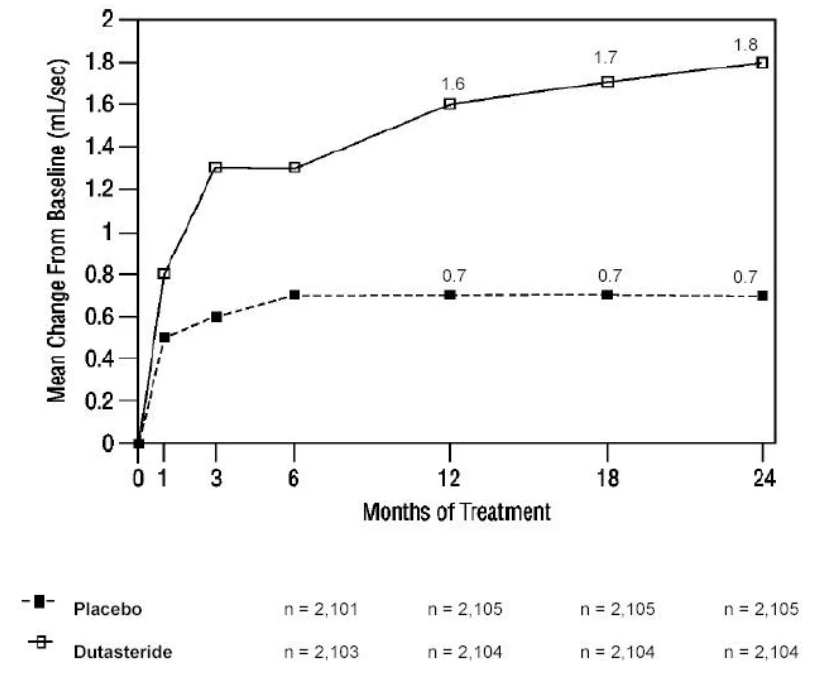
Figure 4 Qmax (mL/sec) Mean Change from Baseline
(Open-Label ITT Population, Pooled Data)
Acute Urinary Retention and Surgical Intervention
Efficacy was also assessed after 2 years of treatment by the incidence of acute urinary retention (AUR) requiring catheterization and BPH-related urological surgical intervention (BPH-SI). Compared with placebo, dutasteride was associated with a statistically significantly lower incidence of AUR (1.8% for dutasteride vs. 4.2% for placebo, p < 0.001; 57% reduction in risk, 95% CI: [38-71%]) and with a statistically significantly lower incidence of surgery (2.2% for dutasteride vs. 4.1% for placebo, p < 0.001; 48% reduction in risk, 95% CI: [26-63%]) (See Figures 5a and 6a). The pooled incidence of AUR on dutasteride treatment was low during the 24 month open-label phase (Months 24-48) with an incidence of 1.9% for the previous placebo group (P/D group) and 1.2% for the previous dutasteride group (D/D group). Compared with the P/D group, the D/D group had reduced the risk of AUR by 40%, but the reduction was not statistically significant (See Figure 6b). The pooled incidence of BPH-related surgery on dutasteride treatment was low during the 24-month open-label phase (Months 24-48) with an incidence of 0.8% for both the previous placebo group (P/D group) and for the previous dutasteride group (D/D group) (See Figure 7b). In addition, a listing of the BPH-related surgical interventions can be found in Table 4.
Figure 5a Percent of Subjects Developing Acute Urinary Retention Over a 24 Month Period (Pivotal Studies Pooled)
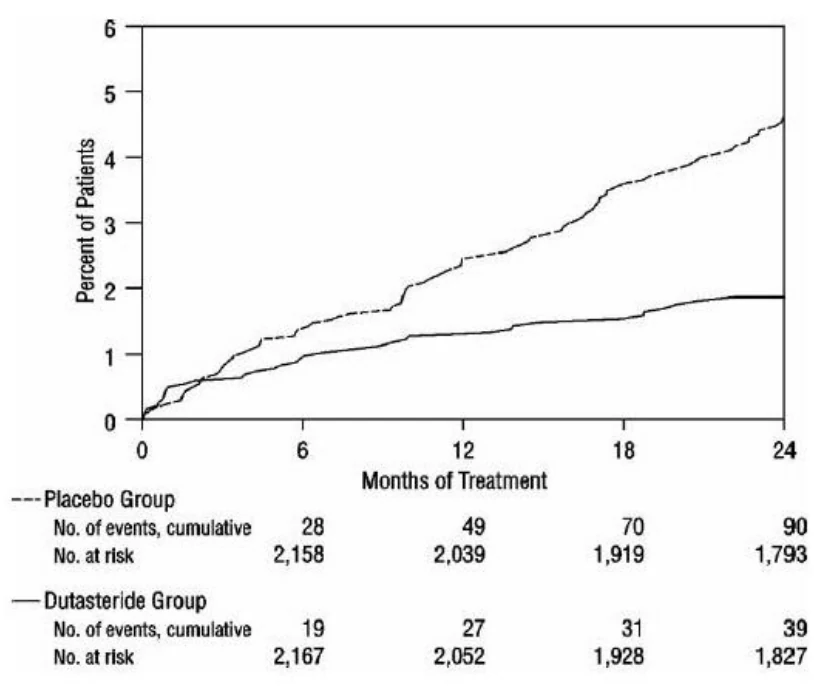
Figure 5b Percent of Subjects Developing Acute Urinary Retention Over a 48 Month Period (Pivotal Studies Pooled)
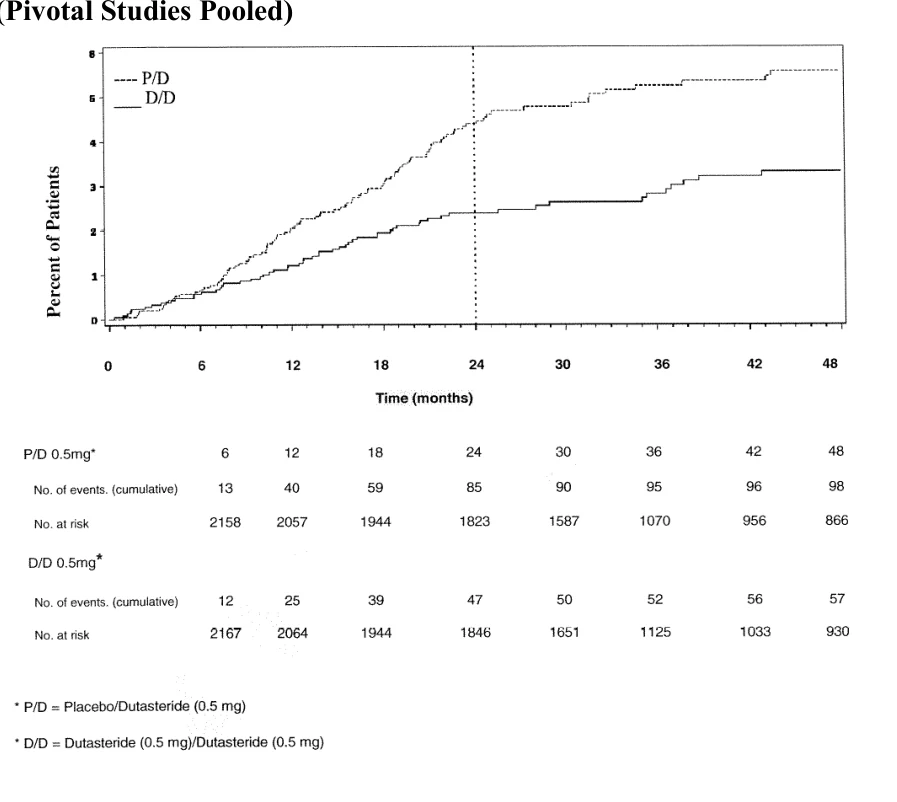
Figure 6a Percent of Subjects Having Surgery for Benign Prostatic Hyperplasia Over a 24 Month Period (Pivotal Studies Pooled)
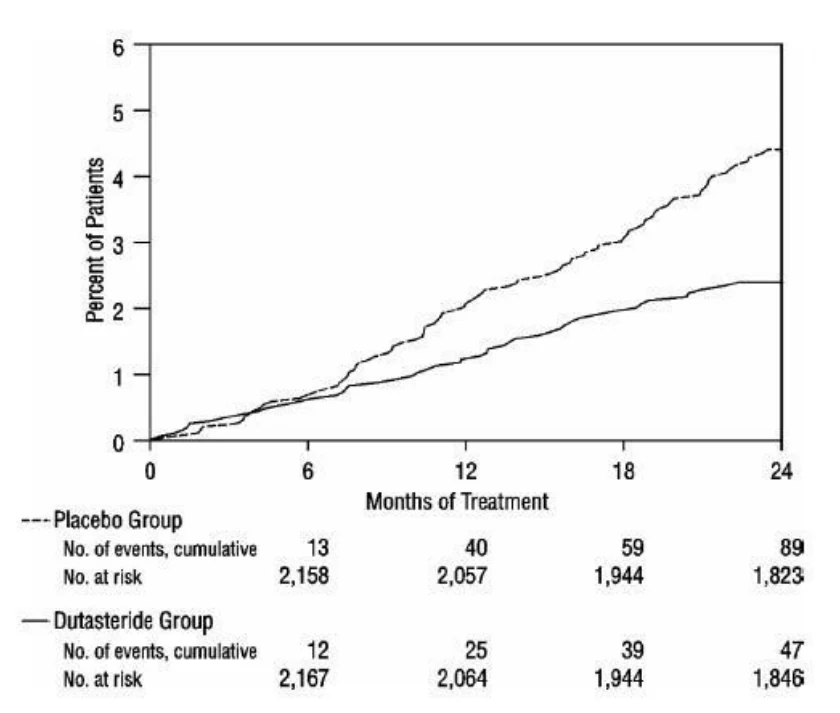
Figure 6b Percent of Subjects Having Surgery for Benign Prostatic Hyperplasia Over a 48 Month Period (Pivotal Studies Pooled)
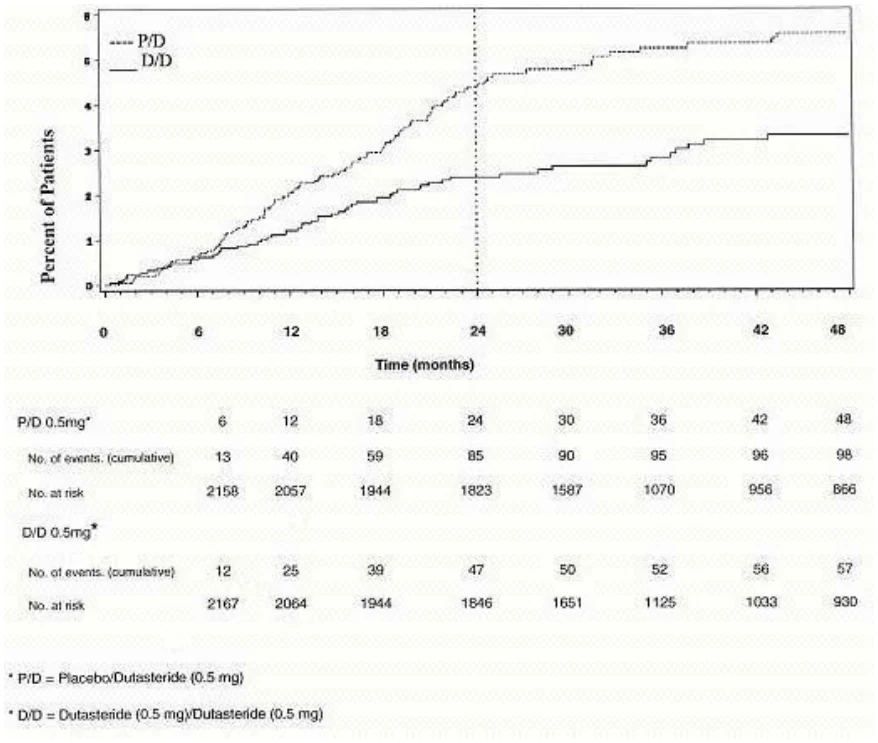
Table 4 Surgical interventions over a 48 month period
(Double Blind and Open-Label ITT* population)
First BPH surgical Intervention | Double blind | Open label | |||||||||||
| Placebo | Dutasteride | Placebo/ Dutasteride | Dutasteride/ Dutasteride | ||||||||||
| n=2158 | n=2167 | n=1152 | n=1188 | ||||||||||
| # (%) | # (%) | # (%) | # (%) | ||||||||||
| TURP** | 65 (3.01) | 26 (1.20) | 2 (0.17) | 3 (0.25) | |||||||||
| Transurethral resection | 4 (0.19) | 7 (0.32) | 0 (0) | 0 (0) | |||||||||
| Prostactectomy, laser | 3 (0.14) | 2 (0.09) | 0 (0) | 0 (0) | |||||||||
| Prostactectomy | 3 (0.14) | 3 (0.14) | 0 (0) | 0 (0) | |||||||||
| TUMT*** | 2 (0.09) | 2 (0.09) | 3 (0.26) | 3 (0.25) | |||||||||
| Thermotherapy | 0 (0) | 2 (0.09) | 0 (0) | 0 (0) | |||||||||
| Electrorecsection, prostate | 2 (0.09) | 0 (0) | 1 (0.09) | 0 (0) | |||||||||
| Prostactectomy, open | 2 (0.09) | 0 (0) | 1 (0.09) | 0 (0) | |||||||||
| Prostactectomy, retropubic | 2 (0.09) | 0 (0) | 0 (0) | 0 (0) | |||||||||
| Prostactectomy, transvesical | 1 (0.05) | 1 (0.05) | 0 (0) | 0 (0) | |||||||||
| Adenectomy, prostate | 1 (0.05) | 0 (0) | 0 (0) | 0 (0) | |||||||||
| Prostactectomy, suprapubic | 0 (0) | 1 (0.05) | 0 (0) | 0 (0) | |||||||||
| Prostactectomy, partial | 0 (0) | 0 (0) | 1 (0.09) | 0 (0) | |||||||||
| Adenectomy | 0 (0) | 1 (0.05) | 0 (0) | 0 (0) | |||||||||
| Hyperthermia, microwave | 0 (0) | 0 (0) | 0 (0) | 1 (0.08) | |||||||||
| Other | 4 (0.19) | 2 (0.09) | 1 (0.09) | 1 (0.08) | |||||||||
ITT (Intent to treat)
** TURP (Transurethral resection of the prostate)
*** TUMT (Transurethral microwave thermotherapy)
Prostate Volume
A prostate volume of at least 30 cc measured by transrectal ultrasound was required for study entry. The mean prostate volume at study entry was approximately 54 cc.
Statistically significant differences (dutasteride vs. placebo) were noted at the earliest post-treatment prostate volume measurement in each study (Month 1, Month 3, or Month 6) and continued through Month 24. At Month 12, the mean percent change in prostate volume across the 3 studies pooled was -24.7% for dutasteride and -3.4% for placebo; the mean difference (dutasteride minus placebo) was -21.3% (range, -21.0% to -21.6% in each of the 3 studies, p < 0.001). At Month 24, the mean percent change in prostate volume across the 3 studies pooled was -26.7% for dutasteride and -2.2% for placebo with a mean difference of 24.5% (range, 24.0% to 25.1% in each of the 3 studies, p < 0.001) (See Figure 7). The reduction in prostate volume seen during the first 2 years of double-blind treatment was maintained throughout an additional 2 years of open- label extension studies. The mean percent change from baseline in prostate volume across the 3 studies pooled at Month 48 was -27.3% for subjects on continued dutasteride treatment throughout 48 months and -21.7% for subjects on placebo treatment throughout 24 months followed by dutasteride treatment for 24 months (see Figure 8).
Figure 7 Prostate Volume Percent Change from Baseline
(Pivotal Studies Pooled)
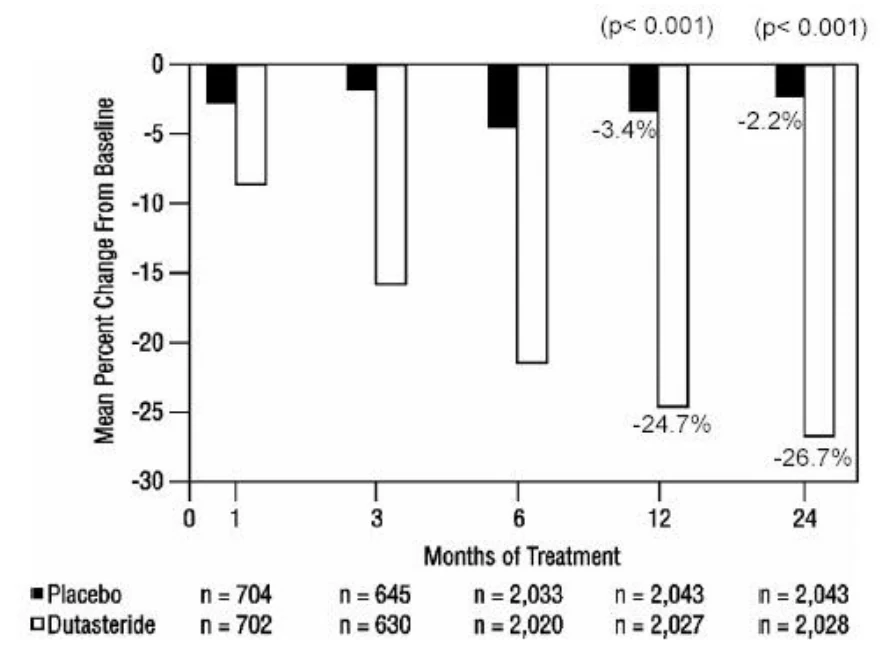
Figure 8 Prostate Volume Mean Percent Change from Baseline
(Double Blind and Open-Label ITT Population, Pooled Data)
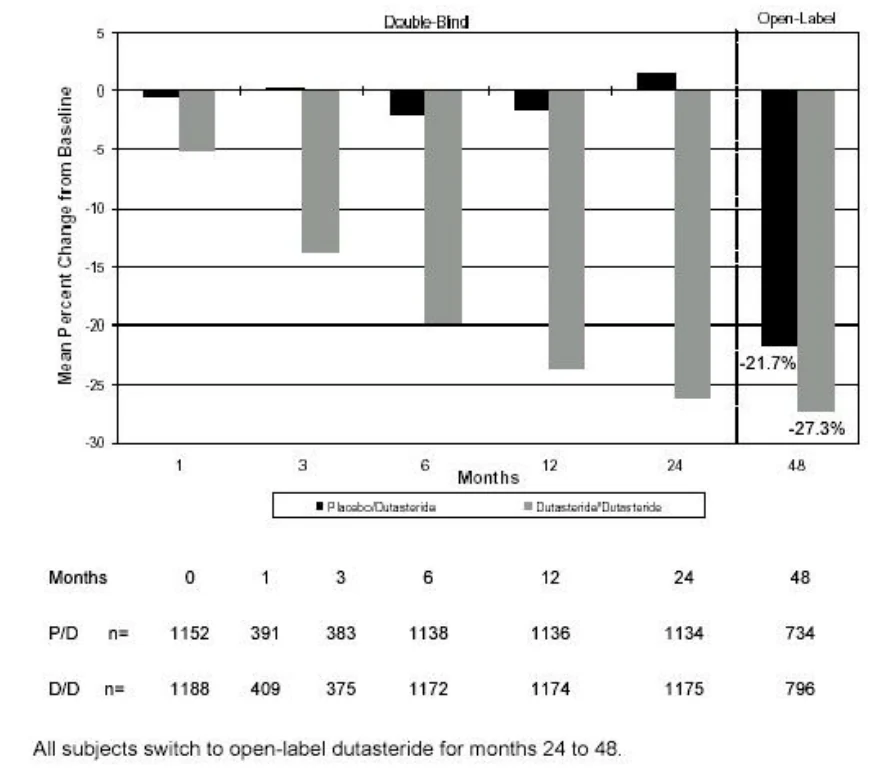
Summary of Clinical Studies with dutasteride Monotherapy: Data from 3 large, well controlled efficacy studies demonstrate that treatment with dutasteride (0.5 mg once daily) reduces the risk of both AUR and BPH-related surgical intervention relative to placebo, improves BPH-related symptoms, decreases prostate volume, and increases maximum urinary flow rates. These data suggest that dutasteride arrests the disease process of BPH in men with an enlarged prostate.
Combination Studies
SMART (ARI40002) study:
Dutasteride was used in combination with tamsulosin, an alpha1-adrenergic blocking agent, for up to 36 weeks in a multicentre double blind parallel group study involving 327 patients. After 24 weeks of combination therapy approximately 50% of patients had tamsulosin withdrawn. Seventy-seven percent of patients who continued with dutasteride monotherapy felt the same or better 6 weeks after withdrawal of tamsulosin and 93% of these patients had sustained symptom control 12 weeks after withdrawal. Maintenance of symptom control was proportionally slightly higher in patients who continued on combination therapy (91% vs 77% at Week 30). Both regimens were well tolerated (see DRUG INTERACTIONS).
Combination with Alpha-Blocker (CombAT (ARI40005) study):
Study demographics and trial design
The efficacy and safety of combination therapy (dutasteride 0.5 mg/day plus tamsulosin 0.4 mg/day, n = 1,610) was compared with dutasteride alone (n = 1,623) or tamsulosin alone (n = 1,611) in a 4-year multicenter, randomized, double-blind study. The primary efficacy endpoint at Year 2 was the change from baseline in IPSS, and at Year 4 was time to first event of AUR or BPH-related surgery.
Eighty-eight percent (88%) of the study population was Caucasian. Approximately 52% of subjects had previous exposure to 5 α-reductase inhibitor or alpha-blocker treatment. Subjects were at least 50 years of age with a serum PSA level of ≥1.5 ng/mL and < 10.0 ng/mL, and BPH diagnosed by medical history and physical examination, including enlarged prostate (≥ 30cc) and BPH symptoms that were moderate to severe according to the IPSS. Subjects with a history or evidence of prostate cancer or previous prostatic surgery were excluded. The majority of the 4,844 subjects randomly assigned to receive combination, dutasteride, or tamsulosin completed 4 years of double-blind treatment (69%, 67%, and 61%, respectively).
Study Results
Effect on Symptom Score: Symptoms were quantified using the first 7 questions of the IPSS (identical to the AUA-SI). The baseline score was approximately 16.4 units for each treatment group. Combination therapy was statistically superior to each of the monotherapy treatments in decreasing symptom score at Month 24, the primary time point for this endpoint. A statistically significant difference was seen with combination therapy from Month 9 and continued through to Month 48, compared with tamsulosin monotherapy, in which a declining change was seen over time. A statistically significant difference was also seen for combination therapy compared with dutasteride monotherapy from Month 3 and continued through to Month 48 (See Figure 9 and Table 5).
Figure 9 International Prostate Symptom Score Change from Baseline
(CombAT study)
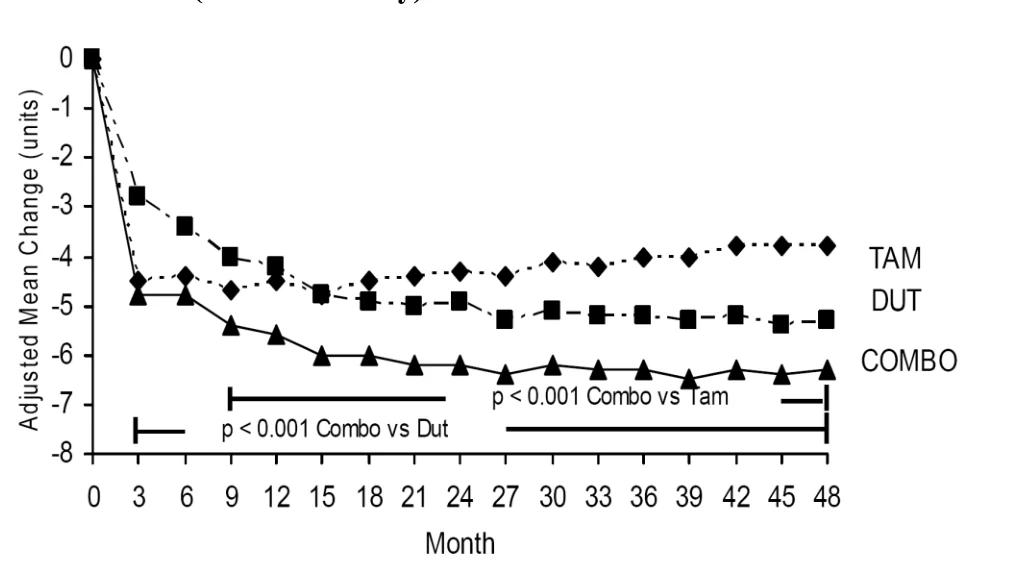
Table 5: Change from Baseline in IPSS Over 48 Months.
| Timepoint | Adjusted mean change from baseline (± SD) a | |||||||||||||||||
| N | Combination | N | Dutasteride | N | Tamsulosin | |||||||||||||
| Month 12 | 1575 | -5.6 ( 6.81) | 1592 | -4.2 ( 6.50) | 1582 | -4.5 ( 6.83) | ||||||||||||
| Month 24 | 1575 | -6.2 ( 7.14) | 1592 | -4.9 ( 6.81) | 1582 | -4.3 ( 7.01) | ||||||||||||
| Month 36 | 1575 | -6.3 ( 7.33) | 1592 | -5.2 ( 7.01) | 1582 | -4.0 ( 7.41) | ||||||||||||
| Month 48 | 1575 | -6.3 ( 7.40) | 1592 | -5.3 ( 7.14) | 1582 | -3.8 ( 7.74) | ||||||||||||
| Adjusted mean difference (combination therapy minus monotherapy [95% CI]) a | ||||||||||||||||||
| Dutasteride | P-value b | Tamsulosin | P-value b | |||||||||||||||
| Month 12 | -1.4 [-1.80, -1.01] | <0.001 | -1.1 [-1.53, -0.73] | <0.001 | ||||||||||||||
| Month 24 | -1.3 [-1.69, -0.86] | <0.001 | -1.8 [-2.23, -1.40] | <0.001 | ||||||||||||||
| Month 36 | -1.1 [-1.55, -0.68] | <0.001 | -2.3 [-2.76, -1.90] | <0.001 | ||||||||||||||
| Month 48 | -0.96 [-1.40, -0.52] | <0.001 | -2.5 [-2.96, -2.07] | <0.001 | ||||||||||||||
- a. Estimates are based on the adjusted (least squares) means from the general linear model: Change from Baseline IPSS =Treatment + Cluster + Baseline IPSS. Adjusted mean differences are based on Dut+Tam therapy minus each monotherapy.
- b. P-values based on t-tests from the general linear model
Effect on Acute Urinary Retention or the Need for Surgery
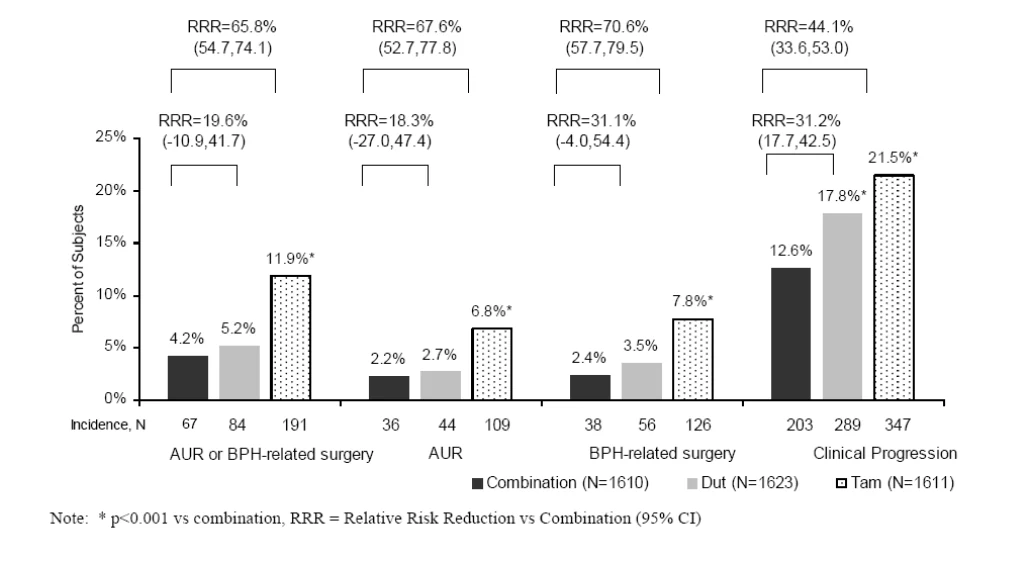
Efficacy was assessed after 4 years of treatment by the incidence of AUR or BPH-related surgery. Combination therapy was associated with a statistically significantly lower incidence of AUR or BPH-related surgery when compared with tamsulosin monotherapy, but was not significantly lower when compared to dutasteride. Similar outcomes were observed for the individual endpoints: AUR and BPH-related surgery (See Figures 10 and 11).
Figure 10 Kaplan Meier estimates of time to the first episode of acute urinary retention or benign prostatic hyperplasia-related prostatic surgery
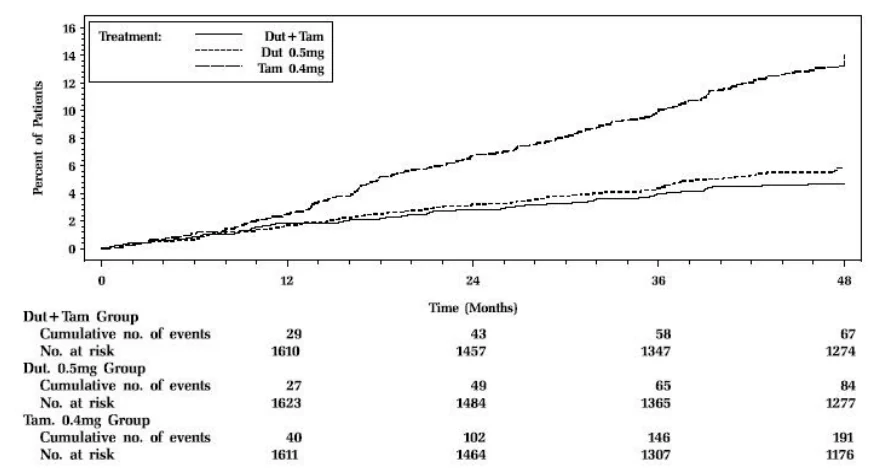
Figure 11 Incidences of AUR or BPH-Related Surgery and Clinical Progression Including Relative Risk Reduction Estimates (ITT)
BPH Clinical Progression
Clinical progression was defined as a composite of worsening symptoms (IPSS ≥ 4 points), and BPH-related events of AUR, incontinence, UTI, and renal insufficiency. The rates of clinical progression for combination therapy, dutasteride, and tamsulosin were: 12.6%, 17.8%, and 21.5%, respectively. Combination therapy was associated with a statistically significantly lower rate of clinical progression compared with tamsulosin after 4 years (see Figure 11).
Effect on Maximum Urine Flow Rate: The baseline Qmax was approximately 10.7 mL/sec for each treatment group. Combination therapy was statistically superior to each of the monotherapy treatments in increasing Qmax at Month 24, the primary time point for this endpoint (See Table 6). This difference was seen by Month 6 and continued through Month 24. Combination therapy continued to be statistically superior to tamsulosin through an additional 2 years of treatment (p < 0.001); however, the improvement compared to monotherapy with dutasteride did not reach statistical significance at Month 48. See Figure 12 and Table 6.
Figure 12 Qmax Change from Baseline (CombAT study)
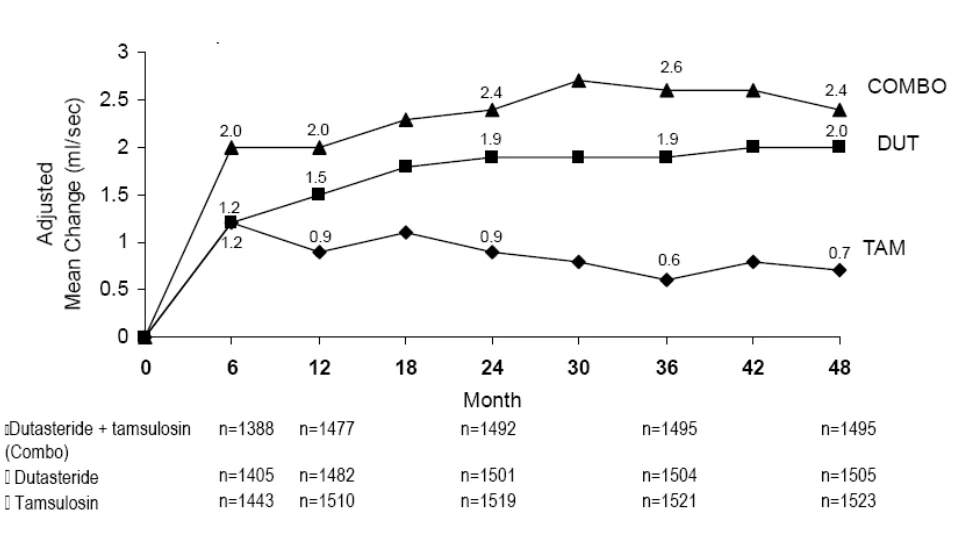
Table 6 Change from Baseline in Other Key Secondary Endpoints at Months 24 and 48
| Month 24 | ||||||
| Adjusted mean change from baseline (± SD) | ||||||
| N | Combination | N | Dutasteride | N | Tamsulosin | |
| Qmax (mL/sec) | 1492 | 2.4 (5.26) | 1501 | 1.9 (5.10) | 1519 | 0.9 (4.57) |
| Prostate volume (cc) | 1427 | -26.9 (22.57) | 1451 | -28.0 (24.88) | 1465 | -0.0 (31.14) |
Transition volume (cc) | 153 | -23.4 (5.63) | 164 | -22.8 (5.86) | 160 | 8.7 (8.22) |
| Adjusted mean difference of combination from monotherapy [95% CI] | ||||||
| Dutasteride | p-valuea | Tamsulosin | p-value a | |||
| Qmax (mL/sec) | 0.52 [0.18, 0.86) | 0.003 | 1.53 [1.20, 1.87] | <0.001 | ||
| Prostate volume (cc) | 1.1 [-0.6, 2.8] | 0.19 | -26.9 [-28.9, -24.9] | <0.001 | ||
Transition zone volume (cc) | -0.5 [-8.3, 7.2] | 0.90 | 8.7 [-42.6, -21.6] | <0.001 | ||
| Month 48 | ||||||
| Adjusted mean change from baseline (± SD) | ||||||
| N | Combination | N | Dutasteride | N | Tamsulosin | |
| Qmax (mL/sec) | 1495 | 2.4 (5.25) | 1505 | 2.0 (5.17) | 1523 | 0.7 (5.22) |
| Prostate volume (cc) | 1430 | -27.3 (24.91) | 1455 | -28.0 (24.74) | 1468 | 4.6 (35.45) |
Transition volume (cc) | 155 | -17.9 (39.28) | 164 | -26.5 (62.07) | 163 | 18.2 (262.61) |
| Adjusted mean difference of combination from monotherapy [95% CI] | ||||||
| Dutasteride | p-valuea | Tamsulosin | p-value a | |||
| Qmax (mL/sec) | 0.35 [0.00, 0.70] | 0.050 | 1.66 [1.31, 2.01] | <0.001 | ||
| Prostate volume (cc) | 0.7 [-1.1, 2.5] | 0.42 | -31.9 [-34.1,-29.7] | <0.001 | ||
Transition zone volume (cc) | 8.6 [-0.1, 17.4] | 0.053 | -36.1 [-47.9,-24.3] | <0.001 | ||
a. P-values based on t-tests from the general linear model
Note: Adjusted change/difference values for prostate volume and transition zone volume are shown as percentage changes from baseline
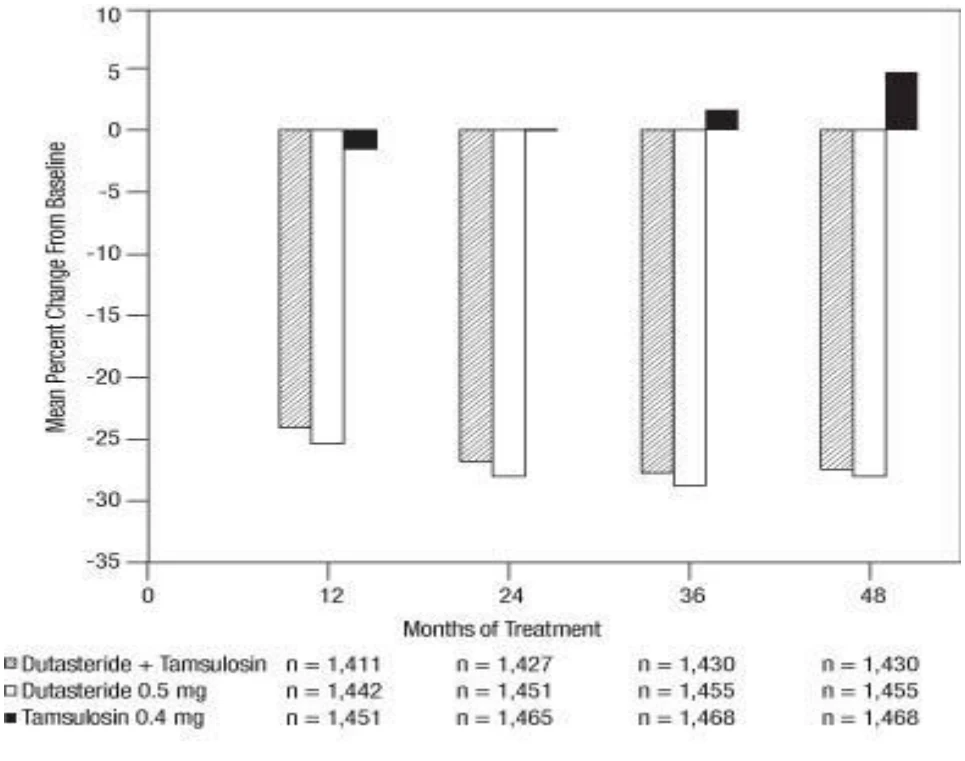
Effect on Prostate Volume: The mean prostate volume at study entry was approximately 55 cc. At Month 24, the primary time point for this endpoint, the mean percent changes from baseline in prostate volume was statistically significantly lower with combination therapy vs tamsulosin, but not lower than dutasteride monotherapy (Table 6). This change from baseline in prostate volume was seen starting at Month 12 and continued through to Month 48. After the first year, the tamsulosin group showed a trend for increased prostate volume over time. See Figure 13.
Similar responses were seen for changes in prostate transition zone volume for a subset (approximately 10% in each treatment arm) of patients. See Table 6.
Figure 13 Prostate Volume Percent Change From Baseline (CombAT Study)
Health Outcomes:
Combination therapy was significantly superior (p < 0.001) to tamsulosin monotherapy and to dutasteride monotherapy for the improvement in health outcome parameters BPH-Impact Index (BII) and BPH-related Health Status (BHS) at 4 years. The adjusted mean improvement in BII from baseline was -2.2 units for the combination, - 1.8 for dutasteride and - 1.2 for tamsulosin. The adjusted mean improvement in BHS from baseline was -1.5 units for the combination, -1.3 for dutasteride and -1.1 for tamsulosin.
DETAILED PHARMACOLOGY
Dutasteride is administered orally as a solution in soft gelatin capsules. Following oral administration of a single 0.5 mg dutasteride capsule, the time to peak serum concentrations of dutasteride is 1 to 3 hours. The absolute bioavailability is approximately 60% relative to a 2- hour intravenous infusion. The bioavailability of dutasteride is not affected by food.
Dutasteride has a large volume of distribution (300 to 500 L) and is highly bound to plasma proteins (> 99.5%). Following daily dosing, dutasteride serum concentrations achieve 65% of steady state concentration after 1 month and approximately 90% after 3 months.
Steady state serum concentrations (Css) of approximately 40 ng/mL are achieved after 6 months of dosing 0.5 mg once a day. Similarly to serum, dutasteride concentrations in semen achieved steady state at 6 months. After 52 weeks of therapy, semen dutasteride concentrations averaged 3.4 ng/mL (range 0.4 to 14 ng/mL). Dutasteride partitioning from serum into semen averaged 11.5%.
In vitro, dutasteride is metabolized by the human cytochrome P450 enzyme CYP3A4 to two minor monohydroxylated metabolites, but is not metabolized by CYP1A2, CYP2A6, CYP2E1, CYP2C8, CYP2C9, CYP2C19, CYP2B6 or CYP2D6. In human serum, following dosing to steady state, unchanged dutasteride, 3 major metabolites (4'-hydroxydutasteride, 1,2-dihydrodutasteride and 6-hydroxydutasteride) and 2 minor metabolites (6,4'-dihydroxydutasteride and 15-hydroxydutasteride), as assessed by mass spectrometric response, have been detected. The five human serum metabolites of dutasteride have been detected in rat serum, however the stereochemistry of the hydroxyl additions at the 6 and 15 positions in the human and rat metabolites is not known.
Dutasteride is extensively metabolized in humans. Following oral dosing of dutasteride 0.5 mg/day to steady state in humans, 1.0% to 15.4% (mean of 5.4%) of the administered dose is excreted as dutasteride in the faeces. The remainder is excreted in the faeces as 4 major metabolites comprising 39%, 21%, 7%, and 7% each of drug-related material and 6 minor metabolites (less than 5% each). Only trace amounts of unchanged dutasteride (less than 0.1% of the dose) are detected in human urine.
At therapeutic concentrations, the terminal half-life of dutasteride is 3 to 5 weeks. Serum DHT concentrations which correlate to clinical effect, return to baseline (no clinical effect) within approximately 4 months after discontinuation of treatment.
Dutasteride pharmacokinetics can be described as first order absorption process and two parallel elimination pathways, one saturable (concentration dependent) and one non-saturable (concentration independent). At low serum concentrations (less than 3 ng/mL), dutasteride is cleared rapidly by both the concentration dependent and concentration independent elimination pathways. Single doses of 5 mg or less showed evidence of rapid clearance and a short half-life of 3 to 9 days. At serum concentrations greater than 3 ng/mL, dutasteride is cleared slowly by linear elimination with a half-life of 3 to 5 weeks. At therapeutic concentrations, following repeat dosing of 0.5 mg/day, the slower clearance dominates and the total clearance is linear and concentration independent. Dose proportionality analysis across doses (0.5 mg - 5.0 mg) on Day 1 and Day 28 indicated that the pharmacokinetics of dutasteride were dose independent.
TOXICOLOGY
Acute Toxicology
In acute oral toxicity studies, the maximum non-lethal dose (MNLD) was > 2,000 mg/kg in mice and >1,500 mg/kg in rats, which is 200,000 and 150,000 times greater, respectively, than the proposed therapeutic dose of 0.01 mg/kg (0.5 mg/day assuming a 50 kg person). Intraperitoneal administration resulted in acute polyserositis due to the irritant properties of the vehicle (PEG 400 with 0.1% w/v Tween 80) and this was exacerbated by the presence of dutasteride, due to the physical properties of the compound. An intraperitoneal MNLD was therefore not identified in either species.
Acute oral and intraperitoneal administration of dutasteride to mice and rats produced no evidence of unequivocal target organ toxicity. Reduction in the size of the prostate and seminal vesicles with accompanying microscopic changes were noted predominantly in treated males and are consistent with a reduction in dihydrotestosterone (DHT) levels due to the pharmacological activity of dutasteride as a 5 α-reductase (5AR) inhibitor.
Long Term Toxicity
Repeat oral dose toxicity studies were conducted in rats for 5 and 26 weeks (up to 500 mg/kg/day in males and 100 or 30 mg/kg/day, respectively, in females) and in dogs for 26 and 53 weeks (up to 50 or 10 mg/kg/day, respectively, in males and females). The main findings consisted of changes in the male and female reproductive organs in both species and changes in the thyroid and other endocrine organs in dogs. These effects appear to be compatible with physiological changes in steroidogenic tissues and changes in the hypothalamic/pituitary/gonadal axis, which is typical of 5AR inhibition with subsequent decrease in DHT levels.
Treatment- related findings seen in male reproductive organs included decrease in size and related histopathological changes in the prostate of rats and dogs, epithelial atrophy and decreased secretion of the seminal vesicles in rats, decreased epididymis weight in the rat and histopathological changes consistent with atrophy in the epididymis in dogs. Effects on the testis were limited to an increase in testis weight in rats following dosing for 5 weeks. There were no significant changes in spermatogenesis in the rat or dog. Treatment-related findings seen in female reproductive organs included decreased ovary and uterus/cervix weights, increased incidence of dioestrus or increased occurrence of ovarian (follicular) cysts in rats, and microscopic changes in the uterus and shifts in the oestrus cycle to the luteal phase in dogs.
In dogs, there were changes in the thyroid consisting of a reversible increase in thyroid weight, with correlating microscopic changes of reduced colloid content and C-cell hyperplasia in the 26 week study and vacuolated follicular cells in the 53 week study. Other reversible changes in endocrine organs consisted of slight enlargement of chromophobes in the pars distalis of the pituitary and hypertrophy, cytoplasmic vacuolation and increased lipofuscin-like pigment in the adrenal cortex.
Clinical signs indicative of a non-specific, reversible centrally mediated toxicity were seen in some animals following repeat dosing. This was not associated with histopathological changes and occurred at exposures 425-fold in rats and 315-fold in dogs the clinical serum concentration at steady state (40 ng/mL).
Due to the expected dutasteride-related effects as a result of 5AR inhibition, it was not possible to establish no-observed-adverse-effect-level (NOAEL) in the repeat dose studies. However, in the 26 week rat and 53 week dog studies, there were no other toxicologically significant effects in female rats at up to 84-fold the clinical exposure of 40 ng/mL, in male rats at up to 17-fold the clinical exposure, in females dogs at up to 203-fold the clinical exposure or in male dogs at up to 117-fold the clinical exposure.
Special Toxicity
Acute dermal application of dutasteride in rabbits caused slight but reversible irritancy. The estimated dermal LD50 of dutasteride in rabbits is > 2,000 mg/kg.
In an acute dermal absorption study in rabbits at doses of 0.1 to 40 mg/kg, dutasteride was detected in the serum. Slight to moderate dermal irritancy was observed in treated and control groups. However, additional findings (including subcutaneous hemorrhaging) predominately in treated animals and macroscopic observations (multiple red areas in the skin) in animals at 40 mg/kg suggest that dutasteride is a dermal irritant.
Acute ocular application of dutasteride in rabbits caused slight iridial irritation and slight to moderate conjunctival irritation, which were reversible within 72 h.
Dermal application of dutasteride in guinea pigs demonstrated no sensitizing effect.
In vitro, dutasteride (0.0111 mg/mL) did not increase haemolysis or the level of free haemoglobin in human erythrocytes and did not increase protein flocculation, turbidity or precipitation in human plasma. Both dutasteride (0.0111 mg/mL) and the vehicle control (a complexing agent) produced minimal evidence of perivascular irritation in mice. Dutasteride produced no intravenous irritation in rabbits.
Reproduction and Teratology
In a fertility study, male rats orally administered dutasteride (0.05 to 500 mg/kg/day) for up to 31 weeks showed reversible dose- and time-dependent decreases in fertility, reductions in the weights of seminal vesicles, prostate and epididymides and microscopic changes in these male reproductive organs. The effects are consistent with the pharmacological activity of dutasteride. No effects were noted in the testis, and sperm concentration and motility were unaffected by treatment. The decrease in fertility with dutasteride is likely to be related to a failure of copulatory plug formation as a consequence of the decreased weight of the seminal vesicles and prostate. As such a mechanism is not thought to be relevant to species that do not form copulatory plugs, this finding is considered to be of no clinical concern. Furthermore, the decreased fertility in the rat was not associated with an effect on spermatogenesis.
In an oral fertility study in female rats, the NOAEL for the F0 generation was 0.05 mg/kg/day. Fetal body weight was reduced at all dosages of dutasteride (0.05 to 30 mg/kg/day) and feminisation of male fetuses occurred at ≥ 2.5 mg/kg/day.
In an oral embryofetal development study in rats, the NOAEL for the F0 generation was 0.05 mg/kg/day. Fetal body weight was reduced at ≥ 2.5 mg/kg/day and feminisation of male fetuses and F1 male pups occurred at all dosages of dutasteride (0.05 to 30 mg/kg/day). Increased incidences of skeletal variations considered to be reversible delays in ossification associated with reduced body weight were noted at 12.5 and 30 mg/kg/day. In a rabbit oral embryofetal development study, the NOAEL for the F0 generation was 200 mg/kg/day.
Dutasteride produced feminisation of male fetuses at all dosages (30 to 200 mg/kg/day). Fusion of the jugal and zygomal bones was noted in a minority of fetuses at all dosages, but it is uncertain whether this was unequivocally related to treatment. In a further rabbit study, oral dosing at 0.05 to 30 mg/kg/day also produced feminisation of male fetuses at all dosages. Feminisation of male fetuses is an expected effect of the pharmacological activity of dutasteride, which as a 5AR inhibitor inhibits the conversion of testosterone to DHT.
In the male rat fertility study, low levels of dutasteride were detected in the serum of untreated female rats mated to treated males and, in humans, dutasteride was detected in semen at a maximum concentration of 14.0 ng/mL following repeated oral dosing for 12 months. To determine the effects of dutasteride on embryo-fetal development of male fetuses, an intravenous embryofetal development study was conducted in the rhesus monkey. Intravenous administration of dutasteride at doses up to 2010 ng/animal/day during embryofetal development did not produce adverse maternal toxicity, fetal toxicity or feminisation of male offspring. The high dose represents at least a 186-fold multiple of the potential maximum daily dose from 5mL semen from a man treated with dutasteride at 0.5 mg/day (assuming 100% absorption), for a 50 kg woman. Dutasteride is highly bound to proteins in human semen (> 96%), potentially reducing the amount of dutasteride available for vaginal absorption.
In an oral pre- and -post natal rat study, the NOAEL for the F0 generation was 0.05 mg/kg/day. Earlier onset of vaginal patency was noted in F1 females at 2.5, 12.5 and 30 mg/kg/day. Feminisation (decreased anogenital distance) was noted at all dosages (0.05 to 30 mg/kg/day) in F1 males. At ≥ 2.5 mg/kg/day, F1 males had increased incidences of hypospadia resulting in decreased fertility and increased occurrence of inflammation of the genitourinary tract and prostatitis. Prostate and seminal vesicle weights were reduced at ≥ 2.5 mg/kg/day in F1 males. These changes are expected effects of the pharmacological activity of dutasteride.
Mutagenicity
Dutasteride and the 4'-hydroxy metabolite of dutasteride, showed no evidence of mutagenic activity in the Ames test at concentrations up to 5,000 μg/plate in the presence or absence of S9 metabolic activation. Similarly, the 1,2-dihydro metabolite of dutasteride, demonstrated no mutagenic activity in a miniwell Ames test at concentrations up to 800 μg/well in the presence or absence of S9 metabolic activation.
Dutasteride did not show any evidence of clastogenic activity in vitro in Chinese Hamster Ovary cells at concentrations up to 1,150 μg/mL or in vivo in rat micronucleus tests at dose levels of up to 1,500 mg/kg/day for 6 days.
Carcinogenicity
A 2-year carcinogenicity study was conducted in B6C3F1 mice at doses of 3, 35, 250, and 500 mg/kg/day for males and 3, 35, and 250 mg/kg/day for females; an increased incidence of benign hepatocellular adenomas was noted at 250 mg/kg/day (290 fold the expected clinical exposure to a 0.5 mg daily dose) in females only. Two of the 3 major human metabolites have been detected in mice. The exposure to these metabolites in mice is either lower than in humans or is not known.
In a 2-year carcinogenicity study in Han Wistar rats, at doses of 1.5, 7.5, and 53 mg/kg/day for males and 0.8, 6.3, and 15 mg/kg/day for females, there was an increase in Leydig cell adenomas in the testes at 53 mg/kg/day (135-fold the expected clinical exposure). An increased incidence of Leydig cell hyperplasia was present at 7.5 mg/kg/day (52-fold the expected clinical exposure) and 53 mg/kg/day in male rats. A positive correlation between proliferative changes in the Leydig cells and an increase in circulating luteinizing hormone levels has been demonstrated with 5α-reductase inhibitors and is consistent with an effect on the hypothalamic-pituitary-testicular axis following 5α -reductase inhibition. At tumorigenic doses in rats, luteinizing hormone levels in rats were increased by 167%. In this study, the major human metabolites were tested for carcinogenicity at approximately 1 to 3 times the expected clinical exposure.
REFERENCES
- 1. Andriole GL, Kirby R. Safety and tolerability of the dual 5 alpha-reductase inhibitor dutasteride in the treatment of benign prostatic hyperplasia. Eur Urol 2003;44(1): 82-88.
- 2. Barkin J, Roehrborn C, Simai P, Haillot O, Morrill B, Black L, et al. Effect of dutasteride, tamsulosin and the combination on patient-reported quality of life and treatment satisfaction in men with moderate-to-severe benign prostatic hyperplasia: 2-year data from the CombAT trial. BJU Intl 2009; 103(7): 919-926.
- 3. Bramson HN, Hermann D, Batchelor KW, Lee FW, James MK, Frye SV. Unique preclinical characteristics of GG745, a potent dual inhibitor of 5AR. J Pharmacol and Exp Ther 1997;282(3):1496-1502.
- 4. Debruyne F, Barkin J, van Erps P, Reis M, Tammela TL, Roehrborn C. Efficacy and safety of long-term treatment with the dual 5 alpha-reductase inhibitor dutasteride in men with symptomatic benign prostatic hyperplasia. Euro Urol 2004;46(4):488-494.
- 5. Frye SV, Bramson HN, Hermann DJ, Lee FW, Sinhababu AD, Tain G. Discovery and development of GG745, a potent inhibitor of both isozymes of 5 alpha-reductase. Pharm Biotechnol 1998;11:393-422.
- 6. Gisleskog PO, Hermann G, Hammarlund-Udenaes M, Karlsson MO. The pharmacokinetic modelling of GI198745 (dutasteride), a compound with parallel linear and nonlinear elimination. Br J Clin Pharmacol 1999;47(1):53-58.
- 7. Graul A, Silvestre J, Castaner J. Dutasteride. Steroid 5 alpha-reductase inhibitor, treatment of BPH. Drugs Future 1999;24(3):246-253.
- 8. Iehle C, Radvanyi F, Gil Diez de MS, Ouafik LH, Gerard H, Chopin D, et al. Differences in steroid 5alpha-reductase iso-enzymes expression between normal and pathological human prostate tissue. J Steroid Biochem Mol Biol 1999 Mar;68(5-6):189-95.
- 9. Roehrborn CG, Lukkarinen O, Mark S, Siami P, Ramsdell J, Zinner N. Long-term sustained improvement in symptoms of benign prostatic hyperplasia with the dual 5alpha-reductase inhibitor dutasteride: results of 4-year studies. BJU Int 2005 Sep;96(4):572-7.
- 10. Roehrborn CG, Marks LS, Fenter T, Freedman S, Tuttle J, Gittleman M, et al. Efficacy and safety of dutasteride in the four-year treatment of men with benign prostatic hyperplasia. Urology 2004; 63 (4), 2004;709-715.
- 11. Roehrborn CG, Siani P, Barkin J, Damiao R, Major-Walker K, Morrill B et al. The Effects of Dutasteride, Tamsulosin and Combination Therapy on Lower Urinary Tract Symptoms in Men with Benign Prostatic Hyperplasia and Prostatic Enlargement: 2-Year Results from the CombAT Study. J Urol 2008 Feb; 179: 616-621.
- 12. Stuart JD, Lee FW, Simpson ND, Kadwell SH, Overton LK, Hoffman CR et al. Pharmacokinetic parameters and mechanisms of inhibition of rat type 1 and 2 steroid 5 alpha-reductases: determinants for different in vivo activities of GI198745 and finasteride in the rat. Biochem Pharmacol 2001; 62(7):933-942.
- 13. Thomas LN, Lazier CB, Gupta R, Norman RW, Troyer DA, O'Brien SP, et al. Differential alterations in 5alpha-reductase type 1 and type 2 levels during development and progression of prostate cancer. Prostate 2005 May 15;63(3): 231-9.
- 14. Roehrborn CG, Siami P, Barkin J, Damiao R, Major-Walker K, et al. The Effects of Combination Therapy with Dutasteride and Tamsulosin on Clinical Outcomes in Men with Symptomatic Benign Hyperplasia: 4-Year Results from the CombAT Study, Eur Urol (2009), doi: 10.1016/j.eururo.2009.09.035.
- 15. Product Monograph - Avodart® (dutasteride Capsules 0.5 mg). GlaxoSmithKline Inc., Canada, Submission Control No: 166232, Date of Revision: 12 September 2013.