


Product Monograph - Envarsus Pa
RECENT MAJOR LABEL CHANGES
| 7 WARNINGS AND PRECAUTIONS, General | 05/2024 |
|---|
TABLE OF CONTENTS
Sections or subsections that are not applicable at the time of authorization are not listed.
RECENT MAJOR LABEL CHANGES ........................................................................................... 2
TABLE OF CONTENTS ............................................................................................................. 2
PART I: HEALTH PROFESSIONAL INFORMATION ..................................................................... 4
1 INDICATIONS .............................................................................................................. 4
1.1 Pediatrics ................................................................................................................... 4
1.2 Geriatrics ................................................................................................................... 4
2 CONTRAINDICATIONS ................................................................................................. 4
3 SERIOUS WARNINGS AND PRECAUTIONS BOX ............................................................ 4
4 DOSAGE AND ADMINISTRATION ................................................................................. 4
4.1 Dosing Considerations .............................................................................................. 4
4.2 Recommended Dose and Dosage Adjustment ......................................................... 5
4.4 Administration .......................................................................................................... 6
4.5 Missed Dose .............................................................................................................. 7
5 OVERDOSAGE ............................................................................................................. 7
6 DOSAGE FORMS, STRENGTHS, COMPOSITION AND PACKAGING ................................. 7
7 WARNINGS AND PRECAUTIONS .................................................................................. 8
7.1 Special Populations ................................................................................................. 11
7.1.1 Pregnant Women ................................................................................................ 11
7.1.2 Breast-feeding ..................................................................................................... 12
7.1.3 Pediatrics ............................................................................................................. 12
7.1.4 Geriatrics ............................................................................................................. 12
8 ADVERSE REACTIONS................................................................................................ 12
8.1 Adverse Reaction Overview .................................................................................... 12
8.2 Clinical Trial Adverse Reactions .............................................................................. 12
8.2.1 Clinical Trial Adverse Reactions – Pediatrics ........................................................... 14
8.3 Less Common Clinical Trial Adverse Reactions ....................................................... 14
8.4 Abnormal Laboratory Findings: Hematologic, Clinical Chemistry and Other Quantitative Data .............................................................................................................. 16
8.5 Post-Market Adverse Reactions .............................................................................. 17
9 DRUG INTERACTIONS ............................................................................................... 18
9.2 Drug Interactions Overview .................................................................................... 18
9.3 Drug-Behavioural Interactions ................................................................................ 19
9.4 Drug-Drug Interactions ........................................................................................... 19
9.5 Drug-Food Interactions ........................................................................................... 21
9.6 Drug-Herb Interactions ........................................................................................... 21
9.7 Drug-Laboratory Test Interactions.......................................................................... 22
10 CLINICAL PHARMACOLOGY ....................................................................................... 22
10.1 Mechanism of Action .......................................................................................... 22
10.2 Pharmacodynamics ............................................................................................. 22
10.3 Pharmacokinetics ................................................................................................ 22
11 STORAGE, STABILITY AND DISPOSAL ......................................................................... 25
12 SPECIAL HANDLING INSTRUCTIONS ........................................................................... 25
PART II: SCIENTIFIC INFORMATION ...................................................................................... 26
13 PHARMACEUTICAL INFORMATION ........................................................................... 26
14 CLINICAL TRIALS ....................................................................................................... 27
14.1 Clinical Trials by Indication .................................................................................. 27
15 MICROBIOLOGY ....................................................................................................... 31
16 NON-CLINICAL TOXICOLOGY ..................................................................................... 31
PATIENT MEDICATION INFORMATION ................................................................................. 34
PART I: HEALTH PROFESSIONAL INFORMATION
1 INDICATIONS
ENVARSUS PA (tacrolimus prolonged-release tablets) is indicated in adult patients for:
- the prophylaxis of organ rejection in allogenic kidney or liver transplant in combination with other immunosuppressants.
1.1 Pediatrics
Pediatrics (<18 years of age): No data are available to Health Canada; therefore, Health Canada has not authorized an indication for pediatric use.
1.2 Geriatrics
Geriatrics (≥65 years of age): A limited number of patients of 65 years of age and over were included in the clinical studies of ENVARSUS PA. There is no evidence currently available to indicate that dose should be adjusted in elderly patients solely on the basis of age.
2 CONTRAINDICATIONS
ENVARSUS PA is contraindicated in patients:
- who are hypersensitive to this drug or to any ingredient in the formulation, including any non-medicinal ingredient, or component of the container. For a complete listing, see 6 DOSAGE FORMS, STRENGTH, COMPOSITION and PACKAGING.
3 SERIOUS WARNINGS AND PRECAUTIONS BOX
4 DOSAGE AND ADMINISTRATION
4.1 Dosing Considerations
ENVARSUS PA is a once-a-day oral formulation of tacrolimus. ENVARSUS PA therapy requires careful monitoring by adequately qualified and equipped personnel. This medicinal
7 WARNINGS AND PRECAUTIONS, Carcinogenesis
Immune
- product should only be prescribed, and changes in immunosuppressive therapy be initiated, by physicians experienced in immunosuppressive therapy and the management of transplant patients. • Inadvertent, unintentional, or unsupervised switching of immediate- or extended-release formulations of tacrolimus is unsafe. This can lead to graft rejection or increased incidence of adverse reactions, including under- or over-exposure to tacrolimus. Alterations in formulation or regimen should only take place under the close supervision of a transplant specialist.
- Tacrolimus should not be used simultaneously with cyclosporine.
- Following conversion to any alternative formulation, therapeutic drug monitoring must be performed, and dose adjustments made to ensure that whole blood trough levels of tacrolimus are maintained.
- Due to intersubject variability following dosing with tacrolimus, individualization of the dosing regimen is necessary for optimal therapy.
- Therapeutic drug monitoring is recommended for all patients receiving tacrolimus.
- It should be noted that Black African American patients may require a higher dose to achieve the targeted trough levels.
- ENVARSUS PA should be taken in a consistent manner, each day at the same time, preferably in the morning. It is recommended to take ENVARSUS PA either at least 1 hour before a meal or 2 hours after a meal. Patients converting from immediate-release tacrolimus formulations who routinely took their medication with meals should continue to do so.
4.2 Recommended Dose and Dosage Adjustment
Prophylaxis of de novo kidney and liver transplant rejection
Table 1 provides the initial once daily oral dosage and subsequent dosing of ENVARSUS PA to maintain tacrolimus whole blood trough concentration for de novo kidney transplant patients or de novo liver transplant patients. The initial dose of ENVARSUS PA should be administered within 24 hours of kidney transplantation surgery or liver transplantation surgery. Dosing should be titrated to maintain the whole blood trough concentration levels based on clinical assessment for rejection and tolerability.
Table 1 – Initial Oral Dosage Recommendations and Typical Whole Blood Trough Concentrations
| Patient Population | Recommended Initial Once Daily Oral Dose | Typical Whole Blood Trough Concentrations |
|---|---|---|
| De Novo Adult Kidney Transplant Patients | 0.17 mg/kg/day | Day 1-90: 7-20 ng/mL Month 4-12: 5-15 ng/mL |
| De Novo Adult Liver Transplant Patients | 0.11-0.13 mg/kg/day | Day 1-60: 5-20 ng/mL Month 3-12: 5-15 ng/mL |
ENVARSUS PA should be concomitantly used with corticosteroids and/or mycophenolic acids (mycophenolate mofetil, mycophenolic acid sodium) or azathioprine, as appropriate. Antibody induction should be used in de novo transplant patients according to standard practice of the transplant centre.
Conversion from tacrolimus immediate-release formulations to ENVARSUS PA
ENVARSUS PA is not interchangeable or substitutable on an equal dose by dose basis with other existing tacrolimus containing medicinal products (immediate-release or extended-release).
Stable kidney or liver transplant recipients can be converted from twice daily immediate release formulation to once daily ENVARSUS PA on a 1 mg:0.7 mg total daily dose basis. Tacrolimus trough levels should be measured prior to the conversion and within a week after the conversion. Dose adjustments should be made to ensure that similar whole blood trough concentration is maintained after the conversion (Table 2).
Clinical studies with ENVARSUS PA showed that Black African American patients may require a higher dose of ENVARSUS PA to achieve the desired tacrolimus trough levels. A conversion rate of 1 mg:0.85 mg has been used in clinical trials for Black African American patients (Table 2).
Table 2 – Conversion other tacrolimus formulation to ENVARSUS PA
| Treatment Regimen | Dose conversion |
|---|---|
| Conversion from immediate-release tacrolimus | 1 mg:0.70 mg ENVARSUS PA Black African Americans: 1 mg:0.85 mg ENVARSUS PA |
Conversion from Cyclosporine to tacrolimus or vice versa
Tacrolimus should not be used simultaneously with cyclosporine. Patients to be converted from cyclosporine to tacrolimus should receive the first tacrolimus dose no sooner than 24 hours after the last cyclosporine dose. Dosing may be further delayed in the presence of elevated cyclosporine levels.
Patients to be converted from tacrolimus to cyclosporine should receive the first cyclosporine dose no sooner than 24 hours after the last ENVARSUS PA dose. Dosing may be further delayed in the presence of elevated tacrolimus levels.
After conversion, trough levels have to be monitored for dose adjustments to achieve desired trough levels of cyclosporine or tacrolimus.
No adequate and well-controlled studies have been conducted for the conversion from cyclosporine to ENVARSUS PA or vice-versa.
4.4 Administration
ENVARSUS PA is a once-daily oral formulation of tacrolimus to be administered in a consistent manner, each day at the same time, preferably in the morning. It is recommended to take ENVARSUS PA at least 1 hour before a meal or 2 hours after a meal and high fat meals should be avoided.
Patients converting from immediate-release tacrolimus formulations who routinely took their medication with meals should continue to do so.
The tablets should be swallowed whole (do not chew, divide, or crush the tablets) with fluid (preferably water) immediately following removal from the container.
Avoid eating grapefruit or drinking grapefruit juice or alcohol when taking ENVARSUS PA.
4.5 Missed Dose
A missed dose should be taken as soon as possible on the same day. A double dose should not be taken on the next day.
5 OVERDOSAGE
Several cases of accidental overdose have been reported with tacrolimus. Symptoms have included tremor, headache, nausea and vomiting, infections, urticaria, lethargy and increases in blood urea nitrogen, serum creatinine and alanine aminotransferase levels.
No specific antidote to tacrolimus therapy is available. If overdose occurs, general supportive measures and symptomatic treatment should be conducted.
Based on its high molecular weight, poor aqueous solubility, and extensive erythrocyte and plasma protein binding, it is anticipated that tacrolimus will not be dialysable.
In isolated patients with very high plasma levels, haemofiltration or diafiltration have been effective in reducing toxic concentrations. In cases of oral intoxication, gastric lavage and/or the use of adsorbents (such as activated charcoal) may be helpful if used shortly after intake.
| For management of a suspected drug overdose, contact your regional poison control centre. |
|---|
6 DOSAGE FORMS, STRENGTHS, COMPOSITION AND PACKAGING
Table 3 – Dosage Forms, Strengths, Composition and Packaging
0.75 mg tablets: White to off-white, oval-shaped tablets, debossed with “0.75” on one side and “TCS” on the other side.
1 mg tablets: White to off-white, oval-shaped tablets, debossed with “1” on one side and “TCS” on the other side.
| Route of Administration | Dosage Form / Strength/Composition | Non-medicinal Ingredients |
| Oral | prolonged-release tablets 0.75, 1 and 4 mg | Butylated hydroxytoluene, dimethicone, hypromellose, lactose monohydrate, magnesium stearate, poloxamer 188, polyethylene glycol, tartaric acid |
4 mg tablets: White to off-white, oval-shaped tablets, debossed with “4” on one side and “TCS” on the other side.
ENVARSUS PA tablets are supplied in 100 counts in HDPE bottles.
7 WARNINGS AND PRECAUTIONS
Please see the 3 SERIOUS WARNINGS AND PRECAUTIONS BOX.
General
ENVARSUS PA is not interchangeable or substitutable on an equal dose by dose basis with other existing tacrolimus containing medicinal products (immediate-release or extended-release).
Converting of immediate-release formulation to ENVARSUS PA (prolonged-release formulation) should be done under supervision of a transplant specialist. Inadvertent, unintentional or unsupervised switching of immediate-release formulations or extended release formulations of tacrolimus is unsafe. This can lead to graft rejection or increased incidence of side effects, including under- or over-immunosuppression, due to clinically relevant differences in systemic exposure to tacrolimus. Patients should be maintained on a single formulation of tacrolimus with the corresponding daily dosing regimen; alterations in formulation or regimen should only take place under the close supervision of a transplant specialist (see 4.1 Dosing Considerations).
Efficacy and safety of converting from the other extended release formulations to ENVARSUS PA has not been established from adequate and well-controlled studies and therefore not recommended.
ENVARSUS PA contains lactose and is not recommended for patients with rare hereditary problems of galactose intolerance, the Lapp lactase deficiency or glucose-galactose malabsorption.
Tacrolimus is extensively metabolized by the mixed-function oxidase system, primarily the cytochrome P450 system (CYP3A). Tacrolimus does not induce or inhibit CYP3A4 or any other major CYP isoenzymes.
Since tacrolimus is metabolized mainly by the cytochrome P450 3A enzyme systems, substances known to inhibit these enzymes may decrease the metabolism or increase bioavailability of tacrolimus with resultant increases in whole blood levels. Severe, life-threatening, and/or fatal adverse reactions due to drug interactions have been reported in tacrolimus-treated patients dosed concomitantly with nirmatrelvir/ritonavir (a strong CYP3A inhibitor). Avoid concomitant use of nirmatrelvir/ritonavir. If concomitant use cannot be avoided, dose adjustment of ENVARSUS PA is recommended. Close and regular monitoring for tacrolimus concentration and tacrolimus-associated adverse reactions are recommended during and after co-administration with CYP3A inhibitors (see 9 DRUG INTERACTIONS).
Drugs known to induce the CYP3A4 enzyme systems may result in an increased metabolism of tacrolimus or decreased bioavailability as indicated by decreased whole blood levels. Monitoring of blood levels and appropriate dosage adjustments in transplant patients are essential when such drugs are used concomitantly (see 9 DRUG INTERACTIONS).
Caution should be observed when co-administering tacrolimus with drugs that inhibit P-glycoprotein (P-gp), as an increase in tacrolimus levels may occur. Tacrolimus whole blood levels and the clinical condition of the patient should be monitored closely. An adjustment of the tacrolimus dose may be required (see 9 DRUG INTERACTIONS).
Carcinogenesis
Immunosuppressants, including ENVARSUS PA, increase the risk of developing lymphomas and other malignancies, particularly of the skin. The risk appears to be related to the intensity and duration of immunosuppression rather than to the use of any specific agent. Examine patients for skin changes and advise to avoid or limit exposure to sunlight and UV light.
Post-transplant lymphoproliferative disorder (PTLD), associated with Epstein-Barr Virus (EBV), has been reported in immunosuppressed organ transplant patients. The risk of PTLD appears greatest in those individuals who are EBV seronegative. Monitor EBV serology during treatment.
Cardiovascular
Heart failure and ventricular hypertrophy or hypertrophy of the septum, reported as cardiomyopathies, have been observed in tacrolimus treated patients on rare occasions. Most cases have been reversible, occurring with tacrolimus blood trough concentrations much higher than the recommended maximum levels. Other factors observed to increase the risk of these clinical conditions included pre-existing heart disease, corticosteroid usage, hypertension, renal or hepatic dysfunction, infections, fluid overload and oedema. Accordingly, high-risk patients receiving substantial immunosuppression should be monitored, using such procedures as echocardiography or ECG pre- and post-transplant (e.g., initially at 3 months and then at 9-12 months). If abnormalities develop, dose reduction of ENVARSUS PA or change of treatment to another immunosuppressive agent should be considered.
Tacrolimus may prolong the QT/QTc interval, which may cause Torsade de Pointes. Avoid ENVARSUS PA in patients with congenital long QT syndrome. Consider obtaining electrocardiograms and monitoring electrolytes (magnesium, potassium, calcium) periodically during treatment in patients with congestive heart failure, bradyarrhythmia, those taking certain antiarrhythmic medications or other products that lead to QT prolongation, and those with electrolyte disturbances (e.g., hypokalemia, hypocalcemia, or hypomagnesemia).
Hypertension is a common adverse reaction of tacrolimus therapy and may require antihypertensive therapy. Some antihypertensive drugs can increase the risk for hyperkalemia. Calcium-channel blocking agents may increase tacrolimus blood concentrations and may require dosage reduction of ENVARSUS PA.
Gastrointestinal
Gastrointestinal perforation has been reported in patients treated with tacrolimus. As gastrointestinal perforation is a medically important event that may lead to a life-threatening or serious condition, adequate treatments should be considered immediately after suspected symptoms or signs occur.
Since levels of tacrolimus in blood may significantly change during diarrhea episodes, extra monitoring of tacrolimus concentrations is recommended during episodes of diarrhea.
Hematologic
Pure red cell aplasia (PRCA)
Cases of pure red cell aplasia (PRCA) and leukopenia have been reported in patients treated with tacrolimus. All patients reported risk factors for PRCA such as parvovirus B19 infection, underlying disease or concomitant medicinal product associated with PRCA.
A mechanism for tacrolimus-induced PRCA has not been elucidated. If PRCA is diagnosed, consider discontinuation of ENVARSUS PA.
Thrombotic microangiopathy (TMA) (including hemolytic uremic syndrome (HUS) and thrombotic thrombocytopenic purpura (TTP))
Concurrent use of tacrolimus and a mammalian target of rapamycin (mTOR) inhibitor may contribute to the risk of thrombotic microangiopathies (TMA) including hemolytic uremic syndrome (HUS) and thrombotic thrombocytopenic purpura (TTP).
Hepatic/Biliary/Pancreatic
Tacrolimus, including ENVARSUS PA, can cause new onset diabetes mellitus in kidney or liver transplant patients, which may be reversible in some patients. Black African American and Hispanic kidney transplant patients are at an increased risk. Monitor blood glucose concentrations and treat appropriately.
Immune
Immunosuppressants, including ENVARSUS PA, increase the risk of developing bacterial, viral, fungal, and protozoal infections, including opportunistic infections. The course of pre-existing infections may be aggravated. Both generalised and localised infections can occur. These infections are often related to a high total immunosuppressive burden and may lead to serious or fatal outcomes that physicians should consider in the differential diagnosis in immunosuppressed patients with deteriorating renal function or neurological symptoms.
Serious viral infections reported include:
- Polyomavirus-associated nephropathy (especially due to BK virus infection),
- JC virus-associated progressive multifocal leukoencephalopathy (PML),
- Cytomegalovirus (CMV) infections: CMV seronegative transplant patients who receive an organ from a CMV seropositive donor are at highest risk of CMV viremia and CMV disease, and
- Viral hepatitis.
Monitor for the development of infection and adjust the immunosuppressive regimen to balance the risk of rejection with the risk of infection.
Whenever possible, administer the complete complement of vaccines before transplantation and treatment with ENVARSUS PA. Avoid the use of live attenuated vaccines during treatment with ENVARSUS PA. Inactivated vaccines noted to be safe for administration after transplantation may not be sufficiently immunogenic during treatment with ENVARSUS PA.
Neurologic
Tacrolimus may cause a spectrum of neurotoxicities, particularly when used in high dose. The most severe neurotoxicities include posterior reversible encephalopathy syndrome (PRES), delirium, seizure, and coma; others include tremors, paresthesias, headache, mental status changes, and changes in motor and sensory functions. As symptoms may be associated with tacrolimus whole blood trough concentrations at or above the recommended range, monitor for neurologic symptoms and consider dosage reduction or discontinuation of ENVARSUS PA if neurotoxicity occurs.
Renal
ENVARSUS PA, like other calcineurin-inhibitors, can cause acute or chronic nephrotoxicity, particularly when used in high dose. Consider dosage reduction in patients with elevated serum creatinine and tacrolimus whole blood trough concentrations greater than the recommended range. The risk for nephrotoxicity may increase when ENVARSUS PA is concomitantly administered with CYP3A inhibitors (by increasing tacrolimus whole blood concentrations) or drugs associated with nephrotoxicity (see 9 DRUG INTERACTIONS). Renal function should be monitored during treatment and dosage reduction should be considered if nephrotoxicity occurs.
Mild to severe hyperkalemia, which may require treatment, has been reported with tacrolimus, including ENVARSUS PA. Concomitant use of agents associated with hyperkalemia (e.g., potassium-sparing diuretics, ACE inhibitors, angiotensin receptor blockers) may increase the risk for hyperkalemia. Monitor serum potassium levels periodically during treatment.
The pharmacokinetics of tacrolimus in patients with renal impairment was similar to that in healthy subjects with normal renal function. However, due to its potential for nephrotoxicity, monitoring of renal function in patients with renal impairment is recommended; tacrolimus dosage should be reduced if indicated.
The use of ENVARSUS PA in liver transplant recipients experiencing post-transplant hepatic impairment may be associated with increased risk of developing renal insufficiency related to high whole blood levels of tacrolimus. These patients should be monitored closely and dose adjustment should be considered.
Sexual Health
See 16 NON-CLINICAL TOXICOLOGY section.
7.1 Special Populations
7.1.1 Pregnant Women
There are no adequate and well-controlled studies in pregnant women. Tacrolimus is transferred across the placenta and fetus exposed to tacrolimus in utero may be at a risk of prematurity, birth defects/congenital anomalies, low birth weight, and fetal distress. The use of tacrolimus during pregnancy has been associated with preterm delivery, neonatal hyperkalemia and renal dysfunction.
Tacrolimus may increase hyperglycemia in pregnant women with diabetes (including gestational diabetes). Monitor maternal blood glucose levels regularly.
Tacrolimus may exacerbate hypertension in pregnant women and increase pre-eclampsia. Monitor and control blood pressure.
Females and males of reproductive potential should consider the use of appropriate contraception prior to starting treatment with tacrolimus.
ENVARSUS PA should not be used during pregnancy unless the potential benefit to the mother justifies the potential risk to the fetus.
7.1.2 Breast-feeding
Human data show that tacrolimus is excreted into the milk. Because of the potential for serious adverse drug reactions in nursing infants from tacrolimus, a decision should be made whether to discontinue nursing or to discontinue the drug, taking into account the importance of drug to the mother.
7.1.3 Pediatrics
Pediatrics (<18 years of age): No data are available to Health Canada; therefore, Health Canada has not authorized an indication for pediatric use.
7.1.4 Geriatrics
Geriatrics (≥ 65 years of age): A limited number of patients of 65 years of age and over were included in the clinical studies of ENVARSUS PA. There is no evidence currently available to indicate that dose should be adjusted in elderly patients solely on the basis of age. In general, dose selection for an elderly patient should be cautious, reflecting the greater frequency of decreased hepatic, renal, or cardiac function and of concomitant disease or another drug therapy.
8 ADVERSE REACTIONS
8.1 Adverse Reaction Overview
The most common adverse reactions reported with tacrolimus were: diarrhea, urinary tract infection, anemia, hypertension, constipation.
8.2 Clinical Trial Adverse Reactions
Because clinical trials are conducted under very specific conditions, the adverse reaction rates observed in the clinical trials may not reflect the rates observed in practice and should not be compared to the rates in the clinical trials of another drug. Adverse reaction information from clinical trials is useful for identifying drug-related adverse events and for approximating rates.
Kidney
An integrated analysis of three clinical studies (two phase 3 studies [3001 and 3002] and one phase 2 study [2017]) in both de novo and stable kidney transplant recipients allowed for comparison of safety information (ENVARSUS PA versus tacrolimus immediate-release formulation). In the mITT analysis set (n=924) of the pooled studies, 460 patients were in the ENVARSUS PA group and 464 patients were in the immediate-release formulation group (Table 4).
Table 4 – TEAEs occurring in ≥ 15% of ENVARSUS PA-treated Kidney Transplant Patients by Preferred Term
ENVARSUS PA n = 460 (%) | PROGRAF® n = 464 (%) | Total n = 924 (%) | |||
| Number of patients with ≥1 TEAE | 427 (92.8%) | 432 (93.1%) | 859 (93.0%) | ||
| Blood and lymphatic system disorders | |||||
| Anemia | 87 (18.9%) | 94 (20.3%) | 181 (19.6%) | ||
| Gastrointestinal disorders | |||||
| Diarrhea | 120 (26.1%) | 124 (26.7%) | 244 (26.4%) | ||
| Constipation | 71 (15.4%) | 83 (17.9%) | 154 (16.7%) | ||
| Infections and infestations | |||||
| Urinary tract infection | 92 (20.0%) | 102 (22.0%) | 194 (21.0%) | ||
| Vascular disorders | |||||
| Hypertension | 78 (17.0%) | 80 (17.2%) | 158 (17.1%) | ||
TEAE: treatment emergent adverse event.
TEAEs were coded in accordance with Medical Dictionary for Regulatory Activities (MedDRA) version 14.0. Treatment-emergent was defined as any AE that started after the first dose and within 30 days after the final dose of study drug.
The most common treatment-related AEs in kidney transplant patients on ENVARSUS PA tablets were tremor, diabetes mellitus, blood creatinine increased and urinary tract infection with 51 (11.1%), 39 (8.5%), 19 (4.1%) and 11 (2.4%) patients, respectively.
There were 7 (1.5%) AEs with fatal outcome in kidney transplant patients receiving ENVARSUS PA in the pooled phase 2 and 3 studies, regardless of the causality assessment. The fatal AEs were cardiac arrest (n=2, 0.4%), acute myocardial infarction (n=1, 0.2%), cardiopulmonary failure (n=1, 0.2%), bacterial sepsis (n=1, 0.2%), respiratory distress (n=1, 0.2%) and lymphoma (n=1, 0.2%).
Liver
An integrated analysis of two (2) Phase 2 studies in both de novo and stable liver transplant recipients allowed for comparison of safety information (ENVARSUS PA versus immediate-release formulation). Of the 117 patients randomized in the pooled studies, 88 patients were in the ENVARSUS PA group and 29 were in the immediate-release formulation group.
Table 5 – TEAEs occurring in ≥15% of ENVARSUS PA-treated Liver Transplant Patients by Preferred Term
ENVARSUS PA n = 88 (%) | PROGRAF® n = 29 (%) | Total n = 117 (%) | |
| Number of patients with ≥1 TEAE | 78 (88.6%) | 29 (100.0%) | 107 (91.5%) |
| Gastrointestinal disorders | |||
| Diarrhea | 20 (22.7%) | 11 (37.9%) | 31(26.5%) |
General disorders and administration site conditions Oedema peripheral Fatigue | 18 (20.5%) 20 (22.7%) | 10 (34.5%) 3 (10.3%) | 28 (23.9%) 23 (19.7%) |
Nervous system disorders Headache | 23 (26.1%) | 11 (37.9%) | 34 (29.1 %) |
The most common treatment-related TEAEs reported in liver transplant patients taking ENVARSUS PA were tremor and headache, both with 11.4% of patients.
8.2.1 Clinical Trial Adverse Reactions – Pediatrics
No data are available to Health Canada; therefore, Health Canada has not authorized an indication for pediatric use.
8.3 Less Common Clinical Trial Adverse Reactions
The following adverse reactions were also reported in clinical studies of solid organ transplant recipients who were treated with ENVARSUS PA at a frequency of ≥ 1% to < 15%. Blood and lymphatic system disorders: Febrile neutropenia, hyperbilirubinemia, iron deficiency anemia, leukocytosis, leukopenia, neutropenia, polycythemia, thrombocytopenia |
|---|
| Cardiac disorders: Angina pectoris, atrial fibrillation, cardiac murmur, chest discomfort, chest pain, myocardial infarction, palpitations, supraventricular extrasystoles, tachycardia |
| Ear and labyrinth disorders: Deafness unilateral, ear pain, hearing impaired, tinnitus |
| Endocrine disorders: Dysfunctional uterine bleeding, hyperparathyroidism |
| Eye disorders: Eye inflammation, glaucoma, lacrimation increased |
| Gastrointestinal disorders: Abdominal abscess, abdominal discomfort, abdominal distension, abdominal hernia, abdominal pain, abdominal pain lower, abdominal pain upper, anorectal discomfort, cytomegalovirus enteritis, dry mouth, dyspepsia, flatulence, gastroenteritis, gastroesophageal reflux disease, gastroesophageal reflux disorder, hiccups, inguinal hernia, mouth ulceration, nausea, oral candidiasis, oesophageal candidiasis, oropharyngeal pain, rectal hemorrhage, small intestinal obstruction, toothache, vomiting |
| General disorders and administration site conditions: Asthenia, chills, fatigue, generalised oedema, impaired healing, irritability, lethargy, malaise, night sweats, oedema, oedema peripheral, pain, pyrexia, secretion discharge |
| Hepatobiliary disorders: Ascites, bile duct stenosis, biliary dilatation, biliary drainage, biliary tract disorder, cholestasis, hypertransaminasemia, hypoalbuminemia, jaundice |
| Immune system disorders: Allergic bronchitis, seasonal allergy, swelling face |
| Infections and infestations: Aspergillosis, bacteremia, BK virus infection, body tinea, candidiasis, cellulitis, cytomegalovirus infection, cytomegalovirus syndrome, cytomegalovirus viremia, device related infection, enterococcal infection, Escherichia urinary tract infection, fungal infection, fungal skin infection, hepatitis C, herpes virus infection, herpes zoster, oral herpes, peritonitis bacterial, pneumonia, respiratory tract infection, sepsis, septic phlebitis, tooth abscess, upper respiratory tract infection, urinary tract infection, urosepsis |
| Injury, poisoning and procedural complications: Arteriovenous fistula thrombosis, catheter site discharge, complications of transplanted kidney, contusion, device occlusion, excoriation, graft complication, graft dysfunction, implant site pain, incision site complication, incision site erythema, incision site hemorrhage, incision site pain, incisional drainage, infusion site extravasation, laceration, overdose, polyomavirus-associated nephropathy, post procedure complication, post procedural oedema, procedural pain, reperfusion injury, seroma, toxicity to various agents, transplant rejection, vessel puncture site pain, viremia, wound, wound complication, wound infection |
| Investigations: Alanine aminotransferase increased, breath sounds abnormal, blood albumin increased, blood alkaline phosphatase increased, blood creatinine increased, blood urea increased, gamma-glutamyl transferase increased, hepatic enzyme increased, blood magnesium increased, immunosuppressant drug level increased, liver function test abnormal, oxygen saturation decreased, platelet count decreased, polymerase chain reaction, protein total decreased, transaminases increased, weight decreased, weight increased, white blood cell count increased |
| Metabolism and nutrition disorders: Acidosis, body fat disorder, decreased appetite, dehydration, diabetes mellitus, diabetic complication, dyslipidemia, fluid overload, hypercalcemia, hypercholesterolemia, hyperglycaemia, hyperkalemia, hyperlipidemia, hyperphosphatemia, hyperuricemia, hypertriglyceridemia, hypocalcemia, hypoglycemia, hypokalemia, hypomagnesemia, hyponatremia, hypophosphatemia, iron deficiency, magnesium deficiency, malnutrition, metabolic acidosis, obesity, spinal compression fracture, type 2 diabetes mellitus, vitamin D deficiency |
| Musculoskeletal and connective tissue disorders: Arthralgia, axillary mass, back pain, bone pain, gout, joint swelling, muscle spasms, muscle twitching, musculoskeletal chest pain, musculoskeletal pain, musculoskeletal stiffness, myalgia, neck pain, osteopenia, osteoporosis, pain in extremity, sciatica |
| Neoplasms benign, malignant and unspecified: Basal cell carcinoma, biliary cancer metastatic, metastatic neoplasm |
| Nervous system disorders: Agitation, disorientation, dizziness, dysesthesia, gait disturbance, headache, hypoesthesia, migraine, muscular weakness, paraesthesia, tremor, vision blurred, visual acuity reduced |
| Psychiatric disorders: Abnormal dreams, anxiety, aphasia, confusional state, depression, insomnia, middle insomnia, mood swings, sleep disorder, somnolence |
| Renal and urinary disorders: Anuria, asymptomatic bacteriuria, bacteriuria, bladder spasm, chromaturia, dysuria, flank pain, glomerular filtration rate decreased, kidney transplant rejection, hematuria, nephropathy toxic, oliguria, polyuria, proteinuria, pyelonephritis, renal failure, renal failure acute, renal impairment, renal tubular necrosis, rhinitis, urinary retention, urinary tract obstruction |
| Reproductive system and breast disorder: Benign prostatic hyperplasia, erectile dysfunction, libido decreased, menometrorrhagia, penile hemorrhage, pulmonary hypertension, scrotal oedema |
| Respiratory, thoracic and mediastinal disorders: Atelectasis, bronchitis, cough, dyspnea, hypoxia, increased upper airway secretion, influenza, nasal congestion, nasopharyngitis, non-cardiac chest pain, pharyngeal erythema, pharyngitis, pleural effusion, productive cough, pyothorax, rales, restrictive pulmonary disease, rhonchi, sinus congestion, sinusitis |
| Skin and subcutaneous tissue disorders: Acne, alopecia, decubitus ulcer, ecchymosis, eczema, erythema, folliculitis, precancerous skin lesion, pruritus, pruritus generalised, rash, scab, skin lesion, skin ulcer |
| Vascular disorders: Cardiogenic shock, coagulopathy, cushingoid, deep vein thrombosis, haemorrhoids, hepatic hematoma, hypertension, hypotension, lymphocele, peripheral coldness, renal artery stenosis, splenic infarction, syncope, vessel puncture site haematoma |
8.4 Abnormal Laboratory Findings: Hematologic, Clinical Chemistry and Other Quantitative Data
Table 6 – Incidence of Predefined Potentially Clinically Significant Laboratory Tests Within 12 Months of Randomization Liver Transplant Patients – ENVARSUS PA Clinical Program
| Parameter and Criterion | Kidney Transplant Patients N = 460 | Liver Transplant Patients N = 88 | ||||
|---|---|---|---|---|---|---|
| New Onset/At Risk - n/N (%) | New Onset/At Risk - n/N (%) | |||||
| FPG Level ≥126 mg/dL (6.993 mmol/L) | 84/241 (34.85%) | 7/50 (14.00%) | ||||
| Platelet <100 x 109 cells/L | 15/442 (3.39%) | 5/58 (8.62%) | ||||
| WBC <2.0 x 10⁹ cells/L | 18/452 (3.98%) | 6/87 (6.90%) | ||||
| AST ≥100 U/L | 2/436 (0.46%) | 5/62 (8.06%) | ||||
| ALT ≥100 U/L | 7/434 (1.61%) | 5/61 (8.20%) | ||||
| eGFR <30 mL/min/1.73m2 based on MDRD7 | 22/410 (5.37%) | 4/86 (4.65%) | ||||
| Total Cholesterol ≥240 mg/dL (6.216 mmol/L) | 45/388 (11.60%) | |||||
| LDL Cholesterol ≥190 mg/dL (4.920 mmol/L) | 11/397 (2.77%) | |||||
| Triglycerides ≥200 mg/dL (2.258 mmol/L) | 110/357 (30.81%) | |||||
8.5 Post-Market Adverse Reactions
The following adverse reactions have been reported from marketing experience with tacrolimus. Because these reactions are reported voluntarily from a population of uncertain size, it is not always possible to reliably estimate their frequency or establish a causal relationship to drug exposure.
| Blood and Lymphatic System Disorders: Agranulocytosis, decreased blood fibrinogen, disseminated intravascular coagulation, hemolytic anemia, hemolytic uremic syndrome, pancytopenia, prolonged activated partial thromboplastin time, pure red cell aplasia, thrombocytopenic purpura, thrombotic thrombocytopenic purpura, thrombotic microangiopathy (TMA) (including hemolytic uremic syndrome and thrombotic thrombocytopenic purpura) |
|---|
| Cardiac Disorders: Atrial fibrillation, atrial flutter, cardiac arrhythmia, cardiac arrest, electrocardiogram T wave abnormal, deep limb venous thrombosis, flushing, myocardial hypertrophy, myocardial infarction, myocardial ischemia, pericardial effusion, QT prolongation, supraventricular extrasystoles, supraventricular tachycardia, Torsade de Pointes, ventricular fibrillation |
| Ear Disorders: Hearing loss including deafness |
| Eye Disorders: Blindness, photophobia, optic atrophy, optic neuropathy |
| Gastrointestinal Disorders: Colitis, dysphagia, gastrointestinal perforation, impaired gastric emptying, intestinal obstruction, mouth ulceration, peritonitis, stomach ulcer |
| Hepatobiliary Disorders: Bile duct stenosis, cholangitis, cirrhosis, fatty liver, hepatic cytolysis, hepatic failure, hepatic necrosis, hepatic steatosis, jaundice, hemorrhagic pancreatitis, necrotizing pancreatitis, venoocclusive liver disease |
| Hypersensitivity Reactions: Hypersensitivity, Stevens-Johnson syndrome, toxic epidermal necrolysis, urticaria |
| Immune System Disorders: Graft versus host disease (acute and chronic) |
| Metabolism and Nutrition Disorders: Glycosuria, increased amylase, pancreatitis |
| Musculoskeletal and Connective Tissue Disorders: Myalgia, polyarthritis, rhabdomyolysis |
| Neoplasms: Leukemia, lymphoma including EBV-associated lymphoproliferative disorder, post-transplant lymphoproliferative disorder (PTLD) |
| Nervous System Disorders: Carpal tunnel syndrome, cerebral infarction, coma, dysarthria, flaccid paralysis, hemiparesis, mental disorder, mutism, nerve compression, posterior reversible encephalopathy syndrome (PRES), progressive multifocal leukoencephalopathy (PML) sometimes fatal, quadriplegia, speech disorder, status epilepticus, syncope |
| Renal and Urinary Disorder: Acute renal failure, hemorrhagic cystitis, hemolytic uremic syndrome, micturition disorder |
| Respiratory, Thoracic and Mediastinal Disorders: Acute respiratory distress syndrome, interstitial lung disease, lung infiltration, pulmonary hypertension, respiratory distress, respiratory failure |
| Skin and Subcutaneous Tissue Disorders: Hyperpigmentation, photosensitivity |
9 DRUG INTERACTIONS
9.2 Drug Interactions Overview
Tacrolimus does not induce or inhibit CYP3A4 or any other major CYP isoenzymes.
Since tacrolimus is metabolized mainly by CYP3A enzymes, drugs or substances known to inhibit these enzymes may increase tacrolimus whole blood concentrations. Drugs known to induce CYP3A enzymes may decrease tacrolimus whole blood concentrations. When co-administering ENVARSUS PA with strong CYP3A inhibitors (e.g., ritonavir, ketoconazole, itraconazole, voriconazole, clarithromycin), and strong CYP3A inducers (e.g., rifampin, rifabutin) adjustments in the dosing regimen of tacrolimus and subsequent frequent monitoring of tacrolimus whole blood trough concentrations and tacrolimus-associated adverse reactions are recommended. The magnitude of the impact of drug interactions on pharmacokinetic parameters including AUC and Cmax may be reduced with ENVARSUS PA as compared to tacrolimus immediate-release capsules.
Caution should be observed when co-administering tacrolimus with drugs that inhibit P-gp, as an increase in tacrolimus levels may occur. Tacrolimus whole blood levels and the clinical condition of the patient should be monitored closely. An adjustment of the tacrolimus dose may be required.
The pharmacokinetics of tacrolimus may be impacted by changes in liver function during direct-acting antivirals (DAA) therapy, related to clearance of HCV virus. A close monitoring and potential dose adjustment of tacrolimus is recommended to ensure continued efficacy.
When ENVARSUS PA is prescribed with a given dose of mycophenolic acid (MPA) product, exposure to MPA is higher with ENVARSUS PA co-administration than with cyclosporine co-administration because cyclosporine interrupts the enterohepatic recirculation of MPA while tacrolimus does not. Monitor for MPA associated adverse reactions and reduce the dose of concomitantly administered mycophenolic acid products as needed.
Drugs associated with nephrotoxicity, such as aminoglycosides, ganciclovir, amphotericin B, cisplatin, nucleotide reverse transcriptase inhibitors, protease inhibitors may enhance nephrotoxic effects of tacrolimus. Renal function should be monitored during treatment and dosage reduction should be considered if nephrotoxicity occurs.
Use of sirolimus or everolimus with tacrolimus in studies of de novo liver transplant recipients was associated with an excess mortality, graft loss and hepatic artery thrombosis (HAT). Use of sirolimus or everolimus with tacrolimus in heart transplant patients was associated with an increased risk of renal function impairment, wound healing complications, and insulin-dependent post-transplant diabetes mellitus. Concurrent use of tacrolimus and a mammalian target of rapamycin (mTOR) inhibitor may contribute to the risk of thrombotic microangiopathies (TMA) including hemolytic uremic syndrome and thrombotic thrombocytopenic purpura (see 7 WARNINGS AND PRECAUTIONS, Hematologic).
9.3 Drug-Behavioural Interactions
As with other immunosuppressive agents, due to the potential risk of malignant skin changes, exposure to sunlight and ultraviolet (UV) light should be limited by wearing protective clothing and using sunscreen with a high protection factor.
9.4 Drug-Drug Interactions
The degree of drug-drug interaction with ENVARSUS PA has shown to be reduced with CYP3A inhibitors as compared to tacrolimus immediate-release capsules in a four-phase crossover pharmacokinetic trial. Subjects treated with ENVARSUS PA vs. tacrolimus immediate-release capsules showed lower increase in AUC0-24 and concurrently lower variability of relative change in tacrolimus AUC after co-administration with voriconazole. Peak concentrations (Cmax) were also impacted to a lesser degree with ENVARSUS PA. Caution and close monitoring of tacrolimus whole blood trough concentrations are required when switching from an immediate-release tacrolimus formulation to ENVARSUS PA in patients taking concomitantly CYP3A inhibitors, such as voriconazole.
Additionally, the drug-drug interactions described below are based on data generated with other tacrolimus products.
Table 7 – Established or Potential Drug-Drug Interactions
| Drug Class and/or Name | Effect | Clinical comment |
Strong CYP3A Inducers such as:
| ↓ tacrolimus | May increase the risk of rejection. Monitor tacrolimus whole blood trough concentrations and increase ENVARSUS PA dose if needed. |
Mild or Moderate CYP3A Inducers, such as:
| ↓ tacrolimus | Monitor tacrolimus whole blood trough concentrations and adjust ENVARSUS PA dose if needed. |
| ||
Strong CYP3A Inhibitors, such as:
| ↑ tacrolimus | May increase the risk of serious adverse reactions. Monitor tacrolimus whole blood trough concentrations and reduce ENVARSUS PA dose if needed. |
| Nirmatrelvir/ritonavir (a strong CYP3A inhibitor) | ↑ tacrolimus | Avoid concomitant use of nirmatrelvir/ritonavir. If concomitant use cannot be avoided, dose adjustment of ENVARSUS PA is recommended. Close and regular monitoring for tacrolimus concentration and tacrolimus-associated adverse reactions are recommended during and after co-administration (see 7 WARNINGS AND PRECAUTIONS, General). |
Mild or Moderate CYP3A Inhibitors, such as:
| ↑ tacrolimus | May increase the risk of serious adverse reactions. Monitor tacrolimus whole blood trough concentrations and reduce ENVARSUS PA dose if needed. |
Other drugs, such as:
| ↑ tacrolimus | May increase the risk of serious adverse reactions. Monitor tacrolimus whole blood trough concentrations and reduce ENVARSUS PA dose if needed. |
| Caspofungin | ↓ tacrolimus | May increase the risk of rejection. Monitor tacrolimus whole blood trough concentrations and increase ENVARSUS PA dose if needed. Monitor graft function closely. |
| Cannabidiol (P-gp inhibitor) | ↑ tacrolimus | May inhibit intestinal P-glycoprotein leading to increased bioavailability of tacrolimus. Monitor tacrolimus whole blood trough concentrations and adjust the ENVARSUS PA dose if needed. |
ENVARSUS PA and Vaccinations
Immunosuppressants may affect vaccination. Therefore, during treatment with ENVARSUS PA, vaccination may be less effective. The use of live vaccines should be avoided; live vaccines may include, but are not limited to, intranasal influenza, measles, mumps, rubella, oral polio, BCG, yellow fever, varicella, and TY 21a typhoid.
9.5 Drug-Food Interactions
Alcohol: Consumption of alcohol with ENVARSUS PA may alter the rate of release of tacrolimus and/or adversely alter the pharmacokinetic properties and the effectiveness and safety of ENVARSUS PA. Therefore, alcoholic beverages should be avoided.
Grapefruit/grapefruit juice: Grapefruit and grapefruit juice inhibit CYP3A-enzymes, resulting in increased tacrolimus whole blood trough concentrations, increasing the risk of serious adverse reactions. Patients should avoid eating grapefruit or drinking grapefruit juice in combination with tacrolimus.
High fat, high calorie breakfast: Following concomitant administration of a high fat, high calorie breakfast, the rate and extent of absorption of tacrolimus decreases when compared to administration under fasting conditions (see 10 CLINICAL PHARMACOLOGY).
9.6 Drug-Herb Interactions
St. John’s Wort (Hypericum perforatum): St. John’s Wort induces CYP3A enzymes and may decrease tacrolimus whole blood concentrations. Monitoring of whole blood concentrations and appropriate dosage adjustments of tacrolimus are recommended when St. John’s Wort and tacrolimus are co-administered.
Schisandra sphenanthera extracts: Schisandra sphenanthera extracts inhibit CYP3A4 and may increase blood concentrations of tacrolimus.
9.7 Drug-Laboratory Test Interactions
Interactions with laboratory tests have not been established.
10 CLINICAL PHARMACOLOGY
10.1 Mechanism of Action
Tacrolimus is a macrolide lactone immunosuppressant isolated from the fungus Streptomyces tsukubaensis and belongs to the pharmacotherapeutic group of calcineurin inhibitors.
At the molecular level, the effects of tacrolimus appear to be mediated by binding to a cytosolic protein (FKBP12) which is responsible for the intracellular accumulation of the compound. The FKBP12-tacrolimus complex specifically and competitively binds to and inhibits calcineurin (calcium and calmodulin-dependant serine threonine phosphatase), leading to a calcium dependent inhibition of T-cell signal transduction pathways i.e. dephosphorylation and nuclear translocation of various nuclear factors such as cytosolic subunit of nuclear factor of activated T cells (NFAT) and nuclear factor kappa-light-chain-enhancer of activated B-cells (NFκB). Consequently, transcription of a discrete set of lymphokine gene including those encoding IL-2, IL-3, IL-4 IL-5, IFN- γ, GM-CSF, TNF-ɑ and proto-oncogenes such as c-myc and c-rel- is suppressed. The suppression of T-cell activation inhibits the formation of cytotoxic lymphocytes, thereby downregulating processes that are responsible for acute graft rejection. Tacrolimus also inhibits T-helper cell dependant B-cell activation and proliferation.”
10.2 Pharmacodynamics
Tacrolimus is a potent immunosuppressive agent and has proven activity in both in vitro and in vivo experiments. In particular, tacrolimus inhibits the formation of cytotoxic lymphocytes, which are mainly responsible for graft rejection. Tacrolimus suppresses T-cell activation and T-helper-cell dependent B-cell proliferation, as well as formation of lymphokines (such as interleukins [IL] -2, -3, and gamma-interferon) and the expression of the IL-2 receptor (see 10.1 Mechanism of Action).
10.3 Pharmacokinetics
Table 8 – Summary of ENVARSUS PA Pharmacokinetic Parameters
| N | Dose | Day | Pharmacokinetics parameters | ||||||||||||
Cmax (ng/mL) | Tmax (hr) | AUC0-24 (ng•hr/mL) | C24 (ng/mL) | ||||||||||||
| Healthy Volunteers, single dose | 25 24 25 | 5 mg 7 mg 10 mg | 1 1 1 | 12.21 ± 4.84 16.73 ± 5.22 24.91 ± 7.15 | 6.00 (1.00 – 10.00) 6.00 (1.00 – 12.00) 6.00 (3.00 – 8.00) | 143.02 ± 54.22 212.67 ± 77.28 307.04 ± 98.04 | 3.91 ± 1.74 6.11 ± 2.57 8.63 ± 3.43 | ||||||||
| De novo kidney transplant | 31 29 28 | * | 1 7 14 | 11.56 ± 6.83 27.41 ± 17.53 28.21 ± 13.68 | 11.97 (4.02 – 24.0) 6.00 (1.52 – 12.10) 4.00 (1.33 – 8.07) | 131.04 ± 76.73 319.85 ± 124.07 349.31 ± 112.41 | 5.70 ± 3.74 9.18 ± 4.26 10.37 ± 4.24 | ||||||||
| De novo liver transplant | 29 23 21 | ** | 1 7 14 | 5.95 ± 3.46 17.15 ± 7.90 21.30 ± 9.93 | 12.00 (1.48 – 24.2) 4.00 (0.00 – 12.00) 4.00 (1.00 – 16.00) | 68.18 ± 37.40 251.29 ± 102.60 279.59 ± 139.86 | 3.22 ± 2.39 7.33 ± 3.54 7.41 ± 4.17 | ||||||||
| N | Dose | Day | Pharmacokinetics parameters | ||||||||||||
Cmax (ng/mL) | Tmax (hr) | AUC0-24 (ng•hr/mL) | C24 (ng/mL) | ||||||||||||
| Stable kidney transplant | 47 46 | *** | 14 21 | 13.45 ± 4.84 13.94 ± 5.84 | 6.00 (1.00 – 16.00) 6.00 (1.5 – 16.00) | 215.71 ± 63.14 218.03 ± 68.23 | 6.96 ± 2.32 6.94 ± 2.20 | ||||||||
| Stable liver transplant | 57 56 | *** | 14 21 | 12.49 ± 4.06 13.70 ± 5.95 | 6.31 ± 3.47 5.92 ± 3.31 | 195.06 ± 59.00 215.66 ± 79.40 | 6.37 ± 2.38 6.85 ± 2.63 | ||||||||
* Starting dose was 0.14 mg/kg/day in non-Black patients and 0.17 mg/kg/day in Black patients, adjusted to achieve therapeutic trough tacrolimus levels (7-20 ng/ml)
** Starting was 0.07 to 0.11 mg/kg in non-Black patients; 0.09 to 0.13 mg/kg in Black patient, adjusted to achieve therapeutic trough tacrolimus levels (5-20 ng/ml)
*** Dose conversion multiplier of 0.7 from once-daily tacrolimus formulation (therapeutic trough tacrolimus levels in stable patients: 5-15 ng/mL)
Absorption
Absorption of tacrolimus from the gastrointestinal tract after oral administration is incomplete and variable. ENVARSUS PA formulation prolongs the absorption and increases the delivery of tacrolimus into the blood when compared to other tacrolimus formulations. In healthy subjects, the oral bioavailability of ENVARSUS PA was approximately 50% higher as compared with both tacrolimus immediate and other extended-release formulations at steady state. In healthy subjects who received single ENVARSUS PA doses ranging from 5 mg to 10 mg, the mean AUC and C24 of tacrolimus increased linearly and the elimination half-life did not change with increasing doses.
Food Effect
Following single dose administration of a 5mg investigational formulation of ENVARSUS PA to 26 healthy male and female subjects under high fat, high calorie fed conditions, AUC0-72 and Cmax decreased by approximately 55% and 22%, respectively while the time to reach maximum plasma concentration (Tmax) was similar when compared to administration under fasted conditions.
Distribution
After absorption, tacrolimus is predominantly distributed to erythrocytes and is highly protein bound (approximately 99%) to albumin and alpha-1-acid glycoprotein. Tacrolimus is extensively distributed to most tissues in the body. Human data show that tacrolimus crosses the placenta. Tacrolimus is excreted into human breast milk.
Metabolism
Tacrolimus is extensively metabolized in the liver and small intestine by cytochrome P-450 system 3A (CYP3A) enzymes including rat CYP3A2 and human CYP3A4 and CYP3A5. Demethylation and hydroxylation were identified as the primary mechanisms of biotransformation in vitro. 13-O-demethylation was the major metabolite identified in in vitro human liver microsomes. In in vitro studies, a 31-demethyl metabolite has been reported to have the same activity as tacrolimus; the 13-demethyl, 15-demethyl and 15- and 31-double-demethylated metabolites were shown to retain an activity of less than 10%.
Elimination
Following oral administration, tacrolimus metabolites are eliminated mainly via fecal excretion (93%). Renal excretion plays only a small role in the elimination of tacrolimus accounting for ≤2 % of the administered dose.
The rate of clearance of tacrolimus is low. The average total body clearance of tacrolimus in adults is approximately 2.25 L/h in healthy subjects, 6.7 L/h in kidney transplant patients and 4.05 L/h in liver transplant patients.
The elimination half-life of tacrolimus after oral administration of 2 mg ENVARSUS PA once-daily for 10 days was 31.0 ± 8.1 hours (mean ± SD) in 25 healthy subjects.
Special Populations and Conditions
- Pediatrics (<18 years of age): ENVARSUS PA tablets are not indicated for use in children.
- Geriatrics: (≥ 65 years of age): There is no evidence to suggest that dosing should be adjusted in elderly patients.
- Sex: A formal trial to evaluate the effect of gender on tacrolimus pharmacokinetics has not been conducted. No gender-dependent differences in tacrolimus systemic exposures were observed during the ENVARSUS PA clinical program.
Ethnic origin: The data from tacrolimus administration in kidney transplant patients indicate that Black African American patients may require higher doses to attain comparable trough concentrations compared to Caucasian.
Based on the results of clinical trials with ENVARSUS PA, it was determined that Black African American patients switching from an immediate-release tacrolimus formulation (twice-daily formulation) to ENVARSUS PA require less dose reduction (~15%), a conversion of 1 mg:0.85 mg (immediate-release formulation: ENVARSUS PA) compared to Caucasian patients who generally require ~30% dose reduction.
Hepatic Insufficiency: Tacrolimus pharmacokinetics have been determined in 6 patients with mild hepatic dysfunction (mean Pugh score: 6.2) following single IV and oral (as tacrolimus immediate-release) administrations of tacrolimus. The mean clearance of tacrolimus in patients with mild hepatic dysfunction was not substantially different from that in healthy subjects.
Tacrolimus pharmacokinetics was studied in 6 patients with severe hepatic dysfunction (mean Pugh score: >10). The mean clearance was substantially lower in patients with severe hepatic dysfunction, irrespective of the route of administration. Frequent monitoring of tacrolimus trough concentrations is warranted, especially in patients with hepatic impairment. Due to the reduced clearance and prolonged half-life, patients with severe hepatic impairment (Child Pugh ≥10) may require lower doses of tacrolimus.
- Renal Insufficiency: Tacrolimus pharmacokinetics following a single administration of tacrolimus (administered as a continuous IV infusion) were determined in 12 patients (7 not on dialysis and 5 on dialysis, serum creatinine of 3.9±1.6 and 12.0±2.4 mg/dL, respectively) prior to their kidney transplant. The pharmacokinetic parameters obtained were similar for both groups. The mean clearance of tacrolimus in patients with renal dysfunction was similar to that in normal subjects. However, due to its potential for nephrotoxicity, frequent monitoring of renal function is recommended; tacrolimus dosage should be reduced if indicated. In kidney transplant patients with post-operative oliguria, the initial dose of tacrolimus should be administered no sooner than 6 hours and within 48 hours of transplantation, but may be delayed until renal function shows evidence of recovery.
11 STORAGE, STABILITY AND DISPOSAL
Store between 15°C - 25°C, in the original bottle to protect from light.
12 SPECIAL HANDLING INSTRUCTIONS
Not applicable.
PART II: SCIENTIFIC INFORMATION
13 PHARMACEUTICAL INFORMATION
Drug Substance
Proper name: tacrolimus
Chemical name: [3S-[3R*[E(1S*,3S*,4S*)],4S*,5R*,8S*,9E,12R*,14R*,15S*,16R*,18S*, 19S*,26aR*]]-5,6,8,11,12,13,14,15,16,17,18,19,24,25,26,26a-hexadecahydro-5,19-dihydroxy-3-[2-(4-hydroxy-3-methoxycyclohexyl)-1-methylethenyl]-14,16-dimethoxy-4,10,12,18-tetramethyl-8-(2-propenyl)-15,19-epoxy-3H-pyrido[2,1-c][1,4] oxaazacyclotricosine-1,7,20,21(4H,23H)-tetrone, monohydrate
Molecular formula and molecular mass: C44H69NO12 • H2O, 822 g/mol
Structural formula:
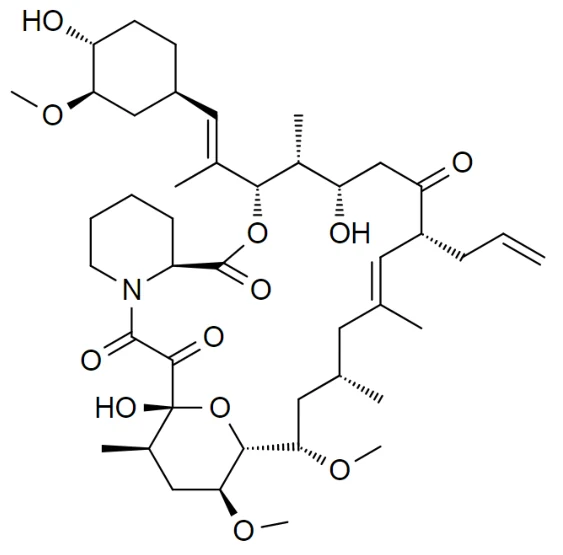
Physicochemical properties: White to off-white crystals or crystalline powder. Tacrolimus is soluble in methanol, ethanol, acetone, ethyl acetate and chloroform. Insoluble in water.
14 CLINICAL TRIALS
14.1 Clinical Trials by Indication
Kidney Transplantation
Table 9 – Summary of patient demographics for clinical trials in kidney transplant patients
| Study # | Trial design | Dosage, route of administration and duration | Study subjects (n) | Mean age (SD) | Sex |
| 2017 | Phase 2, open-label, multicentre, randomized | ENVARSUS PA qd, starting dose: 0.14 mg/kg/day (0.17mg/kg/day for Black patients) or PROGRAF® capsules bid, starting dose: 0.2 mg/kg/day. Study drug doses were adjusted to maintain target tacrolimus trough levels between 7 and 20 ng/mL. First dose within 48 hours of transplant surgery. Oral administration. 12 months | De novo kidney transplant patients (≥18 years) ENVARSUS PA: n=32 PROGRAF®: n=31 | 47.7 (12.9) | ♂: 43 (68.3%) ♀: 20 (31.7%) |
| 3001 | Phase 3, open-label, multicentre, prospective, randomized two-arm parallel group | PROGRAF® capsules bid, ≥ 0.2 mg/kg/day ENVARSUS PA qd, conversion factor of 0.7 (0.85 for Black Patients) Study drug doses were adjusted to maintain target Dosage, route of administration and duration | Stable kidney transplant patients (≥18 years) Renal transplant 3 months to 5 years before enrollment. ENVARSUS PA: n=163 PROGRAF®: n=163 Study subjects (n) | 50.3 (12.61) Range: 18-77 ENVARSUS PA: 50.4 (11.7) PROGRAF®: 50.2 (13.5) | ♂: 219 (67.2%) ♀: 107 (32.8%) |
| Study # | Trial design | Mean age (SD) | Sex | ||
tacrolimus trough levels between 4 and 15 ng/mL. Oral administration 12 months | History of diabetes: n=114 (35.0%) Kidney from a deceased donor: n=213 (65.3%) | ||||
| 3002 | ENVARSUS PA qd, starting dose: 0.17 mg/kg/day or PROGRAF® capsules bid, starting dose: 0.1 mg/kg/day Study drug doses were adjusted to maintain target tacrolimus trough levels between 6 and 11 ng/mL for the first 30 days and 4 to 11 ng/mL for the remainder of the study. Oral administration 12 months | De novo kidney patients (≥18 years) ENVARSUS PA: n=268 PROGRAF®: n=275 Diabetes at time of transplant: n=106 (19.5%) No prior transplant: n=520 (95.8%) Prior transplant from a deceased donor: 2.7% | 45.8 (0.59) Range: 18-70 ENVARSUS PA: 44.8 (13.3) PROGRAF®: 46.9 (14.3) | ♂: 355 (65.4%) ♀: 188 (34.6%) | |
SD: standard deviation
Study Results
Based on the analysis of treatment failure of combined results from studies 3001, 3002, and 2017, the efficacy failure rate was similar in the ENVARSUS PA group and the PROGRAF® (immediate-release formulation) group at 6 months and was maintained at 12 months. Primary efficacy results are summarized for the individual studies in Table 10.
Table 10 – Results of study 2017 in kidney transplantation Primary efficacy endpoints results in kidney transplant patients within 12 months after randomization
Study # Population | Primary Endpoints | Number of Patients | ||
|---|---|---|---|---|
ENVARSUS PA (q.d) | Prograf® PROGRAF® (b.i.d) | p-value | ||
Study 3001 Stable kidney transplant patients | Overall efficacy failure, % | 2.5% | 2.5% | >0.999 |
| Death | 1.2% | 0.6% | >0.999 | |
| Graft failure | 0 | 0 | ND | |
| Locally assessed BPAR | 1.2% | 1.2% | >0.999 | |
| Lost to follow-up | 0 | 0.6% | >0.999 | |
Study 3002 De novo kidney transplant patients | Treatment failure, % | 18.3 | 19.6 | |
| All-cause mortality | 3.0 | 2.9 | >0.999 | |
| Graft failure | 3.4 | 4.0 | 0.821 | |
| BPAR | 13.1 | 13.5 | 0.900 | |
| Lost to follow-up | 1.5 | 1.8 | >0.999 | |
Study 2017* De novo kidney transplant patients | Treatment failure, % | 6.3 | 9.7 | |
| All-cause mortality | 0 | 0 | ||
| Graft failure | 0 | 0 | ||
| BPAR | 1 | 2 | ||
| Lost to follow-up | 1 | 1 | ||
* Efficacy endpoints were secondary endpoints in Study 2017.
BPAR: biopsy-proven acute rejection
Liver Transplantation
Table 11 – Summary of patient demographics for clinical trials in liver transplantation
| Study # | Study design | Dosage, route of administration and duration | Study subjects (n) | Mean age (SD) | Sex |
| 2012 | Phase 2, 3-sequence, open-label, multicentre, prospective, conversion study | Patients received PROGRAF® (bid) for 1 week, followed by ENVARSUS PA tablets (qd) for 2 weeks (dose conversion ratio 0.66 to 0.8) Study drug doses were adjusted to maintain target tacrolimus trough levels between 5 and 15 ng/mL. | Stable liver transplant patients (≥18 years) Transplant ≥ 6 months prior enrollment ENVARSUS PA: n=59 | 49.8 (11.2) Range: 20 - 66 | ♂: 33 (55.9%) ♀: 26 (44.1%) |
Oral administration 7.5 weeks | |||||
| 2018 | Phase 2, open-label, randomized | ENVARSUS PA tablets (qd) Starting dose 0.07-0.11 mg/kg/day (0.09-0.13 mg/kg/day Black patients) or PROGRAF® capsules (bid) Starting dose 0.10-0.15 mg/kg/day Study drug doses were adjusted to maintain target tacrolimus trough levels between 5 and 20 ng/mL. Oral administration 12 months | De novo liver transplant patients (≥18 years) ENVARSUS PA: n=29 PROGRAF®: n=29 | 54.4 (8.55) Range: 21-72 ENVARSUS PA: 54.1 (7.3) PROGRAF®: 54.6 (9.8) | ♂*: 40 (69.0%) ♀: 18 (31.0%) |
SD: standard deviation
* Proportion of male patients was higher in the ENVARSUS PA group compared with the PROGRAF group (82.8% vs. 55.2%)
Study Results
Study 2012
Study LCP-Tacro 2012 was conducted in stable liver transplant patients and the patients were converted from PROGRAF® to ENVARSUS PA. This was primarily a PK study without efficacy endpoints in study design. However, in the study, the following were monitored as safety outcomes throughout the study period (52 weeks): graft survival, patient survival and acute rejection episodes. There were no deaths and no patient experienced graft loss or an acute allograft rejection episode during the study.
Cmax and the percent fluctuation and swing were statistically significantly lower when ENVARSUS PA tablets were administered qd compared to bid therapy with PROGRAF® while Tmax was statistically significantly delayed. The correlations between AUCt and Cmin on Days 14 and 21 (ENVARSUS PA) were numerically higher than PROGRAF® (Day 7) but the difference was not statistically significant. Tacrolimus trough levels remained stable throughout the study periods.
Study 2018
Study 2018 was primarily a PK study and 12 month safety monitoring. The proportion of patients achieving therapeutic tacrolimus trough levels from Day 4 onwards was the same with ENVARSUS PA (qd) and PROGRAF® (bid). Therapeutic tacrolimus trough levels (5-20 ng/mL) were achieved by a similar proportion of patients in the ENVARSUS PA and PROGRAF® groups, reaching a maximum of 79.3% patients in both treatment groups on Day 7. As expected for a prolonged-release formulation, the rate at which patients in the ENVARSUS PA group achieved therapeutic tacrolimus trough levels was initially lower compared with the PROGRAF® group.
Overall, four patients died during the study (two in each treatment group). No other causes of graft loss were observed. For the mITT analysis set (n=58), the cumulative rates of patient and graft survival on Day 365 were 90.34% for the ENVARSUS PA group and 91.10% for the PROGRAF® group (p=0.952 for both comparisons). The incidence of BPAR was low and by Day 365, six patients in the ENVARSUS PA group and four patients in the PROGRAF® group had experienced BPAR episodes. The severity of most BPAR episodes was ≤ Banff Grade 2 with only two patients in the PROGRAF® group experiencing BPAR of Banff Grade 3. There was no statistically significant difference in cumulative freedom from BPAR between the ENVARSUS PA group and PROGRAF® group (Day 180: 79.03% vs. 87.00%; Day 365: 73.76% vs. 81.88%). The incidence of clinically suspected and treated rejection was low with only two patients in the PROGRAF® group experiencing mild rejection. A further two patients in the PROGRAF® group experienced mild steroid-resistant acute rejection.
Overall, there were no significant differences in efficacy and safety between ENVARSUS PA (qd) and PROGRAF® (bid).
15 MICROBIOLOGY
No microbiological information is required for this drug product.
16 NON-CLINICAL TOXICOLOGY
General Toxicology
The animal toxicity studies of tacrolimus have been well established; no new studies were conducted using ENVARSUS PA prolonged-release tablets.
Signs of general toxicity as well as the target organs of toxicity have been identified. Target organs of toxicity include the kidneys, the pancreas, the heart, the nervous system, the eyes and the lymphoid organs.
Carcinogenicity
Carcinogenicity studies were carried out in rat and mice. There was no evidence of tumorigenicity in mice and rats that were administered tacrolimus orally for 80- and 104-weeks, respectively. The highest doses used in mice and rats were 0.84 and 0.24 times, respectively, the human exposure in stable adult kidney transplant patients converted from immediate-release tacrolimus to ENVARSUS PA.
A 104-week dermal carcinogenicity study was performed in mice with tacrolimus ointment (0.03%-3%), equivalent to tacrolimus doses of 1.1-118 mg/kg/day or 3.3-354 mg/m2/day. In the study, the incidence of skin tumors was minimal, and the topical application of tacrolimus was not associated with skin tumor formation under ambient room lighting. However, a statistically significant elevation in the incidence of pleomorphic lymphoma in high-dose male (25/50) and female animals (27/50) and in the incidence of undifferentiated lymphoma in high-dose female animals (13/50) was noted in the mouse dermal carcinogenicity study. Lymphomas were noted in the mouse dermal carcinogenicity study at a daily dose of 3.5 mg/kg (0.1% tacrolimus ointment) which is 2.5-fold the human exposure in stable adult renal transplant patients converted from immediate-release tacrolimus to ENVARSUS PA. No drug-related tumors were noted in the mouse dermal carcinogenicity study at a daily dose of 1.1 mg/kg (0.03% tacrolimus ointment). The relevance of topical administration of tacrolimus in the setting of systemic tacrolimus use is unknown.
The implications of these carcinogenicity studies are limited; doses of tacrolimus were administered that likely induced immunosuppression in these animals, impairing their immune system’s ability to inhibit unrelated carcinogenesis.
Genotoxicity
Tacrolimus showed no discernable mutagenic or clastogenic potential in a standard battery of genotoxicity testing including bacterial (Salmonella and E. coli) or mammalian (Chinese hamster lung-derived cells) in vitro assays of mutagenicity, the in vitro CHO/HGPRT assay of mutagenicity, and in vivo clastogenicity assays in mice; in addition, tacrolimus did not cause unscheduled DNA synthesis in rodent hepatocytes.
Reproductive and Developmental Toxicity
Tacrolimus given orally at a dose of 1.0 mg/kg (0.9 times the clinical starting dose of 0.17 mg/kg/day based on body surface area) to male and female rats, prior to and during mating, as well as to pregnant females during gestation and lactation, was associated with embryolethality and adverse effects on female reproduction as indicated by a higher rate of pre-implantation loss and increased numbers of undelivered and nonviable pups. When given at a higher dose of 3.2 mg/kg (3 times the clinical starting dose based on body surface area), tacrolimus was associated with maternal and paternal toxicity as well as reproductive toxicity consisting of marked adverse effects on estrus cycles, parturition, pup viability, and pup malformations.
In pregnant rabbits, tacrolimus at oral doses of 0.32 and 1.0 mg/kg (0.6 and 1.9 times the clinical starting dose of 0.17 mg/kg/day based on body surface area, respectively) was associated with maternal toxicity as well as an increased incidence of abortions. At the 1 mg/kg dose, fetal rabbits showed an increased incidence of malformations (cardiovascular, skeletal, omphalocele, and gallbladder agenesis) and developmental variations.
In pregnant rats, tacrolimus at oral doses of 3.2 mg/kg (3 times the clinical starting dose of 0.17 mg/kg/day based on body surface area) was associated with maternal toxicity, an increase in late resorptions, decreased numbers of live births, and decreased pup weight and viability. Tacrolimus, given orally to pregnant rats after organogenesis and during lactation at 1.0 and 3.2 mg/kg (0.9 and 3 times the clinical starting dose based on body surface area, respectively) was associated with reduced pup weights and pup viability (3.2 mg/kg only); among the high dose pups that died early, an increased incidence of kidney hydronephrosis was observed.
Impairment of fertility
Tacrolimus administered subcutaneously to male rats for two weeks at doses of 1 or 3 mg/kg/day (0.95 to 2.9 times the clinical starting dose of 0.17 mg/kg/day based on body surface area) resulted in a dose-related decrease in sperm count and motility, without effect on serum testosterone, which returns to normal after stopping of the drug. When the tacrolimus treated males in the 3 mg/kg/day dose group were mated with drug naive females, there was a decrease in the number of live fetuses associated with implantation loss, likely due to decreases in sperm counts and motility.