


Product Monograph - Erivedge
SUMMARY PRODUCT INFORMATION
| Route of Administration | Pharmaceutical Form/Strength | Clinically Relevant Non-medicinal Ingredients |
| Oral | Capsule, 150 mg | Capsule content: Lactose monohydrate. For a complete listing see Dosage Forms, Composition and Packaging section. |
INDICATIONS AND CLINICAL USE
ERIVEDGE (vismodegib) is indicated for the treatment of adult patients with histologically confirmed metastatic basal cell carcinoma (BCC) or locally advanced basal cell carcinoma inappropriate for surgery or radiotherapy.
The indication is granted market authorization based on objective response rate (ORR) demonstrated in a single-arm Phase II trial (see CLINICAL TRIALS). Overall survival (OS) benefit in a single-arm trial cannot be confirmed.
In the pivotal trial, the majority of the clinical responses occurred within 16 weeks. Benefit of continued treatment should be regularly assessed, with the optimal duration of therapy varying for each individual patient (see CLINICAL TRIALS).
Distribution Restrictions
ERIVEDGE is only available through a controlled distribution program called the ERIVEDGE Pregnancy Prevention Program (EPPP). Under this program, only prescribers and pharmacies registered with the program are able to prescribe and dispense the product, respectively. In addition, ERIVEDGE can only be dispensed to patients who are registered and meet all the conditions of the EPPP. For more information please contact the EPPP at 1-888-748-8926 or log onto www.erivedge.ca.
Geriatrics (≥ 65 years of age):
Of the total number of patients in clinical studies of ERIVEDGE with advanced basal cell carcinoma, approximately 40% of patients were ≥ 65 years old. Although no overall differences in safety and efficacy were observed between these patients and younger patients, an insufficient number of elderly were enrolled in the clinical studies to rule out the risk of reduced effectiveness or increased toxicity in this patient population (see WARNINGS AND PRECAUTIONS, Special Populations and CLINICAL STUDIES). Elderly patients should be treated with caution and monitored for adverse events. No specific dose adjustments are recommended for the elderly (see DOSAGE AND ADMINISTRATION).
Pediatrics (< 18 years of age):
The safety and efficacy of ERIVEDGE in pediatric patients has not been established (see WARNINGS AND PRECAUTIONS, Special Populations). Irreversible premature fusion of the epiphyses has been reported in pediatric patients exposed to ERIVEDGE (see WARNINGS AND PRECAUTIONS, Effects on Post-Natal Development). Premature fusion can progress after discontinuation of treatment. Due to safety concerns, ERIVEDGE is contraindicated in children and adolescents aged below 18 years (see CONTRAINDICATIONS and TOXICOLOGY).
CONTRAINDICATIONS
ERIVEDGE (vismodegib) is contraindicated in:
- Female patients who are pregnant and females at risk of becoming pregnant (see WARNINGS AND PRECAUTIONS, Special Populations).
- Breastfeeding female patients (see WARNINGS AND PRECAUTIONS, Special Populations).
- Female patients of childbearing potential (FCBP) who do not comply with the ERIVEDGE Pregnancy Prevention Program (see WARNINGS AND PRECAUTIONS, Special Populations).
- Male patients who do not comply with the contraceptive measures of the ERIVEDGE Pregnancy Prevention Program (see WARNINGS AND PRECAUTIONS, Special Populations).
- Children and adolescents aged below 18 years (see TOXICOLOGY and WARNINGS AND PRECAUTIONS, Effects on Post-Natal Development).
- Patients who are hypersensitive to vismodegib or to any ingredient in the formulation (see DOSAGE FORMS, COMPOSTION AND PACKAGING for a complete listing).
WARNINGS AND PRECAUTIONS
Serious Warnings and Precautions ERIVEDGE (vismodegib) should be initiated and monitored only under the supervision of a physician qualified in the use of cancer therapies and with a full understanding of the risks of ERIVEDGE therapy and monitoring requirements.
|
General
Embryo-fetal death or severe birth defects
ERIVEDGE may cause embryo-fetal death or severe birth defects when administered to a female who is pregnant (see CONTRAINDICATIONS). Hedgehog pathway inhibitors, such as vismodegib, have been demonstrated to be embryotoxic, fetotoxic and/or teratogenic in multiple animal species at exposures lower than the human exposures at the recommended dose of 150 mg/day (see TOXICOLOGY, Teratogenicity). ERIVEDGE can cause severe malformations, including craniofacial anomalies, midline defects and limb defects (see TOXICOLOGY). ERIVEDGE must not be used during pregnancy.
Effects on Post-Natal Development
Irreversible premature fusion of the epiphyses (EPF) and precocious puberty have been reported in pediatric patients exposed to ERIVEDGE. In some cases of EPF, fusion progressed after drug discontinuation (see INDICATIONS AND CLINICAL USE and WARNINGS AND PRECAUTIONS, Special Populations).
In animal species, ERIVEDGE has been shown to cause severe irreversible changes in the male reproductive systems (not reversible after a 4-week recovery period), growing teeth (degeneration/necrosis of odontoblasts, formation of fluid-filled cysts in the dental pulp, ossification of the root canal, and hemorrhage) and closure of the epiphyseal growth plate. These findings occurred at clinically relevant doses and indicate a potential risk for short stature, tooth deformities and future reproductive problems in infants and children (see WARNINGS AND PRECAUTIONS, Sexual Function/Reproduction and TOXICOLOGY).
Blood Donation Patients must not donate blood or blood products while on treatment (including dose interruptions) and for 24 months after treatment discontinuation.
The safety of ERIVEDGE is based on single-arm clinical trials of patients with advanced BCC (aBCC). Due to the nature of the design of the trials, it is not always possible to assign, nor to exclude, causality to a particular adverse event. As such, the following sections below describe reported adverse events based on clinical trial experience, irrespective of relatedness to ERIVEDGE (except where noted).
Carcinogenesis and Mutagenesis
ERIVEDGE tested negative in a battery of in vitro and in vivo genotoxicity assays, and formal carcinogenicity studies of vismodegib have not been completed. However, pilomatricoma (a benign subcutaneous neoplasm) was observed at clinically relevant exposures in rats administered vismodegib. Pilomatricoma has not been reported in clinical trials with vismodegib, and the relevance of this finding to patients is therefore uncertain (see DETAILED PHARMACOLOGY and TOXICOLOGY).
Patients with advanced BCC have an increased risk of developing cutaneous squamous cell carcinoma (cuSCC). Cases of cuSCC have been reported in advanced BCC patients (aBCC) treated with ERIVEDGE. Therefore, all patients should be monitored routinely while taking ERIVEDGE.
Cardiovascular
Cardiac-related adverse events such as atrial fibrillation, cardiac flutter, cardiac failure, restrictive cardiomyopathy, angina, myocardial infarction, and left ventricular dysfunction have been observed in aBCC patients treated with ERIVEDGE. Fatal cases of acute myocardial infarction and ischemic stroke were reported. Typically, Grade ≥ 3 cardiac adverse events occurred in patients with a significant prior history of cardiac disease. In addition, vascular-related disorders observed include Grade ≥ 3 hypertension and orthostatic hypotension (see ADVERSE REACTIONS, Clinical Trial Adverse Drug Reactions).
Thromboembolic events such as thrombosis, deep vein thrombosis, and pulmonary embolism (including a fatal case) have been reported (see ADVERSE REACTIONS, Clinical Trial Adverse Drug Reactions).
Endocrine and Metabolism
Decreased appetite and dehydration are considered related to treatment with ERIVEDGE. Decreased weight was observed in 14/259 (5.4%) patients at 12-months post-treatment discontinuation. Electrolyte abnormalities have been observed in aBCC patients treated with ERIVEDGE including Grade 3/Grade 4 hyponatremia, and Grade 3 hypokalemia (see ADVERSE REACTIONS, Clinical Trial Adverse Drug Reactions).
Gastrointestinal
Nausea, vomiting, diarrhea, constipation, and abdominal pain are all considered related to treatment with ERIVEDGE. In addition, cases of Grade 3/Grade 4 and a fatal case of gastrointestinal hemorrhage, small intestinal obstruction, and aphagia were observed in patients treated with ERIVEDGE (see ADVERSE REACTIONS, Clinical Trial Adverse Drug Reactions).
Hematologic Cases of Grade 3/Grade 4 anaemia, and Grade 3 lymphopenia have been observed in patients. For the cases of gastrointestinal hemorrhages, no associated thrombocytopenia were reported (see ADVERSE REACTIONS, Clinical Trial Adverse Drug Reactions).
Hepatic/Biliary/Pancreatic
Hepatotoxicity occurred in patients treated with ERIVEDGE. The incidence of elevations of aspartate aminotransferase (AST), alanine aminotransferase (ALT), total bilirubin or alkaline phosphatase was 29%, 19%, 8% and 17% respectively of advanced BCC patients in the pooled safety population. Serious cases of hepatotoxicity, including cholestasis, hepatitis and hepatocellular injury, have been observed (see Post-Market Adverse Events). Pre-existing liver disease, underlying malignancy and its complications, concomitant hepatotoxic medications and systemic infections may be risk factors (see ACTION AND CLINICAL PHARMACOLOGY, Special Populations and Conditions - Hepatic Insufficiency and ADVERSE REACTIONS, Clinical Trial Adverse Drug Reactions).
ERIVEDGE should be used with caution in patients with mild and moderate hepatic impairment. Limited data are available in patients with severe hepatic impairment. In the dedicated clinical trial > 3 x ULN bilirubin increase (Grade 3 and Grade 4) have been reported in patients with moderate and severe hepatic impairment.
ERIVEDGE should be used with caution in patients with a history of pancreatitis or gallbladder disease as cases of pancreatitis, including a fatal case, were observed with ERIVEDGE use.
Monitoring of liver and pancreatic laboratory tests should be performed as clinically indicated. Dose interruption or discontinuation maybe required (see DOSAGE AND ADMINISTRATION, See Monitoring and Laboratory Tests).
Immune
Grade 1 hypersensitivity was observed in patients treated with ERIVEDGE.
Musculoskeletal
Arthralgia, and back pain are considered to be related to treatment with ERIVEDGE. Grade ≥3 events have been observed. Muscle spasms were observed in 9/262 (3.4%) patients at 12-months post-treatment discontinuation. Based on preclinical data, ERIVEDGE may increase risk for fractures. Cases of Grade 3/Grade 4 fracture events were reported in patients treated with ERIVEDGE. (see ADVERSE REACTIONS, Clinical Trial Adverse Drug Reactions).
In a post-approval clinical trial of 1232 patients with either laBCC or mBCC, a subset of 29 patients had baseline values for creatine phosphokinase (CPK) reported. Within the subset of patients, 38% had a shift from baseline. One patient had a shift from Grade 0 to Grade 3. CPK was elevated in 192/453 (42.3%) patients that had a CPK measurement during treatment but not at baseline. Grade 3 or 4 elevations were observed in 11/453 (2.4%) patients.
Neurologic
Four serious adverse events of syncope were reported in the pivotal trial; the patients had risk factors for the syncopal event based on medical history and concurrent adverse events such as pulmonary embolism, dehydration, and pneumonia. Dysgeusia and ageusia were observed in 9/261 (3.4%) and 4/264 (1.5%) patients at 12 months post-treatment discontinuation (see ACTION AND CLINICAL PHARMACOLOGY, Pharmacodynamics).
Psychiatric
Psychiatric disorders have been observed in patients treated with ERIVEDGE including a case of Grade 4 paranoia.
Renal
Renal disorders and cases of renal failure have been observed in patients treated with ERIVEDGE, including a fatal case of renal failure.
The safety and efficacy of ERIVEDGE in patients with severe renal impairment has not been studied. No dedicated clinical studies have been conducted to evaluate the effect of mild, moderate and severe renal impairment on the pharmacokinetics of vismodegib. The population pharmacokinetic analysis suggested no clinically relevant effect of mild (CrCl 50 to 79 mL/min, n=58), and moderate (CrCl 30 to 49 mL/min, n=16) renal impairment on the systemic exposure of vismodegib (see ACTION AND CLINICAL PHARMACOLOGY, Special Populations and Conditions - Renal Insufficiency).
Sexual Function/Reproduction
Amenorrhea has been observed in clinical trials in 30% of FCBP (Female of Childbearing Potential). Fertility preservation strategies should be discussed with FCBP prior to starting treatment with ERIVEDGE. The results of nonclinical toxicity studies suggest that vismodegib has the potential to impair fertility in patients (See TOXICOLOGY).
Skin
Severe cutaneous adverse reactions including cases of Stevens-Johnson syndrome/Toxic epidermal necrolysis, Drug reaction with eosinophilia and systemic symptoms, and acute generalised exanthematous pustulosis, which can be life-threatening, have been reported during post-marketing use. If the patient has developed any of these reactions with the use of vismodegib, treatment with vismodegib must not be restarted in this patient at any time (see ADVERSE REACTIONS, Post-Market Adverse Events).
Special Populations:
- 1. Female of Childbearing Potential (FCBP)
Criteria for FCBP
A FCBP is defined in the ERIVEDGE Pregnancy Prevention Program (EPPP) as a female patient who meets at least one of the following criteria:
- is menstruating,
- is amenorrhoeic and has not entered menopause (menopause should be clinically confirmed),
- is perimenopausal.
A female patient who does not meet one of the above criteria, has a XY genotype, Turner’s syndrome, or uterine agenesis is defined as a Female of Non-Childbearing Potential.
For FCBP, ERIVEDGE is contraindicated unless ALL of the following conditions are met:
- The patient is capable of understanding and carrying out instructions. In some cases, the patient will need a competent support person to ensure EPPP compliance.
- The patient is willing and able to comply with the two mandatory, simultaneous and effective contraceptive methods or to commit to continually abstaining from heterosexual contact.
- The patient has a consultation with a health care professional, who has experience with the use of contraception methods, to discuss the best and most effective two simultaneous contraceptive methods to be used.
- The patient is willing and able to comply with the pregnancy testing requirements noted in detail below; which includes a negative pregnancy test within 7 days prior to initiating ERIVEDGE treatment, on-going monthly pregnancy tests throughout treatment and for 24 months following discontinuation of treatment.
- The patient is informed of the risk of teratogenicity should a pregnancy occur.
- The patient knows and understands the need to consult her physician immediately if there is a risk of pregnancy.
- The patient acknowledges the importance of compliance with all the conditions of use.
Contraception
FCBP (including those who normally do not use contraception due to a history of infertility and those who have amenorrhoea and have not entered menopause) must use 2
simultaneous forms of effective contraception (including one acceptable barrier method with spermicide):
- for at least 4 weeks before starting ERIVEDGE treatment,
- during ERIVEDGE treatment,
- during dose interruptions, and
- for 24 months following discontinuation of ERIVEDGE.
- FCBP who chooses to abstain from heterosexual contact as a contraceptive measure must commit to using two methods of contraception at the same time if abstinence is no longer practiced.
- A FCBP who has amenorrhoea or has become amenorrhoeic must also use two effective methods of contraception simultaneously as outlined above.
- Female patients with a previous hysterectomy or bilateral oophorectomy are exempt from contraception use during ERIVEDGE therapy.
- Contraceptive advice must be given to the individual patient by a healthcare professional as effectiveness of contraception methods vary.
The following are examples of acceptable forms of primary contraception where medically appropriate:
- combination hormonal contraceptives
- hormonal patch
- hormonal contraceptives (levonorgestrel-releasing intrauterine system, medroxyprogesterone acetate depot)
- tubal sterilization
- vasectomy and
- intrauterine device (IUD)
The following are acceptable forms of barrier method contraception:
- any male condom (with spermicide)
- diaphragm (with spermicide)
- cervical cap (must be used with spermicide)
- contraceptive sponge (must be used with male condom)
- Lea contraceptive (must be used with spermicide)
Pregnancy Testing
- A FCBP must not be given ERIVEDGE until pregnancy is excluded.
- Even if abstinence is the chosen method of contraception, a medically supervised pregnancy test conducted by a health care provider, must be performed within 7 days prior to initiating ERIVEDGE treatment, monthly during treatment (including dose interruptions), and for 24 months after treatment discontinuation.
- Pregnancy tests should have a minimum sensitivity of 25 mIU/mL.
- Patients who present with amenorrhoea or abnormal menstrual bleeding during treatment with ERIVEDGE should continue monthly pregnancy testing while on treatment and consult with an obstetrician/gynecologist.
- Dates and results for all pregnancy tests must be documented.
For FCBP, continuation of treatment will require a new prescription each month to allow for monthly pregnancy testing.
Pregnancy Reporting
- Female patients must contact their physician immediately if they suspect they may be pregnant.
- If ERIVEDGE is used during pregnancy or if a patient becomes pregnant while taking ERIVEDGE, treatment must be immediately discontinued.
- The patient should be referred to an obstetrician/gynecologist experienced in reproductive toxicity, for further evaluation and counseling.
- Any suspected exposure to ERIVEDGE during pregnancy must be reported immediately to the EPPP at 1-888-748-8926. Pregnancy reporting forms are also available for healthcare professionals on the website, www.erivedge.ca.
Fertility
ERIVEDGE may impair fertility(see TOXICOLOGY, Impairment of Fertility). Amenorrhoea has been observed in clinical trials in FCBP (see ADVERSE REACTIONS). Reversibility of fertility impairment is unknown. Fertility preservation strategies should be discussed with FCBP prior to starting treatment with ERIVEDGE.
- 2.
Pregnant Females
- ERIVEDGE is contraindicated in females who are or may become pregnant.
- ERIVEDGE may cause embryo-fetal death or severe birth defects when administered to a pregnant female. Hedgehog pathway inhibitors such as ERIVEDGE have been demonstrated to be embryotoxic and/or teratogenic in multiple animal species and can cause severe midline defects, missing digits, and other irreversible malformations in the developing embryo or fetus (see TOXICOLOGY).
- 3.
Breastfeeding Females
- ERIVEDGE must not be used during breastfeeding (see CONTRAINDICATIONS).
- The extent to which ERIVEDGE is excreted in breast milk is not known.
- Due to its potential to cause serious developmental defects in breastfed infants and children, females should not breastfeed during ERIVEDGE treatment (including dose interruptions) and for 24 months after treatment discontinuation (see CONTRAINDICATIONS and TOXICOLOGY).
- 4.
Male Patients
- The patient is capable of understanding and carrying out instructions. In some cases, the patient will need a competent support person to ensure EPPP compliance.
- Male patients must inform their female sexual partners that they are taking ERIVEDGE.
Male patients must inform their female sexual partners of the potential serious risks to a developing fetus should she become pregnant during:
- her male partner’s course of treatment with ERIVEDGE,
- dose interruptions, and
- the 2 months following treatment discontinuation.
Contraception
ERIVEDGE is present in semen. To avoid potential embryo-fetal exposure during pregnancy, male patients must use condoms with spermicide, even after a successful vasectomy, during sexual intercourse with females. The condom should be used:
- while the male patient is being treated with ERIVEDGE,
- during dose interruptions, and
- during the 2 months after treatment discontinuation.
Semen Donation
Male patients must not donate semen while taking ERIVEDGE (including dose interruptions) and during the 2 months after treatment discontinuation.
Pregnancy Reporting
- Male patients must contact their physician immediately if their female sexual partner may be pregnant.
- If the male patient’s female sexual partner was exposed to semen by a male patient taking ERIVEDGE and the female sexual partner becomes pregnant, the male patient’s partner should be referred to an obstetrician/gynecologist experienced in reproductive toxicity, for further evaluation and counseling.
- Any suspected exposure to ERIVEDGE during pregnancy must be reported immediately to the EPPP at 1-888-748-8926. Pregnancy reporting forms are also available for healthcare professionals on the website, www.erivedge.ca.
- Pediatrics (< 18 years of age)
The safety and efficacy of ERIVEDGE in pediatric patients below the age of 18 have not been established. No data are available for patients in this age group. Irreversible, premature fusion of the epiphyses and precocious puberty have been reported in pediatric patients exposed to ERIVEDGE (see INDICATIONS AND CLINICAL USE, WARNINGS AND PRECAUTIONS, Effects on Post-Natal Development and ADVERSE REACTIONS, Post-Market Adverse Events). Premature fusion can progress after discontinuation of treatment. Due to safety concerns (see TOXICOLOGY), ERIVEDGE is contraindicated in children and adolescents below the age of 18.
- 6. Geriatrics (≥ 65 years of age)
Of the total number of patients in clinical studies of ERIVEDGE with advanced basal cell carcinoma, approximately 40% of patients were ≥ 65 years old. Although no overall differences in safety and efficacy were observed between these patients and younger patients, an insufficient number of elderly were enrolled in the clinical studies to rule out the risk of reduced effectiveness or increased toxicity in this patient population. Elderly patients should be treated with caution and monitored for adverse events.
Monitoring and Laboratory Tests
Serum lipase and amylase should be assessed before initiation of treatment and periodically monitored during treatment as clinically indicated.
For pregnancy test requirements for Females of Childbearing Potential (FCBP), see WARNINGS AND PRECAUTIONS, Special Populations.
In the pivotal trial, blood work for all patients was assessed at screening and every 4 weeks during treatment and included both hematology (hemoglobin, hematocrit, platelet count, red blood cell count, white blood cell count, and percent or absolute differential count) as well as serum chemistry (glucose, blood urea nitrogen, creatinine, sodium, potassium, magnesium, bicarbonate, calcium, total protein, albumin, total bilirubin, alkaline phosphatase, AST, and ALT).
ADVERSE REACTIONS
Adverse Drug Reaction Overview
The listed data is produced from 138 patients with advanced BCC treated in 4 open label phase 1 and 2 clinical trials (studies SHH4476g, SHH4610g, SHH3925g, and SHH4437g). The most common adverse drug reactions (≥ 10%) reported in patients treated with ERIVEDGE were: muscle spasms, alopecia, dysgeusia, weight decreased, fatigue, nausea, diarrhea, decreased appetite, constipation, vomiting, arthralgia and ageusia.
Clinical Trial Adverse Drug Reactions
Because clinical trials are conducted under very specific conditions the adverse reaction rates observed in the clinical trials may not reflect the rates observed in practice and should not be compared to the rates in the clinical trials of another drug. Adverse drug reaction information from clinical trials is useful for identifying drug-related adverse events and for approximating rates.
The safety of ERIVEDGE (vismodegib) has been evaluated in clinical trials of 138 patients with advanced BCC (aBCC), which includes both metastatic BCC (mBCC) and locally advanced BCC (laBCC). In four open label Phase 1 and 2 clinical trials, patients were treated with at least one dose of ERIVEDGE monotherapy at dosages ≥150 mg. Doses >150 mg did not result in higher plasma concentrations in clinical trials and patients on doses >150 mg have been included in the safety analysis.
Additionally, safety was assessed in a post approval study (MO25616) that included 1215 aBCC patients evaluable for safety and treated with 150 mg.
In general the safety profile observed was consistent in both mBCC and laBCC patients and across studies as described above.
Serious Adverse Events
Amongst all 138 aBCC patients, the most common serious adverse events (occurring in ≥ 1% of patients), regardless of causality, were pneumonia, syncope, death, hip fracture, gastrointestinal haemorrhage, atrial fibrillation, cardiac failure, cellulitis, pulmonary embolism, deep vein thrombosis, haemorrhage, and squamous cell carcinoma.
One fatal case of ischemic stroke and one fatal case of acute myocardial infarction have been reported in patients treated with ERIVEDGE.
Adverse Events that led to Discontinuations
Among all 138 aBCC patients, adverse events that led to discontinuations were acute myocardial infarction, aphagia, impaired gastric emptying, asthenia, death, fatigue, cellulitis, weight decreased, muscle spasms, adenocarcinoma pancreas, metastatic malignant melanoma, metastatic squamous cell carcinoma, dysgeusia, ischaemic stroke, paraesthesia, hypovolaemic shock, pneumonia, osteomyelitis, blood creatinine phosphokinase increased, and depression.
Adverse events occurring in ≥ 5% of patients treated with ERIVEDGE in the clinical trials are listed in Table 1
Table 1: Adverse events (regardless of causality) occurring in ≥ 5% of aBCC patients (pooled safety population, n = 138)
| MedDRA Preferred Term | All aBCC Patients (n=138) (primary analysis, clinical cut-off date: 26 November 2010) | |||||
|---|---|---|---|---|---|---|
| All Grades* | Grade 3 and 4* | |||||
| n | % | n | % | |||
| Blood And Lymphatic System Disorders | ||||||
| Anaemia | 9 | 6.5 | - | - | ||
| Gastrointestinal Disorder | ||||
| Nausea | 42 | 30.4 | 1 | 0.7 |
| Diarrhoea | 40 | 29.0 | 1 | 0.7 |
| Constipation | 29 | 21.0 | - | - |
| Vomiting | 19 | 13.8 | - | - |
| Dyspepsia | 13 | 9.4 | - | - |
| Flatulence | 9 | 6.5 | - | - |
| Abdominal Pain Upper | 8 | 5.8 | - | - |
| Abdominal Pain | 7 | 5.1 | - | - |
| Dysphagia | 7 | 5.1 | - | - |
| General Disorders and administration site conditions | ||||
| Fatigue | 55 | 39.9 | 8 | 5.8 |
| Pain | 12 | 8.7 | 2 | 1.4 |
| Asthenia | 11 | 8.0 | 2 | 1.4 |
| Oedema Peripheral | 9 | 6.5 | 1 | 0.7 |
| Chest Pain | 7 | 5.1 | - | - |
| Infections And Infestations | ||||
| Upper Respiratory Tract Infection | 14 | 10.1 | - | - |
| Nasopharyngitis | 12 | 8.7 | - | - |
| Rhinitis | 7 | 5.1 | - | - |
| Urinary Tract Infection | 7 | 5.1 | 2 | 1.4 |
| Investigations | ||||
| Weight Decreased | 62 | 44.9 | 10 | 7.2 |
| Metabolism and nutrition disorders | ||||
| Decreased Appetite | 35 | 25.4 | 3 | 2.2 |
| Hypokalaemia | 7 | 5.1 | 1 | 0.7 |
| Musculoskeletal and connective tissue disorders | ||||
| Muscle Spasms | 99 | 71.7 | 5 | 3.6 |
| Arthralgia | 22 | 15.9 | 1 | 0.7 |
| Pain In Extremity | 12 | 8.7 | 1 | 0.7 |
| Back Pain | 11 | 8.0 | 1 | 0.7 |
| Musculoskeletal Chest Pain | 9 | 6.5 | - | - |
| Myalgia | 8 | 5.8 | - | - |
| Neoplasms Benign, Malignant And Unspecified (Incl Cysts And Polyps) | ||||
| Squamous Cell Carcinoma | 12 | 8.7 | 2 | 1.4 |
| Nervous system disorder | ||||
| Dysgeusia | 76 | 55.1 | - | - |
| Headache | 18 | 13.0 | - | - |
| Ageusia | 15 | 10.9 | - | - |
| Hypogeusia | 12 | 8.7 | - | - |
| Dizziness | 8 | 5.8 | - | - |
| Paraesthesia | 8 | 5.8 | - | - |
| Hypoaesthesia | 7 | 5.1 | - | - |
| Psychiatric Disorders | ||||
| Insomnia | 15 | 10.9 | - | - |
| Anxiety | 11 | 8.0 | - | - |
| Depression | 9 | 6.5 | - | - |
| Respiratory, Thoracic And Mediastinal Disorders | ||||
| Cough | 26 | 18.8 | - | - |
| Dyspnoea | 12 | 8.7 | 3 | 2.2 |
| Rhinorrhoea | 9 | 6.5 | - | - |
MedDRA = Medical Dictionary for Regulatory Activities v13.1
*NCI-CTCAE v3.0
The following new adverse events occurred in ≥ 5% of patients with additional 30 months of follow up since the primary analysis due to increased exposure: influenza like illness, pyrexia, sinusitis, pneumonia, procedural pain, dehydration, muscular weakness, actinic keratosis, madarosis and hypertension.
In analysis of cohorts in the pivotal phase 2 clinical trial study with 104 patients, the safety profile observed in both cohorts, metastatic BCC and locally advanced BCC patients, was consistent for the majority of adverse events with the exception of dysgeusia, cough, depression, and dyspnea which occurred more frequently (i.e., >10 percentage points higher) in metastatic BCC patients. Dyspepsia and pruritus occurred more frequently (i.e., >10 percentage points higher) in locally advanced BCC patients. All other events occurred in approximately equivalent proportions in the two cohorts. Eight patients remained on the pivotal study 30 months after primary analysis.
Other adverse reactions occurring in >10% of an at-risk subset of patients:
Reproductive system and breast disorders: Of the 138 patients with advanced BCC treated with ERIVEDGE, 10 were women of childbearing potential. Amongst these women, amenorrhoea was observed in 3 patients (30%).
Abnormal Hematologic and Clinical Chemistry Findings
Amongst the 138 aBCC patients, post-baseline Grade 3 changes in laboratory parameters occurred in < 5% and there were no Grade 4 laboratory abnormalities. Laboratory abnormalities (n > 1) with change from baseline to Grade 3 were low sodium (n = 7) and potassium (n = 2), as well as high alkaline phosphatase (n = 1), ALT (n = 1), bilirubin (n = 1) and BUN (n = 3) (see Table 2).
Table 2: Shifts in NCI CTCAE Grade of Selected Clinical Laboratory Data from Baseline (Pooled Safety Population, n =138)
Pooled Safety Population (n = 138) (primary analysis, clinical cut-off date: 26 November 2010) | |
| Sodium (low) | |
| n | 136 |
| Change ≥ 1 grade from baseline | 39 (28.7%) |
| Change ≥ 1 grade from baseline to Grade ≥ 3 | 6 (4.4%) |
| Potassium (low) | |
| n | 129 |
| Change ≥ 1 grade from baseline | 18 (14.0%) |
| Skin and subcutaneous tissue disorders | ||||
| Alopecia | 88 | 63.8 | - | - |
| Pruritus | 13 | 9.4 | - | - |
| Erythema | 11 | 8.0 | - | - |
| Rash | 11 | 8.0 | - | - |
| Dry Skin | 9 | 6.5 | - | - |
| Change ≥ 1 grade from baseline to Grade ≥ 3 | 2 (1.6%) |
| Magnesium (low) | |
| n | 129 |
| Change ≥ 1 grade from baseline | 16 (12.4%) |
| Change ≥ 1 grade from baseline to Grade ≥ 3 | 0 |
| Alkaline phosphatase (high) | |
| n | 136 |
| Change ≥ 1 grade from baseline | 20 (14.7%) |
| Change ≥ 1 grade from baseline to Grade ≥ 3 | 1 (0.7%) |
| AST (high) | |
| n | 135 |
| Change ≥ 1 grade from baseline | 34 (25.2%) |
| Change ≥ 1 grade from baseline to Grade ≥ 3 | 0 |
| ALT (high) | |
| n | 135 |
| Change ≥ 1 grade from baseline | 24 (17.8%) |
| Change ≥ 1 grade from baseline to Grade ≥ 3 | 1 (0.7%) |
| Bilirubin (high) | |
| n | 135 |
| Change ≥ 1 grade from baseline | 11 (8.1%) |
| Change ≥ 1 grade from baseline to Grade ≥ 3 | 1 (0.7%) |
| BUN (high) | |
| n | 134 |
| Change ≥ 1 grade from baseline | 33 (24.6%) |
| Change ≥ 1 grade from baseline to Grade ≥ 3 | 3 (2.2%) |
| Creatinine (high) | |
| n | 136 |
| Change ≥ 1 grade from baseline | 18 (13.2%) |
| Change ≥ 1 grade from baseline to Grade ≥ 3 | 0 |
NCI CTCAE = National Cancer Institute Common Terminology Criteria for Adverse Events.
Notes: NCI CTCAE v3.0 was used.
The highest grade of targeted clinical laboratory finding was Grade 3
Post-Market Adverse Events Events, irrespective of relatedness to ERIVEDGE, included in this section have been identified post-approval, which also includes spontaneous case reports.
Hepatic/Biliary/Pancreatic: Cholestasis, hepatitis, hepatocellular injury.
Musculoskeletal and connective tissue disorders: Rhabdomyolysis; Epiphyses premature fusion (see INDICATIONS AND CLINICAL USE and WARNINGS AND PRECAUTIONS, Effects on Post-Natal Development and Special Populations).
Endocrine disorders: Precocious puberty (see WARNINGS AND PRECAUTIONS, Effects on Post-Natal Development and Special Populations).
Skin and subcutaneous tissue disorders: Stevens-Johnson syndrome/toxic epidermal necrolysis, drug reaction with eosinophilia and systemic symptoms, acute generalized exanthematous pustulosis (see SERIOUS WARNINGS AND PRECAUTIONS and WARNINGS AND PRECAUTIONS-Skin).
DRUG INTERACTIONS
Drug-Drug Interactions
Vismodegib is a substrate of CYP2C9, CYP3A4 and P-gp in vitro.
In vitro studies suggest that vismodegib is an inhibitor of CYP2C8, CYP2C9, CYP2C19 and transporter BCRP and that vismodegib is not an inducer of CYP1A2, CYP2B6 or CYP3A.
Effects of Other Drugs on Vismodegib
Coadministration of ERIVEDGE with fluconazole (a moderate CYP2C9 inhibitor and moderate CYP3A4 inhibitor) increased mean AUC 0-24hr and steady-state concentrations of vismodegib by 1.3-fold in healthy subjects. A strong inhibitor of CYP3A4 and P-gp (itraconazole) or a proton pump inhibitor (rabeprazole) had no effect on the steady-state systemic exposure of vismodegib when coadministered with ERIVEDGE in healthy subjects.
| Table 3: Effect of Co-administered Drugs on Systemic Exposure of Vismodegib | ||||||||||
| Co-administered Drug | Dose of Co-administered Drug1 | Dose of Vismodegib1 | Ratio of Geometric LS Means (Ratio With/Without Co-administered Drug) No Effect = 100 | Clinical Comment | ||||||
AUC0-24h (90% CI) | Css (90% CI) | |||||||||
| fluconazole | 400 mg | 150 mg | 130.9 (115.2-148.7) | 130.9 (115.2-148.7) | No dosage adjustment for ERIVEDGE required | |||||
| itraconazole | 200 mg | 150 mg | 96.4 (84.9-109.6) | 96.5 (85.0-109.7) | No dosage adjustment for ERIVEDGE required | |||||
| rabeprazole | 20 mg | 150 mg | 86.2 (76.1-97.7) | 86.3 (76.2-97.8) | No dosage adjustment for ERIVEDGE required | |||||
1 multiple dose
Drugs that Inhibit or Induce Drug Metabolizing Enzymes
Vismodegib elimination involves multiple pathways. Vismodegib is predominantly excreted as an unchanged drug. Several minor metabolites are produced by multiple CYP450 enzymes.
Inducers of CYP3A4 are not predicted to alter vismodegib systemic exposure since similar steady-state plasma vismodegib concentrations were observed in patients in clinical trials concomitantly treated with CYP3A4 inducers (i.e., carbamazepine, modafinil, phenobarbital)
Effects of Vismodegib on Other Drugs
Results of a drug interaction study conducted in cancer patients demonstrated that the systemic exposure of rosiglitazone (a CYP2C8 substrate) or oral contraceptives (ethinyl estradiol and norethindrone, CYP3A4 substrate) is not altered when either drug is coadministered with vismodegib.
| Table 4: Effect of Vismodegib on Systemic Exposure of Co-administered Drugs | ||||||||
| Co-Administered Drug | Dose of Co-administered Drug1 | Dose of Vismodegib2 | Geometric Mean Ratio x 100 (Ratio With/Without Co-administered Drug) No Effect = 100 | Clinical Comment | ||||
AUC0–inf (90% CI) | Cmax (90% CI) | |||||||
| rosiglitazone | 4 mg | 150 mg | 92.0 (87.4-96.8) | 93.1 (85.0-102) | No dosage adjustment for rosiglitazone required | |||
| ethinyl estradiol | 35 μg | 150 mg | 99.6 (92.9-107) | 105 (94.4-116) | No dosage adjustment for ethinyl estradiol required | |||
| norethindrone | 1 mg | 150 mg | 123 (115-131) | 112 (101-124) | No dosage adjustment for norethinodrone required | |||
1 single dose
2 multiple dose
Drug-Food Interactions
Under clinically relevant conditions (steady state), the pharmacokinetics of ERIVEDGE are not affected by food. Therefore, ERIVEDGE may be taken with or without food.
Drug-Herb Interactions
Interactions with herbal products have not been established.
Drug-Laboratory Interactions
Interactions with laboratory tests have not been established.
Drug-Lifestyle Interactions
Effects on ability to drive and use machines
No studies on the effects of ERIVEDGE on the ability to drive and use machines have been performed.
DOSAGE AND ADMINISTRATION
Dosing Considerations
ERIVEDGE can be taken without regard to meals because the systemic exposure of total or unbound vismodegib at steady-state is not affected by food.
Capsules must be swallowed whole and must not be opened or crushed under any circumstances.
Geriatric
Although no overall differences in safety and efficacy were observed between these patients and younger patients, an insufficient number of elderly were enrolled in the clinical studies to rule out the risk of reduced effectiveness or increased toxicity in this patient population. Elderly patients should be treated with caution and monitored for adverse events. No specific dose adjustments of ERIVEDGE are recommended for the elderly.
Pediatric
The safety and efficacy of ERIVEDGE in children and adolescents (<18 years) have not been established. No data are available. Due to safety concerns (see TOXICOLOGY), ERIVEDGE is contraindicated in children and adolescents aged below 18 years.
Renal Impairment
No dose adjustment of ERIVEDGE is required in patients with mild and moderate renal impairment.
The safety and efficacy of ERIVEDGE has not been studied in patients with severe renal impairment (see SERIOUS WARNINGS AND PRECAUTIONS, WARNINGS AND PRECAUTIONS-Renal, and ACTION and CLINICAL PHARMACOLOGY, Special Populations and Conditions).
Hepatic Impairment
No dose adjustment of ERIVEDGE is required in patients with mild and moderate hepatic impairment. Erivedge is not recommended for use in patients with severe hepatic impairment since limited data are available in these patients (see SERIOUS WARNINGS AND PRECAUTIONS, and WARNINGS AND PRECAUTIONS - Hepatic/Biliary/Pancreatic).
Recommended Dose and Dosage Adjustment
The recommended dose of ERIVEDGE is 150 mg once daily. ERIVEDGE should be continued until disease progression or until unacceptable toxicity. Because ERIVEDGE is only available as a single 150 mg capsule, dose adjustments are managed by therapy interruptions.
Duration of Treatment
In clinical trials, treatment with ERIVEDGE was continued until disease progression or until unacceptable toxicity. Treatment interruptions of up to 8 weeks were allowed based on individual tolerability.
Benefit of continued treatment should be regularly assessed, with the optimal duration of therapy varying for each individual patient (see CLINICAL TRIALS).
Missed Dose
If a planned dose of ERIVEDGE is missed, patients should be instructed not to take the missed dose but to resume dosing with the next scheduled dose.
Additional Precautions
Patients should be instructed never to give this medicinal product to another person. Any unused capsules at the end of treatment should immediately be disposed of by the patient in accordance with local requirements (if applicable, e.g. by returning the capsules to a registered pharmacy).
OVERDOSAGE
| For the management of suspected drug overdose, please contact your regional poison control centre. |
There is no information on ERIVEDGE overdosage in humans. In clinical trials, the highest dose of ERIVEDGE (vismodegib) administered was 540 mg orally once daily; exposure did not increase between 150 mg and 540 mg daily.
ACTION AND CLINICAL PHARMACOLOGY
Mechanism of Action
Vismodegib is a low molecular weight, orally available inhibitor of the Hedgehog pathway. Hedgehog pathway signalling through the transmembrane protein Smoothened (SMO) leads to the activation and nuclear localisation of Glioma-Associated Oncogene (GLI) transcription factors and induction of Hedgehog target genes. Many of these genes are involved in proliferation, survival, and differentiation. Vismodegib binds to and inhibits Smoothened (SMO) activity thereby preventing Hedgehog signal transduction resulting from either inactivating mutations in PTCH1 or activating mutations in SMO.
Pharmacodynamics
Cardiac Electrophysiology
In a randomised, double-blind, placebo- and positive-controlled, parallel group ECG assessment study, healthy female subjects (N=20/treatment arm) received treatment with vismodegib 150 mg/day for 7 days. Serial ECGs were collected at 1, 2, 3, 8, 12, and 24 h post-dosing on day 7. Vismodegib was associated with a statistically significant mean difference versus placebo of 5.3 ms (90% CI 0.5, 10.0) in the Fridericia-corrected QT interval (QTcF=QT/RR0.33) at the 12 h time point, but not at any other time points. The vismodegib plasma concentrations achieved in these healthy subjects (mean Cmax 14.5 µM, range 9.5-24.9 µM) were lower than those in patients with basal cell carcinoma (mean steady-state plasma concentration 27.0 µM, range: 11.6-63.8 µM).
Pharmacokinetics
Absorption
Vismodegib is a highly permeable compound with low aqueous solubility (BCS Class 2). The single dose absolute bioavailability of vismodegib is 31.8%. Absorption is saturable as evidenced by the lack of dose proportional increase in exposure after a single dose of 270 mg and 540 mg vismodegib.
Distribution
The volume of distribution for vismodegib is low, ranging from 16.4 to 26.6 L. Vismodegib binds to both human serum albumin and alpha-1-acid glycoprotein (AAG) in vitro; binding to AAG is saturable at clinically relevant concentrations. Ex vivo plasma protein binding in human patients is >99%. Vismodegib concentrations are strongly correlated with AAG levels, showing parallel fluctuations of AAG and total drug over time and consistently low unbound drug levels (see DETAILED PHARMACOLOGY, Animal Pharmacokinetics).
Metabolism
Vismodegib is slowly eliminated by a combination of metabolism and excretion of parent drug. Vismodegib is predominant in plasma, with concentrations representing greater than 98% of the total circulating drug-related components. Vismodegib appears to be primarily metabolized by the liver, and metabolic pathways in human include oxidation, glucuronidation, and an uncommon pyridine ring cleavage. The two most abundant oxidative metabolites recovered in feces are produced in vitro by recombinant CYP2C9 and CYP3A4/5.
Excretion
After a single oral dose, vismodegib demonstrates a unique PK profile with sustained plasma levels and an estimated terminal half-life of 12 days.
After continuous once-daily dosing, the pharmacokinetics of vismodegib appear to be nonlinear. Considering the single dose half-life, steady-state plasma concentrations in patients are achieved faster than expected (typically within approximately 7 days of continuous daily dosing), with lower than expected accumulation. The apparent half-life of vismodegib at steady state is estimated to be 4 days with continuous daily dosing.
After oral administration of radiolabeled drug, vismodegib is absorbed and slowly eliminated by a combination of metabolism and excretion of parent drug, the majority of which is recovered in the feces (82% of the administered dose), with 4.4% of the administered dose recovered in urine. Vismodegib and associated metabolic products are eliminated primarily by the hepatic route.
Special Populations and Conditions:
Pediatrics
There are no data in pediatric patients.
Geriatrics
There are limited data in geriatric patients. Population PK analysis suggests that age did not have a clinically significant impact on steady-state concentration of vismodegib.
Hepatic Insufficiency
In a dedicated clinical study, the mean systemic exposure (AUC 0-24h) of ERIVEDGE was increased by 24% in patients with mild (n=8), 31% in patients with moderate (n=6) and decreased by 14% in patients with severe hepatic impairment (n=3) when compared to patients with normal hepatic function (see DRUG INTERACTIONS and ACTION AND CLINICAL PHARMACOLOGY – Pharmacokinetics).
In the dedicated clinical study hepatic impairment was defined based on National Cancer Institute Organ Dysfunction Working Group (NCI-ODWG) criteria for hepatic impairment:
- mild:total bilirubin (TB) ≤ upper limit of normal (ULN), aspartate aminotransferase (AST)>ULN or ULN<TB≤1.5xULN, AST any
- moderate: 1.5 x ULN < TB < 3 x ULN, AST any
- severe: 3 x ULN < TB < 10 x ULN, AST any
ERIVEDGE should be used with caution in patients with mild and moderate hepatic impairment. ERIVEDGE is not recommended for use in patients with severe hepatic impairment since limited data are available in these patients (see WARNINGS AND PRECAUTIONS, and DOSAGE AND ADMINISTRATION). In the dedicated clinical trial > 3 x ULN bilirubin increase (Grade 3 and Grade 4) have been reported in patients with moderate and severe hepatic impairment.
Renal Insufficiency
The safety and efficacy of ERIVEDGE in patients with severe renal impairment has not been studied. No dedicated clinical studies have been conducted to evaluate the effect of mild, moderate, and severe renal impairment on the pharmacokinetics of vismodegib. The population pharmacokinetic analysis suggested no clinically relevant effect of mild (CrCl50 to 79 mL/min, n=58), and moderate (CrCl 30 to 49 mL/min, n=16) renal impairment on the systemic exposure of vismodegib
STORAGE AND STABILITY
Store at room temperature (15 - 30 °C).
Store in the original package. Keep the bottle tightly closed in order to protect from moisture and heat. Keep out of sight and reach of children.
SPECIAL HANDLING INSTRUCTIONS
This medicine should not be used after the expiry date (EXP) shown on the pack.
Disposal of unused/expired medicines:
The release of pharmaceuticals in the environment should be minimized. Medicines should not be disposed of via wastewater and disposal through household waste should be avoided. Use established “collection systems”, if available in your location.
DOSAGE FORMS, COMPOSITION AND PACKAGING
ERIVEDGE (vismodegib) 150 mg capsule is available as a grey/pink, two-piece hard gelatin capsule with “VISMO” printed in black ink on the grey opaque cap and “150 mg” printed in black ink on the pink opaque body.
Non-medicinal Ingredients:
Capsule content: microcrystalline cellulose PH101; lactose monohydrate; magnesium stearate; sodium lauryl sulfate; povidone K29/32; sodium starch glycolate; talc.
Capsule shell (body): gelatin; titanium dioxide; iron oxide red.
Capsule shell (cap): gelatin; titanium dioxide; iron oxide black.
Printing ink: includes shellac and iron oxide black.
ERIVEDGE is supplied in high density polyethylene (HDPE) bottles (28 capsules per bottle).
PART II: SCIENTIFIC INFORMATION
PHARMACEUTICAL INFORMATION
Drug Substance
Proper name: vismodegib
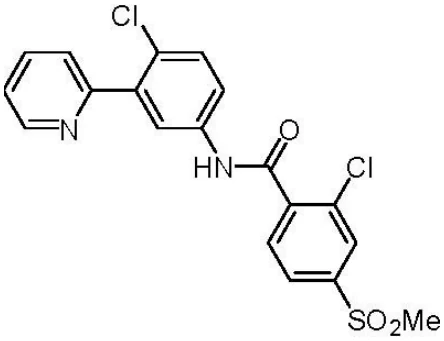
Chemical name: 2-Chloro-N-(4-chloro-3-(pyridin-2-yl)phenyl)-4-(methylsulfonyl)benzamide
Molecular formula: C19H14Cl2N2O3S
Molecular weight: 421.30 g/mol
Structural formula:
Physicochemical properties:
Vismodegib is a crystalline free base with a pKa (pyridinium cation) of 3.8, appearing as a white to tan powder. The solubility of vismodegib is pH dependent with 0.1 μg/mL at pH 7 and 0.99 mg/mL at pH 1. The partition coefficient (log P) is 2.7.
CLINICAL TRIALS
ERIVANCE (SHH4476g)
The pivotal trial, ERIVANCE (SHH4476g) was an international, single-arm, multi-centre, open-label, 2-cohort study. The trial was conducted in 104 patients above 18 years of age with advanced basal cell carcinoma (aBCC), including metastatic BCC (n = 33) and locally advanced BCC (n = 71). Metastatic BCC (mBCC) was defined as BCC that had spread beyond the skin to other parts of the body, including the lymph nodes, lung, bones and/or other internal organs.1 Locally advanced BCC (laBCC) patients had cutaneous lesions that were inappropriate for surgery (inoperable, recurred in the same location after two or more surgical procedures and curative resection was deemed unlikely or for whom surgery would result in substantial deformity or morbidity) and for which radiotherapy was unsuccessful, inappropriate or contraindicated. Prior to study enrollment, diagnosis of BCC was confirmed by histology.
Patients with Gorlin Syndrome who had at least one advanced BCC lesion and met inclusion criteria were eligible to participate in the study. Patients were treated with oral daily dosing of ERIVEDGE (vismodegib) at 150 mg until disease progression or unacceptable toxicity.
Of the 104 patients enrolled, 96 patients were evaluable for objective response rate (ORR). Twenty-one percent of patients carried a diagnosis of Gorlin syndrome. All Gorlin patients enrolled in the ERIVANCE trial met the inclusion criteria. Patient demographics are summarized in Table 5.
Table 5: Patient Demographics (ERIVANCE - SHH4476g)
mBCC (n=33) | laBCC (n=63) | |
Age Median (years) ≥65 years, n (%) | 62 14 (42%) | 62 30 (48%) |
Sex, n (%) Male Female | 24 (73%) 9 (27%) | 35 (56%) 28 (44%) |
Race, n (%) Caucasian | 33 (100%) | 63 (100%) |
Prior therapies, any, n (%) Surgery Radiotherapy Systemic Therapies | 32 (97%) 32 (97%) 19 (58%) 9 (30%) | 59 (94%) 56 (89%) 17 (27%) 7 (11%) |
At the time of primary analysis, the median duration of therapy in the mBCC and laBCC cohorts was 10.0 months and 9.7 months, respectively.
The primary endpoint was ORR as assessed by an independent review facility (IRF) as summarized in Table 6. Objective response was defined as a complete or partial response determined on two consecutive assessments separated by at least 4 weeks. In the mBCC cohort, tumour response was assessed according to the Response Evaluation Criteria in Solid Tumors (RECIST) version 1.0. In the laBCC cohort, tumour response was assessed based on visual assessment of external tumour and ulceration, tumour imaging (if appropriate), and tumour biopsy.
A patient was considered a responder if at least one of the following criteria were met and the patient did not experience progression: (1) ≥ 30% reduction in lesion size [sum of the longest diameter (SLD)], from baseline in target lesions by radiography; (2) ≥ 30% reduction in SLD from baseline in externally visible dimension of target lesions; (3) Complete resolution of ulceration in all target lesions. The key outcome measures are presented in Table 6.
Table 6: Objective Response Rate: Efficacy-Evaluable Patients a,b
| Primary Endpoint: IRF-Assessed ORR | Secondary Endpoint: Investigator-Assessed ORR | |||||||||
| mBCC (n = 33) | laBCC (n = 63) | mBCC (n=33) | laBCC (n = 63) | |||||||
ORR, n (%) [95% CI] | 10 (30.3%) [15.6%−48.2%] | 27 (42.9%) [30.5%−56.0%] | 15 (45.5%) [N/A] | 38 (60.3%) [N/A] | ||||||
| Stable disease, n (%) | 21 (63.6%) | 24 (38.1%) | 15 (45.5%) | 15 (23.8%) | ||||||
| Progressive disease c , n (%) | 1 (3.0%) | 8 (12.9%) | 2 (6.0%) | 6 (9.5%) | ||||||
N/A = not applicable; IRF = Independent Review Facility; CI = Confidence Interval.
a Efficacy-evaluable patient population is defined as all enrolled patients who received any amount of study drug and for whom the independent pathologist’s interpretation of archival tissue or baseline biopsy was consistent with BCC.
b Unevaluable/missing data included 1 mBCC and 4 laBCC patients.
c Progression in laBCC cohort is defined as meeting any of the following criteria: (1) ≥ 20% increase in the sum of the longest dimensions (SLD) from nadir in target lesions (either by radiography or by externally visible dimension), (2) New ulceration of target lesions persisting without evidence of healing for at least 2 weeks, (3) New lesions by radiography or physical examination, (4) Progression of non- target lesions by RECIST
Secondary Endpoints
All secondary and exploratory endpoints are presented descriptively and the benefit of ERIVEDGE on these endpoints cannot be readily determined.
A key secondary endpoint was duration of response (DoR). For mBCC, the median DoR was 7.6 months (95% CI: 5.62, not estimable (NE)) by IRF. For laBCC, the median DoR was 7.6 months (95% CI: 5.65, 9.66) by IRF.
Exploratory Endpoints
In the metastatic and locally advanced cohorts, the majority of IRF-assessed responses (6 out of 10 and 14 out of 27, respectively) occurred by week 8. Detailed time to IRF-assessed response data are summarized in Table 7.
Table 7: Time to response (IRF-assessed)
| Time to response | mBCC (n=10 responders) n (%) | laBCC (n=27 responders) n (%) |
|---|---|---|
| ≤8 weeks | 6 (60.0) | 14 (51.85) |
| 8-16 weeks | 2 (20.0) | 3 (11.11) |
| 16-24 weeks | 1 (10.0) | 6 (22.22) |
| 24-32 weeks | 0 | 2 (7.41) |
| Time to response | mBCC (n=10 responders) n (%) | laBCC (n=27 responders) n (%) |
|---|---|---|
| 32-40 weeks | 0 | 0 |
| 40-48 weeks | 1 (10.0) | 2 (7.41) |
Additional 12 months follow-up since the primary analysis
In an updated analysis, representing an additional 12 months of follow-up (data cutoff date: 28 November 2011) since the primary analysis (for a total minimum potential follow-up time of 21 months for all patients), the number of patients with objective response as assessed by IRF was 11 (33.3%) (95% CI: 19.2%, 51.8%) in mBCC and 30 (47.6%) (95% CI: 35.5%, 60.6%) in laBCC. The median DoR as assessed by IRF was 7.6 months (95% CI: 5.5, 9.4) for mBCC and 9.5 months (95% CI: 7.4, 21.4) for laBCC. The median duration of therapy increased in the mBCC and laBCC cohorts to 13.3 months and 12.7 months, respectively.
Additional 30 months follow-up since the primary analysis
For the 30-month update, data for the primary end-point IRF ORR were not collected. At that time, eight patients remained on the pivotal study. The majority of the responses occurred at the time of the primary analysis and only one additional objective response assessed by investigator occurred after the primary analysis and prior to the 30-month follow-up analysis in an mBCC patient whose response status was converted from stable disease to partial response. No increase in the median duration of therapy was observed since the analysis of the 12 month follow-up.
See Patient Disposition below for the number of patients at each cut-off.
Patient Disposition
As of the primary analysis data cutoff on 26 November 2010, 9 months after last patient was enrolled, 53 (51.0%) of 104 patients had discontinued treatment and 51 (49.0%) patients were still on treatment. The most frequent reasons for study discontinuation were adverse events 12 (11.5%), patient decision 20 (19.2%) and disease progression 11 (10.6%).
With an additional 12 month follow up, on 28 November 2011, 75 (72.1%) of 104 patients had discontinued treatment and 29 (27.9%) patients were still on treatment. The most frequent reasons for study discontinuation were adverse events 16 (15.4%), patient decision 22 (21.2%) and disease progression 25 (24.0%).
With a 30-month follow up after primary analysis, on 30 May 2013, 96 (92.3%) of 104 patients had discontinued treatment and 8 (7.7%) patients were still on treatment. The most frequent reasons for study discontinuation were adverse events 22 (21.2%), patient decision 27 (26.0%) and disease progression 29 (27.9%).
STEVIE (MO25616)
A post-approval, open-label, non-comparative, multicenter, phase II clinical trial (MO25616) was conducted in 1232 patients with aBCC, including patients evaluable for efficacy and safety with laBCC (n = 1119) or mBCC (n = 96). Generally, the investigator assessed efficacy results were consistent with the investigator assessed efficacy results of the ERIVANCE study for both mBCC and laBCC patients. However, unlike the ERIVANCE study, the efficacy in the STEVIE study was a secondary endpoint and a central independent review of efficacy endpoints was not performed.
DETAILED PHARMACOLOGY
Animal Pharmacodynamics
Primary Pharmacodynamics
Vismodegib binds to and inhibits the activity of smoothened (SMO), effectively blocking hedgehog (Hh) signaling.2
In vitro studies were performed to characterize the potency and specificity of vismodegib action in murine and human cells engineered to contain a GLI-responsive promoter driving luciferase expression, with a 50% inhibitory concentration (IC50) of 2.8 and 12.7 nM, respectively. In vivo efficacy was assessed by evaluating the ability of vismodegib to inhibit growth of Ptch1+/- murine medulloblastoma allograft tumors, and patient-derived human colorectal and pancreatic adenocarcinoma xenograft tumors in mice.
Secondary Pharmacodynamics
The ability of vismodegib to cause Hh pathway suppression in mouse hair follicles and skin tissue was assessed to validate the use of surrogate tissues to monitor pathway modulation. Vismodegib dosed at 100 mg/kg twice a day (BID) (5 total doses) resulted in significant suppression of Gli1 RNA in skin biopsies. Pathway suppression was observed to a greater extent in skin than in hair follicles regardless of the phase of the hair cycle examined.
Animal Safety Pharmacology
Nonclinical safety pharmacology evaluations included in vitro receptor binding studies, in vitro assessment of human ether-à-go-go–related gene (hERG) channel current inhibition, integrated cardiovascular assessments in repeat-dose dog toxicity studies, a dedicated cardiovascular safety pharmacology study in dogs, neurobehavioral evaluations in repeat-dose rat toxicity studies, and respiratory evaluations in repeat-dose dog toxicity studies.
Vismodegib did not have a biologically significant effect on radioligand binding to any off-target common pharmacologic receptors when evaluated in vitro at a concentration of 9.2 µM (free drug concentration).
The in vitro effects of vismodegib on the hERG channel mediated ion current were evaluated in voltage-clamped HEK293 cells that stably express hERG potassium channels. The IC50 for the effect of vismodegib on hERG potassium current was 37.2 µM, which is approximately 340-fold greater than typical free plasma drug concentration in patients at steady state.
Vismodegib had no effect on the QTc interval or other electrocardiographic parameters, hemodynamic parameters, or body temperature in GLP repeat-dose dog toxicity studies or in a dedicated cardiovascular safety pharmacology study in conscious, telemetry instrument-implanted dogs. The peak plasma concentration of vismodegib at the highest dose evaluated in telemetry instrument-implanted dogs, 2000 mg/kg, is approximately 4-fold greater than the typical plasma drug concentration in patients at steady state.
A high incidence of ataxia, twitching, or limb or body tremors was observed in repeat-dose rat toxicity studies at exposures lower than the typical plasma concentration and AUC0-24 in patients at steady state. These observations completely resolved upon discontinuation of dosing and were not associated with microscopic findings. Administration of vismodegib was not associated with other direct effects on neurobehavioral parameters. Dose-related decreases in motor activity and/or grip strength observed in the 4- and 26-week rat toxicity studies may have been related to decreased general body condition or body weight of the animals and were not considered to be direct effects of vismodegib.
Vismodegib had no effect on respiratory parameters in 4-week, 13-week, and 26-week toxicity studies in dogs.
Animal Pharmacokinetics
In vivo pharmacokinetic studies of vismodegib were conducted in mice, rats, dogs, and cynomolgus monkeys. Plasma protein binding was determined in mouse, rat, rabbit, dog, monkey, and human plasma, and blood-plasma portioning was evaluated in mouse, rat, dog, monkey, and human whole blood. In vitro and in vivo studies were performed to determine the disposition, excretion, and metabolism of vismodegib in various species. Additional in vitro studies were conducted to assess the potential for drug-drug interactions with vismodegib.
Vismodegib has low plasma clearance (CL) (< 25% of hepatic blood flow) in mice, rats, and dogs at 23.0, 4.65, and 0.338 mL/min/kg, respectively. In cynomolgus monkeys, vismodegib had a moderate plasma CL (approximately 43% of hepatic blood flow) of 19.3 mL/min/kg. Terminal half-life (t1/2) ranged from 0.976 hour in the mouse to 41.8 hours in the dog. The volume of distribution at steady state (Vss) was low to moderate (0.490 to 1.68 L/kg) in all species evaluated.
In vitro plasma protein binding of vismodegib is high, being > 95% bound in all species tested. In plasma, vismodegib binds to α1-acid glycoprotein in a concentration-dependent manner, and human serum albumin. The compound does not appear to distribute preferentially to red blood cells with blood-plasma partition ratios ranging from 0.608 to 0.881 in all species examined. [14C]vismodegib was widely distributed to tissues in a quantitative whole-body autoradiography study in rats. The highest concentration of drug-derived radioactivity at the time of maximal concentration was observed in the alimentary canal likely due to unabsorbed drug. Drug-derived radioactivity was recovered largely in the feces and bile in rat and dog mass balance studies with [14C]vismodegib. A main component of the radioactivity recovered in feces was unchanged vismodegib. In contrast, most of the radiation recovered in bile was in the form of metabolites. Renal clearance of vismodegib was low in the rat, dog, and monkey based on information from both PK and mass balance studies.
Vismodegib was not a potent inhibitor of P450 isoforms 1A2, 2B6, 2C19, 2D6, and 3A4/5 with 50% inhibitory concentration (IC50) values > 15 μM. The inhibition constant (Ki) for P450s 2C8 and 2C9 were 6.0 and 5.4 μM, respectively. Considering the high degree of plasma protein binding (> 99% ex vivo in humans), vismodegib does not appear likely to act as a potent inhibitor of P450s. Vismodegib was not a potent time-dependent inhibitor of P450 3A4/5 activity.
TOXICOLOGY
Carcinogenicity
Carcinogenicity studies were performed in mice and rats. Carcinogenic potential was identified in rats only and was limited to benign hair follicle tumors, including pilomatricomas and keratoacanthomas respectively at ≥ 0.1-fold and ≥0.6-fold of the steady-state AUC(0-24h) of the recommended human dose. No malignant tumors were identified in either species tested. Benign hair follicle tumors have not been reported in clinical trials with vismodegib. The relevance of this finding to patients is uncertain.
Genotoxicity
Vismodegib tested negative in a battery of in vitro assays (Ames mutation test in Salmonella and Escherichia coli and chromosomal aberrations assay in human peripheral blood lymphocytes) in the presence or absence of metabolic activation systems.
Vismodegib tested negative in an in vivo rat bone marrow micronucleus assay when tested at a single dose up to 2000 mg/kg (12000 mg/m2; approximately 120-fold the recommended human dose based on body surface area).
Impairment of Fertility
In the dedicated 26-week vismodegib rat fertility study, no effects on male reproductive organs or fertility endpoints were observed at 100 mg/kg/day at the end of dosing or following a 16 week recovery phase (corresponding to 1.3-fold of the steady-state AUC0-24h at the recommended human dose). In addition, no effects on male reproductive organs were observed in vismodegib general toxicity studies of up to 26-week in sexually mature rats and dogs. However, increased number of degenerating germ cells and hypospermia in sexually immature dogs was observed at ≥ 50 mg/kg/day in the 4-week general toxicity study (corresponding to 2.1-fold of the steady-state AUC0-24h at the recommended human dose), which were not fully reversed by the end of a 4 week recovery period.
In the dedicated 26-week vismodegib rat fertility study, vismodegib-related effects on female reproductive organs were observed at 100 mg/kg/day immediately after treatment discontinuation, including decreased implantations, increased percent preimplantation loss, and decreased number of dams with viable embryos. Similar findings were not observed after a 16 week recovery period. No correlative histopathologic changes were observed. The exposure in female rats at 100 mg/kg corresponds to 1.2-fold of the steady-state AUC0-24h at the recommended human dose. In addition, in the vismodegib general 26-week toxicity study, decreased number of corpora lutea was observed at 100 mg/kg/day; the effect was not reversed by the end of an 8-week recovery period (corresponding to 1.1-fold of the steady-state AUC0-24h at the recommended human dose).
Teratogenicity
In an embryo-fetal development study in which pregnant rats were administered vismodegib daily during organogenesis, vismodegib crossed the placenta and was severely toxic to the conceptus. Malformations, including craniofacial anomalies, open perineum, and absent and/or fused digits, were observed in fetuses of dams at 10 mg/kg/day (corresponding to an AUC0-24hr exposure 20% of that at the recommended human dose). The incidence of fetal retardations or variations and incompletely or unossified sternal elements, centra of cervical vertebrae, or proximal phalanges and claws was also increased at 10 mg/kg/day. Vismodegib was embryolethal at ≥ 60 mg/kg/day (corresponding to an AUC0-24hr exposure 2.8-fold greater than that at the recommended human dose).
Other
Findings in toxicity studies with vismodegib indicated a risk of adverse effects during post-natal development. Administration of vismodegib to rats resulted in irreversible changes in growing teeth (degeneration/necrosis of odontoblasts, formation of fluid-filled cysts in the dental pulp, ossification of the root canal, and hemorrhage) and closure of the epiphyseal growth plate at exposures lower than the typical AUC0-24 in patients at steady state.
Effects on clinical pathology parameters in nonclinical studies at exposures lower than the typical AUC0-24 in patients at steady state included reversible increases in serum LDL and HDL cholesterol in rats and dogs. Effects observed in dogs at an exposure (AUC0-24hr) approximately 2-fold greater than that at the recommended human dose included decreased hematocrit associated with multiorgan peracute hemorrhage (observed in a single dog in the 13-week toxicity study) and sporadic, reversible decreases in platelet count.
Effects of vismodegib on skin observed at or below clinically relevant exposures included alopecia in rats and dogs, follicular cysts in rats, pilomatricoma in rats (see Carcinogenicity), and swollen or erythematous paws associated with follicular hyperkeratosis and granulomatous inflammation in dogs. There was evidence for reversibility of alopecia in rats and dogs and effects on the paws of dogs following discontinuation of dosing.
In the 13-week dog toxicity study, increased vacuolation of tubular epithelium in the kidneys was observed in female dogs at exposures ≥ 1.4-fold greater than the typical AUC0-24 in patients at steady state and persisted following a 13-week recovery period. However, corresponding changes were not observed at similar or higher exposures in the 26-week dog toxicity study, and the toxicological significance of this finding was uncertain.
Effects on the gastrointestinal tract included a decrease in the number of taste buds in rats administered ≥50 mg/kg/day vismodegib (corresponding to less than 1-fold of the estimated AUC0-24h steady-state exposure at the recommended human dose; 26-week toxicity study); an increased incidence of discolored (black), liquid, and/or mucoid feces in male and female dogs given ≥50 mg/kg/day (corresponding to ~2-fold greater of the estimated AUC0-24h steady-state exposure at the recommended human dose; 4- and 13-week toxicity study); and an increased incidence of vomiting in dogs given 400 mg/kg/day (corresponding to ~3-fold greater of the estimated AUC0-24h steady-state exposure at the recommended human dose; 4-week toxicity study).
REFERENCES
- 1. Sekulic et al. Efficacy and Safety of Vismodegib in Advanced Basal-Cell Carcinoma. N Engl J Med 2012;366:2171-9.
- 2. Yauch RL, Dijkgraaf GJP, Alicke B, et al. Smoothened Mutation Confers Resistance to a Hedgehog Pathway Inhibitor in Medulloblastoma. Science 2009;326:572-574.
- 3. Basset-Seguin et al.Vismodegib in patients with advanced basal cell carcinoma (STEVIE): a pre-planned interim analysis of an international, open-label trial.