


Product Monograph - Evra -(6/0.75)
SUMMARY PRODUCT INFORMATION
Route of Administration | Dosage Form / Strength | Clinically Relevant Nonmedicinal Ingredients |
| Transdermal | Each transdermal system contains 6.0 mg norelgestromin (NGMN) and 0.60 mg ethinyl estradiol (EE) | None For a complete listing see DOSAGE FORMS, COMPOSITION AND PACKAGING section. |
INDICATIONS AND CLINICAL USE
The EVRA (norelgestromin and ethinyl estradiol) transdermal system is indicated for the prevention of pregnancy.
The pharmacokinetic profile for the EVRA transdermal system is different from that of an oral contraceptive. The clinical relevance of the differences in PK profiles between transdermal and oral delivery is not known. (See WARNINGS AND PRECAUTIONS
- General, Transdermal versus Oral Contraceptives and ACTION AND CLINICAL PHARMACOLOGY – Pharmacokinetics, Transdermal versus Oral Contraceptives.)
CONTRAINDICATIONS
The EVRA (norelgestromin and ethinyl estradiol) transdermal system should not be used in women with:
- a history of or actual thrombophlebitis or thromboembolic disorders;
- a history of or actual cerebrovascular disorders;
- a history of or actual myocardial infarction or coronary artery disease;
- valvular heart disease with complications;
- active liver disease, or history of or actual benign or malignant liver tumours;
- known or suspected carcinoma of the breast;
- carcinoma of the endometrium or other known or suspected estrogen-dependent neoplasia;
- undiagnosed abnormal vaginal bleeding;
- steroid-dependent jaundice, cholestatic jaundice, history of jaundice of pregnancy;
- any ocular lesion arising from ophthalmic vascular disease, such as partial or complete loss of vision, or defect in visual fields;
- known or suspected pregnancy;
- current or history of migraine with focal aura;
presence of severe or multiple risk factor(s) for arterial or venous thrombosis such as:
- severe hypertension (persistent values of ≥160 /100 mm Hg)
- hereditary or acquired predisposition for venous or arterial thrombosis, such as Factor V Leiden mutation and activated protein C (APC-) resistance, antithrombin-III-deficiency, protein C deficiency, protein S deficiency, hyperhomocysteinaemia (e.g. due to MTHFR C677T, A1298 mutations), prothrombin mutation G20210A, and antiphospholipid-antibodies (anticardiolipin antibodies, lupus anticoagulant)
- severe dyslipoproteinemia
- heavy smoking (>15 cigarettes per day) and over age 35
- diabetes mellitus with vascular involvement
major surgery associated with an increased risk of post-operative
thromboembolism
- prolonged immobilization
- hypersensitivity to this drug or to any ingredient in the formulation or component of the container. For a complete listing, see the DOSAGE FORMS, COMPOSITION AND PACKAGING section of the Product Monograph.
WARNINGS AND PRECAUTIONS
Serious Warnings and Precautions
The risk of venous thromboembolism (VTE) in users of the ORTHO EVRA patch (the formulation of EVRA marketed in the United States) compared to users of oral contraceptives containing norgestimate and 35µg of EE was assessed in two epidemiological studies with a nested case-control design conducted in women aged 15 to 44 years. One of these studies found an increased risk of VTE for current users of ORTHO EVRA compared to current users of the oral contraceptives [odds ratio 2.42 (95% CI 1.07 – 5.46)]44 The other study did not find an increase in risk of VTE for current users of ORTHO EVRA [odds ratio 0.9 (95% CI 0.5 – 1.6)].15
Prescribers are advised to carefully assess a patient’s baseline and cumulative risk of thromboembolism before prescribing hormonal contraceptives, including EVRA . Obesity (BMI ≥30 kg/m2) has been identified as a risk factor for venous thromboembolism.1,10,38,42 Particular caution should be exercised when prescribing hormonal contraceptives, including EVRA, to women who are obese (see CONTRAINDICATIONS, WARNINGS AND PRECAUTIONS – General, Cardiovascular, Endocrine and Metabolism, Hematologic and ADVERSE REACTIONS).
Cigarette smoking increases the risk of serious adverse effects on the heart and blood vessels. This risk increases with age and becomes significant in hormonal contraceptive users older than 35 years of age. Women should be counselled not to smoke (see Cardiovascular section below).
Hormonal contraceptives DO NOT PROTECT against sexually transmitted diseases including HIV/AIDS. For protection against STDs, it is advisable to use latex condoms IN COMBINATION WITH hormonal contraceptives.
General
Transdermal versus Oral Contraceptives
Prescribers should be aware of the differences in pharmacokinetic (PK) profiles of transdermal and oral combined hormonal contraceptives and should exercise caution when making a direct comparison between these parameters. In general, transdermal patches are designed to maintain steady delivery of EE and NGMN over a seven-day period while oral contraceptives are administered on a daily basis and produce daily peaks and troughs. Inter-subject variability (%CV) for PK parameters following delivery from the patch is higher relative to the variability determined from the oral contraceptive. The clinical relevance of the differences in PK profiles between transdermal and oral delivery is not known. (See ACTION AND CLINICAL PHARMACOLOGY – Pharmacokinetics, Transdermal versus Oral Contraceptives.)
Sex Hormone Binding Globulin (SHBG)
Published reports have indicated that the mean percent change in concentration of SHBG, a marker of systemic estrogenic activity, is higher following the application of a combined transdermal patch releasing ethinyl estradiol 20 µg and norelgestromin 150 µg per 24 hours than following administration of a daily oral contraceptive. The clinical significance of this finding is not known.23,49
Discontinue Medication at the Earliest Manifestation of:
A. Thromboembolic and cardiovascular disorders, such as thrombophlebitis, pulmonary embolism, cerebrovascular disorders, myocardial ischemia, mesenteric thrombosis and retinal thrombosis;
B. Conditions that predispose to venous stasis and vascular thrombosis, such as immobilization after accidents or confinement to bed during long-term illness. Other non-hormonal methods of contraception should be used until regular activities are resumed. For use of hormonal contraceptives when surgery is contemplated, see Peri-operative Considerations below;
C. Visual defects—partial or complete;
D. Papilledema or ophthalmic (retinal) vascular lesions;
E. Severe headache of unknown etiology or worsening of pre-existing migraine headache.
Risk of Unintentional Increase in Drug Exposure
(See Drug-Lifestyle Interactions, PHARMACOKINETICS-Absorption).
Patients with Fever: Serum estradiol concentrations could theoretically increase in patients with fever. Any clinical consequences due to any increase in temperature are unknown at this time.
External Heat Sources: Due to a theoretical risk of increased exposure to ethinyl estradiol, all patients should be advised to avoid exposing the EVRA application site to direct external heat sources, such as heating pads, electric blankets, heated water beds, heat lamps, hot water bottles, saunas and hot whirlpool spa baths, intensive sunbathing, etc.
The following information is provided from studies of combination oral contraceptives. The use of the EVRA (norelgestromin and ethinyl estradiol) transdermal system is expected to be associated with similar risks.
The use of combination hormonal contraceptives is associated with increased risks of several serious conditions including myocardial infarction, thromboembolism, stroke, hepatic neoplasia and gallbladder disease, although the risk of serious morbidity or mortality is small in healthy women without underlying risk factors. The risk of morbidity and mortality increases significantly if associated with the presence of other
risk factors such as hypertension, hyperlipidemias, obesity and diabetes. The excess risk of venous thromboembolism (VTE) is highest during the first year a woman ever uses a combined hormonal contraceptive.
The information contained in this section is principally based on studies carried out in women who used combination oral contraceptives with higher formulations of estrogens and progestins than those in common use today. The effect of long-term use of combination hormonal contraceptives with lower doses of both estrogen and progestin administered orally or transdermally remains to be determined.
Carcinogenesis and Mutagenesis
Breast cancer
Increasing age and a strong family history are the most significant risk factors for the development of breast cancer. Other established risk factors include obesity, nulliparity and late age for first full-term pregnancy. The identified groups of women that may be at increased risk of developing breast cancer before menopause are long-term users of hormonal contraceptives (more than eight years) and starters at early age. In a few women, the use of hormonal contraceptives may accelerate the growth of an existing but undiagnosed breast cancer. Since any potential increased risk related to oral contraceptive use is small, there is no reason to change prescribing habits at present.
Women using hormonal contraceptives should be instructed in breast self-examination. Their healthcare providers should be notified whenever any mass is detected. A yearly clinical breast examination is recommended because, if a breast cancer should develop, drugs that contain estrogen may cause a rapid progression.
Hepatocellular carcinoma
Hepatocellular carcinoma may be associated with oral contraceptives. The risk appears to increase with duration of hormonal contraceptive use. However, the attributable risk (the excess incidence) of liver cancers in oral contraceptive users is extremely small.
See Product Monograph Part II: TOXICOLOGY – Mutagenicity and Carcinogenicity for discussion on animal data.
Cardiovascular
See also CONTRAINDICATIONS, WARNINGS AND PRECAUTIONS – Boxed Warning, General, Hematologic and ADVERSE DRUG REACTIONS. In the post-market period there have been cases of myocardial infarction, stroke, deep vein thrombosis and pulmonary embolism associated with use of EVRA, with some cases resulting in fatality.
Prescribers are advised to carefully assess a patient’s baseline and cumulative risk of thromboembolism and discuss the risk of thromboembolism with all patients before prescribing EVRA.
Predisposing Factors for Coronary Artery Disease
Cigarette smoking increases the risk of serious cardiovascular side effects and mortality. Hormonal contraceptives increase this risk, especially with increasing age. Convincing data are available to support an upper age limit of 35 years for hormonal contraceptive use by women who smoke.
Other women who are independently at high risk for cardiovascular disease include those who suffer from or have a family history of diabetes, hypertension or an abnormal lipid profile. Whether hormonal contraceptives accentuate this risk is unclear.
In low-risk, non-smoking women of any age, the benefits of hormonal contraceptive use outweigh the possible cardiovascular risks associated with low-dose formulations. Consequently, hormonal contraceptives may be prescribed for these women up to the age of menopause.
Hypertension
Patients with essential hypertension whose blood pressure is well controlled may be given hormonal contraceptives but only under close supervision. If a significant elevation of blood pressure in previously normotensive or hypertensive subjects occurs at any time during the administration of the drug, cessation of medication is necessary.
In three clinical trials of EVRA (n = 1530, 819 and 748, respectively), mean changes from baseline in systolic and diastolic blood pressure were less than 1 mm Hg.
Endocrine and Metabolism
Obesity
Obesity (BMI ≥30 kg/m2) is generally considered a risk factor for venous thromboembolism. 1,10,38,42
There have been a number of post-market cases of thromboembolism reported in overweight (BMI ≥ 25kg/m2) and obese (BMI≥30kg/m2) women using EVRA. Particular caution should be exercised when prescribing hormonal contraceptives, including EVRA, to women who are obese. (See also WARNINGS AND PRECAUTIONS-Boxed Warning, Hematologic.)”
Body Weight ≥90 kg
Analyses of Phase III data suggest that the EVRA (norelgestromin and ethinyl estradiol) transdermal system may be less effective in women with body weight ≥90 kg (198 lbs.) than in women with lower body weights. Below 90 kg, there was no apparent association between body weight and pregnancy rate. (See Product Monograph Part II: CLINICAL TRIALS.)
Lipid and Other Metabolic Effects
A small proportion of women will have adverse lipid changes while on oral contraceptives. Alternative contraception should be used in women with uncontrolled
dyslipidemias. (See also CONTRAINDICATIONS). Elevations of plasma triglycerides may lead to pancreatitis and other complications.
Diabetes
Current low-dose hormonal contraceptives exert minimal impact on glucose metabolism. Diabetic patients, or those with a family history of diabetes, should be observed closely to detect any worsening of carbohydrate metabolism. Patients predisposed to diabetes who can be kept under close supervision may be given hormonal contraceptives. Young diabetic patients whose disease is of recent origin, well controlled and not associated with hypertension or other signs of vascular disease such as ocular fundal changes, should be monitored more frequently while using hormonal contraceptives.
In a 6-cycle clinical trial with EVRA, there were no clinically significant changes in fasting blood glucose from baseline to end of treatment.
Genitourinary
Vaginal Bleeding
Persistent irregular vaginal bleeding requires assessment to exclude underlying pathology.
Fibroids
Patients with fibroids (leiomyomata) should be carefully observed. Sudden enlargement, pain or tenderness requires discontinuation of hormonal contraceptive use.
Hematologic
See also CONTRAINDICATIONS, WARNINGS AND PRECAUTIONS- Boxed Warning, General, Cardiovascular, Peri-operative Considerations and ADVERSE REACTIONS.
In the clinical trials (n = 3330 subjects with 1704 women years of exposure), two cases of non-fatal pulmonary embolism were reported with use of EVRA, one of which was postoperative.
In the post-market period there have been cases of myocardial infarction, stroke, deep vein thrombosis and pulmonary embolism associated with use of EVRA, with some cases resulting in fatality.
Prescribers are advised to carefully assess a patient’s baseline and cumulative risk of thromboembolism and discuss the risk of thromboembolism with all patients before prescribing EVRA.
Post-partum period
There have been post-market cases of thromboembolism reported in women using EVRA up to two months post-partum. Since the immediate postpartum period is associated with an increased risk of thromboembolism, hormonal contraceptives should be started no earlier than four weeks after delivery in women who elect not to breast-feed. If possible,
women should be encouraged to use a non-hormonal form of contraception in the three months following delivery. Women who elect to use EVRA in the immediate post-partum period should be carefully monitored for signs and symptoms of thromboembolism.
Post-abortion/post-miscarriage
After an abortion or miscarriage that occurs at or after 20 weeks gestation, hormonal contraceptives may be started either on Day 21 post-abortion or on the first day of the first spontaneous menstruation, whichever comes first. (See DOSAGE AND ADMINISTRATION.)
Obesity
Obesity (BMI≥30kg/m2) is generally considered a risk factor for venous thromboembolism.1,10,38,42
There have been a number of post-market cases of thromboembolism reported in overweight (BMI ≥ 25kg/m2) and obese (BMI≥30kg/m2) women using EVRA. Particular caution should be exercised when prescribing hormonal contraceptives, including EVRA, to women who are obese (See also WARNINGS AND PRECAUTIONS-Boxed Warning, Endocrine and Metabolism.)
Other risk factors for venous thromboembolism
Other generalized risk factors for venous thromboembolism include but are not limited to a personal history, a family history (the occurrence of VTE in a direct relative at a relatively early age may indicate genetic predisposition) and systemic lupus erythematosus. The risk of VTE also increases with age and smoking. The risk of VTE may be temporarily increased with prolonged immobilization, major surgery or trauma. Also, patients with varicose veins and leg cast should be closely supervised.
If a hereditary or acquired predisposition to venous thromboembolism is suspected, the woman should be referred to a specialist for advice before deciding on any hormonal contraception use.
Hepatic/Biliary/Pancreatic
Jaundice
Patients who have had jaundice should be given hormonal contraceptives only with great care and under close observation. Oral contraceptive-related cholestasis has been described in women with a history of pregnancy-related cholestasis. Women with a history of cholestasis may have the condition recur with subsequent hormonal contraceptive use.
The development of severe generalized pruritus or icterus requires that the medication be withdrawn until the problem is resolved.
If a patient develops jaundice that proves to be cholestatic in type, the use of hormonal contraceptives should not be resumed. In patients taking hormonal contraceptives,
changes in the composition of the bile may occur and an increased incidence of gallstones has been reported.
Hepatic nodules
Hepatic nodules (adenoma and focal nodular hyperplasia) have been reported, particularly in long-term users of hormonal contraceptives. Although these lesions are extremely rare, they have caused fatal intra-abdominal hemorrhage and should be considered in women with an abdominal mass, acute abdominal pain, or evidence of intra-abdominal bleeding.
Gallbladder disease
Users of oral contraceptives have a greater risk of developing gallbladder disease requiring surgery within the first year of use. The risk may double after four or five years of use.
Neurologic
Migraine and Headache
The onset or exacerbation of migraine or the development of headaches with a new pattern that is recurrent, persistent or severe requires discontinuation of hormonal contraceptives and evaluation of the cause. Women with migraine headache who take hormonal contraceptives may be at increased risk of stroke (see
CONTRAINDICATIONS).
Epilepsy/seizures
There have been very rare cases of seizure/convulsion reported in patients using EVRA (see Post-market Adverse Drug Reactions). Patients with epilepsy or other seizure disorders who are being treated with anticonvulsants should be monitored closely while using hormonal contraceptives. In some patients being treated with anticonvulsants, a method of contraception other than hormonal contraceptives may be recommended (see DRUG INTERACTIONS: Drug-Drug Interactions). If a woman experiences new onset or exacerbation of seizures while using EVRA, the use of EVRA should be re-evaluated.
Ophthalmologic
Ocular Disease
Patients who are pregnant or are taking oral contraceptives may experience corneal edema. This may cause visual disturbances and changes in contact lens tolerance in rigid contact lens users; soft contact lenses do not usually cause disturbances. If visual changes or alterations in lens tolerance occur, temporary or permanent cessation of wear may be advised.
Peri-Operative Considerations
Thromboembolic Complications - Post-surgery
A two- to four-fold increase in relative risk of postoperative thromboembolic complications has been reported with the use of hormonal contraceptives. The relative
risk of venous thrombosis in women who have predisposing conditions is twice that of women without such medical conditions.
Hormonal contraceptives should be discontinued and an alternative method substituted at least four weeks prior to elective surgery of a type associated with an increase in risk of thromboembolism and during prolonged immobilization. Hormonal contraceptives should not be resumed until the first menstrual period after hospital discharge following surgery or following prolonged immobilization.
Psychiatric
Emotional Disorders
Patients with a history of emotional disturbances, especially the depressive type, may be more prone to have a recurrence of depression while using hormonal contraceptives. In cases of a serious recurrence, a trial of an alternative method of contraception should be made, which may help to clarify the possible relationship. Women with premenstrual syndrome (PMS) may have a varied response to hormonal contraceptives, ranging from symptomatic improvement to worsening of the condition.
Renal
Fluid Retention
Hormonal contraceptives may cause some degree of fluid retention. They should be prescribed with caution, and only with careful monitoring, in patients with conditions which might be aggravated by fluid retention.
Sexual Function/Reproduction
Return to Fertility
After discontinuing hormonal contraceptive therapy, the patient should delay pregnancy until at least one normal spontaneous cycle has occurred in order to date the pregnancy. An alternative contraceptive method should be used during this time. There may be some delay in the patient becoming pregnant following discontinuation of the contraceptive patch, particularly if the patient had irregular menstrual cycles before using the contraceptive patch.
Amenorrhea
In the event of amenorrhea, pregnancy should be ruled out.
Women with a history of oligomenorrhea, secondary amenorrhea or irregular cycles may remain anovulatory or become amenorrheic following discontinuation of estrogen-progestin combination therapy.
Amenorrhea, especially if associated with breast secretion, that continues for six months or more after withdrawal warrants a careful assessment of hypothalamic-pituitary function.
Special Populations
Pregnant Women
Extensive epidemiological studies have revealed no increased risk of birth defects in women who have used oral contraceptives prior to pregnancy.
Hormonal contraceptives should not be taken by pregnant women. However, if conception accidentally occurs while hormonal contraceptives are being used, there is no conclusive evidence that the hormones contained in the contraceptive will harm the developing child. The majority of recent studies also do not indicate a teratogenic effect, particularly insofar as cardiac anomalies and limb reduction defects are concerned, when taken inadvertently during early pregnancy.34
Nursing Women
In breast-feeding women, the use of hormonal contraceptives results in the hormonal components being excreted in breast milk and may reduce its quantity and quality. If the use of oral contraceptives is initiated after the establishment of lactation, there does not appear to be any effect on the quantity and quality of the milk.
A few adverse effects on the child have been reported, including jaundice and breast enlargement.7 The nursing mother should be advised not to use combination hormonal contraceptives, but to use other forms of contraception until she has completely weaned her child.
Pediatrics (<18 years of age)
The safety and efficacy of EVRA have not been established in women younger than 18 years of age. Use of this product before menarche is not indicated.
Geriatrics
EVRA is not indicated for use in post-menopausal women.
Renal Impairment
EVRA has not been studied in women with renal impairment. There is a suggestion in the literature that the unbound fraction of ethinyl estradiol is higher.26 EVRA should be used with supervision in this population.
Hepatic Impairment
EVRA is contraindicated in this population (see CONTRAINDICATIONS).
Monitoring and Laboratory Tests
Physical Examination and Follow-up
Before hormonal contraceptives are used, a thorough history and physical examination should be performed, including a blood pressure determination. Breasts, liver, extremities and pelvic organs should be examined. A Papanicolaou smear should be taken if the patient has been sexually active.
The first follow-up visit should be three months after the initiation of hormonal contraceptive therapy. Thereafter, examinations should be performed at least once a
year, or more frequently if indicated. Women with a strong family history of breast cancer or who have breast nodules should be monitored with particular care. At each visit, examination should include those procedures that were done at the initial visit, as outlined above or as per the recommendations of the Canadian Task Force on the Periodic Health Examination.
ADVERSE REACTIONS
Adverse Drug Reaction Overview
Listed below are adverse events that have been associated with the use of combination hormonal contraceptives. These are also likely to apply to combination transdermal hormonal contraceptives such as EVRA.
An increased risk of the following serious adverse reactions has been associated with the use of hormonal contraceptives:
- Thrombophlebitis and venous thrombosis with or without embolism
- Arterial thromboembolism
- Pulmonary embolism
- Mesenteric thrombosis
- Myocardial infarction
- Cerebral hemorrhage
- Cerebral thrombosis
- Hypertension
- Gallbladder disease
- Hepatic adenomas or benign liver tumours
- Neuro-ocular lesions (e.g. Retinal thrombosis)
- Congenital anomalies
The following adverse reactions have also been reported in patients receiving hormonal contraceptives:
- Nausea
- Vomiting
- Gastrointestinal symptoms (such as abdominal cramps and bloating)
- Breakthrough bleeding
- Spotting
- Change in menstrual flow
- Amenorrhea during and after treatment
- Temporary infertility after discontinuation of treatment
- Edema
- Chloasma or melasma that may persist
- Breast changes (tenderness, enlargement, secretion)
- Change in weight (increase or decrease)
- Change in cervical erosion and secretion
- Diminution in lactation when given immediately postpartum
- Cholestatic jaundice
- Migraine
- Rash (allergic)
- Depression
- Reduced tolerance to carbohydrates
- Vaginal candidiasis
- Change in corneal curvature (steepening)
- Intolerance to contact lenses
- Administration-site reaction (transdermal, sub-dermal or intramuscular administration only)
- Premenstrual-like syndrome
- Cataracts
- Optic neuritis
- Retinal thrombosis
- Chorea
- Changes in appetite
- Cystitis-like syndrome
- Rhinitis
- Headache
- Nervousness
- Dizziness
- Hirsutism
- Loss of scalp hair
- Erythema multiforme
- Erythema nodosum
- Hemorrhagic eruption
- Vaginitis
- Porphyria
- Impaired renal function
- Hemolytic uremic syndrome
- Raynaud’s phenomenon
- Auditory disturbances
- Pancreatitis
- Dysmenorrhea
- Increase in size of uterine leiomyomata
- Endocervical hyperplasia
- Change in libido
•
Clinical Trial Adverse Drug Reactions
Because clinical trials are conducted under very specific conditions the adverse reaction rates observed in the clinical trials may not reflect the rates observed in practice and should not be compared to the rates in the clinical trials of another
drug. Adverse drug reaction information from clinical trials is useful for identifying drug-related adverse events and for approximating rates.
Two adequate and well-controlled trials demonstrated that the incidence of breakthrough bleeding and spotting with EVRA is statistically and clinically comparable to that seen with CYCLEN* (norgestimate/ethinyl estradiol) and TRIPHASIL®
(levonorgestrel/ethinyl estradiol) tablets.
Presented in the following table are the most common treatment-emergent adverse events reported with the use of EVRA in three clinical studies (n=3330), two comparing EVRA to an oral contraceptive, and a third evaluating EVRA alone, occurring in ≥1% of subjects. Treatment-emergent adverse events are all adverse events reported in three clinical studies in subjects receiving EVRA regardless of whether they were deemed by the Investigator to be causally related to EVRA use.
Table 1.1 Incidence (% of patients) of Treatment-Emergent Adverse Events in Three Studies
| Body System | EVRA (n = 3330) (%) |
Gastrointestinal disorders General disorders and administration site conditions Immune system disorders Infections and infestations Investigations Musculo-skeletal and connective tissue disorders Nervous system disorders Psychiatric disorders Renal and urinary disorders Reproductive system and breast disorders Respiratory, thoracic and mediastinal disorders Skin and subcutaneous tissue disorders | Nausea (17%), abdominal pain (9%), vomiting (5%), diarrhea (4%), dyspepsia (2%), flatulence (2%), gastroenteritis (2%), toothache (1%) Application site reaction (17%), Influenza-like symptoms (7%), fatigue (3%), injury (3%), fever (2%), malaise (1%) allergy (1%) Monoliasis (3%), otitis media (1%) Weight increase (3%), cervical smear test positive (1%) Back pain (5%), myalgia (2%), tendon disorder (1%) Headache (21%), dizziness (3%), migraine (3%) Emotional lability (4%), depression (3%), libido decreased (1%), Urinary tract infection (2%), cystitis (1%) Breast discomfort, (17%), dysmenorrhea (10%), vaginitis (5%), breast pain female (4%), intermenstrual bleeding (3%), menorrhagia (3%), breast engorgement (2%), breast enlargement (2%), leukorrhea (2%), breast fibroadenosis (1%), menstrual disorder (1%) Upper respiratory tract infection (10%), pharyngitis (5%), sinusitis (5%), bronchitis (2%), coughing (1%), rhinitis (1%) Pruritis (4%), acne (3%), rash (2%), pruritis genital (1%) |
Less common Clinical Trial Treatment-Emergent Adverse Events occurring in <1% of Subjects
Blood and lymphatic system disorders: anemia, granulocytopenia, leucopenia, leukocytosis, lymphadenopathy, monocytosis, platelets abnormal, thrombocytopenia
Cardiac disorders: angina pectoris, bradycardia, edema dependent, hypertension, hypotension, palpitation, tachycardia
Ear and labyrinth disorders: ear disorder nos, earache, tinnitus, vestibular disorder
Endocrine disorders: goitre, hyperprolactinaemia, hypothyroidism
Eye disorders: conjunctival discolouration, conjunctivitis, corneal ulceration, exophthalmos, eye abnormality, eye pain, eyelid retraction, myopia, retinal detachment, vision abnormal, xerophthalmia
Gastrointestinal disorders: abdomen enlarged, colitis, constipation, enanthema, enteritis, gastritis, gastro-intestinal disorder nos, gastroesophageal reflux, gingival bleeding, gingivitis, glossitis, hemorrhoids, mouth dry, periodontal destruction, rectal disorder, saliva increased, stomatitis ulcerative, taste perversion, tenesmus, tooth caries, tooth disorder
General disorders and administration site conditions: asthenia, chest pain, application site cellulitis, face edema, hot flushes, edema, edema generalized, edema peripheral, pain, rigors, syncope, thirst, tolerance decreased
Hepatobiliary disorders: cholesystitis, cholelithiasis, hepatic function abnormal
Immune system disorders: allergic reaction, vasculitis allergic
Infections and infestations: abscess, herpes simplex, herpes zoster, infection, infection bacterial, infection fungal, infection viral
Investigations: globulins increased, SGOT increased, SGPT increased, weight decrease
Metabolism and nutrition disorders: alcohol intolerance, anorexia, appetite increase, dehydration, diabetes mellitus, fat disorder, hypercholesterolemia, hyperglycemia, hypertriglyceridemia, hypoglycaemia, oedema legs, obesity
Musculoskeletal and connective tissue disorders: arthralgia, arthritis, arthrosis, bursitis, cramps legs, leg pain, muscle weakness, myositis, osteoma, skeletal pain, tendonitis, torticollis
Neoplasms benign, malignant and unspecified: breast neoplasm benign female, cervical uterine polyp, cervix carcinoma in situ, lipoma, melanoma malignant, neoplasm nos, neuroma, ovarian cyst, phaeochromocytoma, skin neoplasm malignant, thyroid cyst, uterine fibroid
Nervous System disorders: convulsions, coordination abnormal, dysphonia, hemiplegia, hypertonia, hypoesthesia, hypotonia, meningitis, migraine aggravated, neuralgia, paraesthesia, stupor, tremor, vertigo
Psychiatric disorders: amnesia, anxiety, apathy, crying abnormal, depersonalization, depression aggravated, dyspareunia, insomnia, libido increased, nervousness, paroniria, psychosis manic-depressive, sleep disorder, somnolence, suicide attempt
Renal and urinary disorders: dysuria, micturition frequency, pyelonephritis, renal calculus, renal pain, strangury, urethral disorder, urinary incontinence, urine abnormal
Reproductive system and breast disorders: breast atrophy, cervical dysplasia, cervicitis, cervix lesion, endometriosis, genital ulceration, lactation nonpuerperal, mastitis, ovarian disorder, pelvic inflammation, perineal pain female, uterine disorder nos, uterine spasm, vaginal hemorrhage, vulva disorder, withdrawal bleeding
Respiratory, thoracic and mediastinal disorders: asthma, bronchospasm, dyspnoea, laryngitis, pleurisy, pneumonia, stridor
Skin and subcutaneous tissue disorders: alopecia, bullous eruption, chloasma, dermatitis, dermatitis contact, eczema, folliculitis, furunculosis, hypertrichosis, melanosis, nail disorder, paronychia, photosensitivity allergic reaction, photosensitivity reaction, pigmentation abnormal, psoriasis, purpura, rash erythematous, rash maculo-papular, seborrhoea, skin cold clammy, skin depigmentation, skin discolouration, skin disorder, skin dry, sweat gland disorder, sweating increased, urticaria, vasculitis allergic, verruca
Social Circumstance: drug abuse
Vascular disorders: aneurysm, epistaxis, flushing, hematoma, peripheral ischaemia, phlebitis, pulmonary embolism, purpura allergic, thrombophlebitis, thrombophlebitis superficial, vascular disorder, thrombosis arterial leg, vasculitis, vein disorder, vein distended, vein pain, vein varicose
Post-Market Adverse Drug Reactions
In addition to the adverse events observed in clinical trials listed above, the following other serious and unexpected adverse events have been reported in users of EVRA in the post-marketing period. These adverse events are compiled from spontaneous reports and are listed regardless of frequency and whether or not a causal relationship with EVRA has been established:
Blood and lymphatic system disorders: hemolytic uremic syndrome, idiopathic thrombocytopenic purpura, iron deficiency anemia
Cardiac disorders: acute coronary syndrome, arrhythmia, atrial tachycardia, cardiac failure, coronary artery atherosclerosis, coronary artery dissection (with fatal outcome), intracardiac thrombus, myocardial infarction, myocarditis (with fatal outcome), pericardial effusion, sinus tachycardia, supraventricular tachycardia
Congenital, familial and genetic disorders: atrial septal defect, cleft lip, cleft palate, congenital musculoskeletal anomaly, dermoid cyst of ovary, Fallot’s tetralogy, limb malformation, skull malformation, ventricular septal defect
Ear and labyrinth disorders: motion sickness, otosclerosis
Endocrine disorders: thyroid disorder
Eye disorders: amaurosis fugax, blindness, blindness transient, blindness unilateral, cataract, contact lens intolerance, corneal neovascularisation, diplopia, dry eye, eye disorder, eye irritation, eye haemorrhage, eye swelling, iritis, mydriasis, ocular discomfort, ocular hyperaemia, ocular icterus, optic nerve disorder, papilloedema, photophobia, retinal vascular thrombosis, vision blurred, visual acuity reduced, visual disturbance
Gastrointestinal disorders: abdominal discomfort, abdominal distension, ascites, colitis ulcerative, edema mouth, gastric disorder gastrointestinal edema, gastrointestinal hemorrhage, gastrointestinal pain, gastrooesophageal reflux disease, hypoaesthesia oral, intestinal ischemia, intestinal obstruction, irritable bowel syndrome, oral mucosal blistering, pancreatic disorder, pancreatitis, rectal hemorrhage, stomach discomfort, umbilical hernia
General disorders and administration site conditions: abasia, application site burn, application site dermatitis, application site discolouration, application site erythema, application site irritation, application site pain, application site photosensitivity reaction, application site pruritus, application site swelling, application site urticaria, chest discomfort, chills, cyst rupture, death, difficulty in walking, disease progression, drug ineffective, drug interaction, drug withdrawal syndrome, dysplasia, feeling abnormal, feeling cold, feeling hot and cold, feeling jittery, feeling of body temperature change, gait disturbance, hernia, hunger, irritability, local swelling, swelling, temperature intolerance, therapeutic response delayed
Hepatobiliary disorders: cholestasis, gallbladder disorder, hepatic cirrhosis, hepatic failure, hepatic pain, hepatitis, hepatocellular damage, hepatomegaly, jaundice, liver disorder, portal vein thrombosis
Immune system disorders: anaphylactic reaction, anaphylactic shock, anaphylactoid reaction, autoimmune disorder, food allergy, hypersensitivity, sarcoidosis
Infections and infestations: alpha haemolytic streptococcal infection, appendicitis, breast abscess, cavernous sinus thrombosis, cellulitis, ear infection, encephalitis viral (with fatal outcome), Escherichia urinary tract infection, gastroenteritis viral, gastrointestinal infection, infectious mononucleosis, influenza, joint abscess, nasopharyngitis, osteomyelitis, pelvic inflammatory disease, pneumonia, respiratory tract infection, septic embolus, septic shock, skin infection, staphylococcal infection,
streptococcal infection, tonsillitis, vaginal candidiasis, vaginal infection, vaginitis bacterial, vulvovaginal mycotic infection
Injury, poisoning and procedural complications: brachial plexus injury, closed head injury, collapse of lung, concussion, contusion, drug administration error, drug exposure during pregnancy, drug exposure via breast milk, fall, inappropriate schedule of drug administration, incision site complication, intentional misuse, joint sprain, limb injury, medication error, overdose, road traffic accident, stress fracture, wrist fracture
Investigations: alanine aminotransferase increased, anti-thyroid antibody positive, aspartate aminotransferase increased, blood cholesterol increased, blood creatine phosphokinase increased, blood glucose increased, blood lactate dehydrogenase increased, blood pressure increased, blood test abnormal, blood triglycerides increased, cardiac enzymes increased, electrocardiogram abnormal, electrocardiogram T wave abnormal, fetal heart rate decreased, hemoglobin abnormal, haemoglobin decreased, heart rate decreased, heart rate increased, heart rate irregular, hepatic enzyme increased, intraocular pressure increased, liver function test abnormal, red blood cell sedimentation rate increased, smear cervix abnormal, thyroid function test abnormal
Metabolism and nutrition disorders: anorexia, decreased appetite, diabetes mellitus non-insulin-dependent, fluid retention, food intolerance, gestational diabetes, hypokalemia, iron deficiency
Musculoskeletal and connective tissue disorders: bone pain, flank pain, groin pain, joint effusion, joint swelling, muscle spasms, muscle tightness, muscle twitching, pain in extremity, rhabdomyolysis, rotator cuff syndrome, sensation of heaviness, shoulder pain
Neoplasms benign, malignant and unspecified: benign hydatidiform mole, brain neoplasm, cervix carcinoma, colon cancer Stage II, colon neoplasm, fibroadenoma of breast, fibromatosis, focal nodular hyperplasia, gastrointestinal carcinoma, hepatic neoplasm, neoplasm malignant, ovarian cancer, peritoneal neoplasm, renal neoplasm, teratoma benign, thyroid gland cancer
Nervous system disorders: amnesia, basilar artery thrombosis, benign intracranial hypertension, burning sensation, carotid artery stenosis, cerebral artery occlusion, cerebral hemorrhage, cerebral infarction, cerebral thrombosis, cerebral venous thrombosis (with fatal outcome), cerebrovascular accident (with fatal outcome), coma, depressed level of consciousness, dysarthria, dysgeusia, dyskinesia, encephalitis, facial palsy, facial paresis, formication, grand mal convulsion, hemiparesis, hemorrhagic stroke, intracranial aneurysm, intracranial venous sinus thrombosis, ischemic stroke, lethargy, loss of consciousness, mental impairment, migraine with aura, monoparesis, multiple sclerosis, multiple sclerosis relapse, nervous system disorder, optic neuritis, petit mal epilepsy, polyneuropathy, sinus headache, somnolence, speech disorder, subarachnoid haemorrhage, superior sagittal sinus thrombosis, syncope, thrombotic stroke, transient ischemic attack, transverse sinus thrombosis, tunnel vision, visual field defect
Pregnancy, puerperium and perinatal conditions: abnormal product of conception, abortion, abortion incomplete, abortion missed, abortion spontaneous, abortion threatened, antepartum hemorrhage, blighted ovum, ectopic pregnancy, fetal disorder, fetal growth retardation, intra-uterine death, oligohydramnios, placenta previa, placental insufficiency, postpartum haemorrhage, preeclampsia, pregnancy, pregnancy-induced hypertension, premature labour, premature separation of placenta, ruptured ectopic pregnancy, twin pregnancy, unintended pregnancy
Psychiatric disorders: abnormal behaviour, acute psychosis, affect lability, aggression, anger, attention deficit/hyperactivity disorder, bipolar disorder, completed suicide, confusional state, decreased interest, depressed mood, expressive language disorder, hallucination (auditory, visual), homicidal ideation, mood altered, mood swings, nightmare, panic attack, personality change, stress, suicidal ideation
Renal and urinary disorders: chromaturia, renal disorder, renal failure, renal failure acute, urethral cyst
Reproductive system and breast disorders: adenomyosis, amenorrhea, breast discharge, breast disorder, breast dysplasia, breast mass, breast swelling, breast tenderness, galactorrhea, genital discharge, genital rash, hypertrophy breast, hypomenorrhea, infertility, menometrorrhagia, oligomenorrhea, ovulation pain, pelvic discomfort, pelvic pain, polymenorrhea, premenstrual syndrome, reproductive tract disorder, uterine cyst, uterine hemorrhage, vaginal disorder, vaginal lesion, withdrawal bleeding irregular
Respiratory, thoracic and mediastinal disorders: acute respiratory distress syndrome, dyspnea, lung consolidation, neonatal respiratory distress syndrome, pharyngeal edema, pharyngolaryngeal pain, pharynx discomfort, pulmonary alveolar hemorrhage (with fatal outcome), pulmonary congestion, pulmonary edema (with fatal outcome), pulmonary alveolar hemorrhage, pulmonary congestion, pulmonary embolism (with fatal outcome), pulmonary hypertension, pulmonary infarction, pulmonary thrombosis, respiratory disorder, respiratory failure, sinus disorder, sleep apnea syndrome, tonsillar disorder
Skin and subcutaneous tissue disorders: angioneurotic edema, dermatitis allergic, erythema nodusum, hyperhidrosis, night sweats, pigmentation disorder, pruritus generalized, pyoderma gangrenosum, rash generalized, rash papular, rash pruritic, seborrheic dermatitis, skin irritation, skin reaction, swelling face, urticaria generalized, yellow skin
Surgical and medical procedures: abortion induced, appendectomy, dental operation, foot operation, gallbladder operation, hospitalization, hysterectomy, lipectomy, plastic surgery, renal stone removal, salpingo-oophorectomy, surgery, sympathectomy
Vascular disorders: angiopathy, arterial thrombosis, cavernous sinus thrombosis, circulatory collapse, deep vein thrombosis (with fatal outcome), diastolic hypertension, embolism, hemorrhage, iliac artery thrombosis, jugular vein thrombosis, malignant
hypertension, orthostatic hypotension, pallor, Raynaud’s phenomenon, thrombosis (with fatal outcome), vasculitis necrotizing (with fatal outcome), venous thrombosis, venous thrombosis limb
DRUG INTERACTIONS
Overview
The metabolism of hormonal contraceptives may be influenced by various drugs. Of potential clinical importance are drugs that cause the induction of enzymes that are responsible for the degradation of estrogens and progestins, and drugs that interrupt enterohepatic recirculation of estrogen (e.g. certain antibiotics).
The proposed mechanism of interaction of antibiotics is different from that of liver enzyme-inducing drugs. Literature suggests possible interactions with the concomitant use of oral contraceptives and ampicillin or tetracycline.
The major target for enzyme inducers is the hepatic microsomal estrogen-2-hydroxylase (cytochrome P450 3A4). Reduced contraceptive efficacy has been documented with concomitant use of hormonal contraceptives and rifampicin. Literature reports that hormonal contraceptives interact with topiramate, barbiturates, phenylbutazone, griseofulvin, phenytoin sodium and carbamazepine. Interactions with medicines that increase clearance of sex hormones may result in breakthrough bleeding and pregnancy. The efficacy of EVRA in women who are receiving long-term treatment with a hepatic enzyme-inducing agent has not been established.
Some protease inhibitors and some antiretroviral agents have been found to either increase (e.g. indinavir) or decrease (e.g. ritonavir) circulating levels of combination hormonal contraceptives.
Although norelgestromin and its metabolites inhibit a variety of P450 enzymes in human liver microsomes, the clinical consequence of such an interaction on the levels of other concomitant medications is likely to be insignificant. Under the recommended dosing regimen, the in vivo concentrations of norelgestromin and its metabolites, even at the peak serum levels, are relatively low compared to the inhibitory constant (Ki).
Physicians are advised to refer to the prescribing information of those specific agents for recommendations regarding management of concomitant therapy.
The concurrent administration of oral contraceptives with other drugs may result in an altered response to either agent (Tables 1.2 and 1.3). Similar drug interactions are likely with the transdermal system. It is important to ascertain all drugs that a patient is taking, both prescription and non-prescription, before hormonal contraceptives are prescribed.
Refer to Oral Contraceptives 1994 (Chapter 8), Health Canada, for possible drug interactions with hormonal contraceptives.
Table 1.2: Drugs that May Decrease the Efficacy of Oral Contraceptives
| Class of Compound | Drug | Proposed Mechanism | Suggested Management |
| Anticonvulsants | Carbamazepine Ethosuximide Lamotrigine Phenobarbital Phenytoin Primidone Topiramate | Induction of hepatic microsomal enzymes. Rapid metabolism of estrogen and increased binding of progestin and ethinyl estradiol to SHBG. | Use higher dose OCs (50 µg ethinyl estradiol), another drug or another method. |
| Antibiotics | Ampicillin Cotrimoxazole Penicillin | Enterohepatic circulation disturbance, intestinal hurry. | For short course, use additional method or use another drug. For long course, use another method. |
| Rifampin | Increased metabolism of progestins. Suspected acceleration of estrogen metabolism. | Use another method. | |
Chloramphenicol Metronidazole Neomycin Nitrofurantoin Sulfonamides Tetracyclines* | Induction of hepatic microsomal enzymes. Also disturbance of enterohepatic circulation. | For short course, use additional method or use another drug. For long course, use another method. | |
| Troleandomycin | May retard metabolism of OCs, increasing the risk of cholestatic jaundice. | ||
| Antifungals | Griseofulvin | Stimulation of hepatic metabolism of contraceptive steroids may occur. | Use another method. |
Cholesterol Lowering Agents | Clofibrate | Reduces elevated serum triglycerides and cholesterol; this reduces OC efficacy. | Use another method. |
| Sedatives and Hypnotics | Benzodiazepines Barbiturates Chloral Hydrate Glutethimide Meprobamate | Induction of hepatic microsomal enzymes. | For short course, use additional method or another drug. For long course, use another method or higher-dose OCs. |
| Antacids | Decreased intestinal absorption of progestins. | Dose two hours apart. | |
| Other Drugs | Phenylbutazone Antihistamines Analgesics Antimigraine Preparations Vitamin E | Reduced OC efficacy has been reported. Remains to be confirmed. |
*See Drug-Drug Interactions for information specific to EVRA.
Table 1.3: Modification of Other Drug Action by Oral Contraceptives
| Class of Compound | Drug | Modification of Drug Action | Suggested Management |
| Alcohol | Possible increased levels of ethanol or acetaldehyde. | Use with caution. | |
Alpha-II Adrenoreceptor Agents | Clonidine | Sedation effect increased. | Use with caution. |
| Anticoagulants | All | OCs increase clotting factors, decrease efficacy. However, OCs may potentiate action in some patients. | Use another method. |
| Anticonvulsants | All | Estrogens may increase risk of seizures. | Use another method. |
| Lamotrigine | Decreased lamotrigine levels may lead to breakthrough seizures. | Use another method. | |
| Antidiabetic Drugs | Oral Hypoglycemics and Insulin | OCs may impair glucose tolerance and increase blood glucose. | Use low-dose estrogen and progestin OC or another method. Monitor blood glucose. |
| Antihypertensive Agents | Guanethidine and Methyldopa | Estrogen component causes sodium retention, progestin has no effect. | Use low-dose estrogen OC or use another method. |
| Beta Blockers | Increased drug effect (decreased metabolism). | Adjust dose of drug if necessary. Monitor cardiovascular status. | |
| Antipyretics | Acetaminophen | Increased metabolism and renal clearance. | Dose of drug may have to be increased. |
| Antipyrine | Impaired metabolism. | Decrease dose of drug. | |
| ASA | Effects of ASA may be decreased by the short-term use of OCs. | Patients on chronic ASA therapy may require an increase in ASA dosage. | |
| Aminocaproic Acid | Theoretically, a hypercoagulable state may occur because OCs augment clotting factors. | Avoid concomitant use. | |
| Betamimetic Agents | Isoproterenol | Estrogen causes decreased response to these drugs. | Adjust dose of drug as necessary. Discontinuing OCs can result in excessive drug activity. |
| Caffeine | The actions of caffeine may be enhanced as OCs may impair the hepatic metabolism of caffeine. | Use with caution. |
Table 1.3: Modification of Other Drug Action by Oral Contraceptives (cont’d)
| Class of Compound | Drug | Modification of Drug Action | Suggested Management |
| Cholesterol Lowering Agents | Clofibrate | Their action may be antagonized by OCs. OCs may also increase metabolism of clofibrate. | May need to increase dose of clofibrate. |
| Corticosteroids | Prednisone | Markedly increased serum levels. | Possible need for decrease in dose. |
| Cyclosporine | May lead to an increase in cyclosporine levels and hepatotoxicity. | Monitor hepatic function. The cyclosporine dose may have to be decreased. | |
| Folic Acid | OCs have been reported to impair folate metabolism. | May need to increase dietary intake, or supplement. | |
| Meperidine | Possible increased analgesia and CNS depression due to decreased metabolism of meperidine. | Use combination with caution. | |
| Phenothiazine Tranquilizers | All Phenothiazines, Reserpine and similar drugs | Estrogen potentiates the hyperprolactinemia effect of these drugs. | Use other drugs or lower dose OCs. If galactorrhea or hyperprolactinemia occurs, use other method. |
| Sedatives and Hypnotics | Chlordiazepoxide Lorazepam Oxazepam Diazepam | Increased effect (increased metabolism). | Use with caution. |
| Theophylline | All | Decreased oxidation, leading to possible toxicity. | Use with caution. Monitor theophylline levels. |
Tricyclic Antidepressants | Clomipramine (possibly others) | Increased side effects; i.e. depression. | Use with caution. |
| Vitamin B12 | OCs have been reported to reduce serum levels of Vitamin B12. | May need to increase dietary intake, or supplement. |
Drug-Drug Interactions
In a pharmacokinetic drug interaction study, oral administration of tetracycline HCl, 500 mg q.i.d. for 3 days prior to and 7 days during wear of EVRA did not significantly affect the pharmacokinetics of norelgestromin or EE.
Drug-Food Interactions
Interactions with food have not been established.
Drug-Herb Interactions
A possible interaction has been suggested with hormonal contraceptives and the herbal supplement St. John’s Wort based on some reports of oral contraceptive users experiencing breakthrough bleeding shortly after starting St. John’s Wort. Pregnancies
have been reported by users of combined hormonal contraceptives who also used some form of St. John’s Wort.
Drug-Laboratory Test Interactions
Laboratory Test Interactions
Certain endocrine and liver function tests and blood components may be affected by hormonal contraceptives:
Coagulation Tests
Factors II, VII, IX, X, XII and XIII Increased
Factor VIII Mild increase
Platelet aggregation and adhesiveness Mild increase in response to common aggregating agents
Fibrinogen Increased
Plasminogen Mild increase
Antithrombin III Mild decrease
Prothrombin time Increased
Thyroid Function Tests
Protein-Bound Iodine (PBI) Increased
Total serum thyroxine (T4) Increased
Thyroid Stimulating Hormone (TSH) Unchanged
Free T3 resin uptake Decreased, reflecting the elevated TBG Free T4 concentration Unchanged
Miscellaneous Tests
Other binding proteins May be elevated in serum
Sex Hormone Binding Globulins Increased and resulted in elevated levels of total circulating endogenous sex steroids and corticoids; however, free or biologically active levels either decrease or remain unchanged
High-Density Lipoprotein (HDL-C) May increase
Total Cholesterol (Total-C) May increase
Low-Density Lipoprotein (LDL-C) May increase
Triglycerides May increase
LDL-C/HDL-C ratio May remain unchanged
Glucose tolerance May be decreased
Serum folate levels May be depressed by hormonal contraceptive therapy. This may be of clinical significance if a woman becomes pregnant shortly after discontinuing hormonal contraceptives.
Insulin response Mild to moderate increase c-Peptide response Mild to moderate increase
Tissue Specimens
Pathologists should be advised of hormonal contraceptive use when specimens from surgical procedures and/or Pap smears are submitted for examination.
Drug-Lifestyle Interactions
When use of EVRA was studied under conditions encountered in a health club (sauna, whirlpool and treadmill), there were slight increases in both steady state concentration (CSS) and area under the curve (AUC) of ethinyl estradiol; however, the CSS values following these treatments were within the reference range. The clinical significance of this finding is not known. Due to a theoretical risk of increased exposure to ethinyl estradiol, all patients should be advised to avoid exposing the EVRA application site to direct external heat sources, such as heating pads, electric blankets, heated water beds, heat lamps, hot water bottles, saunas and hot whirlpool spa baths, intensive sunbathing, etc. (See WARNINGS AND PRECAUTIONS –General and
PHARMACOKINETICS- Absorption.)
NON-CONTRACEPTIVE BENEFITS OF HORMONAL CONTRACEPTIVES
Several health advantages other than contraception have been reported.
- 1. Combination hormonal contraceptives reduce the incidence of cancer of the endometrium and ovaries.
- 2. Hormonal contraceptives reduce the likelihood of developing benign breast disease and, as a result, decrease the incidence of breast biopsies.
- 3. Hormonal contraceptives reduce the likelihood of development of functional ovarian cysts.
- 4. Users of hormonal contraceptives have less menstrual blood loss and have more regular cycles, thereby reducing the chance of developing iron-deficiency anemia.
- 5. The use of hormonal contraceptives may decrease the severity of dysmenorrhea and premenstrual syndrome, and may improve acne vulgaris, hirsutism, and other androgen-mediated disorders.
- 6. Hormonal contraceptives decrease the incidence of acute pelvic inflammatory disease and, thereby, reduce as well the incidence of ectopic pregnancy.
- 7. Hormonal contraceptives have potential beneficial effects on endometriosis.
DOSAGE AND ADMINISTRATION
Dosing Considerations
To achieve maximum contraceptive effectiveness, the EVRA (norelgestromin and ethinyl estradiol) transdermal system must be used exactly as directed. Complete instructions to facilitate patient counselling on proper system usage may be found in Product Monograph Part III: CONSUMER INFORMATION.
Recommended Dose and Dosage Adjustment
Transdermal Contraceptive System Overview
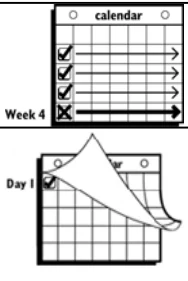
This system uses a 28-day, four-week cycle. A new patch is applied each week for three weeks – 21 total days. Week Four is patch-free. Withdrawal bleeding is expected during this time.
This means that every new patch will be applied on the same day of the week. This day is known as the “Patch Change Day.” For example, if the first patch is applied on a Monday, all subsequent patches should be applied on a Monday. Only one patch should be worn at a time.
The patch should not be cut, damaged or altered in any way. If the patch is cut, damaged or altered in size, contraceptive efficacy may be impaired.
On the day after Week Four ends, a new four-week cycle is started by applying a new patch. Under no circumstances should there be more than a 7-day patch-free interval between dosing cycles.
Clinical trials demonstrated that subjects randomized to EVRA were able to adhere to the weekly dosing regimen better than with daily dosing of oral contraceptives (see Product Monograph Part II: CLINICAL TRIALS).
Administration
1
If the patient is starting EVRA for the first time, she should wait until the day she begins her menstrual period. Either a First Day start or Sunday start may be utilized (see below). The day she applies her first patch will be Day 1. Her “Patch Change Day” will be on this day every week.
| 2 |
OR
For both a First Day start and a Sunday start: A non-hormonal contraceptive (such as a condom or diaphragm) should be used concurrently for the first 7 consecutive days of the first treatment cycle. |
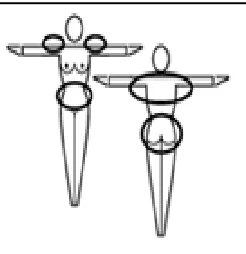
| 3 | Where to apply the patch. The patch should be applied to clean, dry, intact healthy skin on the buttock, abdomen, upper outer arm or upper torso, in a place where it won’t be rubbed by tight clothing. EVRA should not be placed on skin that is red, irritated or cut, nor should it be placed on the breast. To prevent interference with the adhesive properties of EVRA, no make-up, creams, lotions, powders or other topical products should be applied to the skin area where the EVRA patch is currently placed or will be applied shortly. |
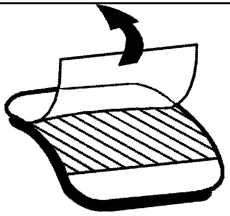
| 4 | Application of the EVRA patch The foil pouch is opened by tearing it along the edge using the fingers. A corner of the patch is grasped firmly and gently removed from the foil pouch. Sometimes patches can stick to the inside of the pouch – the patient should be careful not to accidentally remove the clear liner as she removes the patch. Then half of the clear protective liner is peeled away. The patient should avoid touching the sticky surface of the patch. |
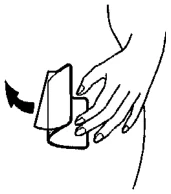
| 5 | The patch is positioned on the skin and the other half of the liner is removed. The patient should press down firmly on the patch with the palm of her hand for 10 seconds, making sure that the edges stick well. She should check her patch every day to make sure it is sticking. |
| 6 | The patch is worn for 7 days (one week). On the “Patch Change Day,” Day 8, the used patch is removed and a new one is applied immediately. The used patch still contains some active hormones
|
| 7 | A new patch is applied on Week Two (Day 8) and again on Week Three (Day 15), on the usual “Patch Change Day.” Patch changes may occur at any time on the Change Day. Consecutive EVRA patches should be applied to a new spot on the skin to help avoid potential irritation, although they may be kept within the same anatomic site. |
| 8 | Week Four is patch-free (Day 22 through Day 28), thus completing the four-week contraceptive cycle. Bleeding is expected during this time. |
| 9 | The next four-week cycle is started by applying a new patch on the usual “Patch Change Day,” the day after Day 28, no matter when the menstrual period begins or ends. Under no circumstances should there be more than a 7-day patch-free interval between dosing cycles. |




Patch adhesion was assessed indirectly by replacement rates for complete and partial patch detachment. Experience with more than 70,000 EVRA patches worn for contraception for 6-13 cycles showed that 4.7% of patches were replaced because they either fell off (1.8%) or were partly detached (2.9%). Similarly, in a small study of patch wear under conditions of physical exertion and variable temperature and humidity, less than 2% of patches were replaced for complete or partial detachment.
If the EVRA patch becomes partially or completely detached and remains detached, insufficient drug delivery occurs.
If the patch remains even partly detached
- for less than one day (up to 24 hours), try to reapply it to the same place or replace with a new patch immediately. No back-up contraception is needed. The woman’s “Patch Change Day” will remain the same.
- for more than one day (> 24 hours) OR if the patient is not sure how long the patch has been detached, she may not be protected from pregnancy. She should stop the current contraceptive cycle and start a new cycle immediately by putting on a new patch. There is now a new “Day 1” and a new “Patch Change Day.” Back-up contraception must be used for the first week of the new cycle only.
A patch should not be re-applied if it is no longer sticky, if it has become stuck to itself or another surface, if it has other material stuck to it or if it has become loose or fallen off before. If a patch cannot be re-attached, a new patch should be applied immediately. Supplemental adhesives or wraps should not be used to hold the EVRA patch in place.
If the patient forgets to change her patch
- at the start of any patch cycle (Week One/Day 1): She may not be protected from pregnancy. She should apply the first patch of her new cycle as soon as she remembers. There is now a new “Patch Change Day” and a new “Day 1.” The patient must use back-up contraception for the first week of her new cycle.
in the middle of the patch cycle (Week Two/Day 8 or Week Three/Day 15):
for one or two days (up to 48 hours), she should apply a new patch immediately.
The next patch should be applied on the usual “Patch Change Day.” No back-up contraception is needed.
- for more than two days (> 48 hours), she may not be protected from pregnancy. She should stop the current contraceptive cycle and start a new four-week cycle immediately by putting on a new patch. There is now a new “Patch Change Day” and a new “Day 1”. The patient must use back-up contraception for one week.
at the end of the patch cycle (Week Four/Day 22):
if the patient forgets to remove her patch, she should take it off as soon as she remembers. The next cycle should be started on the usual “Patch Change Day,” which is the day after Day 28. No back-up contraception is needed.
Under no circumstances should there be more than a 7-day patch-free interval between dosing cycles. If there are more than 7 patch-free days, the patient may not be protected from pregnancy and back-up contraception must be used concurrently for 7 days. As with combined oral contraceptives, the risk of ovulation increases with each day beyond the recommended contraceptive-free period. If coital exposure has occurred during the patch-free interval, the possibility of fertilization should be considered.
Change Day Adjustment
If the patient wishes to move her “Patch Change Day” she should complete her current cycle, removing the third EVRA patch on the correct day. During the patch-free week, a new “Patch Change Day” may be selected by applying a new EVRA patch on the first occurrence of the desired day. In no case should there be more than 7 consecutive patch-free days.
The shorter the patch-free interval, the higher the risk of breakthrough bleeding and spotting replacing the expected withdrawal bleeding. This practice is for a one-time only change and should not be used as a standard dosing regimen, as there are no long term safety data available on the continuous use of EVRA.
Switching from an Oral Contraceptive
Treatment with EVRA should begin on the first day of withdrawal bleeding. If there is no withdrawal bleeding within 5 days of the last active (hormone-containing) tablet, pregnancy must be ruled out prior to start of treatment with EVRA. If therapy starts after the first day of withdrawal bleeding, a non-hormonal contraceptive should be used concurrently for 7 days. If more than 7 days elapse after taking the last active oral contraceptive tablet, the patient may have ovulated. The patient should be instructed to consult her physician before initiating treatment with EVRA.
Use after Childbirth
Women who elect not to breast-feed should start contraceptive therapy with EVRA no sooner than 4 weeks after childbirth (see WARNINGS AND PRECAUTIONS - Hematologic).
Use after Abortion or Miscarriage
After an abortion or miscarriage that occurs before 20 weeks gestation, EVRA may be started immediately. An additional method of contraception is not needed if EVRA is started immediately. Be advised that ovulation may occur within 10 days of an abortion or miscarriage.
After an abortion or miscarriage that occurs at or after 20 weeks gestation, EVRA may be started either on Day 21 post-abortion or on the first day of the first spontaneous menstruation, whichever comes first. The incidence of ovulation on Day 21 post-abortion (at 20 weeks gestation) is not known.
In Case of Vomiting or Diarrhea
Unlike oral contraceptives, dose delivery by transdermal application should be unaffected by vomiting. Dose delivery is also expected to be unaffected by diarrhea.
In Case of Skin Irritation
If patch use results in uncomfortable irritation, a new patch may be applied to a new location until the next Change Day. Only one patch should be worn at a time.
Additional Instructions for All Dosing Regimens
Breakthrough bleeding, spotting, and amenorrhea are frequent reasons for patients discontinuing hormonal contraceptives.
Breakthrough Bleeding or Spotting
In the event of breakthrough bleeding or spotting (bleeding that occurs during EVRA usage), treatment should be continued. This type of bleeding usually disappears after the first few cycles. Non-functional causes should be considered, however, and in cases of undiagnosed persistent or recurrent abnormal bleeding from the vagina, adequate diagnostic measures are indicated to rule out pregnancy or malignancy. If pathology has been excluded, time or a change to another formulation may solve the problem. Changing to a hormonal contraceptive with a higher estrogen content, while potentially useful in minimizing menstrual irregularity, should be done only if necessary since this may increase the risk of thromboembolic disease.
Amenorrhea
Use of hormonal contraceptives in the event of a missed menstrual period:
- 1. If the woman has not adhered to the prescribed schedule, the possibility of pregnancy should be ruled out at the time of the first missed period.
- 2. If EVRA has been used correctly, the absence of withdrawal bleeding (bleeding that should occur during the patch-free week) is not necessarily an indication of pregnancy. If the woman has adhered to the prescribed regimen and misses one period, she should continue using her contraceptive patches on the next scheduled Change Day. If the woman has adhered to the prescribed regimen and misses two consecutive periods, pregnancy should be ruled out before continuing hormonal contraceptive use.
OVERDOSAGE
Serious ill effects have not been reported following accidental ingestion of large doses of hormonal contraceptives. Overdosage may cause nausea and vomiting. Withdrawal bleeding may occur in females. In case of suspected overdose, all transdermal contraceptive systems should be removed and symptomatic treatment given.
ACTION AND CLINICAL PHARMACOLOGY
The EVRA (norelgestromin and ethinyl estradiol) transdermal system, with a contact surface area of 20 cm2, is a thin, matrix-type transdermal system consisting of three layers. Each transdermal system contains 6.0 mg norelgestromin and 0.60 mg ethinyl estradiol (EE). Systemic exposures (as measured by area under the curve [AUC] and steady state concentration [Css]) of NGMN and EE during use of EVRA are comparable to those produced by an oral contraceptive containing norgestimate 250 µg / EE 35 µg, and peak concentrations (Cmax) are lower than those produced by this oral contraceptive.
Each EVRA transdermal system consists of three layers.
- 1. The backing layer is composed of a beige flexible film consisting of a low-density pigmented polyethylene outer layer and a polyester inner layer. It provides structural support and protects the middle adhesive layer from the environment.
- 2. The middle layer contains polyisobutylene/polybutene adhesive, crospovidone, non-woven polyester fabric and lauryl lactate as inactive components. The active components in this layer are the hormones, norelgestromin and EE.
- 3.
The third layer is the release liner, which is a transparent polyethylene terephthalate
(PET) film with a polydimethylsiloxane coating on the side that is in contact with the middle adhesive layer. The release liner protects the adhesive layer during storage and is removed just prior to application.
The outside of the backing layer is heat-stamped “EVRA™ 150/20”.
Pharmacodynamics
Norelgestromin is the active progestin largely responsible for the progestational activity that occurs in women following application of EVRA. Norelgestromin is also the primary active metabolite produced following oral administration of norgestimate (NGM), the progestin component of the oral contraceptive products CYCLEN* (norgestimate/ethinyl estradiol) and TRI-CYCLEN* (norgestimate/ethinyl estradiol).
Combination oral contraceptives act by suppression of gonadotropins. Although the primary mechanism of this action is inhibition of ovulation, other alterations include changes in the cervical mucus (which increase the difficulty of sperm entry into the uterus) and the endometrium (which reduce the likelihood of implantation).
Receptor and human sex hormone-binding globulin (SHBG) binding studies, as well as studies in animals and humans, have shown that both norgestimate and norelgestromin exhibit high progestational activity with minimal intrinsic androgenicity. Transdermally-administered norelgestromin, in combination with ethinyl estradiol, does not counteract the estrogen-induced increases in SHBG, resulting in lower levels of free testosterone in serum compared to baseline.
Pharmacokinetics
Absorption: Following application of EVRA, both norelgestromin and EE rapidly appear in the serum, reach a plateau by approximately 48 hours, and are maintained at an approximate steady-state throughout the wear period. CSS concentrations for norelgestromin and EE during one week of patch wear are approximately 0.8 ng/mL and 50 pg/mL, respectively, and are generally consistent from all studies and application sites. These CSS concentrations are well within the reference ranges for norelgestromin (0.6 to 1.2 ng/mL) and EE (25 to 75 pg/mL) established based upon the Cave concentrations in 90% of the individual subjects taking CYCLEN*. This was computed from AUC0-t/t for these analytes from steady-state data following administration of the NGM/EE oral contraceptives.
The absorption of norelgestromin and EE following application of EVRA to the abdomen, buttock, upper outer arm and upper torso (excluding breast) was evaluated in a crossover design study. The results of this study indicated that CSS and AUC for the buttock, upper arm and torso for each analyte were equivalent. While CSS values for the abdomen were within reference ranges for EE 35 µg/NGM 250 µg oral contraceptive users, strict bioequivalence requirements for AUC were not met in this study for the abdomen. However, in a separate parallel-group multiple-application pharmacokinetic study, CSS and AUC for the buttock and abdomen were not statistically different. In a dose-ranging study, EVRA caused effective ovulation suppression when applied to the abdomen. Therefore, all four sites are therapeutically equivalent.
The absorption of norelgestromin and EE following application of EVRA was studied under conditions encountered in a health club (sauna, whirlpool and treadmill) and in a
cold-water bath. The results indicated that for norelgestromin there were no significant treatment effects on CSS or AUC when compared to normal wear. For EE, slight increases were observed due to sauna, whirlpool and treadmill; however, the CSS values following these treatments were within the reference range. There was no significant effect of cold water on these parameters. Serum estradiol concentrations could theoretically increase in patients with fever. Any clinical consequences due to an increase in temperature are unknown at this time. Due to a theoretical risk of increased exposure to ethinyl estradiol, all patients should be advised to avoid exposing the EVRA application site to direct external heat sources, such as heating pads, electric blankets, heated water beds, heat lamps, hot water bottles, saunas and hot whirlpool spa baths, intensive sunbathing, etc. See WARNINGS AND PRECAUTIONS – General and Drug-Lifestyle Interactions.
In multiple dose studies, CSS and AUC for norelgestromin and EE were found to increase slightly over time when compared to Week 1 of Cycle 1. In a three-cycle study, these pharmacokinetic parameters reached steady-state conditions during all three weeks of Cycle 3 (see Table 1.4, Figures 1.1 and 1.2).
Table 1.4: Mean (SD) Pharmacokinetic Parameters of Norelgestromin and EE Following Three Consecutive Cycles of EVRA Wear on the Buttock
Analyte Parameter
Cycle 1
Week 1 Cycle 3
Week 1 Cycle 3
Week 2 Cycle 3
Week 3
Norelgestromin Css a 0.70 (0.28) 0.70 (0.29) 0.80 (0.23) 0.70 (0.32)
AUC0-168b 107 (44.2) 105 (45.5) 132 (57.1) 120 (52.8)
t½c nc nc nc 32.1 (12.9)
EE Css d 46.4 (17.9) 47.6 (17.3) 59.0 (25.1) 49.6 (27.0)
AUC 0-168e 6796 (2673) 7160 (2893) 10054 (4205) 8840 (5176)
t½c nc nc nc 21.0 (9.07)
a ng/mL b ng·h/mL c h d pg/mL e pg·h/mL nc = not calculated
Figure 1.1: Mean Norelgestromin (NGMN) Serum Concentrations (ng/mL) in Healthy Female
Volunteers Following Application of EVRA on the Buttock for Three Consecutive Cycles (Dotted horizontal lines indicate the reference range. Dotted vertical arrow indicates time of patch removal.)
Time, hours 0 48 96 144 192 240
0.0
0.2
0.4
0.6
0.8
1.0
1.2
1.4
1.6
1.8
2.0
| Cycle 1 Week 1 Cycle 3 Week 1 Cycle 3 Week 2 Cycle 3 Week 3 |
Figure 1.2: Mean Ethinyl Estradiol (EE) Serum Concentrations (pg/mL) in Healthy Female
Volunteers Following Application of EVRA on the Buttock for Three Consecutive Cycles (Dotted horizontal lines indicate the reference range. Dotted vertical arrow indicates time of patch removal.)
Time, hours 0 48 96 144 192 240
0
25
50
75
100
| Cycle 1 Week 1 Cycle 3 Week 1 Cycle 3 Week 2 Cycle 3 Week 3 |
Results from a study of consecutive EVRA wear for 7 days and 10 days indicated that target Css of norelgestromin and EE were maintained during a 3-day extended wear of EVRA. These findings suggest that clinical efficacy would be maintained even if a scheduled change is missed for as long as 2 full days (see Figures 1.3 and 1.4).
Figure 1.3: Mean Norelgestromin (NGMN) Serum Concentrations (ng/mL) Following
Application of EVRA to the Abdomen for 7 Days and 10 Days (Dotted horizontal lines indicate the reference range. Solid vertical arrows indicate actual time of patch removal. Dotted vertical arrow indicates theoretical time of patch removal under normal use.)
Time, hours 0 48 96 144 192 240 288 336 384 432 480
0.0
0.2
0.4
0.6
0.8
1.0
1.2
1.4
1.6
Day 8 Day 15 Day 18 |
Figure 1.4: Mean Ethinyl Estradiol (EE) Serum Concentrations (pg/mL) Following Application of EVRA to Abdomen for 7 Days and 10 Days (Dotted horizontal lines indicate reference range. Solid vertical arrows indicate actual time of patch removal. Dotted vertical arrow indicates theoretical time of patch removal under normal use.)
Time, hours 0 48 96 144 192 240 288 336 384 432 480
0
25
50
75
100
Day 8 Day 15 Day 18 |
Distribution: Norelgestromin and norgestrel (a serum metabolite of norelgestromin) are highly bound (> 97%) to serum proteins. Norelgestromin is bound to albumin and not to SHBG, while norgestrel is bound primarily to SHBG, which limits its biological activity. Ethinyl estradiol is extensively bound to serum albumin.
Metabolism: Since EVRA is applied transdermally, first-pass metabolism (via the gastrointestinal tract and/or liver) of norelgestromin and ethinyl estradiol that would be expected with oral administration is avoided. Hepatic metabolism of norelgestromin occurs and metabolites include norgestrel, which is highly bound to SHBG, and various hydroxylated and conjugated metabolites. Ethinyl estradiol is also metabolized to various hydroxylated products and their glucuronide and sulfate conjugates.
Excretion: Following removal of transdermal systems, the elimination kinetics of norelgestromin and ethinyl estradiol were consistent for all studies with half-life values of approximately 28 hours and 17 hours, respectively. The metabolites of norelgestromin and ethinyl estradiol are eliminated by renal and fecal pathways.
Transdermal versus Oral Contraceptives
The pharmacokinetic profiles of transdermal and oral combined hormonal contraceptives are different and caution should be exercised when making a direct comparison of these PK parameters.
The EVRA transdermal patch was designed to deliver EE and NGMN over a seven-day period while oral contraceptives (containing NGM 250 µg / EE 35 µg) are administered on a daily basis. Figures 1.5 and 1.6 present mean pharmacokinetic (PK) profiles for EE and NGMN following administration of an oral contraceptive (containing NGM 250 µg / EE 35 µg) compared to the 7-day transdermal EVRA patch (containing NGMN 6.0 mg / EE 0.60 mg) in 54 healthy female volunteers.
Figure 1.5: Mean Serum Concentration-Time Profiles of NGMN Following Once-Daily
Administration of an Oral Contraceptive for 7 days or Application of EVRA to the Buttock in Healthy Female Volunteers
Time (h) 0 24 48 72 96 120 144 168
0.0
0.5
1.0
1.5
2.0
2.5
EVRA - Application to the Buttock
Oral Contraceptive (NGM 250 µg/EE 35 µg)
Oral Contraceptive (NGM 250 mg/EE 35 mg) - Simulated Data for Days 2-6
Figure 1.6: Mean Serum Concentration-Time Profiles of EE Following Once-Daily Administration of an Oral Contraceptive for 7 days or Application of EVRA to the Buttock in Healthy Female Volunteers
Time (h) 0 24 48 72 96 120 144 168
0
20
40
60
80
100
120
140
160
EVRA - Application to the Buttock
Oral Contraceptive (NGM 250 µg/EE 35 µg)
Oral Contraceptive (NGM 250 mg/EE 35 mg) - Simulated Data for Days 2-6
Table 1.5 provides the mean (%CV) for NGMN and EE pharmacokinetic (PK) parameters.
Table 1.5: Mean (%CV) NGMN and EE Steady State Pharmacokinetic Parameters Following
Application of EVRA and Once-daily Administration of an Oral Contraceptive (containing NGM 250 µg / EE 35 µg) in Healthy Female Volunteers
Parameter EVRAd ORAL CONTRACEPTIVEe
NGMNa
Cmax (ng/mL)
AUC0-168 (ng•h/mL)
Css (ng/mL)
0.934 (37.7) 118 (36.9) 0.768 (34.0)
1.95 (21.3) 108 (21.5)b 0.663 (25.1)c
EE
Cmax (pg/mL)
AUC0-168 (pg•h/mL)
Css (ng/mL)
58.5 (38.1) 7289 (35.8) 49.9 (34.8)
118 (28.7) 7226 (28.3)b 45.2 (27.8)c
aNGM is rapidly metabolized to NGMN following oral administration bAverage weekly exposure, calculated as AUC24 × 7
cCavg
dDays 1-7
eWeek 1
In general, Cmax values were 2-fold higher for NGMN and EE in subjects administered the oral contraceptive compared to EVRA, while overall exposure (AUC and Css) was comparable in subjects treated with EVRA. Inter-subject variability (%CV) for the PK parameters following delivery from EVRA was higher relative to the variability determined from the oral contraceptive. The mean pharmacokinetic profiles are different between the two products and caution should be exercised when making a direct comparison of these PK parameters.
The clinical relevance of the difference in PK profile and pharmacodynamic (PD) response between transdermal and oral delivery is not known. (See WARNINGS AND PRECAUTIONS – General).
Special Populations and Conditions
Effects of Age, Body Weight, Body Surface Area and Race
The effects of age, body weight, body surface area and race on the pharmacokinetics of norelgestromin and ethinyl estradiol were evaluated in 230 healthy women from nine pharmacokinetic studies of single 7-day applications of EVRA. For both norelgestromin and ethinyl estradiol, increasing age, body weight and body surface area each were associated with slight decreases in CSS and AUC values. However, only a small fraction (10-20%) of the overall variability in the pharmacokinetics of norelgestromin and ethinyl estradiol following application of EVRA may be associated with any or all of the above demographic parameters. There was no significant effect of race with respect to Caucasians, Hispanics and Blacks.
Hepatic Insufficiency: No studies with EVRA have been conducted in women with hepatic impairment. EVRA is contraindicated in patients with hepatic dysfunction (see CONTRAINDICATIONS and WARNINGS AND PRECAUTIONS).
Renal Insufficiency: No studies with EVRA have been conducted in women with renal impairment.
STORAGE AND STABILITY
Store between 15ºC - 30ºC. Do not refrigerate or freeze. Store patches in their protective pouches inside the original box. Apply patch immediately upon removal from its packaging.
Keep new and used transdermal systems out of the reach of children and pets.
SPECIAL HANDLING INSTRUCTIONS
Disposal of EVRA
Used transdermal systems still contain some active hormones. Used transdermal systems should be carefully folded in half so the adhesive side sticks to itself, and disposed of in the garbage out of the reach of children and pets. Remaining active hormonal ingredients of the patch may have harmful effects if reaching the aquatic environment. Used or unused patches should not be flushed down the toilet or placed in liquid waste disposal systems.
DOSAGE FORMS, COMPOSITION AND PACKAGING
Dosage Forms and Packaging
The EVRA (norelgestromin and ethinyl estradiol) transdermal system is available in cartons containing 3 systems each. Each system is sealed within a protective pouch and heat-stamped “EVRA™ 150/20.”
Composition
Backing Layer: low-density pigmented polyethylene outer layer and a polyester inner layer.
Middle Layer: Active components - 6.00 mg norelgestromin and 0.60 mg ethinyl estradiol. Inactive components - polyisobutylene/ polybutene adhesive, crospovidone, non-woven polyester fabric, lauryl lactate.
Release Liner: polyethylene terephthalate film with polydimethylsiloxane coating on one side.
The EVRA transdermal system does not contain any metal components.
PART II: SCIENTIFIC INFORMATION
PHARMACEUTICAL INFORMATION
Drug Substance
Proper name: norelgestromin
Chemical name: (17α)-17-Hydroxy-13-ethyl-18,19-dinorpregn-4-en-20-yn-3- one-3-oxime18,19-Dinorpregn-4-en-20-yn-3-one, 13-ethyl, 17-hydroxy, 3-oxime, (17α)
Molecular formula and molecular mass: C21H29NO2
327.47
Structural formula:
CH2
OH
HON
H H
H
H3C
H
C CH
Physicochemical properties: norelgestromin is a white or off-white crystalline powder
Partition coefficient: 2.70
Solubility: Practically insoluble in water, freely soluble in ethanol and acetone, and sparingly soluble in methylene chloride.
Melting point: As 17d-NGM is a mixture of the syn- and anti-isomers, its melting point varies between 174°C and 185°C.
Proper name: ethinyl estradiol
INN: Ethinylestradiol
Ph. Eur.: Ethinylestradiol, Ethinylestradiolum
USP, USAN: Ethinyl Estradiol
BAN: Ethinyloestradiol
Chemical name: 19-Norpregna-1,3,5(10)-trien-20-yne-3,17-diol, (17α)-
19-Nor-17α-pregna-1,3,5(10)-trien-20-yne-3,17-diol (17)-αEthinyl-1,3,5(10)-estratrien-3,17-diol 19-Ethinyl-estra-1,3,5(10)-triene-3,17β-diol
Molecular formula and molecular mass: C20H24O2
296.41
Structural formula:
Physicochemical properties: ethinyl estradiol is a white or slightly yellowish-white, crystalline powder
Partition coefficient: 1.69
Solubility: Practically insoluble in water, freely soluble in ethanol, acetone, dioxane, and diethyl ether.
Soluble in chloroform.
Melting point: 180°C to 186°C; EE forms a stable hemihydrate, characterized by a melting range of approximately 140°C to 150°C.
H
H
H
HO
CH3
OH
C C H
CLINICAL TRIALS
Three Phase III contraceptive trials (CONT-002, CONT-003 and CONT-004) involving 4578 women for 31,026 cycles were conducted worldwide. Overall, 3319 women received EVRA. The overall Pearl Index for EVRA from these trials was 0.88. Analyses were performed to determine whether in the Phase III studies (n = 3319) the population characteristics of age, race and weight were associated with pregnancy. The analyses indicated no association of age and race with pregnancy. With respect to weight, 5 of the 15 pregnancies reported with EVRA were among women with a baseline body weight ≥ 90 kg (198 lbs.), which constituted < 3% of the study population. Below 90 kg, there was no apparent association between body weight and pregnancy rate. Although only 10 – 20% of the variability in pharmacokinetic data can be explained by weight (see ACTION AND CLINICAL PHARMACOLOGY - Special Populations), the greater proportion of pregnancies among women at or above 90 kg was statistically significant and suggests that EVRA may be less effective in these women (see WARNINGS AND PRECAUTIONS - Body Weight ≥ 90 kg).
In the North American comparative trial, 811 women received EVRA and 605 women received TRIPHASIL® (levonorgestrel/ethinyl estradiol), an oral contraceptive containing a triphasic regimen. Phase 1 consisted of 50 µg levonorgestrel and 30 µg EE for 6 days, phase 2 consisted of 75 µg levonorgestrel and 40 µg of EE for 5 days and phase 3 consisted of 125 µg of levonorgestrel and 30 µg EE for 10 days. In this trial, the Pearl Index for EVRA was 1.24 and the Pearl Index for TRIPHASIL® was 2.18.
Adherence to the EVRA dosing regimen was shown to be superior to that for oral contraceptives in two (CONT-001 and CONT-004) adequate and well-controlled comparative trials (89% vs. 79%, respectively).
Among more than 3000 women who used EVRA for up to 13 cycles, the mean change in body weight from baseline to the end of treatment was an increase less than 1 lb. In a 9-cycle, placebo-controlled trial there was no difference between EVRA and placebo in the mean change in body weight from baseline to the end of treatment.
The following table gives reported pregnancy rates for various forms of birth control, including no birth control. The reported rates represent the number of women out of 100 who would become pregnant in one year.
Reported Pregnancies per 100 Women per Year:
Combination pill less than 1 to 2
Intrauterine device (IUD) less than 1 to 6
Condom with spermicidal foam or
gel
1 to 6
Mini-pill 3 to 6
Condom 2 to 12
Diaphragm with spermicidal foam
or gel
3 to 18
Spermicide 3 to 21
Sponge with spermicide 3 to 28
Cervical cap with spermicide 5 to 18
Periodic abstinence (rhythm), all
types
2 to 20
No birth control 60 to 85
DETAILED PHARMACOLOGY
Nonclinical Pharmacology
Norelgestromin is the primary active metabolite produced following oral administration of norgestimate (NGM). Extensive in vivo and in vitro pharmacology studies have been conducted with oral norelgestromin, NGM and EE, alone or in combination. Tables 2.1 and 2.2 present results for norelgestromin (17d-NGM), and NGM and EE in combination.
Table 2.1: Pharmacological Effects of 17-Deacetylnorgestimate (17d-NGM)
Pharmacological Effects Test Methods Results
Progestational Activity Clauberg progestational assay: Measured ability to
stimulate the endometrium of immature estrogen-primed rabbits.
The response and potency of 17d-NGM was similar to that of norgestimate (NGM). 3-Keto-norgestimate and levonorgestrel were 3.39 and 4.92 times more potent than NGM, respectively.
Progestin receptor binding: Measured displacement of
3H-R50200 (a synthetic progestin ligand) from isolated progestin receptors of rabbit uteri. 0.01 or 0.1% bovine serum albumin (BSA) was added to the test solutions to prevent binding of test substances to glassware.
Test substance
17d-NGMa
NGM
3-Keto-norgestimatea
Levonorgestrela
Progesterone
IC50
2.82*
5.01*
0.83*
0.71*
-
(nM)
-
4.72**
-
0.84**
1.87**
*In presence of 0.1% BSA
**In presence of 0.01% BSA
Androgenic Measured stimulation of ventral prostate growth in
groups of castrated rats dosed orally and subcutaneously for 7 days.
Androgenic activity of 17d-NGM was not significantly different from that of NGM. 3-Keto-norgestimate and levonorgestrel were significantly more androgenic than NGM.
Androgen receptor binding: Measured displacement of
radiolabeled 5α-dihydrotestosterone from isolated androgen receptors from rat ventral prostates. 0.1% BSA was added to the test solutions to prevent binding of test substances to glassware.
Test substance
17d-NGMa
NGM
3-Keto-norgestimatea
Levonorgestrela
Dihydrotestosterone
IC50 (nM)
156
857
78
11
2.2
Number of rats ovulating/10 rats treated
Antiovulatory Examined oviducts for presence of ova of rats dosed
orally or subcutaneously with 17d-NGM or NGM. The rats were dosed on the mornings of metestrus, diestrus, and proestrus.
Oral
s.c.
mg/kg:
17d-NGM:
NGM:
17d-NGM:
NGM:
1010 0.062
-
-
8
10
0.126 0.2589 0.053 1.0
3
2
-
- a Metabolite of NGM
IC50 = the concentration of test substance corresponding to 50% inhibition on the linear regression response curve; s.c. = subcutaneous
Table 2.2: Pharmacological Effects of Norgestimate/Ethinyl Estradiol (NGM/EE)
Pharmacological Effects Test Methods Results
Antiovulatory Activity
Examination of oviducts for ova EE alone had no inhibitory effect on the number of rats ovulating. NGM alone and
NGM/EE at 0.5 mg/kg totally inhibited ovulation. Doses of 0.25 mg/kg showed partial inhibition of ovulation.
Examination of oviducts for ova NGM alone at 250, 500, and 1000 µg/kg inhibited ovulation in 30, 60 and 100% of the rats, respectively. EE alone had no effect at 140 µg/kg. At some doses NGM/EE caused a greater inhibition of ovulation than NGM alone.
Examination of oviducts for ova. Vaginal cytology of
rats monitored.
NGM given alone inhibited ovulation in 20, 30, 60 and 100% of animals at 0.25, 0.5, 1.0 and 2.0 mg/kg, respectively. EE alone inhibited ovulation by 50% at 270 µg/kg, but had no effect at lower doses. NGM/EE was approximately 2.8 times more potent than NGM alone at dose levels of 30, 90, and 270 mg/kg EE.
Progestational Activity
Uterine contents of rats and guinea pigs examined for
number of implants following oral administration (10:1
NGM/EE ratio).
The NGM/EE combination caused implantation failure at 2.0 mg/kg in the rat and 0.1 mg/kg in the guinea pig. NGM alone at the equivalent dose had no effect, confirming that the antifertility effects were due to EE.
Clauberg progestational assay: measured ability to
stimulate the endometrium of immature rabbits (10:1
NGM/EE ratio).
Endometrial proliferation observed at a total dose as low as 0.2 mg NGM alone. When in combination with EE, NGM was less potent.
Other Clinical Experience
In a multi-centre dose selection study for EVRA, 615 subjects were randomized to receive either one of 3 patch sizes or CYCLEN* (norgestimate/ethinyl estradiol), an oral contraceptive comparator containing 250 µg NGM/ 35 µg EE, for 4 cycles. This study demonstrated that the 20 cm2 patch (EVRA) inhibits ovulation to the same extent as CYCLEN* (norgestimate/ethinyl estradiol).
Pharmacokinetic studies with EVRA demonstrated consistent elimination kinetics for norelgestromin and EE with half-life values of approximately 28 hours and 17 hours, respectively. One clinical trial assessed the return of hypothalamic-pituitary-ovarian axis function post-therapy and found that FSH, LH, and estradiol mean values, though suppressed during therapy, returned to near baseline values during the 6 weeks post-therapy. Therefore, it is anticipated that following discontinuation of EVRA treatment, return to fertility will be rapid, approximately that seen with oral contraceptives.
TOXICOLOGY
The toxicology program for EVRA 17d-NGM/EE with 17d-NGM, NGM and EE alone or in combination includes acute toxicity, long-term toxicity, mutagenicity, reproductive and special toxicity studies. The majority of subchronic and chronic toxicity studies conducted in support of EVRA are conducted with oral formulations of NGM/EE or NGM alone. Since 17d-NGM is the primary metabolite of NGM in most laboratory animal species, the pharmacological activity of 17d-NGM is equivalent to NGM, and the metabolism, distribution, and excretion of 17d-NGM in women following dermal administration of 17d-NGM and oral administration of NGM are comparable. Studies have also been conducted for the patch excipient, dermal lauryl lactate (LL).
Acute Toxicology
Table 2.3: Summary of the Acute Toxicity Studies Conducted with NGM and EE Alone and in Combination.
| Species | Route | Test Article | Dose Levels (mg/kg) | Lethality | LD (mg/kg) | Summary of Observations |
| Mouse | Oral | NGM | 5000 | 0/10 males 0/10 females | >5000 | No clinical signs; necropsy – 3/10 with slight hyperemia of uterus. |
| Mouse | Oral | EE | 5000 | 0/10 males 0/10 females | >5000 | Depression, laboured breathing, males only; 10/10 – slightly enlarged uterus. |
| Mouse | Oral | NGM/EE 5:1 ratio | 5000 | 0/10 males 1/10 females | >5000 | Intermittent hyperactivity up to first 3 days; necropsy – enlarged periovarian sac in 7/10 and distended uterus in 3/10; fatty metamorphosis of liver in most females and some males. |
| Rat | Oral | NGM | 5000 | 0/10 males 0/10 females | >5000 | No clinical signs; small testes – 1/10. |
| Rat | Oral | NGM | 6200 | 0/5 females | >6200 | No clinical signs. |
| Rat | Oral | EE | 3200 4000 5000 | 1/10 males 5/10 females 0/10 males 7/10 females 5/10 males 9/10 females | Males 5300 Females 3200 | Dose-related depression, ataxia, and exophthalmos. |
| Rat | Oral | NGM/EE, 5:1 ratio | 5000 | 0/10 | >5000 | No clinical signs; reduced size of testes, prostate and seminal vesicles; spermatogenic arrest in 2 males examined microscopically. |
| Dog | Oral | NGM | 1000 2500 5000 | 0/2 0/2 0/2 | >5000 | No remarkable findings. |
| Dog | Oral | EE | 1000 2500 5000 | 0/2 0/2 0/2 | >5000 | No remarkable findings. |
| Dog | i.v. | NGM/EE 7:1 ratio | 16.3 0 (vehicle) | 0/2 males 0/3 females 0/1 males 0/1 females | >16.3 | Signs of ethanol intoxication (prostration, decreased response to stimuli and coordination, increased respiration); meiosis and salivation in females. Necropsy-prominence of corticomedullary junction of kidney and reddened areas at base of papillary muscle in each treated animal. |
Long-term Toxicology
Table 2.4: Summary of the Repeated-dose Toxicity Studies Conducted with 17d-NGM/EE, NGM and EE.
| Species | No./Sex/Group Duration | Test Article Ratio | Dosage (mg/kg/day) | Results |
| Rabbit | 5 females 28 days | 17d-NGM/ EE (EVRA) | 3/0.375; 4.5/0.56; 6/0.75 mg applied once weekly (10, 15, or 20 cm2 patch) | Mild signs of irritation at the patch site were unrelated to 17d-NGM/EE and caused in part by difficulty of patch removal. Some rabbits had decreased erythrocyte values and increases and decreases in serum liver enzyme concentrations, increased glucose, and decreased triglyceride and phosphorus. These effects were dose-related and considered secondary to hormonally-induced metabolic changes. Other dose-related hormonal changes included increased ovarian weights, smooth muscle hypertrophy in the vagina and cervix, and mammary gland development with secretory activity; uterine enlargement, multifocal decidualization (stromal thickening, increased vascularity of myometrium and endometrium, myometrial hypertrophy, glandular hyperplasia, and luminal dilation). Uterine epithelial, myometrial and endometrial necrosis were observed in one high dose rabbit and another had foci of decidualization in the spleen. Thymic lymphoid depletion and deposits of amyloid-like material in the spleen. |
| Rat | 15 females 3 mo | NGM NA | 0, 0.5, 1.0, 2.5, 10 | There were no deaths and no remarkable findings observed in the clinical signs. There was a dose-related decrease in cholesterol levels. Dose-related decrease in uterine and ovary weights; increase in liver weight were seen at 10 mg/kg. There were no remarkable microscopic observations. |
| Rat | 15 females 3 mo | NGM/EE 10:1 | 0, 0.55, 1.1, 2.75, 11.0 | Decreased body weight gain in all treated groups. Lower erythrocyte counts, hemoglobin and hematocrit in all groups but within normal range. Dose-related decrease in cholesterol and weights of pituitary, thyroid, ovaries, and kidney. Adrenal, liver and heart weight were increased. There were no remarkable microscopic observations and no deaths. |
| Rat | 110 females (Controls) 70 females (NGM/EE dosed groups) 24 mo | NGM/EE 5:1 | 0, 0.15, 0.6, 3.0 | Lethality at 24 mo: Control 44/75; low 20/50; mid 17/50; high 24/50 (35 controls and 20 per treated group were sacrificed at 1 yr). Slight decrease in body weight gain in all groups; greater incidence of lenticular opacities in treated groups than controls. Slight decrease in red blood cell parameters in all groups; slight increase in neutrophils and decrease in lymphocytes. At high dose; decrease in cholesterol for all groups at 12 and 24 mo. Increased alkaline phosphatase in all treated groups at 12 mo. Dose-related decreases in uterine and ovarian weights and increases in adrenal weight in all treated groups and liver weight in mid- and high-dose groups at 24 mo. Increased incidence of liver cell hyperplasia/hypertrophy, telangiectasis and hematocyst formation; increased incidence of endometrial hyperplasia. Significantly increased incidence of mammary adenocarcinoma in high-dose group. |
| Rat | 100 females in carboxymethyl- cellulose (CMC) control group; 50 females in treated groups and food only group 24 mo | NGM/EE 5:1 NG/EE 5:1 NG EE NGM | 0, 0, 0.01875, 0.0375, 0.075, 0.15 0.0375, 0.075, 0.15 0.125 0.025 0.125 | Lethality: Vehicle control 49/100; food control 27/50; low 22/50;a low-mid 28/50; mid 30/50; high 26/50. Minor transient body weight and food consumption changes early in study. Cumulative incidence of lenticular opacities comparable between controls and NGM/EE groups, time of onset shorter but not statistically different for NGM/EE compared to controls; slight decrease in hematocrit in high-dose NGM/EE; decreased cholesterol in high-dose NGM/EE and EE alone and increased triglycerides in all groups given progestin/EE combinations. Organ weight changes comparable to previous study; no significant differences in mammary tumours between control and treated groups. |
Table 2.4: Summary of the Repeated-dose Toxicity Studies Conducted with 17d-NGM/EE, NGM and EE (cont’d)
| Species | No./Sex/Group Duration | Test Article Ratio | Dosage (mg/kg/day) | Results |
| Dog | 4 females 3 mo | NGM/EE 10:1 | 0, 0.28, 1.65, 5.5 | Decreased incidence of estrus, enlarged vulva and mammary glands seen in all treated groups. Increased uterine weight and decreased ovarian weight in all treated groups. Increased leukocytes in mid- and high-dose groups. Increased liver and kidney weights in mid- and high-dose groups. Similar microscopic changes noted as reported for NGM alone. There were no deaths. |
| Dog | 20 females (control, low- and mid- dose) 16 females (high dose) 24 mo | NGM/EE 5:1 | 0, 0.06, 0.15, 0.6 (cyclically) | Lethality: None. Observations similar to those for NGM. Decreased erythrocytes, hemoglobin, and hematocrit at high-dose; increased leukocytes related to neutrophils in high and mid-dose groups. Decreased ovarian and increased uterine weights seen in all treated groups. Dose-related genital and mammary changes as described above. Benign ductal adenoma in one high-dose dog. |
| Dog | 15 females 84 mo | NGM/EE 5:1 during Mo 1 to 46 7:1 during Mo 47 to 84 | 0, 0.003, 0.03, 0.075 (cyclically) 0, 0.0057, 0.057, 0.1425 (cyclically) | Lethality: Control – 2; low – 1; mid – 4; high – 2. Enlarged uteri at high- and mid-dose; decreased incidence of estrus in mid- and high-dose, posterior polar lenticular opacities in one control, 4 low-, 3 mid-, and 3 high-dose dogs at 84 mo. Decreased erythrocyte parameters primarily at high dose; sporadic increases in serum glutamic pyruvic transaminase in all groups; decreased cholesterol and triglyceride levels and increased T4 in high-dose group. Ovarian suppression, cystic endometrial hyperplasia and hepatic nodular tissue. Benign smooth muscle and connective tissue tumours in one each of control, low- and mid-dose dogs and in five high-dose dogs; leiomyosarcoma in one high-dose dog. |
| Monkey | 4 females 3 mo | NGM | 0, 0.25, 1.5, 5.0 | Decreased duration of menses at 5.0 mg/kg. Increased liver to body weight ratio at 0.25 and 5 mg/kg and increased heart:body weight ratios at 1.5 and 5 mg/kg. No changes seen under microscopy or in clinical pathology and there were no deaths. |
| Monkey | 4 females 3 mo | NGM/EE 10:1 | 0, 0.275, 1.65, 5.5 | Decreased duration of menses at 5.5 mg/kg. Increased absolute heart weight in 0.275 and 5.5 mg/kg. Stimulation of cervical mucus secretion and mammary gland activity at 5.5 mg/kg. Endometrial hyperplasia and sloughing; increased size and number of mammary gland acini. No changes seen in clinical pathology were observed and there were no deaths. |
| Monkey | 4 females 6 mo | NGM EE NGM/EE 7:1 | 0, 0.005 0, 0.0007 0, 0.0057 0.0285 (cyclically) | There were neither deaths nor changes in clinical signs except effects on menstrual cycle. Menstruation clearly regulated by NGM alone and high-dose NGM/EE and to a lesser extent by low-dose NGM/EE. Decreased progesterone levels were observed in all treated groups except EE alone. Decreased ovarian weights in all treated groups with an increase in uterine weight in the EE group. No change was seen in liver microscopy in any group. Microscopy of reproductive organs showed all individuals in luteal phase, all groups except EE alone. One case of epithelial plaque seen in the high-dose NGM/EE group. |
| Monkey | 20 females in the control, low- and mid- dose groups 16 females in the high-dose group 24 mo | NGM/EE 5:1 | 0, 0.06, 0.3, 0.6 (cyclically) | Lethality: Control – 1; 0.06 mg/kg – 0; 0.3 mg/kg – 4; 0.6 mg/kg – 1. Decreased body weight gain (0.6 mg/kg) and menses primarily during withdrawal (0.3 and 0.6 mg/kg). Increased degree of hypopigmented spots in the macula of treated groups. Transient decrease in erythrocyte parameters and platelets; increased triglyceride and decreased serum alkaline phosphatase; transient increase in prothrombin time and cholesterol. Decreased ovarian and uterine weights; ovarian, vaginal and mammary gland changes as described above; increased vacuolization of pigmented epithelium of retina; isolated cases of focal capsular sinusoidal dilation, congestion and/or hemorrhages in the liver. |
Table 2.4: Summary of the Repeated-dose Toxicity Studies Conducted with 17d-NGM/EE, NGM and EE (cont’d)
| Species | No./Sex/Group Duration | Test Article Duration | Dosage (mg/kg/day) | Results |
| Monkey | 16 females 120 mo | NGM/EE 5:1 (Mo 1 to 48) 7:1 (Mo 49 to 120) | 0, 0.003, 0.03, 0.15 (cyclically) 0, 0.0057, 0.057, 0.285 (cyclically) | Lethality: Control – 3; low – 1; mid – 0; high – 2. Transient decrease in body weight gain (mid- and high-dose) and menses primarily during withdrawal (mid- and high-dose); decreased number menses in latter part of study (control and high dose); dose-related sex skin changes; mammary nodules in 1 mid- and 1 high-dose monkey; increased incidence mammary secretion (mid- and high-dose); increased intensity of macular hypopigmentation in mid- and low-doses; no differences in visual acuity. Increased neutrophils, APTT, platelets (mid- and high-dose), dose-related increase in globulin, serum glutamic pyruvic transaminase, triglycerides and T3 and T4; decreased albumin, T3 uptake and cholesterol. Increased liver and pituitary weights (mid- and high-dose) and decreased ovarian weight (all groups); increased incidence and amount cervical mucus (mid- and high-dose); increased ovarian size (all doses); decreased thickness and keratinization of vaginal mucosa, ovarian atrophy associated with absence of corpora luteum; decreased maturing follicles, endometrial atrophy with stromal proliferation and/or decidualization, villous elongation and crypt dilation of cervical mucosa, mucosal atrophy and columnar metaplasia of vaginal mucosa, atrophy of oviducts and lobular hyperplasia of some mammary glands – mid- and high-dose; mucoepidermoid carcinoma of cervix and leiomyoma – one high dose; mammary gland carcinoma in situ and intraductal papilloma – one high dose; few other miscellaneous tumours. |
Special Toxicity Studies
Table 2.5: Summary of Special Toxicity Studies with 17d-NGM/EE
| Study type | No./Group/ Species/ Duration | Test Article/ Dose/Route | Results |
| Primary Irritation | 6 female rabbits 24-h exposure | 6 mg 17d-NGM/ 0.75 mg EE patches, dermal | Rabbits observed for 72 h after patch removal. Slight to well-defined erythema observed. Patches and mineral oil (control) were mildly irritating. |
| Sensitiza-tion | 10 female guinea pigs | 17d-NGM/EE (estimated 3.0/0.49 mg disk form EVRA) dermal | Induction: 6 h exposure, 3 times weekly over 18 days. Challenge: 14 days after induction with patch applied for 6 h. No indication of sensitization. Dinitrochlorobenzene (positive control) induced sensitization. |
Mutagenicity
The mutagenic potentials of 17d-NGM, NGM, and NGM/EE have been extensively tested in bacterial and mammalian cell point mutation assays, chromosome aberration assay, in vivo sister chromatid exchange assay, and in vivo micronucleus assays. There were no indications of mutagenic activity in any of the assays with these compounds.
Carcinogenicity
An initial carcinogenicity study of NGM/EE (5:1 ratio) was conducted in rats at dosages of 0.15 to 3.0 mg/kg/day. A significant increase in the incidence of malignant mammary tumours, especially adenocarcinomas in the high-dose group, was observed. A second rat oral carcinogenicity study was conducted with lower dosages of NGM/EE (5:1 ratio) that ranged from 0.01875 to 0.15 mg/kg/day. In this study, the incidence of mammary tumours was comparable between the control and treated groups supporting a dose-response relationship.
In a 7-year dog study with NGM/EE, oral dosages of 0.003, 0.03, and 0.075 mg/kg/day (5:1 ratio) were given for 46 months followed by 0.0057, 0.057, and 0.1425 mg/kg/day (7:1 ratio) for the remaining half of the study. A cyclic dosing regimen was used. An increased incidence over controls in leiomyomas and leiomyosarcomas, tumours of smooth muscle origin, occurred in the high-dose group. Hepatic nodular hyperplasia also occurred in a few NGM/EE-dosed dogs.
A 10-year study of NGM/EE was conducted with rhesus monkeys. The monkeys were given oral dosages of 0.003, 0.03, and 0.15 mg/kg/day (5:1 ratio) for 4 years followed by 0.0057, 0.057, and 0.285 mg/kg/day (7:1 ratio) for the remaining 6 years of the study using a cyclic dosing regimen. Single occurrences of tumours were noted in the vagina and cervix of one high-dose monkey, the lobular and ductal mammary tissue of one high-dose monkey, and the urinary bladder of a mid-dose monkey. Other less noteworthy tumours occurred without predilection for treated groups.
Reproduction and Teratology
All studies conducted with NGM/EE use the oral formulation while the 17d-NGM study uses a subcutaneous route of administration.
Table 2.6: Summary of the Fertility and Reproductive Performance Studies Conducted with 17d-NGM and NGM/EE.
Species Test article/Ratio Dosage, Duration | Maternal Toxicity | Summary of Reproduction Parameters |
| Female Fertility | ||
Female rats, NGM/EE, 5:1 ratio 0.03, 0.05, 0.06, 0.0833, 0.120 mg/kg/day for 14 days premating to termination; treated females mated to untreated males | Minimal body weight reduction at all doses during first pre-mating week; weight reduction during gestation due to increased resorptions and decreased litter size; dose-related decrease in fertility. | Dose-related decreased implantation and litter size and increased resorptions and stillbirths; decreased neonatal survival at š0.06 mg/kg; Similar findings but to lesser degree in F1 generation. |
| Embryo/Fetal Toxicity | ||
| Rabbit, 17d-NGM 1, 2, 4, 6 mg/kg/day Gestation Days 7 to 19 | Reduced food consumption at 6 mg/kg and thickened placentae firmly adhered to the uterine wall at 4 mg/kg and above. | Reduced ossification of pubis bone (fetal variation) was observed at 1 mg/kg and above. Decreased fetal body weights occurred at 2 mg/kg and above. Malformations were observed at higher dose levels, including paw hyperflexion at 4 mg/kg and above and cleft palate and paw hyperextension at 6 mg/kg. An increased number of resorptions and a decrease in live fetuses were also observed at the 6 mg/kg dose level. |
Rats, NGM/EE 5:1 ratio 0.012, 0.06, 0.3 mg/kg/day on Days 6 through 15 gestation | Dose-related decreases in body weight and body weight gains. | Decreased implantations and increased resorptions at the high dose. Increase in incidence of wavy rib variations at the mid- and high-doses. No malformations were observed. |
Rabbit, NGM/EE, 5:1 ratio 0.012, 0.060, 0.3 mg/kg/day on Days 7 through 19 of gestation | Mean body weight loss observed in all treated groups. | Resorptions in 65.5 and 100% of mothers in mid- and high-dose. No malformations or variations. |
| Peri-/Postnatal Toxicity | ||
Rats, NGM/EE 5:1 ratio, 0.03, 0.18, 0.3, 0.6 mg/kg/day on Day 15 of gestation through lactation | Some lactation insufficiency at the high dose. | Dose-related decrease in female fertility of F1 generation at š0.18 mg/kg/day; decreased offspring viability and pup weight at high dose; no significant effects on F2 generation. |
Excipient: Dermal LL
Dermal LL is > 70% lauryl lactate and < 30% lauryl alcohol and lauryl lactoyl lactate. Lauryl lactate (LL) with empirical formula C15H30O3 is an ester of lauryl alcohol and the alpha-hydroxy acid, lactic acid.
Lauryl lactate was not toxic when given orally to five male and five female rats at a dose of 5 mL/kg. The animals were observed over a 14-day period for pharmacological and toxicological activity.
Lauryl lactate was found to have no apparent potential to cause significant eye irritation when a 10% w/w solution was tested with six New Zealand white rabbits. In studies with face cream formulations containing 5% lauryl lactate, minimal or mild irritation was observed. Minimal eye irritation was caused by 15% lauryl lactate in propylene glycol in rabbits. Ocular irritation determined in the Eytex in vitro assay was reported as being minimal (0.1% in eye cream formulations) to moderate (3.2% in a face cream).
The potential of lauryl lactate to cause dermal irritation was investigated in one study in which six New Zealand white rabbits were dosed with 0.5 mL of a 10% w/w solution in propylene glycol. It was found that at 10%, lauryl lactate caused minimal irritation. Primary dermal irritation studies in rabbits of two cosmetic products containing lauryl lactate applied on an occlusive patch had caused minimal (1% concentration) or mild (5% concentration) irritation.
A contact sensitization assay was conducted in female guinea pigs. The animals were induced with 2 doses of lauryl lactate and challenged with 5% or 25% lauryl lactate. Signs of mild irritation were only observed in the high-dose group. This study suggests that lauryl lactate has little potential to cause contact sensitization.
The mutagenic potential of lauryl lactate has been extensively tested in bacterial and mammalian cell point mutation assays, and an in vivo micronucleus assay. There were no indications of mutagenic activity in any of the assays with lauryl lactate.
REFERENCES
- 1. Abdollahi M, Cushman M, Rosendaal FR. Obesity: risk of venous thrombosis and the interaction with coagulation factor levels and oral contraceptive use. Thromb Haemost 2003 Mar;89(3):493-498.
- 2.
Alton KB, Hetyei NS, Shaw C, Patrick JE. Biotransformation of Norgestimate in
Women. Contraception 1984;29(1):19-29.
- 3. Anderson FD. Selectivity and minimal androgenicity of norgestimate in monophasic and triphasic oral contraceptives. Acta Obstet Gynecol Scand 1992; 156 (Supplement):15-21.
- 4.
Back DJ, Orme M.L'E. Pharmacokinetic drug interactions with oral
contraceptives. Clin Pharmacokinet 1990;18:472-484.
- 5.
Brinton LA, Huggins GR, Lehman HF, Malli K, Savitz DA, Trapido E,
Rosenthal J, Hoover R. Long-term use of oral contraceptives and risk of invasive cervical cancer. Int J Cancer 1986;38:339-344.
- 6. Collaborative Group on Hormonal Factors in Breast Cancer. Breast cancer and hormonal contraceptives: collaborative reanalysis of individual data on 53,297 women with breast cancer and 100,239 women without breast cancer from 54 epidemiological studies. Lancet 1996;347:1713-1727.
- 7. FDA Labelling Guidance for Combination Oral Contraceptives. August 1994.
- 8. Gaffield ME, Curtis KM, Mohllajee AP and Peterson HB. Medical eligibility criteria for new contraceptive methods: combined hormonal patch, combined hormonal vaginal ring and the etonogestrel implant. Contraception. 2006;73:134-144.
- 9. Goldbaum GM, Kendrick JS, Hogelin GC, Gentry EM. The relative impact of smoking and oral contraceptive use on women in the United States. JAMA 1987;258:1339-1342.
- 10. Grimes DA, Shields WC. Family planning for obese women: challenges and opportunities. Contraception 2005 Jul;72(1):1-4.
- 11.
Hennekens CH, Speizer FE, Lipnick RJ, Rosner B, Bain C, Belanger C,
Stampfer MJ, Willett W, Peto R. A case-control study of oral contraceptive use and breast cancer. JNCI 1984;72:39-42.
- 12. Henney JE. Risk of drug interactions with St. John's wort. JAMA 2000;283(13).
- 13. Janaud A, Rouffy J, Upmalis D, Dain M-P. A comparison study of lipid and androgen metabolism with triphasic oral contraceptive formulations containing norgestimate or levonorgestrel. Acta Obstet Gynecol Scand 1992; 156 (Supplement):34-38.
- 14.
Janerich DT, Piper JM, Glebatis DM. Oral contraceptives and birth defects. Am J
Epidemiol 1980; 112:73-79.
- 15.
Jick SS, Kaye JA, Russmann S, Jick H. Risk of nonfatal venous
thromboembolism in women using a contraceptive transdermal patch and oral contraceptives containing norgestimate and 35 micrograms of ethinyl estradiol. Contraception. 2006 Mar;73(3):223-8. Epub 2006 Jan 26.
- 16.
Jick SS, Walker AM, Stergachis A, Jick H. Oral contraceptives and breast cancer.
Br J Cancer 1989; 59:618-621.
- 17.
Kay CR, Hannaford PC. Breast cancer and the pill - A further report from the
Royal College of General Practitioners' oral contraception study. Br J Cancer 1988;58:675-680.
- 18.
Lewis M, Spitzer WO, Heinemann LAJ, MacRae KD, Bruppacher R, Thorogood
M on behalf of Transnational Research Group on Oral Contraceptives and Health of Young Women. Third generation oral contraceptives and risk of myocardial infarction: an international case-control study. Br Med J 1996;312:88-90.
- 19. London RS, Chapdelaine A, et al. Comparative contraceptive efficacy and mechanism of action of the norgestimate-containing triphasic oral contraceptive. Acta Obstet Gynecol Scand 1992; 71, Suppl 156:9-14.
- 20.
McPherson K, Drife JO. The pill and breast cancer: why the uncertainty? Br Med
J 1986;293:709-710.
- 21. Meade TW, Greenberg G, Thompson SG. Progestogens and cardiovascular reactions associated with oral contraceptives and a comparison of the safety of 50- and 35-mcg oestrogen preparations. Br Med J 1980;280(6224):1157-1161.
- 22.
Miller DR, Rosenberg L, Kaufman DW, Schottenfeld D, Stolley PD, Shapiro S.
Breast cancer risk in relation to early oral contraceptive use. Obstet Gynecol 1986;68:863-868.
- 23. Odlind V, Milsom I, Persson I, Victor A. Can changes in sex hormone binding globulin predict the risk of venous thromboembolism with combined oral contraceptive pills? A discussion based on recent recommendations from the European agency for evaluation of medicinal products regarding third generation oral contraceptive pills. Acta Obstet Gynecol Scand 2002;81(6):482-490.
- 24.
Oral Contraceptives and the Risk of Cardiovascular Disease. The Medical Letter
1983;25 (640):69-70.
- 25.
Ouellet D, Hsu A, Qian J, Locke CS, Eason CJ, Cavanaugh JH, Leonard JM,
Granneman GR. Effect of ritonavir on the pharmacokinetics of ethinyl oestradiol in healthy female volunteers. Br J Clin Pharmacol 1998;46(2):111-116.
- 26.
Pacifici GM., Viani A, Rizzo G, Carrai M. Plasma Protein Binding of
Ethinyloestradiol: Effect of Disease and Interaction with Drugs. Int J Clin Pharmacol Ther Toxicol 1989; 27(7): 362-65.
- 27.
Palmer JR, Rosenberg L, Kaufman DW, Warshauer ME, Stolley P, Shapiro S.
Oral Contraceptive Use and Liver Cancer. Am J Epidemiol 1989;130:878-882.
- 28. Paul C, Skegg DG, Spears GFS, Kaldor JM. Oral contraceptives and breast cancer: A national study. Br Med J 1986;293:723-725.
- 29. Phillips A, Demarest K, Hahn DW, Wong F, McGuire JL. Progestational and androgenic receptor binding affinities and in vivo activities of norgestimate and other progestins. Contraception 1989; 41(4):399-409.
- 30. Phillips A, Hahn DW, Klimek S, McGuire JL. A comparison of the potencies and activities of progestogens used in contraceptives. Contraception 1987;36(2): 181-192.
- 31. Pike MC, Henderson BE, Krailo MD, Duke A, Roy S. Breast cancer in young women and use of oral contraceptives: possible modifying effect of formulation and age at use. Lancet 1983;2:926-929.
- 32.
Progestogens and the Cardiovascular System. Am J Obstet Gynecol 1982;142
(B Part 2):717-816.
- 33. Royal College of General Practitioners: Oral Contraceptives, venous thrombosis, and varicose veins. J Royal Coll Gen Pract 1978;28:393-399.
- 34. Savolainen E, Saskela E, Saxen L. Teratogenic hazards of oral contraceptives analyzed in a national malformation register. Am J Obstet Gynecol 1981; 140:521-524.
- 35. Schlesselman J, Stadel BV, Murray P, Lai S. Breast cancer in relation to early use of oral contraceptives. JAMA 1988;259:1828-1833.
- 36. Schlesselman JJ. Cancer of the breast and reproductive tract in relation to use of oral contraceptives. Contraception 1989;40:1-38.
- 37.
Shenfield GM. Oral Contraceptives. Are drug interactions of clinical
significance? Drug Saf 1993 Jul;9(1):21-37.
- 38.
Sidney S, Petitti DB, Soff GA, Cundiff DL, Tolan KK, Quesenberry CP Jr.
Venous thromboembolic disease in users of low-estrogen combined estrogen-progestin oral contraceptives. Contraception 2004 Jul;70(1):3-10.
- 39. Skolnick JL, Stoler BS, Katz DG, Anderson WH. Rifampicin, oral contraceptives and pregnancy. J Am Med Assoc 1976;236:1382.
- 40.
Slone D, Shapiro S, Kaufman DW, Rosenberg L, Miettinen OS, Stolley PD.
Risk of myocardial infarction in relation to current and discontinued use of oral contraceptives. N Engl J Med 1981;305:420-424.
- 41. Stadel BV, Lai S, Schlesselman JJ, Murray P. Oral contraceptives and premenopausal breast cancer in nulliparous women. Contraception 1988;38: 287-299.
- 42.
Stein PD, Beemath A, Olson RE. Obesity as a risk factor in venous
thromboembolism. Am J Med 2005 Sep;118(9):978-980.
- 43. The Cancer and Steroid Hormone Study of the Centers for Disease Control and the National Institute of Child Health and Human Development: Oral contraceptive use and the risk of breast cancer. N Engl J Med 1986;315:405-411.
- 44.
The Risk of Venous Thromboembolism, Myocardial Infarction, and Ischemic
Stroke Among Women Using the Transdermal Contraceptive System Compared with Women Using Norgestimate-Containing Oral Contraceptives with 35 µg Ethinyl Estradiol”, Draft Final Report, Nested Case Control Study, prepared by i3 Drug Safety, For Johnson & Johnson Pharmaceutical Research and Development, June 30, 2006.
- 45. The UK National Case-Control Study Group. Oral contraceptive use and breast cancer risk in young women. Lancet 1989;1:973-982.
- 46.
Trussel J. Contraceptive efficacy. In Hatcher RA, Trussel J, Stewart F, Cates W,
Stewart GK, Kowal D, Guest F, Contraceptive Technology: Seventeenth Revised Edition. New York NY: Irvington Publishers, 1998, in press.
- 47. Vessey M, Painter R, Yeates D. Oral contraception and epilepsy: findings in a large cohort study. Contraception 2002; 66:77-79.
- 48. Vessey MP, Smith MA, Yeates D. Return of fertility after discontinuation of oral contraceptives: influence of age and parity. Brit J Fam Plan 1986;11:120-124.
- 49. White T, Jain JK, Stanczyk FZ. Effect of oral versus transdermal steroidal contraceptives on androgenic markers. Am J Obstet Gynecol 2005;192(6): 2055-2059.
- 50. WHO Collaborative Study of Neoplasia and Steroid Contraceptives: Invasive cervical cancer and combined oral contraceptives. Br Med J 1985;290:961-965.