


Patient Medication Information: uses, side effects, how to take - Exjade
What is EXJADE used for?
EXJADE is used to treat chronic iron overload in:
- adult patients and children aged 6 years and older who receive blood transfusions for the treatment of anemias;
- children aged 2 to 5 years who receive blood transfusions for the treatment of anemias, and who cannot be adequately treated with deferoxamine;
- adult patients and children aged 10 years and older with thalassemia syndromes who do not require regular blood transfusions for the treatment of anemia.
How does EXJADE work?
EXJADE contains the medicinal ingredient deferasirox which is an iron chelating agent. It removes the excess iron from the body (also called iron overload). This reduces the risk of organ damage caused by iron overload.
Serious Warnings and Precautions
See the Serious side effects and what to do about them table, below for information on these and other serious side effects.
|
|---|
What are the ingredients in EXJADE?
Medicinal ingredient: deferasirox
Non-medicinal ingredients: crospovidone, lactose monohydrate, magnesium stearate, microcrystalline cellulose, povidone, silicon dioxide and sodium lauryl sulphate.
EXJADE comes in the following dosage forms:
dispersible tablets for oral suspension: 125 mg, 250 mg, 500 mg
Do not use EXJADE if:
- you are allergic (hypersensitive) to deferasirox or any of the other ingredients of EXJADE (see What are the ingredients in EXJADE?).
- you have severe kidney disease.
- you have an advanced stage of myelodysplastic syndrome (MDS) or advanced cancer.
- you have low levels of platelets in your blood.
To help avoid side effects and ensure proper use, talk to your healthcare professional before you take EXJADE. Talk about any health conditions or problems you may have, including if you:
- have severe heart problems (acute cardiac failure).
- have ulcers or bleeding in the stomach or intestines.
are taking any medicines that can cause ulcers, such as:
- non-steroidal anti-inflammatory drugs (NSAIDs) or corticosteroids used to treat pain and inflammation
- medicines used to treat osteoporosis
- medicines used to prevent or treat blood clots
- have liver or kidney problems.
are lactose intolerant or have one of the following rare hereditary diseases:
- Galactose intolerance
- Lapp lactase deficiency
- Glucose-galactose malabsorption
because lactose is a non-medicinal ingredient in EXJADE.
- have eye or vision problems.
- have hearing problems.
- have blood disorders (low level of platelets or white blood cells).
- have skin problems.
- are using any other iron chelation therapy to treat your iron overload.
- are 65 years of age or older. You may be more at risk of side effects.
Other warnings you should know about:
Serious Skin Reactions:
EXJADE can cause serious skin reactions, called severe cutaneous adverse reactions (SCARs), that can be fatal. These include:
- Steven’s Johnson syndrome (SJS)
- toxic epidermal necrolysis (TEN)
- hypersensitivity vasculitis
- drug reaction with eosinophilia and systemic symptoms (DRESS)
- erythema multiforme
- Symptoms can include rash, red skin, pain, swelling or blistering of the lips, eyes or mouth, skin peeling, high fever, flu-like symptoms and swollen lymph glands. If you notice any of these symptoms while you are taking EXJADE tell your healthcare professional immediately.
Children and Adolescents (age 2 years to 16 years):
- Your healthcare professional will monitor your child’s growth and development during treatment with EXJADE.
- Talk to your healthcare professional right away if your child becomes sick (vomiting, diarrhea or trouble drinking fluids) while taking EXJADE. Your child may be dehydrated. If this happens, EXJADE treatment may need to be interrupted. Your child will be treated for dehydration to prevent kidney problems.
- Treatment with EXJADE can cause liver problems including liver failure that might lead to death in children. Liver failure has also happened with kidney problems in some children. Your healthcare professional will monitor how well your child’s liver and kidneys are working.
Pregnancy and Breastfeeding:
- You should not take EXJADE if you are pregnant, unless clearly necessary.
- If you are pregnant, or think that you may be pregnant, talk to your healthcare professional immediately.
- EXJADE may make hormonal birth control less effective. This may put you at risk of getting pregnant. While you are taking EXJADE you should use another form of birth control or use an additional barrier method, such as condoms. Talk to your healthcare professional about the birth control options that are right for you.
- You should not breastfeed during treatment with EXJADE.
Driving and Using Machines:
- EXJADE can cause dizziness. Give yourself time after taking EXJADE to see how you feel before driving or operating any tools or machinery.
Blood Tests and Monitoring:
You will have regular blood and urine tests before and during treatment with EXJADE. You may also be assessed by Magnetic Resonance Imaging (MRI). These tests will
- monitor the amount of iron in your body (level of ferritin) to see how well EXJADE is working. The tests will also monitor the health of your kidneys and liver.
- Your healthcare professional will decide when to perform these tests and will interpret the results. This will help to decide on the dose of EXJADE that is right for you. They will also use these tests to decide when you should stop taking EXJADE.
- Your eyesight and hearing will also be tested before you start taking EXJADE and periodically during treatment.
Tell your healthcare professional about all the medicines you take, including any drugs, vitamins, minerals, natural supplements or alternative medicines.
The following may interact with EXJADE:
- Antacids (medicines used to treat heartburn) containing aluminum should not be taken at the same time of day as EXJADE
- cyclosporine (used to help prevent organ rejection)
- simvastatin, cholestyramine (used to lower cholesterol)
- hormonal birth control
- medicines used to treat pain and inflammation (e.g. acetylsalicylic acid, ibuprofen, corticosteroids)
- oral bisphosphonates (used to treat osteoporosis)
- anticoagulant medicines (used to prevent or treat blood clots)
- repaglinide (used to treat diabetes)
- rifampicin (used to treat tuberculosis)
- paclitaxel (used in cancer treatment)
- phenytoin, phenobarbital (used to treat epilepsy)
- ritonavir (used in the treatment of HIV infection)
- theophylline (used to treat breathing problems such as asthma)
- busulfan (used as treatment prior to bone marrow transplant)
How to take EXJADE:
- Always take EXJADE exactly as your healthcare professional has told you. You should check with your healthcare professional if you are not sure.
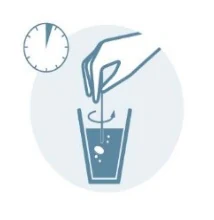
- Drop the tablet(s) into a glass of water, orange or apple juice (100 mL for doses of less than 1 g, and 200 mL for doses of 1 g or more).
- Stir until the tablet(s) dissolve completely. The liquid in the glass will look cloudy.
Drink everything in the glass. Then add a little water or juice to what is left in the glass and drink that too.


- Do not dissolve the tablets in fizzy drinks or milk.
- Do not chew, break or crush the tablets. Do not swallow the tablets whole.
- Take EXJADE once a day, every day, at about the same time each day.
- EXJADE must be taken on an empty stomach.
- Wait at least 30 minutes after taking EXJADE before eating the first meal of the day.
Usual dose:
Your healthcare professional will decide on the dose that is right for you based on your body weight and the condition that is be treated.
The daily dose of EXJADE may be adjusted or interrupted. This will depend on how you respond to the treatment and if you experience certain side effects.
Overdose:
| If you think you, or a person you are caring for, have taken too much EXJADE, contact a healthcare professional, hospital emergency department, or regional poison control centre immediately, even if there are no symptoms. |
If you take too much EXJADE you may have abdominal pain, diarrhea, nausea or vomiting. You may also have serious liver or kidney problems.
Missed Dose:
If you miss a dose, take it as soon as you remember on that day. Take your next dose as scheduled. Do not take a double dose on the next day to make up for the forgotten dose. Do not take more than one dose on the same day.
What are possible side effects from using EXJADE?
These are not all the possible side effects you may have when taking EXJADE. If you experience any side effects not listed here, tell your healthcare professional.
Side effects may include:
- Gastrointestinal problems, such as nausea, vomiting, diarrhea, pain in the abdomen, bloating, constipation, indigestion
- Skin rash
- Headache
- Dizziness
- Fever
- Sore throat
- Swelling of arms or legs
- Change in the colour of the skin
- Anxiety
- Sleep disorder
- Tiredness
- Hair loss
Serious side effects and what to do about them
| Symptom / effect | Talk to your healthcare professional | Stop taking drug and get immediate medical help | |
|---|---|---|---|
| Only if severe | In all cases | ||
| UNCOMMON | |||
| Eye or vision problems: blurred or cloudy eyesight, partial loss of vision | ✓ | ||
| Hearing problems: reduced hearing, hearing loss | ✓ | ||
| Pancreatitis (inflammation of the pancreas): severe upper stomach pain that lasts and gets worse when you lie down, nausea, vomiting | ✓ | ||
| Gastrointestinal bleeding: vomiting blood, black or tarry stools | ✓ | ||
| Ulcer: frequent heartburn or abdominal pain particularly after eating or taking the drug | ✓ | ||
| Blood problems (low white and/or red blood cells or platelets): feeling tired or weak, pale skin, bruising or bleeding for longer than usual after you cut yourself, fever, chills, mouth sores, frequent infections | ✓ | ||
| RARE | |||
| Acute renal failure (severe kidney problems): decreased urination, nausea, vomiting, swelling of extremities, fatigue | ✓ | ||
| Allergic reaction: difficulty breathing or swallowing, dizziness, rash, hives, swelling of the face, lips, tongue or throat | ✓ | ||
| Serious skin reactions: severe rash, red or dry itchy skin, purple or red spots on the skin, pain, blisters and peeling skin that may start around the lips, nose, eyes, mouth and genitals and spread elsewhere, high fever, flu- like | ✓ | ||
Serious side effects and what to do about them
| Symptom / effect | Talk to your healthcare professional | Stop taking drug and get immediate medical help |
|---|
| Only if severe | In all cases | ||
|---|---|---|---|
| symptoms, swollen lymph glands, swelling of the face and/or legs, yellow skin or eyes, shortness of breath, dry cough, chest pain or discomfort, feeling thirsty, urinating less often, less urine or dark urine | |||
| VERY RARE | |||
| Liver problems: drowsiness, upper right abdominal pain, yellowing or increased yellowing of your skin or eyes, dark urine, pale stool, nausea, vomiting, loss of appetite | ✓ | ||
| UNKNOWN FREQUENCY | |||
| Gastrointestinal perforation (a hole in the wall of your stomach or intestine): severe abdominal pain and tenderness, nausea, vomiting, chills, fever | ✓ | ||
If you have a troublesome symptom or side effect that is not listed here or becomes bad enough to interfere with your daily activities, tell your healthcare professional.
Reporting Side Effects
You can report any suspected side effects associated with the use of health products to Health Canada by:
NOTE: Contact your health professional if you need information about how to manage your side effects. The Canada Vigilance Program does not provide medical advice. |
Storage:
Keep out of the reach and sight of children and of pets.
Do not use EXJADE after the expiry date which is stated on the package/carton after EXP. The expiry date refers to the last day of that month.
Store at room temperature (15°C to 30°C).
Store in the original package in order to protect from moisture.
If you want more information about EXJADE:
- Talk to your healthcare professional
- Find the full product monograph that is prepared for healthcare professionals and includes this Patient Medication Information by visiting the Health Canada website: (https://www.canada.ca/en/health-canada/services/drugs-health-products/drug-products/drug-product-database.html); the manufacturer’s website http://www.novartis.ca, or by calling 1-800-363-8883.
Last Revised: AUG 16, 2022
EXJADE and JADENU are registered trademarks.