


Product Monograph - Florinef
RECENT MAJOR LABEL CHANGES
| 2 CONTRAINDICATIONS | 04/2025 |
|---|---|
| 4 DOSAGE AND ADMINISTRATION, 4.1 Dosing Considerations; 4.4 Administration | 04/2025 |
| 7 WARNINGS AND PRECAUTIONS, General; Carcinogenesis and Mutagenesis; Cardiovascular; Driving and Operating Machinery; Endocrine and Metabolism; Hepatic/Biliary/Pancreatic; Immune; Monitoring and Laboratory Tests; Musculoskeletal; Ophthalmologic; Psychiatric; Reproductive Health: Female and Male Potential; Sensitivity/Resistance; 7.1.1 Pregnant Women; 7.1.2 Breast-feeding; 7.1.4 Geriatrics | 04/2025 |
TABLE OF CONTENTS
Sections or subsections that are not applicable at the time of authorization are not listed.
RECENT MAJOR LABEL CHANGES ............................................................................................ 2
TABLE OF CONTENTS .............................................................................................................. 2
PART I: HEALTH PROFESSIONAL INFORMATION ...................................................................... 4
1 INDICATIONS ............................................................................................................... 4
1.1 Pediatrics .............................................................................................................. 4
1.2 Geriatrics .............................................................................................................. 4
2 CONTRAINDICATIONS ................................................................................................. 4
4 DOSAGE AND ADMINISTRATION ................................................................................. 4
4.1 Dosing Considerations .......................................................................................... 4
4.2 Recommended Dose and Dosage Adjustment ..................................................... 5
4.4 Administration ...................................................................................................... 5
5 OVERDOSAGE .............................................................................................................. 5
6 DOSAGE FORMS, STRENGTHS, COMPOSITION AND PACKAGING ................................. 6
7 WARNINGS AND PRECAUTIONS .................................................................................. 6
7.1 Special Populations ............................................................................................. 10
7.1.1 Pregnant Women ........................................................................................... 10
7.1.2 Breast-feeding ................................................................................................ 10
7.1.3 Pediatrics ........................................................................................................ 10
7.1.4 Geriatrics ........................................................................................................ 10
8 ADVERSE REACTIONS ................................................................................................ 10
8.1 Adverse Reaction Overview ................................................................................ 10
9 DRUG INTERACTIONS ................................................................................................ 12
9.2 Drug Interactions Overview ................................................................................ 12
9.3 Drug-Behavioural Interactions ............................................................................ 12
9.4 Drug-Drug Interactions ....................................................................................... 12
9.5 Drug-Food Interactions ....................................................................................... 16
9.6 Drug-Herb Interactions ....................................................................................... 16
9.7 Drug-Laboratory Test Interactions ...................................................................... 16
10 CLINICAL PHARMACOLOGY ....................................................................................... 16
10.1 Mechanism of Action .......................................................................................... 16
10.2 Pharmacodynamics ............................................................................................ 17
10.3 Pharmacokinetics ............................................................................................... 17
11 STORAGE, STABILITY AND DISPOSAL ......................................................................... 17
12 SPECIAL HANDLING INSTRUCTIONS ........................................................................... 18
PART II: SCIENTIFIC INFORMATION ....................................................................................... 19
13 PHARMACEUTICAL INFORMATION ............................................................................ 19
14 CLINICAL TRIALS ........................................................................................................ 19
15 MICROBIOLOGY ........................................................................................................ 19
16 NON-CLINICAL TOXICOLOGY ..................................................................................... 19
PATIENT MEDICATION INFORMATION .................................................................................. 21
PART I: HEALTH PROFESSIONAL INFORMATION
1 INDICATIONS
FLORINEF (fludrocortisone acetate tablets) is indicated:
- as a partial replacement therapy for primary and secondary adrenocortical insufficiency in Addison’s disease.
- for the treatment of salt-losing adrenogenital syndrome.
1.1 Pediatrics
Pediatrics (<18 years old): No data are available to Health Canada; therefore, Health Canada has not authorized an indication for pediatric use (see 7.1.3 Pediatrics).
1.2 Geriatrics
Geriatrics (>65 years old): No data are available to Health Canada.
2 CONTRAINDICATIONS
FLORINEF is contraindicated in patients:
- who are hypersensitive to this drug or to any ingredient in the formulation, including any non-medicinal ingredient, or component of the container. For a complete listing, see 6 DOSAGE FORMS, STRENGTHS, COMPOSITION AND PACKAGING.
- with systemic fungal infections.
- administered with live or live, attenuated vaccines while receiving immunosuppressive doses of corticosteroids.
- with herpes simplex of the eye, except when used for short-term or emergency therapy as in acute sensitivity reactions.
- with vaccinia and varicella infections, except when used for short-term or emergency therapy as in acute sensitivity reaction.
4 DOSAGE AND ADMINISTRATION
4.1 Dosing Considerations
- The lowest possible dose should be used to control the condition being treated, and a gradual reduction in dosage should be made when possible (see 7 WARNINGS AND PRECAUTIONS, General).
- Dosage depends on the severity of the disease and the response of the patient. Patients should be continually monitored for signs that indicate dosage adjustment is needed, such as remission or exacerbations of disease and stress (surgery, infection, trauma) (see 7 WARNINGS AND PRECAUTIONS, General).
4.2 Recommended Dose and Dosage Adjustment
Addison’s disease
The recommended oral dose is one tablet (0.1 mg) once daily, although dosage ranging from one tablet (0.1 mg) three times a week to two tablets (0.2 mg) once daily may be used based on individual patient needs.
If treatment-associated hypertension develops, the dose should be reduced to 0.05 mg daily.
Fludrocortisone is preferably administered in conjunction with cortisone (10 to 37.5 mg daily in divided doses) or hydrocortisone (10 to 20 mg daily in divided doses).
Salt-losing adrenogenital syndrome
The recommended oral dose is one tablet (0.1 mg) to two tablets (0.2 mg) once daily.
Pediatrics (< 18 years of age)
Health Canada has not authorized an indication for pediatric use (see 7.1.3 Pediatrics).
4.4 Administration
- FLORINEF is administered orally.
- FLORINEF should not be taken with grapefruit juice (see 9.5 Drug-Food Interactions).
5 OVERDOSAGE
Overdoses following Chronic Administration
Development of hypertension, edema, hypokalemia, significant increase in weight, and cardiomegaly may be signs of excessive dosage of fludrocortisone. When these are noted, administration of the drug should be discontinued, after which the symptoms will usually subside within several days; subsequent treatment with fludrocortisone, if necessary, should be resumed at a reduced dose. Muscle weakness due to excessive potassium loss may develop and can be treated with potassium supplements.
Monitoring of blood pressure and serum electrolytes can reduce the likelihood of consequences of excessive dosage (see 7 WARNINGS AND PRECAUTIONS, General).
Overdoses following Acute Administration
For large, acute overdoses, treatment includes gastric lavage or emesis and usual supportive measures.
Careful monitoring of serum electrolytes is essential, with particular consideration being given to the need for administration of potassium chloride and restriction of dietary sodium intake (see 7 WARNINGS AND PRECAUTIONS, General).
For management of a suspected drug overdose, contact your regional poison control centre.
6 DOSAGE FORMS, STRENGTHS, COMPOSITION AND PACKAGING
Table 1 – Dosage Forms, Strengths, Composition and Packaging
FLORINEF tablets are available as white, round, biconvex tablets, scored on one side and with “RPC” over “059” engraved on the other side.
FLORINEF tablets are supplied in bottles of 100 counts.
7 WARNINGS AND PRECAUTIONS
General
Because of its marked effect on sodium retention, the use of fludrocortisone in the treatment of conditions other than those indicated herein is not advised.
Patients should be advised to inform healthcare professionals of the prior use of corticosteroids.
Adverse reactions to corticosteroids may be produced by too rapid withdrawal or by continued use of large doses. Corticosteroids should therefore be withdrawn gradually and tapered off over weeks and months according to the dose and duration of treatment.
Carcinogenesis and Mutagenesis
Corticosteroids should be used with caution in patients with metastatic carcinoma.
No adequate studies have been conducted in animals to determine whether corticosteroids have a potential for carcinogenesis or mutagenesis.
Cardiovascular
Corticosteriods should be used with caution in patients with hypertension, congestive heart failure, thromboembolitic tendencies and thrombophlebitis.
Moderate and high doses of hydrocortisone or cortisone can cause elevation of blood pressure, salt and water retention, and increased excretion of potassium. These effects are less likely to occur with the synthetic derivatives except when used in high doses. However, since fludrocortisone is a potent mineralocorticoid, both the dosage and salt intake should be carefully monitored in order to avoid the development of hypertension, edema, or weight gain (see 7 WARNINGS AND PRECAUTIONS, Monitoring and Laboratory Tests). Dietary salt restriction and potassium supplementation may be necessary. All corticosteroids increase calcium excretion.
| Route of Administration | Dosage Form / Strength/Composition | Non-medicinal Ingredients |
| Oral | Tablet 0.1 mg | Corn starch, dicalcium phosphate, lactose anhydrous, lactose monohydrate, magnesium stearate, sodium benzoate, talc. |
Driving and Operating Machinery
The effect of corticosteroids on the ability to drive or use machinery has not been systematically evaluated. Undesirable effects, such as dizziness, visual disturbances and fatigue are possible after treatment with corticosteroids. If affected, patients should not drive or operate machinery.
Endocrine and Metabolism
To avoid drug induced adrenal insufficiency, supportive dosage may be required in times of stress (such as trauma, surgery, or severe illness) both during treatment with fludrocortisone and for a year afterwards.
There is an enhanced corticosteroid effect in patients with hypothyroidism. Changes in thyroid status of the patient may necessitate adjustment in adrenocorticoid dosage.
Corticosteriods should be used with caution in patients with Cushing’s syndrome and diabetes mellitus.
FLORINEF contains lactose. Its use is not recommended in patients with rare hereditary problems of galactose intolerance, lactase deficiency or glucose-galactose malabsorption.
Pheochromocytoma crisis
Several life-threatening and fatal cases of pheochromocytoma crisis has been reported following administration of systemic corticosteroids to patients with suspected or identified pheochromocytoma. Use of corticosteroids in these patients should only be considered after an appropriate risk/benefit evaluation.
Gastrointestinal
Corticosteroids, when used as direct or adjunctive therapy, should be used with caution in patients with diverticulitis, fresh intestinal anastomoses, active or latent peptic ulcer (or a history of peptic ulcer) and non-specific ulcerative colitis if there is a probability of impending perforation, abscess, or other pyogenic infection.
Hematologic
Acetylsalicylic acid (ASA) should be used with caution in conjunction with corticosteroids in patients with hypoprothrombinemia.
Hepatic/Biliary/Pancreatic
Hepatobiliary disorders have been reported which may be reversible after discontinuation of therapy. Therefore, appropriate monitoring is required.
Corticosteroids may have an increased effect in patients with hepatic disease since the metabolism and elimination of these drugs are significantly decreased in these patients.
Fludrocortisone should therefore be used with caution in patients with hepatic disease.
Immune
Corticosteroids may mask some signs of infection with any pathogen, including viral, bacterial, fungal, protozoan or helminthic, in any location of the body, and new infections may appear during their use. There may be decreased resistance and inability to localize infection when corticosteroids are used.
Corticosteroids should be used with caution in patients with vaccinia, varicella and antibiotic resistant infections.
If an infection occurs during fludrocortisone therapy, it should be promptly controlled by a suitable therapy.
Fungal infections
Fludrocortisone is contraindicated in patients with systemic fungal infections (see 2 CONTRAINDICATIONS).
Viral infections
Viral infections such as chicken pox, smallpox, measles, herpes zoster (shingles), or threadworm infestations, for example, can have a more serious or even fatal course in nonimmune children or adults on corticosteroids.
Vaccination
Patients should not be vaccinated or immunized while on corticosteroid therapy, especially on high doses, because of a lack of antibody response predisposing to medical complications, particularly neurological ones.
Tuberculosis
The use of fludrocortisone in patients with active tuberculosis should be restricted to those cases of fulminating or disseminated tuberculosis in which the corticosteroid is used for the management of the disease in conjunction with an appropriate antituberculous regimen. If corticosteroids are indicated in patients with latent tuberculosis or tuberculin reactivity, close observation is necessary since reactivation of the disease may occur. During prolonged corticosteroid therapy these patients should receive chemoprophylaxis.
Monitoring and Laboratory Tests
Monitoring of serum electrolytes such as sodium, potassium and calcium is recommended when taking fludrocortisone for an extended period.
Corticosteroids may suppress reactions to skin tests (see 8.1 Adverse Reaction Overview and 9.7 Drug Laboratory Test Interactions).
Musculoskeletal
All corticosteroids increase calcium excretion., which may predispose to osteoporosis or aggravate pre-existing osteoporosis.
Corticosteroids should be used with caution in patients with osteoporosis, or who are at risk of osteoporosis.
Neurologic
Corticosteroids should be used with caution in patients with convulsive disorders and myasthenia gravis.
Ophthalmologic
Prolonged use of corticosteroids may produce posterior subcapsular cataracts, glaucoma with possible damage to the optic nerves, exophthalmos, or increased intraocular pressure, which may result in glaucoma and may enhance the establishment of secondary ocular infections due to fungi or viruses.
Corticosteroids should be used with caution in patients with ocular herpes simplex because of possible corneal perforation.
Corticosteroid therapy has been associated with central serous chorioretinopathy, which may lead to retinal detachment.
If a patient presents with symptoms such as blurred vision or other visual disturbances, the patient should be considered for referral to an ophthalmologist for evaluation of possible causes which may include cataract, glaucoma or rare diseases such as central serous chorioretinopathy.
Psychiatric
Psychiatric disturbances may appear when corticosteroids are used. These may include euphoria, insomnia, mood swings, personality changes, and severe depression and frank psychotic symptoms. Existing emotional instability or psychotic tendencies may also be aggravated by corticosteroids.
The use of antidepressant drugs does not relieve and may exacerbate adrenocorticoid-induced mental disturbances.
Renal
Corticosteroids should be used with caution in patients with renal insufficiency, acute glomerulonephritis, and chronic nephritis.
Reproductive Health: Female and Male Potential
- Fertility
It is not known if fludrocortisone acetate impairs human fertility.
However, corticosteroids have been shown to reduce fertility when administered to rats (see 16 NONCLINICAL TOXICOLOGY).
- Teratogenic Risk
It is not known if fludrocortisone acetate causes any teratogenic effect on the human fetus.
However, corticosteroids have been shown to cause deleterious effects on the fetus’ and infant’s body, brain, neuroendocrine function, and behavior in some animal species. Oral cleft palate was also observed in mice and hamsters (see 16 NONCLINICAL TOXICOLOGY).
Skin
Corticosteroids should be used with caution in patients with exanthema.
7.1 Special Populations
7.1.1 Pregnant Women
There are no adequate and well-controlled human reproduction studies in pregnant women and women of childbearing potential taking systemic corticosteroids. As such, use of corticosteroids in this population requires that the possible benefits of the drug be weighed against the potential hazards to the mother or fetus. Infants born of mothers who have received substantial doses of corticosteroids during pregnancy should be carefully observed for signs of hypoadrenalism.
Maternal treatments should be carefully documented in the infant’s medical records to assist in follow-ups.
7.1.2 Breast-feeding
There are no adequate and well-controlled human reproduction studies in nursing mothers taking systemic corticosteroids. As such, use of corticosteroids in this population requires that the possible benefits of the drug be weighed against the potential hazards to the mother or nursing infant.
Other systemic corticosteroids have been found to be excreted in human milk in low doses.
7.1.3 Pediatrics
Pediatrics (<18 years old): Growth and development of infants and children on prolonged corticosteroid therapy should be carefully observed (see 8 ADVERSE REACTIONS).
7.1.4 Geriatrics
Geriatrics (>65 years old): No data are available to Health Canada.
8 ADVERSE REACTIONS
8.1 Adverse Reaction Overview
Most adverse reactions are caused by the drug’s mineralocorticoid activity (retention of sodium and water) and include hypertension, edema, congestive heart failure, cardiomegaly, blood potassium decreased, and hypokalemic alkalosis.
When fludrocortisone is used at the recommended small dosages, the side effects seen with cortisone and its derivatives are not usually an issue.
The inclusion of the following list of adverse reactions does not necessarily indicate that the specific event has been observed with this particular formulation.
However, the following adverse reactions should be kept in mind, particularly when this agent is used over a prolonged period of time or in conjunction with cortisone or a similar glucocorticoid:
Table 2 – Potential Adverse Reactions Associated with Systemic Corticosteroids
| System Organ Class |
|---|
Adverse Reactions
| (Frequency unknown; cannot be estimated from available data) | |
|---|---|
| Cardiac disorders | cardiomegaly, congestive heart failure (in susceptible patients), syncope, thrombophlebitis |
| Endocrine disorders | development of the Cushingoid state, increased requirements for insulin or oral hypoglycemic agents in diabetics, glycosuria, hirsutism, manifestations of latent diabetes mellitus, secondary adrenocortical and pituitary unresponsiveness particularly in times of stress (e.g., trauma, surgery, or illness), suppression of growth in children |
| Eye disorders | exophthalmos, glaucoma, posterior subcapsular cataracts, intraocular pressure increased |
| Gastrointestinal disorders | abdominal distention, pancreatitis, peptic ulcer with possible perforation and hemorrhage, ulcerative esophagitis |
| General disorders and administration site conditions | impaired wound healing |
| Infections and infestation | susceptibility for infections (aggravated, masked, new, opportunistic) increased with any pathogen, in any location of the body, from mild to fatal (e.g., chickenpox, shingles, tuberculosis, etc.) |
| Immune system disorders | allergic or hypersensitivity reactions (including anaphylaxis and anaphylactoid reactions) |
| Investigations | blood potassium decreased carbohydrate tolerance decreased, nitrogen balance negative (due to protein catabolism), suppression of reactions to skin tests, urine calcium decreased |
| Metabolism and nutrition disorders | fluid retention, hyperglycemia, hypokalemic alkalosis, sodium retention |
| Musculoskeletal, connective tissue and bone disorders | aseptic necrosis of femoral and humeral heads, muscle atrophy, muscle weakness, osteoporosis, pathologic fracture of long bones, spontaneous fractures, steroid myopathy, vertebral |
| compression fractures | |
| Nervous system disorders | convulsions, headache, increased intracranial pressure with papilledema (pseudotumor cerebri) usually after treatment, vertigo |
| Psychiatric disorders | anxiety, insomnia, irritability, severe mental disturbances |
| Reproductive system and breast disorders | menstrual irregularities |
| Skin & subcutaneous tissue disorders | acneiform eruptions, bruising, ecchymosis, facial erythema, increased sweating, hyperpigmentation of the skin and nails, petechiae, purpura, subcutaneous fat atrophy, striae, thin fragile skin |
| Vascular disorders | hypertension, necrotizing angiitis |
9 DRUG INTERACTIONS
9.2 Drug Interactions Overview
Fludrocortisone acetate is primarily metabolized by cytochrome P450 (CYP) 3A4 enzymes. CYP3A enzymes, which are known to be present in critical tissues such as the liver, are responsible for the metabolism of many other compounds, including other corticosteroids. Co-administration of drugs that induce or inhibit CYP3A4 enzymes can therefore impact the metabolism and clearance of fludrocortisone.
9.3 Drug-Behavioural Interactions
Interactions with individual behaviour risks such as alcohol consumption, sexual activity and smoking have not been established.
9.4 Drug-Drug Interactions
The drugs listed in this table are based on either drug interaction case reports or studies, or potential interactions due to the expected magnitude and seriousness of the interaction (i.e., those identified as contraindicated).
Table 3 - Established or Potential Drug-Drug Interactions
| Drug Class or Type | Source of Evidence | Effect | Clinical comment |
|---|---|---|---|
| Anticholinesterases | T | Fludrocortisone may decrease the effect of anticholinesterase in patients with myasthenia gravis and produce severe weakness in these patients. | Caution is warranted when administering anticholinesterase and fludrocortisone concomitantly. If possible, anticholinesterase agents should be withdrawn at least 24 hours before initiating corticosteroid therapy. |
| Anticholinergic agents (neuromuscular blockers) | T | Fludrocortisone may enhance or decrease neuromuscular blockade. | Acute myopathy has been reported with the concomitant use of high doses of corticosteroids and anticholinergics, such as neuromuscular blocking drugs Caution is warranted when administering anticholinergic agents and fludrocortisone concomitantly. |
| Anticoagulants (oral) | T | Fludrocortisone may potentiate or decrease anticoagulant action. | Patients receiving oral anticoagulants and corticosteroids should be closely monitored. |
| Antidiabetics | T | Fludrocortisone may decrease effect of antidiabetic drugs due to potential increase in plasma glucose concentration. | Because corticosteroids may cause hyperglycemia, dosage adjustments of antidiabetic agents may be required (see 7 WARNINGS AND PRECAUTIONS, Endocrine and Metabolism and 8.1 Adverse Reaction Overview). |
| Anti-hypertensives | T | Fludrocortisone may decrease effect of antihypertensive drugs. | Because corticosteroids may cause hypertension, dosage adjustments of anti-hypertensive agents may be required (see 7 WARNINGS AND PRECAUTIONS, Endocrine and Metabolism and 8.1 Adverse Reaction Overview). |
| Cyclosporine | T | Increased activity of both cyclosporine and corticosteroids may occur when the two are used concomitantly. | Caution is warranted and adverse reaction monitoring is recommended when used concomitantly. |
CYP3A inducers (e.g., carbamazepine, phenobarbital [barbiturates], phenytoin, rifampin) | T | CYP3A inducers may increase the metabolic clearance of fludrocortisone. | Caution is warranted and adverse reaction monitoring is recommended when use concomitantly. Patients should be observed for possible diminished effect of steroid, and the dosage of fludrocortisone should be adjusted accordingly (see 10.3 Pharmacokinetics). |
CYP3A inhibitors (e.g., aprepitant, clarithromycin, cobicistat, ketoconazole, itraconazole, isoniazid, ritonavir) | T | CYP3A inhibitors may decrease the hepatic clearance and increase the plasma concentrations of fludrocortisone. Moreover, fludrocortisone may decrease the concentration of isoniazid in patients with tuberculosis. | The combination should be avoided unless the benefit outweighs the increased risk of systemic corticosteroid side-effects, in which case patients should be monitored for systemic corticosteroid side-effects. Dosage adjustment may be required. |
Digitalis glycosides (e.g., digoxin) | T | The interaction between fludrocortisone and a cardiac glycoside drug may increase the risk of arrhythmias or digitalis toxicity associated with hypokalemia. | Potassium levels should be checked at frequent intervals and potassium supplements used if necessary (see 7 WARNINGS AND PRECAUTIONS, General and 8.1 Adverse Reaction Overview). |
| Estrogens (including oral contraceptives containing estrogens) | T | Corticosteroid half-life and concentration may be increased and clearance decreased. | Estrogens may potentiate effects of fludrocortisone by increasing the concentration of transcortin and thus decreasing the amount of fludrocortisone available to be metabolized. Dosage adjustment may be required. |
Nonsteroidal anti-inflammatory agents (NSAIDs) (e.g., acetylsalicylic acid) | T | Fludrocortisone may increase the risk of peptic ulcer and gastrointestinal bleeding when administered concomitantly with NSAIDs Fludrocortisone may also decrease the pharmacologic effect of aspirin (induced clearance). Conversely, salicylate toxicity may occur in patients who discontinue steroids with concurrent high-dose aspirin therapy. | Corticosteroids should be used with caution in conjunction with aspirin in patients with hypoprothrombinemia. |
Potassium-depleting agents (e.g., amphotericin B, diuretics) | T | Concomitant use increases the risk of hypokalemia. | Potassium levels should be checked at frequent intervals and potassium supplements used if necessary (see 7 WARNINGS AND PRECAUTIONS, General and 8.1 Adverse Reaction Overview). |
| Somatropin | T | The growth-promoting effect of human growth hormone may be inhibited. | Caution is warranted when fludrocortisone and somatropin are administered concomitantly to nursing mothers as growth suppression and retardation in breastfed infants may occur (see 7.1.2 Breast-feeding and 8.1 Adverse Reaction Overview). |
| Thyroid drugs | T | Metabolic clearance of adrenocorticoids is decreased in hypothyroid patients and increased in hyperthyroid patients. | Changes in thyroid status of the patient may necessitate adjustment in adrenocorticoid dosage. |
| Vaccines | T | Fludrocortisone may decrease the effect of vaccines. | Lack of antibody response predisposing to medical complications such as neurological complications may occur when patients are getting vaccinated are taking corticosteroids (see 7 WARNINGS AND PRECAUTIONS, Immune). |
Legend: T = Theoretical
9.5 Drug-Food Interactions
Grapefruit or its juice are known to inhibit CYP3A and may increase fludrocortisone plasma concentration. Patients should avoid this fruit during FLORINEF treatment.
9.6 Drug-Herb Interactions
Interactions with herbal products have not been established.
9.7 Drug-Laboratory Test Interactions
Corticosteroids may suppress reactions to skin tests.
10 CLINICAL PHARMACOLOGY
10.1 Mechanism of Action
Fludrocortisone is a synthetic corticosteroid with potent mineralocorticoid activity. The major effect of mineralocorticoids is the regulation of electrolyte excretion in the kidney.
10.2 Pharmacodynamics
The physiologic action of fludrocortisone is similar to that of hydrocortisone. However, the effects of fludrocortisone, particularly on electrolyte balance, but also on carbohydrate metabolism, are considerably heightened and prolonged. In small oral doses, fludrocortisone produces marked sodium retention and increased urinary potassium excretion. It also causes a rise in blood pressure, apparently because of these effects on electrolyte levels. In larger doses, fludrocortisone inhibits endogenous adrenal cortical secretion, thymic activity, and pituitary corticotropin excretion, promotes the deposition of liver glycogen and, unless protein intake is adequate, induces negative nitrogen balance.
10.3 Pharmacokinetics
Absorption
Absorption of fludrocortisone occurs predominantly in the gastrointestinal tract. After oral administration, fludrocortisone undergoes extensive first-pass metabolism in the liver, resulting in low systemic bioavailability.
Absorption of fludrocortisone can be influenced by various factors, such as food intake and gastric pH. High-fat meals can enhance its absorption, while antacids may decrease its bioavailability by altering the gastric pH.
Distribution
Fludrocortisone, mostly as inactive metabolites, binds extensively to plasma proteins, primarily albumin, with approximately 70-80% of the drug bound. The binding to plasma proteins reduces the amount of free, biologically active fludrocortisone available. The drug can cross the blood-brain barrier, leading to its effects on the central nervous system and regulation of fluid and electrolyte balance.
Metabolism
Fludrocortisone is primarily metabolized in the liver through various enzymatic pathways, including hydrolysis, reduction, and oxidation. The cytochrome P450 enzyme system, particularly CYP3A4, plays a significant role in the metabolism of fludrocortisone. Co-administration of drugs that induce or inhibit CYP3A4 can potentially alter the metabolism and clearance of fludrocortisone.
Elimination
The elimination of fludrocortisone occurs primarily through hepatic metabolism and subsequent excretion in the urine. The pharmacokinetic half-life of fludrocortisone is approximately 5.5 hours. The pharmacodynamic half-life of fludrocortisone is approximately 18 to 36 hours. The duration of action is 1 to 2 days.
11 STORAGE, STABILITY AND DISPOSAL
Store refrigerated (2°C and 8°C).
Keep out of reach and sight of children.
12 SPECIAL HANDLING INSTRUCTIONS
Not applicable
PART II: SCIENTIFIC INFORMATION
13 PHARMACEUTICAL INFORMATION
Drug Substance
Proper name: fludrocortisone acetate
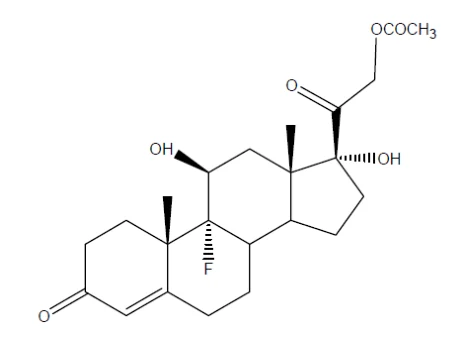
Chemical name: 9α-fluoro-11β,17α,21-trihydroxypregn-4-ene-3,20-dione 21-acetate
Molecular formula and molecular mass: C23H31FO6; 422.5 g/mol
Structural formula:
Physicochemical properties: white to practically white, crystalline powder
Solubility: practically insoluble in water
14 CLINICAL TRIALS
The clinical trial data, on which the original indication was authorized, is not available.
15 MICROBIOLOGY
No microbiological information is required for this drug product.
16 NON-CLINICAL TOXICOLOGY
Reproductive and Developmental Toxicology
Male rats were administered corticosterone at doses of 0, 10, and 25 mg/kg/day by subcutaneous injection once daily for 6 weeks and mated with untreated females. The high dose was reduced to 20 mg/kg/day after Day 15. Decreased copulatory plugs were observed, which may have been secondary to decreased accessory organ weight. The numbers of implantations and live fetuses were reduced.
Three-week old female mice were administered with pregnant horse serum gonadotropin (PMSG) and 0.2 mg/µL cortisol/corticosterone intraperitoneally at intervals of 8 hours. Blood, ovaries, or ovarian granulosa cell samples were collected at 24 h, 48 h and 55 h after PMSG injection. Significant decrease in ovulation rates, ovarian weight, ovarian index, the number of secondary follicles and mature follicles, levels of estrogen and progesterone, and mRNA expression of steroid synthase-related genes were observed.
Corticosteroids have been shown to be teratogenic in many species.
In animal reproduction studies, glucocorticoids have been shown to have deleterious effects on the body (organ weight reduction, delayed growth and development), the brain and neuroendocrine function (neuronal degeneration, alterations of neuroendocrine regulation) and the behavior (impairment in muscle coordination and muscle tone) of fetuses and offspring of mothers who were dosed prenatally.
Corticosteroids were observed to cause cleft palate when administered to pregnant mice and hamsters during organogenesis.