


Product Monograph - Fucibet
Recent Major Label Changes
| None at time of the most recent authorization |
|---|
Table of Contents
Recent Major Label Changes .................................................................................................... 2
Table of Contents .................................................................................................................... 2
Part 1: Healthcare Professional Information ............................................................................ 4
- 1.
Indications ........................................................................................................................... 4
1.1. Pediatrics .................................................................................................................... 4
1.2. Geriatrics .................................................................................................................... 4
- 2. Contraindications ................................................................................................................ 4
- 4.
Dosage and Administration ................................................................................................. 5
4.1. Dosing Considerations ................................................................................................ 5
4.2. Recommended Dose and Dosage Adjustment ........................................................... 5
4.4. Administration ............................................................................................................ 5
4.5. Missed Dose ............................................................................................................... 5
- 5. Overdose ............................................................................................................................. 5
- 6. Dosage Forms, Strengths, Composition and Packaging ........................................................ 6
- 7.
Warnings and Precautions ................................................................................................... 6
General . ……………………………………………………………………………………………………………………….. 6
Endocrine and Metabolism ............................................................................................... 6
Immune ………………………………………………………………………………………………………………………. 7
Ophthalmologic ................................................................................................................. 7
Reproductive Health ......................................................................................................... 7
Susceptibility/Resistance ................................................................................................... 7
Skin ………………………………………….………………………………………………………………………………….. 8
7.1. Special Population ...................................................................................................... 8
7.1.1. Pregnancy ……………….………………………………………………………………………………….. 8
7.1.2. Breastfeeding ………….……………………………………………………………………………..…… 8
7.1.3. Pediatrics ………………….………………………………………………………………………………... 8
7.1.4. Geriatrics ………………………….…………………………………………………………………………. 8
- 8.
Adverse Reactions ............................................................................................................... 9
8.1. Adverse Reaction Overview ........................................................................................ 9
8.2. Clinical Trial Adverse Reactions .................................................................................. 9
8.3. Less Common Clinical Trial Adverse Reactions ........................................................... 9
8.5. Post-Market Adverse Reactions ................................................................................. 9
- 9.
Drug Interactions ................................................................................................................. 9
9.2. Drug Interactions Overview ........................................................................................ 9
9.3. Drug-Behaviour Interactions .................................................................................... 10
9.4. Drug-Drug Interactions ............................................................................................. 10
9.5. Drug-Food Interactions............................................................................................. 10
9.6. Drug-Herb Interactions ............................................................................................. 10
9.7. Drug-Laboratory Test Interactions ………………………………………………………………………. 10
- 10.
Clinical Pharmacology ………………………………………………………………………………………………..… 10
10.1. Mechanism of Action .............................................................................................. 10
10.3. Pharmacokinetics ................................................................................................... 10
- 11. Storage, Stability and Disposal ......................................................................................... 11
Part 2: Scientific Information ................................................................................................. 12
- 13. Pharmaceutical Information ........................................................................................... 12
- 14.
Clinical Trials . .................................................................................................................. 13
14.1 Clinical Trials by Indication ...................................................................................... 13
- 15. Microbiology .................................................................................................................. 13
- 16. Non-Clinical Toxicology ................................................................................................... 15
Patient Medication Information ............................................................................................ 19
Part 1: Healthcare Professional Information
1. Indications
FUCIBET (fusidic acid and betamethasone valerate) is indicated for:
- The topical treatment of eczematous dermatoses including atopic eczema, discoid eczema, stasis eczema and seborrhoeic eczema when secondary bacterial infection caused by Staphylococcus aureus is confirmed or suspected.
- Due to its betamethasone content, FUCIBET is suitable in cases where treatment with a potent corticosteroid is appropriate to manage the pruritus and inflammation associated with eczematous dermatoses.
- FUCIBET is intended for use during flare-ups for short-term (up to 2 weeks) treatment against bacteria susceptible to fusidic acid (see 15 Microbiology).
- FUCIBET contains an antibacterial ingredient, fusidic acid. To reduce the development of drug-resistant bacteria and maintain the effectiveness of FUCIBET and other antibacterial drugs, FUCIBET should be used only to treat infections that are proven or strongly suspected to be caused by susceptible bacteria. When culture and susceptibility information are available, they should be considered in selecting or modifying antibacterial therapy. In the absence of such data, local epidemiology and susceptibility patterns may contribute to the empiric selection of therapy.
1.1. Pediatrics
Pediatrics (6 to <18 years of age): The safety and efficacy of FUCIBET in pediatric patients six years of age and older has been established. However, FUCIBET should be used with care in children as pediatric patients may demonstrate greater susceptibility to topical corticosteroid-induced hypothalamic pituitary-adrenal (HPA) axis suppression and Cushing’s syndrome than adult patients (see 7.1.3 7.1.3. Pediatrics).
1.2. Geriatrics
Geriatrics (≥65 years of age): Evidence from clinical trials and experience suggests that use in the geriatric population is not associated with differences in safety or effectiveness.
2. Contraindications
FUCIBET (fusidic acid/sodium fusidate, betamethasone valerate) is contraindicated in patients who are hypersensitive to this drug or to any ingredient in the formulation, including any non-medicinal ingredient, or component of the container. For a complete listing, see 6 Dosage Forms, Strengths, Composition, and Packaging.
FUCIBET (fusidic acid/sodium fusidate, betamethasone valerate) is contraindicated in patients with the following conditions:
- Systemic fungal infections
- Primary skin infections caused by fungi, virus or bacteria
- Skin eruptions associated with tuberculosis or syphilis
- Perioral dermatitis and rosacea
- Eruptions following vaccinations
4. Dosage and Administration
4.1. Dosing Considerations
- For topical use only
- For use in adults and children aged 6 years and older
4.2. Recommended Dose and Dosage Adjustment
- Adults and children: A thin layer should be applied to cover the affected skin area. Use twice daily until a satisfactory response is obtained. A single treatment course should not exceed 2 weeks.
- Pediatrics (6 to <18 years of age): No dosage adjustment is necessary. Avoid use of large amounts of FUCIBET, occlusion or prolonged treatment, since pediatric patients may demonstrate greater susceptibility to corticosteroid-induced reactions (see 7.1.3 7.1.3. Pediatrics).
- Geriatrics (> 65 years of age): No specific precautions and no dosage modifications are necessary in elderly patients.
- Renal impairment: No dosage modifications are necessary in patients with renal impairment.
- Hepatic impairment: No dosage modifications are necessary in patients with hepatic impairment.
4.4. Administration
FUCIBET is for topical use only. Due to the content of corticosteroid, avoid getting FUCIBET in the eyes (7 Warnings and Precautions, Ophthalmologic).
4.5. Missed Dose
If a dose is missed, the patient should apply FUCIBET when he/she remembers and then continue as usual for the next application.
5. Overdose
For topically applied fusidic acid, no information concerning potential symptoms and signs due to overdose administration is available. Cushing's syndrome and adrenocortical insufficiency may develop following topical application of corticosteroids in large amounts and for more than 3 weeks.
Systemic consequences of an overdose of the active substances after accidental oral intake are unlikely to occur. The amount of fusidic acid in one tube of FUCIBET does not exceed the oral daily dose of systemic treatment. A single oral overdosage of corticosteroids is rarely a clinical problem.
For the most recent information in the management of a suspected drug overdose, contact your regional poison control centre or Health Canada’s toll-free number, 1-844 POISON-X (1-844-764-7669).
6. Dosage Forms, Strengths, Composition and Packaging
Table – Dosage Forms, Strengths, Composition and Packaging.
FUCIBET is a white highly viscous oil-in-water emulsion cream containing fusidic acid 2% and betamethasone 0.1% (as the valerate ester).
Available in 15 g and 30 g aluminium tubes.
7. Warnings and Precautions
General
Long-term continuous topical therapy with FUCIBET should be avoided. A treatment course should last no longer than two weeks.
Possible systemic absorption of betamethasone valerate should always be considered during treatment with FUCIBET.
When topical corticosteroids (such as betamethasone) are used under occlusive dressing, over extensive areas, or on the face, scalp, axillae and scrotum, sufficient absorption may occur giving rise to adrenal suppression and other systemic effects. If HPA axis suppression is noted, an attempt should be made to withdraw the drug, reduce the frequency of application or to substitute a less potent steroid.
Endocrine and Metabolism
Systemic absorption of topical corticosteroids has caused reversible HPA axis suppression with the potential for glucocorticosteroid insufficiency after withdrawal of treatment. Manifestations of Cushing’s syndrome, hyperglycemia, and glycosuria can also be produced in some patients by systemic absorption of topical corticosteroids while on treatment. Recovery of HPA axis function is generally prompt upon discontinuation of topical corticosteroids.
| Route of Administration | Dosage Form / Strength/Composition | Non-medicinal Ingredients |
| Topical | Cream, 2% (w/w) Fusidic acid and 0.1% (w/w) betamethasone (as valerate) | all- rac-α-tocopherol, cetostearyl alcohol, citric acid monohydrate, hypromellose, liquid paraffin, methyl parahydrox-ybenzoate, potassium sorbate, propyl parahydroxybenzoate, purified water, steareth-21 and white soft paraffin. |
Immune
Due to the corticosteroid component having an immunosuppressant effect, FUCIBET may be associated with increased susceptibility to infection, aggravation of existing infection, and activation of latent infection. It is advised to switch to systemic treatment if infected eczema cannot be controlled with topical treatment.
FUCIBET contains methyl and propyl parahydroxybenzoate (E218 and E216) as excipients. These excipients may cause allergic reactions (possibly delayed).
FUCIBET contains cetostearyl alcohol and potassium sorbate as excipients. These excipients may cause local skin reactions (e.g. contact dermatitis).
Ophthalmologic
Due to the betamethasone component in FUCIBET, use with care near the eyes and avoid getting FUCIBET into the eyes. Raised intra-ocular pressure, glaucoma and cataract may occur after topical use of corticosteroids near the eyes, particularly with prolonged use and in patients predisposed to developing glaucoma and cataract.
Reproductive Health
Fertility
There are no clinical studies with topical FUCIBET regarding fertility.
Susceptibility/Resistance
Development of Drug Resistant Bacteria:
Prescribing FUCIBET in the absence of a proven or strongly suspected bacterial infection is unlikely to provide benefit to the patient and risks the development of drug-resistant bacteria.
Potential for Microbial Overgrowth:
Bacterial resistance has been reported to occur with the topical use of fusidic acid. As with all antibiotics, extended or recurrent application may increase the risk of developing antibiotic resistance. Limiting therapy with topical fusidic acid and betamethasone valerate to treatment courses of no more than 2 weeks at a time will minimise both the risk of developing resistance and the risk of overgrowth of non-susceptible microorganisms, including fungi.
This also lessens the risk that the immunosuppressive action of corticosteroid might mask any potential symptoms of infections due to antibiotic-resistant bacteria.
Skin
Due to the content of betamethasone valerate, prolonged topical use of FUCIBET may cause skin atrophy. Other undesirable dermatological class effects of potent corticosteroids (for e.g. betamethasone) include: dermatitis (such as dermatitis contact, dermatitis acneiform and perioral dermatitis), skin striae, telangiectasia, rosacea, erythema, hypertrichosis, hyperhydrosis and depigmentation. Ecchymosis may also occur with prolonged use of topical corticosteroids.
Special Populations
7.1.1. Pregnancy
The safety of fusidic acid and/or topical betamethasone valerate during pregnancy has not been established. The use of FUCIBET during pregnancy requires that the potential benefits be weighed against the risks to the fetus. Due to the presence of betamethasone, FUCIBET should not be used on pregnant patients in large amounts, or for prolonged periods of time.
Fusidic acid: No effects during pregnancy are anticipated, since systemic exposure to fusidic acid is negligible. Studies in animals have not shown teratogenic effects with fusidic acid. Limited studies in animals have shown negligible systemic absorption of topical fusidic acid.
Betamethasone valerate: There is a limited amount of data from the use of topical betamethasone valerate in pregnant women. Studies in animals have shown reproductive toxicity/fetal abnormalities (see 16 Non-Clinical Toxicology). Topical administration of corticosteroids to pregnant animals can cause abnormalities of fetal development, including cleft palate and intra-uterine growth retardation. There may, therefore be a risk of such effects to the fetus.
7.1.2. Breastfeeding
The safety of fusidic acid and/or betamethasone valerate during lactation has not been established. It is not known whether topical administration of corticosteroids could result in sufficient systemic absorption to produce detectable quantities in breast milk. Following systemic administration, fusidic acid and corticosteroids have been detected in the milk of nursing mothers. Administration of FUCIBET during lactation should only be considered if the expected benefit to the mother outweighs the risk to the nursing infant.
It is recommended to avoid applying FUCIBET on the breast to protect the nursing infant from unintentional oral drug uptake.
7.1.3. Pediatrics
Pediatrics (6 to <18 years of age): FUCIBET should be used with care in children as pediatric patients may demonstrate greater susceptibility to topical corticosteroid-induced HPA axis suppression and Cushing’s syndrome than adult patients. This is due to increased systemic absorption of betamethasone as a result of a larger skin surface area to body weight ratio in children. Children may also be at greater risk of adrenal insufficiency during and/or after withdrawal of treatment. Administration of large amounts, occlusion or prolonged treatment with FUCIBET should be avoided(see 8 Adverse Reactions).
7.1.4. Geriatrics
Geriatrics (> 65 years of age): No specific precautions are necessary in elderly patients.
8. Adverse Reactions
8.1. Adverse Reaction Overview
Recognised side effects with topical corticosteroid-antibiotic combinations can be differentiated according to the individual components of the combination. In the case of topical corticosteroids the most common side effects reported are skin atrophy, application site irritation, skin discolouration, and striae. The side effect most frequently reported with topical antibiotic treatments is contact dermatitis; the incidence is dependent on the antibiotic agent used. In the case of fusidic acid the reported rates of contact dermatitis range between 0.3% and ≤0.8%.
The most frequently reported adverse reaction during treatment with FUCIBET is pruritus.
8.2. Clinical Trial Adverse Reactions
Clinical trials are conducted under very specific conditions. Therefore, the frequencies of adverse reactions observed in the clinical trials may not reflect the frequencies observed in clinical practice and should not be compared to frequencies reported in clinical trials of another drug. Adverse reaction information from clinical trials is useful for identifying drug-related adverse events and for approximating rates.
Study FCF0001 was a randomised, double blind, three arm, parallel group, active and vehicle controlled comparative phase III study in patients with atopic dermatitis. A total of 629 patients were randomized to twice daily treatment for 2 weeks with either FUCIBET (lipid cream, 275), fusidic acid/betamethasone valerate cream (264), or the lipid cream vehicle (90).
In the FUCIBET group rates of adverse events were 13.5% compared with 21.6% in the vehicle group. Lesional/peri-lesional adverse events seen with FUCIBET were 2.6% versus 13.6% for the vehicle. The most frequently reported adverse drug reactions were pruritus and skin burning sensation.
8.3. Less Common Clinical Trial Adverse Reactions
General disorders and administration site conditions: Application site pain, application site irritation, application site swelling, and application site vesicles.
Skin and subcutaneous tissue disorders: Eczema (condition aggravated), skin burning sensation, pruritus, dry skin, erythema, urticaria, rash (including rash erythematous and rash generalised)
8.5. Post-Market Adverse Reactions
The following post-market adverse drug reactions have been reported with FUCIBET.
Immune system disorders: Hypersensitivity.
Skin and subcutaneous tissue disorders: Dermatitis contact.
9. Drug Interactions
9.2. Drug Interactions Overview
No interaction studies have been performed.
9.3. Drug-Behaviour Interactions
The interaction of FUCIBET with individual behavioural risks (e.g. cigarette smoking, cannabis use, and/or alcohol consumption) has not been studied.
9.4. Drug-Drug Interactions
Interactions with other drugs have not been established.
9.5. Drug-Food Interactions
Interactions with food have not been established.
9.6. Drug-Herb Interactions
Interactions with herbal products have not been established.
9.7. Drug-Laboratory Test Interactions
Interactions with laboratory tests have not been established.
10. Clinical Pharmacology
10.1. Mechanism of Action
FUCIBET is a combination preparation containing the corticosteroid, betamethasone valerate, and the antibiotic, fusidic acid.
Betamethasone belongs to the group of potent corticosteroid (class III) and has anti-inflammatory, antipruritic and vasoconstrictive actions. The mechanism of anti-inflammatory activity of topical corticosteroids is unclear. However, corticosteroids are thought to act by the induction of phospholipase A2 inhibitory proteins, collectively called lipocortins. It is postulated that these proteins control the biosynthesis of potent mediators of inflammation such as prostagladins and leukotrienes by inhibiting the release of their common precursor arachidonic acid. Arachidonic acid is released from membrane phospholipids by phospholipase A2.
Fusidic acid inhibits bacterial protein synthesis. The drug interferes with amino acid transfer from aminoacyl-tRNA to protein on the ribosomes. Fusidic acid is primarily active against Gram-positive bacteria, in particular S.aureus including methicillin-resistant S. aureus (MRSA). Fusidic acid is also active against Streptococcus spp., Corynebacterium minutissimum, some Neisseria spp., and certain Clostridium spp. The action of fusidic acid is mainly bacteriostatic but, at higher concentrations, may be bactericidal.
10.3. Pharmacokinetics
There are no data which accurately define the pharmacokinetics of FUCIBET following topical administration in humans.
Absorption
As with many topically delivered drugs, dermal absorption of fusidic acid and betamethasone is difficult to quantify, but is generally accepted to be low in relation to systemic administration. The degree of penetration depends on factors such as the duration of exposure and the condition of the skin and the site of application.
In vitro studies showed that up to 2.5% of topically applied fusidic acid could cross intact human skin within 30 minutes and that up to 10% of the applied dose could penetrate down into the stratum corneum of the skin, reaching levels well above the minimum inhibitory concentration (MIC) required for sensitive S. aureus strains.
In vivo and in vitro studies suggest that there is only negligible systemic absorption of topically administered fusidic acid.
Betamethasone valerate is absorbed following topical administration. Occlusion of the treated area under plastic material greatly increases the absorption.
Distribution
Corticosteroids are bound to plasma proteins in varying degrees and widely distributed in the peripheral tissue and organs.
Metabolism
Once absorbed through the skin, topical corticosteroids undergo the same
pharmacokinetic pathways as systemically administered corticosteroids. Corticosteroids are metabolized primarily in the liver by CYP3A4. Fusidic acid is metabolized primarily in the liver. The half-life of fusidic acid is variable from 5 to around 16 hours.
Excretion
Corticosteroids and their metabolites are conjugated in the liver and kidneys with
sulphate or glucuronic acid and excreted in urine. In addition, some corticosteroids and their metabolites are also excreted in the bile. Fusidic acid is excreted mainly in the bile with little excreted in the urine.
Special populations and conditions
- Pediatrics (6 to <18 years of age): Adrenal suppression can occur with long-term continuous topical therapy with FUCIBET or use of large amounts even without occlusion.
11. Storage, Stability and Disposal
Store at or below 25˚C. Use within 3 months after first opening of container.
Part 2: Scientific Information
13. Pharmaceutical Information
Drug Substance
| Non-proprietary name of the drug substance(s): | Fusidic acid | Betamethasone 17-valerate | |
|---|---|---|---|
| Chemical name: | ent-(17Ζ)-16α-(Acetyloxy)-3β,11β-dihydroxy-4β,8,14-trimethyl-18-nor-5β,10α-cholesta-17(20),24-dien-21-oic acid | 9-fluoro-11 β, 17, 21-trihydroxy-16 β -methylpregna-1, 4-diene-3,20-dione 17-valerate | |
| Molecular formula: | C31H48O6 | C27H37FO6 | |
| Molecular mass: | 516.7 g/mol (as anhydrate) 525.7 g/mol (as hemihydrate) Geometrical isomerism around C-17 and C-20 Chirality: C-17 and C-20 | 516.7 g/mol (as anhydrate) 525.7 g/mol (as hemihydrate) 476.58 g/mol 8 stereogenic centers, in 8, 9, 10, 11, 13,14, 16 and 17 position Chirality: Geometrical isomerism around C-17 and C-20 | |
| Structural formula: | 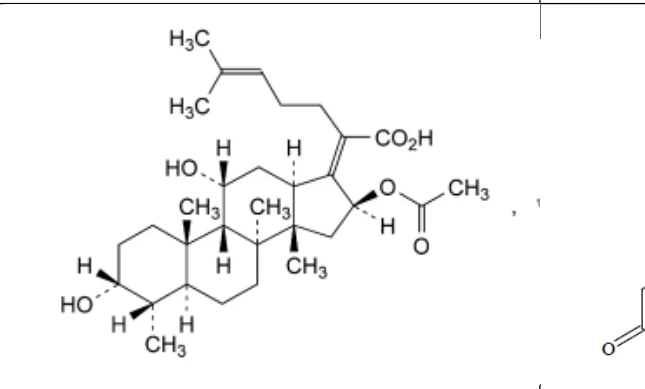 | 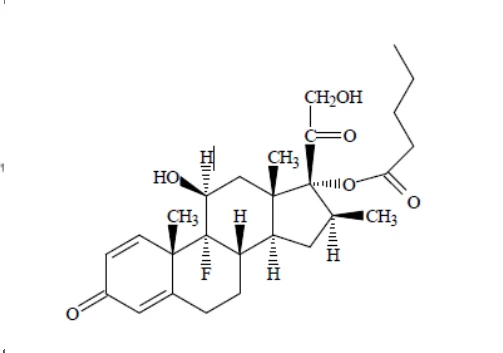 | |
| Physicochemical properties: | Physical form: White or almost white microcrystalline powder Solubility: Freely soluble in alcohol, insoluble in water, and insoluble in the oil-in-water formulation of the drug product. Melting point: 177-179°C Polymorphism: Only one hemihydrate can | Physical form: White or almost white microcrystalline powder Solubility: Soluble in alcohol, insoluble in water, and insoluble in the oil-in-water formulation of the drug product. Melting point: 185-195°C Polymorphism: No evidence of polymorphic | |
| be obtained | transformation | ||
14. Clinical Trials
14.1 Clinical Trials by Indication
Table 1 – Summary of Patient Demographics for Clinical Trials in infected atopic dermatitis
| Study # | Study design | Dosage, route of administration and duration | Study participants (n) | Age (range) |
| FCF0001 INT | Prospective, randomised, double-blind, 3-arm parallel group, active and vehicle-controlled | 2 weeks; twice-daily | N = 629; fusidic acid/ betamethason e valerate cream (264); Fucibet® (lipid cream) (275); Lipid cream vehicle (90) | Mean age (range), 25.6 (3-78) years |
Study FCF0001 was a randomised double blind, three arm, parallel group, active and vehicle controlled comparative Phase III study in patients with clinically infected atopic dermatitis. A total of 629 patients were randomized to twice daily double-blind treatment for 2 weeks with either FUCIBET (lipid cream), fusidic acid/betamethasone valerate cream, or the lipid cream vehicle.
The primary endpoint for overall clinical response was the percentage reduction/change in total severity scores (TSS) from baseline to end of treatment. TSS was calculated based on the severity of erythema, edema, oozing/crusting and excoriation, each assessed at a 4-point scale. In addition, for overall treatment efficacy patients with marked improvement or complete clearance were defined as responders.
Study results are provided for FUCIBET versus lipid cream vehicle. The mean percentage reductions in TSS of the target lesion from baseline to end of treatment were approximately 82.9% in the FUCIBET group and 33% in the lipid cream vehicle group. The estimated treatment difference between the FUCIBET group and the lipid cream vehicle group was statistically significantly different (p<0.001) demonstrating a statistically significantly superior effect of the lipid cream as compared with the vehicle.
At end of treatment, approximately 83% of the patients in the FUCIBET group and approximately 30% of patients in the vehicle group were responders. The difference between the proportion of responders in the lipid cream group and the vehicle group was statistically significant (p<0.001) in favour of FUCIBET.
Successful bacteriological response obtained for the FUCIBET group (88%) was statistically significantly superior to that for the lipid cream vehicle group (25%)
15. Microbiology
Mechanism of action
The microbiological effect of FUCIBET (fusidic acid and betamethasone valerate) is attributed to fusidic acid. Fusidic acid is a narrow-spectrum antibiotic, predominantly active against Gram-positive bacteria and specifically, Staphylococci including MRSA (see Table 2 below) and Corynebacteria. Notably, it is highly effective against S. aureus, including methicillin-resistant strains, at MIC90 concentrations of 0.25 mg/L.
Table 2. Anti-staphylococcal Activity of Fusidic Acid
| Minimum Inhibitory Concentration, (mg/L) | |||||||
|---|---|---|---|---|---|---|---|
| Organism | No. of isolates | MIC50 | MIC90 | MIC Range | |||
| S. aureus | 879 | 0.125 | 0.25 | 0.03 - 2 | |||
Methicillin-susceptible S. aureus (MSSA) | 26 | 0.125 | 0.25 | ≤0.06 - 2 | |||
Methicillin-resistant S. aureus (MRSA) | 126 | 0.125 | 0.25 | ≤0.06 - 0.5 | |||
| Coagulase negative Staphylococci (methicillin susceptible) | 26 | 0.125 | 2 | 0.125 - 16 | |||
| Coagulase negative Staphylococci (methicillin resistant) | 125 | 0.125 | 0.25 | ≤0.06 - 8 | |||
The European Committee on Antimicrobial Susceptibility Testing (EUCAST) website contains MIC distribution data for fusidic acid. The epidemiological breakpoint (ECOFF) for fusidic acid is set by EUCAST to 0.5 mg/L for S. aureus, irrespective of their susceptibility to methicillin. The same breakpoint is used for the most prevalent coagulase negative Staphylococci (S. epidermidis, S. lugdunensis and S. haemolyticus).
Susceptibility
Fusidic acid is primarily active against Gram-positive bacteria, in particular S.aureus including MRSA.
Fusidic acid is also active against against a number of other Gram-positive bacteria and a few Gram-negative bacteria (see Table 3 below) – certain Streptococcus spp., Corynebacterium minutissimum, some Neisseria spp., and certain Clostridium spp. Most Gram-negative bacteria (including Haemophilus influenza, Enterobactericeae such as Escherichia coli and Klebsiella pneumonia and Pseudomonas spp.) are resistant to fusidic acid/sodium fusidate.
Table 3. Activity of Fusidic Acid against Bacterial Species other than Staphylococci
| Minimum Inhibitory Concentration, (mg/L) | |||||||
|---|---|---|---|---|---|---|---|
| Organism | No. of isolates | MIC50 | MIC90 | MIC Range | |||
| Streptococci - Group A | 102 | 4 | 8 | 1-32 | |||
| Clostridium difficile | 80 | 0.75 | 2 | 0.125-4 | |||
| Propionibacterium acnes | 50 | - | 1 | - | |||
| Bacteroides fragilis | 23 | - | 8 | - | |||
| Corynebacterium minitissimum | 20 | 0.03 | 0.06 | ≤0.015-0.25 | |||
| Neisseria meningitis | 100 | 0.03 | 0.12 | ≤0.015-0.5 | |||
Mechanism of Resistance
Fusidic acid is the sole fusidane and is chemically distinct to other antibiotics. Due to its unique molecular structure and distinct mode of action, target specific cross-resistance with other classes of antibacterial agents has not been detected.
In a sensitivity study of 2,302 S. aureus strains isolated from clinical specimens over a 6 year period, 65 strains (2.8%) were found to be resistant to fusidic acid, and bi-annual resistance rates ranged from 0.7 to 6.3%. Among the 2,302 strains tested there were 240 MRSA strains detected, of which 10 (4.2%) were also resistant to fusidic acid.
To date, five genes (fusA, fusB, fusC, fusD and fusE) have been associated with fusidic acid resistance. Resistant strains isolated from the clinical setting may exhibit reduced growth rate and lower pathogenicity and can revert to full susceptibility in the absence of fusidic acid. Management and prevention of the spread of fusidic acid resistance in S. aureus has benefited from characterization of the five resistance genes. In S. aureus two main types of resistance mechanisms have been characterized. The first is caused by mutations in the fusidic acid binding site of EF-G (fusA) and the other involves horizontal acquisition of determinants encoding FusB -type resistance determinants (fusB and fusC) that binds to EF-G.
16. Non-Clinical Toxicology
General toxicology
Most of the toxicology studies conducted in animals were performed using systemic administration, hence achieving markedly higher concentrations than obtained with topical administration. Fusidic acid and betamethasone showed only limited toxicity in these studies with adult animals. No studies have been conducted with juvenile animals.
Single Dose Toxicity:
Fusidic acid: No acute dermal toxicity studies have been performed with fusidic acid.
Mice and rats (5 males + 5 females per group) were given a single dose of fusidic acid (suspended in 0.25% w/v methocel) by the oral (p.o.) or intraperitoneal (i.p.) route. The oral administration of fusidic acid induced clinical signs of decreased locomotor activity up to 4 hours after the treatment in the mice, but no signs were observed in the rats. The i.p. administration of fusidic acid caused decreased locomotor activity from 2-3 hours until 2-3 days after the treatment in the mice and up to 24 hours in the rats. The median lethal dose (LD50) was determined (see Table 4). At the autopsy, no abnormalities were found in the animals treated orally. In the animals treated i.p., peritoneal haemorrhage, ascites and residues of test substance in the abdominal cavity were found.
Table 4. Fusidic acid LD50-values
Route
LD50 mouse (mg/kg)
LD50 rat (mg/kg)
Oral
>5000
>5000
Intraperitoneal
3900
3550
Betamethasone: No data are available on betamethasone valerate. Betamethasone dipropionate showed a low acute toxicity in rats with LD50 values above 4000 mg/kg for both genders when given orally.
Repeat Dose Toxicity:
Fusidic acid: No repeat dose dermal toxicity studies have been performed with fusidic acid.
In a 5-months oral toxicity study in rats, fusidic acid was suspended in a saccharose solution and administered orally by gavage to one group of 25 male + 25 female rats of the local LEO strain. Daily doses of 400 mg/kg fusidic acid were administered 6 days a week for 5 months. A control group of 10 male + 10 female rats was treated with the sugar solution. The clinical appearance, body weight and hematology parameters were recorded.
No hematological changes and no gross pathological changes were apparent throughout the test period. Microscopic examination of lung, heart, spleen, liver kidney, stomach and intestine did not disclose any morphological alterations that could be attributed to the drug.
Betamethasone: No data are available in the literature with respect to repeat-dose toxicity of betamethasone valerate in animals.
Repeat-dose studies in mice (13 week dermal) and rats (13 week oral, 26 week subcutaneous) have been performed with the related corticosteroid betamethasone dipropionate. After repeated administration, the pathological findings primarily consisted of atrophy of lymphoid organs (spleen and thymus) and adrenals along with hematological changes (leucopenia/lymphopenia). These effects were observed in the rat at oral and subcutaneous doses from10 μg/kg and in the mouse at dermal doses from 33 μg/kg. These observations are consistent with the known pharmacological properties of betamethasone dipropionate.
Genotoxicity
Fusidic acid: Fusidic acid was negative in the Ames mutagenicity assay and in an in vivo Micronucleus Test. Fucidic acid is not considered to be genotoxic.
Betamethasone: No data are available on betamethasone valerate. The related substance, betamethasone dipropionate, did not elicit any genotoxic effects in the Ames mutagenicity assay, the mouse lymphoma TK locus assay, or the rat micronucleus test.
Carcinogenicity
Fusidic acid: No carcinogenicity testing has been performed with fusidic acid. The genotoxicity tests did not indicate any mutagenic or clastogenic potential and no hormonal effects have been demonstrated.
Betamethasone: No data are available on betamethasone valerate.
When betamethasone dipropionate was applied topically to CD-1 mice for up to 24 months at dosages of 1.3, 4.2 and 8.5 µg/kg/day in females, and 1.3, 4.2 and 12.9 µg/kg/day in males (corresponding to dosages of up to approximately 26 µg/m2/day and 39 µg/m2/day, in females and males, respectively), no significant changes in tumour incidence were observed when compared to control.
When betamethasone dipropionate was administered via oral gavage to male and female Sprague Dawley rats for up to 24 months at dosages of 20, 60 and 200 µg/kg/day (corresponding to dosages of approximately 120, 360 and 1200 µg/m2/day), no significant changes in tumour incidence were observed when compared to control.
Reproductive and Developmental Toxicology
Fusidic acid: Preclinical studies and clinical experience indicate that fusidic acid does not have an effect on fertility. Furthermore, in vivo and in vitro studies indicate negligible systemic absorption of topically administered fusidic acid resulting in negligible risk of adverse effects during pregnancy.
Betamethasone: No data are available on betamethasone valerate.
Betamethasone dipropionate has been shown to be teratogenic in mice and rabbits when given by the subcutaneous route at dosages of 156 µg/kg/day (468 µg/m2/day) and 2.5 µg/kg/day (30 µg/m2/day), respectively. Those dose levels are lower than the maximum topical dose of fusidic acid/betamethasone valerate cream in humans (about 5,950 µg/m2/day). The abnormalities observed included umbilical hernia, exencephaly and cleft palate.
Betamethasone dipropionate was evaluated when orally administered to pregnant rats from gestation day 6 through day 20 postpartum at dosages of 0, 100, 300, and 1000 µg/kg/day. No effects on the ability of pups to learn were observed, and the ability of the offspring of treated rats to reproduce was not affected.
Studies in male rats at oral doses of up to 200 µg/kg/day (1200 µg/m2/day), and in female rats at oral doses of up to 1000 µg/kg/day (6000 µg/m2/day) of betamethasone dipropionate indicated no impairment of fertility.
Studies of corticosteroids in animals have shown reproductive toxicity (cleft palate, skeletal malformations, and low birth weight).
Special toxicology
In two studies fusidic acid/betamethasone valerate cream was administered daily for up to 6 weeks on shaved New Zealand White rabbits. Mild reactions were seen in a low number of animals. Transient severe reactions were seen in three out of five high-dose animals during Week 2 of treatment and in one intermediate-dose animal (out of five) during the last 8 days of treatment.
In vitro studies have demonstrated no significant difference between FUCIBET and fusidic acid/betamethasone valerate cream in permeation through barrier-impaired skin, indicating that the systemic exposure of each of the active ingredients in FUCIBET is no more than that of fusidic acid/betamethasone valerate cream. FUCIBET irritancy relative to a placebo control (lipid cream base) was assessed in a 3-week study in rabbits. Findings consisted of very mild erythema. Both FUCIBET and the vehicle cream appeared well tolerated by rabbits.