


Product Monograph - Fucidin Film Coated Tab 250mg
CLINICAL PHARMACOLOGY
Fusidic acid is active against a wide range of gram positive organisms, particularly staphylococci.(2,10) Other species against which fusidic acid exerts high clinical activity include
Streptococci, (including Pneumococci) and Corynebacteria.(2,10,14)
Fusidic acid is virtually inactive against most gram negative bacteria. The differences in activity against gram negative and gram positive organisms are believed to be due to a difference in cell
wall permeability.
Mammalian cells are much less susceptible to inhibition of protein synthesis by FUCIDIN
(fusidic acid) than sensitive bacterial cells. These differences are believed to be due primarily to a difference in cell wall permeability.
No cross-resistance has been observed to date between FUCIDIN and other antibiotics presently in clinical use.
CLINICAL PHARMACOKINETICS
FUCIDIN (fusidic acid) has a somewhat steroid like structure but does not exhibit any steroid like pharmacological activity (ie. hormonal or anti-inflammatory effects).(11,34,44) It is widely distributed in the tissues of the body. Of great clinical importance is that FUCIDIN provides high concentrations not only in areas well supplied with blood but also in relatively avascular tissues, such as bone sequestra, in osteomyelitis patients.(15) Concentrations in excess of the M.I.C. for S.
aureus (0.03-0.16 mcg/mL) have been found in pus, sputum, soft tissue, heart tissue, bone tissue, synovial fluid, sequestra, burn crusts, brain abscesses and intraocularly (see Table 1).(4,5,15,28,33,42)
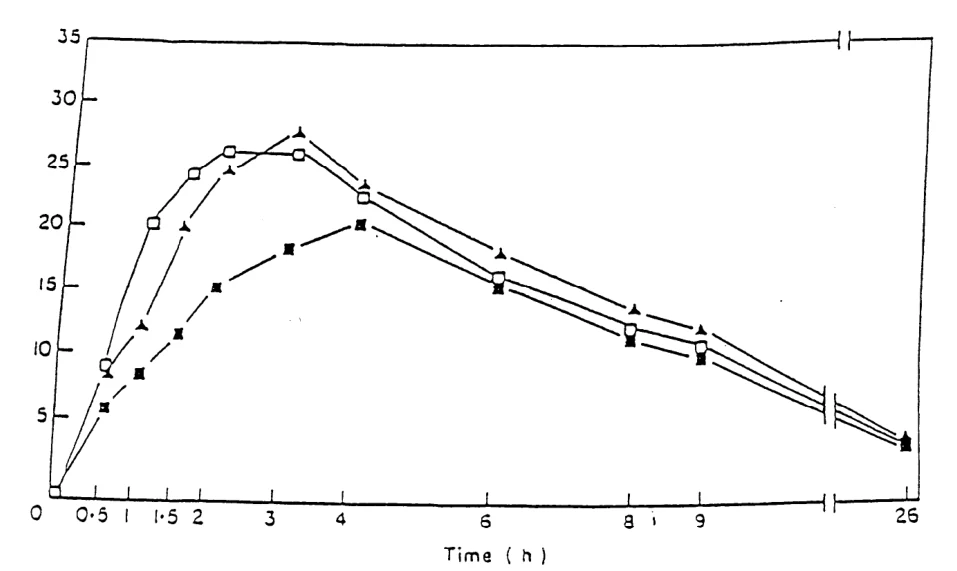
FUCIDIN is readily absorbed from the gut with peak blood concentrations of 25-35 mcg/mL being reached between 2 and 3 hours following oral administration of two 250 mg film-coated tablets or 500 mg dissolved in 20 mL of water.(22) Average peak concentrations following single doses of tablets and solution are approximately 55-80% of those obtained following an intravenous infusion of a comparable dose.(36) (see Figures 1 and 2)
Figure 1: Mean Plasma Concentrations of Sodium Fusidate After a Single (⑤) Oral Dose and Following the Last of a Series of 9 Multiple (¿) 500 mg Infusions.
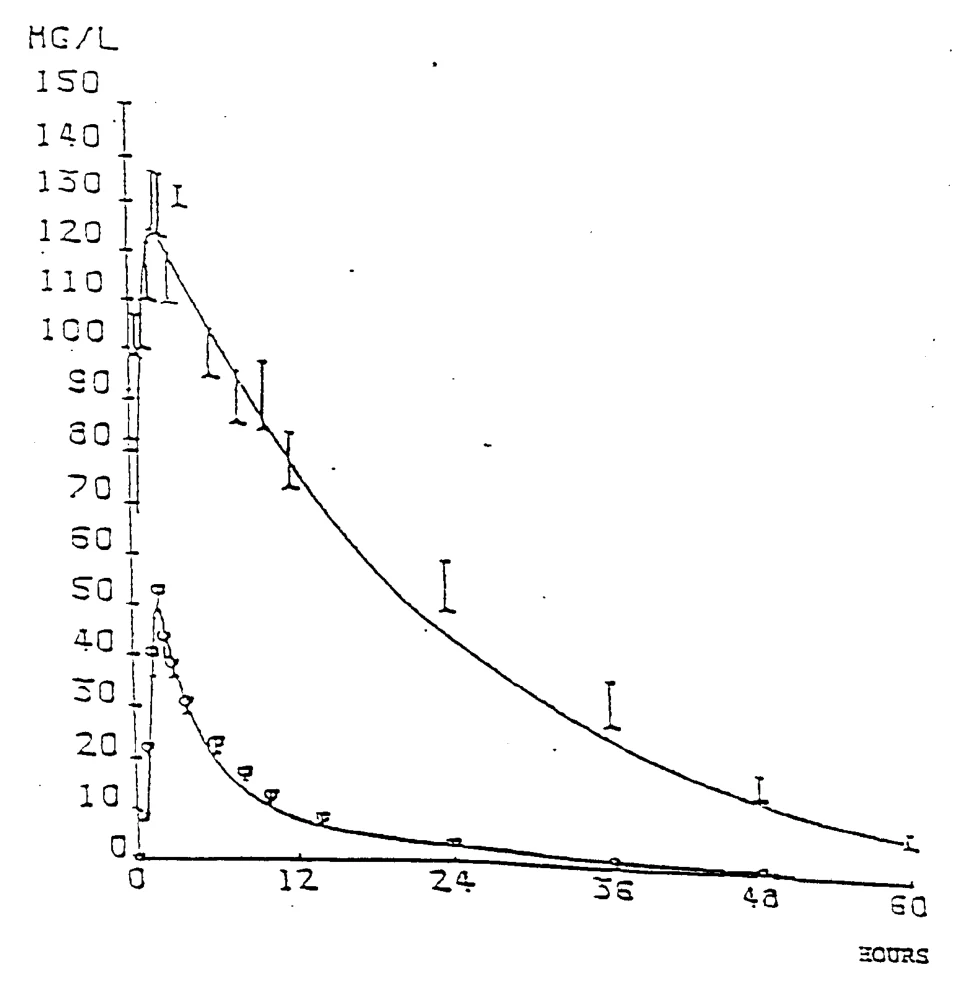
Figure 2: Mean Serum Fusidic Acid Levels in Volunteers after Oral Administration of
Two Film-coated Tablets Fasting (⑤), After Food (④) and the same Amount of
Sodium Fusidate as a Solution (¿).
Serum fusidic acid conc (mg/l)
FUCIDIN suspension (500 mg fusidic acid) is less completely absorbed than 2 x 250 mg capsules
(sodium fusidate). Serum Cmax of the capsules was 31.4 mg/l after 3.1 hours whereas for the suspension it is 23 mg/l after 2.6 hours. The area under the curve (AUC0-∞) for the capsules was
161.7 mg/l/h versus 107 mg/l/h for the suspension.(43)
Following a single dose of 2 x 250 mg tablets the average peak concentration of 30-33 mg/mL is reached in the serum after approximately 2.2 hours. Concurrent food intake reduced maximum serum concentrations achieved to approximately 23 mg/l. The AUCO-∞ was measured at approximately 330-370 mg/l/h.(22) In the case of a single I.V. infusion of 500 mg sodium fusidate maximum serum levels of 52.4 mg/l are reached after 2 hours and total bioavailability as measured by the AUC0-∞ was 411 mg/l/h.(36)
In single dose studies, the plasma half-life of FUCIDIN has been calculated to average between
10 and 12 hours by oral and I.V. routes of administration.(22,36)
Due to an accumulating effect, repeated dosing of 500 mg sodium fusidate t.i.d. for 3 days increased serum Cmax to 123.1 mg/l, reported half-life was 14 hours and gave an AUC0-∞ of 804 mg/l/h.(36). Concentrations of FUCIDIN after 9 doses were higher than those predicted from single dose data due to accumulation of the drug, and steady state had not been reached. (36) The therapeutic regimen studied leads to plasma concentrations well above the minimum inhibitory concentrations (MIC) for methicillin-resistant Staphylococcus aureus and Staphylococcus epidermidis strains.(37)
The concentrations of FUCIDIN in various body tissues and fluids are shown in Table 1. The concentrations observed, except possibly for sputum, are in excess of those required to inhibit most staphylococci in vitro. (The minimum inhibitory concentation of FUCIDIN against Staph.
aureus ranges from 0.03 to 0.50 ug/mL). The drug is 97.7% protein bound in human serum thus only 2-3% is available in the active free form in the blood.(12) The small amount, however, is sufficient to produce the desirable clinical results observed in practice.
Table 1. Concentration of FUCIDIN in Body Tissues and Fluids(46)
| DOSE AND DURATION OF FUCIDIN | CONCENTRATION OF FUCIDIN | |||||
| (GIVEN ORALLY AS SODIUM FUSIDATE) | TISSUE OR FLUID (mcg/g or /mL) | SERUM (mcg/mL) | ||||
| TISSUE | DOSE (g/day) | DURATION (days) | MEAN | RANGE | MEAN | RANGE |
Bone (healthy) Cortical bone Cancellous bone Bone (inflamed) Sequestra Synovial fluid (pts. with rheumatoid arthritis) Synovial fluid (pts. with osteoarthritis) Burn crusts Sputum Pus (incl. pus in inaccessible sites, e.g. osteomyelitis cavity) Aqueous humour (uninflamed eyes) | 1.5 1.5 1.5 1.5 3.0 1.5 1.5 1.5 1.5 1.5 20 mg/ kg/day 1.5 1.5 | 5 7 13 8 8 >5 >5 3-31 3 3 3 16 - 1-9 (mean 3) 3 | 12.3 21.3 25.4 17.9 31.9 8.3 9.8 2.3 47.0 25.0 41.0 152.0 0.53 15.0 1.3 | 1.2-40.2 2.3-75.1 2.8-79.1 - - 1.7-14.9 3.4-14.8 0.75-6.9 16-107 7- 70 4.9-108.1 97.7-243.7 0.1- 1.6 4.0-29 0.8-2.0 | 26.7 44.7 27.1 39.9 39.9 29.0 75.5 25.8 71.1 31.3 24.0 23.7 8.67 19.1 86.9 | 1.6-108.8 5.1-166.4 2.7- 58.8 _ - 6.24- 76.8 18.6- 188.8 4.4- 65.8 23-140 11-70 5.4- 52.8 3.5- 56.9 4.0- 14.0 5.8- 38.8 10-200 |
FUCIDIN is almost exclusively excreted in the bile.(10,44) In individuals with normally functioning gallbladders, the FUCIDIN concentrations were found to be 12 times higher in bile than in serum but in conditions involving severely inflamed gallbladders, the concentration in bile
fell to only 7% of the serum level. Seven metabolites of FUCIDIN have been isolated from the bile and only a small amount is excreted unchanged in the feces. The 3 major metabolites have been identified as: 1) a glucuronic acid conjugate, 2) a dicarboxylic ester and 3) a glycol, although the structure of the latter has not been positively confirmed. The three (3) compounds have varying degrees of antibacterial activity.(26)
INDICATIONS AND CLINICAL USE
For the treatment of the following infections when due to Staphylococcus aureus, both penicillinase-producing and non-penicillinase-producing:
- Skin and soft tissue infections
- Osteomyelitis(6,16,27)
For patients with staphylococcal infections which other antibiotics are failing to control (e.g.
patients with staphylococcal septicemia, burns, endocarditis, pneumonia, cystic fibrosis, etc.) the use of FUCIDIN (sodium fusidate) should be considered. (21,23,24,25,28,33,40,42)
Appropriate culture and susceptibility studies should be performed. FUCIDIN may be administered to those patients in whom a potentially serious staphylococcal infection is suspected while awaiting results of culture and susceptibility studies. Once these results become available, further therapy modifications may be indicated.
CONTRAINDICATIONS
Concomitant treatment with statins.
Known hypersensitivity to fusidic acid and its salts.
WARNINGS
Cases of jaundice have developed on occasion during administration of FUCIDIN (sodium fusidate).(18) Occasionally serum transaminases may also be elevated.
FUCIDIN displaces bilirubin from its albumin binding site in vitro.(7,) The clinical significance of this finding is uncertain.
The safety of FUCIDIN in the treatment of infections during pregnancy has not been established.
The safety of FUCIDIN for the treatment of infections in women who are breast feeding has not been established with respect to the infant.(10)
PRECAUTIONS
Should the elevation of serum bilirubin or serum transaminases occur, liver function should continue to be closely monitored until the serum bilirubin concentration has returned to a satisfactory level. If an elevated serum bilirubin level persists, administration of the drug should be discontinued.
If it is considered essential to administer FUCIDIN (sodium fusidate) to patients with impaired liver function, extreme caution should be exercised and liver function tests should be performed regularly during treatment.
As FUCIDIN is excreted mainly in the bile, periodic liver function tests should be carried out when the drug is given for periods exceeding several days.
Caution should be exercised if FUCIDIN is administered with other drugs, including antibiotics
(e.g. lincomycin and rifampicin), which have a similar biliary excretion pathway.
If the administration of FUCIDIN to pregnant patients is considered to be necessary, its use requires that the potential benefits be weighed against the possible hazards to the fetus. There is evidence to suggest that the drug can penetrate the placental barrier and FUCIDIN is detectible in
the milk of nursing mothers.(10)
Drug Interactions
HMG-CoA reductase inhibitors: Co-administration of FUCIDIN tablets and HMG-CoA reductase inhibitors, i.e. statins, causes increased plasma concentrations of both agents. This may result in an elevation of creatine kinase level and risk of muscle weakness, muscle pain and even life-threatening rhabdomyolysis (see, ADVERSE REACTIONS). Concomitant treatment with statins is therefore contraindicated (see, CONTRAINDICATIONS).
Oral anticoagulants: FUCIDIN tablets administered concomitantly with oral anticoagulants such as coumarin derivatives or anticoagulants with similar actions may increase the plasma concentration of these agents, resulting in enhanced anticoagulant effect. Adjustment of the oral anticoagulant dose may be necessary in order to maintain the desired level of anticoagulation.
HIV protease inhibitors: Co-administration of FUCIDIN tablets and HIV protease inhibitors such as ritonavir and saquinavir causes increased plasma concentrations of both agents which may result in hepatotoxicity.
Cyclosporin: Co-administration of FUCIDIN tablets and cyclosporin has been reported to cause increased plasma concentration of cyclosporin.
CYP-3A4 substrates or inhibitors: The specific pathways of fusidic acid metabolism in the human body are not known. However, an interaction between fusidic acid and CYP-3A4 substrates or inhibitors can be suspected based on the post-marketing experience about drug interaction in concomitant use of FUCIDIN with drugs such as simvastatin, atorvastatin, ritonavir, warfarin and cyclosporine which are all known CYP-3A4 substrates or inhibitors. The mechanism of this interaction is presumed to be a mutual inhibition of drug metabolism. Co-administration of FUCIDIN and a CYP-3A4 substrate or inhibitor should be done with caution or even avoided to reduce the risk of adverse reactions.
ADVERSE REACTIONS
Blood and Lympatic System Disorders
Very rare cases of pancytopenia, leukopenia, thrombocytopenia and anaemia have been reported.
Haematological disorders affecting the white cell line (neutropenia, granulocytopenia, agranulocytosis) and more rarely disorders affecting the other two cell lines have been reported, either as isolated events or associated. This has been observed especially in case of treatment with duration of more than 15 days and is reversible upon drug withdrawal.
Gastrointestinal Disorders
Upon oral administration, nausea, vomiting, epigastric pain, anorexia, diarrhea and dyspepsia may occur infrequently.
The incidence of these effects can be lessened by taking the medication with food.
Hepatobiliary Disorders
In some patients treated orally with FUCIDIN (sodium fusidate), jaundice has been reported. The jaundice was usually resolved on cessation of therapy (See WARNINGS and PRECAUTIONS).
Musculoskeletal, Connective Tissue and Bone Disorders
Rhabdomyolysis has been reported mostly in patients who were concomitantly treated with
FUCIDIN and a statin drug. Signs and symptoms include muscle weakness, muscle swelling and pain, dark urine, myoglobinuria, elevated level of serum creatine kinase, acute renal failure, cardiac arrhythmia, and even death (see, PRECAUTIONS, Drug Interactions).
Skin and Subcutaneous Tissue Disorders
Skin rashes and pruritus have been observed on rare occasions.
Nervous System Disorders
Dizziness, blurred vision, psychic disturbance, and headaches have been generally mild and rare.
SYMPTOMS AND TREATMENT OF OVERDOSAGE
Early symptoms of overdosage may include epigastric or gastric discomfort and possibly diarrhea. Prolonged ingestion of high doses may produce jaundice and abnormal liver biochemistry.
Since there have not been any reports of accidental massive overdosage with FUCIDIN (sodium fusidate), there has been no experience with any specific treatment. Treatment should be restricted to symptomatic and supportive measures.
Dialysis
Dialysis is of no benefit in reducing serum levels of fusidic acid, since the drug is not significantly dialyzed.
DOSAGE AND ADMINISTRATION
The recommended adult dose of FUCIDIN (sodium fusidate) is 500 mg (2 tablets) 3 times daily.
IN FULMINATING INFECTIONS, THE RECOMMENDED ORAL DOSE MAY BE
DOUBLED.
General Information
The total duration of therapy should be dictated by the patient's clinical condition and the results of bacteriological monitoring. The following may serve as a guide for the length of therapy in different clinical situations:
CLINICAL CONDITION MINIMUM DURATION
OF TREATMENT
Skin Infections
Soft Tissue Infections
Acute Osteomyelitis
Chronic Osteomyelitis
Septicaemia
Pneumonia
Burns
Endocarditis
1 - 2 weeks
1 - 2 weeks
2 - 4 weeks several months
2 - 4 weeks
2 - 4 weeks
2 - 4 weeks
1 - 2 months
N.B. FUCIDIN IS NOT RECOMMENDED FOR SYSTEMIC THERAPY IN
INFECTIONS DUE TO STREPTOCOCCI OR N. GONORRHOEAE.
PHARMACEUTICAL INFORMATION
Drug Substance
Proper Name: Sodium Fusidate (tablets)
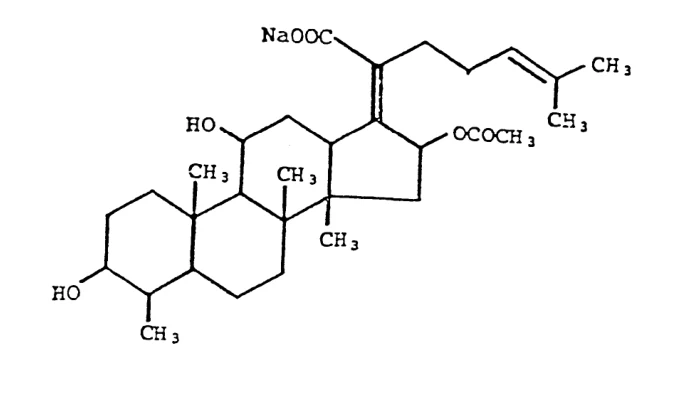
Chemical Name: Sodium (Ζ)-ent-16α-(acetyloxy)-3β,11β-dihydroxy-4β,8,14- trimethyl-18-nor-5β,10α-cholesta-17(20),24-dien-21-oate
Structural Formula:
Physical Form: A white or almost white crystalline powder; slightly hygroscopic.
Solubility: Soluble in 1 part of water (w/w) and in 1 part of ethanol (96%);
practically insoluble in acetone and in ether; slightly soluble in chloroform.
Molecular Formula: C31 H47 Na O6
Molecular Weight: 538.7
Alkalinity: pH of a 1.25% w/v solution, 7.5 to 9.0
Specific optical rotation: Dissolve 1.5 g in 25 mL of water, add 0.1 mL of 5M ammonia and dilute to 50 mL with water. The specific optical rotation in the resulting solution is +5o to +8o.
Composition
FUCIDIN tablets contain 250 mg sodium fusidate. The non-medicinal ingredients include:
cellulose microcrystalline, colloidal anhydrous silica, crospovidone, gelatine, hydroxypropyl-methylcellulose, lactose, magnesium stearate, povidone, talc and titanium dioxide.
Stability and Storage Recommendations
Store FUCIDIN tablets between 15 - 25 oC
AVAILABILITY OF DOSAGE FORMS
Each white ovoid film-coated tablet contains 250 mg sodium fusidate. Available in cartons of 10 foil blister packs. Each foil blister pack contains 10 tablets for a total of 100 tablets per carton.
PHARMACOLOGY(46)
Animal Studies
Anesthetized and unanesthetized dogs were treated with sodium fusidate intravenously to determine the cardiovascular effect of the drug. Unanesthetized dogs exhibited the earliest signs of drug action which involved the following symptoms of ganglionic blockage: bradycardia, enhancement of pressor responses to epinephrine and norepinephrine and of the depressor response to tilting, blockage of reflex compensatory heart rate response to epinephrine, norepinephrine and acetylcholine and reduction of the pressor response to tetramethylammonium and to carotid occlusion. Doses of 64 to 128 mg/kg in 1 of 3 anesthetized dogs and a dose of 256 mg/kg in 2 of 3 unanesthetized dogs produced a decrease in blood pressure, tachypnea and increase in T waves. Doses of 256 mg/kg and 384 mg/kg in anesthetized and unanesthetized dogs, respectively, resulted in respiratory and cardiac arrest in 4 of the 6 dogs tested. The 2 remaining anesthetized dogs were placed on a respirator but they finally succumbed at 448 and 480 mg/kg, respectively. During these studies, hematuria was observed in 2 unanesthetized dogs following the intravenous injection of 128 mg/kg sodium fusidate.
The effect of fusidic acid on blood pressure and heart action was also studied in anesthetized cats.
When infused intravenously for 30 minutes at a rate of 1 mg/kg/min, the cats showed only a transient 10% decrease in heart rate. With an infusion rate of 3 mg/kg/min, blood pressure decreased by an average of 10-30 mm Hg and a progressive bradycardia developed (47-60% slowing). Single intravenous doses of fusidic acid (20-60 mg/kg) resulted in pronounced bradycardia which could be interrupted by atropine or bilateral vagotomy. However, these doses had no effect on blood pressure reactions induced by noradrenaline, 5-hydroxytryptamine, histamine and short acting high frequency vagus stimuli. Moreover, the ability to regulate circulation, as tested with the aid of the carotid sinus reflex, was not affected.
Endocrinological studies with sodium fusidate were conducted in the adrenalectomized male rat.
Following an oral dose of 50 mg, the drug showed no glucocorticoid-like activity by the liver glycogen deposition test. In rats given oral doses equal to or greater than 120-200 mg/kg, slight sodium and potassium retention was induced as well as augmentation of sodium retention produced by desoxy-corticosterone acetate (DOCA). These doses antagonized the potassium ion excretion activity of DOCA.
In doses ranging from 50-100 mg/kg/day the drug was devoid of estrogenic and anti-estrogenic activity in immature mice and spayed rats (vaginal cornification test) and devoid of androgenic and anti-androgenic activity in castrated male rats based on the weights of the ventral prostate, seminal vesicles and levator ani muscle. There was a weak progestational activity in the immature rabbit with a dose totalling 100 mg/kg over 5 days but not with doses totalling 50 mg/kg (Clauberg Test).
Human Studies
FUCIDIN (sodium fusidate) had no discernible effect on adreno-cortical function in investigations of urinary hormone excretion and of eosinophil count. Following a dose of 1 to
1.5 g/day for 3 to 4 days, one out of 4 patients tested showed an increase (not statistically significant) in the urinary excretion of 17-ketogenic steroids. Otherwise, the drug produced no changes in the urinary output of 17-ketogenic or 17-ketosteroids or in the daily counts of blood eosinophils.
Oral doses of 1.5 g sodium fusidate per day for up to 36 days exerted no effect on liver function tests (except for a mild temporary delay in bromsulphthalein (BSP) excretion), glucose tolerance, insulin sensitivity, adrenocortical metabolism or pituitary-adrenal axis. Administration for up to
52 days had no noticeable effect on plasma sodium, potassium, calcium or urea.
The drug did produce a mild but clinically insignificant increase in urinary nitrogen excretion, a decrease in the external nitrogen balance and decrease in urinary calcium excretion.
FUCIDIN crosses the blood-brain barrier only when the meninges are inflamed.(34)
In one patient given a single dose of 1.0 g orally, FUCIDIN crossed the placental barrier.
FUCIDIN has been given to 40 neonates with spina bifida from the day of birth for up to 1 year.
No evidence of liver, renal, blood or ocular toxicity was observed.
MICROBIOLOGY(46)
In Vitro Studies
FUCIDIN (sodium fusidiate) is active in vitro against Gram-positive bacteria and Neisseria species but has almost no antibacterial activity against Gram-negative organisms. The in vitro susceptibility against a range of clinical isolates is illustrated in Table 2.
In vitro sensitivity to FUCIDIN can be determined by the Kirby-Bauer disc diffusion method using discs containing 10 mcg sodium fusidate.(3,35,39) The following criteria have been recommended for interpreting the results for Staphylococcus aureus:
Sensitive Organisms: Zone equal to or greater than 20 mm diameter (equivalent to an MIC of
2 mcg/mL or less).
Resistant Organisms: Zone equal to or less than 19 mm diameter.
N.B.: It is important to note that the previous sensitivity test is invalid if blood is present on the agar medium employed as FUCIDIN becomes bound to protein, even in the presence of a very small amount of blood.
The possibility of synergism between sodium fusidate and other antibiotics has been tested in meat infusion broth inoculated with sensitive strains of Staphylococcus aureus. Synergism was demonstrated with penicillin V, penicillin G, erythromycin and picromycin.
In another experiment, the MICs of combinations of benzylpenicillin or methicillin with fusidic acid were determined by the serial-dilution tube titration method. When the penicillin was added
2 hours before fusidic acid, the combination was synergistic. However, when penicillin was added at the same time, or later than fusidic acid, the two agents acted antagonistically. It has been suggested that these apparently opposing effects occur because fusidic acid rapidly inhibits protein synthesis but the action of penicillin requires active cell growth. FUCIDIN and methicillin act antagonistically when employed in this way against staphylococcal strains which are susceptible to methicillin but not in methicillin-resistant strains.
Synergism between the penicillins and fusidic acid has only been observed with strains of
Staphylococcus aureus that produce small amounts of penicillinase. Synergism does not occur with penicillinase-stable penicillins and FUCIDIN.
Animal Studies
Mice Protection: Sodium fusidate, administered orally at levels of 20 to 2,500 mcg/dose, was tested in vivo in mice infected with a penicillin-resistant strain of Staphylococcus aureus,
Streptococcus pyogenes C203 or Mycobacterium tuberculosis, var. bovis, strain Ravenel.
Sodium fusidate was active against Staphylococcus aureus at all levels, but active against
Streptococcus pyogenes C203 only at levels of 313 mcg/dose and above. The drug did not prolong survival times of mice infected with Mycobacterium tuberculosis.
In another study, groups of mice were infected intraperitoneally with Streptococcus pyogenes
C203, Staphylococcus aureus (penicillin-resistant and penicillin-sensitive) or Diplococcus pneumoniae SV-1. When one dose of 250 mg/kg sodium fusidate was administered orally 24 or 6 hours prior to the staphylococcal infection, it protected 60% and 80% of the mice treated, respectively. When the single dose of sodium fusidate was administered 4, 2 or 1 hour pre-infection or at the time of infection, 100% of the mice were protected. Sodium fusidate administered subcutaneously failed to protect the mice against Streptococcus pyogenes C203 and
Diplococcus pneumonia infections, regardless of the time of administration. Single subcutaneous and oral doses of sodium fusidate, vernamycin B and erythromycin (4.0, 20.0 and 100 mg/kg)
were tested in corticosterone-treated mice which had been infected intradermally with two strains of Staphylococcus aureus. All three drugs protected the animals from lesions with the 20 mg/kg s.c. dose when given 1 hour after infection. When administered subcutaneously 1 hour pre-infection, erythromycin was 5 times more active. With the oral route, all 3 drugs provided complete protection with 100 mg/kg given at the time of infection but 500 mg/kg or more was required when the drugs were administered 3 to 6 hours post-infection. When the same 3 drugs were tested against an intraperitoneally-induced staphylococcal infection, erythromycin was the most active drug.
Rabbit Protection: Rabbits were inoculated intradermally for 3 days with two different strains of staphylococcus. When infection was induced 24 hours before the administration of sodium fusidate (32.5, 125 or 500 mg/kg), no beneficial effects on the induced lesions were observed;
however, when the staphylococcal lesions were produced at the same time or 24 hours following drug administration, erythema was limited and the size of the lesions remained constant throughout the test period (1 week) for all dose levels.
Resistance In Vivo: Although resistance to FUCIDIN has been rapidly induced in vitro, resistant strains have only occasionally been observed in the clinical setting. In one study, only 3 out of
1025 naturally occurring strains of Staphylococcus aureus were found to be resistant to
FUCIDIN. In another study, only 10 out of 2700 clinical isolates of Staphylococcus showed
resistance to FUCIDIN and all 10 strains were coagulase-positive Staphylococci. The degree of resistance exhibited by these strains was comparable to the resistance shown by various mutants in vitro.
In another study, resistant strains of Staph. aureus emerged in 6 of 13 burn patients treated with
500 mg FUCIDIN two or three times daily for 7 days.
Table 2. Antimicrobial Spectrum and Sensitivity Range
| MICROORGANISMS | MIC 90%* | MIC-RANGE* | MBC-RANGE* |
ESPECIALLY SENSITIVE Gram-positive Staph. aureus (methicillin-susceptible) Staph. aureus (methicillin-resistant) Staph. epi. (methicillin-susceptible) Staph. epi. (methicillin-resistant) Corynebacterium diphteriae Clostridium tetani Clostridium perfringens Gram-negative Neisseria meningitidis Legionella pneumophila SENSITIVE Gram-positive Propionibacterium acnes Other Corynebacterium spp. Clostridium difficile Other Clostridium spp. Gram-negative Neisseria gonorrhoeae Bacteroides fragilis Other Bacteroides spp. Others Mycoplasma spp. MODERATELY RESISTANT Gram-positive Staphylococcus saprophyticus Streptococcus faecalis Streptococcus pyogenes Streptococcus pneumoniae JK diphteroids Others Mycobacterium tuberculosis Nocardia asteroids Other Nocardia spp. RESISTANT Other Gram-Negative E. coli Pseudomonas Klebsiella Proteus Salmonella Shigella Pasteurella | 0.06 0.12 0.25 0.50 0.0044 (a) 0.05 (a) 0.5 0.12 <0.25 (a) 1.0 2.0 2.0 <1.0 1.0 2.0 <2.0 <0.8 (a) 3.12 6.25 12.5 25.0 32.0 3.0 (a) 16.0 32.0 | 0.007-0.195 0.015-8.0 0.024-8.0 0.03->32 ND ND 0.06- 1.0 0.015- 0.5 ND <0.06- 2.0 <0.04- 12.5 <0.25- 64 <0.06- 1.0 <0.03- 8.0 0.5- 4.0 <0.06- 8.0 ND 0.048-6.25 1.56- 6.25 <1.6 - 50 <0.25->64 ND <0.5 - 32.0 <0.5 - >32.0 | 0.097-25.0 0.040-12.5 0.024-12.5 ND ND ND ND ND ND ND ND ND ND ND ND ND ND 0.097-12.5 1.56 -50.0 ND ND ND ND ND |
*mcg/mL (a) MIC-value ND - No data
TOXICOLOGY
Acute Toxicity
The following table summarizes the acute toxicity data obtained for mice and rats.
| DRUG SUBSTANCE | SPECIES | ROUTE OF ADMINISTRATION | LD50 (mg/kg body wt.) |
Na Fusidate(29,30) Fusidic Acid(46) | Mice Rats Mice Rats - Adults
| Oral Intravenous Oral Intravenous Oral Intraperitoneal Oral Oral | 860 180 3000 140 5400 355 2263 443 |
The signs and symptoms of toxicity of fusidic acid and its salts in mice were decreased activity, ataxia, staggering, tremors, convulsions and increased respiratory rate in a few cases; in rats, the only symptoms preceding death were decreased activity, slight salivation and in some cases coma and increased respiration.
Dogs:(46) Sodium fusidate was administered as a 10% solution by stomach tube to 2 fasted dogs in single doses of 250 and 500 mg/kg, respectively. Two other fasted dogs received the drug in the form of gelatin capsules in doses of 500 and 1500 mg/kg, respectively. No effects were noted in the dog receiving 500 mg/kg by capsules. The remaining 3 dogs vomited within 8 to 60 minutes; the dog given 1500 mg/kg was lethargic for 12 hours, but no other effects were observed during a 7-day observation period. A dose dependent increase in BSP retention times was observed.
Subacute Toxicity of Sodium Fusidate
Rats:(46) Sodium fusidate was administered in the diet of 2 groups composed of 5 male and 5 female rats at doses of 0 or 270 mg/kg/day for 4 weeks. A similar group received 500 mg/kg/day for 1 week and subsequently 1200 mg/kg/day for 3 weeks. None of the animals died during testing and no significant lesions attributable to the drug were found. Except for a slight to moderate weight retardation in males in the high dose group, the average rates of growth of the treated animals were comparable to that of the controls.
In a more recent study, sodium fusidate was administered intravenously for 2 weeks to 2 groups of rats composed of 10 males and 10 females in a dose of 21.5 mg/kg per day diluted with saline to a concentration of 2.15 mg/mL.(31) There were no mortalities and no changes in appearance or behaviour in any of the animals. No toxic or other adverse effects attributable to the drug were seen.
Dogs:(46) Sodium fusidate was administered in the diet of 3 groups of 2 dogs each. One group served as the control, another group was dosed at 110 mg/kg/day for 4 weeks and the third group at 250 mg/kg/day for 1 week followed by 470 mg/kg/day for the next 3 weeks. None of the dogs showed any significant gross or micropathological alterations which were considered to be drug-related.
During the second and third weeks, the 2 dogs on the low dose showed reductions in appetite which were apparently due to poor palatability of the drug. One of the 2 dogs showed a slight weight loss. In the high dose group reductions in appetite limited drug intake to an average of
470 mg/kg/day. Both these animals had small weight losses, probably associated with reduced food intake.
Sodium fusidate was also administered intravenously to 2 male and 2 female dogs for 2 weeks at a dose of 21.5 mg/kg per day given in two equal doses of 62.5 mL each.(32) Apart from local swelling at the site of catherization, no changes were seen which were considered to be related to the administration of the sodium fusidate compound by gross or histopathological examination.
In a further study, 2 male dogs received daily, for 2 weeks, 2 infusions of 10.75 mg/kg of sodium fusidate in a volume of 62.5 mL administered by slow infusion over a period of 90 minutes.(17)
The infusion of sodium fusidate provoked a local intolerance manifested by a reddening and swelling at the site of cannulation. At the histological level, a venous intolerance reaction was noted.
Chronic Toxicity
Rats:(46) Sodium fusidate was administered in the diet to 4 groups of 40 rats at doses of 0, 200,
420 or 840 mg/kg daily for 34 weeks. High dose females and to a lesser degree, high dose males showed a small retardation of weight gain. Slight neutrophilia was also noted in both high dose males and females. Ten of the 14 high dose males showed mild fatty metamorphosis of the liver without significant cytopathological change.
In another study, rats received sodium fusidate administered orally at a dose of 200 mg/kg/day for
24 weeks. No influence on growth or hematology and no other toxic effects were observed.
In a final study, fusidic acid was administered orally to a group of 25 male and 25 female rats at a dose of 400 mg/kg/day, 6 days a week for 5 months. No hematological changes or other toxic effects were noted.
Guinea Pigs:(46) No toxic effects were seen when sodium fusidate was administered orally to guinea pigs at doses of 80 mg/kg/day for 50 days.
Dogs:(46) Sodium fusidate was included daily in the diet of 4 groups of 5 dogs in amounts to result in doses of 0, 90, 190 or 300 mg/kg for 26 weeks. Significant changes observed were: 1)
weight loss with significantly reduced appetite in one animal on the high dose; however, all other test animals maintained or gained weight comparable to the control group in spite of slightly reduced food intake ascribed by the investigator to poor palatability, ii) one dog on the high dose showed definite increases in plasma bilirubin and BSP; one dog on the intermediate dose showed
slight to moderate increases in BSP, SGPT and alkaline phosphatase; one dog on the low dose showed a moderate increase in alkaline phosphatase and a slight increase in plasma bilirubin.
In another study, post-mortem examination revealed mild to moderate liver cell damage in one high dose dog (400 mg/kg/day) at 26 weeks, but the other animals showed no morphological changes with this dose attributable to the drug.
Fertility and Reproduction Studies(46)
Two groups, each comprised of 20 male and 20 female rats, received either 0 or 400 mg/kg sodium fusidate per day from 2 weeks before mating to weaning. Caesarian sections were performed on half the dams on the 20th day; the remainder were allowed to deliver naturally.
There were no significant differences between the treated and control dams with respect to percent resorptions, the condition of the uteri or the number and weights of the pups. No soft tissue abnormalities were found in the pups of either group but skeletal anomalies (control group
2 pups missing ribs and dosed group 1 pup occipital bone formation incomplete and 1 pup rib deformities) appeared in 4% of the pups in both groups. These rates were similar to that seen in the control group. The viability and lactation indices, reflecting neonatal development, were higher in the treated group than the control group, but all values were within normal limits.
Teratology Studies(46)
Mice:(46) Pregnant mice were divided into 3 groups of 16-19 animals each and given daily doses of 20, 100 and 200 mg/kg sodium fusidate by gavage from the 6th to 15th day of gestation.
Another group of 23 pregnant mice, serving as controls, received just water by gavage. On the
18th day of pregnancy, half the dams were sacrificed. The remainder were allowed to go to term.
Sex distribution of fetuses and young, fetal weight, birth weight and weight increase were normal and similar for all groups. The mean incidence of resorption was 1.2, 1, 0.5 and 0.6 per dam for the 20, 100 and 200 mg/kg groups and control group, respectively. Average litter size in the
treated group did not differ significantly from that of the controls. No fetal abnormalities were detected in any of the groups.
Rats: Pregnant rats were divided into 3 groups of 29-31 animals each and given daily doses of
20, 100 or 200 mg/kg sodium fusidate by gavage from the 3rd to the 15th day of gestation.
Another group of 59 pregnant rats, serving as controls, received just water by gavage. On the 21st day of pregnancy, half the dams were sacrificed. The remaining dams were allowed to go to term.
Litter size and sex distribution of the fetuses and young of the dosed animals were comparable to the controls with no dose-related differences. Birth weights and weight gain over a 4-month period were comparable for all groups. No fetal deformities were observed in any group.
Rabbits:(46) Eighteen pregnant rabbits were treated orally with 125 mg sodium fusidate in tablet form once per day from the 6th to the 18th day of pregnancy. Eleven pregnant animals, serving as controls, received a placebo tablet each day. On the 30th day of pregnancy 9 treated animals and
3 controls were sacrificed. The remaining animals were allowed to go to term.
Sex distribution of fetuses and young, fetal and birth weights and weight gain were normal and similar for both groups. Three dead fetuses were found in each of 2 treated animals and in 1 control animal. Average litter size was lower in the treated group (4.8 young per litter) than in the control group (7.6 young per litter). Macroscopic examinations of the young failed to reveal any teratogenic or other abnormalities.
REFERENCES
- 1.
ANDERSON, J.D. (1980) Fusidic Acid: New opportunities with an old antibiotic. CMA
Journal, 122:765-769.
- 2.
BARBER, M., Waterworth, P. (1962): Antibacterial Activity in Vitro of Fucidin. Lancet
I: 931-932.
- 3. BAUER, A.V., Kirby, W., Sherris, J.C., Turck, M. (1966): Antibiotic susceptibility testing by a standardized single disk method. Amer. J. Clin. Path. 45, 493.
- 4. BARLING, R.W.A. and Selkon, J.B.: The penetration of antibiotics into cerebrospinal fluid and brain tissue. J. Antimicrob. Chemother. 4: 203-227, 1978.
- 5.
BERGERON, M.G. et al (1985): Concentrations of Fusidic Acid, Cloxacillin and
Cefamandole in Sera and Atrial Appendages of Patients Undergoing Cardiac Surgery. Antimicr. Ag. and Chemoth. 27, 928-932.
- 6.
BLOCKEY, N.J., McAllister, T.A.: Antibiotics in acute osteomyelitis in children. J. Bone
Joint Surg. 54B: 299, 1972.
- 7.
BRODERSEN, R. (1985): Fusidic Acid Binding to Serum Albumin and Interaction with
Binding of Bilirubin. Acta Paediatr. Scand. 74: 874-880.
- 8.
CHOPRA, I. (1976): Mechanisms of resistance to fusidic acid in Staphylococcus aureus.
J. Gen. Microbiol. 96: 229-238.
- 9. COOPERMAN, I.J.: The prolonged use of intravenous fusidic acid in severe staphylococcal infections. Br. J. Clin. Pract. 26: 83, 1972.
- 10.
GODTFREDSEN, W. et al (1962): Fucidin - A New Orally Active Antibiotic. Lancet I:
928-931.
- 11. GODTFREDSEN, W.O., Vangedal, S. (1962): The structure of fusidic acid and helvolinic acids. Tetrahedron 18: 1029-1048.
- 12.
GUTTLER, F., Tybring, L. (1971): Interaction of albumin and fusidic acid. Brit. J.
Pharmacol 43: 151-160.
- 13.
HARVEY, C.L., Knight, S.G., Sih, C.K. (1966): On the mode of action of fusidic acid.
Biochemistry 5, 3320-3327.
- 14.
HECZKO, P.B. et al (1977): Susceptibility of Human Skin Aerobic Diphteroids to
Antimicrobial Agents in Vitro. J. Antimicrob. Chemother; 3: 141-146.
- 15. HIERHOLZER, G., Knothe, H. and Rehn, J.: Penetration der Fusidin saure in aseptischem Knochengewebe (Penetration of fusidic acid into aseptic bone tissue). Arzneim. Forsch. 10: 1473-1476, 1970.
- 16. HIERHOLZER, G., Rehn, J., Knothe, H. and Masterson, J.: Antibiotic therapy of chronic post-traumatic osteomyelitis. J. Bone Joint Surg. 56B: 721, 1974.
- 17. HUBERT, F., Le Grande, C., Vigier, C. (1987): Fucidine Injectable - Etude de Tolerance aux Administrations Reiterees chez le Chien Beagle. Unpublished report on file at Leo Pharmaceutical Products, Ballerup, Denmark. (Report #870221)
- 18. HUMBLE, M.W., Susannah, J.E., Phillips, I. (1980): Staphylococcal bacteraemia, fusidic acid and jaundice. Brit. Med. Jour. 280: 1495-1498.
- 19.
IWARSON, S., Fasth, S., Olaison, L., Hulten, L. (1981): Adverse Reactions to
Intravenous Administration of Fusidic Acid. Scand. J. Infect. Dis. 13: 65-67.
- 20. LOWBURY, J.L.: Fucidin for staphylococcal infection of burns. Lancet i: 478-480, 1962.
- 21.
MACGOWAN, A.P., Greig, M.A., Andrews, J.M., Reeves, D.S., Wise, R. (1989):
Pharmacokinetics and tolerance of a new film-coated tablet of sodium fusidate administered as a single oral dose to healthy volunteers. J. Antimicrob. Chemother; 23: 409-415.
- 22.
MURPHY, E.: Fulminating staphylococcal septicemia responding to Fucidin. J. Irish
Med. Ass. 54: 123, 1964.
- 23. NORMAN, A.P.: Fusidic acid in cystic fibrosis. Lancet ii: 516, 1967.
- 24. PENMAN, R.: Fusidic acid in bacterial endocarditis. Lancet ii: 1277, 1962.
- 25.
REEVES, D.S. (1987): The Pharmacokinetics of fusidic acid. J. Antimicrob. Chemother.
20: 467-476.
- 26.
ROWLING, D.E.: Further experience in the management of chronic osteomyelitis. J.
Bone Joint Surg. 52B: 302, 1970.
- 27. SAGGERS, B.A., Lawson, D.: In vivo penetration of antibiotics into sputum in cystic fibrosis. Arch. Dis. Child. 43: 404-409, 1968.
- 28.
SKOV, B. (1986): Sodium Fusidate - Acute Toxicity in Mice and Rats. Unpublished
report on file at Leo Pharmaceutical Products Ltd., Ballerup, Denmark. (Report #830626A6-2)
- 29.
SKOV, B. (1985): Acute Intravenous Toxicity of Sodium Fusidate and Diethanolamine
Fusidate in Mice and Rats. Unpublished report on file at Leo Pharmaceutical Products Ltd., Ballerup, Denmark. (Report #850128A1-B)
- 30.
SKOV, B. (1986): Sodium Fusidate - Intravenous Toxicity in Rats - Repeated
Administration for Two Weeks. Unpublished report on file at Leo Pharmaceutical Products Ltd., Ballerup, Denmark. (Report #860124T1)
- 31.
SKOV, B., Mortenson, J. Th., Patson, A. (1986): Sodium Fusidate - Intravenous Toxicity
Study in Dogs - Repeated Administration for Two Weeks. Unpublished report on file at Leo Pharmaceutical Products Ltd., Ballerup, Denmark. (Report #860131T2)
- 32. SORENSEN, Bent, Serjsen, P. and Thomsen, M.: Fucidin, Prostaphlin and Penicillin concentrations in burn crusts. Acta Chir. Scand. 131: 423-429, 1966.
- 33. STEWART, G.T. (1964): Steroid antibiotics. Pharmakotherapie 2: 137-148.
- 34. STOKES, E. Joan and Waterworth, Pamela, M.: Antibiotic sensitivity tests by diffusion methods. Association of Clinical Pathologists Broadsheet, 55: 1-12, 1972.
- 35.
TABURET, A.M., Guibert, J., Kitzis, M.D., Sorensen, H., Acar, J.F., Singlas, E. (1989):
Pharmacokinetics of sodium fusidate after single and repeated infusions and oral administration of a new formulation. J. Antimicrob. Chemother; 24: Suppl. F. 00-00.
- 36. TANAKA, N., Kinoshita, T., Masukawa, H. (1968): Mechanism of protein synthesis inhibition by fusidic acid and related antibiotics. Biochem. Biophys. Research Comm. 30, 278-283.
- 37. TANAKA, N., Yamaki, H., Lin, Y., Umezawa, N. (1967): Further studies on inhibition of protein synthesis by fusidic acid and helvolinic acids. J. Antibiotics 20, 156-161.
- 38. TRAUB, W.H., Kleber, I., (1974): Interpretation of diffusion susceptibility data obtained with 10u Fucidin (sodium fusidate) discs against clinical isolates of Staphylococcus aureus. Chemother. 20, 92-96.
- 39. WEBB, J., Wilson, H.G. and Rao, A.: Staphylococcal endocarditis treated by intravenous administration of fusidic acid and penicillin. Med. J. Austr. 1: 131-133, 1968.
- 40. WILLIAMS, R.F. (1982): Choice of Chemotherapy for infection by Staphylococcus aureus. J. Antimicrob. Chem., 9: 1-3.
- 41. WILLIAMSON, J., Russle, F., Doig, W.M., Paterson, R.W.W. (1970): Estimation of sodium fusidate levels in human serum, aqueous humour and vitreous body. Brit. J. Ophth. 54, 126-130.
- 42.
WISE, R., Pippard, M. and Mitchard, M.: The disposition of sodium fusidate in man. Br.
J. Clin. Pharmac. 4: 615-619, 1971.
- 43.
WYNN, V. (1965): Metabolic effects of the steroid antibiotic fusidic acid. Brit. Med. J. 1,
1400-1404.
- 44.
YAMAKI, H. (1965): Inhibition of protein synthesis by fusidic acid and helvolinic acids.
J. Antibiotics 18, 228-232.
- 45.
Extracts from Product Monograph for Systemic Fucidin currently on file with Health
Protection Branch, Health and Welfare Canada (Control # 6HN831415).