


Product Monograph - Gonal-F (Emd Serono, A Division of Emd Inc., Canada, 33 mcg, 77 mcg)
SUMMARY PRODUCT INFORMATION
| Route of Administration | Dosage Form / Strength | Clinically Relevant Nonmedicinal Ingredients |
Subcutaneous injection or Intramuscular injection | Lyophilized powder for reconstitution / 75 IU (5.5 µg), 450 IU (33 µg) and 1050 IU (77 µg) | For a complete listing of the nonmedicinal ingredients see DOSAGE FORMS, COMPOSITION AND PACKAGING. |
DESCRIPTION
GONAL-f (follitropin alfa for injection) is a gonadotropin preparation of recombinant DNA origin. The active ingredient, recombinant human Follicle Stimulating Hormone (r-hFSH), is a human glycoprotein hormone which consists of two non-covalently linked, non-identical protein components designated as the α- and β-subunits. The physicochemical, immunological, and biological activities of r-hFSH are similar to those of human menopausal urine-derived hFSH, but free of urinary protein and of any luteinizing hormone (LH) component.
INDICATIONS AND CLINICAL USE
GONAL-f is indicated for the stimulation of multiple follicular development in ovulatory patients undergoing Assisted Reproductive Technologies (ART) such as in vitro fertilization. To complete follicular maturation in the absence of an endogenous LH surge, human chorionic gonadotropin (hCG) is given.
GONAL-f is also indicated for the stimulation of follicular development in patients with hypothalamic-pituitary dysfunction who present either oligomenorrhoea or amenorrhoea (WHO Group II). To complete follicular maturation and effect ovulation, hCG is given.
Selection of Patients:
- 1. Before treatment with GONAL-f is instituted, a thorough gynaecologic and endocrinologic evaluation must be performed. This should include an assessment of pelvic anatomy.
- 2. Primary ovarian failure should be excluded by the determination of gonadotropin levels.
- 3. Appropriate evaluation should be performed to exclude pregnancy.
- 4. Patients in late reproductive life have a greater predisposition to endometrial carcinoma as well as a higher incidence of anovulatory disorders. A thorough diagnostic evaluation should always be performed in patients who demonstrate abnormal uterine bleeding or other signs of endometrial abnormalities before starting GONAL-f therapy.
- 5. Evaluation of the partner's fertility potential should be included in the initial evaluation.
CONTRAINDICATIONS
GONAL-f is contraindicated in women who exhibit:
- 1. High levels of FSH indicating primary ovarian failure.
- 2. Uncontrolled thyroid or adrenal dysfunction.
- 3. An organic intracranial lesion such as pituitary or hypothalamus tumours.
- 4. The presence of any cause of infertility other than anovulation, as stated in the INDICATIONS AND CLINICAL USE section, unless the women are candidates for Assisted Reproductive Technologies.
- 5. Abnormal uterine bleeding of unknown aetiology (see INDICATIONS AND CLINICAL USE: Selection of Patients).
- 6. Ovarian cyst or enlargement of undetermined origin (see INDICATIONS AND CLINICAL USE: Selection of Patients).
- 7. Sex hormone dependent tumours of the reproductive organs and breasts.
- 8. Pregnancy/lactation
- 9. Hypersensitivity to or history of previous allergic reaction to follitropin alfa, FSH or to any of the excipients of GONAL-f.
WARNINGS AND PRECAUTIONS
General
Careful attention should be given to diagnosis in candidates for GONAL-f therapy (see INDICATIONS AND CLINICAL USE: Selection of Patients).
GONAL-f should only be used by physicians who are thoroughly familiar with infertility problems and their management. GONAL-f is a potent gonadotropic substance capable of causing mild to severe adverse reactions. Gonadotropin therapy requires a certain time commitment by physicians and supportive health professionals, and requires the availability of appropriate monitoring facilities (see "Monitoring and Laboratory Tests"). Safe and effective use of GONAL-f requires monitoring of ovarian response with ultrasound, alone or in combination with measurement of serum estradiol levels, on a regular basis.
In patients with porphyria or a family history of porphyria GONAL-f may increase the risk of an acute attack. Deterioration or a first appearance of this condition may require cessation of treatment.
Prior to therapy with GONAL-f, patients should be informed of the duration of treatment and monitoring of their condition that will be required. Possible adverse reactions (see ADVERSE REACTIONS) and the risk of multiple births should also be discussed.
Before starting treatment, the couple’s infertility should be assessed as appropriate and putative contraindications for pregnancy evaluated. In particular, patients should be evaluated for hypothyroidism, adrenocortical deficiency, hyperprolactinemia and pituitary or hypothalamus tumours, and appropriate specific treatment given.
During training of the patient for self-administration, special attention should be given to specific instructions for the use of the multidose and/or monodose preparations.
Overstimulation of the Ovary During FSH Therapy
Ovarian Enlargement: Use of FSH therapy to stimulate follicular development may result in the recruitment of a number of follicles. This may result in mild to moderate uncomplicated ovarian enlargement which may be accompanied by abdominal distention and/or abdominal pain. It is more commonly seen in women with polycystic ovarian syndrome. This degree of enlargement has been reported to occur in approximately 20% of those treated with urofollitropin and hCG, and generally regresses without treatment within two or three weeks.
To minimize the hazard associated with the occasional abnormal ovarian enlargement which may occur with GONAL-f therapy, the lowest dose consistent with the expectation of good results should be used. Careful monitoring of ovarian response can further minimize the risk of ovarian enlargement.
If there is clinical evidence of excessive ovarian response (see "Monitoring and Laboratory Tests"), treatment should be discontinued and hCG should not be administered. This will reduce the chances of development of the Ovarian Hyperstimulation Syndrome (OHSS).
Ovarian Hyperstimulation Syndrome (OHSS): OHSS is a medical event distinct from uncomplicated ovarian enlargement. OHSS may progress rapidly (within 24 hours to several days) to become a serious medical event. It is characterized by marked ovarian enlargement, high serum sex steroids and an apparent dramatic increase in vascular permeability which can result in an accumulation of fluid in the peritoneal, pleural and, rarely, in the pericardial cavities. The early warning signs of development of OHSS are severe pelvic pain, nausea, vomiting, and weight gain. The following symptomatology has been seen with cases of mild manifestations of OHSS: abdominal pain, abdominal distention, and enlarged ovaries. Moderate OHSS may additionally present nausea, vomiting, diarrhoea, ultrasound evidence of ascites and marked ovarian enlargement. Severe OHSS further includes symptoms such as severe ovarian enlargement, weight gain, dyspnea, or oliguria Clinical evaluation may reveal hypovolemia, hemoconcentration, electrolyte imbalances, ascites, pleural effusions, or acute pulmonary distress. (see "Respiratory and Cardiovascular”). Rarely, severe OHSS may be complicated by ovarian torsion or thromboembolic events, such as pulmonary embolism, ischaemic stroke or myocardial infarction. Transient liver function test abnormalities suggestive of hepatic dysfunction, which may be accompanied by morphologic changes on liver biopsy, have been reported in association with the OHSS.
Severe OHSS occurred in approximately 6.0% of patients treated with urofollitropin therapy in the initial clinical trials, in patients treated for anovulation due to polycystic ovarian syndrome. In these studies, prospective monitoring of ovarian response using serum estradiol determination or ultrasonographic visualizations was not routinely employed.
In the clinical trials in oligo-anovulatory infertile women treated with GONAL-f in which both estradiol and ultrasound measurements were utilized to monitor follicular development, the incidence of severe OHSS was 1 in 513 treatment cycles (0.2%).
In the clinical trials in ovulatory infertile women treated with GONAL-f for induction of multiple follicular induction for IVF/ET in which both estradiol and ultrasound measurements were utilized to monitor follicular development, there was no incident of severe OHSS.
To minimize the risk of OHSS or of multiple pregnancy, ultrasound scans, as well as serum oestradiol measurements are recommended.
When risk of OHSS or multiple pregnancies is assumed, treatment discontinuation should be considered.
Independent risk factors for developing OHSS include young age, lean body mass, polycystic ovarian syndrome, higher doses of exogenous gonadotropins, high absolute or rapidly rising serum estradiol levels and previous episodes of OHSS, large number of developing ovarian follicles and large number of oocytes retrieved in ART cycles.
OHSS may be more severe and more protracted if pregnancy occurs. OHSS develops rapidly; therefore, patients should be followed for at least two weeks after hCG administration. Most often, OHSS occurs after treatment has been discontinued and reaches its maximum at about seven to ten days following treatment. Usually, OHSS resolves spontaneously with the onset of menses. If there is evidence that OHSS may be developing prior to hCG administration (see "Monitoring and Laboratory Tests"), the hCG should not be administered.
If severe OHSS occurs, treatment should be stopped and the patient should be hospitalized. A physician experienced in the management of this syndrome, or who is experienced in the management of fluid and electrolyte imbalances should be consulted.
Carcinogenesis and Mutagenesis
Long-term studies in animals have not been performed to evaluate the carcinogenic potential of GONAL-f. However, r-hFSH showed no mutagenic activity in a series of tests performed to evaluate its potential genetic toxicity including, bacterial and mammalian cell mutation tests, a chromosome aberration test and a micronucleus test.
There have been reports of ovarian and other reproductive system neoplasms, both benign and malignant, in women who have undergone multiple drug regimens for infertility treatment. The causality of these neoplasms has not been established. Although, to date, the results of recent epidemiological studies do not suggest a causal relationship between the use of gonadotropins in ART and the occurrence of neoplasms, long term follow-up studies are still ongoing.
Respiratory and Cardiovascular
The following paragraph describes serious medical events reported following gonadotropin therapy. Serious pulmonary conditions (e.g., atelectasis, acute respiratory distress syndrome and exacerbation of asthma) have been reported. In addition, thromboembolic events both in association with, and separate from Ovarian Hyperstimulation Syndrome have been reported. Intravascular thrombosis and embolism can result in reduced blood flow to critical organs or the extremities. Sequelae of such events have included venous thrombophlebitis, pulmonary embolism, pulmonary infarction, myocardial infarction, cerebral vascular occlusion (ischemic stroke), and arterial occlusion resulting in loss of limb. In rare cases, pulmonary complications and/or thromboembolic events have resulted in death.
In women with recent or ongoing thromboembolic disease or women with generally recognised risk factors for thromboembolic events, such as personal or family history, treatment with gonadotropins may further increase the risk for aggravation or occurance of such events. In these women, the benefits of gonadotropin administration need to be weighed against the risks. It should be noted however, that pregnancy itself as well as OHSS also carries an increased risk of thrombo-embolic events.
Dependence/Tolerance
There have been no reports of abuse or dependence with GONAL-f.
Sexual Function/Reproduction
In patients undergoing ovarian stimulation, the incidence of multiple pregnancies is increased as compared with natural conception. In the event they occur, majority of multiple conceptions are twins. Reports of multiple births have been associated with GONAL-f treatment. The risk of multiple births in patients undergoing ART procedures is related to the number of embryos replaced. In other patients, the incidence of multiple births may be increased by GONAL-f, as has been observed with other gonadotropin preparations. The patient and her partner should be advised of the potential risk of multiple births before starting treatment. To minimize the risk of higher order multiple pregnancy, careful monitoring of ovarian response is recommended.
Since women with infertility undergoing assisted reproduction, and particularly IVF, often have tubal abnormalities, the incidence of ectopic pregnancies might be increased. The prevalence of ectopic pregnancies after IVF was reported to be 2 to 5%, as compared to 1 to 1.5% in the general population. Early ultrasound confirmation that a pregnancy is intrauterine is therefore important.
The incidence of pregnancy wastage by miscarriage or abortion may be higher in patients undergoing stimulation of follicular growth for ovulation induction or ART than following natural conception in the normal population.
The prevalence of congenital malformations after ART may be slightly higher than after spontaneous conception. This is thought to be due to differences in parental characteristics (e.g. maternal age, sperm characteristics) and multiple pregnancies.
Impaired fertility has been reported in rats exposed to pharmacological doses of r-hFSH (40 IU/kg/day) for extended periods through reduced fecundity.
Special Populations
Pregnant Women: There are no adequate and well-controlled studies in pregnant women.
Given in high doses (>5 IU/kg/day) GONAL-f caused an increase in deaths, fetal effects and dystocia in pregnant rats and rabbits, but without being a teratogen. However, since GONAL-f is not indicated in pregnancy, these data are of limited clinical relevance. To date, no particular malformative effect has been reported. No teratogenic effect has been observed in animal studies.
Nursing Women: It is not known whether this drug is excreted in human milk, although animal studies have shown that r-hFSH is excreted in milk. Therefore, GONAL-f is contraindicated in lactating mothers. During lactation, the secretion of prolactin can entail a poor response to ovarian stimulation.
Pediatrics: Not indicated for treatment in pediatric population.
Geriatrics: Not indicated for treatment in the geriatric population.
Renal or hepatic impaired patients
Safety, efficacy, and pharmacokinetics in patients with renal or hepatic impairment have not been established.
Monitoring and Laboratory Tests
In most instances, treatment with GONAL-f results only in follicular recruitment and development. In the absence of an endogenous LH surge, hCG is given when monitoring of the patient indicates that sufficient follicular development has occurred. This may be estimated by ultrasound alone or in combination with measurement of serum estradiol levels. The combination of both ultrasound and serum estradiol measurement are useful for monitoring the development of follicles, for timing of the ovulatory trigger, as well as for detecting ovarian enlargement and minimizing the risk of the Ovarian Hyperstimulation Syndrome and multiple gestation. It is recommended that the number of growing follicles be confirmed using ultrasonography because plasma estrogens do not give an indication of the size or number of follicles.
The clinical confirmation of ovulation, with the exception of pregnancy, is obtained by direct and indirect indices of progesterone production. The indices most generally used are as follows:
- 1. A rise in basal body temperature,
- 2. Increase in serum progesterone, and
- 3. Menstruation following a shift in basal body temperature.
When used in conjunction with the indices of progesterone production, sonographic visualization of the ovaries will assist in determining if ovulation has occurred. Sonographic evidence of ovulation may include the following:
- 1. Fluid in the cul-de-sac,
- 2. Ovarian stigmata,
- 3. Collapsed follicle, and
- 4. Secretory endometrium.
Accurate interpretation of the indices of follicle development and maturation require a physician who is experienced in the interpretation of these tests.
For patients undergoing extended cycles of treatment, PTT and liver enzymes should be monitored.
Occupational Hazards
No studies on the effects on the ability to drive and use machines have been performed.
ADVERSE REACTIONS
Adverse Drug Reaction Overview
Safety data on GONAL-f stem from clinical studies, as well as 15 years of post-marketing surveillance.
The most commonly reported adverse reactions with GONAL-f in clinical studies were ovarian cysts, injection site reaction of any severity, headache, mild to moderate OHSS manifesting with symptoms such as abdominal swelling and pain, ovarian enlargement, as well as gastrointestinal symptoms such as nausea, vomiting, and diarrhoea.
The most frequently reported adverse reactions resulting in clinical intervention (e.g., discontinuation of GONAL-f, adjustment in dosage, or the need for concomitant medication to treat an adverse reaction symptom) was severe OHSS and its associated complications, such as adnexal torsion, thromboembolic events, and acute pulmonary distress (see WARNINGS AND PRECAUTIONS).
Severe OHSS was also the most frequently reported serious adverse reaction (see WARNINGS AND PRECAUTIONS). Complications of severe OHSS have been reported both in clinical studies and from spontaneous sources.
Clinical Trial Adverse Drug Reactions
Because clinical trials are conducted under very specific conditions the adverse reaction rates observed in the clinical trials may not reflect the rates observed in practice and should not be compared to the rates in the clinical trials of another drug. Adverse drug reaction information from clinical trials is useful for identifying drug-related adverse events and for approximating rates.
Summary of Adverse Drug Reactions Reported during Clinical Trials and in Post-Market Experience
More than 1000 patients were exposed to r-hFSH during the clinical development programme of GONAL-f. In addition to the clinical trial patient population, it is estimated that 580,000 to 1,700,000 patients have been exposed to r-hFSH during the post-marketing phase. The following summary presents the adverse drug reactions that have been reported with the use of r-hFSH during clinical trials and during post-market use. These data provide a comprehensive description of the safety profile of GONAL-f.
≥ 1% (Common and Very Common):
Reproductive disorders, female
- Ovarian cysts
- Mild to moderate ovarian enlargement
- Breast tenderness
- Mild to moderate OHSS
Application site disorders:
- Mild to severe injection site reaction (e.g. pain, redness, bruising, swelling and/or irritation at the site of injection)
Body as a whole, general disorders:
- Headache
Gastro-intestinal system disorders:
- Abdominal; pain, distension, discomfort
- Nausea
- Vomiting
- Diarrhea
< 1% (Uncommon, Rare and Very rare):
Reproductive disorders, female
- Severe OHSS
- Complications of severe OHSS see warnings and precautions section)
Vascular (extracardiac) disorders
- Thromboembolism
Respiratory system disorders:
- Acute pulmonary distress
- Exacerbation or aggravation of asthma
Immune system disorders;
- Mild to severe hypersensitivity reactions including anaphylactic reactions and shock
The common and very common ADRs have been reported from clinical studies, as well as in post-marketing surveillance. Severe OHSS has been reported from clinical studies, as well as in post-marketing surveillance. However, the rare and very rare ADRs, such as complications of severe OHSS and allergic reactions, have generally been reported from post-marketing sources.
The following adverse reactions reported during gonadotropin therapy are listed in decreasing order of potential severity:
- 1. Pulmonary and vascular complications (see WARNINGS AND PRECAUTIONS),
- 2. Ovarian Hyperstimulation Syndrome (see WARNINGS AND PRECAUTIONS),
- 3. Adnexal torsion (as a complication of ovarian enlargement),
- 4. Mild to moderate ovarian enlargement,
- 5. Abdominal pain,
- 6. Ovarian cysts,
- 7. Gastrointestinal symptoms (nausea, vomiting, diarrhea, abdominal cramps, bloating),
8 Pain, rash, swelling, and/or irritation at the site of injection,
- 9. Breast tenderness,
- 10. Headache,
- 11. Dermatological symptoms (dry skin, body rash, hair loss, hives)
Subjective assessments indicated minimal or mild transient pain in two and five subjects who received GONAL-f® single-dose and GONAL-f® multi-dose, respectively.
The following medical events have been reported subsequent to pregnancies resulting from GONAL-f therapy in controlled clinical trials:
- 1. Spontaneous Abortion
- 2. Ectopic Pregnancy
- 3. Premature Labour
- 4. Postpartum Fever
- 5. Congenital abnormalities
Two incidents of congenital cardiac malformations have been reported in children born following pregnancies resulting from treatment with GONAL-f and hCG in clinical studies. In addition, a pregnancy occurring in a study following treatment with GONAL- f and hCG was characterized by apparent failure of intrauterine growth and terminated for a suspected syndrome of congenital abnormalities. No specific diagnosis was made.
Three incidents of chromosomal abnormalities and four birth defects have been reported following urofollitropin-hCG or urofollitropin, Pergonal® (menotropins for injection, USP)-hCG therapy in clinical trials for stimulation prior to in vitro fertilization. The aborted pregnancies included one Trisomy 13, one Trisomy 18, and one fetus with multiple congenital anomalies (hydrocephaly, omphalocele, and meningocele). One meningocele, one external ear defect, one dislocated hip and ankle, and one dilated cardiomyopathy in presence of maternal Systemic Lupus Erythematosus were reported. None of these events were thought to be drug-related. The incidence does not exceed that found in the general population.
There have been infrequent reports of ovarian neoplasms, both benign and malignant, in women who have undergone multiple drug regimens for ovulation induction; however, a causal relationship has not been established.
GONAL-f multi-dose was examined in twenty- five healthy volunteers who received 300 IU (22 µg) each of GONAL-f from single-dose ampoules and multi-dose vials. Overall, both presentations were well tolerated and local tolerability between the two groups was comparable. Injection site inspections revealed very rare local reactions (mild redness in one patient after single-dose injection and mild bruising in two subjects after multi-dose injection). Subjective assessments indicated minimal or mild transient pain in two and five subjects who received GONAL-f single-dose and GONAL-f Multi-Dose, respectively.
DRUG INTERACTIONS
Clomiphene citrate, LH and hCG used with GONAL-f may enhance follicular response, and caution is indicated when using these drugs together.
Use of GnRH agonist or antagonist to induce pituitary desensitisation may alter the dosage of GONAL-f needed.
No other clinically significant drug/drug or drug/food interactions have been reported during GONAL-f therapy.
DOSAGE AND ADMINISTRATION
Dosing Considerations
Treatment with GONAL-f should be initiated under the supervision of a physician experienced in the treatment of fertility problems.
Recommended Dose and Dosage Adjustment
The dose of GONAL-f to stimulate development of the follicle must be individualized for each patient and the particular indication. To minimize the hazard associated with the occasional abnormal ovarian enlargement which may occur with GONAL-f therapy, the lowest dose consistent with the expectation of good results should be used. GONAL-f should be administered subcutaneously or intramuscularly until adequate follicular development is indicated by ultrasound alone or in combination with measurement of serum estradiol levels.
The dosage recommendations given for GONAL-f are those in use for urinary FSH. Clinical assessment of GONAL-f indicates that its daily doses, regimens of administration, and treatment monitoring procedures should not be different from those currently used for urinary FSH-containing preparations. However, when these doses were used in a clinical study comparing GONAL-f and urinary FSH, GONAL-f was more effective than urinary FSH in terms of a lower total dose and a shorter treatment period needed to achieve pre-ovulatory conditions.
Over the course of treatment, doses may range between 75 to 450 IU (5.5 to 33 µg) depending on the indication and the individual patient response. To complete follicular development and effect ovulation in the absence of an endogenous LH surge, hCG is given when monitoring of the patient indicates that sufficient follicular development has occurred. If the ovaries are abnormally enlarged or significant abdominal pain occurs, GONAL-f treatment should be discontinued, hCG should not be administered, and the patient should be advised to refrain from intercourse until resolution of the cycle; this will reduce the chances of development of the Ovarian Hyperstimulation Syndrome and, should spontaneous ovulation occur, reduce the chances of multiple gestation. While individual dosing regimens will differ between patients, typical treatment regimens are presented below.
Assisted Reproductive Technologies:
In patients undergoing Assisted Reproductive Technologies (ART) whose endogenous gonadotropin levels are not suppressed, GONAL-f should be initiated in the early follicular phase (cycle day 2 or 3) at a dose of 150 IU (11 µg) per day, administered subcutaneously or intramuscularly. Treatment should be continued until adequate follicular development is indicated as determined by either ultrasound alone or in combination with measurement of serum estradiol levels. Adjustments to dose, based on the patient's response, should only be considered after the first five days of treatment; subsequently dosage should be adjusted no more frequently than every 3-5 days and by no more than 37.5-150 IU (2.8-11 µg) additionally at each adjustment. Treatment should be continued until adequate follicular development is indicated. Once adequate follicular development is evident, hCG (5,000 to 10,000 USP units) should be administered to induce final follicular maturation in preparation for oocyte retrieval.
In patients undergoing ART, whose endogenous gonadotropin levels are suppressed indicating a hypogonadotropic state, GONAL-f should be initiated at a dose of 225 IU (16.5 µg) per day, administered subcutaneously or intramuscularly. Treatment should be continued until adequate follicular development is indicated as determined by either ultrasound alone or in combination with measurement of serum estradiol levels. Adjustments to dose may be considered after five days based on the patient's response; subsequently dosage should be adjusted no more frequently than every 3-5 days and by no more than 37.5–150 IU (2.8-11 µg) additionally at each adjustment. Doses greater than 450 IU (33 µg) per day are not generally recommended. As before, once adequate follicular development is evident, hCG (5,000 to 10,000 USP units) should be administered to induce final follicular maturation in preparation for oocyte retrieval.
Ovulation Induction:
The majority of patients who require ovulation induction are patients with Polycystic Ovarian Syndrome (PCO). Patients with PCO tend to show a more rapid and exaggerated response to treatment. Therefore, in this patient population, particular care should be employed to ensure that patients are adequately monitored and that the lowest dose consistent with the expectation of good results is employed.
It is recommended that treatment of any patient be initiated at a dose of 75 IU (5.5 µg) GONAL- f per day, administered subcutaneously or intramuscularly. An incremental adjustment in dose of up to 37.5 IU (2.8 µg) may be considered after 14 days. Further dose increases of the same magnitude could be made, if necessary, every seven days. Treatment duration should not exceed 35 days unless an estradiol rise indicates imminent follicular development. Once adequate follicular development is evident, hCG (5,000 to 10,000 USP units) should be administered to induce final follicular maturation and effect ovulation. The patient should attempt to have intercourse at a consistent frequency of at least three times/week from the day prior to administration of hCG until ovulation becomes apparent.
If there is evidence of ovulation but pregnancy does not ensue, this regimen should be repeated for at least two more courses before increasing the dose of GONAL-f to 150 IU (11 µg) per day for 7 to 12 days. As before, this dose should be followed by the administration of hCG (5,000 to 10,000 USP units) when adequate follicular development is evident. If evidence of ovulation is present but pregnancy does not ensue, repeat the same dose for two more courses. Doses larger than this are not routinely recommended.
Missed Dose
For patients who miss a dose, it is not recommended to double the next dose. The patient should be reminded to contact the physician monitoring their treatment.
Administration
GONAL-f is intended for subcutaneous or intramuscular administration.
GONAL-f Single Dose
GONAL-f 75 IU (5.5 μg), should be administered subcutaneously or intramuscularly immediately after reconstitution with Sterile Water for Injection, Ph.Eur./USP. One or more vials of GONAL-f may be dissolved in 0.5-1 mL of Sterile Water for Injection, Ph.Eur./USP (concentration should not exceed 225 IU (16.5 μg)/0.5 mL). Any unused reconstituted material should be discarded.
Parenteral drug products should be inspected visually for particulate matter and discoloration prior to administration, whenever solution and container permit.
GONAL-f Multi-Dose
If prescribed GONAL-f 450 IU (33 μg) or 1050 IU (77 μg) Multi-Dose preparations, the injection can be administered subcutaneously and/or intramuscularly after reconstitution of the vial with the solvent in the pre-filled syringe. Patients should be instructed to use the accompanying syringes, calibrated in FSH units, for injection of the reconstituted GONAL-f 450
IU (33 μg) or 1050 IU (77 μg) Multi-Dose.
The 27-gauge injection syringe (see figure below) has unit dose markings from 37.5-600 IU FSH (2.8- 44 µg) for use with GONAL-f 450 IU (33 μg) or 1050 IU (77 μg) Multi-Dose.
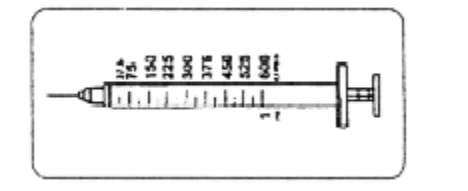
Patients should be instructed to take a specific dose of GONAL-f 450 IU (33 μg) or 1050 IU (77 μg) Multi-Dose. The doctor, nurse, or pharmacist should show the patient how to locate the syringe marking that corresponds to the prescribed dose.
The 450 IU (33 µg) and 1050 IU (77 µg) reconstituted solutions can be kept for 28 days, when stored at room temperature (at or below 25 ºC).
OVERDOSAGE
Aside from possible ovarian hyperstimulation and multiple gestations (see WARNINGS AND PRECAUTIONS), little is known concerning the consequences of acute overdosage with GONAL-f. Apart from expected ovarian and endometrial effects, no acute toxicity was seen in animals given doses of r-hFSH up to1000-fold the human dose.
For management of a suspected drug overdose, contact your regional Poison Control Centre.
ACTION AND CLINICAL PHARMACOLOGY
Mechanism of Action
Follicle stimulating hormone (FSH, follitropin) is one of the key hormones regulating reproductive functions both in females and in males. In females, it stimulates the development of ovarian follicles that carry the oocytes, while in males it promotes spermatogenesis.
FSH is synthesized by gonadotrophic cells of the anterior pituitary gland and secreted into the general circulation through which it reaches specific target cells in the ovaries and testes. The synthesis and the secretion of FSH are stimulated by a hypothalamic peptide named gonadotropin-releasing hormone (GnRH). In the target organ, FSH binds to the FSH receptor, a protein component of ovarian granulosa cells and testicular Sertoli cell plasma membranes. FSH binding to its receptor triggers intracellular mechanisms that regulate steroidogenesis, cell replication, and expression of specific proteins and growth factors that modulate gametogenesis.
GONAL-f stimulates ovarian follicular growth in women who do not have primary ovarian failure. FSH is the primary hormone responsible for follicular recruitment and development. To complete follicular maturation and effect ovulation in the absence of an endogenous LH surge, hCG is given when monitoring of the patient indicates that sufficient follicular development has occurred. There may be a degree of interpatient variability in response to FSH administration, with lack of response to FSH in some patients.
Pharmacodynamics
One main pharmacodynamics study has been performed in healthy female volunteers down-regulated with a GnRH agonist (Study 5117). The aim of this study was to assess pharmacodynamic characteristics of r-hFSH administered subcutaneously daily for one week. After subcutaneous administration over one week, the first pharmacodynamic marker of ovarian response to FSH was serum inhibin, followed by plasma E2 and follicular growth. When FSH administration was stopped, inhibin levels dropped, while E2 continued to rise for one day and follicle size further increased during four days.
Two thirds of the volunteers developed significant follicular growth followed by corresponding decreasing levels of inhibin and increasing levels of E2 secretion. Moreover, no correlation was found between maximal serum FSH concentrations during administration and the maximal E2 responses, inhibin responses and follicular growth responses.
Pharmacokinetics
Single dose pharmacokinetics of r-hFSH were determined following intravenous administration of 150 IU and 300 IU of GONAL-f to 12 healthy, down-regulated female volunteers (Study 5007). Single dose pharmacokinetics of r-hFSH were also determined following intravenous, subcutaneous and intramuscular administration of 150 IU GONAL-f to 12 healthy, down-regulated female volunteers. Steady-state pharmacokinetics were also determined in the same 12 healthy down-regulated female volunteers who were administered a single daily dose of 150 IU for seven days (Study 5117). The pharmacokinetic parameters from these studies are included in the tables below.
Table 1: Summary of r-hFSH pharmacokinetic parameters in healthy female volunteers (Study 5007)
| Cmax (IU/L) | t½ (h) | AUC0-∝ (IU-hr/L) | Clearance (L/h) | Volume of distribution Vss (L) | |
|---|---|---|---|---|---|
| Single dose IV (150 IU) | 32 ± 10 | 14 ± 7 | 274 ± 71 | 0.6 ± 0.2 | 10 ± 6 |
| Single dose IV (300 IU) | 59 ± 18 | 17 ± 3 | 598 ± 126 | 0.6 ± 0.1 | 11 ± 6 |
Table 2: Summary of r-hFSH pharmacokinetic parameters in healthy female volunteers (Study 5117)
| Cmax (IU/L) | t½ (h) | AUC (IU-hr/L) | Clearance (L/h) | Volume of distribution Vss (L) | |
|---|---|---|---|---|---|
| Single dose IV (150 IU) | 33 ± 9 | 15 ± 5 | 286 ± 78 | 0.6 ± 0.2 | 9 ± 3 |
| Cmax (IU/L) | t½ (h) | AUC (IU-hr/L) | Clearance (L/h) | Volume of distribution Vss (L) | |
|---|---|---|---|---|---|
| Single dose IM (150 IU) | 3 ± 1 | 50 ± 27 | 206 ± 66 | --- | --- |
| Single dose SC (150 IU) | 3 ± 1 | 24 ± 11 | 176 ± 87 | --- | --- |
| Multiple dose SC (7x150 IU) | 4 ± 1(1) 9 ± 3(2) | 24 ± 8 | 187 ± 61# | --- | --- |
# Steady-state AUC144-168 (After the 7th daily SC dose)
(1) After the frst dose (2) After the last dose
Following intravenous administration, GONAL-f is distributed to the extracellular fluid space with an initial half-life of approximately 2 hours and eliminated from the body with a terminal half-life of approximately 1 day. The steady-state volume of distribution and total clearance are 10 L and 0.6 L/h, respectively. One-eighth of the GONAL-f dose is excreted in the urine.
Following subcutaneous or intramuscular administration, the absolute bioavailability is 70%. Following repeated administration, GONAL-f accumulates 3-fold at steady-state within 3-4 days. In women whose endogenous gonadotropin secretion is suppressed, GONAL-f has been shown to effectively stimulate follicular development and steroidogenesis, despite unmeasurable LH levels.
Special Populations and Conditions
No studies have been conducted with special populations and conditions.
STORAGE AND STABILITY
Vials of GONAL-f lyophilized powder for reconstitution are stable when stored at or below room temperature (25ºC) and protected from light.
Do not freeze.
Do not use the product after the expiry date indicated on the label.
SPECIAL HANDLING INSTRUCTIONS
The GONAL-f solution should not be administered if it contains particles or is not clear.
Any unused product or waste material should be disposed of in accordance with local requirements.
DOSAGE FORMS, COMPOSITION AND PACKAGING
GONAL-f is a sterile, lyophilized powder intended for subcutaneous or intramuscular injection after reconstitution.
GONAL-f Single Dose
GONAL-f single doses are supplied as a lyophilized white pellet in vials containing 75 IU (6 μg), FSH activity in order to deliver a minimum of 75 IU (5.5 μg).
Each strength is provided in 3 mL (nominal capacity) vials. Each vial contains 6 μg of r-hFSH, with 30 mg sucrose, 1.11 mg disodium phosphate dihydrate, 0.1 mg methionine, 0.05 mg Polysorbate 20 and 0.45 mg sodium dihydrogen phosphate monohydrate. O-phosphoric acid and/or sodium hydroxide may be used for pH adjustment prior to lyophilization.
The diluent provided for reconstitution is Sterile Water for Injection, Ph.Eur./USP and is packaged either in a 2 ml glass vial or in a 1 ml pre-filled syringe.
GONAL-f Multi-Dose
GONAL-f 450 IU (33 μg) Multi-Dose is a sterile, lyophilized powder in a 3 mL vial containing 43.7 μg FSH activity and delivers a minimum of 33 μg r-hFSH. Each vial contains 43.7 μg of r-hFSH, with 30 mg sucrose, 1.11 mg disodium phosphate dihydrate, and 0.45 mg sodium dihydrogen phosphate monohydrate. O-phosphoric acid and/or sodium hydroxide may be used for pH adjustment prior to lyophilization. The diluent provided for reconstitution is Bacteriostatic Sterile Water for Injection (0.9% Benzyl Alcohol), USP.
GONAL-f 1050 IU (77 μg) Multi-Dose is a sterile, lyophilized powder in a 3 mL vial containing 87.4 μg FSH activity and delivers a minimum of 77 μg r-hFSH. Each vial contains 87.4 μg of r-hFSH, with 30 mg sucrose, 1.11 mg disodium phosphate dihydrate, and 0.45 mg sodium dihydrogen phosphate monohydrate. O-phosphoric acid and/or sodium hydroxide may be used for pH adjustment prior to lyophilization. The diluent provided for reconstitution is Bacteriostatic Sterile Water for Injection (0.9% Benzyl Alcohol), USP
Reconstituted Solutions:
The Sterile Water for Injection, Ph.Eur./USP in vials or pre-filled syringes provided with the lyophilized material 75 IU (5.5 μg) should be used for reconstituting the product. Volumes used for reconstitution should be between 0.5 and 1.0 mL; concentration should not exceed 225 IU (16.5 μg) /0.5 mL (see DOSAGE AND ADMINISTRATION). Reconstituted vials should be used immediately, and any unused solution should be discarded.
The Bacteriostatic Sterile Water for Injection, USP provided in the pre-filled syringe should be used for reconstituting the Multi-Dose formulations [450 IU (33 μg) and 1050 IU (77 μg)]. The multi-dose reconstituted solutions can be stored for up to 28 days at room temperature (at or below 25ºC). The pre-filled syringe should be used for reconstitution only, and then discarded.
Parenteral Products:
The reconstituted product may be administered either intramuscularly or subcutaneously (see DOSAGE AND ADMINISTRATION).
Reconstituted vials should be visually examined for particulate matter prior to administration.
Packaging
GONAL-f is supplied in a sterile, lyophilized form in single dose vials containing 75 IU (5.5 μg) or FSH activity. GONAL-f is also supplied in sterile, lyophilized forms in multi-dose vials containing 450 IU (33 μg) or 1050 IU (77 μg) FSH activity.
The following package combinations are available:
- 1 vial 75 IU (5.5 μg) GONAL-f, 1 vial of 1 mL Sterile Water for Injection, USP or 1 ml pre-filled syringe WFI, Ph.Eur., 1 x 29-gauge injection needle and 1 mixing needle
- 1 vial 450 IU (33 μg) Multi-Dose GONAL-f, 1 ml pre-filled Bacteriostatic Water For Injection syringe and 6 injection syringes with attached 27G x 0.5 inch needle and calibrated in FSH units
- 1 vial 1050 IU (77 μg) Multi-Dose GONAL-f, 2 ml pre-filled Bacteriostatic Water For Injection syringe and 15 injection syringes with attached 27G x 0.5 inch needle and calibrated in FSH units.
PART II: SCIENTIFIC INFORMATION
PHARMACEUTICAL INFORMATION
Drug Substance
Proper name: Follitropin alfa (approved INN)
Chemical name: recombinant human Follicle Stimulating Hormone for Injection (r-hFSH)
Molecular Weight: α-subunit: 14 Kda β-subunit: 17 Kda
Molecular Formula: C975H1515N267O305S26
Structural Formula: Amino acid sequence of follitropin alfa:
| Alpha subunit: |
| Ala Pro Asp Val Gln Asp Cys Pro Glu Cys Thr Leu Gln Glu Asn Pro Phe Phe Ser 19 |
| Gln Pro Gly Ala Pro Ile Leu Gln Cys Met Gly Cys Cys Phe Ser Arg Ala Tyr Pro 38 |
| Thr Pro Leu Arg Ser Lys Lys Thr Met Leu Val Gln Lys Asn Val Thr Ser Glu Ser 57 |
| Thr Cys Cys Val Ala Lys Ser Tyr Asn Arg Val Thr Val Met Gly Gly Phe Lys Val 76 |
| Glu Asn His Thr Ala Cys His Cys Ser Thr Cys Tyr Tyr His Lys Ser 92 |
| Beta subunit: |
| Asn Ser Cys Glu Leu Thr Asn Ile Thr Ile Ala Ile Glu Lys Glu Glu Cys Arg Phe 19 |
| Cys Ile Ser Ile Asn Thr Thr Trp Cys Ala Gly Tyr Cys Tyr Thr Arg Asp Leu Val 38 |
| Tyr Lys Asp Pro Ala Arg Pro Lys Ile Gln Lys Thr Cys Thr Phe Lys Glu Leu Val 57 |
| Tyr Glu Thr Val Arg Val Pro Gly Cys Ala His His Ala Asp Ser Leu Tyr Thr Tyr 76 |
| Pro Val Ala Thr Gln Cys His Cys Gly Lys Cys Asp Ser Asp Ser Thr Asp Cys Thr 95 |
| Val Arg Gly Leu Gly Pro Ser Tyr Cys Ser Phe Gly Glu Met Lys Glu 111 |
Asn: N-glycosylation sites
Physical and Chemical Characteristics:
r-hFSH consists of two non-covalently linked, non- identical protein components designated as the α- and β-subunits. The α-subunit is composed of 92 amino acids carrying two carbohydrate moieties linked to Asn-52 and Asn-78. The β-subunit is composed of 111 amino acids carrying two carbohydrate moieties linked to Asn-7 and Asn-24. r-hFSH is derived from a Chinese Hamster Ovary cell line which has been modified by the addition of the human genes encoding the FSH α- and β-chains.
pH: 6 - 8
CLINICAL TRIALS
Controlled ovarian hyperstimulation in assisted reproductive technologies
In vitro Fertilization
Two-phase III studies were performed to compare the clinical efficacy and safety of GONAL-f (follitropin alfa for injection) 75 IU with that of Metrodin HP 75 IU (uhFSH-HP). The two studies had a similar prospective randomized design.
Study demographics and trial design
Table 3: Summary of patient demographics for clinical trials in ART
| Study # | Trial design | Dosage, route of administration and duration | Study subjects (n=number randomized) | Mean age (SD) | Gender |
| Bergh (Study 8237) | Prospective, assessor-blind, randomized, parallel-group, multicentre study. | 150 IU/day for the first 6 days. Dose adjustments on Day 7 and 9 based on ovarian response | 235 | 32.0 + 3.5 (r-hFSH) 31.2 + 5.3 (Metrodin HP ) | Female |
| Frydman (Study 8407) | Prospective, double blind, randomized, parallel group, multicentre study. | 150 IU/day for the first 6 days. Dose adjustments on Day 7 and 9 based on ovarian response | 278 | 31.4 + 3.5 (r-hFSH) 31.2 + 4.0 (Metrodin HP) | Female |
Patients enrolled in both trials were between 18 and 38 years old with a mean age around 32, with regular menstrual cycles of 25–35 days; no ecographic signs of PCO disease, have an infertility due to any of the following factors: tubal factor, mild endometriosis, male factor or unexplained factor; no more than three previous assisted reproduction attempts; presence of both ovaries and a normal uterine cavity; a BMI up to 28 kg/m2, no history of either OHSS or poor response to gonadotropin therapy, no azoospermia or clinical signs of infection detected in a semen analysis within the previous 12 months.
Study results
Table 4: Results of study 8237 (Bergh) in Controlled ovarian hyperstimulation prior to ART
| Primary Endpoint | GONAL-f 75 IU | Metrodin HP 75 IU | p-value |
Oocytes retrieved (mean ± SD) | 12.2 ± 5.5 | 7.6 ± 4.4 | <0.001 |
Two hundred and thirty seven patients were recruited in the study and received the down regulation, 119 of them were randomized in the GONAL-f group and 118 in the Metrodin HP group. These patients were included in the analysis of demography and in the analysis of safety.
Two hundred and thirty-five patients received stimulation, 119 of them were in the GONAL-f group and 116 in the Metrodin HP group.
Two hundred and twenty-one patients received hCG and so were included in the analysis of efficacy. One hundred and nineteen (100 %) of them were in the GONAL-f treatment group and 102 (87 %) were in the Metrodin HP treatment group.
The mean number of oocytes recovered (primary endpoint) was higher in the r-hFSH compared to the u-hFSH- HP group (12.2 vs. 7.6 respectively; p < 0.001). On the other hand, the number of FSH treatment days (11.0 vs. 13.5) and the number of 75 IU ampoules (21.9 vs. 31.9) used were significantly less (p < 0.001) in the r-hFSH group than in the u-hFSH-HP group. The mean numbers of embryos obtained were 8.1 vs. 4.7 (p < 0. 001) in favor of the r-hFSH group.
The clinical pregnancy rates per started cycle and per embryo transfer were 45 and 35%, and 48 and 46%, respectively in the r-hFSH and u-hFSH-HP groups (not significant).
Table 5: Results on stimulation and gamete characteristics (Study 8237)
| Parameter | GONAL-f | u-hFSH HP | p value |
| N patients randomized | 119 | 116 | |
| N of patients receiving hCG | 119 | 102 | |
| N of days FSH treatment | 11.0 ± 1.6 | 13.5 ± 3.7 | <0.001 |
| N of ampoules FSH (75 IU equiv.) | 21.9 ± 5.1 | 31.9 ± 13.4 | <0.001 |
| Follicles >10 mm day of hCG | 12.7 ± 4.9 | 8.4 ± 4.2 | 0.002 |
| E2 (nmol/l) day of hCG | 6.55 ± 5.75 | 3.95 ± 3.90 | <0.001 |
| Oocytes retrieved | 12.2 ± 5.5 | 7.6 ± 4.4 | <0.001 |
| N Oocyte nuclear maturity N (%) | 634 (83) | 323 (79) | ns |
| N of cleaved embryos on day 2 | 8.1 ± 4.2 | 4.7 ± 3.5 | <0.001 |
| N of embryos cryopreserved | 3.2 ± 3.0 | 1.7 ± 2.5 | <0.001 |
| N of Patients with embryo transfer (%) | 111/119 (93.3) | 89/116 (76.7) |
Table 6: Results of study 8407 (Frydman) in Controlled ovarian hyperstimulation prior to ART
| Primary Endpoint | GONAL-f 75 IU | Metrodin HP 75 IU | p-value |
Oocytes retrieved (mean ± SD) | 11.0 ± 5.9 | 8.8 ± 4.8 | 0.044 |
Two hundred and seventy-eight (278) patients were enrolled in this study: 139 were randomized in the GONAL-f group and 139 in the Metrodin HP group. The efficacy analysis of this study was performed on all randomized patients who received hCG (246): 130 in the GONAL-f group and 116 in the Metrodin HP group, apart from the pregnancy criteria which were analysed successively in the Starting FSH Patient population, the population of patients where oocyte recovery was carried out and the population of patients having had embryo transfer.
The mean number of oocytes (primary endpoint) retrieved was higher in the r-hFSH group (11.0 ± 5.9 vs. 8.8 ± 4.8; p = 0.044). There were also significant differences between the two groups in several of the secondary efficacy parameters; mainly fewer days of FSH stimulation were required with r-hFSH to reach the criteria for triggering follicle maturation than with u-hFSH HP (11.7 ± 1.9 versus 14.5 ± 3.3 respectively; p < 0.001). Correspondingly, the total dose of FSH required to reach these criteria was lower for r-hFSH than u-hFSH HP (27.6 ± 10.2 x 75 IU ampoules, compared with 40.7 ± 13.6; p < 0. 001). Only 56.2% of patients in the r-hFSH group required an increase in dosage after the first 6 days of treatment, compared with 85.3% of those receiving u-hFSH HP (p = 0.001).
The initial pregnancy rate (excluding biochemical) per started cycle was 32/139 (23.0%) for r-hFSH and 38/139 (27.3%) for u-hFSH HP (not significant).
Table 7: Results on stimulation and gamete characteristics (Study 8407)
| Parameter | Gonal-F | u-hFSH HP | p value |
| No. of patients starting FSH | 139 | 139 | |
| No. of patients receiving hCG | 130 | 116 | |
| No. of days FSH treatment | 11.7 ± 1.9 | 14.5 ± 3.3 | <0.001 |
| No. of ampoules FSH (75 IU equiv.) | 27.6 ± 10.2 | 40.7 ± 13.6 | <0.001 |
| Follicles > 12 mm day of hCG | 12.1 ± 5.2 | 10.5 ± 4.6 | 0.004 |
| Oocytes retrieved | 11.0 ± 5.9 | 8.8 ± 4.8 | 0.044 |
| Oocyte nuclear maturity B MII No. | 8.1 ± 4.4 | 6.3 ± 3.5 | 0.001 |
| No. of embryos obtained | 5.0 ± 3.7 | 3.5 ± 2.9 | < 0.001 |
| No. of patients with embryo transfers/hCG received | 116 (89%) | 98 (84%) | |
| No. of embryos transferred/cryopreserved | 3.5 ± 2.8 | 2.6 ± 2.2 | 0.009 |
| No. ongoing clinical pregnancies/cycle started | 25 (18%) | 25 (18%) | NS |
| % multiple pregnancies | 9 | 7 | NS |
Both studies confirm that r-hFSH is more effective than u-hFSH HP in inducing ovulation in women undergoing assisted reproductive treatment. Patients given the recombinant product required fewer days of treatment and a lower total dose of FSH to reach the criteria for hCG administration than those receiving u-hFSH HP.
Ovulation Induction
Study demographics and trial design
Table 8: Summary of patient demographics for clinical trials in OI
| Study # | Trial design | Dosage, route of administration and duration | Study subjects (n=number randomized) | Mean age (SD) | Gender |
| Study 5642 | Phase III, open label, randomized, comparative, parallel group, multicenter | 75 IU as starting dose on day 3-5. Dose adjustments every 7 days by dose of 37.5 IU every 7 days not before than day 14 | 222 | 29.3 +/- 3.2 (r-hFSH) 29.1+ 3.6 (Metrodin HP ) | female |
| Study 5727 | Phase III, open label, randomized, comparative, parallel group, multicenter | 75 IU as starting dose on day 3-5. Dose adjustments every 7 days by dose of 37.5 IU every 7 days not before than day 14 | 232 | 29.3 +/- 3.7 (r-hFSH) 30.0 + 3.4 (Metrodin HP ) | female |
Both studies recruited the same population: women between 18 and 39 years old; ovulatory dysfunction: either anovulation or oligoovulation who had failed to ovulate or conceive when treated for at least 3 months with clomiphene citrate; BMI less than 35.
Study results
Table 9: Results of study 5642 in OI
| Primary Endpoints | Associated value and statistical significance for GONAL-f at specific dosages | Associated value for Metrodin (u-HP) |
| Cumulative ovulation rate | 88% (P=0.071) | 95% |
The primary efficacy parameter was the ovulation rate. Two hundred and twenty-two patients entered into the first cycle of treatment, of whom 110 received GONAL-f and 112 received Metrodin HP. In study GF 5642, the cumulative ovulation rate was 84% and 91% in the GONAL-f and Metrodin HP treatment groups respectively. This difference was not statistically significant. The 95% confidence interval of the difference in the cumulative ovulation rate between the Metrodin HP and GONAL-f treatment groups was [-1.3%; 16.17%] which is less than the 20% difference defined as the limit of the clinically acceptable difference between the two treatment groups. Seventy-five patients delivered at least one baby during this study, 31 (28%) in the GONAL-f treatment group and 44 (39%) in the Metrodin HP treatment group. No statistically significant difference was recorded between the two treatment groups. The overall multiple pregnancy rate was 6% and 14% in the GONAL-f and Metrodin HP treatment group, respectively.
Table 10: Results of study 5727 in OI
| Primary Endpoints | Associated value and statistical significance for GONAL-f at specific dosages | Associated value and statistical significance for Metrodin (u-HP) |
| Cumulative ovulation rate | 88% (ns) | 95% (ns) |
The second study showed similar results in terms of efficacy endpoint. Two hundred and thirty-two patients entered into the first cycle of treatment, of whom 118 received GONAL-f and 114 received Metrodin HP. The patient ovulation rate in patients with known ovulation outcome was 88% in the GONAL-f treatment group and 95% in the Metrodin HP treatment group. This difference is not statistically significant. The one-sided confidence interval for the difference in ovulation rates in the GONAL-f and Metrodin HP treatment groups was (-12.8%, ∞), confirming that the ovulation rate for patients treated with GONAL-f is as good as and equivalent to the ovulation rate of those treated with Metrodin HP because the absolute value of the difference in ovulation rates is less than the specified 20%.
Sixty-six patients delivered at least one baby during this study, 34 (29%) in the GONAL-f treatment group and 32 (28%) in the Metrodin HP treatment group. No statistically significant difference was recorded between the two treatment groups. The overall multiple pregnancy rate was 5% and 4% in the GONAL-f and Metrodin HP treatment group, respectively.
DETAILED PHARMACOLOGY
Animal
Pharmacodynamics
To confirm that r-hFSH possessed the well-characterized pharmacodynamic activity of human FSH, both in vivo and in vitro studies were conducted. The in vivo studies, involving rats and monkeys, compared r-hFSH with two u-hFSH products (Metrodin® and Fertinorm® HP). The in vitro studies compared r-hFSH with international human pituitary FSH reference standards as well as with the two u-hFSH products.
In vitro
In an in vitro study using calf testes membrane, r-hFSH had the same binding characteristics to the testicular FSH receptor as did reference standards of human pituitary FSH (US NIADDK preparation h-FSH-1-3 and WHO 1st International Standard 83/575) and the two u-hFSH preparations. The binding affinities were very similar for all of the products, and the binding curves were superimposable.
The bioactivity of r-hFSH was indistinguishable from that of the two u-hFSH preparations and from pituitary and urinary FSH reference standards in a bioassay that measures FSH bioactivity according to estradiol production in isolated ovarian granulosa cells.
In vivo
Pharmacological studies in vivo included a comparison of the quantitative dose-response curves of r-hFSH and two clinical preparations of u-hFSH for oocyte formation, and ovarian weight gain (also in comparison with hMG) in young female rats using the Steelman-Pohley ovarian weight gain assay. The activities of the preparations were identical. r-hFSH also produced follicular maturation in mature cynomolgus monkeys similar to that produced with u-FSH.
Pharmacokinetics
In the rat, single and repeated dose ADME studies were performed with 125I-labelled r-hFSH administered subcutaneously (SC) and intravenously (IV). The bioavailability of the SC dose appeared similar to that after IV administration, but elimination was slower. Radioactivity distributed in high concentrations to the thyroid gland, gastrointestinal tract, kidneys and ovaries. Radioactivity distributed to the fetus as to a non-target tissue, with concentrations less than those in maternal plasma, and radioactivity was also found in the milk of lactating female rats. Intact 125I-r-hFSH was present in plasma for up to 24 hours after dosing but only a series of smaller radioactive products, probably peptide fragments, were found in the urine. The kidneys appeared to be the primary route of excretion. There were no important differences between males and females as well as between non-gravid and gravid females.
In a single dose study in monkeys, r-hFSH was shown to behave similarly to native human urinary FSH (u-hFSH) after IV administration. Both preparations followed a two-compartment model with nearly identical distribution and terminal half-lives (approximately 1.5 and 15 hours, respectively). Their volumes of distribution and total clearance were only slightly different and biologically insignificant. The pharmacokinetic parameters of r-hFSH were also similar when administered as a single dose by the intramuscular (IM) and subcutaneous (SC) routes, and their absolute bioavailability was about 75%.
After repeated IM and SC administration of r-hFSH to monkeys, the pharmacokinetics was similar to that observed after a single dose. Steady state was reached after 2 to 3 days of treatment with an accumulation factor of about two between the first and last dose by both routes of administration.
Monitoring of serum FSH concentrations in the multidose toxicity studies demonstrated extensive exposure in monkeys and dogs, indicating that the studies were a valid test of the effects of r-hFSH. The similar bioavailabilities of r-hFSH observed in the monkey and humans would also indicate that animal results can be extrapolated to humans.
Human
Pharmacodynamics
An evaluation of the dynamics of r-hFSH was performed in 12 pituitary down-regulated healthy female volunteers. The study was divided into two parts. In part I, r-hFSH was administered in a balanced, random order, cross-over sequence as a single-dose of 150 IU (11µg) on three occasions: IV, IM, and SC, each separated by a one week washout period. In Part II, each subject received a daily SC dose of 150 IU (11µg) r-hFSH over seven days. The pharmacodynamics of r-hFSH were assessed by measuring daily plasma estradiol concentrations, serum immunoreactive inhibin and follicular growth by ultrasound of the ovaries - before, during, and after the seven days of treatment in Part II of the study. In this study, it was not intended to induce full follicular development and ovulation, but rather to document individual ovarian response to this predetermined fixed dose and duration of FSH treatment.
Mean serum FSH levels reached a steady state after 3-5 days. The first pharmacodynamic marker of ovarian response to FSH was serum inhibin, followed by plasma estradiol, then follicular growth (measured by total volume of follicles > 10 mm diameter). When FSH administration was stopped, inhibin levels dropped while estradiol continued to rise for one day. Follicle size continued to increase over the next four days. When individual responses were analyzed, it was noted the two thirds of the volunteers developed significant follicular growth, inhibin and estradiol secretion. No correlation was found between maximal concentration of r- hFSH and the maximal effects observed. This data indicates that the interindividual variability observed in the ovarian response to FSH therapy is not related to the pharmacokinetics of FSH, but reflects different levels of ovarian sensitivity to FSH.
Pharmacokinetics
In addition to the kinetic evaluation performed in Part I of the study summarized above under Pharmacodynamics, one other kinetic study was performed. This study also used 12 pituitary down-regulated, healthy female volunteers, and was a randomized, cross-over study to compare the pharmacokinetics of 150 IU Metrodin® (urofollitropin for injection), 150 IU Fertinorm® HP (highly purified Follicle Stimulating Hormone) and 150 IU (11µg) and 300 IU (22 µg) of r-hFSH given intravenously.
The mean serum FSH concentration-time profiles after a single 150 dose IV of Metrodin®, Fertinorm® HP, and r-hFSH were superimposable, and the mean profile after a single 300 IU (22 µg) dose of r-hFSH was double that of the 150 IU (11µg) dose. Total clearance of the preparations was comparable. Based on the immunoassay results, the clearance of u-hFSH was 0.1l/h while for r-hFSH it was 0.07 L/h, indicating that less than one-fifth of the administered dose was excreted in the urine. Immunoassay data showed that the FSH preparations had similar initial (2 hours) and terminal (17 hours) half-lives. The volumes of distribution at steady state (11 L) were also similar.
Comparison of various routes of administration for r-hFSH demonstrated that two thirds of the administered dose was available systemically after IM or SC injection, and the absolute bioavailability was about 70% when assessed by immunoassay. The accumulation factor for repeated SC administration was around three when steady state was reached.
TOXICOLOGY
Acute Toxicity
The single dose toxicity studies performed with r-hFSH have been summarized below in Table 11.
Table 11: Acute Toxicity Studies
| Species (Strain) | #/Sex/Group | Route | Dose (IU/kg) | LD50 (IU/kg) |
| Rat (Sprague Dawley) | 15 | SC | 1000, 2000, 4000 | > 4000 |
| 15 | IM | 1000, 2000, 4000 | > 4000 | |
| 20 | IV | 0, 1000, 2000, 4000 | > 4000 | |
| 10 | PO | 10000 | - | |
| Dog (Beagle) | 1 | IV | 2000 | > 2000 |
| Monkey (cynomolgus) | 1 | SC | 2000, 4000 | > 4000 |
| 1 | IM | 2000, 4000 | > 4000 | |
| 1 | IV | 2000, 4000 | > 4000 |
*1000 IU = 73.3 µg 2000 IU = 146.7 µg 4000 IU = 293.3 µg
There were no signs of local or systemic toxicity in any of the rat studies. In the dog study, there were no overt signs of toxicity following a single intravenous dose of 2000 IU/kg r-hFSH, although there was evidence of transient liver toxicity following the administration of the control agent, u-hFSH. In the monkey studies, ovarian and endometrial changes were observed, but these findings are considered to be related to the pharmacological action of the compound.
Repeated Dose Toxicity
A total of seven repeated dose toxicity studies were performed with r-hFSH. These studies have been summarized below in Table 12.
Table 12. Repeated Dose Toxicity Studies with r-hFSH
| Species (Strain) | #/Sex /Group | Route | Dose (IU/kg/day)* | Duration (weeks) | Recovery Period |
Rat (Sprague Dawley) | 18 | SC | r-hFSH: 0, 10, 30, 100 u-hFSH: 100 | 4 | 4 |
| 15 | SC | r-hFSH: 0, 300, 1000 | 4 | 2 |
| hMG: 1000 | |||||
| 18 | SC | r-hFSH: 0, 10, 100, 1000 | 13 | 4 | |
Dog (Beagle) | 2 | IV | r-hFSH: 0, 20, 100 u-hFSH: 20, 100 u-hFSH HP: 20, 100 | 4 | 0 |
Monkey (Cynomolgus) | 3 in the 10 & 30 IU/kg/day groups; 5 in all others | IM | r-hFSH: 0, 10, 30, 100 u-hFSH: 100 | 4 | 4 |
| 5 | IM | r-hFSH: 0, 300, 1000 hMG: 1000 | 4 | 2 | |
| 3 in the 10 & 100 IU/ kg/ day groups; 5 in all others | IM | r-hFSH: 0, 10, 100, 1000 | 13 | 4 |
* 10 IU = 0.7 µg 20 IU = 1.5 µg 100 IU = 7.3 µg 1000 IU = 73.3 µg
In rats, no treatment related mortalities or clinical signs of intolerance were observed. In the 4 week study at moderate doses, r-hFSH exerted a stimulatory effect on female gonads as evidenced by a number of morphological changes involving the ovaries, genital tract and mammary glands seen mainly in females given 30 and 100 IU/kg/day. These were related to the pharmacological activity of the hormone injected at high doses over a long period of time. In the 4 week study at high doses and in the 13-week study, atrophy of the gonads and secondary sex organs, predominantly in females, were seen. These findings could be related to inhibin production as well as to the inactivation of exogenous FSH by the high levels of antibodies to FSH which were found to have developed in the rats within four weeks of treatment as a consequence of the injection of a foreign protein. This is also in agreement with the fact that serum FSH levels decreased as treatment continued.
In the dog, the serum FSH levels measured during dosing confirmed extensive exposure thus the study was a valid test of the effects of r-hFSH. No mortalities were observed following administration of 20 or 100 IU/kg/day for 4 weeks. Body weight was unaffected by treatment and no signs of systemic toxicity or local reactions at the injection sites were seen. The predominant changes were related to the pharmacological activity of the compound on the reproductive systems of both the male and female animals. At the higher dose of 100 IU/kg/day, slight acute inflammation of the liver was also found in one of the treated females.
In the monkey, as in the dog, the serum FSH levels measured during dosing confirmed extensive exposure despite the development of antibodies to the foreign protein. The general similarity of the toxicological findings, which represent the pharmacological actions of high doses of FSH, in the shorter and longer term experiments demonstrate that some hormonal activity of FSH was still maintained.
No mortalities were observed in any of the monkey studies. Body weight was unaffected by treatment with r-hFSH; the predominant effects were those anticipated from the known pharmacodynamic actions of FSH. Despite the development of anti-FSH antibodies, r-hFSH caused prominent and continued but reversible ovarian stimulation resulting in cysts, some haemorrhagic, endometrial hyperplasia, even some proliferation of mammary glandular cells, and changes in the vagina. Hypertrophy of pituitary acidophilic cells was seen in females receiving r-hFSH at doses of 30 to 1000 IU/kg/day and thymus atrophy was seen at doses of 300 and 1000 IU/kg/day. At a dose of 100 IU/kg/day, r-hFSH caused some stimulation of testicular tubules and a possible increase in spermatogenesis. Slight acute inflammation of the liver was also found in one of the females given r-hFSH at a dose of 100 IU/kg/day.
In the various 4 week experiments, the hormonal actions were largely reversible, but the anatomical changes had progressed so far in the 13 week studies that complete recovery was not possible after the high doses (100 to 1000 IU/kg/day).
In the 4 week studies, it was not possible to determine a definite difference in potency between the SC and IM routes. The 'No observed (pharmacological) effect level' was probably about 10 IU/kg/day in the dog (dosed IV) and was less than 10 IU/kg/day in the monkey (IM) and rat (SC).
No conventional target organ toxicity was found in any species, apart from a possible low incidence of centrilobular inflammation in the liver in dogs at the highest dose of r-hFSH and both of two clinical preparations of u-hFSH, and minor changes in neutrophils, platelets and PTT, also in the same groups. The latter effects cannot be distinguished from normal concomitants of stimulated oestrus.
The findings in these experiments did not show any major difference between recombinant and natural urinary human FSH. Differences from the effects of hMG could be attributed to the LH activity of the latter preparation.
Mutagenicity
r-hFSH did not show any mutagenic activity in the range of mutagenicity studies conducted.
Reproduction and Teratology
Reproductive toxicology studies were conducted to assess the possible effects of r-hFSH on reproduction. Segments I, II, and III were conducted in rats by the SC route as this is the proposed therapeutic route in man. Segment II was also conducted in rabbits as a non-rodent species. The doses of r-hFSH used for all the studies were 5, 40, and 320 IU/kg/day in comparison with hMG at the dose of 320 IU/kg/day. The highest dose of r-hFSH was about 100 times the clinical dose and was expected to produce profound reproductive effects.
Given in a sufficiently high dose, r-hFSH was able to cause death and other forms of fetal effects in the rat and rabbit, but without being a teratogen. It also caused dystocia. Human Menopausal Gonadotropin (standardized to the same follicle stimulating activity but also possessing luteinizing activity) had the same effects. r-hFSH, 5 IU/kg/day SC, had no effect in the rat, and 40 and 320 IU/kg/day had progressively more severe actions. In general terms r-hFSH 320
IU/kg/day had the same activity as hMG 320/kg/day. The retardation of weight gain found in the Segment II test in rats given high doses of r-hFSH and hMG can be attributed to the resorptions produced. The rabbit was more sensitive than the rat, as even 5 IU/kg/day of r-hFSH caused death of almost all embryos in utero.
In the fertility study in the rat, r-hFSH at 40 and 320 IU/kg/day and hMG (320 IU/kg/day) both impaired fertility. As both sexes had been dosed before mating it is not known whether both females and males were affected, although it appears likely that females were affected, judging by the changes observed in the ovaries and the known physiological effects of FSH on follicular development and function. No histological changes were seen in the testes, even at the highest r-hFSH dose of 320 IU/kg/day, in spite of a small decrease in weight.
Other Studies
Although the local tolerance of r-hFSH was assessed in the acute and multidose toxicity studies, in which it was well tolerated on SC, IM and IV injection, a sensitization test in guinea pigs and a local tolerance study in rabbits were also performed.
In guinea pigs, r-hFSH was a sensitizer in the maximization test, but to a lesser degree than u- hFSH. In rabbits, a concentration of 600 IU/mL, administered SC and IM, was well tolerated. The finding of sensitization in guinea pigs is not surprising as both r-hFSH and u-hFSH are foreign proteins to this animal species. The repeated dose toxicity studies clearly demonstrated the formation of antibodies to human FSH when administered to animals. The greater purity of r-hFSH is most likely responsible for the milder response observed. These findings are not considered to be clinically relevant.
Together with the much more extensive evidence from the repeated dose toxicity studies, it can be concluded that r-hFSH is well tolerated at the site of administration.
REFERENCES
- 1. Chuong CJ et al.: Successful pregnancy after treatment with recombinant human follicle stimulating hormone [letter]. Lancet 341(8852): 1101, 1993.
- 2. Devroey P et al.: Recombinant follicle stimulating hormone. Assisted Reprod Rev 4(1):2-9, 1994.
- 3. Germond M et al.: Successful in-vitro fertilization and embryo transfer after treatment with recombinant human FSH [letter]. Lancet 339(8802): 1170, 1992.
- 4. Hornnes P et al.: Recombinant human follicle-stimulating hormone treatment leads to normal follicular growth, estradiol secretion, and pregnancy in a World Health Organization Group II anovulatory woman. Fertil Steril 60(4): 724-726, 1993.
- 5. le Cotonnec JY et al.: Clinical pharmacology of recombinant human follicle-stimulating hormone (FSH). I. Comparative pharmacokinetics with urinary human FSH. Fertil Steril 61(4): 669-678, 1994.
- 6. le Cotonnec JY et al.: Clinical pharmacology of recombinant human follicle-stimulating hormone (FSH). II. Single doses and steady state pharmacokinetics with urinary human FSH. Fertil Steril 61(4): 679-686, 1994.
- 7. le Cotonnec JY et al.: Clinical pharmacology of recombinant human follicle-stimulating hormone (FSH). III. Pharmacokinetic-pharmacodynamic modeling after repeated subcutaneous administration. Fertil Steril 61(4): 687-695, 1994.
- 8. O'Dea L et al.: A randomized, comparative, multicentre clinical trial of recombinant and urinary human FSH in in-vitro fertilization and embryo transfer (IVF-ET) [Abstract]. 1993 Annual Meeting Program Supplement - The American Fertility Society Supplement: S50- S51, 1993.
- 9. Porchet HC et al.: Pharmacokinetics of recombinant human follicle stimulating hormone after intravenous, intramuscular, and subcutaneous administration in monkeys, and comparison with intravenous administration of urinary follicle stimulating hormone. Drug Metab Dispos Biol Fate Chem 21(1): 144-150, 1993.
- 10. Bergh C, Howles CM, Borg K et al.: Recombinant human follicle stimulating hormone (r- hFSH; Gonal-F®) versus highly purified urinary FSH (Metrodin HP®): results of a randomized comparative study in women undergoing assisted reproductive techniques. Hum. Reprod.; 12 (10):2133-3139,1997.
- 11. Frydman R, Avril C, Camier B et al.: A double-blind, randomised study comparing the efficacy of recombinant human follicle stimulating hormone (r-hFSH/ Gonal-F®) and highly purified urinary FSH (u-hFSH HP/Metrodin HP®) in inducing superovulation in women undergoing assisted reproduction techniques (ART). Hum. Reprod. ESHRE Annual General Meeting . Abstract. 1998.
- 12. Khalaf Y, Taylor A, Pettigrew R et al.: The relative clinical efficacy of recombinant follicle stimulating hormone to the highly purified urinary preparation. Hum. Reprod. ESHRE Annual General Meeting 1998. Abstract.
- 13. Camier B, Avril C, Cohen J et al.: A multicentre, prospective, randomized study to compare a low dose protocol versus conventional administration of recombinant human follicle stimulating hormone (Gonal-F®) in normo-responder women undergoing IVF/ICSI. Hum. Reprod. ESHRE Annual General Meeting 1998. Abstract.
- 14. Serono Technical Report GF5642 (1995). A phase III, open, randomised, multicentre study to compare the safety and efficacy of recombinant human Follicle Stimulating Hormone (Gonal-F®) administered subcutaneously with that of urinary human Follicle Stimulating Hormone (Metrodin®) given intramuscularly, to induce ovulation in WHO Group II anovulatory infertile women. Data on file.
- 15. Serono Technical Report GF5727 (1997). A phase III, open, randomised, parallel group, multicentre study to compare the safety and efficacy of recombinant human Follicle Stimulating Hormone (Gonal-F®) administered subcutaneously with urinary human Follicle Stimulating Hormone (Metrodin®) given intramuscularly, to induce ovulation in oligo- anovulatory (WHO Group II) infertile women. Data on file.
- 16. Homburg R, Levy T, Ben-Rafael Z. A comparative prospective study of conventional regimen with a chronic low-dose administration of follicle-stimulating hormone for anovulation associated with polycystic ovary syndrome. Ferti. Steril. 1995; 63(4): 729-733
- 17. Aboulghar M, Amin Y, Mansour R, et al.: Recombinant follicle-stimulating hormone in the treatment of patients with history of severe ovarian hyperstimulation syndrome. Ferti. Steril. 1996; 66(5): 757-760
- 18. Hedon B, Hugues JN, Emperaire JC et al.: A comparative prospective study of a chronic low dose versus a conventional ovulation stimulation regimen using recombinant human follicle stimulating hormone in anovulatory infertile women. Hum. Reprod. 1998; 13 (10): 2688- 2692
- 19. Elder G, Hift R, Meissner P. The acute porphyrias. The Lancet. 1997; 349: 1613-17.
- 20. Anderson K, Sassa S, Bishop D, Desnick R. Disorders of Heme Biosynthesis: X-linked Sideroblastic Anemia and the Porphyrias. The British Library: 2991-3010.
- 21. Herrick A.L, McColl K.E.L, Wallace A.M., Moore M.R., Goldberg A. LHRH Analogue Treatment for the Prevention of Premenstrual Attacks of Acute Porphyria. Quart. Journal of Medicine. 1990; 276: 355-363.
- 19. Sixel-Dietrich F., Doss M. Hereditary Uroporphyrinogen-Decarboxylase Deficiency Predisposing Porphyria Cutanea Tarda (Chronic Hepatic Porphyria) in Females After Oral Contraceptive Medication. Arch Dermatol Res. 1985; 278: 13-16.
- 20. Kemman E., Tavakoli F., Shelden R.M., Jones J.R. Induction of Ovulation with Menotropins in Women with Polycystic Ovary Syndrome. Am. J. Obstet. Gynecol. 1981; 141: 58-64.
- 21. Rizk B., Smitz J. Ovarian Hyperstimulation Syndrome after Superevoluation using GnRH Agonists for IVF and Related Procedures. Human Reproduction. 1992; 7: 320-327.
- 22. Binder H., Ditrrich R., Einhaus F., Krieg J., Muller A., Strauss R., Beckmann M., Cupisti S. Update on Ovarian Hyperstimulation Syndrome: Part 1- Incidence and Pathogenisis. Int J Fertil. 2007; 52: 11-26.
- 23. Mathur R., Evbuomwan I., Jenkins J. Prevention and Management of Ovarian Hyperstimulation Syndrome. Current Obstetrics & Gynaecology. 2005; 15: 132-138.
- 24. Rizk B. Ovarian Hyperstimulation Syndrome. Progress in Obstetrics & Gynaecology. 311-349.
- 25. Delvigne A. Epidemiology and Pathophysiology of Ovarian Hyperstimulation Syndrome. Assisted Reproductive Technologies. 149-162.
- 26. Golan A., Ron-El R., Herman A., Soffer Y., Weinraub Z., Caspi E. Ovarian Hyperstimulation Syndrome: An Update Review. Obstetrical and Gynecological Survey. 1989; 44: 430-440.
- 27. Jenkins JM., Drakeley AJ., Mathur RS. The Management of Ovarian Hyperstimulation Syndrome. Royal College of Obstetricians and Gynaecologists. 2006; 5: 1-11.
- 28. Al-Shawaf T., Grudzinskas J.G. Prevention and Treatment of Ovarian Hyperstimulation Syndrome. Best Practice & Research Clinical Obstetrics & Gynaecology. 2003; 17: 249-261.
- 29. Navot D., Relou A., Birkenfeld A., Rabinowitz R., Brzezinksi A., Margalioth E. Risk Factors and Prognostic Variables in the Ovarian Hyperstimulation Syndrome. Am J Obstet Gynecol. 1988; 159: 210-215.
- 30. Martin J., Hamilton B., Sutton P., Ventura S., Menacker F., Kirmeyer S., Mathews T.J. Births: Final Data for 2006. National Vital Statistics Reports. 2009; 57: 1-102.
- 31. Ombelet W., De Sutter P., Van der Elst J., Martens G. Mutliple Gestation and Infertility Treatment : Registration, Reflection and Reaction – the Belgian Project. Human Reproduction Update. 2005; 11: 3-14.
- 32. Salam M., Wenten MS., Gilliland F. Endogenous and Exogenous Sex Steroid Hormones and Asthma and Wheeze in Young Women. J. Allergy Clin. Immunol. 2006; 117: 1001-1007.
- 33. Part II Clinical Endrocrinology. Amenorrhea. Pages 401-420.
- 34. Company Core Safety Information. December 3, 2009.