


Product Monograph - Istodax
RECENT MAJOR LABEL CHANGES
| 1 Indications | 03/2023 |
|---|---|
| 3 Serious Warnings and Precautions Box | 03/2023 |
TABLE OF CONTENTS
Sections or subsections that are not applicable at the time of authorization are not listed.
RECENT MAJOR LABEL CHANGES .......................................................................................... 2
TABLE OF CONTENTS ............................................................................................................ 2
PART I: HEALTH PROFESSIONAL INFORMATION .................................................................... 5
1 INDICATIONS ............................................................................................................. 5
1.1 Pediatrics .................................................................................................................. 5
1.2 Geriatrics .................................................................................................................. 5
2 CONTRAINDICATIONS ................................................................................................ 5
3 SERIOUS WARNINGS AND PRECAUTIONS BOX ........................................................... 5
4 DOSAGE AND ADMINISTRATION ................................................................................ 6
4.1 Dosing Considerations ............................................................................................. 6
4.2 Recommended Dose and Dosage Adjustment ........................................................ 6
4.3 Reconstitution .......................................................................................................... 7
4.4 Administration ......................................................................................................... 8
4.5 Missed Dose ............................................................................................................. 8
5 OVERDOSAGE ............................................................................................................ 8
6 DOSAGE FORMS, STRENGTHS, COMPOSITION AND PACKAGING ................................ 9
7 WARNINGS AND PRECAUTIONS ................................................................................. 9
7.1 Special Populations ................................................................................................ 13
7.1.1 Pregnant Women ............................................................................................. 13
7.1.2 Breast-feeding .................................................................................................. 14
7.1.3 Pediatrics .......................................................................................................... 14
7.1.4 Geriatrics .......................................................................................................... 14
7.1.5 Hepatic Impairment ......................................................................................... 14
8 ADVERSE REACTIONS............................................................................................... 14
8.1 Adverse Reaction Overview ................................................................................... 14
8.2 Clinical Trial Adverse Reactions ............................................................................. 15
8.4 Abnormal Laboratory Findings: Hematologic, Clinical Chemistry and Other Quantitative Data ............................................................................................................. 18
8.5 Post-Market Adverse Reactions ............................................................................. 19
9 DRUG INTERACTIONS .............................................................................................. 19
9.2 Drug Interactions Overview ................................................................................... 19
9.3 Drug-Behavioural Interactions ............................................................................... 19
9.4 Drug-Drug Interactions .......................................................................................... 19
9.5 Drug-Food Interactions .......................................................................................... 22
9.6 Drug-Herb Interactions .......................................................................................... 22
9.7 Drug-Laboratory Test Interactions......................................................................... 22
10 CLINICAL PHARMACOLOGY ...................................................................................... 22
10.1 Mechanism of Action ....................................................................................... 22
10.2 Pharmacodynamics .......................................................................................... 22
10.3 Pharmacokinetics ............................................................................................. 23
11 STORAGE, STABILITY AND DISPOSAL ........................................................................ 25
12 SPECIAL HANDLING INSTRUCTIONS .......................................................................... 25
PART II: SCIENTIFIC INFORMATION ..................................................................................... 26
13 PHARMACEUTICAL INFORMATION .......................................................................... 26
14 CLINICAL TRIALS ...................................................................................................... 26
14.1 Trial Design and Study Demographics ............................................................. 26
14.2 Study Results .................................................................................................... 28
15 MICROBIOLOGY ............................................................................................................. 29
16 NON-CLINICAL TOXICOLOGY .......................................................................................... 29
PATIENT MEDICATION INFORMATION ................................................................................ 33
PART I: HEALTH PROFESSIONAL INFORMATION
1 INDICATIONS
ISTODAX® (romidepsin for injection) is indicated for:
- the treatment of patients with relapsed/refractory peripheral T-cell lymphoma (PTCL) who are not eligible for transplant and have received at least one prior systemic therapy.
Approval is based on response rates demonstrated in a single-arm trial (see 14 CLINICAL TRIALS). Improvement in overall survival has not been demonstrated with ISTODAX. The clinical benefit of ISTODAX in the relapsed/refractory PTCL setting remains unconfirmed. ISTODAX should not be initiated in new patients outside of an investigational setting.
Distribution Restriction
ISTODAX is only available through the Restricted Access Program to patients currently receiving treatment with ISTODAX. Prescribers must register their patients under the Restricted Access Program to prescribe and dispense the product. ISTODAX will be withdrawn from the Canadian Market after the last patient terminates treatment with ISTODAX. For more information on the Restricted Access Program, contact Medical Information Services at 1-866-463-6267 and medical.canada@bms.com.
1.1 Pediatrics
Pediatrics (< 18 years of age): The safety and effectiveness of ISTODAX in pediatric patients has not been established.
1.2 Geriatrics
Geriatrics (> 65 years of age): No overall differences in safety or effectiveness were observed between the elderly (> 65 years) and younger patients; however, greater sensitivity of some older individuals cannot be ruled out.
2 CONTRAINDICATIONS
- ISTODAX is contraindicated in patients who are hypersensitive to romidepsin or to any ingredient in the formulation. For a complete listing, see 6 DOSAGE FORMS, STRENGTHS, COMPOSITION AND PACKAGING.
3 SERIOUS WARNINGS AND PRECAUTIONS BOX
Serious Warnings and Precautions
ISTODAX® (romidepsin for injection) should be administered under the supervision of a physician experienced with the use of chemotherapy and with treatment of peripheral T-cell lymphoma. |
|---|
ISTODAX has not been studied in patients with renal impairment.
|
|---|
4 DOSAGE AND ADMINISTRATION
Romidepsin treatment should only be administered under the supervision of a physician qualified in the use of chemotherapeutic agents and administration should be confined to units specialized in the use of cytotoxic chemotherapy.
4.1 Dosing Considerations
- ISTODAX (romidepsin for injection) is moderately emetogenic. Antiemetics were commonly used in clinical trials involving ISTODAX. Premedication with antiemetics is recommended.
- Serum potassium and magnesium should be within the normal range before each administration of ISTODAX.
- ISTODAX is intended for intravenous infusion only after reconstitution with the supplied diluent and after further dilution with 0.9% Sodium Chloride, USP.
- ISTODAX has not been studied in patients with end stage renal function.
Dosage given should be adjusted according to tolerability as described below.
4.2 Recommended Dose and Dosage Adjustment
The recommended dose is 14 mg/m2 administered intravenously over a 4-hour period on days 1, 8 and 15 of a 28-day cycle. Cycles should be repeated every 28 days provided that the patient continues to benefit from and tolerates the therapy.
Dose Modifications:
Nonhematologic toxicities except alopecia
- Grade 2 or 3 toxicity: Treatment with ISTODAX should be delayed until toxicity returns to ≤ Grade 1 or baseline, then therapy may be restarted at 14 mg/m2. If Grade 3 toxicity recurs, treatment with ISTODAX should be delayed until toxicity returns to ≤ Grade 1 or baseline and the dose should be permanently reduced to 10 mg/m2.
- Grade 4 toxicity: Treatment with ISTODAX should be delayed until toxicity returns to ≤ Grade 1 or baseline, then the dose should be permanently reduced to 10 mg/m2.
- ISTODAX should be discontinued if Grade 3 or 4 toxicities recur after dose reduction.
Hematologic toxicities
- Grade 3 or 4 neutropenia or thrombocytopenia: Treatment with ISTODAX should be delayed until the specific cytopenia returns to ANC ≥ 1.5×10⁹/L and/or platelet count ≥75×109/L or baseline, then therapy may be restarted at 14 mg/m2.
- Grade 4 febrile (≥ 38.5ºC) neutropenia or thrombocytopenia that requires platelet transfusion: Treatment with ISTODAX should be delayed until the specific cytopenia returns to ≤ Grade 1 or baseline, and then the dose should be permanently reduced to 10 mg/m2.
Pediatrics
- The safety and effectiveness of ISTODAX has not been evaluated in pediatric patients (age <18).
Geriatrics
- The safety and effectiveness of ISTODAX has not been evaluated in elderly patients (age >65). Elderly patients may experience greater sensitivity to treatments with ISTODAX and may require dose modifications.
Hepatic Impairment
- The use of ISTODAX is not recommended in patients with severe hepatic impairment (bilirubin level > 3 x upper limit normal (ULN) and any AST) (see 3 SERIOUS WARNINGS AND PRECAUTIONS BOX, 7 WARNINGS AND PRECAUTIONS, Special Populations, Hepatic Impairment).
- In patients with moderate hepatic impairment (bilirubin level > 1.5 x ULN to ≤ 3 x ULN, and any AST), reduce the starting dose of ISTODAX to 7 mg/m2 (50% reduction) (see 7 WARNINGS AND PRECAUTIONS, Special Populations, Hepatic Impairment).
- Dose adjustment of ISTODAX is not required for patients with mild hepatic impairment (bilirubin ≤ ULN and AST > ULN or bilirubin > ULN but ≤ 1.5 x ULN, and any AST) (see 10 CLINICAL PHARMACOLOGY, Special Populations and Conditions, Hepatic Insufficiency).
- The risk of adverse effects associated with ISTODAX may be increased in patients with hepatic impairment. Monitor patients for signs of toxicity (see 7 WARNINGS AND PRECAUTIONS, Monitoring and Laboratory Tests).
Renal Impairment
No dedicated studies with ISTODAX in patients with impaired renal function have been carried out therefore there is no available data regarding recommendations for dose adjustment (see 10 CLINICAL PHARMACOLOGY, Special Populations and Conditions, Renal Insufficiency).
4.3 Reconstitution
ISTODAX (romidepsin for injection) should be handled in a manner consistent with recommended safe procedures for handling cytotoxic drugs.
ISTODAX must be reconstituted with the supplied diluent and further diluted with 0.9% Sodium Chloride Injection, USP before intravenous infusion.
| Strength | Volume of Diluent to be Added to Vial | Approximate Available Volume | Nominal Concentration per mL |
|---|
| 10 mg/ vial | 2.2 mL of the supplied diluent | 2 mL | 5 mg/mL |
|---|
- Each 10 mg single-use vial of ISTODAX which contains 11 mg of romidepsin must be reconstituted with 2.2 mL of the supplied diluent (vial contains 2.4 mL of diluent). The final reconstituted 10 mg single-use vial contains 2.2 mL solution of ISTODAX, which includes a 0.2 mL overfill. With a suitable syringe, aseptically withdraw 2.2 mL from the supplied diluent vial, and slowly inject it into the ISTODAX vial for injection. Swirl the contents of the vial until there are no visible particles in the resulting solution. The reconstituted solution will contain ISTODAX 5 mg/mL.
Extract the appropriate amount of ISTODAX from the vials to deliver the desired dose, using proper aseptic technique. Before intravenous infusion, further dilute ISTODAX in 500 mL 0.9% Sodium Chloride Injection, USP.
4.4 Administration
Infuse over 4 hours.
Stability and Compatibility
ISTODAX should be prepared immediately before use and the reconstituted and diluted solution should be administered as soon as possible. The reconstituted ISTODAX solution is chemically stable for up to 8 hours at room temperature. The diluted solution is compatible with polyvinyl chloride (PVC), ethylene vinyl acetate (EVA), polyethylene (PE) infusion bags as well as glass bottles, and is chemically stable for up to 24 hours when stored at room temperature. However, it should be administered as soon after dilution as possible.
Parenteral drug products should be inspected visually for particulate matter and discoloration before administration, whenever solution and container permit.
4.5 Missed Dose
If a dose is missed, it should be administered as soon as possible unless it is within 5 days of the next scheduled dose, in which case dosing should be resumed as scheduled.
5 OVERDOSAGE
No specific information is available on the treatment of overdosage of ISTODAX (romidepsin for injection). Toxicities in a single-dose study in rats or dogs, at intravenous romidepsin doses up to 2.2-fold the recommended human dose based on the body surface area, included irregular respiration, irregular heartbeats, staggering gait, tremor, and tonic convulsions (see 16 NON-CLINICAL TOXICOLOGY). In the event of an overdose, it is reasonable to employ the usual supportive measures, e.g., clinical monitoring and supportive therapy, if required.
There is no known antidote for romidepsin and it is not known if romidepsin is dialyzable.
| For management of a suspected drug overdose, contact your regional Poison Control Centre. |
|---|
6 DOSAGE FORMS, STRENGTHS, COMPOSITION AND PACKAGING
Table 1: Dosage Forms, Strengths, Composition and Packaging
ISTODAX (romidepsin for injection) is supplied as a kit containing two vials. ISTODAX is a sterile, lyophilized powder in a 10 mg single-use vial containing 11 mg of romidepsin and 22 mg of the bulking agent, povidone, USP. Diluent for ISTODAX is a sterile, clear solution and is supplied in a single-use vial containing 2.4 mL (2.2 mL deliverable volume) of 80% (v/v) propylene glycol, USP and 20% (v/v) dehydrated alcohol, USP.
7 WARNINGS AND PRECAUTIONS
Please see 3 SERIOUS WARNINGS AND PRECAUTIONS BOX.
General
Asthenia/fatigue were commonly reported in clinical trials with ISTODAX but were generally mild to moderate in intensity. If affected, patients should be instructed not to drive cars, use machines or perform hazardous tasks (see 8 ADVERSE REACTIONS and 9 DRUG INTERACTIONS Drug-Behavioural Lifestyle Interactions).
Carcinogenesis and Mutagenesis
Carcinogenicity studies have not been performed with romidepsin (see 16 NON-CLINICAL TOXICOLOGY).
Cardiovascular
QTc Prolongation and Electrocardiographic Changes: ISTODAX has been associated with QTc interval prolongation (see 7 WARNINGS AND PRECAUTIONS, Monitoring and Laboratory Tests and 10 CLINICAL PHARMACOLOGY, Pharmacodynamics). Many drugs that cause QTc prolongation are suspected to increase the risk of torsade de pointes.
Torsade de pointes is a polymorphic ventricular tachyarrhythmia. Generally, the risk of torsade de pointes increases with the magnitude of QTc prolongation produced by the drug. Torsade de pointes may be asymptomatic or experienced by the patient as dizziness, palpitations, syncope, or seizures. If sustained, torsade de pointes can progress to ventricular fibrillation and sudden cardiac death.
Particular care should be exercised when administering ISTODAX to patients who are suspected to be at an increased risk of experiencing torsade de pointes during treatment with a QTc-prolonging drug. Risk factors for torsade de pointes in the general population include, but are not limited to, the following: female gender; age 65 years or older; baseline prolongation of the QT/QTc interval; presence of genetic variants affecting cardiac ion channels or regulatory proteins, especially congenital long QT
| Route of Administration | Dosage Form / Strength/Composition | Non-medicinal Ingredients |
| Intravenous infusion | Lyophilized powder for solution, 10 mg romidepsin per vial | dehydrated alcohol, povidone, propylene glycol |
syndromes; family history of sudden cardiac death at <50 years; cardiac disease (e.g., myocardial ischemia or infarction, congestive heart failure, left ventricular hypertrophy, cardiomyopathy, conduction system disease); history of arrhythmias (especially ventricular arrhythmias, atrial fibrillation, or recent conversion from atrial fibrillation); electrolyte disturbances (e.g., hypokalemia, hypomagnesemia, hypocalcemia) or conditions leading to electrolyte disturbances (e.g., eating disorders); bradycardia (<50 beats per minute); acute neurological events (e.g., intracranial or subarachnoid haemorrhage, stroke, intracranial trauma); diabetes mellitus; and autonomic neuropathy.
Physicians who prescribe drugs that prolong the QT/QTc interval should counsel their patients concerning the nature and implications of the ECG changes, underlying diseases and disorders that are considered to represent risk factors, demonstrated and predicted drug-drug interactions, symptoms suggestive of arrhythmia, risk management strategies, and other information relevant to the use of the drug.
QTc prolongation as well as several morphological changes in ECGs (including T wave and ST-segment changes) have been reported in clinical studies. Many of the ECG morphologic abnormalities were also observed at baseline. These ECG changes were transient and were not associated with functional cardiovascular changes or with symptoms. The clinical significance of these changes is unknown.
In view of potential ECG changes, an ECG should be performed at baseline in all patients. Serum potassium and magnesium should be within the normal range before each administration of ISTODAX.
In patients with congenital long QT syndrome, patients with a history of significant cardiovascular disease, and patients taking anti-arrhythmic medicines or medicinal products that lead to significant QT prolongation, appropriate cardiovascular monitoring precautions should be considered, such as the monitoring of ECGs and electrolytes at baseline and periodically during treatment (see 7 WARNINGS AND PRECAUTIONS, Monitoring and Laboratory Tests and 9 DRUG INTERACTIONS).
Heart Rate: ISTODAX is associated with an increase in heart rate (see 10 CLINICAL PHARMACOLOGY, Pharmacodynamics). Caution should be observed in patients with a history of ischemic heart disease or tachyarrhythmias.
General: Patients with a significant cardiac history have been excluded from the clinical trials. Hence, safety data for subjects with significant cardiac history is not available.
Drug Interactions
Coumarin-Derivative Anticoagulants
Physicians should carefully monitor prothrombin time (PT) and International Normalized Ratio (INR) in patients concurrently administered ISTODAX and coumarin-derivatives (see 9 DRUG INTERACTIONS, Drug-Drug Interactions).
Estrogen-Containing Contraceptives
Females of childbearing potential should be advised that ISTODAX may reduce the effectiveness of estrogen-containing contraceptives (see 9 DRUG INTERACTIONS, Drug-Drug Interactions).
Gastrointestinal
Gastrointestinal reactions, such as nausea, vomiting, constipation and diarrhea were commonly reported but generally mild to moderate in intensity and non-serious, and most patients continued ISTODAX despite the occurrence of GI events. Dehydration concurrent with vomiting and/or diarrhea was uncommon. Antiemetic use is recommended and was commonly given in clinical trials.
Hematologic
Treatment with ISTODAX can cause thrombocytopenia, leukopenia (neutropenia and lymphopenia), anemia and febrile neutropenia. The frequency of Grade 3 or 4 cytopenias among the 131 patients in the pivotal PTCL trial were 24%, 6%, 11% and 3%, respectively. These hematological parameters should therefore be monitored during treatment with ISTODAX, and the dose should be modified, as necessary (see 4 DOSAGE AND ADMINISTRATION, 7 WARNINGS AND PRECAUTIONS, Monitoring and Laboratory Tests and 8 ADVERSE REACTIONS).
Hepatic/Biliary/Pancreatic
In the pivotal PTCL clinical trial Grade 3 elevated aspartate aminotransferase (AST) occurred in 1 (<1%) patient. There were no Grade 3 or 4 elevations of alanine aminotransferase (ALT) or gamma-glutamyltransferase.
Immune
Serious and sometimes fatal infections, including pneumonia, sepsis, opportunistic infections including pneumocystis jiroveci pneumonia (PJP) and viral reactivation including Epstein Barr, hepatitis B viruses, and cytomegalovirus (CMV), have been reported in clinical trials with ISTODAX. These can occur during treatment and within 30 days after treatment, and the risk may be higher in patients with a history of prior treatment with monoclonal antibodies directed against lymphocyte antigens and in patients with disease involvement of the bone marrow. The observed rate of infections in patients with PTCL was 57%, and the most commonly reported types were upper respiratory tract infection (9%), urinary tract infection (7%), pneumonia (7%), oral candidiasis (6%) and sepsis and nasopharyngitis (5%). Grade ≥3 infections occurred in 20% of patients with PTCL, which may be explained by disease-specific risks such as bone marrow involvement and a prior history of chemotherapy and/or bone marrow transplantation.
Reactivation of hepatitis B, cytomegalovirus and Epstein-Barr virus infections has been reported. Monitoring or prophylaxis should be considered.
Reactivation of Epstein Barr viral infection leading to liver failure, and in one case death, has occurred in a trial of patients with relapsed or refractory extranodal NK/T-cell lymphoma (not an approved indication).
Metabolism and Nutrition Disorders
Tumour Lysis Syndrome
Tumor lysis syndrome (TLS) has been reported to occur in 2% of patients with Stage III/IV PTCL. Patients with advanced stage disease and/or high tumor burden should be closely monitored, appropriate precautions should be taken, and treatment should be instituted as appropriate.
Monitoring and Laboratory Tests
Hematological
Treatment with ISTODAX can cause thrombocytopenia, leukopenia (neutropenia and lymphopenia), and anemia; therefore, these hematological parameters should be monitored during treatment with ISTODAX, at a minimum, prior to each treatment cycle, and the dose should be modified, as necessary (see 4 DOSAGE AND ADMINISTRATION and 8 ADVERSE REACTIONS).
Biochemical
In view of potential ECG changes, potassium and magnesium should be within the normal range before administration of ISTODAX. Carefully monitor prothrombin time (PT) and International Normalized Ratio (INR) in patients concurrently administered ISTODAX and coumarin derivatives.
Cardiac Toxicities
In patients with congenital long QT syndrome, patients with a history of significant cardiovascular disease, and patients taking anti-arrhythmic medicines or medicinal products that lead to significant QT prolongation, appropriate cardiovascular monitoring precautions should be considered, such as the monitoring of electrolytes and ECGs at baseline and periodically during treatment (see 7 WARNINGS AND PRECAUTIONS, Cardiovascular; 9 DRUG INTERACTIONS; 10 CLINICAL PHARMACOLOGY, Pharmacodynamics).
Renal
No dedicated renal impairment study has been conducted for ISTODAX. Based upon the population pharmacokinetic analysis, renal impairment is not expected to significantly influence drug exposure (see 10 CLINICAL PHARMACOLOGY, Special Populations and Conditions, Renal Insufficiency). Use of ISTODAX in patients with end-stage renal disease has not been evaluated and these patients should therefore be treated with caution.
Reproductive Health: Female and Male Potential
Fertility
Romidepsin may impair male and female fertility. Animal studies have shown morphological changes in the testes and mammary glands (males) and ovaries, uterus, vagina and mammary glands (females) after repeated dosing in rats and dogs at below clinical exposures (see 16 NON-CLINICAL TOXICOLOGY). These changes may be irreversible. Patients should be advised that their sexual function/reproduction may be compromised by the treatment with ISTODAX.
Females of Childbearing Potential
Females of childbearing potential must be apprised of the potential hazard to the fetus which includes potential birth defects and fetal death (embryotoxicity). Females of childbearing potential should have a pregnancy test prior to starting treatment with ISTODAX.
Due to the potential hazard to the fetus, females of childbearing potential should be advised to avoid becoming pregnant while receiving treatment with ISTODAX. Effective contraception should be used while receiving ISTODAX and up to 8 weeks after ending treatment. Because ISTODAX may reduce the effectiveness of estrogen-containing contraceptives, alternative methods should be used (see 9 DRUG INTERACTIONS, Drug-Drug Interactions).
Non-clinical findings suggest that ISTODAX can bind to the estrogen receptor and thus may modulate estrogen signaling (see 16 NON-CLINICAL TOXICOLOGY. It is not known if romidepsin has any estrogenic or anti-estrogenic effects.
Male Patients
It is not known if romidepsin is present in semen. Male patients are advised to use effective contraception and to avoid fathering a child during and up to 1 month after ISTODAX treatment. Male patients should use condoms with spermicide, even after a vasectomy, during sexual intercourse with female partners while being treated with ISTODAX.
Based on in-animal studies romidepsin has a potential to affect sexual function and fertility (see 16 NON-CLINICAL TOXICOLOGY). Semen preservation prior to initiation of ISTODAX therapy could be considered.
Sensitivity/Resistance
Hypotension and other symptoms possibly representing hypersensitivity to the compound have been observed uncommonly during the infusion of ISTODAX.
Vascular Disorders
In the pivotal PTCL trial 4 patients (3%) and 2 patients (2%) experienced Grade 3 or 4 deep vein thrombosis or hypotension, respectively (see 9 DRUG INTERACTIONS, Drug-Drug Interactions).
7.1 Special Populations
7.1.1 Pregnant Women
ISTODAX should not be used during pregnancy. Based on its mechanism of action and findings in animals, ISTODAX can cause fetal harm when administered to a pregnant woman. In pregnant rats, romidepsin was embryocidal and teratogenic at doses/exposures lower than in humans. Drug-related fetal effects included rotated limbs, folded retina, interrupted aortic arch, and increased incidence of supernumerary thoracic ribs (see 16 NON-CLINICAL TOXICOLOGY).
ISTODAX may reduce the effectiveness of estrogen-containing contraceptives (see 9 DRUG INTERACTIONS).
7.1.2 Breast-feeding
It is not known whether romidepsin is excreted in human milk. Because of the potential harm to the infant, mothers should be advised against breastfeeding while receiving romidepsin.
7.1.3 Pediatrics
Pediatrics (< 18 years of age): The safety and effectiveness of ISTODAX in pediatric patients has not been established.
7.1.4 Geriatrics
Geriatrics (> 65 years of age): In GPI-06-0002, 38% of patients were > 65 years old. No overall differences in safety or effectiveness were observed between these patients and younger patients; however, greater sensitivity of some older individuals cannot be ruled out.
7.1.5 Hepatic Impairment
ISTODAX is not recommended in patients with severe hepatic impairment as the safe dose of romidepsin has not been established for this patient population (see 3 SERIOUS WARNINGS AND PRECAUTIONS BOX, 4 DOSAGE AND ADMINISTRATION and 10 CLINICAL PHARMACOLOGY, Special Populations and Conditions). Based on the results of a hepatic impairment study, no dose adjustment is recommended for patients with mild hepatic impairment. If the benefit is considered to outweigh the risk in a patient with moderate hepatic impairment, a 50% reduction of the starting dose to 7 mg/m2 is recommended (see 4 DOSAGE AND ADMINISTRATION and 10 CLINICAL PHARMACOLOGY, Special Populations and Conditions). The risk of adverse effects associated with ISTODAX may be increased in patients with hepatic impairment. Monitor patients for signs of toxicity (see 7 WARNINGS AND PRECAUTIONS, Monitoring and Laboratory Tests).
8 ADVERSE REACTIONS
8.1 Adverse Reaction Overview
The safety of ISTODAX (romidepsin for injection) was evaluated in 131 patients with PTCL in a single arm clinical study (GPI-06-0002) in which patients received a starting dose of 14 mg/m2. The mean duration of treatment and number of doses were 5.6 months and 15.5 doses, respectively, corresponding to ~6 cycles.
Common Adverse Reactions: Overall, the most common adverse events reported were functional gastrointestinal (GI) disorders (82%), including reports of nausea with or without vomiting (64%), diarrhea (36%) and constipation (30%); hematological disorders (57%), including thrombocytopenia (41%), neutropenia (30%), and anemia (24%); asthenic conditions (55%), including reports of fatigue (41%) and asthenia (16%); infections (55%); pyrexia (35%); anorexia (28%); and dysgeusia (21%).
Serious Adverse Reactions: Infections were the most common type of SAE reported, with 26 patients (20%) experiencing a serious infection during Study GPI-06-0002. Serious adverse reactions reported in ≥ 2% of patients in Study GPI-06-0002 were pyrexia (8%), pneumonia, sepsis, vomiting (5%), cellulitis, deep vein thrombosis (4%), febrile neutropenia, gastrointestinal and abdominal pain (3%), chest pain, neutropenia, pulmonary embolism, dyspnea, and dehydration (2%).
Opportunistic infections including viral reactivation have been reported in PTCL patients (see 7 WARNINGS AND PRECAUTIONS, Immune).
In Study GPI-06-0002, deaths within 30 days of the last dose occurred in 8 patients (6%), most frequently due to disease progression. There were 5 deaths due to infections in the setting of disease progression concurrent with multi-organ failure/sepsis, pneumonia, septic shock, candida sepsis, and sepsis/cardiogenic shock.
Dose Modifications and Discontinuations
Among the 131 patients with PTCL in the pivotal study, 63 (48%) required at least 1 dose to be held and 14 (11%) required at least 1 dose reduction for the management of an adverse event. Doses were most commonly held for the management of thrombocytopenia (23 patients, 18%) and neutropenia (15 patients; 11%). Other events requiring a dose to be held in >2 patients included asthenia, diarrhea, fatigue, pneumonia, pyrexia, and upper respiratory tract infection (3 patients each; 2%). The only adverse event requiring a dose reduction for >2 patients was thrombocytopenia (4 patients; 3%).
Adverse events leading to discontinuation were reported in 25 (19%) of the 131 patients. The most common events leading to discontinuation were thrombocytopenia and pneumonia (each 3 patients, 2%) and fatigue, sepsis, and dyspnea (each 2 patients, 2%). All other events leading to discontinuation were reported in 1 patient each.
8.2 Clinical Trial Adverse Reactions
Clinical trials are conducted under very specific conditions. The adverse reaction rates observed in the clinical trials; therefore, may not reflect the rates observed in practice and should not be compared to the rates in the clinical trials of another drug. Adverse reaction information from clinical trials may be useful in identifying and approximating rates of adverse drug reactions in real-world use.
The principal clinically important groups of adverse reactions to be expected in patients treated with romidepsin are gastrointestinal disturbances, asthenic conditions, infections, hematological toxicities and clinical chemistry abnormalities.
Table 2 below contains the adverse reactions from Study GPI-06-0002 using the National Cancer Institute Common Terminology Criteria for Adverse Events (NCI-CTCAE, Version 3.0) for which a causal relationship with ISTODAX treatment could reasonably be established.
Table 2: Adverse Drug Reactions Occurring in ≥5% of Patients with PTCL in Study GPI-06-0002 (N=131)
| Adverse Reactions | Study GPI-06-0002 | ||||||
|---|---|---|---|---|---|---|---|
| All | Grade 3 or 4 | ||||||
| Any adverse reactions | 128 (97) | 88 (67) | |||||
| Gastrointestinal disorders | |||||||
| Nausea | 77 (59) | 3 (2) | |||||
| Vomiting | 51 (39) | 6 (5) | |||||
| Diarrhea | 47 (36) | 3 (2) | |||||
| Constipation | 39 (30) | 1 (<1) | |||||
| Abdominal pain | 18 (14) | 3 (2) | |||||
| Adverse Reactions | Study GPI-06-0002 | ||||||||
|---|---|---|---|---|---|---|---|---|---|
| All | Grade 3 or 4 | ||||||||
| Stomatitis | 14 (11) | 0 | |||||||
| Dyspepsia | 11 (8) | 0 | |||||||
| Abdominal pain upper | 9 (7) | 1 (<1) | |||||||
| General disorders and administration site conditions | |||||||||
| Asthenia/Fatiguea | 72 (55) | 11 (8) | |||||||
| Pyrexia | 47 (36) | 8 (6) | |||||||
| Chills | 14 (11) | 1 (<1) | |||||||
| Edema peripheral | 13 (10) | 1 (<1) | |||||||
| Chest pain | 10 (8) | 4 (3) | |||||||
| Pain | 10 (8) | 1 (<1) | |||||||
| Blood and lymphatic system disorders | |||||||||
| Thrombocytopenia | 53 (41) | 32 (24) | |||||||
| Neutropenia | 39 (30) | 26 (20) | |||||||
| Anemia | 33 (25) | 14 (11) | |||||||
| Leukopenia | 16 (12) | 8 (6) | |||||||
| Metabolism and nutrition disorders | |||||||||
| Anorexia | 37 (28) | 2 (2) | |||||||
| Hypokalemia | 14 (11) | 3 (2) | |||||||
| Decreased appetite | 12 (9) | 1 (<1) | |||||||
| Hypomagnesemia | 9 (7) | 0 | |||||||
| Nervous system disorders | |||||||||
| Dysgeusia | 27 (21) | 0 | |||||||
| Headache | 19 (15) | 0 | |||||||
| Dizziness | 11 (8) | 0 | |||||||
| Lethargy | 8 (6) | 1 (<1) | |||||||
| Respiratory, thoracic and mediastinal disorders | |||||||||
| Cough | 23 (18) | 0 | |||||||
| Dyspnea | 17 (13) | 3 (2) | |||||||
| Oropharyngeal pain | 8 (6) | 0 | |||||||
| Adverse Reactions | Study GPI-06-0002 | |||||||
|---|---|---|---|---|---|---|---|---|
| All | Grade 3 or 4 | |||||||
| Rhinorrhea | 8 (6) | 0 | ||||||
| Investigations | ||||||||
| Weight decreased | 14(11) | 0 | ||||||
| Cardiac disorders | ||||||||
| Tachycardia | 13 (10) | 0 | ||||||
| Musculoskeletal and connective tissue disorders | ||||||||
| Muscle spasms | 12 (9) | 0 | ||||||
| Myalgia | 8 (6) | 1 (<1) | ||||||
| Back pain | 9 (7) | 1 (<1) | ||||||
| Pain in extremity | 7 (5) | 0 | ||||||
| Arthralgia | 7 (5) | 2 (2) | ||||||
| Infections and infestations | ||||||||
| Upper respiratory tract infection | 12 (9) | 2 (2) | ||||||
| Urinary tract infection | 9 (7) | 1 (<1) | ||||||
| Pneumonia | 9 (7) | 7 (5) | ||||||
| Oral candidiasis | 8 (6) | 1 (<1) | ||||||
| Sepsis | 7 (5) | 7 (5) | ||||||
| Cellulitis | 6 (5) | 5 (4) | ||||||
| Nasopharyngitis | 7 (5) | 0 | ||||||
| Skin and subcutaneous tissue disorders | ||||||||
| Pruritus | 12 (9) | 0 | ||||||
| Skin lesion | 11 (8) | 0 | ||||||
| Rash | 10 (8) | 1 (<1) | ||||||
| Night sweats | 9 (7) | 0 | ||||||
| Dry skin | 8 (6) | 0 | ||||||
| Vascular disorders | ||||||||
| Hypotension | 11 (8) | 2 (2) | ||||||
| Psychiatric disorders | ||||||||
| Anxiety | 9 (7) | 0 | ||||||
Adverse Reactions
| Study GPI-06-0002 | |||||
|---|---|---|---|---|---|
| All | Grade 3 or 4 | ||||
| Insomnia | 9 (7) | 0 | |||
| Depression | 6 (5) | 0 | |||
a Combined MedDRA Preferred Terms (PT's), High Level Terms (HLT's) or System Organ Class (SOC) Terms are presented instead of individual MedDRA PT's to provide a more accurate representation of similar types of adverse drug reactions
8.4 Abnormal Laboratory Findings: Hematologic, Clinical Chemistry and Other Quantitative Data
Clinical Trial Findings
A summary of the proportion of patients who had shifts from baseline to a higher value on study based on CTCAE are summarized in Table 3 for both hematology and chemistry parameters.
Table 3: Shifts from Baseline to Worst Value on Study by CTC Grade
| Laboratory Parameter | Study GPI-06-0002 | |||||||
|---|---|---|---|---|---|---|---|---|
| All Shifts 1 n/N (%) | Grade 3 or 4 2 n/N (%) | |||||||
| Hematology | ||||||||
| Hemoglobin decreased | 81/129 (63) | 13/129 (10) | ||||||
| Platelets decreased | 103/129 (80) | 37/129 (29) | ||||||
| Lymphocytes decreased | 78/129 (61) | 53/129 (41) | ||||||
| WBC decreased | 72/129 (56) | 16/129 (12) | ||||||
| Neutrophils decreased | 59/129 (46) | 26/129 (20) | ||||||
| Clinical chemistry | ||||||||
| Sodium increased | 10/129 (8) | 2/129 (2) | ||||||
| Sodium decreased | 33/129 (26) | 8/129 (6) | ||||||
| Potassium increased | 26/129 (20) | 3/129 (2) | ||||||
| Potassium decreased | 28/129 (22) | 4/129 (3) | ||||||
| Calcium increased | 10/129 (8) | 1/129 (<1) | ||||||
| Calcium decreased | 51/129 (40) | 3/129 (2) | ||||||
| Magnesium increased | 49/129 (38) | 28/129 (22) | ||||||
| Magnesium decreased | 24/129 (19) | 0 | ||||||
| Creatinine increased | 21/129 (16) | 0 | ||||||
| AST increased | 30/127 (24) | 3/127 (2) | ||||||
| ALT increased | 36/124 (29) | 3/124 (2) | ||||||
| Laboratory Parameter | Study GPI-06-0002 | |||||
|---|---|---|---|---|---|---|
| All Shifts 1 n/N (%) | Grade 3 or 4 2 n/N (%) | |||||
| Alkaline phosphatase increased | 24/128 (19) | 0 | ||||
| Albumin decreased | 42/125 (34) | 3/125 (2) | ||||
| Bilirubin increased | 11/128 (9) | 0 | ||||
1 Any shift from baseline to worst value on study (i.e., includes shifts from Grade 0 at baseline to Grade 1 on treatment)
2 Any shift from baseline to worst value of Grade 3 or 4 on study (i.e., includes shifts from Grade 3 at baseline to Grade 4 on treatment)
8.5 Post-Market Adverse Reactions
Infections and Infestations: Viral reactivation (EBV, including a fatal case, hepatitis B and CMV viruses) was reported from clinical trials in the postmarketing setting.
9 DRUG INTERACTIONS
9.2 Drug Interactions Overview
Cytochrome P450 3A4 Enzymes
Romidepsin is metabolized by CYP3A4. Potential interactions may occur with drugs/foods/herbs that are inhibitors or inducers of this enzyme.
9.3 Drug-Behavioural Interactions
No studies of the effects of ISTODAX on the ability to drive or operate machines have been performed. However, treatment with ISTODAX is commonly associated with asthenia and fatigue which can be severe (see 8 ADVERSE REACTIONS). If affected, patients should be instructed not to drive cars, use machines or perform hazardous tasks.
9.4 Drug-Drug Interactions
The drugs listed in this table are based on either drug interaction case reports or studies, or potential interactions due to the expected magnitude and seriousness of the interaction (i.e., those identified as contraindicated).
Table 4: Established or Potential Drug-Drug Interactions
| Proper/ Common name | Source of Evidence | Effect | Clinical comment |
| Coumarin derivatives | CT | Prolongation of PT and elevation of INR were observed in a patient receiving ISTODAX concomitantly with warfarin. | Although the interaction potential between ISTODAX and coumarin derivatives has not been formally studied, physicians should carefully monitor PT and INR in patients concurrently administered ISTODAX and coumarin derivatives. |
| Estrogen-containing contraceptives | T | An in vitro binding assay determined that romidepsin competes with β-estradiol for binding to estrogen receptors. | Females of childbearing potential should be advised that ISTODAX may reduce the effectiveness of estrogen-containing contraceptives (see 7 WARNINGS AND PRECAUTIONS, Pregnant Women). Therefore, alternative methods of non-estrogen-containing contraception (e.g. condoms, intrauterine device) should be used in patients receiving ISTODAX. Patients using estrogens as hormone replacement therapy should be clinically monitored for signs of estrogen deficiency. |
| Drugs that inhibit drug transport systems | T | Romidepsin is a substrate of the efflux transporter P-glycoprotein (P-gp, ABCB1). | If ISTODAX is administered with drugs that inhibit P-gp, increased concentrations of romidepsin are likely, and caution should be exercised. |
Legend: C = Case Study; CT = Clinical Trial; T = Theoretical
CYP3A4 Inhibitor: Strong CYP3A4 inhibitors increase concentrations of romidepsin. In a pharmacokinetic drug interaction trial the strong CYP3A4 inhibitor ketoconazole increased romidepsin (AUC∞) by approximately 25%. Monitor for toxicity related to increased romidepsin exposure when romidepsin is co-administered with strong CYP3A4 inhibitors (e.g., ketoconazole, itraconazole, clarithromycin, atazanavir, indinavir, nefazodone, nelfinavir, ritonavir, saquinavir, telithromycin, voriconazole).
CYP3A4 Inducer: Avoid co-administration of ISTODAX with rifampin. In a pharmacokinetic drug interaction trial with co-administered rifampin (a strong CYP3A4 inducer), romidepsin exposure was increased by approximately 80% and 60% for AUC∞ and Cmax, respectively. Typically, co-administration of CYP3A4 inducers decrease concentrations of drugs metabolized by CYP3A4. The increase in exposure seen after co-administration with rifampin is likely due to rifampin’s inhibition of an undetermined hepatic uptake process limiting romidepsin access to induced CYP3A4. It is unknown if other strong CYP3A4 inducers (e.g., dexamethasone, carbamazepine, phenytoin, rifabutin, rifapentine, phenobarbital, St. John’s Wort) would alter the exposure of ISTODAX. Therefore, avoid the concomitant administration of ISTODAX with strong CYP3A4 inducers.
Other QT/QTc-Prolonging Drugs: Caution should be observed if ISTODAX is administered with drugs that cause QTc prolongation. Drugs that have been associated with QTc interval prolongation and/or torsade de pointes include, but are not limited to, the examples in the following list. Chemical/pharmacological classes are listed if some, although not necessarily all, class members have been implicated in QTc prolongation and/or torsade de pointes:
- Class IA antiarrhythmics (e.g., quinidine, procainamide, disopyramide);
- Class III antiarrhythmics (e.g., amiodarone, sotalol, ibutilide, dronedarone);
- Class 1C antiarrhythmics (e.g., flecainide, propafenone);
- antipsychotics (e.g., chlorpromazine, pimozide, haloperidol, droperidol, ziprasidone);
- antidepressants (SSRI/SNRI e.g., fluoxetine, citalopram, venlafaxine, tricyclic/tetracyclic antidepressants e.g., amitriptyline, imipramine, maprotiline);
- opioids (e.g., methadone);
- macrolide antibiotics and analogues (e.g., erythromycin, clarithromycin, telithromycin, tacrolimus);
- quinolone antibiotics (e.g., moxifloxacin, levofloxacin, ciprofloxacin);
- antimalarials (e.g., quinine, chloroquine);
- azole antifungals (e.g., ketoconazole, fluconazole, voriconazole);
- domperidone;
- 5-HT3 receptor antagonists (e.g., dolasetron, ondansetron);
- tyrosine kinase inhibitors (e.g., vandetanib, sunitinib, nilotinib, lapatinib);
- histone deacetylase inhibitors (e.g., vorinostat);
- beta-2 adrenoceptor agonists (e.g., salmeterol, formoterol).
Drugs that Can Decrease Electrolyte Levels: Avoid when possible the concomitant use of drugs that can disrupt electrolyte levels during treatment with ISTODAX. Drugs that can impact electrolyte levels include, but are not limited to, the following:
- loop, thiazide, and related diuretics;
- laxatives and enemas;
- amphotericin B;
- high dose corticosteroids
The above lists of potentially interacting drugs are not comprehensive. Current information sources should be consulted for newly approved drugs that prolong the QTc interval or cause electrolyte disturbances, as well as for older drugs for which these effects have recently been established (see 7 WARNINGS AND PRECAUTIONS, Cardiovascular & Monitoring and Laboratory Tests; 10 CLINICAL PHARMACOLOGY, Pharmacodynamics).
9.5 Drug-Food Interactions
Interactions with food have not been established.
9.6 Drug-Herb Interactions
Patients should refrain from taking St. John’s Wort.
9.7 Drug-Laboratory Test Interactions
Interactions with laboratory tests have not been established.
10 CLINICAL PHARMACOLOGY
10.1 Mechanism of Action
Romidepsin is a histone deacetylase (HDAC) inhibitor. HDACs catalyze the removal of acetyl groups from acetylated lysine residues in histones, resulting in the modulation of gene expression. HDACs also deacetylate non-histone proteins, such as transcription factors. In vitro, romidepsin causes the accumulation of acetylated histones and induces cell cycle arrest and apoptosis of some cancer cell lines. The mechanism of the antineoplastic effect of romidepsin observed in nonclinical and clinical studies has not been fully characterized.
10.2 Pharmacodynamics
Cardiac Electrophysiology
The potential effect of romidepsin on the QTcF interval was evaluated in 26 patients with advanced malignancies given romidepsin at doses of 14 mg/m2 as a 4-hour intravenous infusion, and at doses of 8, 10 or 12 mg/m2 as a 1–hour infusion.
QTcF (QTcF=QT/[RR/1000]0.33) increases were also observed with a maximum mean increase of 10.7 ms at the 2 h time point after the start of romidepsin infusion. At 24 hours after the start of romidepsin infusion, the mean increase in the QTc interval was 5.5 ms. Interpretation of the QTcF interval data is confounded by the use of QTc-prolonging antiemetic premedications in most of the subjects (see 7 WARNINGS AND PRECAUTIONS, Cardiovascular & Monitoring and Laboratory Tests; 9 DRUG INTERACTIONS).
Romidepsin was associated with a delayed concentration-dependent increase in heart rate in patients with advanced cancer with a maximum mean increase in heart rate of 18.2 bpm occurring at the 6-hour time point after start of romidepsin infusion for patients receiving 14 mg/m2 as a 4-hour infusion. At 24 hours after the start of romidepsin infusion, the mean increase in heart rate was 1.4 bpm.
Detailed Pharmacodynamics
In both in vitro and in vivo systems, romidepsin has been shown to elicit a range of biological activities, including HDAC inhibition, acetylation of histones and non-histone proteins, induction or repression of gene expression, cell cycle arrest, differentiation, cell growth inhibition, apoptotic cell death, morphological reversion of transformed cells, and inhibition of angiogenesis. Romidepsin most potently inhibits the Class I HDAC enzymes.
10.3 Pharmacokinetics
Table 5: Summary of romidepsin pharmacokinetic parameters (geometric mean) in patients with advanced malignancies following a 14 mg/m2 dose administered IV over a 4-hour period
| Cmax (ng/mL) | Tmax (hr)a | t½ (h) | AUC∞ (ng*hr/mL) | CL (L/hr) | Vd (L) | |
| 14 mg/m2 | 761 | 3.0 | 3.7 | 3157 | 8.4 | 44.5 |
a median
Absorption:
Romidepsin exhibited linear pharmacokinetics across doses ranging from 1.0 to 24.9 mg/m2 when administered intravenously over 4 hours in patients with advanced cancers.
Following a 4-hour infusion of 14 mg/m2 dose, romidepsin plasma concentrations increased rapidly and reached a plateau (~90% of Cmax) at approximately 1-hour post infusion initiation. At the end of infusion (ie, 4-hour), concentrations declined in an apparent multiphasic manner. Based on the non-compartmental analysis, romidepsin AUC∞ [geometric mean (geometric CV%)] was 3,157 (33.9%) ng*hr/mL with a mean peak plasma concentration (Cmax) of 761 (31.2%) ng/mL.
Distribution:
Romidepsin is highly protein bound in plasma (92% to 94%) over the concentration range of 50 ng/mL to 1000 ng/mL with α1-acid-glycoprotein (AAG) being the principal binding protein. Romidepsin is a substrate of the Pgp (ABCB1) and MRP1.
In vitro, romidepsin accumulates into human hepatocytes via an unknown active uptake process. Romidepsin is not a substrate of the following uptake transporters: BCRP, BSEP, MRP2, OAT1, OAT3, OATP1B1, OATP1B3, or OCT2. In addition, romidepsin is not an inhibitor of BCRP, MRP2, MDR1 or OAT3. Although romidepsin did not inhibit OAT1, OCT2, and OATP1B3 at concentrations seen clinically (1 μmol/L), modest inhibition was observed at 10 μmol/L. Romidepsin was found to be an inhibitor of BSEP and OATP1B1.
Metabolism:
Romidepsin undergoes extensive metabolism in vitro primarily by CYP3A4 with minor contribution from CYP3A5, CYP1A1, CYP2B6, and CYP2C19. At therapeutic concentrations, romidepsin did not competitively inhibit CYP1A2, CYP2C9, CYP2C19, CYP2D6, CYP2E1, or CYP3A4 in vitro. At therapeutic concentrations, romidepsin did not cause notable induction of CYP1A2, CYP2B6 and CYP3A4 in vitro. Therefore, pharmacokinetic drug-drug interactions are unlikely to occur due to CYP450 induction or inhibition by romidepsin when co-administered with CYP450 substrates.
Elimination:
Following 4-hour intravenous administration of romidepsin at 14 mg/m2, romidepsin clearance [geometric mean (geometric CV%)] was 8.4 (36.8) L/hr and terminal elimination half-life was 3.7 (8.3) hours. No accumulation of romidepsin was observed after repeated dosing.
Special Populations and Conditions
Pediatrics: No data are available.
Geriatrics, Sex and Ethnic origin: The population pharmacokinetic analysis of romidepsin showed that age, sex and ethnic origin did not appear to influence the pharmacokinetics of romidepsin.
Hepatic Insufficiency: Following a single 4-hour intravenous infusion dose administration of romidepsin 14 mg/m2, 7 mg/m2, and 5 mg/m2 in patients with mild, moderate, and severe hepatic impairment, the geometric mean Cmax values were approximately 115%, 96%, and 95% of the corresponding value after administration of 14 mg/m2 romidepsin in patients with normal hepatic function, respectively. The geometric mean AUCinf values in patients with mild, moderate, and severe hepatic impairment were approximately 144%, 114%, and 116%, respectively of the corresponding value in patients with normal hepatic function. Consistent with the overall exposure (AUCinf) results, compared to the normal hepatic function cohort, romidepsin clearance decreased with an increased severity of hepatic impairment. Hence, dosage adjustment is recommended for patients with moderate hepatic dysfunction. Romidepsin is not recommended for patients with severe hepatic impairment (see 4 DOSAGE AND ADMINISTRATION).
Renal Insufficiency: No dedicated renal impairment study has been conducted for ISTODAX. The population pharmacokinetic analysis showed that romidepsin pharmacokinetics were not affected by mild (estimated creatinine clearance 50 – 80 mL/min), moderate (estimated creatinine clearance 30 – 50 mL/min), or severe (estimated creatinine clearance < 30 mL/min) renal impairment. The effect of end-stage renal disease on romidepsin pharmacokinetics has not been studied. Thus, patients with end-stage renal disease should be treated with caution.
Detailed Pharmacokinetics
The pharmacokinetics of romidepsin have been conducted in rat and dog following intravenous administration, either as a bolus or an infusion. In vitro and in vivo studies using radiolabeled romidepsin were conducted to assess plasma protein binding, tissue distribution, metabolism and elimination. In both rats and dogs, the plasma disposition profile can best be described by a multiphasic curve on a log-linear plot of plasma concentration versus time. Romidepsin was rapidly eliminated from the plasma in rats and dogs. The initial distribution of romidepsin out of the plasma is rapid with distribution into many tissue and organ systems. The period following the initial distribution is characterized with t1/2 estimates ranging from less than 1 hour in rats to more than 4 hours in dogs. Exposure to romidepsin appears to be linear over the dose ranges tested and there are no consistent gender differences in the exposure or plasma kinetics.
Following a single radiolabeled romidepsin intravenous dose to rats, radioactivity rapidly distributed to virtually all tissues, with very low concentrations of radioactivity reaching the brain. Romidepsin is highly protein bound in both human serum (94% to 95%) and human plasma (92% to 94%) over the concentration range of 50 to 1000 ng/mL. The percentages of romidepsin bound to human serum albumin and AGP were 19.9% and 93.5%, respectively, suggesting that the principal binding protein in human serum is AGP.
In vitro in liver microsomes and S9 fractions, romidepsin was extensively metabolized with approximately 30 different metabolites identified in rats, dogs, and humans. The metabolite profile was similar in the rat, dog, and human. No single metabolite accounted for greater than 5% of the total. In vitro cytochrome P450 (CYP) isoforms involved in romidepsin metabolism were assessed using human liver microsomes and cDNA-expressed human CYPs and the results indicate that romidepsin is a substrate for CYP3A4 with only minor activity from CYP3A5, 1A1, 2B6, and 2C19. Other P450 subtypes showed no significant metabolic activity toward romidepsin.
The primary route of elimination of romidepsin derived radioactivity was through bile with subsequent excretion into feces in rat. Approximately 96% of the dose recovered in the excreta, with less than 20% of the total drug derived radioactivity was eliminated in urine while less than 5% of the radioactivity dose is accounted for by the parent drug.
11 STORAGE, STABILITY AND DISPOSAL
Storage:
Store at room temperature 15° to 30°C. Store vials of ISTODAX (romidepsin for injection) and supplied diluent together in carton until use.
Stability after reconstitution:
After reconstitution with supplied Diluent: at least 8 hours when stored at room temperature.
After dilution with 0.9% Sodium Chloride Injection, USP: up to 24 hours at room temperature. However, it should be administered as soon after dilution as possible.
12 SPECIAL HANDLING INSTRUCTIONS
ISTODAX (romidepsin for injection) should be handled in a manner consistent with recommended safe procedures for handling cytotoxic drugs.
Parenteral drug products should be inspected visually for particulate matter and discoloration before administration, whenever solution and container permit.
PART II: SCIENTIFIC INFORMATION
13 PHARMACEUTICAL INFORMATION
Drug Substance
Proper name: romidepsin
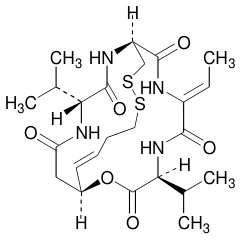
Chemical name: (1S,4S,7Z,10S,16E,21R)-7-ethylidene-4,21-bis(1-methylethyl)-2-oxa-12,13-dithia-5,8,20,23-tetraazabicyclo[8.7.6]tricos-16-ene-3,6,9,19,22-pentone
Molecular formula and molecular mass: C24H36N4O6S2 540.71
Structural formula:
Physicochemical properties: Romidepsin, a histone deacetylase (HDAC) inhibitor, is a bicyclic depsipeptide. At room temperature, romidepsin is a white powder. It is very slightly soluble in water, sparingly soluble in dehydrated alcohol and acetone, and soluble in chloroform.
14 CLINICAL TRIALS
14.1 Trial Design and Study Demographics
Table 6 - Summary of patient demographics for clinical trials in relapsed/refractory PTCL
| Study # | Study design | Dosage, route of administration and duration | Study subjects (n) | Mean age (Range) | Sex |
| GPI-06-0002 | Phase II, open-label, multicenter, single-arm, international clinical study | Dose of 14 mg/m2 infused over 4 hours on days 1, 8, and 15 every 28 days. | 131 | 59 (20, 83) | Male: 88 Female: 42 |
Summary of GPI-06-0002
ISTODAX (romidepsin for injection) was evaluated in a phase II, open-label, multicenter, single-arm, international clinical study in patients with PTCL [NOS (53%), AITL (21%) and ALK-1 negative ALCL
(16%)]1 who had failed at least 1 prior systemic therapy. Patients were treated with ISTODAX at a dose of 14 mg/m2 infused over 4 hours on days 1, 8, and 15 every 28 days. Of the 131 patients treated, 130 patients had histological confirmation by independent central review and were evaluable for efficacy (HC Population). Six cycles of treatment were planned, responding patients had the option of continuing treatment beyond 6 cycles.
Primary assessment of efficacy was based on rate of complete response (CR=complete response + Cru= complete response unconfirmed) as determined by an Independent Review Committee (IRC) using the International Workshop Criteria (IWC).
Demographic and disease characteristics of the patients with PTCL are provided in Table 7.
Table 7: Baseline Patient Characteristics (PTCL Population)
| Characteristic | Study GPI-06-0002 (N=130) |
|---|---|
| Age (years), n | |
| Mean (SD) | 59 (13) |
| Median | 61 |
| Sex, n (%) | |
| Male | 88 (68) |
| Female | 42 (32) |
| Race, n (%) | |
| White | 116 (89) |
| 7 (5) | |
| Asian | 3 (2) |
| Other | 4 (3) |
| PTCL Subtype Based on Central Diagnosis, n (%) | |
| PTCL Unspecified (NOS) | 69 (53) |
| Angioimmunoblastic T-cell lymphoma (AITL) | 27 (21) |
| ALK-1 negative anaplastic large cell lymphoma (ALCL) | 21 (16) |
| Other | 13 (10) |
| Stage of Disease, n (%)a | |
| I/II | 39 (30) |
| III/IV | 91 (70) |
1 Abbreviations: PTCL, peripheral T-cell lymphoma; NOS, not otherwise specified; ALK-1, anaplastic lymphoma kinase-1;ALCL, anaplastic large-cell lymphoma; AITL, angioimmunoblastic T-cell lymphoma
| ECOG Performance Status, n (%) | |
|---|---|
| 0 | 46 (35) |
| 1 | 67 (51) |
| 2 | 17 (13) |
| Received Prior Systemic Therapy for PTCL | 130 (100) |
| Number of Prior Systemic Therapies | |
| Median (Range) | 2 (1, 8) |
| Received Prior Autologous Stem Cell Transplant | 21 (16) |
| Received Prior Radiation Therapy | 31 (24) |
a Stage of disease was reported at time of diagnosis.
14.2 Study Results
Efficacy outcomes for the HC population (n=130) as determined by the IRC and Investigators are provided in Table 8 for Study GPI-06-0002. The complete response rate was 15% and overall response rate was 25% as determined by the IRC.
Table 8: Response Rates Based on Overall IRC Assessment (HC Population)
| Response Rate | IRC (N=130) |
|---|---|
| ORR (CR+Cru+PR), n (%) | 33 (25.4) [19.2]a |
| CR+Cru, n (%) | 19 (14.6) [9.8]a |
| PR, n (%) | 14 (10.8) |
| Stable Disease (SD) | 33 (25.4) |
| Progressive Disease (PD) | 35 (26.9) |
| Not Evaluable b | 29 (22.3) |
| Duration of Response (months) | |
| ORR | |
| n | 33 |
| Median (range) | 17 (<1c d, 34+d) |
| CR + Cru | |
| n | 19 |
| Median (range) | 17 (<13 d, 34+ d) |
a Lower bound of 95% Confidence Interval
b Insufficient efficacy data to determine response due to early termination; included as non-responders in the analysis
c One patient elected to go to transplant following the first response assessment of CR
d Denotes censored value
15 MICROBIOLOGY
No microbiological information is required for this drug product.
16 NON-CLINICAL TOXICOLOGY
General Toxicology:
Acute Toxicity
Based on the single dose studies in rats and dogs, acute toxic effects of romidepsin consisted of respiratory, cardiac, and central nervous system (CNS)/neurotoxicities.
Single-dose intravenous LD50 in rats was estimated to be greater than 2.6 mg/kg (15.6 mg/m2) for both males and females. Single intravenous doses of 0.1 to 1.0 mg/kg (2 to 20 mg/m2) in the dog resulted in no deaths. Clinical signs of toxicity in dogs included decreased spontaneous motility, congestion of eye mucosa, vomitous, irregular respiration, irregular heart rate, cough, and salivation. In addition, leukopenia, lymphocytopenia, hyperglycemia, hyperlipidemia, hypocalcemia and hypokalemia were observed in dogs following the IV administration of romidepsin. Atrophy of the thymus accompanied by decreased cortical lymphocytes and thymus weight were observed. A single administration of romidepsin at the dose level of 20 mg/m2 to beagle dogs had effects on cardiovascular and respiratory systems at a dose level comparable to the proposed human dose.
Repeat Dose Toxicity
Romidepsin was administered under various dosing schedules to rats and dogs. Deaths occurred at doses of 1.0 mg/kg (6.0 mg/m2) in rats and 2.0 mg/kg (40 mg/m2) in dogs.
The toxicity profile for romidepsin in rats was consistent whether administered once weekly for 3 weeks or as a cycle of 3 weekly administrations with 1 week off for 26 weeks. Principle target organs in rats were the injection site, lymphoid organs, the hematopoietic system and reproductive organs. Typical findings in rats at the injection site following infusion of romidepsin included thickening and swelling at the injection site with microscopic findings consisting of inflammation, edema, hemorrhage, and/or necrosis. Lymphocyte depletion was noted in the thymus, spleen, and lymph nodes along with bone marrow hypocellularity. This correlated with reductions in white blood cells driven by a decrease in circulating lymphocytes. A regenerative anemia was common in rats administered romidepsin. Platelets were decreased in rats, with an increase in mean platelet volume. The administration of romidepsin by 3-times monthly intravenous bolus injection for 26 weeks at dose levels of 0, 0.1, 0.33, and 0.67/1.0 mg/kg (0.60 to 6.0 mg/m2) resulted in treatment-related effects at all dose levels. Repeated doses of intravenous romidepsin lowered WBCs, WBC differentials, lymphocytes, and basophil counts. Romidepsin-related changes in organ weight were reported in the thymus, pituitary, ovary and uterus; macroscopic changes were noted in thymus, ovary, and pituitary. Pathological changes were noted in bone marrow, spleen, thymus, liver, pituitary, ovary, uterus, vagina, mammary gland, and testis, suggesting that target organs in the rat include the hematopoietic system, thymus, pituitary, and reproductive organs. Based on the presence of test article-related histopathological findings at all dose levels, a NOAEL was not determined. Most changes were at least partially reversible following a recovery period of two weeks.
When administered weekly as an intravenous 4-hour infusion, romidepsin was tolerated in dogs at doses up to 20 mg/m2. This dose was tolerated when administered up to twice weekly for a total weekly dose of 40 mg/m2; however, a single dose of 40 mg/m2 was not well tolerated. Toxicity was noted at total weekly doses as low as 2.0 mg/m2. An NOAEL for romidepsin was not determined in dogs.
Principle target organs in the dog were the injection site, gastrointestinal (GI) tract, lymphoid organs, hematopoietic system, reproductive organs, and cardiovascular system.
Romidepsin exacerbated pathology findings at the injection/catheter site of dogs in a dose-dependent manner. Typical findings included thickening and swelling at the injection site with microscopic findings consisting of inflammation, edema, hemorrhage, and/or necrosis. Romidepsin caused an increase in emesis and diarrhea, particularly at ≥ 10 mg/m2. Mucosal epithelial degeneration was noted in multiple tissues of the GI tract at ≥10 mg/m2. Lymphoid depletion was apparent in the thymus, lymph nodes, tonsil, and spleen along with bone marrow hypocellularity. This correlated with reductions in circulating white blood cells driven by a decrease in lymphocytes. A mild anemia was common in dogs administered romidepsin. There was no effect on platelet counts in the dog. Cardiotoxicity signs in dogs administered romidepsin included irregular rhythm, heart rate-corrected QT interval (QTc) prolongation. Foci with hemorrhage were observed occasionally at 1.0 mg/kg (20 mg/m2), but mostly at the non-tolerated dose of 2.0 mg/kg (40 mg/m2), where drug was administered every 4 days. Effects of romidepsin on reproductive organs are discussed in the sections on impairment of fertility. Most changes were at least partially reversible following a recovery period of two weeks.
Changes in serum chemistry results also demonstrated some consistency across studies and species. In both rats and dogs, ALT, AST, ALP, and fibrinogen were often increased following romidepsin dosing. Dogs also demonstrated increased cholesterol, CK, and LDH, and decreased BUN and electrolytes, whereas the rat studies were inconsistent with regard to BUN. Most serum chemistry effects were reversible in both species.
Carcinogenicity and Genotoxicity:
Carcinogenicity studies have not been performed with romidepsin. Romidepsin was not mutagenic in vitro in the bacterial reverse mutation assay (Ames test). In the mouse lymphoma cell mutation assay, romidepsin at concentrations up to 0.3 μg/mL exhibited very weak mutagenic activity in mouse lymphoma L5178Y cell. The low magnitude of the activity, while statistically significant, is unlikely to be of biological significance for this class of compound. Romidepsin was not clastogenic in an in vivo rat bone marrow micronucleus assay when tested to the maximum tolerated dose (MTD) of 1 mg/kg in males and 3 mg/kg in females (6 and 18 mg/m2 in males and females, respectively). These doses were up to 1.3-fold the recommended human dose, based on body surface area.
Reproductive and Developmental Toxicology:
Impairment of Fertility
Data from repeat-dose toxicity studies indicated that romidepsin may cause irreversible infertility in humans (see 7 WARNINGS AND PRECAUTIONS, Reproductive Health).
The administration of romidepsin to rats, mice and dogs produced macroscopic and microscopic changes in reproductive organs. In male mice, dose dependent testicular atrophy was noted and found to persist for at least 3 weeks after the termination of treatment. In male rats, seminal vesicle and prostate organ weights were decreased at 4 weeks after treatment cessation suggesting the lack of reversibility. In dogs, romidepsin administration at doses ≥ 20 mg/m2 was associated with hypospermia in the testes and epididymides, and seminiferous tubule degeneration; recovery was not demonstrated. In female rats, maturation arrest of ovarian follicles and decreased weight of ovaries were observed in all animals that had received 0.6 mg/m2 /day for 4 consecutive weeks. This dose is approximately 30% the estimated human dose. The changes in the ovaries did not recover over a 4-week recovery period. In a 26-week toxicology study in rats, romidepsin administration resulted in testicular degeneration at 2 mg/m2 dose following the clinical dosing schedule. This dose resulted in exposure of approximately 1% the exposure level in patients receiving the recommended dose of 14 mg/m2. In female rats, atrophy was seen in the ovary, uterus, vagina and mammary gland of females at 0.6 mg/m2 following the clinical dosing schedule which resulted in exposure of 0.3% the human exposure.
Romidepsin showed affinity for binding to estrogen receptors in pharmacology studies. Romidepsin may interfere with hormonal contraceptives, resulting in high-risk pregnancies.
Developmental Toxicology
In embryo-fetal developmental toxicity studies romidepsin treatment was associated with developmental toxicity, teratogenicity, and pregnancy loss at subtherapeutic doses that resulted in a total weekly exposure approximately 2% of the recommended clinical dose.
In pregnant Sprague Dawley rats administered romidepsin during organogenesis at doses of 0.1, 0.2, or 0.5 mg/kg/day (0.6, 1.2 and 3.0 mg/m2, respectively) maternal and developmental toxicity was observed. The systemic exposures in pregnant rats were 1-8% of the human exposure at the recommended clinical dose of 14 mg/m2 once weekly. Maternal findings included adverse clinical signs, a dose-dependent reduction in body weight gain and feed consumption at ≥0.1 mg/kg/day (≥0.6 mg/m2 or AUCt 2.44 ng.hr/mL). There were reduced gravid uterine weight and corrected maternal body weight at ≥ 0.6 mg/m2. Adverse embryo-fetal effects included early resorptions, reduced fetal body weights, increased fetal and litter incidences of rotated hindlimbs and folded retina, delayed ossifications and significant (p ≤ 0.01) increases in the incidence of supernumerary thoracic ribs at doses ≥ 0.1 mg/kg/day (≥1.2 mg/m2 or AUCt 4.99 ng.hr/mL). Two fetuses from different litters in the 0.2 mg/kg/day dosage group had an absent innominate artery at visceral examination. One of these fetuses also had an interrupted aortic arch. Based on the results of all developmental toxicity studies, the maternal and the fetal NOAEL was as low as 0.006 mg/kg (0.036 mg/m2).
Safety Pharmacology:
In single dose safety pharmacology studies, the highest intravenous dose levels tested in vivo was 6 mg/m2 and 20 mg/m2 in rats and dogs, respectively. In these studies, dose-related physiological effects were observed on both the central nervous and cardiovascular systems following romidepsin administration, although they were generally observed for no longer than 24 hours after dose administration. Central nervous system effects were generally mild and included increases in body temperature of up to 1.6 ºC and spontaneous locomotor activity. In dogs, a dose of 20 mg/m2 caused a significant increase in heart rate of 34% that persisted for 4.5 to 10 hours post-infusion. No effects on PR interval and QRS duration were noted. Other relevant findings at 20 mg/m2 included slight prolongation of QTc of 8% to 5%, which was observed at 24 hours after dosing. There were no cardiovascular findings at doses of 6 mg/m2. In a repeat dose toxicity study in dogs that evaluated electrocardiography (ECG) parameters, romidepsin was administered as a 4-hour infusion once weekly for 3 weeks at 6 and 20 mg/m2, followed by a 2-week recovery period. An increase in heart rate and QT prolongation was observed in both dose groups. QT prolongation occurred 24 hours after dosing but resolved following the 2-week recovery period. These changes in the heart rate and the QT interval were not associated with any abnormal cardiac-specific histopathology findings.
Therapeutically relevant concentrations of romidepsin had no effect on the action potential in the guinea pig model. Romidepsin suppressed the hERG channel current by 18% at 1 µg/mL and 37% at 10 μg/mL. However, the degree of channel current suppression (8%) caused by romidepsin at therapeutically relevant concentrations of 0.3 µg/mL was not significant, therefore the potential of romidepsin to suppress the hERG current is low.