


Product Monograph - Isturisa
Recent Major Label Changes
| None at the time of most recent authorization |
|---|
Table of Contents
Certain sections or subsections that are not applicable at the time of the preparation of the most recent authorized product monograph are not listed.
Recent Major Label Changes .............................................................................................................. 2
Table of Contents .............................................................................................................................. 2
Part 1: Healthcare Professional Information ....................................................................................... 4
- 1.
Indications ................................................................................................................................. 4
1.1. Pediatrics ................................................................................................................................... 4
1.2. Geriatrics ................................................................................................................................... 4
- 2. Contraindications ...................................................................................................................... 4
- 4.
Dosage and Administration ........................................................................................................ 4
4.1. Dosing Considerations ............................................................................................................... 4
4.2. Recommended Dose and Dosage Adjustment .......................................................................... 5
4.2.1. Discontinuing Treatment ................................................................................................ 6
4.4. Administration ........................................................................................................................... 6
4.5. Missed Dose .............................................................................................................................. 6
- 5. Overdose ................................................................................................................................... 6
- 6. Dosage Forms, Strengths, Composition, and Packaging ............................................................... 7
- 7.
Warnings and Precautions.......................................................................................................... 8
General .......................................................................................................................................... 8
Cardiovascular ............................................................................................................................... 8
Driving and Operating Machinery ................................................................................................. 9
Endocrine and Metabolism ........................................................................................................... 9
Monitoring and Laboratory Tests ................................................................................................ 10
7.1. Special Populations.................................................................................................................. 10
7.1.1. Pregnancy...................................................................................................................... 10
7.1.2. Breastfeeding ................................................................................................................ 11
7.1.3. Pediatrics ....................................................................................................................... 11
7.1.4. Geriatrics ....................................................................................................................... 11
- 8.
Adverse Reactions ................................................................................................................... 11
8.1. Adverse Reaction Overview .................................................................................................... 11
8.2. Clinical Trial Adverse Reactions ............................................................................................... 12
8.3. Less Common Clinical Trial Adverse Reactions ....................................................................... 19
8.4. Abnormal Laboratory Findings: Hematologic, Clinical Chemistry, and Other Quantitative Data ................................................................................................................................................. 21
8.5. Post-Market Adverse Reactions .............................................................................................. 22
- 9.
Drug Interactions ..................................................................................................................... 22
9.2. Drug Interactions Overview..................................................................................................... 22
9.3. Drug-Behaviour Interactions ................................................................................................... 23
9.4. Drug-Drug Interactions ............................................................................................................ 23
9.5. Drug-Food Interactions ........................................................................................................... 26
9.6. Drug-Herb Interactions ............................................................................................................ 26
9.7. Drug-Laboratory Test Interactions .......................................................................................... 26
- 10.
Clinical Pharmacology.......................................................................................................... 26
10.1. Mechanism of Action............................................................................................................... 26
10.2. Pharmacodynamics ................................................................................................................. 27
10.3. Pharmacokinetics .................................................................................................................... 27
- 11. Storage, Stability and Disposal ............................................................................................. 29
Part 2: Scientific Information ........................................................................................................... 30
- 13. Pharmaceutical Information ................................................................................................ 30
- 14.
Clinical Trials ....................................................................................................................... 31
14.1. Clinical Trials by Indication ...................................................................................................... 31
- 15. Microbiology ....................................................................................................................... 36
- 16. Non-Clinical Toxicology ....................................................................................................... 36
Patient Medication Information ....................................................................................................... 39
Part 1: Healthcare Professional Information
1. Indications
ISTURISA (osilodrostat) is indicated for:
- the treatment of adult patients with Cushing’s disease who have persistent or recurrent hypercortisolism after primary pituitary surgery and/or irradiation, or for whom pituitary surgery is not an option.
1.1. Pediatrics
Pediatrics (< 18 years of age): No data are available to Health Canada; therefore, Health Canada has not authorized an indication for pediatric use.
1.2. Geriatrics
Geriatrics (> 65 years of age): Data on the use of ISTURISA in patients > 65 years of age are limited and ISTURISA should therefore be used with caution in this age group (see 7.1.4 Geriatrics and 14.1 Clinical Trials by Indication).
2. Contraindications
ISTURISA is contraindicated in patients who are hypersensitive to this drug or to any ingredient in the formulation, including any non-medicinal ingredient, or component of the container. For a complete listing, see 6 Dosage Forms, Strengths, Composition and Packaging.
4. Dosage and Administration
4.1. Dosing Considerations
- ISTURISA may cause fetal harm. Pregnancy status should be verified in women of childbearing potential prior to initiating treatment with ISTURISA. See 7.1.1 Pregnancy.
- Correct hypokalemia, hypocalcaemia, and hypomagnesemia prior to starting ISTURISA.
- Obtain baseline electrocardiogram (ECG) prior to starting ISTURISA. Repeat ECG within one week after treatment initiation, and as clinically indicated thereafter (see 7 Cardiovascular; Monitoring and Laboratory Tests).
- Dose adjustment is required in patients with moderate or severe hepatic impairment and in patients of Asian ancestry. See 4.2 Recommended Dose and Dosage Adjustment.
- Dose adjustment, caution and closer monitoring are advised with concomitant use of medicinal products that strongly inhibit or induce single or multiple CYP enzymes. See 9.4 Table 6 - Established or Potential Drug-Drug Interactions.
- After starting ISTURISA, it is recommended that cortisol levels (e.g., 24-hour urinary free cortisol (UFC), serum/plasma cortisol) be monitored every 1 to 2 weeks until adequate clinical response is maintained. Once the maintenance dose is achieved, cortisol levels should be monitored at least every 1-2 months, or more often if clinically indicated.
- Decrease the dose or temporarily discontinue ISTURISA if urine free cortisol levels fall below the lower limit of normal, there is a rapid decrease in cortisol levels, and/or patients report symptoms of hypocortisolism (e.g., nausea, abdominal pain, myopathy, fatigue, loss of appetite, vomiting, dizziness, hypotension, hypoglycemia, severe headache).
- Stop ISTURISA and administer exogenous glucocorticoid replacement therapy if serum or plasma cortisol levels are below the lower limit of normal and patients have signs and/or symptoms of adrenal insufficiency. Once cortisol levels are above the lower limit of normal in the absence of glucocorticoid substitution, and signs and symptoms of adrenal insufficiency have resolved, ISTURISA may be resumed at a lower dose.
- Management of other suspected adverse reactions at any time during treatment may also require a temporary dose reduction or temporary interruption of treatment.
- Consider discontinuing ISTURISA in patients who develop magnetic resonance imaging (MRI)-verified pituitary tumour enlargement or invasiveness during treatment (see 7 Monitoring and Laboratory Tests and 8.2 Clinical Trial Adverse Reactions).
4.2. Recommended Dose and Dosage Adjustment
- The recommended starting dose of ISTURISA is 2 mg orally twice daily, with or without food.
- The dose can be gradually titrated by increments of 1 or 2 mg twice daily, no more frequently than once every 2 to 3 weeks, based on the rate of cortisol changes, individual tolerability, and improvement in signs and symptoms of hypercortisolism, with the goal of achieving normal cortisol levels. See 4.1 Dosing Considerations.
- In the Phase 3 studies, the mean and median doses varied between 2 mg to 5 mg twice daily. The highest dose of ISTURISA received by most patients in the randomized, placebo-controlled Phase 3 study C2302 was 5 mg twice daily.
- The maximum recommended dose of ISTURISA is 30 mg twice daily.
Renal impairment
No dose adjustment is required for patients with renal impairment (see 10.3 Special Populations and Conditions). Use caution when interpreting urinary free cortisol (UFC) levels in patients with moderate to severe renal impairment, due to reduced UFC excretion with low glomerular filtration rate (GFR) in these patients. Alternative methods for cortisol monitoring should be considered in these patients.
Hepatic impairment
Data on use of ISTURISA in patients with hepatic impairment are limited. Patients with cirrhosis, chronic active hepatitis, chronic persistent hepatitis, serum alanine transaminase/aspartate transaminase greater than 3 times upper limit of normal (ULN), or serum total bilirubin greater than 1.5 times ULN were excluded from the Phase III trials with ISTURISA (see 14.1 Clinical Trials by Indication).
For patients with moderate hepatic impairment (Child-Pugh B), the recommended starting dose is 1 mg twice daily. For patients with severe hepatic impairment (Child-Pugh C), the recommended starting dose is 1 mg once daily in the evening (see 10.3 Special Populations and Conditions).
No dose adjustment is required for patients with mild hepatic impairment (Child-Pugh A).
More frequent monitoring of adrenal function may be required during dose titration in all patients with hepatic impairment.
Patients of Asian ancestry
For patients of Asian ancestry, a reduced starting dose of 1 mg twice daily is recommended (see 10.3 Special Populations and Conditions).
Geriatric patients (> 65 years of age)
The available data suggest that no dose adjustment is required in patients older than 65 years of age; however, data on the use of ISTURISA in this population are limited. ISTURISA should therefore be used with caution in this age group (see 7.1.4 Geriatrics).
Pediatric patients (< 18 years of age)
Health Canada has not authorized an indication for pediatric use (see 1.1 Pediatrics).
4.2.1. Discontinuing Treatment
After ISTURISA discontinuation, cortisol suppression may persist for months, irrespective of osilodrostat administered dose, and patients may therefore require additional monitoring. See 7 Endocrine and Metabolism.
4.4. Administration
ISTURISA should be taken orally. ISTURISA can be taken with or without food. The tablets should be swallowed whole and should not be broken, chewed, or crushed (see 9.5 Drug-Food Interactions).
4.5. Missed Dose
If a dose of ISTURISA is missed, the patient should take the next dose at the regularly scheduled time. The next dose should not be doubled.
5. Overdose
Overdose may result in severe hypocortisolism. Signs and symptoms suggestive of hypocortisolism may include nausea, vomiting, fatigue, low blood pressure, abdominal pain, loss of appetite, dizziness, and syncope.
In case of suspected overdose, ISTURISA should be temporarily discontinued, cortisol levels should be measured, and if necessary, corticosteroid supplementation should be initiated. Close surveillance may be necessary, including monitoring of the QT interval, blood pressure, serum glucose, and fluid and electrolyte balance until the patient’s condition is stable.
| For the most recent information in the management of a suspected drug overdose, contact your regional poison control centre or Health Canada’s toll-free number, 1-844 POISON-X (1-844-764-7669). |
|---|
- 6. Dosage Forms, Strengths, Composition, and Packaging
Table 1 - Dosage Forms, Strengths, and Composition
| Route of Administration | Dosage Form / Strength/Composition | Non-Medicinal Ingredients |
|---|---|---|
| Oral | Tablets, 1 mg osilodrostat (as osilodrostat phosphate) | Colloidal silicon dioxide, Croscarmellose sodium, Hypromellose, Iron oxide red (E172), Iron oxide yellow (E172), Macrogol, Magnesium stearate, Mannitol, Microcrystalline cellulose, Talc, Titanium dioxide (E171). |
| Oral | Tablets, 5 mg osilodrostat (as osilodrostat phosphate) | Colloidal silicon dioxide, Croscarmellose sodium, Hypromellose, Iron oxide yellow (E172), Macrogol, Magnesium stearate, Mannitol, Microcrystalline cellulose, Talc, Titanium dioxide (E171). |
| Oral | Tablets, 10 mg osilodrostat (as osilodrostat phosphate) | Colloidal silicon dioxide, Croscarmellose sodium, Hypromellose, Iron oxide black (E172), Iron oxide red (E172), Iron oxide yellow (E172), Macrogol, Magnesium stearate, Mannitol, Microcrystalline cellulose, Talc, Titanium dioxide (E171). |
Description
ISTURISA tablets are supplied in 1 mg, 5 mg and 10 mg strengths for oral administration.
ISTURISA tablets are packaged in Alu/Alu blister of 10 tablets.
Available in cartons containing 60 tablets (6 blisters of 10 tablets).
1 mg Tablets
ISTURISA 1 mg film-coated tablets are available as pale yellow, round, biconvex beveled-edge tablets, marked “Y1” on one side and “NVR” on the other side. Approximate diameter 6.1 mm.
5 mg Tablets
ISTURISA 5 mg film-coated tablets are available as yellow, round, biconvex beveled-edge tablets, marked “Y2” on one side and “NVR” on the other side. Approximate diameter 7.1 mm.
10 mg Tablets
ISTURISA 10 mg film-coated tablets are available as pale orange-brown, round, biconvex beveled-edge tablets, marked “Y3” on one side and “NVR” on the other side. Approximate diameter 9.1 mm.
7. Warnings and Precautions
General
Oedema was commonly reported in clinical trials with ISTURISA. Patients with congestive heart failure (New York Heart Association Class III or IV) and moderate to severe renal impairment were excluded from the clinical trials. ISTURISA should be used with caution in patients at increased risk from fluid retention. See 8.2 Clinical Trial Adverse Reactions; 14.1 Clinical Trials by Indication.
Cardiovascular
QTc prolongation
ISTURISA is associated with a dose-dependent QT interval prolongation (predicted maximum mean QTcF increase of 5.3 ms at 30 mg BID) which may cause cardiac arrhythmias. Adverse reactions of QT prolongation and clinically relevant ECG findings have been reported in clinical studies (see 8.2 Clinical Trial Adverse Reactions, 9.4 Drug-Drug Interactions and 10.2 Cardiac Electrophysiology).
An ECG should be performed prior to starting ISTURISA and be repeated within one week of treatment initiation. ECGs should then be repeated as clinically indicated. If the QTc interval is > 480 msec prior to or during treatment with ISTURISA, cardiology consultation is recommended. Dosage reduction or interruption may be needed.
Hypokalemia, hypocalcemia, and/or hypomagnesemia should be corrected prior to starting ISTURISA. Electrolyte levels should then be monitored periodically during treatment with ISTURISA and electrolyte abnormalities should be corrected if indicated (see 4.1 Dosing Considerations, 7 Monitoring and Laboratory Tests, and 8.2 Clinical Trial Adverse Reactions).
Observe particular caution and carefully weigh the benefit-risk of ISTURISA in patients with risk factors for QT prolongation and torsade de pointes, including, but not limited to, the following:
- Baseline prolongation of the QT/QTc interval
- Congenital long QT syndrome
- Uncontrolled or significant cardiovascular disease (including congestive heart failure, recent myocardial infarction, unstable angina, sustained ventricular tachycardia, advanced heart block, uncontrolled hypertension, high degree atrioventricular block, severe aortic stenosis, and clinically significant bradyarrhythmias)
- Concomitant medications known to prolong the QT interval (see 9.4 Drug-Drug Interactions)
- Electrolyte abnormalities (e.g., hypokalaemia, hypomagnesaemia, hypocalcaemia) or conditions that can lead to electrolyte abnormalities (e.g., eating disorders, concomitant medications that can cause electrolyte disturbances).
If ISTURISA is used in patients with the above risk factors, caution is advised, and more frequent ECG monitoring is recommended (see 10.2 Cardiac Electrophysiology).
Advise patients that high doses of ISTURISA can prolong the QT interval. Inform patients of the signs and symptoms of QT prolongation and torsade de pointes, as well as risk mitigation strategies. Advise patients to contact a healthcare professional immediately regarding potential signs or symptoms of QT prolongation or torsade de pointes, or changes in or new use of other medications.
Driving and Operating Machinery
Dizziness, fatigue and hypotension were reported commonly in clinical trials with ISTURISA. ISTURISA may have an influence on the ability to drive and use machines. Patients should be warned about the potential for dizziness, fatigue, and hypotension (see 8.2 Clinical Trial Adverse Reactions) and should be advised not to drive or use machines if these signs and/or symptoms occur.
Endocrine and Metabolism
Hypocortisolism
ISTURISA lowers cortisol levels and its use can lead to hypocortisolism and sometimes life-threatening adrenal insufficiency (see 8.2 Clinical Trial Adverse Reactions).
Cortisol levels and patient signs and symptoms should be monitored at regular intervals since hypocortisolism-related events can occur at any time during treatment (see 4.1 Dosing Considerations). Additional monitoring is recommended especially during conditions of increased cortisol demand, such as infections, physical or psychological stress, or during changes in concomitant medications that may affect osilodrostat exposure. For this monitoring, it is recommended to use laboratory methods that do not exhibit significant cross-reactivity with cortisol precursors such as 11-deoxycortisol that may increase during osilodrostat treatment.
Patients should be educated on the signs and symptoms suggestive of hypocortisolism (e.g., nausea, vomiting, abdominal pain, dizziness, myopathy, fatigue, loss of appetite, severe headache, hypotension, hypoglycaemia), especially in the context of a stress such as acute infection, and be advised to inform their health care professionals if they experience such symptoms.
Decrease or temporarily discontinue ISTURISA if urine free cortisol levels fall below the lower limit of normal, there is a rapid decrease in cortisol levels, and/or patients report signs and/or symptoms of hypocortisolism. Stop ISTURISA and administer exogenous glucocorticoid replacement therapy if serum or plasma cortisol levels are below the lower limit of normal and patients have signs and/or symptoms of adrenal insufficiency, and monitor patients for hypotension, hyponatraemia, hyperkalaemia, and hypoglycaemia. ISTURISA may be resumed at a lower dose after resolution of symptoms, provided that cortisol levels are above the lower limit of normal in the absence of glucocorticoid substitution. After ISTURISA discontinuation, cortisol suppression may persist for months, irrespective of osilodrostat administered dose, and patients may therefore require additional monitoring.
In a 60-day Phase I clinical study in healthy adult females who received osilodrostat 30 mg twice daily for 12 days, results of the post-treatment adrenocorticotropic hormone (ACTH) stimulation test were consistent with incomplete or delayed adrenal recovery in 19 of 24 subjects 10 days after stopping osilodrostat. Complete recovery was noted in 14 of 19 subjects approximately 5 months after end of study; however, at last follow-up, 5 of the 19 subjects still had had ongoing serious adverse events of ACTH stimulation test abnormal.
Elevations in adrenal hormone precursors and androgens
ISTURISA blocks cortisol synthesis and may increase circulating levels of cortisol and aldosterone precursors (11-deoxy cortisol and 11-deoxycorticosterone) and androgens. In Cushing’s disease, the decrease in plasma cortisol concentration stimulates ACTH secretion via the hormone feedback mechanism, which accelerates steroid biosynthesis. Elevated 11-deoxycorticosterone levels may activate mineralocorticoid receptors and cause hypokalemia, edema and hypertension. Hypokalemia should be corrected prior to initiating ISTURISA. Monitor patients treated with ISTURISA for hypokalemia, worsening of hypertension and edema. ISTURISA-induced hypokalemia should be treated with intravenous or oral potassium supplementation based on event severity. If hypokalemia persists despite potassium supplementation, consider adding mineralocorticoid antagonists. ISTURISA dose-reduction or discontinuation may be necessary.
Accumulation of androgens may lead to hirsutism, hypertrichosis and acne (in females). Inform patients of the symptoms associated with hyperandrogenism and advise them to contact a healthcare provider if such symptoms occur (see also 8.2 Clinical Trial Adverse Reactions).
Monitoring and Laboratory Tests
Cortisol levels
See 4.1 Dosing Considerations for recommendations regarding monitoring of cortisol levels during treatment with ISTURISA.
Neutrophil counts
Treatment with ISTURISA may result in decreases in neutrophil counts. Patients treated with ISTURISA should have their white blood cell count and differential monitored periodically and be advised to seek medical attention in case of signs and/or symptoms of serious infection (see 8.3 Less Common Clinical Trial Adverse Reactions; 8.4 Abnormal Laboratory Findings: Hematologic, Clinical Chemistry, and Other Quantitative Data).
QT interval and serum electrolytes
An ECG should be performed prior to starting ISTURISA treatment, be repeated within one week after treatment initiation, and then be repeated as clinically indicated. If the QTc interval is >480 msec prior to or during treatment, cardiology consultation is recommended. Hypokalemia, hypocalcaemia, and hypomagnesemia should be corrected prior to ISTURISA administration. Serum potassium, calcium, and magnesium levels should be monitored periodically during treatment with ISTURISA and electrolyte abnormalities should be corrected if indicated (see 7 Cardiovascular).
Pituitary tumour growth
Discontinuation of ISTURISA should be considered in patients who develop magnetic resonance imaging (MRI)-verified pituitary tumour enlargement or invasiveness during treatment (see 8.2 Clinical Trial Adverse Reactions).
Reproductive Health
- Fertility
There is no information on the effect of osilodrostat on human fertility. Animal studies have shown effects on the menstrual cycle and reduced female fertility in rats (see 7.1.1 Pregnancy).
7.1. Special Populations
7.1.1. Pregnancy
There are very limited clinical trial data regarding exposure to ISTURISA in pregnancy and there are no adequate and well-controlled studies regarding the use of ISTURISA in pregnant women to inform of a drug-associated risk; however, studies in animals have shown reproductive toxicity.
Reproductive studies in rabbits and rats have demonstrated that oral administration of osilodrostat during organogenesis induced embryotoxicity, fetotoxicity and teratogenicity at maternally toxic dose exposures (based on AUC) 4.3 and 43 times, respectively, higher than that expected in humans at the maximum recommended dose of 30 mg twice daily (see 16 Reproductive and developmental toxicology).
ISTURISA may cause fetal harm. Pregnancy status should be verified in women of childbearing potential prior to initiating treatment with ISTURISA.
Sexually active females of reproductive potential should be advised to use effective contraception (methods that result in less than 1% pregnancy rates) during treatment with ISTURISA and for one week after stopping treatment.
The patient should be advised of a potential risk to the fetus if the patient becomes pregnant while taking ISTURISA.
7.1.2. Breastfeeding
It is unknown if osilodrostat is excreted in human milk. Precaution should be exercised because many drugs can be excreted in human milk.
There are currently no data on the effects of ISTURISA on the nursing child or on milk production. Because of the potential for adverse drug reactions in the nursing child, breastfeeding is not recommended during treatment and for one week after stopping treatment with ISTURISA.
7.1.3. Pediatrics
Pediatrics (< 18 years of age): No data are available to Health Canada; therefore, Health Canada has not authorized an indication for pediatric use (see 1.1 Pediatrics).
7.1.4. Geriatrics
Geriatrics (> 65 years of age): In the Phase III studies, 9 patients treated with ISTURISA were age ≥65 years; no patients were aged ≥75 years. The available data suggest that no dose adjustment is required in patients older than 65 years of age; however, data on the use of ISTURISA in this population are limited. ISTURISA should therefore be used with caution in this age group (see 1.2 Geriatrics and 14.1 Clinical Trials by Indication).
8. Adverse Reactions
8.1. Adverse Reaction Overview
The safety of ISTURISA was evaluated in two Phase III multi-centre studies conducted in adult patients with Cushing’s disease (C2301 and C2302). In these studies, the most common adverse reactions (that occurred in at least 20% of ISTURISA-treated patients in at least one study) were fatigue (47% and 45% in Studies C2301 and C2302, respectively), hypocortisolism-related (54% and 29%), arthralgia (21% and 47%), decreased appetite (16% and 47%), nausea (45% and 37%), headache (37% and 34%), dizziness (19% and 30%), hypotension (12% and 27%), vomiting (25% and 12%), oedema (23% and 16%), blood testosterone increased (12% and 25%), myalgia (15% and 25%), diarrhoea (20% and 23%), back pain (21% and 14%), and blood corticotrophin increased (20% and 3%). See Table 2 and Table 3, below, and 7 Cardiovascular; Endocrine and Metabolism.
The most common serious adverse reactions reported in patients treated with ISTURISA in both Phase III studies were hypocortisolism-related (10% and 4% in Studies C2301 and C2302, respectively). Two deaths were reported in patients treated with ISTURISA during Study C2301. One death was due to suicide and one death was due to cardiopulmonary failure following viral gastroenteritis. Neither of the deaths were considered by the study investigator to be related to study drug. No deaths were reported in Study C2302.
The most common adverse reactions leading to discontinuation of ISTURISA in both Phase III studies were adrenal insufficiency (4% in each of Studies C2301 and C2302), pituitary tumour (4% and 1% in Studies C2301 and C2302, respectively), and pituitary tumour benign (4% and 1%).
The most common adverse reactions leading to ISTURISA dose interruption or dose adjustment in both Phase III studies were hypocortisolism-related (57% and 27% of patients in Studies C2301 and C2302, respectively).
8.2. Clinical Trial Adverse Reactions
Clinical trials are conducted under very specific conditions. The frequencies of adverse reactions observed in the clinical trials may therefore not reflect frequencies observed in clinical practice and should not be compared to frequencies reported in clinical trials of another drug.
Study C2301 included a 26-week single-arm, open-label ISTURISA treatment period, followed by an 8-week double-blind randomized withdrawal (RW) period in which patients who were on a stable dose of ISTURISA during Weeks 13-24 and had mUFC less than or equal to upper limit of normal were randomized in a 1:1 ratio to receive either ISTURISA or placebo starting at Week 26 through to Week 34, followed by an additional 14-week open-label treatment period with ISTURISA. After Week 48, patients who maintained clinical benefit on ISTURISA could continue in a long-term extension period until the last patient achieved Week 72.
In Study C2301, a total of 137 patients were treated with ISTURISA, of whom 121 were treated for at least 6 months and 104 were treated for at least one year. The mean age of enrolled patients was 41 years, and the majority were female (77%) and Caucasian (65%).
Study C2302 included a 12-week, double-blind, placebo-controlled period in which patients were randomized in a 2:1 ratio to ISTURISA or placebo (Period 1), followed by a 36-week open-label treatment period during which all patients received open-label ISTURISA (Period 2). After completion of Period 2, patients who maintained clinical benefit on ISTURISA could continue on open-label ISTURISA in an optional 48-week extension phase.
In Study C2302, a total of 73 patients were treated with ISTURISA, of whom 69 were treated for at least 6 months, and 58 were treated for at least one year. The mean age of enrolled patients was 41 years and the majority were female (84%) and White (67%).
The initial starting dose of ISTURISA in Studies C2301 and C2302 was 2 mg twice daily, with dose titration every two (Study C2301) or three (Study C2302) weeks. The maximum dose was 30 mg twice daily. If hypocortisolism occurred at 2 mg BID, the dose could be reduced to 1 mg BID or lower.
Due to differences in study design, the safety data from studies C2301 and C2302 are presented separately below.
Adverse reactions that were reported in at least 5% of patients treated with ISTURISA in Study C2301 are presented in Table 2. There was no ISTURISA washout period for patients who switched from open-label ISTURISA to placebo at Week 26. The adverse reaction rates reported for the placebo group during the RW period should therefore be interpreted with caution, due to the possible carry-over effect of the patient’s ISTURISA treatment in the first 26 weeks of the study.
Table 2 - Adverse Drug Reactions reported in at least 5% of patients treated with ISTURISA in Study C2301
| System organ class/preferred term | Randomized Withdrawal Period (Weeks 26-34) | Overall Study Period Weeks 1-72 | |||||||||
|---|---|---|---|---|---|---|---|---|---|---|---|
| System organ class/preferred term | Randomized Withdrawal Period (Weeks 26-34) | Overall Study Period Weeks 1-72 | |||||||||
| System organ class/preferred term | Randomized Withdrawal Period (Weeks 26-34) | Overall Study Period Weeks 1-72 | |||||||||
| ISTURISA N=36 n (%) | Placebo N=35 n (%) | ISTURISA** All-Patients N=137 n (%) | |||||||||
| ISTURISA N=36 n (%) | Placebo N=35 n (%) | ISTURISA** All-Patients N=137 n (%) | |||||||||
| ISTURISA N=36 n (%) | Placebo N=35 n (%) | ISTURISA** All-Patients N=137 n (%) | |||||||||
| Blood and lymphatic system disorders | |||||||||||
| Anaemia | 3 (8) | 3 (9) | 15 (11) | ||||||||
| Cardiac disorders | |||||||||||
| Tachycardia | 0 | 0 | 8 (6) | ||||||||
| Endocrine disorders | |||||||||||
| Adrenal insufficiency1 | 0 | 0 | 44 (32) | ||||||||
| Glucocorticoid deficiency | 1 (3) | 0 | 28 (20) | ||||||||
| Gastrointestinal disorders | |||||||||||
| Nausea | 4 (11) | 0 | 62 (45) | ||||||||
| Vomiting | 0 | 1 (3) | 34 (25) | ||||||||
| Diarrhoea | 0 | 2 (6) | 27 (20) | ||||||||
| Abdominal pain | 1 (3) | 1 (3) | 18 (13) | ||||||||
| Dyspepsia | 1 (3) | 0 | 15 (11) | ||||||||
| Constipation | 2 (6) | 0 | 10 (7) | ||||||||
| Abdominal pain upper | 0 | 0 | 9 (7) | ||||||||
| General disorders and administration site conditions | |||||||||||
| Fatigue2 | 4 (11) | 3 (9) | 65 (47) | ||||||||
| Oedema3 | 1 (3) | 0 | 31 (23) | ||||||||
| Malaise | 0 | 1 (3) | 10 (7) | ||||||||
| Pain | 0 | 1 (3) | 7 (5) | ||||||||
| Infections and infestations | |||||||||||
| Gastroenteritis | 0 | 0 | 13 (10) | ||||||||
| Investigations | |||||||||||
| Blood corticotrophin increased | 2 (6) | 1 (3) | 28 (20) | ||||||||
| Hormone level abnormal4 | 0 | 0 | 18 (13) | ||||||||
| Blood testosterone increased | 0 | 0 | 16 (12) | ||||||||
| Cortisol free urine decreased | 2 (6) | 1 (3) | 11 (8) | ||||||||
| Weight decreased | 0 | 0 | 9 (7) | ||||||||
| Cortisol free urine increased | 0 | 0 | 8 (6) | ||||||||
| Metabolism and nutrition disorders | |||||||||||
| Decreased appetite | 0 | 0 | 22 (16) | ||||||||
| Hypokalaemia | 0 | 0 | 18 (13) | ||||||||
| Musculoskeletal and connective tissue disorders | |||||||||||
| Arthralgia | 3 (8) | 0 | 29 (21) | ||||||||
| Back pain | 1 (3) | 0 | 29 (21) | ||||||||
| Myalgia | 0 | 0 | 20 (15) | ||||||||
| Pain in extremity | 2 (2) | 0 | 14 (10) | ||||||||
| Muscle spasms | 0 | 0 | 8 (6) | ||||||||
| Neoplasms benign, malignant and unspecified (incl cysts and polyps) | |||||||||||
| Pituitary tumour benign | 0 | 0 | 12 (9) | ||||||||
| Pituitary tumour | 0 | 0 | 7 (5) | ||||||||
| Nervous system disorders | |||||||||||
| Headache | 3 (8) | 0 | 50 (37) | ||||||||
| Dizziness | 2 (6) | 1 (3) | 26 (19) | ||||||||
| Hypoaesthesia | 0 | 0 | 9 (7) | ||||||||
| Psychiatric disorders | |||||||||||
| Anxiety | 0 | 1 (3) | 13 (10) | ||||||||
| Depression | 2 (6) | 1 (3) | 13 (10) | ||||||||
| Sleep disorder | 0 | 0 | 7 (5) | ||||||||
| Skin and subcutaneous tissue disorders | |||||||||||
| Rash | 1 (3) | 0 | 21 (15) | ||||||||
| Acne | 0 | 0 | 13 (10) | ||||||||
| Pruritus | 0 | 1 (3) | 13 (10) | ||||||||
| Hirsutism | 2 (6) | 1 (3) | 12 (9) | ||||||||
| Alopecia | 0 | 1 (3) | 10 (7) | ||||||||
| Dry skin | 0 | 0 | 10 (7) | ||||||||
| Hyperhidrosis | 0 | 0 | 9 (7) | ||||||||
| Vascular disorders | |||||||||||
| Hypertension | 0 | 0 | 24 (18) | ||||||||
| Hypotension5 | 0 | 0 | 17 (12) | ||||||||
The frequencies presented for adverse reaction preferred terms are derived from all treatment-emergent adverse events, independent of the investigator's opinion on the relationship to the study drug.1 Adrenal insufficiency and Adrenocortical insufficiency acute were pooled into one term 2 Fatigue and Asthenia were pooled into one term 3 Oedema, oedema peripheral, peripheral swelling, and generalized oedema were pooled into one term. 4 included ACTH (adrenocorticotropic hormone), DHEAS (Dehydroepiandrosterone sulfate), deoxycorticosterone and 11-deoxycortisol 5 Hypotension and Orthostatic hypotension were pooled into one term. **excluding safety data from the placebo arm collected during the placebo-controlled period | |||||||||||
Adverse reactions that were reported in at least 5% of patients treated with ISTURISA and greater than placebo are presented in Table 3.
Table 3 - Adverse Reactions reported in at least 5% of patients treated with ISTURISA and greater than placebo in Study C2302 during the 12-week placebo-controlled period and at least 5% of all patients treated with ISTURISA during the overall study period
| System organ class/preferred term | 12-Week Placebo-controlled Period (Weeks 1-12) | Overall Study Period (Weeks 1-96) | ||||||||||
|---|---|---|---|---|---|---|---|---|---|---|---|---|
| System organ class/preferred term | 12-Week Placebo-controlled Period (Weeks 1-12) | Overall Study Period (Weeks 1-96) | ||||||||||
| ISTURISA N=48 n (%) | Placebo N=25 n (%) | ISTURISA** All-Patients N=73 n (%) | ||||||||||
| ISTURISA N=48 n (%) | Placebo N=25 n (%) | ISTURISA** All-Patients N=73 n (%) | ||||||||||
| Cardiac disorders | ||||||||||||
| Tachycardia | 7 (15) | 0 | 9 (12) | |||||||||
| Endocrine disorders | ||||||||||||
| Adrenal insufficiency1 | 7 (15) | 0 | 20 (27) | |||||||||
| Gastrointestinal disorders | ||||||||||||
| Nausea | 15 (31) | 3 (12) | 27 (37) | |||||||||
| Diarrhoea | 10 (21) | 0 | 17 (23) | |||||||||
| Abdominal pain | 4 (8) | 0 | 12 (16) | |||||||||
| Vomiting | 5 (10) | 0 | 9 (12) | |||||||||
| Abdominal distension | 3 (6) | 1 (4) | 4 (6) | |||||||||
| General disorders and administration site conditions | ||||||||||||
| Fatigue2 | 23 (48) | 4 (16) | 33 (45) | |||||||||
| Oedema peripheral | 5 (10) | 0 | 12 (16) | |||||||||
| Pyrexia | 2 (4) | 0 | 5 (7) | |||||||||
| Investigations | ||||||||||||
| Blood testosterone increased | 5 (10) | 0 | 18 (25) | |||||||||
| Hepatic enzyme increased3 | 3 (6) | 2 (8) | 7 (10) | |||||||||
| Renin increased | 1 (2) | 0 | 5 (7) | |||||||||
| Weight decreased | 2 (4) | 0 | 4 (6) | |||||||||
| Metabolism and nutrition disorders | ||||||||||||
| Decreased appetite | 18 (38) | 4 (16) | 34 (47) | |||||||||
| Hypokalaemia | 1 (2) | 0 | 8 (11) | |||||||||
| Hypercholesterolaemia | 3 (6) | 1 (4) | 6 (8) | |||||||||
| Hypoglycaemia | 1 (2) | 0 | 4 (6) | |||||||||
| Musculoskeletal and connective tissue disorders | ||||||||||||
| Arthralgia4 | 17 (35) | 3 (12) | 34 (47) | |||||||||
| Myalgia | 11 (23) | 1 (4) | 18 (25) | |||||||||
| Back pain | 2 (4) | 0 | 10 (14) | |||||||||
| Muscular weakness | 2 (4) | 0 | 6 (8) | |||||||||
| Pain in extremity | 2 (4) | 0 | 5 (7) | |||||||||
| Muscle spasms | 2 (4) | 0 | 4 (6) | |||||||||
| Nervous system disorders | ||||||||||||
| Headache | 7 (15) | 6 (24) | 25 (34) | |||||||||
| Dizziness | 9 (19) | 4 (16) | 22 (30) | |||||||||
| Respiratory, thoracic and mediastinal disorders | ||||||||||||
| Dyspnoea | 1 (2) | 0 | 5 (7) | |||||||||
| Skin and subcutaneous tissue disorders | ||||||||||||
| Acne5 | 2 (4) | 1 (4) | 11 (15) | |||||||||
| Pruritus | 6 (13) | 0 | 9 (12) | |||||||||
| Hirsutism | 0 | 1 (4) | 7 (10) | |||||||||
| Dry skin | 3 (6) | 0 | 4 (6) | |||||||||
| Skin hyperpigmentation | 2 (4) | 0 | 4 (6) | |||||||||
| Vascular disorders | ||||||||||||
| Hypotension6 | 9 (19) | 0 | 17 (23) | |||||||||
The frequencies presented for adverse reaction preferred terms are derived from all treatment-emergent adverse events, independent of the investigator's opinion on the relationship to the study drug. 1 Adrenal insufficiency and Adrenocortical insufficiency acute were pooled into one term. 2 Fatigue and Asthenia were pooled into one term. 3 Alanine aminotransferase increased, Aspartate aminotransferase increased and Hepatic enzyme increased were pooled into one term. 4 Arthralgia and Bone pain were pooled into one term. 5 Acne and Dermatitis acneiform were pooled into one term. 6 Hypotension and Orthostatic hypotension were pooled into one term. **excluding safety data from the placebo arm collected during the placebo-controlled period | ||||||||||||
Hypocortisolism related adverse reactions
For the Phase III studies, adverse reactions reported under clinically related preferred terms such as adrenal insufficiency, glucocorticoid deficiency, cortisol free urine decreased, adrenocortical insufficiency acute, cortisol decreased and steroid withdrawal syndrome were pooled and analyzed under the collective term of hypocortisolism-related adverse reactions. Overall, hypocortisolism-related adverse reactions were reported in a total of 74/137 (54%) patients treated with ISTURISA in Study C2301, and in 21/73 (29%) patients treated with ISTURISA in Study C2302. Most cases were managed by temporarily interrupting or reducing the dose of ISTURISA and/or adding low-dose, short-term glucocorticoid therapy. In Study C2301, however, 14/137 (10%) of the patients experienced serious hypocortisolism-related adverse reactions and 5/137 (4%) required permanent discontinuation of ISTURISA. In Study C2302, 3/73 (4%) patients experienced serious hypocortisolism-related adverse reactions and 3/73 (4%) required permanent discontinuation of ISTURISA (see 7 Endocrine and Metabolism).
QT interval prolongation
ISTURISA is associated with dose-dependent QT interval prolongation which may cause cardiac arrhythmias. In Study C2301, 5/137 (4%) patients treated with ISTURISA experienced ECG QT prolongation adverse reactions (including QT prolongation and syncope); all were non-serious. One of the QT prolongation adverse reactions occurred in a patient receiving a medication that was prohibited in the protocol due to its known effect on QT (trazodone). In Study C2302, 2/73 (3%) of patients treated with ISTURISA had QT prolongation adverse reactions, including one serious reaction leading to hospitalization and one non-serious reaction that occurred concurrently with hypokalaemia. No cases of torsades de pointes were reported in the two Phase III clinical trials (see 7 Cardiovascular).
Changes in pituitary tumour volume
Pituitary tumour enlargement-related adverse reactions (grouped from preferred terms including pituitary tumour, pituitary tumour benign, tumour invasion, diplopia, visual field defect, Vith nerve paralysis, and pituitary infarction), were reported in 22/137 (16%) patients treated with ISTURISA in Study C2301 and 4/73 (6%) patients treated with ISTURISA in Study C2302. Pituitary tumour enlargement-related reactions led to study treatment discontinuation in 12 patients (9%) in Study C2301 and 2 patients (3%) in Study C2302.
In the two Phase III studies, pituitary MRI was performed at baseline and then periodically to assess for pituitary enlargement by tumour volume and/or maximum dimension of tumour. If MRI could not be performed, computed tomography (CT) of the pituitary gland was performed instead. In Study C2301, of the 83/137 patients treated with ISTURISA who had change from baseline imaging data available, 46/83 (55%) were reported to have had ≥20% increase in tumour volume and 43/83 (52%) were reported to have had ≥20% decrease in tumour volume at least once during the study. In Study C2302, at the last available assessment, of the 40/73 patients treated with ISTURISA who had change from baseline imaging data available, 15/40 (38%) were reported to have had a ≥20% increase in tumour volume, 12/40 (30%) were reported to have had a ≥20% decrease in tumour volume, and 13/40 (33%) were reported to have had stable tumour volume.
Progressive increases from baseline in mean ACTH levels were observed over time in patients treated with ISTURISA in the two Phase III clinical studies. In Study C2302, a total of 18/73 (25%) patients had post-baseline adrenocorticotropic hormone (ACTH) values exceeding 100 pmol/L; of these 18 patients, post-baseline tumour volume data was available for 10 patients. Of these 10 patients, 8 were reported to have had a worst post-baseline tumour volume increase of ≥ 20% and 2 were reported to have had a stable post-baseline tumour volume.
Discontinuation of ISTURISA should be considered in patients who develop magnetic resonance imaging (MRI)-verified pituitary tumour enlargement or invasiveness during treatment (see 7 Monitoring and Laboratory Tests).
Accumulation of adrenal hormone precursors
CYP11B1 inhibition by ISTURISA is associated with adrenal steroid precursor accumulation and testosterone increases. In Cushing’s disease, the decrease in plasma cortisol concentration in patients treated with ISTURISA also stimulates adrenocorticotropic hormone (ACTH) secretion via the hormone feedback mechanism, which accelerates steroid biosynthesis. Progressive increases from baseline in mean ACTH levels were observed over time in patients treated with ISTURISA in both of the Phase III clinical studies (see 7 Endocrine and Metabolism).
In both Phase III studies, the majority of patients treated with ISTURISA had adverse reactions potentially related to adrenal hormone precursor-accumulation (80/137 [58%] in Study C2301 and 45/73 [62%]) in Study C2302). In the two Phase III studies, the most common adverse reactions potentially related to adrenal hormone precursor accumulation were hypertension, blood testosterone increased, peripheral oedema, hypokalaemia, acne, and hirsutism (Table 2 and Table 3).
Gastrointestinal disorders
Gastrointestinal disorder adverse reactions, predominantly non-serious nausea, vomiting, diarrhoea, and abdominal pain, were common in both Phase III trials (see Table 2 and Table 3, above).
8.3. Less Common Clinical Trial Adverse Reactions
Adverse reactions not already listed in 8.2 Clinical Trial Adverse Reactions and reported at a frequency of less than 5% of patients treated with ISTURISA in Studies C2301 and C2302 are listed below.
Blood and lymphatic disorders: autoimmune neutropenia, leukocytosis, neutropenia, polycythaemia, thrombocytosis
Cardiac disorders: atrioventricular block first degree, bradycardia, bundle branch block left, conduction disorder, defect conduction intraventricular, palpitations, postural orthostatic tachycardia syndrome, sinus tachycardia, sinus bradycardia
Ear and labyrinth disorders: tinnitus, vertigo
Eye disorders: chalazion, diplopia, eye pain, strabismus
Endocrine disorders: hyperandrogenism, pituitary infarction, primary hypothyroidism, steroid withdrawal syndrome
Gastrointestinal disorders: abdominal discomfort, cheilitis, dry mouth, eructation, gastritis, gastrointestinal disorder, gastrointestinal pain, mouth ulceration, oral pigmentation, retching, swollen tongue
General disorders and administration site conditions: chest pain, chills, early satiety, gait disturbance, generalised oedema, influenza-like illness, peripheral swelling, pyrexia
Hepatobiliary disorders: cholelithiasis, hepatic function abnormal, hyperbilirubinaemia
Injury, poisoning and procedural complications: head injury, overdose
Investigations:
Electrocardiogram: electrocardiogram PR shortened, electrocardiogram QT prolonged, electrocardiogram ST segment depression, electrocardiogram T wave inversion, electrocardiogram T wave peaked
Hematologic: eosinophil count decreased, eosinophil count increased, activated partial thromboplastin time prolonged, monocyte count decreased, neutrophil count decreased, platelet count increased, prothrombin time prolonged, white blood cell count decreased
Clinical chemistry: blood alkaline phosphatase increased, blood androstenedione increased, blood bilirubin increased, blood cholesterol increased, blood creatinine increased, blood creatine phosphokinase increased, blood lactate dehydrogenase increased, blood glucose increased, blood phosphorus increased, blood potassium increased, blood testosterone decreased, blood urine present, gamma-glutamyltransferase increased, glomerular filtration rate decreased, lipase increased, low density lipoprotein increased, renin decreased, urine bilirubin increased, urine cortisol/creatinine ratio increased
Other: weight increased
Metabolism and nutrition disorders: dyslipidaemia, hyperkalemia, hypoglycaemia, hypomagnesaemia, hyponatraemia, hyperuricaemia
Musculoskeletal and connective tissue disorders: cervical spinal stenosis, jaw disorder, joint swelling, musculoskeletal chest pain, musculoskeletal stiffness, osteoarthritis, neck pain, periarthritis
Neoplasms benign, malignant and unspecified (incl cysts and polyps): fibrous histiocytoma, tumour invasion
Nervous system disorders: burning sensation, dysarthria, dysgeusia, lethargy, migraine, paresis cranial nerve, peripheral sensory neuropathy, polyneuropathy idiopathic progressive, presyncope, somnolence, syncope, tremor, VIth nerve paralysis
Psychiatric disorders: abnormal dreams, confusional state, insomnia, irritability, nervousness, selective eating disorder
Renal and urinary disorders: haematuria, nephrolithiasis, renal colic
Reproductive system and breast disorders: amenorrhoea, menstrual disorder, menstruation irregular, polymenorrhoea, uterine haemorrhage
Respiratory, thoracic and mediastinal disorders: dysphonia, dyspnoea, respiratory failure, rhinitis allergic, sinus disorder
Skin and subcutaneous tissue disorders: eczema, erythema, erythema nodosum, hypertrichosis, melanoderma, nail pigmentation, night sweats, pigmentation disorder, rash maculopapular, rash papular, seborrhoea, skin disorder, skin discolouration, skin mass
Vascular disorders: hot flush
8.4. Abnormal Laboratory Findings: Hematologic, Clinical Chemistry, and Other Quantitative Data
Clinical Trial Findings
Abnormal clinical chemistry findings
Post-baseline biochemistry abnormalities reported more frequently in patients treated with ISTURISA compared to placebo in Study C2302 are presented in Table 4.
Table 4 - Worst post-baseline biochemistry abnormalities reported in patients treated with ISTURISA and greater than placebo during the placebo-controlled period (Weeks 1-12) in Study C2302
ISTURISA N=48 | Placebo N=25 | |||||||||||||
|---|---|---|---|---|---|---|---|---|---|---|---|---|---|---|
All grades n(%) | Grade 3/4 n(%) | All grades n(%) | Grade 3/4 n(%) | |||||||||||
| Amylase (increase) | 4 (8) | 0 | 0 | 0 | ||||||||||
| Aspartate aminotransferase - increase | 5 (10) | 0 | 0 | 0 | ||||||||||
| Creatine kinase | 10 (21) | 0 | 2 (8) | 0 | ||||||||||
| Creatinine - increase | 6 (13) | 0 | 3 (12) | 0 | ||||||||||
| Magnesium – increase | 6 (13) | 0 | 1 (4) | 0 | ||||||||||
| Magnesium - decrease | 1 (2) | 0 | 0 | 0 | ||||||||||
| Potassium – increase | 1 (2) | 0 | 0 | 0 | ||||||||||
| Potassium - decrease | 9 (19) | 1 (2) | 2 (8) | 1 (4) | ||||||||||
| Sodium - increase | 2 (4) | 0 | 1 (4) | 0 | ||||||||||
| Sodium – decrease | 2 (4) | 0 | 0 | 0 | ||||||||||
| *Grades based on Common Terminology Criteria for Adverse Events (CTCAE) version 4.03. | ||||||||||||||
Elevated liver enzymes
Liver enzyme elevations in patients treated with ISTURISA in Studies C2301 and C2302 were typically mild and reversed either spontaneously or following dose adjustment. Most abnormal liver parameters occurred during the dose-titration period. Approximately 4% of patients treated with ISTURISA in each of the two Phase III studies (5/137 patients in Study C2301 and 3/73 patients in Study C2302) had post-baseline increases in alanine aminotransferase (ALT) > 3.0 × ULN and/or aspartate aminotransferase (AST) > 3.0 × ULN; however, no patients had concurrent ALT or AST > 3.0 × ULN and total bilirubin ≥ 1.5 × ULN and no patients discontinued ISTURISA due to abnormal liver chemistry parameters.
Increased pancreatic lipase
Increases in pancreatic lipase were common in patients treated with ISTURISA in Studies C2301 and C2302 but were not clearly correlated with increased rates of clinical outcomes such as pancreatitis. The clinical relevance of these findings is therefore unknown.
Increased serum triglycerides
Increases in serum triglycerides were common in patients treated with ISTURISA in Studies C2301 and C2302 but were not clearly correlated with clinical outcomes such as pancreatitis. The clinical relevance of these findings is therefore unknown.
Decreased high density lipoprotein (HDL) cholesterol
Decreases in HDL cholesterol were commonly observed in patients treated with ISTURISA in Studies C2301 and C2302. Cardiovascular outcomes were not formally assessed in the two Phase III studies conducted in patients with Cushing’s disease and the clinical relevance of these findings is therefore unknown.
Abnormal hematology findings
Post-baseline hematology abnormalities reported more frequently in patients treated with ISTURISA compared to placebo in Study C2302 are presented in Table 5.
Table 5 - Worst post-baseline hematology abnormalities reported in patients treated with ISTURISA and greater than placebo in the placebo-controlled period (Weeks 1-12) in Study C2302
ISTURISA N=48 | Placebo N=25 | ||||||||||||
|---|---|---|---|---|---|---|---|---|---|---|---|---|---|
All grades n (%) | Grade 3/4 n (%) | All grades n (%) | Grade 3/4 n(%) | ||||||||||
| Hemoglobin – decrease | 10 (21) | 0 | 3 (12) | 0 | |||||||||
| Leukocytes – decrease | 2 (4) | 0 | 0 | 0 | |||||||||
| Lymphocytes – increase | 1 (2) | 0 | 0 | 0 | |||||||||
| Neutrophils – decrease | 4 (8) | 1 (2) | 0 | 0 | |||||||||
| *Grades based on Common Terminology Criteria for Adverse Events (CTCAE) version 4.03. | |||||||||||||
Decreased haemoglobin
Decreases in haemoglobin were common in patients treated with ISTURISA in Studies C2301 and C2302. This was considered possibly due to the mechanistic effect of osilodrostat leading to fluid retention and some degree of haemodilution.
Decreased neutrophil counts
Decreased neutrophil counts were common in Studies C2301 and C2302 (Table 5) but were not clearly correlated with increased rates of clinical outcomes such as sepsis or other serious concomitant infections. The clinical relevance of these findings is unknown. See also 7 Monitoring and Laboratory Tests.
8.5. Post-Market Adverse Reactions
None at the time of most recent authorization.
9. Drug Interactions
9.2. Drug Interactions Overview
ISTURISA is a substrate of CYP3A4, CYP2B6, CYP2D6, UGT1A4, UGT2B7 and UGT2B10.
Dosage adjustment, caution and closer monitoring are advised with concomitant use of medicinal products that strongly inhibit or induce single (such as CYP3A4 or CYP2B6) or multiple enzymes are introduced or discontinued during osilodrostat treatment (see 9.4 Drug-Drug Interactions). These medicinal products may affect osilodrostat exposure and may result in a risk of adverse events (due to a potential increase in exposure) or decreased efficacy (due to a potential decrease in exposure).
In vitro data
In vitro data for osilodrostat suggest a potential for both inhibition and induction for CYP1A2, CYP2B6 and CYP3A4/5, a potential for time-dependent inhibition of CYP2C19, and an inhibitory potential for CYP2E1 and CYP2D6. It cannot be excluded that osilodrostat may affect the exposure of sensitive substrates for these enzymes.
The major metabolite of osilodrostat, M34.5, showed inhibitory potential of UGT1A1 in vitro. Since the exposure of M34.5 has not yet been determined after repeated dosing, the clinical relevance of this interaction is unknown.
In vitro data for osilodrostat and its major metabolite M34.5 suggest an inhibitory potential for OATP1B1, OCT1, OCT2, OAT1, OAT3, MATE1 and MATE2-K. It cannot be excluded that osilodrostat may affect the exposure of sensitive substrates for these transporters.
9.3. Drug-Behaviour Interactions
ISTURISA may have an influence on the ability to drive and use machines (see 7 Driving and Operating Machinery).
9.4. Drug-Drug Interactions
The drugs listed below in Table 6 are based on either drug interaction case reports or studies, or potential interactions due to the expected magnitude and seriousness of the interaction.
Effects of osilodrostat on other drugs
In a healthy volunteer study (N=20) using a single dose of osilodrostat (50 mg) and a probe drugs cocktail, osilodrostat was found to be a weak inhibitor of CYP2D6 and CYP3A4/5, a weak to moderate inhibitor of CYP2C19 and a moderate inhibitor of CYP1A2. Osilodrostat should be used with caution when co-administered with CYP1A2 and CYP2C19 substrates with a narrow therapeutic index (NTI) such as theophylline, tizanidine and S-mephenytoin.
In a healthy female volunteer study (N=24), no clinically significant drug-drug interaction was observed when oral contraceptives (containing 0.03 mg ethinyl estradiol and 0.15 mg levonorgestrel) were co-administered with osilodrostat (30 mg twice daily for 12 days).
Effects of other drugs on osilodrostat
Osilodrostat showed a high intrinsic permeability, low efflux ratio and modest impact of inhibitors on the efflux ratio in vitro, suggesting that the potential for clinical drug-drug interactions (DDIs) with concomitant medications that inhibit transporters is likely to be low.
Other QTc Interval-prolonging drugs
ISTURISA can cause QTc interval prolongation (see 7 Cardiovascular; Monitoring and Laboratory Tests, and 10.2 Cardiac Electrophysiology). The concomitant administration of ISTURISA with other drugs known to prolong the QT interval should be avoided. If co-administration cannot be avoided, caution is warranted and more frequent ECG monitoring is recommended. Current information sources should be consulted for lists of drugs that prolong the QTc interval.
In the Phase III clinical trials of osilodrostat, concomitant treatment with QTc-prolonging drugs was prohibited and a washout period was required in patients receiving prior treatment with pasireotide or ketoconazole.
Drugs that can affect electrolyte levels
Observe caution if using drugs that can decrease serum electrolyte levels concomitantly with ISTURISA as electrolyte disturbances can increase the risk of QT interval prolongation (see 7 Cardiovascular; Monitoring and Laboratory Tests, and 10.2 Cardiac Electrophysiology). Such drugs include but are not limited to the following: thiazide and related diuretics; laxatives and enemas; amphotericin B; high-dose corticosteroids; and proton pump inhibitors.
Table 6 - Established or Potential Drug-Drug Interactions
| Proper/Common name | Source of Evidence | Effect | Clinical comment | ||
| Proper/Common name | Source of Evidence | Effect | Clinical comment | ||
| Proper/Common name | Source of Evidence | Effect | Clinical comment | ||
| Effects of ISTURISA on other drugs | |||||
| CYP1A2 and CYP2C19 substrates with narrow therapeutic index (NTI) (e.g., theophylline, tizanidine and S-mephenytoin) | T | Increase in CYP1A2 and CYP2C19 substrates exposure | In vitro assessment of CYP450 enzyme inhibition by osilodrostat. Caution is warranted when combining with CYP 1A2 and CYP2C19 substrates with NTI. | ||
| Caffeine (CYP1A2 substrate) | CT | Increase (2.54-fold) in caffeine exposure, due to a moderate inhibition of CYP1A2 | Clinical study in healthy adult subjects performed to investigate the effect of osilodrostat on the pharmacokinetics of CYP1A2, CYP2C19, CYP2D6 and CYP3A4/5 substrates. Caution is warranted when combining with CYP1A2 substrates. | ||
| Omeprazole (CYP2C19 substrate) | CT | Increase (1.86-fold) in omeprazole exposure, due to a weak to moderate inhibition of CYP2C19 | Clinical study in healthy adult subjects performed to investigate the effect of osilodrostat on the pharmacokinetics of CYP1A2, CYP2C19, CYP2D6 and CYP3A4/5 substrates. Caution is warranted when combining with omeprazole. | ||
| Dextromethorphan (CYP2D6 substrate) | CT | Increase (1.54-fold) in dextromethorphan exposure due to a weak inhibition of CYP2D6 | Clinical study in healthy adult subjects performed to investigate the effect of osilodrostat on the pharmacokinetics of CYP1A2, CYP2C19, CYP2D6 and CYP3A4/5 substrates. Caution is warranted when combining with dextromethorphan. | ||
| Midazolam (CYP3A4/5 substrate) | CT | Increase (1.50-fold) in midazolam exposure due to a weak inhibition of CYP3A4/5 | Clinical study in healthy adult subjects performed to investigate the effect of osilodrostat on the pharmacokinetics of CYP1A2, CYP2C19, CYP2D6 and CYP3A4/5 substrates. Caution is warranted when combining with midazolam. | ||
| QTc Interval-Prolonging Drugs | T | Potential cardiac arrhythmias | Clinical study in healthy volunteers to investigate the ECG effects of therapeutic and supratherapeutic doses of osilodrostat. The physician should carefully evaluate if coadministration of QTc interval-prolonging drugs can be avoided. If not, caution is warranted and more frequent ECG monitoring is recommended. | ||
| Drugs affecting electrolyte levels (e.g., thiazide and related diuretics; laxatives and enemas; amphotericin B; high-dose corticosteroids; proton pump inhibitors) | T | Potential increasing of the risk of QT interval prolongation | Caution is warranted and more frequent ECG monitoring is recommended. | ||
| Effect of other drugs on ISTURISA | |||||
| CYP3A4 and CYP2B6 Inducers (e.g., carbamazepine, rifampin, phenobarbital) | PBPK | Potential reduction in osilodrostat exposure and may reduce the efficacy of osilodrostat. | During concomitant use of osilodrostat with strong CYP3A4 and CYP2B6 inducers, the physician should monitor cortisol concentration and patient’s signs and symptoms. An increase in osilodrostat dosage may be needed. Upon discontinuation of strong CYP3A4 and CYP2B6 inducers during osilodrostat treatment, the physician should monitor cortisol concentration and patient’s signs and symptoms. A reduction in osilodrostat dosage may be needed. | ||
| CYP3A4 Inhibitors (e.g., ketoconazole, itraconazole, clarithromycin) | PBPK | Potential increase in osilodrostat exposure and increase in the risk of osilodrostat related adverse reactions | Reduce the dose of osilodrostat by half with concomitant use of a strong CYP3A4 inhibitor and use with caution. In addition, the physician should monitor the safety of osilodrostat. | ||
Legend: C = Case Study; CT = Clinical Trial; NTI = Narrow Therapeutic Index; T = Theoretical; PBPK = Physiologically based pharmacokinetic modeling
9.5. Drug-Food Interactions
In a healthy volunteer study (N=20), subjects were administered a single, 30 mg oral dose of ISTURISA film-coated tablets with a high-fat meal resulting in reduction of AUC by 11% and Cmax by 21%, respectively. The median Tmax was delayed from 1.5 to 2.5 hours. These changes are not considered to be clinically significant, therefore ISTURISA can be administered with or without food (see 4.4 Administration and 10.3 Absorption).
9.6. Drug-Herb Interactions
Interactions with herbal products have not been established.
9.7. Drug-Laboratory Test Interactions
Interactions with laboratory tests have not been established.
10. Clinical Pharmacology
10.1. Mechanism of Action
Osilodrostat is a cortisol synthesis inhibitor. It inhibits 11β-hydroxylase (CYP11B1), the enzyme responsible for the final step of cortisol biosynthesis in the adrenal gland. In a heterologous expression system, osilodrostat inhibited the activity of human recombinant CYP11B1 in a dose-dependent manner with IC50 values of 2.5-3.2 nM. In vitro, osilodrostat also inhibited the enzymes aldosterone synthase (CYP11β2) and aromatase (CYP19A1) with IC50 values of 0.7 nM and 1.7 μM, respectively.
10.2. Pharmacodynamics
Plasma 11-deoxycortisol
Treatment with osilodrostat 1 mg BID dose for 14 days was associated with an increase in cortisol precursor, 11-deoxycortisol. The increase in 11-deoxycortisol was more pronounced in Japanese compared to Caucasian subjects.
Plasma Adrenocorticotropic Hormone (ACTH)
The post-treatment increase in plasma ACTH levels was higher in Japanese (~5- fold) compared to Caucasian (~2-fold) subjects upon multiple dosing with 1 mg BID osilodrostat.
Cardiac Electrophysiology
In a randomized, double-blind, placebo- and positive-controlled, crossover ECG assessment study in healthy subjects (N=86), osilodrostat was tested at single doses of 10 mg and 150 mg (supratherapeutic). Osilodrostat caused a concentration-dependent prolongation of the QTc interval. The maximum placebo-corrected mean change from baseline in the QTcF interval was 1.7 ms (90% CI 0.2, 3.3) at the 10 mg dose at 3 hours post-dosing and 25.4 ms (90% CI 23.5, 27.2) at the supratherapeutic 150 mg dose at 1 hour post-dosing.
The predicted mean placebo-corrected QTcF change from baseline at the highest recommended dose in clinical practice (30 mg twice daily) was estimated as 5.3 ms (90% CI: 4.2, 6.5), based on an interpolation of the data from the thorough QT Study and population PK analysis (see 7 Cardiovascular; Monitoring and Laboratory Tests and 9.4 Drug-Drug Interactions).
10.3. Pharmacokinetics
The pharmacokinetics of osilodrostat are comparable between healthy subjects and in patients with Cushing’s disease (Table 7). Exposure (AUCinf) and maximal drug concentrations ( Cmax) increases more than dose-proportionally within the therapeutic dose range of 2 to 30 mg twice daily (BID).
Table 7 - Summary of Osilodrostat pharmacokinetic parameters in Cushing’s disease patients after BID oral administration
Dose mg | Cmax, ss (CV%) ng/mL | Tmax,ss (CV%) h | AUC0-12h, ss (CV%) ng.hr/mL | t1/2 (CV%) h | CL/F (CV%)* L/h | ||
|---|---|---|---|---|---|---|---|
| 2 BID | 10.10 (23.97) | 1.1 (40.17) | 59.42 (35.26) | 3.84 (18) | - | ||
| 30 BID | 232.26 (22.63) | 1.1 (40.16) | 1372.25 (32.60) | 4.39 (8) | 19.8 (27.9) | ||
Abbreviations: Cmax, ss = maximum observed drug concentration at steady state; Tmax,ss= time to reach maximum observed drug concentration at steady state t1/2 = terminal elimination half-life; AUC0-12h, ss = area under the concentration-time curve during one dosing interval at steady state, CL/F=apparent oral clearance. Values presented are median and based on population pharmacokinetic analysis, unless otherwise specified, CV= Coefficient of variation. *Terminal Half-life, Apparent Total Plasma Clearance calculated after single dose oral administration in healthy volunteers | |||||||
Absorption
Osilodrostat is rapidly absorbed with a time of maximum observed concentration (Tmax) of approximately 1 hour, and the oral absorption in humans is assumed to be nearly complete. No clinically relevant accumulation has been observed. Steady-state was reached by Day 2. Co-administration with food did not affect absorption to a clinically significant extent (see 9.5 Drug-Food Interactions).
Distribution
The median apparent volume of distribution of osilodrostat is approximately 100 L. Protein binding of osilodrostat and of its major metabolite M34.5 is low (36.7% and 35.7%, respectively). The osilodrostat blood-to-plasma concentration ratio is 0.85.
Metabolism
Multiple CYP (i.e., CYP3A4, 2B6 and 2D6) enzymes and UDP-glucuronosyltransferases (UGT; such as UGT1A4, UGT2B7 and UGT2B10) contribute to osilodrostat metabolism.
The metabolites are not expected to contribute to the pharmacological effect of osilodrostat.
Elimination
The elimination half-life of osilodrostat is approximately 4 hours.
In a human ADME study, the majority of the radioactivity dose of osilodrostat is eliminated in the urine (mean: 90.6% of administered dose) with only a minor amount eliminated in the feces (1.58% of dose). The low percentage of the dose eliminated in the urine as unchanged osilodrostat (5.2%) indicates that metabolism is the major clearance pathway in humans.
Special populations and conditions
- Pediatrics: The safety and effectiveness of ISTURISA in pediatric patients has not been established. See 4.2 Recommended Dose and Dosage Adjustment.
- Geriatrics: Age has no significant impact on osilodrostat exposure in adults. The number of elderly patients in clinical studies was limited. See 4.2 Recommended Dose and Dosage Adjustment for information on geriatric use.
- Sex: See 7 Reproductive Health and 7.1.1 Pregnancy for information on use in sexually active females of reproductive potential. Gender had no significant impact on osilodrostat exposure in adults.
- Pregnancy and breast-feeding: See 7.1.1 Pregnancy; 7.1.2 Breastfeeding.
- Genetic polymorphism: The effect of genetic polymorphism on the pharmacokinetics of osilodrostat have not been evaluated.
- Ethnic origin: The exposure in Asian patients was higher compared to other ethnicities. The AUC was found to be 32 to 58% higher, along with higher Cmax (18.5 to 42%) and similar Tmax (1 to 2 hours), in Asian patients for doses 1 mg to 30 mg BID. See 4.2 Recommended Dose and Dosage Adjustment.
- Hepatic insufficiency: There was a trend of increasing AUCinf to osilodrostat in moderately and severely hepatic impaired subjects (geo-mean ratios are 1.44 and 2.66, respectively) as compared to normal subjects. Exposures (AUC and Cmax) of osilodrostat in the mild hepatic impairment group were similar to those in the normal group (see 4.2 Recommended Dose and Dosage Adjustment).
- Renal insufficiency: Osilodrostat exposure was similar in the three renal function groups [normal, severe and end stage renal disease (ESRD) groups] and thus a study was not conducted in mild and moderate renal impairment groups. The results showed that the PK of osilodrostat was not influenced by varying degrees of renal impairment to any clinically significant extent (see 4.2 Recommended Dose and Dosage Adjustment).
11. Storage, Stability and Disposal
Store at 20°C to 25°C (68°F to 77°F).
Protect from moisture.
Disposal: No special requirements. Any unused medicinal product or waste material should be disposed of in accordance with local requirements.
Part 2: Scientific Information
13. Pharmaceutical Information
Drug Substance
Proper/Common name: Osilodrostat phosphate
International non-proprietary name (INN): Osilodrostat
Modified INN (INNM): Osilodrostat phosphate
Chemical name:
4-[(5R)-6,7-Dihydro-5H-pyrrolo[1,2-c]imidazol-5-yl]-3-fluorobenzonitrile phosphate (1:1)
Molecular formula and molecular mass:
Salt form on anhydrous base: C13H11FN3. H2PO4
Salt/base ratio on anhydrous basis: 1.431
Relative molecular mass:
Osilodrostat phosphate salt form: 325.24
Structural formula:
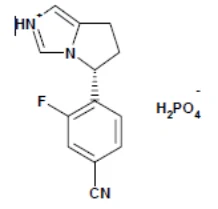
R-enantiomer
Physicochemical properties:
- Appearance: Osilodrostat phosphate is a white to practically white powder.
- Solubility: Refer to Table 8, Solubility of osilodrostat phosphate at 25°C
- pH: The pH of 1% solution of osilodrostat phosphate is 4.45.
- Melting point: The melting onset temperature as determined by differential scanning calorimetry (DSC) is 214.1°C at a heating rate of 10 K/min.
- Polymorphism: The material is crystalline and designated as modification A.
Table 8 - Solubility of Osilodrostat Phosphate at 25°C
| Solvent/buffer solution | Solubility (mg/mL) |
|---|---|
| pH=1 | > 50 |
| pH=3 | > 50 |
| pH=5 | > 50 |
| pH=6.8 | > 50 |
| Water | > 50 |
| Ethanol | 5.8 |
| Acetone | 1.5 |
| Propylene Glycol | 1.5 |
14. Clinical Trials
14.1. Clinical Trials by Indication
Treatment of Adult Patients with Cushing’s Disease
Table 9 - Summary of Patient Demographics for Clinical Trials in Adult Patients with Cushing’s Disease
| Study # | Study design | Dosage, route of administration and duration | Study subjects (n) | Mean age (Range) | Sex |
| Study # | Study design | Dosage, route of administration and duration | Study subjects (n) | Mean age (Range) | Sex |
| C2301 | A prospective, Phase III, multicentre study using randomized withdrawal (RW) design | 26-week single-arm, open-label ISTURISA treatment period, followed by an 8-week double-blind RW period in which patients who were on a stable dose of ISTURISA during Weeks 13-24 and had mUFC ≤ upper limit of normal were randomized at Week 26 in a 1:1 ratio to either oral ISTURISA or placebo, followed by an additional 14-week open-label treatment period with ISTURISA | n = 137 | 41.2 years (19.0-70.0) | female (77%) male (23%) |
| C2302 | A double-blind, placebo-controlled Phase III study | Core phase of 12 weeks of a double-blind, placebo-controlled period in which patients were randomized in a 2:1 ratio to either oral ISTURISA or placebo, followed by a 36-week open-label treatment period with ISTURISA | n = 74 (73 treated [48 osilodrostat and 25 placebo) | 41.2 years (19.0-67.0) | female (84%) male (16%) |
Abbreviations: mUFC=mean urinary free cortisol; RW=randomized withdrawal
The efficacy and safety of ISTURISA in adult patients with Cushing’s disease (CD) were evaluated in 2 multi-centre Phase III studies (Study C2301 and Study C2302).
Study C2301
Study C2301 was conducted in 137 adult patients with CD who had persistent or recurrent hypercortisolism after primary pituitary surgery and/or irradiation, and in patients with de novo CD who were not surgical candidates for medical reasons, or refused to undergo surgery.
The study included a 26-week single-arm, open-label ISTURISA treatment period, followed by an 8-week double-blind RW period in which patients with normal mean urinary free cortisol (mUFC) at Week 24 who completed dose titration during the first 12 weeks and continued on ISTURISA treatment with no further dose increase during Weeks 13-24 were randomized in a 1:1 ratio to receive either ISTURISA or placebo starting at Week 26. At the end of the 8-week RW period, the randomized patients entered a second (14-week) open-label period of ISTURISA therapy to Week 48. Patients who did not meet the criteria for randomization at Week 26 continued on open-label ISTURISA up to Week 48. After Week 48, patients who maintained clinical benefit on ISTURISA could continue in an open-label long-term extension period until the last patient achieved Week 72, in order to collect further efficacy and safety data.
The main eligibility criteria included mUFC (derived from three 24-hour urine collections) greater than 1.5 times the upper limit of normal (ULN = 138 nmol/24h) at screening, and confirmation of the pituitary source of excess adrenocorticotropic hormone (ACTH). Patients with a history of pituitary irradiation could enroll, provided that at least 2 years (stereotactic radiosurgery) or 3 years (conventional radiation) had elapsed from the time of last radiation treatment to the time of enrollment into this study. The study protocol included a washout for previous drug therapy for Cushing’s disease.
Key exclusion criteria included compression of the optic chiasm due to a macroadenoma or patients at high risk of compression of the optic chiasm (tumour within 2mm of optic chiasm), risk factors for QTc prolongation or torsade de pointes, uncontrolled hypertension, congestive heart failure (New York Heart Association Class III or IV), unstable angina, sustained ventricular tachycardia, clinically significant bradycardia, advanced heart block, and/or acute myocardial infarction (MI) less than one year prior to study entry or clinically significant impairment in cardiovascular function, moderate to severe renal impairment, and liver disease (cirrhosis, chronic active hepatitis, chronic persistent hepatitis, serum alanine transaminase/aspartate transaminase >3 times ULN or serum total bilirubin greater than 1.5 times ULN).
All enrolled patients received a starting dose of 2 mg ISTURISA twice daily (BID) that could be gradually increased up to a maximum of 30 mg twice daily during an initial 12-week period (Study Period 1) until the mUFC was less than or equal to normal. ISTURISA dose was to be up-titrated every two weeks as needed according to the following escalation sequence: 2 mg BID, 5 mg BID, 10 mg BID, 20 mg BID, and 30 mg BID. Dose reductions and temporary dose interruptions for safety reasons were permitted at any time during the study. If hypocortisolism occurred at 2 mg BID, the dose could be reduced to 1 mg BID or lower. Patients who did not require further dose increase during the subsequent 12-week open-label period (Weeks 13 to 24: Study Period 2) and had mUFC ≤ ULN at Week 24 were eligible for randomization.
The primary objective of the study was to compare the proportion of complete responders at the end of the 8-week RW period between patients randomized to continue ISTURISA and the patients switched to placebo. A complete response for the primary endpoint was defined as mUFC ≤ ULN based on central laboratory result at the end of the 8-week RW period (Week 34), and no discontinuation or dose increase above the Week 26 dose level during the RW period of the study. Patients who discontinued the randomized treatment or discontinued the study during the RW period were considered non-responders. At randomization (Week 26) patients were stratified according to their dose of ISTURISA (≤ 5 mg twice daily vs. > 5 mg twice daily) at Week 24 and history of pituitary irradiation.
The key secondary objective was to assess the complete response rate at Week 24 during the open-label period. Complete response for the key secondary endpoint was defined as mUFC ≤ ULN at Week 24 and no ISTURISA dose increase during Study Period 2 (Weeks 13 to 24) above the level established at the end of Study Period 1 (Week 12). Patients who were missing their mUFC assessment at Week 24 were counted as non-responders for the key secondary endpoint.
The mean age of all enrolled patients was 41.2 years, and the majority (77%) of patients were female. Seven patients were between 65 and 75 years of age; no patients were age ≥75. The majority of patients were Caucasian (65.0%) or Asian (28.5%), 2.9% were Black and 3.6% were other races. Almost all patients (95.6%) had previous treatment for CD. Most patients (87.6%) had persistent/recurrent CD after pituitary surgery; the remainder (12.4%) had de novo CD (no previous surgery). Approximately 16% of patients had received previous pituitary irradiation and 75% had received prior medical therapy for CD. The following relevant comorbidities were reported in the medical history of enrolled patients: hypertension (67.9%), obesity (29.9%), diabetes mellitus (21.9%), and osteoporosis (27.7%). The median baseline mUFC was 476.4 nmol/24h (3.5 x ULN).
Nineteen of 137 patients (13.9%) discontinued prior to Week 26. Of the remaining 118 patients, 71 were randomized at Week 26 in a 1:1 ratio to either continue receiving ISTURISA (n = 36) or to switch to placebo (n = 35) for the 8-week double-blind RW phase (Weeks 26 to 34). Following completion of the double-blind RW phase, the randomized patients then received open-label ISTURISA for the remainder of the study. The 47 patients who were not randomized at Week 26 continued on open-label ISTURISA treatment. One-hundred and six patients of the 137 enrolled patients completed Week 48 and entered the extension phase, and 72 patients completed the extension phase.
Study C2302
Study 2302 was conducted in 73 adult patients who had persistent or recurrent hypercortisolism after primary pituitary surgery and/or irradiation, and in patients with de novo CD who were not surgical candidates for medical reasons, refused to undergo surgery, or did not have access to a specialized center with experience in pituitary surgery. Study 2302 included a 12-week, double-blind, placebo-controlled period in which patients were randomized in a 2:1 ratio to receive either ISTURISA or matching placebo BID (Period 1) and were stratified according to history of pituitary radiation (yes/no). The 12-week, double-blind, placebo-controlled period was followed by a 36-week treatment period during which all patients received open-label ISTURISA (Period 2). After completion of the 36-week open-label treatment period, patients who maintained clinical benefit on ISTURISA could continue in an optional 48-week extension phase to collect further efficacy and safety data.
Eligibility criteria for the study included a mean urinary free cortisol value (mUFC, derived from three 24-hour urine collections) greater than 1.3 times the upper limit of normal (ULN = 138 nmol/24h) at screening, and a confirmation of the pituitary source of excess ACTH. Key inclusion and exclusion criteria were similar to those for Study C2301, discussed above, with history of stroke or pulmonary embolism within the prior year and repeated history of deep venous thrombosis unrelated to pregnancy, prolonged bed rest, or recent surgery as additional key exclusion criteria for Study C2302.
During the 12-week double-blind randomized period, the dose of study drug could be gradually increased at approximately 3-week intervals up to a maximum of 20 mg BID using the following dose escalation sequence: 2 mg BID to 5mg BID to 10 mg BID up to a maximum of 20 mg BID, with intermediate doses used if necessary. At the end of the 12-week double-blind randomized period, all patients were to be treated with open-label ISTURISA, regardless of the treatment they received during the double-blind randomized period. A patient was considered to have reached a stable efficacious dose when mUFC remained ≤ ULN and the patient had no signs or symptoms of adrenal insufficiency.
Doses could be reduced if mUFC was less than the lower limit of normal (LLN) or if the patient was symptomatic and mUFC was in the lower part of the normal range. For patients who did not tolerate the protocol-specified dosing schedule, downward dose adjustments were permitted to allow the patient to continue the study drug. Doses could be reduced to less than 2 mg BID if mUFC was below the lower limit of normal or in the lower part of the normal range for patients with signs and/or symptoms of adrenal insufficiency.
In Period 2, which started immediately after the Week 12 visit, all patients who were receiving 2 mg twice daily or more during the double-blind period restarted ISTURISA (open-label) at a dose of 2 mg BID, unless they were on a lower dose at Week 12. Patients receiving a daily dose of less than 2 mg twice daily during the 12-week double-blind randomized placebo-controlled phase were to continue treatment with their last dose from Period 1. During Period 2, decisions regarding dose titration of open-label ISTURISA were made by the investigators based on mUFC values and other relevant data using the same dose escalation sequence as in the double-blind phase but with a maximum dose of 30 mg bid.
The primary objective of Study C2302 was to compare the proportion of complete responders at the end of the 12-week placebo-controlled period between patients randomized to ISTURISA and patients randomized to placebo. A complete response for the primary endpoint was defined as mUFC ≤ ULN based on central laboratory result at the end of the 12-week placebo-controlled period (Week 12). Patients who discontinued the randomized treatment or discontinued the study during the placebo-controlled period were considered non-responders.
The key secondary objective was to assess the proportion of complete responders to ISTURISA in both arms combined at Week 36 (open-label phase). For the key secondary endpoint, complete response was defined as mUFC ≤ ULN at Week 36. Dose reductions and temporary dose interruptions for safety reasons did not preclude patients from being counted as a complete responder for the key secondary endpoint.
The mean age of all enrolled patients was 41.2 years and the majority (84%) of patients were female. Two patients (4.2%) in the ISTURISA arm and no patients in the placebo arm were age ≥65 years. No patients were aged ≥75 years. The majority of patients (67.1%) were White, 23.3% were Asian, 2.7% were Black or African American, 1.4% were American Indian or Alaska Native, 1.4% were “Other” race and 4.1% were of unknown race. Most patients had received prior pituitary surgery (87.7%) or medical treatment (61.6%) for CD and 12.3% had received prior pituitary irradiation (a baseline stratification factor). The following relevant comorbidities were reported in the medical history of enrolled patients: hypertension (61.6%), obesity (13.7%), diabetes mellitus (11.0%), and osteoporosis (26.0%). The median baseline mUFC was 342.2 nmol/day (2.5 x ULN) in the ISTURISA group and 297.6 nmol/day (2.2 x ULN) in the placebo group.
In Period 1 (Week 1 to 12), a total of 74 patients were randomized into the study (49 to ISTURISA and 25 to placebo) and 73 received at least 1 dose of study drug. One patient randomized to the ISTURISA arm discontinued prior to receiving any study treatment, due to serious adverse events of pituitary apoplexy and epistaxis. Up to Week 12, 3 (6.3%) patients in the ISTURISA arm and no patients in the placebo arm discontinued study treatment. Forty-two of the randomized patients in the ISTURISA arm and 23 in the placebo arm completed the Core phase up to Week 48. Of the 74 enrolled patients, 60 entered the optional extension phase (Week 48 up to Week 96) and 53 completed the extension phase.
Table 10 - Results for Primary Endpoint in Adult Patients with Cushing’s Disease in Study C2301
| Primary Endpoint | ISTURISA n=36 n (%) | Placebo n=34 n (%) | Response rate difference (odds ratio)* (95% CI) |
Complete response rate at the end of 8-week randomized withdrawal (RW) period (Week 34) (95% CI) | 31 (86.1) | 10 (29.4) | ISTURISA vs. placebo 13.7 (3.7, 53.4) 2-sided p-value* < 0.001 |
| (70.5%, 95.3%) | (15.1%, 47.5%) | ||
Abbreviation: CI=Confidence interval
*Cochran-Mantel-Haenszel exact test stratified by osilodrostat dose at Week 24 (≤ 5mg bid/ >5 mg BID) and history of pituitary irradiation (yes/no).
Study C2301 met its primary and key secondary objectives. The primary efficacy endpoint (proportion of complete responders at the end of the 8-week RW period [at Week 34]) was statistically significantly different between ISTURISA and placebo (see Table 10). The complete response rate after 24-weeks of treatment with ISTURISA in the initial open-label single-arm phase, without any dose increase between
Weeks 13 and 24 (key secondary endpoint) was 72/137 (52.6%) with 95% 2-sided CI of (43.9, 61.1). The lower bound of this 95% confidence interval exceeded 30%, which was the pre-specified threshold for statistical significance and minimum threshold for clinical benefit.
At Week 48, 91/137 (66%) patients who were treated with ISTURISA were considered complete responders and had normal mUFC levels.
In patients treated with ISTURISA, the median time to first normal mUFC was 41 days (95% CI: 30.0, 42.0).
Of the 97 patients who were treated with only ISTURISA throughout the study (i.e., excluding those patients randomized to placebo), 66% maintained a complete response for at least 6 months after their first response.
Table 11 - Results for Primary Endpoint in Adult Patients with Cushing’s Disease in Study C2302
| Primary endpoint | ISTURISA n = 48 n (%) | Placebo n = 25 n (%) | Response rate difference (odds ratio)* (95% CI) |
|---|---|---|---|
| Complete response rate at the end of 12-week placebo-controlled period (95% CI) | 37 (77.1) (62.7%, 88.0%) | 2 (8.0) (1.0%, 26.0%) | ISTURISA vs. placebo 43.4 (7.1, 343.2) 2-sided p-value < 0.001 |
Abbreviation: CI = Confidence interval
*Cochran-Mantel-Haenszel exact test stratified by history of pituitary irradiation (yes/no)
Study C2302 met its primary and key secondary objectives. The primary efficacy endpoint (proportion of complete responders at the end of the 12-week placebo-controlled period) was statistically significantly different between ISTURISA and placebo (see Table 11).
The proportion of complete responders after 36-weeks of treatment with ISTURISA in both arms combined (key secondary endpoint) was 59/73 (80.8%) with 95% 2-sided CI of (69.9, 89.1). The lower bound of this 95% confidence interval exceeded 30%, which was the pre-specified threshold for statistical significance and minimum threshold for clinical benefit.
At Week 48, 34/48 (70.8%) patients in the ISTURISA arm (as originally randomized) were considered complete responders, with normal mUFC levels.
Median time to first normal mUFC was 35 days (95% CI 34.0, 52.0) for patients treated with ISTURISA.
15. Microbiology
No microbiological information is required for this drug product.
16. Non-Clinical Toxicology
General toxicology
Repeat dose toxicity studies in rats (up to 26-weeks), mice (up to 13-weeks) and dogs (up to 39-weeks) revealed the central nervous system, liver, female reproductive organs, and the adrenal gland as primary target organs of osilodrostat toxicity.
Central nervous system effects (aggression, hypersensitivity to touch and increased or decreased activity) were observed at high exposure, with a NOAEL of 2-fold human free Cmax based on the most sensitive species.
Hepatocellular hypertrophy (reversible) and cytosolic vacuolation (partially reversible) were observed in the liver of rats and mice and correlated with increased liver weights (reversible); transient changes in ALT and/or AST were observed in mice and dogs with osilodrostat treatment. Effects on female reproductive organs were: follicular degeneration in ovary (reversible), atrophy in uterus (reversible), mucification of vagina (reversible) in rats and increased ovarian weight and decreased uterine weight (not reversible) in rats and mice. In the adrenal cortex, minimal hypertrophy and minimal to slight vacuolation were observed in the zona fasciculata in rats (reversible) and vacuolation of the zona glomerulosa in dogs (partially reversible). Increased adrenal weights (reversible) in females and decreased prostate weight (not reversible) were observed in rats. Adrenal gland changes in mice were limited to weight increases in females. Based on chronic studies, the NOAEL was 2 mg/kg/day in rat (based on 26-week study) and 10 mg/kg/day in dog (based on 39-week study) corresponding to 2.2 and 8 times, respectively, the anticipated AUC in humans at 30 mg twice daily.
Genotoxicity
Osilodrostat was not genotoxic in vitro in bacterial reverse mutation (Ames) assay and was not clastogenic at concentrations <1400 µg/µl (chromosomal aberrations were induced at concentrations >2000 µg/ml) in human peripheral blood lymphocytes in vivo. Osilodrostat did not show genotoxic potential in in vivo Comet assay and in vivo micronucleus test in rats treated with up to 105 mg/kg and 200 mg/kg, respectively.
Carcinogenicity
Carcinogenicity studies were conducted in Wistar Han rats and CD1 mice. Hepatocellular adenomas and carcinomas occurred in male rats at ≥ 10 mg/kg/day and in females at 30 mg/kg/day (11 and 40 times the 30 mg twice daily maximum clinical dose, by AUC, respectively). Thyroid follicular adenoma/carcinoma was also observed in male rats at 30 mg/kg. Hepatocellular adenomas and carcinomas occurred in male mice at > 10 mg/kg/day (3.5 times the maximum clinical dose, by AUC) but not in female mice at any dose ≤ 30 mg/kg/day (19 times the maximum clinical dose, by AUC). These findings are likely rodent specific and are considered of limited relevance to humans.
Reproductive and developmental toxicology
In fertility and early embryonic development study, reproductive effects in females at 50 mg/kg/day included abnormal estrous cycles, increased time to mating, decreased mating and fertility indices and decreased pregnancy rate and decreased corpora lutea, implantations and viable embryos. Male fertility was not affected. The NOAEL for reproductive performance and fertility was considered to be 50 mg/kg/day for males and 5 mg/kg/day for females (47 times and 4.8 times the maximum clinical dose, by AUC, respectively).
Embryo-fetal development studies in rats and rabbits showed maternal toxicity, embryo-fetal toxicity and teratogenicity. In rats, salivation, red vaginal discharge, pale appearance, decreased stool and increased amniotic fluid occurred at doses ≥ 5 mg/kg/day; increased embryonic and fetal deaths, decreased fetal weights, external malformations, and visceral and skeletal variations occurred at 50 mg/kg/day; the NOAEL for maternal toxicity and embryofetal toxicity were considered 0.5 and 5 mg/kg/day, respectively, corresponding to systemic exposure level (based on AUC) 0.3 and 4.7 times clinical exposure at the maximum recommended dose (30 mg twice daily). In rabbits, decreased stool, red stains in the cage pan, decreased food consumption, increased embryo resorption and decreased fetal viability occurred at 10 mg/kg/day; the NOAEL for both maternal and embryo-fetal toxicity was 3 mg/kg/day, corresponding to 0.3 times the maximum expected exposure in humans.
In the pre- and postnatal developmental study, dystocia and delayed parturition were observed in F0 female rats at 20 mg/kg/day. During the post weaning period, F1 generation male pups showed slightly lowered body weight and food consumption at 5 mg/kg/day. The NOAEL for the F0 dams and the F1 offspring was considered to be 5 mg/kg/day with systemic exposure level (based on AUC) 4.7 times higher than that expected in humans at the maximum recommended dose of 30 mg twice daily. These effects seen in the F1 generation did not impact their behavioral, developmental, or reproductive parameters.
For information on fertility and reproductive toxicity, see 7.1.1 Pregnancy.
Juvenile toxicity
Juvenile toxicity studies were conducted in rats treated orally (gavage) with osilodrostat from days 28 to 55 postpartum (pp) in a dose range-finding and a 4-week study (at doses of 1, 5 and 50 mg/kg/day) with a 6-week recovery period. The findings were largely consistent with those observed in adult rat studies. Delayed sexual maturation was noted at high doses in both sexes with no effects on overall reproductive performance or parameters after a 6-week recovery period. There were no effects on long bone growth or behavioral performance. Clinical pathology changes indicative of inflammation were observed. Based on these findings, the NOAEL was considered to be 5 mg/kg/day (2.2 times and 3 times clinical exposure at the maximum recommended dose at 28 and 55 days pp, respectively).
Special toxicology
Based on results from the murine local lymph node assay (LLNA TIER I), which is an in vivo model to assess for skin sensitization potential, osilodrostat was found to be a strong sensitizer with weak irritating potential.