


Product Monograph - Jamp Alendronate / Vitamin D3
RECENT MAJOR LABEL CHANGES
| Warnings and Precautions | 04/2024 |
|---|
TABLE OF CONTENTS
Sections or subsections that are not applicable at the time of authorization are not listed.
RECENT MAJOR LABEL CHANGES ............................................................................................ 2
TABLE OF CONTENTS ............................................................................................................... 2
PART I: HEALTH PROFESSIONAL INFORMATION ...................................................................... 4
- 1
INDICATIONS ............................................................................................................... 4
- 1.1 Pediatrics ................................................................................................................ 4
- 1.2 Geriatrics ................................................................................................................ 4
- 2 CONTRAINDICATIONS .................................................................................................. 5
- 4
DOSAGE AND ADMINISTRATION .................................................................................. 5
- 4.1 Dosing Considerations ............................................................................................ 5
- 4.2 Recommended Dose and Dosage Adjustment ........................................................ 5
- 4.4 Administration ........................................................................................................ 6
- 4.5 Missed Dose ............................................................................................................ 6
- 5 OVERDOSAGE .............................................................................................................. 6
- 6 DOSAGE FORMS, STRENGTHS, COMPOSITION AND PACKAGING ................................. 7
- 7
WARNINGS AND PRECAUTIONS ................................................................................... 8
- 7.1 Special Populations ............................................................................................... 11
- 7.1.1 Pregnant Women ............................................................................................ 11
- 7.1.2 Breast-feeding ................................................................................................ 11
- 7.1.3 Pediatrics ........................................................................................................ 12
- 7.1.4 Geriatrics......................................................................................................... 12
- 8
ADVERSE REACTIONS ................................................................................................. 12
- 8.1 Adverse Reaction Overview .................................................................................. 12
- 8.2 Clinical Trial Adverse Reactions............................................................................. 12
- 8.3 Less Common Clinical Trial Adverse Reactions ...................................................... 17
- 8.4 Abnormal Laboratory Findings: Hematologic, Clinical Chemistry and Other Quantitative Data ........................................................................................................... 17
- 8.5 Post-Market Adverse Reactions ............................................................................ 17
- 9
DRUG INTERACTIONS ................................................................................................ 18
9.2 Drug Interactions Overview .................................................................................. 18
- 9.4 Drug-Drug Interactions ......................................................................................... 18
- 9.5 Drug-Food Interactions ......................................................................................... 19
- 9.6 Drug-Herb Interactions ......................................................................................... 20
- 9.7 Drug-Laboratory Test Interactions ........................................................................ 20
- 10
CLINICAL PHARMACOLOGY ........................................................................................ 20
- 10.1 Mechanism of Action ...................................................................................... 20
- 10.2 Pharmacodynamics ......................................................................................... 20
- 10.3 Pharmacokinetics ............................................................................................ 21
- 11 STORAGE, STABILITY AND DISPOSAL .......................................................................... 25
PART II: SCIENTIFIC INFORMATION ....................................................................................... 26
- 13 PHARMACEUTICAL INFORMATION ............................................................................ 26
- 14
CLINICAL TRIALS ........................................................................................................ 27
- 14.1 Clinical Trials by Indication .............................................................................. 27
- 14.2 Comparative Bioavailability Studies ................................................................ 40
- 15 MICROBIOLOGY ......................................................................................................... 42
- 16 NON-CLINICAL TOXICOLOGY ...................................................................................... 42
- 17 SUPPORTING PRODUCT MONOGRAPHS ................................................................... 43
PATIENT MEDICATION INFORMATION .................................................................................. 45
PART I: HEALTH PROFESSIONAL INFORMATION
1 INDICATIONS
JAMP Alendronate / Vitamin D3 (Alendronic Acid and Cholecalciferol Tablets) is indicated for:
- The treatment of osteoporosis in postmenopausal women.
- The treatment of osteoporosis in men.
For the treatment of osteoporosis, the alendronate sodium component of JAMP Alendronate / Vitamin D3 increases bone mass and can prevent fractures, including those of the hip and spine (vertebral compression fractures).
Osteoporosis may be confirmed by the finding of low bone mass (for example, at least 2.5 standard deviations below the premenopausal mean) or by the presence or history of osteoporotic fracture.
Patients suffering from osteoporosis are at an increased risk for vitamin D insufficiency, especially those over the age of 70 years, home bound, or chronically ill, and may need to receive vitamin D supplementation in addition to that provided in JAMP Alendronate / Vitamin D3 (see 4.4 DOSAGE AND ADMINISTRATION, Administration). Those living in high latitudes (including most of Canada) may also need additional supplementation.
An adequate calcium intake is also required.
Patients with gastrointestinal malabsorption may not adequately absorb vitamin D3 and will also require further supplementation.
JAMP Alendronate / Vitamin D3 alone should not be used to treat vitamin D deficiency (commonly defined as 25- hydroxyvitamin D <22.5 nmol/L or 9 ng/mL).
Important limitations of use: The optimal duration of use has not been determined. Patients should have the need for continued therapy re-evaluated on a periodic basis (see 4 DOSAGE AND ADMINISTRATION).
1.1 Pediatrics
Pediatrics (<18 years of age):
No data are available to Health Canada; therefore, Health Canada has not authorized an indication for pediatric use.
1.2 Geriatrics
Geriatrics (≥65 years of age):
In clinical studies, there was no age-related difference in the efficacy or safety profiles of alendronic acid and cholecalciferol tablets. (see 14 CLINICAL TRIALS)
Daily requirements of vitamin D3 may be increased in the elderly.
2 CONTRAINDICATIONS
JAMP Alendronate / Vitamin D3 is contraindicated in patients with:
- hypersensitivity to this drug or to any ingredient in the formulation, including any non- medicinal ingredient, or component of the container. For a complete listing, see 6 DOSAGE FORMS, STRENGTHS, COMPOSITION AND PACKAGING.
- abnormalities of the esophagus which delay esophageal emptying such as stricture or achalasia.
- the inability to stand or sit upright for at least 30 minutes.
- hypocalcemia (see 7 WARNINGS AND PRECAUTIONS, Endocrine and Metabolism).
- renal insufficiency with creatinine clearance <0.58 mL/s (<35 mL/min) (see 4 DOSAGE AND ADMINISTRATION and 10.3 Pharmacokinetics, Renal Insufficiency).
4 DOSAGE AND ADMINISTRATION
4.1 Dosing Considerations
- All patients must receive supplemental calcium and/or vitamin D, if intake is inadequate. Health Professionals should consider the vitamin D intake from vitamins and dietary supplements. Patients at increased risk for vitamin D insufficiency (e.g. over the age of 70 years, home bound, or chronically ill) should receive JAMP Alendronate / Vitamin D3 (70 mg/5600 IU) and may also need additional vitamin D supplementation. For patients fifty years and over, the recommended dose is at least 800 IU per day. Those living in high latitudes (including most of Canada) may also need additional supplementation (see 7 WARNINGS AND PRECAUTIONS, Endocrine and Metabolism).
- The optimal duration of bisphosphonate treatment for osteoporosis has not been established. The need for continued treatment should be re-evaluated periodically based on the benefits and potential risks of JAMP Alendronate / Vitamin D3 on an individual patient basis.
- Although no specific studies have been conducted on the effects of switching patients on another therapy for osteoporosis to alendronic acid and cholecalciferol tablets, there are no known or theoretical safety concerns related to alendronic acid and cholecalciferol tablets in patients who previously received any other antiosteoporotic therapy.
4.2 Recommended Dose and Dosage Adjustment
The recommended dosage is one tablet of JAMP Alendronate / Vitamin D3 (70 mg/2800 IU) or JAMP Alendronate / Vitamin D3 (70 mg/5600 IU) once weekly. The appropriate dosage of JAMP Alendronate / Vitamin D3 must be determined by the health professional based on the patient's vitamin D requirement.
Geriatrics (≥65 years of age): No dosage adjustment is necessary for the elderly. See 1.2 Geriatrics.
Pediatrics (< 18 years of age): Health Canada has not authorized an indication for pediatric use(see 1.1 INDICATION, Pediatrics).
Renal Impairment: No dosage adjustment is required for patients with mild-to-moderate renal insufficiency (creatinine clearance 0.58 to 1 mL/s [35 to 60 mL/min]). JAMP Alendronate / Vitamin D3 is contraindicated for patients with more severe renal insufficiency (creatinine clearance < 0.58 mL/s [< 35 mL/min]) (see 2 CONTRAINDICATIONS).
4.4 Administration
JAMP Alendronate / Vitamin D3 must be taken at least one-half hour before the first food, beverage, or medication of the day with plain water only. Other beverages (including mineral water), food, and some medications are known to reduce the absorption of alendronate (see 9 DRUG INTERACTIONS). Waiting less than 30 minutes will lessen the effect of JAMP Alendronate / Vitamin D3 by decreasing its absorption into the body.
To facilitate delivery to the stomach and thus reduce the potential for esophageal irritation, JAMP Alendronate / Vitamin D3 should only be swallowed upon arising for the day with a full glass of water (200–250 mL) and patients should not lie down for at least 30 minutes and until after their first food of the day. JAMP Alendronate / Vitamin D3 should not be taken at bedtime or before arising for the day.
Failure to follow these instructions may increase the risk of esophageal adverse experiences (see 7 WARNINGS AND PRECAUTIONS).
JAMP Alendronate / Vitamin D3 tablets should not be chewed, sucked, cut, or crushed (see 7 WARNINGS AND PRECAUTIONS).
4.5 Missed Dose
Patients should be instructed that if they miss a dose of JAMP Alendronate / Vitamin D3, they should take one tablet on the morning after they remember. They should not take two tablets on the same day but should return to taking one tablet once a week, as originally scheduled on their chosen day.
5 OVERDOSAGE
Alendronate Sodium
No specific information is available on the treatment of overdosage with alendronate. Hypocalcemia, hypophosphatemia, and upper gastrointestinal adverse events, such as upset stomach, heartburn, esophagitis, gastritis, or ulcer, may result from oral overdosage. Milk or antacids should be given to bind alendronate. Due to the risk of esophageal irritation, vomiting should not be induced and the patient should remain fully upright.
Dialysis would not be beneficial.
Cholecalciferol
Vitamin D toxicity has not been documented during chronic therapy in generally healthy adults at a dose less than 10,000 IU/day. In a clinical study of healthy adults, a 4000 IU daily dose of vitamin D3 for up to five months was not associated with hypercalciuria or hypercalcemia.
6 DOSAGE FORMS, STRENGTHS, COMPOSITION AND PACKAGING
Table 1 – Dosage Forms, Strengths, Composition and Packaging
Route of Administration | Dosage Form / Strength/Composition | Non-medicinal Ingredients |
|---|---|---|
| Oral | Tablet / 91.37 mg alendronate monosodium salt trihydrate, equivalent to 70 mg of free acid, and 70 mcg of cholecalciferol equivalent to 2800 International Units (IU) vitamin D3, | Butylated hydroxytoluene, colloidal silicon dioxide, croscarmellose sodium, gelatin, lactose, magnesium stearate, medium chain triglycerides, microcrystalline cellulose, pregelatinized starch and sucrose. |
| Oral | Tablet / 91.37 mg alendronate monosodium salt trihydrate, equivalent to 70 mg of free acid, and 140 mcg of cholecalciferol equivalent to 5600 International Units (IU) vitamin D3, | Butylated hydroxytoluene, colloidal silicon dioxide, croscarmellose sodium, gelatin, lactose, magnesium stearate, medium chain triglycerides, microcrystalline cellulose, pregelatinized starch and sucrose. |
JAMP Alendronate / Vitamin D3 (70 mg/2800 IU) tablets are a white caplet shaped tablets debossed “28” on one side and plain on the other side. Available in blister packages of 4 tablets.
JAMP Alendronate / Vitamin D3 (70 mg/5600 IU) tablets are white modified rectangle shaped tablets, debossed “56” on one side and plain on the other side. Available in blister packages of 4 tablets.
For management of a suspected drug overdose, contact your regional poison control centre.
7 WARNINGS AND PRECAUTIONS
General
To facilitate delivery to the stomach and thus reduce the potential for esophageal irritation, patients should be instructed to swallow each tablet of JAMP Alendronate / Vitamin D3 with a full glass of water (200–250 mL) and not to lie down for at least 30 minutes and until after their first food of the day. Patients should not chew or suck on the tablet because of a potential for oropharyngeal ulceration. Patients should be specifically instructed not to take JAMP Alendronate / Vitamin D3 at bedtime or before arising for the day. Patients should be informed that failure to follow these instructions may increase their risk of esophageal problems. Patients should be instructed that if they develop symptoms of esophageal disease (such as difficulty or pain upon swallowing, retrosternal pain or new or worsening heartburn) they should stop taking JAMP Alendronate / Vitamin D3 immediately and consult their physician (see 4.4 DOSAGE AND ADMINISTRATION, Administration).
Causes of osteoporosis other than estrogen deficiency, aging and glucocorticoid use should be considered.
Driving and Operating Machinery
No studies on the effects on the ability to drive and use machines have been performed. However, certain adverse reactions that have been reported with alendronic acid and cholecalciferol tablets (e.g., dizziness, vertigo, visual disturbances, and severe bone, muscle or joint pain) may affect some patients’ ability to drive or operate machinery. Individual responses to JAMP Alendronate / Vitamin D3 may vary.
Endocrine and Metabolism
Hypocalcemia must be corrected before initiating therapy with JAMP Alendronate / Vitamin D3 (see 2 CONTRAINDICATIONS). Other disorders affecting mineral metabolism (such as Vitamin D deficiency) should be treated. In patients with these conditions, serum calcium and symptoms of hypocalcemia should be monitored during therapy with JAMP Alendronate / Vitamin D3. Symptomatic hypocalcemia has been reported rarely, both in patients with predisposing conditions and patients without known predisposing conditions. Patients should be advised to report to their physicians any symptoms of hypocalcemia, such as paresthesias or muscle spasms. Physicians should carefully evaluate patients who develop hypocalcemia during therapy with JAMP Alendronate / Vitamin D3 for predisposing conditions.
Due to the positive effects of alendronic acid and cholecalciferol tablets in increasing bone mineral, small, asymptomatic decreases in serum calcium and phosphate may occur.
JAMP Alendronate / Vitamin D3 alone should not be used to treat vitamin D deficiency (commonly defined as 25- hydroxyvitamin D < 22.5 nmol/L or 9 ng/mL).
Patients suffering from osteoporosis are at an increased risk for vitamin D insufficiency, especially those over the age of 70 years, home bound, or chronically ill, and may need to receive vitamin D supplementation in addition to that provided in JAMP Alendronate / Vitamin D3 (see 4.4
DOSAGE AND ADMINISTRATION, Administration). Those living in high latitudes (including most of Canada) may also need additional supplementation.
Patients with gastrointestinal malabsorption syndromes may also require higher doses of vitamin D supplementation and measurement of 25-hydroxyvitamin D should be considered.
Vitamin D3 supplementation may worsen hypercalcemia and/or hypercalciuria when administered to patients with diseases associated with unregulated overproduction of 1,25 dihydroxyvitamin D (e.g., leukemia, lymphoma, sarcoidosis). Urine and serum calcium should be monitored in these patients.
Gastrointestinal
JAMP Alendronate / Vitamin D3, like other bisphosphonates, may cause local irritation of the upper gastrointestinal mucosa.
Esophageal adverse experiences, such as esophagitis, esophageal ulcers and esophageal erosions, rarely followed by esophageal stricture or perforation, have been reported in patients receiving treatment with alendronic acid and cholecalciferol tablets. (see 8.5 Post-Market Adverse Reactions). In some cases these have been severe and required hospitalization. Physicians should therefore be alert to any signs or symptoms signaling a possible esophageal reaction and patients should be instructed to discontinue JAMP Alendronate / Vitamin D3 immediately and seek medical attention if they develop dysphagia, odynophagia, retrosternal pain or new or worsening heartburn.
The risk of severe esophageal adverse experiences appears to be greater in patients who lie down after taking JAMP Alendronate / Vitamin D3 and/or who fail to swallow it with the recommended amount of water, and/or who continue to take JAMP Alendronate / Vitamin D3 after developing symptoms suggestive of esophageal irritation. Therefore, it is very important that the full dosing instructions are provided to, and understood by, the patient (see 4 DOSAGE AND ADMINISTRATION).
Because of possible irritant effects of alendronic acid and cholecalciferol tablets on the upper gastrointestinal mucosa and a potential for worsening of the underlying disease, caution should be used when JAMP Alendronate / Vitamin D3 is given to patients with active upper gastrointestinal problems, such as dysphagia, esophageal diseases (including known Barrett’s esophagus), gastritis, duodenitis, or ulcers.
While no increased risk was observed in extensive clinical trials, there have been rare (post- marketing) reports of gastric and duodenal ulcers, some severe and with complications.
Musculoskeletal
Atypical fractures: Low-energy fractures of the subtrochanteric and proximal femoral shaft and other bones have been reported in some long-term (time to onset in the majority of reports ranged from 18 months to 10 years) alendronate-treated patients. Some were stress fractures (some of which were reported as insufficiency fractures) occurring in the absence of apparent trauma or induced by mild external force. Some patients experienced prodromal pain in the affected area, often associated with imaging features of stress fracture, weeks to months before a complete fracture occurred. Approximately one third of the reported femur fractures were bilateral; therefore, the contralateral femur should be examined in patients who have sustained a femoral shaft stress fracture. Poor healing of these fractures was also reported. Patients with suspected stress fractures should be evaluated, including evaluation for causes and risk factors of stress fractures (e.g., vitamin D deficiency, malabsorption, glucocorticoid use, lower extremity arthritis or fracture, previous stress fracture, extreme or increased exercise, diabetes mellitus, chronic alcohol abuse), and receive appropriate orthopedic care. Interruption of alendronate therapy in patients with stress fractures should be considered based on individual benefit/risk assessment (See 8.5 Post-Market Adverse Reactions).
Musculoskeletal Pain: In post marketing experience, severe and occasionally incapacitating bone, joint, and/or muscle pain has been reported in patients taking bisphosphonates that are approved for the prevention and treatment of osteoporosis. However, such reports have been infrequent. This category of drugs includes JAMP Alendronate / Vitamin D3. Most of the patients were postmenopausal women. The time to onset of symptoms varied from one day to several months after starting the drug. Most patients had relief of symptoms after stopping the medication. A subset had recurrence of symptoms when rechallenged with the same drug or another bisphosphonate (see 8.5 Post-Market Adverse Reactions).
In placebo-controlled clinical studies of alendronic acid and cholecalciferol tablets, the percentages of patients with these symptoms were similar in the alendronic acid and cholecalciferol tablets and placebo groups.
Osteonecrosis: Osteonecrosis of the jaw (ONJ) has been reported in patients receiving treatment regimens including bisphosphonates. The majority of reports occurred following tooth extractions with delayed healing and involved cancer patients treated with intravenous bisphosphonates. Many of these patients were also receiving chemotherapy and corticosteroids. However, some cases have also occurred in patients receiving oral bisphosphonate treatment for postmenopausal osteoporosis and other diagnoses. The majority of reported cases have been associated with dental procedures such as tooth extraction. Many had signs of local infection, including osteomyelitis (see 8.5 Post-Market Adverse Reactions).
A dental examination with appropriate preventive dentistry should be considered prior to treatment with bisphosphonates in patients with concomitant risk factors. Known risk factors for osteonecrosis of the jaw include a diagnosis of cancer, concomitant therapies (e.g., chemotherapy, radiotherapy, corticosteroids, angiogenesis inhibitors, immunosuppressive drugs), poor oral hygiene, co-morbid disorders (e.g., periodontal and/or other pre-existing dental disease, anemia, coagulopathy, infection, diabetes mellitus), smoking, and heavy alcohol use.
Patients who develop osteonecrosis of the jaw should receive appropriate antibiotic therapy and/or oral surgery and discontinuation of bisphosphonate therapy should be considered based on individual benefit/risk assessment. Dental surgery may exacerbate the condition. For patients requiring dental procedures (e.g. tooth extraction, dental implants), there are no definitive data available to establish whether discontinuation of bisphosphonate treatment reduces the risk of ONJ.
Cases of osteonecrosis of the external auditory canal (cholesteatoma) have been reported in patients treated with alendronic acid and cholecalciferol tablets.
Clinical judgment of the treating physician and/or oral surgeon should guide the management plan, including bisphosphonate treatment, of each patient based on individual benefit/risk assessment.
The following should be considered when evaluating a patient’s risk of developing ONJ:
- Potency of the medicinal product that inhibits bone resorption (higher risk for highly potent compounds).
- Route of administration (higher risk for parenteral administration).
- Cumulative dose of bone resorption therapy.
- Co-morbid conditions (e.g. anemia, coagulopathies) and smoking.
- Periodontal disease, poorly fitting dentures, history of dental disease.
Ophthalmologic
Ocular disturbances including conjunctivitis, uveitis, episcleritis and scleritis have been reported with alendronate therapy. Patients with ocular events other than uncomplicated conjunctivitis should be referred to an ophthalmologist for evaluation. If ocular inflammatory symptoms are observed, treatment may need to be discontinued (see 8.5 Post-Market Adverse Reactions).
Renal
JAMP Alendronate / Vitamin D3 is contraindicated for patients with severe renal insufficiency (creatinine clearance < 0.58 mL/s [< 35 mL/min]) (see 2 CONTRAINDICATIONS).
Reproductive Health: Female and Male Potential
Fertility
The effect of alendronic acid and cholecalciferol tablets on human fertility has not been evaluated. Animal study data is included in Section 16 NON-CLINICAL TOXICOLOGY.
7.1 Special Populations
7.1.1 Pregnant Women
JAMP Alendronate / Vitamin D3 should not be used by pregnant women. Alendronic acid and cholecalciferol tablets has not been studied in pregnant women.
7.1.2 Breast-feeding
Alendronic acid and cholecalciferol tablets should not be used during breast-feeding. It is unknown whether alendronate/metabolites are excreted in human milk. A risk to the newborns/infants cannot be excluded.
7.1.3 Pediatrics
Pediatrics (<18 years of age): No data are available to Health Canada; therefore, Health Canada has not authorized an indication for pediatric use.
7.1.4 Geriatrics
In clinical studies, there was no age-related difference in the efficacy or safety profiles of Alendronic Acid and Cholecalciferol Tablets (see 14 CLINICAL TRIALS).
Daily requirements of vitamin D3 may be increased in the elderly.
8 ADVERSE REACTIONS
8.1 Adverse Reaction Overview
The most common drug related adverse reactions include gastrointestinal disorders (abdominal pain, dyspepsia, constipation, diarrhea, flatulence, esophageal ulcer, dysphagia, acid regurgitation, melena, nausea and abdominal distention), musculoskeletal (bone, muscle or joint) pain and headache.
It is important to follow the recommended dosing instructions. See 7 WARNINGS AND PRECAUTIONS, Gastrointestinal and 4.4 Administration.
Osteonecrosis of the Jaw and atypical bone fractures have been observed under post marketing setting. See 7 Warnings and precautions, Musculoskeletal.
8.2 Clinical Trial Adverse Reactions
Clinical trials are conducted under very specific conditions. The adverse reaction rates observed in the clinical trials; therefore, may not reflect the rates observed in practice and should not be compared to the rates in the clinical trials of another drug. Adverse reaction information from clinical trials may be useful in identifying and approximating rates of adverse drug reactions in real-world use.
Alendronate sodium tablets
Treatment of Osteoporosis Postmenopausal Women:
In two, three-year, placebo-controlled, double-blind, multicenter studies (United States and Multinational) of virtually identical design, with a total of 994 postmenopausal women, the overall safety profiles of alendronate sodium tablets 10 mg/day and placebo were similar. Discontinuation of therapy due to any clinical adverse experience occurred in 4.1% of 196 patients treated with alendronate sodium tablets 10 mg/day and 6.0% of 397 patients treated with placebo.
Adverse experiences considered by the investigators as possibly, probably, or definitely drug- related in ≥ 1% of patients treated with either alendronate sodium tablets 10 mg/day or placebo are presented in the following table.
Table 2 - Drug-Related* Adverse Experiences Reported in ≥ 1% of Patients Treated for Osteoporosis
Alendronate sodium tablets 10 mg/day n = 196 (%) | Placebo n = 397 (%) | |
|---|---|---|
| Gastrointestinal | ||
| abdominal pain | 6.6 | 4.8 |
| nausea | 3.6 | 4.0 |
| dyspepsia | 3.6 | 3.5 |
| constipation | 3.1 | 1.8 |
| diarrhea | 3.1 | 1.8 |
| flatulence | 2.6 | 0.5 |
| acid regurgitation | 2.0 | 4.3 |
| esophageal ulcer | 1.5 | 0.0 |
| vomiting | 1.0 | 1.5 |
| dysphagia | 1.0 | 0.0 |
| abdominal distention | 1.0 | 0.8 |
| gastritis | 0.5 | 1.3 |
| Musculoskeletal | ||
| musculoskeletal (bone, muscle or joint) | 4.1 | 2.5 |
| pain | 0.0 | 1.0 |
| muscle cramp | ||
| Nervous System/Psychiatric | ||
headache dizziness | 2.6 0.0 | 1.5 1.0 |
Special Senses taste perversion | 0.5 | 1.0 |
* Considered possibly, probably, or definitely drug-related as assessed by the investigators.
One patient treated with alendronate sodium tablets (10 mg/day), who had a history of peptic ulcer disease and gastrectomy and who was taking concomitant acetylsalicylic acid (ASA) developed an anastomotic ulcer with mild hemorrhage, which was considered drug-related. ASA and alendronate sodium tablets were discontinued and the patient recovered.
In the two-year extension (treatment years 4 and 5) of the above studies, the overall safety profile of alendronate sodium tablets 10 mg/day was similar to that observed during the three-year placebo- controlled period. Additionally, the proportion of patients who discontinued alendronate sodium tablets 10 mg/day due to any clinical adverse experience was similar to that during the first three years of the study.
In the Fracture Intervention Trial, discontinuation of therapy due to any clinical adverse experience occurred in 9.1% of 3236 patients treated with alendronate sodium tablets 5 mg/day for two years and 10 mg/day for either one or two additional years and 10.1% of 3223 patients treated with placebo. Discontinuations due to upper gastrointestinal adverse experiences were: alendronate sodium tablets, 3.2%; placebo, 2.7%. The overall adverse experience profile was similar to that seen in other studies with alendronate sodium tablets 5 or 10 mg/day.
In a one-year, double-blind multicenter study, the overall safety and tolerability profiles of alendronate sodium tablets 70 mg once weekly and alendronate sodium tablets 10 mg daily were similar. The adverse experiences considered by the investigators as possibly, probably, or definitely drug-related in ≥ 1% of patients in either treatment group are presented in the following table:
Table 3 - Drug-Related* Adverse Experiences Reported in ≥ 1% of Patients Treated for
Osteoporosis
Alendronate sodium tablets 70 mg once weekly n = 519 (%) | Alendronate sodium tablets 10 mg/day n = 370 (%) | |
|---|---|---|
| Gastrointestinal | ||
| abdominal pain | 3.7 | 3.0 |
| dyspepsia | 2.7 | 2.2 |
| acid regurgitation | 1.9 | 2.4 |
| nausea | 1.9 | 2.4 |
| abdominal distention | 1.0 | 1.4 |
| constipation | 0.8 | 1.6 |
| flatulence | 0.4 | 1.6 |
| gastritis | 0.2 | 1.1 |
| gastric ulcer | 0.0 | 1.1 |
| Musculoskeletal | ||
| musculoskeletal (bone, muscle or joint) | 2.9 | 3.2 |
| pain | 0.2 | 1.1 |
| muscle cramp |
* Considered possibly, probably, or definitely drug-related as assessed by the investigators.
Men:
In two placebo-controlled, double-blind, multicenter studies in men (a two-year study of alendronate sodium tablets 10 mg/day [n=146] and a one-year study of alendronate sodium tablets 70 mg once weekly [n=109]), the safety profile of alendronate sodium tablets was generally similar to that seen in postmenopausal women. The rates of discontinuation of therapy due to any clinical adverse experience were 2.7% for alendronate sodium tablets 10 mg/day vs. 10.5% for placebo, and 6.4% for alendronate sodium tablets 70 mg once weekly vs. 8.6% for placebo.
Other Studies in Men and Women:
In a ten-week endoscopy study in men and women (n=277; mean age: 55) no difference was seen in upper gastrointestinal tract lesions between alendronate sodium tablets 70 mg once weekly and placebo.
In an additional one-year study in men and women (n=335; mean age: 50) the overall safety and tolerability profiles of alendronate sodium tablets 70 mg once weekly were similar to that of placebo and no difference was seen between men and women.
Prevention of Osteoporosis in Postmenopausal Women:
The safety of alendronate sodium tablets 5 mg/day in postmenopausal women 40-60 years of age has been evaluated in three double-blind, placebo-controlled studies involving over 1,400 patients randomized to receive alendronate sodium tablets for either two or three years. In these studies, the overall safety profiles of alendronate sodium tablets 5 mg/day and placebo were similar. Discontinuation of therapy due to any clinical adverse experience occurred in 7.5% of 642 patients treated with alendronate sodium tablets 5 mg/day and 5.7% of 648 patients treated with placebo. Adverse experiences reported by the investigators as possibly, probably or definitely drug-related in ≥ 1% of patients treated with either alendronate sodium tablets 5 mg/day or placebo are presented in the following table:
Table 4 - Drug-Related* Adverse Experiences Reported in ≥ 1% of Patients. Prevention of
Osteoporosis
Alendronate sodium tablets 5 mg / day n = 642 (%) | Placebo n = 648 (%) | |
|---|---|---|
| Gastrointestinal | ||
| abdominal pain | 1.7 | 3.4 |
| acid regurgitation | 1.4 | 2.5 |
| diarrhea | 1.1 | 1.7 |
| dyspepsia | 1.9 | 1.7 |
| nausea | 1.4 | 1.4 |
* Considered possibly, probably, or definitely drug-related as assessed by the investigators.
Concomitant Use with Estrogen/Hormone Replacement Therapy:
In two studies (of one- and two-years’ duration) of postmenopausal osteoporotic women (total: n=853), the safety and tolerability profile of combined treatment with alendronate sodium tablets 10 mg once daily and estrogen ± progestin (n=354) was consistent with those of the individual treatments.
Treatment and Prevention of Glucocorticoid-Induced Osteoporosis:
In two, one-year, placebo-controlled, double-blind, multicenter studies in patients receiving glucocorticoid treatment, the overall safety and tolerability profiles of alendronate sodium tablets
5 or 10 mg/day were generally similar to that of placebo. Adverse experiences reported by the investigators as possibly, probably or definitely drug-related in ≥ 1% of patients treated with either alendronate sodium tablets 5 or 10 mg/day or placebo are presented in the following table:
Table 5 - Drug-Related* Adverse Experiences Reported in ≥ 1% of Patients. Treatment and
Prevention of Glucocorticoid-induced Osteoporosis
Alendronate sodium tablets 10 mg / day n = 157 (%) | Alendronate sodium tablets 5 mg / day n = 161 (%) | Placebo n = 159 (%) | |
|---|---|---|---|
Gastrointestinal abdominal pain acid regurgitation constipation melena nausea diarrhea | 3.2 2.5 1.3 1.3 0.6 0.0 | 1.9 1.9 0.6 0.0 1.2 0.0 | 0.0 1.3 0.0 0.0 0.6 1.3 |
| Nervous System/Psychiatric headache | 0.6 | 0.0 | 1.3 |
* Considered possibly, probably, or definitely drug-related as assessed by the investigators.
The overall safety and tolerability profile in the glucocorticoid-induced osteoporosis population that continued therapy for the second year of the studies was consistent with that observed in the first year.
Paget’s Disease of Bone:
In clinical studies (Paget's disease and osteoporosis), adverse experiences reported in 175 patients taking alendronate sodium tablets 40 mg/day for 3–12 months were similar to those in postmenopausal women treated with alendronate sodium tablets 10 mg/day. However, there was an apparent increased incidence of upper gastrointestinal adverse experiences in patients taking alendronate sodium tablets 40 mg/day (17.7% alendronate sodium tablets vs. 10.2% placebo). Isolated cases of esophagitis and gastritis resulted in discontinuation of treatment.
Additionally, musculoskeletal pain (bone, muscle or joint), which has been described in patients with Paget's disease treated with other bisphosphonates, was reported by the investigators as possibly, probably, or definitely drug-related in approximately 6% of patients treated with alendronate sodium tablets 40 mg/day versus approximately 1% of patients treated with placebo, but rarely resulted in discontinuation of therapy. Discontinuation of therapy due to any clinical adverse experience occurred in 6.4% of patients with Paget's disease treated with alendronate sodium tablets 40 mg/day and 2.4% of patients treated with placebo.
Alendronic Acid and Cholecalciferol Tablets
In a fifteen week double-blind, multinational study in osteoporotic postmenopausal women (n=682) and men (n=35), the safety profile of alendronic acid and cholecalciferol tablets
(70 mg/2800 IU) was similar to that of alendronate sodium tablets 70 mg once weekly. In the 24-week double-blind extension study in women (n=619) and men (n=33), the safety profile of alendronic acid and cholecalciferol tablets (70 mg/2800 IU) administered with an additional 2800 IU vitamin D3 was similar to that of alendronic acid and cholecalciferol tablets
(70 mg/2800 IU).
- 8.3 Less Common Clinical Trial Adverse Reactions Skin: rash and erythema
8.4 Abnormal Laboratory Findings: Hematologic, Clinical Chemistry and Other Quantitative Data
Clinical Trial Findings
In double-blind, multicenter, controlled studies, asymptomatic, mild, and transient decreases in serum calcium and phosphate were observed in approximately 18 and 10%, respectively, of patients taking alendronate sodium tablets versus approximately 12 and 3% of those taking placebo. However, the incidences of decreases in serum calcium to < 8.0 mg/dL (2.0 mM) and serum phosphate to ≤ 2.0 mg P1/dL(0.65 mM) were similar in both treatment groups.
In a small, open-label study, at higher doses (80 mg/day) some patients had elevated transaminases. However, this was not observed at 40 mg/day. No clinically significant toxicity was associated with these laboratory abnormalities.
Rare cases of leukemia have been reported following therapy with other bisphosphonates. Any causal relationship to either the treatment or to the patients’ underlying disease has not been established.
8.5 Post-Market Adverse Reactions
The following adverse reactions have been reported in post-marketing use of alendronate:
Body as a Whole: hypersensitivity reactions including urticaria and angioedema; transient symptoms of myalgia, malaise, asthenia and fever have been reported with alendronate typically in association with initiation of treatment; symptomatic hypocalcemia both in association with predisposing conditions and in patients without known predisposing conditions; peripheral edema.
Dental: localized osteonecrosis of the jaw (ONJ) generally associated with local infection (including osteomyelitis) and/or tooth extraction with delayed healing (see 7 WARNINGS AND PRECAUTIONS).
Gastrointestinal: esophagitis, esophageal erosions, esophageal ulcers, esophageal stricture or perforation, and oropharyngeal ulceration; gastric or duodenal ulcers, some severe and with complications (see 7 WARNINGS AND PRECAUTIONS and 4 DOSAGE AND ADMINISTRATION).
1 P: Elemental phosphorus
Musculoskeletal: bone, joint, and/or muscle pain, occasionally severe and/or incapacitating; joint swelling; low-energy fractures of the femoral shaft and other bones (see 7 WARNINGS AND PRECAUTIONS).
Nervous System: dizziness, vertigo, dysgeusia
Skin: rash (occasionally with photosensitivity), pruritus, alopecia; severe skin reactions including Stevens-Johnson syndrome and toxic epidermal necrolysis
Special Senses: uveitis, scleritis or episcleritis; osteonecrosis of the external auditory canal (cholesteatoma)
9 DRUG INTERACTIONS
9.2 Drug Interactions Overview
Specific interaction studies were not performed.
Animal studies have demonstrated that alendronate is highly concentrated in bone and is retained only minimally in soft tissue. No metabolites have been detected. Although alendronate is bound approximately 78% to plasma protein in humans, its plasma concentration is so low after oral dosing that only a small fraction of plasma-binding sites is occupied, resulting in a minimal potential for interference with the binding of other drugs. Alendronate is not excreted through the acidic or basic transport systems of the kidney in rats, and thus it is not anticipated to interfere with the excretion of other drugs by those systems in humans. In summary, alendronate is not expected to interact with other drugs based on effects on protein binding, renal excretion, or metabolism of other drugs.
9.4 Drug-Drug Interactions
Table 6 - Interaction with Alendronate Sodium
| [Proper/Common name] | Source of Evidence | Effect | Clinical comment |
|---|---|---|---|
| Calcium supplements, Antacids, other Multivalent Cations and other Oral Medications | Interfere with absorption of alendronate | Wait at least one-half hour after taking JAMP Alendronate / Vitamin D3 before taking any other oral medication. | |
| Ranitidine | CT | Was shown to double the bioavailability of oral alendronate | The clinical significance of this increased bioavailability and whether similar increases will occur in patients given oral H2 - antagonists is unknown |
| Hormone | CT | Greater increases in | The safety and tolerability profile |
| [Proper/Common name] | Source of Evidence | Effect | Clinical comment |
|---|---|---|---|
| Replacement Therapy (HRT [estrogen ± progestin]) | bone mass, together with greater decreases in bone turnover, than seen with either treatment alone. | of the combination was consistent with those of the individual treatments (see 8.3 ADVERSE REACTIONS, Clinical Trial Adverse Reactions, Concomitant Use with Estrogen/Hormone Replacement Therapy). The studies were too small to detect antifracture efficacy, and no significant differences in fracture incidence among the treatment groups were found. |
Legend: C = Case Study; CT = Clinical Trial; T = Theoretical
Alendronate sodium tablets was used in osteoporosis studies in men, postmenopausal women, and glucocorticoid users, with a wide range of commonly prescribed drugs without evidence of clinical adverse interactions.In clinical studies, the incidence of upper gastrointestinal adverse events was increased in patients receiving daily therapy with dosages of alendronate sodium tablets greater than 10 mg and acetylsalicylic acid-containing products. This was not observed in a study with alendronate sodium tablets 70 mg once weekly.
JAMP Alendronate / Vitamin D3 may be administered to patients taking nonsteroidal anti-inflammatory drugs (NSAIDs). In a three-year, controlled, clinical study (n=2027) during which a majority of patients received concomitant NSAIDs, the incidence of upper gastrointestinal adverse events was similar in patients taking alendronate sodium tablets 5 or 10 mg/day compared to those taking placebo. However, since NSAID use is associated with gastrointestinal irritation, caution should be used during concomitant use with JAMP Alendronate / Vitamin D3.
Interaction with Cholecalciferol
Drugs That May Impair the Absorption of Cholecalciferol
Olestra, mineral oils, orlistat, and bile acid sequestrants (e.g. cholestyramine, colestipol) may impair the absorption of vitamin D.
Drugs That May Increase the Catabolism of Cholecalciferol
Anticonvulsants, cimetidine, and thiazides may increase the catabolism of vitamin D.
9.5 Drug-Food Interactions
Food and beverages other than plain water may markedly reduce the absorption and effectiveness of alendronate. JAMP Alendronate / Vitamin D3 must be taken at least one-half hour before the first food, beverage, or medication of the day with plain water only (see 4.4
DOSAGE AND ADMINISTRATION, Administration).
9.6 Drug-Herb Interactions
Herbal products may interfere with the absorption of alendronate. JAMP Alendronate / Vitamin D3 must be taken at least one-half hour before any herbal products.
9.7 Drug-Laboratory Test Interactions
Interactions with laboratory tests have not been established.
10 CLINICAL PHARMACOLOGY
10.1 Mechanism of Action
JAMP Alendronate / Vitamin D3 contains alendronate sodium, a bisphosphonate, and cholecalciferol (vitamin D3).
Alendronate sodium is a bisphosphonate that acts as a potent, specific inhibitor of osteoclast- mediated bone resorption. Bisphosphonates are synthetic analogs of pyrophosphate that bind to the hydroxyapatite found in bone.
Cholecalciferol (vitamin D3) is a secosterol that is the natural precursor of the calcium- regulating hormone calcitriol (1,25-dihydroxyvitamin D3).
10.2 Pharmacodynamics
Alendronate Sodium
Alendronate is a bisphosphonate that binds to bone hydroxyapatite and specifically inhibits the activity of osteoclasts, the bone-resorbing cells. Alendronate reduces bone resorption with no direct effect on bone formation, although the latter process is ultimately reduced because bone resorption and formation are coupled during bone turnover.
Osteoporosis in Postmenopausal Women:
Osteoporosis is characterized by low bone mass that leads to an increased risk of fracture. The diagnosis can be confirmed by the finding of low bone mass, evidence of fracture on x-ray, a history of osteoporotic fracture, or height loss or kyphosis, indicative of vertebral fracture.
Osteoporosis occurs in both males and females but is most common among women following the menopause, when bone turnover increases and the rate of bone resorption exceeds that of bone formation. These changes result in progressive bone loss and lead to osteoporosis in a significant proportion of women over age 50. Fractures, usually of the spine, hip, and wrist, are the common consequences. From age 50 to age 90, the risk of hip fracture in white women increases 50-fold and the risk of vertebral fracture 15- to 30-fold. It is estimated that approximately 40% of 50-year-old women will sustain one or more osteoporosis-related fractures of the spine, hip, or wrist during their remaining lifetimes. Hip fractures, in particular, are associated with substantial morbidity, disability, and mortality.
Daily oral doses of alendronate (5, 20, and 40 mg for six weeks) in postmenopausal women produced biochemical changes indicative of dose-dependent inhibition of bone resorption, including decreases in urinary calcium and urinary markers of bone collagen degradation (such as deoxypyridinoline and cross-linked N-telopeptides of type I collagen). These biochemical changes tended to return toward baseline values as early as 3 weeks following the discontinuation of therapy with alendronate and did not differ from placebo after 7 months.
Long-term treatment of osteoporosis with alendronate sodium tablets 10 mg/day (for up to five years) reduced urinary excretion of markers of bone resorption, deoxypyridinoline and cross-linked N- telopeptides of type I collagen, by approximately 50% and 70%, respectively, to reach levels similar to those seen in healthy premenopausal women. Similar decreases were seen in patients in osteoporosis prevention studies who received alendronate sodium tablets 5 mg/day. The decrease in the rate of bone resorption indicated by these markers was evident as early as one month and at three to six months reached a plateau that was maintained for the entire duration of treatment with alendronate sodium tablets In osteoporosis treatment studies, alendronate sodium tablets 10 mg/day decreased the markers of bone formation, osteocalcin and bone specific alkaline phosphatase by approximately 50%, and total serum alkaline phosphatase, by approximately 25 to 30%, to reach a plateau after 6 to 12 months. In osteoporosis prevention studies, alendronate sodium tablets 5 mg/day decreased osteocalcin and total serum alkaline phosphatase by approximately 40% and 15%, respectively. Similar reductions in the rate of bone turnover were observed in postmenopausal women during a one-year study with alendronate sodium tablets 70 mg once weekly for the treatment of osteoporosis. These data indicate that the rate of bone turnover reached a new steady-state, despite the progressive increase in the total amount of alendronate deposited within bone.
As a result of inhibition of bone resorption, asymptomatic reductions in serum calcium and phosphate concentrations were also observed following treatment with alendronate sodium tablets In the long- term studies, reductions from baseline in serum calcium (approximately 2%) and phosphate (approximately 4 to 6%) were evident the first month after the initiation of alendronate sodium tablets 10 mg. No further decreases in serum calcium were observed for the five-year duration of treatment, however, serum phosphate returned toward prestudy levels during years three through five. Similar reductions were observed with alendronate sodium tablets 5 mg/day. In a one-year study with alendronate sodium tablets 70 mg once weekly, similar reductions were observed at 6 and 12 months. The reduction in serum phosphate may reflect not only the positive bone mineral balance due to alendronate sodium tablets but also a decrease in renal phosphate reabsorption.
Osteoporosis in Men:
Even though osteoporosis is less prevalent in men than in postmenopausal women, a significant proportion of osteoporotic fractures occur in men. The prevalence of vertebral deformities appears to be similar in men and women. Treatment of men with osteoporosis with alendronate sodium tablets 10 mg/day for two years reduced urinary excretion of cross-linked N- telopeptides of type I collagen by approximately 60% and bone-specific alkaline phosphatase by approximately 40%. Similar reductions were observed in a one-year study in men with osteoporosis receiving alendronate sodium tablets 70 mg once weekly.
10.3 Pharmacokinetics
Table 7 - Summary of Alendronate Sodium Pharmacokinetic Parameters in the Normal Population
| Mean | 90% Confidence Interval | |||||||
|---|---|---|---|---|---|---|---|---|
Absolute bioavailability of 5 mg tablet, taken 2 hours before first meal of the day | 0.63% (females) | (0.48, 0.83) | ||||||
Absolute bioavailability of 10 mg tablet, taken 2 hours before first meal of the day | 0.78% (females) | (0.61, 1.04) | ||||||
| 0.59% (males) | (0.43, 0.81) | |||||||
Absolute bioavailability of 40 mg tablet, taken 2 hours before first meal of the day | 0.60% (females) | (0.46, 0.78) | ||||||
Absolute bioavailability of 70 mg tablet, taken 2 hours before first meal of the day | 0.57% (females) | (0.44, 0.73) | ||||||
Renal Clearance mL/s (mL/min) (n=6) | 1.18 (71) | (1.07, 1.3) (64, 78) | ||||||
Absorption
Alendronate Sodium
Relative to an intravenous (IV) reference dose, the mean oral bioavailability of alendronate in women was 0.64% for doses ranging from 5 to 70 mg when administered after an overnight fast and two hours before a standardized breakfast. Oral bioavailability of the 10 mg tablet in men was 0.59%.
A study examining the effect of timing of a meal on the bioavailability of alendronate was performed in 49 postmenopausal women. Bioavailability was decreased (by approximately 40%) when 10 mg alendronate was administered either 0.5 or 1 hour before a standardized breakfast, when compared to dosing 2 hours before eating. In studies of treatment and prevention of osteoporosis, alendronate was effective when administered at least 30 minutes before breakfast.
Bioavailability was negligible whether alendronate was administered with or up to two hours after a standardized breakfast. Concomitant administration of alendronate with coffee or orange juice reduced bioavailability by approximately 60%.
In healthy subjects, oral prednisone (20 mg three times daily for five days) did not produce a clinically meaningful change in the oral bioavailability of alendronate (a mean increase ranging from 20 to 44%).
Cholecalciferol
Following administration of alendronic acid and cholecalciferol tablets (70 mg/2800 IU) after an overnight fast and two hours before a standard meal, the mean area under the serum-concentration-time curve (AUC0-120 hrs) for vitamin D3 (unadjusted for endogenous vitamin D3 levels) was 296.4 ng-hr/mL. The mean maximal serum concentration (Cmax) of vitamin D3 was 14.8 nmol/L or 5.9 ng/mL, and the median time to maximal serum concentration (Tmax) was 12 hrs. Following administration of alendronic acid and cholecalciferol tablets (70 mg/5600 IU) after an overnight fast and two hours before a meal, the mean area under the serum-concentration-time curve (AUC0-80 hrs) for vitamin D3 (unadjusted for endogenous vitamin D3 levels) was 490.2 ng•hr/ml. The mean maximal serum concentration (Cmax) of vitamin D3 was 30.5 nmol/L or 12.2 ng/mL and the median time to maximal serum concentration (Tmax) was 10.6 hours. The bioavailability of the vitamin D3 in alendronic acid and cholecalciferol tablets (70 mg/2800 IU) and alendronic acid and cholecalciferol tablets (70 mg/5600 IU) is similar to an equal dose of vitamin D3 administered alone.
Distribution:
Alendronate Sodium
Preclinical studies (in male rats) show that alendronate transiently distributes to soft tissues following 1 mg/kg IV administration but is then rapidly redistributed to bone or excreted in the urine. The mean steady-state volume of distribution, exclusive of bone, is at least 28 L in humans. Concentrations of drug in plasma following therapeutic oral doses are too low (less than 5 ng/mL) for analytical detection. Protein binding in human plasma is approximately 78%.
Cholecalciferol
Following absorption, vitamin D3 enters the blood as part of chylomicrons. Vitamin D3 is rapidly distributed mostly to the liver where it undergoes metabolism to 25-hydroxyvitamin D3, the major storage form. Lesser amounts are distributed to adipose and muscle tissue and stored as vitamin D3 at these sites for later release into the circulation. Circulating vitamin D3 is bound to vitamin D-binding protein.
Metabolism:
Alendronate Sodium
There is no evidence that alendronate is metabolized in animals or humans. Cholecalciferol
Vitamin D3 is rapidly metabolized by hydroxylation in the liver to 25-hydroxyvitamin D3, and subsequently metabolized in the kidney to 1,25-dihydroxyvitamin D3, which represents the biologically active form. Further hydroxylation occurs prior to elimination. A small percentage of vitamin D3 undergoes glucuronidation prior to elimination.
Elimination:
Alendronate Sodium
Following a single IV dose of [14C] alendronate, approximately 50% of the radioactivity was excreted in the urine within 72 hours and little or no radioactivity was recovered in the feces.
Following a single 10 mg IV dose, the renal clearance of alendronate was 71 mL/min and systemic clearance did not exceed 200 mL/min. Plasma concentrations fell by more than 95% within 6 hours following IV administration. The terminal half-life in humans is estimated to exceed 10 years, probably reflecting release of alendronate from the skeleton. Based on the above, it is estimated that after 10 years of oral treatment with alendronate sodium tablets (10 mg daily) the amount of alendronate released daily from the skeleton is approximately 25% of that absorbed from the gastrointestinal tract.
Cholecalciferol
When radioactive vitamin D3 was administered to healthy subjects, the mean urinary excretion of radioactivity after 48 hours was 2.4%, and the mean fecal excretion of radioactivity after 4 days was 4.9%. In both cases, the excreted radioactivity was almost exclusively as metabolites of the parent. The mean half-life of vitamin D3 in the serum following an oral dose of alendronic acid and cholecalciferol tablets (70 mg/2800 IU) is approximately 24 hours.
Special Populations and Conditions
- Pediatrics: Alendronate pharmacokinetics have not been investigated in patients <18 years of age. JAMP Alendronate / Vitamin D3 is not indicated for use in children (see 7 WARNINGS AND PRECAUTIONS, Special Populations, Pediatrics).
Geriatrics:
Alendronate Sodium
Bioavailability and disposition (urinary excretion) were similar in elderly (≥ 65 years of age) and younger patients. No dosage adjustment is necessary (see 4 DOSAGE AND ADMINISTRATION).
Cholecalciferol
Dietary requirements of vitamin D3 may be increased in the elderly.
- Sex: Bioavailability and the fraction of an IV dose excreted in urine were similar in men and women.
- Ethnic Origin: Pharmacokinetic differences due to race have not been studied.
Hepatic Insufficiency: As there is evidence that alendronate is not metabolized or excreted in the bile, no studies were conducted in patients with hepatic insufficiency. No dosage adjustment is necessary.
Vitamin D3 may not be adequately absorbed in patients who have malabsorption due to inadequate bile production.
Renal Insufficiency: Preclinical studies show that, in rats with kidney failure, increasing amounts of drug are present in plasma, kidney, spleen, and tibia. In healthy controls, drug that is not deposited in bone is rapidly excreted in the urine. No evidence of saturation of bone uptake was found after 3 weeks dosing with cumulative IV doses of 35 mg/kg in young male rats. Although no clinical information is available, it is likely
- as in animals, elimination of alendronate via the kidney will be reduced in patients with impaired renal function. Therefore, somewhat greater accumulation of
alendronate in bone might be expected in patients with impaired renal function.
No dosage adjustment is necessary for patients with mild-to-moderate renal insufficiency (creatinine clearance 0.58 to 1 mL/s [35 to 60 mL/min]). JAMP Alendronate / Vitamin D3 is contraindicated for patients with more severe renal insufficiency (creatinine clearance < 0.58 mL/s [< 35 mL/min]) (see 2 CONTRAINDICATIONS).
11 STORAGE, STABILITY AND DISPOSAL
Store: 25°C, but can be stored between 15 and 30°C. Protect from moisture and light. Store tablets in the original blister package until use.
Keep out of reach and sight of children.
PART II: SCIENTIFIC INFORMATION
13 PHARMACEUTICAL INFORMATION
Drug Substance
Alendronate Sodium
Proper name: Sodium Alendronate Trihydrate
Chemical name: (4-amino-1-hydroxybutylidene) bisphosphonic acid monosodium salt trihydrate.
Molecular formula and molecular mass: C4 H12 NNaO7 P2•3H2O and 325.12 g/mol Structural formula:
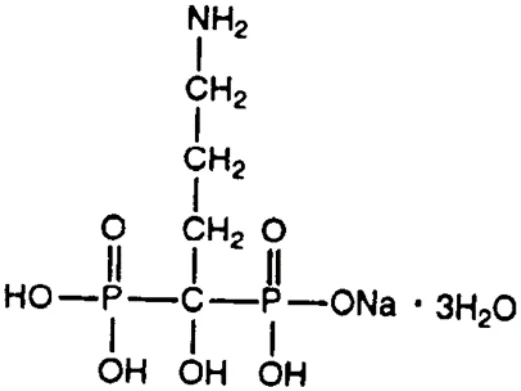
Physicochemical properties: Alendronate is a white, crystalline, nonhygroscopic powder. It is soluble in water, very slightly soluble in alcohol, and practically insoluble in chloroform.
Cholecalciferol
Proper name: cholecalciferol
Chemical name: (3ß,5Z,7E)-9,10-secocholesta-5,7,10(19)-trien-3-ol Molecular formula and molecular mass: C27H44O and 384.6 g/mol
Structural formula:
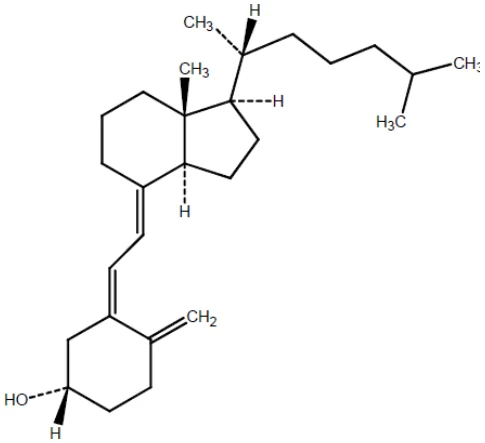
Physicochemical properties: Cholecalciferol is a white, crystalline, odorless powder. Cholecalciferol is practically insoluble in water, freely soluble in usual organic solvents, and slightly soluble in vegetable oils.
14 CLINICAL TRIALS
- 14.1 Clinical Trials by Indication
Alendronic Acid and Cholecalciferol Tablets Studies
Treatment of osteoporosis in men and postmenopausal women
Table 8 - Summary of patient demographics for clinical trials (treatment of osteoporosis in men and postmenopausal women)
| Study # | Study design | Dosage, route of administration and duration | Study subjects (n) | Mean age (Range) | Sex |
|---|---|---|---|---|---|
| PN227 | Double-blind, randomized, active-controlled, multicenter study | Base Study: FOV 70 / 2800 FOS 70ORAL 15 weeks | 717 | 67 (35-89) | Men Women |
Extension Study: FOV 70 / 2800 + cholecalciferol 2800 OR FOV 70 / 2800 + PBO ORAL 24 weeks | 652 | 67 (41-89) | Men Women |
|---|
FOV = alendronate (mg/week) / cholecalciferol (IU/week); FOS = alendronate (mg/week); PBO = placebo (mg/week)
In a 15-week trial, 717 postmenopausal women and men, mean age 67 years, with osteoporosis (lumbar spine bone mineral density [BMD] of at least 2.5 standard deviations below the premenopausal mean) were randomized to receive either weekly alendronic acid and cholecalciferol tablets 70 mg/2800 IU vitamin D or weekly alendronate sodium tablets 70 mg alone with no vitamin D supplementation. Patients who were vitamin D deficient (25-hydroxyvitamin D < 22.5 nmol/L or 9 ng/mL) at baseline were excluded. Treatment with alendronic acid and cholecalciferol tablets 70 mg/2800 IU resulted in a smaller reduction in serum calcium levels (-0.9%) when compared to alendronate sodium tablets 70 mg alone (-1.4%). As well, treatment with alendronic acid and cholecalciferol tablets 70 mg/2800 IU resulted in a significantly smaller increase in parathyroid hormone levels when compared to alendronate sodium tablets 70 mg alone (14% and 24%, respectively).
The sufficiency of patients’ vitamin D status is best assessed by measuring 25-hydroxyvitamin D levels. In the 15-week trial mentioned above, baseline 25-hydroxyvitamin D levels were
55.5 nmol/L (22.2 ng/mL) in the alendronic acid and cholecalciferol tablets group and 55.3 nmol/L (22.1 ng/mL) in the alendronate sodium tablets only group. After 15 weeks of treatment, the mean levels were 26% higher in the alendronic acid and cholecalciferol tablets group as compared to the alendronate sodium tablets only group (57.8 nmol/L [23.1 ng/mL] versus 46.0 nmol/L [18.4 ng/mL], respectively). The final levels of 25-hydroxyvitamin D at Week 15 are summarized in the table below. The percentage of patients with serum
25-hydroxyvitamin D < 37.5 nmol/L (15 ng/mL) was significantly lower with alendronic acid and cholecalciferol tablets 70 mg/2800 IU than alendronate sodium tablets 70 mg (11.5 % vs. 31.9 %), respectively (p < 0.001).
Table 9 - 25-hydroxyvitamin D Levels after Treatment with alendronic acid and cholecalciferol tablets (70 mg/2800 IU) or alendronate sodium tablets 70 mg at Week 15*)
| Number (%) of Patients | ||||||||||||
|---|---|---|---|---|---|---|---|---|---|---|---|---|
| 25-hydroxyvitamin D | < 22.5 | 22.5-35 | 37.5-47.5 | 50-60 | 62.5- | 75-155 | ||||||
| Ranges (nmol/L | [9] | [9-14] | [15-19] | [20-24] | 72.5 | [30-62] | ||||||
| [ng/mL]) | [25-29] | |||||||||||
| Alendronic acid and | 4 (1.1) | 37 (10.4) | 87 (24.4) | 84 (23.5) | 82 (23.0) | 63 | ||||||
| Number (%) of Patients | |||||||
|---|---|---|---|---|---|---|---|
| cholecalciferol tablets | |||||||
(70 mg/2800 IU) (n=357) | (17.7) | ||||||
Alendronate sodium tablets 70 mg (n=351) | 46 (13.1) | 66 (18.8) | 108 (30.8) | 58 (16.5) | 37 (10.5) | 36 (10.3) | |
* Patients who were vitamin D deficient (25-hydroxyvitamin D < 22.5 nmol/L or 9 ng/mL) at baseline were excluded.
Patients (n=652) who completed the above 15-week trial continued in a 24-week extension in which all received alendronic acid and cholecalciferol tablets (70 mg/2800 IU) and were randomly assigned to receive either additional once weekly vitamin D3 2800 IU (Vitamin D3 5600 IU group) or matching placebo (Vitamin D3 2800 IU group). After 24 weeks of extended treatment (Week 39 from original baseline), the mean levels of 25-hydroxyvitamin D were 69.8 nmo/L (27.9 ng/mL) and 64.0 nmol/L (25.6 ng/mL) in the vitamin D3 5600 IU group and vitamin D3 2800 IU group, respectively. The mean change of 25-hydroxyvitamin D levels from baseline was greater in the Vitamin D3 5600 IU group (p < 0.001). The percentage of patients with hypercalciuria at Week 39 was not statistically different between treatment groups.
The distribution of the final levels of 25-hydroxyvitamin D at Week 39 is summarized in the table below. The percentage of patients with serum 25-hydroxyvitamin D < 37.5 nmol/L (15 ng/mL) was non-significantly lower in the Vitamin D3 5600 IU group than in the Vitamin D3 2800 IU group (3.1 % vs. 5.6 %), respectively (p < 0.12).
Table 10 - 25-hydroxyvitamin D Levels after Treatment with alendronic acid and cholecalciferol tablets at Week 39
| 25-hydroxyvitamin D Levels after Treatment with alendronic acid and cholecalciferol tablets at Week 39 | ||||||
|---|---|---|---|---|---|---|
| Number (%) of Patients | ||||||
| 25-hydroxyvitamin D | < 22.5 | 22.5-35 | 37.5-47.5 | 50-60 | 62.5-72.5 | 75-155 |
| Ranges (nmol/L [ng/mL]) | [9] | [9-14] | [15-19] | [20-24] | [25-29] | [30-59] |
| Alendronic acid and cholecalciferol tablets (Vitamin D3 | 0 | 10 (3.1) | 29 (9.0) | 79 | 87 (27.1) | 116 |
| 5600 IU group)* | (24.6) | (36.1) | ||||
| (N=321) | ||||||
| Alendronic acid and cholecalciferol tablets (Vitamin D3 | 1 (0.3) | 17 (5.3) | 56 (17.5) | 80 | 74 (23.1) | 92 |
| 2800 IU group)** | (25.0) | (28.8) | ||||
| (N=320) | ||||||
* Patients received alendronate sodium tablets 70 mg or alendronic acid and cholecalciferol tablets(70 mg/2800 IU) for the 15-week base study followed by alendronic acid and cholecalciferol tablets (70 mg/2800 IU) and 2800 IU additional vitamin D3 for the 24-week extension study.
** Patients received alendronate sodium tablets 70 mg or alendronic acid and cholecalciferol tablets (70 mg/2800 IU) for 15-week base study followed by alendronic acid and cholecalciferol tablets (70 mg/2800 IU) and placebo for the additional vitamin D3 for 24-week extension study.
Alendronate sodium tablets Studies
Treatment of osteoporosis in postmenopausal women
Table 11 - Summary of patient demographics for clinical trials (treatment of osteoporosis in postmenopausal women)
| Study # | Study design | Dosage, route of administration and duration | Study subjects (n) | Mean age (Range) | Sex |
|---|---|---|---|---|---|
| PN035 | Double -blind, randomized, placebo- controlled, parallel group multicenter extension study | PBO FOS 5mg FOS 10mg FOS 20/5mg ORAL 3 years | 478 | 45-82 | Women |
| PN037 | Double -blind, randomized, placebo- controlled, parallel group multicenter extension study | PBO FOS 5mg FOS 10mg FOS 20/5mg ORAL 3 years | 516 | 44-84 | Women |
| PN041 | Double-blind, randomized, parallel-group study | PB0 FOS 10mg FOS 20mg sCT ORAL 2 years | 286 | 48-76 | Women |
| PN118 | Randomized, Double-blind, multicenter study | FOS 10mg FOS 35mg (twice a week) FOS 70mg (once a week) ORAL 1 year | 1258 | 42-95 | Women |
| PN026 | Double-blind, randomized, placebo controlled-parallel group, multicenter study | PBO FOS 5mg FOS 10mg FOS 20mg/PBO FOS 40mg/PBO FOS 40mg/2.5mg ORAL 2 (+1*year) | 188 | 42-75 | Women |
|---|---|---|---|---|---|
| PN054 | Double-blind, randomized, placebo controlled, parallel-group study | PBO FOS 1mg FOS 2.5mg FOS 5mg ORAL 2 years | 359 | 59-85 | Women |
| FIT 1 | Randomized, placebo-controlled | PBO FOS 10mg ORAL 3 years | 2027 | 55-81 | Women |
| FIT 2 | Randomized, placebo-controlled | PBO FOS 10mg ORAL 4 years | 4432 | 55-80 | Women |
| PN072 | Double-blind, randomized, placebo- controlled, multicenter study | FOS 10mg + conjugated estrogens (0.625 mg) OR conjugated estrogens (0.625 mg) OR PBO OR FOS 10mg ORAL 2 years | 425 | 42-82 | Women |
|---|---|---|---|---|---|
| PN097 | Triple-blind, randomized, placebo- controlled, parallel-group, multicenter study | FOS 10 mg/day + HRT (estrogen + progestin) OR PBO/HRT ORAL 1 year | 428 | 40-84 | Women |
PBO= Placebo; FOS=alendronate (mg/day); sCT=Intranasal salmon calcitonin 100 IU/day; FOS 20/PB0, FOS 40/PBP= alendronate 20 or 40mg for 1 year followed by placebo for 1 year; FOS 40/2.5= alendronate 40mg for 3 months followed by 2.5 for 21 months; FOS 20/5=alendronate 20mg for 2 years followed by 5mg for 1 year
*Following 2 years of treatment, patients were followed for a further year off treatment
Effect on Bone Mineral Density
The efficacy of alendronate sodium tablets 10 mg once daily in postmenopausal women, 44 to 84 years of age, with osteoporosis (lumbar spine bone mineral density [BMD] of at least 2 standard deviations below the premenopausal mean) was demonstrated in four double-blind, placebo-controlled clinical studies of two or three years duration. These included two large three-year, multicenter studies of virtually identical design, one performed in the United States (U.S.) and the other in 15 different countries (Multinational), which enrolled 478 and 516 patients, respectively. The following graph shows the mean increases in BMD of the lumbar spine, femoral neck, and trochanter in patients receiving alendronate sodium tablets 10 mg/day relative to placebo- treated patients at three years for each of these studies.
Osteoporosis Treatment Studies in Postmenopausal Women
Increase in BMD
Alendronate sodium tablets 10 mg/day at Three Years
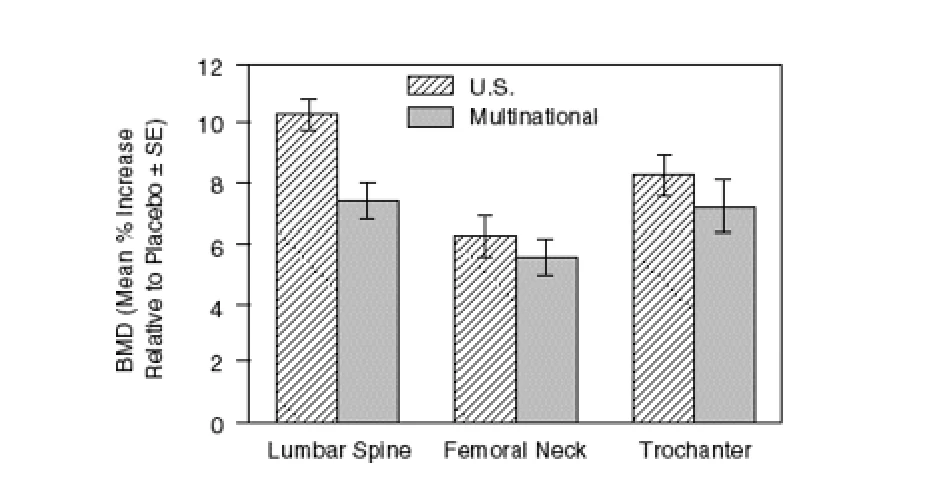
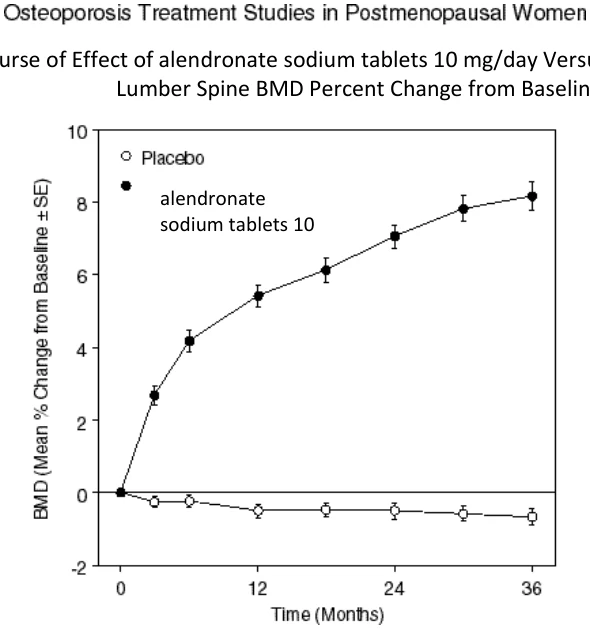
In the combined studies, after three years, BMD of the lumbar spine, femoral neck and trochanter in placebo-treated patients decreased significantly by between 0.65 and 1.16%. Highly significant increases, relative both to baseline and placebo, were seen at each measurement site in each study in patients who received alendronate sodium tablets
10 mg/day. Total body BMD also increased significantly in both studies, suggesting that the increases in bone mass of the spine and hip did not occur at the expense of other skeletal sites. Increases in BMD were evident as early as three months and continued throughout the entire three years of treatment (see following figure for lumbar spine results). In the two-year extension of these studies, treatment with alendronate sodium tablets 10 mg/day resulted in continued increases in BMD at the lumbar spine and trochanter (absolute additional increases between years three and five: lumbar spine, 0.94%; trochanter, 0.88%). BMD at the femoral neck, forearm and total body were maintained. Thus, alendronate sodium tablets reverses the progression of osteoporosis. alendronate sodium tablets was similarly effective regardless of age, race, baseline rate of bone turnover, renal function and use with a wide range of common medications.
In a separate study, alendronate sodium tablets 10 mg/day for two years induced highly significant increases in BMD of the spine, femoral neck, trochanter, and total body relative to either intranasal salmon calcitonin 100 IU/day or placebo.
The therapeutic equivalence of alendronate sodium tablets 70 mg once weekly (n=519) and alendronate sodium tablets 10 mg daily (n=370) was demonstrated in a one-year, double-blind, multicenter study of postmenopausal women with osteoporosis. The mean increases from baseline in lumbar spine BMD at one year were 5.1% (4.8, 5.4%; 95% CI) in the 70-mg once-weekly group and 5.4% (5.0, 5.8%; 95% CI) in the 10-mg daily group. The two treatment groups were also similar with regard to BMD increases at other skeletal sites. In trials with alendronate sodium tablets changes in BMD of this magnitude were associated with a decrease in fracture incidence (see below).
Effects of Withdrawal
In patients with postmenopausal osteoporosis treated with alendronate sodium tablets 10 mg/day for one or two years the effects of treatment withdrawal were assessed. Following discontinuation, bone turnover gradually returned toward pretreatment levels, and BMD no longer increased although accelerated bone loss was not observed. These data indicate that treatment with alendronate sodium tablets must be continuous to produce progressive increases in bone mass.
Effect on Fracture Incidence
To assess the effects of alendronate sodium tablets on vertebral fracture incidence, the U.S. and Multinational studies were combined in an analysis that compared placebo to the pooled dosage groups of alendronate sodium tablets (5 or 10 mg for three years or 20 mg for two years followed by 5 mg for one year).
There was a statistically significant 48% reduction in the proportion of patients treated with alendronate sodium tablets experiencing one or more vertebral fractures relative to those
Time Course of Effect of alendronate sodium tablets 10 mg/day Versus Placebo:
Lumber Spine BMD Percent Change from Baseline
alendronate sodium tablets 10 mg
treated with placebo (3.2% vs 6.2%). An even greater reduction in the total number of vertebral fractures (4.2 vs 11.3 per 100 patients) was also observed. Furthermore, of patients who sustained any vertebral fracture, those treated with alendronate sodium tablets experienced less height loss (5.9 mm vs 23.3 mm) due to a reduction in both the number and severity of fractures.
Additionally, analysis of the data pooled across doses of ≥ 2.5 mg from five placebo-controlled studies of two- or three-years’ duration including the U.S. and Multinational studies (alendronate sodium tablets n=1012, placebo: n=590) revealed a significant 29% reduction in non-vertebral fracture incidence (alendronate sodium tablets 9.0% vs placebo, 12.6%). Like the effect on vertebral fracture incidence, these results of alendronate treatment are consistent with the observed increases in bone mass.
The Fracture Intervention Trial (FIT) consisted of two studies in postmenopausal women: the Three-Year Study of patients who had at least one baseline vertebral (compression) fracture and the Four-Year Study of patients with low bone mass but without a baseline vertebral fracture.
Fracture Intervention Trial: Three-Year Study (patients with at least one baseline vertebral fracture)
This randomized, double-blind, placebo-controlled 2027-patient study (alendronate sodium tablets n=1022; placebo, n=1005) demonstrated that treatment with alendronate sodium tablets resulted in statistically significant and clinically meaningful reductions in fracture incidence at three years as shown in the following table.
Table 12 - Effect of alendronate sodium tablets on Fracture Incidence in the Three-Year Study of FIT (Patients with Vertebral Fracture at Baseline)
| Patients with: | % of Patients | Reduction (%) in Fracture Incidence | |
|---|---|---|---|
| Alendronate sodium tablets (n=1022) | Placebo (n=1005) | ||
| Vertebral fractures (diagnosed by X-ray)† | |||
≥ 1 new vertebral fracture ≥ 2 new vertebral fractures | 7.9 | 15.0 | 47*** |
| 0.5 | 4.9 | 90*** | |
| Painful (clinical) fractures | |||
≥ 1 painful vertebral fracture Any painful fracture Hip fracture Wrist (forearm) fracture | 2.3 | 5.0 | 54** |
| 13.8 | 18.1 | 26** | |
| 1.1 | 2.2 | 51* | |
| 2.2 | 4.1 | 48* | |
†Number evaluable for vertebral fracture: alendronate sodium tablets, n=984; placebo, n=966
* p < 0.05
** p < 0.01
*** p < 0.001
Furthermore, in this population of patients with baseline vertebral fracture, treatment with alendronate sodium tablets significantly reduced the incidence of hospitalizations (25.0% vs. 30.7%).
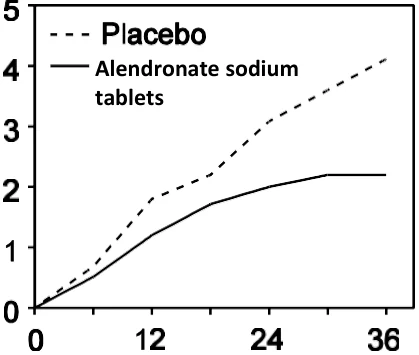
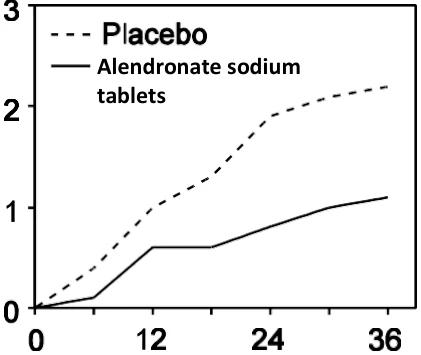
The following two figures display the cumulative incidence of hip and wrist fractures in the Three-Year Study of FIT. In both figures, the cumulative incidence of these types of fracture is lower with alendronate sodium tablets compared with placebo at all time points. alendronate sodium tablets reduced the incidence of hip fracture by 51% and wrist fracture by 48%. Proportionately similar reductions of hip and wrist fractures were seen in pooled earlier osteoporosis treatment studies.
Cumulative Incidence of Hip and Wrist Fractures in the Three-Year Study of FIT (Patients with Vertebral Fracture at Baseline)







Fracture Intervention Trial: Four-Year Study (patients with low bone mass but without a baseline vertebral fracture)
This randomized, double-blind, placebo-controlled, 4432-patient study (alendronate sodium tablets n=2214; placebo, n=2218) further demonstrated the reduction in fracture incidence due to alendronate sodium tablets The intent of the study was to recruit women with osteoporosis, i.e. with a baseline femoral neck BMD at least two standard deviations below the mean for young adult women. However, due to subsequent revisions to the normative values for femoral neck BMD, 31% of patients were found not to meet this entry criterion and thus this study included both osteoporotic and non-osteoporotic women. The results are shown in the following table for the patients with osteoporosis.
Table 13 - Effect of alendronate sodium tablets on Fracture Incidence in Osteoporotic† Patients in the Four- Year Study of FIT (Patients without Vertebral Fracture at Baseline)
Alendronate sodium tablets
Alendronate sodium tablets
| Patients with: | % of Patients | Reduction (%) in Fracture Incidence | |
|---|---|---|---|
| Alendronate sodium tablets (n=1545) | Placebo (n= 1521) | ||
| ≥ 1 painful fracture | 12.9 | 16.2 | 22** |
| ≥ 1 vertebral fracture†† | 2.5 | 4.8 | 48*** |
≥ 1 painful vertebral fracture | 1.0 | 1.6 | 41††† |
| Hip fracture | 1.0 | 1.4 | 29††† |
| Wrist (forearm) fracture | 3.9 | 3.8 | none |
† Baseline femoral neck BMD at least 2 SD below the mean for young adult women
†† Number evaluable for vertebral fracture: alendronate sodium tablets, n=1426; placebo, n=1428
††† Not significant
** p=0.01
*** p < 0.001
In all patients (including those without osteoporosis), the reductions in fracture incidence were: ≥ 1 painful fracture, 14% (p=0.072); ≥ 1 vertebral fracture, 44% (p=0.001); ≥ 1 painful vertebral fracture, 34% (p=0.178), and hip fracture, 21% (p=0.44). The incidence of wrist fracture in all patients was alendronate sodium tablets, 3.7%; placebo, 3.2% (not significant).
Combined FIT Studies
The reductions in fracture incidence for the combined Three- and Four-Year Studies of FIT are shown in the following table.
Table 14 - Effect of alendronate sodium tablets on Fracture Incidence in the Combined (Three- and Four- Year) Studies of FIT
Reduction (%) in Fracture Incidence Alendronate sodium tablets vs. Placebo | ||
|---|---|---|
| Patients with: | Osteoporotic patients† (n=5093) | All patients (n=6459) |
| Vertebral fractures (diagnosed by X-ray)†† | ||
| ≥ 1 vertebral fracture | 48*** | 46*** |
| ≥ 2 vertebral fractures | 88*** | 84*** |
| Painful (clinical) fractures | ||
| Any painful fracture | 24*** | 18** |
| Painful vertebral fracture | 50*** | 47*** |
| Hip fracture | 40* | 36‡‡ |
| Wrist (forearm) fracture††† | 182 | 6‡ |
† Includes all patients in the Three-Year Study plus osteoporotic patients (baseline femoral neck BMD at least 2 SD below the mean for young adult women) in the Four-Year Study
††Number evaluable for vertebral fractures: osteoporotic patients, n=4804; all patients, n=6084
†††Significant reduction in wrist fracture incidence was observed in the Three-Year Study (patients with baseline vertebral fracture) but not in the Four-Year Study (patients without baseline vertebral fracture)
‡Not significant
‡‡p=0.059
*p < 0.05
**p < 0.01
***p < 0.001
Consistency of Fracture Results
The reductions in the incidence of vertebral fractures (alendronate sodium tablets vs. placebo) in the Three- and Four-Year Studies of FIT were consistent with that in the combined U.S. and Multinational (U.S./Mult) treatment studies (see above), in which 80% of the women did not have a vertebral fracture at baseline. During these studies, treatment with alendronate sodium tablets reduced the proportion of women experiencing at least one new vertebral fracture by approximately 50% (Three-Year FIT: 47% reduction, p < 0.001; Four-Year FIT: 44% reduction, p=0.001; U.S./Mult: 48% reduction, p=0.034). In addition, alendronate sodium tablets reduced the proportion of women experiencing multiple (two or more) new vertebral fractures by approximately 90% in the U.S./Mult. and Three-Year FIT Studies (p < 0.001). Thus, alendronate sodium tablets reduces the incidence of vertebral fractures whether or not patients have experienced a previous vertebral fracture.
Overall, these results demonstrate the consistent efficacy of alendronate sodium tablets to reduce the incidence of fractures, including those of the spine and hip, which are the sites of osteoporotic fracture associated with the greatest morbidity.
Bone Histology
Bone histology in 270 postmenopausal patients with osteoporosis treated with alendronate sodium tablets at doses ranging from 1 to 20 mg/day for one, two or three years revealed normal mineralization and structure, as well as the expected decrease in bone turnover relative to placebo. These data, together with the normal bone histology and increased bone strength observed in rats and baboons exposed to long-term alendronate treatment, indicate that bone formed during therapy with alendronate sodium tablets is of normal quality.
Treatment of osteoporosis in men
Table 15 - Summary of patient demographics for clinical trials (treatment of osteoporosis in men)
| Study # | Study design | Dosage, route of administration and duration | Study subjects (n) | Mean age (Range) | Sex |
|---|---|---|---|---|---|
| PN096 | Double-blind randomized placebo- controlled, multicenter, multinational study | PBO FOS 10mg Calcium (500 mg) and Vitamin D (400 IU) supplement daily ORAL 2 years | 241 | 31-87 | Men |
| PN165 | Double-blind, placebo- controlled, multicenter study | PBO FOS 70mg (once weekly) ORAL 1 year | 167 | 38-91 | Men |
PBO= Placebo; FOS=alendronate (mg/day)
The efficacy of alendronate sodium tablets in men with osteoporosis was demonstrated in two clinical studies.
A two-year, double-blind, placebo-controlled, multicenter study of alendronate sodium tablets 10 mg once daily enrolled a total of 241 men between the ages of 31 and 87 (mean, 63). At two years, the mean increases relative to placebo in BMD in men receiving alendronate sodium tablets 10 mg/day were: lumbar spine, 5.3%; femoral neck, 2.6%; trochanter, 3.1%; and total body, 1.6% (all p ≤ 0.001). Consistent with much larger studies in postmenopausal women, in these men, alendronate sodium tablets 10 mg/day reduced the incidence of new vertebral fracture (assessed by quantitative radiography) relative to placebo (0.8% vs. 7.1%, respectively; p=0.017) and, correspondingly, also reduced height loss (-0.6 vs. -2.4 mm; respectively; p=0.022).
A one year, double blind, placebo controlled, multicenter study of alendronate sodium tablets 70 mg once weekly enrolled a total of 167 men between the ages of 38 and 91 (mean, 66). At one year, the mean increases in BMD relative to placebo were significant at the following sites: lumbar spine, 2.8% (p ≤ 0.001); femoral neck, 1.9% (p=0.007); trochanter, 2.0% (p ≤ 0.001); and total body, 1.2% (p=0.018). These increases in BMD were similar to those seen at one year in the 10 mg once daily study. The trial was not powered to detect a clinical difference in fracture incidence between the alendronate and placebo groups. However, other studies with daily or weekly alendronate administrations have consistently demonstrated a relationship between increases in BMD (a surrogate marker) and decreases in fracture rate (clinical endpoint).
Therefore, it can be assumed that this relationship is also true in men given a weekly administration of alendronate.
In both studies alendronate sodium tablets was effective regardless of age, gonadal function or baseline BMD (femoral neck and lumbar spine).
Concomitant Use with Estrogen/Hormone Replacement Therapy (HRT)
The effects on BMD of treatment with alendronate sodium tablets 10 mg once daily and conjugated estrogen (0.625 mg/day) either alone or in combination were assessed in a two-year, double-blind, placebo-controlled study of hysterectomized postmenopausal osteoporotic women (n=425). At two years, the increases in lumbar spine BMD from baseline were significantly greater with the combination (8.3%) than with either estrogen or alendronate sodium tablets alone (both 6.0%).
The effects on BMD when alendronate sodium tablets was added to stable doses (for at least one year) of HRT (estrogen ± progestin) were assessed in a one-year, double-blind, placebo-controlled study in postmenopausal osteoporotic women (n=428). The addition of alendronate sodium tablets 10 mg once daily to HRT produced, at one year, significantly greater increases in lumbar spine BMD (3.7%) vs. HRT alone (1.1%).
In these studies, significant increases or favorable trends in BMD for combined therapy compared with HRT alone were seen at the total hip, femoral neck, and trochanter. No significant effect was seen for total body BMD. The studies were too small to detect antifracture efficacy, and no significant differences in fracture incidence among the treatment groups were found.
14.2 Comparative Bioavailability Studies
Comparative Bioavailability Study
A randomized, four-period, two-treatment, two-sequence, crossover, single dose (1 x 70 mg/140 mcg (5600 IU)) comparative bioavailability study of JAMP Alendronate / Vitamin D3 (JAMP Pharma Corporation) and FOSAVANCE (Merck Canada Inc.) was conducted in healthy, adult male subjects under fasting conditions. A summary of the data from the 50 subjects that were included in the statistical analysis is presented in the following table.
SUMMARY TABLE OF THE COMPARATIVE BIOAVAILABILITY DATA
Alendronic Acid (1 x 70 mg/140 mcg (5600 IU)) Geometric Mean Arithmetic Mean (CV %) | ||||
| Parameter | Test1 | Reference2 | % Ratio of Geometric Means | 90% Confidence Interval |
AUCT (ng.h/mL) | 132.664 161.975 (67.7) | 128.765 152.175 (58.8) | 103.0 | 94.0 - 113.0 |
AUCI (ng.h/mL) | 142.900 173.885 (67.0) | 138.759 163.091 (57.8) | 103.0 | 94.1 -112.8 |
Cmax (ng/mL) | 40.528 50.343 (74.6) | 39.346 47.793 (65.0) | 103.0 | 92.9 - 114.2 |
Tmax3 (h) | 1.316 (0.500 - 2.500) | 1.333 (0.500 - 4.000) | ||
T½4 (h) | 10.580 (25.7) | 10.710 (26.2) | ||
1 JAMP Alendronate / Vitamin D3 (alendronic acid (as sodium alendronate trihydrate) / cholecalciferol) tablets
70 mg/140 mcg (5600 IU) (JAMP Pharma Corporation)
2 FOSAVANCE (alendronate as alendronate sodium/ cholecalciferol) tablets 70 mg/140 mcg (5600 IU) (Merck Canada Inc.)
3 Expressed as the median (range)
4 Expressed as the arithmetic mean (CV%) only.
The alendronate in the alendronic acid and cholecalciferol tablets (70 mg alendronate/2800 IU vitamin D3) and alendronate sodium tablets (70 mg alendronate) tablet is equally bioavailable as demonstrated in a single-dose, open-label, randomized, crossover study conducted following fasting overnight and for two hours post dose in 207 healthy male and female volunteers. The results are presented in the table below:
Table 16 - Summary of comparative bioavailability results (1 × 70 mg alendronate/2800 IU vitamin D3 versus 1 × 70 mg alendronate, fasted)
Alendronate (1 × 70 mg alendronate/2800 IU vitamin D3 versus 1 × 70 mg alendronate, fasted) From Measured Data Uncorrected for Potency Geometric Mean* Arithmetic Mean (CV %) | ||||
|---|---|---|---|---|
| Parameter | Alendronic acid and cholecalciferol tablets 70 mg alendronate/2800 IU vitamin D3 | Alendronate sodium tablets 70 mg alendronate | % Ratio of Geometric Means | Confidence Interval 90% |
| Ae0-T‡ | 197.5 | 191.9 | 102.9 | 90.7–116.8 |
| (mcg) | 296.7 (126.8) | 287.3 (89.7) | ||
| Rmax † | 21.0 | 20.8 | 100.8 | 89.3–114.0 |
| (mcg/h) | 31.6 (121.6) | 30.9 (89.7) | ||
* Least-squares Mean.
‡ Amount of alendronate excreted unchanged in the urine from time 0 to 36 hours.
† Maximum urinary excretion rate of alendronate (base on four sampling times [pre-dose, 8h, 24h and 36h]).
The alendronate in the alendronic acid and cholecalciferol tablets (70 mg alendronate/5600 IU vitamin D3) and alendronate sodium tablets (70 mg alendronate) tablet is equally bioavailable as demonstrated in a single-dose, open-label, randomized, crossover study conducted following fasting overnight and for two hours post dose in 220 healthy male and female volunteers. The results are presented in the table below:
Table 17 - Summary of comparative bioavailability results (1 × 70 mg alendronate/5600 IU vitamin D3 versus 1 × 70 mg alendronate, fasted)
Alendronate (1 × 70 mg alendronate/5600 IU vitamin D3 versus 1 × 70 mg alendronate, fasted) From Measured Data Uncorrected for Potency Geometric Mean* Arithmetic Mean (CV %) | ||||
|---|---|---|---|---|
| Parameter | Alendronic acid and cholecalciferol tablets 70 mg alendronate/5600 IU vitamin D3 | Alendronate sodium tablets 70 mg alendronate | % Ratio of Geometric Means | Confidence Interval 90% |
| Ae0-T‡ | 133.6 | 132.2 | 101.0 | 92.2–110.8 |
| (mcg) | 228.3 (307.3) | 257.9 (306.5) | ||
| Rmax † | 14.5 | 14.2 | 101.8 | 92.9–111.5 |
| (mcg/h) | 24.9 (346.6) | 23.7 (168.3) | ||
* Least-squares Mean.
‡ Amount of alendronate excreted unchanged in the urine from time 0 to 36 hours.
† Maximum urinary excretion rate of alendronate (base on four sampling times [pre-dose, 8h, 24h and 36h]).
15 MICROBIOLOGY
No microbiological information is required for this drug product.
16 NON-CLINICAL TOXICOLOGY
General Toxicology:
Acute Toxicity
Alendronate Sodium
The oral LD50 values of alendronate in female rats and mice were 552 mg/kg (3256 mg/m2) and 966 mg/kg (2898 mg/m2) (equivalent to human oral doses* of 27,600 and 48,300 mg), respectively. In males, these values were slightly higher, 626 and 1280 mg/kg, respectively. There was no lethality in dogs at oral doses up to 200 mg/kg (4000 mg/m2) (equivalent to a human oral dose* of 10,000 mg).
Cholecalciferol
Significant lethality occurred in mice treated with a single high oral dose of calcitriol (4 mg/kg), the hormonal metabolite of cholecalciferol.
Chronic Toxicity
Alendronate Sodium
Alendronate-related changes in the repeated dose-toxicity studies of up to one year in rats and three years in dogs consisted of retention of primary spongiosa of bone in areas of endochondral bone formation, sustained reduction of alkaline phosphatase activities, and transient reduction in serum calcium and phosphate concentrations. These are related to the desired pharmacologic activity of alendronate. The species most sensitive to nephrotoxicity (dogs) required a dose* equivalent to at least 100 mg in humans to manifest nephrotoxicity.
Rats also showed evidence of this effect at higher doses. Gastrointestinal toxicity was seen in rodents only. This appears to be due to a direct effect on the mucosa and occurred only at doses greater than 2.5 mg/kg/day.
Cholecalciferol
Cholecalciferol (vitamin D3)-related changes in a 26-week, repeated-dose oral toxicity study in rats consisted of nephrocalcinosis and pheochromocytomas in the adrenal medulla. These changes were observed at doses ≥ 5000 IU/kg/day.
Carcinogenicity:
Alendronate Sodium
No evidence of carcinogenic effect was observed in a 105-week study in rats receiving oral doses up to 3.75 mg/kg/day and in a 92-week study in mice receiving oral doses up to
10 mg/kg/day.
Harderian gland (a retroorbital gland not present in humans) adenomas were increased in high-dose female mice (p=0.003) in a 92-week carcinogenicity study at doses of alendronate of
1, 3 and 10 mg/kg/day (males) or 1, 2 and 5 mg/kg/day (females). These doses are equivalent to 0.5 to 4 times the 10 mg human dose based on surface area, mg/m2.
Parafollicular cell (thyroid) adenomas were increased in high-dose male rats (p=0.003) in a 2- year carcinogenicity study at doses of 1 and 3.75 mg/kg body weight. These doses are equivalent to 1 and 3 times the 10 mg human dose based on surface area.
Cholecalciferol
The carcinogenic potential of cholecalciferol has not been studied in rodents.
Genotoxicity:
Alendronate Sodium
Alendronate was not genotoxic in the in vitro microbial mutagenesis assay with and without metabolic activation. Similarly, no evidence of mutagenicity was observed in an in vitro mammalian cell mutagenesis assay, an in vitro alkaline elution assay in rat hepatocytes, and an in vivo chromosomal aberration assay in mice at IV doses up to 25 mg/kg/day (75 mg/m2). In an in vitro chromosomal aberration assay in Chinese hamster ovary cells, however, alendronate was weakly positive at concentrations ≥ 5 mM in the presence of cytotoxicity. This is of no relevance to safety in humans since similar concentrations are not achievable in vivo at therapeutic doses. Furthermore, clear negative results in four of five genotoxicity studies, including the most relevant studies for human carcinogenic potential (the in vivo chromosomal aberration assay and the microbial mutagenesis assay), and negative carcinogenicity studies in rats and mice lead to the conclusion that there is no evidence of genotoxic or carcinogenic risks from alendronate in humans.
Cholecalciferol
Calcitriol, the hormonal metabolite of cholecalciferol, was not genotoxic in the microbial mutagenesis assay with or without metabolic activation, and in an in vivo micronucleus assay in mice.
Reproductive and Developmental Toxicology:
Alendronate Sodium
Alendronate had no effect on fertility or reproductive performance (male or female) in rats at oral doses up to 5 mg/kg/day. The only drug-related effect seen in these studies was difficulty in parturition in rats, which is directly related to pharmacologically mediated hypocalcemia.
This effect can be prevented in rats by calcium supplementation. Furthermore, a clear no- effect level of 1.25 mg/kg/day was established.
In developmental toxicity studies, there were no adverse effects at doses up to 25 mg/kg/day in rats and 35 mg/kg/day in rabbits.
Cholecalciferol
Ergocalciferol (vitamin D2) at high doses (150,000 to 200,000 IU/kg/day) administered prior to mating resulted in altered estrous cycle and inhibition of pregnancy in rats. The potential effect of cholecalciferol on male fertility is unknown in rats.
No data are available for cholecalciferol (vitamin D3). Administration of high doses (≥ 10,000 IU/ every other day) of ergocalciferol (vitamin D2) to pregnant rabbits, resulted in higher incidence of fetal aortic stenosis compared to controls. Administration of vitamin D2 (40,000 IU/day) to pregnant rats, resulted in neonatal death, decreased fetal weight, and impaired osteogenesis of long bones postnatally.
17 SUPPORTING PRODUCT MONOGRAPHS
PrFOSAVANCE® (alendronate sodium / cholecalciferol tablet), submission control No. 273858, Product Monograph, Organon Canada Inc., Date of Revision: August 03, 2023.