


Product Monograph - Jamp Diltiazem T
RECENT MAJOR LABEL CHANGES
| N/A |
|---|
TABLE OF CONTENTS
Sections or subsections that are not applicable at the time of authorization are not listed
TABLE OF CONTENTS ..........................................................................................................2
PART I: HEALTH PROFESSIONAL INFORMATION ..................................................................4
1 INDICATIONS .....................................................................................................4
1.1 Pediatrics ........................................................................................................... 4
1.2 Geriatrics ........................................................................................................... 4
2 CONTRAINDICATIONS ........................................................................................4
4 DOSAGE AND ADMINISTRATION ........................................................................5
4.1 Dosing Considerations .................................................................................5
4.2 Recommended Dose and Dosage Adjustment ...............................................5
4.4 Administration ............................................................................................5
4.5 Missed Dose ................................................................................................5
5 OVERDOSAGE ....................................................................................................6
6 DOSAGE FORMS, STRENGTHS, COMPOSITION AND PACKAGING .........................7
7 WARNINGS AND PRECAUTIONS .........................................................................7
7.1 Special Populations .......................................................................................... 10
7.1.1 Pregnant Women ......................................................................................... 10
7.1.2 Breast-feeding .............................................................................................. 10
7.1.3 Pediatrics ...................................................................................................... 10
7.1.4 Geriatrics ...................................................................................................... 10
8 ADVERSE REACTIONS ....................................................................................... 10
8.1 Adverse Reaction Overview ............................................................................ 10
8.2 Clinical Trial Adverse Reactions ....................................................................... 10
8.3 Less common clinical trial adverse reactions .................................................. 12
8.5 Post-Market Adverse Reactions ...................................................................... 12
9 DRUG INTERACTIONS ....................................................................................... 13
9.1 Serious Drug Interactions ................................................................................ 13
9.2 Drug Interactions Overview ............................................................................. 14
9.3 Drug-Behavioural Interactions ........................................................................ 14
9.4 Drug-Drug Interactions .................................................................................... 14
9.5 Drug-Food Interactions ................................................................................... 20
9.6 Drug-Herb Interactions .................................................................................... 21
9.7 Drug-Laboratory Test Interactions .................................................................. 21
10 CLINICAL PHARMACOLOGY .............................................................................. 21
10.1 Mechanism of Action ..................................................................................... 21
10.2 Pharmacodynamics ....................................................................................... 22
10.3 Pharmacokinetics .......................................................................................... 23
11 STORAGE, STABILITY AND DISPOSAL ................................................................ 24
PART II: SCIENTIFIC INFORMATION ................................................................................... 25
13 PHARMACEUTICAL INFORMATION ................................................................... 25
14 CLINICAL TRIALS ............................................................................................... 26
14.2 Comparative Bioavailability Studies .............................................................. 26
16 NON-CLINICAL TOXICOLOGY ............................................................................ 27
17 SUPPORTING PRODUCT MONOGRAPHS ........................................................... 32
PATIENT MEDICATION INFORMATION .............................................................................. 33
PART I: HEALTH PROFESSIONAL INFORMATION
1 INDICATIONS
JAMP Diltiazem T (Diltiazem Hydrochloride Extended-Release Capsules) is indicated for:
Essential Hypertension
JAMP Diltiazem T is indicated for the treatment of mild to moderate essential hypertension.
Safety of concurrent use of JAMP Diltiazem T with other antihypertensive agents has not been established.
Chronic Stable Angina
JAMP Diltiazem T is indicated for the management of chronic stable angina (effort-associated angina) without evidence of vasospasm in patients who remain symptomatic despite adequate doses of beta-blockers and/or organic nitrates or who cannot tolerate these agents (See 7 WARNINGS AND PRECAUTIONS, Use with Beta-Blockers).
JAMP Diltiazem T may be tried in combination with beta-blockers in chronic stable angina patients with normal ventricular function. When such concomitant therapy is introduced, patients must be monitored closely (see 7 WARNINGS AND PRECAUTIONS, Use with Beta- Blockers).
Since the safety and efficacy of JAMP Diltiazem T in the management of unstable or vasospastic angina has not been substantiated, its use for these indications is not recommended.
1.1 Pediatrics
Pediatrics (< 18 years): No data are available to Health Canada; therefore, Health Canada has not authorized an indication for pediatric use.
1.2 Geriatrics
Geriatrics (> 65 years old): Administration of diltiazem to elderly patients (over or equal to 65 years of age) requires particular care in titration (see 7.1.4 WARNINGS AND PRECAUTIONS, Geriatrics and 9.4 Drug-Drug Interactions).
2 CONTRAINDICATIONS
JAMP Diltiazem T (diltiazem hydrochloride) is contraindicated:
- In patients with sick sinus syndrome except in the presence of a functioning ventricular pacemaker;
- In patients with second or third-degree AV block;
- In patients with known hypersensitivity to diltiazem or to any of the excipients;
- In patients with severe hypotension (less than 90 mm Hg systolic);
- In patients with severe bradycardia (below 40 beats per minute) • In myocardial infarction patients, who have left ventricular failure manifested by pulmonary congestion;
- In pregnancy and in women of child-bearing potential (see 7.1.1 Pregnant Women).
- During breast-feeding;
- With concomitant use of dantrolene infusion (see 9.4 Drug-Drug Interactions);
- With concomitant use of ivabradine (see 9.4 Drug-Drug Interactions);
- With concomitant use of lomitapide mesylate as it may result in increased concentrations of lomitapide mesylate due to CYP3A4 inhibition (see 9.4 Drug-Drug Interactions)
4 DOSAGE AND ADMINISTRATION
4.1 Dosing Considerations
JAMP Diltiazem T has not been shown to be bioequivalent to other diltiazem formulations. (see 10.3 Pharmacokinetics).
4.2 Recommended Dose and Dosage Adjustment
Hypertension
When used as monotherapy, usual starting doses are 180 to 240 mg once daily, although some patients may respond to 120 mg once daily. Maximum antihypertensive effect is usually observed after approximately 2 to 4 weeks of therapy; therefore, dosage adjustments should be scheduled accordingly.
A maximum daily dose of 360 mg should not be exceeded.
The dosage of JAMP Diltiazem T or concomitant antihypertensive agents may need to be adjusted when adding one to the other (see 7 WARNINGS AND PRECAUTIONS, use with beta-blockers).
Angina
Dosages for the treatment of angina should be adjusted to each patient’s needs, starting with a dose of 120 mg to 180 mg once daily. Individual patients may respond to higher doses of up to 360 mg once daily. When necessary, titration should be carried out over a 7 to 14-day period.
There is limited experience with doses above 360 mg. However, the incidence of adverse events increases as the dose increases with first degree AV block, dizziness, and sinus bradycardia bearing the strongest relationship to dose. Therefore, doses greater than 360 mg are not recommended.
4.4 Administration
JAMP Diltiazem T should not be chewed or crushed.
4.5 Missed Dose
If you miss a dose, take it as soon as possible. However, if it is almost time for the next dose, skip the missed dose and take your next dose as scheduled. Do not take two doses at the same time.
5 OVERDOSAGE
There have been reports of diltiazem overdose in doses ranging from less than 1 g to 18 g. In cases with fatal outcome, the majority involved multiple drug ingestion.
Events observed following diltiazem overdose included sinus bradycardia with or without isorhythmic dissociation, pronounced hypotension possibly leading to collapse and acute kidney injury, sinus arrest, heart block, atrioventricular conduction disturbance, cardiac arrest and cardiac failure. Most reports of overdose described some supportive medical measure and/or drug treatment. Bradycardia frequently responded favorably to atropine as did heart block, although cardiac pacing was also frequently utilized to treat heart block. Fluids and vasopressors were used to maintain blood pressure, and in cases of cardiac failure, inotropic agents were administered. In addition, some patients received treatment with ventilatory support, gastric lavage, activated charcoal, and intravenous calcium.
The effectiveness of intravenous calcium administration to reverse the pharmacological effects of diltiazem overdose has been inconsistent. In a few reported cases, overdose with calcium channel blockers associated with hypotension and bradycardia that was initially refractory to atropine became more responsive to atropine after the patients received intravenous calcium. In some cases, intravenous calcium has been administered (1 g calcium chloride or 3 g calcium gluconate) over 5 minutes and repeated every 10-20 minutes as necessary. Calcium gluconate has also been administered as a continuous infusion at a rate of 2 g per hour for 10 hours.
Infusions of calcium for 24 hours or more may be required. Patients should be monitored for signs of hypercalcemia.
In the event of overdosage or exaggerated response, appropriate supportive measures should be employed in addition to gastric lavage. The following measures may be considered:
Bradycardia
Administer atropine. If there is no response to vagal blockage, administer isoproterenol cautiously.
High Degree AV Block
Treat as for bradycardia above. Fixed high degree AV block should be treated with cardiac pacing.
Cardiac Failure
Administer inotropic agents (isoproterenol, dopamine, or dobutamine) and diuretics.
Hypotension
Vasopressors (e.g.dopamine or levarterenol bitartrate). Actual treatment and dosage should depend on the severity of the clinical situation and the judgment and experience of the treating physician.
| For the most recent information in the management of a suspected drug overdose, contact your regional poison control centre or Health Canada’s toll-free number, 1-844 POISON-X (1-844-764-7669). |
|---|
6 DOSAGE FORMS, STRENGTHS, COMPOSITION AND PACKAGING
Table 1 – Dosage Forms, Strengths, Composition and Packaging
| Route of Administration | Dosage Form / Strength/Composition | Non-medicinal Ingredients |
|---|---|---|
| Oral | Capsules: 120 mg, 180 mg, 240 mg, 300 mg and 360 mg. | Ethyl cellulose, gelatin, hypromellose, isopropyl alcohol, methylene chloride, sodium lauryl sulfate, sugar spheres (pharma A spheres), talc, titanium dioxide, triethyl citrate. Dyes: D&C Yellow No. 10, FD&C Blue No. 1, FD&C Green No. 3, FD&C Red No. 3. |
- JAMP Diltiazem T (diltiazem hydrochloride) Extended-Release Capsules are available in the following strengths.
- JAMP Diltiazem T 120 mg capsules are supplied in bottles of 100. White to off white pellets filled in size 2 capsule having lavender colored cap and lavender colored body imprinted with “HP 428 “ on cap and on body with white ink.
- JAMP Diltiazem T 180 mg capsules are supplied in bottles of 100. White to off white pellets filled in size 1 capsule having blue green colored cap and opaque white colored body imprinted with “HP 429” on cap and on body with black ink.
- JAMP Diltiazem T 240 mg capsules are supplied in bottles of 100. White to off white pellets filled in size 0 capsule having lavender colored cap and blue green colored body imprinted with “HP 430” on cap and on body with white ink.
- JAMP Diltiazem T 300 mg capsules are supplied in bottles of 100. White to off white pellets filled in size Oel capsule having lavender cap and opaque white colored body imprinted with “HP 431” on cap and on body with black ink.
- JAMP Diltiazem T 360 mg capsules are supplied in bottles of 100. White to off white pellets filled in size 00 capsule having blue green cap and blue green colored body imprinted with HP 432 on cap and on body with white ink.
7 WARNINGS AND PRECAUTIONS
Cardiovascular
Cardiac Conduction
JAMP Diltiazem T (diltiazem hydrochloride) prolongs AV node refractory periods without significantly prolonging sinus node recovery time, except in patients with sick sinus syndrome. This effect may rarely result in abnormally slow heart rates (particularly in patients with sick sinus syndrome) or second- or third-degree AV block (13 of 3007 patients or 0.43%).
Concomitant use of diltiazem with beta blockers or digitalis may result in additive effects on cardiac conduction.
Congestive Heart Failure
Because diltiazem has a negative inotropic effect in vitro and it affects cardiac conduction, the drug should only be used with caution and under careful medical supervision in patients with congestive cardiac failure (see also 2 CONTRAINDICATIONS). Cases of acute renal failure have been reported in patients using diltiazem at therapeutic dosages. Patients at greater risk appear to have reduced left ventricular function, severe bradycardia or severe hypotension.
Prior to general anesthesia, the anesthetist must be informed of ongoing diltiazem treatment. Depression of cardiac contractility, conductivity and automaticity, as well as the vascular dilatation associated with anesthetics may be potentiated by calcium channel blockers.
Hypotension
Since diltiazem lowers peripheral vascular resistance, decreases in blood pressure may occasionally result in symptomatic hypotension. In patients with angina or arrhythmias using antihypertensive drugs, the additional hypotensive effect of diltiazem should be taken into consideration.
Use with Beta-Blockers
The combination of diltiazem and beta-blockers warrants caution since in some patients additive effects on heart rate, cardiac conduction, blood pressure or left ventricular function have been observed. Close medical supervision is recommended.
Generally, diltiazem should not be given to patients with impaired left ventricular function while they receive beta-blockers. However, in exceptional cases, when in the opinion of the physician, concomitant use is considered essential, such use should be instituted gradually in a hospital setting.
Diltiazem gives no protection against the dangers of abrupt beta-blocker withdrawal and such withdrawal should be done by the gradual reduction of the dose of beta-blocker.
Patients with Myocardial Infarction
Use of immediate release diltiazem at 240 mg per day started 3 to 15 days after a myocardial infarction was associated with an increase in cardiac events in patients with pulmonary congestion with no overall effect on mortality. Although there has not been a study of sustained release formulation of diltiazem in acute myocardial infarction, their use may have effects similar to those of immediate release diltiazem in acute myocardial infarction.
Endocrine and Metabolism
Patients with Diabetes
Careful monitoring is necessary to detect new onset of diabetes or in patients with diabetes mellitus (type 1 or type 2) due to an increase in blood glucose.
Gastrointestinal
Diltiazem has an inhibitory effect on intestinal motility. Therefore, it should be used with caution in patients at risk of developing an intestinal obstruction.
Hepatic/Biliary/Pancreatic
Acute Hepatic Injury
In rare instances, significant elevations in alkaline phosphatase, CPK, LDH, AST, ALT and symptoms consistent with acute hepatic injury have been observed. These reactions have been reversible upon discontinuation of drug therapy. Although a causal relationship to diltiazem has not been established in all cases, a drug induced hypersensitivity reaction is suspected (see 8 ADVERSE REACTIONS). As with any drug given over prolonged periods, laboratory parameters should be monitored at regular intervals.
Because JAMP Diltiazem T (diltiazem hydrochloride) is extensively metabolized by the liver and excreted by the kidney and in bile, monitoring of laboratory parameters and cautious dosage titration are recommended in patients with impaired hepatic or renal function (see 8 ADVERSE REACTIONS).
Impaired Hepatic Function
Diltiazem should be used with caution in patients with hepatic impairment. Because diltiazem is extensively metabolized by the liver and excreted in bile, the monitoring of laboratory parameters of hepatic function is recommended and cautious dosage titration are recommended in patients with impaired hepatic function. (See 8 ADVERSE REACTIONS).
Neurologic
Calcium channel blocking agents, such as diltiazem, may be associated with mood changes, including depression (see 9 DRUG INTERACTIONS and 8 ADVERSE REACTIONS)
Renal
Acute Kidney Injury
Cases of acute renal failure have been reported in patients using diltiazem at therapeutic dosages. Patients at greater risk appear to have reduced left ventricular function, severe bradycardia or severe hypotension.
Impaired Renal Function
Diltiazem should be used with caution in patients with renal impairment. Because diltiazem is excreted by the kidney, the monitoring of laboratory parameters of renal function is recommended and cautious dosage titration are recommended in patients with impaired renal function. (See
8 ADVERSE REACTIONS).
Respiratory
The use of diltiazem may induce bronchospasm, including asthma aggravation, especially in patients with pre-existing bronchial hyper-activity. Cases have been reported after dose increase. Patients should be monitored for signs and symptoms of respiratory impairment during diltiazem therapy.
Skin
Dermatological events (see 8 ADVERSE REACTIONS) may be transient and may disappear despite continued use of diltiazem. However, skin eruptions progressing to erythema multiforme and/or exfoliative dermatitis have also been infrequently reported. Should a dermatologic reaction persist, the drug should be discontinued.
7.1 Special Populations
7.1.1 Pregnant Women
Fetal malformations and adverse effects on pregnancy have been reported in animals. In repeated dose studies a high incidence of vertebral column malformations were present in the offspring of mice receiving more than 50 mg/kg of diltiazem hydrochloride orally.
7.1.2 Breast-feeding
Diltiazem is excreted in human milk. One report suggests that concentrations in breast milk may approximate serum levels. If use of JAMP Diltiazem T is deemed essential, an alternative method of infant feeding should be instituted.
7.1.3 Pediatrics
Safety and effectiveness in children have not been established.
7.1.4 Geriatrics
Administration of diltiazem to elderly patients (over or equal to 65 years of age) requires caution. The incidence of adverse reactions is approximately 13% higher in this group. Those adverse reactions which occur more frequently include peripheral edema, bradycardia, palpitation, dizziness, rash and polyuria. Therefore, particular care in titration is advisable.
8 ADVERSE REACTIONS
8.1 Adverse Reaction Overview
The most common adverse reactions were headache (4.6%), edema (4.6%), dizziness (3.5%), asthenia (2.7%), first degree AV block (2.4%), bradycardia (1.7%), flushing (1.5%), nausea (1.4%), rash (1.2%), and dyspepsia (1.0%).
8.2 Clinical Trial Adverse Reactions
Clinical trials are conducted under very specific conditions. The adverse reaction rates observed in the clinical trials; therefore, may not reflect the rates observed in practice and should not be compared to the rates in the clinical trials of another drug. Adverse reaction information from clinical trials may be useful in identifying and approximating rates of adverse drug reactions in real-world use.
Angina
The safety of diltiazem hydrochloride extended-release capsules was evaluated in 158 patients with chronic stable angina pectoris treated with diltiazem hydrochloride extended-release capsules at doses from 120 to 360 mg per day and in 50 patients treated with placebo. Thirty three percent of the diltiazem hydrochloride extended-release capsules treated patients had one or more adverse event compared to 18% in the placebo group. Discontinuation due to adverse events was required in 3 patients who were on diltiazem hydrochloride extended-release capsules 240 mg per day. The most common adverse events were headache (8%), pain (4%), dizziness (3%), and peripheral edema (2%).
The following percentages of adverse effects, divided by system, were reported: Cardiovascular: Edema, peripheral (1.8%), palpitations (1.2%), arrhythmia (1.2%).
Central Nervous System: Headache (8.2%), asthenia (0.6%), dizziness (3.1%).
Gastrointestinal: Constipation (1.2%), dyspepsia (1.2%).
Other: Pain (3.7%), pharyngitis (1.8%), cough increase (1.2%), gout (1.2%), rash (1.2%), hyperglycemia (1.2%), albuminuria (1.2%), crystalluria (1.2%), dyspnea (0.6%), infection (0.6%).
Hypertension
A safety evaluation was carried out in placebo-controlled studies in which 345 hypertensive patients (diltiazem hydrochloride extended-release capsules n=243; placebo n=102) were treated with diltiazem hydrochloride extended-release capsules at doses up to 360 mg per day. The most common adverse effects were headache (13%); edema (5%); GI disease (5%); pain (4%); vasodilation (3%); asthenia (3%); dizziness (3%); and palpitations (2%).
The following percentage of adverse effects, divided by system, were reported:
Cardiovascular: Edema, including peripheral edema (5%), vasodilation, including hypotension, syncope and flushing (3%), palpitations (2%), and tachycardia (1%).
Central Nervous System: Headache (13%), asthenia (3%), dizziness (3%), neck rigidity (1%), nervousness (1%), paresthesia (1%).
Gastrointestinal: GI disease, including dyspepsia, nausea (5%), constipation (1%), anorexia (1%), dry mouth (1%).
Other: Pain (4%), pharyngitis (2%), rhinitis (1%), dyspnea (1%), allergic reaction (1%), polyuria (1%), rash (1%).
The most common adverse effects for placebo treated patients in the above mentioned trials were: headache (17%), asthenia (6%), pain (5%), dizziness (4%), edema (3%), GI disease (2%), palpitations (2%), pharyngitis (2%), rhinitis (2%), nervousness (2%), paresthesia (2%),tachycardia (2%), vasodilation (1%), dyspnea (1%).
8.3 Less common clinical trial adverse reactions
The following events were reported with a frequency of less than 1.0%.
Cardiac disorders: Angina, arrhythmia, AV block (second or third degree), bundle branch block, congestive heart failure, ECG abnormalities, hypotension, palpitations, syncope, tachycardia, ventricular extrasystoles.
Dermatological: Petechiae, photosensitivity, pruritus, urticaria.
Eye disorders: Amblyopia, eye irritation.
Gastrointestinal disorders: Anorexia, constipation, diarrhea, dry mouth, dysgeusia, thirst, vomiting, weight increase.
General disorders and administration site conditions: Malaise (reported as common adverse reaction), osteoarticular pain.
Investigations: Mild elevations of AST, ALT, LDH, and alkaline phosphatase (see 7 WARNINGS AND PRECAUTIONS, Hepatic/Biliary/Pancreatic, Use with Beta-Blockers).
Metabolism and nutrition disorders: hyperglycemia, hyperuricemia.
Nervous system and psychiatric disorders: Abnormal dreams, amnesia, depression, gait abnormality, hallucinations, insomnia, nervousness, paresthesia, personality change, somnolence, tinnitus, tremor.
Renal and urinary disorders: Nocturia, polyuria.
Respiratory, thoracic and mediastinal disorders: Dyspnea, epistaxis, nasal congestion.
Sexual dysfunction disturbances and gender identity disorders: Impotence, sexual difficulties.
Vascular disorders: Orthostatic hypotension
8.5 Post-Market Adverse Reactions
Adverse reactions reported during post marketing experience are derived from spontaneous reports and therefore, the frequency of these adverse reactions is not known.
Blood and lymphatic system disorders: Thrombocytopenia, hemolytic anemia, increased bleeding time, leukopenia
Nervous system and psychiatric disorders: Mood changes including depression, extrapyramidal symptoms
Cardiac disorders: Sinoatrial block, congestive heart failure, sinus arrest, cardiac arrest (asystole)
Respiratory, thoracic and mediastinal disorders: Bronchospasm (including asthma aggravation)
Gastrointestinal disorders: Gingival hyperplasia
Metabolism and nutrition disorders: Hyperglycemia, diabetes (new onset), worsening of existing diabetes (type 1 or type 2)
Skin and subcutaneous tissue disorders: Photosensitivity (including lichenoid keratosis at sun exposed skin areas), angioneurotic edema, erythema multiforme (including Stevens-Johnson syndrome, toxic epidermal necrolysis), sweating, exfoliative dermatitis (see 7 WARNINGS AND PRECAUTIONS), acute generalized exanthematous pustulosis, occasionally desquamative erythema with or without fever, allergic reactions, alopecia, purpura
Vascular disorders: A number of well-documented cases of generalized rash, some characterized as leukocytoclastic vasculitis
Hepatobiliary disorders: Hepatitis
Renal disorders: Acute kidney injury/failure
Reproductive system and breast disorders: Gynecomastia
Eye disorders: Detached retina, retinopathy
Musculoskeletal and connective tissue disorders: Myopathy
Isolated cases of angioedema have been reported. Angioedema may be accompanied by breathing difficulty. In addition, events such as myocardial infarction have been observed which are not readily distinguishable from the natural history of the disease in these patients.
However, a definitive cause and effect relationship between these events and diltiazem hydrochloride extended-release capsules therapy is yet to be established.
9 DRUG INTERACTIONS
9.1 Serious Drug Interactions
Serious Drug Interactions
|
|---|
9.2 Drug Interactions Overview
Cytochrome P450 System
As with all drugs, care should be exercised when treating patients with multiple medications. Diltiazem undergoes biotransformation mainly by the CYP3A4 isoenzyme of the cytochrome P450 system and is a substrate of the P-glycoprotein (P-gp). Diltiazem has also been shown to be an inhibitor of CYP3A4 (moderate) and P-gp. Co-administration of diltiazem with other drugs which follow the same route of biotransformation or are inhibitors or inducers of these enzymes may result in altered bioavailability of diltiazem or these drugs. Dosages of similarly metabolized drugs, particularly those of low therapeutic index, and especially in patients with renal and/or hepatic impairment, may require adjustment, or discontinuation, when starting or stopping concomitantly administered diltiazem to maintain optimum therapeutic blood levels.
9.3 Drug-Behavioural Interactions
Alcohol
Alcohol can exhibit hypotensive effects. Coadministration with antihypertensive agents including diltiazem may result in additive effects on blood pressure and orthostasis. Patients should be advised that alcohol may potentiate the hypotensive effects of diltiazem, especially during the initiation of therapy and following a dosage increase. Caution should be exercised when rising from a sitting or recumbent position, and patients should notify their physician if they experience dizziness, light-headedness, syncope, orthostasis, or tachycardia.
Sexual dysfunction disturbances and gender identity disorders.
Impotence, sexual difficulties.
9.4 Drug-Drug Interactions
Table 2- Established or Potential Drug-Drug Interactions
| Agent | Ref | Effect | Clinical comment |
|---|---|---|---|
| Acetylsalicylic acid or other antiplatelet drugs (e.g., cilostazole, ticagrelor) | T | ↑ bleeding | Because of the increased risk of bleeding due to potential additive effect on platelet aggregation, the concomitant administration of acetylsalicylates or antiplatelet Clinical comment |
| Agent | Ref | Effect | |
| drugs with diltiazem should be undertaken with caution. | |||
| Alpha-antagonists | T | ↑ antihypertensive | Concomitant treatment with α- antagonists may produce or aggravate hypotension. The combination of diltiazem with an α- antagonist should be considered only with the strict monitoring of blood pressure. |
| Amiodarone, digoxin | T | ↑ bradycardia | Caution is required when these are combined with diltiazem, particularly in elderly subjects and when high doses are used. |
| Anaesthetics | T | ↑ depression of cardiac contractility, conductivity, and automaticity | The depression of cardiac contractility, conductivity, and automaticity as well as the vascular dilation associated with anesthetics may be potentiated by calcium channel blockers. When used concomitantly, anesthetics and calcium blockers should be titrated carefully. |
| Benzodiazepines (midazolam, triazolam) | CT | ↑ benzodiazepines plasma concentration | Diltiazem significantly increases peak plasma levels and the elimination half-life of triazolam and midazolam. Special care (close medical supervision and/or dose adjustment) should be taken when prescribing short-acting benzodiazepines metabolized by CYP3A4 in patients using diltiazem. |
Beta-Blockers Agent | |||
| T, CT | Arrhythmic effect ↑ propranolol exposure | The concomitant administration of diltiazem with beta-adrenergic blocking drugs warrants caution because of rhythm disturbances occurrence, and requires close medical supervision and ECG monitoring, particularly at the beginning of treatment. Such an association may have a synergetic effect on heart rate, on sino-atrial and AV conduction or on blood pressure (e.g. pronounced bradycardia, sinus arrest, and heart failure) (see 7 WARNINGS and | |
| Ref | Effect | Clinical comment | |
| Corticosteroids (methylprednisolone) | ↑ P-gp plasma concentration | Inhibition of methylprednisolone metabolism (CYP3A4) and inhibition of P-glycoprotein by diltiazem. Therefore, patients should be monitored when initiating methylprednisolone treatment and a dose adjustment may be | |
PRECAUTIONS). Appropriate dosage adjustments may be necessary. A study in five normal subjects showed that diltiazem increased propranolol bioavailability by 50%. | |||
| Carbamazepine | CT | ↑ carbamazepine serum level | Concomitant administration of diltiazem with carbamazepine has been reported to result in elevated serum levels of carbamazepine (40% to 72% increase), resulting in toxicity in some cases. Patients receiving these drugs concurrently should be monitored for a potential drug interaction and dose adjustment of carbamazepine and/or diltiazem may be necessary. |
| Anti-H2 agents (Cimetidine, ranitidine) | CT T | ↑ cimetidine, ranitidine exposure | A study in six healthy volunteers has shown a significant increase in peak diltiazem plasma Cmax levels (58%) and area-under-the-curve AUC (53%) after a 1-week course of cimetidine 1200 mg per day and a single dose of diltiazem 60 mg. Ranitidine produced smaller, nonsignificant increases. The effect may be mediated by cimetidine's known inhibition of hepatic cytochrome P450, the enzyme system responsible for the first-pass metabolism of diltiazem. Patients currently receiving diltiazem therapy should be carefully monitored for a change in pharmacological effect when initiating and discontinuing therapy with cimetidine. An adjustment in the diltiazem dose may be warranted. |
| Dantrolene (infusion) | CT | Lethal ventricular fibrillation is regularly observed in animals when intravenous verapamil and dantrolene are administered concomitantly. The combination of calcium-channel antagonist and dantrolene is therefore potentially dangerous (see 2 CONTRAINDICATIONS). | |
| Agent | Ref | Effect | Clinical comment |
| necessary. | |||
| Cyclosporine | CT | ↓ cyclosporine concentration in specific population Ventricular fibrillation effect in animals observed | A pharmacokinetic interaction between diltiazem and cyclosporine has been observed during studies involving renal and cardiac transplant patients. In renal and cardiac transplant recipients, a reduction of cyclosporine dose ranging from 15% to 48% was necessary to maintain cyclosporine trough concentrations similar to those seen prior to the addition of diltiazem. If these agents are to be administered concurrently, cyclosporine concentrations should be monitored, especially when diltiazem therapy is initiated, adjusted, or discontinued. The effect of cyclosporine on diltiazem plasma concentrations has not been evaluated. |
| Digitalis | CT | ↑ digoxin serum level | Diltiazem and digitalis glycosides may have an additive effect in prolonging AV conduction. In clinical trials, concurrent administration of diltiazem and digoxin has resulted in increases in serum digoxin levels with prolongation of AV conduction. This increase may result from a decrease in renal clearance of digoxin. Patients on concomitant therapy, especially those with renal |
| Agent | Ref | Effect | Clinical comment |
| impairment, should be carefully monitored. The dose of digoxin may need downward adjustment. | |||
| Direct Oral Anticoagulants (DOACs; e.g. apixaban, rivaroxaban, dabigatran) | C, CT | ↑ DOAC plasma concentration | In a pharmacokinetic study, coadministration of apixaban with diltiazem led to a 1.4 and 1.3-fold increase in mean apixaban AUC and Cmax, respectively. Coadministration of diltiazem and DOACs increases the risk of bleeding due to pharmacokinetic interaction via P-gp and CYP3A4. Literature evidence has shown increased risk of bleeding leading to hospitalization and even death in atrial fibrillation patients receiving diltiazem and apixaban, rivaroxaban or dabigatran. Concomitant treatment with diltiazem and DOACs in patients should be used with caution. Close clinical surveillance (looking for signs of bleeding or anemia) is recommended throughout the treatment period, especially in patients with renal impairment. |
| Inducers of CYP3A4 (e.g. avasimibe, carbamazepine, phenytoin, rifampin) | T | ↓ diltiazem plasma concentration | Diltiazem should be used with caution together with CYP3A4 inducers and dose adjustment may be necessary to maintain efficacy. Hence, monitoring of therapy is required |
| Ivabradine | CT | ||
| Concomitant use with ivabradine is contraindicated due to the additional heart rate lowering effect of diltiazem to ivabradine | Additive effects are caused by PK and PD interactions between diltiazem and ivabradine. Both diltiazem and ivabradine are heart rate lowering substances. Moreover, diltiazem increases ivabradine exposure (2 to 3-fold increase in AUC) through CYP 3A4 inhibition. This could lead to an exacerbated reduction in patient’s heart rate (see 2 CONTRAINDICATIONS). | ||
| Phenytoin | C | ||
↑ phenytoin plasma concentration | |||
| Agent | Ref | Effect | Clinical comment |
| Lithium | T | ↑ Lithium neurotoxicity | Risk of increased in lithium-induced neurotoxicity. |
| Lomitapide mesylate | T | ↑ AUC lomitapide mesylate (4-10- fold) | Co-administration of lomitapide mesylate with diltiazem is contraindicated (see 2 CONTRAINDICATIONS) |
| Other antiarrhythmic agents | T | ↑ antiarrhythmic effect | Since diltiazem has antiarrhythmic properties, its concomitant prescription with other antiarrhythmic agents is not recommended (additive risk of increased cardiac adverse effects). This combination should only be used under close clinical and ECG monitoring. When co-administered with phenytoin, diltiazem may increase phenytoin plasma concentration. It is recommended that the phenytoin plasma concentration be monitored. |
| Rifampicin | CT | ↓ diltiazem plasma concentration | Administration of diltiazem with rifampin markedly reduced plasma diltiazem concentrations and the therapeutic effect of diltiazem. Patients should be carefully monitored when initiating or discontinuing rifampicin therapy. |
| Short and Long Acting Nitrates | T | ↑ vasodilating effect | Increased hypotensive effects and faintness (additive vasodilating effects) are observed when nitrates are coadministered with Calcium Channels Inhibitors. In patients treated with calcium antagonists, the prescription of nitrate derivatives should only be carried out gradually at increasing doses due to increased hypotensive effects. |
| Statins | CT | ↑ simvastatin exposure | The concomitant administration of diltiazem with statin drugs warrants caution and requires close medical supervision. Rhabdomyolysis and hepatitis have been reported in patients treated with atorvastatin |
| Agent | Ref | Effect | Clinical comment |
or simvastatin in combination with diltiazem, and in the case of simvastatin-treated patients, deaths have occurred. If diltiazem is prescribed to a patient already taking a statin, consideration should be given to decreasing the dose of the statin. In a published study of 10 healthy volunteers treated with simvastatin 20 mg, after 2 weeks of treatment with diltiazem 240 mg, the mean Cmax (3.6 -fold) and AUC (5-fold) of simvastatin were increased significantly. | |||
Strong inhibitors of CYP3A4 (e.g., ketoconazole, itraconazole, ritonavir, clarithromycin) | T | ↑ diltiazem plasma concentration | Strong CYP3A4 inhibitors may significantly increase the plasma concentrations of diltiazem. Diltiazem should therefore be used with caution together with these agents and monitoring of therapy is required. Appropriate dosage adjustment of diltiazem may be necessary. |
| Theophylline | T | ↑ antihypertensive | Increased antihypertensive effects. |
| X-ray contrast media | T | ↑ Hypotension | Cardiovascular effects of an intravenous bolus of an ionic X-ray contrast media, such as hypotension, may be increased in patients treated with diltiazem. Special caution is required in patients who concomitantly receive diltiazem and X-ray contrast media. |
Legend: C = Case Study; CT = Clinical Trial; T = Theoretical
Other Calcium Antagonists (verapamil, nifedipine)
Limited clinical experience suggests that in certain severe conditions not responding adequately to verapamil or to nifedipine, using diltiazem in conjunction with either of these drugs may be beneficial.
9.5 Drug-Food Interactions
Grapefruit Juice
Grapefruit Juice may increase the plasma concentrations of orally administered diltiazem in some patients. The proposed mechanism is inhibition of CYP450 3A4-mediated first-pass metabolism in the gut wall by certain compounds present in grapefruit.
Patients who regularly consume grapefruit or grapefruit juice should be monitored for increased adverse effects of diltiazem such as headache, irregular heartbeat, edema, unexplained weight gain, and chest pain. Grapefruit and grapefruit juice should be avoided if an interaction is suspected.
Multivitamins with minerals
Calcium-containing products may decrease the effectiveness of calcium channel blockers by saturating calcium channels with calcium. Calcium chloride has been used to manage acute severe verapamil toxicity. Monitoring of the effectiveness of calcium channel blocker therapy is advised during coadministration with calcium products.
9.6 Drug-Herb Interactions
Interactions with herbal products have not been established.
9.7 Drug-Laboratory Test Interactions
Interactions with laboratory tests have not been established.
10 CLINICAL PHARMACOLOGY
10.1 Mechanism of Action
The therapeutic effect of this group of drugs is believed to be related to their specific cellular action of selectively inhibiting transmembrane influx of calcium ions into cardiac muscle and vascular smooth muscle. The contractile processes of these tissues are dependent upon the movement of extracellular calcium into the cells through specific ion channels. Diltiazem blocks transmembrane influx of calcium through the slow channel without affecting, to any significant degree the transmembrane influx of sodium through the fast channel. This results in a reduction of free calcium ions available within cells of the above tissues. Diltiazem does not alter total serum calcium.
Hypertension
The antihypertensive effect of diltiazem is believed to be brought about largely by its vasodilatory action on peripheral blood vessels with resultant decrease in peripheral vascular resistance.
Angina
The precise mechanism by which diltiazem relieves angina has not been fully determined, but it is believed to be brought about largely by its vasodilatory action.
In angina of effort it appears that the action of diltiazem is related to the reduction of myocardial oxygen demand. This is probably caused by a decrease in blood pressure brought about by the reduction of peripheral resistance and of heart rate.
Hemodynamic and Electrophysiologic Effects
Diltiazem produces antihypertensive effects both in the supine and standing positions. Resting heart rate is usually slightly reduced. During dynamic exercise, increases in diastolic pressure are inhibited while maximum achievable systolic pressure is usually unaffected. Heart rate at maximum exercise is reduced. Studies to date, primarily in patients with normal ventricular function, have shown that cardiac output, ejection fraction and left ventricular end-diastolic pressure have not been affected.
Chronic therapy with diltiazem produces no change, or a decrease, in circulating plasma catecholamines. However, no increased activity of the renin-angiotensin-aldosterone axis has been observed. Diltiazem inhibits the renal and peripheral effects of angiotensin II.
In man, intravenous diltiazem in doses of 20 mg prolongs AH conduction time and AV node functional and effective refractory periods by approximately 20%. Chronic oral administration of diltiazem in doses up to 540 mg per day has resulted in small increases in PR interval. Second degree and third-degree AV block have been observed (see 7 WARNINGS AND PREACUTIONS). In patients with sick sinus syndrome, diltiazem significantly prolongs sinus cycle length (up to 50% in some cases).
10.2 Pharmacodynamics
Diltiazem is well absorbed from the gastrointestinal tract and is subject to an extensive first-pass effect giving absolute bioavailability (compared to intravenous dosing) of about 40%.
Therapeutic blood levels appear to be in the range of 50-200 ng/mL and the plasma elimination half-life (beta-phase) following single or multiple drug administration is approximately 3.5 to 6.0 hours. In-vitro human serum binding studies revealed that 70 to 80% of diltiazem is bound to plasma proteins. Following extensive hepatic metabolism, only 2-4% of the drug appears unchanged in the urine and 6-7% appears as metabolites.
The metabolic pathways of diltiazem hydrochloride extended-release capsules include N- and O-demethylation (via cytochrome P450), deacetylation (via plasma and tissue esterases), in addition to conjugation (via sulfation and glucuridonation). In vitro studies have demonstrated that CYP 3A4 is the principal CYP isoenzyme involved in N-demethylation. The major metabolite, desacetyl diltiazem, is present in the plasma at levels 10-20% of the parent drug and is 25-50% as potent as diltiazem in terms of coronary vasodilation.
Diltiazem Hydrochloride Extended-Release Capsules
When compared to a regimen of immediate-release tablets at steady state, approximately 93% of drug is absorbed from the diltiazem hydrochloride extended-release capsules formulation. When diltiazem hydrochloride extended-release capsules was coadministered with a high fat content breakfast, the extent of diltiazem absorption was not affected Tmax, however, occurred slightly earlier. Dose-dumping does not occur. The apparent elimination half life after single or multiple dosing is 4 to 9.5 hours (mean 6.5 hours).
Diltiazem hydrochloride extended-release capsules demonstrates non-linear pharmacokinetics. As the dose of diltiazem hydrochloride extended-release capsules is increased from a daily dose of 120 mg to 240 mg, there is an increase in the area under the curve (AUC) of 2.4 times. When the dose is increased from 240 mg to 360 mg there is an increase in AUC of 1.5 times.
In a study with 14 healthy subjects, the steady-state pharmacokinetics of diltiazem hydrochloride extended-release capsules were compared with diltiazem hydrochloride controlled delivery capsules at a dose of 240 mg/day. The bioavailability of diltiazem hydrochloride extended-release capsules relative to diltiazem hydrochloride controlled delivery capsules based on mean diltiazem area under the curve (AUC) was 124% (90% C.I. 111-139%). The relative mean Cmax was 121%.
In Vitro Observations
Initial experimental work revealed that diltiazem was a coronary and peripheral vasodilator. Subsequent work substantiated that diltiazem’s smooth muscle relaxant effect, as well as negative inotropic effect, resulted from the drug’s ability to block excitation-contraction coupling by inhibiting slow calcium channel conduction. In a muscle bath study with isolated human coronary artery segments obtained at the time of cardiac transplantation, diltiazem produced nearly complete relaxation of potassium-contracted segments.
Studies in various experimental models have confirmed the negative inotropic effect of diltiazem. At low doses (1.1 x 10⁻⁷ M), diltiazem caused a reduction in contractile force of guinea pig papillary muscle with no demonstrable effect on the action potential. However, at higher concentrations (1.1 x 10⁻⁵ M), both a decrease in contractile tension and a lowering of maximum dp/dt were seen. Studies done in isolated perfused rat hearts showed that diltiazem (10-6 M) decreases contractility without affecting action potential duration or resting membrane potential. In several experimental models, it has been shown that the concentration of diltiazem required to produce smooth muscle relaxation and vasodilation is significantly less than the concentration required to produce a negative inotropic effect.
In Vivo Observations
Experiments in both open and closed chest dog models indicate that diltiazem increases coronary blood flow and reduces coronary vascular resistance. Intravenous diltiazem (100µg/kg) increased coronary blood flow by 90%, with a predominant effect on large coronary arteries and collaterals. Increase in coronary blood flow has also been shown following diltiazem administration in both the epicardial and subendocardial regions in ischemic and non- ischemic models. There was also a dose-related decrease in mean aortic pressure and systemic vascular resistance with an increase in stroke volume and cardiac output. No significant change was noted in determinants of LV function such as LVEDP or LV dp/dt.
The reduction in blood pressure that is seen with diltiazem is due to a direct vasodilatory effect on the blood vessels and is not mediated by sympathetic alpha receptor blockade, beta receptor stimulation, or ganglionic blockade. Diltiazem has been shown to inhibit the pressor responses induced by norepinephrine and angiotensin II.
In animal studies, the negative inotropic effect of diltiazem appears to be offset by its ability to decrease afterload and induce a mild reflex adrenergic response.
10.3 Pharmacokinetics
Hypertension
In a parallel-group, double-blind placebo-controlled study of 198 patients with mild to moderate essential hypertension, diltiazem hydrochloride extended-release capsules was given for four weeks. The changes in diastolic blood pressure measured at trough (24 hours after the dose) for placebo, 90 mg, 180 mg and 360 mg were -5.4, -6.3, -6.2, -8.2 mm Hg, respectively.
Another double-blind placebo-controlled clinical trial in 56 patients with mild to moderate essential hypertension treated for 8 weeks followed a dose-escalation design. Supine diastolic blood pressure measured at trough following two week intervals of treatment with diltiazem hydrochloride extended-release capsules was reduced by -3.7 mm Hg with 120 mg/day versus -2.0 mm Hg with placebo, by -7.6 mm Hg after escalation to 240 mg/day versus -2.3 mm Hg with placebo, by -8.1 mm Hg after escalation to 360 mg/day versus -0.9 mm Hg with placebo.
In a double-blind, multicenter study, 181 patients with mild to moderate essential hypertension controlled with diltiazem hydrochloride controlled delivery capsules monotherapy, were randomized to the same dose of either diltiazem hydrochloride controlled delivery capsules or diltiazem hydrochloride extended-release capsules. The least squares mean for the difference in diastolic blood pressure at trough between diltiazem hydrochloride extended-release capsules and diltiazem hydrochloride controlled delivery capsules groups pooled was 0.19 mm Hg (90% confidence interval -1.2 to 1.6 mm Hg). Data based on the same dose comparisons were supportive of this result.
Angina
In a double-blind, parallel group placebo-controlled trial, 158 patients with chronic stable angina were, after titration, treated for 2 weeks on their target maintenance dose of diltiazem hydrochloride extended-release capsules.
Diltiazem hydrochloride extended-release capsules increased exercise tolerance times in a Bruce exercise protocol, at trough, 24 hours after dosing. Exercise tolerance times increased by 14, 26, 41 and 33 seconds for placebo, 120 mg, 240 mg, and 360 mg/day treated patient groups respectively. At peak, 8 hours after dosing, exercise tolerance times were increased by 13, 38, 64 and 53 seconds for placebo, 120 mg, 240 mg and 360 mg/day treated groups, respectively.
11 STORAGE, STABILITY AND DISPOSAL
- Store JAMP Diltiazem T capsules at room temperature (15-30°C).
- Keep out of sight and reach of children.
PART II: SCIENTIFIC INFORMATION
13 PHARMACEUTICAL INFORMATION
Drug Substance
Proper name: Diltiazem Hydrochloride
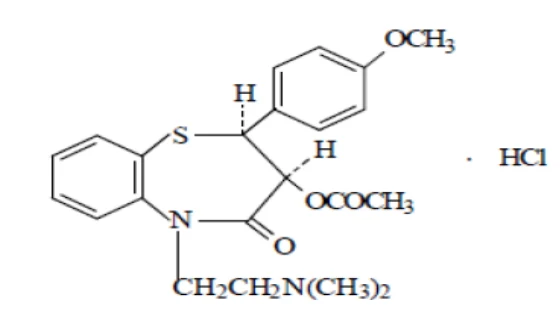
Chemical name: (2S-cis)-3-(Acetyloxy)-5-[2-(dimethylamino)ethyl]-2,3-dihydro-2-(4- methyoxyphenyl)-1,5- benzothaizepin-4(5H)-one.monohydrochloride
(+)-5-[2-(Dimethylamino) ethyl]-cis-2,3-dihydro-3-hydoxy-2-(p-methoxyphenyl)-1,5- benzothiazepin-4(5H)-one acetate.monohydrochloride
Molecular formula: C22H26N2O4S.HCl
Molecular mass: 450.98 g/mol
Structural formula:
Physicochemical properties
Description: Diltiazem hydrochloride is a white odorless crystalline powder or small crystals.
Solubility: It is freely soluble in formic acid, sparingly soluble in dehydrated ethanol, insoluble in ether.
14 CLINICAL TRIALS
No clinical trial data available.
14.2 Comparative Bioavailability Studies
Fasting Conditions
A double blind, balanced, randomized, single-dose, three-treatment, three-sequence, three-period, crossover bioequivalence study of a 1 x 360 mg oral dose of JAMP DILTIAZEM T (Diltiazem Hydrochloride) Extended-Release Capsules USP 360 mg (JAMP Pharma Corporation) and two reference products, TIAZAC® (Diltiazem Hydrochloride) Extended-Release Capsules USP 360 mg (Forest Pharmaceuticals Inc., a subsidiary of Forest Laboratories, Inc., St. Louis, Missouri) and TIAZAC® (Diltiazem Hydrochloride) Extended-Release Capsules USP 360 mg (Valeant Canada LP, Quebec, Canada), was conducted in healthy, adult, Asian male subjects under fasting conditions. The results of the comparison between JAMP DILTIAZEM T capsules by JAMP Pharma Corporation., and TIAZAC® Extended-Release Capsules by Valeant Canada LP, obtained from 41 volunteers who completed the study, are summarized in the following table.
1 JAMP DILTIAZEM T (Diltiazem Hydrochloride) Extended-Release Capsules USP 360 mg (JAMP Pharma Corporation)
2 TIAZAC® (Diltiazem Hydrochloride) Extended -Release Capsules USP 360 mg (Valeant Canada LP)
3 Expressed as the median (range) only
4 Expressed as the Arithmetic mean (%CV) only
Fed Conditions
Diltiazem (1 x 360 mg) From measured data Geometric Mean Arithmetic Mean (%CV) | ||||
|---|---|---|---|---|
| Pharmacokinetic Parameter | Test1 | Reference2 | % Ratio of Geometric Means | 90% Confidence Interval |
| AUCT (hr*ng/mL) | 4971.51 5322.65 (36.41) | 4875.53 5276.73 (40.49) | 101.91 | 96.25 -107.90 |
| AUCI (hr*ng/mL) | 5086.25 5430.69 (35.71) | 4969.76 5366.10 (39.87) | 102.28 | 96.63 -108.27 |
| Cmax (ng/mL) | 294.13 315.75 (38.32) | 257.81 275.63 (38.70) | 114.04 | 106.94 -121.61 |
| Tmax3 (hr) | 6.00 (4.00 - 13.00) | 7.02 (4.00 - 14.00) | ||
| T½4 (hr) | 7.58 (18.85) | 7.52 (19.33) | ||
A double blind, balanced, randomized, single-dose, three-treatment, three-sequence, three-period, crossover bioequivalence study of a 1 x 360 mg oral dose of JAMP DILTIAZEM T (Diltiazem Hydrochloride) Extended-Release Capsules USP 360 mg (JAMP Pharma Corporation) and two reference products, TIAZAC® (Diltiazem Hydrochloride) Extended-Release Capsules USP 360 mg (Forest Pharmaceuticals Inc., a subsidiary of Forest Laboratories, Inc., St. Louis, Missouri) and TIAZAC® (Diltiazem Hydrochloride) Extended-Release Capsules USP 360 mg (Valeant Canada LP, Quebec, Canada), was conducted in healthy, adult, Asian male subjects under high-fat, high-calorie fed conditions. The results of the comparison between JAMP DILTIAZEM T capsules by JAMP Pharma Corporation and TIAZAC® Extended-Release Capsules by Valeant Canada LP, obtained from 39 volunteers who completed the study, are summarized in the following table.
Diltiazem (1 x 360 mg) From measured data Geometric Mean Arithmetic Mean (%CV) | ||||
| Pharmacokinetic Parameter | TEST1 | REFERENCE2 | % Ratio of Geometric Means | 90% Confidence Interval |
AUCT (hr*ng/mL) | 4661.49 4955.70 (34.08) | 4761.05 5149.97 (37.96) | 99.11 | 93.50 - 105.04 |
AUCI (hr*ng/mL) | 4752.96 5048.81 (33.92) | 4846.36 5234.69 (37.58) | 99.22 | 93.65 - 105.12 |
| Cmax (ng/mL) | 332.43 346.70 (27.60) | 360.15 376.29 (29.05) | 94.03 | 89.42 - 98.87 |
| Tmax3 (hr) | 5.50 (5.00 - 13.00) | 5.50 (4.00 - 13.00) | ||
| T½4 (hr) | 7.25 (20.29) | 7.10 (19.43) | ||
1 JAMP Diltiazem T (Diltiazem Hydrochloride) Extended-Release Capsules USP 360 mg (JAMP Pharma Corporation)
2 TIAZAC® (Diltiazem Hydrochloride) Extended-Release Capsules USP 360 mg (Valeant Canada LP)
3 Expressed as the median (range) only
4 Expressed as the arithmetic mean (%CV) only NON-CLINICAL TOXICOLOGY
16 NON-CLINICAL TOXICOLOGY
General Toxicology
Acute Toxicity
Table 3: Acute Toxicity
| Route | Animal | Sex | LD50 (mg/kg) | LD50 95% Confidence Limits (mg/kg) |
|---|---|---|---|---|
| Oral | Mice Rats | M&F M&F | 415-700 560-810 | (343-736) (505-1004) |
| s.c. | Mice | M&F | 260-550 | (220-672) |
| i.p. | Mice Rats | M&F M&F | 187211 | (165-211) (155-287) |
| i.v. | Mice Rats | M&F M&F | 58-61 38-39 | (52-69) (34-44) |
Toxic effects appeared rapidly, and toxicity included reduction of spontaneous activity, ptosis, piloerection, ataxia, loss of muscle tone and loss of righting reflex. Gross autopsy of animals who died, as well as the survivors revealed no abnormalities.
Tolerance was evaluated in rabbits and dogs. Dogs received oral doses of 12.5, 25, 50 or 100 mg/kg. Ataxia, disorientation, decreased activity, diuresis and mydriasis were noted at 25 mg/kg. In addition, heavy sedation and emesis were seen at 50 mg/kg. At 100 mg/kg, convulsions occurred, and one of the two animals died. Rabbits received 100, 200, 300,
400 mg/kg. The major symptoms were decreased activity, increased respiration, salivation and opisthotonos. One of the two rabbits died at 300 mg/kg and the two rabbits in the 400 mg/kg group died.
Subacute Toxicity
In rats, oral doses of 10, 20, 50, 100, 250 or 500 mg/kg/day of diltiazem were administered for 28 or 30 days. The relative liver weights of animals receiving 250 mg/kg/day and
500 mg/kg/day were increased. Microscopic examination revealed drug related degeneration of hepatic and renal cells in the highest dose group.
When the drug was given to rats intraperitoneally at 25 mg/kg/day for 30 days, hepatic and renal cell degeneration was seen. Macular hyaloid degeneration of the heart also was seen in 50% of the rats in this study.
Thirty-day subacute studies in dogs revealed hepatic and renal cell degeneration when diltiazem was given at doses of 25 mg/kg/day orally and 5 mg/kg/day intravenously. Two dogs out of 5 receiving 50 mg/kg/day orally, died.
Chronic Toxicity / Carcinogenicity
In mice, diltiazem was administered at doses of 5, 15 or 30 mg/kg/day for a period of 21 months in females. Because of a lower survival, males were terminated at 20 months. Gross and histopathological examination failed to reveal any treatment-related increase in the incidence of either neoplastic or other toxic lesions.
Rats received 6.25, 25 or 100 mg/kg/day of diltiazem for 24 months. An additional group received 200 mg/kg for 12 months. Treatment was terminated at 23 months in females receiving 100 mg/kg because of the low survival. Females had increased weight gain at 100 and 200 mg/kg, food consumption was increased among both sexes at these dose levels. Organ weight data revealed a significant increase in liver weight for rats of both sexes given 200 mg/kg.
Microscopic evaluation revealed some evidence of dose dependent hepatic cytoplasmic vacuolization in rats treated with doses of 100 and 200 mg/kg/day and killed at 12 months. At 24 months, there were similar findings in control and treated animals. There was no increase in the incidence of neoplastic or other toxic lesions in rats treated with diltiazem.
Diltiazem was administered orally to dogs for 12 months at doses of 5, 10, 20 mg/kg/day. A dose related suppression of body weight gain became noticeable after 6 months.
Mutagenicity
No mutagenic changes were observed in the recombination test and two Ames reverse mutagenicity assays.
Reproductive and Developmental Toxicology
Table 4: Results in mice
| Route | Doses mg/kg | Time of administration during gestation | Findings in the offspring |
|---|---|---|---|
| Oral | 10, 25, 50, 100, 200, 400 | Day 7 to 12 | High incidence of vertebral column malformations when more than 50 mg/kg was administered. |
| Route | Doses mg/kg | Time of administration during gestation | Findings in the offspring |
| Oral | Single doses of 12.5, 25, 50, 100, 200 | One of days 7 to 14 | Cleft palate and malformation of extremities or trunk were significantly higher when 50 or 100 mg/kg was administered on day 12. Vertebral malformations were most prevalent when 50 or 100 mg/kg was administered on day 9. |
| Intra- peritoneal | 0.2, 3.1, 6.3, 12.5, 25 | Day 7 to 12 | Fetal mortality greatly increased when 12.5 mg/kg or more was administered. No teratogenic effect was demonstrated. |
| Intra- peritoneal | Single dose of 3.1, 6.3, 12.5, 25, 50 | One of days 5 to 16 | Brachydactyly and hematoma in the extremities when 50 mg/kg was administered on day 13. Vertebral column malformations from the thoracic to coccygeal level and malformations of the ribs were observed when a dose of 25 mg/kg or greater was administered on day 9. |
Table 5: Results in Rats
| Route | Doses mg/kg | Time of administration during gestation | Findings in the offspring |
|---|---|---|---|
| Oral | 10, 30, 100 | Day 6 to 15 | No teratogenic effect. |
| Oral | Single doses of 300, 400, 600 | On one of days 9 to 14 | Significant incidence of skeletal malformations involving vertebrae & sternebrae when 400 mg/kg was administered on day 11. General edema, short or absent tail was observed when 600 mg/kg was |
| Route | Doses mg/kg | Time of administration during gestation | Findings in the offspring |
| administered on day 12. | |||
| Intra- peritoneal | 0.2, 2.0, 20, 40, 80 | Day 9 to 14 | Brachydactyly & hematoma in the front paw and tail and a high fetal mortality rate were observed when 80 mg/kg was administered. |
| Intra- peritoneal | 80 | Day 9 to 11 | Vertebral anomalies. |
| Intra- peritoneal | 80 | Day 12 to 14 | Brachydactyly, hematoma of the front paw and tail deformities and high fetal mortality rate. |
| Intra- peritoneal | Single doses of 80 Single doses of 40 | One of days 9 to 14 One of days 11 to 14 | Fetal mortality increased on day 11, reached 100% on day 12, and decreased thereafter. Limb and tail deformities were induced when 80 mg/kg was administered on day 13 & 14. Vertebral column deformities were induced when 80 mg/kg was administered on day 11. No teratogenic effect. |
Table 6: Results in Rabbits
| Route | Doses mg/kg | Time of administration during gestation | Findings in the offspring |
|---|---|---|---|
| Oral | 17.5, 35, 70 | Day 6 to 18 | Significant increase in skeletal malformations occurred when 35 mg/kg was administered. All pregnant dams aborted between days 21 and 25 of gestation when 70 mg/kg was administered. |
| Route | Doses mg/kg | Time of administration during gestation | Findings in the offspring |
| Intra- peritoneal | 6.3, 12.5, 25 | Day 7 to 16 | Fetal mortality greatly increased at 12.5 mg/kg and reached 100% at 25 mg/kg. Skeletal defects and external malformations were induced when 12.5 mg/kg was administered. Their incidence was not statistically significant due to the low number of surviving fetuses. |
In fertility studies, female rats received doses of 12.5, 25, 50 and 100 mg/kg p.o. In the 100 mg/kg group, there was a reduction in the number showing a positive mating. However, the overall pregnancy rates and the average pre-coital time were comparable.
In peri- and post-natal studies, rats received diltiazem in doses of 10, 30 or 100 mg/kg/day from day 14 of gestation through day 21 post-partum. Diltiazem was associated with a reduction in early individual weights and survival rates of the pups. At 100 mg/kg/day, dystocia was evident. Retinal and tongue malformations were more frequent in the offspring of the 30 and 100 mg/kg/day group.
16 SUPPORTING PRODUCT MONOGRAPHS
- 1. PrTIAZAC® Extended-Release Capsules, 120 mg, 180 mg, 240 mg, 300 mg, and 360 mg, control 290862, product monograph, Bausch Health, Canada Inc. (2025-02-28)