


Patient Medication Information: uses, side effects, how to take - Jamp Ondansetron Odf
What is JAMP Ondansetron ODF used for?
Children (4 to 17 years of age):
JAMP Ondansetron ODF is used to manage nausea and vomiting during certain types of chemotherapy.
Adults:
JAMP Ondansetron ODF is used:
- to prevent nausea and vomiting during certain types of chemotherapy and radiotherapy, and
- to prevent nausea and vomiting after surgery.
Patients (65 years of age and older):
JAMP Ondansetron ODF is used to prevent nausea and vomiting during chemotherapy and radiotherapy.
How does JAMP Ondansetron ODF work?
JAMP Ondansetron ODF is a medication known as an antiemetic. Treatments such as cancer chemotherapy and radiotherapy are associated with the release of a natural substance (serotonin). The release of serotonin can make you feel sick and vomit. The way that JAMP Ondansetron ODF works is not known, but it is thought to help stop the effects of serotonin to reduce the effects of nausea and vomiting.
What are the ingredients in JAMP Ondansetron ODF?
Medicinal ingredient: Ondansetron
Non-medicinal ingredients: Bitterness masker, glycerol, hypromellose, neotame, peppermint oil, propylene glycol, raspberry flavour, sucralose and titanium dioxide.
JAMP Ondansetron ODF comes in the following dosage forms:
JAMP Ondansetron ODF comes in 4 mg and 8 mg orally disintegrating (fast dissolving) films.
Do not use JAMP Ondansetron ODF if:
- you are allergic to ondansetron or to any of the other ingredients in JAMP Ondansetron ODF.
- you are taking a medicine called apomorphine (used to treat Parkinson’s disease).
To help avoid side effects and ensure proper use, talk to your healthcare professional before you take JAMP Ondansetron ODF. Talk about any health conditions or problems you may have, including if you:
- have had an allergic reaction to medicines that are similar to JAMP Ondansetron ODF such as medicines containing granisetron or palonosetron
- are pregnant or planning to become pregnant. JAMP Ondansetron ODF is not recommended for use during pregnancy
- are breastfeeding or planning to breastfeed. JAMP Ondansetron ODF can pass into your breast milk and affect your baby
- have liver problems
- have signs of intestinal obstruction or blockage
have or have had heart or blood vessel problems, including if you are at a higher risk for these problems. Risk factors include, but are not limited to, if you:
- have family members who have or have had heart or blood vessel problems,
- smoke,
- have high blood pressure,
- have high cholesterol levels,
- have diabetes, or
- are overweight.
- are taking medications that affect the serotonin in your body (e.g., serotonergic and neuroleptic medications). If you are unsure, ask your healthcare professional
- have QT / QTc prolongation (a heart rhythm condition) or a family history of QT / QTc prolongation
- are taking medications that may lead to QT / QTc prolongation or electrolyte imbalances. If you are unsure, ask your healthcare professional
- have low blood levels of potassium, magnesium, or calcium
Other warnings you should know about:
Serotonin toxicity (also known as Serotonin syndrome): JAMP Ondansetron ODF can cause serotonin toxicity, a rare but potentially life-threatening condition. It can cause serious changes in how your brain, muscles and digestive system work. You may develop serotonin toxicity if you take JAMP Ondansetron ODF with certain antidepressants or migraine medications.
Serotonin syndrome symptoms include:
- fever, sweating, shivering, diarrhea, nausea, vomiting;
- muscle shakes, jerks, twitches or stiffness, overactive reflexes, loss of coordination;
- fast heartbeat, changes in blood pressure;
- confusion, agitation, restlessness, hallucinations, mood changes, unconsciousness, and coma.
Myocardial ischemia (lack of blood flow to the heart): Treatment with JAMP Ondansetron ODF can cause myocardial ischemia which can lead to a heart attack. This may happen shortly after JAMP Ondansetron ODF administration. Some symptoms of myocardial ischemia can include sudden chest pain, pressure or discomfort, feeling faint, feeling anxious, shortness of breath, irregular heartbeat, nausea, and sudden heavy sweating. Your healthcare professional will monitor your health during and after administration of JAMP Ondansetron ODF. However, if you notice any symptoms of myocardial ischemia, tell your healthcare professional right away. They may reduce or stop your treatment and may recommend another therapy.
QT / QTc prolongation: JAMP Ondansetron ODF can affect the electrical activity of your heart known as QT / QTc prolongation. This effect can be measured with an electrocardiogram (ECG). In rare cases, QT / QTc prolongation can cause changes to the rhythm of your heart (e.g., fast, slow or irregular heartbeats). This can lead to dizziness, palpitations (sensation of rapid, pounding, or irregular heartbeat), fainting, or death. You are at a higher risk if you have a heart disease, are taking certain interacting medicines, are a female, or are over the age of 65 years. It is important to follow the instructions of your healthcare professional with regard to dosing or any special tests. If you experience any symptoms of a possible heart rhythm problem, you should seek immediate medical attention.
Severe allergic reactions: JAMP Ondansetron ODF can cause allergic reactions in certain individuals. Symptoms of a severe allergic reaction can include wheezing, sudden chest pain, tightness of the chest, heart throbbing, swelling of eyelids, face or lips, or develop a skin rash, skin lumps or hives. If you notice any signs of a severe allergic reaction, contact your healthcare professional immediately. Do not take any more medicine unless your healthcare professional tells you to do so.
Pregnancy:
- If you are pregnant, there are specific risks for your unborn baby that you must discuss with your healthcare professional
- If you are able to get pregnant, you may be asked to take a pregnancy test before starting your treatment with JAMP Ondansetron ODF
- You should use effective birth control while you are taking JAMP Ondansetron ODF, and for at least 2 days after stopping JAMP Ondansetron ODF. Ask your healthcare professional about options of effective birth control.
- If you become pregnant while taking JAMP Ondansetron ODF, tell your healthcare professional right away.
Tell your healthcare professional about all the medicines you take, including any drugs, vitamins, minerals, natural supplements or alternative medicines.
Serious Drug Interactions
|
|---|
The following may interact with JAMP Ondansetron ODF:
- medicines called CYP3A4 inducers (e.g., phenytoin, carbamazepine, and rifampicin);
- medicines that can affect electrolyte levels (e.g., diuretics, laxatives, enemas, amphotericin B, and high doses of corticosteroids);
- herbal products (e.g. St. John’s Wort (Hypericum perforatum), methylene, ginseng, L-tryptophan, valerian and Ginkgo biloba)
QTc-prolonging medicines:
- medicines used to treat heart rhythm disorders (e.g., quinidine, procainamide, disopyramide, amiodarone, sotalol, ibutilide, dronedarone, flecainide, and propafenone);
- medicines used to treat vomiting and nausea called antiemetics (e.g., dolasetron, palonosetron, granisetron, droperidol, chlorpromazine, prochlorperazine, and domperidone);
- medicines called tyrosine kinase inhibitors (e.g., vandetanib, sunitinib, nilotinib, and lapatinib);
- medicines used to manage psychosis or schizophrenia called antipsychotics (e.g., chlorpromazine, pimozide, haloperidol, olanzapine, quetiapine, risperidone and ziprasidone);
- medicines used to treat depression called antidepressants (e.g., citalopram, fluoxetine, venlafaxine, tricyclic / tetracyclic antidepressants, amitriptyline, imipramine, and maprotiline);
- medicines used to treat pain called opioids (e.g., methadone and tramadol);
- medicines used to treat bacterial infections called antibiotics (e.g., erythromycin, clarithromycin, telithromycin, tacrolimus, moxifloxacin, levofloxacin, and ciprofloxacin);
- medicines used to treat malaria called antimalarials (e.g., quinine and chloroquine);
- medicines used to treat fungal infections called azole antifungals (e.g., ketoconazole, fluconazole, and voriconazole);
- medicines used to treat cancer (e.g., vorinostat);
- medicines called beta-2 adrenoceptor agonists (e.g., salmeterol and formoterol);
Serotonergic medicines:
- medicines used to treat migraines (e.g. triptans)
- medicines used to treat depression (e.g. Selective Serotonin-Reuptake Inhibitors (SSRIs), Serotonin Noradrenalin Reuptake Inhibitors (SNRIs))
- medicines used to treat mood disorders (e.g.lithium)
- medicines used for weight loss (e.g. sibutramine)
- medicines used to treat pain (e.g. fentanyl and its analogues, tramadol, tapentadol, methadone, meperidine, pentazocine)
- medicines used to relieve cough caused by colds (e.g. dextromethorphan)
- monoamine oxidase inhibitors (MAOIs) including phenelzine, moclobemide, linezolid, and methylene blue).
If you are unsure about any medications you are taking, ask your healthcare professional.
How to take JAMP Ondansetron ODF:
- Take JAMP Ondansetron ODF exactly as your healthcare professional has told you. Talk to your healthcare professional if you are not sure.
- Do not take more doses or take them more often than your healthcare professional prescribes. If, however, you vomit within one hour of taking your medicine, you should take the same amount of medicine again. If vomiting persists, consult your healthcare professional.
Remove JAMP Ondansetron ODF from each individual foil package and take in the following way:
- 1. Do not cut the foil package.
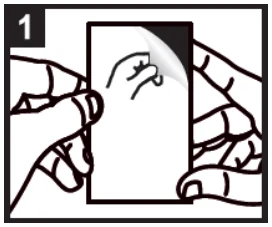
- 2. Carefully and slowly peel back the foil layer to expose the product, starting at the corner, as marked.
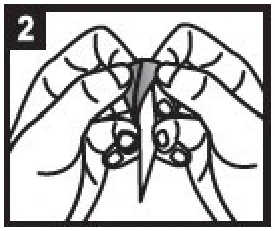
- 3. Check the film for damage. Use only undamaged films.

- 4. Remove the orally disintegrating film from the foil with dry fingers.
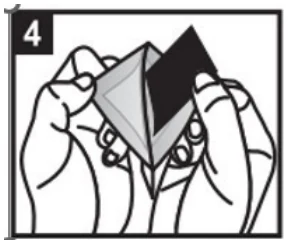
- 5. Place the film on your tongue. Your mouth should be
- empty before taking the film.
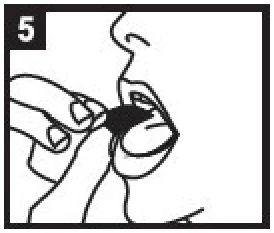
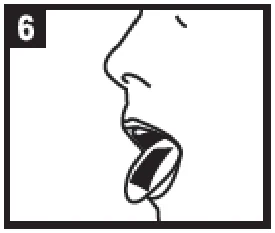
- 6. The film dissolves very quickly in the mouth, without water, and can be swallowed once dissolved.
Usual dose:
Adults and Patients (65 years of age and older):
Your healthcare professional will determine the dose that is right for you and how long you should take it. Your dose will depend on why you are prescribed JAMP Ondansetron ODF, your age, current health, and if you take certain other medications. Your healthcare professional may monitor your health throughout your treatment and may interrupt, reduce or stop your dose.
Children (4 to 17 years of age):
After chemotherapy, take 4 mg every 8 hours, for up to 5 days.
Overdose:
| If you think you, or a person you are caring for, have taken too much JAMP Ondansetron ODF, contact a healthcare professional, hospital emergency department, or regional poison control centre immediately, even if there are no symptoms. |
|---|
Missed Dose:
- If you miss a dose and do not feel sick, take the next dose when it is due. Do not double the dose to make up for the one you missed.
- If you forget to take your medicine and you feel sick or you vomit, take a dose as soon as possible.
- If you take a dose and then vomit, do not take another one. JAMP Ondansetron ODF dissolves very quickly and is absorbed rapidly.
What are possible side effects from using JAMP Ondansetron ODF?
These are not all the possible side effects you may have when taking JAMP Ondansetron ODF. If you experience any side effects not listed here, tell your healthcare professional.
Some side effects may include:
- feeling of flushing or warmth;
- hiccups
- headache
- feeling tired
- constipation
- diarrhea
There is no need to stop taking your medicine, but you should tell your healthcare professional about these symptoms at your next visit.
If you feel unwell or have any symptoms that you do not understand, you should contact your healthcare professional immediately.
Serious side effects and what to do about them
| Symptom / effect | Talk to your healthcare professional | Stop taking drug and get immediate medical help |
|---|---|---|
| Only if severe | In all cases | |
| UNCOMMON | ||
Serious side effects and what to do about them
| Symptom / effect | Talk to your healthcare professional | Stop taking drug and get immediate medical help | |
|---|---|---|---|
| Only if severe | In all cases | ||
| Heart problems (disorders affecting your heart muscle, valves or rhythm): chest pain, chest discomfort, high blood pressure, irregular heart rhythm, shortness of breath, or fainting. | ✓ | ||
| Movement disorders (including dyskinesia): loss of coordination or balance, speech or limb movements, muscle spasms, difficulty walking, tremor, upward rolling of the eyes, or abnormal muscular stiffness. | ✓ | ||
| Seizures: loss of consciousness with uncontrollable shaking, visual disturbances (e.g., blurred vision). | ✓ | ||
| RARE | |||
Eye problems such as blurred vision. | ✓ | ||
| Hypokalemia (low level of potassium in the blood): muscle weakness, muscle spasms, cramping, constipation, feeling of skipped heartbeats or palpitations, fatigue, tingling, or numbness. | ✓ | ||
| Hypotension (low blood pressure): dizziness, fainting, lightheadedness, blurred vision, nausea, or vomiting. | ✓ | ||
| Immediate severe allergic reaction: swelling of the mouth, throat, difficulty in breathing, rash, hives, or increased heart rate. | ✓ | ||
| Liver problems: yellowing of your skin and eyes (jaundice), unusual dark urine and pale stools, pain or swelling in the right upper abdomen, unusual tiredness, nausea, or vomiting. | ✓ | ||
| Myocardial ischemia (lack of blood flow to the heart which can lead to heart attack): sudden chest pain, pressure or discomfort, feeling faint, | |||
Serious side effects and what to do about them
| Symptom / effect | Talk to your healthcare professional | Stop taking drug and get immediate medical help | |
|---|---|---|---|
| Only if severe | In all cases | ||
feeling anxious, shortness of breath, irregular heartbeat, nausea, or sudden heavy sweating. | ✓ | ||
Prolongation of QT interval (a heart rhythm condition): irregular heartbeat, palpitations, dizziness, fainting, loss of consciousness, or seizures. | ✓ | ||
| Serotonin Syndrome: a reaction which may cause feelings of agitation or restlessness, flushing, muscle twitching, involuntary eye movements, heavy sweating, high body temperature (> 38°C), or rigid muscles. | ✓ | ||
| Neuroleptic Malignant Syndrome: pronounced muscle stiffness or inflexibility with high fever, rapid or irregular heartbeat, sweating, state of confusion or reduced consciousness | ✓ | ||
| VERY RARE | |||
| Eye problems such as temporary blindness. | ✓ | ||
| Stevens-Johnson Syndrome (SJS) and Toxic Epidermal Necrolysis (TEN) (severe skin reactions): redness, blistering or peeling of the skin and / or inside of the lips, eyes, mouth, nasal passages or genitals, fever, chills, headache, cough, body aches, or swollen glands. | ✓ | ||
If you have a troublesome symptom or side effect that is not listed here or becomes bad enough to interfere with your daily activities, tell your healthcare professional.
Reporting Side Effects
You can report any suspected side effects associated with the use of health products to Health Canada by:
NOTE: Contact your health professional if you need information about how to manage your side effects. The Canada Vigilance Program does not provide medical advice. |
|---|
Storage:
JAMP Ondansetron ODF should be stored between 15-30˚C.
JAMP Ondansetron ODF should be kept in the original sealed foil pouch in order to protect from light and moisture.
Keep your medicine in a safe place out of reach and sight of children. Your medicine may harm them.
If you want more information about JAMP Ondansetron ODF:
- Talk to your healthcare professional
- Find the full Product Monograph that is prepared for healthcare professionals and includes this Patient Medication Information by visiting the Health Canada website: (https://www.canada.ca/en/health-canada/services/drugs-health-products/drug-products/drug-product-database.html); or by calling 1-866-399-9091.
JAMP Pharma Corporation
1310 rue Nobel
Boucherville, Québec
J4B 5H3, Canada