


Patient Medication Information: uses, side effects, how to take - Jamp Risperidone
Serious Warnings and Precautions
Increased Risk of Death in Elderly People with Dementia.
Medicines like JAMP Risperidone can raise the risk of death in elderly people who have dementia.
What is JAMP Risperidone used for?
JAMP Risperidone is used in adults to treat the symptoms of schizophrenia and related psychotic disorders, as well as those of bipolar disorder.
JAMP Risperidone may also be used for short-term treatment in severe dementia related to Alzheimer’s disease, specifically to control aggression or psychotic symptoms when there is a risk of harm to self or others.
Not all people with these disorders have the same symptoms.
Some of the most common symptoms of schizophrenia and related psychotic disorders may include:
- hallucinations (seeing, feeling, hearing or smelling things that are not there)
- delusions (believing things that are not true)
- paranoia (not trusting others and feeling very suspicious)
- avoiding family and friends and wanting to be alone
- feeling depressed, anxious or tense
Some of the most common symptoms of bipolar mania may include:
- mania (being very overactive and overexcited, feeling invincible and powerful, having racing thoughts and overreaction, talking too loudly, quickly or more than usual, having poor judgment)
- depression (feeling sad, hopeless, helpless, tired, or sleeping a lot or not enough)
Some of the most common symptoms of severe dementia related to Alzheimer’s disease may include:
- feeling agitated or aggressive
- hallucinations (seeing, feeling, hearing or smelling things that are not there)
- delusions (believing things that are not true)
How does JAMP Risperidone work?
JAMP Risperidone belongs to a group of medicines called antipsychotic drugs. Antipsychotic medications affect dopamine and serotonin (chemicals found in the brain) that allow for the communication between your nerve cells. Exactly how this medication works is not known. However, it seems that JAMP Risperidone corrects the balance of dopamine and serotonin in your body.
What are the ingredients in JAMP Risperidone?
Medicinal ingredients: Risperidone (as tartrate)
Non-medicinal ingredients: Tartaric acid, benzoic acid, hydrochloric acid and purified water.
JAMP Risperidone comes in the following dosage forms:
Oral solution, 1 mg / mL.
Do not use JAMP Risperidone if:
You or the person you are caring for has had an allergic reaction to:
- risperidone
- paliperidone (this is a compound resulting from the breakdown of risperidone in the body)
or
- any of the other ingredients in JAMP Risperidone
Signs of an allergic reaction include:
- itching
- skin rash
- swelling of the face, lips or tongue
- shortness of breath
To help avoid side effects and ensure proper use, talk to your healthcare professional before you take JAMP Risperidone. Talk about any health conditions or problems you may have, including if you:
are taking or planning to take any other medication (prescription, over-the-counter and natural health products)
- are taking paliperidone
- have had serious allergic reactions to other medications, including oral paliperidone or intramuscular injections of risperidone or paliperidone palmitate
have a history of:
- stroke
- mini-strokes
- high cholesterol or
- high blood pressure
Medicines like JAMP Risperidone can raise the risk of stroke / mini-stroke in elderly people who have dementia.
- have or are at risk for diabetes or high blood sugar or a family history of diabetes
are pregnant, think you may be pregnant or planning to become pregnant
- are breastfeeding or planning to breastfeed. JAMP Risperidone can pass into your breast milk. You should not breastfeed while taking this medication.
- have or have had prolonged and / or painful erections
have a history of:
- heart problems
- any problems with the way your heart beats
- congenital long QT syndrome
- are being treated for high blood pressure
- are taking any medications that affect how your heart beats
are prone to hypotension (low blood pressure), have or have had a heart disease treatment that makes you more likely to have low blood pressure or feeling dizzy or faint when you stand up
- from lying or sitting positions
- have or have ever had blackouts or seizures
- have or have had low white blood cell counts in your blood. Let your doctor know right away if you develop a fever or infection while being treated with JAMP Risperidone
- have high levels of cholesterol or fats (triglycerides) in your blood
have or have a history of, or are at risk of:
- sleep apnea (a sleep disorder where your breathing is interrupted during sleep)
- sleepwalking
- sleep-related eating disorder
- have Parkinson’s disease or dementia with Lewy bodies (DLB)
- have / had breast cancer
- have pituitary tumours
- drink alcoholic beverages or use drugs
- have a history of kidney problems
- have liver problems
- suffer from Alzheimer’s disease
- are feeling thirsty and unwell
- exercise strenuously. This kind of medication may interfere with your body’s ability to adjust to heat. You should avoid becoming overheated or dehydrated (for example with vigorous exercise or exposure to extreme heat) while taking JAMP Risperidone
are at risk for developing blood clots. Risk factors include:
- a family history of blood clots
- being over the age of 65
- smoking
- being overweight
- having a recent major surgery (such as hip or knee replacement)
- not being able to move due to air travel or other reasons
- taking oral birth control (“The Pill”)
are planning to have an operation on the eye(s). During surgery to treat the cloudiness of the lens in your eye(s) (known as cataract surgery):
- the pupil (the black circle in the middle of your eye) may not increase in size as needed
- the iris (the coloured part of the eye) may become floppy during surgery. This may lead to eye damage.
Tell your eye doctor you are taking this medicine.
Other warnings you should know about:
Elderly Patients with Dementia: Studies have shown that when JAMP Risperidone is taken by itself or taken together with furosemide (a “water pill”) by elderly patients who have dementia, it is linked to a higher rate of death.
Tell your doctor if you are taking furosemide. This drug can be used to treat:
- swelling of parts of the body caused by the buildup of too much fluid.
- some heart problems
- high blood pressure
In elderly patients with dementia, oral risperidone and other drugs that belong to the same group of drugs as JAMP Risperidone have also been linked to side effects that include:
- a sudden change in mental state
sudden weakness or numbness of the face, arms or legs, especially on one side of the
- body
- slurred speech
- vision problems
If you have any of these symptoms, get medical help right away.
Dysphagia: Tell your doctor if you have difficulty swallowing food or have esophageal dysmotility (problems with your food pipe) as there is a risk of pneumonia caused by inhaling food or liquid that gets into your lungs.
Effects on newborns
You should not take JAMP Risperidone while you are pregnant or if you are planning on becoming pregnant unless you have talked to your doctor about it.
If you took JAMP Risperidone at any time while you were pregnant or if you took it before you became pregnant, the following symptoms may happen in your newborn baby:
- shaking
- stiffness in their muscles and / or weakness
- sleepiness
- agitation
- breathing problems
- difficulty feeding
Get medical help right away if your newborn baby has any of these symptoms.
In some cases, babies born to a mother who took risperidone while she was pregnant have had to be hospitalized after experiencing symptoms that were severe.
Driving and using machines: Do not drive or operate machinery until you know how you respond to JAMP Risperidone. Some people experience drowsiness or blurred vision while taking JAMP Risperidone.
Falls: Feeling sleepy, a fall in blood pressure when you stand up from sitting or lying down, vision and speech problems have been reported with the use of antipsychotic drugs. This can lead to falls that may cause fractures or other fall-related injuries. Certain medications, diseases or conditions can make this worse.
Weight gain: Weight gain has been seen in patients who are taking antipsychotic drugs. Your doctor may monitor your body weight when you are taking JAMP Risperidone.
Blood tests: Your doctor should do blood tests before you start taking JAMP Risperidone. They will check your blood sugar levels, and for those with certain risk factors, the level of white blood cells in your blood. Your doctor should continue to do blood tests for as long as you are being treated with JAMP Risperidone.
The following serious or life-threatening side effects have been reported with the use of risperidone:
Neuroleptic Malignant Syndrome (NMS):
mental changes such as agitation, hallucinations, confusion, or other changes in mental
- status
- coordination problems, uncontrolled muscle spasms, or muscle twitching (overactive reflexes)
- restlessness
- racing or fast heartbeat, high or low blood pressure
- sweating or fever
- nausea, vomiting, or diarrhea
- stiff muscles
Severe Skin Reactions: In very rare cases, skin reactions that can be serious or life- threatening have been reported. This includes skin conditions such as Stevens-Johnson syndrome (SJS), toxic epidermal necrolysis (TEN) and drug reaction with eosinophilia and systemic symptoms (DRESS). The following symptoms may be related to these skin reactions:
Early warnings for patients:
- fever
- severe rash
- swollen lymph glands
- flu-like feeling
- blisters and peeling skin that may start in and around the mouth, nose, eyes, and genitals and spread to other areas of the body
Later developments:
- yellow skin or eyes
- shortness of breath
- dry cough
- chest pain or discomfort
- feeling thirsty
- urinating less often, less urine
Call your doctor right away if you start to have any of the following symptoms while taking JAMP Risperidone.
Tardive Dyskinesia (TD): JAMP Risperidone, like other antipsychotic medications, can cause potentially irreversible muscle twitching or unusual / abnormal movement of the face or tongue or other parts of your body.
Increase levels of prolactin: JAMP Risperidone can raise your levels of a hormone called “prolactin”. This is measured with a blood test. Symptoms may include:
In men:
- swelling in the breast
- difficulty in getting or maintaining an erection or other sexual dysfunction
In women:
- discomfort in the breasts
- leaking of milk from the breasts (even if not pregnant)
- missing your menstrual period or other problems with your cycle
If you have high levels of prolactin and a condition called hypogonadism you may be at an increased risk of breaking a bone due to osteoporosis. This occurs in both men and women.
Tell your healthcare professional about all the medicines you take, including any drugs, vitamins, minerals, natural supplements or alternative medicines. Some medicines, when they are taken together with risperidone, may increase or decrease the level of risperidone in your blood and your doctor may need to change the dose.
The following may interact with JAMP Risperidone:
- DO NOT drink alcohol and only take medications prescribed by your doctor. Since JAMP Risperidone works primarily in the brain, interference with other drugs that also work in the brain could occur.
- Dopamine agonists, e.g., levodopa (a drug used to treat Parkinson’s disease), as these may decrease the effect of JAMP Risperidone. Also, JAMP Risperidone can affect how drugs used to treat Parkinson’s disease work.
- Phenothiazines and some heart medications (e.g., medication for high blood pressure, antiarrhythmics, or beta blockers), as these may interact with JAMP Risperidone to cause your blood pressure to drop too low.
- JAMP Risperidone should be used with caution when taking medications that may change the electrical activity of the heart (QT prolongation), such as but not restricted to: medicines for malaria, heart rhythm disorders, allergies, other antipsychotics, antidepressants, water tablets or other medicines affecting body salts (sodium, potassium, magnesium).
- Carbamazepine and topiramate (drugs used to treat seizures), as these may change the effect of JAMP Risperidone.
- PROZAC (fluoxetine), PAXIL (paroxetine) (antidepressants) and CLOZARIL (clozapine) (antipsychotic), as these may increase the level of JAMP Risperidone in your blood.
- LASIX (furosemide): Studies in elderly patients with dementia have shown that taking risperidone with furosemide, a medicine which is sometimes used to treat high blood pressure, some heart problems, or to treat swelling of parts of the body caused by the buildup of too much fluid, is associated with an increased rate of death.
- Itraconazole and ketoconazole, medicines for treating fungal infections.
- Certain medicines used in the treatment of HIV / AIDS, such as NORVIR (ritonavir).
- Verapamil, a medicine used to treat high blood pressure and / or abnormal heart rhythm.
- Sertraline and fluvoxamine, medicines used to treat depression and other psychiatric disorders.
- Rifampicin, a medicine for treating some infections.
- JAMP Risperidone should be used with caution with medicines that increase the activity of the central nervous system (psychostimulants such as methylphenidate).
- JAMP Risperidone is not compatible with cola or tea.
How to take JAMP Risperidone:
Take / give JAMP Risperidone exactly as directed by your doctor. It is important that you keep taking / giving it even after the symptoms have improved or disappeared. DO NOT change or stop JAMP Risperidone without talking to your doctor.
Usual adult dose:
You may take / give JAMP Risperidone together with meals or between meals. Once a regular dose has been established, the total amount can be taken once a day, or divided into two intakes, one in the morning and one in the evening.
- Try to take / give JAMP Risperidone at the same time each day.
Before taking / giving JAMP Risperidone, read the “Directions for Use of JAMP Risperidone” below.
- Always mix the exact dose of JAMP Risperidone prescribed by your healthcare professional in 100 mL of one of the following beverages: water, coffee, orange juice or low-fat milk.
- Do NOT take without mixing in water, coffee, orange juice or low-fat milk.
- Do NOT mix it in cola or tea.
The doctor has decided on the best dose for you. Your dose may be increased or decreased depending on:
- other health conditions you may have
- how you respond to the medication
- DO NOT give JAMP Risperidone to anyone else.
Directions for Use of JAMP Risperidone (1 mg / mL)
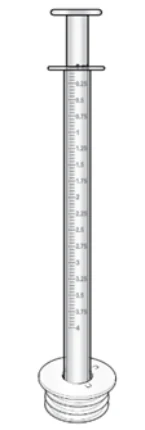
The product comes with a pipette (barrel and plunger), a bottle adaptor and a pipette support. Only use the pipette that is supplied with JAMP Risperidone for measuring the dose prescribed.
| Pipette | Bottle Adaptor | Pipette Support |
|---|---|---|
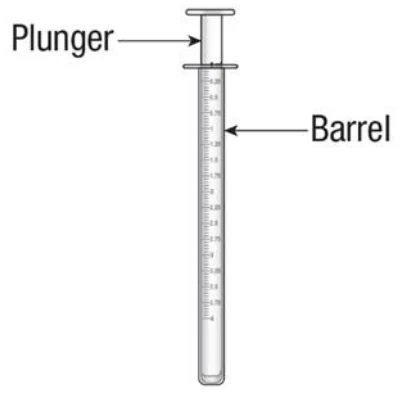 | 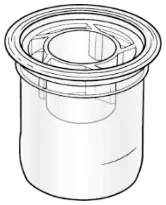 | 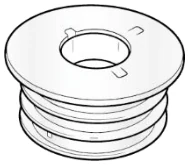 |
Step 1: The bottle comes with a childproof cap and should be opened as follows:
| Figure 1: 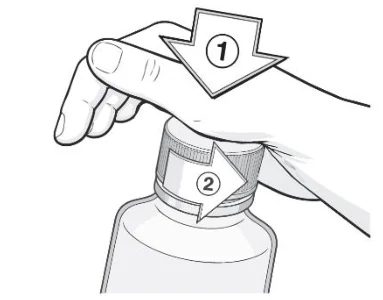 |
|---|---|
| Step 2: Remove pipette support from the bottom of the pipette and set aside for Step 8. | 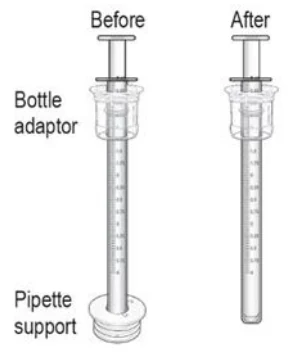 Figure 2: |
Step 3a (First Use): When using a bottle for the first time, insert the pipette into the bottle until it is touching the bottom. Slide the adaptor down the pipette, into the bottle neck. Push down firmly on the adaptor to secure it in place. Move to Step 4. The adaptor will remain fixed in place for subsequent use. Step 3b (Subsequent Use): With the bottle adaptor already fixed in place, insert the pipette into the bottle, through the adaptor, until it is touching the bottom. | Figure 3a (First Use): 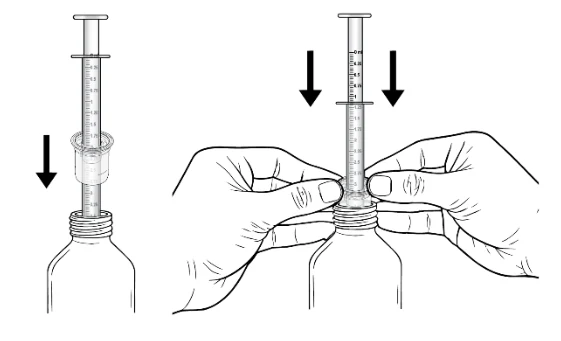 Figure 3b (Subsequent Use): 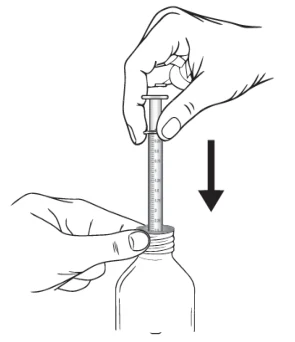 |
Step 4: While holding the barrel of the pipette, pull up the plunger of the pipette to the mark that corresponds to the number of millilitres or milligrams you need to take/give. Measure the exact dose of medicine you need. 1 mL of JAMP Risperidone contains 1 mg of risperidone. The measured volume is printed every 0.25 mL / 0.25 mg on the pipette. Pay attention when measuring a small dose, for example for 0.25 mg, measure 0.25 mL (a quarter millilitre); for 0.5 mg, measure 0.5 mL (half a millilitre). | 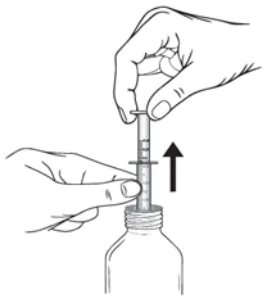 Figure 4a: Figure 4b: 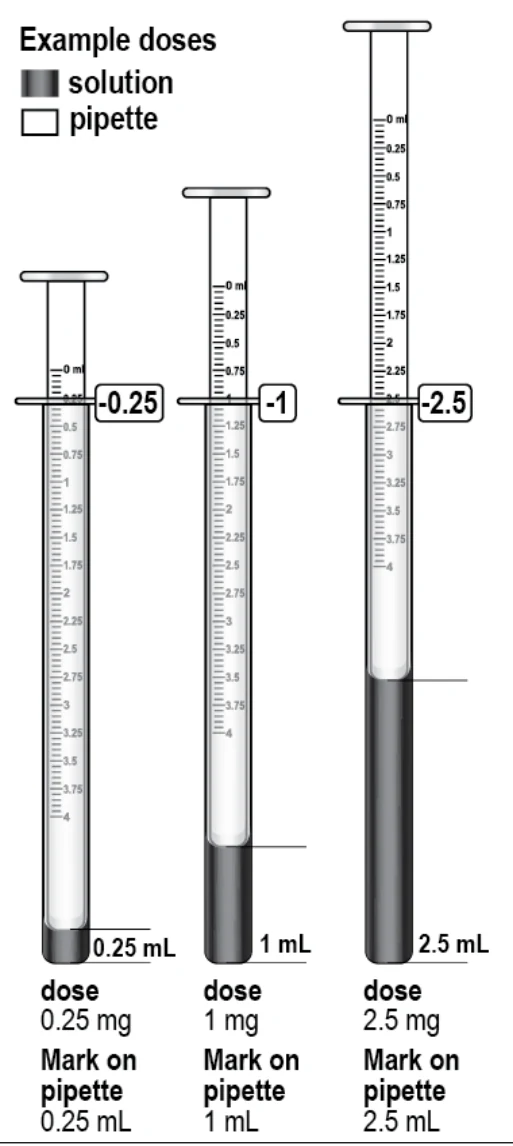 |
|---|---|
Step 5: While holding the bottle adaptor securely in place, grasp the barrel and remove the entire pipette from the bottle, taking care not to touch the plunger. The bottle adaptor remains in the bottle. Empty the contents of the pipette into 100 mL (3–4 ounces) of one of the non-alcoholic beverages listed below, by pushing the plunger down. DO NOT take JAMP Risperidone undiluted. Stir the mixture well before drinking it. JAMP Risperidone MUST be mixed with one of the following:
Do not mix it with:
| Figure 5a: 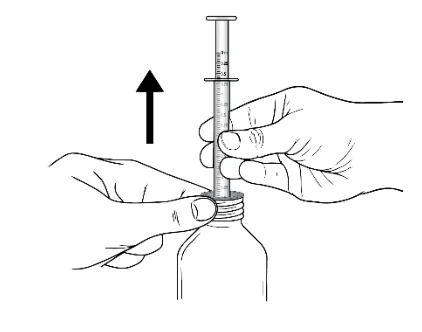 Figure 5b: 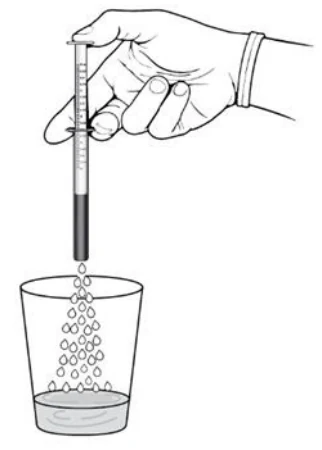 |
| Step 6: Close the bottle, leaving the adaptor in place. | 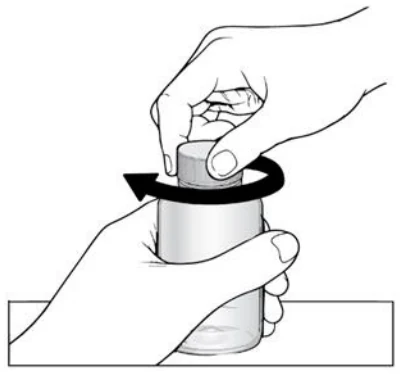 Figure 6: |
| Step 7: Remove the plunger from the barrel and rinse both parts with some water. | 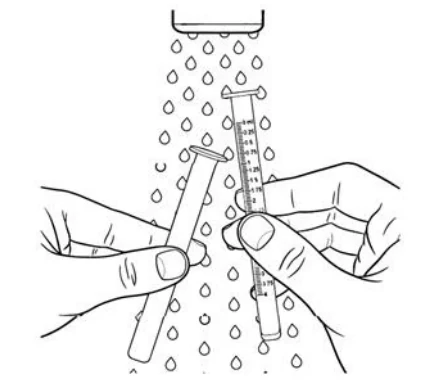 Figure 7: |
| Step 8: Insert the plunger back into the barrel and keep the pipette in standing position on the pipette support for drying and reuse. | Figure 8: |
Overdose:
| If you think you, or a person you are caring for, have taken too much JAMP Risperidone, contact a healthcare professional, hospital emergency department, regional poison control centre or Health Canada’s toll-free number, 1-844 POISON-X (1-844-764-7669) immediately, even if there are no signs or symptoms. |
|---|
Patients who have been given too much risperidone may experience the following symptoms:
- reduced consciousness
- sleepiness
- excessive trembling
- excessive muscle stiffness
- fast-beating heart
- irregular heartbeat or other symptoms of an irregular heartbeat, such as lightheadedness or fainting
- dizziness or lightheadedness when standing up
- headache or confusion
- muscle cramps or feeling weak
Cases of abnormal electrical conduction in the heart (QT prolongation) and seizures (fits) have been reported.
 |
Missed Dose:
If you miss a dose, try not to miss any more. DO NOT TAKE / GIVE TWO DOSES AT ONCE.
What are possible side effects from using JAMP Risperidone?
These are not all the possible side effects you may feel when taking JAMP Risperidone. If you experience any side effects not listed here, contact your healthcare professional.
Side effects include:
- trouble falling or staying asleep
- tremor (shaking)
- slowness of movement and muscle stiffness or spasm
- increased saliva
- drooling
- headache
- pneumonia
- infections of eye
- infections of ear
- urinary tract infection
- common cold symptoms
- depression
- anxiety
- dizziness
- uncontrollable movements of the face or body, rigid muscles
- a sensation of tingling, prickling, or numbness of skin
- blurred vision
- faster heart rate
- high blood pressure
- stomach ache
- nausea and vomiting
- constipation
- diarrhea
- indigestion
- dry mouth
- loss of urine
- swelling of the body, arms or legs
- lack of energy
- fatigue
- anemia
- high levels of cholesterol or fats (triglycerides) in the blood
- weight loss
- loss of appetite
- being overactive and overexcited, sometimes with delusions (believing things that are not true) or hallucinations (seeing, feeling, hearing or smelling things that are not there)
- feeling restlessness
- concentration difficulties
- nightmares
- itching
- flushing
- muscle weakness
- infection of the breathing passages
- bladder infection
- infection of the skin
- fungal infection of the nails
- crackly lung sounds
- wheezing
- breathing passage disorder
- chills
- vaginal discharge
- joint swelling or stiffness
- ringing in your ears
- sensation of spinning (vertigo)
- being unresponsive to what is going on around you
- difficulty with your voice
- changes in taste
- difficult or painful urination
- bowel incontinence
- gas
- stomach or intestinal infection
- low blood pressure (sudden dizziness or lightheadedness may occur if you rise rapidly after having been sitting or lying for a long time)
- heartbeat irregularities
- changes in body temperature
low blood sugar, diabetes or worsening of diabetes
- high blood sugar has been reported; see your doctor if you experience symptoms such as excessive thirst or urination
- chapped lips
- eye rolling
- glaucoma (increased pressure within the eyeball)
- eyelid margin crusting
- swollen tongue
- coldness in arms and legs
- lack of bowel muscle movement that causes blockage may occur very rarely
- nervousness
Serious side effects and what to do about them
| Serious side effects and what to do about them | |||
|---|---|---|---|
| Serious side effects and what to do about them | |||
| Symptom / effect | Talk to your healthcare professional | Stop taking drug and get immediate medical help | |
| Symptom / effect | Talk to your healthcare professional | Stop taking drug and get immediate medical help | |
| Symptom / effect | Talk to your healthcare professional | Stop taking drug and get immediate medical help | |
| Only if severe | In all cases | ||
| Only if severe | In all cases | ||
| Only if severe | In all cases | ||
| COMMON | |||
| Skin rash on its own | ✓ | ||
| Dystonia: twisting movements that you cannot control, and can affect posture or the face, including eyes, mouth, tongue or jaw | ✓ | ||
| UNCOMMON | |||
| Seizure (fits): loss of consciousness with uncontrollable shaking | ✓ | ||
| Leukopenia / Neutropenia (decreased white blood cells): infections, fatigue, fever, aches, pains and flu-like symptoms | ✓ | ||
| Tardive Dyskinesia: muscle twitching or unusual / abnormal movements of the face or tongue or other parts of your body | ✓ | ||
Severe allergic reactions: fever, difficulty swallowing or breathing, shortness of breath; drop in blood pressure; feeling sick to your stomach and throwing up; hives or rash; swelling of the face, lips, tongue or throat | ✓ | ||
| Strokes: sudden numbness or weakness of your arm, leg or face, especially if only on one side of the body; sudden confusion, difficulty speaking or understanding others; sudden difficulty in walking or loss of balance or coordination; suddenly feeling dizzy or sudden severe headache with no known cause | ✓ | ||
| Dysphagia: difficulty swallowing that can cause food or liquid to get into your lungs | ✓ | ||
| RARE | |||
| Rhabdomyolysis (breakdown of damaged muscle): muscle tenderness, weakness, red-brown (tea-coloured) urine | ✓ | ||
| Blood clots: swelling, pain and redness in an arm or leg that can be warm to touch. You may develop sudden chest pain, difficulty breathing and heart palpitations. | ✓ | ||
| A state of confusion, reduced consciousness, high fever, or pronounced muscle stiffness | ✓ | ||
| Pancreatitis (inflammation of the pancreas): severe upper abdominal pain, fever, rapid pulse, nausea, vomiting, tenderness when touching the abdomen | ✓ | ||
| Jaundice: yellowing of the skin and eyes, dark urine | ✓ | ||
| VERY RARE | |||
| Life-threatening complications of uncontrolled diabetes, such as shortness of breath, confusion and loss of consciousness | ✓ | ||
| Marked changes in body temperature (generally as a result of several factors together including extreme heat or cold) | ✓ | ||
| Priapism: long-lasting (greater than 4 hours in duration) and painful erection of the penis | ✓ | ||
| Catatonia: unable to move or respond while awake | ✓ | ||
| Neuroleptic Malignant Syndrome (NMS): pronounced muscle stiffness or inflexibility with high fever, rapid or irregular heartbeat, sweating, state of confusion or reduced consciousness | ✓ | ||
| Severe skin reactions: fever, severe rash, swollen lymph glands, flu-like feeling, blisters and peeling skin that may start in and around the mouth, nose, eyes and genitals and spread to other areas of the body, yellow skin or eyes, shortness of breath, dry cough, chest pain or discomfort, feeling thirsty, urinating less often, less urine | ✓ | ||
If you have a troublesome symptom or side effect that is not listed here or becomes bad enough to interfere with your daily activities, talk to your healthcare professional.
Reporting Side Effects
You can report any suspected side effects associated with the use of health products to Health Canada by:
NOTE: Contact your healthcare professional if you need information about how to manage your side effects. The Canada Vigilance Program does not provide medical advice. |
|---|
Storage:
Store JAMP Risperidone in its original package.
JAMP Risperidone should be stored between 15-30°C. Protect from light and do not freeze. Bottles should be stored upright.
Keep JAMP Risperidone out of sight and reach of children.
The expiry date for JAMP Risperidone is printed on the package. Do not use the medicine in the package after this date.
If you want more information about JAMP Risperidone:
- Talk to your healthcare professional
- Find the full Product Monograph that is prepared for healthcare professionals and includes the Patient Medication Information by visiting the Health Canada Drug Product Database website (https://www.canada.ca/en/health-canada/services/drugs-health-products/drug-products/drug-product-database.html); or by calling 1-866-399-9091.
JAMP Pharma Corporation
1310 rue Nobel Boucherville, Québec J4B 5H3, Candada