


Product Monograph - Jamp Sumatriptan / Naproxen Sodium
RECENT MAJOR LABEL CHANGES
None at time of the most recent authorization
TABLE OF CONTENTS
Certain sections or subsections that are not applicable at the time of the preparation of the most recent authorized product monograph are not listed
RECENT MAJOR LABEL CHANGES………………………………………………………..2
TABLE OF CONTENTS ...................................................................................................2
PART I: HEALTH PROFESSIONAL INFORMATION .....................................................4
- 1
INDICATIONS .......................................................................................................4
- 1.1 Pediatrics ......................................................................................................4
- 1.2 Geriatrics ......................................................................................................4
- 2 CONTRAINDICATIONS ........................................................................................4
- 3 SERIOUS WARNINGS AND PRECAUTIONS BOX .............................................5
- 4
DOSAGE AND ADMINISTRATION ......................................................................6
- 4.1 General .........................................................................................................6
- 4.2 Dosing Considerations .................................................................................6
- 4.3 Recommended Dose and Dosage Adjustment .............................................7
- 4.4 Administration ...............................................................................................7
- 4.5 Missed Dose .................................................................................................7
- 5 OVERDOSAGE .....................................................................................................7
- 6 DOSAGE FORMS, STRENGTHS, COMPOSITION AND PACKAGING ..............8
- 7
WARNINGS AND PRECAUTIONS .......................................................................8
- 7.1 Special Populations .................................................................................... 19
- 7.1.1 Pregnant Women ................................................................................... 19
- 7.1.2 Breast-feeding ........................................................................................ 20
- 7.1.3 Pediatrics................................................................................................ 20
- 7.1.4 Geriatrics (>65 years of age) .................................................................. 20
- 7.1.5 Monitoring and Laboratory Tests ............................................................ 20
- 8
ADVERSE REACTIONS ..................................................................................... 20
- 8.1 Adverse Reaction Overview ....................................................................... 20
- 8.2 Clinical Trial Adverse Reactions ................................................................. 21
- 8.3 Less Common Clinical Trial Adverse Reactions ......................................... 22
- 8.4 Abnormal Laboratory Findings: Hematologic, Clinical Chemistry and Other Quantitative Data………………………………………………………………...23
- 8.5 Post-Market Adverse Reactions ................................................................. 23
- 9
DRUG INTERACTIONS ...................................................................................... 25
- 9.1 Overview .................................................................................................... 25
- 9.2 Drug-Drug Interactions ............................................................................... 25
- 9.3 Drug-Food Interactions ............................................................................... 27
- 9.4 Drug-Laboratory Test Interactions .............................................................. 27
- 9.5 Drug-Lifestyle Interactions .......................................................................... 28
- 10
ACTION AND CLINICAL PHARM ACOLOGY ................................................... 28
- 10.1 Mechanism of Action ............................................................................... 28
- 10.2 Pharmacodynamics ................................................................................. 28
- 10.3 Pharmacokinetics ................................................................................... 29
- 11 STORAGE, ST ABILITY AND DISPOSAL ........................................................ 32
- 12 SPECIAL HANDLING INSTRUCTIONS ............................................................ 32
PART II: SCIENTIFIC INFORMATION ......................................................................... 33
- 13 PHARMACEUTICAL INFORM ATION .............................................................. 33
- 14
CLINICAL TRIALS ............................................................................................. 34
- 14.1 Trial Design and Study Demographics ................................................... 34
- 14.2 Study Results ......................................................................................... 35
- 14.3 Comparative Bioavailability Studies…………………………………………36
- 16 NON-CLINICAL TOXICOLOGY ......................................................................... 38
17 SUPPORTING PRODUCT MONOGRAPHS……………………………………….40
PATIENT MEDICATION INFORMATION ..................................................................... 41
PART I: HEALTH PROFESSIONAL INFORMATION
1 INDICATIONS
JAMP Sumatriptan / Naproxen Sodium (sumatriptan and naproxen sodium tablets) is indicated for the acute treatment of migraine attacks with or without aura in adults.
JAMP Sumatriptan / Naproxen Sodium is not intended for the prophylactic therapy of migraine or for use in the management of hemiplegic, basilar, or ophthalmoplegic migraine (see CONTRAINDICATIONS). Safety and efficacy of sumatriptan and naproxen sodium has not been established for cluster headache, which is present in an older, predominantly male population.
JAMP Sumatriptan / Naproxen Sodium should only be used if a clear diagnosis of migraine headache has been established.
1.1 Pediatrics
Pediatrics <18 years: The safety and efficacy of sumatriptan and naproxen sodium tablets in pediatric patients have not been established. JAMP Sumatriptan / Naproxen Sodium is not indicated for use in pediatric patients.
1.2 Geriatrics
Geriatrics (> 65 years of age): The safety and efficacy of sumatriptan and naproxen sodium tablets in the elderly population, aged greater than 65 years have not been studied (see DOSAGE AND ADMINISTRATION; ACTION AND CLINICAL PHARMACOLOGY).
2 CONTRAINDICATIONS
JAMP Sumatriptan / Naproxen Sodium is contraindicated in:
- Known hypersensitivity (e.g., anaphylactic reactions, angioedema, and serious skin reactions) to sumatriptan, naproxen sodium, or any component of JAMP Sumatriptan / Naproxen Sodium.
- Ischemic coronary artery disease (CAD) (angina pectoris, history of myocardial infarction, or documented silent ischemia) or coronary artery vasospasm, including Prinzmetal’s angina.
- In the setting of coronary artery bypass graft (CABG) surgery.
- Wolff-Parkinson-White syndrome or arrhythmias associated with other cardiac accessory conduction pathway disorders.
- History of stroke or transient ischemic attack (TIA) or history of hemiplegic, basilar, or ophthalmoplegic migraine because these patients are at a higher risk of stroke.
- Peripheral vascular disease.
- Ischemic bowel disease.
- Uncontrolled hypertension.
- Recent use (i.e., within 24 hours) of ergotamine-containing medication, ergot-type medication (such as dihydroergotamine or methysergide), or another 5-hydroxytryptamine1 (5-HT1) agonist.
- Concurrent administration of a monoamine oxidase (MAO)-A inhibitor or recent (within 2 weeks) use of an MAO-A inhibitor.
History of asthma, urticaria, or allergic-type reactions after taking acetylsalicylic acid
- (ASA) or other NSAIDs. Severe, sometimes fatal, anaphylactic reactions to NSAIDs have been reported in such patients. The potential for cross-reactivity between different NSAIDs must be kept in mind (see WARNINGS AND PRECAUTIONS: Hypersensitivity Reactions: Naproxen Sodium).
- During the third trimester of pregnancy, because of risk of premature closure of the ductus arteriosus, and prolonged parturition.
- Breastfeeding women.
- Moderate or severe hepatic impairment or active liver disease (see DOSAGE AND ADMINISTRATION and ACTION AND CLINICAL PHARMACOLOGY).
- Severe uncontrolled heart failure.
- Active gastric / duodenal / peptic ulcer, active GI bleeding.
- Cerebrovascular bleeding or other bleeding disorders.
- Inflammatory bowel disease.
- Severe renal impairment (creatinine clearance <30 mL / min or 0.5 mL / sec) or deteriorating renal disease (individuals with lesser degrees of renal impairment are at risk of deterioration of their renal function when prescribed NSAIDs and must be monitored) (see WARNINGS AND PRECAUTIONS – Renal).
- Known hyperkalemia (see WARNINGS AND PRECAUTIONS - Renal - Fluid and Electrolyte Balance).
3 SERIOUS WARNINGS AND PRECAUTIONS BOX
Serious Warnings and Precautions
Risk of Cardiovascular Adverse Events
Sumatriptan, a component of JAMP Sumatriptan / Naproxen Sodium, can cause coronary artery vasospasm. JAMP Sumatriptan / Naproxen Sodium is contraindicated in patients with uncontrolled hypertension, ischemic coronary artery disease, cardiac arrhythmias, and those with history of myocardial infarction. JAMP Sumatriptan / Naproxen Sodium is not recommended in patients with family history or risk factors predictive of coronary artery disease (see CONTRAINDICATIONS and WARNINGS AND PRECAUTIONS - Cardiovascular).
Naproxen sodium, a component of JAMP Sumatriptan / Naproxen Sodium, is a non-steroidal anti-inflammatory drug (NSAID). Use of some NSAIDs is associated with an increased incidence of cardiovascular adverse events (such as myocardial infarction, stroke or thrombotic events) which can be fatal. The risk may increase with duration of use. Patients with cardiovascular disease or risk factors for cardiovascular disease may be at greater risk.
Caution should be exercised in prescribing NSAIDs such as naproxen sodium, which is a component of JAMP Sumatriptan / Naproxen Sodium to any patient with ischemic heart disease (including but NOT limited to acute myocardial infarction, history of myocardial infarction and/or angina), cerebrovascular disease (including but NOT limited to stroke, cerebrovascular accident, transient ischemic attacks and / or amaurosis fugax) and / or congestive heart failure (NYHA II-IV).
Use of NSAIDs, such as naproxen sodium, which is a component of JAMP Sumatriptan / Naproxen Sodium, can promote sodium retention in a dose-dependent manner, through a renal mechanism, which can result in increased blood pressure and / or exacerbation of congestive heart failure (see also WARNINGS AND PRECAUTIONS - Renal - Fluid and Electrolyte Balance).
Risk of Gastrointestinal (GI) Adverse Events
Use of NSAIDs, such as naproxen sodium, which is a component of JAMP Sumatriptan / Naproxen Sodium, is associated with an increased incidence of gastrointestinal adverse events (such as peptic / duodenal ulceration, perforation and obstruction of the upper and lower gastrointestinal tract, and gastrointestinal bleeding). These events can occur at any time during use and without warning symptoms. Elderly patients and those with history of peptic ulcer disease and / or GI bleeding are at greater risk for serious gastrointestinal events (see WARNINGS AND RECAUTIONS - Gastrointestinal).
Risk in Pregnancy: Caution should be exercised in prescribing JAMP Sumatriptan / Naproxen Sodium during the first and second trimesters of pregnancy. Use of NSAIDS at approximately 20 weeks of gestation or later may cause fetal renal dysfunction leading to oligohydramnios and neonatal renal impairment or failure (see WARNINGS AND PRECAUTIONS). JAMP Sumatriptan / Naproxen Sodium is contraindicated for use during the third trimester because of risk of premature closure of the ductus arteriosus and uterine inertia (prolonged parturition) (see CONTRAINDICATIONS).
4 DOSAGE AND ADMINISTRATION
4.1 General
JAMP Sumatriptan / Naproxen Sodium should not be used prophylactically.
4.2 Dosing Considerations
Renal Impairment
JAMP Sumatriptan / Naproxen Sodium should be avoided in patients with renal failure and those with severe renal impairment (creatinine clearance <30 mL / min; see CONTRAINDICATIONS). JAMP Sumatriptan / Naproxen Sodium is not recommended in patients with mild (creatinine clearance: 60-89 mL / min) or moderate (creatinine clearance:
30-59 mL / min) renal impairment. If there is a need to use JAMP Sumatriptan / Naproxen Sodium in patients with mild or moderate renal impairment, only one dose should be administered within a 24-hour period and renal function should be monitored during treatment (see WARNINGS AND PRECAUTIONS and ACTION AND CLINICAL PHARMACOLOGY).
Hepatic Impairment
JAMP Sumatriptan / Naproxen Sodium should be avoided in patients with moderate and severe (Child Pugh B and C) hepatic impairment (see CONTRAINDICATIONS). JAMP Sumatriptan / Naproxen Sodium is not recommended in patients with mild hepatic impairment (Child Pugh A). If there is a need to use JAMP Sumatriptan / Naproxen Sodium in patients with mild hepatic impairment, only one dose should be used within a 24-hour period and patient should be monitored during treatment (see WARNINGS AND PRECAUTIONS and ACTION AND CLINICAL PHARMACOLOGY).
4.3 Recommended Dose and Dosage Adjustment
Dosage in Adults
The recommended dosage for adults is 1 tablet of JAMP Sumatriptan / Naproxen Sodium 85 mg / 500 mg. JAMP Sumatriptan / Naproxen Sodium 85 mg / 500 mg contains a dose of sumatriptan succinate higher than the lowest effective dose of 50 mg. The choice of the dose of sumatriptan succinate, and of the use of a fixed combination such as in JAMP Sumatriptan / Naproxen Sodium 85 mg / 500 mg should be made on an individual basis, weighing the possible benefit of a higher dose of sumatriptan succinate with the potential for a greater risk of adverse reactions.
The maximum recommended dosage in a 24-hour period is 2 tablets, taken at least 2 hours apart. Efficacy of the second dose as rescue medication was not systematically evaluated in clinical trials. The effectiveness of a second dose if the initial dose is ineffective is not established.
It is advisable that JAMP Sumatriptan / Naproxen Sodium be taken as early as possible after the onset of a migraine attack. JAMP Sumatriptan / Naproxen Sodium is effective when administered at any stage of the attack.
The safety of treating an average of more than 5 migraine headaches in a 30-day period has not been established.
4.4 Administration
JAMP Sumatriptan / Naproxen Sodium tablets may be administered with or without food. Tablets should not be split, crushed, or chewed.
4.5 Missed Dose
JAMP Sumatriptan / Naproxen Sodium is only taken when needed and does not have a daily dosing schedule. No more than 2 tablets, taken at least 2 hours apart, should be taken within a 24-hour period.
5 OVERDOSAGE
Since sumatriptan and naproxen sodium have pharmacologically different actions, it is difficult to predict how an individual will respond to an overdosage with JAMP Sumatriptan / Naproxen Sodium.
To date, a total of 670 migraine patients have received single oral doses of 140 to 300 mg of sumatriptan succinate without significant adverse effects. A total of 174 healthy volunteers have received single oral doses of 140 to 400 mg without serious adverse events.
Overdose of sumatriptan in animals has been fatal and has been heralded by convulsions, tremor, paralysis, inactivity, ptosis, erythema of the extremities, abnormal respiration, cyanosis, ataxia, mydriasis, salivation, and lacrimation.
In addition to the adverse events already described, significant naproxen overdosage may be characterized by drowsiness, dizziness, indigestion, epigastric pain, abdominal discomfort, nausea, transient alterations in liver function, hypoprothrombinemia, renal dysfunction, metabolic acidosis, apnea, disorientation, or vomiting. Acute renal failure, respiratory depression, gastrointestinal bleeding, hypertension, anaphylactic reactions, and coma have rarely occurred.
Patients should be managed by symptomatic and supportive care. There are no specific antidotes. Hemodialysis does not decrease the plasma concentration of naproxen because of the high degree of its protein binding. It is unknown what effect hemodialysis or peritoneal dialysis has on the serum concentrations of sumatriptan. Forced diuresis, alkalinization of urine, or hemoperfusion may not be useful due to high protein binding.
For the most recent information in the management of a suspected drug overdose, contact your regional poison control centre or Health Canada's toll-free number, 1-844 POISON-X
(1-844-764-7669).
6 DOSAGE FORMS, STRENGTHS, COMPOSITION AND PACKAGING Table 1: Dosage Forms, Strengths, Composition and Packaging.
| Route of Administration | Dosage Form / Strength/Composition | All Non-medicinal Ingredients |
|---|---|---|
| oral | Tablets 85 mg of sumatriptan (as sumatriptan succinate) / 500 mg of naproxen sodium |
|
JAMP Sumatriptan / Naproxen Sodium 85 mg / 500 mg contains 119 mg of sumatriptan succinate equivalent to 85 mg of sumatriptan and 500 mg of naproxen sodium and is supplied as blue, capsule shaped, film-coated tablet debossed “85/500” on one side and plain on other side. It is available in bottles of 9 tablets with desiccant.
7 WARNINGS AND PRECAUTIONS
Please see the Serious Warnings and Precautions Box at the beginning of Part I: Health Professional Information.
General
JAMP Sumatriptan / Naproxen Sodium should only be used where a clear diagnosis of migraine has been established.
Cluster Headache: There is insufficient information on the efficacy and safety of sumatriptan and naproxen sodium tablets in the treatment of cluster headache, which is present in an older, predominantly male population. The need for prolonged use and the demand for repeated medication in this condition renders the dosing information inapplicable for cluster headache.
Psychomotor Impairment: Patients should be cautioned that drowsiness may occur as a result of treatment with JAMP Sumatriptan / Naproxen Sodium. They should be advised not to perform skilled tasks (e.g. driving or operating machinery) if drowsiness occurs or until they have gained sufficient knowledge on JAMP Sumatriptan / Naproxen Sodium to gauge whether or not it affects their mental and / or motor performance adversely.
Medication Overuse Headache: Overuse of acute headache treatments is associated with the exacerbation of headache (medication overuse headache, MOH). Medication overuse headache may present as migraine-like daily headaches, or as a marked increase in frequency of migraine attacks. In these cases, discontinuation of medication should be considered.
Concomitant NSAID Use: JAMP Sumatriptan / Naproxen Sodium contains naproxen sodium, an NSAID. JAMP Sumatriptan / Naproxen Sodium is NOT recommended for use with other NSAIDs, with the exception of low-dose ASA for cardiovascular prophylaxis, because of the absence of any evidence demonstrating synergistic benefits and the potential for additive adverse reactions. (See DRUG INTERACTIONS – NSAID related Drug-Drug Interactions - Acetylsalicylic acid (ASA) or other NSAIDs)
Cardiovascular
Risk of Myocardial Ischemia and / or Infarction and Other Adverse Cardiac Events: Sumatriptan succinate, a component of JAMP Sumatriptan / Naproxen Sodium has been associated with transient chest and / or neck pain, pressure, heaviness and tightness which may resemble angina pectoris. In rare cases, the symptoms have been identified as being the likely result of coronary vasospasm or myocardial ischemia. Rare cases of serious coronary events or arrhythmia have occurred following use of sumatriptan succinate. Sumatriptan succinate should not be given to patients who have documented ischemic or vasospastic coronary artery disease (CAD) (see CONTRAINDICATIONS). It is strongly recommended that JAMP Sumatriptan / Naproxen Sodium not be given to patients in whom unrecognized CAD is predicted by the presence of risk factors (e.g., hypertension, hypercholesterolemia, smoking, obesity, diabetes, strong family history of CAD, female who is surgically or physiologically postmenopausal, or male who is over 40 years of age) unless a cardiovascular evaluation provides satisfactory clinical evidence that the patient is reasonably free of coronary artery and ischemic myocardial disease or other significant underlying cardiovascular disease. The sensitivity of cardiac diagnostic procedures to detect cardiovascular disease or predisposition to coronary artery vasospasm is unknown. If, during the cardiovascular evaluation, the patient’s medical history or electrocardiographic investigations reveal findings indicative of, or consistent with, coronary artery vasospasm or myocardial ischemia, JAMP Sumatriptan / Naproxen Sodium should not be administered (see CONTRAINDICATIONS).
For patients with risk factors predictive of CAD who are considered to have a satisfactory cardiovascular evaluation, the first dose of JAMP Sumatriptan / Naproxen Sodium should be administered in the setting of a physician’s office or similar medically staffed and equipped facility. Because cardiac ischemia can occur in the absence of clinical symptoms, consideration should be given to obtaining electrocardiograms in patients with risk factors during the interval immediately following JAMP Sumatriptan / Naproxen Sodium administration on the first occasion of use. However, an absence of drug-induced cardiovascular effects on the occasion of the initial dose does not preclude the possibility of such effects occurring with subsequent administrations.
Intermittent long-term users of JAMP Sumatriptan / Naproxen Sodium who have or acquire risk factors predictive of CAD as described above, should receive periodic interval cardiovascular evaluations over the course of treatment.
If symptoms consistent with angina occur after the use of JAMP Sumatriptan / Naproxen Sodium, ECG evaluation should be carried out to look for ischemic changes.
The systematic approach described above is intended to reduce the likelihood that patients with unrecognized cardiovascular disease will be inadvertently exposed to JAMP Sumatriptan / Naproxen Sodium.
Because 5-HT1 agonists may cause coronary vasospasm, patients who experience signs or symptoms suggestive of angina following JAMP Sumatriptan / Naproxen Sodium should be evaluated for the presence of CAD or a predisposition to variant angina before receiving additional doses, and should be monitored electrocardiographically if dosing is resumed and similar symptoms recur. Similarly, patients who experience other symptoms or signs suggestive of decreased arterial flow, such as ischemic bowel syndrome or Raynaud’s syndrome, following JAMP Sumatriptan / Naproxen Sodium should be evaluated for atherosclerosis or predisposition to vasospasm (see CONTRAINDICATIONS and WARNINGS and PRECAUTIONS and ADVERSE DRUG REACTIONS, Clinical Trial Adverse Drug Reactions).
Cardiac Events and Fatalities Associated with 5-HT1 Agonists
Sumatriptan succinate, a component of JAMP Sumatriptan / Naproxen Sodium can cause coronary artery vasospasm. Serious adverse cardiac events, including acute myocardial infarction, life-threatening disturbances of cardiac rhythm, and death have been reported within a few hours following the administration of 5-HT1 agonists. Considering the extent of use of
5-HT1 agonists in patients with migraine, the incidence of these events is extremely low. The fact that some of these events have occurred in patients with no prior cardiac disease history and with documented absence of CAD, and the close proximity of the events to sumatriptan succinate use support the conclusion that some of these cases were caused by the drug. In many cases, however, where there has been known underlying coronary artery disease, the relationship is uncertain.
Pre-marketing Experience with Sumatriptan and Naproxen Sodium Tablets
Among 3,302 adult patients with migraine who received sumatriptan and naproxen sodium tablets in premarketing controlled and uncontrolled clinical trials, a 47-year-old female with cardiac risk factors in an open-label 12-month safety trial experienced a serious adverse event of acute coronary syndrome approximately 2 hours after receiving one dose of sumatriptan and naproxen sodium tablets. The patient was hospitalized and required coronary artery bypass surgery. The event of coronary artery syndrome was judged by the investigator as probably related to sumatriptan and naproxen sodium tablets.
Post-marketing Experience with sumatriptan succinate, a component of JAMP Sumatriptan / Naproxen Sodium
Serious cardiovascular events, some resulting in death, have been reported in association with the use of sumatriptan succinate tablets. The uncontrolled nature of postmarketing surveillance, however, makes it impossible to determine definitively the proportion of the reported cases that were actually caused by sumatriptan succinate or to reliably assess causation in individual cases. On clinical grounds, the longer the latency between the administration of sumatriptan succinate and the onset of the clinical event, the less likely the association is to be causative.
Accordingly, interest has focused on events beginning within 1 hour of the administration of sumatriptan succinate.
Cardiac events that have been observed to have onset within 1 hour of sumatriptan succinate administration include: coronary artery vasospasm, transient ischemia, myocardial infarction, ventricular tachycardia and ventricular fibrillation, cardiac arrest, and death.
Some of these events occurred in patients who had no findings of CAD and appear to represent consequences of coronary artery vasospasm. However, among reports from the USA of serious cardiac events occurring within 1 hour of sumatriptan succinate administration, almost all of the patients had risk factors predictive of CAD and the presence of significant underlying CAD was established in most cases (see CONTRAINDICATIONS).
It should be expected that the post-marketing experience for sumatriptan and naproxen sodium tablets would mimic those of sumatriptan succinate and naproxen sodium.
Cerebrovascular Events and Fatalities with 5-HT1 Agonists, such as sumatriptan succinate, a component of JAMP Sumatriptan / Naproxen Sodium
Cerebral hemorrhage, subarachnoid hemorrhage, stroke, and other cerebrovascular events have been reported in patients treated with oral sumatriptan succinate, and some have resulted in fatalities. The relationship of sumatriptan succinate to these events is uncertain. In a number of cases, it appears possible that the cerebrovascular events were primary, sumatriptan succinate having been administered in the incorrect belief that the symptoms experienced were a consequence of migraine when they were not. Before treating migraine headaches with sumatriptan succinate in patients not previously diagnosed as migraineurs, and in migraineurs who present with atypical symptoms, care should be taken to exclude other potentially serious neurological conditions. If a patient does not respond to the first dose, the opportunity should be taken to review the diagnosis before a second dose is given. It should also be noted that patients with migraine may be at increased risk of certain cerebrovascular events (e.g., stroke, hemorrhage, TIA).
Special Cardiovascular Pharmacology Studies
In subjects (n=10) with suspected coronary artery disease undergoing angiography, a 5-HT1 agonist at a subcutaneous dose of 1.5 mg produced an 8% increase in aortic blood pressure, an 18% increase in pulmonary artery blood pressure, and an 8% increase in systemic vascular resistance. In addition, mild chest pain or tightness was reported by four subjects. Clinically significant increases in blood pressure were experienced by three of the subjects (two of whom also had chest pain / discomfort). Diagnostic angiogram results revealed that 9 subjects had normal coronary arteries and 1 had insignificant coronary artery disease.
In an additional study with this same drug, migraine patients (n=35) free of cardiovascular disease were subjected to assessments of myocardial perfusion by positron emission tomography while receiving a subcutaneous 1.5 mg dose in the absence of a migraine attack. Reduced coronary vasodilatory reserve (~10%), increase in coronary resistance (~20%), and decrease in hyperemic myocardial blood flow (~10%) were noted. The relevance of these finding to the use of the recommended oral doses of this 5-HT1 agonist is not known.
Similar studies have not been done with sumatriptan and naproxen sodium tablets. However, owing to the common pharmacodynamic actions of 5-HT1 agonists, the possibility of cardiovascular effects of the nature described above should be considered for any agent of this pharmacological class.
Other Vasospasm-Related Events: 5-HT1 agonists may cause vasospastic reactions other than coronary artery vasospasm. Extensive post-market experience has shown the use of sumatriptan succinate, a component of JAMP Sumatriptan / Naproxen Sodium, to be associated with rare occurrences of peripheral vascular ischemia and colonic ischemia with abdominal pain and bloody diarrhea, and in isolated cases there was no previous history or concomitant medications.
Increase in Blood Pressure: Significant elevation in blood pressure, including hypertensive crisis, has been reported on rare occasions in patients with and without a history of hypertension. Sumatriptan succinate, a component of JAMP Sumatriptan / Naproxen Sodium, is contraindicated in patients with uncontrolled or severe hypertension (see CONTRAINDICATIONS). In patients with controlled hypertension, sumatriptan succinate should be administered with caution, as transient increases in blood pressure and peripheral vascular resistance have been observed in a small portion of patients.
Naproxen sodium, a component of JAMP Sumatriptan / Naproxen Sodium, is a non-steroidal anti-inflammatory drug (NSAID). Use of some NSAIDs is associated with an increased incidence of cardiovascular adverse events (such as myocardial infarction, stroke or thrombotic events) which can be fatal. The risk may increase with duration of use. Patients with cardiovascular disease may be at greater risk.
Use of NSAIDs, such as naproxen sodium, a component of JAMP Sumatriptan / Naproxen Sodium, can lead to new hypertension or can worsen pre-existing hypertension, either of which may increase the risk of cardiovascular events as described above. Thus, blood pressure should be monitored regularly. Consideration should be given to discontinuing JAMP Sumatriptan / Naproxen Sodium should hypertension either develop or worsen with its use.
Congestive Heart Failure and Edema: Use of NSAIDs, such as naproxen sodium, a component of JAMP Sumatriptan / Naproxen Sodium, can induce fluid retention and edema, and may exacerbate congestive heart failure, through a renally-mediated mechanism (see WARNINGS AND PRECAUTIONS - Renal - Fluid and Electrolyte Balance). Since each JAMP Sumatriptan / Naproxen Sodium tablet contains approximately 60 mg of sodium, this should be considered in patients whose overall intake of sodium must be severely restricted.
Dependence / Tolerance
Tolerance is not expected to occur with the episodic use of sumatriptan and naproxen sodium tablets. The components of sumatriptan and naproxen sodium tablets are well established as drugs that have not demonstrated tolerance or loss of efficacy in long-term, episodic usage. There are no cases of dependence or tolerance reported in the post-marketing database.
Gastrointestinal
Although the proposed dosing recommendation for JAMP Sumatriptan / Naproxen Sodium is less frequent than what is labeled for either over-the-counter or prescription naproxen sodium, serious gastrointestinal toxicity can still occur with episodic use of JAMP Sumatriptan / Naproxen Sodium.
Serious GI toxicity (sometimes fatal), such as peptic / duodenal ulceration, inflammation, perforation, obstruction and gastrointestinal bleeding, can occur at any time, with or without warning symptoms, in patients treated with NSAIDs, such as naproxen sodium, which is a component of JAMP Sumatriptan / Naproxen Sodium. Minor upper GI problems, such as dyspepsia, commonly occur at any time. Healthcare professionals should remain alert for ulceration and bleeding in patients treated with JAMP Sumatriptan / Naproxen Sodium even in the absence of previous GI tract symptoms. Most spontaneous reports of fatal GI events are in elderly or debilitated patients and therefore special care should be taken in treating these populations. To minimize the potential risk for an adverse GI event, the lowest effective dose of JAMP Sumatriptan / Naproxen Sodium should be used for the shortest possible duration. For high-risk patients, alternative therapies that do not involve NSAIDs should be considered (see WARNINGS AND PRECAUTIONS - Special Populations - Geriatrics).
Patients should be informed about the signs and / or symptoms of serious GI toxicity and instructed to discontinue using JAMP Sumatriptan / Naproxen Sodium and seek emergency medical attention if they experience any such symptoms. The utility of periodic laboratory monitoring has NOT been demonstrated, nor has it been adequately assessed. Most patients who develop a serious upper GI adverse event on NSAID therapy have no symptoms. Upper GI ulcers, gross bleeding or perforation, caused by NSAIDs, appear to occur in approximately 1% of patients treated for 3-6 months, and in about 2-4% of patients treated for one year. These trends continue, thus increasing the likelihood of developing a serious GI event at some time during the course of therapy. Even short-term or episodic therapies carry risks.
Caution should be taken if prescribing JAMP Sumatriptan / Naproxen Sodium to patients with a prior history of peptic / duodenal ulcer disease or gastrointestinal bleeding as these individuals have a greater than 10-fold higher risk for developing a GI bleed when taking a NSAID, such as naproxen sodium, a component of JAMP Sumatriptan / Naproxen Sodium, than patients with neither of these risk factors. Other risk factors for GI ulceration and bleeding include the following: Helicobacter pylori infection, increased age, prolonged use of NSAID therapy, excess alcohol intake, smoking, poor general health status or concomitant therapy with any of the following:
- Anti-coagulants (e.g., warfarin)
- Anti-platelet agents (e.g., ASA, clopidogrel)
- Oral corticosteroids (e.g., prednisone)
- Selective Serotonin Reuptake Inhibitors (e.g., citalopram, fluoxetine, paroxetine, sertraline)
Hematologic
NSAIDs inhibiting prostaglandin biosynthesis interfere with platelet function to varying degrees; patients who may be adversely affected by such an action, such as those on anti-coagulants or suffering from haemophilia or platelet disorders should be carefully observed when naproxen sodium, a component of JAMP Sumatriptan / Naproxen Sodium is administered.
Anti-coagulants
Numerous studies have shown that the concomitant use of NSAIDs and anti-coagulants increases the risk of bleeding. Concurrent therapy of naproxen sodium, a component of JAMP Sumatriptan / Naproxen Sodium, with warfarin requires close monitoring of the international normalized ratio (INR).
Even with therapeutic INR monitoring, increased bleeding may occur.
Anti-platelet Effects
NSAIDs inhibit platelet aggregation and have been shown to prolong bleeding time in some patients. Unlike acetylsalicylic acid (Aspirin; ASA), their effect on platelet function is quantitatively less, or of shorter duration, and is reversible.
Sumatriptan and naproxen sodium tablets and other NSAIDs have no proven efficacy as anti-platelet agents and should NOT be used as a substitute for ASA or other anti-platelet agents for prophylaxis of cardiovascular thromboembolic diseases. Anti-platelet therapies (e.g. ASA) should NOT be discontinued.
There is some evidence that use of NSAIDs with ASA can markedly attenuate the cardioprotective effects of ASA (see Drug Interactions - Drug-Drug Interactions - Acetylsalicylic Acid (ASA) or other NSAIDs).
Concomitant administration of JAMP Sumatriptan / Naproxen Sodium with low dose ASA increases the risk of GI ulceration and associated complications. Thus, patients taking concomitant JAMP Sumatriptan / Naproxen Sodium and any other NSAID (including ASA), should be monitored for signs of bleeding (see Drug Interactions - Drug-Drug Interactions - NSAID (naproxen sodium) related Drug-Drug Interactions - Acetylsalicylic acid (ASA) or other NSAIDs).
Blood dyscrasias
Blood dyscrasias (such as neutropenia, leukopenia, thrombocytopenia, aplastic anemia and agranulocytosis) associated with the use of NSAIDs are rare but could occur with severe consequences.
Anemia is sometimes seen in patients receiving NSAIDs, including sumatriptan and naproxen sodium tablets. This may be due to fluid retention, GI blood loss, or an incompletely described effect upon erythropoiesis. Patients on long-term treatment with NSAIDs, including JAMP Sumatriptan / Naproxen sodium, should have their hemoglobin or hematocrit checked if they exhibit any signs or symptoms of anemia or blood loss.
Heart Failure and Edema
Meta-analysis of randomized controlled trials demonstrated an approximately two-fold increase in hospitalizations for heart failure in selective and non-selective NSAID-treated patients vs placebo.
Additionally, fluid retention and edema have been observed in some patients treated with NSAIDs. Use of naproxen sodium may blunt the cardiovascular effects of several therapeutic agents used to treat these medical conditions (e.g., diuretics, ACE inhibitors, or angiotensin receptor blockers; see DRUG INTERACTIONS).
JAMP Sumatriptan / Naproxen Sodium should be avoided in patients with heart failure unless the benefits of the drug outweigh the risk of worsening heart failure. If a decision is made to use JAMP Sumatriptan / Naproxen Sodium in patients with heart failure, monitor patients for signs of worsening heart failure.
Since each JAMP Sumatriptan / Naproxen Sodium tablet contains approximately 60 mg of sodium, this should be considered in patients whose overall intake of sodium must be severely restricted.
Hepatic/Biliary/Pancreatic
JAMP Sumatriptan / Naproxen Sodium is contraindicated in patients with moderate and severe hepatic impairment (Child Pugh B and C) and is not recommended for use in patients with mild hepatic impairment (Child Pugh A). If there is a need to prescribe this drug in the presence of mild impairment of liver function, it must be done under strict observation (see CONTRAINDICATIONS; DOSAGE AND ADMINISTRATION and ACTION AND CLINICAL PHARMACOLOGY, Special Populations-Hepatic Impairment).
Borderline elevations of one or more liver enzyme tests (AST, ALT, alkaline phosphatase) may occur in up to 15% of patients who take NSAIDs, including naproxen sodium, a component of JAMP Sumatriptan / Naproxen Sodium. These abnormalities may progress, may remain essentially unchanged, or may be transient with continued therapy.
A patient with symptoms and / or signs suggesting liver dysfunction, or in whom an abnormal liver function test has occurred, should be evaluated for evidence of the development of a more severe hepatic reaction while on therapy with JAMP Sumatriptan / Naproxen Sodium. Severe hepatic reactions including jaundice and cases of fatal hepatitis, liver necrosis and hepatic failure, some of them with fatal outcomes, have been reported with NSAIDs.
Although such reactions are rare, if abnormal liver tests persist or worsen, if clinical signs and symptoms consistent with liver disease develop (e.g. jaundice), or if systemic manifestations occur (e.g. eosinophilia, associated with rash, etc.), JAMP Sumatriptan / Naproxen Sodium should be discontinued.
Hypersensitivity Reactions: Naproxen Sodium
Anaphylactoid Reactions
As with NSAIDs in general, anaphylactoid reactions have occurred in patients without known prior exposure to naproxen sodium, a component of JAMP Sumatriptan / Naproxen Sodium. Such reactions can be life-threatening or fatal. In post-marketing experience, rare cases of anaphylactic / anaphylactoid reactions and angioedema have been reported in patients receiving naproxen sodium. Naproxen sodium should NOT be given to patients with the ASA-triad. This symptom complex typically occurs in asthmatic patients who experience rhinitis with or without nasal polyps, or who exhibit severe, potentially fatal bronchospasm after taking ASA or other NSAIDs (see CONTRAINDICATIONS).
ASA-Intolerance
Naproxen sodium, a component of JAMP Sumatriptan / Naproxen Sodium should NOT be given to patients with complete or partial syndrome of ASA-intolerance (rhinosinusitis, urticaria / angioedema, nasal polyps, asthma) in whom asthma, anaphylaxis, urticaria / angioedema, rhinitis or other allergic manifestations are precipitated by ASA or other NSAIDs. Fatal anaphylactoid reactions have occurred in such individuals. As well, individuals with the above medical problems are at risk of a severe reaction even if they have taken NSAIDs in the past without any adverse reaction (see CONTRAINDICATIONS).
Cross-sensitivity
Patients sensitive to one NSAID may be sensitive to any of the other NSAIDs as well.
Serious skin reactions
(See WARNINGS AND PRECAUTIONS - Skin)
Hypersensitivity Reactions: Sumatriptan succinate
Rare hypersensitivity (anaphylaxis / anaphylactoid) reactions may occur in patients receiving
5-HT1 agonists such as sumatriptan succinate, a component of JAMP Sumatriptan / Naproxen
Sodium. Such reactions can be life-threatening or fatal. In general, hypersensitivity reactions to drugs are more likely to occur in individuals with a history of sensitivity to multiple allergens (see CONTRAINDICATIONS). Owing to the possibility of cross-reactive hypersensitivity reactions, JAMP Sumatriptan / Naproxen Sodium should not be used in patients having a history of hypersensitivity to chemically related 5-HT1 receptor agonists such as sumatriptan succinate. There have been reports of patients with known hypersensitivity to sulphonamides exhibiting an allergic reaction following administration of sumatriptan succinate. Reactions ranged from cutaneous hypersensitivity to anaphylaxis.
Masking of Inflammation and Fever
The pharmacological activity of JAMP Sumatriptan / Naproxen Sodium in reducing inflammation, and possibly fever, may diminish the utility of diagnostic signs in detecting infections.
Neurologic
Care should be taken to exclude other potentially serious neurologic conditions before treating headache in patients not previously diagnosed with migraine headache or who experience a headache that is atypical for them. There have been rare reports where patients received 5-HT1 agonists for severe headaches that were subsequently shown to have been secondary to an evolving neurologic lesion. For newly diagnosed patients or patients presenting with atypical symptoms, the diagnosis of migraine should be reconsidered if no response is seen after the first dose of JAMP Sumatriptan / Naproxen Sodium.
Seizures
Caution should be observed if JAMP Sumatriptan / Naproxen Sodium is to be used in patients with a history of seizures or other risk factors, such as structural brain lesions, which lower the convulsion threshold. There have also been rare post-market reports of seizures following administration of sumatriptan succinate in patients without risk factors or previous history of seizures. (See ADVERSE REACTIONS, Post Market Adverse Drug Reactions, Nervous System Disorders).
Serotonin toxicity / Serotonin Syndrome
Serotonin toxicity, also known as serotonin syndrome, is a potentially life-threatening condition and has been reported during use of triptans.
Serotonin toxicity is characterized by neuromuscular excitation, autonomic stimulation (e.g. tachycardia, flushing) and altered mental state (e.g. anxiety, agitation, hypomania). In accordance with the Hunter Criteria, serotonin toxicity diagnosis is likely when, in the presence of at least one serotonergic agent, one of the following is observed:
- Spontaneous clonus
- Inducible clonus or ocular clonus with agitation or diaphoresis
- Tremor and hyperreflexia
- Hypertonia and body temperature >38°C and ocular clonus or inducible clonus
If concomitant treatment with JAMP Sumatriptan / Naproxen Sodium and other serotonergic agents is clinically warranted, careful observation of the patient is advised, particularly during treatment initiation and dose increases (see CONTRAINDICATIONS and DRUG INTERACTIONS, Sumatriptan succinate related Drug-Drug Interactions, SSRIs/SNRIs). If serotonin toxicity is suspected, discontinuation of the serotonergic agents should be considered.
Some patients may experience drowsiness, dizziness, blurred vision, vertigo, tinnitus, hearing loss, insomnia or depression with the use of NSAIDs, such as naproxen sodium, a component of JAMP Sumatriptan / Naproxen Sodium. If patients experience such adverse reaction(s), they should exercise caution in carrying out activities that require alertness.
Ophthalmologic
Blurred and/or diminished vision has been reported with the use of NSAIDs. If such symptoms develop JAMP Sumatriptan / Naproxen Sodium should be discontinued, and an ophthalmologic examination performed.
Peri-Operative Considerations
(See CONTRAINDICATIONS - Coronary Artery Bypass Graft Surgery)
Psychiatric
(See WARNINGS AND PRECAUTIONS – Neurologic)
Renal
Renal impairment due to NSAID use is seen in patients with pre-renal conditions leading to reduction in renal blood flow or blood volume. Under these circumstances, renal prostaglandins help maintain renal perfusion and glomerular filtration rate (GFR). In these patients, administration of a NSAID may cause a reduction in prostaglandin synthesis leading to impaired renal function. Patients at greatest risk of this reaction are those with pre -existing renal impairment (GFR < 60 mL / min or 1 mL / s), dehydrated patients, patients on salt restricted diets, those with congestive heart failure, cirrhosis, liver dysfunction, taking angiotensin - converting enzyme inhibitors, angiotensin-II receptor blockers, cyclosporin, diuretics, and those who are elderly. Serious or life-threatening renal failure has been reported in patients with normal or impaired renal function after short term therapy with NSAIDs. Even patients at risk who demonstrate the ability to tolerate a NSAID under stable conditions may decompensate during periods of added stress (e.g. dehydration due to gastroenteritis). Discontinuation of NSAIDs is usually followed by recovery to the pre-treatment state.
Caution should be used when initiating treatment with naproxen sodium, a component of JAMP Sumatriptan / Naproxen Sodium, in patients with considerable dehydration. Such patients should be rehydrated prior to initiation of therapy. Caution is also recommended in patients with pre-existing kidney disease.
Advanced Renal Disease (See CONTRAINDICATIONS)
Fluid and Electrolyte Balance
Use of NSAIDs, such as naproxen sodium, a component of JAMP Sumatriptan / Naproxen Sodium, can promote sodium retention in a dose-dependent manner, which can lead to fluid retention and edema, and consequences of increased blood pressure and exacerbation of congestive heart failure. Thus, caution should be exercised in prescribing JAMP Sumatriptan / Naproxen Sodium in patients with a history of congestive heart failure, compromised cardiac function, hypertension, increased age or other conditions predisposing them to fluid retention / edema (See WARNINGS AND PRECAUTIONS - Cardiovascular).
Use of NSAIDs, such as naproxen sodium, a component of JAMP Sumatriptan / Naproxen Sodium, can increase the risk of hyperkalemia, especially in patients with diabetes mellitus, renal failure, increased age, or those receiving concomitant therapy with adrenergic blockers, angiotensin-converting enzyme inhibitors, angiotensin-II receptor antagonists, cyclosporin, or some diuretics. Hyperkalemia has also been reported during treatment with NSAIDs in some patients without renal impairment.
Respiratory
ASA-induced asthma is an uncommon but very important indication of ASA and NSAID sensitivity. It occurs more frequently in patients with asthma who have nasal polyps.
Because cross-reactivity between ASA and other NSAIDs has been reported in ASA-sensitive patients, JAMP Sumatriptan / Naproxen Sodium is contraindicated in patients with this form of ASA sensitivity and should be used with caution in patients with pre-existing asthma. Patients should be monitored for signs and symptoms of asthma (see CONTRAINDICATIONS and WARNINGS AND PRECAUTIONS, Hypersensitivity Reactions: Naproxen Sodium).
Sexual Health
Reproduction
The use of naproxen sodium, a component of JAMP Sumatriptan / Naproxen Sodium, as with any drug known to inhibit cyclooxygenase / prostaglandin synthesis, may impair fertility and is not recommended in women attempting to conceive. Therefore, in women who have difficulties conceiving, or who are undergoing investigation of infertility, withdrawal of JAMP Sumatriptan / Naproxen sodium should be considered.
Skin
Serious skin reactions: Use of some NSAIDs, such as sumatriptan and naproxen sodium tablets, have been associated with rare post-market cases of serious, fatal or otherwise life-threatening skin reactions, including:
- drug reaction with eosinophilia and systemic symptoms (DRESS)
- Stevens-Johnson syndrome,
- toxic epidermal necrolysis,
- exfoliative dermatitis and
- erythema multiforme.
Patients appear to be at higher risk for these events early in the course of therapy, with the onset of cases usually occurring within the first month of treatment. These reactions may be reversible if the causative agent is discontinued and appropriate treatment instituted. Patients should be advised that they should discontinue their NSAID at the first appearance of a skin rash, mucosal lesions or any other sign of hypersensitivity, and contact their physician immediately for assessment and advice, including which therapies to discontinue.
DRESS typically, although not exclusively, presents with fever, rash, lymphadenopathy, and / or facial swelling. Other clinical manifestations may include hepatitis, nephritis, hematological abnormalities, myocarditis, or myositis. Sometimes symptoms of DRESS may resemble an acute viral infection, and eosinophilia is often present. Because this disorder is variable in its presentation, other organ systems not noted here may be involved. It is important to note that early manifestations of hypersensitivity, such as fever or lymphadenopathy, may be present even though rash is not evident.
JAMP Sumatriptan / Naproxen Sodium is contraindicated in patients with previous serious skin reactions to NSAIDs (see CONTRAINDICATIONS).
7.1 Special Populations
7.1.1 Pregnant Women
JAMP Sumatriptan / Naproxen Sodium is contraindicated for use during the third trimester of pregnancy because of risks of premature closure of the ductus arteriosus and the potential to prolong parturition (see CONTRAINDICATIONS, TOXICOLOGY). Caution is recommended in prescribing JAMP Sumatriptan / Naproxen Sodium during the first and second trimesters of pregnancy, particularly from the middle to end of the second trimester of pregnancy (onset at approximately 20 weeks) due to possible fetal renal dysfunction leading to oligohydramnios and, in some cases, neonatal renal impairment or failure (see TOXICOLOGY).
Published studies and postmarketing reports describe maternal NSAID use at approximately
20 weeks gestation or later in pregnancy associated with fetal renal dysfunction leading to oligohydramnios, and in some cases, neonatal renal impairment or failure. NSAIDs were shown to cause significant reduction in fetal urine production prior to reduction of amniotic fluid volume. There have also been a limited number of case reports of maternal NSAID use and neonatal renal dysfunction and renal impairment without oligohydramnios, some of which were irreversible, even after treatment discontinuation.
These adverse outcomes are seen, on average, after days to weeks of treatment, although oligohydramnios has been infrequently reported as soon as 48 hours after NSAID initiation. Complications of prolonged oligohydramnios may for example, include limb contractures and delayed lung maturation. In some postmarketing cases of impaired neonatal renal function, invasive procedures such as exchange transfusion or dialysis were required.
If after careful consideration of the benefit-risk, NSAID treatment is considered necessary to be administered anywhere from the middle (onset at approximately 20 weeks) to the end of the second trimester of pregnancy, the use should be limited to the lowest effective dose and shortest duration possible. It is also recommended that ultrasound monitoring of amniotic fluid be considered if JAMP Sumatriptan / Naproxen Sodium treatment extends beyond 48 hours and that NSAIDs treatment be discontinued if oligohydramnios occurs, followed by appropriate medical follow up.
Inhibition of prostaglandin synthesis may adversely affect pregnancy and / or embryo-fetal development. Data from epidemiological studies suggest an increased risk of miscarriage and of cardiac malformation after use of a prostaglandin synthesis inhibitor in early pregnancy.
In animals, administration of a prostaglandin synthesis inhibitor has been shown to result in increased pre- and post-implantation loss and embryo-fetal lethality. In addition, increased incidences of various malformations, including cardiovascular, have been reported in animals given a prostaglandin synthesis inhibitor during the organogenesis period.
Pregnancy Registry Data
The Pregnancy Registry for sumatriptan and naproxen sodium tablets and one of its components (sumatriptan succinate) has been closed. Post-marketing data collected up to September 19, 2012 (time of registry closure) from multiple prospective pregnancy registries have documented the pregnancy outcomes in approximately 1,100 women exposed to sumatriptan and 9 women exposed to sumatriptan and naproxen sodium tablets. At this time, there is insufficient information to draw conclusions.
Labor and Delivery
Naproxen-containing products are not recommended for use during labor and delivery because, through its prostaglandin synthesis inhibitory effect, naproxen sodium may adversely affect fetal circulation and inhibit uterine contractions, thus increasing the risk of uterine hemorrhage. In rat studies with NSAIDs, which inhibit prostaglandin synthesis, an increased incidence of dystocia, delayed parturition, and decreased pup survival occurred.
7.1.2 Breast-feeding
Both active components of JAMP Sumatriptan / Naproxen Sodium, sumatriptan succinate and naproxen sodium, are secreted in human breast milk. Because of the potential for serious adverse reactions in nursing infants from JAMP Sumatriptan / Naproxen Sodium, a decision should be made to either discontinue nursing or to discontinue the drug.
7.1.3 Pediatrics
Pediatrics (<18 years of age): No data are available to Health Canada; therefore, Health Canada has not authorized an indication for pediatric use.
7.1.4 Geriatrics (>65 years of age)
There is no clinical experience with sumatriptan and naproxen sodium tablets in the elderly. The pharmacokinetics of sumatriptan and naproxen sodium tablets in geriatric patients have not been studied. Patients older than 65 years and frail or debilitated patients are more susceptible to a variety of adverse reactions from NSAIDs, such as naproxen sodium, a component of JAMP Sumatriptan / Naproxen Sodium. The incidence of these adverse reactions increases with dose and duration of treatment. In addition, these patients are less tolerant to ulceration and bleeding. Most reports of fatal GI events are in this population. Older patients are also at risk of lower esophageal injury including ulceration and bleeding. Age-associated decreased renal and hepatic functions should also be considered (see DOSAGE AND ADMINISTRATION).
7.1.5 Monitoring and Laboratory Tests
Pregnancy: If JAMP Sumatriptan / Naproxen Sodium is administered in the middle (approximately 20 weeks) to the end of the second trimester, it is recommended that pregnant women on JAMP Sumatriptan / Naproxen Sodium be closely monitored for amniotic fluid volume since JAMP Sumatriptan / Naproxen Sodium may result in reduction of amniotic fluid volume and even oligohydramnios (see Special Populations). JAMP Sumatriptan / Naproxen Sodium is contraindicated for use in the third trimester of pregnancy.
8 ADVERSE REACTIONS
8.1 Adverse Reaction Overview
Since sumatriptan and naproxen sodium tablets contains both sumatriptan succinate and naproxen sodium, the same pattern of adverse reactions reported for these individual components may occur with the combination product.
Serious cardiac events, including some that have been fatal, have occurred following the use of 5-HT1 agonists, such as sumatriptan succinate, a component of JAMP Sumatriptan / Naproxen Sodium. These events are very rare and most have been reported in patients with risk factors predictive of coronary artery disease (CAD). Events reported have included coronary artery vasospasm, transient myocardial ischemia, myocardial infarction, ventricular tachycardia, and ventricular fibrillation (see CONTRAINDICATIONS and WARNINGS AND PRECAUTIONS - Cardiovascular).
The most common adverse reactions encountered with nonsteroidal anti-inflammatory drugs, such as naproxen sodium, a component of JAMP Sumatriptan / Naproxen Sodium, are gastrointestinal, of which peptic ulcer, with or without bleeding, is the most severe. Fatalities have occurred particularly in the elderly.
Most commonly reported adverse reactions in adults with sumatriptan and naproxen sodium tablets (incidence ≥2%) are: dizziness, somnolence, paresthesia, nausea, dry mouth, dyspepsia, chest discomfort. No new safety findings were identified during sumatriptan and naproxen sodium tablets treatment compared to the established safety profile for the individual substances.
8.2 Clinical Trial Adverse Reactions
Because clinical trials are conducted under very specific conditions, the adverse reaction rates observed in the clinical trials may not reflect the rates observed in practice and should not be compared to the rates in the clinical trials of another drug. Adverse reaction information from clinical trials is useful for identifying drug-related adverse events and for approximating rates.
The adverse reactions reported below are specific to the clinical trials with sumatriptan and naproxen sodium tablets.
Table 2 lists adverse reactions that occurred in 2 placebo-controlled clinical trials evaluating adult subjects who took 1 dose of study drug. Only reactions that occurred at a frequency of
≥1% and were more frequent than in the placebo group are included in Table 2.
Table 2: Treatment-Emergent Adverse Events Reported by at Least 1% of Migraine Patients in the Primary Safety Population (Study 1 and Study 2)
| n (%) | Treatment Group | |||
|---|---|---|---|---|
| Placebo | Sumatriptan and naproxen sodium tablets (sumatriptan 85 mg (RT) / naproxen sodium 500 mg) | Sumatriptan 85 mg (RT) | Naproxen Sodium 500 mg | |
| N = 752 | N = 737 | N = 735 | N = 732 | |
| Any Adverse Event1 | 65 (8.6) | 156 (21.2) | 162 (22.0) | 65 (8.9) |
| Nervous System | ||||
| Dizziness | 13 (1.7) | 24 (3.3) | 15 (2.0) | 9 (1.2) |
| Somnolence | 15 (2.0) | 20 (2.7) | 14 (1.9) | 10 (1.4) |
| Paresthesia | 3 (0.4) | 18 (2.4) | 14 (1.9) | 1 (0.1) |
| Gastrointestinal | ||||
| Nausea | 10 (1.3) | 21 (2.8) | 19 (2.6) | 2 (<1) |
| Dyspepsia | 5 (0.7) | 14 (1.9) | 11 (1.5) | 4 (0.5) |
| Dry mouth | 6 (0.8) | 10 (1.4) | 14 (1.9) | 1 (0.1) |
| Abdominal pain upper | 1 (0.1) | 3 (0.4) | 0 | 7 (1.0) |
| Musculoskeletal | ||||
| Muscle tightness | 0 | 9 (1.2) | 7 (1.0) | 0 |
| Cardiac disorders | ||||
| Chest discomfort | 1 (0.1) | 11 (1.5) | 7 (1.0) | 3 (0.4) |
| Palpitations | 5 (0.7) | 7 (0.9) | 9 (1.2) | 2 (0.3) |
| Respiratory, thoracic and mediastinal | ||||
| Throat tightness | 0 | 10 (1.4) | 9 (1.2) | 0 |
1 Total number of subjects with at least one adverse reaction (Study 1 = MT400-301, Study 2 = MT400-302)
The incidence of adverse reactions in controlled clinical trials was not affected by gender or age. There were insufficient data to assess the impact of race on the incidence of adverse reactions.
Long-Term Safety
In a long-term, open-label, multiple attack study, 80 male and 485 female patients treated 24,485 migraine attacks with sumatriptan and naproxen sodium tablets over a period of up to 12 months. Each attack could be treated with a single dose of sumatriptan and naproxen sodium tablets or, if needed, a second dose could be taken at least two hours after the first dose. A total of 43 patients (8%) withdrew from the study due to adverse events. The common adverse event that led to patient discontinuation was nausea (1.4%). The most common adverse events reported by ≥2% of the patients within 24 hours of sumatriptan and naproxen sodium tablets administration were nausea (6.2%), dizziness (3.7%), muscle tightness (3.4%), dyspepsia (2.7%), and paresthesia (2.3%).
8.3 Less Common Clinical Trial Adverse Reactions
Other reactions that occurred in <1% and >0.1%, and at a frequency greater than placebo, in subjects receiving sumatriptan and naproxen sodium tablets in the two pivotal trials include the following:
Cardiac disorders: chest pain
Gastrointestinal disorders: diarrhea, dysgeusia, flatulence
General disorders: asthenia, feeling hot, fatigue, feeling abnormal, lethargy
Metabolism and nutrition disorders: thirst
Musculoskeletal and connective tissue: neck pain, pain in jaw, muscular weakness, musculoskeletal stiffness, myalgia
Nervous system disorders: tremor, burning sensation, headache, hyperesthesia, vertigo
Psychiatric disorders: anxiety
Respiratory, thoracic and mediastinal: nasal passage irritation, pharyngolaryngeal pain
Skin: hyperhidrosis
Vascular disorders: flushing
8.4 Abnormal Laboratory Findings: Hematologic, Clinical Chemistry and Other Quantitative Data
No clinically relevant shifts were noted in any hematological or chemistry values during clinical trials with migraine patients taking sumatriptan and naproxen sodium tablets.
8.5 Post-Market Adverse Reactions
Reports of serious adverse events temporally associated with the individual components of sumatriptan and naproxen sodium tablets during post-marketing experience are included below. Because these events are reported voluntarily from a population of uncertain size, it is not always possible to reliably estimate their frequency or clearly establish a causal relationship to sumatriptan and naproxen sodium tablets drug exposure. Post-marketing reports with sumatriptan and naproxen sodium tablets use are in accordance with those listed below. No new adverse events have been reported specific to the combination product.
The following adverse events have been reported with NSAIDs including NAPROXEN and NAPROXEN SODIUM, a component of JAMP Sumatriptan / Naproxen Sodium:
Gastrointestinal: inflammation, bleeding (sometimes fatal, particularly in the elderly), ulceration, perforation and obstruction of the upper or lower gastrointestinal tract, oesophagitis, gastritis, pancreatitis, stomatitis, exacerbation of ulcerative colitis and Crohn’s disease, heartburn, dyspepsia, abdominal pain, nausea, vomiting, diarrhea, flatulence, constipation, hematemesis, melena
Infections: aseptic meningitis
Blood and Lymphatic System Disorders: agranulocytosis, aplastic anemia, eosinophilia, hemolytic anemia, leucopenia, thrombocytopenia
Immune System Disorders: anaphylactoid reactions
Metabolic and Nutrition Disorders: hyperkalemia
Psychiatric Disorders: depression, dream abnormalities, insomnia
Nervous System Disorders: dizziness, drowsiness, headache, lightheadedness, retrobulbar optic neuritis convulsions, cognitive dysfunction, inability to concentrate
Eye Disorders: visual disturbances, corneal opacity, papillitis, papilledema
Ear and Labyrinth Disorders: hearing impairment, hearing disturbances, tinnitus, vertigo
Cardiac Disorders: palpitations, cardiac failure has been reported in association with NSAID treatment, congestive heart failure
Vascular Disorders: hypertension, vasculitis
Clinical trial and epidemiological data suggest that use of coxibs and some NSAIDs (particularly at high doses and in long term treatment) may be associated with a small increased risk of arterial thrombotic events (for example myocardial infarction or stroke).
Respiratory, Thoracic and Mediastinal Disorders: dyspnea, pulmonary edema, asthma, eosinophilic pneumonitis
Hepatobiliary Disorders: hepatitis (some cases of hepatitis have been fatal), jaundice
Skin and Subcutaneous Tissue Disorders: ecchymoses, itching (pruritus), purpura, skin eruptions, sweating, alopecia, epidermal necrolysis, very rarely toxic epidermal necrolysis, erythema multiforme, bullous reactions, including Stevens-Johnson syndrome, erythema nodosum, fixed drug eruption, lichen planus, pustular reaction, skin rashes, SLE, urticaria, photosensitivity reactions, including rare cases resembling porphyria cutanea tarda (“pseudoporphyria”) or epidermolysis bullosa and angioneurotic edema.
If skin fragility, blistering or other symptoms suggestive of pseudoporphyria occur, treatment should be discontinued and the patient monitored.
Musculoskeletal and Connective Tissue Disorders: myalgia, muscle weakness
Renal and Urinary Disorders: haematuria, interstitial nephritis, nephrotic syndrome, renal disease, renal failure, renal papillary necrosis
Reproductive System and Breast Disorder: female infertility
General Disorders and Administration Site Conditions: edema, thirst, pyrexia (chills and fever), malaise
Investigations: abnormal liver function tests, raised serum creatinine
The following adverse events have been reported for SUMATRIPTAN, a component of JAMP Sumatriptan / Naproxen Sodium:
Cardiac Disorders: Bradycardia, tachycardia, palpitations, cardiac arrhythmias, transient ischaemic ECG changes, coronary artery vasospasm, angina, myocardial infarction.
Ophthalmologic Disorders: Patients treated with sumatriptan succinate rarely exhibit visual disorders like flickering and diplopia. Additionally, cases of reduced vision have been observed. Very rarely, both transient and permanent loss of vision have occurred. These occurrences have included reports of retinal vascular occlusion, ocular venous thrombosis, vasospasm of the eye and ischemic optic neuropathy. Visual disorders may also occur during a migraine attack itself.
Gastrointestinal Disorders: Colonic ischemia
Immune System Disorders: Hypersensitivity reactions ranging from cutaneous hypersensitivity to anaphylaxis.
Nervous System Disorders: Seizures, although some have occurred in patients with either a history of seizures or concurrent conditions predisposing to seizures there are also reports in patients where no such predisposing factors are apparent.
There have been very rare reports of dystonia and related extrapyramidal disorders, such as choreoathetoid movement, akathisia, parkinsonism and akinesia following both subcutaneous and oral treatments of sumatriptan succinate. Patients with previous history of drug related dystonia and patients taking medications recognized to be associated with movement disorders such as SSRIs, may be at higher risk.
Nystagmus, scotoma.
Vascular Disorders: Hypotension, Raynaud’s phenomenon, peripheral vascular ischemia.
9 DRUG INTERACTIONS
9.1 Overview
Interaction studies have not been conducted with sumatriptan and naproxen sodium tablets and other drugs. Interactions with JAMP Sumatriptan / Naproxen Sodium would be expected to reflect those of the individual components.
9.2 Drug-Drug Interactions
Sumatriptan succinate related Drug-Drug Interactions
Ergot-Containing Drugs: Ergot-containing drugs have been reported to cause prolonged vasospastic reactions. Because there is a theoretical basis for these effects being additive, ergot-containing or ergot-type medications (like dihydroergotamine or methysergide) are contraindicated within 24 hours of JAMP Sumatriptan / Naproxen Sodium administration (see CONTRAINDICATIONS).
MAO Inhibitors: In studies conducted in a limited number of patients, MAO inhibitors reduce sumatriptan succinate clearance, significantly increasing systemic exposure. Therefore, the use of JAMP Sumatriptan / Naproxen Sodium in patients receiving MAO inhibitors is contraindicated (see CONTRAINDICATIONS and ACTION AND CLINICAL PHARMACOLOGY).
Selective Serotonin Reuptake Inhibitors (SSRIs)/Serotonin Norepinephrine Reuptake Inhibitors (SNRIs): Cases of life-threatening serotonin syndrome have been reported during combined use of selective serotonin reuptake inhibitors (SSRIs) or serotonin norepinephrine reuptake inhibitors (SNRIs) and triptans (see WARNINGS AND PRECAUTIONS).
Other 5-HT1 agonists: The administration of sumatriptan and naproxen sodium tablets with other 5-HT1 agonists has not been evaluated in migraine patients. As an increased risk of coronary vasospasm is a theoretical possibility with coadministration of 5-HT1 agonists, use of these drugs within 24 hours of each other is contraindicated.
NSAID (naproxen sodium) related Drug-Drug Interactions
Acetylsalicylic acid (ASA) or other NSAIDs: The use of JAMP Sumatriptan / Naproxen Sodium in addition to any other NSAID, including over-the-counter ones (such as ASA and ibuprofen) for analgesic and / or anti-inflammatory effects is NOT recommended because of the absence of any evidence demonstrating synergistic benefits and the potential for additive adverse reactions.
The exception is the use of low dose ASA for cardiovascular protection, when another NSAID is being used for its analgesic / anti-inflammatory effect, keeping in mind that combination NSAID therapy is associated with additive adverse reactions.
Some NSAIDs (e.g. ibuprofen) may interfere with the anti-platelet effects of low dose ASA, possibly by competing with ASA for access to the active site of cyclooxygenase-1.
Antacids: The rate of absorption of naproxen is altered by concomitant administration of antacids but is not adversely influenced by the presence of food.
Anti-coagulants: See WARNINGS AND PRECAUTIONS: Hematologic, Anticoagulants.
Anti-hypertensives
ACE Inhibitors
NSAIDs may diminish the anti-hypertensive effect of angiotensin converting enzyme (ACE) inhibitors and angiotensin receptor blockers (ARBs). Concomitant use of NSAIDs with ACE inhibitors or angiotensin receptor blockers may increase the risk of renal dysfunction, especially in patients with pre-existing poor renal function (see WARNINGS AND PRECAUTIONS: Renal).
Combinations of ACE inhibitors, angiotensin-II antagonists, or diuretics with NSAIDs might have an increased risk for acute renal failure and hyperkalemia. Blood pressure and renal function (including electrolytes) should be monitored more closely in this situation, as occasionally there can be a substantial increase in blood pressure.
Beta-blockers
NSAIDs, including naproxen sodium, which is a component of JAMP Sumatriptan / Naproxen Sodium and other NSAIDs can reduce the antihypertensive effect of propranolol and other beta blockers as well as other antihypertensive agents. Therefore, during concomitant use of JAMP Sumatriptan / Naproxen Sodium and ACE inhibitors, ARBs or beta-blockers, blood pressure should be monitored. In the elderly, patients who are volume-depleted or have impaired renal function, monitor for signs of worsening renal function (see WARNINGS AND PRECAUTIONS).
Albumin Bound Drugs: Naproxen is highly bound to plasma albumin; it thus has a theoretical potential for interaction with other albumin-bound drugs such as coumarin-type anticoagulants, sulphonylureas, hydantoins, other NSAIDs and aspirin. Similarly, patients receiving JAMP Sumatriptan / Naproxen Sodium and a hydantoin, sulfonamide or sulfonylurea should be observed for adjustment of dose if required.
Anti-platelet Agents (including ASA): There is an increased risk of bleeding, via inhibition of platelet function, when anti-platelet agents are combined with NSAIDs, such as naproxen sodium, a component of JAMP Sumatriptan / Naproxen Sodium (see WARNINGS AND PRECAUTIONS – Hematologic - Anti-platelet Effects).
Cholestyramine: Concomitant administration of cholestyramine can delay the absorption of naproxen sodium but does not affect its extent.
Cyclosporin: Inhibition of renal prostaglandin activity by NSAIDs may increase the plasma concentration of cyclosporine and / or the risk of cyclosporine induced nephrotoxicity. Patients should be carefully monitored during concurrent use of naproxen sodium and cyclosporine.
Digoxin: Concomitant administration of NSAIDs (such as naproxen, a component of JAMP Sumatriptan / Naproxen Sodium) with digoxin can result in an increase in digoxin concentrations which may result in digitalis toxicity. Increased monitoring and dosage adjustments of digitalis glycosides may be necessary during and following concurrent NSAID therapy.
Diuretics: Clinical studies as well as post-marketing observations have shown that NSAIDs can reduce the effect of loop diuretics (e.g., furosemide) and thiazide diuretics in some patients.
Thus, patients should be observed for signs of worsening renal function.
Glucocorticoids: Some studies have shown that the concomitant use of NSAIDs and oral glucocorticoids increases the risk of GI adverse events such as ulceration and bleeding. This is especially the case in older (> 65 years of age) individuals.
Lithium: Monitoring of plasma lithium concentrations is advised when stopping or starting a NSAID, as increased lithium concentrations can occur.
Methotrexate: Caution is advised in the concomitant administration of naproxen and methotrexate since naproxen and other NSAIDs have been reported to reduce the tubular secretion of methotrexate in an animal model, thereby possibly enhancing its toxicity. Patients taking concomitant therapy with JAMP Sumatriptan / Naproxen Sodium and NSAIDs should be monitored for signs of increased risk for methotrexate toxicity (e.g., neutropenia, thrombocytopenia, renal dysfunction).
Oral Contraceptives: A total of 111 sumatriptan and naproxen sodium tablets-treated patients were taking oral contraceptives in pivotal trials of sumatriptan and naproxen sodium tablets. Analyses of the data indicate that concomitant use of oral contraceptive drugs did not significantly affect the efficacy of sumatriptan and naproxen sodium tablets. However, it is not known if sumatriptan and naproxen sodium tablets affect plasma levels of oral contraceptives.
Pemetrexed: Concomitant use of NSAIDs and pemetrexed may increase the risk of pemetrexed-associated myelosuppression, renal, and GI toxicity.
Probenecid: Probenecid given concurrently increases naproxen sodium anion plasma levels and extends its plasma half-life significantly. Caution is advised when probenecid is administered concurrently.
Selective Serotonin Reuptake Inhibitors (SSRIs): Concomitant administration of NSAIDs and SSRIs may increase the risk of gastrointestinal ulceration and bleeding (see WARNINGS AND PRECAUTIONS - Gastrointestinal).
9.3 Drug-Food Interactions
JAMP Sumatriptan / Naproxen Sodium may be administered without regard for food.
9.4 Drug-Laboratory Test Interactions
The ability of sumatriptan and naproxen sodium tablets to interfere with commonly employed clinical laboratory tests has not been investigated.
Sumatriptan succinate is not known to interfere with commonly employed clinical laboratory tests.
Naproxen sodium may decrease platelet aggregation and prolong bleeding time. This effect should be kept in mind when bleeding times are determined.
Urine Tests
The administration of naproxen sodium may result in increased urinary values for 17-ketogenic steroids because of an interaction between the drug and/or its metabolites with m-di-nitrobenzene used in this assay. Although 17-hydroxy-corticosteroid measurements (Porter-Silber test) do not appear to be artificially altered. Thus, if the Porter-Silber test is to be used, therapy with naproxen sodium should be temporarily discontinued for 48 hours before adrenal function tests are performed.
Naproxen sodium may interfere with some urinary assays of 5-hydroxy indoleacetic acid (5HIAA).
9.5 Drug-Lifestyle Interactions
Alcohol
Single-dose pharmacokinetic studies have not shown evidence of interaction of alcohol with either component of sumatriptan and naproxen sodium tablets (sumatriptan succinate or naproxen sodium). However, concurrent use of alcohol with an NSAID may increase the risk of gastrointestinal adverse events, including ulceration and hemorrhage (see WARNINGS AND PRECAUTIONS, Gastrointestinal).
10 ACTION AND CLINICAL PHARMACOLOGY
10.1 Mechanism of Action
Sumatriptan and naproxen sodium tablets is a fixed dose combination of sumatriptan succinate and naproxen sodium, each presumably contributing to the relief of migraine pain through pharmacologically different mechanisms of action.
Sumatriptan succinate is a 5-HT1B / 1D-receptor agonist. Sumatriptan presumably exerts its therapeutic effects through agonist activity at the 5-HT1B / 1D receptors on intracranial blood vessels and sensory nerves of the trigeminal system, resulting in cranial vessel constriction and inhibition of proinflammatory neuropeptide release, both of which are thought to be correlated with relief of migraine pain.
Naproxen sodium is a non-steroidal anti-inflammatory agent (NSAID). NSAIDs inhibit the enzyme cyclooxygenase, the enzyme responsible for the production of prostaglandins, resulting in anti-inflammatory and analgesic activity, which may explain its effect on migraine relief.
10.2 Pharmacodynamics
Blood Pressure: The individual components of sumatriptan and naproxen sodium tablets have the potential to raise blood pressure when administered acutely (as in the case of sumatriptan succinate) or chronically (as in the case of NSAIDs, including naproxen sodium).
10.3 Pharmacokinetics
Table 3. Pharmacokinetic Parameters of Sumatriptan Succinate and Naproxen Sodium Following Administration of sumatriptan and naproxen sodium tablets
| Sumatriptan and Naproxen Sodium tablets 85 mg / 500 mg | |||||||||
|---|---|---|---|---|---|---|---|---|---|
| n | Sumatriptan succinate | Naproxen sodium | |||||||
| AUC∞a | 8 | 270 ng.hr / mL | 1548 mcg.hr / mL | ||||||
| Cmaxa | 8 | 74.9 ng / mL | 69.7 mcg / mL | ||||||
| Tmaxb | 8 | 1.0 hr | 6.0 hr | ||||||
| T1 / 2a | 8 | 2.2 hr | 19.9 hr | ||||||
a = Geometric mean
b = Median
Absorption
Sumatriptan succinate, when given as sumatriptan and naproxen sodium tablets, has a mean Cmax similar to that of sumatriptan succinate 100 mg tablets alone. The median Tmax of sumatriptan succinate, when given as sumatriptan and naproxen sodium tablets, was 1 hour (range: 0.3 to 4.0 hours), which is slightly different compared with sumatriptan succinate 100 mg tablets (median Tmax of 1.5 hours). Naproxen sodium, when given as sumatriptan and naproxen sodium tablets, has a Cmax which is approximately 36% lower than naproxen sodium 550 mg tablets and a median Tmax of 6 hours (range: 0.3 to 12 hours), which is approximately 5 hours later than from naproxen sodium tablets 550 mg. AUC values for sumatriptan succinate and for naproxen sodium are similar for sumatriptan and naproxen sodium tablets compared with sumatriptan succinate 100 mg tablets or naproxen sodium 550 mg tablets, respectively. In a crossover trial in 16 subjects, the pharmacokinetics of both components administered as sumatriptan and naproxen sodium tablets were similar during a migraine attack and during a migraine-free period.
Bioavailability of sumatriptan succinate is approximately 14%, primarily due to presystemic (first- pass) metabolism and partly due to incomplete absorption.
Naproxen sodium is rapidly absorbed from the gastrointestinal tract with an in vivo bioavailability of 95%.
Food had no significant effect on the bioavailability of sumatriptan succinate or naproxen sodium administered as sumatriptan and naproxen sodium tablets, but slightly delayed the Tmax of sumatriptan succinate by about 0.6 hour. These data indicate that JAMP Sumatriptan / Naproxen Sodium may be administered without regard to food (see DOSAGE AND ADMINISTRATION).
Distribution
The volume of distribution of sumatriptan is 170 L. Plasma protein binding is 14% to 21%. The effect of sumatriptan on the protein binding of other drugs has not been evaluated.
Naproxen sodium has a relatively small volume of distribution, about 10% of the body weight in man. The small volume of distribution is probably due to extensive plasma protein binding and the pH-partitioning effect which act together to restrict naproxen largely to the plasma compartment.
Metabolism
In vitro studies with human microsomes suggest that sumatriptan is metabolized by MAO, predominantly the A isoenzyme. No significant effect was seen with a MAO-B inhibitor. In studies conducted in a limited number of patients, MAO inhibitors reduce sumatriptan clearance, significantly increasing systemic exposure.
Naproxen sodium is extensively metabolized to 6-0-desmethyl naproxen, and both parent and metabolites do not induce metabolizing enzymes.
Excretion
Non-renal clearance of sumatriptan accounts for about 80% of the total clearance. The major metabolite, the indole acetic acid analogue of sumatriptan is mainly excreted in the urine where it is present as a free acid (35%) and the glucuronide conjugate (11%). It has no known 5-HT1 or 5-HT2 activity. Minor metabolites have not been identified. The elimination half-life of sumatriptan is approximately 2 hours. The elimination half-life of naproxen sodium is approximately 13 hours.
The preferred route of excretion of naproxen sodium is via the urine primarily in conjugate form with only 1% of the dose excreted in the feces. The drug is excreted similarly by both the male and the female.
Special Populations and Conditions
Pediatrics: The pharmacokinetics, safety and efficacy of sumatriptan and naproxen sodium tablets in pediatric patients have not been established. JAMP Sumatriptan / Naproxen Sodium is not indicated for use in patients <18 years of age.
Geriatrics: Sumatriptan and naproxen sodium tablets has not been studied in geriatric patients in clinical trials and its use in this population is not recommended. Elderly patients are more likely to have age-associated decreased hepatic and renal function.
Sex: In a pooled analysis of 5 pharmacokinetic trials, there was no effect of gender on the systemic exposure of sumatriptan and naproxen sodium tablets.
Pregnancy and Breast-feeding: Sumatriptan and naproxen sodium tablets has not been adequately studied in pregnant women and its use in this population is not recommended. JAMP Sumatriptan / Naproxen Sodium should be avoided in the third trimester of pregnancy. Caution should be exercised if there is a reason to prescribe JAMP Sumatriptan / Naproxen Sodium to women in their first or second trimesters (see CONTRAINDICATIONS and WARNINGS AND PRECAUTIONS).
Ethnic origin: The effect of race on the pharmacokinetics of sumatriptan and naproxen sodium tablets has not been studied.
Hepatic Impairment: The effect of hepatic impairment on the pharmacokinetics of sumatriptan and naproxen sodium tablets has not been studied. The pharmacokinetic profile of sumatriptan in patients with moderate hepatic impairment (Child Pugh B) shows that these patients, following an oral dose of 50 mg, have much higher plasma sumatriptan concentrations than healthy subjects. JAMP Sumatriptan / Naproxen Sodium is contraindicated in patients with moderate and severe hepatic impairment (Child Pugh B and C) and is not recommended for use in patients with mild hepatic impairment (Child Pugh A; see CONTRAINDICATIONS,
WARNINGS AND PRECAUTIONS, DOSAGE AND ADMINISTRATION).
Renal Impairment: The effect of renal impairment on the pharmacokinetics of sumatriptan and naproxen sodium tablets has not been studied. Since naproxen sodium, a component of sumatriptan and naproxen sodium tablets and its metabolites and conjugates are primarily excreted by the kidneys, the potential exists for naproxen sodium metabolites to accumulate in the presence of renal impairment. Elimination of naproxen sodium is decreased in patients with severe renal impairment. JAMP Sumatriptan / Naproxen Sodium is contraindicated for use in patients with creatinine clearance less than 30 mL / min. In patients with mild or moderate renal impairment, renal function should be monitored during JAMP Sumatriptan / Naproxen Sodium treatment (see CONTRAINDICATIONS and DOSAGE AND ADMINISTRATION).
Cardiovascular: For patients with risk factors predictive of CAD who are considered to have a satisfactory cardiovascular evaluation, the first dose of JAMP Sumatriptan / Naproxen Sodium should be administered in the setting of a physician’s office or similar medically staffed and equipped facility. Because cardiac ischemia can occur in the absence of clinical symptoms, consideration should be given to obtaining electrocardiograms in patients with risk factors during the interval immediately following JAMP Sumatriptan / Naproxen Sodium administration on the first occasion of use.
Sumatriptan succinate, a component of JAMP Sumatriptan / Naproxen Sodium has been associated with transient chest and / or neck pain, pressure, heaviness and tightness which may resemble angina pectoris. In rare cases, the symptoms have been identified as being the likely result of coronary vasospasm or myocardial ischemia. Rare cases of serious coronary events or arrhythmia have occurred following use of sumatriptan succinate. Sumatriptan succinate should not be given to patients who have documented ischemic or vasospastic CAD (see CONTRAINDICATIONS). Similarly, patients who experience other symptoms or signs suggestive of decreased arterial flow, such as ischemic bowel syndrome or Raynaud’s syndrome, following JAMP Sumatriptan / Naproxen Sodium should be evaluated for atherosclerosis or predisposition to vasospasm (see CONTRAINDICATIONS and WARNINGS and PRECAUTIONS and ADVERSE DRUG REACTIONS, Clinical Trial Adverse Drug Reactions).
Use of NSAIDs, such as naproxen sodium, a component of JAMP Sumatriptan / Naproxen Sodium, can induce fluid retention and edema, and may exacerbate congestive heart failure, through a renally-mediated mechanism (see WARNINGS AND PRECAUTIONS - Renal - Fluid and Electrolyte Balance). Use of some NSAIDs is associated with an increased incidence of cardiovascular adverse events (such as myocardial infarction, stroke or thrombotic events) which can be fatal. The risk may increase with duration of use. Patients with cardiovascular disease or risk factors for cardiovascular disease may be at greater risk.
Caution should be exercised in prescribing NSAIDs such as naproxen sodium, which is a component of JAMP Sumatriptan / Naproxen Sodium to any patient with ischemic heart disease (including but NOT limited to acute myocardial infarction, history of myocardial infarction and/or angina), cerebrovascular disease (including but NOT limited to stroke, cerebrovascular accident, transient ischemic attacks and/or amaurosis fugax) and / or congestive heart failure (NYHA II-IV).
11 STORAGE, STABILITY AND DISPOSAL
Store at 15-30°C.
12 SPECIAL HANDLING INSTRUCTIONS
Do not repackage; dispense and store in original container with desiccant.
PART II: SCIENTIFIC INFORMATION
- 13 PHARMACEUTICAL INFORMATION Drug Substance
Proper name: Sumatriptan Succinate
Chemical name: 3-[2-(dimethylamino)ethyl]-N-methylindole-5-methanesulfonamide succinate (1:1)
Molecular formula and molecular mass: C18H27N3O6S, 413.5 g / mol
Structural formula:
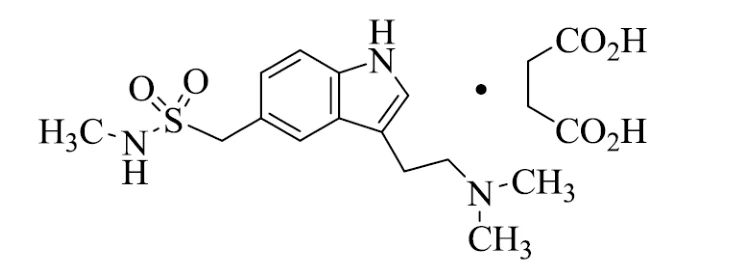
Physicochemical properties: Sumatriptan succinate is a white or almost white powder that is freely soluble in water, sparingly soluble in methanol, practically insoluble in methylene chloride.
pH (1% w/v solution in water): Approximately 4.9
Proper name: Naproxen sodium
Chemical name: (S)-6-methoxy-α-methyl-2-naphthaleneacetic acid, sodium salt
Molecular formula and molecular mass: C14H13NaO3, 252.24 g / mol
Structural formula:
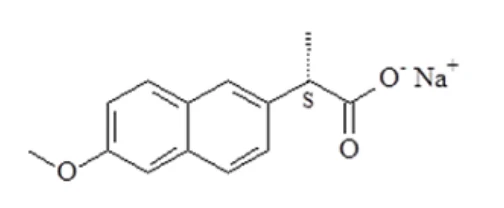
Physicochemical properties: Naproxen sodium occurs as white or almost white crystalline powder. Naproxen sodium is freely soluble in water, freely soluble or soluble in methanol, sparingly soluble in ethanol (96 percent). Naproxen sodium is insoluble in pH 0.1 N HCL and 4.5 acetate buffer, while solubility increase with pH 6.8.
14 CLINICAL TRIALS
14.1 Trial Design and Study Demographics
Table 4: Summary of patient demographics for Phase III pivotal clinical trials in acute migraine treatment
| Study # | Trial design | Total number study subjectsb Total / Sex | Total subjects per study arm | Mean age (Range) | ||||||||
|---|---|---|---|---|---|---|---|---|---|---|---|---|
| Treatment | N | |||||||||||
| 1a | Randomized, double-blind, multicenter, parallel-group, utilizing placebo and each individual component of Sumatriptan and naproxen sodium tablets | 1495 | Placebo | 387 | 41 years (range: 18 to 65 years) | |||||||
| 1317F / 178M | Sumatriptan and naproxen sodium tablets | 367 | ||||||||||
| Sumatriptan succinate | 370 | |||||||||||
| Naproxen sodium | 371 | |||||||||||
| 2a | 1461 1254F / 207M | Placebo Sumatriptan and naproxen sodium tablets Sumatriptan succinate Naproxen sodium | 365 370 365 361 | 40 years (range: 18 to 65 years) | ||||||||
aStudy 1 = MT400-301, Study 2 = MT400-302
bThe majority of subjects per study w ere White (≥85%).
Pivotal Efficacy Studies:
The efficacy of sumatriptan and naproxen sodium tablets in the acute treatment of migraine with or without aura in adults was demonstrated in 2 pivotal, single dose, randomized, double-blind, multicenter, parallel-group studies (MT400-301 and MT400-302) utilizing placebo and each individual active component of sumatriptan and naproxen sodium tablets (sumatriptan succinate, 85mg and naproxen sodium, 500mg) as comparison treatments (see Table 4). Subjects enrolled in these 2 studies were predominately female (87%) and white (88%), with a mean age of 40 years (range: 18 to 65 years). Subjects were instructed to treat a migraine of moderate to severe pain with 1 tablet. No rescue medication was allowed within 2 hours post dose. The co-primary endpoints included superiority of sumatriptan and naproxen sodium tablets over placebo at
2 hours post-dose for the following endpoints: pain relief (no or mild pain); incidence of photophobia, phonophobia and nausea; and superiority of sumatriptan and naproxen sodium tablets vs. the individual components (sumatriptan succinate and naproxen sodium) for sustained pain-free at 24 hours. Subjects evaluated their headache pain and associated symptoms of photophobia, phonophobia, nausea and vomiting 2 hours after taking 1 dose of study medication. Headache relief was defined as a reduction in headache severity from moderate or severe pain to mild or no pain. Sustained pain free was defined as a reduction in headache severity from moderate or severe pain to no pain at 2 hours post-dose without a return of mild, moderate, or severe pain and no use of rescue medication for 24 hours post-dose.
14.2 Study Results
Pivotal Efficacy Studies
The primary efficacy results from the 2 pivotal studies (Study MT400-301 and MT400-302) are summarized in Table 5. In both studies, the percentage of subjects achieving headache pain relief 2 hours after treatment was significantly greater among subjects receiving sumatriptan and naproxen sodium tablets (57% and 65%) compared with those who received placebo
(29% and 28%; Table 5).
Table 5: Percentage of Adult Subjects with 2-Hour Pain Relief and Sustained Pain Free Following Treatment with Sumatriptan and Naproxen Sodium Tablets in Pivotal Studies (ITT Population)a
| Study # | Sumatriptan / Naproxen Sodium Tablets 85/500 mg | Placebo | Sumatriptan 85 mg | Naproxen Sodium 500 mg |
|---|---|---|---|---|
| 2-Hour Pain Relief | ||||
| 1 | 57% n=362b | 29% n=382 | ||
| 2 | 65% n=364b | 28% n=360 | ||
| Sustained Pain-Free (2-24 Hours) | ||||
| 1 | 23% n=362 | 7% n=382c | 14% n=362 c | 10% n=364 c |
| 2 | 25% n=364 | 8% n=360 c | 16% n=361d | 10% n=356 c |
a ITT = intent-to-treat; Percentage of subjects (responders / total population)
bp-value versus placebo, p<0.001
cp-value versus sumatriptan and naproxen sodium tablets, p<0.001
dp-value versus sumatriptan and naproxen sodium tablets, p=0.009
Further, the percentage of subjects who remained pain-free without use of other medications through 24 hours postdose was significantly greater among subjects receiving a single dose of sumatriptan and naproxen sodium tablets (23% and 25%) compared with those who received placebo (7% and 8%) or either sumatriptan (14% and 16%) or naproxen sodium (10%) alone.
Compared with placebo, there was a decreased incidence of migraine-associated symptoms such as photophobia, phonophobia, and nausea 2 hours after the administration of sumatriptan and naproxen sodium tablets, and a decreased likelihood of using rescue medication over the 24 hours following the first dose.
Sumatriptan and naproxen sodium tablets was more effective than placebo regardless of the presence of aura; duration of headache prior to treatment; gender, age, or weight of the subject; or concomitant use of oral contraceptives or common migraine prophylactic drugs (e.g., beta-blockers, anti-epileptic drugs, tricyclic antidepressants)
Sumatriptan and naproxen sodium tablets was also shown to be effective for the treatment of migraines that occur in the days immediately preceding and following the onset of menstruation when it was taken while migraine pain was considered to be mild.
14.3 Comparative bioavailability studies
A randomized, balanced, double blinded, two-treatment, two-period, two-sequence, single-dose, crossover comparative bioavailability study of JAMP Sumatriptan / Naproxen Sodium
85 mg / 500 mg tablets (JAMP Pharma Corporation) and SUVEXX® 85 mg / 500 mg tablets (Aralez Pharmaceuticals Canada Inc.) was conducted in healthy, adult, male subjects under fasting conditions. Comparative bioavailability data from 25 subjects that were included in the statistical analysis are presented in the following table:
SUMMARY TABLE OF THE COMPARATIVE BIOAVAILABILITY DATA
Sumatriptan (1 x 85 mg sumatriptan / 500 mg naproxen sodium) Geometric Mean Arithmetic Mean (CV %) | ||||
| Parameter | Test1 | Reference2 | % Ratio of Geometric Means | 90% Confidence Interval |
AUCT (ng·h / mL) | 372.94 385.48 (27.15) | 349.98 363.90 (28.89) | 106.6 | 100.3 - 113.2 |
AUCI (ng·h / mL) | 381.97 394.41 (26.70) | 358.97 372.43 (28.11) | 106.4 | 100.6 - 112.5 |
Cmax (ng / mL) | 83.32 86.30 (31.94) | 80.17 84.16 (29.08) | 103.9 | 94.1 - 114.8 |
Tmax3 (h) | 1.50 (0.50 - 5.00) | 1.25 (0.50 - 5.00) | ||
T½4 (h) | 4.79 (44.44) | 5.34 (44.81) | ||
1 JAMP Sumatriptan / Naproxen Sodium (sumatriptan, as sumatriptan succinate and naproxen sodium) tablets, 85 mg / 500 mg (JAMP Pharma Corporation).
2 SUVEXX® (sumatriptan, as sumatriptan succinate and naproxen sodium) tablets, 85 mg / 500 mg (Aralez Pharmaceuticals Canada Inc.).
3 Expressed as the median (range) only.
4 Expressed as the arithmetic mean (CV%) only.
Naproxen (1 x 85 mg sumatriptan / 500 mg naproxen sodium) Geometric Mean Arithmetic Mean (CV %) | ||||
| Parameter | Test1 | Reference2 | % Ratio of Geometric Means | 90% Confidence Interval |
AUCT (mcg·h / mL) | 1536.25 1555.98 (17.80) | 1523.46 1542.96 (17.39) | 100.8 | 98.6 - 103.1 |
AUCI (mcg·h / mL) | 1631.06 1658.14 (20.54) | 1629.32 1656.01 (19.73) | 100.1 | 98.0 - 102.3 |
Cmax (mcg / mL) | 88.99 89.75 (13.98) | 88.05 89.75 (22.85) | 101.1 | 95.6 - 106.9 |
Tmax3 (h) | 4.50 (3.00 - 5.50) | 4.50 (0.75 - 8.00) | ||
T½4 (h) | 17.98 (14.37) | 17.91 (14.63) | ||
1 JAMP Sumatriptan / Naproxen Sodium (sumatriptan, as sumatriptan succinate and naproxen sodium) tablets, 85 mg / 500 mg (JAMP Pharma Corporation).
2 SUVEXX® (sumatriptan, as sumatriptan succinate and naproxen sodium) tablets, 85 mg / 500 mg (Aralez Pharmaceuticals Canada Inc.).
3 Expressed as the median (range) only.
4 Expressed as the arithmetic mean (CV%) only.
16 NON-CLINICAL TOXICOLOGY
Repeat-Dose Toxicity: Repeat-dose oral toxicology studies of up to 13 weeks in duration in mice were conducted with the sumatriptan succinate (SS) / naproxen sodium (NAP) combination.
The toxicity of the SS / NAP combination after repeat oral administration to mice was characteristic of the known toxicity of NAP (gastrointestinal tract and kidney targets); the types of toxicity that occurred were not altered by combined administration with SS. In general, females were more sensitive than males to a similar dose of NAP; this may be related to differences in exposure (Cmax), which was generally greater (~1.5 fold) in females compared to males at a similar dose. Deaths occurred at doses of ≥100 mg/kg/day NAP in male mice and
≥50 mg/kg/day in female mice when administered alone and in combination with SS.
The primary toxicities that occurred in the 28-day range-finding study and 13-week mouse study were in the kidneys and stomach. In the stomach, changes were mainly located in the pyloric region of the glandular stomach (extending to the duodenum and jejunum in females) and were characterized by erosions and ulcers accompanied by inflammation and glandular hyperplasia in animals administered high-dose NAP alone or in combination with SS. In the kidneys, cortical tubule dilatation was identified as primary toxicity (following administration of NAP alone or in combination with SS). The no observable adverse effect level (NOAEL) was 100 / 30 mg/kg/day SS / NAP after 13 weeks of daily repeated oral administration to male and female mice. Mean exposure (AUC0-inf) of mice to sumatriptan at the NOAEL of 100/30 mg/kg/day SS / NAP was
33 fold greater than human exposure to sumatriptan and less than 1 fold (0.17) exposure to naproxen after a single oral dose of sumatriptan and naproxen sodium tablets.
Genotoxicity: SS and NAP tested alone and in combination were negative in an in vitro bacterial reverse mutation assay, and in an in vivo micronucleus assay in mice. The SS / NAP combination was negative in an in vitro mouse lymphoma tk (+ / -) assay in the presence and absence of metabolic activation. NAP alone was positive in an in vitro clastogenicity assay in mammalian cells in the presence and absence of metabolic activation while SS alone was negative in these assays. However, based on the results obtained with the SS/NAP combination (with and without metabolic activation), sumatriptan may exacerbate the genotoxic potential of naproxen. Chromosomal aberrations were not induced in peripheral blood lymphocytes following 7 days of twice-daily dosing with sumatriptan and naproxen sodium tablets in human volunteers.
Carcinogenicity: The carcinogenic potential of sumatriptan and naproxen sodium tablets has not been studied. Each drug in sumatriptan and naproxen sodium tablets has been investigated separately. There is no information available on the carcinogenic potential of the combination of these drugs at the doses in sumatriptan and naproxen sodium tablets.
The genotoxic and carcinogenic risk to humans using sumatriptan and naproxen sodium tablets cannot be fully ascertained, in light of the low margins of safety for naproxen and the potential for sumatriptan to exacerbate naproxen’s genotoxic potential.
Sumatriptan
In carcinogenicity studies in mouse and rat, sumatriptan was administered orally for 78 and 104 weeks, respectively, at doses up to 160 mg/kg/day in mice (corresponding to 5 times the maximum daily dose MDD (2 tablets) of sumatriptan in sumatriptan and naproxen sodium tablets), and up to 360 mg/kg/day in rats (corresponding to 10 times the MDD of sumatriptan in sumatriptan and naproxen sodium tablets).
In mice, tumours were found in more than half of the males and in less than half of the females across all groups. There was a statistically significant increase in the incidence of non-fatal hemolymphoreticular tumours observed in males at the dose of 60 mg/kg/day group only when compared with controls. Since there was no dose relationship, this increase was considered to be of no toxicological significance. There was no evidence that administration of sumatriptan at any of the dose levels caused any alteration in the incidence of any specific tumours or non - neoplastic lesions.
In rats, there was a significant increase in the incidence of non-fatal adrenal medullary tumours (benign and malignant pheochromocytomas) in males given doses of 10 and 60 mg/kg/day and in males dosed at 360 mg/kg/day. A significant increase in the incidence of benign testicular interstitial (Leydig) cell tumours occurred when compared with controls. Adrenal medullary tumours also increased significantly in females dosed at 60 and 360 mg/kg/day. Comparison of both types of tumours with historical control data indicated that the observations were within the expected background range for the species and that long-term exposure to sumatriptan does not induce any treatment-related increases in the incidences of any tumours for the species tested.
Naproxen
In a carcinogenicity study in rat, naproxen was administered with food for 24 months at doses up to 24 mg/kg/day (corresponding to 0.2 times the maximum daily dose of naproxen included in sumatriptan and naproxen sodium tablets). At that dose level, there was no evidence of carcinogenicity.
Reproductive and Developmental Toxicity:
The effect of sumatriptan and naproxen sodium tablets on fertility in animals was not investigated. There was no prenatal and postnatal developmental study conducted with sumatriptan and naproxen sodium tablets. The developmental toxicity assessment (embryo-fetal) was conducted only in rabbits.
Oral treatment of pregnant rabbits with NAP and the SS / NAP combination produced maternal toxicity, reductions in fetal weight and increases in total and early resorptions and fetal deaths. All dosages of the test articles administered in the developmental toxicity study in rabbits produced maternal and fetal toxicity. Maternal toxicity presented as decreased body weight gain or body weight loss during periods of treatment and reductions in feed consumption. Fetal weights (growth) were significantly reduced at all doses administered to the mother. Increases in the mean number of total resorptions per litter and early resorptions per litter, and resorbed conceptuses per litter occurred in all dosage groups. Slightly higher incidences of three types of malformations occurred in the treated groups - fused caudal vertebrae, isolated interventricular septal defect, and persistent truncus arteriosis with secondary interventricular septal defect.
17 SUPPORTING PRODUCT MONOGRAPHS
- 1.
PrSUVEXX® (Tablet, 85 mg / 500 mg), submission control 253456, Product Monograph,
Aralez Pharmaceuticals Canada Inc. (DEC 20, 2021)