


Product Monograph - Levulan Kerastick
RECENT MAJOR LABEL CHANGES
| 7 WARNINGS AND PRECAUTIONS, Neurologic | 03/2022 |
|---|
TABLE OF CONTENTS
Sections or subsections that are not applicable at the time of authorization are not listed.
RECENT MAJOR LABEL CHANGES .......................................................................................... 2
TABLE OF CONTENTS ............................................................................................................ 2
PART I: HEALTH PROFESSIONAL INFORMATION .................................................................... 4
1 INDICATIONS ............................................................................................................. 4
1.1 Pediatrics .................................................................................................................. 4
1.2 Geriatrics .................................................................................................................. 4
2 CONTRAINDICATIONS ................................................................................................ 4
4 DOSAGE AND ADMINISTRATION ................................................................................ 4
4.1 Dosing Considerations ............................................................................................. 4
4.2 Recommended Dose and Dosage Adjustment ........................................................ 4
4.3 Reconstitution .......................................................................................................... 5
4.4 Administration ......................................................................................................... 5
4.5 Missed Dose ............................................................................................................. 8
5 OVERDOSAGE ............................................................................................................ 8
6 DOSAGE FORMS, STRENGTHS, COMPOSITION AND PACKAGING ................................ 8
7 WARNINGS AND PRECAUTIONS ................................................................................. 8
7.1 Special Populations .................................................................................................. 9
7.1.1 Pregnant Women ............................................................................................... 9
7.1.2 Breast-feeding .................................................................................................. 10
7.1.3 Pediatrics .......................................................................................................... 10
7.1.4 Geriatrics .......................................................................................................... 10
8 ADVERSE REACTIONS............................................................................................... 10
8.1 Adverse Reaction Overview ................................................................................... 10
8.2 Clinical Trial Adverse Reactions ............................................................................. 10
8.3 Less Common Clinical Trial Adverse Reactions ...................................................... 12
8.4 Abnormal Laboratory Findings: Hematologic, Clinical Chemistry and Other
Quantitative Data ............................................................................................................. 13
8.5 Post-Market Adverse Reactions ............................................................................. 13
9 DRUG INTERACTIONS .............................................................................................. 13
9.2 Drug Interactions Overview ................................................................................... 13
9.3 Drug-Behavioural Interactions ............................................................................... 13
9.4 Drug-Drug Interactions .......................................................................................... 13
9.5 Drug-Food Interactions .......................................................................................... 13
9.6 Drug-Herb Interactions .......................................................................................... 13
9.7 Drug-Laboratory Test Interactions......................................................................... 13
10 CLINICAL PHARMACOLOGY ...................................................................................... 13
10.1 Mechanism of Action ....................................................................................... 13
10.2 Pharmacodynamics .......................................................................................... 14
10.3 Pharmacokinetics ............................................................................................. 14
11 STORAGE, STABILITY AND DISPOSAL ........................................................................ 14
12 SPECIAL HANDLING INSTRUCTIONS .......................................................................... 15
PART II: SCIENTIFIC INFORMATION ..................................................................................... 16
13 PHARMACEUTICAL INFORMATION .......................................................................... 16
14 CLINICAL TRIALS ...................................................................................................... 16
14.1 Clinical Trials by Indication .............................................................................. 16
The treatment of single and multiple non-hyperkeratotic actinic keratoses of the face and scalp .......................................................................................................................... 16
15 MICROBIOLOGY ...................................................................................................... 18
16 NON-CLINICAL TOXICOLOGY .................................................................................... 18
PATIENT MEDICATION INFORMATION ................................................................................ 20
PART I: HEALTH PROFESSIONAL INFORMATION
1 INDICATIONS
Levulan Kerastick (aminolevulinic acid hydrochloride), with blue light irradiation, is indicated for the treatment of single and multiple non-hyperkeratotic actinic keratoses of the face and scalp.
1.1 Pediatrics
Pediatrics (< 18 years old): No data are available to Health Canada; therefore, Health Canada has not authorized an indication for pediatric use.
1.2 Geriatrics
Geriatrics (> 65 years old): Evidence from clinical studies and experience suggests there are no overall differences in safety or substantial differences in effectiveness between geriatric patients and younger patients (see 7.1.4 Geriatrics).
2 CONTRAINDICATIONS
Levulan Kerastick (aminolevulinic acid hydrochloride) is contraindicated in:
- patients with porphyria or in patients with known allergies to porphyrins (see 7.1.1 Pregnant Women and 10.1 Mechanism of Action).
- patients who are hypersensitive to this drug or to any ingredient in the formulation, including any non-medicinal ingredient, or component of the container. For a complete listing, see 6 DOSAGE FORMS, STRENGTHS, COMPOSITION AND PACKAGING.
4 DOSAGE AND ADMINISTRATION
4.1 Dosing Considerations
Photodynamic therapy (PDT) for the treatment of non-hyperkeratotic actinic keratoses (AKs) with Levulan Kerastick (aminolevulinic acid hydrochloride) is a two-stage process involving photosensitization of the target lesions with the Levulan Kerastick, followed by irradiation with blue light (417 nm). Application of Levulan Kerastick should be done by a qualified health professional, and should take place 14-18 hours prior to scheduled light treatment. Administration of Levulan Kerastick should be limited to the target lesion itself, and perilesional areas should be avoided. Lesions that have been treated with Levulan Kerastick should not be washed off until application of blue light.
Each Levulan Kerastick applicator should be used for only one patient.
4.2 Recommended Dose and Dosage Adjustment
For treatment of non-hyperkeratotic AKs of the face and scalp, one treatment session with Levulan Kerastick using blue light PDT should be performed. Treated lesions that have not completely resolved after 8 or more weeks may be retreated with topical Levulan Kerastick PDT.
Schedule for Levulan Kerastick Photodynamic Therapy
| DAY 1 – Levulan Kerastick Application | DAY 2 – Blue Light Application |
| 6 am (06:00) | 8 pm to Midnight (20:00 to 00:00) |
| 7 am (07:00) | 9 pm to 1 am (21:00 to 01:00) |
| 8 am (08:00) | 10 pm to 2 am (22:00 to 02:00) |
| 9 am (09:00) | 11 pm to 3 am (23:00 to 03:00) |
| 10 am (10:00) | Midnight to 4 am (24:00 to 04:00) |
| 11 am (11:00) | 1 am to 5 am (01:00 to 05:00) |
| 12 pm (12:00) | 2 am to 6 am (02:00 to 06:00) |
| 1 pm (13:00) | 3 am to 7 am (03:00 to 07:00) |
| 2 pm (14:00) | 4 am to 8 am (04:00 to 08:00) |
| 3 pm (15:00) | 5 am to 9 am (05:00 to 09:00) |
| 4 pm (16:00) | 6 am to 10 am (06:00 to 10:00) |
| 5 pm (17:00) | 7 am to 11 am (07:00 to 11:00) |
| 6 pm (18:00) | 8 am to Noon (08:00 to 12:00) |
| 7 pm (19:00) | 9 am to 1 pm (09:00 to 13:00) |
| 8 pm (20:00) | 10 am to 2 pm (10:00 to 14:00) |
| 9 pm (21:00) | 11 am to 3 pm (11:00 to 15:00) |
| 10 pm (22:00) | Noon to 4 pm (12:00 to 16:00) |
Health Canada has not authorized an indication for pediatric use.
4.3 Reconstitution
The Levulan Kerastick applicator is a two-component system in which the topical solution is admixed to produce a 20% solution just prior to the time of use. The applicator consists of a plastic tube containing two sealed glass ampoules and an applicator tip. The Levulan Kerastick is activated by mixing the contents of the two ampoules (see 4.4 Administration, Levulan Kerastick Application). One ampoule contains 1.5 mL of solution vehicle comprised of alcohol USP (ethanol content – 48% v/v), water, laureth-4, isopropyl alcohol, and polyethylene glycol. The other ampoule contains 354 mg of Levulan.
4.4 Administration
Levulan Kerastick Application
Actinic keratoses targeted for treatment should be clean and dry prior to application of Levulan Kerastick. The Levulan Kerastick can be prepared either manually, or using the optional Kerastick Krusher™. These methods are illustrated below:
Manual Preparation:
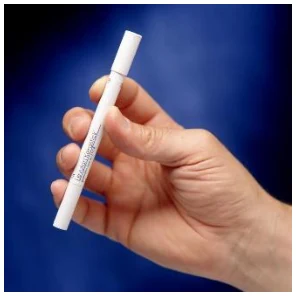
(1) Hold the Levulan Kerastick so that the applicator tip is pointing up.
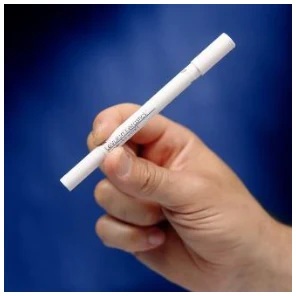
(2) Crush the bottom ampoule containing the solution vehicle by applying finger pressure to Position A on the cardboard sleeve.
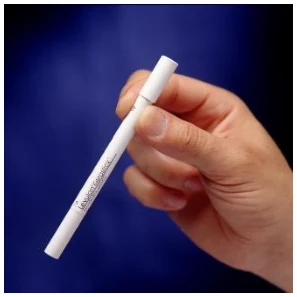
(3) Crush the top ampoule containing the aminolevulinic acid hydrochloride powder by applying finger pressure to Position B on the cardboard sleeve. To ensure both ampoules are crushed continue crushing the applicator downward, applying finger pressure to Position A.
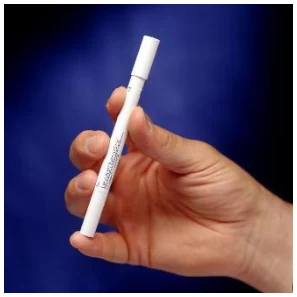
(4) Holding the Levulan Kerastick between the thumb and forefinger, point the applicator away from the face, shake the Levulan Kerastick gently for at least 30 seconds to completely dissolve the drug powder in the solution vehicle. Do not press on the end cap while shaking.
Optional Kerastick Krusher Preparation:
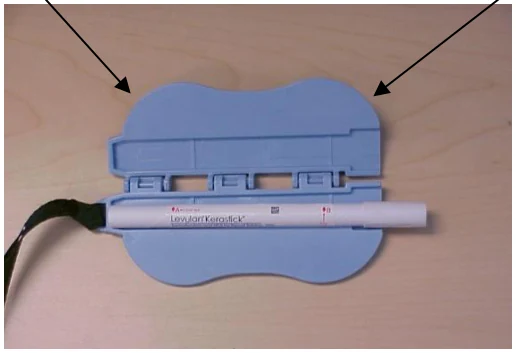
- (1)
Open the Kerastick Krusher and properly position one Levulan Kerastick into the Krusher making sure to orient the Levulan Kerastick label “A” with the Krusher “A”. Firmly seat Levulan Kerastick against the closed end of the Krusher (cap should be at open end).
Closed End
Open End
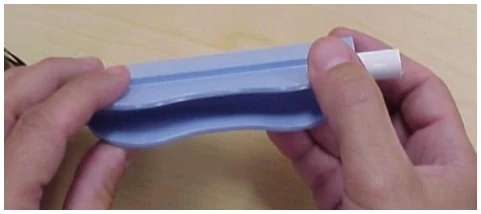
- (2)
Once positioned properly, close and firmly press the top and bottom handles together until the top and bottom handles touch one another along their length. A distinct crushing sound is made during
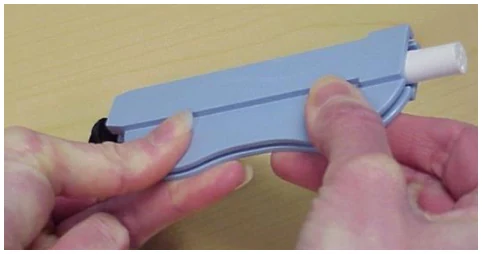
- this process. Ensure Krusher handles meet.
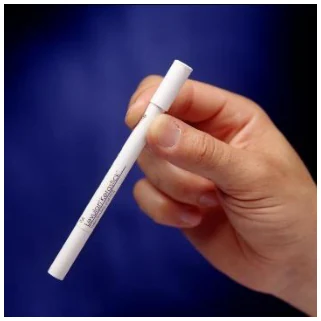
- (3) Remove the Levulan Kerastick from the Krusher.
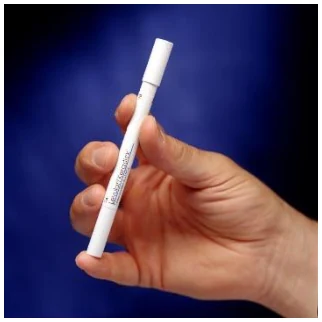
- (4) Holding the Levulan Kerastick between the thumb and forefinger, point the applicator cap away from the face, shake the Levulan Kerastick gently for at least 30 seconds to completely dissolve the drug powder in the solution vehicle. Do not press on the end cap while shaking.
Following solution admixture, the dry applicator tip should be dabbed on a gauze pad until it is uniformly wet with solution. Apply the solution directly to the target lesions by dabbing gently with the wet applicator tip. Enough solution should be applied to uniformly wet the lesion surface, without excess running or dripping. Once the initial application has dried, apply again in the same manner. The Levulan Kerastick must be used immediately following activation. If the solution application is not completed within 2 hours of activation, the applicator should be discarded and a new Levulan Kerastick used.
Formation of protoporphyrin IX and photosensitization of the treated lesions will take place over the next 14-18 hours.
If, for any reason, the patient cannot be given blue light treatment during the prescribed time after Levulan Kerastick application, they should avoid sunlight or direct indoor light for at least 40 hours to prevent the signs and symptoms of photosensitization.
Administration of Blue Light
Prior to light irradiation, the AKs to be treated should be gently rinsed off with water and patted dry. Photoactivation of Levulan-treated AKs is accomplished with blue light irradiation (417 nm). A 1000 second (16 minutes 40 seconds) exposure delivered at a power density of 10 mW/cm2 is required to provide a 10 J/cm2 light dose (this can be achieved using DUSA-4170 Blue Light Photodynamic
Illuminator, or other similar licensed devices). Patients should be provided with blue-blocking yellow goggles to minimize ocular exposure to blue light during light treatment. Please refer to the operation instructions of the blue light device. Patients should be advised that they might experience transient burning and/or stinging at the target lesion sites during the period of light exposure.
If the blue light treatment is interrupted or stopped for any reason, it should not be restarted and the patient should be advised to protect the treated lesions from exposure to direct sunlight or excessively bright light.
4.5 Missed Dose
See 4.4 Administration, Levulan Kerastick application.
5 OVERDOSAGE
Overdosage does not apply to topical usage of the Levulan Kerastick (aminolevulinic acid hydrochloride). In the unlikely event that the drug is ingested, standard procedures for poisoning should be followed. In the event of accidental ingestion, the patient should be advised to avoid incidental exposure to direct light sources.
There is no information on overdose of blue light following Levulan Kerastick application.
| For management of a suspected drug overdose, contact your regional poison control centre. |
|---|
6 DOSAGE FORMS, STRENGTHS, COMPOSITION AND PACKAGING
Table 1: Dosage Forms, Strengths, Composition and Packaging
The Levulan Kerastick applicator is a single use, two-component system.
The Levulan Kerastick 20% topical solution is a single-unit dosage form, supplied in a pack of 6. Each Levulan Kerastick applicator consists of a plastic tube containing two sealed glass ampoules and an applicator tip. One ampoule contains 1.5 mL of solution vehicle. The other ampoule contains 354 mg of aminolevulinic acid hydrochloride. The applicator tube is covered with a protective cardboard sleeve.
7 WARNINGS AND PRECAUTIONS
General
During the time period between the application of Levulan Kerastick and exposure to activating blue light, AK lesions will become photosensitive. Therefore, during that period patients should avoid exposure of the treated AK lesions to sunlight or any bright indoor light, e.g., examination lamps, operating room lamps, or unshaded light bulbs at close proximity. Exposure to light may result in a burning or stinging sensation and cause erythema and edema of the lesions. Advise patients that
| Route of Administration | Dosage Form / Strength/Composition | Non-medicinal Ingredients |
| Topical | Powder for Solution, 20% w/v | Solution vehicle: alcohol (ethanol content = 48% v/v), laureth-4, isopropyl alcohol, polyethylene glycol and water |
protective clothing/hat should be worn when outside. UV sunscreens will not protect against photosensitivity reactions caused by visible light.
Application of Levulan Kerastick to perilesional areas of photodamaged skin of the face or scalp will result in photosensitization of that area upon exposure to activating blue light, therefore, Levulan Kerastick should only be applied to individual AKs and only by a qualified health professional.
Driving and Operating Machinery
Exercise caution when driving or operating a vehicle or potentially dangerous machinery.
Neurologic
Transient episodes of amnesia have been reported with Levulan Kerastick in combination with PDT. Inform patients and their caregivers that Levulan Kerastick in combination with PDT may cause transient amnestic episodes. Advise patients to contact their healthcare provider if they develop memory impairment, confusion, or disorientation after treatment.
Ophthalmologic
Levulan Kerastick (aminolevulinic acid hydrochloride) contains alcohol and should not be applied to eyes or to mucosal membranes.
Reproductive Health: Female and Male Potential
- Fertility
It is not known whether aminolevulinic acid hydrochloride can cause fetal harm when administered to a pregnant woman or if it can affect reproductive capacity. Levulan Kerastick should not be used in pregnant women unless the possible benefit to the patient outweighs the potential risks to the fetus.
Skin
During the time period between the application of Levulan Kerastick and exposure to activating blue light, AK lesions will become photosensitive. During this time, patients should continue to avoid exposure to sunlight or direct indoor light for at least 40 hours to prevent the signs and symptoms of photosensitization.
7.1 Special Populations
7.1.1 Pregnant Women
Pregnancy outcomes were examined in a retrospective study of patients with Erythropoietic Protoporphyria (EPP), who chronically overproduce protoporphyrin IX (PpIX), and of patients with Acute Intermittent Porphyria (AIP), who chronically overproduce ALA and porphobilinogen. Of the 55 offspring of AIP patients evaluated, none was reported to have a congenital defect. Of the 71 offspring born to the patients with EPP, five were reported to have congenital defects. One child was born with severe oxygen deprivation as the result of a maternal septate uterus. The other congenital defects consisted of one strawberry hemangioma, one umbilical hernia, one mild case of hypospadias, and one case of mitral valve prolapse. The congenital defects observed are very common in the general population. In addition, these defects were mild, and generally resolved without intervention. Limited available data with Levulan Kerastick use in pregnant women are insufficient to inform a drug-associated risk of adverse developmental outcomes. Developmental toxicology studies in animals were not conducted with aminolevulinic acid.
7.1.2 Breast-feeding
It is not known whether this drug is excreted in human milk. Because many drugs are excreted in human milk, nursing should be discontinued for a period of 30 hours following administration of aminolevulinic acid hydrochloride, and milk from that period should be discarded.
7.1.3 Pediatrics
Pediatrics (< 18 years old): No data are available to Health Canada; therefore, Health Canada has not authorized an indication for pediatric use.
7.1.4 Geriatrics
Of the 243 subjects in Phase III clinical trials of Levulan Kerastick topical solution, 64% (156/243) were 65 years old and over, while 23% (55/243) were 75 years old and over. No overall differences in safety or substantial differences in effectiveness were observed between these subjects and younger subjects, but greater sensitivity of some older individuals cannot be ruled out.
8 ADVERSE REACTIONS
8.1 Adverse Reaction Overview
The safety of Levulan Kerastick for use in treating AKs of the face and scalp was evaluated in two identical investigator-blinded, randomized, multicentre, Phase III studies (studies ALA-018 and ALA-019) that included a total of 241 participants. The blinded investigator performed a target lesion count and assessed the cosmetic and pigmentary changes at weeks 4 and 8. The unblinded investigator evaluated safety assessments.
Participants were randomized to receive treatment either with topical Levulan 20% solution plus blue light (417 nm) or Vehicle plus blue light treatment (10 J/cm2 delivered at 10 mW/cm2 power density) in a 3:1 Levulan/Vehicle ratio. Participants returned to the clinic for a Baseline Visit 14-18 hours after application of the Levulan solution or Vehicle. Adverse events/reactions following treatment were recorded at 24 hours, and at weeks 1, 4 and 8. If retreatment was necessary after week 8, adverse events/reactions were captured at 24 hours, week 9 and week 12. Follow-up visits were scheduled at each of these weeks.
The most frequently occurring adverse reactions (≥ 10%) included erythema, stinging/burning, crusting, edema, scaling, itching, and erosion.
Less than 3% of patients discontinued light treatment due to stinging/burning. There were no serious or severe adverse reactions reported.
8.2 Clinical Trial Adverse Reactions
Clinical trials are conducted under very specific conditions. The adverse reaction rates observed in the clinical trials, therefore, may not reflect the rates observed in practice and should not be compared to the rates in the clinical trials of another drug. Adverse reaction information from clinical trials may be useful in identifying and approximating rates of adverse drug reactions in real-world use.
In pivotal studies, ALA-018 and ALA-019, Levulan Topical Solution or Vehicle remained on the target site to which it was applied for 14-18 hours prior to being washed off.
Participants were treated with 20% Levulan Topical Solution and blue light a maximum of two times. A total of 181 participants received an initial treatment, and 55 received a second treatment. At the initial treatment, the majority of participants (97%) received between 6 and 10.9 J/cm2 as the total blue light dose. Seventy-one percent of participants received blue light in the 6.9-10.9 J/cm2 dose range in the second treatment. No participant received blue light doses higher than 11 J/cm2.
A total of 62 participants received an initial treatment with Vehicle plus blue light, and 49 received a second treatment 8 weeks following the initial treatment. The peak power output of the blue light source used was 417 ±5 nm. The peak of light absorption of PpIX was 410 nm.
All related adverse reactions reported by ≥1% of participants treated with Levulan Kerastick plus blue light irradiation or Vehicle plus blue light irradiation in the two Phase III trials are pooled and summarized in Table 2.
Table 2: Related Adverse Reactions1 Reported in ≥1% of Participants in Phase III Studies of Levulan Kerastick for the Treatment of Non-Hyperkeratotic Actinic Keratoses of the Face and Scalp
Levulan® Kerastick® n = 181 N (%) | Vehicle n = 62 N (%) | |
| Skin & Appendages | ||
| Erythema | 180 (99.4)2 | 48 (79.0)2 |
| Stinging/burning | 96 (54.0)3 66 (37.0)4 | 0 (0) |
| Crusting | 88 (48.6) | 2 (3.2) |
| Edema | 63 (35.0) | 0 (0) |
| Scaling | 56 (30.9) | 8 (12.9) |
| Itching | 54 (29.8) | 5 (8.1) |
| Erosion | 20 (11.0) | 0 (0) |
| Wheal/flare | 13 (7.2) | 0 (0) |
| Vesiculation | 8 (4.4) | 0 (0) |
| Ulceration | 7 (3.9) | 0 (0) |
| Carcinoma Skin | 5 (2.8) | 2 (3.2) |
| Pustules | 5 (2.8) | 0 (0) |
| Scabs | 5 (2.8) | 0 (0) |
| Hemorrhage | 4 (2.2) | 0 (0) |
| Blister | 3 (1.7) | 0 (0) |
| Hyperkeratosis | 3 (1.7) | 0 (0) |
| Pain | 3 (1.7) | 0 (0) |
| Rash | 3 (1.7) | 1 (1.6) |
Levulan® Kerastick® n = 181 N (%) | Vehicle n = 62 N (%) | |
| Skin Hypertrophy | 3 (1.7) | 0 (0) |
| Bleeding | 2 (1.1) | 0 (0) |
| Herpes Simplex | 2 (1.1) | 0 (0) |
| Maculopapular Rash | 2 (1.1) | 0 (0) |
| Skin Disorder | 2 (1.1) | 0 (0) |
| Tenderness | 2 (1.1) | 0 (0) |
| Acne | 0 (0) | 1 (1.6) |
| Seborrhea | 0 (0) | 1 (1.6) |
1If a participant experienced more than one episode for an adverse reaction, the participant was counted only once for that reaction.
2 After Light
3 During light, 6 minutes; moderate severity; n=177
4 During light, 6 minutes; severe severity; n=177
Adverse reactions associated with Levulan Kerastick treatment were reduced after retreatment at 8 weeks.
When AK lesions were retreated after 8 weeks the severity of stinging/burning was less with the second treatment.
For those patients treated with Levulan Topical Solution plus blue light, erythema was seen in 138/181 (76%) patients at the Baseline Visit, and increased to 169/181 (93%) before light treatment. The percent of lesions showing erythema increased to 180/181 (99%) immediately after and 179/180 (99%) 24 hours post-light treatment, decreasing to 149/180 (83%) at 1 week after light treatment. Only 1/181 (1%) of patients demonstrated edema in lesions at baseline, and this increased to 24/181 (13%) just prior to light treatment. After light treatment, the number of patients with edematous lesions increased to 63/181 (35%), reaching 69/180 (38%) 24 hours post-light treatment. However, the great majority of these lesions were no longer edematous 1 week post-light (only 9/180 (5%) were edematous at that time). Four weeks after light treatment the incidence of both erythema and edema returned to pretreatment values or improved.
Pigmentary changes of lesions, classified as hyper- or hypo-pigmentation, were uncommonly seen in the Phase III studies. For the pooled studies, 94% and 95% of AKs treated with Levulan Kerastick plus blue light had no pigmentary changes at weeks 8 and 12, respectively. At week 8, 5% of treated lesions were judged hyperpigmented and 1% hypopigmented. At week 12, 3% and 2% of lesions were deemed hyperpigmented and hypopigmented, respectively. Pooled data for AKs receiving vehicle plus blue light showed pigmentary changes in 12% of lesions at week 8, and 10% of lesions at week 12. Levulan PDT using blue light, therefore, does not reappear to promote pigmentary changes in AKs.
8.3 Less Common Clinical Trial Adverse Reactions
The following adverse reactions were reported in <1% of participants enrolled in the Phase III clinical trials and were considered to be possibly or probably related to treatment with Levulan Kerastick.
Body as a Whole: headache
Skin & Appendages: burning, excoriated, hyperpigmented, oozing, skin dry, swollen left cheek, warm sensation
Special Senses: conjunctivitis
8.4 Abnormal Laboratory Findings: Hematologic, Clinical Chemistry and Other Quantitative Data
No treatment-emergent, clinically significant patterns of clinical laboratory changes were observed for standard serum chemical or hematologic parameters in any of the controlled clinical trials.
8.5 Post-Market Adverse Reactions
Nervous system disorders: transient amnestic episodes (see 7 WARNINGS AND PRECAUTIONS, Neurologic)
9 DRUG INTERACTIONS
9.2 Drug Interactions Overview
There have been no formal studies of the interaction of Levulan Kerastick with any other drugs, and no drug-specific interactions were noted during any of the controlled clinical trials. It is, however, possible that concomitant use of another known photosensitizing agent or use of Levulan Kerastick at the time period when the other photosensitizing agent has not been cleared from the body, might lead to an increase in the photosensitivity reactions of AKs treated with Levulan Kerastick. The following are the possible drugs that could lead to such an increased reaction: griseofulvin, thiazide diuretics, sulfonylureas, phenothiazines, sulfonamides and tetracyclines.
9.3 Drug-Behavioural Interactions
Exposure to sunlight or direct indoor light following application of Levulan Kerastick should be avoided to prevent the signs and symptoms of photosensitization (see 7 WARNINGS AND PRECAUTIONS, Skin).
9.4 Drug-Drug Interactions
No formal clinical drug interaction studies have been performed.
9.5 Drug-Food Interactions
Interactions with food have not been established.
9.6 Drug-Herb Interactions
No formal clinical drug-herb interaction studies have been performed.
9.7 Drug-Laboratory Test Interactions
Interactions with laboratory tests have not been established.
10 CLINICAL PHARMACOLOGY
10.1 Mechanism of Action
Aminolevulinic acid (ALA) is an endogenous compound, which is a metabolic precursor to protoporphyrin IX (PpIX), an intermediate precursor of heme synthesis. The rate of synthesis of PpIX is determined by the rate of synthesis of ALA, which in turn is regulated via a feedback control mechanism governed by the concentration of free heme. The administration of excess exogenous ALA bypasses the feedback control, and thus induces the intracellular accumulation of photosensitizing concentrations of PpIX in certain types of cells and tissues lining surfaces (epidermis, conjunctiva, oral mucosa, etc.).
Elevated endogenous levels of ALA, PpIX and other intermediates of porphyrin metabolism are due to enzymatic defects and characterize a group of well-known metabolic diseases called Porphyrias.
Topical application of ALA to dysplastic, neoplastic, non-malignant inflammatory and hyperproliferative skin lesions such as AKs, results in conversion of ALA to photosensitizing concentrations of PpIX. When such lesions are exposed to light of appropriate wavelength and energy, accumulated PpIX produces a photodynamic reaction, during which cytotoxic reactive oxygen species, such as superoxide anions and hydroxyl radicals, are formed. Biological membranes, particularly in mitochondria are sensitive to these oxygen radicals.
Selective photosensitization of AK lesions treated with ALA plus blue light irradiation (417 nm) is the basis of Levulan Photodynamic Therapy.
10.2 Pharmacodynamics
In dysplastic, neoplastic, non-malignant inflammatory and hyperproliferative skin lesions, ALA is converted to photosensitizing concentrations of PpIX. In the presence of blue light (417 nm), accumulated PpIX produces cytotoxic reactive oxygen species to which biological membranes are particularly sensitive (see 10.1 Mechanism of Action).
10.3 Pharmacokinetics
The ALA molecule does not exhibit fluorescence, while PpIX has a high fluorescence yield. Time-dependent changes in surface PpIX fluorescence have been used to determine PpIX accumulation and clearance in AK lesions and perilesional skin. The mean clearance half-life of fluorescence for lesions was 30 ± 10 h and 28 ± 6 h for perilesional skin. Peak fluorescence intensity was reached in 11 ± 1 h in AK lesions and 12 ± 1 h in perilesional skin. The mean half-life of fluorescence for AK lesions was 30 ± 10 h and 28 ± 6 h for perilesional skin.
The estimated quantity of Levulan Kerastick that will be topically applied for the treatment of AK lesions (7.15-15 mg) per patient, represents approximately 3.5% of the estimated 358 mg of ALA that is synthesized by the human body daily to support heme production.
No formal systemic PK studies were conducted with ALA. However, urine ALA levels at Baseline and 24 hour were collected for all patients in pivotal Studies ALA-018 and ALA-019, and no clinically significant abnormalities were detected.
Because of the locally acting topical nature of Levulan Kerastick, formal Absorption, Distribution, Metabolism and Excretion (ADME) studies could not be conducted.
11 STORAGE, STABILITY AND DISPOSAL
Store at room temperature (15-30oC).
When exposed to light the Levulan Kerastick (aminolevulinic acid hydrochloride) active drug product may appear off-white; however, the strength, quality and purity of the material is unaffected by UV irradiation.
Any unused Levulan Kerastick or waste material should be disposed of in accordance with local requirements.
12 SPECIAL HANDLING INSTRUCTIONS
The Levulan Kerastick must be used immediately following activation. If the solution application is not completed within 2 hours of activation, the applicator should be discarded and a new Levulan Kerastick used.
PART II: SCIENTIFIC INFORMATION
13 PHARMACEUTICAL INFORMATION
Drug Substance
Proper name: Aminolevulinic Acid Hydrochloride
Chemical name: 5-amino-4-oxopentanoic acid hydrochloride
Molecular formula and molecular mass: C5H9NO3HCl 167.59
Structural formula: C C C C N H 3 + C l - C O O H O
Physicochemical properties: Aminolevulinic acid hydrochloride is a white to off-white, odourless crystalline solid that is very soluble in water, slightly soluble in methanol and ethanol, and practically insoluble in chloroform, hexane and mineral oil. Physical characteristics of aminolevulinic acid hydrochloride include a melting point range of 151 – 156°C (decomposition), a pH value of 1.77 for 1:5 aqueous solution, and a pKa value of 3.816.
14 CLINICAL TRIALS
14.1 Clinical Trials by Indication
The treatment of single and multiple non-hyperkeratotic actinic keratoses of the face and scalp
The clinical efficacy of Levulan Kerastick (aminolevulinic acid hydrochloride) plus blue light irradiation in participants with single and multiple non-hyperkeratotic actinic keratoses of the face and scalp (participants were to have a minimum of 4 and a maximum of 15 clinically typical target AKs) was demonstrated in two identical, investigator blinded, randomized multi-centre Phase III clinical studies (ALA-018 and ALA-019). Of the 243 participants enrolled in the two pivotal studies, all were Caucasian, with a mean age of 67 years. Of these participants, 84% were male and the great majority (>95%) of participants where skin type was evaluated was either skin type I, II or III.
In the two pivotal clinical trials participants were randomized 3:1 to receive topical Levulan 20% solution plus blue light (417 nm; 10 J/cm2 delivered at mW/cm2) or Vehicle plus blue light. A total of 181 participants were treated with Levulan 20% solution and blue light; 159/181 (88%) of the participants treated with Levulan 20% solution and blue light had prior therapy with liquid nitrogen and/or topical 5-fluorouracil. Of the sixty-two participants treated with Vehicle plus blue light, 43/62 (69%) had received prior treatment with liquid nitrogen, and 11/62 (18%) had received prior therapy with topical 5-fluorouracil (at least 2 months prior to studies).
Participants returned to the clinic for the Baseline Visit 14-18 hours after application of the Levulan solution or Vehicle. Follow-up visits were scheduled at 24 hours post-light treatment and at weeks 1, 4 and 8. The blinded investigator performed a target lesion count and assessed the cosmetic and pigmentary changes at weeks 4 and 8.
The primary efficacy endpoint (a binary variable) was the clinical response based on the complete clearing of lesions at week 8 as assessed by the blinded investigator. The percentage of lesions demonstrating complete response, the percentage of participants with 75% or greater response rate, and the percentage of participants with 100% response rate, were used to evaluate any treatment difference and were analyzed using the Cochran-Mantel-Haenszel test at weeks 4, 8 and 12.
A total of 1909 AK lesions of the face or scalp were treated and evaluated, and are summarized in Table 3. The majority of participants treated with both Levulan and Vehicle in ALA-018 and ALA-019 had AK lesions located on the face rather than the scalp. The differences in location of lesion for drug and Vehicle treatment were not statistically significant.
Table 3: Summary of Lesion Complete Response Rate by Location in Phase III Studies
| ALA-018 | ALA-019 | ALA-018/ALA-019 | |||||||
|---|---|---|---|---|---|---|---|---|---|
Face N (%) | Scalp N (%) | Face N (%) | Scalp N (%) | Face N (%) | Scalp N (%) | ||||
| Levulan® Kerastick® | 72/88 (82) | 16/88 (18) | 67/93 (72) | 26/93 (28) | 139/181 (77) | 42/181 (23) | |||
| Vehicle | 21/29 (72) | 8/29 (28) | 20/33 (61) | 13/33 (39) | 41/62 (66) | 21/62 (34) | |||
The secondary efficacy variable in the pivotal clinical studies, ALA-018 and ALA-019, included the cosmetic response of each lesion to therapy, evaluated by the blinded investigator at weeks 4, 8, and 12. The participant evaluation of cosmetic response was captured at week 12, as well as the participant assessment of the acceptability of Levulan PDT with blue light and Vehicle plus blue light for treatment of AKs compared to the other prior therapies they may have had for treatment of AKs.
Table 4: Summary of clinical trial design and participant demographics for the treatment of single and multiple non-hyperkeratotic actinic keratoses of the face and scalp
| Study # | Study design | Dosage / Route of administration / Duration | Study participants* (n) | Mean age ** (Range) | Sex** |
| ALA-018 | Randomized, multi-centre, Phase 3 | Powder for Solution / Topical /8 weeks | 116 | 66.4 years (34 – 87) | Male = 98 Female = 19 |
| ALA-019 | Randomized, multi-centre, Phase 3 | Powder for Solution / Topical /8 weeks | 125 | 66.5 years (35 – 89) | Male = 105 Female = 21 |
*Number of participants who completed at least 4 weeks of the study
**Based on number of participants randomised and who received initial treatment, N = 117 (ALA-018) and N = 126 (ALA-019)
Statistical analysis based on ANOVA with treatment for age and Cochran-Mantel-Haenszel general association test for sex and skin type.
Studies ALA-018 and ALA-019 met their primary efficacy endpoints. Compared to Vehicle, response rates were significantly better (p<0.001) for ALA 8 weeks after the initial treatment (83% for Levulan; 31% for Vehicle) and 4 weeks after re-treatment (91% for Levulan; 25% for Vehicle). A total of 10/243 (4%) of participants prematurely withdrew or were discontinued from the pivotal trials. None of these participants withdrew due to study-related adverse events.
Table 5: Complete Response for Study ALA-018 and ALA-019 (pooled data) in Actinic Keratoses of the Face or Scalp
| Aminolevulinic acid | Vehicle | |
| Number of lesions studied | 1403 | 506 |
| Complete response rate at week 81 | 83% | 31% |
| Complete response rate at week 122 | 91% | 25% |
| Number of participants enrolled | 181 | 62 |
| Complete response in ≥ 75% of lesions at week 81 | 77% | 18% |
| Complete response in ≥ 75% of lesions at week 122 | 89% | 13% |
1Lesions not exhibiting a complete response at week 8 were retreated.
2This includes initial or retreatment.
Complete response = Lesion completely cleared and adherent scaling plaques of actinic keratoses were no longer evident on the surface of the treated skin when palpated.
Complete response in ≥ 75% = Participants with at least a 75% reduction in lesion count.
The complete response rate for face and scalp lesions at week 8 was 70% and 53%, respectively. At week 12 the complete response rate of face lesions and scalp lesions was 79% and 52%, respectively.
For those lesions recorded as complete responses at week 8, there was a recurrence rate of 9% with Levulan Kerastick compared to 33% with the Vehicle control at week 12.
15 MICROBIOLOGY
No microbiological information is required for this drug product.
16 NON-CLINICAL TOXICOLOGY
General Toxicology:
Single Dose Studies:
In acute toxicity studies in male and female rats and mice, a single intravenous dose of up to 300 mg/kg aminolevulinic acid hydrochloride resulted in no adverse effects.
In male and female beagle dogs administered up to 100 mg/kg as a single intravenous dose, excessive salivation and vomiting was observed. Transient elevations in aspartate aminotransferase and alanine aminotransferase were observed following intravenous dosing. Vomiting was also observed in a pharmacokinetic study in beagles after single oral (gavage) and intravenous doses of 11 mg/kg.
Four acute toxicology studies in rats or mice were conducted to evaluate the toxicity of pyrazine 2, 5-dipropionic acid, the principal degradation product of aminolevulinic acid hydrochloride in aqueous solutions. Based on an estimated aminolevulinic acid hydrochloride dose of 7.5 – 15 mg per patient, the maximum per patient exposure to pyrazine 2, 5-diprpionic acid would be 0.0375 µg. Estimated LD50 values for oral and intraperitoneal pyrazine 2, 5-dipropionic acid in rats are greater than 5000 mg/kg and 1000 mg/kg, respectively, the highest doses evaluated by these routes of administration.
Carcinogenicity:
No long-term carcinogenicity testing has been carried out using ALA.
Genotoxicity:
No evidence of mutagenic effects of ALA was observed in four mutagenicity studies. In the Salmonella-Escherichia coli/Mammalian Microsome Reverse Mutation Assay (Ames mutagenicity assay), no positive increases were observed with any of the tester strains. In the Salmonella-Escherichia coli/Mammalian Microsome Reverse Mutation Assay in the Presence of Solar Light Radiation (Ames Mutagenicity Assay with Light), ALA did not cause a positive increase in the number of revertants per plate of any of the tester strains in the presence of two light radiation doses, or in the absence of directed solar light radiation. In the L5178Y TK+/-Mouse Lymphoma Forward Mutation Assay, ALA was evaluated as negative with and without metabolic activation under the study conditions. In the in vivo Mouse Micronucleus Assay, ALA was considered negative under the study exposure conditions.
Reproductive and Developmental Toxicology:
No reproductive and developmental toxicology studies have been conducted with aminolevulinic acid hydrochloride.
Special Toxicology:
In acute dermal toxicity studies in rats, the subcutaneous administration of aminolevulinic acid hydrochloride up to 1000 mg/kg did not result in any signs of toxicity with the exception of irritation and/or lesions present at the sites of injection. In acute dermal toxicity studies in rabbits, a single application of 10 – 30% aminolevulinic acid hydrochloride resulted in slight to moderate dermal irritation with placebo and active formulations; the level of dermal irritation was slightly higher in animals receiving the higher aminolevulinic acid hydrochloride doses.