


Patient Medication Information: uses, side effects, how to take - Lutera 21
ABOUT THIS MEDICATION
What the medication is used for:
- To prevent pregnancy
To treat moderate acne in women 14 years of age
and older who are able to use birth control pills, desire birth control and have achieved menarche. Your first menstrual period is referred to as menarche.
What it does:
LUTERA™ is a birth control pill (oral contraceptive) that contains two female sex hormones (levonorgestrel and ethinyl estradiol). It has been shown to be highly effective in preventing pregnancy when taken as prescribed by your doctor. Pregnancy is always more risky than taking birth control pills except in smokers older than age 35.
Birth control pills work in two ways:
- 1.
They inhibit the monthly release of an egg by the
ovaries.
- 2.
They change the mucus produced by the cervix
(narrow outer end of the womb). This slows the movement of the sperm through the mucus and through the uterus (womb).
Effectiveness of Birth Control Pills
Combination birth control pills are more than 99 percent effective in preventing pregnancy when:
- the pill is TAKEN AS DIRECTED, and
the amount of estrogen is 20 micrograms or
more.
A 99 percent effectiveness rate means that if 100 women used birth control pills for one year, one woman in the group would get pregnant.
The chance of becoming pregnant increases with incorrect use.
Other Ways to Prevent Pregnancy
Other methods of birth control are available to you. They are usually less effective than birth control pills. When used properly, however, other methods of birth control are effective enough for many women.
The following table gives reported pregnancy rates for various forms of birth control, including no birth control. The reported rates represent the number of women out of 100 who would become pregnant in one year.
Reported Pregnancies per 100 Women per Year:
Combination pill less than 1 to 2 Intrauterine device (IUD) less than 1 to 6 Condom with spermicidal foam or gel 1 to 6 Mini-pill 3 to 6 Condom 2 to 12 Diaphragm with spermicidal foam or gel 3 to 18 Spermicide 3 to 21 Sponge with spermicide 3 to 28 Cervical cap with spermicide 5 to 18 Periodic abstinence (rhythm), all types 2 to 20 No birth control 60 to 85
Pregnancy rates vary widely because people differ in how carefully and regularly they use each method. (This does not apply to IUDs since they are implanted in the uterus). Regular users may achieve pregnancy rates in the lower ranges. Others may expect pregnancy rates more in the middle ranges.
The effective use of birth control methods other than birth control pills and IUDs requires more effort than taking a single pill every day. It is an effort that many couples undertake successfully.
When it Should not be Used:
The birth control pill is not suitable for every woman. In a small number of women, serious side effects may occur. Your doctor can advise you if you have any conditions that would pose a risk to you. If you

see a different doctor, inform him/her that you are taking birth control pills. Tell the doctor that your birth control pills are LUTERA™. The use of the birth control pill should always be supervised by your doctor.
You should not use LUTERA™ if you have or have had any of the following conditions:
History of or actual heart attack, chest pain
(angina pectoris) or stroke;
Blood clots in the legs (thrombophlebitis), lungs
(pulmonary embolism), eyes or elsewhere;
- Hereditary or acquired blood clotting disorders;
Known or suspected cancer of the breast, sex
organs, or certain estrogen-dependent cancers;
Unexplained vaginal bleeding (until a diagnosis
is reached by your doctor);
Partial or complete loss of vision or other vision
problems caused by vascular disease (blood vessel disease of the eye);
History of or actual liver disease or history of or
actual benign or malignant liver tumor;
Jaundice (yellowing of the skin and eyes) or liver
disease if still present;
Heart valve or heart rhythm disorders that may
be associated with formation of blood clots;
- Diabetes affecting your circulation;
Migraines (current or history) with neurological
symptoms such as aura (visual or sensory disturbance);
- Uncontrolled high blood pressure;
Hypersensitivity(allergy) to any of the
components of levonorgestrel and ethinyl estradiol tablets (see What the important nonmedicinal ingredients are);
Known or suspected pregnancy. Birth control
pills should never be taken if you think you are pregnant. They will not prevent the pregnancy from continuing. There is no conclusive evidence, however, that the pill can damage a developing child when taken inadvertently during early pregnancy.
Pancreatitis associated with severe
hypertriglyceridemia (current or history). Pancreatitis is the inflammation of the pancreas, marked by abdominal pain, whereas severe hypertriglyceridemia is a very high level of triglycerides in the blood, and may show no symptoms.
What the medicinal ingredient is:
Levonorgestrel and Ethinyl Estradiol
What the important nonmedicinal ingredients are:
Nonmedicinal ingredients for hormone-containing tablets: croscarmellose sodium, lactose monohydrate, magnesium stearate, microcrystalline cellulose and povidone.
Nonmedicinal ingredients for hormone-free tablets: lactose anhydrous, microcrystalline cellulose, magnesium stearate and FD&C yellow # 6 aluminum lake.
What dosage forms it comes in:
LUTERA™ (levonorgestrel and ethinyl estradiol, 100 µg / 20 µg) tablets are available in a 21-day regimen (LUTERA™ 21) and a 28-day regimen (LUTERA™ 28)
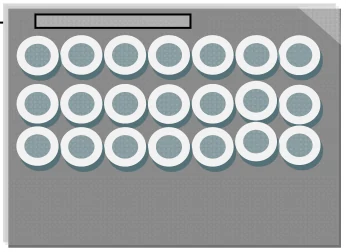
LUTERA™ 21: Each package contains 21 white tablets. Each white tablet contains 100 µg levonorgestrel and 20 µg ethinyl estradiol.
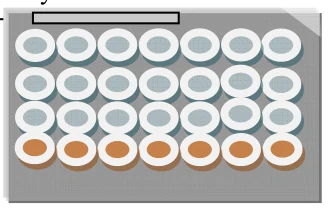
LUTERA™ 28: Each blister pack contains 21 white and 7 peach tablets. Each white tablet contains 100 µg levonorgestrel and 20 µg ethinyl estradiol. The peach tablets are inactive (do not contain hormones).
WARNINGS AND PRECAUTIONS
Serious Warnings and Precautions
Cigarette smoking increases the risk of serious adverse effects on the heart and blood vessels. This risk increases with age and becomes significant in birth control pill users over 35 years of age. Women who use birth control pills should not smoke.
Birth control pills DO NOT PROTECT against sexually transmitted infections (STIs), including HIV/AIDS.
For protection against STIs, it is advisable to use latex or polyurethane condoms IN COMBINATION WITH birth control pills.
There are also conditions that your doctor will want to watch closely or that might cause your doctor to recommend a method of contraception other than birth control pills.
BEFORE you use LUTERA™ talk to your doctor or pharmacist if the following apply to you:
- Breast conditions
- A strong family history of breast cancer
Breast disorders including pain, discharge
from the nipples, thickenings, or lumps. In some circumstances, benefit may be derived from taking the pill; in other cases, adverse effects may follow.
- Diabetes
- High blood pressure
Abnormal levels of fats in the bloodstream (high
cholesterol or triglycerides)
- Cigarette Smoking
- Heart or kidney disease
- Epilepsy/seizures
- History of Depression
- Fibroid tumours of the uterus
- Gallbladder or pancreatic disease
- History of liver disease or jaundice
Family history of blood clots, heart attacks or
strokes.
- May be pregnant or breast feeding
- Have systemic lupus erythmatosus
Have inflammatory bowel disease such as
Crohn’s disease or ulcerative colitis
- Have haemolytic uremic syndrome
- Have sickle cell disease
Have problems with the valves in your heart
and/or have irregular heart rhythm
- Wear contact lenses
If you see a different doctor, inform him or her that you are using LUTERA™.
Tell your doctor if you are scheduled for any laboratory tests since certain blood tests may be affected by hormonal contraceptives.
Also tell your doctor if you are scheduled for MAJOR surgery, recent delivery, or second-trimester abortion. You should consult your doctor about stopping the use of LUTERA™ four weeks before major surgery and not using LUTERA™ for a time period after surgery or during prolonged bed rest.
LUTERA™ should be used only under the supervision of a doctor, with regular follow-up to identify side effects associated with its use. Your visits may include a blood pressure check, a breast exam, an abdominal exam and a pelvic exam, including a Pap smear. Visit your doctor three months or sooner after the initial examination. Afterward, visit your doctor at least once a year.
Use LUTERA™ only on the advice of your doctor and carefully follow all directions given to you. You must use the birth control pill exactly as prescribed. Otherwise, you may become pregnant. If you and your doctor decide that, for you, the benefits of LUTERA™ outweigh the risks, you should be aware of the following:
THE RISKS OF USING BIRTH CONTROL PILLS
- 1.
Circulatory disorders (including blood clot in legs, lungs, heart, eyes or brain)
Women who use hormonal contraceptives have a higher incidence of blood clots. Blood clots are the most common serious side effects of birth control pills. The risk of developing clots is especially high during the first year a woman ever uses a hormonal contraceptive. Clots can occur in many areas of the body.
Be alert for the following symptoms and signs of serious adverse effects. Call your doctor immediately if they occur:
- Sharp pain in the chest, coughing blood or sudden shortness of breath. These symptoms could indicate a possible blood clot in the lung;
- Pain and/or swelling in the calf. These symptoms could indicate a possible blood clot in the leg;
- Crushing chest pain or heaviness. These symptoms could indicate a possible heart attack;
- Sudden severe or worsening headache or vomiting dizziness or fainting, disturbances of vision or speech, or weakness or numbness in an arm or leg. These symptoms could indicate a possible stroke;
Sudden partial or complete loss of vision.
This symptom could indicate a blood clot in the eye.
Any of these conditions can cause death or disability. Clots also occur rarely in the blood vessels of the eye, resulting in blindness or impaired vision or in a blood vessel leading to an arm or leg, resulting in damage to or loss of a limb.
The risk of clotting seems to increase with higher estrogen doses. It is important, therefore, to use
as low a dosage of estrogen as possible.
- 2.
Breast cancer
The most significant risk factors for breast cancer are increasing age and a strong history of breast cancer in the family (mother or sister). Other established risk factors include obesity, never having children, and having your first full-term pregnancy at a late age.
Some women who use birth control pills may be at increased risk of developing breast cancer before menopause, which occurs around age 50. These women may be long-term users of birth control pills (more than eight years) or women who start using Birth control pills at an early age. In a few women, the use of Birth control pills may accelerate the growth of an existing but undiagnosed breast cancer. Early diagnosis, however, can reduce the effect of breast cancer on a woman’s life expectancy. The potential risks related to birth control pills seem to be small, however; a yearly breast examination by a doctor is recommended for all women.
ASK YOUR DOCTOR FOR ADVICE AND INSTRUCTIONS ON REGULAR SELF-EXAMINATION OF YOUR BREASTS.
- 3.
Cervical cancer
Some studies have found an increase of cancer of the cervix in women who use hormonal contraceptives, although this finding may be related to factors other than the use of oral contraceptives. However, there is insufficient evidence to rule out the possibility that oral contraceptives may cause such cancers.
Chronic infection with the Human Papilloma Virus (HPV) is believed to be the most important risk factor for cervical cancer. In women who use COCs for a long time the chance of getting cervical cancer may be slightly higher. This finding may not be caused by the Pill itself but may be related to sexual behavior and other factors.
- 4.
Liver tumors
The short and long-term use of birth control pills have also been linked with the growth of liver tumors or liver injury (e.g., hepatitis, hepatic
function abnormal). Such injury or tumors are extremely rare.
Contact your doctor immediately if you experience nausea, vomiting, severe pain or a lump in the abdomen.
- 5.
Gallbladder disease
Users of birth control pills have a greater risk of developing gallbladder disease requiring surgery within the first year of use. The risk may double after four or five years of use.
- 6.
Use in pregnancy
Birth control pills should not be taken by pregnant women. They will not prevent the pregnancy from continuing. There is no evidence, however, that the birth control pill can damage a developing child. You should check with your doctor about risks to your unborn child from any medication taken during pregnancy.
- 7.
Use after pregnancy, miscarriage or an abortion
Your doctor will advise you of the appropriate time to start the use of LUTERA™ after childbirth, miscarriage, or therapeutic abortion.
- 8.
Pregnancy after stopping LUTERA™
You will have a menstrual period when you stop using LUTERA™. You should delay pregnancy until another menstrual period occurs within four to six weeks. In this way the pregnancy can be more accurately dated. Contact your doctor for recommendations on alternate methods of contraception during this time.
- 9.
Use while breast feeding
If you are breast-feeding, consult your doctor before starting the birth control pill. The hormones in birth control pills are known to appear in breast milk. Adverse effects on the child have been reported, including yellowing of the skin (jaundice) and breast enlargement. You should use another method of contraception. The use of oral contraceptives is generally not recommended until the nursing mother has completely weaned her child.
- 5.
INTERACTIONS WITH THIS MEDICATION
Certain drugs may interact with birth-control pills to make them less effective in preventing pregnancy or cause an increase in breakthrough bleeding. You may also need to use a nonhormonal method of contraception during any cycle in which you take drugs that can make oral contraceptives less effective.
Drugs that may interact with LUTERA™ include:
drugs used for epilepsy such as barbiturates (e.g.
phenobarbital) and phenytoin, primidone, topiramate, carbamazepine
certain drugs used in the treatment of
tuberculosis (e.g. rifampicin, rifabutin)
- drugs used for HIV or AIDS such as ritonavir
herbal products containing St. John’s Wort
(Hypericum perforatum)
antibiotics (e.g. penicillins, tetracyclines) for
infectious diseases
- cyclosporine
- antifungals (griseofulvin)
- cholesterol-lowering drugs (e.g. clofibrate)
- antihypertensive drugs (for high blood pressure)
- antidiabetic drugs and insulin (for diabetes)
- prednisone
sedatives and hypnotics (e.g, benzodiazepines,
barbiturates, chloral hydrate, glutethimide, meprobamate)
- antidepressants (e.g. clomipramine)
other drugs such as phenylbutazone, analgesics,
modafinil, troleandomycin, Vitamin E and Vitamin B12.
Please inform your doctor and pharmacist if you are taking or have recently taken any other drugs or herbal products, even those without a prescription. Also tell any other doctor or dentist who prescribes another drug (or the dispensing pharmacist) that you use LUTERA™. They can tell you if you need to use an additional method of contraception and if so, for how long.
This is not a complete list of possible drug interactions with levonorgestrel and ethinyl estradiol, 100 µg / 20 µg tablets. Talk to your doctor for more information about drug interactions.
PROPER USE OF THIS MEDICATION
Usual dose:
HOW TO TAKE LUTERA™:
- 1.
READ THESE DIRECTIONS
- Before you start taking your pills, and
- Any time you are not sure what to do.
- 2.
LOOK AT YOUR PILL PACK to see if it has
21 or 28 pills:
- •
21-Pill Pack: 21 active white pills (with hormones)
taken daily for three weeks, and then no pills taken for one week;
or
28-Pill Pack: 21 white active pills (with hormones)
taken daily for three weeks, and then seven peach colored "reminder" pills (no hormones) taken daily for one week.
- You may wish to use a second method of birth control (e.g. latex condoms and spermicidal foam or gel) for the first seven days of the first cycle of pill use. This will provide a back-up in case pills are forgotten while you are getting used to taking them.
- When receiving any medical treatment, be sure to tell your doctor that you are using birth control pills.
- 5.
MANY WOMEN HAVE SPOTTING OR LIGHT
BLEEDING, OR MAY FEEL SICK TO THEIR STOMACH DURING THE FIRST THREE MONTHS ON THE PILL. If you do feel sick, do not stop taking LUTERA™. The problem will usually go away. If it does not go away, check with your doctor or clinic.
- 6.
MISSING PILLS ALSO CAN CAUSE SOME
SPOTTING OR LIGHT BLEEDING, even if you make up the missed pills. You also could feel a little sick to your stomach on the days you take two pills to make up for missed pills.
- 7.
IF YOU MISS PILLS AT ANY TIME, YOU COULD GET PREGNANT. THE GREATEST RISKS FOR PREGNANCY ARE:
- when you start a pack late or
when you miss pills at the beginning or at the
very end of the pack.
- 8.
ALWAYS BE SURE YOU HAVE READY:
ANOTHER KIND OF BIRTH CONTROL
(such as latex condoms and spermicidal foam or gel) to use as a back-up in case you miss pills, and
- AN EXTRA PACK OF PILLS.
- 9.
IF YOU EXPERIENCE VOMITING OR
DIARRHEA, OR IF YOU TAKE CERTAIN MEDICINES, such as antibiotics, your pills may not work as well. Use a back-up method, such as latex condoms and spermicidal foam or gel, until you can check with your doctor or clinic.
- 10.
IF YOU FORGOT MORE THAN ONE PILL
TWO MONTHS IN A ROW, talk to your doctor or clinic about how to make pill-taking easier or about using another method of birth control.
- 11.
IF YOUR QUESTIONS ARE NOT
ANSWERED HERE, CALL YOUR DOCTOR OR CLINIC.
WHEN TO START THE FIRST PACK OF PILLS
BE SURE TO READ THESE INSTRUCTIONS:
- before you start taking your pills, and
any time you are not sure what to do.
Decide with your doctor or clinic what is the best day for you to start taking your first pack of pills. Your pills may be either a 21-day or a 28-day type.
A. 21-DAY COMBINATION
With this type of birth control pill, you are on pills for 21 days and off pills for seven days. You must not be off the pills for more than seven days in a row.
- 1.
THE FIRST DAY OF YOUR MENSTRUAL
PERIOD (BLEEDING) IS DAY 1 OF YOUR CYCLE. Your doctor may advise you to start taking the pills on Day 1, on Day 5, or on the first Sunday after your period begins. If your period starts on Sunday, start that same day. If LUTERA™ tablets administration is initiated after Day 1 of the first menstrual cycle or postpartum, contraceptive reliance should not be placed on LUTERA™ until after the first seven active tablets have been taken for seven consecutive days. Nonhormonal methods of contraception (such as latex condoms and spermicidal foam or gel) should be used for the first 7 days of tablet taking.
- 2. Take one pill at approximately the same time every day for 21 days, THEN TAKE NO PILLS FOR SEVEN DAYS. Start a new pack on the eighth day. You will probably have a period during the seven days off the pill. (This bleeding may be lighter and shorter than your usual period).
- 1.
TWO WAYS TO REMEMBER IN WHAT ORDER TO TAKE THE PILLS
- 1. Follow the days of the week (as shown above the pills).
- 2. Always finish the white tablets before going on to the week when you are off pills.
B. 28-DAY COMBINATION
With this type of birth control pill, you take 21 pills that contain hormones and seven pills that contain no hormones.
- 1.
THE FIRST DAY OF YOUR MENSTRUAL
PERIOD (BLEEDING) IS DAY 1 OF YOUR CYCLE. Your doctor may advise you to start taking the pills on Day 1, on Day 5, or on the first Sunday after your period begins. If your period starts on Sunday, start that same day. If LUTERA™ tablets administration is initiated after Day 1 of the first menstrual cycle or postpartum, contraceptive reliance should not be placed on LUTERA™ until after the first seven active tablets have been taken for seven consecutive days. Nonhormonal methods of contraception (such as latex condoms and spermicidal foam or gel) should be used for the first 7 days of tablet taking.
- 2.
Take one pill at approximately the same time
every day for 28 days. Begin a new pack the next day, NOT MISSING ANY DAYS. Your period should occur during the last seven days of using that pill pack.
TWO WAYS TO REMEMBER IN WHAT ORDER TO TAKE THE PILLS
- 1.
Follow the days of the week (as shown above the
pills).
- 2.
Always finish the white tablets before going on to
the peach numbered pills.
WHAT TO DO DURING THE MONTH
- 1. TAKE A PILL AT APPROXIMATELY THE SAME TIME EVERY DAY UNTIL THE PACK IS EMPTY.
- 2.
Try to associate taking your pill with some
regular activity such as eating a meal or going to bed.
- 3.
Do not skip pills even if you have bleeding
between monthly periods or feel sick to your stomach (nausea).
- 4.
Do not skip pills even if you do not have sex
very often.
- 5.
WHEN YOU FINISH A PACK
- 21 PILLS
WAIT SEVEN DAYS to start the next pack. You will have your period during that week.
- 28 PILLS
Start the next pack ON THE NEXT DAY. Take one pill every day. Do not wait any days between packs.
Overdose:
Overdosage may cause nausea, vomiting, breast tenderness, dizziness, abdominal pain, and fatigue/drowsiness. Withdrawal bleeding may occur in females.
In case of overdosage, contact your doctor or pharmacist or call your local poison control centre immediately.
Missed Dose:
WHAT TO DO IF YOU MISS PILLS
Birth control pills may not be as effective if you miss pills. The following chart outlines the actions you should take if you miss one or more of your birth control pills. Match the number of pills missed with the appropriate starting time for your type of pill pack.
| SUNDAY START | OTHER THAN SUNDAY START |
| Miss One Pill | Miss One Pill |
| Take it as soon as you remember, and take the next pill at the usual time. This means that you might take two pills in one day. | Take it as soon as you remember, and take the next pill at the usual time. This means that you might take two pills in one day. |
| Miss Two Pills in a Row | Miss Two Pills in a Row |
First Two Weeks:
Third week
| First Two Weeks:
Third week
|
| SUNDAY START | OTHER THAN SUNDAY START |
control if you have sex in the seven days after you miss the pills.
If You Miss Two Periods in a Row, Call Your Doctor or Clinic. | you miss the pills.
If You Miss Two Periods in a Row, Call Your Doctor or Clinic. |
| Miss Three or More Pills in a Row | Miss Three or More Pills in a Row |
Anytime in the Cycle
If You Miss Two Periods in a Row, Call Your Doctor or Clinic. | Anytime in the Cycle
If You Miss Two Periods in a Row, Call Your Doctor or Clinic. |
NOTE: 28-DAY PACK - If you forget any of the seven "reminder" pills (without hormones) in Week 4, just safely dispose of the pills you missed. Then keep taking one pill each day until the pack is empty. You do not need to use a back-up method.
Always be sure you have on hand:
a non-hormonal back-up method of birth
control (such as latex condoms and spermicidal foam or gel) in case you miss pills, and
- an extra, full pack of pills.
IF YOU FORGET MORE THAN ONE PILL TWO MONTHS IN A ROW, TALK TO YOUR DOCTOR OR CLINIC about ways to make pill-taking easier or about using another method of birth control.
Non-Contraceptive Benefits of Birth Control Pills:
Several health advantages have been linked to the use of birth control pills.
- Combination estrogen and progestin birth control pills reduce the incidence of cancer of the uterus and ovaries.
- Birth control pills reduce the likelihood of developing benign (non-cancerous) breast disease and ovarian cysts.
- Users of birth control pills lose less menstrual blood and have more regular cycles. The risk of developing iron-deficiency anemia is thus reduced.
- There may be a decrease in painful menstruation and premenstrual syndrome (PMS).
- Acne, excessive hair growth and male hormone-related disorders also may be improved.
SIDE EFFECTS AND WHAT TO DO ABOUT THEM
Some users of birth control pills have unpleasant side effects. Most side effects are temporary and are not hazardous to the health.
There may be tenderness of the breast, nausea, and vomiting. Some users will experience weight gain or loss. Many of these side effects occurred with high-dose combination birth control pills. These side effects are less common with the low-dose pills prescribed today.
Unexpected vaginal bleeding or spotting and changes in the usual menstrual period may also occur. These side effects usually disappear after the first few cycles. They are not an indication to stop taking birth control pills. Unless more significant complications occur, a decision to stop using the pill or to change the brand of pill should be made only after three consecutive months of use. Occasionally, users develop high blood pressure that may require stopping the use of birth control pills.
Other side effects may include
- growth of pre-existing fibroid tumours of the uterus;
- an increase or decrease in hair growth, sex drive and appetite;
- skin pigmentation;
- headaches;
abnormal liver test, nausea, vomiting, severe
pain or lump in the abdomen ;
- rash; and/or
- vaginal infections.
Infrequently, there is a need to change contact lens prescription or an inability to use contact lenses.
A woman's menstrual period may be delayed after stopping birth control pills. There is no evidence that the use of the pill leads to a decrease in fertility. As mentioned, it is wise to delay starting a pregnancy for one menstrual period after stopping birth control pills.
| SERIOUS SIDE EFFECTS, HOW OFTEN THEY | |||||
| HAPPEN AND WHAT TO DO ABOUT THEM | |||||
| Symptom / Effect | Talk with your doctor or pharmacist | Stop taking drug and seek immediate emergency medical attention | |||
Only if severe | In all cases | ||||
| Uncommon | |||||
| Sharp pain in the chest, coughing blood, or sudden shortness of breath | √ | ||||
| Pain or swelling in the leg | √ | ||||
| Crushing chest pain or heaviness | √ | ||||
Sudden severe or worsening headache or vomiting, dizziness or fainting, disturbance of vision or speech, or weakness or numbness in an arm or leg | √ | ||||
| Sudden partial or complete loss of vision | √ | ||||
Abdominal liver test and/or, nausea, vomiting, severe pain or lump in the abdomen | √ | ||||
| Persistent sad mood | √ | ||||
| Yellowing of the skin or eyes (jaundice) | √ | ||||
| Unusual swelling of the extremities | √ | ||||
| Breast lumps | √ | ||||
| Unexpected (Abnormal) vaginal bleeding | √ | ||||
This is not a complete list of side effects. For any unexpected effects while taking LUTERA™, contact your doctor or pharmacist.
HOW TO STORE IT
Store in original packaging between 15°C and 30°C. Protect from light. Tablets should not be removed from the blister and should be kept in the carton provided until ready for administration. Keep out of reach of children and pets.
REPORTING SUSPECTED SIDE EFFECTS You can report any suspected adverse reactions associated with the use of health products to the Canada Vigilance Program by one of the following 3 ways:
-----------------------------------------------------------------------
Report online at www.healthcanada.gc.ca/medeffect Call toll-free at 1-866-234-2345
Complete a Canada Vigilance Reporting Form and:
- Fax toll-free to 1-866-678-6789, or
Mail to: Canada Vigilance Program
Health Canada
Postal Locator 0701E Ottawa, Ontario K1A 0K9
Postage paid labels, Canada Vigilance Reporting Form and the adverse reaction reporting guidelines are available on the MedEffect™ Canada Web site at www.healthcanada.gc.ca/medeffect.
NOTE: Should you require information related to the management of side effects, contact your health professional. The Canada Vigilance Program does not provide medical advice.
MORE INFORMATION
This document plus the full product monograph, prepared for health professionals can be found by contacting the distributor, Cobalt Pharmaceuticals Company at:
1-866-254-6111.
Cobalt Pharmaceuticals Company
6500 Kitimat Road
Mississauga, Ontario
Canada, L5N 2B8