


Product Monograph - M-Dienogest
SUMMARY PRODUCT INFORMATION
Table 1 – Product Information Summary
| Route of Administration | Dosage Form, Strength | Clinically Relevant Nonmedicinal Ingredients |
| Oral | Tablet, 2 mg | Lactose monohydrate For a complete listing see DOSAGE FORMS, COMPOSITION AND PACKAGING section. |
INDICATIONS AND CLINICAL USE
M-DIENOGEST (dienogest) is indicated for the management of pelvic pain associated with endometriosis.
Efficacy of dienogest has not been tested beyond 15 months.
Geriatrics (> 65 years of age)
M-DIENOGEST is not indicated for use in the geriatric population.
Pediatrics (< 18 years of age)
M-DIENOGEST is not intended for use prior to menarche.
Dienogest has not been tested beyond 12 months in adolescents. Dienogest has been associated with plateauing and loss of bone mineral density (BMD) in adolescents. Therefore, the treating physician should weigh the benefits of M-DIENOGEST against the possible risks of use in each individual adolescent patient (see WARNINGS AND PRECAUTIONS, Endocrine and Metabolism).
CONTRAINDICATIONS
M-DIENOGEST should not be used in women with any of the conditions listed below, which are partially derived from information on other progestin-only preparations. Should any of the conditions appear during the use of M-DIENOGEST, treatment must be discontinued immediately.
- Known or suspected pregnancy
- Lactation
- Active venous thromboembolic disorder
- Arterial and cardiovascular disease, past or present (eg, myocardial infarction, cerebrovascular accident, ischemic heart disease)
- Diabetes mellitus with vascular involvement
- Presence or history of severe hepatic disease as long as liver function values have not returned to normal
- Presence or history of liver tumors (benign or malignant)
- Known or suspected sex hormone-dependent malignancies
- Undiagnosed abnormal vaginal bleeding
- Any ocular lesion arising from ophthalmic vascular disease, such as partial or complete loss of vision or defect in visual fields
- Current or history of migraine with focal aura
- Hypersensitivity to dienogest or to any ingredient in the formulation or component of the container. For a complete listing, see the DOSAGE FORMS, COMPOSITION AND PACKAGING section.
WARNINGS AND PRECAUTIONS
Serious Warnings and Precautions In adolescent patients, the use of dienogest has been associated with plateauing and loss of bone mineral density (BMD) which may not be completely reversible. BMD loss or plateauing in adolescents is of particular concern, as this is a critical period of bone accretion. BMD loss may be greater with increasing duration of use. It is unknown if the use of dienogest during adolescence will reduce peak bone mass and increase the risk of osteoporosis. The risks and benefits of this treatment in adolescents should be re-evaluated on a regular basis (see WARNINGS AND PRECAUTIONS, Endocrine and Metabolism). |
|---|
General
Before initiating treatment with M-DIENOGEST, pregnancy must be excluded (see CONTRAINDICATIONS).
During treatment, patients are advised to use non-hormonal methods of contraception (eg, barrier method) if contraception is required. Hormonal methods of contraception should not be used in combination with M-DIENOGEST.
As M-DIENOGEST is a progestin-only therapy, it can be assumed that special warnings and special precautions for use of other progestin-only therapies are valid for the use of M-DIENOGEST although not all of the warnings and precautions are based on respective findings in the clinical studies with dienogest.
Cigarette smoking increases the risk of serious adverse effects on the heart and blood vessels. Smoking may also increase the risk of bone mineral density decline. Women should be counseled not to smoke.
Carcinogenesis and Mutagenesis
A meta-analysis from 54 epidemiological studies reported that there is a slightly increased relative risk (RR = 1.24) of having breast cancer diagnosed in women who are currently using oral contraceptives (OCs), mainly estrogen-progestin preparations. The excess risk gradually disappears during the course of the 10 years after cessation of combined oral contraceptives (COC) use. Because breast cancer is rare in women under 40 years of age, the excess number of breast cancer diagnoses in current and recent COC users is small in relation to the overall lifetime risk of breast cancer. The risk of having breast cancer diagnosed in progestin-only pill users is possibly of similar magnitude to that associated with COC. However, for progestin-only preparations, the evidence is based on much smaller populations of users and therefore is less conclusive than that for COCs. These studies do not provide evidence of causality. The observed pattern of increased risk may be due to an earlier diagnosis of breast cancer in OC users, the biological effects of Ocs, or a combination of both. The breast cancers diagnosed in ever-users tend to be less advanced clinically than the cancers diagnosed in never-users, however a small proportion of younger women appear to develop more aggressive cancers after using Ocs than never-users.
Regular breast exams should be done in patients using M-DIENOGEST. Any irregularity or anomaly of the breast should be adequately investigated (eg, by mammography or ultrasound).
In rare cases, benign tumors and, even more rarely, malignant liver tumors have been reported in users of hormonal substances, such as the one contained in M-DIENOGEST. In isolated cases, these tumors have led to life-threatening intra-abdominal hemorrhages.
Cardiovascular
From epidemiological studies, there is little evidence for an association between progestin-only preparations and an increased risk of myocardial infarction or cerebral thromboembolism. The risk of cardiovascular and cerebral events is rather related to increasing age, hypertension, and smoking. In women with hypertension the risk of stroke may be slightly increased by progestin-only preparations.
Some studies indicate that there may be a slightly, but not statistically significant, increased risk of venous thromboembolism (deep venous thrombosis, pulmonary embolism) associated with the use of progestin-only preparations. Generally recognized risk factors for venous thromboembolism (VTE) include a positive personal or family history (VTE in a sibling or a parent at a relatively early age), age, obesity, prolonged immobilization, major surgery, or major trauma. In cases of long-term immobilization it is advisable to discontinue the use of M-DIENOGEST (in the case of elective surgery, at least 4 weeks in advance) and not to resume treatment until 2 weeks after complete remobilization.
The increased risk of thromboembolism In the puerperium must be considered.
Treatment with M-DIENOGEST should be discontinued immediately if there is suspicion or symptoms of an arterial or venous thrombotic event (see CONTRAINDICATIONS).
Dienogest generally does not appear to affect blood pressure in normotensive women. However, if sustained clinically significant hypertension develops during the use of M-DIENOGEST, it is advisable to stop treatment with M-DIENOGEST and treat the hypertension.
Endocrine and Metabolism
Bone Mineral Density in Adult Women
In patients who are at an increased risk of osteoporosis a careful risk-benefit assessment should be performed before starting M-DIENOGEST because endogenous estrogen levels are moderately decreased during treatment with M-DIENOGEST. Currently, long-term data on bone mineral density (BMD) and risk of fractures in users of dienogest are not available.
BMD was assessed in 21 adult patients before and after 6 months of treatment with dienogest and there was no reduction of mean BMD. In 29 adult patients treated with leuprolide acetate (LA), a mean reduction of 4.04% ± 4.84% was noted after the same period (different between groups = 4.29%; 95% CI: 1.93 – 6.66; P = 0.0003) (see ACTION AND CLINICAL PHARMACOLOGY, Pharmacodynamics, and ACTION AND CLINICAL PHARMACOLOGY, Bone Mineral Density).
Bone Mineral Density in Adolescent Females (12 to < 18 years of age)
The use of dienogest in adolescents (12 to <18 years) over a treatment period of 12 months was associated with a mean decrease in BMD in the lumbar spine of 1.2%. After cessation of treatment, BMD increased towards pre-treatment levels over a period of 6 months.
Plateauing or loss of BMD is of particular concern during adolescence and early adulthood, a critical period of bone accretion. It is unknown if BMD decrease in this population will reduce peak bone mass and increase the risk for fracture in later life (see ACTION AND CLINICAL
PHARMACOLOGY, Pharmacodynamics, and ACTION AND CLINICAL PHARMACOLOGY, Bone Mineral Density).
Therefore, the treating physician should weigh the benefits of M-DIENOGEST against the possible risks of use in each individual adolescent patient also taking into account the presence of significant risk factors for osteoporosis. BMD monitoring should be considered in adolescent females using M-DIENOGEST, as clinically appropriate.
Adequate intake of calcium and Vitamin D, whether from the diet or from supplements, is important for bone health in women of all ages.
Hepatic
M-DIENOGEST is contraindicated in patients with present or past severe hepatic disease (see CONTRAINDICATIONS).
Pancreatic
Dienogest may slightly induce peripheral insulin resistance and glucose intolerance. Diabetic women, especially those with a history of gestational diabetes mellitus, should be carefully observed while taking M-DIENOGEST. (1)
Psychiatric
Patients who have a history of depression should be carefully observed. M-DIENOGEST should be discontinued if clinically relevant depression occurs or if pre-existing depression is aggravated during treatment.
Renal
Dienogest has not been studied in patients with impaired renal function. However, no special risk for these patients is expected since dienogest is almost completely metabolized before excretion and the metabolites are pharmacologically inactive.
Sexual Function/Reproduction
Although ovulation is inhibited in the majority of patients during treatment with dienogest, it is not intended for use as a contraceptive. The menstrual cycle returns to pretreatment characteristics within 2 months after cessation of treatment with dienogest.
If contraception is required, a non-hormonal method (eg, barrier method) should be used. Hormonal methods of contraception should not be used in combination with M-DIENOGEST.
Pregnancies that occur among users of progestin-only preparations for contraception are more likely to be ectopic than are pregnancies among users of combined oral contraceptives. (2)
Therefore, in women with a history of extrauterine pregnancy or an impairment of fallopian tube function, the use of M-DIENOGEST should be considered only after carefully weighing the benefits against the risks.
Persistent ovarian follicles (often referred to as functional ovarian cysts) may occur during the use of M-DIENOGEST. Most of these follicles are asymptomatic, although some may be accompanied by pelvic pain.
Changes in Bleeding Pattern
Dienogest treatment affects the menstrual bleeding pattern in the majority of women (see ADVERSE REACTIONS).
Uterine bleeding, for example in women with adenomyosis or uterine leiomyomas (fibroids), may be aggravated with the use of M-DIENOGEST. If bleeding is heavy and continues over time, this may lead to anemia (severe in some cases). Discontinuation of M-DIENOGEST should be considered in such cases.
Dienogest is expected to exhibit typical progestogenic effects on the endometrium by reducing estrogen levels which are the main growth stimulus for endometrial tissue. This may result in reduced endometrial thickness and an atrophic endometrium during treatment.
The menstrual cycle returns to pretreatment characteristics within 2 months after cessation of treatment with dienogest.
Abnormal vaginal bleeding (eg, prolonged and/or heavy) should be thoroughly investigated by pelvic ultrasound, endometrial biopsy or hysteroscopy.
Skin
Recurrence of cholestatic jaundice and/or pruritus which first occurred during pregnancy or with previous use of sex steroids necessitates the discontinuation of M-DIENOGEST.
Chloasma may occasionally occur, especially in women with a history of chloasma gravidarum. Women with a tendency to chloasma should avoid exposure to the sun or ultraviolet radiation while taking M-DIENOGEST.
Special Populations
Pregnant Women
The administration of M-DIENOGEST during pregnancy is contraindicated (see CONTRAINDICATIONS). If pregnancy occurs during treatment with M-DIENOGEST, further intake must be stopped.
The data from a limited number of cases of exposure during pregnancy demonstrate that dienogest does not show adverse effects on pregnancy or on the health of the fetus/newborn. No significant epidemiological data have been obtained to date.
Preclinical data reveal no special risks on pregnancy, embryonic/fetal development, birth, or development after birth for humans (see TOXICOLOGY).
Nursing Women
M-DIENOGEST is contraindicated during lactation (see CONTRAINDICATIONS).
It is unknown if dienogest is excreted in human milk. Data in animals have shown excretion in rat milk (see TOXICOLOGY).
Geriatrics (> 65 years of age)
M-DIENOGEST is not indicated for use in the geriatric population.
Pediatrics (< 18 years of age)
M-DIENOGEST is not intended for use prior to menarche.
The use of dienogest in adolescents (12 to <18 years) was studied over a treatment period of 12 months. Dienogest was associated with a mean decrease in bone mineral density (BMD) in the lumbar spine of 1.2 %. After cessation of treatment, BMD increased towards pre-treatment levels in these patients over a period of 6 months.
Plateauing or loss of BMD is of particular concern during adolescence and early adulthood, as this is a critical period of bone accretion. It is unknown if BMD decrease in this population will reduce peak bone mass and increase the risk for fracture in later life (see ACTION AND CLINICAL PHARMACOLOGY, Pharmacodynamics, and ACTION AND CLINICAL PHARMACOLOGY, Bone Mineral Density).
Therefore, the treating physician should weigh the benefits of M-DIENOGEST against the possible risks of use in each individual adolescent patient, also taking into account the presence of significant risk factors for osteoporosis. BMD monitoring should be considered in adolescent females using M-DIENOGEST, as clinically appropriate.
ADVERSE REACTIONS
Adverse Drug Reaction Overview
Undesirable effects are more common during the first months of treatment with dienogest and subside with continued treatment.
Clinical Trial Adverse Drug Reactions
Because clinical trials are conducted under very specific conditions the adverse reaction rates observed in the clinical trials may not reflect the rates observed in practice and should not be compared to the rates in the clinical trials of another drug. Adverse drug reaction information from clinical trials is useful for identifying drug-related adverse events and for approximating rates.
In clinical trials, dienogest was generally well tolerated. The following adverse reactions have been reported in users of dienogest.
The most frequent (> 5%) adverse drug reactions reported in pivotal trials with dienogest were headache (6.6%) and breast discomfort including breast engorgement and breast pain (5.3%).
The following adverse drug reactions (reported to have a possible or probable relationship to dienogest) were reported at a frequency of ≥ 1% in pivotal clinical trials based on pooled data from 3 clinical trials including 303 patients (see Table 2).
Table 2 – Adverse Drug Reactions With Frequency ≥ 1% in Pivotal Clinical Trials With Dienogest (N=303)
| MedDRA System Organ Class | MedDRA Term | n | % |
|---|---|---|---|
| Metabolism and nutrition disorders | Weight increased | 11 | 3.6 |
| Psychiatric disorders | Depressed mood | 9 | 3.0 |
| Sleep disorder | 7 | 2.3 | |
| Nervousness | 4 | 1.3 | |
| Loss of libido | 5 | 1.7 | |
| Nervous system disorders | Headache | 20 | 6.6 |
| Migraine | 4 | 1.3 | |
| Gastrointestinal disorders | Nausea | 11 | 3.6 |
| Abdominal pain | 5 | 1.7 | |
| Skin and subcutaneous tissue disorders | Acne | 6 | 2.0 |
| Alopecia | 4 | 1.3 | |
| Reproductive system and breast disorders | Breast discomfort | 16 | 5.3 |
| Ovarian cyst | 8 | 2.6 | |
| Uterine/vaginal bleeding including spotting | 4 | 1.3 | |
| General disorders and administration site conditions | Asthenic conditions | 7 | 2.3 |
| Irritability | 4 | 1.3 |
Abbreviations: MedDRA = Medical Dictionary for Regulatory Activities, N = total number, n = number of subjects
Note: The most appropriate MedDRA term (version 11.0) to describe a certain adverse reaction is listed. Synonyms or related conditions are not listed, but should be taken into account as well.
Menstrual Bleeding Patterns
In clinical trials, menstrual bleeding patterns were assessed systematically using daily patient diaries and were analyzed using the WHO 90 day reference period method. The following bleeding patterns were observed during the first 90 days (ie, first reference period) of treatment with dienogest (n = 290): prolonged bleeding (38.3%), irregular bleeding (35.2%), infrequent bleeding (27.2%), normal bleeding (19.7%), frequent bleeding (13.4%), and amenorrhea (1.7%).
During the fourth reference period (day 271 to day 360), the following bleeding patterns were observed (n = 149): amenorrhea (28.2%), infrequent bleeding (24.2%), normal bleeding (22.8%), irregular bleeding (21.5%), prolonged bleeding (4.0%), and frequent bleeding (2.7%).
Changes in menstrual bleeding patterns were only occasionally reported as adverse events by the patients. In general, bleeding patterns were well tolerated and the discontinuation rate due to changes in bleeding pattern was below 1%. The bleeding parameters showed a clear and consistent pattern of reduced intensity over time following prolonged treatment with dienogest (see Table 3).
Table 3 – Mean Days of Bleeding/Spotting and Spotting-Only With Dienogest Based on Pooled Data by WHO 90-Day Reference Periods – FAS (Studies 307041, 97085, and 307059)
| Dienogest (N=290) | ||||||||||
|---|---|---|---|---|---|---|---|---|---|---|
| Reference Period | n | No. of Bleeding/Spotting Days (Mean ± SD) | No. of Spotting-Only Days (Mean ± SD) | |||||||
| 1 | 281 | 25.1 ± 16.9 | 15.0 ± 13.2 | |||||||
| 2 | 248 | 13.3 ± 13.7 | 8.7 ± 9.8 | |||||||
| 3 | 156 | 12.7 ± 12.6 | 8.8 ± 9.3 | |||||||
| 4 | 146 | 10.2 ± 10.0 | 7.3 ± 7.8 | |||||||
| 5 | 60 | 8.5 ± 9.0 | 6.5 ± 7.5 | |||||||
Abbreviations: FAS = full analysis set; n = number of patients under observation; SD = standard deviation
Note: For those patients who received dienogest in Study 307041, data from reference periods termed 1–− 4 in the follow-up Study 307059 actually correspond to periods 2–− 5 “on dienogest” because these patients had already received dienogest in reference period 1 of Study 307041.
Less Common Clinical Trial Adverse Drug Reactions (< 1%)
The following adverse drug reactions were seen at a frequency of < 1% in pivotal clinical trials with dienogest.
Blood and lymphatic system disorders: Anemia.
Metabolism and nutrition disorders: Increased appetite
Psychiatric disorders: Anxiety, depression, mood altered, mood swings.
Nervous system disorders: Autonomic nervous system imbalance, disturbance in attention.
Eye disorders: Dry eye.
Ear and labyrinth disorders: Tinnitus.
Cardiac disorders: Palpitations, unspecified circulatory system disorder.
Gastrointestinal disorders: Abdominal discomfort, constipation, diarrhea, flatulence, gastrointestinal inflammation, vomiting.
Skin and subcutaneous tissue disorders: Dermatitis, dry skin, onychoclasis, photosensitivity reaction, pigmentation disorder, pruritus.
Musculoskeletal and connective tissue disorders: Back pain, bone pain, heaviness in extremities, muscle spasms, pain in extremity.
Renal and urinary disorders: Urinary tract infection.
Reproductive system and breast disorders: Breast induration, breast mass, fibrocystic breast disease, genital discharge, hot flush, pelvic pain, vaginal candidiasis, vulvovaginal dryness.
General disorders and administration site conditions: Edema.
DRUG INTERACTIONS
Overview
M-DIENOGEST should not be prescribed simultaneously with other steroids including danazol.
Progestins including dienogest are metabolized mainly by the cytochrome P450 3A4 system (CYP3A4). Therefore, inducers or inhibitors of CYP3A4 may affect progestin drug metabolism.
An increased clearance of sex hormones due to enzyme induction may reduce the therapeutic effect of dienogest.
A reduced clearance of sex hormones due to enzyme inhibition may increase the exposure to dienogest and may result in undesirable effects (see OVERDOSAGE).
Drug-Drug Interactions
Substances increasing the clearance of sex hormones (diminished efficacy by enzyme induction)
Substances increasing the clearance of sex hormones include phenytoin, barbituates, primidone, carbamazepine, rifampicin, and possibly also oxcarbazepine, topiramate, felbamate, griseofulvin and products containing St. John’s wort (see Table 4). (3-8)
Enzyme induction can be observed after a few days of treatment. Maximum enzyme induction is generally seen within a few weeks. After the cessation of drug therapy, enzyme induction may be sustained for about 4 weeks.
Substances with variable effects on the clearance of sex hormones
When co-administered with sex hormones, many HIV/HCV protease inhibitors and non-nucleoside reverse transcriptase inhibitors can increase or decrease plasma concentrations of the progestin. These changes may be clinically relevant in some cases.
Substances decreasing the clearance of sex hormones (enzyme inhibitors)
Dienogest is a substrate of cytochrome P450 (CYP) 3A4. Strong and moderate CYP3A4 inhibitors such as azole antifungals (eg, ketoconazole, itraconazole, voriconazole, fluconazole), verapamil, macrolides (eg, clarithromycin, erythromycin), diltiazem and grapefruit juice can increase plasma concentrations of the progestin (see Table 4).
Effects of dienogest on other medications
Based on in vitro inhibition studies, it is unlikely that dienogest will have clinically relevant effects on the cytochrome P450 enzyme-mediated metabolism of other medications.
Table 4- Established or Potential Drug-Drug Interactions
| Proper name | Ref | Effect | Clinical comment |
Anticonvulsant s: phenytoin barbiturates primidone carbamazepine oxcarbazepine topiramate felbamate ethosuximide | T | ↓ dienogest | Induction of hepatic microsomal enzymes may decrease plasma levels of dienogest. |
Anti-infective: rifampicin | CT | ↓ dienogest | Coadministration of a dienogest/estradiol valerate combination led to significant decreases in steady-state |
| concentrations and systemic exposures of dienogest. The systemic exposure of dienogest at steady state, measured by AUC(0-24h) was decreased by 83%. | |||
erythromycin clarithromycin roxithromycin | CT | ↑ dienogest | Coadministration of a dienogest/estradiol valerate combination with erythromycin resulted in a 1.62-foldincrease of AUC(0-24h) at steady state for dienogest. |
Antifungal: griseofulvin | T | ↓ dienogest | Induction of hepatic microsomal enzymes may decrease plasma levels of dienogest. |
Calcium channel blocker: verapamil diltiazem nifedipine | T | ↑ dienogest | May increase plasma levels of dienogest. |
Histamine receptor antagonist: cimetidine ranitidine | T | ↑ dienogest | May increase plasma levels of dienogest. |
HIV/HCV protease inhibitors: ritonavir saquinavir indinavir nelfinavir atazanavir atazanavir / ritonavir tipranavir / ritonavir | T | ↑ dienogest | May increase plasma levels of dienogest. |
HIV/HCV protease inhibitors : fos-amprenavir/ ritonavir boceprevir | T | ↓dienogest | May decrease plasma levels of dienogest. |
Non-nucleoside reverse transcriptase inhibitor: nevirapine efavirenz | T | ↑ dienogest | May result in an increased clearance of dienogest |
Azole antifunga l: ketoconazole itraconazole fluconazole | CT | ↑ dienogest | Coadministration of a dienogest/estradiol valerate combination with ketoconazole resulted in a 2.86-fold increase |
| voriconazole | of AUC(0-24h) at steady state for dienogest. | ||
| Grapefruit juice | T | ↑ dienogest | May increase plasma levels of dienogest. |
Sedatives and hypnotics: benzodiazepines barbiturates chloral hydrate glutethimide meprobamate | T | ↓ dienogest | Induction of hepatic microsomal enzymes may decrease plasma levels of dienogest. |
Other drug s: bosentan | T | ↓ dienogest | Induction of hepatic microsomal enzymes may decrease plasma levels of dienogest. |
Legend: CT = Clinical Trial; T = Theoretical
Drug-Food Interactions
The bioavailability of dienogest was unaffected by a high fat meal. M-DIENOGEST can be taken with or without food.
Drug-Herb Interactions
Herbal products containing St. John’s wort (Hypericum perforatum) may induce CYP3A4 enzymes and can result in increased clearance of sex hormones.
Drug-Laboratory Interactions
The use of progestins may influence the results of certain laboratory tests (eg, gonadotropin, endogenous hormones).
The results of certain endocrine and liver function tests may be affected by progestin-containing products:
- Impaired glucose tolerance;
- Reduced serum folate concentration;
- Change in plasma lipoprotein levels.
The results of the above laboratory tests should not be considered reliable unless therapy has been discontinued for 2 to 4 weeks.
However, no significant impact on standard laboratory parameters, including hematology, blood chemistry, liver enzymes, lipids, and HbA1C was observed during treatment with dienogest for up to 15 months (n = 168).
DOSAGE AND ADMINISTRATION
Dosing Considerations
M-DIENOGEST tablets are intended for continuous administration in women for the management of pelvic pain associated with endometriosis. Drug administration can be started on any day of the menstrual cycle.
Special Populations
Pediatrics (< 18 years of age)
The use of dienogest in adolescent females (12 to < 18 years) over a 12 month period of time is associated with a decrease in bone mineral density (BMD). After cessation of treatment, BMD increases towards pre-treatment levels.
Plateauing or loss of BMD is of particular concern during adolescence and early adulthood, as this is critical period of bone accretion. Therefore, the treating physician should weigh the benefits of M-DIENOGEST against the possible risks of use in each individual adolescent patient, also taking into account the presence of significant risk factors for osteoporosis. BMD monitoring should be considered in adolescent females using M-DIENOGEST, as clinically appropriate.
Recommended Dose and Dosage Adjustment
The dosage of M-DIENOGEST is 1 tablet taken orally every day without a break, preferably at the same time each day, with some liquid as needed. Tablets must be taken continuously regardless of any vaginal bleeding. When a pack is finished, the next one should be started the next day.
M-DIENOGEST may be taken with or without food.
Missed Dose
In the event of a missed tablet, a patient should take 1 tablet only as soon as possible and then continue to take the next tablet at her usual time the next day. The efficacy of M-DIENOGEST may be reduced in the event of missed tablets, vomiting and/or diarrhea (if occurring within 3 to 4 hours after the tablet is taken). A tablet not absorbed due to vomiting or diarrhea should likewise be replaced by 1 tablet.
OVERDOSAGE
A clinical study has shown that 20 to 30 mg dienogest per day (10 to 15 times the recommended dose of dienogest) over 24 weeks of use in women was generally well tolerated. (9) There is no specific antidote to a M-DIENOGEST overdose and further treatment should be symptomatic, based on the pharmacological action of dienogest (see TOXICOLOGY, Acute Toxicity).
| For management of a suspected drug overdose, contact your regional Poison Control Centre. |
|---|
ACTION AND CLINICAL PHARMACOLOGY
Mechanism of Action
Dienogest is a novel nortestosterone derivative with no androgenic but rather an antiandrogenic activity of approximately one third that of cyproterone acetate. (10) Dienogest binds to the progesterone receptor of the human uterus with only 10% of the relative affinity of progesterone. Despite its low affinity to the progesterone receptor, dienogest has a strong progestogenic effect in vivo. Dienogest has no significant androgenic, mineralocorticoid, or glucocorticoid activity in vivo.
Pharmacodynamics
Dienogest reduces the endogenous production of estradiol and thereby suppresses the trophic effects of estradiol on both the eutopic and ectopic endometrium. When given continuously, dienogest leads to a hyperprogestogenic and moderately hypoestrogenic endocrine environment causing initial decidualization of endometrial tissue. (11)
Additional direct antiproliferative, immunologic and antiangiogenic effects seem to contribute to the inhibitory action of dienogest on cell proliferation (11-13) and to the reduction of pelvic pain associated with endometriosis.
Bone Mineral Density
The pharmacologic action of dienogest results in suppression of the hypothalamic-pituitary-ovarian axis, causing a moderate suppression of serum estrogen concentrations. This may lead to a decrease in bone mineral density, including during adolescence, a critical period of bone accretion. The potential risk for a future fracture, however, is not known (see WARNINGS AND PRECAUTIONS, Endocrine and Metabolism, and WARNINGS AND PRECAUTIONS, Special Populations).
Ovarian Function
In a study in 20 healthy women, a daily dose of 2 mg dienogest has been shown to induce an anovulatory state after 1 month of treatment. Dienogest has not been tested for contraceptive efficacy.
M-DIENOGEST is not intended for use as a contraceptive. If contraception is required, a nonhormonal method should be used (see WARNINGS AND PRECAUTIONS, General).
Endogenous estrogen levels are only moderately suppressed during treatment with dienogest.
Based on available data, the menstrual cycle returns to pretreatment characteristics within 2 months after cessation of treatment with dienogest.
Hypothalamo-Hypophyseal Function
Administered exogenously and continuously, progestins reduce the frequency and increase the amplitude of pulsatile GnRH release, which results in a reduction of follicle-stimulating hormone (FSH) and luteinizing hormone (LH) secretion.
Dienogest does not increase the incidence or intensity of hot flushes.
Pharmacokinetics
Pharmacokinetics of dienogest are not influenced by sex hormone binding globulin (SHBG) or corticoid binding globulin (CBG) levels. Following daily ingestion, drug serum levels increase about 1.24-fold reaching steady-state conditions after 4 days of treatment. The pharmacokinetics of dienogest after repeated administration of dienogest can be predicted from single-dose pharmacokinetics. The pharmacokinetics of dienogest are dose-proportional and linear within the dose range of 1 to 8 mg. There is minimal accumulation with repeated administration (accumulation ratio 1:24) and neither the time to maximum concentration nor the terminal half-life are altered compared to single-dose administration.
Absorption
Orally administered dienogest is rapidly and almost completely absorbed. Peak serum concentrations of 47 ng/mL are reached at about 1.5 hours after single ingestion of 2 mg. Bioavailability is about 91%. The pharmacokinetics of dienogest are dose-proportional within the dose range of 1 to 8 mg.
Distribution
Dienogest is bound to serum albumin and does not bind to sex hormone binding globulin (SHBG) or corticoid binding globulin (CBG). Ten percent (10%) of the total serum drug concentrations are present as free steroid; 90% are nonspecifically bound to albumin.
The apparent volume of distribution (Vd/F) of dienogest is 40 L.
Metabolism
Dienogest is completely metabolized by the known pathways of steroid metabolism, with the formation of metabolites which are mostly inactive endocrinologically. Based on in vitro and in vivo studies, CYP3A4 is the major enzyme involved in the metabolism of dienogest. The metabolites are excreted very quickly; therefore in plasma, unchanged dienogest is the dominating fraction.
The metabolic clearance rate from serum (Cl/F) is 64 mL/min.
Excretion
Dienogest serum levels decrease in 2 phases. The terminal disposition phase is characterized by a half-life of approximately 9 to 10 hours. Dienogest is excreted in the form of inactive metabolites which are excreted at a urinary to fecal ratio of about 3:1 after oral administration of 0.1 mg/kg. The half-life of urinary metabolites excretion is 14 hours. Following oral administration, most of the drug is excreted in the urine within the first 24 hours. Approximately 86% of the administered dose is eliminated within 6 days.
Special Populations and Conditions
Geriatrics (> 65 years of age)
M-DIENOGEST is not indicated for use in the geriatric population.
Pediatrics (< 18 years of age)
M-DIENOGEST is not intended for use prior to menarche.
Dienogest has been studied in the treatment of pelvic pain associated with endometriosis in adolescent patients (12 to <18 years) (see WARNINGS AND PRECAUTIONS, Endocrine and Metabolism and WARNINGS AND PRECAUTIONS, Special Populations). The systemic exposure (AUC(0-24h)) of dienogest at steady state in adolescents (12 to <18 years of age) (693 mcg·h/L) is comparable to that in adults (616 mcg·h/L).
Race
No clinically relevant interethnic differences among Caucasian and Japanese patients were observed with respect to the pharmacokinetics and pharmacodynamics of dienogest.
Hepatic Insufficiency
M-DIENOGEST is contraindicated in patients with present or past severe hepatic disease (see also CONTRAINDICATIONS and WARNINGS AND PRECAUTIONS, Hepatic). Dienogest has not been studied in patients with impaired liver function.
Renal Insufficiency
Dienogest has not been studied in patients with impaired renal function. However, no special risk for these patients is expected since dienogest is almost completely metabolized before excretion and the metabolites are pharmacologically inactive.
STORAGE AND STABILITY
M-DIENOGEST should be stored in the original packaging between 15°C and 30°C.
SPECIAL HANDLING INSTRUCTIONS
There are no special handling instructions.
DOSAGE FORMS, COMPOSITION AND PACKAGING
M-DIENOGEST (dienogest) is available as white to off-white, round, flat-faced, beveled-edged tablets with a debossed “NC” on one side and “22” on the other side.
Each tablet contains 2 mg dienogest and the following nonmedicinal ingredients: crospovidone, lactose monohydrate, magnesium stearate, microcrystalline cellulose, potato starch, povidone, and talc.
M-DIENOGEST is available in blister packs of 28 tablets (2 blister sheets of 14 tablets each).
PART II: SCIENTIFIC INFORMATION
PHARMACEUTICAL INFORMATION
Drug Substance
| Proper name: | Dienogest |
|---|---|
| Chemical name: | (17-Hydroxy-3-oxoestra-4,9-dien-17α-yl)acetonitrile |
| Molecular formula: | C20H25NO2 |
| Molecular weigh t: | 311.4 g/mol |
| Structural formula: | 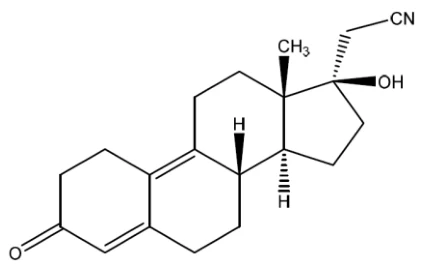 |
| Physicochemical properties: | White, almost white or slightly yellow, crystalline powder. Dienogest is practically insoluble in water sparingly soluble in methylene chloride, slightly soluble in methanol. Dienogest melting point is between 204°C and 214°C. pKa value corresponds to 13.64 ± 0.4 at temperature 25°C. |
CLINICAL TRIALS
Study Demographics and Trial Design
Three pivotal trials (Studies 307041, 307059, and 97085) evaluated the efficacy of dienogest in the management of pelvic pain associated with endometriosis using a visual analog scale (VAS) (0-100 mm). Patients with a confirmed diagnosis of endometriosis assessed by laparoscopy or laparotomy prior to treatment were included. These studies included patients with all stages of disease severity based on the rAFS or rARSM (revised American Society for Reproductive Medicine) classification systems.
The placebo-controlled study (Study 307041) was a multicenter, double-blind, randomized trial designed to prove the superiority of dienogest compared to placebo. A total of 198 patients with endometriosis were treated over a period of 3 months. The frequency distribution of patients according to rASRM stages was comparable at baseline: 45.1% and 25% of dienogest patients (and 44.8% and 26% of placebo patients) had moderate (stage III) and severe (stage IV) endometriosis, respectively. (14)
An open-label extension to this placebo-controlled study included a total of 168 women to assess the long-term efficacy of continued dienogest treatment (Study 307059). Patients previously treated with either placebo or dienogest in Study 307041 received dienogest for an additional 52 weeks. (15)
Pelvic pain associated with endometriosis was also assessed in a 6-month noninferiority trial comparing dienogest and leuprorelin acetate in 252 patients with endometriosis (Study 97085). Moderate (stage III) and severe (stage IV) endometriosis was present in 32.5% and 15% of dienogest patients at baseline, respectively. (16)
Table 5- Summary of Pivotal Studies for the Management of Pelvic Pain Associated With Endometriosis With Dienogest (Dienogest 2 mg)
| Report (Study) / Phase (Study Design) | Primary Endpoint | Treatment Regimen | Treatment Duration | No. of Patients (Full Analysis Set) | Mean Age (Years) |
A32473 (307041) / phase 3 (Multicenter, double-blind, randomized, placebo-controlled, parallel-group) | Pelvic pain associated with endometriosis assessed by VAS and change in pain medicationa | Dienogest oral once daily Placebo | 12 weeks | 102 96 | 31.5 (18-44) 31.4 (19-46) |
A39700 (307059) / phase 3; extension of Study 307041 (Multicenter, open-label, one-arm) | Pelvic pain associated with endometriosis assessed by VAS | Dienogest oral once daily | 52 weeks | 168 (87 previously treated with dienogest and 81 previously treated with placebo in Study 307041) | 31.9 (18-46) |
AU19 (97085) / phase 3 (Multicenter, open-label, randomized, active-controlled, parallel-group) | Pelvic pain associated with endometriosis assessed by VAS | Dienogest oral once daily Leuprorelin acetate 3.75 mg intramuscular every 4 weeks | 24 weeks | 120 128 | 30.6 (18-47) 31.0 (18-45) |
Abbreviation s: VAS = visual analog scale
a Pain medication allowed ibuprofen tablets up to 1,200 mg/day
Study Results
Pelvic Pain Associated With Endometriosis–- Studies 307041, 307059, 97085
Treatment with dienogest produced clinically significant reductions in pelvic pain from baseline in all 3 pivotal studies.
Study 307041
Superiority of dienogest over placebo was demonstrated in the placebo-controlled trial (Study 307041). The mean reduction in VAS score with dienogest was more pronounced and statistically significant in comparison to placebo (difference = 12.3 mm; 95% CI = 6.4-18.1; P < 0.0001). After 3 months of treatment with dienogest, the mean reduction of pain compared to baseline was 27.4 ± 22.9 mm. Pain improvement was not related to the use of pain medication which actually decreased over time (see Table 6).
Reduction of pelvic pain by at least 50% without a relevant increase of concomitant pain medication was achieved in 32.4% of patients on dienogest (placebo: 13.5%); a reduction by at least 75% without a relevant increase in pain medication was achieved in 18.6% of patients on dienogest (placebo: 5.2%).
Table 6- Results for Study 307041, Comparison of Dienogest and Placebo for the Management of Pelvic Pain Associated With Endometriosis, Determined by VAS (mm) and Intake of Pain Medication (Number of Tablets)a Over 12 Weeks (Full Analysis Set)
Dienogest N=102 mean ± SD | Placebo N=96 mean ± SD | |||||
| VAS Baseline | 56.8 ± 18.0 | 57.0 ± 17.8 | ||||
| VAS week 4 | 41.2 ± 22.0 | 50.8 ± 19.6 | ||||
| VAS week 8 | 30.6 ± 20.6 | 44.2 ± 20.5 | ||||
| VAS week 12 | 27.6 ± 20.4 | 39.4 ± 22.1 | ||||
| Difference: week 12 minus baseline, LOCFb | -27.4 ± 22.9 | -15.1 ± 16.4 | ||||
Difference between treatments: VAS (placebo minus Dienogest) | 12.272c | |||||
P-value (95% CI) | P<0.0001 (6.403 to 18.140) | |||||
| Pain medication at baselinea | 9.9 ± 7.4 | 9.4 ± 8.6 | ||||
| Pain medication at week 12a | 5.5 ± 5.8 | 5.7 ± 5.8 | ||||
| Difference: week 12 minus baseline, LOCFb | -4.4 ± 6.4 | -3.7 ± 8.2 | ||||
| Difference between treatments: intake of pain medication (placebo minus Dienogest) | 0.741c | |||||
P-value (95% CI) | P=ns (-1.412 to 2.895) | |||||
Abbreviations: VAS = visual analog scale, 100 mm, LOCF = last observation carried forward, N = number of patients, SD = standard deviation, CI = confidence interval, ns = not significant
a Cumulative number of tablets for the preceding 28 days.
b Negative difference reflects improvement from baseline.
c Positive value reflects difference in favor of dienogest.
Note: Statistical analysis according to testing procedure described by Roehmel et al. 2006. (17)
Study 307059
The open label extension to the placebo-controlled trial showed continued improvement of pelvic pain associated with endometriosis for treatment up to 15 months duration (mean reduction at end of treatment = 41.9 ± 19.7 mm after 3 months treatment with placebo plus 12 months treatment with dienogest and 44.2 ± 23.3 mm after 15 months treatment with dienogest) (see Table 7).
Table 7– Results of Study 307059, Time Course of Pelvic Pain Associated With Endometriosis Assessed by VAS (mm) Over 64 Weeks (Historic Data From Study 307041 for 12 Weeks and Data During Extension Study 307059 for 52 Weeks) (Full Analysis Set)
Previous Treatment: Dienogest N=87 VAS(mm) Mean ± SD | Previous Treatment: Placebo N=81 VAS (mm) Mean ± SD | |||||
|---|---|---|---|---|---|---|
| Study 307041 | ||||||
| Baseline | 56.4 ± 17.8 | 57.5 ± 16.7 | ||||
| Week 4 | 42.7 ± 21.9 | 52.0 ± 18.7 | ||||
| Week 8 | 31.4 ± 20.8 | 45.3 ± 19.6 | ||||
| Week 12a | 27.9 ± 20.2 | 40.7 ± 21.1 | ||||
| Study 307059 | ||||||
| Baseline | 27.9 ± 20.2 | 40.7 ± 21.1 | ||||
| Week 4 | 25.6 ± 18.8 | 35.4 ± 20.7 | ||||
| Week 16 | 19.2 ± 14.3 | 24.5 ± 16.1 | ||||
| Week 28 | 16.1 ± 13.4 | 19.5 ± 12.6 | ||||
| Week 40 | 13.1 ± 9.9 | 14.8 ± 10.9 | ||||
| Week 52 | 9.7 ± 7.4 | 13.5 ± 14.1 | ||||
Change Week 12: start of Study 307041 to end of Study 307041 | -28.5 ± 24.7 | -16.7 ± 16.3 | ||||
Change Week 52: end of Study 307041 to end of Study 307059 | -17.0 ± 20.4 | -25.6 ± 22.2 | ||||
Change Week 64: start of Study 307041 to end of Study 307059 | -44.2 ± 23.3 | -41.9 ± 19.7 | ||||
Abbreviations: N = number of patients, VAS = visual analog scale, SD = standard deviation, mm = millimeter a Equivalent to baseline value for extension Study 307059
Study 97085
In the pivotal Study 97085 the efficacy of dienogest was compared to the gonadotropin releasing hormone (GnRH) analog leuprorelin acetate in 120 patients. Dienogest demonstrated efficacy similar to leuprorelin acetate in the reduction of pelvic pain associated with endometriosis (P < 0.0001 for non-inferiority). After 6 months of treatment, similar reductions of pain were observed in both treatment groups (dienogest: 47.5 ± 28.8 mm, leuprorelin acetate: 46.0 ± 24.8 mm) (see Table 8).
After 6 months of treatment, reduction of pelvic pain associated with endometriosis by 50% or more was achieved in 82.2% of patients treated with dienogest (leuprorelin acetate: 85.4%); a reduction by 75% or more was achieved in 74.4% of patients treated with dienogest (leuprorelin acetate: 69.8%).
Table 8– Results of Study 97085, Comparison Between Dienogest and Leuprorelin Acetate in the Management of Pelvic Pain Associated With Endometriosis, Determined by VAS (mm) Over 24 Weeks
| PPS | FAS | |||||||
|---|---|---|---|---|---|---|---|---|
Dienogest N=90 VAS (mm) Mean ± SD | Leuprorelin acetate N=96 VAS (mm) Mean ± SD | Dienogest N=118 VAS (mm) Mean ± SD | Leuprorelin acetate N=127 VAS (mm) Mean ± SD | |||||
| VAS baseline | 60.2 ± 24.2 | 57.9 ± 21.0 | 53.3 ± 29.1 | 55.4 ± 24.2 | ||||
| Week 4 | 35.7 ± 23.7 | 32.6 ± 27.0 | 32.7 ± 24.7 | 31.5 ± 27.8 | ||||
| Week 8 | 24.2 ± 22.5 | 21.7 ± 23.0 | 22.1 ± 22.3 | 20.2 ± 22.5 | ||||
| Week 12 | 19.7 ± 23.2 | 18.7 ± 23.0 | 18.0 ± 22.5 | 17.9 ± 22.5 | ||||
| Week 16 | 16.2 ± 20.2 | 14.6 ± 19.5 | 15.6 ± 20.2 | 14.3 ± 19.5 | ||||
| Week 20 | 12.5 ± 18.0 | 12.8 ± 19.0 | 12.2 ± 18.3 | 14.4 ± 21.5 | ||||
| Week 24 | 12.7 ± 20.3 | 11.9 ± 16.9 | 12.1 ± 19.9 | 13.0 ± 19.4 | ||||
| Differenc e: week 24 minus baselinea | -47.5 ± 28.8 | -46.0 ± 24.8 | -40.2 ± 32.0 | -41.8 ± 28.6 | ||||
Difference between treatments (dienogest minus leuprorelin acetate)b | -1.50 | 1.58 | ||||||
P-value (one-sided for noninferiority) (95% CI) | P < 0.0001 (-9.25 to 6.25) | P = 0.0004 (-6.41 to 9.58) | ||||||
Abbreviations: PPS = per protocol set, FAS = full analysis set, VAS = visual analog scale, mm = millimetre, SD = standard deviation, N = number of patients, CI = confidence interval a Negative difference reflects improvement
b Negative value in favor of dienogest, positive value in favor of leuprorelin acetate.
Pelvic Pain Associated With Endometriosis in Adolescents–- Study 13788
Study 13788
The efficacy of dienogest was demonstrated in the treatment of endometriosis related symptoms (pelvic pain, dysmenorrhea, and dyspareunia) in a 12-month study with 111 female adolescents (after menarche between 12 and <18 years of age).
The study showed continued improvement of pelvic pain associated with endometriosis. At baseline, the mean VAS for pelvic pain associated with endometriosis was 64.3 ± 19.1 mm. After 4 and 8 weeks of treatment, the mean VAS had decreased by 28.2 ± 29.5 mm and by 39.0 ± 32.1 mm, respectively, compared to baseline. Thereafter, further decreases were slower, and reached a minimum score at week 48 with a mean of 9.0 ± 13.9 mm (change from baseline -56.3 ± 25.5 mm). The end of treatment score was 12.1 ± 19.1 mm (change from baseline -53.0 ± 28.2 mm).
After 24 weeks of treatment, reduction of pelvic pain associated with endometriosis of at least 30% in the VAS was achieved in 81% of patients treated with dienogest.
Comparative Bioavailability Studies
A randomized, single-dose (1 x 2 mg), two-way crossover comparative bioavailability study of M-DIENOGEST (Mantra Pharma Inc.) and VISANNE® (Jenapharm GmbH & Co. KG) was conducted in healthy, post-menopausal female subjects under fasting conditions. Comparative bioavailability data from the 44 subjects who completed the study are summarized in the following table.
SUMMARY TABLE OF THE COMPARATIVE BIOAVAILABILITY DATA
Dienogest (1 × 2 mg) Geometric Mean Arithmetic Mean (CV %) | ||||
| Parameter | Test1 | Reference2 | % Ratio of Geometric Means | 90% Confidence Interval |
AUCT (ng•h/mL) | 973.36 978.06 (23.43) | 980.52 985.92 (23.83) | 99.3 | 97.2–- 101.4 |
AUCI (ng•h/mL) | 1018.85 1030.50 (24.00) | 1032.23 1045.15 (24.83) | 98.7 | 96.9–- 100.6 |
Cmax (ng/mL) | 54.86 52.86 (20.71) | 56.38 54.59 (20.19) | 97.3 | 93.4–- 101.4 |
Dienogest (1 × 2 mg) Geometric Mean Arithmetic Mean (CV %) | ||||
| Parameter | Test1 | Reference2 | % Ratio of Geometric Means | 90% Confidence Interval |
Tmax3 (h) | 2.00 (0.75–- 6.00) | 1.83 (0.50–- 6.00) | ||
T½4 (h) | 15.43 (16.53) | 16.27 (18.78) | ||
1 M-DIENOGEST (dienogest) tablets, 2 mg (Mantra Pharma Inc.)
2 VISANNE® (dienogest) tablets, 2 mg (Jenapharm GmbH & Co. KG, Germany)
3 Expressed as the median (range) only.
4 Expressed as arithmetic mean (% CV) only.
DETAILED PHARMACOLOGY
Animal Pharmacology
Primary Pharmacodynamics
Dienogest showed a low binding affinity to the uterine progesterone receptor in rats. Compared to progesterone, the relative binding affinity of dienogest was less than 20%. In human uterine cytosol, the relative binding affinity of dienogest to the progesterone receptor was about one order of magnitude less than that of progesterone.
The progesterone receptor mediated activity (alkaline phosphatase induction) of dienogest was tested in human breast carcinoma T47D cells and revealed a 2-fold weaker progestogenic activity than progesterone.
In bonnet monkeys, dienogest effectively blocked ovulation from the lowest tested dose of 0.3 mg/kg/day and higher when given subcutaneously. Equally strong effects on menstrual cycling and/or inhibition of ovulation were observed in the repeated-dose toxicity studies in other monkey species after oral dosing.
Effects of dienogest on the differentiation and proliferation of human endometrial stroma cells were assessed in vitro. Dienogest induced a dose-dependent inhibition of cell proliferation in the presence of estradiol. Changes typical of decidualization were observed. The antiprogestin RU-486 antagonized the effects of dienogest. (11) Dienogest statistically significantly reduced proliferation of endometriotic stromal cells isolated from human endometriotic lesions. (18)
The influence of dienogest on experimental endometriosis in rats revealed a reduced endometrial implant volume at oral doses ≥ 0.1 mg/kg of dienogest without affecting bone mineral density. A
100 mg/kg dose of danazol had a comparable effect on the endometrial implants but also decreased the bone mineral density. (19)
In contrast to some other progestins, dienogest was unable to maintain pregnancy in rats ovariectomized on day 3 of pregnancy. In rabbits, pregnancy was maintained at low dosages of dienogest, indicating that rabbits are very sensitive to the progestational activities of dienogest.
Antiandrogenic, Androgenic and Anabolic Activities
Dienogest possesses antiandrogenic activities. In the Hershberger assay in rats, dienogest showed clear antiandrogenic properties. (20) The antiandrogenic potency of dienogest was 40% that of cyproterone acetate. (21)
The fertility of male mice and male rabbits was reduced dose-dependently by dienogest.
Unlike other 19-nortestosterone derivatives, dienogest has no androgenic activity.
Antiprogestational Activities
Dienogest, itself, has no antiprogestogenic activity, but the major rodent plasma metabolite aromatic dienogest has antiprogestogenic activity. Therefore, in rodents dienogest can also act as an antiprogestin when given orally or subcutaneously. This finding of antiprogestogenic activity has no relevance for primates as this aromatic metabolite does not occur in relevant amounts in monkey or human plasma.
Estrogenic and Antiestrogenic Activities
Dienogest does not bind to the estrogen receptor. In a transactivation assay in the human breast cancer cell line MCF-7/2A, dienogest did not induce estrogen receptor-dependent transactivation.
Dienogest itself has no estrogenic activity, but the major rodent plasma metabolite, aromatic dienogest, has estrogenic activity. Therefore, in rodents, dienogest acts as an estrogen when given orally or subcutaneously. This finding of estrogenicity has no relevance for primates as this aromatic metabolite does not occur in relevant amounts in monkey or human plasma.
Glucocorticoid and Mineralocorticoid Activities
There was only low binding to the glucocorticoid receptor in rat liver and rat thymus and to the mineralocorticoid receptor in rat kidney. (21) Dienogest did not affect hepatic glycogen content in adrenalectomized rats. Dienogest-medicated rats failed to exhibit any changes in either urine volume or the urinary Na/K ratio, even when the dose was as high as 100 mg/kg orally. This indicates no glucocorticoid or mineralocorticoid activity. (20)
Summary of Endocrinological Activities
Competition experiments were performed with several receptors and ligands. Dienogest exhibited only low binding to the mineralocorticoid and the estrogen receptors. There was a slight binding to the androgen and the glucocorticoid receptors.
The conclusion drawn from the detailed endocrinological characterization of dienogest is that this drug substance has a potent progestational activity on the endometrium and a medium antigonadotrophic activity. A moderate antiandrogenic activity was observed in rats and mice. The estrogenic activity of dienogest observed in rats and mice was considered to represent a species-specific response related to the presence of an aromatic dienogest metabolite that occurs only in these species.
General Pharmacodynamics
In rats, dienogest did not influence general symptoms and behavior at doses up to 30 mg/kg. Effects on the central nervous system in mice, rats, and rabbits revealed effective doses after oral or parenteral administration as high as 100 mg/kg, with the exception of a slight decrease in body temperature in mice which was observed after 10 mg/kg injected intraperitoneally.
Some temporary effects of dienogest on body temperature or kidney function in rats were noted at lower doses (≥ 10 mg/kg), which are at least 2 orders of magnitude above the intended therapeutic dose in humans.
Cardiovascular effects of dienogest were studied in vitro on the isolated heart atrium of rats and guinea pigs and revealed changes of spontaneous contraction parameters only at high concentrations of about 3 x 10⁻⁴ mol/L. In vivo studies in rabbits did not reveal effects on blood pressure, heart rate, blood flow, arterial oxygen partial pressure, arterial carbon dioxide pressure, and ECG after intraduodenally administered dienogest at a dose of 30 mg/kg. In addition, studies to investigate particular cardiovascular effects on the duration of the action potential in isolated papillary muscles of guinea pigs did not show effects on action potential parameters up to a dienogest concentration of 10-5 mol/L. The effect of dienogest on the human hERG potassium channel was also investigated. Dienogest was tested at concentrations of 10-6 mol/L, 10-5 mol/L and 10-4 mol/L. The outward current amplitudes of the hERG-mediated potassium current were not significantly reduced during application of 10-6 mol/L and 10-5 mol/L. At a concentration of 10-4 mol/L dienogest showed a significant but reversible current reduction.
In vivo, in conscious monkeys, ECG parameters (PR interval, QRS widths, or QT interval) were not affected by oral administration of dienogest up to a dose of 30 mg/kg. The measurement of blood pressure and heart rate did not reveal any effects.
Effects on the autonomic and somatic nervous system were studied in vitro and revealed changes related to dienogest treatment only at high concentrations in the 10-4 mol/L range.
Safety pharmacology studies with dienogest concluded that compound-related changes were observed for the majority of investigated parameters only at very high doses (≥ 30 mg/kg) or at dienogest in vitro concentrations in the 10-4 mol/L range. In humans, a maximum concentration of about 80 ng/mL of dienogest in blood plasma (ca 2 x 10⁻⁷ mol/L) was determined during clinical studies. Therefore, no impact of dienogest on cardiovascular or ECG parameters in humans is expected in the therapeutic range.
Human Pharmacology
Pharmacodynamics
Dienogest reduces the endogenous production of estradiol and thereby suppresses the trophic effects of estradiol on both the eutopic and ectopic endometrium. When given continuously, dienogest leads to a hyperprogestogenic and moderately hypoestrogenic endocrine environment causing decidualization of endometrial tissue.
In addition to the estradiol-mediated effects dienogest also has direct antiproliferative, immunologic and antiangiogenic effects that contribute to the reduction of endometriosis-associated symptoms. (11-13)
Ovulation is inhibited at a daily dose of 2 mg but ovarian activity is not completely suppressed. Circulating estradiol levels during treatment with 2 mg dienogest/day are similar to those in the early follicular phase of the menstrual cycle. Clinical studies have not shown signs and symptoms of a hypoestrogenic state in women using dienogest. In particular, bone mineral density (BMD) was assessed in 21 adult patients before and after 6 months of treatment and there was no reduction in mean BMD. (16)
The use of dienogest in adolescents (12 to <18 years) over a treatment period of 12 months was associated with a decrease in bone mineral density (BMD) in the lumbar spine (L2-L4). The mean relative change in BMD from the start of treatment to the end of treatment (EOT) was–- 1.2% with a range between -6% and 5% (IC 95%: -1.70% and -0.78%, n=103). Repeated measurement at 6 months after the EOT in a subgroup with decreased BMD values showed that after cessation of treatment, BMD increased towards pre-treatment levels in these patients.
The menstrual cycle returns to pretreatment characteristics within 2 months after cessation of treatment with dienogest.
Pharmacokinetics
Absorption and Bioavailability
Pharmacokinetic studies have shown that orally administered dienogest is rapidly and almost completely absorbed. The absolute bioavailability of dienogest from a film-coated, gelatin-containing tablet formulation was determined to be 90.6%. Maximum dienogest concentrations in serum or plasma were observed on average 1 to 2 hours after oral administration. Post-maximum dienogest concentrations declined biphasically with mean terminal half-lives of about 8 to 10 hours.
Pharmacokinetic dose linearity was observed in young Caucasian women following single oral administration of 1 to 8 mg dienogest. The observed Cmax and AUC values were proportional to the administered dose.
After repeated administration of dienogest, only minimal accumulation was observed and neither the time to maximum nor the terminal half-life were altered compared to single-dose administration. In a combined single-multiple dose study in 16 young women, it could be shown that steady state was reached after 4 days of treatment and that the pharmacokinetics of dienogest after multiple dosing is predictable from single-dose pharmacokinetics as indicated by AUC(0-24h)steady state / AUCsingle dose ratio of 1.03.
Distribution
A 10% fraction of circulating dienogest is present in the free form with approximately 90% being bound nonspecifically to albumin. (22) Dienogest does not bind to the specific transport proteins SHBG and CBG. (20) Thus, the pharmacokinetics of dienogest are not influenced by changes of SHBG or CBG concentrations and displacement of testosterone from SHBG or cortisol from CBG by dienogest is unlikely.
The volume of distribution at steady state (Vss) of dienogest was 46 L after the intravenous administration of 85 mcg 3H-dienogest.
Metabolism
Studies in women with 3H-labelled dienogest showed that the main fraction of radioactivity in plasma represented unchanged dienogest. In the first 24 hours after oral administration of 0.1 mg dienogest/kg body weight (bw) to women, about 60% of the total radioactivity in plasma represented the parent compound and no major peak was found besides unchanged dienogest.
Dienogest is extensively metabolized in humans by phase I reactions. In women only about 6% to 8% of the parent compound was renally excreted as unchanged or conjugated dienogest. The most prominent phase-I metabolites in human urine were hydroxylated metabolites, mainly 6β-OH-DNG, 1α-OH-DNG and 11β-OH-DNG. All other metabolites were minor in quantity. In plasma the main metabolite is 6β-OH-DNG; 4 other metabolites formed in humans are represented in plasma only to a minor extent.
CYP3A4 was found to be the most relevant CYP isoform for the metabolism of dienogest.
Overall, the metabolite pattern in humans was similar to that in monkeys and mice and, to a lesser extent, that in rats and dogs.
Pharmacological Activity of the Metabolites
Based on in vitro receptor binding and transactivation assays, none of the metabolites formed in humans is expected to exhibit direct steroid hormone-receptor-related pharmacological effects in vivo. Dienogest is not a prodrug and its pharmacologic activity does not depend on transformation into active metabolites.
Excretion
Dienogest is extensively metabolized and only trace amounts are excreted unchanged. The main route of excretion in women as well as in female rats, monkeys and rabbits is via urine. Excretion is fast and largely complete after 5 to 6 days.
The renal elimination half-life of total radioactivity after oral administration of 0.1 mg/kg bw was 14.4 ± 2.4 hours. The ratio of renal to fecal elimination was 6.7 after an oral dose of 101 μg (dienogest/volunteer, 5.4 after an IV dose of about 80 mcg dienogest/volunteer and 3.2 after an oral dose of 0.1 mg/kg bw).
Special Populations
Race
No clinically relevant interethnic differences among Caucasian and Japanese patients were observed regarding pharmacokinetics and pharmacodynamics.
TOXICOLOGY
Acute Toxicity
Single-dose toxicity studies were conducted in several species including mice, rabbits, rats, and dogs. All of the studies revealed a very low toxicity of dienogest after single oral or parenteral administration. Nonlethal doses were between 1000 and 4000 mg/kg with the exception of male rabbits where it was below but close to 1000 mg/kg. Toxic signs observed at high doses were central depression in mice, none in rats, anorexia, weight loss, convulsions in rabbits, and a transient increase in GPT in dogs without histopathological findings.
Repeated-Dose Toxicity
Repeated-dose systemic toxicology studies of dienogest were conducted for various durations up to 13 weeks in mice, 12 months in rats, 6 months in dogs, and up to 12 months in monkeys.
In general, the principle findings observed in all studies were pharmacological or exaggerated pharmacological effects associated with the repeated administration of high dose levels of a progestogenic compound to laboratory animals.
In mice, dienogest was well tolerated when given orally at dose levels up to 125 mg/kg/day for
13 weeks. Principle changes were pharmacological in nature (lower uterus and cervix weights at dose levels of 25 mg/kg/day and higher ovary and lower seminal vesicle weights at dose levels of 125 mg/kg/day). At the high-dose level (125 mg/kg/day), increased absolute and relative liver weights were observed in male and female mice and were accompanied by periacinar hepatocyte hypertrophy in males. When given at a dose of 60 mg/kg to female mice, a depression of body weight gain and of hematopoiesis were the major additional findings. Toxicokinetic studies in mice were performed first in a separate 5-day study as well as in the 13-week study after the 60 mg/kg dose and later during the carcinogenicity study in this species. Up to an 18-fold multiple of human exposure to dienogest was studied in this species in terms of AUC(0-24h).
Repeated-dose systemic toxicity studies were conducted in female rats for 3, 6, and 12 months. In these studies, dienogest was well tolerated and not lethal when orally administered daily for 3 months at dose levels up to 30 mg/kg or for 6 and 12 months at doses up to 10 mg/kg/day. In the 3-month study, 3.0 mg/kg/day was identified as the NOAEL. In the 12-month study, 1.0 mg/kg/day was identified as the NOAEL. Body weights were unaffected in the 3-month study in animals given doses as high as 30 mg/kg/day, but were 9% and 12% higher than controls after daily oral administration of 0.1 and 1.0 mg/kg/day, respectively, for 12 months. Compared with controls, changes observed across the rat studies were predominantly pharmacological in nature and included persistent diestrus (30 mg/kg/day), lower average serum total cholesterol (≥ 3 mg/kg) and alanine and/or aspartate aminotransferase values (≥ 10 mg/kg/day), slightly higher serum triglyceride and nonesterified fatty acid values (≥ 0.1 mg/kg/day), alterations in coagulation parameters (higher platelet counts, fibrinogen values or longer prothrombin times after administration of doses ≥ 10 mg/kg), higher absolute and relative liver weights (≥ 1.0 mg/kg/day), and microscopic changes in target organs (ovaries, uterus and vagina) at most dose levels ≥ 1.0 mg/kg/day. Slightly lower erythrocytic parameters (typically erythrocyte counts, hemoglobin, and hematocrit), compared with controls were also observed in some of the studies. Microscopic liver changes including basophilic foci of cellular alteration, periportal fat deposition, and vacuolated hepatocytes were observed after oral administration of 10 mg/kg/day for 12 months. The liver changes seen only in this chronic study most likely reflect earlier onset of age-related changes in female rats, and similar findings have been described after high dose levels of progestins were administered in chronic toxicity studies in rodents. Toxicokinetic investigations showed that up to a 29-fold multiple of human exposure to dienogest was achieved in the 3-month studies in female rats and a 12-fold exposure was achieved in the pivotal 1-year study in terms of multiples of AUC(0-24h).
In another non-GLP, supportive study, dienogest or levonorgestrel was administered to rabbits in their daily diet for 19 to 20 months at concentrations intended to deliver 0.14 or 0.70 mg/day. No intrinsic organ toxicity was observed following dietary administration of dienogest or levonorgestrel. In general, changes observed were limited to pharmacologic or exaggerated pharmacologic effects of progestins.
Dienogest was orally administered to female Beagle dogs in 3 studies. In the first supportive study, dienogest was administered as powder in gelatin capsules once daily for 1 month at doses of 0.1 to 10 mg/kg/day. In the second study, dienogest, as a liquid suspension in gelatin capsules, was administered once daily for 3 months at doses of 0.3 to 3.0 mg/kg/day. In a second supportive study, dienogest was administered as coated tablets once daily for 6 months at doses of 0.01 to 1 mg/kg/day. In general, dienogest was well tolerated and nonlethal. Pharmacological changes observed in the female dogs included slight increases in body weight, enlargement of the mammary gland térus nyied microscopically by lobular hyperplasia, and histopathological changes in the ovaries, vagina, pituitary, and uterus. Clinical pathology changes included lower-than-control erythrocytic parameters (erythrocyte counts, hemoglobin, hematocrit) which were sometimes accompanied by alterations in lipid parameters and/or alterations in coagulation parameters. Sulfobromophthalein (BSP)-retention showed a slight, dose-dependent increase under dienogest in female animals at the mid- and high-dose level which was prominent in 1 animal in the second BSP test performed during the study. However, there was no morphological correlate in the liver of this dog.
Dienogest was orally administered to female Cynomolgus monkeys, once daily for 13 weeks at dose levels of 0.4, 2.0, and 10.0 mg/kg. Drug-induced cessation of menses occurred at all dose levels. No signs of intolerance or organ toxicity were observed at any dose level tested. AUC(0-24h) values for the high dose (10 mg/kg) in this GLP compliant study were ca 118 times higher than systemic exposure in women administered repeated 2 mg doses of dienogest.
In repeated-dose studies in female Rhesus monkeys, dienogest was orally (intragastrically) administered at dose levels of 0.1, 1, and 10 mg/kg/day for 3 or 12 months. An additional dose level of 0.3 mg/kg/day was also evaluated in the 12-month study. No compound-related mortality, effects on body weight, food consumption, ECG, ophthalmology, or urinalysis parameters were observed in either study. The NOAEL was identified as 1 mg/kg/day. Pharmacological effects, such as cessation of menstruation (all dose levels, and shown to be reversible in the 3-month study), serum biochemistry changes (lower than control alkaline phosphatase values after administration of 10 mg/kg/day), alterations in coagulation parameters (such as increases in fibrinogen and plasminogen activity but without effect on coagulation times or thromboelastograms), and intimal thickening and hypertrophy of the téruss were observed in each study. Furthermore, apart from a 2-fold increase in GPT in a single high-dose monkey and only in week 4 (as compared to the mean in controls) of the 3-month study, there was no indication of liver toxicity in any of the 3 monkey studies. The highest dose of 10 mg/kg in the pivotal 1-year monkey study resulted in 75 times the human dienogest exposure.
Carcinogenicity
Slightly increased incidences of malignant lymphomas and pituitary adenomas were seen in male mice during a 2-year carcinogenicity study. Female mice showed an increased incidence of uterine stromal polyps at the highest tested dose level. These findings are considered to be related to the weak estrogenic partial activity of dienogest in rodents. In 1 of the 2 rat carcinogenicity studies, there was an increased incidence of pituitary adenomas and fibroepithelial tumors of the mammary gland in male animals. There was no change in tumor incidence in female rats in both studies. These observations do not suggest particular human risks apart from those which are generally assumed for the use of progestogenic compounds.
In vitro studies have shown varied and dose-dependent effects of progestins, including dienogest, on the proliferation of primary human breast cancer cell lines (HCC1500 and MCF-7). These effects appear to differ from those of progesterone. Dienogest alone has not been shown to stimulate cell proliferation in normal breast cell lines (MCF10A), but it demonstrated a minor stimulatory effect on malignant estrogen-receptor positive breast cells (HCC1500). While in vitro findings cannot be extrapolated to in vivo or clinical situations, dienogest is a novel progestin with a distinct pharmacological profile compared to progesterone or other progestins. (23-25)
Reproductive Toxicology
Reproductive toxicity studies with dienogest gave no indication of a teratogenic potential up to embryolethal doses. The inhibition of implantation in rats might be due to an estrogenic effect and the impairment of tubal transport of ova and the postimplantational losses further indicate a disturbance of the endocrine milieu. The fertility of female offspring was impaired after high doses of dienogest given during late pregnancy and lactation. Taken together, the results of reproductive toxicity testing with dienogest do not differentiate this drug from other progestins. (26)
Mutagenesis
Two reverse mutation tests in bacteria (Ames test) were conducted. In both tests, dienogest was negative up to a dose of 5 mg per plate. Furthermore, dienogest in concentrations up to a cytotoxic dose of 500 mcg/mL (with and without metabolic activation) did not induce mutations in the TK locus in L5178Y mouse lymphoma cells.
Dienogest also did not induce chromosomal aberrations in Chinese hamster lung cells in culture up to a cytotoxic dose of 110 μg/mL (without metabolic activation) and 220 mcg/mL (with metabolic activation). In a chromosomal aberration test in human lymphocytes, dienogest was negative.
Oral doses up to 2 g/kg did not induce micronuclei of polychromatic erythrocytes in the bone marrow of female mice above the control level in 2 studies.
In a rat liver initiation-promotion model in vivo, dienogest did not induce preneoplastic enzyme-altered foci up to a dose of 140 mg/kg for 5 consecutive days followed by treatment with clophen A50 over 11 weeks. In the same test, diethylnitrosamine was clearly positive.
Dienogest did not induce chromosomal aberrations in the bone marrow cells of pregnant baboons or in the lymphocytes of their newborns up to a dose of 1.6 mg dienogest. (27, 28)
A dose of 100 mg/kg dienogest injected intraperitoneally to mice slightly suppressed the incorporation of radioactively labeled thymidine into DNA of the kidney and somewhat more of the liver. However, the difference was not significant at the specified significance limit of 1%.
Other negative tests briefly reported by Schöneich et al (29) included the rec-type repair test with Proteus mirabilis, another Ames test, a host-mediated assay with Salmonella typhimurium in the rat, the cytogenetic assays with ascites tumor or bone-marrow cells in mice, and a dominant lethal test with male and female mice. In all tests performed (which exceeded the extent requested by international guidelines), dienogest showed no mutagenic potential.
Additionally, a UDS (unscheduled DNA synthesis) test was conducted in primary hepatocytes of female rats in vitro. Two independent experiments were performed in which freshly isolated hepatocytes were exposed to dienogest for 18 hours in the presence of methyl-3H-thymidine. The uptake of radioactivity was determined by autoradiography. In the first series of experiments, a significant increase in net grains was found with 2 AAF and 10 or 15 mcg/mL CMA, but also with the dienogest concentrations evaluated between 1.72 and 220 mcg/mL. In the second experiment, 2 AAF was positive, but to a much lesser degree, and dienogest was only positive at the highest concentration of 220 mcg/mL, which was slightly cytotoxic. Dienogest showed a weak genotoxic potential only in this UDS test of the female rat. In a second UDS test in male rat hepatocytes, dienogest did not induce UDS at concentrations up to a cytotoxic dose of 250 mcg/mL in either of two independent experiments.
To support the evaluation of the above-mentioned UDS results in female rat hepatocytes, an in vivo/in vitro UDS assay in female rats was performed. Dienogest was given orally at extremely high dosages of 2000 mg/kg and 200 mg/kg. The animals were anesthetized and sacrificed by enzymatic liver perfusion 2 and 16 hours after dosing. Primary hepatocyte cultures were established and exposed for 4 hours to methyl-3H-thymidine. The maximal dose of 2000 mg/kg bw corresponds to 60,000-fold of the daily human dienogest dose. Dienogest was considered noneffective in inducing DNA damage, leading to increased repair synthesis in this in vivo/in vitro UDS assay.
Dienogest was tested for its potential to generate DNA adducts in human liver slices after in vitro incubation over 6 hours. After incubation with dienogest or spironolactone, DNA-adduct levels were below or at the level of quantification. No DNA-adducts were observed in any female livers after incubation with dienogest up to concentrations of 5000 ng/mL. In 2 of 3 male livers no adducts were found and in only one liver a very low DNA adduct level (3.94/109 nucleotides) at the limit of quantification was found at an extremely high dienogest concentration of 5000 ng/mL. It was concluded that dienogest did not produce DNA-adducts in human liver slices to a relevant degree.
REFERENCES
- 1. Kjos SL, Peters RK, Xiang A, Thomas D, Schaefer U, Buchanan TA. Contraception and the risk of type 2 diabetes mellitus in Latina women with prior gestational diabetes mellitus. Jama. 1998 Aug 12;280(6):533-8.
- 2. McCann MF, Potter LS. Progestin-only oral contraception: a comprehensive review. Contraception. 1994 Dec;50(6 Suppl 1):S1-195.
- 3. Back DJ, Orme ML. Pharmacokinetic drug interactions with oral contraceptives. Clin Pharmacokinet. 1990 Jun;18(6):472-84.
- 4. Kuhnz W, Blode H, Zimmermann H. Pharmacokinetics of exogenous natural and synthetic estrogens and antiestrogens. In: Oettel M, Schillinger E, editors. Handbook of Experimental Pharmacology, Vol 135/II Estrogens and Antiestrogens II, Pharmacology and Clinical Application of Estrogens and Antiestrogens. Berlin: Springer-Verlag; 1999. p. 261-322.
- 5. Crawford P. Interactions between antiepileptic drugs and hormonal contraception. CNS Drugs. 2002;16(4):263-72.
- 6. Milinkovic A, Martinez E. Nevirapine in the treatment of HIV. Expert Rev Anti Infect Ther. 2004 Jun;2(3):367-73.
- 7. Winston A, Boffito M. The management of HIV-1 protease inhibitor pharmacokinetic interactions. J Antimicrob Chemother. 2005 Jul;56(1):1-5.
- 8. Murphy PA, Kern SE, Stanczyk FZ, Westhoff CL. Interaction of St. Joh’'s Wort with oral contraceptives: effects on the pharmacokinetics of norethindrone and ethinyl estradiol, ovarian activity and breakthrough bleeding. Contraception. 2005 Jun;71(6):402-8.
- 9. Schindler AE, Christensen B, Henkel A, Oettel M, Moore C. High-dose pilot study with the novel progestogen dienogestin patients with endometriosis. Gynecol Endocrinol. 2006 Jan;22(1):9-17.
- 10. Kuhl H. Metabolic Effects of the Estrogens and Progestins. Gynakologe. 1997;30:357-69.
- 11. Okada H, Nakajima T, Yoshimura T, Yasuda K, Kanzaki H. The inhibitory effect of dienogest, a synthetic steroid, on the growth of human endometrial stromal cells in vitro. Mol Hum Reprod. 2001 Apr;7(4):341-7.
- 12. Oettel M, Breitbarth W, Elger W, Graser T, Hubler D, Kaufmann G, et al. The Pharmacological profile of dienogest. EU J Contraception and Reprod Health Care. 1998;3:1-12.
- 13. Nakamura M, Katsuki Y, Shibutani Y, Oikawa T. Dienogest, a synthetic steroid, suppresses both embryonic and tumor-cell-induced angiogenesis. Eur J Pharmacol. 1999 Dec 10;386(1):33-40.
- 14. Strowitzki T, Faustmann T, Gerlinger C, Seitz C. Dienogest in the treatment of endometriosis-associated pelvic pain: a 12-week, randomized, double-blind, placebo-controlled study. Eur J Obstet Gynecol Reprod Biol. 2010 Aug;151(2):193-8.
- 15. Petraglia F, Hornung D, Seitz C, Faustmann T, Gerlinger C, Luisi S, et al. Reduced pelvic pain in women with endometriosis: efficacy of long-term dienogest treatment. Arch Gynecol Obstet. 2011 Jun 17.
- 16. Strowitzki T, Marr J, Gerlinger C, Faustmann T, Seitz C. Dienogest is as effective as leuprolide acetate in treating the painful symptoms of endometriosis: a 24-week, randomized, multicentre, open-label trial. Hum Reprod. 2010 Mar;25(3):633-41.
- 17. Rohmel J, Gerlinger C, Benda N, Lauter J. On Testing Simultaneously Non-inferiority in Two Multiple Primary Endpoints and Superiority in at Least One of Them. Biometrical Journal. 2006;48(6):916-33.
- 18. Li F. Dienogest inhibits BrdU uptake with G0/G1 arrest in cultured endometriotic stromal cells. Fertil Steril. 2008;89(Suppl 3):1344-7.
- 19. Katsuki Y, Takano Y, Futamura Y, Shibutani Y, Aoki D, Udagawa Y, et al. Effects of dienogest, a synthetic steroid, on experimental endometriosis in rats. Eur J Endocrinol. 1998 Feb;138(2 ):216-26.
- 20. Katsuki Y, Sasagawa S, Takano Y, Shibutani Y, Aoki D, Udagawa Y, et al. Animal studies on the endocrinological profile of dienogest, a novel synthetic steroid. Drugs Exp Clin Res. 1997;23(2):45-62.
- 21. Oettel MK, G. Schröder, J. Präklinik und Klinik des Gestagens Dienogest (Preclinical and clinical properties of the progestin Dienogest). Gynäko-Endokrinologie. 1993;2:17-33.
- 22. Klinger G, Piater T, Jager R, Kuntzel B, Schon R, Hobe G. Non-protein bound dienogest in serum and salivary dienogest in women taking the oral contraceptives Certostat and Valette. Pharmazie. 2001 Apr;56(4):325-8.
- 23. Dolle JM, Daling JR, White E, Brinton LA, Doody DR, Porter PL, et al. Risk factors for triple-negative breast cancer in women under the age of 45 years. Cancer Epidemiol Biomarkers Prev. 2009 Apr;18(4):1157-66.
- 24. Seeger H, Wallwiener D, Mueck AO. The effect of progesterone and synthetic progestins on serum- and estradiol-stimulated proliferation of human breast cancer cells. Horm Metab Res. 2003 Feb;35(2):76-80.
- 25. Kramer EA, Seeger H, Kramer B, Wallwiener D, Mueck AO. The effect of progesterone, testosterone and synthetic progestogens on growth factor- and estradiol-treated human cancerous and benign breast cells. Eur J Obstet Gynecol Reprod Biol. 2006 Nov;129(1):77-83.
- 26. Lehmann MP, B. Poggel, HA. et al. Experimental toxicity studies with contraceptive steroids and their relevance for human risk estimation. In: Dayan AD, Paine AJ, eds Advances in Applied Toxicology London, New York, Philadelphia: Taylor & Francis. 1989:51-79.
- 27. Jemilev ZA, Komor A, Strecke J, Oettel M, Schubert K. [Chromosomal analysis of baboons and their mothers, following application to mothers of potentially post-ovulation fertility-inhibiting steroids (autho’'s transl)]. Zentralbl Gynakol. 1981;103(20):1215-9.
- 28. Strecke JK, A. Jemilew, Z. et al. Chromosomenanalytische Untersuchungen an weiblichen Pavianen nach Behandlung mit STS 557 und Levonorgestrel. (Chromosome analysis on female baboons after treatment with STS 557 or Levonorgestrel). Zentralblatt Gynäkologie. 1985;107:304-07.
- 29. Schoneich J, Becker K, Braun R. Investigations on the mutagenic activity of STS 557. Exp Clin Endocrinol. 1983 Feb;81(2):210-6.
- 30. VISANNE® tablets, 2 mg, submission control 182613, Product Monograph, Bayer Inc. (FEB 16, 2016)