


Product Monograph - Mavenclad
RECENT MAJOR LABEL CHANGES
| 4 Dosage and Administration, 4.1 Dosing Considerations | 05/2024 |
|---|---|
| 7 Warnings and Precautions, Immune, Progressive Multifocal Leukoencephalopathy (PML) | 05/2024 |
| 7 Warnings and Precautions, Immune, Infections | 08/2024 |
| 7 Warnings and Precautions, Sexual Function/Reproduction, Contraception in Males and Females | 05/2024 |
TABLE OF CONTENTS
Sections or subsections that are not applicable at the time of authorization are not listed.
RECENT MAJOR LABEL CHANGES ............................................................................................. 2
TABLE OF CONTENTS ............................................................................................................... 2
PART I: HEALTH PROFESSIONAL INFORMATION ....................................................................... 4
1 INDICATIONS ................................................................................................................ 4
1.1 Pediatrics (< 18 years of age) ................................................................................... 4
1.2 Geriatrics (> 65 years of age) ................................................................................... 4
2 CONTRAINDICATIONS .................................................................................................. 4
4 DOSAGE AND ADMINISTRATION .................................................................................. 5
4.1 Dosing Considerations ............................................................................................. 5
4.2 Recommended Dose and Dosage Adjustment ........................................................ 6
4.4 Administration ......................................................................................................... 8
4.5 Missed Dose ............................................................................................................ 8
5 OVERDOSAGE ............................................................................................................... 9
6 DOSAGE FORMS, STRENGTHS, COMPOSITION AND PACKAGING .................................. 9
7 WARNINGS AND PRECAUTIONS ................................................................................. 10
7.1 Special Populations................................................................................................ 14
7.1.1 Pregnant Women ............................................................................................ 14
7.1.2 Breast-feeding ................................................................................................. 15
7.1.3 Pediatrics (< 18 years of age) ........................................................................... 15
7.1.4 Geriatrics (> 65 years of age) ........................................................................... 15
8 ADVERSE REACTIONS ................................................................................................. 15
8.1 Adverse Reaction Overview ................................................................................... 15
8.2 Clinical Trial Adverse Reactions ............................................................................. 15
8.3 Less common clinical trial adverse reactions ......................................................... 18
8.4 Abnormal Laboratory Findings: Hematologic, Clinical Chemistry and Other Quantitative Data ............................................................................................................ 19
8.5 Post-Market Adverse Reactions ............................................................................ 19
9 DRUG INTERACTIONS ................................................................................................. 20
9.1 Serious Drug Interactions ...................................................................................... 20
9.2 Drug Interactions Overview ................................................................................... 20
9.4 Drug-Drug Interactions .......................................................................................... 20
9.5 Drug-Food Interactions .......................................................................................... 22
9.6 Drug-Herb Interactions .......................................................................................... 22
9.7 Drug-Laboratory Test Interactions ......................................................................... 22
10 CLINICAL PHARMACOLOGY ........................................................................................ 22
10.1 Mechanism of Action ....................................................................................... 22
10.2 Pharmacodynamics ......................................................................................... 22
10.3 Pharmacokinetics ............................................................................................ 23
11 STORAGE, STABILITY AND DISPOSAL .......................................................................... 25
12 SPECIAL HANDLING INSTRUCTIONS ............................................................................ 25
PART II: SCIENTIFIC INFORMATION ........................................................................................ 26
13 PHARMACEUTICAL INFORMATION ............................................................................. 26
14 CLINICAL TRIALS ......................................................................................................... 27
14.1 Clinical Trials by Indication .............................................................................. 27
15 MICROBIOLOGY ......................................................................................................... 28
16 NON-CLINICAL TOXICOLOGY ...................................................................................... 28
PATIENT MEDICATION INFORMATION ................................................................................... 31
PART I: HEALTH PROFESSIONAL INFORMATION
1 INDICATIONS
MAVENCLAD (cladribine) is indicated as monotherapy for the treatment of adult patients with relapsing-remitting multiple sclerosis (RRMS) to reduce the frequency of clinical exacerbations and delay the progression of disability. MAVENCLAD is generally recommended in MS patients who have had an inadequate response to, or are unable to tolerate, one or more therapies for multiple sclerosis.
MAVENCLAD treatment should be initiated and supervised by neurologists experienced in the treatment of MS and who have fully familiarized themselves with the efficacy and safety profile of MAVENCLAD and are able to discuss benefits/risks with patients.
The efficacy of taking MAVENCLAD for treatment duration beyond 2 years has not been established.
1.1 Pediatrics (< 18 years of age)
No data are available to Health Canada; therefore, Health Canada has not authorized an indication for pediatric use.
1.2 Geriatrics (> 65 years of age)
Clinical studies of MAVENCLAD in MS did not include sufficient numbers of patients aged 65 and over to determine whether they respond differently from younger patients (see 7.1.4, Geriatrics).
2 CONTRAINDICATIONS
MAVENCLAD is contraindicated in:
- Patients who are hypersensitive to cladribine or to any ingredient in the formulation or component of the container. For a complete listing, see 6 DOSAGE FORMS, STRENGTHS, COMPOSITION AND PACKAGING.
- Patients with increased risk for opportunistic infections, including those who are immunocompromised due to treatment (e.g. immunosuppressive or immunomodulating therapies, antineoplastic, myelosuppressive therapies, total lymphoid irradiation or bone marrow transplantation) (see 9 DRUG INTERACTIONS) or disease (e.g. immunodeficiency syndrome) (see 7 WARNINGS AND PRECAUTIONS, Immune, Infections).
- Patients with latent or active infections including active chronic bacterial, fungal or viral infections (e.g. hepatitis, tuberculosis) (see 7 WARNINGS AND PRECAUTIONS, Immune, Infections).
- Patients with a history of progressive multifocal leukoencephalopathy (PML).
- Patients with active malignancy (see 7 WARNINGS AND PRECAUTIONS, Immune).
- Patients with moderate or severe renal impairment (creatinine clearance < 60 mL/min) (see 10.3 Elimination; 10.3 Renal Impairment).
- Patients who are pregnant or breast-feeding (see 7.1.1 Pregnant Women).
- Women and men of reproductive potential who do not plan to use effective contraception during dosing and for 6 months after last dose in each treatment course (see 7 WARNINGS AND PRECAUTIONS, Sexual Function/Reproduction).
4 DOSAGE AND ADMINISTRATION
Treatment with MAVENCLAD should be initiated and supervised by neurologists experienced in the treatment of patients with MS and who have fully familiarized themselves with the efficacy and safety profile of MAVENCLAD.
4.1 Dosing Considerations
The following assessments should be done, prior to initiating treatment, to guide patient selection and treatment. Refer to 7 WARNINGS AND PRECAUTIONS and 9 DRUG INTERACTIONS for more complete information.
Lymphocyte counts and criteria for initiating and continuing therapy
- Obtain complete blood count (CBC), including lymphocyte count, before starting therapy if no recent (i.e. within 6 months or after discontinuation of prior therapy) result is available (see 7 WARNINGS AND PRECAUTIONS, Hematologic).
For initiating and continuing therapy lymphocyte counts must be:
- normal before initiating MAVENCLAD in year 1,
- at least 800 cells/mm³ (i.e., Grade 0 or 1) before initiating MAVENCLAD in year 2.
- Monitor lymphocyte counts periodically between treatment courses (see 7 WARNINGS AND PRECAUTIONS, Hematologic).
If necessary, the treatment course in year 2 can be delayed for up to 6 months to allow for recovery of lymphocytes. If this recovery takes more than 6 months, the patient should not receive MAVENCLAD anymore.
Liver function
- Obtain serum aminotransferase, alkaline phosphatase, and total bilirubin levels prior to initiation of therapy in year 1 and year 2.
- Monitoring of liver enzymes and total bilirubin levels prior to administering Week 2 doses should be considered, especially for patients who may be more susceptible to liver injury.
- Treatment should be delayed in patients with clinically significant serum aminotransferase, alkaline phosphatase, or total bilirubin abnormalities (see 7 WARNINGS AND PRECAUTIONS, Hepatic/Biliary/ Pancreatic).
Concomitant use of other oral medications It is recommended that administration of any other oral medicinal product be separated from that of MAVENCLAD by at least 3 hours during the limited number of days of MAVENCLAD administration (see 9.4 Drug-Drug Interactions).
Immune system effects
MAVENCLAD causes a reduction in circulating lymphocyte counts and may increase the risk of infections.
Evaluate patients for both active and inactive (“latent”) tuberculosis infection, according to local guidelines. MAVENCLAD is contraindicated in patients with active or latent tuberculosis (see
- CONTRAINDICATIONS; 7 WARNINGS AND PRECAUTIONS, Immune, Infections).
- Evaluate patients for hepatitis B and C virus (HBV and HCV) (see 7 WARNINGS AND PRECAUTIONS, Immune, Infections).
- Immunizations should be completed according to immunization guidelines at least 6 weeks prior to treatment with MAVENCLAD (see 7 WARNINGS AND PRECAUTIONS, Immune, Vaccination).
- Check varicella-zoster (VZV) antibody status before starting therapy if there is no health care professional confirmed history of chicken pox or vaccination with varicella vaccine; if negative, vaccination is recommended, with a delay in treatment initiation with MAVENCLAD for 6 weeks following vaccination (see 7 WARNINGS AND PRECAUTIONS, Immune, Vaccination).
- In patients who have previously been treated with immunomodulating or immunosuppressive medicinal products, MAVENCLAD must only be initiated if lymphocyte counts have been found to be normal (see 4.1 Dosing Considerations, Lymphocyte counts and criteria for initiating and continuing therapy; 7 WARNINGS AND PRECAUTIONS, Hematologic).
- A baseline magnetic resonance imaging (MRI) is recommended within 3 months before initiating the first treatment course of MAVENCLAD (see 7 WARNINGS AND PRECAUTIONS, Immune, Infections).
- Follow standard cancer screening guidelines prior to initiating and during treatment due to the risk of malignancies (see 2 CONTRAINDICATIONS; 7 WARNINGS AND PRECAUTIONS, Carcinogenesis and Mutagenesis; 8.2 Neoplasms).
Women and men of reproductive potential
- Pregnancy must be excluded (see 2 CONTRAINDICATIONS; 7 WARNINGS AND PRECAUTIONS, Sexual Function/Reproduction; and 7.1.1 Pregnant Women).
- Women and men of reproductive potential should be warned of the potential for serious risk to the fetus and the need for effective contraception during MAVENCLAD treatment and for at least 6 months after each treatment course (see 2 CONTRAINDICATIONS; 7 WARNINGS AND PRECAUTIONS, Reproductive Health: Male and Female Potential).
4.2 Recommended Dose and Dosage Adjustment
The recommended cumulative dose of MAVENCLAD is 3.5 mg/kg body weight over 2 years, administered as 1 treatment course of 1.75 mg/kg per year, followed by observation for another 2 years. Each treatment course consists of 2 treatment weeks, one at the beginning of the first month and one at the beginning of the second month of the respective year. Each treatment week consists of 4 or 5 days on which a patient receives 10 mg or 20 mg (one or two tablets) as a single daily dose, depending on body weight.
The efficacy of MAVENCLAD for treatment duration beyond 2 years has not been established (see 1 INDICATIONS). Therefore, no further dosing recommendation can be provided beyond two treatment courses.
Distribution of dose The distribution of the total dose over the 2 years of treatment is provided in Table 1. Note that for some weight ranges the number of tablets may vary from one treatment week to the next. Use of oral cladribine in patients weighing less than 40 kg has not been investigated.
Table 1 Dose of MAVENCLAD per year and treatment week by patient weight
| Weight range | Dose in mg (number of 10 mg tablets) per week | |||
| Year 1 treatment course | Year 2 treatment course | |||
| kg | Treatment week 1 | Treatment week 2 | Treatment week 1 | Treatment week 2 |
| 40 to < 50 | 40 mg (4 tablets) | 40 mg (4 tablets) | 40 mg (4 tablets) | 40 mg (4 tablets) |
| 50 to < 60 | 50 mg (5 tablets) | 50 mg (5 tablets) | 50 mg (5 tablets) | 50 mg (5 tablets) |
| 60 to < 70 | 60 mg (6 tablets) | 60 mg (6 tablets) | 60 mg (6 tablets) | 60 mg (6 tablets) |
| 70 to < 80 | 70 mg (7 tablets) | 70 mg (7 tablets) | 70 mg (7 tablets) | 70 mg (7 tablets) |
| 80 to < 90 | 80 mg (8 tablets) | 70 mg (7 tablets) | 80 mg (8 tablets) | 70 mg (7 tablets) |
| 90 to < 100 | 90 mg (9 tablets) | 80 mg (8 tablets) | 90 mg (9 tablets) | 80 mg (8 tablets) |
| 100 to < 110 | 100 mg (10 tablets) | 90 mg (9 tablets) | 100 mg (10 tablets) | 90 mg (9 tablets) |
| 110 and above | 100 mg (10 tablets) | 100 mg (10 tablets) | 100 mg (10 tablets) | 100 mg (10 tablets) |
Table 2 shows how the total number of tablets per treatment week is distributed over the individual days. It is recommended that the daily MAVENCLAD doses in each treatment week be taken at intervals of 24 hours at approximately the same time each day. If a daily dose consists of two tablets, both tablets are taken together as a single dose.
Table 2 MAVENCLAD 10 mg tablets per weekday
| Total number of tablets per week | Day 1 | Day 2 | Day 3 | Day 4 | Day 5 |
| 4 | 1 | 1 | 1 | 1 | 0 |
| 5 | 1 | 1 | 1 | 1 | 1 |
| 6 | 2 | 1 | 1 | 1 | 1 |
| 7 | 2 | 2 | 1 | 1 | 1 |
| 8 | 2 | 2 | 2 | 1 | 1 |
| 9 | 2 | 2 | 2 | 2 | 1 |
| 10 | 2 | 2 | 2 | 2 | 2 |
Renal Impairment No dedicated studies have been conducted in patients with renal impairment (see 10.3 Renal Impairment).
In patients with mild renal impairment (creatinine clearance 60 to 89 mL/min), no dosage adjustment is considered necessary.
Safety and efficacy in patients with moderate or severe renal impairment (creatinine clearance < 60 mL/min) have not been established. Therefore, MAVENCLAD is contraindicated in these patients (see 2 CONTRAINDICATIONS).
Hepatic Impairment No studies have been conducted in patients with hepatic impairment (see 10.3 Hepatic Impairment).
Although the importance of hepatic function for the elimination of cladribine is considered negligible (see 10.3 Metabolism), in the absence of data, use of MAVENCLAD is not recommended in patients with moderate or severe hepatic impairment (Child-Pugh score > 6).
Geriatrics (> 65 years of age) Clinical studies with oral cladribine in MS did not include sufficient numbers of patients aged 65 and over to determine whether they respond differently from younger patients.
Caution is recommended when MAVENCLAD is used in elderly patients, taking into account the potential greater frequency of decreased hepatic or renal function (see 10.3 Pharmacokinetics), concomitant diseases and other medicinal therapies.
Pediatrics (< 18 years of age)
Health Canada has not authorized an indication for pediatric use.
4.4 Administration
MAVENCLAD is taken orally and swallowed without chewing. It should be taken with water, with or without food.
As the tablets are uncoated, they must be swallowed immediately once removed from the blister and not be left exposed on surfaces or handled for any period of time greater than that required for dosing. If a tablet is left on a surface, or if a broken or fragmented tablet is released from the blister, the area must be thoroughly washed.
The patient's hands must be dry when handling the tablets and washed thoroughly afterwards.
4.5 Missed Dose
A missed dose must be taken as soon as remembered on the same day according to the treatment schedule.
A missed dose must not be taken together with the next scheduled dose on the following day. In the case of a missed dose, the patient must take the missed dose on the following day, and extend the number of days in that treatment week. For example, if a patient forgets to take the Day 3 dose and does not remember until Day 4, the Day 3 dose is taken on Day 4, and the total number of days in the treatment week is extended by one day. If two consecutive doses are missed, the same rule applies, and the number of days in the treatment week is extended by two days.
5 OVERDOSAGE
There is limited experience with overdose of oral cladribine. Lymphopenia is known to be dose-dependent (see 7 WARNINGS AND PRECAUTIONS, Hematologic; 8 ADVERSE REACTIONS).
There is no known specific antidote to an overdose of MAVENCLAD. Treatment consists of careful observation and initiation of appropriate supportive measures. Discontinuation of MAVENCLAD may need to be considered. Because of the extensive intracellular and tissue distribution, hemodialysis is unlikely to eliminate cladribine to a significant extent.
Particularly close monitoring of hematological parameters is recommended in patients who have been exposed to an overdose of cladribine.
| For management of a suspected drug overdose, contact your regional poison control centre or Health Canada’s toll-free number, 1-800-POISON-X (1-844-764-7669). |
|---|
6 DOSAGE FORMS, STRENGTHS, COMPOSITION AND PACKAGING
Table 3 Dosage Forms, Strengths, Composition and Packaging
MAVENCLAD is available as tablets containing 10 mg of cladribine: white, round, biconvex tablets, engraved with 'C' on one side and '10' on the other side.
MAVENCLAD is supplied in an aluminum-aluminum blister which is sealed in a cardboard wallet and fixed in a child-resistant carton.
Pack sizes of 1, 4, 5, 6, 7 or 8 tablets. Not all pack sizes may be marketed.
| Route of Administration | Dosage Form / Strength/Composition | Non-medicinal Ingredients |
| oral | tablet 10 mg | Hydroxypropyl betadex, magnesium stearate, sorbitol. May contain trace amounts of sodium hydroxide and/or hydrochloric acid. (see 7 WARNINGS AND PRECAUTIONS, Endocrine and Metabolism). |
7 WARNINGS AND PRECAUTIONS
General
Before initiating treatment with MAVENCLAD:
- See 4.1 Dosing Considerations.
During treatment with MAVENCLAD and following treatment discontinuation:
- Instruct patients to promptly report symptoms of infection during treatment and following discontinuation of MAVENCLAD (see 7 WARNINGS AND PRECAUTIONS, Immune, Infections).
Lymphocyte counts must be determined:
- before initiating MAVENCLAD in year 1,
- before initiating MAVENCLAD in year 2, and
- periodically between treatment courses and thereafter. Should lymphocyte counts drop below 500 cells/mm³ (CTCAE v4.0 Grade 3 toxicity), active monitoring is recommended until values increase above 500 cells/mm³.
See 7 WARNINGS AND PRECAUTIONS, Hematologic and 4.1 Dosing Considerations.
Carcinogenesis and Mutagenesis
The actions of cladribine yield DNA damage (see 16 Genotoxicity). Due to the known genotoxicity of cladribine and immunosuppression associated with the use of nucleoside analogues like MAVENCLAD, MAVENCLAD could potentially increase the risk of malignancies.
In clinical trials, events of malignancies were observed more frequently in cladribine-treated patients compared to patients who received placebo (see 8.2 Neoplasms).
MAVENCLAD is contraindicated in MS patients with active malignancies (see 2 CONTRAINDICATIONS). Patients with prior malignancy were excluded from participating in the clinical development program; therefore, an individual benefit-risk evaluation should be performed before initiating MAVENCLAD in patients with prior malignancy. Patients treated with MAVENCLAD should be advised to follow standard cancer screening guidelines.
Cladribine was clastogenic in nonclinical in vitro and in vivo studies, but not mutagenic in bacterial and mammalian cell assays and did not cause any tumors of clinical significance in mice (see 16 Genotoxicity).
Endocrine and metabolism
MAVENCLAD contains sorbitol. Patients with hereditary problems of fructose intolerance should not take this medicinal product.
Hematologic
Cladribine's mode of action is closely linked to a reduction in lymphocyte count. The effect on lymphocyte count is dose-dependent and may persist for some time after cladribine elimination from the body upon cessation of dosing (see 8.4 Abnormal Laboratory Findings: Hematologic, Clinical Chemistry and Other Quantitative Data; 10.2 Pharmacodynamics). Decreases in neutrophil count, red blood cell count, hematocrit, hemoglobin or platelet count compared to baseline values have also been observed in clinical studies, although these parameters usually remain within normal limits. A complete blood count (CBC) is recommended prior to initiating treatment with MAVENCLAD and monitoring lymphocyte counts is recommended after initiating treatment with MAVENCLAD (see 7 WARNINGS AND PRECAUTIONS, Monitoring and Laboratory Tests).
Additive hematological adverse reactions may be expected if MAVENCLAD is administered concomitantly with other substances that affect the hematological profile (see 9.4 Hematotoxic, immunomodulating or immunosuppressive agents).
In patients who require blood transfusion, irradiation of cellular blood components is recommended prior to administration to prevent transfusion-related graft-versus-host disease. Consultation with a hematologist is advised.
Hepatic/Biliary/Pancreatic Liver injury, including serious cases, has been reported uncommonly during post-marketing experience in patients treated with MAVENCLAD. Cases involved mainly patients with a history of abnormal liver tests, a history of liver injury associated with other medications, or concomitant or recent treatment with medications known to cause liver injury. Liver injury has occurred from days to several months after initiating treatment with MAVENCLAD, but in the majority of serious cases the time to onset was within the first 4 weeks of the most recent dose of MAVENCLAD. Caution is recommended when considering treatment with MAVENCLAD in patients who may be susceptible to liver injury such as patients with a history of abnormal liver tests, history of liver injury during treatment with other drugs, including other disease modifying therapies used for treatment of multiple sclerosis or, patients treated concomitantly or recently with medications known to cause liver injury.
For all patients, obtain serum aminotransferase, alkaline phosphatase, and total bilirubin levels prior to initiation of therapy in year 1 and year 2. Monitoring of liver enzymes and total bilirubin levels should also be considered prior to administering Week 2 doses, especially for patients who may be more susceptible to developing liver injury. Treatment should be delayed in patients with clinically significant serum aminotransferase, alkaline phosphatase, or total bilirubin abnormalities (see 4.1 Dosing Considerations).
Patients should be advised to immediately report any signs or symptoms of hepatotoxicity (e.g., unexplained nausea, vomiting, abdominal pain, fatigue, anorexia, or jaundice and/or dark urine). If a patient develops clinical signs, including unexplained liver enzyme elevations or symptoms suggestive of hepatic dysfunction, promptly measure serum transaminases and total bilirubin and interrupt or discontinue treatment with MAVENCLAD, as appropriate.
Immune
Infections Cladribine can reduce the body's immune defence and increase the likelihood of infections, including opportunistic infections, especially in patients who develop severe lymphopenia. The risk of infection may persist until recovery of lymphopenia after completion of treatment (see 10.2 CLINICAL PHARMACOLOGY, Pharmacodynamics). Serious infections, including life-threatening or fatal bacterial, viral, parasitic and fungal infections, have been observed with MAVENCLAD treatment.
Latent infections may be activated, including tuberculosis or hepatitis (see 2 CONTRAINDICATIONS).
During the clinical development program, 3 cases of tuberculosis were reported, including 1 fatal case (see 8.2 Infections). Therefore, screening for latent infections must be performed prior to initiation of therapy in year 1 and year 2 (see 4.1 Dosing Considerations). Initiation of treatment with MAVENCLAD should be delayed until the infection is adequately treated.
In the postmarketing setting serious and opportunistic infections have been reported, including varicella zoster meningitis, disseminated histoplasmosis, cytomegalovirus infection, herpes zoster encephalitis, cryptoccocal meningitis, pulmonary cryptococcosis and fatal disseminated nocardiosis. Among the patients with these infections who had an available lymphocyte count at the time of the event, concurrent lymphopenia was observed.
Patients should be advised about the potential for increased risk of infections and necessary vigilance during treatment and after discontinuation of treatment with MAVENCLAD. In the two placebo-controlled Phase III studies in MS in which MAVENCLAD was used as monotherapy at a cumulative dose of 3.5 mg/kg, the overall rate of infections and serious infections with MAVENCLAD was slightly higher than that of placebo (see 8.2 Infections).
MAVENCLAD is contraindicated in patients at an increased risk of opportunistic infections and in patients with latent or active infections, including active chronic bacterial, fungal or viral infections (see 2 CONTRAINDICATIONS).
A delay in initiation of MAVENCLAD should also be considered in patients with an acute infection until the infection is fully controlled.
Herpetic infections Physicians should advise patients about the potential for increased risk of infections, in particular herpes zoster (shingles), and necessary vigilance during treatment and after discontinuation of treatment with MAVENCLAD (see 7 WARNINGS AND PRECAUTIONS, Immune, Vaccinations). Reports of herpes infections were common in patients treated with MAVENCLAD. Herpes zoster infections occurred mainly in the cladribine treatment group and were dermatomal in nature (see 8.2 Infections). For patients who develop serious infections, the benefits and risks of treatment should be re-assessed prior to re-initiation of treatment.
The frequency of herpes zoster infections was increased in patients with Grade 3 and Grade 4 lymphopenia (see 8.2 Clinical Trial Adverse Reactions). Patients with lymphocyte counts below 500 cells/mm3 should be actively monitored for signs and symptoms suggestive of infection. If lymphocyte counts drop below 200 cells/mm³, anti-herpes prophylaxis according to local standard practice should be considered during the time of Grade 4 lymphopenia. Treatment of herpes zoster should follow current relevant guidelines.
In the postmarketing setting, cases of herpes zoster were mainly dermatomal, however, non-dermatomal (e.g. ophthalmic) forms of herpes zoster were observed as well.
Progressive Multifocal Leukoencephalopathy (PML) Cases of PML have been reported with parenteral cladribine for oncologic use.
PML is an opportunistic infection caused by JC virus (JCV) that typically only occurs in patients who are immunocompromised, which may be fatal or result in severe disability. Typical symptoms associated with PML are diverse, progress over days to weeks, and include progressive weakness on one side of the body or clumsiness of limbs, disturbance of vision, and changes in thinking, memory, and orientation leading to confusion and personality changes. Physicians should be vigilant for clinical symptoms or MRI findings that may be suggestive of PML. If PML is suspected, MAVENCLAD treatment should not be re-initiated until PML has been excluded.
MRI findings suggestive of PML may be apparent before clinical signs or symptoms. Cases of PML, diagnosed based on MRI findings and the detection of JCV DNA in the cerebrospinal fluid in the absence of clinical signs or symptoms specific to PML, have been reported in patients treated with MS medications associated with PML. Therefore, monitoring with MRI for signs that may be consistent with PML may be useful, and any suspicious findings should lead to further investigation to allow for an early diagnosis of PML, if present. Before initiating treatment with MAVENCLAD, a recent MRI (within 3 months) should be available (see 4.1 Dosing Considerations). During routine MRI (in accordance with national and local recommendations), physicians should pay attention to PML suggestive lesions. Lower PML-related mortality and morbidity have been reported following discontinuation of another MS medication associated with PML in patients with PML who were initially asymptomatic compared to patients with PML who had characteristic clinical signs and symptoms at diagnosis. It is not known whether these differences are due to early detection and discontinuation of MS treatment or due to differences in disease in these patients.
Vaccination Treatment with MAVENCLAD must not be initiated within 6 weeks after vaccination with live or attenuated live vaccines because of a risk of active vaccine infection. Patients must not be vaccinated with live or attenuated live vaccines during MAVENCLAD treatment and also not after MAVENCLAD treatment, for as long as the patient’s white blood cell counts are not within normal limits.
Particular attention is recommended for patients who have no history of exposure to varicella zoster virus. Varicella (chickenpox) vaccination of antibody-negative patients is recommended prior to initiation of MAVENCLAD therapy. Initiation of treatment with MAVENCLAD must be postponed for 6 weeks to allow for the full effect of vaccination to occur (see 4.1 Dosing Considerations).
Switching to or from MAVENCLAD treatment In patients who have previously been treated with immunomodulating or immunosuppressive medicinal products, MAVENCLAD must only be initiated if lymphocyte counts have been found to be normal (see 4.1 Dosing Considerations). Subsequent use of such products after treatment with MAVENCLAD may lead to an additive effect on the immune system and caution is therefore indicated.
Monitoring and Laboratory Tests
Lymphocyte counts must be determined:
- before initiating MAVENCLAD in year 1,
- before initiating MAVENCLAD in year 2, and
- periodically between treatment courses and thereafter.
For treatment decisions based on the patient’s lymphocyte counts, see 4.1 Dosing Considerations and 7 WARNINGS AND PRECAUTIONS, Immune.
Serum aminotransferase, alkaline phosphatase, and total bilirubin levels should be obtained before initiating MAVENCLAD in year 1 and year 2. Monitoring of liver enzymes and total bilirubin levels should also be considered prior to administering Week 2 doses, especially for patients who may be more susceptible to developing liver injury (see 7 WARNINGS AND PRECAUTIONS, Hepatic/Biliary/ Pancreatic).
Reproductive Health: Female and Male Potential
Reproduction MAVENCLAD is contraindicated in pregnant women and in women and men of reproductive potential who do not plan to use effective contraception during dosing and for 6 months after last dose in each treatment course as it may cause fetal harm.
Malformations and embryolethality occurred in animals (see 16 Reproductive and Developmental Toxicology). Patients should be warned of the potential risk to a fetus during MAVENCLAD dosing and for 6 months after the last dose in each treatment course (see 2 CONTRAINDICATIONS).
Contraception in males and females In women of childbearing potential, pregnancy must be excluded before the initiation of MAVENCLAD in year 1 and year 2, and prevented by use of effective contraception during MAVENCLAD treatment and for at least 6 months after the last dose. Women who become pregnant under therapy with MAVENCLAD should discontinue treatment.
It is not known whether cladribine is detectable in human semen. Therefore, male patients should add a physical barrier method, i.e. condoms, to prevent potential seminal transfer of cladribine to their partner during dosing with MAVENCLAD and for 10 days after the last dose.
Taking into account the potential genotoxic effect of cladribine on spermatozoa, male-mediated developmental toxicity cannot be ruled out (see 16 Reproductive and Developmental Toxicology). Cladribine caused testicular degenerative changes in mice and in one male monkey in a s.c. chronic study (see 16 Fertility). The effect of cladribine on male human fertility is unknown. Therefore, male patients must take precautions to prevent pregnancy of their partner during MAVENCLAD treatment and for at least 6 months after the last dose (see 2 CONTRAINDICATIONS).
If a female patient or the female partner of a male patient become pregnant during MAVENCLAD therapy or within 6 months after the last dose, it is recommended that they be informed about the potential hazard to the fetus.
7.1 Special Populations
7.1.1 Pregnant Women
There are limited data from pregnant women exposed to MAVENCLAD prior to conception. MAVENCLAD is contraindicated in pregnant women (see 2 CONTRAINDICATIONS).
Pregnancy must be excluded before initiating treatment in year 1 and year 2 and prevented by use of effective contraception during MAVENCLAD treatment and for at least 6 months after the last dose.
Cladribine has been shown to inhibit DNA synthesis and other active substances that inhibit DNA synthesis (e.g. methotrexate) have been reported to be teratogenic in humans. Therefore, cladribine may increase the risk of congenital malformations when administered during pregnancy (see 16 Reproductive and Developmental Toxicology).
Studies in animals have shown reproductive toxicity (see 16 Reproductive and Developmental Toxicology).
7.1.2 Breast-feeding
It is not known whether cladribine is excreted in human milk. A risk to the newborns/infants cannot be excluded. MAVENCLAD is contraindicated in nursing women (see 2 CONTRAINDICATIONS). Advise women not to breast-feed during dosing with MAVENCLAD and for 10 days after the last dose.
7.1.3 Pediatrics (< 18 years of age)
No data are available to Health Canada; therefore, Health Canada has not authorized an indication for pediatric use.
7.1.4 Geriatrics (> 65 years of age)
Clinical studies of MAVENCLAD in MS did not include sufficient numbers of patients aged 65 and over to determine whether they respond differently from younger patients. Caution is recommended when MAVENCLAD is used in elderly patients, taking into account the potential greater frequency of decreased hepatic or renal function (see 10.3 Elimination), concomitant diseases and other medicinal therapies.
8 ADVERSE REACTIONS
8.1 Adverse Reaction Overview
The most clinically relevant adverse reactions reported in MS patients who received MAVENCLAD at the recommended cumulative dose of 3.5 mg/kg over 2 years in clinical studies were lymphopenia and herpes zoster. The incidence of herpes zoster was higher during the period of Grade 3 (< 500 to 200 cells/mm³) or 4 (< 200 cells/mm³) lymphopenia compared to the time when the patients were not experiencing Grade 3 or 4 lymphopenia (see 7 WARNINGS AND PRECAUTIONS, Immune).
8.2 Clinical Trial Adverse Reactions
Clinical trials are conducted under very specific conditions. The adverse reaction rates observed in the clinical trials; therefore, may not reflect the rates observed in practice and should not be compared to the rates in the clinical trials of another drug. Adverse reaction information from clinical trials may be useful in identifying and approximating rates of adverse drug reactions in real-world use.
Table 4 presents treatment-emergent adverse events derived from pooled data from two placebo-controlled Phase III studies in MS in which MAVENCLAD was used as monotherapy at a cumulative dose of 3.5 mg/kg. The safety database from these studies comprises 1303 patients.
Table 4 Treatment-emergent adverse events in two placebo-controlled studies (occurring in ≥ 1% of patients and reported for MAVENCLAD 3.5 mg/kg at ≥ 1% higher rate than placebo)
| System Organ Class Preferred Term | Cladribine 3.5 mg/kg cumulative dose n=662 n (%) | Placebo n=641 n (%) | ||
| Blood and lymphatic system disorders | ||||
| Lymphopenia*1 | 132 (19.9) | 8 (1.2) | ||
| Leukopenia | 26 (3.9) | 3 (0.5) | ||
| Decrease in neutrophil count*2 | 18 (2.7) | 5 (0.8) | ||
| Gastrointestinal disorders | ||||
| Nausea | 70 (10.6) | 58 (9.0) | ||
| Abdominal pain upper | 34 (5.1) | 21 (3.3) | ||
| Toothache | 27 (4.1) | 20 (3.1) | ||
| General disorders and administration site conditions | ||||
| Influenza like illness | 45 (6.8) | 37 (5.8) | ||
| Pyrexia | 23 (3.5) | 16 (2.5) | ||
| Infections and infestations | ||||
| Upper respiratory tract infection | 74 (11.2) | 58 (9.0) | ||
| Influenza | 49 (7.4) | 40 (6.2) | ||
| Bronchitis | 29 (4.4) | 19 (3.0) | ||
| Oral herpes* | 17 (2.6) | 9 (1.4) | ||
| Viral upper respiratory tract infection | 17 (2.6) | 6 (0.9) | ||
| Respiratory tract infection viral | 16 (2.4) | 9 (1.4) | ||
| Gastroenteritis | 16 (2.4) | 8 (1.2) | ||
| Herpes zoster* | 13 (2.0) | 1 (0.2) | ||
| Vaginal infection | 9 (1.4) | 1 (0.2) | ||
| Musculoskeletal And Connective Tissue Disorders | ||||
| Back pain | 50 (7.6) | 41 (6.4) | ||
| Nervous system disorders | ||||
| System Organ Class Preferred Term | Cladribine 3.5 mg/kg cumulative dose n=662 n (%) | Placebo n=641 n (%) | |||
| Headache | 171 (25.8) | 134 (20.9) | |||
| Psychiatric disorders | |||||
| Anxiety | 22 (3.3) | 12 (1.9) | |||
| Skin and subcutaneous tissue disorders | |||||
| Alopecia* | 18 (2.7) | 8 (1.2) | |||
| Dermatitis allergic | 16 (2.4) | 3 (0.5) | |||
| Rash* | 15 (2.3) | 8 (1.2) | |||
n = number of patients * term considered adverse reactions (i.e. reasonably associated with the use of oral cladribine) 1 includes terms lymphopenia, lymphocyte count decreased and lymphocyte count abnormal 2 includes terms neutropenia and neutrophil count decreased | |||||
Neoplasms
In pooled data from two placebo-controlled, 2-year monotherapy Phase III clinical studies, events of malignancy were reported in 5/662 (0.76%) patients receiving cladribine at a cumulative dose of 3.5 mg/kg and in 0/641 (0%) patients on placebo; the malignant events included malignant melanoma, ovarian cancer, metastatic pancreatic carcinoma, papillary thyroid cancer, and squamous cell carcinoma of skin.
Overall in clinical studies and long-term follow-up of patients treated with a cumulative dose of 3.5 mg/kg oral cladribine, similar incidences of malignant events were observed. Additional events during long-term follow-up in patients treated with cladribine were malignant melanoma, breast cancer, rectal cancer, bile duct cancer, and basal cell carcinoma.
Infections
In the two placebo-controlled Phase III studies in MS in which oral cladribine was used as monotherapy at a cumulative dose of 3.5 mg/kg, slightly higher rates of infections in general (49.5% in cladribine-treated patients compared to 44.1% in patients on placebo) and serious infections (1.8% in cladribine treated patients compared to 1.1% in patient on placebo) were observed with cladribine compared to placebo.
Apart from oral herpes and dermatomal herpes zoster (see Table 4 above) only tuberculosis was considered causally related to cladribine treatment. Three cases of tuberculosis (including 1 fatal case) have been observed in the clinical program, which were all reported prior to the implementation of mandatory pre-screening for tuberculosis.
For recommendations regarding screening for infections and other preventive measures, see 4.1 Dosing Considerations; 7 WARNINGS AND PRECAUTIONS, Immune, Infections.
CLARITY EXT
Patients who had completed the CLARITY study (see 14 CLINICAL TRIALS) could be enrolled in CLARITY EXT. In this extension study, 806 patients received either placebo or a cumulative dose of cladribine 3.5 mg/kg (in a regimen similar to that used in CLARITY) over a 96 week study period. The primary objective of this study was safety, while efficacy endpoints were exploratory. The safety outcomes were consistent with the safety profile observed for the previous CLARITY study.
8.3 Less common clinical trial adverse reactions
The following is a list of treatment-emergent adverse events reported by patients treated with MAVENCLAD at any dose in MS placebo-controlled trials (n=662) at an incidence of < 1% but at an incidence of ≥ 0.3% higher than placebo (n=641). Events that have already been included in Table 4 have been excluded. Although the events reported occurred during treatment with MAVENCLAD, they were not necessarily caused by MAVENCLAD.
Events are listed alphabetically by system organ class.
Blood and lymphatic system disorders: anisocytosis, elliptocytosis, eosinophilia, normochromic normocytic anemia
Eye disorders: cataract, conjunctivitis allergic, eye irritation
Gastrointestinal disorders: abdominal pain lower, dry mouth, fecal incontinence, gastrointestinal pain, gingival pain, melena, oral discomfort
General disorders and administration site conditions: hyperthermia, non-cardiac chest pain
Hepatobiliary disorders: hyperbilirubinemia
Immune system disorders: allergy to arthropod sting
Infections and infestations: acute sinusitis, bacteriuria, conjunctivitis, eye infection, salpingo-oophoritis, skin infection, staphylococcal infection, ureaplasma infection
Injury, poisoning and procedural complications: accident, concussion, contusion, fibula fracture, head injury, joint injury, upper limb fracture
Investigations: amylase increased, bacterial test, blood creatinine increased, blood pressure decreased, blood pressure increased, eosinophil count increased, hematocrit decreased, haemoglobin decreased, lipase increased, monocyte count decreased, neutrophil count increased, platelet count decreased, red blood cell burr cells present, white blood cell count decreased
Metabolism and nutrition disorders: hyperlipidemia, vitamin D deficiency
Musculoskeletal and connective tissue disorders: osteochondrosis
Neoplasms benign, malignant and unspecified (incl cysts and polyps): neoplasm skin, skin papilloma
Nervous system disorders: burning sensation, trigeminal neuralgia
Psychiatric disorders: libido decreased, tic
Renal and urinary disorders: dysuria, renal colic
Reproductive system and breast disorders: adenomyosis, breast swelling, erectile dysfunction, fibrocystic breast disease, menorrhagia, menstruation irregular, ovarian cyst, vaginal hemorrhage, vulvovaginal burning sensation, vulvovaginal pruritus
Respiratory, thoracic and mediastinal disorders: dysphonia
Skin and subcutaneous tissue disorders: purpura, skin lesion
Vascular disorders: hematoma, orthostatic hypotension
8.4 Abnormal Laboratory Findings: Hematologic, Clinical Chemistry and Other Quantitative Data
Clinical Trial Findings
In clinical studies, 20% to 25% of the patients treated with a cumulative dose of MAVENCLAD 3.5 mg/kg over 2 years as monotherapy developed transient Grade 3 or 4 lymphopenia compared to 0.5% in patients on placebo. Grade 4 lymphopenia was seen in less than 1% of the patients treated with cladribine compared to none in patients on placebo. The largest proportion of patients with Grade 3 or 4 lymphopenia was seen 2 months after the first cladribine dose in each year (4.0% and 11.3% of patients with Grade 3 lymphopenia in year 1 and year 2, respectively; 0% and 0.4% of patients with Grade 4 lymphopenia in year 1 and year 2, respectively) (see 10.2 Pharmacodynamics). It is expected that most patients recover to either normal lymphocyte counts or Grade 1 lymphopenia within 9 months.
To decrease the risk for severe lymphopenia, lymphocyte counts must be determined before, during and after MAVENCLAD treatment (see 7 WARNINGS AND PRECAUTIONS, Hematologic) and criteria for initiating and continuing MAVENCLAD treatment must be followed (see 4.1 Dosing Considerations).
8.5 Post-Market Adverse Reactions
The following additional adverse reactions have been reported during post-approval use of MAVENCLAD. Because these events are reported voluntarily from a population of uncertain size, it is generally not possible to reliably estimate their frequency or establish a causal relationship to drug exposure.
Cardiac disorders: Atrial fibrillation, cardiac arrest, cardiac disorder, cardiac failure, myocardial infarction.
Hepatobiliary disorders: Drug-induced liver injury (see 7 WARNINGS AND PRECAUTIONS, Hepatic/Biliary/Pancreatic)
Infections and Infestations: Nocardiosis, varicella zoster, histoplasmosis, cryptococcosis, and toxoplasmosis (see 7 WARNINGS AND PRECAUTIONS, Infections, Immune).
Immune system disorders: Angioedema, drug hypersensitivity, hypersensitivity, pruritus, rash urticaria.
Investigations: Alanine aminotransferase increased, aspartate aminotransferase increased, blood alkaline phosphatase increased, gamma-glutamyltransferase increased.
Nervous system disorders: Seizure
9 DRUG INTERACTIONS
9.1 Serious Drug Interactions
9.2 Drug Interactions Overview
MAVENCLAD contains hydroxypropyl betadex which may be available for complex formation with other agents. By complex formation, the hydroxypropyl betadex component of the MAVENCLAD tablet may enhance the solubility of and thereby increase systemic exposure to low soluble drugs when co-administered with MAVENCLAD (see 9.5 Drug-Drug Interactions).
In vitro studies indicate that cladribine is substrate of concentrative nucleoside transporters (e.g., CNT2, CNT3) and equilibrative nucleoside transporters (e.g., ENT1, ENT2) The bioavailability, intracellular distribution and renal elimination of cladribine may theoretically be altered by potent ENT and CNT transporter inhibitors (see 9.5 DRUG INTERACTIONS, Drug-Drug Interactions). However, the potential alteration in cladribine exposure, and hence the clinical relevance of these findings is unknown.
At the level of gastrointestinal or kidney efflux, in vitro studies have shown that cladribine is a substrate for Breast Cancer Resistance Protein (BCRP). Inhibition of BCRP/ABCG2 may theoretically increase the oral bioavailability and systemic exposure of cladribine (see 9.5 Drug-Drug Interactions).
The effects of inducers of the efflux transporter BCRP on the bioavailability and disposition of cladribine have not been studied directly.
In vitro studies indicate that cladribine efflux by the P-glycoprotein (P-gp, MDR1) is minimal. Clinically relevant interactions with inhibitors or inducers of P-gp are not expected.
In vitro studies have shown that cladribine is not a substrate for CYP enzymes and does not show significant potential to act as an inhibitor of CYP1A2, CYP2B6, CYP2C8, CYP2C9, CYP2C19, CYP2D6, CYP2E1 and CYP3A4. Inhibition of one of these enzymes, or genetic polymorphisms (e.g. CYP2D6, CYP2C9 or CYP2C19), is not expected to result in clinically significant effects on cladribine pharmacokinetics. Cladribine had no clinically meaningful inductive effect in vitro on CYP1A2, CYP2B6 and CYP3A4 enzymes.
Published in vitro data had indicated that cladribine could be degraded at acidic pH. However, drug interaction studies in vivo showed that the bioavailability of 10 mg MAVENCLAD was not altered when co-administered with pantoprazole, and the bioavailability of cladribine oral solution was not enhanced when co-administered with omeprazole.
9.4 Drug-Drug Interactions
Because of the hydroxypropyl betadex component in MAVENCLAD, it is recommended that administration of any other oral medicinal product be separated from that of MAVENCLAD by at least 3 hours during the limited number of days of cladribine administration.
Hematotoxic, immunomodulating or immunosuppressive agents
See 2 CONTRAINDICATIONS and 9.1 Serious Drug Interactions.
Use of MAVENCLAD in immunocompromised patients, including patients receiving immunosuppressive, immunomodulating or myelosuppressive therapies with, e.g., methotrexate, cyclophosphamide, cyclosporine or azathioprine, or chronic use of corticosteroids is contraindicated because of a risk of additive effects on the immune system (see 2 CONTRAINDICATIONS).
Acute short-term therapy with corticosteroids can be administered during MAVENCLAD treatment.
Because of the cladribine-induced reduction in lymphocyte count, additive hematological adverse reactions may be expected if MAVENCLAD is administered concomitantly with other substances that affect the hematological profile (e.g. carbamazepine). Careful monitoring of hematological parameters is recommended in such cases.
In clinical studies, when interferon-beta was used in combination with cladribine, a more pronounced effect in the reduction of lymphocyte count was observed. The safety and efficacy of cladribine in combination with other MS disease-modifying treatments have not been assessed. Concomitant treatment is not recommended.
In patients who have previously been treated with immunomodulatory or immunosuppressive drugs, consider potential additive effect, the mode of action, and duration of effect of the other drugs prior to initiation of MAVENCLAD (see 7 WARNINGS AND PRECAUTIONS, Switching to or from MAVENCLAD treatment).
Live or live attenuated vaccines Treatment with MAVENCLAD must not be initiated within 6 weeks after vaccination with live or attenuated live vaccines because of a risk of active vaccine infection. Patients must not be vaccinated with live or attenuated live vaccines during MAVENCLAD treatment and not after MAVENCLAD treatment, for as long as the patient’s white blood cell counts are not within normal limits (see 7 WARNINGS AND PRECAUTIONS, Immune, Vaccination).
Nucleoside transporter and BCRP inhibitors It is recommended that co-administration of potent ENT, CNT or BCRP transporter inhibitors be avoided during the 4- to 5-day MAVENCLAD treatment (see 9.2 Drug Interactions Overview). Known inhibitors of nucleoside transporters include dilazep, dipyridamole, nifedipine, nimodipine, cilostazol, sulindac and reserpine. Known BCRP inhibitors include cyclosporine, gefitinib, imatinib, reverse transcriptase inhibitors, other antivirals (e.g., elvitegravir, cobicistat) and eltrombopag.
If this is not possible, selection of alternative concomitant medicinal products with no, or minimal transporter inhibiting properties should be considered. If this is not possible, dose reduction to the minimum mandatory dose of medicinal products containing these compounds, separation in the timing of administration and careful patient monitoring is recommended.
Potent BCRP and P-gp transporter inducers The effects of inducers of the efflux transporters BCRP and P-gp on the bioavailability and disposition of cladribine have not been studied directly. A possible decrease in cladribine exposure should be considered if potent BCRP (e.g. chronic use of corticosteroids) or P-gp (e.g., rifampin, St. John’s wort) transporter inducers are co-administered.
Hormonal contraceptives Co-administration of cladribine, with an oral hormonal contraceptive (containing 150 mcg levonorgestrel and 30 mcg ethinyl estradiol) showed no clinically relevant pharmacokinetic interaction with cladribine. Therefore, concomitant use of cladribine is not expected to decrease the efficacy of hormonal contraceptives. The effect of hormonal contraceptives on cladribine pharmacokinetics has not been established.
9.5 Drug-Food Interactions
It is unlikely that food intake will have a clinically relevant effect on the extent of absorption. Therefore, the tablets can be taken independent of food intake (see 10.3 Absorption).
9.6 Drug-Herb Interactions
Interactions with herbal products have not been studied.
9.7 Drug-Laboratory Test Interactions
Interactions with laboratory tests have not been studied.
10 CLINICAL PHARMACOLOGY
10.1 Mechanism of Action
Cladribine (2-chlorodeoxyadenosine) is a nucleoside analogue of deoxyadenosine. A chlorine substitution at position 2 in the purine ring decreases the degradation of cladribine by adenosine deaminase, increasing the intracellular residence time of the cladribine prodrug. Subsequent phosphorylation of cladribine by deoxycytidine kinase (DCK) and nucleoside kinases to its active triphosphate form, 2-chlorodeoxyadenosine triphosphate (Cd-ATP), is particularly efficiently achieved in T and B lymphocytes, due to their constitutively high DCK and relatively low 5'-nucleotidase (5'-NTase) levels. A high DCK to 5'-NTase ratio favours the accumulation of toxic levels of Cd-ATP intracellularly, making non-dividing and dividing lymphocytes particularly susceptible to cell death through the induction of apoptosis or inhibition of DNA synthesis.
Variations in the expression levels of DCK and 5´-NTases between immune cell subtypes may explain differences in immune cell sensitivity to cladribine. Because of these expression levels, cells of the innate immune system are less affected than cells of the adaptive immune system.
MS pathology involves a complex chain of events in which different immune cell types, including autoreactive T and B cells play a key role. The mechanism by which cladribine exerts its therapeutic effects in MS is not fully elucidated but its predominant effect on lymphocytes is thought to interrupt the cascade of immune events central to MS.
10.2 Pharmacodynamics
Cladribine has been shown to exert long-lasting effects by preferentially targeting lymphocytes and the autoimmune processes involved in the pathophysiology of MS.
Across studies, the largest proportion of patients with Grade 3 or 4 lymphopenia (< 500 to 200 cells/mm³ or < 200 cells/mm³) was seen 2 months after the first cladribine dose in each year, indicating a time gap between cladribine plasma concentrations and the maximum hematological effect.
Across clinical studies, data with the proposed cumulative dose of 3.5 mg/kg body weight show a gradual improvement in the median lymphocyte counts back to the normal range at week 84 from the first dose of cladribine (approximately 30 weeks after the last dose of cladribine). The lymphocyte counts of more than 75% of patients returned to the normal range by week 144 from the first dose of cladribine (approximately 90 weeks after the last dose of cladribine).
Treatment with oral cladribine leads to rapid, sustained reductions in circulating CD4+ and CD8+ T cells. CD8+ T cells have a less pronounced decrease and a faster recovery than CD4+ T cells, resulting in a temporarily decreased CD4 to CD8 ratio. Cladribine reduces CD19+ B cells and CD16+/CD56+ natural killer cells, which also recover faster than CD4+ T cells.
10.3 Pharmacokinetics
Cladribine is a prodrug that has to be phosphorylated intracellularly to become biologically active. Cladribine pharmacokinetics were studied in MS patients and patients with malignancies, and in in vitro systems.
Table 5 Summary of cladribine pharmacokinetic parameters in patients with MS or malignancies
| Cmax | t½ (h) | AUC0-∞ | CL | Vd | |
| Single dose mean | 22 to 29 ng/mL | 23 h | 80 to 101 ng·h/mL | 45.6 L/h | 480 to 490 L |
Absorption Following oral administration, cladribine is rapidly absorbed. Administration of 10 mg cladribine resulted in a cladribine mean Cmax in the range of 22 to 29 ng/mL and corresponding mean AUC in the range of 80 to 101 ng·h/mL (arithmetic means from various studies).
When oral cladribine was given in fasted state, median Tmax was 0.5 h (range 0.5 to 1.5 h). When administered with a high-fat meal, cladribine absorption was delayed (median Tmax 1.5 h, range 1 to 3 h) and Cmax was reduced by 29% (based on geometric mean), while AUC was essentially unchanged. The bioavailability of 10 mg oral cladribine was approximately 40%.
Distribution The volume of distribution is large, indicating extensive tissue distribution and intracellular uptake. Studies revealed a mean volume of distribution of cladribine in the range of 480 to 490 L. The plasma protein binding of cladribine is 20%, and independent of plasma concentration.
Cladribine has the potential to penetrate the blood brain barrier. A small study in cancer patients has shown a cerebrospinal fluid/plasma concentration ratio of approximately 0.25.
Cladribine and/or its phosphorylated metabolites are substantially accumulated and retained in human lymphocytes. Intra- versus extracellular accumulation ratios were found to be around 30 to 40 already 1 hour after cladribine exposure.
Metabolism The metabolism of cladribine was studied in MS patients following the administration of a single 10 mg tablet and a single 3 mg intravenous dose. Following both oral and intravenous administration, the parent compound cladribine was the main component present in plasma and urine. The primary metabolite 2 chloroadenine proved to be a minor metabolite both in plasma and in urine, e.g. accounting only for ≤ 3% of plasma parent drug exposure after oral administration. Only traces of other metabolites could be found in plasma and in urine.
In hepatic in vitro systems, negligible metabolism of cladribine was observed (at least 90% was unchanged cladribine). In vitro studies also showed negligible transporter-mediated uptake of cladribine into human hepatocytes.
After entering the target cells, cladribine is phosphorylated to cladribine monophosphate (Cd-AMP) by nucleoside kinases including DCK. Cd-AMP is further phosphorylated to cladribine diphosphate (Cd-ADP) and cladribine triphosphate (Cd-ATP). The dephosphorylation and deactivation of Cd-AMP is catalysed by cytoplasmic 5´-NTase.
Intracellular half-life of Cd-AMP was 15 h. Intracellular half-life of Cd-ATP was 10 h and the plasma half-life was 21 h.
Elimination Based on pooled population pharmacokinetic data from various studies, the median values were 22.2 L/h for renal clearance and 23.4 L/h for non-renal clearance. Renal clearance exceeded the glomerular filtration rate, indicating active renal tubular secretion of cladribine.
The estimated terminal half-life for a typical patient from the population pharmacokinetic analysis is approximately 1 day. This however does not result in any drug accumulation after once daily dosing as this half-life only accounts for a small portion of the AUC.
Dose and time dependence After oral administration of cladribine across a dose range from 3 to 20 mg, Cmax and AUC increased in a dose-proportional fashion, suggesting that absorption is not affected by rate- or capacity-limited processes up to a 20 mg oral dose.
No significant accumulation of cladribine concentration in plasma has been observed after repeated dosing. There is no indication that cladribine pharmacokinetics might change in a time-dependent fashion after repeated administration.
Special populations and conditions No studies have been conducted to evaluate the pharmacokinetics of cladribine in elderly or in pediatric MS patients, or in subjects with renal or hepatic impairment. A population pharmacokinetic analysis did not show any effect of age (range 18 to 65 years) on cladribine pharmacokinetics.
Sex A population pharmacokinetic analysis did not show any effect of gender on cladribine pharmacokinetics.
Hepatic Insufficiency The role of hepatic function for the elimination of cladribine is considered negligible. The effect of hepatic impairment on cladribine pharmacokinetics has not been evaluated and MAVENCLAD is not recommended in patients with moderate or severe hepatic impairment (see 10.3 Metabolism).
Renal Insufficiency The effect of renal impairment on cladribine pharmacokinetics has not been evaluated. Renal clearance of cladribine was shown to be dependent on creatinine clearance. Based on a population pharmacokinetic analysis including patients with normal renal function and with mild renal impairment, total clearance in patients with mild renal impairment (CLCR = 65 mL/min) is estimated to decrease by 18%. The predicted decrease in cladribine clearance is 30% in patients with moderate renal impairment (CLCR = 40 mL/min) and 40% in patients with severe renal impairment (CLCR = 20 mL/min). MAVENCLAD is contraindicated in patients with moderate or severe renal impairment (see 2 CONTRAINDICATIONS; 10.3 Elimination).
11 STORAGE, STABILITY AND DISPOSAL
Store MAVENCLAD at room temperature (15°C to 30°C).
Store in the original package in order to protect from moisture.
12 SPECIAL HANDLING INSTRUCTIONS
The patient's hands must be dry when handling the tablets and washed thoroughly afterwards.
As tablets are uncoated, they must be swallowed immediately once removed from the blister and not be left exposed on surfaces or handled for any period of time greater than that required for dosing. If a tablet is left on a surface, or if a broken or fragmented tablet is released from the blister, the area must be thoroughly washed.
PART II: SCIENTIFIC INFORMATION
13 PHARMACEUTICAL INFORMATION
Drug Substance
Proper name: Cladribine (2-chlorodeoxyadenosine)
Chemical name: (2R,3S,5R)-5-(6-amino-2-chloropurin-9-yl)-2-(hydroxymethyl)oxolan-3-ol (IUPAC)
2-chloro-2’-deoxyadenosine (USP)
2-chloro-9-(2-deoxy-β-D-erythro-pentofuranosyl)-9H-purin-6-amine (Ph. Eur.)
Molecular formula and molecular mass: C10H12ClN5O3
285.7
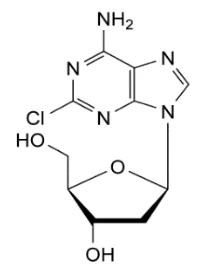
Structural formula:
Physicochemical properties: White to almost white powder; solubility between 6.3 mg/mL and 4.4 mg/mL over the pH range of 1.0 7.5.]
14 CLINICAL TRIALS
The efficacy and safety of MAVENCLAD (cladribine) in the treatment of RRMS was demonstrated in a Phase III, placebo-controlled study.
14.1 Clinical Trials by Indication
Relapsing-Remitting Multiple Sclerosis
Table 6 Summary of patient demographics for MAVENCLAD in RRMS
| Study # | Study design | Dosage, route of administration and duration | Study subjects (n) | Mean age (Range) | Sex |
CLARITY (Study 25643) | Phase III, randomized, double-blind, three-arm, placebo-controlled, multi-center study in patients with RRMS | Cladribine 3.5 mg/kg, cladribine 5.25 mg/kg or placebo randomized 1:1:1 ratio administered as 2 treatment courses separated by 1 year | Cladribine 3.5 mg/kg: n=433 Cladribine 5.25 mg/kg: n=456 Placebo: n=437 | 3.5 mg/kg: 37.9 years 5.25 mg/kg: 39.1 years Placebo: 38.7 years Range: 18 - 65 years | F: 898 M: 428 |
CLARITY was a Phase III, randomized, double-blind, 3-arm, placebo-controlled, multicenter study to evaluate the safety and efficacy of MAVENCLAD in patients with RRMS.
A total of 1326 patients were equally randomized into three treatment groups. Patients received either placebo, or a cumulative dose of cladribine of 3.5 mg/kg or 5.25 mg/kg body weight over the 96-week (2-year) study period in 2 treatment courses. Patients randomised to the 3.5 mg/kg cumulative dose received a first treatment course at weeks 1 and 5 of the first year and a second treatment course at weeks 1 and 5 of the second year. Patients randomised to the 5.25 mg/kg cumulative dose received additional treatment at weeks 9 and 13 of the first year. Cladribine was administered orally as 10 mg tablets, with the number of tablets taken daily based on the patient’s body weight using 10 kg weight ranges (see 4.2 Recommended Dose and Dosage Adjustment).
The majority of patients in the placebo (87.0%) and the cladribine 3.5 mg/kg (91.9%) and 5.25 mg/kg (89.0%) treatment groups completed the full 96 weeks of the study. The mean age ranged from 37.9 years in the cladribine 3.5 mg/kg group to 39.1 years in the cladribine 5.25 mg/kg group. Most (> 97%) patients were white, and approximately 70% were female.
Patients were required to have at least 1 relapse in the previous 12 months. In the overall study population, the mean duration of MS prior to study enrolment was 8.7 years, and the median baseline neurological disability based on Expanded Disability Status Scale (EDSS) score across all treatment groups was 3.0 (range 0 to 6.0). Over two thirds of the study patients were treatment-naive for MS disease-modifying drugs (DMDs). Approximately 29% of patients had received treatment with other disease modifying therapies prior to entering the study, with interferon-beta and glatiramer acetate being the most commonly used prior therapies (used by 28.7% and 6.5% of all patients, respectively).
The primary objective was to evaluate the efficacy of MAVENCLAD versus placebo in the reduction of annualized relapse rate (ARR) during 96 weeks of treatment in patients with RRMS. The secondary objectives were to assess the effect of MAVENCLAD on slowing disability progression (EDSS) and decreasing active lesions as measured by MRI.
Patients with relapsing-remitting MS receiving MAVENCLAD 3.5 mg/kg showed statistically significant improvements in the annualized relapse rate compared to patients on placebo (see Table 7).
Table 7 Clinical outcomes in the CLARITY study (96 weeks)
| Parameter | Placebo (n = 437) | MAVENCLAD cumulative dose 3.5 mg/kg (n = 433) |
| Annualized relapse rate (95% CI) | 0.33 (0.29, 0.38) | 0.14* (0.12, 0.17) |
| Relative reduction (cladribine vs. placebo) | 57.6% |
* p < 0.001 compared to placebo
For secondary MRI endpoints, the MAVENCLAD 3.5 mg/kg treatment group was statistically significantly superior to placebo with regard to number and relative reduction of T1 Gd+ lesions, active T2 lesions and Combined Unique Active (CUA) lesions as demonstrated in brain MRI over the entire 96 weeks of the study. Patients taking MAVENCLAD compared to the placebo treatment group had 86% relative reduction in the mean number of T1 Gd+ lesions, 73% relative reduction in the mean number of active T2 lesions and 74% relative reduction in the mean number of CUA lesions per patient per scan (p < 0.001 across all 3 MRI outcomes).
Other secondary endpoints included the proportion of patients relapse-free over 96 weeks and time to 3-month EDSS progression. The proportion of patients relapse-free over 96 weeks was greater for those receiving MAVENCLAD 3.5 mg/kg compared to those receiving placebo (79.7% vs 60.9%). Treatment with MAVENCLAD 3.5 mg/kg prolonged the time to 3-month sustained change in EDSS score compared to placebo. Tertiary endpoints included time to first relapse. Treatment with MAVENCLAD 3.5 mg/kg prolonged the time to first relapse compared to placebo.
15 MICROBIOLOGY
No microbiological information is required for this drug product.
16 NON-CLINICAL TOXICOLOGY
General Toxicology Non-clinical safety assessment of cladribine in mice and monkeys revealed findings that could mainly be attributed to the pharmacologic mechanism of the drug. These included decreases in lymphocyte and other blood cell counts, lymphoid depletion from lymphoid tissues, bone marrow depletion or fatty change, renal toxicity (renal tubular degeneration and karyomegaly), gastrointestinal toxicity (mucosal atrophy or necrosis), and testicular effects (see 16 Reproductive and Developmental Toxicology; Fertility). Atrophy of the zona reticularis and decreased vacuolization in the zona fasciculata in the adrenal gland were also observed in monkeys in the 1-year study, but not reported in any other study.
While exposure margins were not high in the monkeys, particularly in the 1 year study, findings were considered reversible and generally mild, and therefore it is not anticipated that cladribine would pose significant risk to MS patients at the recommended intermittent and infrequent dose regimen proposed for the MS indication, with the exception of reproductive toxicity as described below.
Carcinogenicity The carcinogenic potential of cladribine was assessed in a 22 month s.c. study in mice and in a short-term, 6 month, study by oral route in Tg rasH2 mice. In the 22 -month study, cladribine was administered using a cyclic dosing schedule of seven days of treatment followed by a 21 day drug free period for approximately 22 cycles at doses of 0.1, 1.0, and 10 mg/kg/day. In the 6 month carcinogenicity study, cladribine tablets (drug product formulated with 2-hydroxypropyl-β-cyclodextrin) or cladribine drug substance was administered to Tg rasH2 mice using a cyclic dosing schedule of five days of treatment followed by a 23-day drug free period for 6 cycles plus five additional days of treatment at doses of 5, 15, and 30 mg/kg/day.
The only treatment-related neoplastic finding was a higher incidence of mainly benign Harderian gland tumors in male and female CD-1 mice given 10 mg/kg/day, which is not considered to represent a risk for patients, since humans do not have an equivalent anatomic structure. Systemic exposure to cladribine at the 10 mg/kg/day dose level in CD-1 mice was estimated to be about 15 times that expected in patients taking 20 mg doses, while that at 30 mg/kg/day in transgenic mice was about 25 times that in patients.
Genotoxicity Cladribine was genotoxic, causing chromosomal damage in the bone marrow of mice in vivo and in mammalian cells in vitro without and with rat liver metabolic activation. These findings are expected since cladribine can cause inhibition of DNA synthesis and repair and DNA strand breaks by mechanisms that involve incorporation into DNA, an imbalance of deoxynucleotide triphosphate pools, and/or depletion of intracellular nicotinamide adenine dinucleotide. Cladribine was not mutagenic in bacterial (Ames) and in vitro mammalian cell assays. In vivo clastogenicity in mice was detected at 10 mg/kg, which was the lowest dose tested.
Reproductive and Developmental Toxicology While there were no effects on fertility, reproductive function or general performance of offspring, cladribine was embryo-lethal when administered to pregnant mice and was teratogenic in mice and rabbits. The observed embryo-lethal and teratogenic effects are consistent with the pharmacologic mechanisms of cladribine.
In a male mouse fertility study, malformed fetuses with agenesis of portions of appendage(s) distal to the humerus and/or femur were seen. The incidence of affected mouse fetuses in this study was in the same range of spontaneous incidence of amelia and phocomelia in this strain of mice and these changes were not considered related to cladribine administration. However, considering cladribine genotoxicity, male-mediated effects related to potential genetic alteration of differentiating sperm cells cannot be excluded.
In female mice, cladribine was administered s.c. once daily beginning 14 days prior to cohabitation with untreated males, continuing through the cohabitation period, and ending on day 6 of gestation at 1, 2, 4, or 8 mg/kg/day (24 female mice/group). Based on the results of this study, cladribine did not cause direct maternal toxicity or affect the estrus course or pregnancy rates, but was embryolethal at 8 mg/kg/day. The No Observed Adverse Effect Level (NOAEL) was 4 mg/kg/day.
Cladribine was administered i.v. to pregnant mice at doses of 0.5, 1.5, or 3.0 mg/kg/day from days 6 through 15 of gestation. A significant increase in variations of fetal growth/development (i.e. increases in cervical ribs, irregularly-shaped exoccipital bones, and variations in sternal ossification) was seen at 1.5 mg/kg/day and increased resorptions, reduced litter size and increased fetal malformations were seen at 3 mg/kg/day (mainly exencephaly and skeletal variations). No fetal effects were seen at 0.5 mg/kg/day. The NOAEL was 3 mg/kg/day for the adult pregnant female and 0.5 mg/kg/day for the fetus.
Cladribine was administered i.v. to pregnant New Zealand White rabbits once daily during the period of organogenesis at 0.3, 1.0, or 3.0 mg/kg/day from days 7 through 19 of gestation. There was no evidence of maternal toxicity. Cladribine was teratogenic at 3.0 mg/kg/day, which manifested primarily as numerous limb anomalies. There was also a significant decrease in the mean fetal weight at this dosage level. The NOAEL was 3.0 mg/kg/day for maternal toxicity, and 1.0 mg/kg/day for embryo-fetal toxicity.
Mated female mice were administered cladribine i.v. at 0.5, 1.5, or 3.0 mg/kg/day from implantation to the end of lactation. There was no evidence of maternal toxicity. An increase in fetal skeletal variations was seen at 1.5 mg/kg/day. At 3.0 mg/kg/day, exencephaly and/or open eyelid in dead offspring, a decrease in the number of live offspring and birth index, and an increase of skeletal anomalies and variations were seen. No adverse effects on reproductive functions or general performance of the offspring were seen. Based on the results of this study, the NOAEL for maternal reproductive function and general toxicity was 3 mg/kg/day while the NOAEL for developmental toxicity in the offspring was 0.5 mg/kg/day.
Fertility Cladribine at daily doses of 1, 5, 10, or 30 mg/kg/day given subcutaneously for 28 days prior to cohabiting with untreated females did not affect the fertility of male mice, but testicular effects were indicated by reduced testicular weights at 10 and 30 mg/kg/day and increased numbers of non-motile sperm at 30 mg/kg/day. The 5 mg/kg/day dose was a no-effect level at which systemic exposure to cladribine was estimated to be about 8 times that in MS patients taking 20 mg/day.
Testicular degeneration was seen in one monkey at 1.0 mg/kg/day in the one year s.c. study, where 0.3 mg/kg/day was a no-effect dose at which systemic exposure was probably similar to that in patients. Decreased sperm motility, in the absence of microscopic correlates, was observed in monkeys given an intermittent oral dose of 6 mg/kg/day for 3 cycles, with 3 mg/kg/day a no-effect dose at which systemic exposure to cladribine was variable, but generally less than that in patients taking 20 mg/day.
Reduced testes weight and degeneration of seminiferous tubules or signs of atrophy of germinal epithelium were seen in the oral 4-month study in CD-1 mice (combination study) and 26-week carcinogenicity study in Tg rasH2 mice at 30 mg/kg/day, as well as in a 3-month subcutaneous study at 10 and 30 mg/kg/day in CD-1 mice. The fertility of female mice was unaffected at s.c. doses up to 8 mg/kg/day.