


Product Monograph - Metronidazole Injection USP
RECENT MAJOR LABEL CHANGES
| 2 CONTRAINDICATIONS | 07/2023 |
|---|
TABLE OF CONTENTS
Sections or subsections that are not applicable at the time of authorization are not listed.
RECENT MAJOR LABEL CHANGES .......................................................................................... 2
TABLE OF CONTENTS ............................................................................................................ 2
PART I: HEALTH PROFESSIONAL INFORMATION .................................................................... 4
1 INDICATIONS ............................................................................................................. 4
1.1 Pediatrics .................................................................................................................. 4
1.2 Geriatrics .................................................................................................................. 5
2 CONTRAINDICATIONS ................................................................................................ 5
4 DOSAGE AND ADMINISTRATION ................................................................................ 5
4.1 Dosing Considerations ............................................................................................. 5
4.2 Recommended Dose and Dosage Adjustment ........................................................ 5
4.4 Administration ......................................................................................................... 6
4.5 Missed Dose ............................................................................................................. 7
5 OVERDOSAGE ............................................................................................................ 8
6 DOSAGE FORMS, STRENGTHS, COMPOSITION AND PACKAGING ................................ 8
7 WARNINGS AND PRECAUTIONS ................................................................................. 9
7.1 Special Populations ................................................................................................ 11
7.1.1 Pregnant Women ............................................................................................. 11
7.1.2 Breast-feeding .................................................................................................. 12
7.1.3 Pediatrics .......................................................................................................... 12
7.1.4 Geriatrics .......................................................................................................... 12
8 ADVERSE REACTIONS............................................................................................... 12
8.5 Post-Market Adverse Reactions ............................................................................. 12
9 DRUG INTERACTIONS .............................................................................................. 14
9.3 Drug-Behavioural Interactions ............................................................................... 14
9.4 Drug-Drug Interactions .......................................................................................... 14
9.5 Drug-Food Interactions .......................................................................................... 15
9.6 Drug-Herb Interactions .......................................................................................... 15
9.7 Drug-Laboratory Test Interactions......................................................................... 15
10 CLINICAL PHARMACOLOGY ...................................................................................... 15
10.1 Mechanism of Action ....................................................................................... 15
10.2 Pharmacodynamics .......................................................................................... 16
10.3 Pharmacokinetics ............................................................................................. 16
11 STORAGE, STABILITY AND DISPOSAL ........................................................................ 19
12 SPECIAL HANDLING INSTRUCTIONS .......................................................................... 19
PART II: SCIENTIFIC INFORMATION ..................................................................................... 20
13 PHARMACEUTICAL INFORMATION .......................................................................... 20
14 CLINICAL TRIALS ...................................................................................................... 20
15 MICROBIOLOGY ...................................................................................................... 20
16 NON-CLINICAL TOXICOLOGY .................................................................................... 22
17 SUPPORTING PRODUCT MONOGRAPHS ................................................................... 25
PATIENT MEDICATION INFORMATION ................................................................................ 26
PART I: HEALTH PROFESSIONAL INFORMATION
1 INDICATIONS
METRONIDAZOLE INJECTION USP (metronidazole) is indicated for:
Treatment of bacterial infections
The treatment of serious anaerobic intra-abdominal infections due to susceptible anaerobic bacteria, such as Bacteroides fragilis (and other species of Bacteroides), Clostridium, Fusobacterium, Peptococcus, and Peptostreptococcus species. Culture and susceptibility studies should be performed to determine the causative organisms and their susceptibility to metronidazole. Based on clinical judgment and anticipated bacteriological findings, therapy may be started while awaiting the results of these tests. However, modifications of the treatment may be necessary once these results become available.
In mixed aerobic and anaerobic infections, consideration should be given to the concomitant administration of an antibiotic appropriate for the treatment of the aerobic component of the infection (see 7 WARNINGS AND PRECAUTION, General).
Treatment of a small number of cases of brain and lung infections (some with abscesses) caused by anaerobic bacteria.
Prevention of bacterial infections
The prevention of the incidence of post-operative infections in patients undergoing elective colorectal surgery. If there are signs of infections, specimens for culture should be obtained for the identification of causative organisms so that appropriate therapy may be given.
To reduce the development of drug-resistant bacteria and maintain the effectiveness of METRONIDAZOLE INJECTION USP and other antibacterial drugs, METRONIDAZOLE INJECTION USP should be used only to treat or prevent infections that are proven or strongly suspected to be caused by susceptible bacteria. When culture and susceptibility information are available, they should be considered in selecting or modifying antibacterial therapy. In the absence of such data, local epidemiology and susceptibility patterns may contribute to the empiric selection of therapy.
1.1 Pediatrics
Pediatrics (< 18 years of age): No data are available to Health Canada; therefore, Health Canada has not authorized an indication for pediatric use (see 7.1.3 Pediatrics).
1.2 Geriatrics
Geriatrics: No data are available to Health Canada; therefore, Health Canada has not authorized an indication for geriatric use (see 7.1.4 Geriatrics).
2 CONTRAINDICATIONS
METRONIDAZOLE INJECTION USP is contraindicated in patients who are hypersensitive to metronidazole or other nitroimidazole derivatives or to any ingredient in the formulation or component of the container. For a complete listing, see 6 DOSAGE FORMS, STRENGTHS, COMPOSITION AND PACKAGING.
- METRONIDAZOLE INJECTION USP is contraindicated in patients with Cockayne syndrome. Severe irreversible hepatotoxicity/acute liver failure with fatal outcomes have been reported after initiation of metronidazole in patients with Cockayne syndrome (see 8.5 Post-Market Adverse Reactions).
- METRONIDAZOLE INJECTION USP should not be administered to patients with active neurological disorders, a history of blood dyscrasia, hypothyroidism or hypoadrenalism.
4 DOSAGE AND ADMINISTRATION
4.1 Dosing Considerations
METRONIDAZOLE INJECTION USP is for intravenous (I.V.) infusion.
Dosage, rate, and duration of administration are to be individualized and depend upon the indication for use, the patient’s age, weight, clinical condition and concomitant treatment, and on the patient’s clinical and laboratory response to the treatment.
4.2 Recommended Dose and Dosage Adjustment
Treatment of Anaerobic Infections:
I.V. Administration: 100 mL (500 mg) by slow intravenous infusion (i.e. at the rate of 5 mL/min) every 8 hours.
METRONIDAZOLE INJECTION USP has been used with success at a dosage of 1.5 g once per day in a limited number of patients. The decision to employ the once-a-day dosing schedule should be determined by careful evaluation of the risk chances for infection.
Prevention in Colorectal Surgery:
The recommended dosage schedule is: 1 g I.V. infused (over 40 minutes) just prior to surgery and a second and third 500 mg dose administered at 8-hour intervals after the initial dose.
Although METRONIDAZOLE INJECTION USP has been employed alone, serious consideration should be given to the concomitant administration of an antibiotic with activity against aerobic bacteria in order to minimize the possibilities of post-operative infection.
Severe Hepatic Disease:
Patients with severe hepatic disease metabolize metronidazole slowly, with resultant accumulation of metronidazole and its metabolites. Accordingly, doses below those usually recommended should be administered and with caution. However, due to lack of pharmacokinetic information, specific dosage recommendations cannot be given for these patients. Therefore, close monitoring of blood metronidazole levels and of patients for signs of toxicity are recommended (see 7 WARNINGS AND PRECAUTIONS, Hepatic/Biliary/Pancreatic).
Severe Impairment of Renal Function and Anuria:
The elimination half-life of metronidazole in anuric patients is not significantly altered. However, the elimination half-lives of the metabolites of metronidazole are significantly increased (3- to 13- fold). Consequently, although metronidazole would not be expected to accumulate in these patients, accumulation of the metabolites would be expected. The potential for toxicity of these metabolites is not known (see 7 WARNINGS AND PRECAUTIONS, Renal).
Patients on Hemodialysis:
The dose of metronidazole need not be specifically reduced since accumulated metabolites may be rapidly removed by hemodialysis (see 7 WARNINGS AND PRECAUTIONS, Renal).
Patients on Peritoneal Dialysis:
Peritoneal dialysis does not appear to reduce serum levels of metronidazole metabolites.
Patients with severe impairment of renal function who are not undergoing hemodialysis should be monitored closely for signs of toxicity (see 7 WARNINGS AND PRECAUTIONS, Renal).
Pediatrics (< 18 years of age):
Health Canada has not authorized an indication for pediatric use (see 1.1 Pediatrics).
4.4 Administration
Treatment should be initiated by the I.V. route. Oral medication may be substituted when it is feasible and/or practical.
Risk of Air Embolism: Do not connect flexible plastic containers in series in order to avoid air embolism due to possible residual air contained in the primary container. Pressurizing intravenous solutions contained in flexible plastic containers to increase flow rates can result in air embolism if the residual air in the container is not fully evacuated prior to administration. Use of a vented intravenous administration set with the vent in the open position could result in air embolism. Vented intravenous administration sets with the vent in the open position should not be used with flexible plastic containers.
Consideration should be given to official guidance on the appropriate use of antibacterial agents to reduce the development of drug resistance and maintain the effectiveness of metronidazole and other antibacterial drugs. In a mixed aerobic and anaerobic infection, antibiotics appropriate for the treatment of the aerobic infection may be used in combination with metronidazole.
Parenteral products should be inspected visually for particulate matter and discoloration prior to administration whenever solution and container permit. Do not administer unless the solution is clear and the seal is intact.
Visually inspect the container. If the administration port protector is damaged, detached, or not present, discard container as solution path sterility may be impaired.
Additives known or determined to be incompatible should not be used.
Before adding a substance or medication, verify that it is soluble and stable in metronidazole, and that the pH range of metronidazole is appropriate (pH of solution is 4.50 - 7.00). Additives may be incompatible. When introducing additives, the instructions for use of the medication to be added and other relevant literature must be consulted (see 11 STORAGE, STABILITY AND DISPOSAL).
Mix the solution thoroughly when additives have been introduced.
After addition, if there is a color change and/or the appearance of precipitates, insoluble complexes or crystals, do not use.
Do not store solutions containing additives. Discard any unused portion. For single use only.
Duration of therapy depends upon clinical and bacteriological assessment. Treatment for seven days should be satisfactory for most patients. However, in cases where infection sites cannot be drained or which are liable to endogenous recontamination by anaerobic pathogens, a longer treatment may be required.
METRONIDAZOLE INJECTION USP is ready-to-use solutions which require no further dilution.
Metronidazole has a theoretical calculated osmolarity of 297 mOsmol/L.
4.5 Missed Dose
Management of a missed dose should be reviewed by an appropriate healthcare professional.
5 OVERDOSAGE
Symptoms:
Massive ingestion may result in an overdose. Signs and symptoms may include: nausea, vomiting, and neurotoxic effects, including ataxia, confusion, disorientation, seizures, and peripheral neuropathy. Neurotoxic effects, including seizures and peripheral neuropathy have been reported after 5 to 7 days of oral doses of 6 to 10.4 g every other day.
Treatment:
The effects of an overdose may require immediate medical attention and treatment. There is no specific antidote. Symptomatic treatment is recommended. Discontinue metronidazole administration in the event of an overdose. Hemodialysis removes significant amounts of metronidazole and its metabolites from systemic circulation.
| For management of a suspected drug overdose, contact your regional poison control centre. |
|---|
6 DOSAGE FORMS, STRENGTHS, COMPOSITION AND PACKAGING
Table 1 – Dosage Forms, Strengths, Composition and Packaging
METRONIDAZOLE INJECTION USP is a sterile, non-pyrogenic, pale yellow, isotonic solution for I.V. infusion in a single dose flexible container (PVC). Each milliliter contains metronidazole 5 mg, sodium chloride 7.90 mg for tonicity adjustment with dibasic sodium phosphate anhydrous and citric acid anhydrous as buffers. Each 100 mL contains 14 mEq sodium. The approximate osmolality and pH for METRONIDAZOLE INJECTION USP are 290 mOsm/L and 5.7, respectively.
METRONIDAZOLE INJECTION USP is supplied in 100 mL PVC flexible container (list number 7811).
Incompatibility: METRONIDAZOLE INJECTION USP should not be mixed with sodium lactate 5% w/v and dextrose 10% w/v injection.
Reconstitution: METRONIDAZOLE INJECTION USP is a ready-to-use solution which requires no further dilution or buffering.
| Route of Administration | Dosage Form / Strength/Composition | Non-medicinal Ingredients |
| I.V. infusion | Solution, 5 mg/mL | Citric Acid Anhydrous, Dibasic Sodium Phosphate Anhydrous, Sodium Chloride, and Water for Injection |
7 WARNINGS AND PRECAUTIONS
General
METRONIDAZOLE INJECTION USP has no direct activity against aerobic or facultative anaerobic bacteria. In patients with mixed aerobic-anaerobic infections appropriate concomitant antibiotics active against the aerobic component should be considered.
Alcohol
Discontinue consumption of alcoholic beverages or alcohol-containing products before, during, and up to 72 hours after taking metronidazole because abdominal cramps, nausea, vomiting, flushing, headaches, and tachycardia may occur (see 9.3 Drug-Behavioural Interactions).
Disulfiram
Concurrent use of metronidazole and disulfiram may result in psychotic reactions and confusion in patients drinking alcohol or taking alcohol-containing products. Metronidazole should not be given to patients who have taken disulfiram within the last two weeks (see 9.4 Drug-Drug Interactions).
Sodium Content
This medicinal product contains 12.8 – 14.2 mmol sodium per 100 mL. To be taken into consideration by patients on a controlled sodium diet.
Administration of solutions containing sodium ions may result in sodium retention. Care should be taken when administering METRONIDAZOLE INJECTION USP to patients receiving corticosteroids or to those predisposed to edema.
Carcinogenesis and Mutagenesis
Studies in rats and mice have provided some evidence that metronidazole may cause tumors in these species when administered orally for a long period at high doses. Metronidazole has been shown to be mutagenic in bacteria in vitro. In studies conducted in mammalian cells in vitro, there was inadequate evidence of the mutagenic effect of metronidazole (see 16 NON-CLINICAL TOXICOLOGY). The relevance of these findings in humans is not known. Unnecessary use of the drug should be avoided. Its use should be reserved for the conditions described (see 1 INDICATIONS).
Driving and Operating Machinery
Some adverse reactions to metronidazole such as seizure, dizziness, optic neuropathy, may impair the ability to drive or operate machines (see 8.5 Post-Market Adverse Reactions).
Genitourinary
Known or previously unrecognized moniliasis may present more prominent symptoms after treatment with metronidazole. It is recommended that in the treatment of trichomoniasis, the use of metronidazole should be confined to those patients in whom significant T. vaginalis infection has been confirmed by appropriate diagnostic techniques.
Hematologic
Agranulocytosis, transient eosinophilia, leukopenia and neutropenia have been observed during treatment with metronidazole. Regular total and differential leukocyte counts are advised if administration for more than 10 days or a second course of therapy is considered to be necessary.
Hepatic/Biliary/Pancreatic
Patients with severe hepatic disease especially those with hepatic encephalopathy, metabolize metronidazole slowly with resultant accumulation of metronidazole and its metabolites in the plasma. Accordingly, for such patients, doses of METRONIDAZOLE INJECTION USP should be reduced below those usually recommended and administered with caution.
Monitoring and Laboratory Tests
Regular clinical and laboratory monitoring (including blood count) are advised in cases of high-dose, prolonged, or repeated treatment as the risk for adverse reactions is increased.
Metronidazole interferes with serum aspartate aminotransferase (AST, SGOT), alanine aminotransferase (ALT, SGPT), lactate dehydrogenase (LDH), triglycerides and hexokinase glucose determinations which are based on the decrease in ultraviolet absorbance which occurs when nicotinamide adenine dinucleotide hydrogen (NADH) is oxidized to nicotinamide adenine dinucleotide (NAD). Metronidazole causes an increase in absorbance at the peak of NADH (340 nm) resulting in falsely decreased values (see 9.7 Drug-Laboratory Test Interactions).
Neurologic
Severe neurological disturbances (including seizures and peripheral and optic neuropathies) have been reported in patients treated with metronidazole (administered orally or intravenously). Stop metronidazole treatment if any abnormal neurologic symptoms occur such as ataxia, dizziness, confusion or any other CNS adverse reaction.
Encephalopathy has been reported in association with cerebellar toxicity characterized by ataxia, dizziness, dysarthria, and accompanied by CNS lesions seen on magnetic resonance imaging (MRI). CNS symptoms and CNS lesions are generally reversible within days to weeks upon discontinuation of metronidazole.
Aseptic meningitis can occur with metronidazole. Symptoms can start within hours of dose administration and generally resolve after metronidazole therapy is discontinued (see 8.5 Post-Market Adverse Reactions).
A rare case of reversible but profound neurological deterioration has been reported following a single oral dose of metronidazole; it is therefore advisable that a patient taking METRONIDAZOLE INJECTION USP for the first time not be left unattended for a period of two hours. The appearance of abnormal neurologic signs demands prompt discontinuation of metronidazole therapy and, when severe, immediate medical attention.
Renal
Use with caution in patients with severe renal impairment. Dose adjustment may be necessary.
Patients with severe renal impairment who are not undergoing hemodialysis should have their blood metronidazole and metronidazole metabolite levels monitored; monitor for signs of toxicity.
Hemodialysis removes significant amounts of metronidazole and its metabolites from systemic circulation. Therefore, supplementation of metronidazole following a hemodialysis session may be necessary.
Patients receiving peritoneal dialysis should be monitored for signs of toxicity due to the potential accumulation of metronidazole metabolites.
Sensitivity/Resistance
Development of Drug Resistant Bacteria
Prescribing METRONIDAZOLE INJECTION USP in the absence of a proven or strongly suspected bacterial infection is unlikely to provide benefit to the patient and risks the development of drug-resistant bacteria.
7.1 Special Populations
7.1.1 Pregnant Women
Metronidazole crosses the placental barrier and enters the fetal circulation rapidly. There are no adequate data from the use of metronidazole in pregnant or lactating women. In serious anaerobic infections, if the administration of METRONIDAZOLE INJECTION USP to pregnant patients is considered to be necessary, its use requires that the potential benefits to the mother be weighed against the possible risks to the fetus.
7.1.2 Breast-feeding
Metronidazole is secreted in breast milk in concentrations similar to those found in plasma. During lactation either breastfeeding or metronidazole should be discontinued.
7.1.3 Pediatrics
Pediatrics (< 18 years of age): There have been no studies performed by Pfizer Canada ULC in the pediatric population; therefore, Health Canada has not authorized an indication for pediatric use (see 1.1 Pediatrics).
7.1.4 Geriatrics
Geriatrics: In general, dose selection for an elderly patient should be cautious, reflecting the greater frequency of decreased hepatic, renal, or cardiac function, and of concomitant disease or other drug therapy. (see 1.2 Geriatrics, 7 WARNINGS AND PRECAUTIONS, Hepatic/Biliary/Pancreatic, and 7 WARNINGS AND PRECAUTIONS, Renal).
8 ADVERSE REACTIONS
8.5 Post-Market Adverse Reactions
The following adverse reactions have been reported with the use of metronidazole. These reactions are listed by MedDRA System Organ Class (SOC).
Blood and lymphatic system disorders: agranulocytosis, leukopenia, neutropenia, thrombocytopenia, eosinophilia.
Cardiac disorders: tachycardia, palpitation, chest pain, dyspnea. QT interval prolongation has been reported, particularly when metronidazole was administered with drugs with the potential for prolonging the QT interval (see 9.4 Drug-Drug Interactions). Flattening of the T-wave may be seen in electrocardiographic tracings.
Eye disorders: optic neuropathy.
Gastrointestinal disorders: pancreatitis, abdominal pain, diarrhea, constipation, vomiting, nausea, anorexia, glossitis, dry mouth, tongue discoloration, dyspepsia, rare cases of pseudomembranous colitis.
General disorders and administration site conditions: injection site reaction, malaise, face edema, edema peripheral, chills, asthenia.
Hepatobiliary disorders: jaundice. Cases of severe irreversible hepatotoxicity/acute liver failure, including cases with fatal outcomes with very rapid onset after initiation of systemic use of metronidazole, have been reported in patients with Cockayne syndrome (latency from drug start to signs of liver failure as short as 2 days) (see 2 CONTRAINDICATIONS).
Immune systems disorders: anaphylactic reaction, hypersensitivity
Investigations: increased hepatic enzyme, reversible lowering of serum lipids has been reported.
Metabolism and nutrition disorders: decreased appetite. An antithyroid effect has been reported by some investigators but three different clinical studies failed to confirm this.
Musculoskeletal and connective tissue disorders: muscle spasms, arthralgia, myalgia.
Nervous system disorders: encephalopathy, aseptic meningitis, seizure, neuropathy peripheral, ataxia, somnolence, dysarthria, dizziness, hypoesthesia, paresthesia, dysgeusia, headache.
Peripheral neuropathies have been reported in a few patients on moderately high to high-dose prolonged oral treatment with metronidazole. It would appear that the occurrence is not directly related to the daily dosage and that an important predisposing factor is the continuation of oral and/or I.V. medication for several weeks or months. Profound neurological deterioration, within 2 hours after metronidazole administration has been reported. The occurrence is not directly related to the dosage level.
Psychiatric disorders: depression, confusional state, insomnia.
Renal and urinary disorders: chromaturia, dysuria
Darkening of the urine has been reported. This is probably due to a metabolite of metronidazole and seems to have no clinical significance.
Reproductive systems and breast disorders: proliferation of Candida albicans in the vagina, vaginal dryness and burning. A single case of gynecomastia has been reported which resolved on discontinuing metronidazole administration.
Skin and subcutaneous disorders: toxic epidermal necrolysis (TEN), Stevens-Johnson syndrome (SJS), drug reaction with eosinophilia and systemic symptoms (DRESS), swelling face, pruritus, urticaria, hyperhidrosis, erythema, rash.
Vascular disorders: thrombophlebitis has occurred with I.V. administration, occasional flushing and headaches, especially with concomitant ingestion of alcohol, altered taste of alcoholic beverages.
9 DRUG INTERACTIONS
9.3 Drug-Behavioural Interactions
Alcohol: Administration of metronidazole in patients drinking alcohol was associated with a disulfiram-like reaction (nausea, vomiting, flushing, headache, and/or tachycardia). A possible mechanism is inhibition of aldehyde dehydrogenase (ALDH) by metronidazole, resulting in accumulation of acetaldehyde, a toxic metabolite of alcohol (see 7 WARNINGS AND PRECAUTIONS, General).
9.4 Drug-Drug Interactions
The drugs listed are based on either drug interaction case reports or studies, or potential interactions due to the expected magnitude and seriousness to the interaction.
Busulfan: Plasma concentrations of busulfan may increase during concomitant treatment with metronidazole, which may result in an increased risk for serious busulfan toxicity such as sinusoidal obstruction syndrome, gastrointestinal mucositis, and hepatic veno-occlusive disease.
Cytochrome P450 inhibitors: Concomitant administration of drugs that decrease microsomal liver enzyme activity, such as cimetidine, may cause decreased metabolism and reduced plasma clearance of metronidazole which may result in metronidazole toxicity.
Cytochrome P450 inducers: Concomitant administration of drugs that induce microsomal liver enzyme activity, such as phenytoin or phenobarbital, may accelerate the elimination of metronidazole and therefore decrease its efficacy. Phenytoin clearance may be impaired. The metabolism of metronidazole has been reported to be increased by concurrent administration of phenobarbital. It is recommended that increased doses of METRONIDAZOLE INJECTION USP be considered in such cases.
Cytochrome P450 3A4 (CYP3A4) substrates: Concomitant use of metronidazole and CYP3A4 substrates (e.g., amiodarone, tacrolimus, cyclosporine, carbamazepine, and quinidine) may increase respective CYP3A4-substrate plasma levels. Monitoring of plasma concentrations of CYP3A4 substrates may be necessary.
Disulfiram: Concurrent use of metronidazole and disulfiram has been associated with psychotic reactions and confusion in patients drinking alcohol. A possible mechanism of the interaction is an additive effect of inhibition of aldehyde dehydrogenase (ALDH) (see 7 WARNINGS AND PRECAUTIONS, General).
Drugs that prolong the QT interval: QT interval prolongation has been reported, particularly when metronidazole was administered with drugs with the potential for prolonging the QT interval (see 8.5 Post-Market Adverse Reactions).
5-Fluorouracil: Metronidazole decreases the clearance of 5-fluorouracil and may therefore cause 5-fluorouracil toxicity.
Lithium: Concomitant use of lithium and metronidazole may result in lithium toxicity due to decreased renal clearance of lithium. Persistent renal damage may develop. When METRONIDAZOLE INJECTION USP must be administered to patients on lithium therapy, it may be prudent to consider tapering or discontinuing lithium temporarily when feasible.
Otherwise frequent monitoring of serum lithium, creatinine and electrolyte levels and urine osmolality should be done.
Oral anticoagulant therapy (warfarin type): Metronidazole has been reported to potentiate the anticoagulant effect of warfarin and other oral coumarin anticoagulants resulting in a prolongation of prothrombin time and increased risk of hemorrhages. Patients taking metronidazole and warfarin or other oral coumarins concomitantly should have their prothrombin time and international normalized ratio (INR) carefully monitored, and their anticoagulant dose adjusted accordingly. Monitor patients for signs and symptoms of bleeding.
Vecuronium: A slight potentiation of the neuromuscular blocking activity of vecuronium has been reported in patients administered metronidazole at a dose of 15 mg/kg.
9.5 Drug-Food Interactions
Interactions with food have not been established.
9.6 Drug-Herb Interactions
Interactions with herbs have not been established.
9.7 Drug-Laboratory Test Interactions
Interference with laboratory tests: Metronidazole interferes with certain types of blood test determinations (serum aspartate aminotransferase [AST, SGOT], alanine aminotransferase [ALT, SGPT], lactate dehydrogenase [LDH], triglycerides, hexokinase glucose). These determinations are based on the decrease in ultraviolet absorbance which occurs when NADH is oxidized to NAD. The interference is due to the similarity in the absorption peaks of NADH (340 nm) and metronidazole (322 nm) at pH 7 (see 7 WARNINGS AND PRECAUTIONS, Monitoring and Laboratory Tests).
10 CLINICAL PHARMACOLOGY
10.1 Mechanism of Action
Metronidazole is bactericidal against anaerobic bacteria; it exerts trichomonacidal activity and is also active against Giardia lamblia and Entamoeba histolytica. Its exact mechanism of action has not been entirely determined as yet. It has been proposed that an intermediate in the reduction of metronidazole, produced only in anaerobic bacteria and protozoa is bound to deoxyribonucleic acid and electron-transport proteins, inhibits subsequent nucleic acid synthesis.
10.2 Pharmacodynamics
Metronidazole exerted no central nervous system activity except at very high doses. At doses of 0.5 g/kg and above, some anticonvulsant activity was demonstrated in mice and rats, spinal reflexes were inhibited in the anaesthetized cat and hypnosis was produced in the rat.
Metronidazole at doses of 40 to 50 mg/kg administered by intravenous infusion to 4 anaesthetized dogs produced a slight fall in blood pressure and heart rate for 30 to 60 minutes after the infusion. There was little or no effect on the electrocardiographic tracings. With both metronidazole and the vehicle, there was a tendency for dogs to bleed more readily than untreated animals although plasma prothrombin times remained within normal limits.
10.3 Pharmacokinetics
Absorption and Distribution:
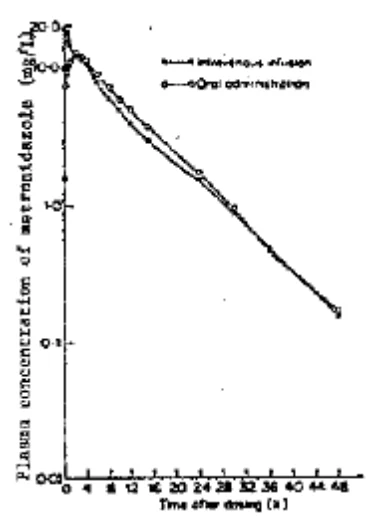
Following oral administration, metronidazole is completely absorbed with plasma concentration usually reaching a peak within 1 to 2 hours. After single oral 500 mg doses, peak plasma levels of approximately 13 mg/L were obtained. On a regimen of 500 mg three times a day (t.i.d.) administered by the i.v. route, a steady state was achieved after approximately three days. The mean peak and trough concentrations measured at that time were 26 and 12 mg/L respectively, and the elimination half-life was approximately 7 to 8 hours. Comparison of the pharmacokinetics of oral and i.v. metronidazole revealed that the area under the plasma metronidazole concentration against time curves were essentially identical. Please refer to Figure 1.
Figure 1 - Mean plasma metronidazole concentrations following a single oral or intravenous dose of metronidazole (500 mg) (n=9 females)
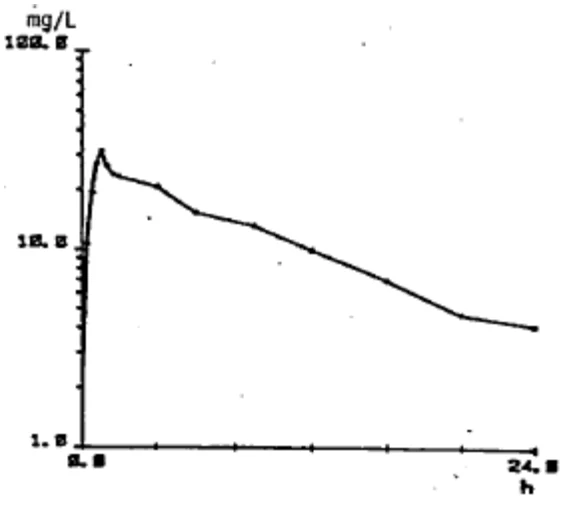
In two kinetic studies in which a single metronidazole 1.5 g dose was infused intravenously over a 50-60 minute period in volunteers, a peak level of 30-40 mg/L was obtained 1 hour after the start of infusion and fell to 10 mg/L at 12 h and 4 mg/L at 24 hours.
Figure 2 - Mean plasma metronidazole concentration following a single intravenous dose of metronidazole (1.5 g) (n=10)
Metabolism and Elimination:
The major route of elimination of metronidazole and its metabolites is via the urine (60-80% of the dose) with fecal excretion accounting for 6 to 15% of the dose. The metabolites that appear in the urine result primarily from side chain oxidation (i.e., 1-(β-hydroxyethyl) -2-hydroxymethyl-5-nitroimidazole and 2-methyl-5 nitroimidazole-1-yl-acetic acid) and glucuronide conjugation, with unchanged metronidazole accounting for approximately 20% of the total.
Metronidazole is the major component appearing in the plasma with lesser quantities of the 2-hydroxymethyl metabolite also being present. The ratio of these components varies with time but the maximum concentration of the metabolite (Cmax) is approximately 20% of the Cmax of metronidazole for the oral route of administration.
Protein Binding
Less than 20% of the circulating metronidazole is bound to plasma proteins.
Tissue Distribution
The concentrations of metronidazole found in various tissues and body fluids are given in the following Table 2.
| Table 2 - Concentration of metronidazole in various tissues and body fluids. |
| Tissue or Fluid | Dose Administration | Tissue or Fluid Level | Plasma Level |
|---|---|---|---|
| Bile | 500 mg q.i.d p.o x 10 days | 26 mg/L (on day 5) 20 mg/L (on day 15) | N/A* N/A |
| Saliva | 500 mg p.o Single dose | 7 mg/L (at 2-3 hour) | N/A |
| Placenta | 250 mg p.o Single dose | 0 to 1.4 mg/kg (at 4-5 hour) | 3.0 - 6.9 mg/L (maternal) |
| Embryo | 250 mg p.o Single dose | 0 - 1.0 mg/kg | 3.0 - 6.9 mg/L (maternal) |
| Breast Milk | 200 mg p.o | 1.3 to 3.4 mg/L | 1.8 - 3.9 mg/L |
| Cerebrospinal Fluid | 500 mg p.o. b.i.d | 11.0 to 13.9 mg/L | 8.3 - 15.4 mg/L |
| Pus (Brain Abcess) | 400 mg p.o. t.i.d. 600 mg i.v. t.i.d | 35 mg/L Inflamed meninges 43 mg/L | N/A N/A |
| Pus (Pulmonary Empyema) | 400 mg p.o. q.i.d | 24.2 mg/L | N/A |
*Not available
p.o. – Orally
i.v. – Intravenous
b.i.d – Two times a day
t.i.d. – Three times a day
q.i.d – Four times a day
Decreased renal function:
Decreased renal function does not appear to alter the single dose pharmacokinetics of metronidazole, although the elimination half-life of the metabolites is prolonged.
Haemodialysis
During haemodialysis, the hydroxy metabolite is removed from the plasma about three times more rapidly than in normal subjects. Comparison of the elimination half-lives of metronidazole and two metabolites are given in the following Table 3.
Table 3 - Metronidazole elimination in normal subjects and in patients with renal insufficiency following a single intravenous dose of metronidazole (500 mg)
| Elimination Half Life (hours) | |||
|---|---|---|---|
| Patients | |||
| Compound | Normal subjects | On dialysis | Between dialysis |
| Metronidazole | 7.3 ± 1.0 | 2.6 ± 0.7 | 7.2 ± 2.4 |
| 1-(β-hydroxyethyl) 2-hydroxymethyl-5 nitroimidazole | 9.8 ± 1.3 | 7.8 ± 4.1 | 34 ± 43 |
|---|---|---|---|
| 2-methyl-5-nitroimidazole-1-yl-acetic acid | - | 7.9 ± 4.1 | 138 ± 82 |
Therefore, no accumulation should occur in anuric patients undergoing regular dialysis.
Continuous ambulatory peritoneal dialysis
Metronidazole was given I.V. at 750 mg to five patients undergoing continuous ambulatory peritoneal dialysis (CAPD). Insignificant changes were noted in the pharmacokinetic parameters of metronidazole (apparent volume of distribution, elimination half-life, total body clearance). Peritoneal dialysis does not appear to reduce the serum levels of metronidazole metabolites.
Impaired liver function:
In patients with impaired liver function, the plasma clearance of metronidazole is decreased and accumulation can therefore result.
11 STORAGE, STABILITY AND DISPOSAL
METRONIDAZOLE INJECTION USP should be stored at room temperature (20°C - 25°C), and protected from light and freezing.
Do not use equipment containing aluminum (e.g., needles, cannulae) that would come in contact with the drug solution as precipitates may form.
Metronidazole is incompatible with (includes but is not limited to):
- Aztreonam
- Cefamandole nafate
- Cefoxitin
- Penicillin G
- Sodium lactate 5% w/v and dextrose 10% w/v injection
In the absence of compatibility studies, this medicinal product must not be mixed with other medicinal products (see 4.4 Administration).
12 SPECIAL HANDLING INSTRUCTIONS
No special handling instructions required.
PART II: SCIENTIFIC INFORMATION
13 PHARMACEUTICAL INFORMATION
Drug Substance
Proper name: Metronidazole
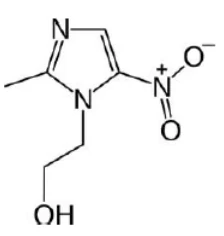
Chemical name: 1-(2-Hydroxyethyl)-2-methyl-5-nitroimidazole
Molecular formula and molecular mass: C6 H9 03 N3; 171.15 g/mol
Structural formula:
Physicochemical properties: White crystalline powder with slight yellow tint. Slightly soluble in water, alcohol, chloroform and ether.
14 CLINICAL TRIALS
Clinical trial information is not available.
15 MICROBIOLOGY
Bacteriology
Metronidazole is active in vitro against most obligate anaerobes but does not appear to possess any relevant clinical activity against facultative anaerobes or obligate aerobes.
In one study the minimum inhibitory concentrations (MICs)of metronidazole were determined in 730 strains of anaerobic bacteria isolated from clinical· specimens. The results are summarized in the following Table 4.
Table 4 - Activity* of metronidazole against anaerobic bacteria
| No. of strains tested | CUMULATIVE PER CENT SUSCEPTIBLE AT THE INDICATED CONCENTRATION (mg/L) | |||||||||||
|---|---|---|---|---|---|---|---|---|---|---|---|---|
| Bacteroides fragilis group | 77 | 0.1 | 0.5 | 1.0 | 2.0 | 4.0 | 8.0 | 16.0 | 32.0 | 64.0 | 128.0 | 256 |
| 1 | 12 | 27 | 56 | 84 | 97 | 99 | 100 | |||||
| Bacteroides | 69 | 15 | 81 | 93 | 99 | 100 | ||||||
| melaninogenicus | ||||||||||||
|---|---|---|---|---|---|---|---|---|---|---|---|---|
| Other Bacteroides | 72 | 6 | 42 | 68 | 85 | 93 | 96 | 96 | 99 | 100 | ||
Fusobacterium nucleatum | 19 | 58 | 95 | 100 | ||||||||
Other Fusobacterium | 46 | 15 | 76 | 100 | ||||||||
Peptococcus and Gaffkya | 73 | 3 | 69 | 88 | 96 | 96 | 100 | |||||
| Peptostreptococcus | 41 | 29 | 66 | 76 | 81 | 83 | 88 | 90 | 100 | |||
Microaerophilic and Anaerobic streptococci | 11 | 27 | 36 | 46 | 100 | |||||||
Gram-negative cocci (Acidaminococcus, Megasphaera, Veillonella) | 28 | 4 | 57 | 89 | 96 | 100 | ||||||
| Eubacterium | 59 | 7 | 44 | 61 | 66 | 71 | 75 | 80 | 86 | 100 | ||
| Arachnia | 3 | 33 | 100 | |||||||||
| Propionibacterium | 12 | 8 | 17 | 100 | ||||||||
| Actinomyces | 16 | 13 | 19 | 50 | 56 | 63 | 100 | |||||
| Bifidobacterium | 8 | 36 | 66 | 75 | 87 | 100 | ||||||
| Lactobacillus | 20 | 10 | 35 | 55 | 65 | 75 | 80 | 90 | 100 | |||
Clostridium perfringens | 12 | 25 | 67 | 100 | ||||||||
| Other Clostridium | 164 | 32 | 54 | 65 | 74 | 84 | 93 | 98 | 100 | |||
*Determined using an agar dilution technique described in the Wadsworth Anaerobic Bacteriology Manual, 2nd ed. University of California, Los Angeles, Extension Division 1975.
With rare exceptions, anaerobic Gram-negative non-spore forming bacilli and cocci as well as Clostridium species were susceptible to concentrations of metronidazole of 16 mg/L or less. A few strains of Peptococcus and Peptostreptococcus required 128 mg or more per liter of metronidazole for inhibition. Metronidazole was relatively ineffective against Streptococcus strains and the Gram-positive non-spore forming bacilli.
A series of in vitro determinations demonstrated that the minimum bactericidal concentrations (MBCs) against susceptible strains are generally within one dilution of the MICs.
With Bacteroides fragilis 103 fold increases in inoculum size have resulted in two to four fold increases in MIC and MBC values. The bactericidal effect of metronidazole is not significantly affected by pH changes within the range of 5.5 to 8.0.
Susceptibility Testing
Quantitative methods give the most precise estimate of susceptibility to antibacterial drugs. A standardized agar dilution method and a broth microdilution method are recommended. A bacterial isolate may be considered susceptible if the MIC value for metronidazole is not more than 16 mg/L. An organism is considered resistant if the MIC is greater than 16 mg/L.
16 NON-CLINICAL TOXICOLOGY
General Toxicology:
Acute Toxicity
The LD50 values for metronidazole are given in the following Table 5:
Table 5 – Values of LD50 for metronidazole
| Species | Sex | Route | LD50 (mg/kg) |
|---|---|---|---|
| Mouse | - M M F | p.o. i.p. i.v. i.v. | 4350 3650 1170 1260 |
| Rat | - M M F | p.o. i.p. i.v. i.v. | 5000 5000 1575 1575 |
M = Male
F = Female
p.o = Orally
i.p. = Intraperitoneal
i.v. = Intravenous
Signs of toxicity following oral and intravenous administration of metronidazole were sedation, ataxia and death in mice, and sedation and death in rats.
The acute toxicity of metronidazole was also tested in dogs. Beagle dogs (male or female, 1 dog per dose) were administered single oral doses of 500,750, 1000, 1500, 3000 or 5000 mg/kg of metronidazole by gastric intubation. The highest oral dosage which did not produce neurological disturbances and severe vomiting was 500 mg/kg. At the higher doses, ataxia, loss of spatial judgment, dozing, walking blindly, a general state of unawareness, convulsion, retching and/or vomiting were observed. There were no deaths but the dogs which received 1500 and 5000 mg/kg were killed on humane grounds 48 and 2.5 hours after dosing, respectively.
Pairs of one male and one female beagle were administered total doses of 125,200 or 250 mg/kg of metronidazole. These were given as 4 or 5 separate injections at hourly intervals, except for the 125 mg/kg dose which was given at half-hourly intervals. At 200 mg/kg, the male trembled during the third injection, the female appeared slightly lethargic following the third injection and its heart rate was rapid during the final injection. Following the 125 mg/kg and 250 mg/kg doses, no sign nor evidence of intolerance at the injection sites was observed.
Subacute and Chronic Toxicity
Rats were administered metronidazole orally at doses of 0, 25 and 50 mg/kg for a month, 100 mg/kg for fifteen days, and 1000 mg/kg for thirty days. Except for testicular changes which consisted of minor epithelial desquamation and fewer spermatocytes in the epididymus in the 100 and 1000 mg/kg groups, no other abnormalities were observed. No interference with fertility or embryogenesis was observed.
Twenty male and 20 female rats were administered metronidazole intravenously at a dose of 30 mg/kg/day for 4 weeks. There was no evidence of local intolerance at the injection site. A statistically significant decrease in body weight gain was noted in the males only, with their overall weight increase being about 90% that of controls. Mean absolute and relative (to bodyweight) thyroid weights were significantly lower (by approximately 25%) than the control values in both sexes in the treated group.
However, at microscopic examination, the architecture of the thyroid glands of treated animals was within normal limits. In another study conducted under the same experimental conditions, assessment of the thyroid function before and at the end of the dosing period revealed no effect of metronidazole in rats.
Dogs were administered metronidazole orally at doses of 0, 25 and 50 mg/kg for a period of one month. They showed no physical or biological alteration and no tissue modification. Other dogs dosed at 75, 110 and 225 mg/kg for a period of six months developed ataxia, muscular rigidity and tremor. No apparent dulling of the sensorium was noted.
Two male and 2 female dogs were administered metronidazole intravenously at doses of 37.5 mg/kg 5 days per week for 4 weeks. In the 2 males and in one of the 2 females, the relative weights of the thyroids were below control values (31 % decrease for males and 26% decrease for females).
Carcinogenicity: Two separate tumorigenic studies were carried out in two different strains of mice with metronidazole. Metronidazole was administered in the diet at daily doses of 75, 150 and 600 mg/kg in both experiments. A study with the strain of Swiss mice was terminated after 78 weeks, while the other experiment with CF1 mice was terminated at 92 weeks. There was no evidence that the administration of metronidazole at any dosage level produced an adverse effect upon the physical appearance, behavior, body weight and food consumption. However, the survival in mice in the treated groups was better than that in the controls.
Statistical analysis of necropsy data, gross and microscopic, using life-table and other techniques revealed a significant increase in the rate of benign lung tumors in groups of mice treated with 600 mg/kg. With the lower dosage, there was also a trend for increased rate; however, the changes were not significant. It should, though, be noted that this type of tumor was also seen in up to 30% of mice in the untreated groups.
In the rat, dose levels of 75, 150 and 300 mg/kg/day were administered orally in the diet for 80 consecutive weeks; a dosage of 600 mg/kg was administered for 13 weeks only. No consistent deleterious effects were observed with doses of 75 and 150 mg/kg for 28-80 weeks on physical, behavioral, clinical laboratory or post-mortem examinations. At the dosage of 300 mg/kg, testicular dystrophy was regularly encountered at 13 weeks or longer and was not reversed by a 28 week recovery (no drug) period; prostatic atrophy was also seen at 26 weeks. The 600 mg/kg dosage group showed a high incidence of testicular dystrophy and prostatic atrophy with a pronounced reduction in the rate of body weight gain. There was a significant increase in the number of benign mammary tumors only in the females of the 300 mg/kg group.
Two independent tumorigenicity studies conducted in the hamster gave negative results
Genotoxicity:
The mutagenic potential of metronidazole has been measured in two test systems. In a study using a bacterial indicator strain to detect mutagenic effects, positive results were reported. The inherent antimicrobial property of metronidazole further complicates the interpretation respecting genetic and carcinogenic hazard to man. The other test system, the dominant lethal test, measured the effect of metronidazole on mammalian germ cells. Male rats administered doses of metronidazole up to 600 mg/kg/day for five consecutive days, were mated to untreated females. Fetal deaths, the primary measure of dominant lethality, were not increased in those females mated to treated males.
Reproductive and Developmental Toxicology:
Teratogenicity Studies
Metronidazole has been evaluated for its embryotoxic and teratogenic potential in the rat, rabbit and mouse. In four studies performed in the rabbit, the compound was administered orally by capsule, by buccal intubation or by gastric intubation at doses of 30 to 200 mg/kg/day for periods ranging from 3 to 13 days during pregnancy. Neither embryotoxic nor teratogenic effects related to drug administration were observed.
In one study metronidazole was administered intravenously to rabbits (18 per group) at doses of 15 or 30 mg/kg/day from days 6 to 18 of pregnancy inclusive. There were no statistically significant differences between control and treated groups for any foetal parameter, but discrepancies between the numbers of corpora lutea and implantation sites suggested that the drug may have caused a 10 - 15% increase in pre-implantation loss. No embryotoxic or teratogenic effects were observed.
In five rat studies, metronidazole was administered either at a dietary concentration of 0.13% for 18 days of gestation, or by gastric intubation at dose levels from 50 to 200 mg/kg/day for periods ranging from 10 days (mid-gestation) to 40 days (before and during pregnancy). Drug-related embryotoxic or teratogenic effects were not observed in any of the five studies.
In rats, metronidazole was administered intravenously at doses of 15 or 30 mg/kg/day from days 5 to 17 of pregnancy inclusive. There was a statistically significant increase in the mean numbers of implantations and live foetuses per litter in the metronidazole treated groups, but no difference in any other foetal parameter.
In one mouse study, two groups of mice were treated from the sixth to the fifteenth day of gestation. Metronidazole was administered by gastric intubation at doses of 10 and 20 mg/kg/day. At the dosage utilized, metronidazole was devoid of any teratogenic activity.
In humans, data has been accumulated on 2500 women who received metronidazole at various stages during pregnancy. The overall incidence of congenital abnormalities remained within the expected limits for untreated mothers and an examination of the reports revealed that there was no trend or consistent pattern in the reported defects nor was there any evidence of causal relationship.
17 SUPPORTING PRODUCT MONOGRAPHS
- 1. METRONIDAZOLE INJECTION, USP (solution, 5 mg/mL), submission control 263478, Product Monograph, Baxter Corporation. (September 20, 2022).