


Patient Medication Information: uses, side effects, how to take - Mylan-Rivastigmine Patch 5
What is MYLAN-RIVASTIGMINE PATCH used for?
MYLAN-RIVASTIGMINE PATCH is used in adults to treat the symptoms of mild to moderate Alzheimer’s disease (a type of dementia).
How does MYLAN-RIVASTIGMINE PATCH work?
MYLAN-RIVASTIGMINE PATCH belongs to a group of medicines called “cholinesterase inhibitors”. People with Alzheimer’s disease have low amounts of acetylcholine in the brain. It is a substance that is thought to be necessary for memory and other mental functions. MYLAN-RIVASTIGMINE PATCH works by blocking an enzyme that breaks down acetylcholine called acetylcholinesterase. This in turn increases the amount of acetylcholine in the brain. MYLAN-RIVASTIGMINE PATCH is used to treat the symptoms of dementia and does not cure the disease.
What are the ingredients in MYLAN-RIVASTIGMINE PATCH?
Medicinal ingredients: rivastigmine
Non-medicinal ingredients: Acrylic adhesive, dimethicone, ethyl acetate, poly (butylmethacrylate, methyl-methacrylate), silicone adhesive applied to flexible polyethylene/polyurethane/ polyester backing film, brown ink, polyester release liner.
Serious Warnings and Precautions
Do not wear more than one patch at a time. It is potentially dangerous and can be a medical emergency. If you accidently apply more than one MYLAN-RIVASTIGMINE PATCH, remove all the patches from your skin and get medical help right away.
MYLAN-RIVASTIGMINE PATCH comes in the following dosage forms:
Transdermal patch: 4.6 mg/24h (MYLAN-RIVASTIGMINE PATCH 5; available as 5.0 cm2 round, peach-colored patch, contained in a square pouch) and 9.5 mg/24h (MYLAN-RIVASTIGMINE PATCH 10; available as 10.0 cm2 round, peach-colored patch, contained in a square pouch).
Do not use MYLAN-RIVASTIGMINE PATCH if:
- you are allergic to rivastigmine or to any other ingredients in MYLAN-RIVASTIGMINE PATCH.
- you are allergic to a similar type of medicine (e.g., carbamate derivatives).
- you have severe liver disease.
you have had a previous allergic skin reaction with rivastigmine patches. The skin reaction:
- spread beyond the patch size and/or was more severe at the patch site (such as blisters, increasing skin inflammation, swelling);
- did not improve within 48 hours after removal of the patch.
- you have had a severe skin reaction while wearing rivastigmine patches or taking rivastigmine capsules or oral solution. This includes rashes on large areas of the body or blistering of the skin, mouth, eyes, or genitals.
- you have or have had heart problems (e.g., irregular heartbeat).
To help avoid side effects and ensure proper use, talk to your healthcare professional before you take MYLAN-RIVASTIGMINE PATCH. Talk about any health conditions or problems you may have, including if you:
- have a condition that affects your heart and/or blood vessels (e.g., coronary artery disease, congestive heart failure).
- have unexplained fainting episodes.
- have liver or kidney problems.
- are currently taking any other medicines.
- have an ulcer or have a history of ulcers in the stomach or intestines.
- have an increased risk of developing ulcers (e.g., you are taking non-steroidal inflammatory drugs (NSAIDs) or high doses of acetylsalicylic acid (ASA)).
- have or have had problems with passing urine.
- have or have had seizures (such as epilepsy).
- have a respiratory disease that affects breathing (e.g., asthma or obstructive pulmonary disease).
- have a body weight below 50 kg. You are more likely to experience side effects during your treatment with MYLAN-RIVASTIGMINE PATCH.
- are planning to have an operation with general anesthesia (medication that puts you to sleep).
- have uncontrolled involuntary movements of the body, face or limbs (extrapyramidal disorder). MYLAN-RIVASTIGMINE PATCH may worsen your symptoms.
have an increased risk of developing serious and possibly life-threatening heart rhythm problems. Risk factors include if you:
- have heart failure.
- recently had a heart attack.
- have a slower than usual heartbeat.
- have been told by a healthcare professional that you have low potassium or magnesium levels in your blood.
- have or have a family history of heart rhythm problems.
- take medicines that are known to cause heart rhythm problems.
- are pregnant, think you might be pregnant or plan to become pregnant.
- are breastfeeding or planning to breastfeed.
Other warnings you should know about:
MYLAN-RIVASTIGMINE PATCH can cause serious side effects, including:
Allergic skin reactions: These may develop at any time during your treatment with MYLAN-RIVASTIGMINE PATCH. Skin reactions at the patch site are usually mild to moderate in severity. However, more serious skin reactions can occur. Tell your healthcare professional right away if:
- you experience an allergic skin reaction that spreads beyond the patch site.
- you experience severe skin reactions at the patch site (e.g., redness, swelling, blisters or skin lesions).
- the symptoms do not improve within 48 hours after removing the patch.
Stevens-Johnson Syndrome (SJS) (severe skin rash): This rare serious and life-threatening skin reaction was reported in patients using MYLAN-RIVASTIGMINE PATCH. Stop wearing MYLAN-RIVASTIGMINE PATCH and get medical help right away if you experience:
- a severe rash or any other serious skin reaction such as blistering or peeling of the lips, eyes, mouth, nose or genitals.
- fever, chills, headache, cough, body aches or swollen glands.
Heart rhythm problems: Some cholinesterase inhibitors, such as MYLAN-RIVASTIGMINE PATCH, may cause serious heart rhythm problems such as:
- QT Prolongation (a heart rhythm condition where the heart muscle takes longer to contract and relax than usual).
- Torsade de pointes (a life-threatening irregular heartbeat) in patients with risk factors.
- Extrapyramidal symptoms: MYLAN-RIVASTIGMINE PATCH can make nervous system problems, like slow or uncontrollable movements, trembling, seizures and changes in walking patterns worse. Your healthcare professional will monitor these conditions during MYLAN-RIVASTIGMINE PATCH treatment.
Gastrointestinal problems:
- These include severe nausea, vomiting and diarrhea, especially at the start of your treatment or when your dose is increased. You may become dehydrated if they are not addressed. You or your caregiver should always monitor for these side effects during your treatment. Tell your healthcare professional if these side effects persist. Your dose may need to be adjusted or reduced.
- Cholinesterase inhibitors, such as MYLAN-RIVASTIGMINE PATCH, can also cause increased acid secretion in the stomach. This can lead to bleeding in the gastrointestinal tract.
- Pancreatitis (inflammation of the pancreas): It can occur shortly after starting treatment or even after several months or years of treatment with MYLAN-RIVASTIGMINE PATCH.
See the “Serious side effects and what to do about them” table, for more information on these and other serious side effects.
Driving and using machines: Your healthcare professional will tell you whether your illness allows you to drive vehicles and use machines safely. MYLAN-RIVASTIGMINE PATCH may make you feel dizzy or sleepy, especially at the start of your treatment or when your dose is increased. If MYLAN-RIVASTIGMINE PATCH affects you, do not drive or use any tools or machinery.
Pregnancy: It is not known if MYLAN-RIVASTIGMINE PATCH can harm an unborn baby. Therefore, you should not use it if you can become pregnant unless your healthcare professional has determined the potential benefits outweigh the potential risks to your baby. If you discover that you are pregnant during your treatment with MYLAN-RIVASTIGMINE PATCH, tell your healthcare professional right away.
Breastfeeding: It is not known if MYLAN-RIVASTIGMINE PATCH can pass into breast milk and harm a breastfed baby. Therefore, MYLAN-RIVASTIGMINE PATCH is not recommended during breastfeeding. Talk to your healthcare professional about other ways to feed your baby during your treatment with MYLAN-RIVASTIGMINE PATCH.
Surgery: Tell any doctor, dentist, pharmacist, or healthcare professional that you see, that you are taking this medicine. MYLAN-RIVASTIGMINE PATCH may exaggerate the effects of some muscle relaxants used during anesthesia.
Check-ups and testing:
- Alzheimer’s disease and cholinesterase inhibitors, such as MYLAN-RIVASTIGMINE PATCH, may cause a low appetite and/or significant weight loss. Your healthcare professional will closely monitor your appetite and weight during your treatment with MYLAN-RIVASTIGMINE PATCH.
- Your healthcare professional may also monitor your heart rate during this time.
Tell your healthcare professional about all the medicines you take, including any drugs, vitamins, minerals, natural supplements or alternative medicines.
The following may interact with MYLAN-RIVASTIGMINE PATCH:
- other cholinesterase inhibitors or cholinomimetic medicines (used to treat symptoms of Alzheimer’s disease, dementia, myasthenia gravis (an autoimmune neuromuscular disorder), or treat glaucoma, and urinary retention)
- anticholinergic medicines (used to treat various conditions such as asthma, chronic obstructive pulmonary disease (COPD), an overactive bladder, gastrointestinal disorders, and symptoms of Parkinson’s disease)
medicines that are known to lengthen a part of the heartbeat called “QT interval”. These can include:
- medicines used to treat an irregular heart rhythm (e.g., quinidine, amiodarone, sotalol)
- certain medicines used to treat depression (e.g., citalopram, escitalopram)
- medicines used to treat psychotic symptoms (e.g., phenothiazine derivatives, pimozide, ziprasidone)
- medicines used to increase movement in the gastrointestinal tract (e.g., cisapride)
- medicines used to treat allergies
- certain medicines used to treat bacterial infections (e.g., moxifloxacin, erythromycin, levofloxacin, clarithromycin)
- medicines used to treat malaria
- metoclopramide (used to treat and prevent nausea and vomiting, to help with emptying of the stomach and chronic acid reflux)
- beta blockers (used to treat high blood pressure and chest pain)
- medicines used to prevent and control seizures
- muscle relaxants used during surgery
- nicotine or tobacco products
How to apply MYLAN-RIVASTIGMINE PATCH:
- Always follow your healthcare professional’s instructions carefully, even if they differ from those listed in this leaflet.
- Both you and your caregiver must read the instructions for use before applying MYLAN-RIVASTIGMINE PATCH.
- You may be given a Patient Reminder Card during your treatment with MYLAN-RIVASTIGMINE PATCH. This is to keep track of when you or your caregiver apply and take off a MYLAN-RIVASTIGMINE PATCH. You should use it to make sure you are using the patch safely. If you have any questions or require more information on the Patient Reminder Card, please ask your healthcare professional or contact the manufacturer by visiting the website www.mylan.ca or by calling 1-844-596-9526.
Do NOT:
- apply more than one MYLAN-RIVASTIGMINE PATCH at a time. You must remove the previous day’s patch before applying a new one.
- use any MYLAN-RIVASTIGMINE PATCH that is damaged or shows signs of tampering.
- cut the patch into pieces. MYLAN-RIVASTIGMINE PATCH will not work properly or may not be safe if it is damaged in any way.
- eat MYLAN-RIVASTIGMINE PATCH.
- touch your eyes after handling MYLAN-RIVASTIGMINE PATCH.
Before you apply MYLAN-RIVASTIGMINE PATCH, make sure that your skin is:
- clean, dry, and hairless
- free of any powder, oil, moisturizer, or lotion (that could keep the patch from sticking to your skin properly)
- free of cuts, rashes and/or irritations.
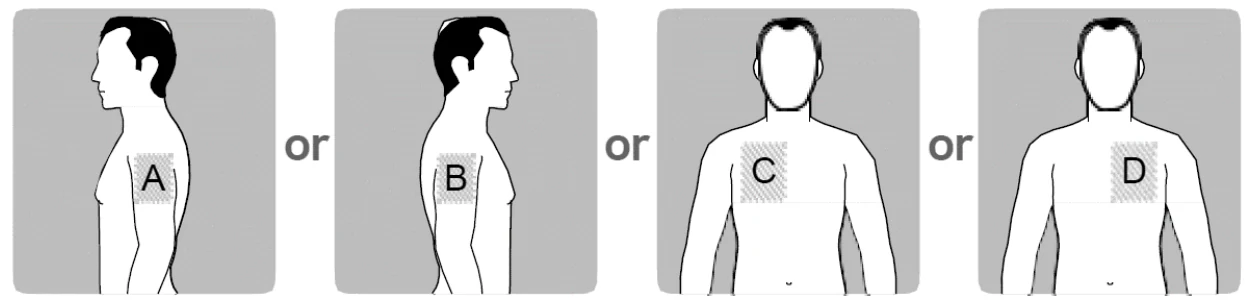
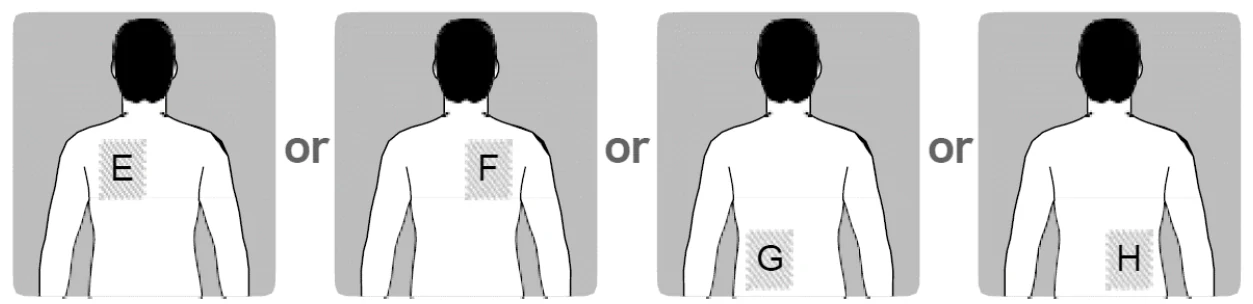
Apply ONLY ONE patch per day to ONLY ONE of the following locations: the upper OR lower back (E or F or G or H), OR upper arm (A or B) OR chest (C or D).
Upper arm/chest:
Back:
Applying the patch to other areas (e.g., abdomen and thighs) may decrease the amount of medication you receive from the patch and may also cause more skin irritation on the spot where the patch is applied. Avoid places where the patch can be rubbed off by tight clothing.
When changing your patch, you must remove the previous day’s patch before you apply your new patch to a different area of skin (for example on the right side of your body one day, then on the left side the next day). Do not apply a new patch to that same spot for at least 14 days.
Application of MYLAN-RIVASTIGMINE PATCH:
The patch is a thin, opaque, plastic patch that sticks to the skin. Each patch is sealed in a pouch that protects it until you are ready to put it on. Do not open the pouch or remove a patch from your skin until just before you apply a new one.
- 1. Cut the pouch along the dotted line or at the notch and remove the patch.
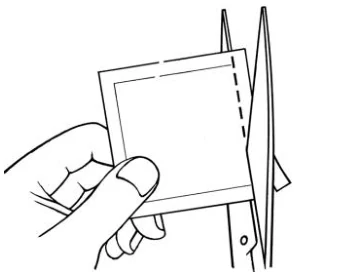
- 2. A protective liner covers the adhesive side of the patch. Peel off one side of the protective liner and do not touch the sticky part of the patch with the fingers.
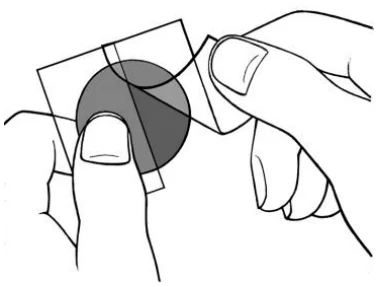
- 3. Put the sticky side of the patch on the upper OR lower back, OR upper arm OR chest and then peel off the second side of the protective liner.
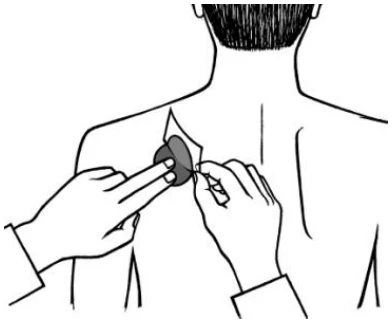
- 4. Then press the patch firmly in place using the palm of the hand, applying pressure over the entire patch for at least 30 seconds, to make sure that the edges stick well.
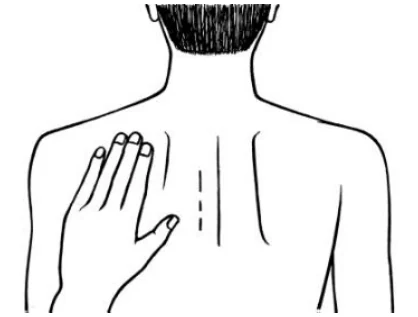
If it helps you, you may write (e.g., the day of the week) on the patch with a thin ball point pen.
MYLAN-RIVASTIGMINE PATCH should be worn continuously until it is time to replace it with a new patch. You may wish to experiment with different locations when applying a new patch, to find ones that are most comfortable for you and where clothing will not rub on the patch.
How to remove MYLAN-RIVASTIGMINE PATCH:
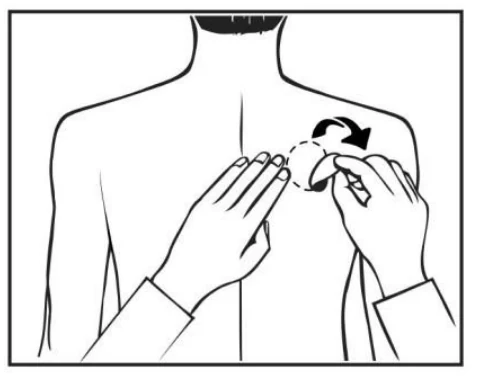
Gently pull at one edge of the MYLAN-RIVASTIGMINE PATCH to remove it completely from the skin. In case the adhesive residue is left over on your skin, gently use mild soap or baby oil to remove it. Alcohol or other dissolving liquids (nail polish remover or other solvents) should not be used.
How to dispose of the used MYLAN-RIVASTIGMINE PATCH:
After the patch has been removed, fold it in half with the adhesive sides on the inside and press them together. Return the used patch in the pouch from today’s patch and discard safely out of the reach and sight of children and pets, as there is still drug in the patch after 24-hour usage. You can dispose of the patch in your waste container.
Do not touch your eyes with your fingers and wash your hands with soap and water after handling the patch. In case of contact with eyes, rinse immediately with plenty of water and seek medical advice if eyes become red and do not resolve.
Can you wear MYLAN-RIVASTIGMINE PATCH when bathing, swimming, or in the sun?
Bathing, swimming, or showering should not affect the patch. To help ensure that the patch sticks well, do not place on wet or damp skin. When swimming, you can wear the patch under your bathing suit. Make sure the patch does not loosen during these activities by checking it regularly.
While wearing MYLAN-RIVASTIGMINE PATCH you should not expose the patch area to external sources of heat as this may increase the amount of drug that may enter your body through the skin. Such external heat sources include intensive sunbathing, heat lamps, heating pads, saunas and hot tubs, etc. This may also occur if you develop a fever while wearing MYLAN-RIVASTIGMINE PATCH.
What to do if MYLAN-RIVASTIGMINE PATCH falls off:
If the patch falls off, a new patch should be applied for the rest of the day, then replace the patch the next day at the same time as usual.
Accidental transfer of MYLAN-RIVASTIGMINE PATCH to another person:
If your patch dislodges and accidentally sticks to the skin of another person, take the patch off immediately and call a healthcare professional. This is true for both fresh and used patches, as a considerable amount of drug remains in the patch after use.
When and for how long to apply MYLAN-RIVASTIGMINE PATCH:
To benefit from your medicine a new patch must be applied every day, after removal of the old patch. Taking MYLAN-RIVASTIGMINE PATCH at the same time each day will help you remember when to take your medicine. Wear ONLY ONE MYLAN-RIVASTIGMINE PATCH at a time and replace the patch by a new one after 24 hours.
If you are applying your own patch, tell your caregiver that you are applying MYLAN-RIVASTIGMINE PATCH.
Also tell your caregiver if you have not been applying MYLAN-RIVASTIGMINE PATCH for more than 3 days.
If you have questions about how long to take MYLAN-RIVASTIGMINE PATCH talk to your healthcare professional.
Usual dose:
Note: MYLAN-RIVASTIGMINE PATCH is only available as MYLAN-RIVASTIGMINE PATCH 5 (4.6 mg/24 h) and MYLAN-RIVASTIGMINE PATCH 10 (9.5 mg/24 h).
Your healthcare professional will tell you which MYLAN-RIVASTIGMINE PATCH you should apply. Follow their instructions carefully.
- Usual starting dose: Apply MYLAN-RIVASTIGMINE PATCH 5 (4.6 mg / 24h) to the skin once a day. Your dose may be increased to the usual maintenance dose after a minimum of 4 weeks if well tolerated.
- Usual maintenance dose: Apply MYLAN-RIVASTIGMINE PATCH 10 (9.5 mg / 24h) to your skin once a day. Depending on your condition, your dose may be further increased after an additional 4 weeks. If so, you will be asked to apply rivastigmine transdermal patch 15 cm2 (13.3 mg / 24h) to your skin once a day.
ONLY ONE patch should be worn at a time and the patch should be replaced by a new one after 24 hours.
Do not increase or decrease your dose without consulting your healthcare professional first.
Overdose:
An overdose can happen if you wear more than one patch at a time. It can be serious and life threatening. Symptoms of an overdose with MYLAN-RIVASTIGMINE PATCH may include:
- nausea, vomiting or diarrhea. This can lead to dehydration.
- high blood pressure
- hallucinations (seeing or hearing things that are not there)
- general feeling of discomfort usually due to a slow heartbeat
- fainting
| If you think you, or a person you are caring for, have accidentally applied more than one MYLAN-RIVASTIGMINE PATCH, remove all the patches from your skin, then contact a healthcare professional, hospital emergency department, regional poison control center or Health Canada’s toll-free number, 1-844 POISON-X (1-844-764-7669) immediately, even if there are no signs or symptoms. |
|---|
Missed Dose:
If you have forgotten to apply your MYLAN-RIVASTIGMINE PATCH, apply a new patch immediately. You may apply the next patch at the usual time the next day, after removing the previous day’s patch. Do not apply two patches to make up for the one that you missed. ONLY ONE patch should be worn at a time.
If you have not been applying MYLAN-RIVASTIGMINE PATCH for more than 3 days, do not apply the next patch before you have talked to your healthcare professional. You may need to restart your treatment with a lower dose.
What are possible side effects from using MYLAN-RIVASTIGMINE PATCH?
These are not all the possible side effects you may have when using MYLAN-RIVASTIGMINE PATCH. If you experience any side effects not listed here, tell your healthcare professional.
Side effects with MYLAN-RIVASTIGMINE PATCH may include:
- nausea, vomiting
- loss of appetite, weight loss
- anxiety
- difficulty sleeping
- dizziness
- accidental falls
- headache
diarrhea, constipation, stomach discomfort after meals, stomach pain, heartburn
- inability to adequately retain urine (urinary incontinence)
- redness, itching, irritation, swelling at the patch site
- tiredness
- weakness
- agitation
- restlessness
- aggression
- excessive sweating
- general feeling of being unwell
- fever, stuffy or runny nose
- joint pain
- muscle pain or spasms
- shortness of breath
- high blood pressure
- nightmares
- lack of energy
- ringing in the ears
- blurry vision
Serious side effects and what to do about them
| Serious side effects and what to do about them | |||
|---|---|---|---|
| Serious side effects and what to do about them | |||
| Serious side effects and what to do about them | |||
| Symptom / effect | Talk to your healthcare professional | Stop taking drug and get immediate medical help | |
| Symptom / effect | Talk to your healthcare professional | Stop taking drug and get immediate medical help | |
| Symptom / effect | Talk to your healthcare professional | Stop taking drug and get immediate medical help | |
| Symptom / effect | Talk to your healthcare professional | Stop taking drug and get immediate medical help | |
| Only if severe | In all cases | ||
| Only if severe | In all cases | ||
| Only if severe | In all cases | ||
| Only if severe | In all cases | ||
| COMMON | |||
| Depression (sad mood that won’t go away): difficulty sleeping or sleeping too much, changes in appetite or weight, feelings of worthlessness, guilt, regret, helplessness or hopelessness, withdrawal from social situations, family, gatherings and activities with friends, reduced libido (sex drive) and thoughts of death or suicide. | √ | ||
| Urinary tract infection: | √ | ||
| pain or burning sensation while urinating, frequent urination, blood in urine, pain in the pelvis, strong smelling urine, cloudy urine | |||
| Severe nausea, vomiting and/or diarrhea, dehydration: thirst, headache, general discomfort, loss of appetite, decrease urine, confusion, unexplained tiredness | √ | ||
| Anemia (decreased number of red blood cells): fatigue, loss of energy, looking pale, weakness, shortness of breath | √ | ||
| UNCOMMON | |||
| Severe confusion | √ | ||
| Hallucinations: seeing, feeling or hearing things that are not there | √ | ||
| Chest pain | √ | ||
| Stroke: sudden numbness or weakness of your arm, leg or face, especially if only on one side of the body; sudden confusion, difficulty speaking or understanding others; sudden difficulty in walking or loss of balance or coordination; suddenly feeling dizzy or sudden severe headache with no known cause | √ | ||
| Myocardial infarction (heart attack): pressure or squeezing pain in the chest, jaw, left arm, between the shoulder blades or upper abdomen, shortness of breath, dizziness, fatigue, light-headedness, clammy skin, sweating, indigestion, anxiety, feeling faint and possible irregular heartbeat | √ | ||
| Fainting | √ | ||
| Heart rhythm problems: irregular or fast or slow heart beat, shortness of breath, dizziness, fainting | √ | ||
| Allergic skin reactions: skin reaction that spreads beyond the patch site, severe redness, swelling, blisters or skin lesions at the patch site, symptoms do not improve within 48 hours after removing the patch | √ | ||
| Stomach ulcer and gastrointestinal bleeding: blood in the stools, black, tarry stools or vomiting blood | √ | ||
| VERY RARE | |||
| Pancreatitis (inflammation of the pancreas): upper abdominal pain, fever, rapid heart beat, nausea, vomiting, tenderness when touching the abdomen | √ | ||
| Seizures: fits or convulsions | √ | ||
| Liver disorder: yellowing of skin and the whites of eyes, darkening of the urine, unexplained nausea, vomiting, loss of appetite, itching, upper stomach pain, tiredness | √ | ||
| Stevens-Johnson Syndrome (SJS)(severe skin rash): redness, blistering and/or peeling of the skin and/or inside of the lips, eyes, mouth, nasal passages or genitals, accompanied by fever, chills, headache, cough, body aches or swollen glands | √ | ||
| UNKNOWN FREQUENCY | |||
| Extrapyramidal symptoms: problems controlling movements of the body or limbs, including, but not limited to, stiff limbs, trembling hands, body spasms, | √ | ||
| upward eye rolling, exaggeration of reflexes, drooling, difficulty moving how and when you want | |||
| Pisa syndrome: involuntary muscle contraction with abnormal bending of the body and head to one side | √ | ||
If you have a troublesome symptom or side effect that is not listed here or becomes bad enough to interfere with your daily activities, tell your healthcare professional.
Reporting Side Effects
You can report any suspected side effects associated with the use of health products to Health Canada by:
NOTE: Contact your health professional if you need information about how to manage your side effects. The Canada Vigilance Program does not provide medical advice. |
Storage:
- Store MYLAN-RIVASTIGMINE PATCH between 15°C and 30°C.
- Keep MYLAN-RIVASTIGMINE PATCH in its protective pouch until you are ready to use it.
- Do not use MYLAN-RIVASTIGMINE PATCH after the expiry date shown on the carton and pouch.
- Keep MYLAN-RIVASTIGMINE PATCH out of the reach and sight of children and pets.
If you want more information about MYLAN-RIVASTIGMINE PATCH:
- Talk to your healthcare professional
- Find the full product monograph that is prepared for healthcare professionals and includes this Patient Medication Information by visiting the Health Canada website: (https://www.canada.ca/en/health-canada/services/drugs-health-products/drug-products/drug-product-database.html); the manufacturer’s website www.mylan.ca, or by calling 1-844-596-9526.
Mylan Pharmaceuticals ULC Etobicoke, ON M8Z 2S6 1-844-596-9526 www.mylan.ca