


Product Monograph - Myqorzo
Recent Major Label Changes
Not applicable.
TABLE OF CONTENTS
Certain sections or subsections that are not applicable at the time of the preparation of the most recent authorised product monograph are not listed.
Recent Major Label Changes .................................................................................................... 2
TABLE OF CONTENTS ............................................................................................................... 2
Part 1: Healthcare Professional Information ............................................................................ 4
- 1.
Indications ........................................................................................................................ 4
1.1. Paediatrics ................................................................................................................. 4
1.2. Geriatrics ................................................................................................................... 4
- 2. Contraindications ............................................................................................................. 4
- 3. Serious Warnings and Precautions Box ............................................................................. 4
- 4.
Dosage and Administration .............................................................................................. 5
4.1. Dosing Considerations ............................................................................................... 5
4.2. Recommended Dose and Dosage Adjustment .......................................................... 5
4.4. Administration ........................................................................................................... 7
4.5. Missed Dose .............................................................................................................. 7
- 5. Overdose .......................................................................................................................... 7
- 6. Dosage Forms, Strengths, Composition, and Packaging .................................................... 7
- 7.
Warnings and Precautions ................................................................................................ 8
7.1. Special Populations ................................................................................................... 9
7.1.1. Pregnant Women .............................................................................................. 9
7.1.2. Breast-feeding ................................................................................................... 9
7.1.3. Paediatrics ......................................................................................................... 9
7.1.4. Geriatrics ........................................................................................................... 9
- 8.
Adverse Reactions ............................................................................................................ 9
8.1. Adverse Reaction Overview ....................................................................................... 9
8.2. Clinical Trial Adverse Reactions ............................................................................... 10
- 9.
Drug Interactions ............................................................................................................ 11
9.1. Serious Drug Interactions ........................................................................................ 11
9.2. Drug Interactions Overview ..................................................................................... 11
9.4. Drug-Drug Interactions ............................................................................................ 11
9.5. Drug-Food Interactions............................................................................................ 14
9.6. Drug-Herb Interactions ............................................................................................ 14
9.7. Drug-Laboratory Test Interactions .......................................................................... 14
- 10.
Clinical Pharmacology .................................................................................................... 14
10.1. Mechanism of Action ............................................................................................... 14
10.2. Pharmacodynamics ................................................................................................. 14
10.3. Pharmacokinetics .................................................................................................... 15
- 11. Storage, Stability, and Disposal ....................................................................................... 17
Part 2: Scientific Information ................................................................................................. 18
- 13. Pharmaceutical Information ........................................................................................... 18
- 14.
Clinical Trials ................................................................................................................... 18
14.1. Clinical Trials by Indication ...................................................................................... 18
- 15. Microbiology .................................................................................................................. 24
- 16.
Non-Clinical Toxicology ................................................................................................... 24
Part 1: Healthcare Professional Information
1. Indications
MYQORZO® (aficamten) is indicated for the treatment of symptomatic obstructive hypertrophic cardiomyopathy (oHCM) of New York Heart Association (NYHA) class II-III in adult patients.
1.1. Paediatrics
Paediatrics (<18 years of age): No data are available to Health Canada to establish the safety and efficacy of MYQORZO in paediatric patients; therefore, Health Canada has not authorized an indication for paediatric use.
1.2. Geriatrics
Geriatrics (≥65 years of age): Evidence from clinical studies indicate that the safety, efficacy, and pharmacokinetics of MYQORZO were consistent between geriatric patients and younger patients (18 to <65 years of age).
2. Contraindications
MYQORZO is contraindicated:
- with concomitant use of moderate-to-strong CYP2C9 inhibitors that are also moderate-to-strong inhibitors of CYP3A or CYP2D6: e.g., more than a single dose of fluconazole. Coadministration may result in increased concentrations of aficamten due to inhibition of aficamten elimination, which may lead to an increase in the risk of heart failure due to systolic dysfunction (see 7 Warnings and Precautions and 9 Drug Interactions).
- with concomitant use of strong CYP3A inducers that are also moderate-to-strong CYP2C9 inducers: e.g., rifampin and St. John’s wort. Coadministration may result in decreased concentrations of aficamten due to increased aficamten elimination which may lead to loss of therapeutic effect (see 7 Warnings and Precautions and 9 Drug Interactions).
- in patients who are hypersensitive to this drug or to any ingredient in the formulation, including any non-medicinal ingredient, or component of the container. For a complete listing, see 6 Dosage Forms, Strengths, Composition, and Packaging.
3. Serious Warnings and Precautions Box
WARNING: RISK OF HEART FAILURE A Healthcare Professional Checklist and educational materials for patients can be obtained by downloading it from https://www.myqorzo.ca, or by contacting 1-844-580-7142.
|
|---|
|
4. Dosage and Administration
4.1. Dosing Considerations
MYQORZO should be administered under the supervision of a physician experienced in the treatment of HCM.
Dosage is to be individualised based on the clinical status and echocardiographic assessment of patient response.
Beta blockers, non-dihydropyridine calcium channel blockers, and disopyramide are used in the setting of treatment of obstructive hypertrophic cardiomyopathy and may have negative inotropic effects. MYQORZO has been safely initiated and maintained with coadministration of these drugs; therefore, no change in dose titration guidance is recommended. If concomitant therapy with a negative inotrope is initiated or discontinued, or if the dose of a negative inotrope is increased or decreased while on treatment with MYQORZO, monitor LVEF and titrate MYQORZO, if necessary, until stable doses and clinical response have been achieved.
Testing prior to initiation
Before treatment initiation, LVEF should be assessed by echocardiography (see 7 Warnings and Precautions). Initiation or up-titration of MYQORZO in patients with LVEF <55% is not recommended. Regular LVEF and Valsalva LVOT-G echocardiographic assessment is required for titration to achieve an appropriate target Valsalva LVOT-G, while maintaining LVEF ≥50% (see Table 1).
Treatment monitoring
An echocardiographic assessment of LVEF and Valsalva LVOT-G should be performed 2 to 8 weeks after initiation of treatment, any dose adjustment, or treatment interruption.
After the maintenance dose has been established, LVEF and Valsalva LVOT-G should be assessed by echocardiogram assessments every 6 months, or every 3 months in patients with LVEF ≥50% to <55%. Consider monitoring LVEF and adjust the dose per Table 1, as needed, in patients with intercurrent illness (e.g., severe infection or COVID-19), new arrhythmia (e.g., new or uncontrolled atrial fibrillation or other uncontrolled tachyarrhythmia) or any other conditions that may impair systolic function. The MYQORZO dose should not be increased until intercurrent illness or new arrhythmia has resolved or stabilised.
Discontinuation of MYQORZO may result in recurrence of HCM symptoms. Consider additional monitoring during discontinuation. Gradual dose reduction may attenuate the rate of symptom recurrence following treatment discontinuation.
4.2. Recommended Dose and Dosage Adjustment
The recommended starting dose of MYQORZO is 5 mg orally once daily. The dose should be increased every 2 to 8 weeks by 5 mg until a maintenance dose or the maximum recommended dose of 20 mg once daily is achieved.
The maintenance dose of MYQORZO is individualised based on the patient’s LVEF and Valsalva LVOT-G. Recommendations for dosing based on LVEF and Valsalva LVOT-G criteria are in Table 1.
| Table 1: Dose adjustment of MYQORZO | ||||||||||
|---|---|---|---|---|---|---|---|---|---|---|
| LVEF | Valsalva LVOT-G | Dose Adjustment | ||||||||
| ≥55% | ≥30 mmHg | Increase dose by 5 mg (up to the maximum dose of 20 mg once daily) | ||||||||
| ≥55% | <30 mmHg | Maintain Dose | ||||||||
| ≥50% and <55% | Any | Maintain Dose | ||||||||
| ≥40% and <50% | Any | Decrease dose by 5 mg* Interrupt treatment for at least 7 days for 5 mg dose | ||||||||
| <40% | Any | Interrupt treatment for at least 7 days. | ||||||||
LVEF: left ventricular ejection fraction, LVOT-G: left ventricular outflow track gradient *Decrease dose as follows: 20 mg→15 mg; 15 mg→10 mg; 10 mg→5mg | ||||||||||
After a treatment interruption for at least 7 days, resume treatment at the starting dose of 5 mg when LVEF ≥55% and re-initiate dose titration (see Table 1).
Dose modification with concomitant medicinal products
For any strong CYP2C9 inhibitor (e.g., sulfaphenazole), avoid concomitant use. If coadministration cannot be avoided, initiate MYQORZO at the recommended starting dose of 5 mg once daily in patients who are on stable therapy with a strong CYP2C9 inhibitor. Reduce dose of MYQORZO from 20 mg to 5 mg, 15 mg to 5 mg, in patients who intend to initiate a strong CYP2C9 inhibitor.
For any weak CYP2C9 and moderate-to-strong CYP2D6 or CYP3A inhibitor (e.g. fluvoxamine, voriconazole), initiate MYQORZO at the recommended starting dose of 5 mg once daily in patients who are on stable therapy with fluvoxamine or voriconazole. Reduce dose of MYQORZO from 20 mg to 5 mg, 15 mg to 5 mg, in patients who intend to initiate fluvoxamine or voriconazole. Avoid concomitant use if patients are currently receiving MYQORZO 5 mg or 10 mg.
For a moderate to strong CYP2C9 or CYP3A inducer, reduce the dose of MYQORZO (20 mg→10 mg; 15 mg→5 mg; 10 mg→5mg) for patients who intend to discontinue a moderate to strong CYP2C9 or CYP3A inducer. For patients currently receiving MYQORZO 5 mg, maintain the 5 mg dose.
Assess LVEF and Valsalva LVOT-G after inhibitor initiation or inducer discontinuation, and titrate the dose of MYQORZO according to Table 1 (see 9 Drug Interactions).
Special populations
Geriatric patients (≥65 years of age)
No specific dose adjustments are recommended for patients aged 65 years and older (see 1.2
Geriatrics).
Paediatric patients (<18 years of age)
Health Canada has not authorised an indication for paediatric use (see 1.1 Pediatrics).
Renal Impairment
No dose adjustment to the standard recommended dose and titration schedule is required for patients with mild (estimated glomerular filtration rate [eGFR] 60-89 mL/min/1.73m2) to moderate (eGFR 30-59 mL/min/1.73m2) renal impairment. No dose recommendation can be made for patients with severe
(eGFR < 30 mL/min/1.73m2) renal impairment because MYQORZO has not been studied in patients with severe renal impairment (see 10.3 Pharmacokinetics).
Hepatic Impairment
No dose adjustment to the standard recommended dose and titration schedule is required for patients with mild (Child-Pugh Class A) or moderate (Child-Pugh Class B) hepatic impairment. MYQORZO is not recommended for patients with severe hepatic impairment (Child-Pugh Class C) because MYQORZO has not been studied in patients with severe hepatic impairment (see 10.3 Pharmacokinetics).
4.4. Administration
MYQORZO should be taken once daily with or without meals at about the same time every day. Swallow the tablet whole with water.
4.5. Missed Dose
If a dose is missed, it should be taken as soon as possible on the same day. The next scheduled dose should be taken at the usual time the following day. Two doses should not be taken the same day.
5. Overdose
There have been no reports of overdose with MYQORZO in clinical studies.
Management of overdose
Overdose in humans can be life-threatening and result in asystole refractory to any medical intervention. Management of overdose with MYQORZO consists of discontinuation of treatment, as well as medically supportive measures to maintain hemodynamic stability, including close monitoring of vital signs and LVEF and management of the clinical status of the patient.
| For the most recent information in the management of a suspected drug overdose, contact your regional poison control centre or Health Canada’s toll-free number, 1-844 POISON-X (1-844-764-7669). |
|---|
- 6. Dosage Forms, Strengths, Composition, and Packaging
Table 2: Dosage Forms, Strengths, and Composition
| Route of Administration | Dosage Form/ Strength/Composition | Non-Medicinal Ingredients |
| Oral | Tablet 5 mg, 10 mg, 15 mg, 20 mg | Croscarmellose sodium, hydroxypropyl cellulose, magnesium stearate, mannitol, microcrystalline cellulose, sodium lauryl sulfate, purified water Film coating carmine, FD&C blue #2/indigo carmine aluminum lake, glycerol mono and dicaprylcaprate (GMDCC)/ glycerol monocaprylocaprate (GMCC Type 1), macrogol |
Description
5 mg: Purple, round tablet debossed with “5” on one side and “CK” on the other side. Tablet size of approximately 4.84 mm in diameter.
10 mg: Purple, triangle tablet debossed with “10” on one side and “CK” on the other side. Tablet size of approximately 6.73 mm x 6.99 mm.
15 mg: Purple, pentagon tablet debossed with “15” on one side and “CK” on the other side. Tablet size of approximately 7.33 mm x 7.37 mm.
20 mg: Purple, oval tablet debossed with “20” on one side and “CK” on the other side. Tablet size of approximately 5.46 mm x 10.29 mm.
Supplied in high-density polyethylene bottles of 30 tablets with a polypropylene child-resistant closure.
7. Warnings and Precautions
Cardiovascular
Systolic dysfunction defined as LVEF <50%
Initiation of treatment in patients with LVEF <55% is not recommended.
MYQORZO reduces cardiac contractility and can reduce LVEF and cause heart failure. .
Patients who experience a serious intercurrent illness (e.g. serious infection) or arrhythmia (e.g. new or uncontrolled atrial fibrillation) may be at greater risk of developing systolic dysfunction and heart failure. Consider additional monitoring for asymptomatic LVEF reduction with intercurrent illnesses, and arrhythmias (see 4.2 Recommended Dosage and Dose Adjustment).
Assess the patient’s clinical status and LVEF prior to and regularly during treatment and adjust the dose accordingly (see 4.2 Recommended Dosage and Dose Adjustment). New or worsening arrhythmia, dyspnoea, chest pain, fatigue, leg edema, or elevations in N-terminal pro-B-type natriuretic peptide (NT-proBNP) may be signs and symptoms of heart failure and should also prompt an evaluation of cardiac function.
Heart failure or loss of response to MYQORZO due to drug-drug interactions
MYQORZO is metabolised by cytochrome P450 (CYP) enzymes including CYP2C9, CYP2D6 and CYP3A. Initiation of certain medications that inhibit multiple CYP pathways of MYQORZO elimination (e.g., fluconazole, voriconazole, fluvoxamine), strong CYP2C9 inhibitors, and discontinuation of moderate-to-strong CYP3A or CYP2C9 inducers may lead to increased blood concentrations of MYQORZO and increase the risk of heart failure due to systolic dysfunction. Conversely, initiation of certain medications that induce CYPs (e.g., rifampin, moderate-to-strong CYP3A or CYP2C9 inducers) may lead to decreased blood concentrations of MYQORZO and loss of therapeutic effectiveness. (see 9 Drug Interactions)
Advise patients of the potential for drug interactions. Advise patients to inform their healthcare professional of all concomitant medications prior to and during MYQORZO treatment.
| Route of Administration | Dosage Form/ Strength/Composition | Non-Medicinal Ingredients | |
| (PEG) polyvinyl alcohol graft copolymer, polyvinyl alcohol, talc, titanium dioxide | |||
Driving and Operating Machinery
MYQORZO has minor influence on the ability to drive and use machines. Dizziness may occur during use of MYQORZO. Patients should be advised not to drive or use machines if they experience dizziness.
7.1. Special Populations
7.1.1. Pregnant Women
There are no data available from the use of MYQORZO in pregnant women. Animal studies are insufficient with respect to reproductive toxicity. A careful benefit/risk evaluation is required before use and during pregnancy. MYQORZO should only be used in pregnant women if the potential benefit justifies the potential risk to the fetus.
Based on the mode of action of aficamten, a negative inotropic effect on the foetal heart cannot be ruled out. If a woman is treated with aficamten during pregnancy, regular foetal echocardiography (e.g. every 2 weeks) is recommended. Dose reduction or discontinuation of aficamten should be considered if any sign of foetal cardiac dysfunction is observed, also considering the maternal half-life of aficamten (approximately 3.3 days). Monitoring of the woman should consider the circulatory adaptations to pregnancy.
7.1.2. Breast-feeding
It is unknown if MYQORZO or its metabolites are excreted in human milk. There is no adequate animal data on breast-feeding and a risk to newborns/infants cannot be excluded. A decision must be made whether to discontinue breast-feeding or to discontinue/abstain from MYQORZO taking into account the benefit of breast-feeding for the child and the benefit of MYQORZO for the woman.
7.1.3. Paediatrics
Paediatrics (<18 years of age): No data are available to Health Canada; therefore, Health Canada has not authorised an indication for paediatric use (see 1.1 Pediatrics).
7.1.4. Geriatrics
Geriatrics (≥65 years of age): Evidence from clinical studies suggests that safety, effectiveness, and pharmacokinetics of MYQORZO were consistent between geriatric patients and younger patients (18 to <65 years of age) (see 1.2 Geriatrics).
8. Adverse Reactions
8.1. Adverse Reaction Overview
MYQORZO reduces LVEF and can cause heart failure due to systolic dysfunction (see 3 Serious Warnings and Precautions Box and 7 Warnings and Precautions, Cardiovascular).
Effects on Systolic Function
In the Phase 3 clinical study, SEQUOIA-HCM, the mean (SD) resting LVEF at baseline was 74.8% (5.48) for patients in the MYQORZO group and 74.8% (6.26) in the placebo group. Consistent with the mechanism of action of MYQORZO, LS mean (SE) change from baseline in LVEF was -6.77% (0.55) in the MYQORZO group and -2.02% (0.55) in the placebo group through the 24-week treatment period. Four weeks after the end of treatment, mean LVEF was similar between the MYQORZO and placebo groups.
During the 24-week treatment period, 5 (3.5%) patients in the MYQORZO group and 1 (0.7%) patient in the placebo group experienced a reversible reduction in LVEF to <50% (median 47%; range 34% - 49%). Reductions in LVEF to <50% did not require treatment interruption and were not associated with clinical heart failure (see 7 Warnings and Precautions, Cardiovascular).
Hypertension
In SEQUOIA-HCM, during the 24-week treatment period, hypertension was reported more commonly in the MYQORZO group 11 (7.7%) compared with the placebo group 3 (2.1%). The mean increases in blood pressure associated with MYQORZO treatment were 2.3 mmHg for systolic blood pressure, and 3.1 mmHg for diastolic blood pressure. Most reports of hypertension were in patients with a history of hypertension, and all reports were non-serious and mild or moderate in severity. MYQORZO-associated increases in blood pressure are consistent with relief of LVOT obstruction and improved cardiac output.
Overall, serious adverse events occurred in 5.6% of patients receiving MYQORZO and in 9.3% of patients receiving placebo.
8.2. Clinical Trial Adverse Reactions
Clinical trials are conducted under very specific conditions. Therefore, the frequencies of adverse reactions observed in the clinical trials may not reflect frequencies observed in clinical practice and should not be compared to frequencies reported in clinical trials of another drug.
The safety of MYQORZO was evaluated in SEQUOIA-HCM, a Phase 3, randomised, double-blind, placebo-controlled study. Of the 282 adults with obstructive HCM, 142 patients received daily doses of MYQORZO of either 5 mg, 10 mg, 15 mg or 20 mg and 140 patients received placebo. The median treatment duration for patients receiving MYQORZO was 24.1 weeks (range 3.9 to 29.4 weeks).
Adverse events that occurred in ≥5% of aficamten-treated patients are summarised in Table 3.
Table 3: Adverse Events in ≥5% of Aficamten-treated Patients in SEQUOIA-HCM
| System organ class/preferred term | Aficamten n = 142 (%) | Placebo n = 140 (%) | |
| System organ class/preferred term | Aficamten n = 142 (%) | Placebo n = 140 (%) | |
| Cardiac disorders | |||
| Palpitations | 10 (7.0) | 4 (2.9) | |
| Infections and infestations | |||
| Upper respiratory tract infection | 9 (6.3) | 12 (8.6) | |
| COVID-19 | 8 (5.6) | 9 (6.4) | |
| Nervous system disorders | |||
| Headache | 11 (7.7) | 10 (7.1) | |
| Respiratory, thoracic and mediastinal disorders | |||
| Dyspnoea | 8 (5.6) | 8 (5.7) | |
| Vascular disorders | |||
| Hypertension | 11 (7.7) | 3 (2.1) | |
9. Drug Interactions
9.1. Serious Drug Interactions
Serious Drug Interactions MYQORZO is contraindicated:
|
|---|
9.2. Drug Interactions Overview
Population pharmacokinetic (PopPK) modeling demonstrated no significant effect on aficamten plasma exposure with coadministration of beta blockers, calcium channel blockers, disopyramide, or amiodarone.
Aficamten is primarily metabolised by CYP2C9 and, to a lesser extent by CYP2D6 and CYP3A, with minimal CYP2C19 involvement. Concomitant administration of certain drugs that inhibit multiple CYP pathways of aficamten elimination, strong inhibitors of CYP2C9, and moderate-to-strong inducers of CYP2C9 or CYP3A, may affect the exposure of aficamten.
9.4. Drug-Drug Interactions
The drugs listed in this table are based on either drug interaction clinical studies, or physiologically-based pharmacokinetic modeling. Potential interactions due to the expected magnitude and seriousness of the interaction (e.g., those identified as contraindicated) are included.
Table 4: Established or Potential Drug-Drug Interactions
| Non-proprietary name(s) of the drug product(s) | Source of evidence | Effect | Clinical comment |
| Non-proprietary name(s) of the drug product(s) | Source of evidence | Effect | Clinical comment |
| Inhibitors of multiple cytochrome P450s (CYPs) responsible for the elimination of aficamten | |||
| Fluconazole (moderate inhibitor of CYP2C9, moderate inhibitor of CYP3A, strong inhibitor of CYP2C19). | CT PBPK | Coadministration with fluconazole (400 mg once daily) was observed to increase aficamten AUC by 278% and Cmax had no change. However, the effect of 2 oral doses of 150 mg fluconazole, separated by 48 hours, was predicted to increase aficamten AUC by 10%. | Concomitant use of aficamten for more than a single dose with fluconazole is contraindicated due to risk of heart failure. |
Fluvoxamine (strong CYP2C19, weak to moderate CYP3A, weak CYP2C9, and weak CYP2D6 inhibitor) Voriconazole (strong CYP3A, moderate CYP2C19, and weak CYP2C9 inhibitor) | PBPK PBPK | Coadministration with fluvoxamine (150 mg twice daily) was predicted to increase aficamten AUC by 116%. Coadministration with voriconazole (200 mg twice daily) was predicted to increase aficamten AUC by 94%. | Initiate aficamten at the recommended starting dose of 5 mg once daily in patients who are on stable therapy with fluvoxamine or voriconazole. Reduce dose of aficamten from 20 mg to 5 mg, 15 mg to 5 mg, in patients who intend to initiate fluvoxamine or voriconazole. Avoid concomitant use if patients are currently receiving aficamten 5 mg or 10 mg. Assess LVEF and LVOT-G after inhibitor initiation and titrate the dose of aficamten according to Table 1. |
| Fluoxetine (a strong CYP2D6 and strong CYP2C19 inhibitor) | CT | Coadministration with fluoxetine (40 mg once daily) was observed to increase aficamten AUC by 32% and Cmax by 55%. | No dose adjustment is required when aficamten is co-administered with a strong CYP2D6 and strong CYP2C19 inhibitor. |
| Strong CYP2C9 inhibitors | |||
| Strong CYP2C9 inhibitors | PBPK | Coadministration with sulfaphenazole (2000 mg | Initiate aficamten at the recommended starting dose of 5 mg |
| once daily) was predicted to increase aficamten AUC by 113%. | once daily in patients who are on stable therapy with a strong CYP2C9 inhibitor. Reduce dose of aficamten from 20 mg to 5 mg, 15 mg to 5 mg in patients who intend to initiate a strong CYP2C9 inhibitor. Avoid concomitant use if patients are currently receiving aficamten 5 mg or 10 mg. Assess LVEF and LVOT-G after inhibitor initiation and titrate the dose of aficamten according to Table 1. | ||
| CYP2D6 or CYP3A inhibitors | CT | Coadministration of aficamten with a strong CYP2D6 inhibitor (40 mg once daily paroxetine) was observed to increase aficamten AUC by 27% and Cmax by 20%. Coadministration of aficamten with a strong CYP3A inhibitor (200 mg once daily itraconazole) was observed to increase aficamten AUC by 26% and Cmax had no change. | No dose adjustment is required when aficamten is co-administered with CYP2D6 or CYP3A inhibitors. |
| Moderate-to-strong CYP2C9 or moderate-to-strong CYP3A inducers | |||
| Rifampin (strong CYP3A, strong CYP2C19, and moderate CYP2C9 inducer) | PBPK | Coadministration with rifampin (600 mg once daily) was predicted to decrease aficamten AUC by 80%. | Concomitant use of aficamten with rifampin is contraindicated as these products may reduce the efficacy of aficamten. |
| Carbamazepine or other moderate-to-strong CYP2C9 or CYP3A inducers | CT | Coadministration with carbamazepine (300 mg twice daily) was observed to decrease aficamten AUC by 51% and Cmax by 31%. | Reduce dose of aficamten from 20 mg to 10 mg, 15 mg to 5 mg, 10 mg to 5 mg in patients who intend to discontinue a moderate-to-strong CYP3A or CYP2C9 inducer. |
CT: Clinical Trial; PBPK: Physiologically based pharmacokinetic modeling; LVEF: left ventricular ejection fraction; LVOT-G: left ventricular outflow track gradient; AUC: area under the curve
9.5. Drug-Food Interactions
This drug may be taken with or without food.
9.6. Drug-Herb Interactions
Interactions with herbal products have not been established.
9.7. Drug-Laboratory Test Interactions
Interactions with laboratory tests have not been established.
10. Clinical Pharmacology
10.1. Mechanism of Action
Aficamten is a reversible allosteric cardiac myosin inhibitor that binds directly to the motor domain of cardiac myosin and prevents it from entering the force-producing state. It is selective for the cardiac isoform of myosin by approximately 5-fold compared to fast skeletal myosin. Aficamten is designed to reduce the hypercontractility in the cardiac sarcomere fundamental to the pathophysiology of HCM. The consequent reduction in cardiac contractility reduces left ventricular outflow tract (LVOT) obstruction in HCM patients.
10.2. Pharmacodynamics
Cardiac function
In SEQUOIA-HCM, the mean (SD) resting LVEF at baseline was 74.8% (5.5%) for patients in the aficamten group and 74.8% (6.3%) in the placebo group. Consistent with the mechanism of action of aficamten, LS
| Non-proprietary name(s) of the drug product(s) | Source of evidence | Effect | Clinical comment |
No dose adjustment is required for patients receiving 5 mg of aficamten. Assess LVEF and LVOT-G after inducer discontinuation, and titrate the dose of aficamten according to Table 1. | |||
| Effect of aficamten on other drugs | |||
| Dabigatran etexilate (sensitive P-glycoprotein substrate) | CT | Coadministration a single 20 mg dose of aficamten with dabigatran (75 mg) was observed to increase dabigatran AUC by 26% and Cmax by 27%. | Caution should be exercised when aficamten is co-administered with dabigatran etexilate, particularly in patients at high risk of bleeding. |
mean (SE) change from baseline in LVEF was -6.8% (0.6%) in the aficamten group and -2.0% (0.6%) in the placebo group through the 24-week treatment period. Four weeks after the end of treatment, mean LVEF was similar between the aficamten and placebo groups.
Left ventricular outflow tract obstruction
In SEQUOIA-HCM, reductions in LVOT-G were observed at 2 weeks following treatment with incremental reduction as doses were increased through week 8 and were sustained over the 24-week treatment period. At Week 24, the LS mean (SE) changes from baseline in resting and Valsalva LVOT-G were -35.8 (2.1) mmHg and -48.1 (2.4) mmHg, respectively, for the aficamten group and 4.1(2.1) mmHg and 2.2 (2.4) mmHg respectively for the placebo group. Four weeks after discontinuation of treatment, Valsalva LVOT-G were similar to baseline for both treatment arms.
Cardiac Structure
In SEQUOIA-HCM, maximal left ventricular wall thickness, left ventricular mass index (LVMI) and left atrial volume index (LAVI) were measured at baseline and Week 24 using MRI. At Week 24, the maximal left ventricular wall thickness decreased in the aficamten group and increased in the placebo group with an LS mean treatment difference of -2.1 mm [95% CI: -3.1, -1.1; p<0.0001]. LVMI decreased in the aficamten group and increased in the placebo group with an LS mean treatment difference of -15.4 g/m2 [95% CI: -24.5, -6.3; p <0.01]. At Week 24, LAVI decreased from baseline in the aficamten group and the placebo group with an LS mean treatment difference of -12.8 mL/m2 [95% CI: -19.0, p <0.001].
Cardiac Biomarkers
In SEQUOIA-HCM, reductions in a biomarker of cardiac wall stress, NT-proBNP, were observed in the aficamten group starting at Week 2 and continuing through the treatment period to Week 24. Aficamten treatment resulted in an approximately 80% decrease in NT-proBNP compared with placebo (proportion of geometric mean ratio between the two groups, 0.20 [95% CI: 0.17, 0.23; p <0.0001]. At both Week 12 and 24, a 40% decrease in troponin I was observed for the aficamten group compared to the placebo group (proportion of geometric mean ratio between the two groups, 0.57 [95% CI: 0.51, 0.64; p <0.0001].
Cardiac electrophysiology
The results of a thorough QT study demonstrated no QTc prolongation across the therapeutic concentration range of aficamten. Due to the potential risk of reduced ejection fraction at higher exposures in healthy subjects, MYQORZO was not evaluated at supratherapeutic exposures (i.e. exposure levels exceeding twice the steady-state Cmax of the approved 20 mg dose), often employed to characterize safety risk at elevated exposures. A single dose of 50 mg resulted in exposures (mean Cmax: 353 ng/mL; range:124 to 1660 ng/mL) similar to those observed for multiple doses of 20 mg MYQORZO (mean Cmax: 328 ng/mL; range: 179 to 813 ng/mL), but below the high mean exposures expected with a strong CYP2D6 and CYP2C19 inhibitor (508 ng/mL). The effect of MYQORZO at supratherapeutic doses or in high therapeutic exposure scenarios was not fully characterized. At a single dose of 50 mg, the upper limits of the predicted placebo-corrected change from baseline in QT interval corrected by Fridericia (ΔΔQTcF) 90% confidence interval for aficamten were all <10 msec. There was an increase in mean placebo- and baseline-corrected heart rate (2.1 bpm to 7.58 bpm) following aficamten administration for which clinical significance is unknown.
10.3. Pharmacokinetics
Aficamten exposure increases dose proportionally following single doses of 1 mg to 75 mg and multiple once-daily doses of 5 mg to 20 mg of aficamten. Aficamten pharmacokinetics was comparable between healthy participants and patients with oHCM. Geometric mean accumulation ratios for aficamten were similar across dose levels and ranged from 4.57 to 4.82.
Absorption
Aficamten is rapidly absorbed with a median time to maximum concentration (Tmax) of 1.50 to 2.00 hours. The bioavailability of aficamten after oral administration is unknown. No clinically significant differences in aficamten AUC and Cmax were observed following its administration with a high-fat, high-calorie meal.
Distribution
Aficamten is approximately 90% bound to plasma proteins and demonstrates a volume of distribution of 309 L. The blood to plasma ratio of aficamten was 0.94.
Metabolism
Aficamten is extensively metabolised in humans, primarily through CYP2C9 (50%) with contributions by CYP3A (26%) and CYP2D6 (21%), and minimal involvement of CYP2C19 (3%). Aficamten is primarily metabolised to two pharmacologically inactive metabolites, CK-3834282 and CK-3834283, that circulate at approximately 56% and 103% of parent in plasma, respectively.
Elimination
Aficamten has a median terminal half-life (t½) and time to steady-state of approximately 80 hours and 17 days, respectively, in patients with oHCM. Most (approximately 95%) patients with oHCM are expected to have a t½ of less than 155 hours and to achieve steady state by 33 days of daily aficamten dosing. At steady-state, the peak-to-trough plasma concentration ratio with once daily dosing is approximately 1.2. The total clearance is 2.6 L/hr and the renal clearance is <0.1% of total clearance.
Following a single 20 mg radiolabeled dose of aficamten, 32% (0.06% unchanged aficamten) was excreted in urine and 58% (5.07% unchanged aficamten) was excreted in feces.
Special populations and conditions
- Paediatrics: The pharmacokinetics of aficamten have not been investigated in patients <18 years of age.
- Geriatrics: PopPK analyses demonstrated no clinically meaningful differences in the pharmacokinetics of aficamten based on age (18 – 83 years).
- Sex: Female patients demonstrated a 31% higher exposure (AUC) than male patients based on the PopPK analyses.
- Genetic polymorphism: CYP2C9 genetic polymorphisms are not expected to result in a clinically meaningful impact on aficamten exposure. Given the residual CYP2C9 activity in poor metabolisers and the contribution of other CYP enzymes to aficamten metabolism, no CYP2C9 genotyping or genotype-dependent starting dose is considered necessary.
- Ethnic Origin: PopPK analyses demonstrated similar steady state exposure of aficamten in patients with oHCM between the Asian and non-Asian population.
- Hepatic Insufficiency: Based on Phase 1 study, no clinically meaningful differences in the pharmacokinetics of aficamten are expected in mild (Child-Pugh Class A) to moderate (Child-Pugh Class B) hepatic impairment. The effects of severe (Child-Pugh Class C) hepatic impairment are unknown.
Renal Insufficiency: Population PK analyses demonstrated no clinically meaningful differences in the pharmacokinetics of aficamten between patients with mild to moderate renal impairment
- (eGFR: ≥ 30 mL/min/1.73 m2) and patients with normal renal function. The effects of severe renal impairment are unknown.
- Obesity (Body Weight): Aficamten exposure (AUC) was 34% lower in patients in the highest body weight quartile (median 105 kg) compared with those in the lowest body weight quartile (median 64 kg).
- Storage, Stability, and Disposal
Store at room temperature between 15°C and 30°C.
Keep out of reach and sight of children.
Any unused medicinal product or waste material should be disposed of in accordance with local requirements.
Part 2: Scientific Information
13. Pharmaceutical Information
Drug Substance
Non-proprietary name of the drug substance: aficamten
Chemical name: (R)-N-(5-(5-ethyl-1,2,4-oxadiazol-3-yl)-2,3-dihydro-1H-inden-1-yl)-1-methyl-1H-pyrazole-4-carboxamide
Molecular formula and molecular mass: C18H19N5O2 and 337.38 g/mol
Structure (for biologics)/Structural formula:
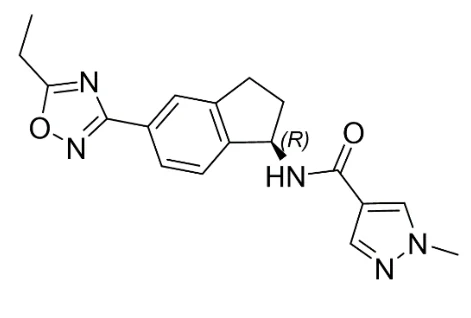
Physicochemical properties: aficamten is a is a white to off-white to yellow to grey solid that is practically insoluble in water and aqueous buffers (pH 2 – 9); very slightly soluble in methyl tert-butyl ether; slightly soluble in acetonitrile, 2-methyltetrahydrofuran, octanol and isopropyl acetate; sparingly soluble in methanol and ethanol; and freely soluble in N-methyl-2-pyrrolidone (NMP).
14. Clinical Trials
14.1. Clinical Trials by Indication
Symptomatic Obstructive Hypertrophic Cardiomyopathy
The efficacy of MYQORZO was evaluated in SEQUOIA-HCM, a Phase 3, multicenter, randomised, double-blind, placebo-controlled study in 282 adults (142 aficamten, 140 placebo) with symptomatic NYHA class II and III obstructive hypertrophic cardiomyopathy (oHCM), LVEF ≥60%, and resting and Valsalva LVOT peak gradient ≥30 and ≥50 mmHg at screening, respectively.
Patients with a known infiltrative or storage disorder causing cardiac hypertrophy such as Noonan syndrome, Fabry disease or amyloidosis were excluded.
Patients were randomised in a 1:1 ratio to receive either a starting dose of 5 mg of MYQORZO or placebo once daily for 24 weeks. Doses were individually titrated at Weeks 2, 4 and 6 if Valsalva LVOT-G ≥30 mmHg and LVEF ≥55% in 5 mg intervals up to a maximum dose of 20 mg one daily. At Week 24 in the aficamten group, 46.0% of patients were receiving a 20 mg dose, 35.0% were receiving a 15 mg dose, 15.3% were receiving a 10 mg dose and 3.6% were receiving a 5 mg dose. Stratification factors included baseline use of beta blockers and type of ergometer for cardiopulmonary exercise testing (CPET). At baseline, beta-blockers were used by 61.3% of patients, and non-dihydropyridine calcium channel blockers were used by 28.7% of participants. In addition, 12.8% of patients were taking disopyramide and 14.5% of patients were not taking any background medication at baseline.
Patient demographics and baseline characteristics are presented in Table 5 below.
Table 5: Patient Demographics and Baseline Disease Characteristics in SEQUOIA-HCM
| Characteristics | MYQORZO N=142 | Placebo N=140 | |||||||||
|---|---|---|---|---|---|---|---|---|---|---|---|
| Characteristics | MYQORZO N=142 | Placebo N=140 | |||||||||
| Patient Demographics | |||||||||||
| Age (years) | |||||||||||
| Mean (minimum, maximum) | 59.2 (18, 83) | 59.0 (23, 84) | |||||||||
| Sex, n (%) | |||||||||||
| Male | 86 (60.6) | 81 (57.9) | |||||||||
| Female | 56 (39.4) | 59 (42.1) | |||||||||
| Race, n (%) | |||||||||||
| White | 108 (76.1) | 115 (82.1) | |||||||||
| Asian | 29 (20.4) | 25 (17.9) | |||||||||
| Black or African American | 3 (2.1) | 0 | |||||||||
| Other | 2 (1.4) | 0 | |||||||||
| Ethnicity | |||||||||||
| Hispanic or Latino | 3 (2.1) | 6 (4.3) | |||||||||
| Not Hispanic or Latino | 128 (90.1) | 130 (92.9) | |||||||||
| Mean body mass index, kg/m2 (SD) | 28.0 (3.8) | 28.2 (3.8) | |||||||||
| Mean heart rate beats/min (SD) | 65.5 (10.6) | 65.6 (11.9) | |||||||||
| Mean blood pressure, mm Hg (SD) | |||||||||||
| Systolic | 124.6 (15.9) | 125.7 (16.0) | |||||||||
| Diastolic | 74.6 (10.7) | 74.1 (10.6) | |||||||||
| Family history of HCM, n (%) | 41 (28.9) | 34 (24.3) | |||||||||
| Medical history, n (%) | |||||||||||
| Hypertension | 75 (52.8) | 70 (50.0) | |||||||||
| Hyperlipidaemia | 48 (33.8) | 34 (24.3) | |||||||||
| Paroxysmal atrial fibrillation | 21 (14.8) | 20 (14.3) | |||||||||
| Coronary artery disease | 19 (13.4) | 16 (11.4) | |||||||||
| Gastrooesophageal reflux disease | 20 (14.1) | 17 (12.1) | |||||||||
| Baseline Disease Characteristics | |||||||||||
| NYHA functional class, n (%) | |||||||||||
| NYHA Class II | 108 (76.1) | 106 (75.7) | |||||||||
| NYHA Class III | 34 (23.9) | 33 (23.6) | |||||||||
| NYHA Class IV | 0 | 1 (0.7) | |||||||||
| Mean pVO2 CPET, mL/kg per min (SD) | 18.4 (4.45) | 18.6 (4.51) | |||||||||
| Background HCM treatment, n (%) | |||||||||||
| Beta-blockers | 86 (60.6) | 87 (62.1) | |||||||||
| Non-hydropyridine calcium channel blockers | 45 (31.0) | 36 (25.0) | |||||||||
| Disopyramide | 16 (11.3) | 20 (14.3) | |||||||||
| Echocardiography parameters | |||||||||||
| Mean interventricular septum thickness, cm (SD) | 1.9 (0.3) | 1.9 (0.3) | |||||||||
| Systolic anterior motion of mitral valve, n (%) | 133 (93.7) | 125 (89.3) | |||||||||
| Mean LAVI (SD), mL/m2 | 40.1 (12.7) | 40.9 (15.0) | |||||||||
| Mean LVEF (%) (SD) | 74.8 (5.5) | 74.8 (6.3) | |||||||||
| Mean resting LVOT-G, mmHg (SD) | 54.8 (27.0) | 55.3 (32.1) | |||||||||
| Mean LVOT-G with Valsalva maneuver, mmHg (SD) | 82.9 (32.0) | 83.3 (32.7) | |||||||||
| Mean KCCQ-CSS (SD) | 75.6 (18.4) | 73.7 (17.6) | |||||||||
| Critical cardiac history, n (%) | |||||||||||
| Implantable cardioverter defibrillator (ICD) | 22 (15.5) | 17 (12.1) | |||||||||
| SD: standard deviation; CPET: cardiopulmonary exercise testing; LAVI: left atrial volume index; LVEF: left ventricular ejection fraction; CPET: Cardiac Pulmonary Exercise Test; NYHA: New York Heart Association; LVOT-G: left ventricular outflow tract gradient; KCCQ-CSS: Kansas City Cardiomyopathy Questionnaire – Clinical Summary Score | |||||||||||
In SEQUOIA-HCM there were 57 patients aged 65 years and older in the aficamten group.
Primary Endpoint - Peak Oxygen Uptake (pVO2)
At Week 24, patients receiving MYQORZO had statistically greater improvement in pVO2 compared to placebo, as shown in Table 6.
Table 6: Change from Baseline in pVO2 by CPET at Week 24 in SEQUOIA-HCM
| Statistic | MYQORZO N = 142 | Placebo N = 140 |
|---|---|---|
| Baseline (mL/min/kg), mean (SD) | 18.4 (4.4) | 18.6 (4.5) |
| Change from baseline to Week 24 | ||
| LS mean (SE) | 1.76 (0.25) | 0.02 (0.25) |
| LS mean difference vs. placebo (95% CI) | 1.74 (1.04, 2.44) | |
| p-value | <0.0001 | |
A range of demographic characteristics, baseline disease characteristics, and baseline concomitant medications (e.g., use of beta blockers) were examined for their influence on pVO2 outcomes. Results of the primary analysis favored aficamten across all subgroups.
Secondary Endpoints
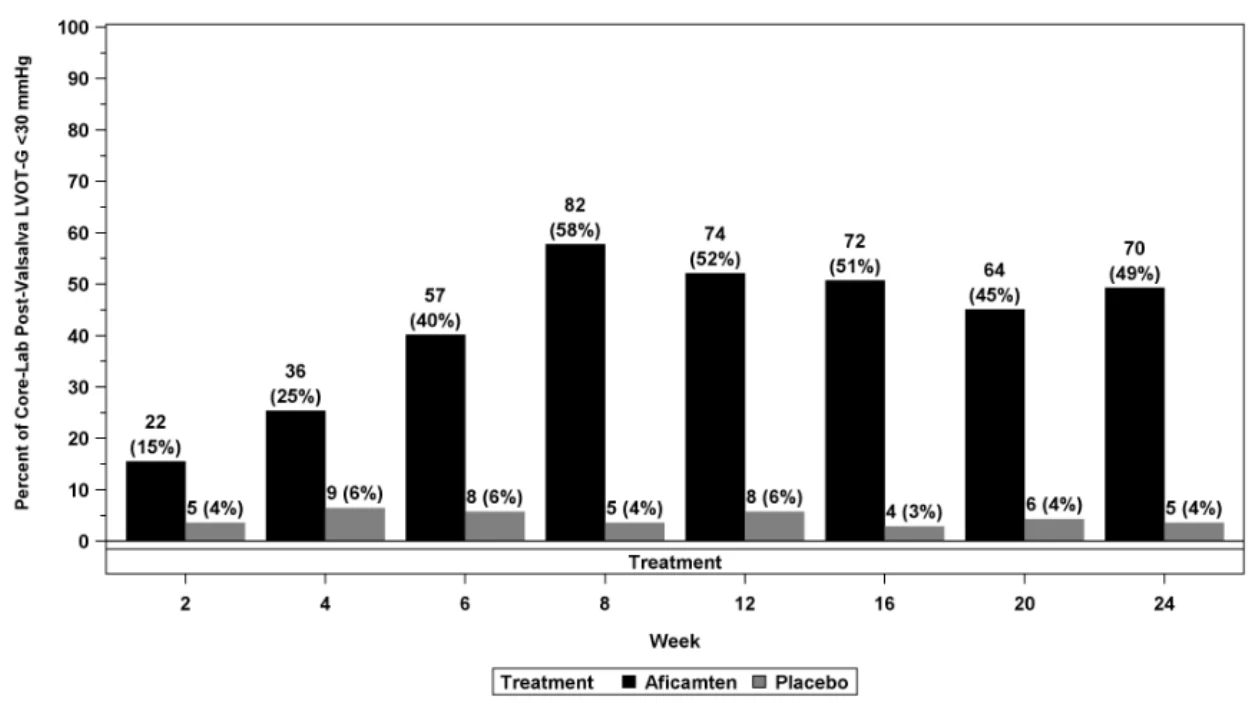
The treatment effects of MYQORZO on health status, functional capacity, and LVOT obstruction were assessed by change in Kansas City Cardiomyopathy Questionnaire – Clinical Summary Score (KCCQ-CSS), proportion of patients with ≥1 class improvement in NYHA functional class, change from baseline in Valsalva LVOT-G, proportion of patients with Valsalva LVOT-G ≤30 mmHg, duration of eligibility for septal reduction therapy (SRT), and change in total workload during CPET. At Week 24, patients receiving aficamten had greater improvement compared to the placebo group across all secondary points (Table 7, Figure 1, Figure 2, Figure 3 and Figure 4).
Table 7: Results of Secondary and Additional Efficacy Endpoints in SEQUOIA-HCM
| Endpoints | MYQORZO N=142 | Placebo N=140 | Difference (95% CI) | p-Value | ||||||
|---|---|---|---|---|---|---|---|---|---|---|
| Change from baseline in KCCQ-CSS1, | ||||||||||
| Week 12 | 11.1 (0.9) | 4.0 (0.9) | 7.0 (4.5, 9.5) | <0.0001 | ||||||
| Week 24 | 11.6 (1.0) | 4.3 (1.0) | 7.3 (4.6, 10.1) | <0.0001 | ||||||
| Proportion of patients with ≥1 NYHA class improvement2, | ||||||||||
| Week 12 | 69 (48.6) | 25 (17.9) | OR: 4.6 (2.6, 8.4) Diff: 30.8 (20.6, 41.0) | <0.0001 | ||||||
| Week 24 | 83 (58.5) | 34 (24.3) | OR: 4.4 (2.6, 7.6) Diff: 34.2 (23.4, 45.0) | <0.0001 | ||||||
| Change from baseline in Valsalva LVOT-G (mmHg)1, | ||||||||||
| Week 12 | -46 (2.4) | 2.6 (2.4) | -48 (-55, -42) | <0.0001 | ||||||
| Week 24 | -48 (2.4) | 2.2 (2.4) | -50 (-57, -44) | <0.0001 | ||||||
| Proportion of patients with Valsalva LVOT-G <30 (mmHg) 2 | ||||||||||
| Week 12 | 74 (52.1) | 8 (5.7) | OR: 18.0 (7.8, 44.4) Diff: 46.4 (37.3, 55.5) | <0.0001 | ||||||
| Week 24 | 70 (49.3) | 5 (3.6) | OR: 25.5 (10.1, 88.2) Diff: 45.7 (36.9, 54.5) | <0.0001 | ||||||
| Duration of SRT eligibility1, | ||||||||||
| Days spent SRT-eligible during 24 Weeks of Treatment | 35.3 (7.9) | 113.4 (8.1) | −78.1 (−99.8, −56.3) | <0.0001 | ||||||
| Proportion of patients who remained eligible for SRT2,3 | ||||||||||
| Week 24 | 4 (12.5) | 14 (48.3) | OR: 0.16 (0.03, 0.61) | p = 0.005 | ||||||
| Diff: -36.5 (-58.5, -14.5) | P = 0.002 | |||||||||
| Change from baseline in total workload (Watts) during CPET1, | ||||||||||
| Week 24 | 13.4 (2.1) | 1.2 (2.1) | 12.2 (6.4, 18.0) | <0.0001 | ||||||
CPET: Cardiac Pulmonary Exercise Test; KCCQ CSS: Kansas City Cardiomyopathy Questionnaire – Clinical Summary Score; NYHA: New York Heart Association; LVOT-G: left ventricular outflow tract gradient; SRT: septal reduction therapy
| ||||||||||
Figure 1: Change from baseline in KCCQ-CSS through week 24
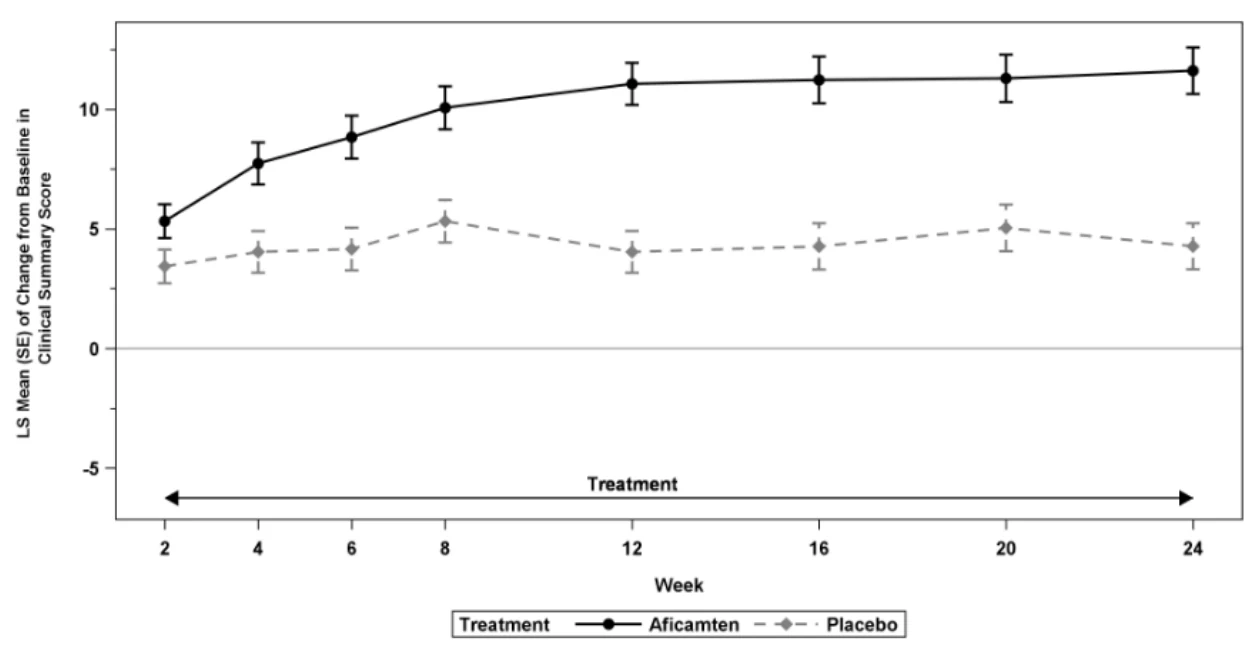
Figure 2: Proportion of patients with ≥1 class improvement in NYHA functional class over time
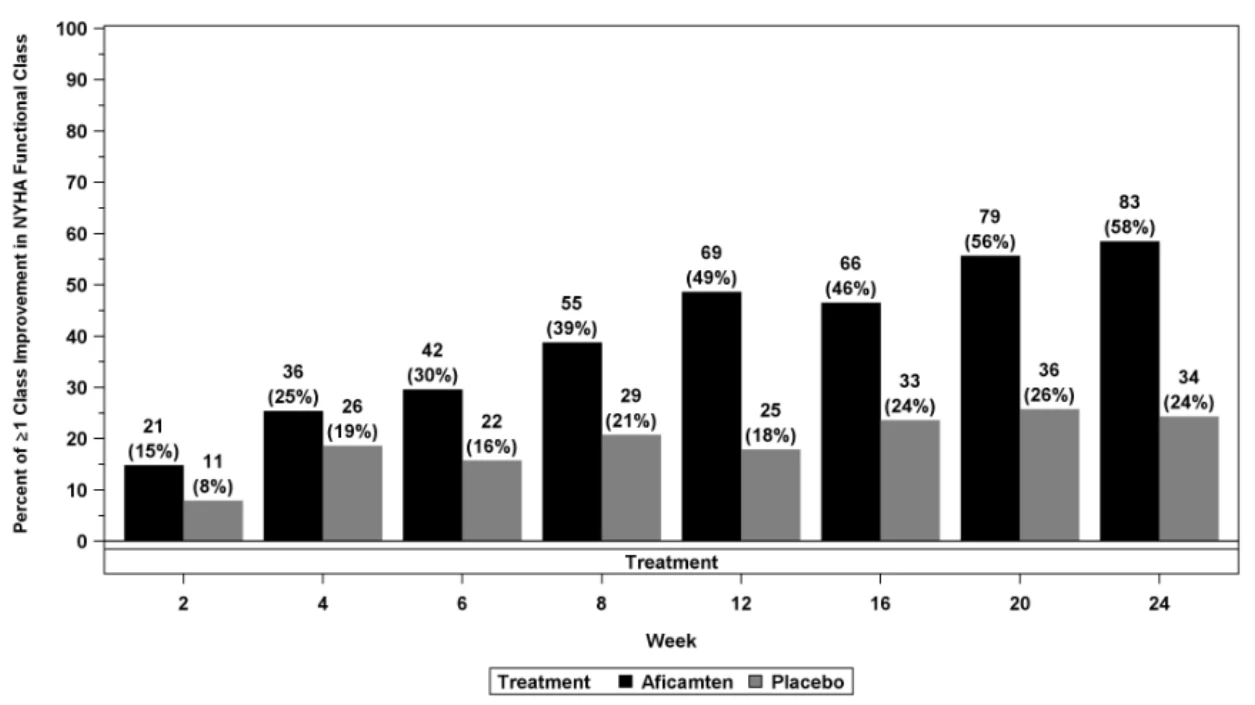
Figure 3: Change from baseline in Valsalva LVOT-G through week 24
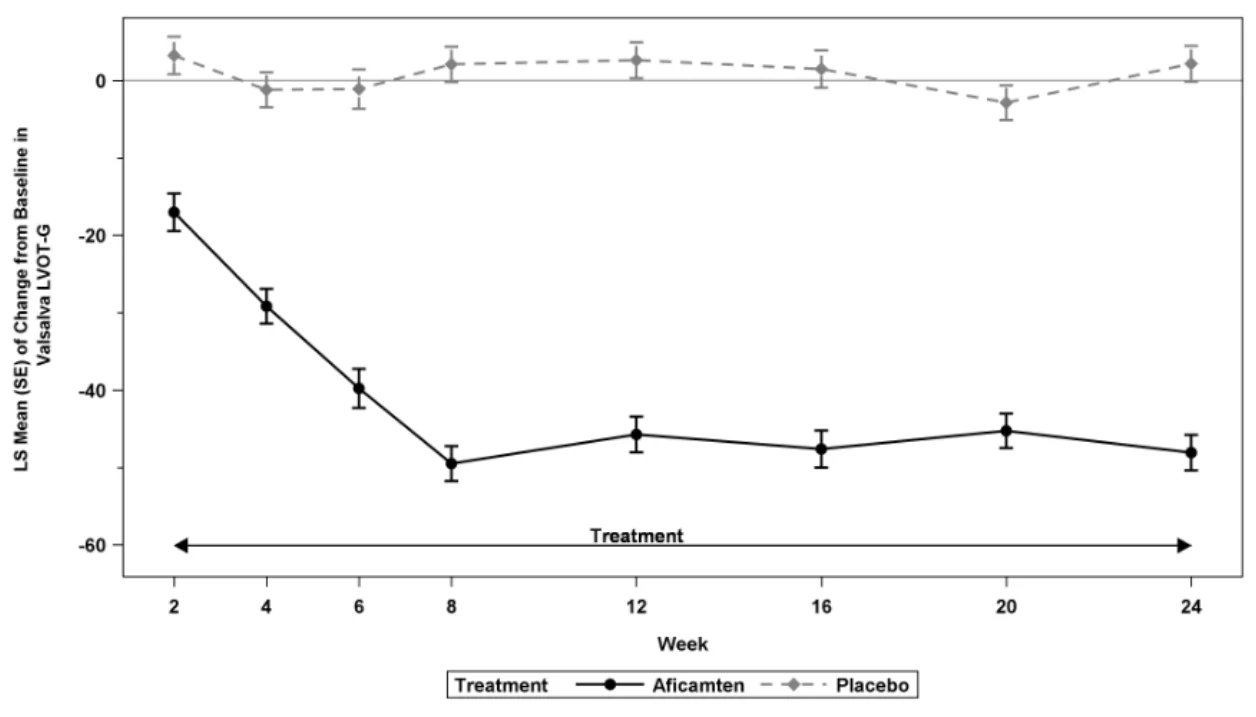
Figure 4: Proportion of Patients with Valsalva LVOT-G < 30 mmHg from Baseline through Week 24
15. Microbiology
MYQORZO is not an antimicrobial drug.
16. Non-Clinical Toxicology
General toxicology
Non-clinical data reveal no special hazard for humans based on conventional studies of safety pharmacology, repeated dose toxicity, genotoxicity, carcinogenic potential, and toxicity to reproduction and development. The toxicology studies showed that the primary adverse effects were generally associated with a reduction in cardiac function. These effects were anticipated since they relate to the primary mechanism of action of aficamten. The cardiac changes observed were generally reversible when treatment was stopped. There was no evidence of toxicity at doses up to the no observed adverse effect level (NOAEL) of 1.5 mg/kg/day, where exposures exceeded clinically relevant levels.