


Product Monograph - Nesina
Recent Major Label Changes
|
|---|
Table of Contents
Certain sections or subsections that are not applicable at the time of the preparation of the most recent authorized product monograph are not listed.
Recent Major Label Changes ................................................................................................... 2
Table of Contents ................................................................................................................... 2
Part 1: Healthcare Professional Information ........................................................................... 5
- 1.
Indications ....................................................................................................................... 5
1.1. Pediatrics .................................................................................................................. 5
1.2. Geriatrics .................................................................................................................. 5
- 2. Contraindications ............................................................................................................ 5
- 4.
Dosage and Administration ............................................................................................. 5
4.1. Dosing Considerations .............................................................................................. 5
4.2. Recommended Dose and Dosage Adjustment ......................................................... 6
4.4. Administration .......................................................................................................... 7
4.5. Missed Dose ............................................................................................................. 7
- 5. Overdose ........................................................................................................................ 7
- 6. Dosage Forms, Strengths, Composition and Packaging .................................................... 7
- 7.
Warnings and Precautions ............................................................................................... 8
General ................................................................................................................................. 8
Cardiovascular ...................................................................................................................... 8
Driving and Operating Machinery ......................................................................................... 8
Endocrine and Metabolism ................................................................................................... 8
Hepatic/Biliary/Pancreatic .................................................................................................... 9
Immune ................................................................................................................................ 9
Monitoring and Laboratory Tests ....................................................................................... 10
Renal ................................................................................................................................... 10
Skin ..................................................................................................................................... 10
7.1. Special Populations ................................................................................................ 11
7.1.1. Pregnancy ...................................................................................................... 11
7.1.2. Breastfeeding ................................................................................................ 11
7.1.3. Pediatrics ....................................................................................................... 11
7.1.4. Geriatrics ....................................................................................................... 11
- 8.
Adverse Reactions ......................................................................................................... 11
8.1. Adverse Reaction Overview .................................................................................... 11
8.2. Clinical Trial Adverse Reactions .............................................................................. 12
8.3. Less Common Clinical Trial Adverse Reactions ....................................................... 14
8.4. Abnormal Laboratory Findings: Hematologic, Clinical Chemistry and Other Quantitative Data ............................................................................................................... 16
8.5. Post-Market Adverse Reactions ............................................................................. 16
- 9.
Drug Interactions ........................................................................................................... 16
9.2. Drug Interactions Overview .................................................................................... 16
9.3. Drug-Behavioural Interactions ................................................................................ 17
9.4. Drug-Drug Interactions ........................................................................................... 17
9.5. Drug-Food Interactions........................................................................................... 20
9.6. Drug-Herb Interactions ........................................................................................... 20
9.7. Drug-Laboratory Test Interactions ......................................................................... 21
- 10.
Clinical Pharmacology ................................................................................................... 21
10.1. Mechanism of Action .............................................................................................. 21
10.2. Pharmacodynamics ................................................................................................ 21
10.3. Pharmacokinetics ................................................................................................... 22
- 11. Storage, Stability and Disposal....................................................................................... 25
- 12. Special Handling Instructions ......................................................................................... 25
Part 2: Scientific Information ................................................................................................ 26
- 13. Pharmaceutical Information .......................................................................................... 26
- 14.
Clinical Trials .................................................................................................................. 26
14.1. Clinical Trials by Indication ..................................................................................... 26
- 15. Microbiology ................................................................................................................. 45
- 16. Non-Clinical Toxicology .................................................................................................. 45
Patient Medication Information ........................................................................................... 48
Part 1: Healthcare Professional Information
1. Indications
Monotherapy: NESINA (alogliptin as alogliptin benzoate) is indicated for use as an adjunct to diet and exercise to improve glycemic control in adult patients with type 2 diabetes mellitus (T2DM) for whom metformin is inappropriate due to contraindications or intolerance.
Add-on combination: NESINA (alogliptin as alogliptin benzoate) is indicated in adult patients with type 2 diabetes mellitus (T2DM) to improve glycemic control, in combination with:
- metformin
- sulfonylurea (SU)
- pioglitazone (alone or with metformin)
- insulin (with or without metformin)
when the existing therapy (with or without metformin), along with diet and exercise, does not provide adequate glycemic control (see 14 Clinical Trials)
1.1. Pediatrics
Pediatrics (< 18 years of age): No data are available to Health Canada; therefore, Health Canada has not authorized an indication for pediatric use.
1.2. Geriatrics
Geriatrics (≥ 65 years of age): No dose adjustment is necessary based on age. However, dosing of NESINA should be conservative in patients with advanced age due to the potential for decreased renal function in this population. Any dosage adjustment should be based on an assessment of renal function. See 4 Dosage and Administration, 7 Warnings and Precautions, and 10 Clinical Pharmacology.
2. Contraindications
- NESINA is contraindicated in patients who are hypersensitive to this drug or to any ingredient in the formulation, including any non-medicinal ingredient, or component of the container. For a complete listing, see 6 Dosage Forms, Strengths, Composition and Packaging.
4. Dosage and Administration
4.1. Dosing Considerations
Because there is a need for dose adjustment based upon renal function, assessment of renal function is recommended prior to initiation of NESINA therapy and periodically thereafter. See 7 Warnings and Precautions, Renal.
When NESINA is used in combination with a sulfonylurea or insulin, a lower dose of the sulfonylurea or insulin may be considered to reduce the risk of hypoglycemia. See 7 Warnings and Precautions.
Caution should be exercised when NESINA is used in combination with metformin and pioglitazone, as an increased risk of hypoglycemia has been observed with this regimen.
NESINA can be administered with or without food.
4.2. Recommended Dose and Dosage Adjustment
- The recommended dose of NESINA is 25 mg once daily as monotherapy, add-on therapy to metformin and/or pioglitazone, or a sulfonylurea, or insulin.
Special Populations
Geriatrics
No dose adjustment is necessary based on age. However, dosing of NESINA should be conservative in patients with advanced age due to the potential for decreased renal function in this population. Any dosage adjustment should be based on an assessment of renal function. See 7 Warnings and Precautions.
Pediatrics
The safety and efficacy of NESINA in pediatric patients have not been established. Therefore, NESINA should not be used in this population.
Hepatic Impairment
No dose adjustment is necessary for patients with mild to moderate hepatic impairment (Child-Pugh scores of 5 to 9). NESINA has not been studied in patients with severe hepatic impairment (Child-Pugh score > 9) and is therefore, not recommended for use in such patients. See 7 Warnings and Precautions and 10 Clinical Pharmacology.
Renal Impairment
Because there is a need for dose adjustment based upon renal function, assessment of renal function is recommended prior to initiation of NESINA therapy and periodically thereafter. See 7 Warnings and Precautions, Renal.
No dosage adjustment of NESINA is required in patients with mild renal impairment (a creatinine clearance (CrCl) above 60 mL/min or above or an estimated glomerular filtration rate (eGFR) above 60 mL/min/1.73m2).
The dose of NESINA is 12.5 mg once daily for patients with moderate renal impairment (a CrCl between 30 and 60 mL/min or an eGFR between 30 and 60 mL/min/1.73 m2).
The dose of NESINA is 6.25 mg once daily for patients with severe renal impairment (a CrCl below 30 mL/min or an eGFR below 30 mL/min/1.73 m2) or End-Stage Renal Disease (ESRD) requiring hemodialysis. NESINA may be administered without regard to the timing of dialysis. Experience in patients requiring renal dialysis is limited. NESINA has not been studied in patients undergoing peritoneal dialysis. See 7 Warnings and Precautions and 10 Clinical Pharmacology.
4.4. Administration
NESINA should be taken once daily with or without food. The tablets should be swallowed whole with water.
4.5. Missed Dose
If a dose is missed, NESINA should be taken as soon as the patient remembers. A double dose should not be taken on the same day.
5. Overdose
The highest doses of alogliptin administered in clinical trials were single doses of 800 mg to healthy subjects and doses of 400 mg once daily for 14 days to patients with type 2 diabetes mellitus (equivalent to 32 times and 16 times the recommended daily dose of 25 mg alogliptin, respectively). No serious adverse events were observed at these doses.
Management
In the event of an overdose, clinical monitoring and supportive measures should be employed, as dictated by the patient’s clinical status.
Minimal quantities of NESINA are removed by hemodialysis (approximately 7% of the drug was removed during a 3-hour hemodialysis session). Therefore, hemodialysis is of little benefit in an overdose situation. It is not known if NESINA is removed by peritoneal dialysis.
6. Dosage Forms, Strengths, Composition and Packaging
Table 1 – Dosage Forms, Strengths, Composition and Packaging
| Route of Administration | Dosage Form / Strength / Composition | Non-medicinal Ingredients |
| Oral | Film-Coated Tablets 6.25 mg, 12.5 mg, and 25 mg | Croscarmellose sodium, hydroxypropyl cellulose, magnesium stearate, mannitol, and microcrystalline cellulose. In addition, the film-coating contains the following non-medicinal ingredients: hypromellose 2910, titanium dioxide, ferric oxide (red or yellow), and polyethylene glycol (Macrogol 8000), and is marked with printing ink (Gray F1). |
| For management of a suspected drug overdose, contact your regional poison control centre. |
|---|
NESINA is supplied as film-coated tablets as follows:
6.25 mg: Light pink, oval, biconvex, film-coated tablets with “TAK” and “ALG-6.25” printed in grey ink on one side.
12.5 mg: Yellow, oval, biconvex, film-coated tablets with “TAK” and “ALG-12.5” printed in grey ink on one side.
25 mg: Light red, oval, biconvex, film-coated tablets with “TAK” and “ALG-25” printed in grey ink on one side.
Each NESINA tablet contains 34 mg, 17 mg, or 8.5 mg alogliptin benzoate which is equivalent to 25 mg, 12.5 mg, or 6.25 mg, respectively, of alogliptin.
NESINA tablets are supplied in aluminum/aluminum blister strips of 28 tablets in a carton box (2 blister strips of 14 tablets) or high-density polyethylene (HDPE) bottles of 30 count tablets.
7. Warnings and Precautions
General
NESINA should not be used in patients with type 1 diabetes mellitus or for the treatment of diabetic ketoacidosis.
Cardiovascular
There is limited experience with NESINA therapy in patients with congestive heart failure of New York Heart Association (NYHA) functional classes III and IV. NESINA should therefore, be used with caution in these patients. See 8 Adverse Reactions.
Driving and Operating Machinery
Patients should be warned about driving or operating a vehicle or potentially dangerous machinery under conditions where a risk of hypoglycemia is present (see 7 Warnings and Precautions, Hypoglycemia). When NESINA is used in combination with metformin and a sulfonylurea or in combination with insulin (with or without metformin) patients should be advised to take precautions to avoid hypoglycemia while driving or operating a vehicle or potentially dangerous machinery.
Endocrine and Metabolism
Hypoglycemia:
As sulfonylureas and insulin are each known to cause hypoglycemia, a lower dose of sulfonylurea or insulin may be considered to reduce the risk of hypoglycemia when these drugs are used in combination with NESINA. See 4 Dosage and Administration.
Caution should be exercised when NESINA is used in combination with metformin and pioglitazone, as an increased risk of hypoglycemia has been observed with this regimen.
Hepatic/Biliary/Pancreatic
Hepatic:
There have been post-marketing reports of fatal and non-fatal hepatic failure in patients taking NESINA, although some of the reports contain insufficient information necessary to establish the probable cause. See 8 Adverse Reactions.
Patients with type 2 diabetes may have fatty liver disease which may cause liver test abnormalities, and they may also have other forms of liver disease, many of which can be treated or managed. Therefore, obtaining a liver test panel and assessing the patient before initiating NESINA therapy is recommended. In patients with abnormal liver tests, NESINA should be initiated with caution.
Measure liver tests promptly in patients who report symptoms that may indicate liver injury, including fatigue, anorexia, right upper abdominal discomfort, dark urine or jaundice. In this clinical context, if the patient is found to have clinically significant liver enzyme elevations and if abnormal liver tests persist or worsen, NESINA should be interrupted and investigation done to establish the probable cause.
NESINA has not been studied in patients with severe hepatic impairment (Child-Pugh score > 9) and is therefore, not recommended for use in such patients. See 4 Dosage and Administration and 10 Clinical Pharmacology.
Pancreatitis:
Events of acute pancreatitis have been reported with NESINA in clinical trials and in post-marketing reports. Reports of acute pancreatitis, including fatal and non-fatal hemorrhagic or necrotizing pancreatitis, were noted in patients taking NESINA and other members of this class. After initiation of NESINA, patients should be observed carefully for signs and symptoms of pancreatitis. If pancreatitis is suspected, NESINA should be promptly discontinued and appropriate management should be initiated. See 8 Adverse Reactions.
Immune
Hypersensitivity Reactions:
Post-marketing events of serious hypersensitivity reactions in patients treated with NESINA such as anaphylaxis, angioedema, and severe cutaneous adverse reactions including Stevens-Johnson syndrome have been reported and have been associated with other DPP-4 inhibitors. A single event of serum sickness was observed with NESINA treatment in a clinical trial. If a hypersensitivity reaction is suspected, discontinue NESINA, assess for other potential causes for the event, and institute alternative treatment for diabetes. See 2 Contraindications and 8 Adverse Reactions. Use caution in a patient with a history of angioedema with another DPP-4 inhibitor, since it is unknown whether such patients will be predisposed to angioedema with NESINA.
Immunocompromised Patients:
A dose-related mean decrease in absolute lymphocyte count was observed with other dipeptidyl peptidase 4 (DPP-4) inhibitors. When clinically indicated, such as in settings of unusual or prolonged infection, lymphocyte count should be measured. The effect of alogliptin on lymphocyte counts in patients with lymphocyte abnormalities (e.g. human immunodeficiency virus) is unknown. Immunocompromised patients, such as patients who have undergone organ transplantation or patients diagnosed with human immunodeficiency syndrome have not been studied in the alogliptin clinical program. Therefore, the efficacy and safety profile of alogliptin in these patients has not been established.
Monitoring and Laboratory Tests
Blood Glucose and HbA1c: Response to all diabetic therapies should be monitored by periodic measurements of blood glucose and HbA1c levels, with a goal of decreasing these levels towards the normal range. HbA1c is especially useful for evaluating long-term glycemic control.
Renal Function: Because there is a need for dose adjustment based upon renal function, assessment of renal function is recommended prior to initiation of NESINA therapy and periodically thereafter.
Hepatic Function: Patients with type 2 diabetes may have fatty liver disease which may cause liver test abnormalities, and they may also have other forms of liver disease, many of which can be treated or managed. Therefore, obtaining a liver test panel and assessing the patient before initiating NESINA therapy is recommended. In patients with abnormal liver tests, NESINA should be initiated with caution.
Renal
As there is a need for dose adjustment in patients with moderate or severe renal impairment, or End-Stage Renal Disease (ESRD) requiring dialysis, assessment of renal function is recommended prior to initiation of NESINA and periodically thereafter. See 4 Dosage and Administration.
Experience in patients with severe renal impairment or ESRD requiring dialysis is limited and NESINA should be used with caution in such patients. See 4 Dosage and Administration and 10 Clinical Pharmacology.
Skin
Bullous pemphigoid:
Post-marketing cases of bullous pemphigoid requiring hospitalization have been reported with the use of NESINA and other DPP-4 inhibitors. In reported cases, patients typically recovered with topical or systemic immunosuppressive treatment and discontinuation of the DPP-4 inhibitor.
Tell patients to immediately report development of blisters or erosions while receiving NESINA. If bullous pemphigoid is suspected, NESINA should be discontinued and referral to a dermatologist should be considered for diagnosis and appropriate treatment.
7.1. Special Populations
7.1.1. Pregnancy
There are no adequate or well-controlled studies in pregnant women. Animal studies do not indicate direct or indirect harmful effects with respect to developmental toxicity. See 16 Non-Clinical Toxicology. As a precautionary measure, NESINA should not be used during pregnancy.
The extent of exposure in pregnancy during clinical trials: Very Limited.
7.1.2. Breastfeeding
It is unknown whether NESINA is excreted in human milk. Alogliptin is secreted in the milk of lactating rats. A risk to the breast-fed child cannot be excluded. NESINA should not be used by a woman during breastfeeding.
7.1.3. Pediatrics
Pediatrics (< 18 years of age): No data are available to Health Canada; therefore, Health Canada has not authorized an indication for pediatric use.
7.1.4. Geriatrics
Geriatrics (> 65 years of age): No dose adjustment is necessary based on age. However, dosing of NESINA should be conservative in patients with advanced age due to the potential for decreased renal function in this population. Any dosage adjustment should be based on an assessment of renal function. See 4 Dosage and Administration, 7 Warnings and Precautions, and 10 Clinical Pharmacology.
8. Adverse Reactions
8.1. Adverse Reaction Overview
NESINA was generally well-tolerated in controlled clinical studies. The most common adverse events in patients treated with alogliptin 25 mg were headache (5.7%), upper respiratory tract infection (5.7%) and nasopharyngitis (5.6%).
The incidence of serious adverse events was low in both treatment groups (alogliptin 25 mg 5.7 % vs 3.2 % placebo). The most frequently reported treatment-related serious adverse event in patients treated with alogliptin 25 mg was hypoglycemia (0.12%). The main causes for discontinuation for NESINA 25 mg occurring more frequently than in placebo were decreased creatinine renal clearance (0.6%), increased blood creatinine (0.2%), renal impairment (0.2%); vomiting (0.1%); peripheral oedema (0.1%); anxiety (0.1%); and cardiac failure congestive (<0.1%)
Pancreatitis
In a pooled analysis of 14 Phase 2 and 3 studies, including a cardiovascular outcomes trial, pancreatitis was reported in 11 of 5902 (0.2%) patients receiving NESINA 25 mg daily, compared to 5 of 5183 (<0.1%) patients receiving all comparators. See 7 Warnings and Precautions, Hepatic/Biliary/Pancreatic. In the completed cardiovascular outcomes study, pancreatitis was reported for 10 (0.4%) subjects in the alogliptin group and 7 (0.3%) subjects in the placebo group, which equates to reporting rates of 3 and 2 events per 1000 years with alogliptin and placebo, respectively.
Serious Hypersensitivity Reactions
Serious cutaneous events and a single event of serum sickness were reported with patients administering therapeutic doses of NESINA in clinical trials. Post-market events of anaphylaxis, angioedema, and severe cutaneous adverse reactions including Stevens-Johnson syndrome have been reported with NESINA. See 7 Warnings and Precautions, Hypersensitivity Reactions.
8.2. Clinical Trial Adverse Reactions
Clinical trials are conducted under very specific conditions. The adverse reaction rates observed in the clinical trials; therefore, may not reflect the rates observed in practice and should not be compared to the rates in the clinical trials of another drug. Adverse reaction information from clinical trials may be useful in identifying and approximating rates of adverse drug reactions in real-world use.
A total of 9405 patients with type 2 diabetes mellitus, including 3750 patients treated with 25 mg NESINA and 2476 patients treated with 12.5 mg NESINA, participated in one Phase 2 or 12 Phase 3 double-blind, placebo- or active-controlled clinical studies. In addition, a cardiovascular outcomes study with 5380 patients with type 2 diabetes mellitus and a recent acute coronary syndrome event was conducted with 2701 randomized to alogliptin and 2679 randomized to placebo. These studies evaluated the effects of alogliptin on glycemic control and its safety as monotherapy, as initial combination therapy with metformin or pioglitazone, and as add-on therapy to metformin, or a sulfonylurea, or pioglitazone (with or without metformin or a sulfonylurea), or insulin (with or without metformin).
A pooled analysis of reported adverse reactions regardless of causality in patients treated with NESINA 25 mg with incidence of ≥1% and greater than the incidence in the placebo group of 13 controlled Phase 2 and 3 studies are presented in Table 2.
| Table 2 – Treatment Emergent Adverse Events Reported in ≥1% of Patients Treated with NESINA and More Frequently Than in Patients Given Placebo in Pooled Studies* | ||||||
| Table 2 – Treatment Emergent Adverse Events Reported in ≥1% of Patients Treated with NESINA and More Frequently Than in Patients Given Placebo in Pooled Studies* | ||||||
| Table 2 – Treatment Emergent Adverse Events Reported in ≥1% of Patients Treated with NESINA and More Frequently Than in Patients Given Placebo in Pooled Studies* | ||||||
System Organ Class/ Preferred Term | Alogliptin 25 mg (N = 3749) | Placebo (N = 793) | Active Comparator (N = 2257) | All Comparators (N = 3050) | ||
System Organ Class/ Preferred Term | Alogliptin 25 mg (N = 3749) | Placebo (N = 793) | Active Comparator (N = 2257) | All Comparators (N = 3050) | ||
System Organ Class/ Preferred Term | Alogliptin 25 mg (N = 3749) | Placebo (N = 793) | Active Comparator (N = 2257) | All Comparators (N = 3050) | ||
| Blood and lymphatic system disorders | ||||||
| Anaemia | 74 (2.0%) | 9 (1.1%) | 53 (2.3%) | 62 (2.0%) | ||
| Neutropenia | 38 (1.0%) | 1 (0.1%) | 39 (1.7%) | 40 (1.3%) | ||
| Gastrointestinal disorders | ||||||
| Abdominal pain | 48 (1.3%) | 5 (0.6%) | 28 (1.2%) | 33 (1.1%) | ||
| Abdominal pain upper | 45 (1.2%) | 8 (1.0%) | 18 (0.8%) | 26 (0.9%) | ||
| Constipation | 62 (1.7%) | 12 (1.5%) | 40 (1.8%) | 52 (1.7%) | ||
| Nausea | 89 (2.4%) | 17 (2.1%) | 50 (2.2%) | 67 (2.2%) | ||
| Toothache | 40 (1.1%) | 7 (0.9%) | 16 (0.7%) | 23 (0.8%) | ||
| Vomiting | 45 (1.2%) | 9 (1.1%) | 30 (1.3%) | 39 (1.3%) | ||
| General disorders and administration site conditions | ||||||
| Fatigue | 49 (1.3%) | 9 (1.1%) | 37 (1.6%) | 46 (1.5%) | ||
| Oedema peripheral | 91 (2.4%) | 16 (2.0%) | 57 (2.5%) | 73 (2.4%) | ||
| Pyrexia | 42 (1.1%) | 7 (0.9%) | 39 (1.7%) | 46 (1.5%) | ||
| Infections and infestations | ||||||
| Gastroenteritis | 48 (1.3%) | 8 (1.0%) | 30 (1.3%) | 38 (1.2%) | ||
| Influenza | 105 (2.8%) | 17 (2.1%) | 86 (3.8%) | 103 (3.4%) | ||
| Nasopharyngitis | 192 (5.1%) | 35 (4.4%) | 99 (4.4%) | 134 (4.4%) | ||
| Pharyngitis | 60 (1.6%) | 9 (1.1%) | 31 (1.4%) | 40 (1.3%) | ||
| Upper respiratory tract infection | 196 (5.2%) | 36 (4.5%) | 95 (4.2%) | 131 (4.3%) | ||
| Investigations | ||||||
| C-reactive protein increased | 43 (1.1%) | 3 (0.4%) | 27 (1.2%) | 30 (1.0%) | ||
| Creatinine renal clearance decreased | 58 (1.5%) | 4 (0.5%) | 41 (1.8%) | 45 (1.5%) | ||
| Metabolism and nutrition disorders | ||||||
| Dyslipidaemia | 94 (2.5%) | 12 (1.5%) | 87 (3.9%) | 99 (3.2%) | ||
| Hypercholesterolaemia | 45 (1.2%) | 9 (1.1%) | 29 (1.3%) | 38 (1.2%) | ||
| Musculoskeletal and connective tissue disorders | ||||||
| Arthralgia | 102 (2.7%) | 20 (2.5%) | 72 (3.2%) | 92 (3.0%) | ||
| Back pain | 125 (3.3%) | 19 (2.4%) | 86 (3.8%) | 105 (3.4%) | ||
| Muscle spasms | 37 (1.0%) | 7 (0.9%) | 14 (0.6%) | 21 (0.7%) | ||
| Musculoskeletal pain | 38 (1.0%) | 7 (0.9%) | 28 (1.2%) | 35 (1.1%) | ||
| Pain in extremity | 80 (2.1%) | 16 (2.0%) | 57 (2.5%) | 73 (2.4%) | ||
| Nervous system disorders | ||||||
| Diabetic neuropathy | 37 (1.0%) | 1 (0.1%) | 17 (0.8%) | 18 (0.6%) | ||
| Headache | 203 (5.4%) | 30 (3.8%) | 113 (5.0%) | 143 (4.7%) | ||
| Respiratory, thoracic and mediastinal disorders | ||||||
| Cough | 66 (1.8%) | 10 (1.3%) | 45 (2.0%) | 55 (1.8%) | ||
| Skin and subcutaneous tissue disorders | ||||||
| Pruritus | 48 (1.3%) | 2 (0.3%) | 12 (0.5%) | 14 (0.5%) | ||
| Rash | 53 (1.4%) | 7 (0.9%) | 27 (1.2%) | 34 (1.1%) | ||
| Vascular disorders | ||||||
| Hypertension | 147 (3.9%) | 26 (3.3%) | 102 (4.5%) | 128 (4.2%) | ||
* Includes data based on interim (52 week) analysis for Study SYR-322_305
8.3. Less Common Clinical Trial Adverse Reactions
Less Common Clinical Trial Adverse Drug Reactions ≥0.1% and <1% (Drug-Related and Greater than Placebo in Pooled Monotherapy and in Individual Placebo-Controlled Phase 3 Studies)
Blood and lymphatic system disorders:
Leukopenia, Lymphocytosis, Neutropenia
Cardiac disorders:
Atrial fibrillation, Cardiac failure congestive, Palpitations
Eye disorders:
Vision blurred
Gastrointestinal disorders:
Abdominal discomfort, Abdominal pain lower, Abdominal pain upper, Anal fissure, Constipation, Dyspepsia, Enterocolitis, Gastrointestinal pain, Toothache, Umbilical hernia, Vomiting
General disorders and administration site conditions:
Asthenia, Fatigue, Non-cardiac chest pain, Oedema
Immune system disorders:
Hypersensitivity, Serum sickness
Infections and infestations:
Acute tonsillitis, Bronchitis, Fungal infection, Fungal skin infection, Herpes simplex, Herpes zoster, Nasopharyngitis, Oral herpes
Injury, poisoning and procedural complications:
Contusion, Road traffic accident, Scratch
Investigations:
Alanine aminotransferase increased, Blood pressure increased, Blood triglycerides increased, Electrocardiogram QT prolonged, Electrocardiogram ST-T segment abnormal, Electrocardiogram T wave abnormal, Electrocardiogram T wave inversion, Hepatic enzyme increased, Liver function test abnormal, Weight increased
Metabolism and nutrition disorders:
Decreased appetite, Hypercholesterolaemia, Hypertriglyceridaemia, Hyperuricaemia, Hypoglycemia, Hyponatraemia
Musculoskeletal and connective tissue disorders:
Bursitis, Groin pain, Joint stiffness, Muscle contracture, Musculoskeletal chest pain, Musculoskeletal discomfort, Musculoskeletal pain
Nervous system disorders:
Disturbance in attention, Dysgeusia, Lethargy, Memory impairment, Migraine, Neuropathy peripheral, Paraesthesia, Poor quality sleep, Sciatica, Syncope, Tension headache, Tremor
Psychiatric disorders:
Agitation, Loss of libido, Nightmare
Renal and urinary disorders:
Albuminuria, Dysuria, Haematuria
Reproductive system and breast disorders:
Erectile dysfunction
Respiratory, thoracic and mediastinal disorders:
Dyspnoea, Pulmonary embolism
Skin and subcutaneous tissue disorders:
Acne, Blister, Dermatitis acneiform, Dermatitis allergic, Dermatitis contact, Drug eruption, Dry skin, Erythema, Hyperhidrosis, Neurodermatitis, Pruritus generalised, Rash (including macular and/or papular), Skin exfoliation, Subcorneal pustular dermatosis
Vascular disorders:
Hot flush, Hypertension
8.4. Abnormal Laboratory Findings: Hematologic, Clinical Chemistry and Other Quantitative Data
Overall, no clinically significant trend in abnormal laboratory findings were seen in patients treated with NESINA compared with patients treated with placebo or active comparators.
8.5. Post-Market Adverse Reactions
Because these reactions are reported voluntarily from a population of uncertain size, it is generally not possible to reliably estimate their frequency or establish a causal relationship to drug exposure.
Gastrointestinal disorders:
Acute pancreatitis, gastroesophageal reflux disease, nausea, vomiting, diarrhea
Hepatobiliary disorders:
Hepatic dysfunction including hepatic failure
Immune system disorders:
Hypersensitivity reactions, including anaphylaxis
Musculoskeletal and connective tissue disorders:
arthralgia, rhabdomyolysis
Renal and urinary disorders:
Tubulointerstitial nephritis (TIN)
Skin and subcutaneous tissue disorders:
Exfoliative skin conditions including Stevens-Johnson syndrome, angioedema, urticaria, bullous pemphigoid
9. Drug Interactions
9.2. Drug Interactions Overview
Alogliptin is primarily excreted unchanged in the urine and metabolism by the cytochrome P450 (CYP) enzyme system is negligible (see 10.3 Pharmacokinetics).
In vitro studies indicate that alogliptin is neither an inducer of CYP1A2, CYP2B6, CYP2C9, CYP2C19, and CYP3A4, nor an inhibitor of CYP1A2, CYP2B6, CYP2C8, CYP2C9, CYP2C19, CYP3A4 and CYP2D6 at clinically relevant concentrations. As a result, alogliptin is not expected to interact with substances which induce, inhibit or are known substrates of cytochrome P450 enzymes. Furthermore, clinical data suggest that interactions with p-glycoprotein inhibitors are not expected, and no drug-drug interactions were observed with alogliptin and other renally excreted drugs in clinical studies.
9.3. Drug-Behavioural Interactions
No specific studies on the effects of NESINA on the ability to drive and use machines have been performed.
When NESINA is used in combination with pioglitazone and metformin or in combination with insulin or sulfonylurea, patients should be advised to take precautions to avoid hypoglycemia while driving or using machinery.
9.4. Drug-Drug Interactions
The drugs listed in this table are based on either drug interaction case reports or studies, or potential interactions due to the expected magnitude and seriousness of the interaction (i.e., those identified as contraindicated).
| Table 3 – Effect of Alogliptin on the Pharmacokinetics of Other Drugs | |||
|---|---|---|---|
| Table 3 – Effect of Alogliptin on the Pharmacokinetics of Other Drugs | |||
| Table 3 – Effect of Alogliptin on the Pharmacokinetics of Other Drugs | |||
| Common Name | Reference | Effect | Clinical Comments |
| Common Name | Reference | Effect | Clinical Comments |
| Common Name | Reference | Effect | Clinical Comments |
| Atorvastatin | CT | Concomitant administration of alogliptin and atorvastatin (a CYP3A4 substrate) results in a 13% increase in atorvastatin Cmax, no effect on atorvastatin Tmax, and a 14% increase in atorvastatin AUC. | No Recommended Dose Adjustment |
| Cimetidine | CT | Concomitant administration of alogliptin and cimetidine (an organic cation transporter 2 inhibitor) had no effect on cimetidine Cmax, Tmax, and AUC. | No Recommended Dose Adjustment |
| Digoxin | CT | Concomitant administration of alogliptin and digoxin (a Pgp substrate) had no effect on digoxin Cmax, Tmax, and AUC. | No Recommended Dose Adjustment |
| Ethinyl estradiol | CT | Concomitant administration of alogliptin and ethinyl estradiol (a CYP3A4 substrate) had no effect on ethinyl estradiol Cmax, Tmax, and AUC. | No Recommended Dose Adjustment |
| Glyburide | CT | Concomitant administration of alogliptin and glyburide (a CYP2C9 substrate) resulted in a 15% increase in glyburide Cmax and no effect on glyburide Tmax and AUC. | No Recommended Dose Adjustment |
| Metformin | CT | Concomitant administration of alogliptin and metformin (an organic cation transporter 2 substrate) results in no effect in metformin Cmax and Tmax and a 19% increase in metformin AUC. | No Recommended Dose Adjustment |
| Norethindrone | CT | Concomitant administration of alogliptin and norethindrone (a CYP3A4 substrate) had no effect on norethindrone Cmax, Tmax, and AUC. | No Recommended Dose Adjustment |
| Pioglitazone | CT | Concomitant administration of alogliptin and pioglitazone (a CYP2C8 substrate) had no effect on pioglitazone Cmax, Tmax, and AUC. | No Recommended Dose Adjustment |
| Warfarin | CT | Concomitant administration of alogliptin and warfarin (a CYP1A2/2C9 substrate) had no effect on R- and S- warfarin Cmax, Tmax, and AUC and pharmacodynamics (PT or INR). | No Recommended Dose Adjustment |
Caffeine, Midazolam, Tolbutamide, Dextromethorphan, Fexofenadine Cocktail | CT | Concomitant administration had no effect on caffeine (CYP1A2 substrate), tolbutamide (CYP2C9 substrate), or midazolam (CYP3A4 substrate) Cmax, Tmax, and AUC. Concomitant administration results in a 32% increase in dextromethorphan (CYP2D6 substrate) Cmax, no effect on dextromethorphan Tmax, and a 27% increase in dextromethorphan AUC. Concomitant administration results in a 17% increase in fexofenadine (Pgp substrate) Cmax, no effect on fexofenadine Tmax, and a 34% increase in fexofenadine AUC. | No Recommended Dose Adjustment |
| CT = Clinical Trial |
| Table 4 – Effect of Other Drugs on the Pharmacokinetics of Alogliptin | |||
|---|---|---|---|
| Table 4 – Effect of Other Drugs on the Pharmacokinetics of Alogliptin | |||
| Common Name | Reference | Effect | Clinical Comments |
| Common Name | Reference | Effect | Clinical Comments |
| Atorvastatin | CT | Concomitant administration of alogliptin and atorvastatin (a CYP3A4 substrate) had no effect on alogliptin Cmax, Tmax, and AUC. | No Recommended Dose Adjustment |
| Cimetidine | CT | Concomitant administration of alogliptin and cimetidine (an organic cation transporter 2 inhibitor) had no effect on alogliptin Cmax, Tmax, and AUC. | No Recommended Dose Adjustment |
| Cyclosporine | CT | Concomitant administration of alogliptin and cyclosporine (a Pgp inhibitor) had no effect on alogliptin Cmax, Tmax, and AUC. | No Recommended Dose Adjustment |
| Digoxin | CT | Concomitant administration of alogliptin and digoxin (a Pgp substrate) had no effect on alogliptin Cmax, Tmax, and AUC. | No Recommended Dose Adjustment |
| Fluconazole | CT | Concomitant administration of alogliptin and fluconazole (a CYP2C9 inhibitor) resulted in a 20% decrease in alogliptin Cmax, delay of alogliptin Tmax by 1.5 hr, and no effect on alogliptin AUC. | No Recommended Dose Adjustment |
| Gemfibrozil | CT | Concomitant administration of alogliptin and gemfibrozil (a CYP2C8/9 inhibitor) resulted in a 15% decrease in alogliptin Cmax, delay of alogliptin Tmax by 2 hr, and no effect on alogliptin AUC. | No Recommended Dose Adjustment |
| Ketoconazole | CT | Concomitant administration of alogliptin and ketoconazole (a CYP3A4 inhibitor) resulted in a 22% increase in alogliptin Cmax and no effect on alogliptin Tmax and AUC. | No Recommended Dose Adjustment |
| Metformin | CT | Concomitant administration of alogliptin and metformin (an organic cation transporter 2 substrate) had no effect on alogliptin Cmax, Tmax, and AUC. | No Recommended Dose Adjustment |
| Pioglitazone | CT | Concomitant administration of alogliptin and pioglitazone (a CYP2C8 substrate) had no effect on alogliptin Cmax, Tmax, and AUC. | No Recommended Dose Adjustment |
| Voglibose | CT | Concomitant administration of alogliptin and voglibose (an alpha-glucosidase inhibitor) results in a 10% decrease in alogliptin Cmax, no effect on alogliptin Tmax, and a 22% decrease in alogliptin AUC. | No Recommended Dose Adjustment |
| CT = Clinical Trial |
9.5. Drug-Food Interactions
Interactions with food have not been established.
9.6. Drug-Herb Interactions
Interactions with herbal products have not been established.
9.7. Drug-Laboratory Test Interactions
Interactions with laboratory tests have not been established.
10. Clinical Pharmacology
10.1. Mechanism of Action
Increased concentrations of the incretin hormones such as glucagon-like peptide-1 (GLP-1) and glucose-dependent insulinotropic peptide (GIP) are released into the bloodstream from the small intestine in response to meals. These hormones cause insulin release from the pancreatic beta cells in a glucose-dependent manner but are inactivated by the DPP-4 enzyme within minutes. GLP-1 also lowers glucagon secretion from pancreatic alpha cells, reducing hepatic glucose production. In patients with type 2 diabetes, concentrations of GLP-1 are reduced but the insulin response to GLP-1 is preserved. Alogliptin is a potent, reversible and selective inhibitor of dipeptidyl peptidase-4 (DPP-4) that slows the inactivation of the incretin hormones, thereby increasing their concentrations and reducing fasting and postprandial glucose concentrations in a glucose-dependent manner in patients with type 2 diabetes mellitus. In summary, alogliptin is expected to improve glycemic control by inhibiting DPP-4 activity.
Alogliptin does not inhibit the activity of other closely related enzymes in vitro at concentrations 15 fold greater than the mean human plasma exposure at the recommended clinical dose. Alogliptin (mean IC50 = 6.9) is greater than 10,000 fold more selective for DPP-4 than other related enzymes including DPP-8 and DPP-9.
10.2. Pharmacodynamics
Single-dose administration of alogliptin to healthy subjects resulted in a peak inhibition of DPP-4 within 2 to 3 hours after dosing. The peak inhibition of DPP-4 exceeded 93% across doses of 12.5 mg to 800 mg. Inhibition of DPP-4 remained above 80% at 24 hours for doses greater than or equal to 25 mg. Peak and total exposure over 24 hours to active GLP-1 were 3- to 4-fold greater with alogliptin (at doses of 25 to 200 mg) than placebo.
Administration of 25 mg alogliptin to patients with type 2 diabetes mellitus produced peak inhibition of DPP-4 within 1 to 2 hours and exceeded 93% both after a single 25 mg dose and after 14 days of once-daily dosing. Inhibition of DPP-4 remained above 81% at 24 hours after 14 days of dosing. In clinical studies, postprandial active GLP-1 levels were consistently increasing compared to placebo and postprandial glucose concentrations were consistently reduced compared to placebo. The 4-hour postprandial glucose concentrations were consistently reduced from baseline following breakfast, lunch and dinner. When these glucose concentrations were averaged across all 3 meals and corrected from baseline, 14 days of treatment with 25 mg alogliptin resulted in a mean reduction in 4-hour post prandial glucose compared to placebo (-1.30 mmol/L vs 0.65 mmol/L, respectively).
Cardiac Electrophysiology: In a single-blind, randomised, placebo- and positive-controlled, parallel group ECG assessment study, healthy subjects received alogliptin 50 mg once daily (N=62), alogliptin 400 mg once daily (N=62), or placebo (N=63) for 7 days. ECG data were collected at baseline and on Days 1 and 7 of treatment at 0 hour and at 0.5, 1, 2, 3, 4, 5, 6, 8, 10, 12, 14, 16, 18, and 23.5 hour post-dose. In the alogliptin 50 mg group, the maximum mean difference from placebo in the QTcF interval was 4.5 ms (90% CI 0.4, 8.5) at 2 hour post-dosing on Day 7 of treatment. In the alogliptin 400 mg treatment group, the maximum mean difference from placebo was 5.8 ms (90% CI 1.8, 9.7) at 1 hour post-dosing on Day 7 of treatment. The therapeutic 25 mg dose of alogliptin was not tested in this study; however, based on pharmacokinetic-pharmacodynamic modelling, no QTcF prolongation is predicted at the 25 mg dose, assuming a mean steady-state Cmax of 152.78 ng/mL. No effects on heart rate or the QRS duration were observed at the 50 mg and 400 mg doses tested in this study.
10.3. Pharmacokinetics
The pharmacokinetics of alogliptin have been studied in healthy subjects and in patients with type 2 diabetes mellitus (Table 5), and were comparable between the two populations.
| Table 5 – Summary of Alogliptin Steady State Pharmacokinetic Parameters (Arithmetic Mean ± SD) in Patients with T2DM | |||||||||
|---|---|---|---|---|---|---|---|---|---|
Tmax* (hr) | Cmax (ng/mL) | t1/2 (hr) | AUC(0-24) (ng∙hr/mL) | Clearance (L/hr) | Volume of Distribution (L) | ||||
| Alogliptin 25 mg at Steady State in Patients with T2DM | 1.1 (0.8, 4.5) | 153 ± 39 | 21.1 ± 8.8 | 1474 ± 214 | 10.4 ± 2.3 | 299 ± 77 | |||
* Tmax is presented as Median (Min, Max).
After multiple-dose administration up to 400 mg for 14 days in patients with type 2 diabetes, accumulation of alogliptin was minimal with an increase in total (i.e., AUC) and peak (i.e., Cmax) alogliptin exposures of 34% and 9%, respectively. Total and peak exposure to alogliptin increased proportionally across single doses and multiple doses of alogliptin ranging from 25 mg to 400 mg. After administration of single, oral doses of up to 800 mg in healthy subjects, alogliptin was rapidly absorbed with peak plasma concentrations occurring 1 to 2 hours (median Tmax) after dosing. Steady state concentrations are achieved with minimal accumulation in both healthy subjects (~1.4-fold accumulation) and in patients with type 2 diabetes mellitus (~1.3-fold accumulation). The inter-subject coefficient of variation for alogliptin AUC was small (17%).
Absorption:
The absolute bioavailability of alogliptin is approximately 100%.
Administration with a high-fat meal resulted in no change in total and peak exposure to alogliptin. NESINA may, therefore, be administered with or without food.
Distribution:
Following a single intravenous dose of 12.5 mg alogliptin to healthy subjects, the volume of distribution during the terminal phase was 417 L indicating that the drug is well distributed into tissues.
Alogliptin is 20% bound to plasma proteins.
Metabolism:
Alogliptin does not undergo extensive metabolism and 60 to 71% of the dose is excreted as unchanged drug in the urine.
Two minor metabolites were detected following administration of an oral dose of [14C] alogliptin, N-demethylated alogliptin, M-I (< 1% of the parent compound), and N-acetylated alogliptin, M-II (<6% of the parent compound). M-I is an active metabolite and is a highly selective inhibitor of DPP-4 similar to alogliptin; M-II does not display any inhibitory activity towards DPP-4 or other DPP-related enzymes. In vitro data indicate that CYP2D6 and CYP3A4 contribute to the limited metabolism of alogliptin.
Alogliptin exists predominantly as the (R)-enantiomer (>99%) and undergoes little or no chiral conversion in vivo to the (S)-enantiomer. The (S)-enantiomer is not detectable at therapeutic doses.
Elimination:
Following administration of an oral dose of [14C] alogliptin, 76% of total radioactivity was eliminated in the urine and involved some active renal tubular secretion, and 13% was recovered in the feces, achieving a total recovery of 89% of the administered radioactive dose. The renal clearance of alogliptin (9.6 L/hr) indicates some active renal tubular secretion. Systemic clearance of alogliptin was 14.0 L/hr.
Linearity and Time dependency:
Total and peak exposure to alogliptin increased proportionately across single doses of 6.25 mg up to 100 mg alogliptin (covering the therapeutic dose range).
Total exposure (AUC(0-inf)) to alogliptin following administration of a single dose was similar to exposure during one dose interval (AUC(0-24)) after 6 or 7 days of once daily dosing between the doses of 25 mg to 400 mg. This indicates no time-dependency in the kinetics of alogliptin after multiple dosing.
Special Populations and Conditions:
Pediatrics
The pharmacokinetics of alogliptin in patients <18 years old have not yet been established. Health Canada has not authorized an indication for pediatric use.
Geriatrics
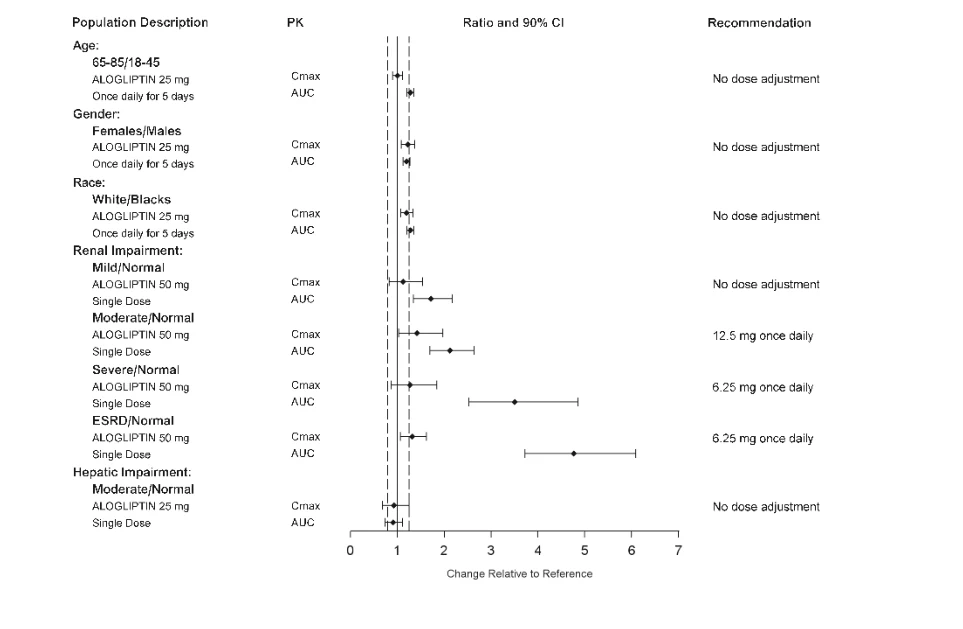
Pharmacokinetics of alogliptin do not differ significantly between young (age range 18 to 45) and elderly (age range 65 to 85) subjects. No dose adjustment is necessary based on age. However, dosing of NESINA should be conservative in patients with advanced age due to the potential for decreased renal function in this population. Any dosage adjustment should be based on an assessment of renal function. See 7 Warnings and Precautions, 4 Dosage and Administration and 10 Clinical Pharmacology.
Sex
Pharmacokinetics of alogliptin do not differ significantly between males and females. No dose adjustment is necessary based on gender.
Genetic Polymorphism
The effect of genetic polymorphisms on the pharmacokinetics of alogliptin has not been studied, as alogliptin is not extensively metabolized and the majority is excreted unchanged in the urine.
Ethnic Origin
Pharmacokinetics of alogliptin do not differ significantly between the white, black, and Asian populations. No dose adjustment is necessary based on race.
Hepatic Insufficiency
Total exposure to alogliptin was approximately 10% lower and peak exposure was approximately 8% lower in patients with moderate hepatic impairment (Child-Pugh Grade B) compared to healthy control subjects. The magnitude of these reductions was not considered to be clinically meaningful. Therefore, no dose adjustment is necessary for patients with mild to moderate hepatic impairment (Child-Pugh scores of 5 to 9). Alogliptin has not been studied in patients with severe hepatic impairment (Child-Pugh score >9, see 7 Warnings and Precautions).
Renal Insufficiency
A single-dose of 50 mg alogliptin was administered to 4 groups of patients with varying degrees of renal impairment (creatinine clearance (CrCl) using the Cockcroft-Gault formula): mild (CrCl = >50 to ≤80 ml/min), moderate (CrCl = ≥30 to ≤50 ml/min), severe (CrCl = <30 ml/min) and End-Stage Renal Disease (ESRD) on haemodialysis.
An approximate 1.7-fold increase in AUC for alogliptin was observed in patients with mild renal impairment. However, as the distribution of AUC values for alogliptin in these patients was within the same range as control subjects, no dose adjustment for patients with mild renal impairment is necessary. See 7 Warnings and Precautions.
In patients with moderate renal impairment, an approximate 2-fold increase in plasma AUC of alogliptin was observed. To maintain similar systemic exposures of NESINA to those with normal renal function, the recommended dose is 12.5 mg once daily in patients with moderate renal impairment.
In patients with severe renal impairment and end-stage renal disease (requiring dialysis), an approximate 3- and 4-fold increase in plasma AUC of alogliptin were observed, respectively. Dialysis removed approximately 7% of the drug during a 3-hour dialysis session. NESINA may be administered without regard to the timing of the dialysis. To maintain similar systemic exposures of NESINA to those with normal renal function, the recommended dose is 6.25 mg once daily in patients with severe renal impairment, as well as in patients with end-stage renal disease requiring dialysis. See 7 Warnings and Precautions.
Body Weight
Body weight is unlikely to have a clinically meaningful impact on exposure to alogliptin. No dose adjustment is necessary based on body weight.
Figure 1. Effect of Intrinsic Factors on Exposure to Alogliptin
11. Storage, Stability and Disposal
Store NESINA at room temperature (15 to 30° C). Keep out of reach and sight of children.
12. Special Handling Instructions
There are no special requirements for NESINA.
Part 2: Scientific Information
13. Pharmaceutical Information
Drug Substance
Proper name: alogliptin benzoate
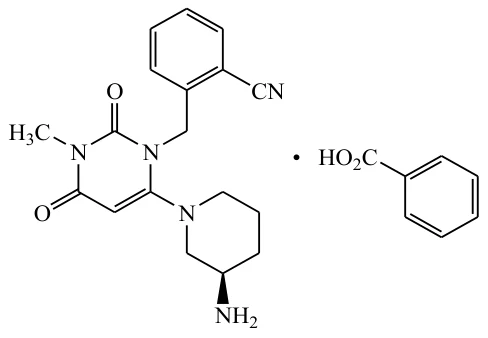
Chemical name: 2-({6-[(3R)-3-aminopiperidin-1-yl]-3-methyl-2,4-dioxo-3,4-dihydropyrimidin-1(2H)-yl}methyl) benzonitrile monobenzoate
Molecular formula and molecular mass: C18H21N5O2•C7H6O2
461.51 (benzoate salt) 339.39 (free base)
Structural formula:
Physicochemical properties: Alogliptin benzoate is a white to off-white, crystalline powder containing one asymmetric carbon in the aminopiperidine moiety. It is soluble in dimethylsulfoxide, sparingly soluble in methanol, water, and aqueous solutions across the physiologic pH range; slightly soluble in ethanol, and very slightly soluble in octanol and isopropyl acetate.
14. Clinical Trials
14.1. Clinical Trials by Indication
Alogliptin has been studied as monotherapy and as add-on therapy to metformin, or a sulfonylurea, or pioglitazone (with or without metformin or a sulfonylurea), or insulin (with or without metformin).
A total of 14 779 patients with type 2 diabetes mellitus participated in one Phase 2 or 13 Phase 3 (including the cardiovascular outcomes study ) double-blind, placebo- or active-controlled clinical studies conducted to evaluate the effects of alogliptin on glycemic control and its safety. In these studies, 2257 (24.9%) alogliptin-treated patients were ≥65 years old and 386
(4.3%) alogliptin-treated patients were ≥75 years old. The studies included 5744 patients with mild renal impairment, 1290 patients with moderate renal impairment, and 82 patients with severe renal impairment treated with alogliptin. Excluding the cardiovascular outcomes study, 3750 patients were treated with 25 mg alogliptin and 2476 patients were treated with alogliptin 12.5 mg.
Overall, treatment with the recommended daily dose of 25 mg alogliptin improved glycemic control when given as monotherapy and as initial or add-on combination therapy. This was determined by clinically relevant and statistically significant reductions in glycosylated hemoglobin (HbA1c) compared to control from baseline to study endpoint. Reductions in HbA1c were similar across different subgroups including mild to moderate renal impairment, age, gender, race and body mass index (BMI). Clinically meaningful reductions in HbA1c compared to control were also observed with 25 mg alogliptin regardless of baseline background medication dose, for subjects with a baseline HbA1c >7.5. Higher baseline HbA1c was associated with a greater reduction in HbA1c. Generally, the effects of alogliptin on body weight and lipids were neutral.
Alogliptin as Monotherapy
| Table 6 – Summary of patient demographics for clinical trials of alogliptin as a monotherapy | ||||||||
| Study # | Study design | Dosage (patients enrolled/completing the trial), route of administration and duration | Study subjects (n=number) | Mean age (Range) | Sex (M- Male F- Female) | |||
| SYR-322-PLC-010 | Phase 3, randomized, double-blinded, placebo-controlled, 3-treatment arm Efficacy (HbA1c) | ALO 12.5 mg (133/105) ALO 25 mg (131/107) PBO (64/40) Total (328/252) Oral administration Treatment duration: 26 weeks Subjects with T2DM experiencing inadequate glycemic control on diet and exercise alone | 329 | 53.4 (24-80) years | 175 (53.2%) Men, 154 (46.8%) Women | |||
| Table 7 – Results of study SYR-322-PLC-010 for alogliptin as a monotherapy: Glycemic Parameters in 26-week Placebo-controlled Monotherapy Study of NESINA in Patients with Type 2 Diabetes | |||||||
|---|---|---|---|---|---|---|---|
NESINA 25 mg | Placebo | ||||||
| HbA1c (%) | N=131 | N=64 | |||||
| Baseline (mean) | 7.91 | 8.03 | |||||
| Change from Baseline at Week 26† | -0.59 ± 0.066 (n=128) | -0.02 ± 0.094 (n=63) | |||||
| Difference vs. Placebo† | -0.57% * [-0.80, -0.35] | ||||||
| Patients (%) achieving HbA1c <7% at Week 26 | 44.3 | 23.4 | |||||
| FPG (mmol/L) | N=129 | N=64 | |||||
| Baseline (mean) | 9.55 | 9.62 | |||||
| Change from Baseline at Week 26† | -0.9 ± 0.2 (n=129) | 0.6 ± 5.24 (n=64) | |||||
| Difference vs. Placebo† | 1.54 mmol/L* [-2.24, -0.84] | ||||||
† Least squares mean ± S.E.
* p<0.001, [ ] shows two-sided 95% confidence interval
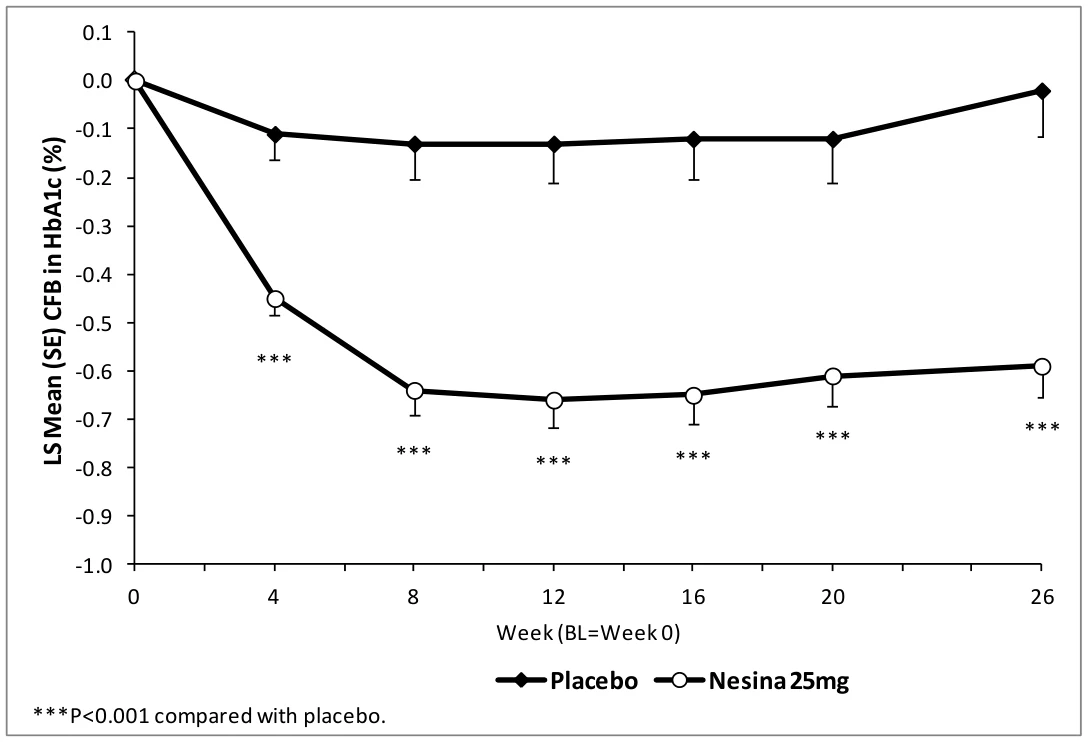
Figure 2 – Change from Baseline at Week 26 in HbA1c with NESINA 25 mg as Monotherapy
Treatment with NESINA 25 mg resulted in statistically significant improvements from baseline in HbA1c as early as Week 4 (Figure 2) and fasting plasma glucose (FPG) as early as Week 1 compared to placebo at Week 26 (Table 7). Fewer patients receiving NESINA 25 mg (8%) required hyperglycemic rescue compared with those receiving placebo (30%) during the study. Body weight did not differ significantly between the groups.
Alogliptin as Add-on Therapy to Metformin
| Table 8 – Summary of patient demographics for clinical trials of alogliptin as an add-on therapy to metformin | ||||||||||||||||
| Study # | Study design | Dosage (patients enrolled/completing the trial), route of administration and duration | Study subjects (n=number) | Mean age (Range) | Sex (M- Male F- Female) | |||||||||||
| SYR-322-MET-008 | Phase 3, randomized, double-blinded, placebo-controlled, 3-treatment arm design Efficacy (HbA1c) | MET with: ALO 12.5 mg (213/176) ALO 25 mg (207/165) PBO (104/72) Total (524/413) Oral administration Treatment duration: 26 weeks Subjects with T2DM being treated with MET alone | 527 | 54.7 (22-80) years | 265 (50.3%) Men, 262 (49.7%) Women | |||||||||||
| Table 9 – Results of study SYR-322_008 of alogliptin as an add-on therapy to metformin: Glycemic Parameters at Week 26 | ||||||||||||||||
NESINA 25 mg | Placebo | |||||||||||||||
| HbA1c (%) | N=207 | N=104 | ||||||||||||||
| Baseline (mean) | 7.93 | 8.01 | ||||||||||||||
| Change from Baseline at Week 26† | -0.59 ± 0.054 (n=203) | -0.10 ± 0.076 (n=103) | ||||||||||||||
| Difference vs. Placebo† | -0.48% * [-0.67, -0.30] | |||||||||||||||
| Patients (%) achieving HbA1c <7% at Week 26 | 44.4% | 18.3% | ||||||||||||||
| FPG (mmol/L) | N=204 | N=104 | ||||||||||||||
| Baseline (mean) | 9.54 | 9.96 | ||||||||||||||
| Change from Baseline at Week 26† | -0.97 ± 0.14 (n=204) | 0.0 ± 0.20 (n=104) | ||||||||||||||
| Difference vs. Placebo† | -0.97 mmol/L * [-1.44, -0.49] | |||||||||||||||
†Least squares mean ± S.E.
* p<0.001, [ ] shows two-sided 95% confidence interval
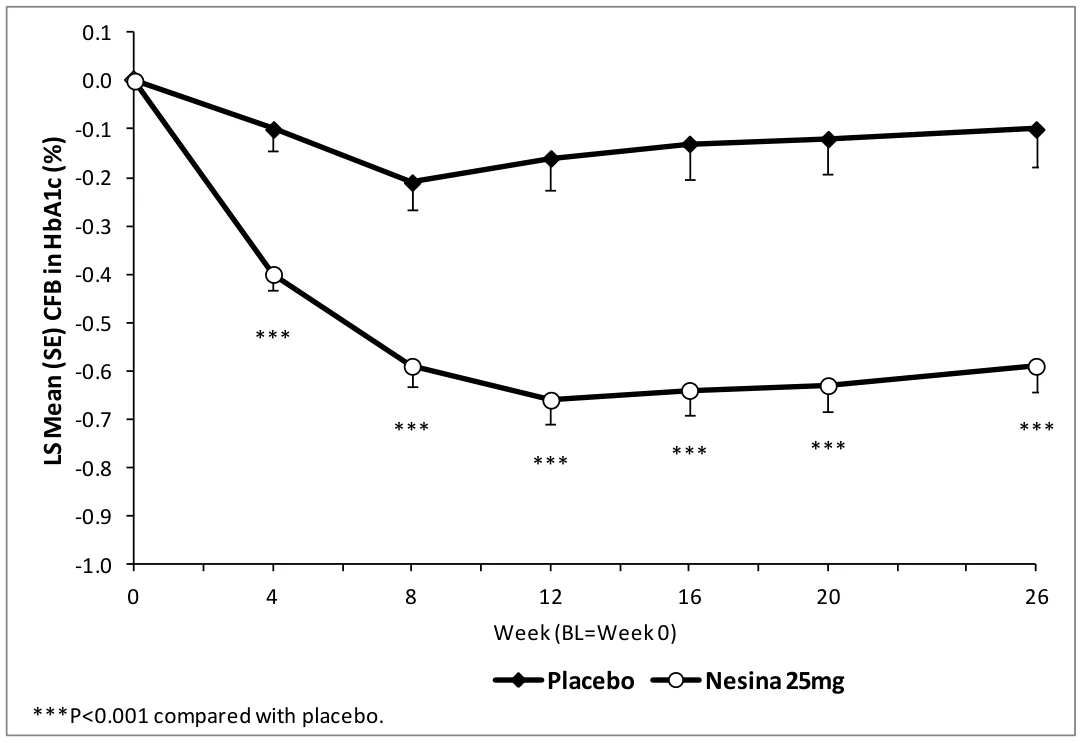
Figure 3 – Change from Baseline at Week 26 in HbA1c When NESINA 25 mg is added to Metformin
The addition of NESINA 25 mg once daily to metformin therapy (mean dose = 1847 mg) resulted in statistically significant improvements from baseline in HbA1c and FPG at Week 26 when compared to the addition of placebo (Table 9). Significant improvements in HbA1c vs. the addition of placebo were noted as early as 4 weeks after the start of NESINA, and these remained significant at every time point until Week 26. Significant improvements in FPG vs. placebo were noted as early as 1 week after the start of NESINA, and these improvements in FPG remained significant at every time point until Week 26. Body weight did not differ significantly between the groups.
Fewer patients receiving 25 mg alogliptin (8.2%) required hyperglycemic rescue compared to those receiving placebo (24.0%) during the study.
| Table 10– Summary of patient demographics for clinical trials of alogliptin as an add-on therapy to metformin vs glipizide add-on to metformin | |||||||||
| Study # | Study design | Dosage (patients enrolled/completing the trial), route of administration and duration | Study subjects (n=number) | Mean age (Range) | Sex (M- Male F- Female) | ||||
| SYR-322_305 (ENDURE) | Phase 3, randomized, double-blinded, active comparator Efficacy (HbA1c) | MET+ALO 12.5 mg (880/472) MET+ALO 25 mg (885/493) MET+Glipizide (874/427) Total (2639/1392) Oral administration Treatment duration: 52 weeks and 104 weeks Subjects with T2DM and inadequate glycemic control on MET ≥1500 mg (or MTD) alone | 2639 | 55.4 (21-80) years | 1312 (49.7%) Men, 1327 (50.3%) Women | ||||
In a 104 week study to evaluate durability of glycemic control, patients were randomized to the addition of either NESINA 25 mg daily (n = 885), NESINA 12.5 mg daily (n = 880) or glipizide (n = 874) to a background of metformin. Patients receiving glipizide were given an initial dosage of 5 mg/day. After at least 2 weeks, patients receiving glipizide who demonstrated persistent hyperglycemia (FPG ≥13.9 mmol/L) could be up-titrated by the investigator in 5 mg increments in 4-week intervals, up to a maximum of 20 mg per day, over the following 18 weeks. Thereafter, the glipizide dose was to have been maintained for the remainder of the trial. The mean daily dose of glipizide following the titration period was 5.2 mg/day.
The addition of NESINA 25 mg once daily to metformin therapy (mean dose = 1835 mg) resulted in improvements from baseline in HbA1c at Week 52 and Week 104 that were statistically non-inferior to those produced by glipizide plus metformin therapy (mean dose = 1824 mg). Based on 537 per-protocol patients in the NESINA 25 mg plus metformin group and 509 per-protocol patients in the glipizide plus metformin group at Week 52, using the last observation carried forward (LOCF), the mean decrease from baseline HbA1c was
-0.61% with NESINA 25 mg and -0.52% with glipizide. These results were maintained at week 104.
Results of secondary endpoints, based on the Full Analysis Set assessed at Week 104 (LOCF) showed that the mean change from baseline in FPG was -0.18 mmol/L with NESINA 25 mg and 0.30 mmol/L with glipizide. Alogliptin did not have any meaningful change on body weight up to Week 104.
Alogliptin as Add-on Therapy to a Sulfonylurea (SU)
| Table 11 – Summary of patient demographics for clinical trials of alogliptin as an add-on therapy to a sulfonylurea | |||||||||||||||
| Study # | Study design | Dosage (patients enrolled/completing the trial), route of administration and duration | Study subjects (n=number) | Mean age (Range) | Sex (M- Male F- Female) | ||||||||||
| SYR-322-SULF-007 | Phase 3, randomized, double-blinded, placebo-controlled, 3-treatment arm Efficacy (HbA1c) | Glyburide with: ALO 12.5 mg (203/153) ALO 25 mg (198/148) PBO (99/62) Total (500/363) Oral administration Treatment duration: 26 weeks Subjects with T2DM being treated with an SU alone and who were experiencing inadequate glycemic control | 500 | 56.6 (21-80) years | 261 (52.2%) Men, 239 (47.8%) Women | ||||||||||
| Table 12 – Results of study SYR-322-007 of alogliptin as an add-on therapy to sulfonylurea: Glycemic Parameters at Week 26 | |||||||||||||||
NESINA 25 mg | Placebo | ||||||||||||||
| HbA1c (%) | N=198 | N=99 | |||||||||||||
| Baseline (mean) | 8.09 | 8.15 | |||||||||||||
| Change from Baseline at Week 26† | -0.52 ± 0.058 (n=197) | 0.01 ± 0.084 (n=97) | |||||||||||||
| Difference vs. Placebo† | -0.53%* [-0.73, -0.33] | ||||||||||||||
| Patients (%) achieving HbA1c <7% at Week 26 | 34.8 | 18.2 | |||||||||||||
| FPG (mmol/L) | N=198 | N=99 | |||||||||||||
| Baseline (mean) | 9.65 | 9.84 | |||||||||||||
| Change from Baseline at Week 26† | -0.47 ±0.19 (n=198) | 0.12 ± 0.26 (n=99) | |||||||||||||
| Difference vs. Placebo† | -0.58 mmol/L [-1.22, 0.05] | ||||||||||||||
†Least squares mean ± SE
* p<0.01, [ ] shows two-sided 95% confidence interval
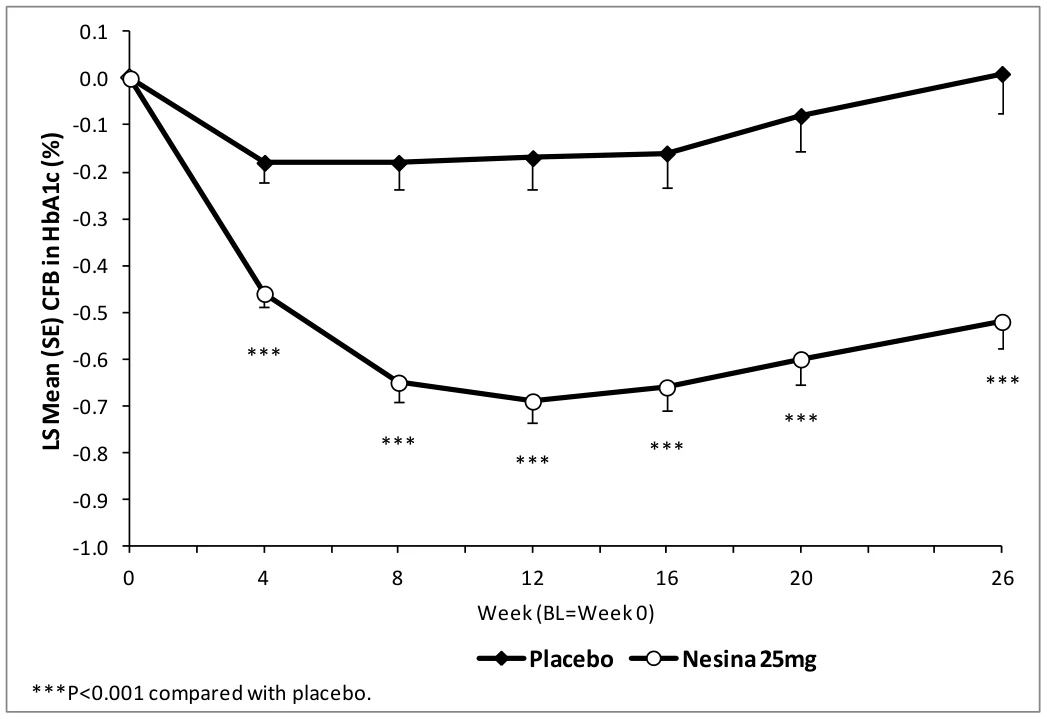
Figure 4 – Change from Baseline at Week 26 in HbA1c When NESINA 25 mg is Added on to Sulfonylurea (SU)
The addition of 25 mg alogliptin once daily to glyburide therapy (mean dose = 12.2 mg) resulted in statistically significant improvements from baseline in HbA1c (see Figure 4) at Week 26 when compared to the addition of placebo (Table 12). No significant differences from placebo were noted for mean change from baseline in FPG at Week 26 (25 mg alogliptin showed a reduction of 0.47 mmol/L compared to an increase of 2.2 mg/dL with placebo). Also, fewer patients receiving 25 mg alogliptin (15.7%) required hyperglycaemic rescue compared to those receiving placebo (28.3%) during the study. Body weight did not differ significantly between the groups.
Alogliptin as Add-on Therapy to Pioglitazone (PIO)
| Table 13 – Summary of patient demographics for clinical trials of alogliptin as an add-on therapy to pioglitazone | ||||||||
| Study # | Study design | Dosage (patients enrolled/completing the trial), route of administration and duration | Study subjects (n=number) | Mean age (Range) | Sex (M- Male F- Female) | |||
| SYR-322-TZD-009 | Phase 3, randomized, double-blinded, placebo-controlled, 3-treatment arm Efficacy (HbA1c) | PIO+SU or MET with: ALO 12.5 mg (197/153) ALO 25 mg (199/160) PBO (97/71) Total (493/384) Oral administration Treatment duration: 26 weeks Subjects with T2DM being treated with a TZD (PIO) alone or in combination with MET or an SU | 493 | 55.4 (24-80) years | 287 (58.2%) Men, 206 (41.8%) Women | |||
| Table 14 – Results of study SYR-322_009 of alogliptin as an add-on therapy to pioglitazone: Glycemic Parameters at Week 26 | |||||||
|---|---|---|---|---|---|---|---|
NESINA 25 mg | Placebo | ||||||
| HbA1c (%) | N=199 | N=97 | |||||
| Baseline (mean) | 8.01 | 7.97 | |||||
| Change from Baseline at Week 26† | 0.80 ± 0.056 (n=195) | -0.19 ± 0.081 (n=95) | |||||
| Difference vs. Placebo† | -0.61% * [-0.80, -0.41] | ||||||
| Patients (%) achieving HbA1c <7% at Week 26 | 49.2 | 34.0 | |||||
| FPG (mmol/L) | N=199 | N=97 | |||||
| Baseline (mean) | 9.41 | 9.53 | |||||
| Change from Baseline at Week 26† | -1.10 ± 0.15 (n=197) | -0.32 ± 0.21 (n=97) | |||||
| Difference vs. Placebo† | -0.78 mmol/L* [-1.29, -0.28] | ||||||
†Least squares mean ± SE
* p<0.01, [ ] shows two-sided 95% confidence interval
The addition of 25 mg alogliptin once daily to pioglitazone therapy (mean dose = 35.0 mg, with or without metformin or a sulfonylurea) resulted in statistically significant improvements from baseline in HbA1c (see Figure 5) and FPG at Week 26 when compared to the addition of placebo (Table 14). Approximately 56% and 21% of subjects were receiving metformin or sulfonylurea at baseline. Clinically meaningful reductions in HbA1c compared to placebo were also observed with 25 mg alogliptin regardless of whether patients were receiving concomitant metformin or sulfonylurea therapy. Also, fewer patients receiving 25 mg alogliptin (9.0%) required hyperglycemic rescue compared to those receiving placebo (12.4%) during the study. Body weight did not differ significantly between the groups.
Alogliptin as Add-on Therapy to Pioglitazone with Metformin
| Table 15 – Summary of patient demographics for clinical trials of alogliptin as an add-on therapy to pioglitazone with metformin | ||||||||
| Study # | Study design | Dosage (patients enrolled/completing the trial), route of administration and duration | Study subjects (n=number) | Mean age (Range) | Sex (M- Male F- Female) | |||
| 01-06-TL-322OPI-004 | Phase 3, randomized, double-blinded, 2-treatment arm Efficacy (HbA1c) | MET+ALO 25+PIO 30 mg (404/283) MET+PIO 45 mg (399/243) Total (803/526) Oral administration Treatment duration: 52 weeks Subjects with T2DM and inadequate glycemic control on MET (≥1500 mg or MTD) and PIO 30 mg | 803 | 55.1 (25-80) years | 389 (48.4%) Women, 414 (51.6%) Men | |||
| Table 16 – Results of study 322OPI-004 of alogliptin as an add-on therapy to pioglitazone and metformin: Glycemic Parameters at Week 52 | |||||||||
|---|---|---|---|---|---|---|---|---|---|
| NESINA 25 mg + Metformin hydrochloride (≥1500) + Pioglitazone 30 mg | Metformin hydrochloride (≥1500) + Pioglitazone 45 mg | ||||||||
| HbA1c (%) | N=404 | N=399 | |||||||
| Baseline (mean) | 8.24 | 8.14 | |||||||
| Change from Baseline at Week 52 (Per protocol set)† | -0.70 ± 0.048 (n=303) | -0.29 + 0.048 (n =306) | |||||||
| Difference vs. Metformin + Pioglitazone† | -0.42% [-infinity, -0.28] | ||||||||
| Patients (%) achieving HbA1c <7% at Week 52 | 33.2 | 21.3 | |||||||
| FPG (mmol/L) | N=404 | N=399 | |||||||
| Baseline (mean) | 8.98 | 9.00 | |||||||
| Change from Baseline at Week 52 (Full Analysis Set) † | -0.81 ± 0.10 (n=399) | -0.21 + 0.10 (n=396) | |||||||
| Difference vs. Metformin + Pioglitazone† | -0.60 mmol/L * <-0.90, -0.32> | ||||||||
†Least squares mean ± SE
*p<0.001, [ ] shows one-sided 97.5% confidence interval, < > shows two-sided 95% confidence interval
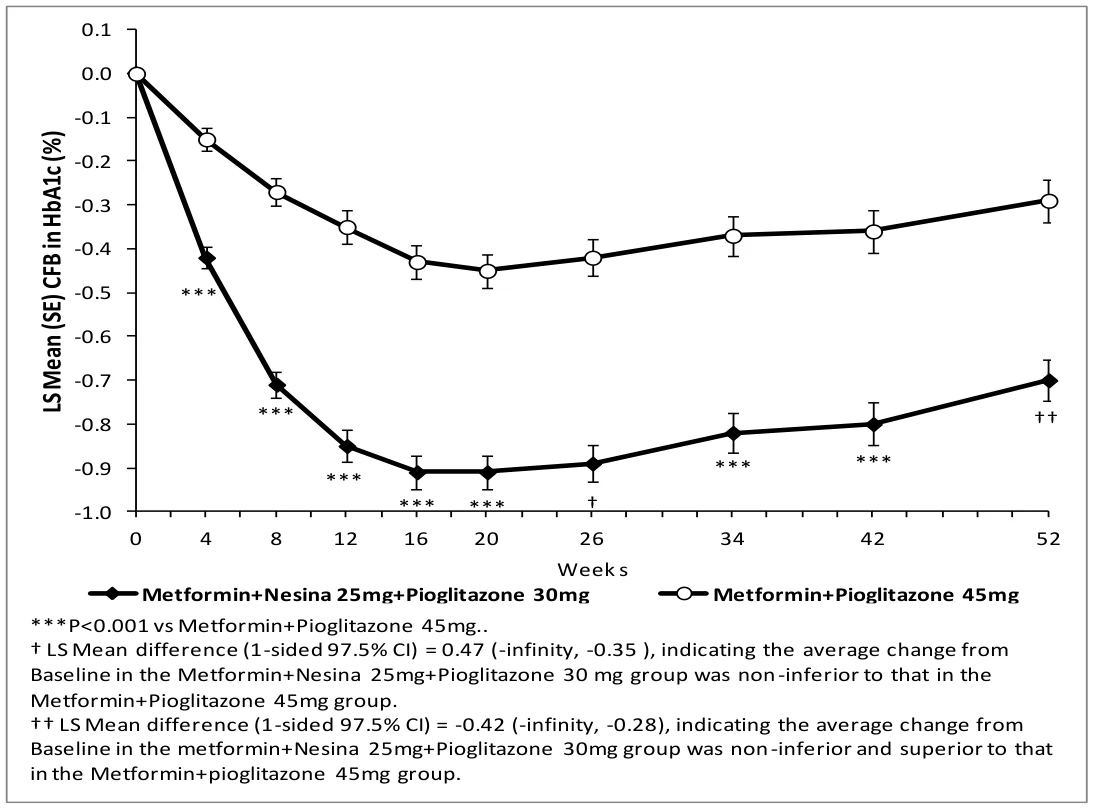
Figure 5 – Change from Baseline at Week 26 in HbA1c When NESINA 25 mg is Added on to Pioglitazone with Metformin
The addition of 25 mg alogliptin once daily to 30 mg pioglitazone and metformin therapy (mean dose = 1867.9 mg) resulted in clinically meaningful improvements from baseline in HbA1c at Week 52 (see Figure 5) that were both non-inferior and statistically superior to those produced by 45 mg pioglitazone and metformin therapy (mean dose = 1847.6 mg, Table 16). The significant reductions in HbA1c observed with 25 mg alogliptin plus 30 mg pioglitazone and metformin were consistent over the entire 52-week treatment period compared to 45 mg pioglitazone and metformin (p<0.001 at all time points). Also, fewer patients receiving 25 mg alogliptin plus 30 mg pioglitazone and metformin (10.9%) required hyperglycemic rescue compared to those receiving 45 mg pioglitazone and metformin (21.7%) during the study. Body weight did not differ significantly between the groups.
Alogliptin as Add-on Therapy to Insulin (With or Without Metformin)
| Table 17 – Summary of patient demographics for clinical trials of alogliptin as an add-on therapy to insulin (with or without metformin) | |||||||||||||||||
| Study # | Study design | Dosage (patients enrolled/completing the trial), route of administration and duration | Study subjects (n=number) | Mean age (Range) | Sex (M- Male F- Female) | ||||||||||||
| SYR-322-INS-011 | Phase 3, randomized, double-blinded, placebo-controlled, 3-treatment arm Efficacy (HbA1c) | Insulin with/without MET with: ALO 12.5 mg (131/83) ALO 25 mg (129/77) PBO (129/55) Total (389/215) Oral administration Treatment duration: 26 weeks Subjects with T2DM being treated with insulin alone or in combination with MET | 390 | 55.4 (23-80) years | 229 (58.7%) Women, 161 (41.3%) Men | ||||||||||||
| Table 18 – Results of study 322-INS-011 of alogliptin as an add-on therapy to insulin (with or without metformin): Glycemic Parameters at Week 26 | |||||||||||||||||
NESINA 25 mg | Placebo | ||||||||||||||||
| HbA1c (%) | N=129 | N=129 | |||||||||||||||
| Baseline (mean) | 9.27 | 9.28 | |||||||||||||||
| Change from Baseline at Week 26† | -0.71 ± 0.078 (n=126) | -0.13 ± 0.077 (n=126) | |||||||||||||||
| Difference vs. Placebo† | -0.59% * [-0.80, -0.37] | ||||||||||||||||
| Patients (%) achieving HbA1c <7% at Week 26 | 7.8 | 0.8 | |||||||||||||||
| FPG (mmol/L) | N=129 | N=129 | |||||||||||||||
| Baseline (mean) | 10.34 | 10.88 | |||||||||||||||
| Change from Baseline at Week 26† | -0.65 ± 0.32 (n=128) | 0.32± 0.32 (n=127) | |||||||||||||||
| Difference vs. Placebo† | -0.98 mmol/L * [-1.85, -0.09] | ||||||||||||||||
†Least squares mean ± SE
*p<0.05, [ ] shows two-sided 95% confidence interval
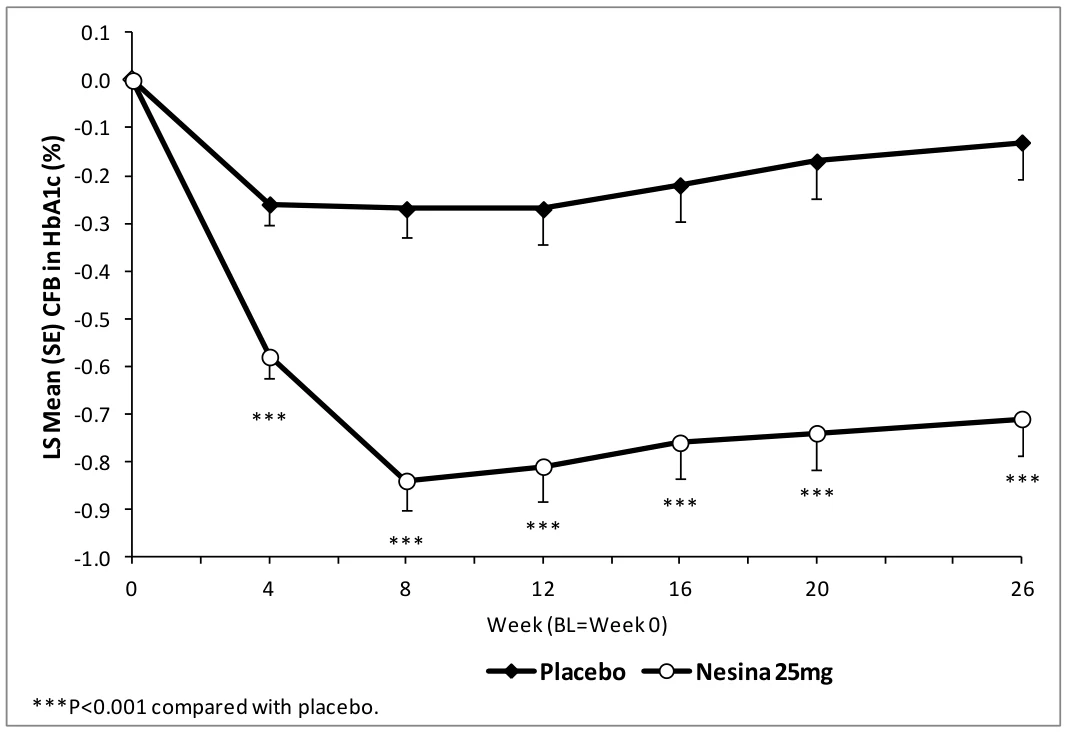
Figure 6 – Change from Baseline at Week 26 in HbA1c When NESINA 25 mg is Added to Insulin
Alogliptin was investigated in patients with a baseline HbA1c ≥8.0 and taking insulin at doses ranging from 15 to 100 IU/day either as monotherapy (42% of the total sample) or in combination with insulin (58% of the total sample). The majority of insulins used in this study were mixed and basal classes. The addition of 25 mg alogliptin once daily to insulin therapy (mean dose = 56.5 IU, with or without metformin) resulted in statistically significant improvements from baseline in HbA1c (see Figure 6) and FPG at Week 26 when compared to the addition of placebo (Table 18). The completion rates in the study were low (42% completed in the placebo group and 60% completed in the alogliptin 25 mg group). Fewer patients receiving 25 mg alogliptin (19.4%) required hyperglycemic rescue compared to those receiving placebo (40%) during the study. Clinically meaningful reductions in HbA1c compared to placebo were also observed with 25 mg alogliptin regardless of whether patients were receiving concomitant metformin therapy. Significant improvements in HbA1c vs. placebo were noted as early as 4 weeks after the start of NESINA, which remained significant at every time point until study end. Body weight did not differ significantly between the groups.
Patients with Renal Impairment
The efficacy and safety of the recommended doses of alogliptin in a subgroup of patients with type 2 diabetes mellitus and mild and moderate renal impairment were reviewed and found to be consistent with the profile obtained in patients with normal renal function.
Geriatrics (≥65 years old)
Treatment with 25 mg alogliptin once daily resulted in improvements from baseline in HbA1c at Week 52 that were non-inferior (HbA1c change from baseline to Week 52 = -0.14%) to those produced by glipizide (HbA1c change from baseline to Week 52 = -0.09%; mean dose of glipizide = 5.4 mg).
Other Studies
Cardiovascular Safety (SYR-322_402) EXAMINE
| Table 19 – Summary of patient demographics for clinical trials evaluating cardiovascular outcomes with alogliptin vs placebo and standard of care in subjects with type 2 diabetes mellitus and acute coronary syndrome | |||||||||
| Study # | Study design | Dosage (patients enrolled/completing the trial), route of administration and duration | Study subjects (n=number) | Mean age (Range) | Sex (M- Male F- Female) | ||||
| SYR-322_402 (EXAMINE) | Phase 3b, randomized, double-blinded, placebo-controlled, 2-treatment arm Safety (time from randomization to the first occurrence of any event in the primary MACE composite [CV death, nonfatal MI, and nonfatal stroke]) | ALO (25 mg, 12.5 mg, and 6.25 mg QD based on renal function) versus matching placebo Oral administration Treatment duration: mean 17 months; Study participation: mean 19 months Subjects with T2DM and recent ACS | 5380 | 60.9 (26-91) years | 3651 (67.9%) Men, 1729 (32.1%) Women | ||||
In a prospective, multicenter, randomized, double-blind, placebo-controlled cardiovascular outcomes safety study, treatment with NESINA resulted in rates of major adverse cardiovascular events (MACE) that were comparable to those observed with placebo in addition to standard of care among patients with type 2 diabetes and a history of acute coronary syndrome within 15 to 90 days prior to randomization. Subjects were randomized in a 1:1 ratio to NESINA or placebo. Randomization was stratified based on country and screening renal function (normal renal function/mild renal impairment vs moderate/severe renal impairment including ESRD). The assigned dose of NESINA was based on renal function at screening:
Subjects with normal renal function or mild renal impairment (eGFR ≥60 mL/min using
the MDRD formula at Screening) received NESINA 25 mg QD or matching placebo.
- Subjects with moderate renal impairment (eGFR ≥30 and <60 mL/min using the MDRD formula at Screening) received NESINA 12.5 mg QD or matching placebo.
- Subjects with severe renal impairment/ESRD (eGFR <30 mL/min using the MDRD formula at Screening) received NESINA 6.25 mg QD or matching placebo.
The cardiovascular outcomes safety study was conducted with 5,380 patients (67.9% male, 32.1% female) to examine the effect of alogliptin compared with placebo (when added to standard of care) on major adverse cardiovascular events (MACE) including time to the first occurrence of any event in the composite of cardiovascular death, nonfatal myocardial infarction and nonfatal stroke. At baseline, patients had a mean age of 61 years, mean duration of diabetes of 9.2 years, and mean HbA1c of 8.0%. Cardiovascular history reported for patients in this study included: MI (88%), congestive heart failure (27.9%), unstable angina (31.1%), cerebrovascular accident (CVA) (7.2%), hypertension (83.1%), dyslipidemias (27.0%). Renal function category at baseline was categorized as normal in 15.6% of subjects, mild impairment in 55.3% of subjects, moderate impairment in 26.2% of subjects, and severe impairment/ESRD in 2.9% of subjects. Geographical distribution was 28.0% from Eastern Europe and Africa, 25.9% from Mexico and Central/South America, 18.8% from Asia/Pacific, 15.9% from United States and Canada, and 11.4% from Western Europe, Australia, New Zealand, and the Middle East.
The study demonstrated that alogliptin did not increase the risk of having a MACE compared to placebo [Hazard Ratio: 0.96; 1-sided 99% Confidence Interval: 0-1.16]. In the alogliptin group, 11.3% of patients experienced a MACE compared to 11.8% of patients in the placebo group (Table 20). For the analysis of each component of the primary MACE composite endpoint, time to first event was defined as the time from the date of randomization to the date of first occurrence of the component, only if it was counted in the primary MACE composite endpoint; otherwise, the subject was censored at the day of last contact.
| Table 20 – MACE Reported in Cardiovascular Outcomes Study | ||||||
|---|---|---|---|---|---|---|
| Number of Patients (%) | ||||||
| Alogliptin | Placebo | Hazard Ratio (1-sided 99% CI) | ||||
| N=2701 | N=2679 | |||||
| Primary Composite Endpoint [First Event of CV Death, Nonfatal MI or Nonfatal Stroke] | 305 (11.3) | 316 (11.8) | 0.96 (0 - 1.16) | |||
| Cardiovascular Death | 89 (3.3) | 111 (4.1) | ||||
| Nonfatal Myocardial Infarction | 187 (6.9) | 173 (6.5) | ||||
| Nonfatal Stroke | 29 (1.1) | 32 (1.2) | ||||
There were 703 patients who experienced an event within the secondary MACE composite endpoint (first event of cardiovascular death, nonfatal myocardial infarction, nonfatal stroke and urgent revascularization due to unstable angina). In the alogliptin group, 12.7% (344 subjects) experienced an event within the secondary MACE composite endpoint, compared with 13.4% (359 subjects) in the placebo group [Hazard Ratio = 0.95; 1-sided 99% Confidence Interval: 0-1.14].
Adjudicated events of total mortality, cardiovascular death, fatal/nonfatal myocardial infarction, fatal/nonfatal stroke, and heart failure resulting in death or hospitalization in all subjects (i.e., not excluding those events occurring after a non-fatal event included in a composite endpoint) had hazard ratios with 2-sided 95% confidence intervals including unity.
| Table 21 – Other Adjudicated Events Reported in All Subjects in Cardiovascular Outcomes Study | ||||||
|---|---|---|---|---|---|---|
| Number of Patients (%) | Hazard Ratio (2-sided 95% CI) | |||||
| Alogliptin | Placebo | |||||
| N=2701 | N=2679 | |||||
| All Cause Mortality | 153 (5.7%) | 173 (6.5%) | 0.875 (0.705, 1.088) | |||
| Cardiovascular Death | 112 (4.1%) | 130 (4.9%) | 0.851 (0.662, 1.096) | |||
| Myocardial Infarction: Fatal and Nonfatal | 204 (7.6%) | 190 (7.1%) | 1.071 (0.878, 1.305) | |||
| Stroke: Fatal and Nonfatal | 36 (1.3%) | 44 (1.6%) | 0.814 (0.524, 1.264) | |||
| Heart Failure: Hospitalization for Heart Failure and Death due to Heart Failure or Cardiogenic Shock | 121 (4.5%) | 99 (3.7%) | 1.226 (0.940, 1.599) | |||
15. Microbiology
No microbiological information is required for this drug product.
16. Non-Clinical Toxicology
General Toxicology:
Acute Toxicity
Alogliptin was well tolerated by study animals. The single lethal oral dose of alogliptin in rats and dogs exceeded 1471 mg/kg and 368 mg/kg, respectively.
Chronic Toxicity
The toxicity potential of alogliptin was evaluated in a series of repeated dose toxicity studies in rats and dogs of up to 26 and 39 weeks in duration, respectively. In rats, the main target organs of toxicity of alogliptin were the liver, kidney and urinary bladder. Moderate liver toxicity was noted at doses of ≥900 mg/kg/day as reflected by elevated serum AST, ALT and/or ALP activities, increased liver weights, as well as minimal to mild centrilobular hepatocellular hypertrophy. At doses of ≥1333 mg/kg/day, in addition to the liver, toxicities on kidney and urinary bladder were evident. In the kidneys, renal tubular degeneration and/or regeneration and renal tubular dilatation and/or necrosis were observed. In the urinary bladder, transitional cell hyperplasia (simple or papillary/nodular), hemorrhage, and inflammation, erosion/ulceration, and dilatation were noted. The urinary bladder and/or kidney complications contributed in part to an increase in mortality in rats from 1333 to 2000 mg/kg/day. The no-observed-adverse-effect-level in rats was 400 mg/kg, approximately 147 times the exposure in humans at the maximum recommended human adult dose (MRHD) of 25 mg alogliptin. In dogs, reddened ears and facial swelling, without associated histopathological changes, were noted at doses of ≥30 mg/kg/day. The no-observed-adverse-effect-level in dogs derived from the 39-week study was 100 mg/kg/day, approximately 112 times the exposure in humans at the MRHD.
Carcinogenicity:
A two-year carcinogenicity study was conducted in rats at oral doses of 75, 400 and 800 mg/kg/day alogliptin. No treatment-related tumors were observed in either male or female rats given 75 mg/kg/day alogliptin (approximately 27 times human exposure at the MRHD). Increases in the combined incidence of C-cell adenoma and/or carcinoma were only observed in male rats at doses of ≥400 mg/kg/day (≥245 times human exposure at the MRHD). Increases in non-neoplastic histopathological changes in the liver, lung, urinary bladder, testes, epididymis, and prostate were noted in rats at doses that were at least 240 times the exposure in humans at the MRHD.
A two-year carcinogenicity study was conducted in mice at oral doses of 50, 150 and 300 mg/kg/day alogliptin. No treatment-related tumors were observed in either male or female mice at doses up to 300 mg/kg/day, approximately 51 times the exposure in humans at the MRHD.
Genotoxicity:
Alogliptin was negative in a battery of genetic toxicology studies, including the Ames bacterial assay (microbial mutagenesis test), an in vitro cytogenetic assay in mouse lymphoma cells, and an in vivo mouse micronucleus study.
Reproductive and Developmental Toxicology:
Reproduction
No adverse effects of alogliptin were observed upon fertility, reproductive performance, or early embryonic development in rats given alogliptin orally at doses up to 500 mg/kg/day (up to approximately 191 times human exposure at the MRHD) prior to and throughout mating. Although fertility was not affected, a slight increase in the percent of abnormal sperm was noted at 1000 mg/kg/day (approximately 392 times human exposure at the MRHD).
Development
Placental transfer of alogliptin occurs in rats following oral dosing.
Alogliptin was not teratogenic in rabbits and rats at oral doses up to 200 and 500 mg/kg/day (up to approximately 149 and 180 times human exposure at the MRHD) given during organogenesis, respectively. Higher doses of alogliptin resulted in maternal toxicity, and were associated with delayed and/or lack of ossification of bones and decreased fetal body weights. The non-observed-adverse-effect-level for embryo-fetal development in rabbits and rats was 200 mg/kg/day and 500 mg/kg/day (approximately 149 and 180 times human exposure at the MRHD), respectively.
Alogliptin at oral doses up to 250 mg/kg/day (up to approximately 95 times human exposure at the MRHD) given to pregnant rats from gestation day 6 to lactation day 20 did not harm the developing embryo or affect offspring growth and development. Higher doses of alogliptin, providing exposures exceeding 200 times the exposure in humans at the MRHD, decreased F1 offspring body weights and induced some developmental effects.
No alogliptin-related effects were observed in juvenile rats following repeated oral dosing for 4 and 8 weeks at doses up to 300 mg/kg/day (up to approximately 63 and 75 times human exposure at the MRHD, respectively).
Safety Pharmacology:
The cardiovascular safety of alogliptin was evaluated. Alogliptin was not observed to inhibit hERG channel tail currents in stably transfected HEK-293 and CHO cells, and exhibited no effect on action potential parameters in isolated canine cardiac Purkinje fibres. In conscious telemetered beagle dogs, cardiovascular function was assessed following administration of single oral doses of 0, 7.5, 15, and 25 mg/kg alogliptin. No effects on heart rate, blood pressure, cardiac troponin levels (I and T isoforms) or ECG interval parameters were observed.
Respiratory safety was evaluated in rats following a single oral dose 0, 10, 30 and 100 mg/kg alogliptin. There were no alterations in respiratory rate, minute volume or tidal volume.