


Product Monograph - Novo-Warfarin
SUMMARY PRODUCT INFORMATION
Route of Administration | Dosage Form / Strength | Clinically Relevant Nonmedicinal Ingredients |
| Oral | Tablets, 1mg, 2mg, 2.5mg, 3mg, 4mg, 5mg, 6mg, 7.5mg and 10 mg | Lactose For a complete listing see Dosage Forms, Composition and Packaging section. |
INDICATIONS AND CLINICAL USE
NOVO-WARFARIN (warfarin sodium)Tablets are indicated for:
- the prophylaxis and/or treatment of venous thrombosis and its extension, pulmonary embolism, atrial fibrillation with embolization, and as an adjunct in the prophylaxis of systemic embolism after myocardial infarction, including stroke, reinfarction and death.
The following are some of the more common clinical disorders which may be associated with or predispose patients to the above indications:
- 1. Thrombophlebitis
- 2. Congestive heart failure
- 3. Surgical procedure or trauma associated with a high risk of thromboembolism
- 4. Myocardial infarction
- 5. Cerebral embolism
It may also be useful as an adjunct in the treatment of transient cerebral ischemic attacks due to intravascular clotting.
Geriatrics (> 60 years of age):
Patients 60 years or older appear to exhibit greater than expected PT/INR response to the anticoagulant effects of warfarin (See WARNINGS AND PRECAUTIONS).
Pediatrics (< 18 years of age):
Safety and effectiveness in children below 18 years of age have not been established in randomized, controlled clinical trials. However, the use of warfarin sodium tablets in pediatric patients has been documented for the prevention and treatment of thromboembolic events (See
WARNINGS AND PRECAUTIONS).
CONTRAINDICATIONS
$ Patients who are hypersensitive to NOVO-WARFARIN (warfarin sodium) drug or to any ingredient in the formulation. For a complete listing, see the Dosage Forms, Composition and Packaging section of the product monograph.
Anticoagulation is contraindicated in any localized or general physical condition or personal circumstances in which the hazard of haemorrhage might be greater than the potential clinical benefits of anticoagulation, such as:
Pregnancy: NOVO-WARFARIN (warfarin sodium) Tablets are contraindicated in pregnancy because the drug passes through the placental barrier and may cause fatal haemorrhage to the fetus in utero. Women of childbearing potential must take precautions not to become pregnant while on NOVO-WARFARIN Tablet therapy. Furthermore, there have been reports of birth malformations in children born to mothers who have been treated with warfarin during pregnancy.
Embryopathy characterized by nasal hypoplasia with or without stippled epiphyses (chondrodysplasia punctata) has been reported in pregnant women exposed to warfarin during the first trimester. Central nervous system abnormalities also have been reported, including dorsal midline dysplasia characterized by agenesis of the corpus callosum, Dandy-Walker malformation, and midline cerebellar atrophy. Ventral midline dysplasia, characterized by optic atrophy, and eye abnormalities have been observed. Mental retardation, blindness, and other central nervous system abnormalities have been reported in association with second and third trimester exposure. Although rare, teratogenic reports following in utero exposure to warfarin include urinary tract anomalies such as single kidney, asplenia, anencephaly, spina bifida, cranial nerve palsy, hydrocephalus, cardiac defects and congenital heart disease, polydactyly, deformities of toes, diaphragmatic hernia, corneal leukoma, cleft palate, cleft lip, schizencephaly, and microcephaly.
Spontaneous abortion and still birth are known to occur and a higher risk of fetal mortality is associated with the use of warfarin. Low birth weight and growth retardation have also been reported.
Women of childbearing potential who are candidates for anticoagulant therapy should be carefully evaluated and the indications critically reviewed with the patient. If the patient becomes pregnant while taking this drug, she should be apprised of the potential risks to the fetus, and the possibility of termination of the pregnancy should be discussed in the light of those risks.
Haemorrhagic tendencies or blood dyscrasias.
Recent or contemplated surgery of:
- 1. central nervous system
- 2. eye
- 3. traumatic surgery resulting in large open surfaces.
Bleeding tendencies associated with active ulceration or overt bleeding of:
- 1. gastrointestinal, genitourinary or respiratory tracts
- 2. cerebrovascular haemorrhage
- 3. aneurysms - cerebral, dissecting aorta
- 4. pericarditis and pericardial effusions
- 5. bacterial endocarditis
Threatened abortion, eclampsia and preeclampsia
Inadequate laboratory facilities
Unsupervised patients with senility, alcoholism, or psychosis or other lack of patient cooperation.
Spinal puncture and other diagnostic or therapeutic procedures with potential for uncontrollable bleeding.
Miscellaneous: major regional, lumbar block anesthesia and malignant hypertension.
WARNINGS AND PRECAUTIONS
General
The most serious risks associated with anticoagulant therapy with NOVO-WARFARIN (warfarin sodium) Tablets are haemorrhage in any tissue or organ and, less frequently (<0.1%), necrosis and/or gangrene of skin and other tissues. The risk of haemorrhage is related to the level of intensity and the duration of anticoagulant therapy. Haemorrhage and necrosis have in some cases been reported to result in death or permanent disability. Necrosis appears to be associated with local thrombosis and usually appears within a few days of the start of anticoagulant therapy. In severe cases of necrosis, treatment through debridement or amputation of the affected tissue, limb, breast or penis has been reported. Careful diagnosis is required to determine whether necrosis is caused by an underlying disease. Warfarin therapy should be discontinued when warfarin is suspected to be the cause of developing necrosis and heparin therapy may be considered for anticoagulation. Although various treatments have been attempted, no treatment for necrosis has been considered uniformly effective. See below for information on predisposing conditions. These and other risks associated with anticoagulant therapy must be weighed against the risk of thrombosis or embolization in untreated cases.
NOVO-WARFARIN is a potent drug with a half-life of 2.5 days; therefore, its effects may become more pronounced as daily maintenance doses overlap. It cannot be emphasized too strongly that treatment of each patient is a highly individualized matter.NOVO-WARFARIN Tablet, a narrow therapeutic range (index) drug, may be affected by factors such as other drugs and dietary Vitamin K. Dosage should be controlled by periodic determinations of prothrombin times (PT) ratio/ International Normalized Ratio (INR) or other suitable coagulation tests. Determinations of whole blood clotting and bleeding times are not effective measures for control of therapy. Heparin prolongs the one-stage PT. When heparin and NOVO-WARFARIN Tablets
are administered concomitantly, refer below to CONVERSION FROM HEPARIN THERAPY for recommendations (see DOSAGE AND ADMINISTRATION).
Caution should be observed when NOVO-WARFARIN Tablets are administered in any situation or in the presence of any predisposing condition where added risk of haemorrhage or necrosis and/or gangrene is present.
Anticoagulation therapy with NOVO-WARFARIN Tablets may enhance the release of atheromatous plaque emboli, thereby increasing the risk of complications from systemic cholesterol microembolization, including the "purple toe syndrome". Discontinuation of NOVO-WARFARIN Tablet therapy is recommended when such phenomena are observed. While the "purple toe syndrome" is reported to be reversible, other complications of microembolization may not be reversible.
Systemic atheroemboli and cholesterol microemboli can present with a variety of signs and symptoms including purple toes syndrome, livedo reticularis, rash, gangrene, abrupt and intense pain in the leg, foot, or toes, foot ulcers, myalgia, penile gangrene, abdominal pain, flank or back pain, hematuria, renal insufficiency, hypertension, cerebral ischemia, spinal cord infarction, pancreatitis, symptoms simulating polyarteritis, or any other sequelae of vascular compromise due to embolic occlusion. The most commonly involved visceral organs are the kidneys followed by the pancreas, spleen, and liver. Some cases have progressed to necrosis or death.
Purple toes syndrome is a complication of oral anticoagulation characterized by a dark, purplish or mottled color of the toes, usually occurring between 3-10 weeks, or later, after the initiation of therapy with warfarin or related compounds. Major features of this syndrome include purple color of plantar surfaces and sides of the toes that blanches on moderate pressure and fades with elevation of the legs; pain and tenderness of the toes; waxing and waning of the color over time. While the purple toes syndrome is reported to be reversible, some cases progress to gangrene or necrosis which may require debridement of the affected area, or may lead to amputation.
NOVO-WARFARIN Tablets should be used with caution in patients with heparin-induced thrombocytopenia and deep vein thrombosis. Cases of venous limb ischemia, necrosis, and gangrene have occurred in patients when heparin treatment was discontinued and warfarin therapy was started or continued especially when large initiation doses were used. In some patients sequelae have included amputation of the involved area and/or death. The use of alternative anticoagulant therapy should be considered in patients with heparin-induced thrombocytopenia and deep vein thrombosis.
A severe elevation (>50 seconds) in activated partial thromboplastin time (aPTT) with a PT ratio/INR in the desired range has been identified as an indication of increased risk of postoperative haemorrhage. This has been noted in patients undergoing elective hip surgery receiving warfarin alone.
Administration of anticoagulants in the following conditions will be based upon clinical judgment in which the risks of anticoagulant therapy are weighed against the risk of thrombosis or embolization in untreated cases. The following may be associated with these increased risks:
Severe to moderate hepatic or renal insuffiency.
Infectious diseases or disturbances of intestinal flora-sprue, antibiotic therapy.
Trauma which may result in internal bleeding.
Surgery or trauma resulting in large exposed raw surfaces.
Indwelling catheters.
Known or suspected deficiency in protein C mediated anticoagulant response:
Hereditary or acquired deficiencies of protein C or its cofactor, protein S, have been associated with tissue necrosis following warfarin administration. Not all patients with these conditions develop necrosis, and tissue necrosis occurs in patients without these deficiencies. Inherited resistance to activated protein C has been described in many patients with venous thromboembolic disorders but has not yet been evaluated as a risk factor for tissue necrosis. The risk associated with these conditions, both for recurrent thrombosis and for adverse reactions, is difficult to evaluate since it does not appear to be the same for everyone. Decisions about testing and therapy must be made on an individual basis. It has been reported that concomitant anticoagulation therapy with heparin for 5 to 7 days during initiation of therapy with warfarin sodium tablets may minimize the incidence of tissue necrosis. Warfarin therapy should be discontinued when warfarin is suspected to be the cause of developing necrosis and heparin therapy may be considered for anticoagulation.
Miscellaneous: polycythemia vera, vasculitis, and severe diabetes.
In patients with acquired or inherited warfarin resistance, decreased therapeutic responses to warfarin sodium tablets have been reported. Exaggerated therapeutic responses have been reported in other patients.
Cardiovascular
Sever to moderate hypertension.
Patients with congestive heart failure may become more responsive to NOVO-WARFARIN Tablets, thereby requiring more frequent laboratory monitoring, and reduced doses of NOVO-WARFARIN Tablets.
Concomitant use of anticoagulants with streptokinase or urokinase is not recommended and may be hazardous. (Please note recommendations accompanying these preparations).
Sensitivity/Resistance:
Minor and severe allergic/hypersensitivity reactions and anaphylactic reactions have been reported.
In patient with acquired or inherited warfarin resistance, decreased therapeutic responses to warfarin sodium tablets have been reported. Exaggerated therapeutic responses have been
reported in other patients.
Special Populations
Pregnant Women: See CONTRAINDICATIONS
Nursing Women: Warfarin sodium appears in the milk of nursing mothers in an inactive form. Infants nursed by warfarin sodium treated mothers had no change in PT. Effects in premature infants have not been evaluated.
Pediatrics (< 18 years of age): Safety and effectiveness in children below 18 years of age have not been established in randomized, controlled clinical trials. However, the use of warfarin sodium tablets in pediatric patients has been documented for the prevention and treatment of thromboembolic events. Difficulty achieving and maintaining therapeutic PT ratio/INR ranges in the pediatric patient has been reported. More frequent PT ratio/INR determinations are recommended because of possible changing warfarin requirements.
Geriatrics (> 60 years of age): Use in Elderly and/or Debilitated Patients: Patients 60 years or older appear to exhibit greater than expected PT/INR response to the anticoagulant effects of warfarin. Caution should be exercised with administration of warfarin sodium to elderly and/or debilitated patients in any situation or physical condition where added risk of haemorrhage is present.
Monitoring and Laboratory Tests
Periodic determination of PT ratio/INR or other suitable coagulation test is essential.
Numerous factors, alone or in combination, including travel, changes in diet, environment, physical state and medication may influence response of the patient to anticoagulants. It is generally good practice to monitor the patient's response with additional PT ratio/INR determinations in the period immediately after discharge from the hospital, and whenever other medications are initiated, discontinued or taken irregularly. Tables 1 and 2 provide a listing of factors, alone or in combination, which may effect the PT. However, other factors may also affect the anticoagulant response and the tables are provided for your reference only. (See DRUG INTERACTIONS, DOSAGE AND ADMINISTRATION)
ADVERSE REACTIONS
Adverse Drug Reaction Overview
Potential adverse reactions to NOVO-WARFARIN (warfarin sodium) Tablets may include:
Fatal or nonfatal haemorrhage from any tissue or organ. This is a consequence of the anticoagulant effect. The signs, and symptoms, and severity will vary according to the location and degree or extent of the bleeding. Haemorrhagic complications may present as paralysis; paresthesia; headache, chest, abdomen, joint, muscle or other pain; dizziness; shortness of breath, difficult breathing or swallowing; unexplained swelling; weakness;
hypotension; or unexplained shock. Therefore, the possibility of haemorrhage should be considered in evaluating the condition of any anticoagulated patient with complaints which do not indicate an obvious diagnosis. Bleeding during anticoagulant therapy does not always correlate with PT ratio/INR. (See OVERDOSAGE).
- Bleeding which occurs when the PT ratio/INR is within the therapeutic range warrants diagnostic investigation, since it may unmask a previously unsuspected lesion, e.g. tumour, ulcer, etc.
- Necrosis of skin and other tissues. (See WARNINGS AND PRECAUTIONS).
Adverse reactions reported infrequently include:
Body As A Whole: hypersensitivity/allergic reactions, pain, edema, asthenia, fever, headache, fatigue, lethargy, malaise
Central and Peripheral Nervous System: dizziness, cold intolerance and paresthesia, including feeling cold and chills
Gastrointestinal: nausea, diarrhea, abdominal pain, including cramping, flatulence/bloating, vomiting
Liver and Biliary: elevated liver enzymes, hepatitis, jaundice, cholestatic hepatic injury
Skin and Appendages: alopecia, rash, pruritis, urticaria, dermatitis, including bullous eruptions
Vascular, Extracardiac: systemic cholesterol microembolization, purple toes syndrome, vasculitis
Special Senses: taste perversion
Rare events of tracheal or tracheobronchial calcification have been reported in association with long-term warfarin therapy. The clinical significance of this event is unknown.
Priapism has been associated with anticoagulant administration, however, a causal relationship has not been established.
DRUG INTERACTIONS
Drug-Drug Interactions
Drugs may interact with warfarin sodium through pharmacodynamic or pharmacokinetic mechanisms. Pharmacodynamic mechanisms for drug interactions with warfarin sodium tablets are synergism (impaired hemostasis, reduced clotting factor synthesis), competitive antagonism (vitamin K), and altered physiologic control loop for vitamin K metabolism (hereditary resistance). Pharmacokinetic mechanisms for drug interactions with warfarin sodium tablets are mainly enzyme induction, enzyme inhibition, and reduced plasma protein binding. It is important to note that some drugs may interact by more than one mechanism.
Because a patient may be exposed to a combination of listed factors, the net effect of warfarin sodium tablets on PT ratio/INR responses may be unpredictable. More frequent PT ratio/INR monitoring is therefore advisable.
Medications of unknown interaction with coumarins are best regarded with caution. When these medications are started or stopped, more frequent PT ratio/INR monitoring is advisable. Warfarin sodium may also affect the action of other drugs. Hypoglycaemic agents (chlorpropamide and tolbutamide) and anticonvulsants (phenytoin and phenobarbital) may accumulate in the body as a result of interference with either their metabolism or excretion.
It has been reported that concomitant administration of warfarin and ticlopidine may be associated with cholestatic hepatitis.
Intramuscular injections of concomitant medications should be confined to the upper extremities which permits easy access for manual compression, inspections for bleeding and use of pressure bandages.
Close monitoring of patients receiving nonsteroidal anti-inflammatory agents (NSAIDs) is recommended to be certain that no change in anticoagulation dosage is required. In addition to specific drug interactions that might affect prothrombin time, NSAIDs can inhibit platelet aggregation, and can cause gastrointestinal bleeding, peptic ulceration and/or perforation.
Acquired or inherited warfarin resistance should be suspected if large daily doses of NOVO-WARFARIN Tablets are required to maintain a patient's PT ratio/INR within a normal therapeutic range.
Table 1
The following factors, alone or in combination, may be responsible for INCREASED PT ratio or INR response:
| ENDOGENOUS FACTORS: | |||
blood dyscrasias - See CONTRAINDICATIONS cancer collagen vascular disease congestive heart failure diarrhea elevated temperature | hepatic disorders:
hyperthyroidism poor nutritional state steatorrhea vitamin K deficiency | ||
EXOGENOUS FACTORS: Potential drug interactions with NOVO-WARFARIN are listed below by drug class and by specific drugs. | |||
| Classes of Drugs | |||
5-lipoxygenase Inhibitors Adrenergic Stimulants,Central Alcohol Abuse Reduction Preparations Analgesics Anaesthetics, Inhalation Antiandrogens Antiarrhythmics φ Antibiotics φ Aminoglycosides (oral) Cephalosporins, parenteral Macrolides Penicillins, intravenous, high dose Quinolones (fluoroquinolones) Sulfonamides, long acting Tetracyclines Anticoagulants Anticonvulsants φ Antidepressants φ Antimalarial Agents | Antineoplastics φ Antiparasitic/ Antimicrobials Antiplatelet Drugs/ Effects Antithyroid Drugs φ Beta-Adrenergic Blockers Bromelains Cholelitholytic Agents Diabetes Agents, Oral Diuretics φ Fungal Medications, Systemic φ Gastric Acidity and Peptic Ulcer Agents φ Gastrointestinal, Ulcerative Colitis Agents Gastrointestinal, Prokinetic Agents Gout Treatment Agents Hemorrheologic Agents Hepatotoxic Drugs Herbal Medicines Hyperglycemic Agents Hypertensive Emergency Agents Hypnotics φ | Hypolipidemics φ Bile Acid Binding Resins φ Fibric Acid Derivatives HMG-CoA Reductase Inhibitors φ Leukotriene Receptor Antagonists Monoamine Oxidase Inhibitors Narcotics, prolonged Nonsteroidal Anti-Inflammatory Agents Cox-2 Inhibitors Nonselective NSAIDS Psychostimulants Pyrazolones Salicylates Selective Serotonin Reuptake Inhibitors Steroids, - Adrenocortical φ Steroids, Anabolic- (17-Alkyl Testosterone Derivatives) Thrombolytics Thyroid Drugs Tuberculosis Agents φ Uricosuric Agents Vaccines Vitamins φ | |
| Specific Drugs Reported | ||
acetaminophen alcohol φ allopurinol aminosalicylic acid amiodarone HC1 ASA azithromycin capecitabine cefamandole cefazolin cefoperazone cefotetan cefoxitin ceftriaxone celecoxib chenodiol chloramphenicol chloral hydrate φ chlorpropamide cholestyramine φ cimetidine ciprofloxacin cisapride clarithromycin clofibrate warfarin sodium overdose cyclophosphamide φ danazol danshen (Chinese herb) dextran dextrothyroxine diazoxide diclofenac dicumarol diflunisal disulfiram doxycycline erythromycin ethacrynic acid fenofibrate | fenoprofen fluconazole fluorouracil fluoxetine flutamide fluvastatin fluvoxamine gemfibrozil glucagon halothane heparin ibuprofen ifosfamide indomethacin influenza virus vaccine itraconazole ketoprofen ketorolac levamisole levothyroxine liothyronine lovastatin mefenamic acid methimazole φ methyldopa methylphenidate methylsalicylate ointment (topical) metronidazole miconazole moricizine hydrochloride φ nalidixic acid naproxen neomycin norfloxacin ofloxacin olsalazine omeprazole oxaprozin oxymetholone | paroxetine penicillin G, intravenous pentoxifylline phenylbutazone phenytoin φ piperacillin piroxicam prednisone φ propafenone propoxyphene propranolol propylthiouracil φ quinidine quinine ranitidine φ rofecoxib sertraline simvastatin stanozolol streptokinase sulfamethizole sulfamethoxazole sulfinpyrazone sulfisoxazole sulindac tamoxifen tetracycline thyroid ticarcillin ticlopidine tissue plasminogen activator (t-PA) tolbutamide tramadol trimethoprim/sulfamethoxazole urokinase valproate vitamin E zafirlukast |
also: other medications affecting blood elements which may modify hemostasis dietary deficiencies; prolonged hot weather; unreliable PT determinations
φ Increased and decreased PT ratio/INR responses have been reported.
Table 2
The following factors, alone or in combination, may be responsible for DECREASED PT ratio or INR response:
| ENDOGENOUS FACTORS: | ||||
edema hereditary coumarin (warfarin sodium) resistance | hyperlipemia hypothyroidism | nephrotic syndrome | ||
EXOGENOUS FACTORS: Potential drug interactions with NOVO-WARFARIN Tablets are listed below by drug class and by specific drugs. | ||||
| Classes of Drugs | ||||
Adrenal Cortical Steroid Inhibitors Antacids Antianxiety Agents Antiarrhythmics φ Antibiotics φ Anticonvu1sants φ Antidepressants φ Antihistamines Antineoplastics φ | Antipsychotic Medications Antithyroid Drugs φ Barbiturates Diuretics φ Enteral Nutritional Supplements Fungal Medications, Systemic φ Gastric Acidity and Peptic Ulcer Agents φ Herbal Medicines | Hypnotics φ Hypolipidemics φ Immunosuppressives Oral Contraceptives, Estrogen Containing Steroids, Adrenocortical φ Tuberculosis Agents φ Vitamins φ | ||
| Specific Drugs Reported | ||
alcohol φ aminoglutethimide amobarbital atorvastatin azathioprine butabarbital butalbital carbamazepine chloral hydrate φ chlordiazepoxide chlorthalidone cholestyramine φ corticotrophin cortisone | warfarin sodium underdosage cyclophosphamide φ dicloxacillin ethchlorvynol glutethimide griseofulvin haloperidol meprobamate 6-mercaptopurine methimazole φ moricizine hydrochloride φ nafcillin paraldehyde pentobarbital | phenobarbital phenytoin φ prednisone φ primidone propylthiouracil φ ranitidine φ rifampin secobarbital St. John=s Wort (herb) spironolactone sucralfate trazodone vitamin C (high dose) vitamin K |
also: diet high in vitamin K, unreliable PT determinations
φ Increased and decreased PT ratio/INR responses have been reported.
Drug-Food Interactions
Numerous factors, alone or in combination, including, changes in diet may influence response of the patient to anticoagulants. Vitamin K is found in foods such as leafy, green vegetables and certain vegetable oils.
Drug-Herb Interactions
Dunshen may be responsible for increased PT ratio or INR response.
St. John’s wort may be responsible for decreased PT ratio or INR response.
Drug-Laboratory Interactions
Interactions with laboratory tests have not been established.
Drug-Lifestyle Interactions
Numerous factors, alone or in combination, including travel, environment, physical state and may influence response of the patient to anticoagulants. It is generally good practice to monitor the patient's response with additional PT ratio/INR determinations in the period immediately after discharge from the hospital.
DOSAGE AND ADMINISTRATION
The administration and dosage of NOVO-WARFARIN (warfarin sodium) Tablets must be individualized according to the patient's responsiveness to the drug. The dosage should be adjusted according to results of the patients PT ratio/INR. Measurement of warfarin induced effects on PT can vary substantially due to the sensitivity of different thromboplastin reagents.
Early clinical studies of oral anticoagulants, which formed the basis for recommended therapeutic ranges of 1.5 to 2.5 times control PT, used sensitive human brain thromboplastin. When using the less sensitive rabbit brain thromboplastins commonly employed in PT assays today, adjustments must be made to the targeted PT range that reflect this decrease in sensitivity. Available clinical evidence indicates that an INR of 2.0-3.0, is sufficient for prophylaxis and treatment of venous thromboembolism and minimizes the risk of haemorrhage associated with higher INRs. Five recent clinical trials l-5 evaluated the effects of warfarin in patients with non-valvular atrial fibrillation (AF). Findings of these studies revealed that the effects of warfarin in reducing thromboembolic events including stroke were similar at either moderately high INR (2.0-4.5) or low INR (1.4-3.0). There was a significant reduction in minor bleeds at the low INR. Although clinical studies have used a wide range of warfarin dosing, a more recent study suggests that in patients with atrial fibrillation, anticoagulant prophylaxis is effective at INRs of 2.0 to 3.0. The study also shows that the risk of thromboembolic stroke may increase substantially at INR=s less than 2.0. INR value should not exceed 4.0, to reduce the risk of anticoagulant-related bleeding.16-
17
$Similar data from clinical studies in valvular atrial fibrillation patients are not available. The trials in non-valvular atrial fibrillation support The American College of Chest Physicians' (ACCP) recommendation6 that an INR of 2.0-3.0 be used for long term warfarin therapy in appropriate AF patients. In cases where the risk of thromboembolism is great, such as in patients with recurrent systemic embolism, a higher INR may be required. An INR ratio of greater than 4.0 appears to provide no additional therapeutic benefit in most patients and is associated with a higher risk of bleeding. In AF patients undergoing elective cardioversion, anticoagulant therapy
should be given for three weeks before cardioversion and continued until normal sinus rhythm has been maintained for four weeks.
Two well-controlled studies in post-myocardial infarction patients 7-8 demonstrated substantial benefit of long-term oral anticoagulation in reducing the risk of death, recurrent myocardial infarction, and thromboembolic events, such as stroke. Both studies targeted an INR range of 2.8-4.8 for evaluating efficacy and safety. Clinical evidence from these two studies suggests that an INR range of 2.0-4.0 significantly reduced the risk of thromboembolic events and that INR values greater than 4.0 are associated with an increased risk of bleeding. In post-myocardial patients, NOVO-WARFARIN Tablet therapy should be initiated early and dosage should be adjusted to maintain an INR of 2.5-3.5 long-term9. In patients thought to be at increased risk of bleeding complications or on ASA therapy, maintenance of NOVO-WARFARIN Tablet therapy at the lower end of this INR range is recommended.
The proceedings and recommendations of the 1992 National Conference on Antithrombotic Therapy10-12 review and evaluate issues related to oral anticoagulant therapy and the sensitivity of thromboplastin reagents and provide additional guidelines for defining the appropriate therapeutic regimen.
The conversion of the INR to PT ratios for the less-intense (INR 2.0-3.0) and more intense (INR 2.5-3.5) therapeutic range recommended by the ACCP for thromboplastins over a range of ISI values is shown in Table 3.13
TABLE 3 Relationship Between INR and PT Ratios For Thromboplastins With Different ISI Values
(Sensitivities) PT RATIOS
| ISI | |||||
| 1.0 | 1.4 | 1.8 | 2.3 | 2.8 | |
| INR = 2.0-3.0 | 2.0 - 3.0 | 1.6 - 2.2 | 1.5 - 1.8 | 1.4 - 1.6 | 1.3 - 1.5 |
| INR = 2.5-3.5 | 2.5 - 3.5 | 1.9 - 2.4 | 1.7 - 2.0 | 1.5 - 1.7 | 1.4 - 1.6 |
To define the appropriate therapeutic regimen it is important to be familiar with the sensitivity of the thromboplastin reagent used in the laboratory and its relationship to the International Reference Preparation (IRP), a sensitive thromboplastin prepared from human brain.
A system of standardizing the PT in oral anticoagulant control was introduced by the World Health Organization in 1983. It is based upon the determination of an International Normalized Ratio (INR) which provides a common basis for communications of PT results and interpretations of therapeutic ranges. The INR system of reporting is based on a logarithmic
relationship between the PT ratios of the test and reference preparation. The INR is the PT ratio that would be obtained if the IRP, which has an International Sensitivity Index (ISI) of 1.0, were used to perform the test. The INR can be calculated as:
INR = (observed PT ratio)ISI observed PT ratio = (Patient PT/Control PT)
where the ISI is the correction factor in the equation that relates local reagent to the reference preparation and is a measure of the sensitivity of a given thromboplastin to reduction of vitamin K-dependent coagulation factors; the lower the ISI, the more Asensitive@ the reagent and the closer the derived INR will be to the observed PT ratio.14
LABORATORY CONTROL - The INR reflects the depression of vitamin K dependent Factors VII, X and II. The INR should be determined daily after the administration of the initial dose until INR results stabilize in the therapeutic range. Intervals between subsequent INR determinations should be based upon the patient=s INR response and the physician=s judgement of the patient=s reliability. For example, INR may be monitored two or three times weekly for one to two weeks, then less often, depending on the stability of the INR results. If the INR response remains stable, the frequency of testing may be reduced with intervals as long as every four to six weeks9 for appropriate patients.
To ensure adequate control, it is recommended that additional INR determination be carried out when other medications are coadministered with NOVO-WARFARIN (See WARNING AND PRECAUTIONS, DRUG INTERACTIONS).
In switching to another warfarin product, particular emphasis needs to be placed on INR control. INR outside of the therapeutic range may result in serious clinical consequences: lack of efficacy leading to thromboembolic stroke or myocardial infarction, if INR values are low, and intracranial bleeding if they are high.
Dosing Considerations
Initial Dosage - The dosing of NOVO-WARFARIN Tablets must be individualized according to the patient's response to the drug as indicated by the INR and/or PT ratio. It is recommended that NOVO-WARFARIN Tablet therapy be initiated with a dose of 2 to 5 mg per day with dosage adjustments based on the results of INR and/or PT ratio determinations. Low initiation doses are recommended for elderly and/or debilitated patients and patients with potential for increased responsiveness to NOVO-WARFARIN Tablets. Elderly and Asian patients may require lower initiation and maintenance doses of NOVO-WARFARIN Tablets (see WARNINGS AND PRECAUTIONS). Use of a large loading dose may increase the incidence of haemorrhagic and other complications, does not offer more rapid protection against thrombi formation, and is not recommended.
Maintenance - Most patients are satisfactorily maintained at a dose of 2 to 10 mg daily. Flexibility of dosage is provided by breaking scored tablets in half. The individual dose and interval should be gauged by the patient's prothrombin response.
Duration of therapy - The duration of therapy in each patient should be individualized. In general, anticoagulant therapy should be continued until the danger of thrombosis and embolism has passed.
Recommended Dose and Dosage Adjustment
TREATMENT DURING DENTISTRY AND SURGERY - The management of patients who undergo dental and surgical procedures requires close liaison between attending physicians, surgeons and dentists. PT ratio/INR determination is recommended just prior to any dental or surgical procedure. In patients undergoing minimal invasive procedures who must be anticoagulated prior to, during, or immediately following these procedures, adjusting the dosage of NOVO-WARFARIN Tablets to maintain the PT ratio/INR at the low end of the therapeutic range, may safely allow for continued anticoagulation. The operative site should be sufficiently limited and accessible to permit the effective use of local procedures for haemostasis. Under these conditions, dental and surgical procedures may be performed without undue risk of haemorrhage. Some dental or surgical procedures may necessitate the interruption of NOVO-WARFARIN Tablet therapy. When discontinuing NOVO-WARFARIN Tablets even for a short period of time, the benefits and risks should be strongly considered.
CONVERSION FROM HEPARIN THERAPY - Since the anticoagulant effect of NOVO-WARFARIN Tablet is delayed, heparin is preferred initially for rapid anticoagulation. Conversion to NOVO-WARFARIN Tablets may begin concomitantly with heparin therapy or may be delayed 3 to 6 days. To ensure continuous anticoagulation, it is advisable to continue full dose heparin therapy and that NOVO-WARFARIN Tablet therapy be overlapped with heparin for 4 to 5 days, until NOVO-WARFARIN Tablet has produced the desired therapeutic response as determined by PT ratio/INR. When NOVO-WARFARIN Tablet has produced the desired PT ratio/INR or prothrombin activity, heparin may be discontinued.
NOVO-WARFARIN Tablets may increase the aPTT test even in the absence of heparin. During initial therapy with NOVO-WARFARIN Tablets, the interference with heparin anticoagulation is of minimal clinical significance.
As heparin may affect the PT, patients receiving both heparin and NOVO-WARFARIN Tablets should have blood drawn for PT ratio/INR determination, at least:
- 5 hours after the last IV bolus dose of heparin, or
- 4 hours after cessation of a continuous IV infusion of heparin, or
- 24 hours after last subcutaneous heparin injection.
Missed Dose
The anticoagulant effect of NOVO-WARFARIN Tablets persists beyond 24 hours. If the patient forgets to take the prescribed dose of NOVO-WARFARIN Tablets at the scheduled time, the dose should be taken as soon as possible on the same day. The patient should not take the missed dose by doubling the daily dose to make up for missed doses, but should refer back to his or her physician.
OVERDOSAGE
Signs and Symptoms: Suspected or overt abnormal bleeding (e.g., appearance of blood in stools or urine, haematuria, excessive menstrual bleeding, melena, petechiae, excessive bruising or persistent oozing from superficial injuries) are early manifestations of anticoagulation beyond a safe and satisfactory level.
Treatment: Excessive anticoagulation, with or without bleeding, may be controlled by discontinuing NOVO-WARFARIN (warfarin sodium) Tablet therapy and if necessary, by administration of oral or parenteral vitamin K1. (Please see recommendations accompanying vitamin K1 preparations prior to use.)
Such use of vitamin K1 reduces responses to subsequent NOVO-WARFARIN Tablets therapy. Patients may return to a pretreatment thrombotic status following the rapid reversal of a prolonged PT. Resumption of warfarin administration reverses the effect of vitamin K1, and a therapeutic PT can again be obtained by careful dosage adjustment. If rapid anticoagulation is indicated, heparin may be preferable for initial therapy.
If minor bleeding progresses to major bleeding, give 5 to 25 mg (rarely up to 50 mg) parenteral vitamin K1. In emergency situations of severe haemorrhage, clotting factors can be returned to normal by administering 200 to 500 mL of whole blood or fresh frozen plasma, or by giving commercial Factor IX complex.
A risk of hepatitis and other viral diseases is associated with the use of these blood products; Factor IX complex is also associated with an increased risk of thrombosis. Therefore, these preparations should be used only in exceptional or life-threatening bleeding episodes secondary to NOVO-WARFARIN Tablet overdosage.
Purified Factor IX preparations should not be used because they cannot increase the levels of prothrombin, Factor VII and Factor X, which are also depressed along with the levels of Factor IX as a result of NOVO-WARFARIN Tablet treatment. Packed red blood cells may also be given if significant blood loss has occurred. Infusions of blood or plasma should be monitored carefully to avoid precipitating pulmonary edema in elderly patients or patients with heart disease.
ACTION AND CLINICAL PHARMACOLOGY
Mechanism of Action
Warfarin sodium and other coumarin anticoagulants act by inhibiting the synthesis of Vitamin K dependent clotting factors, which include Factors II, VII, IX and X, and the anticoagulant proteins C and S. Half-lives of these clotting factors are as follows: Factor II - 60 hours, VII - 4-6 hours, IX - 24 hours, and X - 48-72 hours. The half-lives of proteins C and S are approximately 8 hours and 30 hours, respectively. The resultant in vivo effect is a sequential depression of Factors VII, IX, X and II. Vitamin K is an essential cofactor for the post ribosomal synthesis of the vitamin K dependent clotting factors. The vitamin promotes the biosynthesis of γ-carboxyglutamic acid residues in the proteins which are essential for biological activity. Warfarin is thought to interfere with clotting factor synthesis by inhibition of the regeneration of vitamin
K1 epoxide. The degree of depression is dependent upon the dosage administered. Therapeutic doses of warfarin decrease the total amount of the active form of each vitamin K dependent clotting factor made by the liver by approximately 30% to 50%.
Pharmacodynamics
An anticoagulation effect generally occurs within 24 hours after drug administration. However, peak anticoagulant effect may be delayed 72 to 96 hours. The duration of action of a single dose of racemic warfarin is 2 to 5 days. The effects of warfarin may become more pronounced as effects of daily maintenance doses overlap. Anticoagulants have no direct effect on an established thrombus, nor do they reverse ischemic tissue damage. However, once a thrombus has occurred, the goal of anticoagulant treatment is to prevent further extension of the formed clot and prevent secondary thromboembolic complications which may result in serious and possibly fatal sequelae.
Pharmacokinetics
NOVO-WARFARIN is a racemic mixture of the R- and S-enantiomers. The S-enantiomer exhibits 2-5 times more anticoagulant activity than the R-enantiomer in humans, but generally has a more rapid clearance. It is important that all warfarin sodium products provide the same ratio of enantiomers as that which is present in NOVO-WARFARIN Tablets.
Absorption: NOVO-WARFARIN Tablet is essentially completely absorbed after oral administration with peak concentration generally attained within the first 4 hours. Studies using warfarin sodium indicate the rate but not the extent of absorption of the drug is decreased by the presence of food in the GI tract. Warfarin is also absorbed percutaneously. Individuals differ in the rate at which they absorb warfarin.
Distribution: There are no differences in the apparent volumes of distribution after intravenous and oral administration of single doses of warfarin solution. Warfarin distributes into a relatively small apparent volume of distribution of about 0.14 liter/kg. A distribution phase lasting 6 to 12 hours is distinguishable after rapid intravenous or oral administration of an aqueous solution.
Using a one compartment model, and assuming complete bioavailability, estimates of the volumes of distribution of R- and S-warfarin are similar to each other and to that of the racemate. Warfarin is distributed to the liver, lungs, spleen, kidney, and crosses the placenta. Concentrations in fetal plasma approach the maternal values, but warfarin has not been found in human milk (see WARNINGS AND PRECAUTIONS – Nursing Women). Approximately 99% of the drug is bound to plasma proteins.
Metabolism: Individual patients vary greatly in the rate at which they metabolize warfarin. The elimination of warfarin is almost entirely by metabolism. Warfarin sodium is stereoselectively metabolized by hepatic microsomal enzymes (cytochrome P-450) to inactive hydroxylated metabolites (predominant route) and by reductases to reduced metabolites (warfarin alcohols). The warfarin alcohols have minimal anticoagulant activity. The metabolites are principally excreted into the urine; and to a lesser extent into the bile. The metabolites of warfarin that have been identified include dehydrowarfarin, two diastereoisomer alcohols, 4'-, 6-, 7-, 8- and 10-hydroxywarfarin. The Cytochrome P-450 isozymes involved in the metabolism of warfarin
include 2C9, 2C19, 2C8, 2C18, 1A2, and 3A4. 2C9 is likely to be the principal form of human liver P-450 which modulates the in vivo anticoagulant activity of warfarin.
Excretion: The terminal half-life of warfarin after a single dose is approximately one week; however, the effective half-life ranges from 20 to 60 hours, with a mean of about 40 hours. The clearance of R-warfarin is generally half that of S-warfarin, thus as the volumes of distribution are similar, the half-life of R-warfarin is longer than that of S-warfarin. The half-life of R-warfarin ranges from 37 to 89 hours, while that of S-warfarin ranges from 21 to 43 hours. Studies with radiolabeled drug have demonstrated that up to 92% of the orally administered dose is recovered in urine. Very little warfarin is excreted unchanged in urine. Urinary excretion is in the form of metabolites.
Special Populations and Conditions
Pediatrics: Pharmacokinetics in the pediatric population have not been specifically studied. However, the use of warfarin sodium tablets in pediatric patients has been documented for the prevention and treatment of thromboembolic events. Difficulty achieving and maintaining therapeutic PT ratio/INR ranges in the pediatric patient has been reported. More frequent PT ratio/INR determinations are recommended because of possible changing warfarin requirements.
Geriatrics: There are no significant age-related differences in the pharmacokinetics of racemic warfarin. Limited information suggests that there is no difference in the clearance of S-warfarin in elderly versus young subjects. However, there may be a slight decrease in the clearance of R-warfarin in the elderly compared to the young. Older patients (60 years or older) appear to have an increased responsiveness to the anticoagulant effects of warfarin. As patient age increases, less warfarin is required to produce a therapeutic level of anticoagulation. The cause of the increased responsiveness to warfarin is not known.
Gender: Pharmacokinetics based on gender have not been studied.
Race: Asian patients may require lower initiation and maintenance doses of NOVO-WARFARIN Tablets (see WARNINGS AND PRECAUTIONS).
Hepatic Insufficiency: Hepatic dysfunction can potentiate the response to warfarin through impaired synthesis of clotting factors and decreased metabolism of warfarin.
Renal Insufficiency: Renal clearance is considered to be a minor determinant of anticoagulant response to warfarin. No dosage adjustment is necessary for patients with renal failure.
Genetic Polymorphism: Pharmacokinetics effects due to genetic polymorphism have not been studied.
STORAGE AND STABILITY
Protect from light. Store at controlled room temperature (15 °C to 30 °C). Dispense in a tight, light-resistant container as defined in the USP.
DOSAGE FORMS, COMPOSITION AND PACKAGING
NOVO-WARFARIN (warfarin sodium) tablets, U.S.P., contain the following ingredients: magnesium stearate, lactose anhydrous, pregelatinized corn starch and colour dye which varies in each tablet strength.
1 mg: D&C Red #6 - Lake
2 mg: FD&C Blue #2 - Lake and FD&C Red #40 - Lake
2.5 mg: FD&C Blue #2 - Lake and D&C Yellow #10 - Lake
3 mg: FD&C Red #40 - Lake, D&C Yellow #10 - Lake and FD&C Blue #2 - Lake 4 mg: FD&C Blue # 1- Lake
5 mg: D&C Yellow #10 - Lake and D&C Red #6 - Lake
6 mg: D&C Yellow #10 - Lake and FD&C Blue #2 - Lake
7.5 mg: D&C Yellow #10 - Lake
10 mg: Dye free
NOVO-WARFARIN (warfarin sodium) tablets, USP are single-scored and engraved as follows:
| 1mg | Pink, single scored tablet with “WARFARIN 1” on one side and “N” on the other containing warfarin sodium |
| 2mg | Lavender, single scored tablet with “WARFARIN 2” on one side and “N” on the other containing warfarin sodium |
| 2.5mg | Green, single scored tablet with “WARFARIN 2 1/2” on one side and “N” on the other containing warfarin sodium |
| 3 mg | Tan, single scored tablet with “WARFARIN 3” on one side and “N” on the other containing warfarin sodium |
| 4 mg | Blue, single scored tablet with “WARFARIN 4” on one side and “N” on the other containing warfarin sodium |
| 5 mg | Peach, single scored tablet with “WARFARIN 5” on one side and “N” on the other containing warfarin sodium |
| 6 mg | Teal, single scored tablet with "WARFARIN 6" on one side and "N" on the other containing warfarin sodium. |
| 7.5 mg | Yellow, single scored tablet with "WARFARIN 7 1/2" on one side and "N" on the other containing warfarin sodium. |
| 10 mg | White, single scored tablet with "WARFARIN 10" on one side and "N" on the other containing warfarin sodium. |
Supplied in bottles of 100, 250, 500 and 1000 for all strengths. Supplied in blister packs of 100 for all strengths. 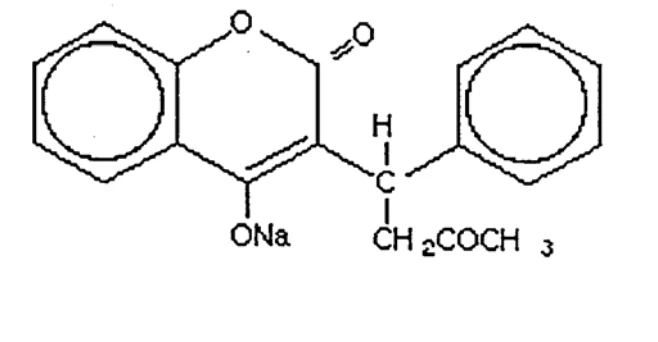
PART II: SCIENTIFIC INFORMATION
PHARMACEUTICAL INFORMATION
Drug Substance
Common name: Warfarin sodium, U.S.P.
Chemical name: 3-(a-acetonyl-benzyl)-4-hydroxycoumarin sodium salt isopropyl clathrate
Molecular formula and molecular mass: C19H15NaO4 . 1/2C3H8O 330.31 + 30.05
Structural formula:
. 1/2C3H8O
Physicochemical properties:
Warfarin sodium, U.S.P., a Vitamin K dependent factor anticoagulant, is chemically crystalline sodium warfarin isopropanol clathrate. Warfarin is a coumarin derivative and is available as a racemic mixture of the 2 optical isomers of the sodium salt. The crystallization of warfarin sodium virtually eliminates trace impurities present in amorphous warfarin sodium, thus achieving a crystalline product of the highest purity. Warfarin sodium occurs as a white, odourless, crystalline powder which has a slightly bitter taste, is discoloured by light and is very soluble in water, freely soluble in alcohol; very slightly soluble in chloroform and in ether. The pH is between 7.2 and 8.3, in a solution (1 in 100). The melting point of the free acid is between 157° - 167° C, range not to exceed 4°C. The pKa is 5.05.
CLINICAL TRIALS
Four bioavailability studies were performed in order to establish bioequivalence between NOVO-WARFARIN tablets and the brand product. The results of the studies are summarized in the tables below:
Two-way, Crossover, Single Dose, Food-Effect Study NOVO-WARFARIN (Warfarin Sodium) Tablets USP, 10 mg Immediate Release Tablets Warfarin Sodium Tablets (1 x 10 mg) Warfarin (from measured data) Geometric Mean Arithmetic Mean (CV%) | ||||
| Parameter | NOVO-WARFARIN 10 mg tablets (Novopharm Limited) | COUMADIN7* 10 mg tablets (DuPont Pharma, Canada) | % Ratio of Geometric Means | 95% Confidence Interval |
AUC 0-72 (ng•hr/mL) | 37681 37672 (15%) | 36783 37252 (13%) | 102 | 98-107 |
AUC0-T (ng•hr/mL) | 46187 46241 (17%) | 45075 45761 (14%) | 102 | 98-108 |
| AUC0-inf (ng•hr/mL) | 52257 52396 (18%) | 51166 52153 (16%) | 102 | 97-108 |
| Cmax ( ng/mL) | 1099 1097 (14%) | 1098 1105 (10%) | 100 | 95-105 |
| Tmax (hr) | 3.14 (44%) | 3.32 (41%) | ----- | ----- |
| T1/2 (hr) | 38.4 (15%) | 39.4 (13%) | ----- | ----- |
for Tmax and T1/2 arithmetic mean (CV%) are presented *Purchased in Canada
Two-way, Crossover, Single Dose, Fasting Study NOVO-WARFARIN (Warfarin Sodium) Tablets USP, 10 mg Immediate Release Tablets Warfarin Sodium Tablets (1 x 10 mg) Warfarin (from measured data) Geometric Mean Arithmetic Mean (CV%) | ||||
| Parameter | NOVO-WARFARIN 10 mg tablets (Novopharm Limited) | COUMADIN7* 10 mg tablets (DuPont Pharma, Canada) | % Ratio of Geometric Means | 95% Confidence Interval |
| AUC 0-72 (ng•hr/mL) | 38280 39699 (21%) | 38226 39649 (19%) | 100 | 96-104 |
AUC0-T (ng•hr/mL) | 47345 49260 (26%) | 47038 48854 (20%) | 101 | 97-105 |
| AUC0-inf (ng•hr/mL) | 55467 59145 (41%) | 54870 57558 (26%) | 101 | 96-106 |
| Cmax ( ng/mL) | 1324 1387 (17%) | 1416 1481 (20%) | 94 | 87-100 |
| Tmax (hr) | 1.78 (186%) | 1.17 (88%) | -- | -- |
| T1/2 (hr) | 44.0 (28%) | 43.8 (23%) | -- | -- |
for Tmax and T1/2 arithmetic mean (CV%) are presented *Purchased in Canada
Two-way, Crossover, Single Dose, Fasting Study NOVO-WARFARIN (Warfarin Sodium) Tablets, 1 mg Immediate Release Tablets Warfarin Sodium Tablets (2 x 1 mg) Warfarin (from measured data) Geometric Mean Arithmetic Mean (CV%) | ||||
| Parameter | NOVO-WARFARIN 2 x 1 mg tablets (Novopharm Limited) | COUMADIN7* 2 x 1 mg tablets (DuPont Pharma, Canada) | % Ratio of Geometric Means | 95% Confidence Interval |
| AUC 0-72h (ng•hr/mL) | 4716.72 4876.27 (24.33%) | 4563.34 4667.06 (21.50%) | 103.36 | 96.29-110.96 |
| AUC0-inf (ng•hr/mL) | 8305.53 8773.99 (32.83%) | 8234.22 8504.53 (27.34%) | 100.87 | 91.76-110.88 |
| Cmax ( ng/mL) | 234.9 240.19 (20.71%) | 239.21 244.99 (24.20%) | 98.19 | 90.48-106.56 |
| Tmax (hr) | 0.548 (23.36%) | 0.667 (104.28%) | -- | -- |
| T1/2 el (hr) | 63.29 (25.86%) | 64.27 (27.92%) | -- | -- |
for Tmax and T1/2 arithmetic mean (CV%) are presented *Purchased in Canada
Two-way, Crossover, Single Dose, Fed Study NOVO-WARFARIN (Warfarin Sodium) Tablets, 1 mg Immediate Release Tablets Warfarin Sodium Tablets (2 x 1 mg) Warfarin (from measured data) Geometric Mean Arithmetic Mean (CV%) | ||||
| Parameter | NOVO-WARFARIN 2 x 1 mg tablets (Novopharm Limited) | COUMADIN7* 2 x 1 mg tablets (DuPont Pharma, Canada) | % Ratio of Geometric Means | 95% Confidence Interval |
| AUC 0-72h (ng• hr/mL) | 4691.52 4895.45 (29.03%) | 4731.91 5012.25 (25.46%) | 99.15 | 95.70-102.72 |
AUC0-inf (ng• hr/mL) | 9234.38 9677.56 (34.18%) | 8933.19 9500.91 (31.56%) | 103.37 | 95.10-112.37 |
| Cmax ( ng/mL) | 141.45 143.99 (20.34%) | 146.68 151.73 (22.69%) | 96.43 | 89.37-104.05 |
| Tmax(hr) | 2.47 (57.29%) | 2.35 (55.53%) | -- | -- |
| T1/2 el (hr) | 71.85 (25.95%) | 67.16 (25.30%) | -- | -- |
for Tmax and T1/2 arithmetic mean (CV%) are presented
*Purchased in Canada
DETAILED PHARMACOLOGY
Warfarin sodium and other coumarin anticoagulants act by inhibiting the synthesis of Vitamin K dependent clotting factors, which include Factors II, VII, IX and X, and the anticoagulant proteins C and S. Half-lives of these clotting factors are as follows: Factor II - 60 hours, VII - 4-6 hours, IX - 24 hours, and X - 48-72 hours. The half-lives of proteins C and S are approximately 8 hours and 30 hours, respectively. The resultant in vivo effect is a sequential depression of Factors VII, IX, X and II. Vitamin K is an essential cofactor for the post ribosomal synthesis of the vitamin K dependent clotting factors. The vitamin promotes the biosynthesis of γ-carboxyglutamic acid residues in the proteins which are essential for biological activity. Warfarin is thought to interfere with clotting factor synthesis by inhibition of the regeneration of vitamin K1 epoxide. The degree of depression is dependent upon the dosage administered. Therapeutic doses of warfarin decrease the total amount of the active form of each vitamin K dependent clotting factor made by the liver by approximately 30% to 50%.
An anticoagulation effect generally occurs within 24 hours after drug administration. However, peak anticoagulant effect may be delayed 72 to 96 hours. The duration of action of a single dose
of racemic warfarin is 2 to 5 days. The effects of warfarin may become more pronounced as effects of daily maintenance doses overlap. Anticoagulants have no direct effect on an established thrombus, nor do they reverse ischemic tissue damage. However, once a thrombus has occurred, the goal of anticoagulant treatment is to prevent further extension of the formed clot and prevent secondary thromboembolic complications which may result in serious and possibly fatal sequelae.
TOXICOLOGY
Carcinogenicity and mutagenicity studies have not been performed with warfarin sodium. The reproductive effects of warfarin have not been evaluated.
Warfarin is contraindicated in women who are or who may become pregnant because the drug passes through the placental barrier and may cause fatal haemorrhage to the fetus in utero. Furthermore, there have been reports of birth malformations in children born to mothers who have been treated with warfarin during pregnancy. (See CONTRAINDICATIONS).
REFERENCES
- 1.
Peterson P, et al, Placebo Controlled, Randomized Trial Of Warfarin And Aspirin For
Prevention Of Thromboembolic Complications In Chronic Atrial Fibrillation: The Copenhagen AFASAK Study. Lancet. 1989;1:175-9.
- 2. Stroke Prevention in Atrial Fibrillation Investigators. Stroke prevention in atrial fibrillation study final results. Circulation. 1991;84:527-539.
- 3. Boston Area Anticoagulation Trial for Atrial Fibrillation Investigators. The effect of low-dose warfarin on the risk of stroke in patients with nonrheumatic atrial fibrillation. N Engl J. Med. 1990;323: 1505- 1511.
- 4.
Connolly SJ, et al, Canadian Atrial Fibrillation Anticoagulation (CAFA) study. JACC.
1991;18:349-355.
- 5.
Ezekowitz MD, et al, Warfarin in the Prevention of Stroke Associated with Nonrheumatic
Atrial Fibrillation. N Engl J Med. 1992;327:1406-1412.
- 6.
Laupacis A., M D. et al., Antithrombotic Therapy in Atrial Fibrillation. Chest; 102.4 Oct.
1992 suppl. p. 4265-4335.
- 7.
Smith P., et al,: The Effect of Warfarin on Mortality and Reinfarction After Myocardial
Infarction (WARIS). N. Engl J Med. 1990;323:147-152.
- 8.
Azar J.,: Therapeutic Achievement with Long-term Oral Anticoagulants in Post-
Myocardial Infarction Patients. 1993. Thesis.
- 9.
Hirsh J., et al: Oral Anticoagulants: Mechanism of Action, Clinical Effectiveness, and
Optimal Therapeutical Range. Chest. 102,4 Oct. 1992 suppl. 312ss - 326s.
- 10.
Cook DJ, Guyatt HG, Laupacis A, Saskett D.L,: Rules of Evidence and Clinical
Recommendations on the Use of Antithrombotic Agents. Chest ACCP Consensus Conference on Antithrombotic Therapy. Chest, Vol 102(suppl), pp. 305s-311s, 1992.
- 11.
Hirsh J. Is the Dose of Warfarin prescribed by American Physicians Unnecessarily High?
Arch Int Med 1987; 147: 769-771.
- 12.
Hirsh J., et al: Oral Anticoagulant: Mechanism of Action, Clinical Effectiveness, and
Optimal Therapeutical Range. Chest. 102, 4 Oct suppl. 312s-326s.
- 13.
Hirsh J., M.D., F.C.C.P.: Hamilton Civic Hospital Research Center, Hamilton, Ontario,
Personal Communication.
14 Poller L. Laboratory Control of Anticoagulant Therapy. Seminars in Thrombosis and Haemostasis 1986; 12(1): 13-19.
- 15.
Anticoagulants in the Secondary Prevention of Events in Coronary Thrombosis
(ASPECT.) Research Group - Effects of Long-Term Oral Anticoagulant Treatment on Mortality and Cardiovascular Morbidity After Myocardial Infarction, Lancet, Vol.343, pp.499-503.
16 Stroke Prevention in Atrial Fibrillation Investigators: Adjusted-dose warfarin versus low-intensity, fixed-dose warfarin plus aspirin for high-risk patients with atrial fibrillation: Stroke Prevention in Atrial Fibrillation III randomised clinical trial, Lancet, Vol 348, pp. 633-638.
17 Hylek EM., et al: An analysis of the Lowest Effective Intensity of Prophylactic Anticoagulation for Patients with Nonrheumatic Atrial Fibrillation., N Eng J Med, 1996; 335:540-546.