


Product Monograph - Odan-Amantadine Syrup
RECENT MAJOR LABEL CHANGES
| Not Applicable |
TABLE OF CONTENTS
Sections or subsections that are not applicable at the time of authorization are not listed
RECENT MAJOR LABEL CHANGES ............................................................................................ 2
TABLE OF CONTENTS ............................................................................................................... 2
PART I: HEALTH PROFESSIONAL INFORMATION ..................................................................... 4
1 INDICATIONS .............................................................................................................. 4
1.1 Pediatrics ................................................................................................................. 4
1.2 Geriatrics ................................................................................................................. 5
2 CONTRAINDICATIONS ................................................................................................. 5
4 DOSAGE AND ADMINISTRATION ................................................................................. 5
4.1 Dosing Considerations ............................................................................................. 5
4.2 Recommended Dose and Dosage Adjustment ........................................................ 7
4.4 Administration ........................................................................................................ 9
4.5 Missed Dose ............................................................................................................ 9
5 OVERDOSAGE ............................................................................................................. 9
6 DOSAGE FORMS, STRENGTHS, COMPOSITION AND PACKAGING .............................. 11
7 WARNINGS AND PRECAUTIONS ................................................................................ 11
7.1 Special Populations ............................................................................................... 15
7.1.1 Pregnant Women ................................................................................................. 15
7.1.2 Breast-feeding ...................................................................................................... 15
7.1.3 Pediatrics ............................................................................................................. 16
7.1.4 Geriatrics .............................................................................................................. 16
8 ADVERSE REACTIONS ................................................................................................ 16
8.1 Adverse Reaction Overview ................................................................................... 16
8.2 Clinical Trial Adverse Reactions .............................................................................. 18
8.4 Abnormal Laboratory Findings: Hematologic, Clinical Chemistry and Other Quantitative Data Clinical Trial Findings ........................................................................ 18
8.5 Post-Market Adverse Reactions ............................................................................ 18
9 DRUG INTERACTIONS ................................................................................................ 19
9.2 Drug Interactions Overview ................................................................................... 19
9.3 Drug-Behavioural Interactions .............................................................................. 20
9.4 Drug-Drug Interactions .......................................................................................... 20
9.5 Drug-Food Interactions ......................................................................................... 20
9.6 Drug-Herb Interactions .......................................................................................... 20
10 CLINICAL PHARMACOLOGY ....................................................................................... 21
10.1 Mechanism of Action ............................................................................................ 21
10.2 Pharmacodynamics ............................................................................................... 21
10.3 Pharmacokinetics .................................................................................................. 22
11 STORAGE, STABILITY AND DISPOSAL ......................................................................... 23
PART II: SCIENTIFIC INFORMATION ....................................................................................... 24
13 PHARMACEUTICAL INFORMATION ............................................................................. 24
14 CLINICAL TRIALS ......................................................................................................... 24
15 MICROBIOLOGY ......................................................................................................... 24
16 NON-CLINICAL TOXICOLOGY ....................................................................................... 24
17 SUPPORTING PRODUCT MONOGRAPHS ..................................................................... 27
PATIENT MEDICATION INFORMATION ................................................................................. 28
PART I: HEALTH PROFESSIONAL INFORMATION
1 INDICATIONS
Antiparkinsonian Treatment
ODAN-AMANTADINE SYRUP is useful in the treatment of Parkinson's Syndrome and in the short-term management of drug-induced extrapyramidal symptoms.
Antiviral Prevention and Treatment
- The prevention or chemoprophylaxis of respiratory tract infections caused by Influenza A virus strains, especially in high-risk patients (including those with cardiopulmonary disease, neuromuscular disorders, the elderly, immunocompromised), close household or hospital ward contact of index cases, and those in critical public service positions (e.g., police, firefighters, and medical personnel).
In the prophylaxis of influenza early vaccination is the method of choice. When early vaccination is not feasible, or when the vaccine is contraindicated or not available, amantadine hydrochloride may be used for chemoprophylaxis against influenza A virus illness.
It is effective against all strains of Influenza A virus which have been tested to date. Because amantadine hydrochloride does not appear to suppress antibody response, it may be given as chemoprophylaxis concurrently with inactivated Influenza A virus vaccine until protective antibodies develop. (ODAN-AMANTADINE SYRUP is not effective against other respiratory viral infections, including influenza B and parainfluenza.)
- The treatment of uncomplicated respiratory tract illness caused by Influenza A virus strains. (There are no well-controlled studies demonstrating that treatment with ODAN-AMANTADINE SYRUP will avoid the development of influenza A virus pneumonitis or other complications in high-risk patients.)
There is no clinical evidence indicating that ODAN-AMANTADINE SYRUP is effective in the prophylaxis or treatment of viral respiratory tract illnesses other than those caused by influenza A virus strains.
1.1 Pediatrics
Antiparkinsonian Treatment
Pediatrics (under 18 years of age): No data are available to Health Canada; therefore, Health Canada has not authorized an indication for pediatric use (see 7.1.3 Pediatrics).
Antiviral Treatment
Pediatrics (≥ 1 year of age): Based on the data submitted and reviewed by Health Canada, the safety and efficacy of amantadine hydrochloride in pediatric patients ≥ 1 year of age has been established. Therefore, Health Canada has authorized an indication for use in pediatric patients ≥ 1 year of age (see 4.2 Recommended Dose and Dosage Adjustment).
1.2 Geriatrics
Geriatrics (≥ 65 years of age): Amantadine hydrochloride is not metabolized and is mainly excreted in the urine; it accumulates in the plasma and in the body when renal function declines. The dose of amantadine hydrochloride should be reduced in patients who are 65 years of age or older (see 7.1.4 Geriatrics; and 10.3 Geriatrics).
2 CONTRAINDICATIONS
ODAN-AMANTADINE SYRUP is contraindicated in patients who:
- are hypersensitive to this drug or to any ingredient in the formulation, including any non-medicinal ingredient, or component of the container. For a complete listing, see 6 DOSAGE FORMS, STRENGTHS, COMPOSITION AND PACKAGING.
- have renal impairment with a creatinine clearance rate of less than 15 mL/min (see 4.2 Special Populations and Conditions, Renal Insufficiency).
4 DOSAGE AND ADMINISTRATION
4.1 Dosing Considerations
- The dose of ODAN-AMANTADINE SYRUP may need careful adjustment in patients with congestive heart failure, peripheral edema, orthostatic hypotension, or impaired renal function (see 4.2 Special Populations and Conditions, Renal Insufficiency; 10.3 Renal Insufficiency).
- Prior to initiating treatment with ODAN-AMANTADINE SYRUP evaluate the patient’s history of seizures and mental illness evaluated prior to initiating treatment (see 7 WARNINGS AND PRECAUTIONS, Neurologic and 7 WARNINGS AND PRECAUTIONS, Psychiatric).
Antiparkinsonian Treatment
In Parkinson's syndrome, amantadine hydrochloride has been used alone and in combination with anticholinergic antiparkinsonian drugs and with levodopa. The final therapeutic benefit seen with amantadine hydrochloride is significantly less than that
- seen with levodopa. The maximal therapeutic benefit to be obtained with amantadine hydrochloride is usually seen within 1 week. However, initial benefits may diminish with continued dosing.
- Amantadine hydrochloride is useful as an adjunct in patients who do not tolerate optimal doses of levodopa alone or in combined therapy with a decarboxylase inhibitor. In these patients, the addition of amantadine hydrochloride may result in better control of Parkinson's syndrome and may help to smooth out fluctuations in performance.
- The comparative efficacy of amantadine and anticholinergic antiparkinson drugs has not yet been established. When amantadine or anticholinergic antiparkinson drugs are each used with marginal benefit, concomitant use may permit the same degree of control, often with a lower dose of the anticholinergic medication.
- The dose of anticholinergic drugs or of ODAN-AMANTADINE SYRUP should be reduced if atropine-like effects appear when these drugs are used concurrently (see 9. 2 Drug Interactions Overview).
- Amantadine hydrochloride is effective in decreasing the severity or eliminating drug induced extrapyramidal reactions including parkinsonism syndrome, akathisia and dystonia. It is not effective in the treatment of tardive dyskinesia.
- Anticholinergic-type side effects have been noted with amantadine hydrochloride when used in patients with drug-induced extrapyramidal reactions, however, the incidence of these side effects is lower than that observed with anticholinergic antiparkinson drugs.
- Although antiparkinsonian agents should not usually be used prophylactically during neuroleptic administration, they may be given when needed to suppress extrapyramidal symptoms. As such, ODAN-AMANTADINE SYRUP may be used in the management of extrapyramidal symptoms which cannot be controlled by reduction of neuroleptic dosage, but should be discontinued as soon as it is no longer required. ODAN-AMANTADINE SYRUP should be discontinued gradually after a period of time to determine whether there is a recurrence of extrapyramidal symptoms.
Antiviral Treatment
- Treatment of Influenza A virus illness should be started as soon as possible, preferably within 24 to 48 hours, after onset of signs and symptoms, and should be continued for 24 to 48 hours after the disappearance of signs and symptoms.
- Prophylactic dosing should be started in anticipation of an Influenza A outbreak and before or after contact with individuals with Influenza A virus respiratory tract illness. ODAN-AMANTADINE SYRUP should be continued daily for at least 10 days following a known exposure.
- When inactivated Influenza A virus vaccine is unavailable or contraindicated, ODAN-AMANTADINE SYRUP should be administered for up to 90 days in case of possible repeated and unknown exposures.
4.2 Recommended Dose and Dosage Adjustment
Antiparkinsonian Treatment
Initially 100 mg daily for the first week, increasing to 100 mg twice daily. The dose can be titrated against signs and symptoms. Doses exceeding 200 mg daily may provide some additional relief but may also be associated with increasing toxicity. A dose of 400 mg/day should not be exceeded. The dose should be increased gradually, at intervals of not less than 1 week. Since patients over 65 years of age tend to show lower renal clearance and consequently higher plasma concentrations, the lowest effective dose should be used.
Amantadine acts within a few days but may appear to lose efficacy within a few months of continuous treatment. Its effectiveness may be prolonged by withdrawal for three to four weeks, which seems to restore activity. During this time, existing concomitant antiparkinsonian therapy should be continued, or low dose L-dopa treatment initiated if clinically necessary.
ODAN-AMANTADINE SYRUP withdrawal should be gradual, e.g. half the dose at weekly intervals. Abrupt discontinuation may exacerbate Parkinsonism, regardless of the patient's response to therapy (see 7 WARNINGS AND PRECAUTIONS, General).
Combined treatment: Any antiparkinsonian drug already in use should be continued during initial ODAN-AMANTADINE SYRUP treatment. It may then be possible to reduce the other drug gradually. If increased side effects occur, the dosage should be reduced more quickly. In patients receiving large doses of anticholinergic agents or L-dopa, the initial phase of ODAN-AMANTADINE SYRUP treatment, with a dose of 100 mg daily, should be extended to 15 days.
Dosage for Drug-Induced Extrapyramidal Reactions:
Adults: The usual dose of ODAN-AMANTADINE SYRUP is 100 mg twice a day. In some cases, patients who do not achieve optimal results with ODAN-AMANTADINE SYRUP at a daily dose of 200 mg may benefit from an increase up to 300 mg daily, divided into multiple doses.
Antiviral Treatment
Dosage for Prophylaxis of Influenza A Virus Illness and Treatment of Uncomplicated Influenza A Virus Illness
Adults
The adult daily dosage of ODAN-AMANTADINE SYRUP is 200 mg administered as follows:
- 200 mg (20 mL) as a single daily dose
OR
- 100 mg (10 mL) twice a day
If central nervous system effects develop on once-a-day dosage, a split dosage schedule may reduce such complaints.
Children
1 to 9 years of age: The total daily dose should be calculated on the basis of 4.5 to 9.0 mg/kg of body weight per day (but not to exceed 150 mg per day). The daily dose should be given in 2 or 3 equal portions.
9 to 12 years of age: The total daily dose is 200 mg given as 100 mg twice a day.
Health Canada has not authorized an indication for use in pediatric patients <1 year of age.
Special Populations and Conditions
Pediatrics:
Antiparkinsonian Treatment: Health Canada has not authorized an indication for pediatric use (see 1.1 Pediatrics).
Antiviral Treatment: Based on the data submitted and reviewed by Health Canada, the safety and efficacy of amantadine hydrochloride in pediatric patients (≥ 1 year of age) has been established (see 1.1 Pediatrics; and 4.2 Recommended Dose and Dosage Adjustment). Health Canada has not authorized an indication for pediatric (<1 year of age) use.
Geriatrics:
Patients over 65 years of age tend to show lower renal clearance and consequently higher plasma concentrations of amantadine hydrochloride. The dose of ODAN-AMANTADINE SYRUP should be reduced to 100 mg/day in elderly patients (≥ 65 years of age) (see 1.2 Geriatrics; and 10.3 Geriatrics).
Renal Insufficiency:
In patients with renal impairment the dose of ODAN-AMANTADINE SYRUP should be reduced.
This can be achieved by either reducing the total daily dose, or by increasing the
dosage interval in accordance with the creatinine clearance (see 7 WARNINGS AND PRECAUTIONS, Renal; and 10.3 Renal Insufficiency). For example:
| Creatinine Clearance (mL/min) | Dose |
|---|---|
| < 15 | ODAN-AMANTADINE SYRUP is contraindicated |
| 15 - 35 | 100 mg every 2 to 3 days |
| > 35 | 100 mg every day |
The above recommendations are for guidance only. Patients should continue to be monitored for signs of adverse reactions.
4.4 Administration
- The dose of ODAN-AMANTADINE SYRUP is calculated as follows: each 5 mL contains 50 mg amantadine hydrochloride (e.g., a dose of 100 mg is equivalent to 10 mL).
4.5 Missed Dose
If a dose is missed, patients are advised to take the dose as soon as remembered, unless it is almost time for the next dose. Patients are advised not to take a double dose to make up for a forgotten dose.
5 OVERDOSAGE
Symptoms:
Deaths have been reported from overdose with amantadine product. The lowest reported acute lethal dose was 1 gram.
Drug overdose has resulted in cardiac, respiratory, renal or central nervous system toxicity. Neuromuscular disturbances and symptoms of acute psychosis are prominent features of acute poisoning with amantadine. Signs and symptoms of amantadine overdosage may include the following:
Central nervous system: Hyperreflexia; motor restlessness; convulsions; extrapyramidal signs: torsion spasms, dystonic posturing; confusion; disorientation; delirium; visual hallucinations; dilated pupils; dysphagia, and myoclonus, aggression/hostility, depressed level of consciousness and coma.
Respiratory system: Hyperventilation, pulmonary edema, respiratory distress including adult respiratory distress syndrome.
Cardiovascular system: Disturbances of fluid, electrolyte and acid-base balance, sinus tachycardia, arrhythmia, and hypertension. Cardiac arrest and sudden cardiac death have been reported.
Gastrointestinal system: Nausea, vomiting, dry mouth.
Renal function: Urinary retention, renal dysfunction including increase in blood urea nitrogen (BUN) and decreased creatinine clearance.
Overdose from combined drug treatment: The peripheral and central adverse effects of anticholinergic drugs are increased by the concomitant use of amantadine, and acute psychotic reactions, which may be identical to those caused by atropine poisoning, may occur, especially when large doses of anticholinergic agents are used (see 9 DRUG INTERACTIONS). When overdosage of amantadine has occurred in conjunction with the use of alcohol or central nervous system stimulants, the signs and symptoms of acute poisoning with amantadine may be aggravated or otherwise modified.
Management of Overdosage:
There is no specific antidote.
For acute overdosing, general supportive measures, including close medical supervision, monitoring of vital signs, and continuous electrocardiogram monitoring, should be employed, along with immediate gastric decontamination, if appropriate.
Blood electrolytes, urine pH and urinary output should be monitored. Since amantadine is excreted mainly unchanged in the urine, maintenance of renal function and copious diuresis (forced diuresis if necessary) are effective ways to remove it from the blood stream. The excretion rate of amantadine increases rapidly when the urine is acidic, and the administration of urine acidifying drugs may increase the elimination of the drug from the body. If there is no record of recent voiding, catheterization should be done. Hemodialysis does not remove significant amounts of amantadine; in patients with renal failure, a 4-hour hemodialysis session removed 7-15 mg after a single 300 mg oral dose.
If required, appropriate antiarrhythmic and antihypotensive therapy should be given to manage arrhythmias and hypotension.
If required, sedation and anticonvulsant therapy should be administered to manage hyperactivity and convulsions.
Slowly administered intravenous physostigmine in 1 and 2 mg doses in adults at 1- to-2-hour intervals and, 0.5 mg doses in children at 5 to 10-minute intervals up to a maximum of 2 mg/hour, have been reported to be effective for controlling central nervous system toxicity caused by amantadine hydrochloride.
The possibility of multiple drug ingestion by the patient should be considered.
For management of a suspected drug overdose, contact your regional poison control centre.
6 DOSAGE FORMS, STRENGTHS, COMPOSITION AND PACKAGING
Table 1 – Dosage Forms, Strengths, Composition and Packaging
| Route of Administration | Dosage Form / Strength/Composition | Non-medicinal Ingredients |
|---|---|---|
| oral | Syrup 10 mg/mL | Cherry Flavor Natural & Artificial, Citric Acid Anhydrous, Dextrose, Fructose, Methylparaben, Propylparaben, Purified Water, Sorbitol Solution. |
Description
SYRUP: Each 5 mL of clear colorless syrup contains 50 mg of amantadine hydrochloride, USP. Also contains parabens, fructose and dextrose. Bottles of 500 mL.
7 WARNINGS AND PRECAUTIONS
General
Caution and close monitoring are recommended when treating patients with the following conditions:
- history of congestive heart failure, peripheral edema, orthostatic hypotension, or impaired renal function (see 7 WARNINGS AND PRECAUTIONS, Cardiovascular; 7 WARNINGS AND PRECAUTIONS, Renal);
- history of epilepsy or other seizures (see 7 WARNINGS AND PRECAUTIONS, Neurologic);
- liver disease; a history of recurrent eczematoid rash;
- psychosis or severe psychoneurosis not controlled by chemotherapeutic agents (see 7 WARNINGS AND PRECAUTIONS, Psychiatric);
- concurrent administration with central nervous system stimulants (see 9.2 Drug Interactions Overview).
Antiparkinsonian Treatment
- Anticholinergic-type side effects, such as dry mouth, orthostatic hypotension, constipation, and urinary retention, have been noted with amantadine hydrochloride when used in patients with drug-induced extrapyramidal reactions. The incidence of these side effects is lower than that observed with anticholinergic antiparkinsonian drugs.
- Abrupt discontinuation of amantadine may result in worsening of parkinsonism or in symptoms resembling neuroleptic malignant syndrome (NMS), as well as in cognitive manifestations (e.g., catatonia, confusion, disorientation, worsening of mental status, delirium). ODAN-AMANTADINE SYRUP should not be discontinued abruptly (see 4.2 Recommended Dose and Dosage Adjustment; 7 WARNINGS AND PRECAUTIONS, Neurologic; 8.5 Post-Market Adverse Reactions).
- Patients with Parkinson's syndrome improving on ODAN-AMANTADINE SYRUP should resume normal activities gradually and cautiously, consistent with other medical considerations, such as the presence of osteoporosis or phlebothrombosis.
Cardiovascular
Patients with a history of congestive heart failure, peripheral edema, orthostatic hypotension, or impaired renal function should be monitored closely as there are patients who have developed congestive heart failure while being treated with amantadine hydrochloride (see 4.1 Dosing Considerations).
Peripheral edema, probably due to local vascular disturbance, may occur in some patients during chronic treatment with ODAN-AMANTADINE SYRUP. This should be taken into consideration if ODAN-AMANTADINE SYRUP is prescribed to patients with a history of heart failure.
Driving and Operating Machinery
Patients receiving amantadine hydrochloride should be warned that dizziness, blurred vision and other CNS effects may occur and impair judgement, thinking or motor skills. Patients should be cautioned against driving, operating hazardous machinery or working in situations where alertness is important (see 7 WARNINGS AND PRECAUTIONS, Neurologic and 7 WARNINGS AND PRECAUTIONS, Ophthalmologic).
Neurologic
Seizures
Patients with a history of epilepsy or other seizures should be observed closely as amantadine hydrochloride may cause increased seizure activity.
Neuroleptic Malignant Syndrome
ODAN-AMANTADINE SYRUP must not be discontinued abruptly. Sporadic cases of possible Neuroleptic Malignant Syndrome (NMS) have been reported in association with dose reduction or withdrawal of amantadine hydrochloride therapy. Clinical manifestations of NMS include hyperpyrexia, muscle rigidity, mental changes (e.g., agitation, confusion), altered consciousness and autonomic instability. Additional signs may include elevated creatine phosphokinase, myoglobinuria (rhabdomyolysis), and acute renal failure. Therefore, patients should be observed carefully when the dosage of ODAN-AMANTADINE SYRUP is reduced abruptly or discontinued, especially if the patient is receiving neuroleptics.
Ophthalmologic
ODAN-AMANTADINE SYRUP has anticholinergic effects and may cause mydriasis. Therefore, ODAN-AMANTADINE SYRUP should not be given to patients with untreated angle closure glaucoma.
Ophthalmologic adverse effects including punctate subepithelial or other corneal opacity, corneal edema, decreased visual acuity, sensitivity to light, and optic nerve palsy have been reported uncommonly with amantadine hydrochloride (see 8.1 Adverse Reaction Overview). If blurred vision or other visual problems occur, an ophthalmologic examination should be done to exclude corneal edema. If corneal edema is diagnosed, treatment with amantadine should be discontinued.
Psychiatric
Suicidality
Suicide attempts, some of which have been fatal, have been reported in patients treated with amantadine hydrochloride, many of whom received short courses for influenza treatment or prophylaxis. The incidence of suicide attempts is not known, and the pathophysiologic mechanism is not understood. Suicide attempts and suicidal ideation have been reported in patients with and without prior history of psychiatric illness.
Amantadine hydrochloride can exacerbate mental problems in patients with a history of psychiatric disorders or substance abuse. Patients who attempt suicide may exhibit abnormal mental states which include disorientation, confusion, depression, personality changes, agitation, aggressive behavior, hallucinations, paranoia, other psychotic reactions, and somnolence or insomnia. Monitor patients for changes in mental status, including suicidal ideation or behavior. Counsel family members or caregivers of patients to monitor for changes in behavior and to alert the healthcare professional.
Because of the possibility of serious adverse effects, caution should be observed when prescribing ODAN-AMANTADINE SYRUP to patients being treated with drugs having CNS effects, or for whom the potential risks outweigh the benefit of treatment.
Prescriptions for ODAN-AMANTADINE SYRUP should be written for the smallest quantity of tablets consistent with good patient management.
Psychosis
Caution should be used when treating patients with a major psychotic disorder because of the risk of exacerbating psychosis. Hallucinations, delusions, and paranoid reactions have been reported with amantadine hydrochloride. Monitor closely for the occurrence of these symptoms, especially at initiation and after dose increases (see 7 WARNINGS AND PRECAUTIONS, General; 8.1 Adverse Reactions Overview; 8.5 Post-Market Adverse Reactions).
Impulse Control/Compulsive Behaviors
Impulse control disorders including compulsive behaviors such as intense urges to gamble, increased sexual urges, intense urges to spend money, binge eating, compulsive eating, punding and/or other intense urges have been reported in Parkinson’s disease patients during treatment with one or more dopaminergic medications that are used for treatment of Parkinson’s disease, including amantadine (see 8.5 Post-Market Adverse Reactions). Because patients may not recognize these behaviors as abnormal, it is important for physicians to specifically ask patients and caregivers about the development of new behavior patterns during treatment. A dose reduction or stopping the medication should be considered if a patient develops such urges while taking ODAN-AMANTADINE SYRUP.
Renal
Because amantadine hydrochloride is not metabolized and is mainly excreted in the urine, it accumulates in the plasma and in the body when renal function declines. ODAN-AMANTADINE SYRUP is contraindicated in patients with end stage renal disease. The dose of ODAN-AMANTADINE SYRUP should be reduced in patients with moderate and severe renal impairment and in patients who are 65 years of age or older (see 2 CONTRAINDICATIONS, 4.2 Special Populations and Conditions, Renal Insufficiency and 10.3 Renal Insufficiency).
The elimination rate of amantadine is affected by urine pH. Monitor for efficacy or adverse reactions under conditions that alter the urine pH to more acidic or alkaline, respectively (see 9.2 Drug Interactions Overview).
Reproductive Health: Female and Male Potential
Fertility
While there is evidence for impairment of fertility in animals treated with amantadine hydrochloride, the effect of this medication on human fertility is unknown (see 7.1.1 Pregnant Women; and 16 Reproductive and Developmental Toxicology).
Teratogenic Risk
There is non-clinical evidence suggesting that amantadine hydrochloride is embryotoxic and teratogenic (see 16 Reproductive and Developmental Toxicology).
Women of child-bearing potential who use amantadine hydrochloride must be advised to avoid pregnancy and to use highly effective contraceptive methods during treatment with ODAN-AMANTADINE SYRUP and for 5 days after the last dose of amantadine hydrochloride. The use of ODAN-AMANTADINE SYRUP is not recommended in women of childbearing potential not using effective contraception (see 7.1.1 Pregnant Women).
7.1 Special Populations
7.1.1 Pregnant Women
Safe use of amantadine hydrochloride during pregnancy has not been established. There are no adequate and well-controlled studies in pregnant women. Based on animal data, ODAN-AMANTADINE SYRUP may cause fetal harm (see 16 Reproductive and Developmental Toxicology).
The use of ODAN-AMANTADINE SYRUP during pregnancy is not recommended unless the expected benefits to the mother outweigh the potential risks to the fetus. Patients should be advised to notify their physician if they become pregnant during treatment with ODAN-AMANTADINE SYRUP.
7.1.2 Breast-feeding
Amantadine hydrochloride is excreted into breast milk. ODAN-AMANTADINE SYRUP should therefore not be administered to nursing mothers.
7.1.3 Pediatrics
Pediatrics (under 18 years of age): The safety and efficacy of amantadine hydrochloride in newborn infants and infants below the age of 1 year have not been established for its antiviral use.
No data are available to Health Canada on the safety and efficacy of ODAN-AMANTADINE SYRUP when used as an antiparkinsonian agent in the treatment of children; therefore, Health Canada has not authorized this indication for pediatric use (see 1.1 Pediatrics).
7.1.4 Geriatrics
Geriatrics (> 65 years of age): The renal clearance of amantadine hydrochloride is reduced, and plasma levels are increased, in otherwise healthy elderly patients aged 65 years and older.
The drug plasma levels in elderly patients receiving 100 mg daily have been reported to approximate those determined in younger adults taking 200 mg daily. Whether these changes are due to the normal decline in renal function or other age-related factors is not known.
Thus, the dose of ODAN-AMANTADINE SYRUP should be reduced in patients who are 65 years of age or older (see 4.2 Special Populations and Conditions, Geriatrics and 10.3 Geriatrics).
8 ADVERSE REACTIONS
8.1 Adverse Reaction Overview
The most frequently reported treatment emergent adverse reactions, reported in > 5% of patients who received amantadine hydrochloride at the recommended dosage as antiparkinson therapy (monotherapy or in combination with anticholinergic antiparkinsonian drugs and/or levodopa) or as antiviral therapy, were: nausea, dizziness, light-headedness, and insomnia.
Adverse reactions are listed by MedDRA system organ class. Within each system organ class, the adverse drug reactions are listed by frequency. In addition, the corresponding frequency category for each adverse drug reaction is based on the following convention (CIOMS III):
Very common ≥ 1/10 (≥ 10%)
Common ≥ 1/100 to < 1/10 (≥ 1% to < 10%)
Uncommon ≥ 1/1,000 to < 1/100 (≥ 0.1% to < 1%)
Rare ≥ 1/10,000 to < 1/1,000 (≥ 0.01% to < 0.1%)
Very rare < 1/10,000 (< 0.01%)
Not known frequency has not been assessed
Blood and lymphatic system disorders Rare: leukopenia, neutropenia Cardiovascular disorders
Common: palpitations*
Uncommon: congestive heart failure
Eye disorders
Uncommon: visual disturbance including: punctate subepithelial or other corneal opacity, corneal edema (see 7 WARNINGS AND PRECAUTIONS, Ophthalmologic), decreased visual acuity, sensitivity to light, optic nerve palsy, blurred vision*
Rare: oculogyric crisis
Gastrointestinal disorders
Common: nausea, dry mouth, constipation, diarrhea, anorexia Uncommon: vomiting
General disorders and administration site conditions
Common: fatigue Uncommon: weakness Investigations
Very Rare: abnormal liver function tests
Musculoskeletal and connective tissue disorders Common: myalgia*
Nervous system disorders
Very Common: dizziness, light-headedness
Common: headache, confusion, ataxia, somnolence, lethargy*, dysarthria*, slurred speech Uncommon: thinking abnormality, amnesia, hyperkinesia
Rare: convulsions, dyskinesia*
Psychiatric disorders
Very Common: insomnia
Common: anxiety, depression, hallucinations, irritability, agitation, dream abnormality, nervousness, nightmares*, loss of concentration/difficulty in concentration*
Uncommon: euphoria, psychosis, decreased libido
Rare: suicide, suicide attempt, suicidal ideation (see 7 WARNINGS AND PRECAUTIONS Psychiatric), disorientation*
Respiratory, thoracic and mediastinal disorders
Common: dry nose Uncommon: dyspnea
Renal and urinary disorders
Uncommon: urinary retention Rare: urinary incontinence*
Skin and subcutaneous tissue disorder
Common: Hyperhidrosis* Uncommon: Skin rash
Rare: eczematoid dermatitis, exanthema*
Very Rare: Photosensitivity/photosensitivity reaction*
Vascular disorders
Common: orthostatic hypotension, peripheral edema, livedo reticularis Uncommon: hypertension
* It is not known whether the specified adverse reactionoccurredin clinical trials or during post- marketingexperience.
8.2 Clinical Trial Adverse Reactions
The clinical trial data on which the original indication was authorized is not available.
8.4 Abnormal Laboratory Findings: Hematologic, Clinical Chemistry and Other Quantitative Data Clinical Trial Findings
Abnormal liver function test results have been reported.
Increases in creatine phosphokinase (CPK), blood urea nitrogen (BUN), serum creatinine, alkaline phosphatase, lactate dehydrogenase (LDH), bilirubin, gamma glutamyl transferase (GGT), alanine aminotransferase (ALT), aspartate aminotransferase (AST) has been reported.
8.5 Post-Market Adverse Reactions
Blood and lymphatic system disorders
leukocytosis, agranulocytosis
Cardiovascular disorders
cardiac arrest, arrhythmias including malignant arrhythmias, tachycardia
Eye disorders
keratitis, mydriasis
Gastrointestinal disorders
dysphagia
General disorders and administration site conditions
edema, fever
Immune system disorders
allergic reactions including anaphylactic reactions
Nervous System disorders
coma, stupor, hypokinesia, hypertonia, involuntary muscle contractions, gait abnormalities, paresthesia, EEG changes, tremor, neuroleptic malignant syndrome. Stupor and slurred speech may also be precipitated by abrupt discontinuation.
Psychiatric disorders
delirium, delusions, aggressive behavior, paranoid reaction, manic reaction, pathological gambling, increased libido including hypersexuality, impulse control symptoms. Delirium, agitation, delusions, hallucinations, paranoid reaction, anxiety, and depression may also be precipitated by abrupt discontinuation.
Respiratory, thoracic and mediastinal disorders
acute respiratory failure, pulmonary edema, tachypnea
Skin and subcutaneous tissue disorders
pruritus, diaphoresis
Vascular disorders
hypotension
9 DRUG INTERACTIONS
9.2 Drug Interactions Overview
Careful observation is required when ODAN-AMANTADINE SYRUP is administered concurrently with central nervous system stimulants.
Concomitant administration of amantadine hydrochloride and agents with anticholinergic properties may potentiate the anticholinergic-like adverse effects of amantadine hydrochloride, such as confusion, hallucinations, nightmares, gastrointestinal disturbances or other atropine-like effects.
Concomitant use with alcohol should be avoided, as it may increase the potential for CNS effects such as dizziness, confusion, light-headedness, and orthostatic hypotension.
The elimination rate of amantadine hydrochloride is affected by urine pH. Urine pH is altered by diet, drugs (e.g., carbonic anhydrase inhibitors, sodium bicarbonate), and clinical state of the patient (e.g., renal tubular acidosis or severe infections of the urinary tract). Because the excretion rate of amantadine hydrochloride increases rapidly when the urine is acidic, the administration of urine acidifying drugs may increase the elimination of the drug from the body. Alterations of urine pH towards the alkaline condition may lead to an accumulation of amantadine hydrochloride with a possible increase in adverse reactions. Monitor for efficacy or adverse reactions under conditions that alter the urine pH to more acidic or alkaline, respectively.
9.3 Drug-Behavioural Interactions
The effect of lifestyle choices (e.g., smoking) on the use of ODAN-AMANTADINE SYRUP has not been established.
9.4 Drug-Drug Interactions
Coadministration of a phenothiazine (thioridazine) has been reported to worsen the tremor in elderly patients with Parkinson's disease; however, it is not known if other phenothiazines (e.g., chlorpromazine, fluphenazine, prochlorperazine) produce a similar response.
The concurrent use of ODAN-AMANTADINE SYRUP with live attenuated influenza vaccine (LAIV) intranasal has not been evaluated. However, because of the potential for interference between these products, LAIV should not be administered within 2 weeks before or 48 hours after administration of amantadine hydrochloride, unless medically indicated. The concern about possible interference arises from the potential for antiviral drugs to inhibit replication of live vaccine virus.
9.5 Drug-Food Interactions
Interactions with food have not been established.
9.6 Drug-Herb Interactions
Interactions with herbal products have not been established.
10 CLINICAL PHARMACOLOGY
10.1 Mechanism of Action
Antiparkinsonian Treatment
The exact mechanism of action of amantadine hydrochloride in the treatment of parkinsonism and drug-induced extrapyramidal reactions is not known. It appears to be unrelated to its activity in the prophylaxis and symptomatic treatment of influenza A virus infections.
Antiviral Treatment
The exact mechanism of the antiviral activity of amantadine hydrochloride has not been fully elucidated. The drug appears to produce a virostatic effect by inhibiting either the initiation of infection or virus assembly, thus reducing the possibility of viral replication and aborting clinical infection. To prevent infection, the drug must be present in the tissues prior to exposure to the virus; however, symptoms of influenza may be less severe and disappear more rapidly if the drug is given within 24 hours after the emergence of symptoms.
Reports are conflicting as to whether amantadine hydrochloride interferes with antibody formation in response to Influenza A virus infection: a lowered antibody response may reflect amantadine hydrochloride's antiviral effect which reduces the amount of influenza virus produced. Amantadine hydrochloride does not appear to interfere with the immunogenicity of inactivated A virus vaccine.
Drug Resistance
Influenza A variants with reduced in vitro sensitivity to amantadine have been isolated from epidemic strains in areas where adamantane derivatives are being used. Influenza viruses with reduced in vitro sensitivity have been shown to be transmissible and to cause typical influenza illness. The quantitative relationship between the in vitro sensitivity of influenza A variants to amantadine and the clinical response to therapy has not been established.
10.2 Pharmacodynamics
Amantadine does not have any appreciable anticholinergic activity; the drug probably exerts a potentiating effect on catecholaminergic, including dopaminergic, neurotransmission in the CNS.
In one study, Amantadine Hydrochloride given IV to dogs reportedly caused release of catecholamines from peripheral nerve storage sites; a similar mechanism for the drug's central activity was proposed.
It has been postulated that Amantadine causes release of dopamine from synaptosomes; however, this may occur only following doses higher than those employed clinically.
There is some evidence that Amantadine, in usual therapeutic concentrations, may exert its antiparkinsonism activity by blocking the reuptake of dopamine into presynaptic neurons, thus causing accumulation of dopamine in the presynaptic clefts of dopaminergic neurons in the basal ganglia. In addition, the drug may cause direct stimulation of postsynaptic receptors.
In animals, several pharmacologic effects resulted from administration of Amantadine Hydrochloride at relatively high doses.
Animal data related to safety pharmacology are summarized as follows:
- In mice, oral doses of 35-40 mg/kg and above produced signs of motor activity stimulation (increased spontaneous motor activity and antagonism of tetrabenazine-induced sedation).
- In dogs, a transient vasodepressor effect, cardiac arrythmias and a weak ganglionic- blocking effect were observed following intravenous doses of 13.5 mg/kg or above. In the rat and rabbit, EEG activation has been reported with high parenteral doses.
- Relatively high doses of amantadine hydrochloride caused several effects in dog (potentiation of norepinephrine vasopressor response; block of phenethylamine vasopressor response; increase in myocardial contractible force) and mouse (block of norepinephrine uptake into the heart; antagonism of tetrabenazine effects) indicative of a block of uptake of norepinephrine into labile stores.
10.3 Pharmacokinetics
The following data describe the ADME profile of amantadine hydrochloride in humans:
- Amantadine is readily absorbed from the GI tract, is not metabolized, and is excreted unchanged in the urine by glomerular filtration and tubular secretion.
- Amantadine passes the blood brain barrier and appears in the saliva and nasal secretions. Amantadine can be detected in the blood and cerebrospinal fluid at relatively low, but dose related levels.
- After oral administration of a single dose of 100 mg, maximum blood levels are reached, based on the mean time of the peak urinary excretion rate, in approximately 4 hours; the peak excretion rate is approximately 5 mg/hr; the mean half-life of the excretion rate approximates 15 hours. Acidification of urine increases the rate of amantadine excretion.
Absorption / Distribution / Metabolism / Elimination (ADME)
Amantadine hydrochloride is well absorbed by the oral route in all animal species studied. The rate of excretion of the drug is first order. The monkey and the mouse appear to metabolize it less than other animals (rat, dog and rabbit) and most nearly approximate man. There is no evidence for metabolism of the drug in man. The major route of elimination is via urine. Only the dog has been shown to convert a portion of the administered drug to its N-methyl derivative which is excreted in the urine. No other metabolites have been identified.
Special Populations and Conditions
- Pediatrics: Amantadine pharmacokinetics have not been evaluated in pediatric patients.
- Geriatrics: The renal clearance of amantadine hydrochloride is reduced, and plasma levels are increased, in otherwise healthy elderly patients age 65 years and older. The drug plasma levels in elderly patients receiving 100 mg daily have been reported to approximate those determined in younger adults taking 200 mg daily. Whether these changes are due to the normal decline in renal function or other age-related factors is not known (see 4.2 Special Populations and Conditions, Geriatrics).
- Sex: Differences in amantadine pharmacokinetics related to gender have not been evaluated.
- Ethnic Origin: Differences in amantadine pharmacokinetics among racial groups have not been evaluated.
- Hepatic Insufficiency: Amantadine pharmacokinetics have not been evaluated in patients with hepatic insufficiency.
- Renal Insufficiency: Compared with otherwise healthy adult individuals, the clearance of amantadine hydrochloride is significantly reduced in adult patients with renal insufficiency. The elimination half-life increases 2- to 3-fold when creatinine clearance is less than 40 mL/min/1.73m2 and averages 8 days in patients on chronic maintenance hemodialysis (4.2 Special Populations and Conditions, Renal Insufficiency).
11 STORAGE, STABILITY AND DISPOSAL
Store at room temperature (15 to 30°C). Protect from humidity. Protect from freezing.
Keep out of reach and sight of children.
Bring unused and expired prescription drugs to your local pharmacist for proper disposal.
PART II: SCIENTIFIC INFORMATION
13 PHARMACEUTICAL INFORMATION
Drug Substance
Proper name: Amantadine hydrochloride
Chemical name: 1-adamantanamine hydrochloride
Molecular formula and molecular mass: C10H17N.HCl /187.72 g/mol
Structural formula:
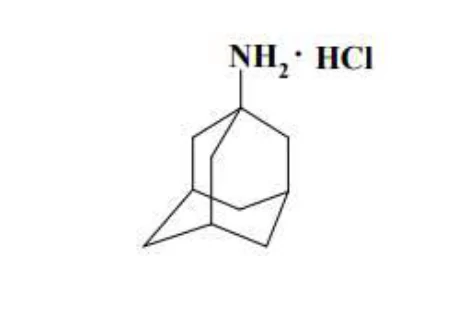
Physicochemical properties: Amantadine Hydrochloride is a white or almost white, crystalline powder. Freely soluble in water and in ethyl alcohol (96 %), sparingly soluble in chloroform, isopropyl alcohol, and practically insoluble in toluene and acetone. with melting range of 149.0 – 150.1 °C.
14 CLINICAL TRIALS
The clinical trial data on which the original indication was authorized is not available.
15 MICROBIOLOGY
No microbiological information is available.
16 NON-CLINICAL TOXICOLOGY
General Toxicology:
Acute toxicity of amantadine hydrochloride by the oral, intraperitoneal, and intravenous route of administration was determined in several animal species. LD50 values are presented below:
Table 3 LD50 values (95% confidence limits) for amantadine hydrochloride
| Species (sex) | Oral (mg/kg) | Intraperitoneal (mg/kg) | Intraveneous (mg/kg) |
|---|---|---|---|
| Mouse (F) | 700 (621, 779) | 205 (194, 216) | 97 (88, 106) |
| Rat (F) | 890 (761, 1019) | 223 (167, 279) | |
| Rat (M) | 1275 (1095, 1455) | ||
| Rat, neonatal (M/F) | 150 (111, 189) | ||
| Guinea Pig (F) | 360 (316, 404) | ||
| Dog (M/F) | >372* | >37 | |
| Monkey, rhesus (M) | >500* | ||
| Monkey, African green (F) | >75 | ||
| Horse (M/F) | >96 |
* Some emesis occurred; M-Male; F-Female
The toxic signs produced by lethal or near-lethal doses of amantadine hydrochloride in these species were similar. Signs of central nervous system stimulation followed by tremors and brief clonic convulsions were common to the 3 rodent species by all routes of administration. Death was usually preceded by signs of respiratory distress and convulsions. In spite of repeated convulsions, surviving animals appeared to be normal.
All deaths in small animals occurred quite promptly. In mice after intravenous doses of amantadine hydrochloride, death occurred between 7 min. and 2 hours; intraperitoneal doses caused deaths in 15 to 30 min; oral doses between 30 min. and 2 hours. In rats, death occurred 30 min. to 2 hours after intraperitoneal doses and 30 min. to 24 hours after oral doses. In guinea pigs, oral doses of amantadine hydrochloride caused most deaths between 1 and 20 hours, with a single animal dying at 44 hours. In the dog, at 93 mg/kg and above, 3 of 4 vomited and showed all the other signs of central nervous system stimulation, including clonic convulsions, varying in intensity possibly with the amount of drug lost with emesis. One dog, which did not vomit, died at 93 mg/kg.
In rhesus monkeys, amantadine hydrochloride orally caused no deaths at any dose tested and no signs at 80 mg/kg or less.
Acute oral toxicity experiments in mice and subacute oral toxicity studies in rats and monkeys were carried out to study compatibility of amantadine hydrochloride with other types of drugs used for the treatment of Parkinson syndrome. In mice, high doses of oral levodopa, 200 and 400 mg/kg, decreased the acute intraperitoneal LD50 of amantadine hydrochloride by 10% and
16%, respectively. Oral doses of atropine (4 and 40 mg/kg) had no effect on the acute intraperitoneal LD50 of amantadine hydrochloride in mice.
Chronic oral toxicity experiments with amantadine hydrochloride were carried out with rats, dogs and monkeys.
Rats: Duration was 88-94 weeks with amantadine hydrochloride 16, 80, and 100-160 mg/kg administered daily 5 days per week. At the high dose only, a statistically significant decrease in body weight and excess mortality were seen; signs of central nervous system stimulation after each dosing, reduced food intake and susceptibility to infection were noted.
Dogs: Duration was 2 years and amantadine hydrochloride levels were 8, 40 and 40-80 mg/kg administered daily 5 days per week. Tremors, hyperexcitability and emesis were seen at the middle and high levels and food intake was reduced. One dog in the middle and three dogs in the high-level group died. In an additional dog experiment, a dose of 30 mg/kg amantadine hydrochloride, divided into two doses six hours apart, was given 7 days per week for 6 months. No drug-related effect was seen.
Monkeys: Duration was 6 months and amantadine hydrochloride levels were 10, 40 and 100 mg/kg administered daily 5 days per week. Stimulation was continuously evident in the high level and was seen sporadically in the middle-level group. No other effects were noted.
In none of these experiments (rats, dogs and monkeys) were any Amantadine-related pathological or histo-morphological changes observed.
Carcinogenicity / Genotoxicity:
No long-term animal studies have been performed to evaluate carcinogenic or mutagenic potential.
Reproductive and Developmental Toxicology:
Amantadine hydrochloride was administered orally in two separate doses of 120 mg/kg (larger dose group) and 40 mg/kg once a day for 6 successive days from the 9th to the 14th day of pregnancy to nullipara rats of Wistar strain at the age of 3-4 months in order to examine its effects upon the fetus during the final stage of pregnancy and on their post-natal growth. The results indicated a slight retardation of increase in the body weight of dams in the larger dose group, but amantadine hydrochloride had no effect on the nidations at the end of the final stage of pregnancy.
In the larger dose group, however, the mortality rate of the fetus and the drop in body weight of surviving litter mates showed a significant difference from those of the control group, although no deformation was observed in the group. Finally, observations on the growth of the litter mates up to the end of the 6th post-natal week in the spontaneous parturition group indicated that the parturition rate was significantly lower in the larger amantadine hydrochloride dose group than in the control group. Amantadine hydrochloride at the doses tested had no effect on suckling rate, external differentiation, survival rate, auditory senses, mobility and development of gonadal functions or skeletal structure.
Holtzman rats and New Zealand white rabbits were dosed orally with amantadine hydrochloride (0, 50,100 mg/kg) for 5 days prior to mating until day 5 of pregnancy. In rats, but not in rabbits, results of autopsies performed in day 14 of gestation showed significant decreases in the number of implantations and increases in the number of resorptions at 100 mg/kg.
Teratology studies were performed in rats (0, 37, 50 and 100 mg/kg) by administering the drug orally on days 7-14 of gestation. Autopsy was just before expected parturition. Increases in resorption and decreases in the number of pups per litter were noted at 50 and 100 mg/kg. Gross examination of rat pups at these dose levels revealed no malformation at 37 mg/kg (equal to a human dose of 400 mg/day on a mg/m2 basis). Malformations at 50 and 100 mg/kg (1.5 and 3 times, respectively, a human dose of 400 mg/day on a mg/m2 basis) included edema, malrotated hindlimbs, missing tail, stunting and brachygnatha. Examination of cleared and alizarin-stained skeletal preparations of fetuses revealed cases of absent ribs and absence of the lumbar and sacral portions of the spinal column in the 50 and 100 mg/kg groups. Thus, in rats but not in rabbits, amantadine hydrochloride seems to be embryotoxic and teratogenic.
In another study doses of 10 mg/kg in the diet had no effect on rat reproduction or lactation or number of live births. At a dose of 32 mg/kg, fertility and lactation indices were depressed.
In another rabbit study three groups of virgin female New Zealand white rabbits were dosed orally with 0.8 or 32 mg/kg of amantadine hydrochloride from day 6 after mating through and including day 16. After 28 days the uterine contents were exposed. Amantadine hydrochloride did not alter the parameters of pregnancy or the observed characteristics of the offspring. The conception rate and incidence of resorption was similar for all groups. Litter weight and fetal loss were unaffected. Total weight and fetal loss were unaffected. Fetal weight was not significantly reduced by either dose of the drug.
17 SUPPORTING PRODUCT MONOGRAPHS
- 1. pdp-AMANTADINE HYDROCHLORIDE SYRUP (amantadine hydrochloride oral solution, 10 mg/mL, USP) submission control 261229, Product Monograph, PENDOPHARM, Division of Pharmascience Inc. Date of revision: June 13, 2022.