


Patient Medication Information: uses, side effects, how to take - PDP-Amlodipine
What is pdp-AMLODIPINE used for?
- Mild to moderate high blood pressure (hypertension).
- A type of chest pain called angina. It is used for patients who still have angina symptoms after receiving certain other medications.
pdp-AMLODIPINE can be used by itself or with other medicines to treat these conditions.
pdp-AMLODIPINE is approved for use in patients aged 6 and above.
How does pdp-AMLODIPINE work?
pdp-AMLODIPINE is a type of medicine known as a calcium channel blocker (CCB).
- It helps lower blood pressure by relaxing your blood vessels. This lets your blood flow more easily.
- pdp-AMLODIPINE also controls chest pain. It works to improve the supply of blood and oxygen to the heart and to reduce your heart’s workload.
What are the ingredients in pdp-AMLODIPINE?
Medicinal ingredients: Amlodipine besylate
Non-medicinal ingredients: Glycerol, liquid maltitol, purified water
pdp-AMLODIPINE comes in the following dosage form:
Oral Solution 1 mg/mL
Do not use pdp-AMLODIPINE if:
- You are allergic to amlodipine (the active ingredient in pdp-AMLODIPINE), or to the non-medicinal ingredients listed above.
- You have ever had an allergic reaction to a similar type of drug (other calcium channel blockers).
- You have very low blood pressure (less than 90 mmHg systolic).
You are breast-feeding. Do not breast-feed while taking pdp-AMLODIPINE because it transfers to breast milk.
- You have a genetic disorder where you have a build-up of glycerol in your body (hyper-glycerolemia).
To help avoid side effects and ensure proper use, talk to your healthcare professional before you take pdp-AMLODIPINE. Talk about any health conditions or problems you may have, including if you:
- Have or had any heart or blood vessel diseases, including heart failure.
- Have narrowing of a valve of your heart (aortic stenosis).
- Have liver or kidney problems.
- Are pregnant, or plan to become pregnant. pdp-AMLODIPINE should not be used during pregnancy unless your doctor tells you otherwise.
- Can’t digest fructose, a simple sugar found in some foods. pdp-AMLODIPINE contains fructose.
- Are older than 65 years.
Other warnings you should know about:
- pdp-AMLODIPINE may sometimes cause low blood pressure. Your healthcare professional will monitor your blood pressure. Monitoring is important if you had a stroke or take other drugs to lower your blood pressure.
pdp-AMLODIPINE is not recommended for use in children less than 6 years of age.
- Rarely, you may experience worse symptoms of angina, or have a heart attack while taking pdp-AMLODIPINE. This may happen more in patients who have a severe blockage in the arteries of their heart.
- If you have liver problems, you may receive a lower starting dose of pdp-AMLODIPINE. Your healthcare professional should also closely monitor your condition.
- pdp-AMLODIPINE contains glycerol. This may cause headache, upset stomach and diarrhea.
Tell your healthcare professional about all the medicines you take, including any drugs, vitamins, minerals, natural supplements or alternative medicines.
The following may interact with pdp-AMLODIPINE:
- Cyclosporine, sirolimus (used to suppress the immune system)
- Clarithromycin, erythromycin, rifampin (antibiotics)
- Diltiazem (calcium channel blocker)
- Phenobarbital, phenytoin (used to treat seizures)
- Ketoconazole, itraconazole (antifungal medications)
- Ritonavir (used to treat HIV)
- Beta-blockers
- Sildenafil (VIAGRA)
- Simvastatin, atorvastatin (used to treat high cholesterol)
- Tacrolimus (used to prevent the body from rejecting a transplanted organ)
- Temsirolimus, everolimus (used to treat cancer)
- St-John’s Wort (a natural health product)
- Grapefruit or grapefruit juice
How to take pdp-AMLODIPINE:
Take pdp-AMLODIPINE exactly as prescribed by your healthcare professional. It may be easier to take your dose at the same time every day. For example, you can take it with breakfast, lunch or at bedtime.
- This medicine contains 1 milligram (1 mg) of amlodipine in each 1 millilitre (1 mL) of solution.
- Take this medicine by mouth.
- Do NOT shake the bottle before use.
Do NOT mix this medicine with food or beverages before use.
- Do not eat grapefruit or drink grapefruit juice while on pdp-AMLODIPINE.
- Do not stop taking pdp-AMLODIPINE before speaking with your doctor.
Measuring your dose using the oral syringe provided
Instructions for use
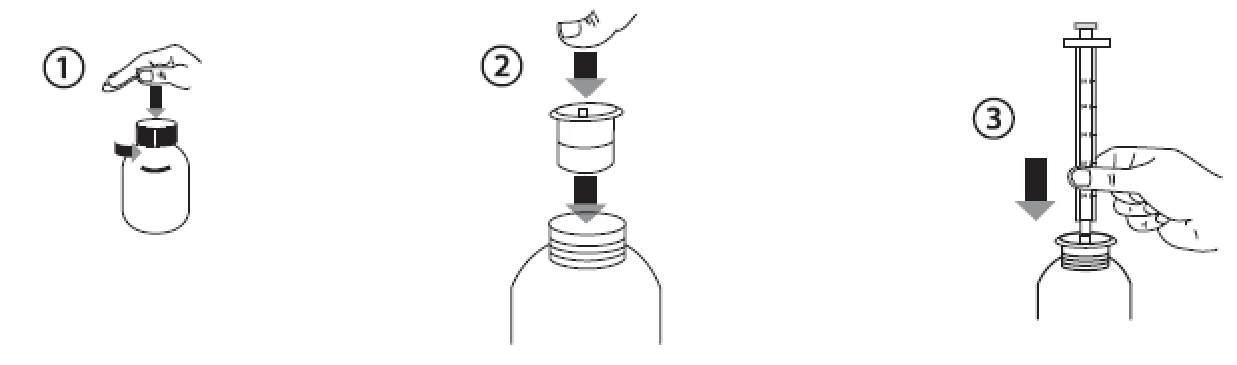
- To open the bottle: press the plastic screw cap and turn it counter-clockwise (Figure 1).
- Remove the plastic packaging from the syringe and syringe adaptor. Separate the syringe adaptor from the syringe. Insert the adaptor securely into the bottle neck (Figure 2). Leave the adaptor in the bottle neck for future use.
- Take the syringe and put it in the adaptor opening (Figure 3).
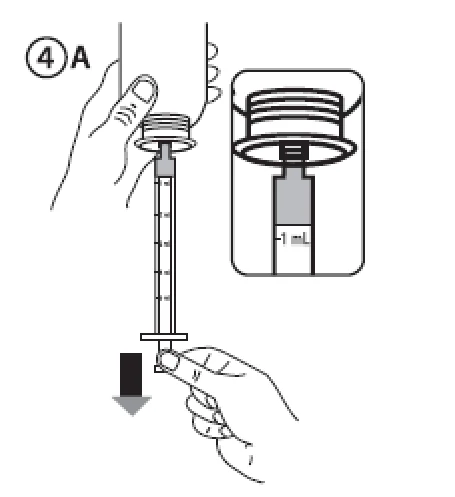
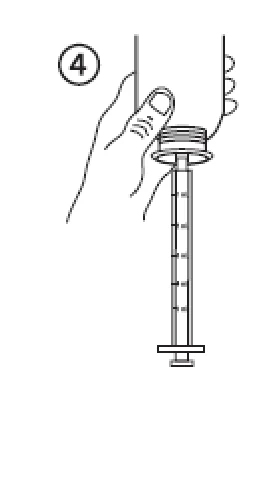
- Turn the bottle upside down (Figure 4).
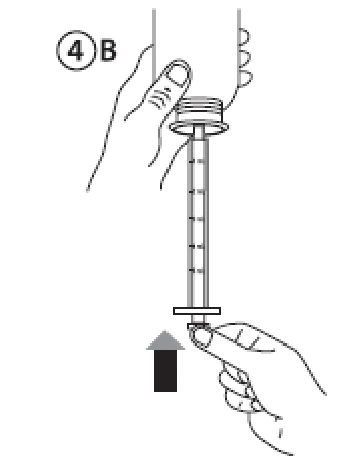
- Fill the syringe with a small amount of solution by pulling the plunger down (Figure 4-A). Then push the plunger upward in order to remove any possible bubbles (Figure 4-B).
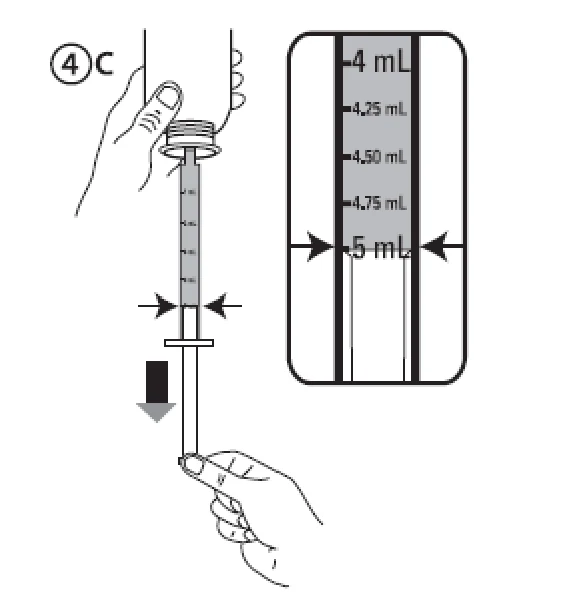
- Pull the plunger down to the line on the syringe that matches the quantity of millilitres (mL) prescribed by your doctor. Line up the top flat edge of the plunger with the quantity you need to take for your dose (Figure 4-C).
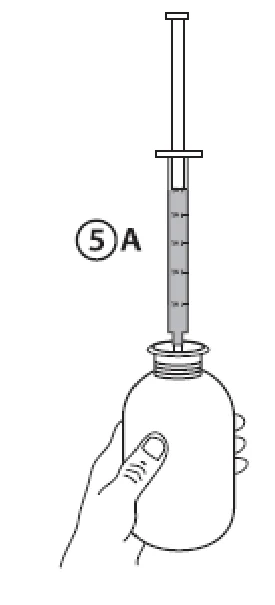
- Turn the bottle the right way up (Figure 5-A).
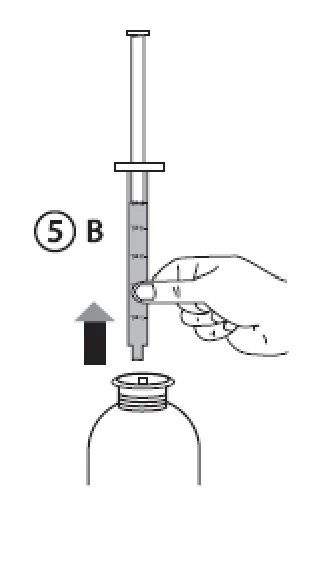
- Remove the syringe from the adaptor (Figure 5-B).
- Put the end of the syringe into the mouth and push the plunger slowly back in. This will release the medicine into your mouth.
- The syringe can hold 5 mL of pdp-AMLODIPINE. If your dose is greater than 5 mL, then you will need to repeat the last few steps to add more medication to the syringe.
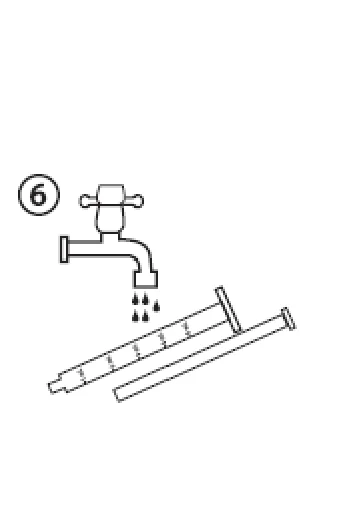
- Wash the syringe with water and let it dry before you use it again (Figure 6).
- Close the bottle with the plastic screw cap. Leave the syringe adaptor in the bottle.
Usual dose:
For both high blood pressure and chest pain in adults, the recommended initial dose of pdp-AMLODIPINE is 5 mg (5 mL) once daily. If necessary, your doctor may increase your dose to a maximum dose of 10 mg (10 mL) once daily.
Use in Patients with liver disease:
The starting dose is 2.5 mg (2.5 mL) once daily and can be gradually increased by your doctor.
Use in Children (6-17 years old):
The recommended dose is 2.5 mg (2.5 mL) to 5 mg (5 mL) once daily.
Overdose:
| If you think you have taken too much pdp-AMLODIPINE, contact your healthcare professional, hospital emergency department or regional poison control centre immediately, even if there are no symptoms. |
One or more of the following signs may occur in an overdose:
Low blood pressure and rapid heartbeat.
Missed Dose:
If you miss a dose, take it as soon as you remember. If it has been more than 12 hours since you missed your last dose, skip the missed dose and continue with the next dose at your regular time. Do not take double doses.
What are possible side effects from using pdp-AMLODIPINE?
These are not all the possible side effects you may feel when taking pdp-AMLODIPINE. If you experience any side effects not listed here, contact your healthcare professional.
Side effects include:
- Headaches
- Tiredness, extreme sleepiness
- Stomach pain, nausea
- Dizziness
Serious side effects and what to do about them
| Symptom / effect | Talk to your healthcare professional | Stop taking drug and get immediate medical help | |
| Only if severe | In all cases | ||
COMMON Flushing: Hot or warm feeling in your face | ✓ | ||
| Edema: Swelling of your legs or ankles | ✓ | ||
UNCOMMON Arrhythmia: Rapid, slow or irregular heartbeat | ✓ | ||
| Increased frequency, severity, duration of angina: Pressing or squeezing pain in your chest | ✓ | ||
| Heart Attack: Pain, fullness and/or squeezing of the chest, jaw pain and/or arm pain, shortness of breath | ✓ | ||
| Liver Disorder: Yellowing of the skin or eye, dark urine, abdominal pain, nausea, vomiting, loss of appetite | ✓ | ||
| Low Blood Pressure: Dizziness, fainting, lightheadedness may occur when you go from lying or sitting to standing up | ✓ | ||
RARE Allergic Reactions: Rash, hives, swelling of the face, lips, tongue or throat, difficulty breathing or swallowing | ✓ | ||
| Extrapyramidal symptoms: Muscle stiffness, body spasms, upward eye rolling, exaggeration of reflexes, drooling, difficulty moving how and when you want | ✓ | ||
If you have a troublesome symptom or side effect that is not listed here or becomes bad enough to interfere with your daily activities, talk to your healthcare professional.
Reporting Side Effects
You can report any suspected side effects associated with the use of health products to Health Canada by:
NOTE: Contact your health professional if you need information about how to manage your side effects. The Canada Vigilance Program does not provide medical advice. |
Storage:
- Store in a refrigerator (2°C to 8°C).
- Keep the bottle stored upright.
- Discard 60 days after opening. Bring the bottle to your local pharmacist for proper disposal.
- Keep out of the reach and sight of children.
If you want more information about pdp-AMLODIPINE:
- Talk to your healthcare professional
- Find the full product monograph that is prepared for healthcare professionals and includes this Patient Medication Information by visiting the Health Canada website (https://health-products.canada.ca/dpd-bdpp/index-eng.jsp); the manufacturer’s website (www.pendopharm.com); or by calling 1-888-550-6060.