


Product Monograph - Pediazole
SUMMARY PRODUCT INFORMATION
| Route of Administration | Dosage Form / Strength | Clinically Relevant Nonmedicinal Ingredients |
| Oral | Granules for Oral Suspension / 200 mg erythromycin 600 mg sulfisoxazole per 5 mL | Citric acid, magnesium aluminum silicate, poloxamer, sodium carboxymethylcellulose, sodium citrate, sucrose, artificial flavoring and other ingredients. For a complete listing see DOSAGE FORMS, COMPOSITION AND PACKAGING section. |
INDICATIONS AND CLINICAL USE
PEDIAZOLE® (erythromycin ethylsuccinate and sulfisoxazole acetyl for oral suspension USP) is indicated for:
- treatment of children with acute otitis media caused by strains of Haemophilus influenzae, Streptococcus pneumoniae, Streptococcus pyogenes or Branhamella catarrhalis susceptible to this combination.
Surgical procedures should be performed when indicated.
Pediatrics (> 2 months of age): See WARNINGS AND PRECAUTIONS for more details.
CONTRAINDICATIONS
PEDIAZOLE® (erythromycin ethylsuccinate and sulfisoxazole acetyl for oral suspension USP) is contraindicated in:
$ Patients who are hypersensitive to this drug or to any ingredient in the formulation or component of the container. For a complete listing, see the DOSAGE FORMS, COMPOSITION AND PACKAGING section of the product monograph. $ Patients with known hypersensitivity to either erythromycin, clarithromycin, other macrolide antibacterial agents or sulfonamides.
$ Patients with a history of hematologic, renal or hepatic dysfunction, allergic drug fever or skin eruptions due to sulfonamide derivatives, including antibacterial sulfonamides, oral hypoglycemics, and thiazides.
$ Infants less than 2 months of age.
$ Pregnancy at term and during the nursing period, because sulfonamides pass into the placental circulation and are excreted in human breast milk and may cause kernicterus in the infant.
$ Uremic patients, and patients with a deficiency of erythrocytic glucose-6-phosphate dehydrogenase (G-6-PD).
$ Patients with porphyria should not receive sulfonamides, as these drugs have been reported to precipitate an acute attack.
$ Concurrent therapy with astemizole, terfenadine, cisapride, pimozide, and ergotamine or dihydroergotamine (see DRUG INTERACTIONS).
WARNINGS AND PRECAUTIONS
Serious Warnings and Precautions
- Fatalities associated with the administration of sulfonamides, although rare, have occurred due to severe reactions, including Stevens-Johnson syndrome, toxic epidermal necrolysis, fulminant hepatic necrosis, hypersensitivity reactions, agranulocytosis, aplastic anemia, and other blood dyscrasias. (See WARNINGS AND PRECAUTIONS, Hematologic; Hepatic/Biliary/Pancreatic and Skin for more information).
- Pediazole should be discontinued at the first appearance of skin rash or any sign of a skin-related adverse reaction. (See WARNINGS AND PRECAUTIONS, Skin for more information).
General
The safe use of erythromycin or sulfonamides in pregnancy has not been established (see CONTRAINDICATIONS and WARNINGS AND PRECAUTIONS, Special Populations, Pregnant Women).
Erythromycin Products
Erythromycin should be administered with caution to any patient who has demonstrated some form of allergy to drugs. If an allergic reaction to erythromycin occurs, administration of the drug should be discontinued. Serious hypersensitivity reactions may require epinephrine, antihistamines, or corticosteroids.
There have been post-marketing reports of colchicine toxicity with concomitant use of erythromycin and colchicine.
Sulfonamides
Sulfonamides should be used only after critical appraisal in patients with impaired renal or hepatic function, liver damage, renal damage, urinary obstruction, blood dyscrasias, allergies or bronchial asthma.
Deaths have been reported from hypersensitivity reactions, agranulocytosis, aplastic anemia, and other blood dyscrasias associated with sulfonamide administration.
Possible overgrowth of nonsusceptible organisms, including fungi, should be looked for when any sulfonamide is administered. Should superinfection occur, treatment should be discontinued and appropriate therapy instituted.
If signs of hypersensitivity (urticaria, drug rash, blood dyscrasias) should occur, therapy should be discontinued.
The sulfonamides are chemically similar to some goitrogens, diuretics (acetazolamide and the thiazides), and oral hypoglycemics. Goiter, diuresis, and hypoglycemia may occur occasionally. Cross sensitivity may exist with these agents.
Carcinogenesis and Mutagenesis
Sulfonamides
Rats appear to be especially susceptible to the goitrogenic effects of sulfonamides, and long-term administration has produced thyroid malignancies in the species. See TOXICOLOGY, Carcinogenesis, Mutagenesis, Impairment of Fertility.
Erythromycin Products
Long-term (two-year) oral studies conducted in rats up to about 400 mg/kg/day and in mice up to about 500 mg/kg/day with erythromycin stearate did not provide evidence of tumorigenicity. Mutagenicity studies conducted did not show any genotoxic potential, and there was no apparent effect on male or female fertility in rats treated with erythromycin base by oral gavage at 700 mg/kg/day.
Gastrointestinal
Erythromycin Products
Pseudomembranous colitis has been occasionally reported to occur in association with erythromycin therapy. Therefore, it is important to consider this diagnosis in patients administered erythromycin who develop diarrhea. Mild cases of colitis may respond to drug discontinuation alone. Moderate to severe cases should be managed with fluid, electrolyte and protein supplementation as indicated. If the colitis is not relieved by discontinuation of erythromycin administration or when it is severe, consideration should be given to the administration of vancomycin or other suitable therapy. Other possible causes of the colitis should also be considered.
There have been reports of infantile hypertrophic pyloric stenosis (IHPS) occurring in infants following erythromycin therapy. In one cohort of 157 newborns who were given erythromycin for pertussis prophylaxis, seven neonates (5%) developed symptoms of non-bilious vomiting or irritability with feeding and were subsequently diagnosed as having IHPS requiring surgical pyloromyotomy. Since erythromycin may be used in the treatment of conditions in infants which are associated with significant mortality or morbidity (such as pertussis or chlamydia), the benefit of erythromycin therapy needs to be weighed against the potential risk of developing IHPS. Parents should be informed to contact their physician if vomiting or irritability with feeding occurs.
Hematologic
Sulfonamides
Fatalities associated with the administration of sulfonamides, although rare, have occurred due to severe reactions, including agranulocytosis, aplastic anemia, and other blood dyscrasias.
Clinical signs such as sore throat, fever, pallor, rash, purpura, or jaundice may be early indications of serious reactions.
During therapy, patients should also be carefully evaluated for clinical evidence of serious blood disorders. If signs such as unexplained infection, fever, pallor, bleeding or jaundice appear, discontinue therapy immediately and conduct appropriate hematological investigations.
Hemolysis may occur in glucose-6-phosphate dehydrogenase deficient individuals.
Granulocytopenia may occur rarely after prolonged sulfonamide therapy. Serial blood counts should be done on all patients receiving sulfonamides for longer than 2 weeks.
Hepatic/Biliary/Pancreatic
Erythromycin Products
Hepatic dysfunction, including increased liver enzymes and hepatocellular and/or cholestatic hepatitis, with or without jaundice, has been infrequently reported with erythromycin. If findings suggestive of significant hepatic dysfunction occur, therapy with erythromycin products should be discontinued.
Since erythromycin is principally excreted by the liver, caution should be exercised when erythromycin is administered to patients with impaired hepatic function.
Sulfonamides
Fatalities associated with the administration of sulfonamides, although rare, have occurred due to severe reactions, including fulminant hepatic necrosis.
Immune
Erythromycin Products
There have been reports that erythromycin may aggravate the weakness of patients with myasthenia gravis.
Renal
Erythromycin Products
Rhabdomyolysis with or without renal impairment has been reported in seriously ill patients receiving erythromycin concomitantly with lovastatin.
Sulfonamides
The frequency of renal complications is considerably lower in patients receiving the most soluble sulfonamides such as sulfisoxazole. Urinalysis with careful microscopic examination should be obtained frequently in patients receiving sulfonamides.
Although renal complications are rare with modern sulfonamides, weekly urinalysis with careful microscopic examination should be carried out.
Adequate fluid intake must be maintained to prevent crystalluria and stone formation. Forcing fluids to ensure a urinary output of 1500 mL/day or greater should be routine during sulfonamide therapy. Alkalinization of the urine lessens this hazard but also results in lowered blood sulfonamide concentrations. Heavy crystalluria, hematuria, and oliguria are indications for the administration of alkali and cessation of sulfonamide therapy.
Respiratory
Sulfonamides
Cough, shortness of breath, and pulmonary infiltrates are hypersensitivity reactions of the respiratory tract that have been reported in association with sulfonamide treatment.
Sensitivity/Resistance
Erythromycin Products
Prolonged or repeated use of erythromycin may result in an overgrowth of non-susceptible bacteria or fungi and organisms initially sensitive to erythromycin. If superinfection occurs, erythromycin should be discontinued and appropriate therapy instituted.
Sulfonamides
Sulfonamides are bacteriostatic. Resistance is frequent in organisms responsible for common infections.
Skin
Sulfonamides
PEDIAZOLE® should be discontinued at the first appearance of skin rash or any sign of a skin-related adverse reaction. In some instances, a skin rash may be followed by a more severe reaction, such as Stevens-Johnson syndrome, toxic epidermal necrolysis, hepatic necrosis and serious blood disorders.
Special Populations
Pregnant Women:
Erythromycin Products: There are no adequate and well-controlled studies in pregnant women. However, observational studies in humans have reported cardiovascular malformations after exposure to medicinal products containing erythromycin during early pregnancy.
Erythromycin should not be used by women during pregnancy unless clearly needed.
Erythromycin has been reported to cross the placental barrier in humans, but fetal plasma levels are generally low.
No evidence of teratogenicity or embryotoxicity was observed with erythromycin during reproductive toxicity studies on rodents (see TOXICOLOGY, Teratology).
Sulfonamides: Sulfonamides are contraindicated in pregnancy at term and during the nursing period, because sulfonamides pass into the placental circulation and are excreted in human breast milk and may cause kernicterus in the infant.
Labor and Delivery:
The effect of erythromycin on labor and delivery is unknown.
Nursing Women:
Erythromycin and sulfonamides are excreted in breast milk. Sulfonamides are contraindicated during the nursing period. Caution should be exercised when erythromycin is administered to a nursing woman.
Pediatrics (> 2 months of age):
Neonates: The safety of erythromycin for use in neonates has not been established. Sulfonamides are contraindicated in infants less than 2 months of age.
Pediatric Use: See DOSAGE AND ADMINISTRATION.
ADVERSE REACTIONS
Erythromycin Products
Allergic reactions Urticaria, mild skin eruptions and anaphylaxis. Skin reactions ranging from mild eruptions to erythema multiforme, Stevens-Johnson syndrome and toxic epidermal necrolysis have rarely been reported.
Cardiovascular Occasional case reports of cardiac arrhythmias such as ventricular tachycardia have been documented in patients receiving erythromycin therapy. Erythromycin has been associated with the production of potentially life-threatening ventricular arrhythmias, including ventricular tachycardia and torsade de pointes, in individuals taking drugs that may interact with erythromycin (see DRUG INTERACTIONS).
There have been isolated reports of other cardiovascular symptoms such as chest pain, dizziness, and palpitations; however, a cause and effect relationship has not been established.
Gastrointestinal The most frequent side effects of oral erythromycin preparations are gastrointestinal and are dose-related. They include abdominal cramping, discomfort. Nausea, vomiting and diarrhea are also observed but less frequently. Anorexia has also been reported. Pseudomembranous colitis has been occasionally reported to occur in association with erythromycin therapy (see WARNINGS AND PRECAUTIONS).
Hepatic Symptoms of hepatic dysfunction and/or abnormal liver function test results may occur (see WARNINGS AND PRECAUTIONS).
Neurologic Central nervous system side effects including seizures, hallucinations, confusion and vertigo have been reported in occasional patients; however, a cause and effect relationship has not been established.
Occasionally there have been reports of reversible hearing loss occurring chiefly in patients with renal insufficiency and in patients receiving high doses of erythromycin.
Pancreatic There has been a report of a case of erythromycin-induced pancreatitis following erythromycin overdose.
Renal Interstitial nephritis.
Miscellaneous During prolonged or repeated therapy, there is a possibility of overgrowth of nonsusceptible bacteria or fungi and organisms initially sensitive to erythromycin (e.g. Staphylococcus aureus, Haemophilus influenzae). If such infections occur, erythromycin should be discontinued and appropriate therapy instituted.
Sulfonamides
The following untoward effects have been associated with the use of sulfonamides:
Allergic reactions Anaphylaxis, erythema multiforme (Stevens-Johnson syndrome), generalized skin eruptions, toxic epidermal necrolysis (Lyell's syndrome), angioedema, arteritis, vasculitis, urticaria, rash, serum sickness, pruritus, exfoliative dermatitis, anaphylactoid reactions, periorbital edema, conjunctival and scleral injection, photosensitization, arthralgia and allergic myocarditis.
In addition, periarteritis nodosa and systemic lupus erythematosus have been reported.
Cardiovascular Tachycardia, palpitations, syncope, and cyanosis.
Endocrine The sulfonamides bear certain chemical similarities to some goitrogens, diuretics (acetazolamide and the thiazides) and oral hypoglycemic agents. Goiter production, diuresis and hypoglycemia have occurred rarely in patients receiving sulfonamides. Cross-sensitivity may exit with theses agents.
Gastrointestinal Pseudomembranous colitis, nausea, emesis, anorexia, abdominal pains, diarrhea, gastrointestinal hemorrhage, melena, flatulence, glossitis, stomatitis, salivary gland enlargement, and pancreatitis. Onset of pseudomembranous colitis symptoms may occur during or after treatment with sulfisoxazole, a component of PEDIAZOLE® (see WARNINGS AND PRECAUTIONS).
Genitourinary Crystalluria, hematuria, BUN and creatinine elevations, nephritis, and toxic nephrosis with oliguria and/or anuria. Acute renal failure and urinary retention have also been reported.
The frequency of renal complications, commonly associated with some sulfonamides, is lower in patients receiving the more soluble sulfonamides such as sulfisoxazole.
Hematologic Agranulocytosis, anemia, aplastic anemia, clotting disorders, thrombocytopenia, leukopenia, hemolytic anemia, purpura, hypoprothrombinemia, methemoglobinemia, hypofibrinogenemia, sulfhemoglobinemia, and eosinophilia.
Hepatic Hepatitis, hepatocellular necrosis, jaundice.
The sulfisoxazole acetyl component of PEDIAZOLE® has been reported to cause increased elevation of liver-associated enzymes in patients with hepatitis.
Neurologic Headache, dizziness, peripheral neuritis, paresthesia, convulsions, ataxia, tinnitus, vertigo, insomnia, and intracranial hypertension.
Psychiatric Psychosis, hallucinations, disorientation, mental depression, and anxiety.
Respiratory Cough, shortness of breath, and pulmonary infiltrates (see WARNINGS
AND PRECAUTIONS).
Vascular Angioedema, arteritis, and vasculitis.
Miscellaneous Edema (including periorbital), pyrexia, drowsiness, weakness, fatigue, lassitude, rigors, flushing, hearing loss, insomnia, and pneumonitis.
Petechiae, hematuria, drug fever, chills. Periarteritis nodosum and L.E. phenomenon have occurred.
DRUG INTERACTIONS
Overview
Concomitant administration of erythromycin with drugs metabolized by the cytochrome P450 enzyme system such as carbamazepine, cyclosporin, hexobarbital, phenytoin, alfentanil, disopyramide, bromocriptine, valproate, tacrolimus, quinidine, methylprednisolone, cilostazole, vinblastine, sildenafil, terfenadine, and astemizole has been reported to result in elevated plasma levels of these agents, leading to toxicity in some patients.
Serum concentrations of drugs metabolized by the cytochrome P450 system should be monitored closely in patients concurrently receiving erythromycin.
Serious Drug Interactions
Erythromycin significantly alters the metabolism of terfenadine when taken concomitantly. Rare cases of serious cardiovascular adverse events, including death, cardiac arrest, torsade de pointes, and other ventricular arrhythmias, have been observed (see DRUG INTERACTIONS, Drug-Drug Interactions, Terfenadine and CONTRAINDICATIONS).
Drug-Drug Interactions
Erythromycin products
Theophylline
Recent data from studies of erythromycin in patients reveal that its use in patients who are receiving theophylline may be associated with an increase in serum theophylline levels and potential theophylline toxicity. In case of theophylline toxicity and/or elevated serum theophylline levels, the dose of theophylline should be reduced while the patient is receiving concomitant erythromycin therapy.
There have been published reports suggesting that when oral erythromycin is given concurrently with theophylline, there is a significant decrease in erythromycin serum concentrations. This decrease could result in subtherapeutic concentrations of erythromycin.
Lincomycin / Clindamycin / Chloramphenicol
In vitro experiments have demonstrated that binding sites for erythromycin, lincomycin, clindamycin and chloramphenicol overlap and competitive inhibition may occur.
Oral anticoagulants
Published reports indicate that caution should be observed when some antibiotics, including erythromycin, and oral anticoagulants are used concurrently since prolonged prothrombin time may occur.
Triazolobenzodiazepines (such as triazolam and alprazolam) and related benzodiazepines
Erythromycin has been reported to decrease the clearance of triazolam and midazolam, and related benzodiazepines, and thus may increase the pharmacologic effects of these benzodiazepines.
Alfentanil
The concomitant use of erythromycin with alfentanil can significantly inhibit the clearance of alfentanil and may increase the risk of prolonged or delayed respiratory depression.
Ergotamine / Dihydroergotamine
There are reports that ischemic reactions may occur when erythromycin is given concurrently with ergotamine-containing drugs.
Post-marketing reports indicate that co-administration of erythromycin with ergotamine or dihydroergotamine has been associated with acute ergot toxicity characterized by vasospasm and
ischemia of the extremities and other tissues including the central nervous system (see CONTRAINDICATIONS).
Digoxin
There have been reports that there is a rise in plasma digoxin levels during concomitant administration of erythromycin.
HMG-CoA Reductase Inhibitors
Erythromycin has been reported to increase concentrations of HMG-CoA Reductase inhibitors (e.g., lovastatin and simvastatin). Rare reports of rhabdomyolysis have been reported in patients taking erythromycin concomitantly with HMG-CoA Reductase inhibitors (see WARNINGS AND PRECAUTIONS).
Colchicine
Colchicine is a substrate for both CYP3A and the efflux transporter, p-glycoprotein (PGP). Erythromycin and other macrolides are known to inhibit CYP3A and PGP. When erythromycin and colchicine are administered together, inhibition of PGP and/or CYP3A by erythromycin may lead to increased exposure to colchicine. Patients should be monitored for clinical symptoms of colchicine toxicity.
Terfenadine
Terfenadine undergoes metabolism in the liver by a specific cytochrome P450 isoenzyme. This metabolic pathway may be impaired in patients who are taking erythromycin, an inhibitor of this isoenzyme. Interference with this enzyme can lead to elevated terfenadine plasma levels which may be associated with QT prolongation, and increased risk of ventricular tachyarrythmias (such as torsades de pointes, ventricular tachycardia, and ventricular fibrillation). Erythromycin significantly alters the metabolism of terfenadine when taken concomitantly. Rare cases of serious cardiovascular adverse events, including death, cardiac arrest, torsade de pointes, and other ventricular arrhythmias, have been observed (see CONTRAINDICATIONS).
Astemizole
Concomitant administration of astemizole with erythromycin is contraindicated because erythromycin is known to impair the cytochrome P450 enzyme system which also influences astemizole metabolism. Erythromycin significantly alters the metabolism of astemizole when taken concomitantly. Rare cases of serious cardiovascular adverse events including cardiac arrest, torsade de pointes and other ventricular arrhythmias have been observed. (see CONTRAINDICATIONS and ADVERSE REACTIONS).
Cisapride/Pimozide
Elevated cisapride levels have been reported in patients receiving erythromycin and cisapride concomitantly. This may result in QT prolongation and cardiac arrhythmias including ventricular tachycardia, ventricular fibrillation and torsade de pointes. Similar effects have been observed in patients taking pimozide and clarithromycin, another macrolide antibiotic.
Zopiclone
Erythromycin has been reported to decrease the clearance of zopiclone and thus may increase the pharmacodynamic effects of this drug.
Sulfonamides
The most important interactions of the sulfonamides involve those with the oral anticoagulants, the sulfonylurea hypoglycemic agents, and the hydantoin anticonvulsants. In each case sulfonamides can potentiate the effects of the other drug by mechanisms that appear to involve primarily inhibition of metabolism and, possibly, displacement from albumin. Dosage adjustment may be necessary when a sulfonamide is given concurrently.
It has been reported that sulfisoxazole may prolong the prothrombin time in patients who are receiving the anticoagulant warfarin.
It has been proposed that sulfisoxazole competes with thiopental for plasma protein binding. It is not known whether chronic oral doses of sulfisoxazole have a similar effect. Until more is known about this interaction, physicians should be aware that patients receiving sulfisoxazole might require less thiopental for anesthesia.
Sulfonamides can displace methotrexate from plasma protein binding sites, thus increasing free methotrexate concentrations.
Sulfisoxazole can also potentiate the blood sugar-lowering activity of sulfonylureas.
Drug-Food Interactions
Interactions with food have not been established.
Drug-Herb Interactions
Interactions with herbal products have not been established.
Drug-Laboratory Interactions
Erythromycin interferes with the fluometric determination of urinary catecholamines.
DOSAGE AND ADMINISTRATION
Dosing Considerations
PEDIAZOLE® (erythromycin ethylsuccinate and sulfisoxazole acetyl for oral suspension USP) should not be administered to infants under 2 months of age because systemic sulfonamides are contraindicated in this age group (see CONTRAINDICATIONS).
Recommended Dose and Dosage Adjustment
The dose of PEDIAZOLE® can be calculated based on the erythromycin component (50 mg/kg/day) or the sulfisoxazole component (150 mg/kg/day to a maximum of 6 g/day).
PEDIAZOLE® Granules for Oral Suspension is to be given in equally divided doses three or four times a day for 10 days. It may be administered without regard to meals, but is preferably given immediately after meals.
Refer to Table 1 for the approximate dosage schedule recommended for using PEDIAZOLE® in children two months of age or older.
| Table 1 Recommended Dosage Schedule | |
| Weight | Dose – Every 6 Hours |
| Less than 8 kg (18 lbs.) | Adjust dosage by body weight |
| 8 kg (18 lbs.) | ½ teaspoonful (2.5 mL) |
| 16 kg (35 lbs.) | 1 teaspoonful (5 mL) |
| 24 kg (53 lbs.) | 1 ½ teaspoonfuls (7.5 mL) |
| Over 45 kg (100 lbs.) | 2 teaspoonfuls (10 mL) |
Missed Dose
If a dose of this medication is missed, the patient should be instructed to take it as soon as possible. However, if it is almost time for the next dose, the patient should skip the missed dose and go back to the regular dosing schedule. The patient should not double doses.
Administration
Reconstitution: Reconstitute PEDIAZOLE® by slowly adding the required amount of water (see Table 2) to the bottle and shaking moderately until uniformly mixed. When reconstituted, the granules form a white, strawberry-banana flavour suspension.
| Table 2 Reconstitution of PEDIAZOLE® | |||
Bottle Size (mL) | Volume of Water to be Added | Concentration (mg/5 mL) | |
| Erythromycin | Sulfisoxazole | ||
| 105 150 200 | 55 mL 75 mL 100 mL | 200 200 200 | 600 600 600 |
OVERDOSAGE
Erythromycin ethylsuccinate
Similar to those of erythromycin.
Symptoms: In oral doses of over 2 g/day, abdominal discomfort, nausea or diarrhea may occur. There has been a report of a case of erythromycin-induced pancreatitis following erythromycin overdose.
Treatment: There is no specific treatment for overdosage. The drug should be discontinued immediately and gastric lavage should be considered; otherwise, the treatment should be symptomatic.
Erythromycin is not removed by peritoneal dialysis or hemodialysis.
Sulfisoxazole
Similar to those of any sulfonamide.
Symptoms: The most likely symptoms would be gastrointestinal disturbances, anorexia, dizziness, headache, drowsiness, unconsciousness, pyrexia, hematuria, crystalluria or anuria. Blood dyscrasias and jaundice are potential late manifestations of overdosage.
Treatment: If poisoning occurs from the ingestion of any overdose, remove the agent from the stomach by lavage and/or emesis. If renal function is normal, force fluids orally or parenterally to promote excretion. In extreme overdosage with renal shutdown, consideration should be given to dialysis as a means of both eliminating the sulfonamide and also reducing the risk of uremia. There is no known antidote for sulfonamide poisoning and the patient must be treated symptomatically.
Peritoneal dialysis is not effective and hemodialysis is only moderately effective in eliminating sulfonamides.
Note The patient should be monitored with blood counts and appropriate blood chemistries, including electrolytes. If a significant blood dyscrasia or jaundice occurs, specific therapy should be instituted for theses complications.
ACTION AND CLINICAL PHARMACOLOGY
Mechanism of Action
Erythromycin exerts its antibacterial action by binding to the 50 S ribosomal subunit of susceptible bacteria and suppressing protein synthesis. Erythromycin is usually bacteriostatic but may be bactericidal in high concentrations or against highly susceptible organisms.
Sulfisoxazole is a short-acting sulfonamide. Sulfonamides are usually bacteriostatic in action. They interfere with utilization of p-aminobenzoic acid (PABA) in susceptible bacteria, thus inhibiting the biosynthesis of folic acid which is essential for the growth of susceptible organisms. Sulfonamides are structural analogs of PABA and competitively inhibit dihydrofolic acid synthetase which is necessary for the conversion of PABA to folic acid.
A combination of erythromycin and a sulfonamide, as in PEDIAZOLE®, results in a lowering of the minimal inhibitory concentration (MIC) of each antibacterial as compared with the levels when they are used separately. This combination therefore shows synergism. As a result, the activity against Haemophilus influenzae is increased (see MICROBIOLOGY).
Pharmacokinetics
Erythromycin and sulfisoxazole serum levels were determined in 18 adult subjects following oral administration of PEDIAZOLE® under fasting condition or non-fasting condition. The volunteers received 400 mg of erythromycin as erythromycin ethylsuccinate and 1200 mg of sulfisoxazole as sulfisoxazole acetyl.
Peak serum levels, Cmax and AUC for both fasting and non-fasting subjects are shown in Table 3.
Table 3 Mean (± SD) Pharmacokinetic Parameters for PEDIAZOLE® (erythromycin ethylsuccinate and sulfisoxazole acetyl) as a Single Dose in the Fasting and Non-Fasting State (18 Adult Males) | ||||
| Erythromycin | Sulfisoxazole | |||
| Fasting | Non-Fasting | Fasting | Non-Fasting | |
Dose (mg) Peak level (mg/L) Cmax (mg/L) AUC (mg·hr/L) 0-6 hr | 400 0.95 ± 0.56 at 0.5 hr 1.07 ± 0.51 2.38 ± 1.13 | 400 1.2 ± 1.09 at 0.5 hr 1.31 ± 1.04 2.76 ± 1.69 | 1200 80.2 ± 20.7 at 2 hr 84.6 ± 14.7 383.8 ± 65.6 | 1200 98.1 ± 12.1 at 4.5 hr 107.3 ± 11.3 531.6 ± 55.3 |
Erythromycin
Absorption: Orally administered erythromycin ethylsuccinate suspension is reliably and readily absorbed. Serum levels are comparable when administered to patients in either fasting or non-fasting state. However, higher serum concentrations are obtained when these products are given with food.
Distribution: Erythromycin diffuses readily into most body fluids. Only low concentrations are normally achieved in the spinal fluid, but passage of the drug across the blood-brain barrier increases in meningitis.
Erythromycin crosses the placental barrier but fetal plasma levels are generally low.
Erythromycin is largely bound to plasma proteins (over 70%). The serum half-life of erythromycin is approximately 2 hours.
Metabolism: In the presence of normal hepatic function, erythromycin is concentrated in the liver and excreted in the bile.
Excretion: After oral administration, less than 5% of the activity of the administered dose can be recovered in the urine.
Sulfisoxazole
Absorption: Sulfisoxazole acetyl is absorbed rapidly and completely from the gastrointestinal tract following oral administration.
Distribution: Sulfisoxazole exists in the blood primarily bound to plasma proteins (90%) as well as conjugated and in the active (free) form.
Metabolism: About 70% of the administered dose is deacetylated by enzymatic hydrolysis in the intestine, and both the free drug and the acetylated drug are rapidly eliminated by the kidneys, approximately 80% within 24 hours.
Metabolic pathways include N4-acetylation and oxidation.
Excretion: The serum half-life of sulfisoxazole is about 6 hours.
Special Populations and Conditions
Geriatrics: The elimination of sulfisoxazole has been shown to be slower in elderly subjects (63 to 75 years) with diminished renal function (creatinine clearance 37 to 68 mL/min).
Hepatic Insufficiency: The effect of hepatic dysfunction on excretion of erythromycin by the liver into the bile is not known.
STORAGE AND STABILITY
Granules for suspension should be stored between 15 and 25°C.
Reconstituted suspensions should be refrigerated and used within 14 days. Unused portion should be discarded after 14 days. Shake well before use.
DOSAGE FORMS, COMPOSITION AND PACKAGING
Composition
PEDIAZOLE® (erythromycin ethylsuccinate and sulfisoxazole acetyl for oral suspension USP) contains erythromycin ethylsuccinate (expressed in terms of free base) and sulfisoxazole acetyl (expressed as sulfisoxazole). Non-medicinal ingredients are ammonium glycyrrhizinate, citric acid, magnesium aluminum silicate, poloxamer, sodium carboxymethylcellulose, sodium citrate, sucrose, water and artificial flavoring.
Availability of Dosage Forms
PEDIAZOLE® is available for teaspoon dosage in 105 mL, 150 mL and 200 mL bottles in the form of granules to be reconstituted with water. The suspension provides erythromycin ethylsuccinate equivalent to 200 mg erythromycin activity, and sulfisoxazole acetyl equivalent to 600 mg sulfisoxazole per teaspoonful (5 mL).
PART II: SCIENTIFIC INFORMATION
PHARMACEUTICAL INFORMATION
Drug Substance
Proper name: Erythromycin ethylsuccinate
Chemical name: Erythromycin 2-ethylsuccinate
Molecular formula and molecular mass: C43H73NO16 862.06
Structural formula:
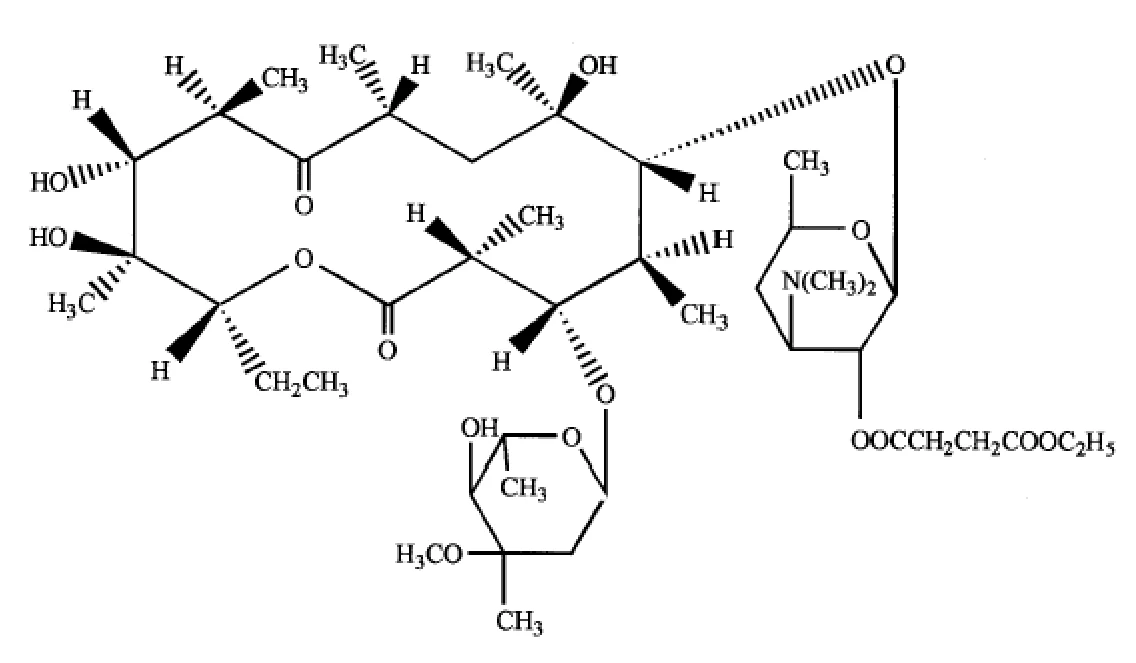
Physicochemical properties: Erythromycin ethylsuccinate is an ester of erythromycin, poorly soluble in water.
Proper name: Sulfisoxazole acetyl
Chemical name:
N-[4-(aminophenyl)sulfonyl]-N-(3,4-dimethyl-5-isoxazoyl))-acetamide
Molecular formula and molecular mass: C13H15N3O4S 309.34
Structural formula:
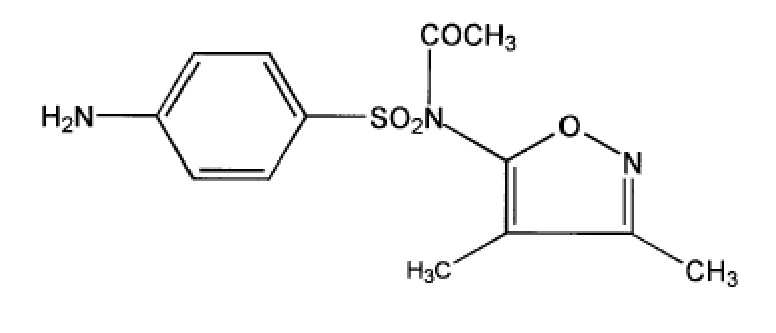
Physicochemical properties: Sulfisoxazole acetyl is available as tasteless crystals, metling point 192-195ºC. It is soluble in methanol and ethanol, but poorly soluble in water.
CLINICAL TRIALS
Study Demographics and Trial Design
| Table 4 Summary of Patient Demographics for Clinical Trials in the Treatment of Acute Otitis Media Caused by Hemophilus Influenzae in Children | |||||
Study # | Trial Design | Dosage (mean mg/kg/day), Route of Administration and Duration | Study Subjects (n=number) | Mean Age (Range) | Gender |
| 1 | Parallel, randomized, multicenter, comparison of three active test drugs. | Ampicillin (74.6 mg/kg/day) versus Erythromycin (60.3 mg/kg/day) versus Erythromycin Sulfisoxazole (58.7 ery/143.3 sulfa mg/kg/day) Oral 10 days | 90 | 2.51 (0.50 - 7.25) | 42 M, 48 F |
Study Results
Study 1 was undertaken for the purpose of determining the clinical efficacy of erythromycin ethylsuccinate as compared to either ampicillin trihydrate or the combination of erythromycin ethylsuccinate plus triple sulfonamides, in the treatment of otitis media due to H. influenzae in children.
Three categories were used to classify patient response to therapy:
Cure: Response to therapy was classified as a “cure” if the patient was afebrile, and both ear drums appeared normal on otoscopic examination. Loss of light reflex or poor mobility with no other positive finding of active infection were regarded as within normal limits.
Indeterminate: Response to therapy was classified as “indeterminate” if the patient was afebrile, and the only positive finding of active or resolving infection on otoscopic examination was injection of one or both ear drums.
Not improved: Response to therapy was classified as “not improved” if the patient was febrile and/or the appearance of one or both eardrums was consistent with continued active infection (i.e. injection with disappearance of landmarks, bulging drum or persistent drainage).
| Table 5 Results of Study 1 in the Treatment of Acute Otitis Media Caused by Hemophilus Influenzae | ||||
| Drug Group | Cured | Indeterminate | Not Improved | Significance between therapies |
| Ampicillin vs. Erythromycin | 23 (79.3%) 13 (50.0%) | 2 (6.9%) 4 (13.4%) | 4 (13.8%) 9 (34.6%) | Not significant |
Ampicillin vs. Erythromycin-Triple Sulfas | 23 (79.3%) 20 (76.9%) | 2 (6.9%) 6 (23.1%) | 4 (13.8%) 0 (0.0%) | Not significant |
Erythromycin vs. Erythromycin-Triple Sulfas | 13 (50.0%) 20 (76.9%) | 4 (13.4%) 6 (23.1%) | 9 (34.6%) 0 (0.0%) | Significant |
MICROBIOLOGY
Erythromycin is active against many gram-positive and a number of gram-negative organisms. It is very active against Streptococcus pneumoniae and Streptococcus pyogenes, the MIC being from 0.001 to 0.2 mcg/mL. It is moderately active against Haemophilus influenzae with an MIC from 0.4 to 3.1 mcg/mL. Its activity may be either bacteriostatic or bactericidal, depending on the microorganism and the concentration of the drug.
Sulfonamides are active against a wide spectrum of gram-positive and gram-negative organisms including Streptococcus pneumoniae, Streptococcus pyogenes and Haemophilus influenzae. The MIC against the latter organism increases with inoculum size and is from 1.0 to 16.0 mcg/mL. The antibacterial effect of sulfonamides is bacteriostatic.
In combination these two antibacterials potentiate each other. Against Haemophilus influenzae, the MBC of erythromycin ethylsuccinate fell from a range of 6 to 15 mcg/mL when tested alone to 1.57 mcg/mL when in combination with a sulfonamide. Similarly, the MBC of the sulfonamide was decreased from greater than 12.5 mcg/mL alone to 3.9 mcg/mL when combined with erythromycin ethylsuccinate. In a two-dimensional, two-fold serial broth dilution test, the activity of the two antimicrobials singly and in combination was found by determining the fractional inhibitory concentration (FIC). This was obtained by dividing the MIC of the given antimicrobial in combination by its MIC when acting singly. (An FIC index of less than 1 is indicative of synergism). Against 13 strains of Haemophilus influenzae the FIC averaged less than 0.4. With the same organisms, each antimicrobial used separately in a concentration of one half the MIC was unable to inhibit growth. When used together at the same concentration, the organisms were eliminated. These results are indicative of true synergism.
Sensitivity Testing
The sensitivity of organisms to this combination should preferably be determined by using a 1:3 mixture of erythromycin and sulfisoxazole.
The in vitro susceptibility of erythromycin-sulfisoxazole (1:100) against H. influenzae and the other most common pathogens isolated from middle ear aspirates in the treatment of acute otitis media is presented in Table 6.
| Table 6 In Vitro Susceptibility of 144 Strains of Gram-Positive and Gram-Negative to Erythromycin-Sulfisoxazole* | |||||||||||||||
| Microorganisms | No. of Strains | Cumulative % of Strains Inhibited at MIC (mg/L) | |||||||||||||
| 0.015 | 0.030 | 0.060 | 0.10 | 0.12 | 0.20 | 0.25 | 0.40 | 0.50 | 0.80 | 1.0 | 1.6 | 2.0 | 3.2 | ||
| S. pneumoniae | 75 | 35 | 78 | 95 | 99 | 100 | - | - | - | - | - | - | - | ||
| H. influenzae | 48 | - | - | - | 2 | 17 | 50 | 79 | 96 | 100 | |||||
| B. catarrhalis | 12 | - | - | - | - | - | - | 42 | 75 | 100 | - | - | - | ||
| S. pyogenes | 9 | - | - | 44 | 89 | 100 | - | ||||||||
| * For erythromycin-sulfisoxazole (1/100) the MICs for erythromycin are presented. | |||||||||||||||
Susceptibility Testing
The standard single disc susceptibility test (using the 15 mcg erythromycin disc and the 250 mcg sulfisoxazole disc) should be interpreted according to the criteria in Table 7.
| Table 7 Criteria for Interpretation of Standard Single Disc Susceptibility Test | ||||
Zone Diameter (mm) | Approximate MIC Correlate (mg/L) | |||
| Erythromycin | Sulfisoxazole | Erythromycin | Sulfisoxazole | |
| Susceptible Intermediate* Resistant | ≥ 23 14-22 ≤ 13 | ≥ 17 13-16 ≤ 12 | ≤ 0.5 1-4 ≥ 8 | ≤ 100 -- ≥ 350 |
* Indicates that the test results are equivocal; therefore, dilution test may be indicated. N.B. These criteria and the definition are in agreement with NCCLS Order Code M2T4. | ||||
Control limits for monitoring erythromycin and sulfisoxazole susceptibility tests are given in Table 8.
| Table 8 Control Limits for Monitoring Erythromycin and Sulfisoxazole Susceptibility Tests | ||
| Zone Diameter (mm) | MIC (mg/L) | |
Erythromycin S. aureus ATCC 29213 [ß-lact(-)] S. aureus ATCC 29213 [ß-lact(+)] S. faecalis ATCC 29212 | 22-30 | 0.12 - 0.50 0.12 - 0.50 1.0 - 4.0 |
Sulfisoxazole S. aureus ATCC 29213 S. aureus ATCC 25923 S. faecalis ATCC 29212 | 22-34 | 32 - 128 32 - 128 |
TOXICOLOGY
Acute Toxicity
The acute toxicity of PEDIAZOLE®, administered as a single oral dose was studied in mice, rats and dogs (Table 9). PEDIAZOLE® was non-toxic by the oral route.
| Table 9 Acute Toxicity of PEDIAZOLE® | |||
| Route | Dosage (g/kg) | ||
| Mice | Rats | Dogs | |
| p.o. | 12.48 | 12.48 | 7.49 |
No deaths or signs of toxicity were observed in a 14-day observation period at the dosages studied.
The LD50 values have not been determined due to a lack of toxicity at maximal attainable dosages.
Subacute Toxicity
Rats
Rats (10/sex/dose) were administered PEDIAZOLE® with oral doses of 0, 2.5, 5.6, 12.5 g/kg/day for 32-33 consecutive days. Dosage of 12.5 g/kg/day resulted in decreased food consumption and body weight gain in all animals as well as bloody urine, rough coats, hair loss, rales and soft stools. In rats receiving 12.5 g/kg/day, hemoglobin and hematocrit values were decreased. BUN (females) and cholesterol were increased, and hematuria and proteinuria were observed. Thyroid hyperplasia and castration cell formation in pituitaries was observed in rats receiving 5.6 and 12.5 g/kg/day. Rats treated with 12.5 g/kg/day also exhibited renal pelvic microcalculi. Statistically significant increases were observed in absolute and mean relative kidney and heart weights of all rats receiving 12.5 g/kg/day; the absolute and mean relative kidney weight decrease was also observed in the male rats receiving 5.6 g/kg/day. In this study the non-toxic dose was considered to be less than 5.6 g/kg/day.
Dogs
Dogs (3/sex/dose) were treated daily with PEDIAZOLE® 0, 1.9, 3.8 and 7.4 g/kg/day for 30-31 consecutive days. There were no deaths. Mean food consumption and body weight were decreased in dogs receiving 3.8 and 7.4 g/kg/day. Salivation, emesis, loose stools, diarrhea and decreased activity were the most frequent observations in these two groups of animals. Dogs at all dose levels demonstrated decreased SGPT and alkaline phosphate, and treatment-related proteinuria. Head shaking, shivering and lacrimation were observed in high dose animals.
Thyroid hyperplasia and occurrence of “starry sky” histiocytes in lymphatic tissues were observed at all dose levels. Early thymic atrophy and intra hepatic periductal fibrosis and inflammation occurred in dogs treated with 3.8 and 7.4 g/kg/day.
Teratology
Erythromycin has been in general use since 1952, and no teratologic effects have been observed or reported since the drug became available. However, the safe use of erythromycin or sulfonamides in pregnancy has not been established.
No evidence of teratogenicity or embryotoxicity was observed in the following studies in animals:
Reproductive toxicity in rats with 350 mg/kg/day (7 times the human dose) and 700 mg/kg/day (14 times the human dose) of erythromycin base prior to and during mating, during gestation, and through weaning.
Reproductive toxicity in Swiss Webster mice with 700 mg/kg/day (14 times the human dose) of erythromycin base during the period of embryo-fetal organogenesis (gestational day 6-15).
The teratogenic potential of most sulfonamides has not been thoroughly investigated in either animals or humans. However, a significant increase in the incidence of cleft palate and other bony abnormalities of offspring has been observed when certain sulfonamides of the short, intermediate and long-acting types were given to pregnant rats and mice at high oral doses (7 to 25 times the human therapeutic dose).
Carcinogenesis, Mutagenesis, Impairment of Fertility
Long-term (2-year) oral studies conducted in rats with erythromycin base did not provide evidence of tumorigenicity. Sulfisoxazole was not carcinogenic in either sex when administered to mice by gavage for 103 weeks at dosages up to approximately 18 times the recommended human dose or to rats 4 times the human dose. Rats appear to be especially susceptible to the goitrogenic effects of sulfonamides, and long-term administration has produced thyroid malignancies in the species. Mutagenicity studies conducted with erythromycin did not show any genotoxic potential. Mutagenicity studies with sulfisoxazole have not been conducted. There was no apparent effect on male or female fertility in rats fed erythromycin base by oral gavage at 700 mg/kg/day.
REFERENCES
- 1.
Bergeron MC, Ahronheim G, Richard JE, Riding K, Cron C, Bryer D, Macdonal N,
Bouchard M, Young J, Dempsey EE. Comparative efficacies of erythromycin-sulfisoxazole and cefaclor in acute otitis media: a double blind randomized trial. Pediatr Infect Dis J. 1987; 6: 654-660.
- 2. Howard JE, Nelson JD, Clashen J, Jackson LH. Otitis media of infancy and early childhood. Am J Dis Child. 1976; 130: 965-970.
- 3. Howie VM, Ploussard JH. The “in vivo sensitivity test” – bacteriology of middle ear exudates during antimicrobial therapy in otitis media. Pediatrics. 1996; 44: 940-944.
- 4. Howie VM, Ploussard JH. Efficacy of fixed combination antibiotics versus separate components in otitis media. Clin Pediatr. 1972; 11: 205-214.
- 5. Kovatch AL, Wald ER, Michaels RH. Beta-lactamase-producing Branhamella catarrhalis causing otitis media in children. J Pediatr. 1983; 120: 261-264.
- 6. Rodriguez WJ, Schwartz RH, Khan WN, Gold AJ. Erythromycin-sulfisoxazole for persistent acute otitis media due to ampicillin-resistant Haemophilus influenzae. Pediatr Infect Dis. 1983; 29: 27-29.
- 7.
Rodriguez WJ, Schwartz RH, Sait T, Khan WN, Chhabra OP, Chang MJ, Reddy S,
Lloyd AM, Gold AJ. Erythromycin-sulfisoxazole vs. amoxicillin in the treatment of acute otitis media in children: A double-blind, multiple-dose comparative study. Am J Dis Child. 1985; 139: 766-770.
- 8. Schwartz R, Rodriguez W, Khan W, Ross S. The increasing incidence of ampicillin-resistant Haemophilus influenzae. JAMA. 1978; 239: 320-323.
- 9. Schloss MD, Dempsey EE, Sorger S. Clinical evaluation of erythromycin suflisoxazole (PEDIAZOLE*) t.i.d. in the treatment of “resistant” acute otitis media. Today’s Therapeutic Trends. 1987; 5(1): 31-41.
- 10. Schloss MD, Sorger S, Dempsey EE, Grace M. A double-blind study comparing erythromycin-sulfisoxazole (PEDIAZOLE*) t.i.d. with placebo in chronic otitis media with effusion. Today’s Therapeutic Trends. 1987; 5(4): 43-56.
- 11. Sell SH, Wilson DA, Stamm JM. Treatment of otitis media caused by Haemophilus influenzae: Evaluation of three antimicrobial regimens. South Med J. 1978; 71: 1493-1497.
- 12.
Shurin PA, Marchant CD, Kim CH, Van Hare GF, Johnson CE, Tutihasi MA.
Emergence of beta-lactamase-producing strains of Branhamella catarrhalis as important agents of acute otitis media. Pediatr Infect Dis. 1983; 2: 34-38.