


Product Monograph - Pendo-Amlodipine-Atorvastatin
SUMMARY PRODUCT INFORMATION
| Route of Administration | Dosage Form / Strength | All Nonmedicinal Ingredients |
| oral | Tablets (amlodipine besylate /atorvastatin calcium): 5 mg/10 mg, 5 mg/20 mg, 10 mg/10 mg, and 10 mg/20 mg | Colloidal silicon dioxide, copovidone, croscarmellose sodium, magnesium stearate, mannitol, microcrystalline cellulose, polyethylene glycol, polyvinyl alcohol, talc, titanium dioxide, and the following: 10 mg/10 mg and 10 mg/20 mg tablets contain: FD & C Blue #2 Aluminum Lake |
INDICATIONS AND CLINICAL USE
pendo-AMLODIPINE-ATORVASTATIN (amlodipine besylate/atorvastatin calcium) is indicated in patients for whom treatment with both amlodipine and atorvastatin is appropriate, specifically, patients at cardiovascular risk.
pendo-AMLODIPINE-ATORVASTATIN is not for initial therapy. The dose of pendo-AMLODIPINE-ATORVASTATIN should be determined by the titration of individual components (see DOSAGE AND ADMINISTRATION).
CONTRAINDICATIONS
pendo-AMLODIPINE-ATORVASTATIN (amlodipine besylate/atorvastatin calcium) is contraindicated in patients with hypersensitivity to any component of this medication, the atorvastatin, amlodipine or other dihydropyridines*. pendo-AMLODIPINE-ATORVASTATIN is contraindicated in patients with severe hypotension (less than 90 mmHg systolic) and in patients with active liver disease or unexplained persistent elevations of serum transaminases exceeding 3 times the upper limit of normal.
*Amlodipine is a dihydropyridine calcium channel blocker
pendo-AMLODIPINE-ATORVASTATIN is also contraindicated in pregnancy and for nursing women: Cholesterol and other products of cholesterol biosynthesis are essential components for fetal development (including synthesis of steroids and cell membranes). pendo-AMLODIPINE-ATORVASTATIN should be administered to women of childbearing age only when such patients are highly unlikely to conceive and have been informed of the possible harm. If the patient becomes pregnant while taking pendo-AMLODIPINE-ATORVASTATIN, the drug should be discontinued immediately and the patient apprised of the potential harm to the fetus. Atherosclerosis being a chronic process, discontinuation of lipid metabolism regulating drugs during pregnancy should have little impact on the outcome of long-term therapy of primary hypercholesterolemia (see WARNINGS AND PRECAUTIONS).
WARNINGS AND PRECAUTIONS
General
Before instituting therapy with pendo-AMLODIPINE-ATORVASTATIN (amlodipine besylate/atorvastatin calcium), an attempt should be made to control elevated serum lipoprotein levels with appropriate diet, exercise, and weight reduction in overweight patients, and to treat other underlying medical problems (see INDICATIONS AND CLINICAL USE). Patients should be advised to inform subsequent physicians of the prior use of atorvastatin or any other lipid-lowering agents.
Pharmacokinetic Interactions
The use of HMG CoA reductase inhibitors like some other lipid-lowering therapies has been associated with severe myopathy, including rhabdomyolysis, which may be more frequent when they are co-administered with drugs that inhibit the cytochrome P450 enzyme system. The atorvastatin component of amlodipine besylate/atorvastatin calcium is metabolized by cytochrome P450 isoform 3A4 and, as such, may interact with agents that inhibit this enzyme (see Muscle Effects; DRUG INTERACTIONS, CYTOCHROME P450-mediated Interactions).
Muscle Effects
Effects on skeletal muscle such as myalgia, myositis, myopathy and rarely, rhabdomyolysis have been reported in patients treated with the atorvastatin component of amlodipine besylate/atorvastatin calcium.
Rare cases of rhabdomyolysis with acute renal failure secondary to myoglobinuria, have been reported with the atorvastatin component of amlodipine besylate/atorvastatin calcium and with other HMG-CoA reductase inhibitors.
Myopathy, defined as muscle aching or muscle weakness in conjunction with increases in creatine kinase (CK) values to greater than 10 times the upper limit of normal, should be considered in any patient with diffuse myalgia, muscle tenderness or weakness, and/or marked elevation of CPK. Patients should be advised to report promptly unexplained muscle pain, tenderness or weakness, particularly if accompanied by malaise or fever. Patients who develop any signs or symptoms suggestive of myopathy should have their CK levels measured.
pendo-AMLODIPINE-ATORVASTATIN therapy should be discontinued if markedly elevated CPK levels occur or myopathy is diagnosed or suspected.
Pre-disposing Factors for Myopathy/Rhabdomyolysis: the atorvastatin component of pendo-AMLODIPINE-ATORVASTATIN, as with other HMG-CoA reductase inhibitors, should be prescribed with caution in patients with pre-disposing factors for myopathy/rhabdomyolysis. Such factors include:
- Personal or family history of hereditary muscular disorders
- Previous history of muscle toxicity with another HMG-CoA reductase inhibitor
- Concomitant use of a fibrate, or niacin
- Hypothyroidism
- Alcohol abuse
- Excessive physical exercise
- Age >65 years
- Renal impairment
- Hepatic impairment
- Diabetes with hepatic fatty change
- Surgery and trauma
- Frailty
- Situations where an increase in plasma levels of active ingredient may occur
The risk of myopathy and rhabdomyolysis during treatment with HMG-CoA reductase inhibitors is increased with concurrent administration of drugs that interfere with metabolism of atorvastatin via CYP 3A4, such as cyclosporine, fibric acid derivatives, erythromycin, clarithromycin, niacin (nicotinic acid), azole antifungals, nefazodone, colchicine, hepatitis C protease inhibitors telaprevir, boceprevir, HIV protease inhibitor fosamprenavir and each of the following HIV protease inhibitor combinations: saquinavir plus ritonavir, lopinavir plus ritonavir, tipranavir plus ritonavir, darunavir plus ritonavir and fosamprenavir plus ritonavir. The combined therapy with pendo-AMLODIPINE-ATORVASTATIN and cyclosporine, gemfibrozil, telaprevir or tipranavir plus ritonavir should be avoided. pendo-AMLODIPINE-ATORVASTATIN dose restriction or caution is recommended for combined therapy with other CYP 3A4 inhibitors (see Pharmacokinetic Interactions; DRUG INTERACTIONS, Drug-Drug Interactions; DETAILED PHARMACOLOGY, Human Pharmacokinetics).
The concurrent use of pendo-AMLODIPINE-ATORVASTATIN and fusidic acid should be avoided, therefore, temporary suspension of atorvastatin during fusidic acid therapy is advised (see DRUG INTERACTIONS, Drug-Drug Interactions).
Although patients with renal impairment are known to be predisposed to the development of rhabdomyolysis with administration of HMG-CoA reductase inhibitors (also known as statins), those with a history of renal impairment may also be predisposed to the development of rhabdomyolysis. Such patients merit close monitoring for skeletal muscle effects.
pendo-AMLODIPINE-ATORVASTATIN therapy should be temporarily withheld or discontinued in any patient with an acute serious condition suggestive of a myopathy or having a risk factor predisposing to the development of renal failure secondary to rhabdomyolysis (such as sepsis, severe acute infection, hypotension, major surgery, trauma, severe metabolic, endocrine and electrolyte disorders, and uncontrolled seizures).
pendo-AMLODIPINE-ATORVASTATIN therapy should be discontinued if markedly elevated CPK levels occur or myopathy is diagnosed or suspected.
Cardiovascular
Hemorrhagic Stroke in Patients with Recent Stroke or Transient Ischemic Attack (TIA)
A post-hoc analysis of a clinical study in 4,731 patients without coronary heart disease (CHD) who had a stroke or TIA within the preceding six months revealed a higher incidence of hemorrhagic stroke in the atorvastatin 80 mg group compared to placebo. Patients with hemorrhagic stroke on entry appeared to be at increased risk for recurrent hemorrhagic stroke. The potential risk of hemorrhagic stroke should be carefully considered before initiating treatment with atorvastatin in patients with recent (1-6 months) stroke or TIA.
Increased Angina and/or Myocardial Infarction
Rarely, patients, particularly those with severe obstructive coronary artery disease, have developed documented increased frequency, duration and/or severity of angina or acute myocardial infarction on starting calcium channel blocker therapy or at the time of dosage increase. The mechanism of this effect has not been elucidated.
Outflow Obstruction (Aortic Stenosis)
pendo-AMLODIPINE-ATORVASTATIN should be used with caution in the presence of fixed left ventricular outflow obstruction (aortic stenosis).
Use in Patients with Congestive Heart Failure
Although generally calcium channel blockers should only be used with caution in patients with heart failure, it has been observed that the amlodipine component of amlodipine besylate/atorvastatin calcium had no overall deleterious effect on survival and cardiovascular morbidity in both short-term and long-term clinical trials in these patients. While a significant proportion of the patients in these studies had a history of ischemic heart disease, angina or hypertension, the studies were not designed to evaluate the treatment of angina or hypertension in patients with concomitant heart failure.
Hypotension
The amlodipine component of amlodipine besylate/atorvastatin calcium may occasionally precipitate symptomatic hypotension. Careful monitoring of blood pressure is recommended, especially in patients with a history of cerebrovascular insufficiency, and those taking medications known to lower blood pressure.
Effect on Ubiquinone (CoQ10) Levels
Significant decreases in circulating ubiquinone levels in patients treated with atorvastatin and other statins have been observed. The clinical significance of a potential long-term statin-induced deficiency of ubiquinone has not been established. It has been reported that a decrease in myocardial ubiquinone levels could lead to impaired cardiac function in patients with borderline congestive heart failure (see REFERENCES).
Drug/Laboratory Test Interactions
The atorvastatin component of amlodipine besylate/atorvastatin calcium may elevate serum transaminase and CPK levels (from skeletal muscle). In the differential diagnosis of chest pain in a patient on therapy with pendo-AMLODIPINE-ATORVASTATIN, cardiac and noncardiac fractions of these enzymes should be determined.
Beta-blocker Withdrawal
The amlodipine component of pendo-AMLODIPINE-ATORVASTATIN gives no protection against the dangers of abrupt beta-blocker withdrawal and such withdrawal should be done by the gradual reduction of the dose of beta-blocker.
Peripheral Edema
Mild to moderate peripheral edema was the most common adverse event in clinical trials with the amlodipine component of amlodipine besylate/atorvastatin calcium (see ADVERSE REACTIONS). The incidence of peripheral edema was dose-dependent and ranged in frequency from 3.0 to 10.8% in 5 to 10 mg dose range. Care should be taken to differentiate this peripheral edema from the effects of increasing left ventricular dysfunction.
Effect on Lipoprotein (a)
In some patients, the beneficial effect of lowered total cholesterol and LDL-C levels may be partly blunted by a concomitant increase in Lp (a) lipoprotein concentrations. Present knowledge suggests the importance of high Lap (a) levels as an emerging risk factor for coronary heart disease. It is thus desirable to maintain and reinforce lifestyle changes in high risk patients placed on atorvastatin therapy (see REFERENCES).
Patients with Severe Hypercholesterolemia
Higher drug dosages (80 mg/day) required for some patients with severe hypercholesterolemia (including familial hypercholesterolemia) are associated with increased plasma levels of the atorvastatin component of amlodipine besylate/atorvastatin calcium. Caution should be exercised in such patients who are also severely renally impaired, elderly, or are concomitantly being administered digoxin or CYP 3A4 inhibitors (see Pharmacokinetic Interactions, Muscle Effects; DRUG INTERACTIONS; DOSAGE AND ADMINISTRATION).
Endocrine and Metabolism
Endocrine Function
HMG-CoA reductase inhibitors interfere with cholesterol synthesis and, as such, might theoretically blunt adrenal and/or gonadal steroid production. Clinical studies with the atorvastatin component of amlodipine besylate/atorvastatin calcium and other HMG-CoA reductase inhibitors have suggested that these agents do not reduce plasma cortisol concentration or impair adrenal reserve, and do not reduce basal plasma testosterone concentration. However, the effects of HMG-CoA reductase inhibitors on male fertility have not been studied in adequate numbers of patients. The effects, if any, on the pituitary-gonadal axis in premenopausal women are unknown.
Patients treated with the atorvastatin component of amlodipine besylate/atorvastatin calcium who develop clinical evidence of endocrine dysfunction should be evaluated appropriately. Caution should be exercised if an HMG-CoA reductase inhibitor or other agent used to lower cholesterol levels is administered to patients receiving other drugs (e.g. ketoconazole, spironolactone or cimetidine) that may decrease the levels of endogenous steroid hormones.
Increases in fasting glucose and HbA1c levels have been reported with inhibitors of HMG-CoA reductase as a class. For some patients, at high risk of diabetes mellitus, hyperglycemia was sufficient to shift them to the diabetes status. The benefit of treatment continues to outweigh the small increased risk. Periodic monitoring of these patients is recommended.
Hepatic/Biliary/Pancreatic
Hepatic Effects
In clinical trials with the atorvastatin component of amlodipine besylate/atorvastatin calcium, persistent increases in serum transaminases greater than 3 times the upper limit of normal occurred in <1% of patients who received atorvastatin. When the dosage of atorvastatin was reduced, or when drug treatment was interrupted or discontinued, serum transaminase levels returned to pretreatment levels. The increases were generally not associated with jaundice or other clinical signs or symptoms. Most patients continued treatment with a reduced dose of atorvastatin without clinical sequelae. If increases in alanine aminotransferase (ALT) or aspartate aminotransferase (AST) show evidence of progression, particularly if they rise to greater than 3 times the upper limit of normal and are persistent, the dosage of the atorvastatin component of pendo-AMLODIPINE-ATORVASTATIN should be reduced or the drug discontinued.
Liver function tests should be performed before the initiation of treatment, and repeated as clinically indicated. There have been rare postmarketing reports of fatal and non-fatal hepatic failure in patients taking statins, including atorvastatin. If serious liver injury with clinical symptoms and/or hyperbilirubinemia or jaundice occurs during treatment with pendo-AMLODIPINE-ATORVASTATIN, promptly interrupt therapy. If an alternate etiology is not found, do not restart pendo-AMLODIPINE-ATORVASTATIN.
pendo-AMLODIPINE-ATORVASTATIN, as well as other products containing HMG-CoA reductase inhibitors, should be used with caution in patients who consume substantial quantities of alcohol and/or have a past history of liver disease. Active liver disease or unexplained transaminase elevations are contraindications to the use of the atorvastatin component of pendo-AMLODIPINE-ATORVASTATIN; if such a condition should develop during therapy, pendo-AMLODIPINE-ATORVASTATIN should be discontinued.
There are no adequate studies in patients with liver dysfunction and dosage recommendations have not been established. In a small number of patients with mild to moderate hepatic impairment in which a single dose of 5 mg of the amlodipine component of amlodipine besylate/atorvastatin calcium was given, half-life has been prolonged (see ACTION AND CLINICAL PHARMACOLOGY, Pharmacokinetics and Metabolism). pendo-AMLODIPINE-ATORVASTATIN should therefore be administered with caution in these patients and careful monitoring should be performed. A lower starting dose of the amlodipine component of pendo-AMLODIPINE-ATORVASTATIN may be required (see DOSAGE AND ADMINISTRATION).
Ophthalmologic
Effect on the Lens
Current long-term data from clinical trials do not indicate an adverse effect of the atorvastatin component of amlodipine besylate/atorvastatin calcium on the human lens.
Renal
Renal Insufficiency
Plasma concentrations and LDL-C lowering efficacy of the atorvastatin component of amlodipine besylate/atorvastatin calcium were shown to be similar in patients with moderate renal insufficiency compared with patients with normal renal function. However, since several cases of rhabdomyolysis have been reported in patients with a history of renal insufficiency of unknown severity, as a precautionary measure and pending further experience in renal disease, the lowest dose (10 mg/day) of atorvastatin should be used in these patients. Similar precautions apply in patients with severe renal insufficiency (creatinine clearance <30 mL/min [<0.5 mL/sec]); the lowest dosage should be used and implemented cautiously (see Muscle Effects, DRUG INTERACTIONS; DOSAGE AND ADMINISTRATION).
Hypersensitivity
An apparent hypersensitivity syndrome has been reported with other HMG-CoA reductase inhibitors which has included 1 or more of the following features: anaphylaxis, angioedema, lupus erythematous-like syndrome, polymyalgia rheumatica, vasculitis, purpura, thrombocytopenia, leukopenia, hemolytic anemia, positive ANA, ESR increase, eosinophilia, arthritis, arthralgia, urticaria, asthenia, photosensitivity, fever, chills, flushing, malaise, dyspnea, toxic epidermal necrolysis, erythema multiforme, including Stevens-Johnson syndrome. Although to date hypersensitivity syndrome has not been described as such with amlodipine besylate/atorvastatin calcium, pendo-AMLODIPINE-ATORVASTATIN should be discontinued if hypersensitivity is suspected.
Concomitant Use with Strong Inhibitors of CYP 3A4
Use of pendo-AMLODIPINE-ATORVASTATIN with drugs that result in strong inhibition of CYP 3A4, such as ketoconazole, clarithromycin, ritonavir, may lead to increased plasma levels of amlodipine and associated serious adverse events (see DRUG INTERACTIONS). Such concomitant use should be avoided.
An observational study demonstrated an increased risk of hospitalization with acute kidney injury when amlodipine was used concomitantly with clarithromycin in elderly patients (>65 years of age) compared to when it was used concomitantly with azithromycin, odds ratio [amlodipine: 1.61 (95% C.I. 1.29-2.02)].
Special Populations
Pregnant Women
The atorvastatin component of pendo-AMLODIPINE-ATORVASTATIN is contraindicated during pregnancy (see CONTRAINDICATIONS).
There are no data on the use of atorvastatin during pregnancy. pendo-AMLODIPINE-ATORVASTATIN should be administered to women of childbearing age only when such patients are highly unlikely to conceive and have been informed of the potential hazards. If the patient becomes pregnant while taking pendo-AMLODIPINE-ATORVASTATIN, the drug should be discontinued and the patient apprised of the potential risk to the fetus.
There is evidence from animal experimental studies that HMG-CoA reductase inhibitors may affect the development of embryos or fetuses. In rats, rabbits and dogs atorvastatin had no effect on fertility and was not teratogenic, however, at maternally toxic doses fetal toxicity was observed in rats and rabbits. The development of the rat offspring was delayed and post-natal survival reduced during exposure of the dams to high doses of atorvastatin. In rats, there is evidence of placental transfer.
Although amlodipine was not teratogenic in the rat and rabbit, some dihydropyridine compounds have been found to be teratogenic in animals. In rats, amlodipine has been shown to prolong both the gestation period and the duration of labour. There was no effect on the fertility of rats treated with amlodipine (see TOXICOLOGY, Reproduction and Teratology). There is no clinical experience with amlodipine in pregnant women.
Nursing Women
It is not known whether the amlodipine component of amlodipine besylate/atorvastatin calcium is excreted in human milk. In rats, milk concentrations of atorvastatin are similar to those in plasma. It is not known whether the atorvastatin component of amlodipine besylate/atorvastatin calcium is excreted in human milk. Because of the potential for adverse reactions in nursing infants, women taking pendo-AMLODIPINE-ATORVASTATIN should not breast-feed (see CONTRAINDICATIONS).
Pediatrics
There have been no studies conducted to determine the safety or efficacy of amlodipine/atorvastatin (combination product) in pediatric patients. However, there have been studies with pediatrics with amlodipine alone and atorvastatin alone (see below).
Amlodipine
The effect of amlodipine on blood pressure in patients less than 6 years of age is not known. Pediatric safety and efficacy studies beyond 8 weeks of duration have not been conducted. Please refer to the Product Monograph for pendo-AMLODIPINE (amlodipine besylate).
Atorvastatin
Safety and effectiveness of atorvastatin in patients 10-17 years of age (N=140) with heterozygous familial hypercholesterolemia have been evaluated in a controlled clinical trial of 6 months duration in adolescent boys and postmenarchal girls. Patients treated with atorvastatin had a safety and tolerability profile generally similar to that of placebo. Doses greater than 20 mg have not been studied in this patient population. Please refer to the Product Monograph for pendo-ATORVASTATIN (atorvastatin calcium).
Safety and effectiveness of atorvastatin in pediatric patients has not been determined in the prevention of myocardial infarction. Please refer to the Product Monograph for pendo-ATORVASTATIN (atorvastatin calcium).
Geriatrics
Amlodipine
In elderly patients (>65 years), clearance of amlodipine is decreased with a resulting increase in AUC of approximately 40-60%. In general, dose selection of the amlodipine component of amlodipine besylate/atorvastatin calcium for an elderly patient should be cautious, usually starting at the low end of the dosing range, reflecting the greater frequency of decreased hepatic, renal, or cardiac function, and of concomitant disease or other drug therapy (see ACTION AND CLINICAL PHARMACOLOGY, Pharmacokinetics and Metabolism). In clinical trials, the incidence of adverse reactions in elderly patients was approximately 6% higher than that of younger population (<65 years). Adverse reactions include edema, muscle cramps and dizziness. The amlodipine component of pendo-AMLODIPINE-ATORVASTATIN should be used cautiously in elderly patients. Dosage adjustment is advisable (see DOSAGE AND ADMINISTRATION).
Atorvastatin
Treatment experience in adults 70 years or older (N=221) with doses of atorvastatin up to 80 mg/day has demonstrated that the safety and effectiveness of atorvastatin in this population was similar to that of patients <70 years of age. Pharmacokinetic evaluation of atorvastatin in subjects over the age of 65 years indicates an increased AUC. As a precautionary measure, the lowest dose of the atorvastatin component of pendo-AMLODIPINE-ATORVASTATIN should be administered initially (see DETAILED PHARMACOLOGY, Human Pharmacokinetics; REFERENCES).
Elderly patients may be more susceptible to myopathy (see above, Muscle Effects - Pre-disposing Factors for Myopathy/Rhabdomyolysis).
ADVERSE REACTIONS
Clinical Trial Adverse Drug Reactions
For amlodipine besylate/atorvastatin calcium, itself
Amlodipine besylate/atorvastatin calcium has been evaluated for safety in 1092 patients in two double-blind, placebo-controlled studies treated for co-morbid hypertension and dyslipidemia. In these studies, no unexpected adverse experiences particular to this combination have been observed. Adverse experiences have been limited to those that were reported previously with amlodipine and/or atorvastatin.
For the most part, adverse experiences with amlodipine besylate/atorvastatin calcium have been mild or moderate in severity. In these controlled clinical trials, adverse events or laboratory abnormalities leading to discontinuation occurred in 5.1% of patients treated with both amlodipine and atorvastatin compared to 4.0% of patients given placebo. The most common safety-related reasons for discontinuation from these studies in the combination treatment groups were headache and peripheral edema.
In a double-blind, controlled clinical trial of all available amlodipine besylate/atorvastatin calcium doses (5/10 mg to 10/80 mg amlodipine/atorvastatin respectively), the incidences of treatment-emergent adverse events (all causalities) that occurred in at least 1% of all combination treatment groups, pooled across all the combination doses, are summarized below.
Table 1 - Adverse Events (All Causality) > 1% of Patients taking Concurrent Amlodipine and Atorvastatin
Body System COSTART Preferred Term | Placebo N=111(%) | AML Only N=221 (%) | ATO Only N=443 (%) | AML+ATO N=885 (%) |
|---|---|---|---|---|
| Body as a whole / | 16 (14.4) | 28 (12.7) | 69 (15.6) | 137 (15.5) |
| Abdominal pain | 0 (0.0) | 2 (0.9) | 10 (2.3) | 20 (2.3) |
| Asthenia | 3 (2.7) | 4 (1.8) | 8 (1.8) | 19 (2.1) |
| Back pain | 1 (0.9) | 4 (1.8) | 5 (1.1) | 15 (1.7) |
| Flu syndrome | 1 (0.9) | 0 (0.0) | 8 (1.8) | 9 (1.0) |
| Headache | 11 (9.9) | 11 (5.0) | 34 (7.7) | 47 (5.3) |
| Cardiovascular / | 8 (7.2) | 16 (7.2) | 26 (5.9) | 67 (7.6) |
| Palpitation | 2 (1.8) | 4 (1.8) | 4 (0.9) | 17 (1.9) |
| Vasodilatation | 3 (2.7) | 2 (0.9) | 3 (0.7) | 18 (2.0) |
| Digestive / | 10 (9.0) | 16 (7.2) | 39 (8.8) | 77 (8.7) |
| Constipation | 1 (0.9) | 3 (1.4) | 2 (0.5) | 15 (1.7) |
| Diarrhea | 2 (1.8) | 2 (0.9) | 5 (1.1) | 17 (1.9) |
| GGT increased | 0 (0.0) | 1 (0.5) | 6 (1.4) | 16 (1.8) |
| Nausea | 3 (2.7) | 3 (1.4) | 7 (1.6) | 9 (1.0) |
| Metabolic and nutritional / | 6 (5.4) | 32 (14.5) | 21 (4.7) | 133 (15.0) |
| Alkaline phosphatase increased | 0 (0.0) | 0 (0.0) | 2 (0.5) | 10 (1.1) |
| Hyperglycemia | 0 (0.0) | 1 (0.5) | 4 (0.9) | 10 (1.1) |
| Peripheral edema | 3 (2.7) | 27 (12.2) | 5 (1.1) | 88 (9.9) |
| SGOT increased | 1 (0.9) | 1 (0.5) | 3 (0.7) | 13 (1.5) |
| SGPT increased | 0 (0.0) | 1 (0.5) | 5 (1.1) | 15 (1.7) |
| Musculoskeletal / | 7 (6.3) | 12 (5.4) | 25 (5.6) | 35 (4.0) |
| Arthralgia | 4 (3.6) | 3 (1.4) | 4 (0.9) | 10 (1.1) |
Body System COSTART Preferred Term | Placebo N=111(%) | AML Only N=221 (%) | ATO Only N=443 (%) | AML+ATO N=885 (%) |
| Myalgia | 2 (1.8) | 3 (1.4) | 8 (1.8) | 14 (1.6) |
| Nervous | 9 (8.1) | 12 (5.4) | 25 (5.6) | 47 (5.3) |
| Dizziness | 3 (2.7) | 7 (3.2) | 5 (1.1) | 21 (2.4) |
| Respiratory / | 9 (8.1) | 12 (5.4) | 28 (6.3) | 69 (7.8) |
| Pharyngitis | 1 (0.9) | 1 (0.5) | 3 (0.7) | 9 (1.0) |
| Respiratory tract infection | 5 (4.5) | 7 (3.2) | 17 (3.8) | 43 (4.9) |
| Skin and appendages / | 4 (3.6) | 4 (1.8) | 6 (1.4) | 32 (3.6) |
| Rash | 1 (0.9) | 1 (0.5) | 3 (0.7) | 15 (1.7) |
AML = amlodipine
ATO = atorvastatin
The incidence (%) of dose-related adverse events was consistent with those seen for amlodipine and/or atorvastatin.
In this clinical trial, the most frequently reported adverse events among patients who took concurrent amlodipine and atorvastatin were peripheral edema (9.9%), headache (5.3%), respiratory tract infection (4.9%), dizziness (2.4%), abdominal pain (2.3%), asthenia (2.1%), and vasodilatation (2.0%).
In this controlled clinical trial, similar percentages of patients who took concurrent amlodipine and atorvastatin (5.6%) versus patients who took placebo (4.5%), amlodipine only (5.4%), or atorvastatin only (4.1%) discontinued due to adverse safety experiences. Only 1 subject discontinued due to laboratory abnormalities. The most common safety-related reasons for discontinuation from the study in the combination treatment groups were peripheral edema (1.5%) and headache (1.4%), but these events led to the discontinuation of subjects in the combination treatment groups no more frequently than they did among subjects treated with either amlodipine alone or atorvastatin alone within this study.
The following information is based on the clinical experience with the parent compounds, amlodipine besylate and atorvastatin calcium.
Amlodipine
Amlodipine besylate has been administered to 1 714 patients (805 hypertensive and 909 angina patients) in controlled clinical trials, when compared to placebo alone or active comparators. Most adverse reactions reported during therapy were of mild to moderate severity.
Hypertension
In the 805 hypertensive patients treated with amlodipine in controlled clinical trials, adverse effects were reported in 29.9% of patients and required discontinuation of therapy due to side effects in 1.9% of patients. The most common adverse reactions in controlled clinical trials were: oedema (8.9%), and headaches (8.3%).
The following adverse reactions were reported with an incidence of >0.5% in the controlled clinical trials program (n=805):
Cardiovascular: oedema (8.9%), palpitations (2.0%), tachycardia (0.7%), postural dizziness (0.5%).
Skin and Appendages: pruritus (0.7%).
Musculoskeletal: muscle cramps (0.5%).
Central and Peripheral Nervous System: headaches (8.3%), dizziness (3.0%), paresthesia (0.5%).
Autonomic Nervous System: flushing (3.1%), increased sweating (0.9%), dry mouth (0.7%).
Psychiatric: somnolence (1.4%).
Gastrointestinal: nausea (2.4%), abdominal pain (1.1%), dyspepsia (0.6%), constipation (0.5%).
General: fatigue (4.1%), pain (0.5%).
Angina
In the controlled clinical trials in 909 angina patients treated with amlodipine, adverse effects were reported in 30.5% of patients and required discontinuation of therapy due to side effects in 0.6% of patients. The most common adverse reactions reported in controlled clinical trials were: oedema (9.9%) and headaches (7.8%).
The following adverse reactions occurred at an incidence of >0.5% in the controlled clinical trials program (n=909):
Cardiovascular: oedema (9.9%), palpitations (2.0%), postural dizziness (0.6%).
Skin and Appendages: rash (1.0%), pruritus (0.8%).
Musculoskeletal: muscle cramps (1.0%).
Central and Peripheral Nervous System: headaches (7.8%), dizziness (4.5%), paraesthesia (1.0%), hypoaesthesia (0.9%).
Autonomic Nervous System: flushing (1.9%).
Psychiatric: somnolence (1.2%), insomnia (0.9%), nervousness (0.7%).
Gastrointestinal: nausea (4.2%), abdominal pain (2.2%), dyspepsia (1.4%), diarrhea (1.1%), flatulence (1.0%), constipation (0.9%).
Respiratory System: dyspnoea (1.1%).
Special Senses: visual impairment (1.3%), tinnitus (0.6%).
General: fatigue (4.8%), pain (1.0%), asthenia (1.0%).
Less Common Clinical Trial Adverse Drug Reactions
Amlodipine
Amlodipine has been evaluated for safety in about 11 000 patients with hypertension and angina. The following events occurred in <1% but >0.1% of patients in comparative clinical trials (double-blind comparative vs placebo or active agents; n = 2615) or under conditions of open trials or marketing experience where a causal relationship is uncertain.
Cardiovascular: arrhythmia (including ventricular tachycardia and atrial fibrillation), bradycardia, myocardial infarction, hypotension, peripheral ischemia, syncope, tachycardia, postural dizziness, postural hypotension, vasculitis, chest pain.
Central and Peripheral Nervous System: hypoaesthesia/paraesthesia, neuropathy peripheral, tremor, vertigo.
Gastrointestinal: anorexia, constipation, dysphagia, vomiting, gingival hyperplasia, change in bowel habits, dyspepsia.
General: allergic reaction, asthenia*, back pain, pain, hot flushes, malaise, rigors, weight increased/weight decreased.
Musculoskeletal System: arthralgia, arthrosis, myalgia, muscle cramps.
Psychiatric: sexual dysfunction (male* and female), insomnia, nervousness, depression, abnormal dreams, anxiety, depersonalization, mood altered.
Respiratory System: dyspnoea, epistaxis.
Skin and Appendages: pruritus*, rash erythematous, rash maculopapular, erythema multiforme.
Special Senses: conjunctivitis, diplopia, eye pain, visual impairment, tinnitus.
Urinary System: pollakiuria, micturition disorder, nocturia.
Autonomic Nervous System: dry mouth, hyperhidrosis.
Metabolic and Nutritional: hyperglycaemia, thirst.
Hemopoietic: leukopenia, purpura, thrombocytopenia.
Reproductive system and breast disorders: gynecomastia, erectile dysfunction
*These events occurred in less than 1% in placebo-controlled trials, but the incidence of these side effects was between 1% and 2% in all multiple dose studies.
The following events occurred in <0.1% of patients: cardiac failure, skin discolouration*, urticaria*, skin dryness, Stevens-Johnson syndrome, alopecia*, twitching, ataxia, hypertonia*, migraine, apathy, amnesia, gastritis*, pancreatitis*, increased appetite, coughing*, rhinitis*, parosmia, taste perversion*, and xerophthalmia.
*these events were observed in marketing experience as well.
Isolated cases of angioedema have been reported. Angioedema may be accompanied by breathing difficulty.
Atorvastatin
Dyslipidemia
Adverse reactions with atorvastatin have usually been mild and transient. In the atorvastatin placebo-controlled clinical trial database of 16,066 (8755 atorvastatin versus 7311 placebo) patients treated for a median period of 53 weeks, 5.2% of patients on atorvastatin discontinued due to adverse reactions compared to 4.0% of the patients on placebo.
Adverse experiences occurring at an incidence >1% in patients participating in placebo-controlled clinical studies of atorvastatin and reported to be possibly, probably or definitely drug related are shown in Table 2 below:
Table 2 - Associated Adverse Events Reported in >1% of Patients in Placebo-Controlled Clinical Trials
Atorvastatin % (n=8755) | Placebo % (n=7311) | |
|---|---|---|
Gastrointestinal disorders: Diarrhea Dyspepsia Nausea Constipation Flatulence | 6.8 4.6 4.0 3.9 1.2 | 6.3 4.3 3.5 4.3 1.0 |
General disorders and administration site conditions: Asthenia | 1.1 | 1.1 |
Infections and Infestations: Nasopharyngitis | 8.3 | 8.2 |
Metabolism and nutrition disorders: Liver function test abnormal* Blood creatine phosphokinase increased Hyperglycemia | 4.1 1.9 5.9 | 2.0 1.8 5.5 |
Musculoskeletal and connective tissue disorders: Arthralgia Pain in extremity Musculoskeletal pain Muscle spasms | 6.9 6.0 3.8 3.6 | 6.5 5.9 3.6 3.0 |
| 6.7 | ||
Atorvastatin % (n=8755) | Placebo % (n=7311) | |
Myalgia Joint swelling | 3.5 1.3 Nervous system disorders Headache | 3.1 1.2 6.5 |
Respiratory, thoracic and mediastinal disorders: Pharyngolaryngeal pain Epistaxis | 2.3 1.2 | 2.1 1.1 |
*alanine aminotransferase increased, aspartate aminotransferase increased, blood bilirubin increased, hepatic enzyme increased, liver function test abnormal and transaminases increased.
Less Common Clinical Trial Adverse Drug Reactions
Atorvastatin
The following additional adverse events were reported in placebo-controlled clinical trials during atorvastatin therapy: Muscle cramps, myositis, muscle fatigue, myopathy, paresthesia, peripheral neuropathy, pancreatitis, hepatitis, cholestatic jaundice, cholestasis, anorexia, vomiting, abdominal discomfort, alopecia, pruritus, rash, urticaria, impotence, nightmare, vision blurred, tinnitus, eructation, neck pain, malaise, pyrexia and white blood cells urine positive.
In summary, the adverse events occurring at a frequency <1% are listed below:
General disorders and administration site conditions: malaise; pyrexia
Gastrointestinal disorders: abdominal discomfort, eructation
Hepatobiliary disorders: hepatitis, cholestasis
Musculoskeletal and connective tissue disorders: muscle fatigue, neck pain
Psychiatric disorders: nightmare
Skin and subcutaneous tissue disorders: urticaria
Eye disorders: vision blurred
Ear and labyrinth disorders: tinnitus
Investigations: white blood cells urine positive
Abnormal Hematologic and Clinical Chemistry Findings
Atorvastatin: Laboratory Tests: Increases in serum transaminase levels and serum glucose have been noted in clinical trials (see WARNINGS AND PRECAUTIONS, ADVERSE REACTIONS, Atorvastatin).
Post-Market Adverse Drug Reactions
Amlodipine
In post-marketing experience, jaundice and hepatic enzyme elevations (mostly consistent with cholestasis or hepatitis), in some cases severe enough to require hospitalization, have been reported in association with the use of amlodipine. Postmarketing reporting has also revealed cases of extrapyramidal disorders induced by amlodipine.
Atorvastatin
The following adverse events have also been reported during post-marketing experience with the atorvastatin component of amlodipine besylate/atorvastatin calcium, regardless of causality assessment:
Rare reports: severe myopathy with or without rhabdomyolysis (see WARNINGS AND PRECAUTIONS, Muscle Effects, Renal Insufficiency, DRUG INTERACTIONS).
There have been rare reports of immune-mediated necrotizing myopathy (IMNM), an autoimmune myopathy, associated with statin use. IMNM is characterized by: proximal muscle weakness and elevated serum creatine kinase, which persist despite discontinuation of statin treatment; muscle biopsy showing necrotizing myopathy without significant inflammation; improvement with immunosuppressive agents.
Isolated reports: Gynecomastia, thrombocytopenia, arthralgia and allergic reactions including urticaria, angioedema (angioneurotic edema), anaphylaxis and bullous rashes (including erytheme multiforme, Stevens-Johnson syndrome and toxic epidermal necrolysis), fatigue, myositis, back pain, chest pain, malaise, dizziness, amnesia, peripheral edema, weight gain, abdominal pain, insomnia, hypoesthesia, tinnitus, tendon rupture, pancreatitis and dysgeusia.
Ophthalmologic observations: see WARNINGS AND PRECAUTIONS, Ophthalmologic.
Cases of erectile dysfunction have been reported in association with the use of statins.
The following adverse events have been reported with some statins:
- Sleep disturbances, including insomnia and nightmares;
- Mood related disorders, including depression;
- Very rare cases of interstitial lung disease, especially with long term therapy. If it is suspected a patient has developed interstitial lung disease, statin therapy should be discontinued.
Endocrine disorders: Increases in fasting glucose and HbA1c levels have been reported with amlodipine besylate/atorvastatin calcium.
There have been rare post-marketing reports of cognitive impairment (e.g. memory loss, forgetfulness, amnesia, memory impairment, confusion) associated with statin use. These cognitive issues have been reported for all statins. The reports are generally non-serious and reversible upon statin discontinuation, with variable times to symptom onset (1 day to years) and symptom resolution (median of 3 weeks).
DRUG INTERACTIONS
Pharmacokinetic interaction studies conducted with drugs in healthy subjects may not detect the possibility of a potential drug interaction in some patients due to differences in underlying diseases and use of concomitant medications (see also WARNINGS AND PRECAUTIONS, Geriatric Use, Renal Insufficiency, Patients with Severe Hypercholesterolemia).
Data from a drug-drug interaction study involving 10 mg of amlodipine and 80 mg of atorvastatin in healthy subjects indicate that the pharmacokinetics of amlodipine are not altered when the drugs are coadministered. The effect of amlodipine on the pharmacokinetics of atorvastatin showed no effect on the Cmax but the AUC of atorvastatin increased by 18% (90% confidence interval: 109 to 127%) in the presence of amlodipine.
No drug interaction studies have been conducted with amlodipine besylate/atorvastatin calcium and other drugs, although studies have been conducted in the individual amlodipine and atorvastatin components, as described below:
Cytochrome P-450 Mediated Interactions
Drugs known to be inhibitors of the cytochrome P450 system include: azole antifungals, cimetidine, cyclosporine, erythromycin, quinidine, warfarin, diltiazem.
Drugs known to be inducers of the cytochrome P450 system include: phenobarbital, phenytoin, rifampin, hypericum perforatum (St John's wort).
Drugs known to be biotransformed via the cytochrome P450 system include: benzodiazepines, flecainide, imipramine, propafenone, and theophylline.
Amlodipine: As with all drugs, care should be exercised when treating patients with multiple medications. Dihydropyridine calcium channel blockers undergo biotransformation by the cytochrome P450 system, mainly via CYP 3A4 isoenzyme. Co-administration of the amlodipine component of amlodipine besylate/atorvastatin calcium with other drugs which follow the same route of biotransformation may result in altered bioavailability of amlodipine or these drugs. Dosages of similarly metabolized drugs, particularly those of low therapeutic ratio, and especially in patients with renal and/or hepatic impairment, may require adjustment when starting or stopping concomitantly administered amlodipine to maintain optimum therapeutic blood levels.
Co-administration of a 180 mg daily dose of diltiazem with 5 mg amlodipine in elderly hypertensive patients (69 to 87 years of age) resulted in a 57% increase in amlodipine systemic exposure. Erythromycin co-administration in healthy volunteers (18 to 43 years of age) increased the systemic exposure of amlodipine by 22%. These pharmacokinetic changes may be more pronounced in the elderly. Close monitoring and dose adjustments may be required. Strong inhibitors of CYP3A4 (e.g., ketoconazole, itraconazole, clarithromycin, ritonavir) may increase the plasma concentrations of amlodipine to a greater extent than diltiazem. Due to the amlodipine component of pendo-AMLODIPINE-ATORVASTATIN, pendo-AMLODIPINE-ATORVASTATIN should be used with caution together with CYP3A4 inhibitors. Monitoring of therapy is required.
There is no data available regarding the effect of CYP3A4 inducers on amlodipine. The concomitant use of CYP3A4 inducers may give a lower plasma concentration of amlodipine which in turn can result in decreased blood pressure lowering effects. Due to the amlodipine component of pendo-AMLODIPINE-ATORVASTATIN, pendo-AMLODIPINE-ATORVASTATIN should be used with caution together with CYP3A4 inducers and dose adjustment may be necessary to maintain efficacy. Hence, monitoring of therapy is required.
The amlodipine component of amlodipine besylate/atorvastatin calcium has a low (rate of first-pass) hepatic clearance and consequent high bioavailability, and thus, may be expected to have a low potential for clinically relevant effects associated with elevation of amlodipine plasma levels when used concomitantly with drugs that compete for or inhibit the cytochrome P450 system.
In clinical trials, the amlodipine component of amlodipine besylate/atorvastatin calcium has been safely administered with thiazide diuretics, beta blockers, angiotensin converting enzyme inhibitors, long acting nitrates, sublingual nitroglycerin, digoxin, warfarin, non-steroidal anti-inflammatory drugs, antibiotics, and oral hypoglycemic drugs.
Atorvastatin: The atorvastatin component of amlodipine besylate/atorvastatin calcium is metabolized by the cytochrome P450 isoenzyme, CYP 3A4. Interaction may occur when amlodipine besylate/atorvastatin is administered with inhibitors of cytochrome P450 3A4 such as grapefruit juice, some macrolide antibiotics (i.e. erythromycin, clarithromycin), immunosuppressants (cyclosporine), azole antifungal agents (i.e. itraconazole, ketoconazole), protease inhibitors, or the antidepressant, nefazodone. Concomitant administration can lead to increased plasma concentrations of atorvastatin. Therefore, special caution should be exercised when atorvastatin is used in combination with such medicinal agents and appropriate clinical assessment is recommended to ensure that the lowest dose necessary of atorvastatin is employed (see WARNINGS AND PRECAUTIONS, Pharmacokinetic Interactions, Muscle Effects, Renal Insufficiency and Endocrine Function; DRUG INTERACTIONS, Drug-Drug Interactions, Table 3 – Established or Potential Drug-Drug Interactions; REFERENCES).
Inducers of cytochrome P450 3A4
Concomitant administration of atorvastatin with inducers of cytochrome P450 3A4 (e.g. efavirenz, rifampin) can lead to variable reductions in plasma concentrations of atorvastatin.
Transporter Inhibitors
Atorvastatin and atorvastatin metabolites are substrates of the OATP1B1 transporter. Inhibitors of the OATP1B1 (e.g. cyclosporine) can increase the bioavailability of atorvastatin (see DETAILED PHARMACOLOGY, Human Pharmacokinetics).
Concomitant Therapy with Other Lipid Metabolism Regulators
Based on post-marketing surveillance, gemfibrozil, fenofibrate, other fibrates, and lipid-modifying doses of niacin (nicotinic acid) may increase the risk of myopathy when given concomitantly with HMG-CoA reductase inhibitors (see WARNINGS – Muscle Effects; DRUG INTERACTIONS, Drug-Drug Interactions, Table 3 – Established or Potential Drug-Drug Interactions).
Drug-Drug Interactions
The drugs listed in this table are based on either drug interaction case reports or studies, or predicted interactions due to the expected magnitude and seriousness of the interaction (i.e. those identified as contraindicated).
Table 3 - Established or Predicted Drug-Drug Interactions*
| Effect | Clinical Comment | ||||
|---|---|---|---|---|---|
| Amlodipine | Atorvastatin | ||||
| Amlodipine | ↔ In healthy subjects, atorvastatin PK were not altered by the coadministration of atorvastatin 80 mg and amlodipine 10 mg at steady state. No apparent changes in BP or HR. In healthy volunteers, co-administration of multiple 10 mg doses of amlodipine with 80 mg of atorvastatin resulted in no clinical significant change in the AUC (average of 18% increase) or Cmax or Tmax of atorvastatin. | See PHARMACOLOGY, Human Pharmacokinetics. Close monitoring is required. | |||
| Antacids (aluminum- and magnesium- based) | ↔ on the disposition of amlodipine | ↓ in plasma concentrations of atorvastatin by ~ 35% ↔ in LDL-C reduction - triglyceride-lowering effect may be affected | This decrease in exposure should be considered when prescribing atorvastatin with antacids. | ||
| Antipyrine | ↔ in the PK of antipyrine | Antipyrine was used as a non-specific model for drugs metabolized by the microsomal hepatic enzyme system (cytochrome P450 system). Interactions with other drugs metabolized via the same cytochrome isozymes are not expected. | |||
| Beta-blockers | blood pressure lowering effect of beta-blockers may be ↑ by amlodipine | Patients should be carefully monitored | |||
| Bile Acid Sequestrants | ↓ in plasma concentration of atorvastatin by ~ 26% | See ACTIONS AND CLINICAL PHARMACOLOGY | |||
| Effect | Clinical Comment | ||||
| Effect | Clinical Comment | ||||
| Effect | Clinical Comment | ||||
| In elderly patients (>65 years of age), concomitant use of amlodipine with clarithromycin was associated with increased risk of hospitalization with acute kidney injury. | Avoid concomitant use. | ||||
| Amlodipine | Atorvastatin | ||||
| itraconazole, ritonavir, clarithromycin) | amlodipine to a greater extent than diltiazem. | inhibitors and monitoring of therapy is required. Appropriate dosage adjustment of amlodipine may be necessary when used with CYP3A4 inhibitors. Patients should be advised to seek medical attention if they experience edema or swelling of the lower extremities; sudden, unexplained weight gain; difficulty breathing; chest pain or tightness; or hypotension as indicated by dizziness, fainting, or orthostatis. Avoid concomitant administration of amlodipine with strong CYP3A4 inhibitors Clarithromycin | |||
| Diltiazem Hydrochloride | In elderly patients, the plasma concentration of amlodipine increased by 50 % | Steady-state diltiazem increases the exposure, based on AUCLASTs, of a single dose of atorvastatin by approximately 50%. | |||
| Digoxin | ↔ in serum digoxin levels or digoxin renal clearance | ↔ in digoxin PK by co-administration with atorvastatin 10 mg daily ↑ in digoxin concentrations ~ 20% following co-administration with atorvastatin 80 mg daily | See PHARMACOLOGY Human Pharmacokinetics Patients taking digoxin should be monitored appropriately. | ||
| Fibric Acid Derivatives (gemfibrozil, fenofibrate, bezafibrate) and Niacin (nicotinic acid): | ↑ in the risk of myopathy during treatment with other drugs in this class, including atorvastatin | The concomitant therapy with pendo-AMLODIPINE-ATORVASTATIN and gemfibrozil should be avoided. The benefits and risks | |||
| Amlodipine | Atorvastatin | ||||
of combined therapy with atorvastatin and fenofibrate, bezafibrate and niacin should be carefully considered; lower starting and maintenance doses of atorvastatin should be considered. See WARNINGS, Muscle Effects and REFERENCES | |||||
| ↑ Concomitant administration of atorvastatin 10 mg and cyclosporine 5.2 mg/kg/day resulted in a 7.7 fold increase in exposure to atorvastatin. | Concomitant use should be avoided. See WARNINGS and PRECAUTIONS, Muscle Effects; DOSAGE AND ADMINISTRATION, Concomitant Therapy DETAILED PHARMACOLOGY, Human Pharmacokinetics | ||||
| Amlodipine | Atorvastatin | ||||
| When atorvastatin is used concurrently with colestipol or any other resin, an interval of at least 2 hours should be maintained between the two drugs, since the absorption of atorvastatin may be impaired by the resin. | |||||
| Cimetidine | ↔ in the PK of amlodipine | ↔ in plasma concentration of atorvastatin ↔ in LDL-C reduction ↓ triglyceride lowering effect from 34% to 26% Cyclosporine | This decrease in TG-lowering should be considered when prescribing atorvastatin with cimetidine. No drug interaction studies have been conducted with cyclosporine and amlodipine in healthy volunteers or other populations, with the exception of renal transplant patients. A prospective study in hypertensive renal transplant patients (N=11) showed on an average increase of 40% in trough cyclosporine levels when concomitantly treated with amlodipine | ||
| Itraconazole | ↑ Concomitant administration of atorvastatin 20 mg to 40 mg and itraconazole 200 mg daily resulted in 2.5 – 3.3-fold increase in atorvastatin AUC. | The dose of the atorvastatin component of pendo-AMLODIPINE-ATORVASTATIN used in combination with itraconazole should not exceed 20 mg daily (see DETAILED PHARMACOLOGY, Human Pharmacokinetics). | |||
| Strong inhibitors of CYP3A4 (e.g. ketoconazole, | May significantly increase the plasma concentrations of | Amlodipine should be used with caution together with CYP3A4 | |||
Macrolide antibiotics
| Effect | Clinical Comment | |||||
|---|---|---|---|---|---|---|
| Effect | Clinical Comment | |||||
↑ in atorvastatin plasma levels by ~ 40% with erythromycin and ~ 80% with clarithromycin ↔ in atorvastatin plasma levels with azithromycin | See WARNINGS, Muscle Effects | |||||
| In young patients the plasma concentration of amlodipine increased by 22% with concomitant use of erythromycin | ||||||
| Oral Contraceptives and Hormone Replacement Therapy | ↑ in AUC of norethindrone by ~ 30% and ethinyl estradiol by ~ 20% | These increases should be considered when selecting an oral contraceptive.
| ||||
Protease Inhibitor (nelfinavir mesylate, lopinavir/ritonavir, tipranavir/ritonavir, telaprevir, boceprevir, saquinavir/ritonavir, darunavir/ritonavir, fosamprenavir/ritonavir, fosamprenavir) | ↑ in AUC by 74% and Cmax by 122% of atorvastatin by nelfinavir mesylate 1250 mg BID, 14 days ↑ in AUC by 5.9 fold and Cmax by 4.7 fold with atorvastatin 20 mg daily and Lopinavir 400 mg / Ritonavir 100 mg twice daily*** | The dose of the atorvastatin component of pendo-AMLODIPINE-ATORVASTATIN used in combination with nelfinavir should not exceed 40 mg daily. The concomitant therapy with pendo-AMLODIPINE-ATORVASTATIN and the combination of lopinavir plus ritonavir should be used with caution and lowest atorvastatin dose necessary. (See Warnings and Precautions, Muscle Effects) | ||||
| Amlodipine | Atorvastatin | |||||
↑ in AUC by 2.9 fold and Cmax by 3.3 fold with atorvastatin 40 mg daily, for 4 days, and Ritonavir 400 mg, BID,15 days/Saquinavir 400 mg twice daily***† ↑ AUC by 8.4 fold and ↑Cmax by 7.6 fold with atorvastatin 10 mg SD and Tipranavir 500 mg BID / Ritonavir 200 mg BID, 7 days. Atorvastatin 10 mg SD had no effect on the PK of Tripanavir 500 mg BID/Ritonavir 200 mg BID, 7 days* ↑ AUC by 6.9 fold and ↑ Cmax by 9.6 fold with atorvastatin 20 mg SD and Telaprevir 750 mg q8h, 10 days* ↑ AUC by 2.30 fold and ↑ Cmax by 2.66 fold with atorvastatin 40 mg SD and Boceprevir 800 mg TID, 7 days ↑ AUC by 2.4 fold and ↑ Cmax by 1.3 fold with atorvastatin 10 mg QD for 4 days and Darunavir 300 mg BID/ Ritonavir 100 mg BID, 9 days* ↑ AUC by 1.5 fold and ↑ Cmax by 1.8 fold with atorvastatin 10 mg QD for 4 days and Fosamprenavir 700 mg BID/ritonavir 100 mg BID,14 days* | † The dose of saquinavir plus ritonavir in this study is not the clinically used dose. The increase in atorvastatin exposure when used clinically is likely to be higher than what was observed in this study. Therefore caution should be applied and the lowest dose necessary should be used. The concomitant therapy with pendo-AMLODIPINE-ATORVASTATIN and the combination of tipranavir plus ritonavir or pendo-AMLODIPINE-ATORVASTATIN and telaprevir should be avoided. The dose of the atorvastatin component of pendo-AMLODIPINE-ATORVASTATIN should be restricted to 20 mg daily when used in combination with boceprevir, saquinavir plus ritonavir, darunavir plus ritonavir, fosamprenavir alone or fosamprenavir plus ritonavir. | |||||
| Amlodipine | Atorvastatin | |||||
↑ AUC by 1.3 fold and ↑ Cmax by 3.0 fold with atorvastatin 10 mg QD for 4 days and Fosamprenavir 1400 mg BID, 14 days*. Atorvastatin 10 mg QD for 4 days had the following effect on the PK of Fosamprenavir 1400 mg BID, 14 days: ↓ AUC by 0.27 fold and ↓ Cmax by 0.18 fold* Atorvastatin 10 mg QD, 4 days had no effect on the PK of Fosamprenavir 700 mg BID/ Ritonavir 100 mg BID, 14 days* | ||||||
Quinapril
| Effect | Clinical Comment | ||||
|---|---|---|---|---|---|
| Effect | Clinical Comment | ||||
| ↔ in PK profile of atorvastatin | See PHARMACOLOGY, Human Pharmacokinetics | ||||
Co-administration***: Ratios of AUC and Cmax are 1.12 and 2.9, respectively, for coadministered atorvastatin 40 mg single dose and 7 day rifampin 600 mg daily vs. atorvastatin 40 mg single dose alone. Separate administration*** | Due to the dual interaction mechanism of rifampin, (cytochrome P450 3A4 induction and inhibition of hepatocyte uptake transporter OATP1B1), simultaneous co administration of atorvastatin with rifampin is | ||||
| Sildenafil | ↔ in AUC or Cmax of amlodipine
| ||||
| Warfarin | ↔ in warfarin-induced prothrombin response time | ↔ in warfarin-induced prothrombin response time | |||
| Efavirenz | |||||
↓ in AUC by 41% and Cmax by 1% with atorvastatin 10 mg and Efavirenz 600 mg daily*** Rifampin | This decrease in exposure should be considered when prescribing atorvastatin with efavirenz. | ||||
| Amlodipine | Atorvastatin | ||||
| ↓ in AUC by 80% and Cmax by 40 % with atorvastatin 40 mg single dose and Rifampin 600 mg daily (doses separated) | recommended, as delayed administration of atorvastatin after administration of rifampin has been associated with a significant reduction in atorvastatin plasma concentrations. | ||||
| Fusidic Acid | Although interaction studies with the atorvastatin component of amlodipine besylate/atorvastatin calcium and fusidic acid have not been conducted, rhabdomyolysis resulting in fatal outcome has been reported in patients receiving a combination of statins, including atorvastatin, and fusidic acid. The mechanism of this interaction is not known. | The concurrent use of pendo-AMLODIPINE-ATORVASTATIN and fusidic acid should be avoided. In patients where the use of systemic fusidic acid is considered essential, statin treatment should be discontinued throughout the duration of fusidic acid treatment. Statin therapy may be re-introduced at least seven days after the last dose of fusidic acid. Patients should be advised to seek medical advice immediately if they experience any symptoms of muscle weakness, pain or tenderness (see WARNINGS AND PRECAUTIONS, Muscle Effects). | |||
| Colchicine | Although interaction studies with atorvastatin and colchicine have not been conducted, cases of myopathy have been reported with atorvastatin co-administrated with colchicine. | Caution should be exercised when prescribing atorvastatin with colchicine. (See Warnings and Precautions, Muscle Effect) | |||
| Tacrolimus | There is a risk of increased tacrolimus blood levels when co-administered with amlodipine. | In order to avoid toxicity of tacrolimus, administration of amlodipine in a patient treated with tacrolimus requires monitoring of tacrolimus blood levels | |||
| Amlodipine | Atorvastatin | ||||
and dose adjustments of tacrolimus when appropriate. * For more detailed drug interaction information please refer to individual Product Monographs for pendo-AMLODIPINE and pendo-ATORVASTATIN. ** Legend: ↔ = no change; ↑ = increase; ↓ = decrease; ~ = approximately; AUC = area under the curve; Cmax = maximal concentrations; LDL-C = low density lipoprotein cholesterol; PK = pharmacokinetics; Tmax = time to maximal concentrations. *** Data given as x-fold change represent a simple ratio between co-administration and atorvastatin alone (i.e., 1- fold = no change). Data given as % change represent % difference relative to atorvastatin alone (i.e., 0% = no change). | |||||
Drug-Food Interactions
Grapefruit Juice
Because of the potential effects of grapefruit juice on both the amlodipine and atorvastatin components of pendo-AMLODIPINE-ATORVASTATIN, administration is not recommended.
Amlodipine: Published data indicate that through inhibition of the cytochrome P450 system, grapefruit juice can increase plasma levels and augment pharmacodynamic effects of some dihydropyridine calcium channel blockers.
Co-administration of 240 mL of grapefruit juice with a single oral dose of amlodipine 10 mg in 20 healthy volunteers had no significant effect on the pharmacokinetics of amlodipine. The study did not allow examination of the effect of genetic polymorphism in CYP3A4, the primary enzyme responsible for metabolism of amlodipine, therefore administration of amlodipine with grapefruit or grapefruit juice is not recommended as bioavailability may be increased in some patients resulting in increased blood pressure lowering effects.
Atorvastatin: Co-administration of grapefruit juice has the potential to increase plasma concentrations of HMG CoA reductase inhibitors including atorvastatin calcium. The equivalent of 1.2 litres per day resulted in a 2.5 fold increase in AUC of atorvastatin.
DOSAGE AND ADMINISTRATION
pendo-AMLODIPINE-ATORVASTATIN is a combination product containing amlodipine besylate and atorvastatin calcium.
pendo-AMLODIPINE-ATORVASTATIN is not intended for initial therapy.
The dosage of pendo-AMLODIPINE-ATORVASTATIN must be individualized on the basis of both effectiveness and tolerance for each component which should be determined by titration as described below.
pendo-AMLODIPINE-ATORVASTATIN can be administered once daily, at any time of the day, with or without food.
Amlodipine
Use in Adults
For both hypertension and angina, the recommended initial dose of amlodipine besylate is 5 mg once daily. If necessary, dose can be increased after 1-2 weeks to a maximum dose of 10 mg once daily.
Use in the Elderly or in Patients with Impaired Renal Function
The recommended initial dose in patients over 65 years of age or patients with impaired renal function is 5 mg once daily. If required, increasing in the dose should be done gradually and with caution (see WARNINGS AND PRECAUTIONS, Renal Insufficiency; Special Populations, Geriatrics).
Use in Patients with Impaired Hepatic Function
Dosage requirements have not been established in patients with impaired hepatic function.
When amlodipine is used in these patients, the dosage should be carefully and gradually adjusted depending on patients tolerance and response. A lower starting dose of 2.5 mg once daily should be considered (see WARNINGS AND PRECAUTIONS, Hepatic Effects).
Use in Children
There have been no studies conducted to determine the safety or efficacy of amlodipine besylate/atorvastatin calcium in pediatric patients.
The effective antihypertensive oral dose in pediatric patients ages 6-17 years is 2.5 mg to 5 mg once daily. Doses in excess of 5 mg daily have not been studied; dose should be determined based upon the medical need of the patients (See WARNINGS AND PRECAUTIONS Special Populations, Pediatrics).
Atorvastatin
Patients should be placed on a standard cholesterol-lowering diet before receiving atorvastatin calcium, and should continue on this diet during treatment with atorvastatin calcium. If appropriate, a program of weight control and physical exercise should be implemented.
Prior to initiating therapy with atorvastatin calcium, secondary causes for elevations in plasma lipid levels should be excluded. A lipid profile should also be performed.
Primary Hypercholesterolemia and Combined (Mixed) Dyslipidemia, Including Familial Combined Hyperlipidemia
The recommended starting dose of atorvastatin calcium is 10 or 20 mg once daily, depending on patient's LDL-C reduction required. Patients who require a large reduction in LDL-C (more than 45%) may be started at 40 mg once daily. The dosage range of atorvastatin calcium is 10 to 80 mg once daily. Doses can be given at any time of the day with or without food, and should preferably be given in the evening. A significant therapeutic response is evident within 2 weeks, and the maximum response is usually achieved within 2-4 weeks. The response is maintained during chronic therapy. Adjustments of dosage, if necessary, should be made at intervals of 2 to 4 weeks. The maximum dose is 80 mg/day.
The dosage of atorvastatin calcium should be individualized according the baseline LDL-C, total-C/HDL-C ratio and/or TG levels to achieve the recommended desired lipid values at the lowest dose needed to achieve LDL-C desired level. Lipid levels should be monitored periodically and, if necessary, the dose of atorvastatin calcium adjusted based on desired lipid levels recommended by guidelines.
Severe Dyslipidemias
In patients with severe dyslipidemias, including homozygous and heterozygous familial hypercholesterolemia and dysbetalipoproteinemia (Type III), higher dosages (up to 80 mg/day) may be required (see WARNINGS AND PRECAUTIONS, Pharmacokinetic Interactions, Muscle Effects; DRUG INTERACTIONS).
Heterozygous Familial Hypercholesterolemia in Pediatric Patients (10-17 years of age)
There have been no studies conducted to determine the safety or efficacy of amlodipine besylate/atorvastatin calcium in pediatric patients.
In this population, the recommended starting dose of atorvastatin calcium is 10 mg/day; the maximum recommended dose is 20 mg/day (doses greater than 20 mg/day have not been studied in this patient population). Doses should be individualized according to the recommended goal of therapy (see WARNINGS AND PRECAUTIONS, Special Populations, Pediatrics). Adjustments should be made at intervals of 4 weeks or more.
Prevention of Cardiovascular Disease
Clinical trials conducted that evaluated atorvastatin in the primary prevention of myocardial infarction used a dose of 10 mg atorvastatin once daily.
For secondary prevention of myocardial infarction, optimal dosing may range from 10 mg to 80 mg atorvastatin once daily, to be given at the discretion of the prescriber, taking into account the expected benefit and safety considerations relevant to the patient to be treated.
Concomitant Therapy
See DRUG INTERACTIONS
Patients with Renal Insufficiency
See WARNINGS AND PRECAUTIONS, Renal.
OVERDOSAGE
There is no information on overdosage with amlodipine besylate/atorvastatin calcium in humans.
Amlodipine
Symptoms
Overdosage can cause excessive peripheral vasodilation with marked and probably prolonged hypotension and possibly a reflex tachycardia. In humans, experience with overdosage of the amlodipine component of amlodipine besylate/atorvastatin calcium is limited. When amlodipine was ingested at doses of 105-250 mg some patients remained normotensive with or without gastric lavage while another patient experienced hypotension (90/50 mmHg) which normalized following plasma expansion. A patient who took 70 mg of amlodipine with benzodiazepine developed shock which was refractory to treatment and died. In a 19-month old child who ingested 30 mg of amlodipine (about 2 mg/kg) there was no evidence of hypotension but tachycardia (180 bpm) was observed. Ipecac was administered 3.5 hrs after ingestion and on subsequent observation (overnight) no sequelae were noted.
Treatment
Clinically significant hypotension due to overdosage requires active cardiovascular support, including frequent monitoring of cardiac and respiratory function, elevation of extremities, and attention to circulating fluid volume and urine output. A vasoconstrictor (such as norepinephrine) may be helpful in restoring vascular tone and blood pressure, provided that there is no contraindication to its use. As amlodipine is highly protein bound, hemodialysis is not likely to be of benefit. Intravenous calcium gluconate may be beneficial in reversing the effects of calcium channel blockade. Clearance of amlodipine is prolonged in elderly patients and in patients with impaired liver function. Since amlodipine absorption is slow, gastric lavage may be worthwhile in some cases.
Atorvastatin
There is no specific treatment for the atorvastatin component of amlodipine besylate/atorvastatin calcium overdosage. Should an overdose occur, the patient should be treated symptomatically and supportive measures instituted as required. Due to extensive drug binding to plasma proteins, hemodialysis is not expected to significantly enhance atorvastatin clearance.
| For management of a suspected drug overdose, contact your regional Poison Control Center immediately. |
ACTION AND CLINICAL PHARMACOLOGY
Mechanism of Action:
pendo-AMLODIPINE-ATORVASTATIN (amlodipine besylate/atorvastatin calcium), is a combination tablet which combines 2 mechanisms of action: the dihydropyridine calcium antagonist (calcium entry blocker or calcium ion antagonist) action of amlodipine and the HMG-CoA reductase inhibition of atorvastatin. The amlodipine component of pendo-AMLODIPINE-ATORVASTATIN inhibits the transmembrane influx of calcium ions into vascular smooth muscle and cardiac muscle. The atorvastatin component of pendo-AMLODIPINE-ATORVASTATIN is a selective, competitive inhibitor of HMG-CoA reductase, the rate-limiting enzyme that converts 3-hydroxy-3-methylglutaryl-coenzyme A to mevalonate, a precursor of sterols, including cholesterol.
The antihypertensive/antianginal action of amlodipine/atorvastatin:
Experimental data suggest that amlodipine binds to both dihydropyridine and nondihydropyridine binding sites. The contractile processes of cardiac and vascular smooth muscle tissues are dependent upon the movement of extracellular calcium ions into these cells through specific ion channels. Amlodipine inhibits calcium ion influx across cell membranes selectively, with a greater effect on vascular smooth muscle cells than on cardiac muscle cells. Serum calcium concentration is not affected by amlodipine. Within the physiologic pH range, amlodipine is an ionized compound and its kinetic interaction with the calcium channel receptor is characterized by the gradual association and dissociation with the receptor binding site.
- Hypertension: The mechanism by which amlodipine reduces arterial blood pressure involves direct peripheral arterial vasodilation and reduction in peripheral vascular resistance.
- Angina: The precise mechanism by which amlodipine relieves angina has not been fully delineated. Amlodipine is a dilator of peripheral arteries and arterioles which reduces the total peripheral resistance and, therefore, reduces the workload of the heart (afterload). The unloading of the heart is thought to decrease ischemia and relieve effort angina by reducing myocardial energy oxygen consumption and oxygen requirements.
The antidyslipidemic action of amlodipine/atorvastatin:
Atorvastatin lowers plasma cholesterol and lipoprotein levels by inhibiting HMG-CoA reductase and cholesterol synthesis in the liver and by increasing the number of hepatic LDL receptors on the cell-surface for enhanced uptake and catabolism of LDL.
Atorvastatin reduces LDL-C and the number of LDL particles. Atorvastatin also reduces VLDL-C, serum TG and IDL, as well as the number of apo B containing particles, but increases HDL-C. Elevated serum cholesterol due to elevated LDL-C is a major risk factor for the development of cardiovascular disease. Low serum concentration of HDL-C is an independent risk factor. Elevated plasma TG is also a risk factor for cardiovascular disease, particularly if due to increased IDL, or associated with decreased HDL-C or increased LDL-C.
Epidemiologic, clinical and experimental studies have established that high LDL-C, low HDL-C and high plasma TG promote human atherosclerosis, and are risk factors for developing cardiovascular disease. Some studies have also shown that the total (TC):HDL-C ratio (TC:HDL-C) is the best predictor of coronary artery disease. In contrast, increased levels of HDL-C are associated with decreased cardiovascular risk. Drug therapies that reduce levels of LDL-C or decrease TG while simultaneously increasing HDL-C have demonstrated reductions in rates of cardiovascular mortality and morbidity.
Pharmacodvnamics:
Amlodipine besylate/Atorvastatin calcium
Studies have been conducted in which placebo, amlodipine alone, atorvastatin alone, and the 8 dose combinations of amlodipine and atorvastatin have been administered once daily, in patients with co- morbid dyslipidemia and hypertension. Analyses of changes in systolic blood pressure demonstrated that there was no overall modification of amlodipine's effect on systolic blood pressure when the drug was taken in combination with atorvastatin compared to amlodipine alone. Analyses of changes in LDL-C demonstrated that there was no overall modification of atorvastatin's effect on LDL-C when the drug was taken in combination with amlodipine compared with atorvastatin alone (see CLINICAL TRIALS).
Amlodipine
Hemodynamics
Following administration of recommended doses to patients with hypertension, amlodipine produces vasodilation resulting in a reduction of supine and standing blood pressures. These decreases in blood pressure are not accompanied by any significant change in heart rate or plasma catecholamine levels with chronic dosing. With chronic once daily oral administration (5 and 10 mg once daily), antihypertensive effectiveness is maintained throughout the 24-hour dose interval with minimal peak to trough differences in plasma concentration. Since the vasodilation induced by amlodipine is gradual in onset, acute hypotension has rarely been reported after oral administration of amlodipine. In normotensive patients with angina, amlodipine has not been associated with any clinically significant reductions in blood pressure or changes in heart rate.
Negative inotropic effects have not been observed when amlodipine was administered at the recommended doses to man, but has been demonstrated in animal models. Hemodynamic measurements of cardiac function at rest and during exercise (or pacing) in angina patients with normal ventricular function have generally demonstrated a small increase in cardiac index without significant influence on dP/dt or on left ventricular end diastolic pressure or volume.
In hypertensive patients with normal renal function, therapeutic doses of amlodipine resulted in a decrease in renal vascular resistance and an increase in glomerular filtration rate and effective renal plasma flow without change in filtration fraction.
Electrophysiologic Effects:
Amlodipine does not change sinoatrial nodal function or atrioventricular conduction in intact animals, or man. In patients with chronic stable angina, intravenous administration of 10 mg of amlodipine and a further 10 mg of amlodipine after a 30-minute interval produced peripheral vasodilation and afterload reduction, but did not significantly alter A-H and H-V conduction and sinus node recovery time after pacing. Similar results were obtained in patients receiving amlodipine and concomitant beta-blockers. In clinical studies in which amlodipine was administered in combination with beta-blockers to patients with either hypertension or angina, no adverse effects on electrocardiographic parameters were observed. In clinical trials with angina patients, amlodipine as monotherapy did not alter electrocardiographic intervals.
Atorvastatin
Human Pharmacology
The lowering of total cholesterol, LDL-C and apo B have been shown to reduce the risk of cardiovascular events and mortality.
Atorvastatin is a selective, competitive inhibitor of HMG-CoA reductase. In both subjects and in patients with homozygous and heterozygous familial hypercholesterolemia, nonfamilial forms of hypercholesterolemia, mixed dyslipidemia, hypertriglyceridemia, and dysbetalipoproteinemia, atorvastatin has been shown to reduce levels of total-C, LDL-C, apo B and total TG, and raises HDL-C levels.
Epidemiologic and clinical studies have associated the risk of coronary artery disease (CAD) with elevated levels of total-C, LDL-C and decreased levels of HDL-C. These abnormalities of lipoprotein metabolism are considered as major contributors to the development of the disease. Like LDL, cholesterol-enriched lipoproteins, including VLDL, IDL and remnants can also promote atherosclerosis. Elevated plasma triglycerides are frequently found in a triad with low HDL-C levels and small LDL particles, as well as in association with non-lipid metabolic risk factors for coronary heart disease (metabolic syndrome). Clinical studies have also shown that serum triglycerides can be an independent risk factor for CAD. CAD risk is especially increased if the hypertriglyceridemia is due to increased intermediate density lipoproteins (IDL) or associated with decreased HDL or increased LDL-C. In addition, high TG levels are associated with an increased risk of pancreatitis. Although epidemiological and preliminary clinical evidence link low HDL-C levels and high triglyceride levels with coronary artery disease and atherosclerosis, the independent effect of raising HDL or lowering TG on the risk of coronary and cerebrovascular morbidity and mortality has not been demonstrated in prospective, well-controlled outcome studies. Other factors, e.g. interactions between lipids/lipoproteins and endothelium, platelets and macrophages, have also been incriminated in the development of human atherosclerosis and of its complications. Regardless of the intervention used (low-fat/low-cholesterol diet, partial ileal bypass surgery or pharmacologic therapy), effective treatment of hypercholesterolemia/dyslipidemia has consistently been shown to reduce the risk of CAD.
Atorvastatin reduces LDL-C and the number of LDL particles, lowers VLDL-C and serum TG, reduces the number of apo B containing particles, and also increases HDL-C. Atorvastatin is effective in reducing LDL-C in patients with homozygous familial hypercholesterolemia, a condition that rarely responds to any other lipid-lowering medication. In addition to the above effects, atorvastatin reduces IDL-C and apolipoprotein E (apo E) in patients with dysbetalipoproteinemia (Type III).
In patients with Type II dyslipidemia, atorvastatin improved endothelial dysfunction. Atorvastatin significantly improved flow-mediated endothelium-dependent dilatation induced by reactive hyperemia, as assessed by brachial ultrasound (p<0.01).
Pharmacokinetics
Absorption
Amlodipine besylate/Atorvastatin calcium
Following oral administration of therapeutic doses of amlodipine besylate/atorvastatin calcium tablets, 2 distinct peak plasma concentrations are observed. The first peak is attributable to atorvastatin and occurs within 1 to 2 hours after dosing. The second peak is attributable to amlodipine and occurs between 6 and 12 hours after dosing. The rate and extent of absorption (bioavailability) of both amlodipine and atorvastatin from amlodipine besylate/atorvastatin calcium combination tablet are not significantly different from those observed during coadministration of separate amlodipine and atorvastatin tablets, as assessed by Cmax: 101% (90% CI: 98, 104) and AUC: 100% (90% CI: 97, 103) for the amlodipine component and Cmax: 94% (90% CI: 85, 104) and AUC: 105% (90% CI: 99, 111) for the atorvastatin component, respectively.
The bioavailability of amlodipine from the amlodipine besylate/atorvastatin calcium tablet was not affected under the fed state as assessed by Cmax and AUC. Food decreases the rate and extent of absorption of atorvastatin from the amlodipine besylate/atorvastatin calcium tablets by approximately 32% and 11%, respectively. Similar reductions in plasma concentrations were observed with atorvastatin in the fed state without a reduction in LDL-C effect.
Amlodipine:
After oral administration of therapeutic doses of amlodipine, absorption occurs gradually with peak plasma concentration reached between 6 and 12 hours. Absolute bioavailability has been estimated to be between 64 and 90%. The bioavailability of amlodipine is not altered by the presence of food.
Atorvastatin:
Atorvastatin is rapidly absorbed after oral administration; maximal plasma concentrations occur within 1 to 2 hours. Extent of absorption and plasma atorvastatin concentrations increase in proportion to atorvastatin dose. The absolute bioavailability (parent drug) of atorvastatin is approximately 12% and the systemic availability of HMG-CoA reductase inhibitory activity is approximately 30%. The low systemic availability is attributed to presystemic clearance in gastrointestinal mucosa and/or first-pass metabolism in the liver. Although food decreases the rate and extent of drug absorption by approximately 25% and 9%, as assessed by Cmax and AUC respectively, LDL-C reduction and HDL-C elevation are similar when atorvastatin is given with and without food. Plasma atorvastatin concentrations are lower (approximately 30% for Cmax and AUC) following drug administration in the evening compared with morning dosing. However, LDL-C reduction and HDL-C elevation are the same regardless of the time of drug administration.
Distribution
Amlodipine:
Ex vivo studies have shown that approximately 93% of the circulating drug is bound to plasma proteins in hypertensive patients. Steady state plasma levels of amlodipine are reached after 7 to 8 days of consecutive daily dosing.
Atorvastatin:
Mean volume of distribution of atorvastatin is approximately 381 liters. Atorvastatin is ≥98% bound to plasma proteins. A blood/plasma ratio of approximately 0.25 indicates poor drug penetration into red blood cells. Based on observations in rats, atorvastatin is likely to be secreted in human milk (see CONTRAINDICATIONS, WARNINGS AND PRECAUTIONS).
Metabolism
Amlodipine:
Amlodipine is metabolized through the cytochrome P450 system, mainly via CYP 3A4 isoenzyme. Amlodipine is extensively (about 90%) converted to inactive metabolites (via hepatic metabolism).
Atorvastatin:
Atorvastatin is extensively metabolized to ortho- and para-hydroxylated derivatives by cytochrome P450 system via the CYP 3A4 isoenzyme and to various beta-oxidation products. In vitro, inhibition of HMG-CoA reductase by ortho- and para-hydroxylated metabolites is equivalent to that of atorvastatin. Approximately 70% of circulating inhibitory activity for HMG-CoA reductase is attributed to active metabolites. In animals, the ortho-hydroxy metabolite undergoes further glucuronidation. Atorvastatin and its metabolites are eliminated by biliary excretion.
Excretion
Amlodipine:
Elimination from the plasma is biphasic with a terminal elimination half-life of about 35-50 hours. Ten percent (10%) of the parent compound and 60% of the metabolites are excreted in the urine.
Atorvastatin:
Atorvastatin is eliminated primarily in bile following hepatic and/or extrahepatic metabolism; however, the drug does not appear to undergo significant enterohepatic recirculation. Mean plasma elimination half-life of atorvastatin in humans is approximately 14 hours, but the half-life for inhibitory activity for HMG-CoA reductase is 20 to 30 hours due to the contribution of longer-lived active metabolites. Less than 2% of a dose of atorvastatin is recovered in urine following oral administration.
Special Populations and Conditions
Pediatric
Pharmacokinetic data in the pediatric population are not available.
Geriatrics
Amlodipine:
In elderly hypertensive patients (mean age 69 years) there was a decrease in clearance of amlodipine from plasma as compared to young volunteers (mean age 36 years) with a resulting increase in the area under the curve (AUC) of about 60%.
Atorvastatin:
Plasma concentrations of atorvastatin are higher (approximately 40% for Cmax and 30% for AUC) in healthy elderly subjects (age 65 years or older) compared with younger individuals. LDL-C reduction, however, is comparable to that seen in younger patient populations.
Gender
Atorvastatin:
Plasma concentrations of atorvastatin in women differ (approximately 20% higher for Cmax and 10% lower for AUC) from those in men; however, there is no clinically significant difference in LDL-C reduction between men and women.
Race
Atorvastatin:
Plasma concentrations of atorvastatin are similar in black and white subjects.
Hepatic Insufficiency
Amlodipine:
Following single oral administration of 5 mg of amlodipine, patients with chronic mild-moderate hepatic insufficiency showed about 40% increase in AUC of amlodipine as compared to normal volunteers. This was presumably due to a reduction in clearance of amlodipine as the terminal elimination half-life was prolonged from 34 hrs in young normal subjects to 56 hrs in the elderly patients with hepatic insufficiency.
Atorvastatin:
Plasma concentrations of atorvastatin are markedly increased (approximately 16-fold in Cmax and 11-fold in AUC) in patients with chronic alcoholic liver disease (Childs-Pugh B).
Renal Insufficiency
Amlodipine:
The pharmacokinetics of amlodipine are not significantly influenced by renal impairment. Plasma concentrations in the patients with moderate to severe renal failure were higher than in the normal subjects. Accumulation and mean elimination half-life in all patients were within the range of those observed in other pharmacokinetic studies with amlodipine in normal subjects.
Atorvastatin:
Plasma concentrations and LDL-C lowering efficacy of atorvastatin are similar in patients with moderate renal insufficiency compared with patients with normal renal function. However, since several cases of rhabdomyolysis have been reported in patients with a history of renal insufficiency of unknown severity, as a precautionary measure and pending further experience in renal disease, the lowest dose (10 mg/day) of atorvastatin should be used in these patients. Similar precautions apply in patients with severe renal insufficiency (creatinine clearance <30 mL/min [<0.5 mL/sec]); the lowest dosage should be used and implemented cautiously (see WARNINGS AND PRECAUTIONS, Muscle Effects, DRUG INTERACTIONS; DOSAGE AND ADMINISTRATION).
STORAGE AND STABILITY
Store between 15°C and 25°C. Protect from light and moisture.
SPECIAL HANDLING INSTRUCTIONS
Not Applicable.
DOSAGE FORMS, COMPOSITION AND PACKAGING
Tablets
5 mg/10 mg: Each white, ovaloid, coated tablet, debossed with "AA" on one side and "510" on the other side contains 5 mg of amlodipine, as amlodipine besylate, and 10 mg of atorvastatin, as atorvastatin calcium, and the following non medicinal ingredients: colloidal silicon dioxide, copovidone, croscarmellose sodium, magnesium stearate, mannitol, microcrystalline cellulose, polyethylene glycol, polyvinyl alcohol, talc, titanium dioxide. Available in high-density polyethylene (HDPE) bottles, containing desiccant and oxygen absorber, in packs of 100 tablets, with regular cap.
5 mg/20 mg: Each white, ovaloid, coated tablet, debossed with "AA" on one side and "520" on the other side contains 5 mg of amlodipine, as amlodipine besylate, and 20 mg of atorvastatin, as atorvastatin calcium, and the following non medicinal ingredients: colloidal silicon dioxide, copovidone, croscarmellose sodium, magnesium stearate, mannitol, microcrystalline cellulose, polyethylene glycol, polyvinyl alcohol, talc, titanium dioxide. Available in high-density polyethylene (HDPE) bottles, containing desiccant and oxygen absorber, in packs of 100 tablets, with regular cap.
10 mg/10 mg: Each blue, ovaloid, coated tablet, debossed with "AA" on one side and "110" on the other side contains 10 mg of amlodipine, as amlodipine besylate, and 10 mg of atorvastatin, as atorvastatin calcium, and the following non medicinal ingredients: colloidal silicon dioxide, copovidone, croscarmellose sodium, FD & C Blue #2 Aluminum Lake, magnesium stearate, mannitol, microcrystalline cellulose, polyethylene glycol, polyvinyl alcohol, talc, titanium dioxide. Available in high-density polyethylene (HDPE) bottles, containing desiccant and oxygen absorber, in packs of 100 tablets, with regular cap.
10 mg/20 mg: Each blue, ovaloid, coated tablet, debossed with "AA" on one side and "120" on the other side contains 10 mg of amlodipine, as amlodipine besylate, and 20 mg of atorvastatin, as atorvastatin calcium, and the following non medicinal ingredients: colloidal silicon dioxide, copovidone, croscarmellose sodium, FD & C Blue #2 Aluminum Lake, magnesium stearate, mannitol, microcrystalline cellulose, polyethylene glycol, polyvinyl alcohol, talc, titanium dioxide. Available in high-density polyethylene (HDPE) bottles, containing desiccant and oxygen absorber, in packs of 100 tablets, with regular cap.
PART II: SCIENTIFIC INFORMATION
PHARMACEUTICAL INFORMATION
pendo-AMLODIPINE-ATORVASTATIN
Proper name: amlodipine besylate/atorvastatin calcium
Physical form: pendo-AMLODIPINE-ATORVASTATIN is a white to off-white crystalline powder, containing amlodipine besylate with a molecular mass of 567.1 g/mol and atorvastatin calcium with a molecular mass of 1155.36 g/mol.
Drug Substance
Amlodipine component of pendo-AMLODIPINE-ATORVASTATIN
Proper name: amlodipine besylate
Chemical Name: 3-Ethyl 5-methyl (4RS)-2-[(2-aminoethoxy)methyl]-4-(2-chlorophenyl)-6-methyl-1,4-dihydropyridine -3,5- dicarboxylate benzenesulfonate.
Molecular Formula: C20H25ClN2O5.C6H6O3S
Structural Formula:
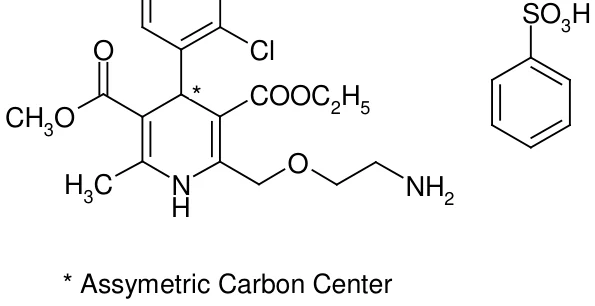
Molecular mass: 567.1 g/mol
Physical form: Amlodipine besylate is a white crystalline substance.
Solubility: Amlodipine besylate is slightly soluble in water and sparingly soluble in ethanol, M.P.= 203°C with decomposition. pKa = 9.02 at 23.5°C.
Atorvastatin component of pendo-AMLODIPINE-ATORVASTATIN
Proper name: atorvastatin calcium
Chemical name: [R-(R*,R*)] -2-(4-fluorophenyl)-B,D-dihydroxy-5-(1-methylethyl)-3-phenyl-4- [(phenyl amino)-carbonyl]-1H-pyrrole-l-heptanoic acid, calcium salt (2:1)
Empirical Formula: (C33H34FN2O5)2Ca
Molecular mass: 1155.36 g/mol
Structural formula:
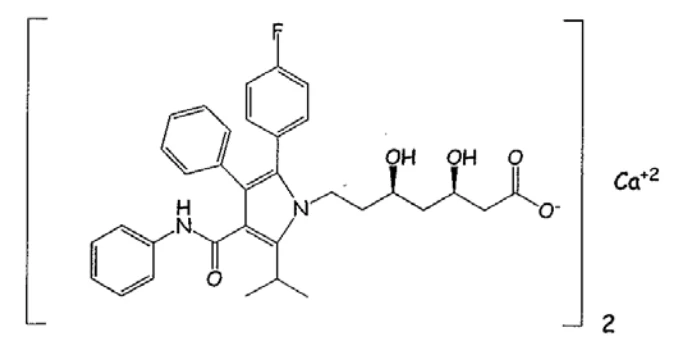
Physical form: Atorvastatin calcium is a white to off-white crystalline powder.
Solubility: Atorvastatin calcium is practically insoluble in aqueous solutions of pH 4 and below. Atorvastatin calcium is very slightly soluble in distilled water, pH 7.4 phosphate buffer, and acetonitrile, slightly soluble in ethanol, and freely soluble in methanol.
CLINICAL TRIALS
pendo-AMLODIPINE-ATORVASTATIN
Comparative Bioavailability Studies
A single dose, randomized, double-blinded, crossover, pivotal, two-period, two-sequence, two-treatment comparative bioavailability study was conducted to compare pendo-AMLODIPINE-ATORVASTATIN (amlodipine besylate/atorvastatin calcium) 10 mg / 20 mg tablets (PENDOPHARM, division of Pharmascience Inc.), with CADUET® (amlodipine besylate/atorvastatin calcium) 10 mg/20 mg Tablets (Pfizer Canada Inc.) administered as 1 x 10 mg / 20 mg dose to 30 healthy male volunteers under fasting conditions. Bioavailability data (n=29 for amlodipine, n=30 for atorvastatin) were measured and the results are summarized in the following table:
Summary Table Of The Comparative Bioavailability Data
Amlodipine (1 x 10 mg) From measured data Geometric Mean Arithmetic Mean (CV %) | ||||
|---|---|---|---|---|
| Parameter | Test* | Reference** | Ratio of Geometric Means | 90% Confidence Interval |
AUC0-72 (ng.h/mL) | 220.218 230.158 (26.61 ) | 229.233 242.019 (28.43 ) | 96.07 | 92.70 - 99.55 |
Cmax (ng/mL) | 6.443 6.684 (26.81 ) | 6.689 6.893 (23.65 ) | 96.33 | 91.62 - 101.28 |
Tmax§ (h) | 6.00 (5.00 - 9.00 ) | 6.00 (5.00 - 11.00 ) | ||
* pendo-AMLODIPINE-ATORVASTATIN 10 mg/20 mg Tablets (PENDOPHARM, division of
Pharmascience Inc.)
** CADUET® 10 mg/20 mg tablets (Pfizer Canada Inc.) were purchased in Canada.
γ Due to the design of the study, AUCI and T1/2 could not be accurately estimated and therefore, were not reported.
§ Expressed as median (range) only.
Summary Table Of The Comparative Bioavailability Data
Atorvastatin (1 x 20 mg) From measured data Geometric Mean Arithmetic Mean (CV %) | ||||
|---|---|---|---|---|
| Parameter | Test* | Reference** | Ratio of Geometric Means | 90% Confidence Interval |
AUCT (ng.h/mL) | 36.514 41.574 (61.87 ) | 38.561 43.298 (56.49 ) | 94.69 | 89.05 - 100.68 |
AUCinf (ng.h/mL) | 44.754 50.998 (62.95 ) | 47.848 53.332 (56.86 ) | 93.54 | 85.99 - 101.74 |
Cmax (ng/mL) | 7.588 9.165 (82.78 ) | 6.672 7.739 (61.59 ) | 113.73 | 98.83 - 130.88 |
Tmax§ (h) | 1.00 (0.50 - 3.00 ) | 1.00 (0.50 - 10.00 ) | ||
T1/2 † (h) | 8.27 (30.42) | 9.20 (24.34) | ||
* pendo-AMLODIPINE-ATORVASTATIN 10 mg/20 mg Tablets (PENDOPHARM, division of Pharmascience
Inc.)
**CADUET® 10 mg/20 mg tablets (Pfizer Canada Inc.) were purchased in Canada.
§ Expressed as median (range) only.
† Expressed as mean (CV %) only.
Clinical studies in patients with hypertension and dyslipidemia
In a double-blind, placebo-controlled study, a total of 1660 patients with co-morbid hypertension and dyslipidemia received once daily treatment with 8 dose combinations of amlodipine besylate and atorvastatin calcium (5/10 mg, 5/20 mg, 5/40 mg, 5/80 mg, 10/10 mg, 10/20 mg, 10/40 mg, 10/80 mg), amlodipine alone (5 mg and 10 mg), atorvastatin alone (10 mg, 20 mg, 40 mg, 80 mg) or placebo. At 8 weeks, all 8-combination treatment groups of amlodipine and atorvastatin demonstrated statistically significant dose-related reductions in systolic blood pressure and LDL-C compared to placebo, with no overall modification of effect of either component on SBP and LDL-C (Table 4).
Table 4 - Primary Efficacy Analysis: Efficacy of the Combined Treatments in Reducing SBP and LDL-C
| Efficacy of the Combined Treatments in Reducing Systolic BP | |||||||||||
|---|---|---|---|---|---|---|---|---|---|---|---|
| Parameter / Analysis | Placebo | ATO 10 mg | ATO 20 mg | ATO 40 mg | ATO 80 mg | ||||||
| Placebo | LS mean change mmHg | -2.9 | -4.3 | -6.1 | -6.2 | -6.6 | |||||
AML 5 mg | |||||||||||
| LS mean change mmHg | -12.6 | -13.6 | -15.3 | -12.8 | -12.6 | ||||||
| 95% CIs | -12.3/-6.3 | -12.2/-6.2 | -9.7/-3.6 | -9.0/-3.0 | |||||||
AML 10 mg | LS mean change mmHg | -16.5 | -15.9 | -16 | -16.5 | -17.5 | |||||
| 95% CIs | -14.6/-8.5 | -12.9/-6.8 | -13.3/-7.2 | -14.0/-7.9 | |||||||
| Efficacy of the Combined Treatments in Reducing LDL-C | |||||||||||
|---|---|---|---|---|---|---|---|---|---|---|---|
| Parameter / Analysis | Placebo | ATO 10 mg | ATO 20 mg | ATO 40 mg | ATO 80 mg | ||||||
| Placebo | LS mean % chg | -1.2 | -33.5 | -39.5 | -43.1 | -47 | |||||
AML 5 mg | |||||||||||
| LS mean % change | -0.1 | -39 | -42.2 | -44.9 | -48.2 | ||||||
| 95% CIs | -42.9/-34.9 | -46.2/38.2 | -48.8/-40.8 | -52.2/-44.2 | |||||||
AML 10 mg | LS mean % chg | -2.6 | -36.6 | -38.6 | -43.2 | -49.2 | |||||
| 95% CIs | -38.1/-30.0 | -40.0/-32.0 | -44.6/-36.7 | -50.6/-42.6 | |||||||
ATO: Atorvastatin AML: Amlodipine LDL-C: Low density lipoprotein cholesterol SBP: Systolic Blood Pressure Comparisons described above were between each individual combination treatment group and the corresponding amlodipine treatment group. BASELINE LDL-C= 182.0mg/dL SBP=148.4mmHg | |||||||||||
In a double-blind, placebo-controlled study, a total of 847 patients with co-morbid hypertension and dyslipidemia received once daily placebo, 5 mg amlodipine, 10 mg of atorvastatin or the combination of 5 mg amlodipine and 10 mg atorvastatin. The primary objective of the study was the percentage of patients on the combination of amlodipine and atorvastatin reaching JNC VI and NCEP III goals compared to atorvastatin, amlodipine and placebo alone. The results following 8 weeks of treatment are summarized in Table 5. Significantly more patients treated with the combination (45.5%) reached both their BP and LDL-C goals compared to amlodipine or atorvastatin alone.
Table 5 - Results of efficacy end-points in placebo-controlled study of amlodipine/atorvastatin in patients with hypertension and dyslipidemia
Placebo N = 239 | ATO 10 mg N = 200 | AML 5 mg N = 201 | ATO 10 mg & AML 5 mg N = 207 | |
| JNC VI* Blood Pressure goals | 29.7% | 32.3% | 54% | 51%◊ |
| NCEP ATP III LDL-C goals | 6.6% | 78.2% | 12.4% | 82.1%** |
| Both JNC VI and NCEP ATP III* goals | 3.5% | 28.6% | 8.3% | 45.5%*◊ |
| Change in BP mmHg | -5.4/-3.3 | -5.9/-4.2 | -14.3/-8.9 | -12.7/-8.2 + |
| Change in LDL-C -% | 0.2 | -33.9 | -1.8 | -37.2 a |
ATO: Atorvastatin AML: Amlodipine LDL-C: Low density lipoprotein cholesterol SBP: Systolic Blood Pressure
**P<0.001 versus amlodipine
◊P<0.001 versus atorvastatin
+ p< 0.001 vs. atorvastatin and NS vs. amlodipine
a p=0.07 vs Atorvastatin & <0.001 vs amlodipine
BASELINE LDL-C = 163.5 mg/dL, SBP = 146.9mmHg
* BP goals in JNC VII for this population are consistent with JNC VI BP goals
Amlodipine
Effects in Hypertension: The antihypertensive efficacy of amlodipine has been demonstrated in a total of 15 double-blind, placebo-controlled, randomized studies involving 800 patients on amlodipine and 538 on placebo. Once daily administration produced statistically significant placebo-corrected reductions in supine and standing blood pressures at 24 hours postdose, averaging about 12/6 mmHg in the standing position and 13/7 mmHg in the supine position in patients with mild to moderate hypertension. Maintenance of the blood pressure effect over the 24-hour dosing interval was observed, with little difference in peak and trough effect. Tolerance was not demonstrated in patients studied for up to 1 year. The 3 parallel, fixed-dose, dose response studies showed that the reduction in supine and standing blood pressures was dose related within the recommended dosing range. Effects on diastolic pressure were similar in young and older patients. The effect on systolic pressure was greater in older patients, perhaps because of greater baseline systolic pressure. Effects were similar in black patients and in white patients.
Effects in Chronic Stable Angina: The effectiveness of 5-10 mg/day of amlodipine in exercise-induced angina has been evaluated in 8 placebo-controlled, double-blind clinical trials of up to 6 weeks duration involving 1038 patients (684 amlodipine, 354 placebo) with chronic stable angina. In 5 of the 8 studies significant increases in exercise time (bicycle or treadmill) were seen with the 10 mg dose. Increases in symptom limited exercise time averaged 12.8% (63 sec) for amlodipine, 10 mg, and averaged 7.9% (38 sec) for amlodipine, 5 mg. Amlodipine, 10 mg also increased time to 1 mm ST segment deviation in several studies and decreased angina attack rate. The sustained efficacy of amlodipine in angina patients has been demonstrated over long-term dosing. In patients with angina, there were no clinically significant reductions in blood pressures (4/1 mmHg) or changes in heart rate (+0.3 bpm).
Atorvastatin
Prevention of Cardiovascular Disease
In the Anglo-Scandinavian Cardiac Outcomes Trial (ASCOT), the effect of atorvastatin on fatal and non-fatal coronary heart disease was assessed in 10,305 hypertensive patients 40-80 years of age (mean of 63 years), without a previous myocardial infarction and with TC levels ≤6.5 mmol/L. Additionally all patients had at least 3 of the following cardiovascular risk factors: male gender (81.1%), age ≥55 years (84.5%), smoking (33.2%), diabetes (24.3%), history of CHD in a first-degree relative (26%), TC:HDL ≥6 (14.3%), peripheral vascular disease (5.1%), left ventricular hypertrophy (14.4%), prior cerebrovascular event (9.8%), specific ECG abnormality (14.3%), proteinuria/albuminuria (62.4%). In this double-blind, placebo-controlled study, patients were treated with anti-hypertensive therapy (Goal BP <140/90 mm Hg for non-diabetic patients, <130/80 mm Hg for diabetic patients) and allocated to either atorvastatin 10 mg daily (n=5168) or placebo (n=5137), using a covariate adaptive method which took into account the distribution of nine baseline characteristics of patients already enrolled and minimized the imbalance of those characteristics across the groups. Patients were followed for a median duration of 3.3 years.
The effect of 10 mg/day of atorvastatin on lipid levels was similar to that seen in previous clinical trials.
Atorvastatin significantly reduced the rate of coronary events [either fatal coronary heart disease (46 events in the placebo group vs 40 events in the atorvastatin group) or nonfatal MI (108 events in the placebo group vs 60 events in the atorvastatin group)] with an absolute risk reduction of 1.1% and a relative risk reduction of 36% (based on incidences of 1.9% for atorvastatin vs 3.0% for placebo), p=0.0005 (see figure 1)]. This risk reduction yields a Number Needed to Treat of 311 patients per year. The risk reduction was consistent regardless of age, smoking status, obesity or presence of renal dysfunction. The effect of atorvastatin was seen regardless of baseline LDL levels. Due to the small number of events, results for women were inconclusive.
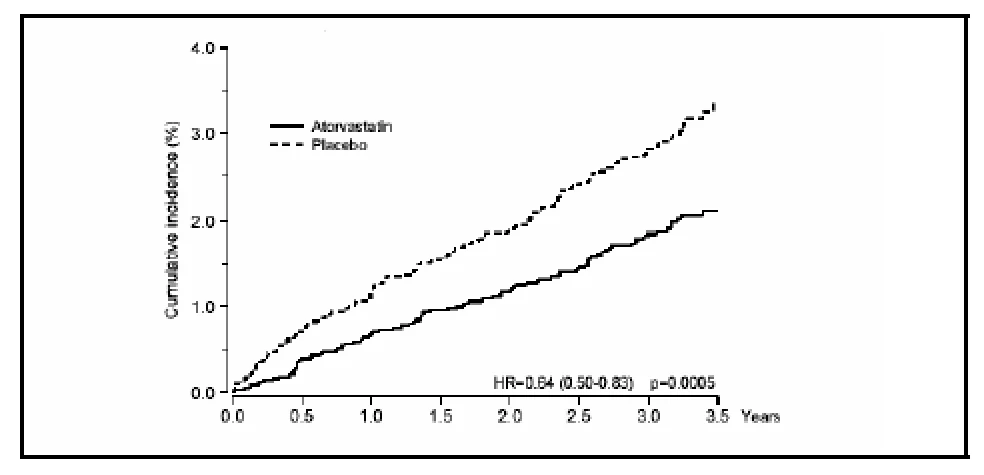
Figure 1: Effect of atorvastatin 10 mg/day on Cumulative Incidence of Nonfatal Myocardial Infarction or Coronary Heart Disease Death (in ASCOT-LLA)
Hypercholesterolemia
Atorvastatin has been shown to significantly improve lipid profiles in a variety of dyslipidemic conditions. Atorvastatin has been shown to be highly effective in reducing total and LDL-cholesterol, and triglycerides and apolipoprotein B in patients with primary hypercholesterolemia, familial and non-familial hypercholesterolemia, and mixed dyslipidemia, including familial combined dyslipidemia and patients with non-insulin dependent diabetes mellitus (NIDDM).
In 2 multicentre, placebo-controlled, double-blind, dose-response studies in patients with mild to moderate hypercholesterolemia (Fredrickson Types IIa and IIb), atorvastatin given as a single daily dose over 6 weeks reduced total-C, LDL-C, apo B, and TG; HDL was increased (Table 6). A therapeutic response was evident within 2 weeks, and the maximum response was usually achieved within 2-4 weeks.
Table 6 - Dose-Response in Patients With Mild to Moderate Hypercholesterolemia (Fredrickson Types IIa and IIb) (Mean Percent Change From Baseline)a
atorvastatin Dose (mg/day) | N | Total-C | LDL-C | Apo B | TG | HDL-C |
| Placebo | 21 | +4 | +4 | +3 | +10 | -3 |
| 10 | 22 | -29 | -39 | -32 | -19 | +6 |
| 20 | 20 | -33 | -43 | -35 | -26 | +9 |
| 40 | 21 | -37 | -50 | -42 | -29 | +6 |
| 80 | 23 | -45 | -60 | -50 | -37 | +5 |
a Results are pooled from 2 dose-response studies
In a pooled data set from 24 controlled clinical trials in patients with primary hypercholesterolemia (Type IIa) and mixed (combined) dyslipidemia (Type IIb), atorvastatin increased HDL-C by 5% to 8% from baseline at each dose tested (10, 20, 40, and 80 mg QD) (Table 7). In patients with HDL-C < 0.9 mmol/L (a condition often observed in persons with the metabolic syndrome) (see INDICATIONS AND CLINICAL USE), atorvastatin raised HDL-C 7% to 14%. These changes were independent of the dose administered. Atorvastatin also decreased total-C/HDL-C, LDL-C/HDL-C, and non-HDL-C/HDL-C ratios from baseline in a dose-dependent manner (Table 4). Atorvastatin (10, 20, 40 and 80 mg QD) increased HDL-C levels from baseline for both men and women.
Table 7 - Adjusteda Mean Percent Changes from Baseline in HDL-C, Total-C/HDL-C, LDL-C/HDL-C, Non-HDL-C/HDL-C, and HDL-C 0.9 mmol/L for Patientsb With Mild to Moderate Hypercholesterolemia (Fredrickson Types IIa and IIb)
atorvastatin Dose (mg/day) | N (all patients) | HDL-C | Total-C/ HDL-C | LDL-C/ HDL-C | Non HDL-C/ HDL-C | HDL-C (baseline # 0.9 mmol/L) (N) | |||
| Placebo | 250 | +0.2◊ | +2.8◊ | +3.8◊ | +3.5◊ | +6.2* (17) +13.8 (248) +8.3 (20) +8.6 (8) +7.1 (58) | |||
| 10 | 1871 | +6.4 | -29.3♦ | -37.0♦ | -35.5♦ | ||||
| 20 | 147 | +7.8 | -36.0♦ | -44.1♦ | -43.0♦ | ||||
| 40 | 115 | +7.1 | -38.9♦ | -49.6♦ | -47.1♦ | ||||
| 80 | 318 | +5.0 | -43.5♦ | -55.3♦ | -52.4♦ | ||||
a Least squares means from ANCOVA model with study, treatment and baseline
b Data pooled from 24 controlled studies
♦-significant linear dose trend
◊ significantly different from atorvastatin 10 mg (p<0.01)
* significantly different from atorvastatin 10 mg (p<0.05)
In another multicentre, placebo-controlled, double-blind trial in patients with hypertriglyceridemia, atorvastatin lowered triglycerides in a dose-related manner, without causing a redistribution of triglycerides into various lipoprotein fractions (Table 8).
Table 8 - Efficacy in Patients With Hypertriglyceridemia (Mean Percent Change From Baseline)
Atorvastatin Dose (mg/day) | N | VLDL- C | Total-C | VLDL- TG | LDL-C | TG | HDL-C | Apo B |
| Placebo | 12 | -2 | +0.3 | -6.6 | +1.4 | -5.3 | +2.4 | +2.7 |
| 5 | 11 | -34.0* | -19.9* | -28.7 | -12.7* | -27.3 | +7.1 | -15.4* |
| 20 | 12 | -46.0* | -33.1* | -35.7* | -31.1* | -33.7* | +10.6 | -32.7* |
| 80 | 11 | -54-2* | -41.3* | -43.6* | -36.1* | -42.4* | +11.8* | -38.7* |
* Significantly different from placebo, p<0.05
Comparison of pooled data by Fredrickson types shows similar reductions for Type IIa and IIb patients in total-C, LDL-C and apo B; however, Type IIb patients, and Types IV patients experience a greater percent decrease in VLDL-C and TG levels (Table 9).
Table 9 - Efficacy in Patients by Fredrickson Typea (Mean Percent Change from Baseline)
| atorvastatin 10 mg/day | |||||||
| Lipid Parameter | Type IIa (N = 935) | Type IIb (N = 550) | Type IV (N = 29) | ||||
| LDL-C | -36 | -35 | -26 | ||||
| Apo B | -28 | -28 | -25 | ||||
| Total-Cl | -27 | -27 | -25 | ||||
| TG | -14 | -24 | -29 | ||||
| VLDL-C | -15 | -28 | -41 | ||||
| HDL-C | +6 | +10 | +13 | ||||
| Apo B/HDL-C | -31 | -34 | -33 | ||||
| Non-HDL-C/HDL-C | -37 | -38 | -38 | ||||
aPooled dataset
A comparison of results in patients with heterozygous familial and non-familial hypercholesterolemia shows similar magnitudes of reductions in LDL-C, apo B and non-HDL-C/HDL-C ratio, in both patient populations (Table 10).
Table 10 - Efficacy in Heterozygous FH and Non FH Patients♦ (Mean Percent Change from Baseline)
| Lipid Parameter | Phenotype | atorvastatin | ||
| 10 mg/day | 80 mg/day | |||
| LDL-C | Heterozygous FH | -36 (N = 140) | -53(N = 154) | |
| Non FH | -36 N= 1215) | -52 (N = 166) | ||
| Apo B | Heterozygous FH | -27 (N = 134) | -46(N = 153) | |
| Non FH | -28 (N = 1149) | -46(N = 144) | ||
| Non HDL-C/HDL-C Ratio | Heterozygous FH | -37 (N = 140) | -53(N = 132) | |
| Non FH | -37 (N = 1215) | -54(N = 166) | ||
♦Data from several studies
Comparison of results in patients with and without familial combined dyslipidemia (FCH) demonstrated that atorvastatin lowered LDL-C, apo B, total-C, VLDL-C, TG, and the non HDL-C/HDL-C ratio to a similar extent in both patient populations (Table 11).
Table 11 - Efficacy in Patients With and Without FCH♦,a (Mean Percent Change from Baseline)
| Lipid Parameter | atorvastatin 10 mg/day | ||||
FCH (N = 78-84) | Non-FCH (N =1084-1224) | ||||
| Total-C | -26% | -27% | |||
| LDL-C | -34% | -36% | |||
| TG | -21% | -17% | |||
| HDL-C | +8% | +7% | |||
| Apo B | -26% | -28% | |||
| VLDL-C | -25% | -18% | |||
| Non HDL-C/HDL-C Ratio | -36% | -37% | |||
| LDL-C/Apo B ratio | -9% | -11% | |||
♦Data from several studies
aThe following criteria were used to define patients with FCH: first degree relative with lipid disorder, TG >250 mg/dL (>2.8 mmol/L), VLDL >45 mg/dL (>1.16 mmol/L), HDL <35 mg/dL (<0.9 mmol/L) (men) or <45 mg/dL (<1.16 mmol/L) (women).
In 3, double-blind, multicentre studies in patients with mild to moderate hypercholesterolemia, the number of patients meeting NCEP target LDL-C levels on atorvastatin was assessed over a 1-year period. After 16 weeks, between 46-74% of patients receiving 10 mg/day atorvastatin reached target LDL-C levels. The efficacy of atorvastatin (10 or 20 mg/day) was maintained over 52 weeks, with between 50-78% of patients achieving their LDL-C target levels.
The effect of atorvastatin was evaluated in comparative clinical trials with lovastatin, simvastatin and pravastatin. For information on these results please refer to “REFERENCES”.
For more detailed clinical trial information please refer to the individual Product Monographs for pendo-AMLODIPINE and pendo-ATORVASTATIN.
DETAILED PHARMACOLOGY
Atorvastatin
Human Pharmacokinetics
Pharmacokinetic interaction studies have been conducted in healthy subjects with 3 macrolide antibiotics: erythromycin and clarithromycin (both of which inhibit CYP 3A4), and with azithromycin. Co-administration of atorvastatin with erythromycin or clarithromycin, resulted in moderately increased atorvastatin plasma levels but atorvastatin plasma levels were not altered by azithromycin. Twelve (12) healthy subjects were administered atorvastatin 10 mg on Days 1 and 15; erythromycin 500 mg QID was administered from days 8 to 19. Erythromycin increased atorvastatin Cmax and AUC approximately 40%. In a second study, atorvastatin 10 mg was administered daily for 8 days; clarithromycin (500 mg BID) or azithromycin (500 mg QD) was co-administered from Days 6 - 8 (N=12/treatment). Co-administration with clarithromycin increased atorvastatin AUC ~80% and Cmax ~50%, but atorvastatin plasma levels were not significantly altered by coadministration with azithromycin.
Steady-state, open-label, pharmacokinetic studies with digoxin have been performed in healthy subjects with both low and high doses of atorvastatin. Atorvastatin (10 mg or 80 mg QD; N=11 and N=12, respectively), was administered from days 1 - 20 and digoxin (0.25 mg QD) from Days 11 - 20. At steady-state, atorvastatin 10 mg daily had no significant effect on steady-state digoxin pharmacokinetics. However, following co-administration with atorvastatin 80 mg QD, the mean steady-state digoxin AUC and Cmax increased 15% and 20%, respectively. Patients taking digoxin should be monitored appropriately.
The effect of amlodipine on the pharmacokinetics of atorvastatin was assessed at steady-state in a randomised, open-label, placebo-controlled, crossover study in healthy male subjects (N=16). Atorvastatin (80 mg QD) was administered with amlodipine (10 mg QD) or placebo from Days 1-8. Following a 14 day washout, the alternate combination was administered from Days 22 - 29. At steady-state, the co-administration of maximum doses of atorvastatin and amlodipine did not significantly alter the pharmacokinetics of atorvastatin and there were no apparent changes in blood pressure or heart rate.
The effect of quinapril on the pharmacokinetics of atorvastatin was assessed in a randomized, open-label study in healthy volunteers (N=22). Single doses of atorvastatin (10 mg) were administered on Days 1 to 14, and single doses of quinapril (80 mg) were administered on days 1 to 7 or Days 8 to 14. The mean Tmax value for atorvastatin during steady state quinapril administration was shortened by 1.25 hours compared to that of atorvastatin administered alone, but with no change in absorption/AUC or Cmax. No significant changes in blood pressure or heart rates were observed.
Concomitant administration of atorvastatin 20 mg to 40 mg and itraconazole 200mg daily resulted in a 2.5 – 3.3-fold increase in atorvastatin’s AUC.
Concomitant administration of atorvastatin 10 mg and cyclosporine 5.2 mg/kg/day resulted in a 7.7 fold increase in exposure to atorvastatin.
For more detailed pharmacology information please refer to the individual Product Monographs for pendo-AMLODIPINE and pendo-ATORVASTATIN.
TOXICOLOGY
Amlodipine
ACUTE TOXICITY - Amlodipine (as maleate unless otherwise indicated)
| SPECIES | SEX | ROUTE | LD50 | Range of Lethal Doses (mg/kg) | ||||||
| base/mg/kg | No Deaths | All Dead | ||||||||
| Mice | M F M F | p.o. p.o. IV IV | N.D. N.D. N.D. N.D. | 10 10 2.5 2.5 | 40 40 10 10 | |||||
| Rats | M F M F | p.o. p.o. IV IV | 150 140 N.D. N.D. | 2/10 at 100 2/10 at 100 1 1 | 400 250 10 10 | |||||
| Rats* | M F | p.o. p.o. | 393** 686** | |||||||
* Sprague Dawley Rats from Shizouka Lab Animal Centre, Hamamatsu, Japan
** Besylate Salt
+ Dogs from Interfauna, France
++ Dogs from Japan
N.D. Not Determined: The result did not permit calculations of LD50 values. Thus, range of lethal doses is given.
The main clinical signs in the oral studies were somnolence, decreased spontaneous movement and for rats salivation, dyspnea, ptosis, lacrimation, blanching, cyanosis, rough coat, abdominal distension, and eventually coma. After IV injection, the animals died rapidly showing only somnolence, tachypnea or ptosis.
| SPECIES | ROUTE | DOSE base mg/kg/ day | ANIMAL PER DOSE LEVEL | DURATION | FINDINGS | ||||
|---|---|---|---|---|---|---|---|---|---|
| MAXIMUM TOLERATED DOSE (SINGLE) | |||||||||
| Dog | Oral (gavage) | 4 8 16 | 2 M | Single Dose | At all dose levels: Vasodilation and increases in plasma aldosterone levels. At 4 mg/kg: Compensatory tachycardia. At 8 mg/kg: In 1 of 2 dogs vomiting, sedation, respiratory distress and diarrhea 48 hr post-dose; normal at day 5. Compensatory tachycardia. At 16 mg/kg: Moribund with hyperthermia within 24 hours; low blood pressure returned to normal over 2-6 days; transient raise in | ||||
| SPECIES | ROUTE | DOSE base mg/kg/ day | ANIMAL PER DOSE LEVEL | DURATION | FINDINGS | ||||
| MAXIMUM TOLERATED DOSE (SINGLE) | |||||
|---|---|---|---|---|---|
heart rate. Histological examination showed congestion, edema and hemorrhage of the right atrial wall in the 2 dogs at 16 mg/kg. The hemorrhage in the right atrial wall corresponds to the right atrial lesions seen in long-term studies with amlodipine and other vasodilators (see long-term toxicity). One of 2 dogs at each dose showed fibrosis of the left ventricle in the subendocardial region and the posterior papillary muscle. The maximum tolerated dose was not determined. | |||||
| Dog (Japanese Study) | Oral | 3.5 7 | 1 M 1 F | Single Dose | Mortality: 1 male dog at 7 mg/kg. Decreased spontaneous movement and flushing of palpebral conjunctiva and buccal cavity. At 7 mg/kg: 1 female vomiting; 1 male hypothermia, lying prone. Hematology/Clinical Chemistry: Increase in WBC and BUN at 10 and 5 mg/kg (males). The maximum tolerated dose was not determined. |
SUBACUTE AND CHRONIC TOXICITY
| SPECIES | ROUTE | DOSE Base mg/kg/ day | ANIMAL PER DOSE LEVEL | DURATION | FINDNGS |
|---|---|---|---|---|---|
| Mouse | Oral (diet) | 0 2.5 5 10 | 10 M 10 F | 2 Months | At 10 mg/kg/day: Mice died during week 2 of the study. At 5 mg/kg/day (males and females) and 2.5 mg/kg/day (males): Increase in water consumption. At 5 mg/kg/day-Pathology: Drug-related increases in heart and liver weights. |
| Rat (Japanese Study) | Oral (gavage) | 0 4 16 32 64 | 12 M 12 F | 1 Month | At 64 mg/kg/day: All rats died within 9 days. At 32 mg/kg/day: 12/24 rats died; decreased food consumption, growth inhibition, ptosis, decreased spontaneous movement. At 16 and 32 mg/kg/day: The pattern of results on heart weights, increased urinary volume, effect on electrolyte balance and the adrenals was similar to that of the 6 month study below; increase in BUN at 16 mg/kg (males) and at 32 mg/kg (males and females). |
| Rat (Japanese Study) | Oral (gavage) | 0 2 7 21 | 16 M 16 F | 3 Months followed by 1 Month drug withdrawal | 21 mg/kg/day: Salivation, growth inhibition, increased BUN, increased urinary volume, effect on electrolyte balance and adrenals was similar to that of the 6 month study below. Also post-mortem dilation of small intestine without morphological lesions. At 7 mg/kg/day: Alterations in urinary electrolytes excretion. No drug related effects at the end of 1 month drug withdrawal phase. |
| Rat | Oral (gavage) | 0 2.5 5 10 | 20 M 20 F | 6 Months | At all dose levels: Renal effects: increased urinary volume and/or Na/K/Cl excretion, decreased plasma Na/K and/or Ca/Cl and increased urea; Post-mortem: Increase in heart weights. At 10 mg/kg/day: Renal effects: increased kidney weight. Histopathology: Thickening of zona glomerulosa at 5 and 10 mg/kg/day. |
| Rat (Japanese Study) | Oral (gavage) | 1.4 7 18 | 30 M 30 F | 12 Months | (interim sacrifice 5/sex/group after 6 months) Mortality: 3 rats (2 males and 1 female) at 18 mg/kg/day. At 18 mg/kg/day: Salivation, growth inhibition; Renal effects: increase in |
Oral (gavage) | |||||
| 0.5 to 4 | 2 M 2 F | 10 Days | Supplementary Dose Escalation Study (0.5 mg/kg/day). At 4 mg/kg: Death of all (4/4) dogs preceded in 3 dogs by low systolic blood pressure, bradycardia, disturbances of heart rhythm and conduction. Clinical signs included pale skin, hypothermia and prostration. Histopathology: Showed foci of myocyte necrosis and sarcoplasmic vacuolation in the left ventricle, papillary muscle and left and right atria. Congestion and/or edema in several organs (i.e. gastrointestinal tract/gall bladder wall and surrounding tissues as well as the connective tissue surrounding both kidneys). | ||
| SPECIES | ROUTE | DOSE Base mg/kg/ day | ANIMAL PER DOSE LEVEL | DURATION | FINDNGS |
urinary volume with increased electrolytes excretion and decreased serum electrolytes; increase in BUN. At 7 mg/kg/day: Growth inhibition (males); Renal effects: increases of urinary volume and electrolyte excretion. Post-mortem: Increases of adrenal weights (at 18 mg/kg), increases of relative heart weight (18 and 7 mg/kg), dilated small intestines without morphological change (18 mg/kg). Histopathology-Main Finding: Enlargement of the zona glomerulosa of the adrenals (18 and 7 mg/kg). Dog | |||||
| Dog | Oral | 0 0.25 0.5 1 | 3 M 3 F | 6 Months | At all dose levels: Increase in urinary volume and urinary excretion of electrolytes (not dose-related). Reduction in blood pressure and increases in heart rate. At 1 mg/kg/day - Pathology: Increase in relative heart weights in 4/6 dogs, inflammatory lesion of the right atrial wall was seen which was considered to be consequence of excessive hemodynamic changes. |
| Dog | Oral | 0 0.125 0.25 0.5 | 4 M 4 F | 12 Months | At 0.5 mg/kg/day: Reduction in blood pressure and increases in heart rate; increase in urinary volume and urinary excretion of |
| SPECIES | ROUTE | DOSE Base mg/kg/ day | ANIMAL PER DOSE LEVEL | DURATION | FINDNGS |
electrolytes (females). At 0.5 mg/kg/day - Pathology: Showed inflammatory lesions of the right atrial wall in 1/8 dogs, similar to that of the 6 month study above, and diffuse gingival hyperplasia. | |||||
MUTAGENICITY
| Study | Test Organism | Dose | Route | Major Findings |
|---|---|---|---|---|
Ames Test (modified) Quantitative Plate Assay (QAP) and Metabolic Activation (MA) with Hepatic Microsomes | salmonella typhimurium: Strains TA 1535, TA 1537, TA 98 and TA 100 | 10-0.02 mg/plate (QAP) 0.2-0.0005 mg/plate (MA) | In-vitro | No evidence of mutation frequency. |
In-vivo Cytogenetic Tests | mouse bone marrow | 20 mg/kg single dose 10 mg/kg/day for 5 days | In-vivo p.o. s.c. | No indication of chromosome breakage or mutagenicity observed |
In vitro Cytogenetic Tests with or without metabolic activation [rat liver microsomal enzymes (S-9)] | human lymphocytes | Without metabolic activation: 0.01 to 1000 mcg/Ml of culture medium With metabolic activation: 1.0 to 25 mcg/Ml of culture medium. | In-vitro | Non-activation: No evidence of induced chromosome breakage observed at levels of 1.0 mcg/mL and below. At levels higher than 1.0 mcg/mL, compound produced mitotic inhibition. Activation: No drug induced clastogenic activity observed at levels up to 10 mcg/mL. Higher levels produced mitotic inhibition. |
| Quantitative Plate Assay (QAP) of Mouse Urine | Salmonella typhimurium Strains: TA 1535, TA 1537, TA 98, and TA 100. | 0, 1, 10 and 20 mg/kg | In-vivo p.o. | No incidence of an excreted mutagen. |
| L 5178Y/TK +/- Gene Mutation Assay with and | Mouse lymphoma cells | 1.2 – 38 mcg/mL | In-vitro | No evidence of gene mutational activity. |
| Study | Test Organism | Dose | Route | Major Findings |
| without liver S-9 fraction | ||||
CARCINOGENICITY
There was no evidence of a carcinogenic effect when amlodipine was administered in the diet for up to 24 months to rats up to 2.5 mg/kg/day. Amlodipine was also administered for up to 24 months of dietary administration to mice at doses up to 2.5 mg/kg/day and no evidence of carcinogenicity was observed.
REPRODUCTION AND TERATOLOGY
| SPECIES | ROUTE | DOSE Base mg/kg/day | ANIMAL PER DOSE LEVEL | DURATION | FINDINGS |
|---|---|---|---|---|---|
| Fertility | |||||
Rat (SD) (Japanese Study) | Oral (gavage) | 0 1.4 7 18 | 24 M + 24 F | Males 71 days prior to and during mating. Females 14 days prior to and during mating and up to 7 days of gestation. | At 18 mg/kg: Impairment of body weight gain (females). There were no effects of the drug on copulation or pregnancy rates, nor any evidence of embryotoxicity or teratogenicity. |
| Teratology | |||||
| Rat (Charles River CD/SD) | Oral (gavage) | 0 2 5 10 | 20 F | Days 6-15 post insemination. Hysterectomies on day 20 of gestation. | No effects were observed. |
Rat (SD) Japanese Study | Oral (gavage) | 3 7 18 | 34 F | Days 7-17 post-insemination. b of dams sacrificed on day 21 of gestation. F1 generation followed. | No effects were observed except in the dams. At 18 mg/kg: Reduction in food intake and body weight gain. |
| Rabbit (Japanese White) Japanese Study | Oral | 3 7 18 | 18 or 19 F | Day 6 to day 18 of gestation | At 18 and 7 mg/kg: Decrease in maternal body weight (18 mg/kg) decrease in food consumption (18 and 7 mg/kg). No |
| SPECIES | ROUTE | DOSE Base mg/kg/day | ANIMAL PER DOSE LEVEL | DURATION | FINDINGS |
| evidence of drug induced fetotoxicity or teratogenicity. Peri- and Post-Natal | |||||
Rat (SD) Japanese Study | Oral (gavage) | 0 1.4 2.8 7.0 | 25 F | Day 17 of gestation to day 21 post-partum. | As in the combined Fertility / Perinatal Study above; at the high dose level (7.0 mg/kg/day) adverse effects were observed on parturition and number of viable pups at birth and day 4 post-partum. |
Atorvastatin
Acute Toxicity
The acute toxicity of atorvastatin following single doses was evaluated in mice, rats and dogs by oral and intravenous routes, and the results are summarized below:
Table 12 -Acute Oral and Intravenous Toxicity Studies with Atorvastatin
| Species | Sex | Route | Dose Range (mg/kg) | Results |
| Mouse | Male/Female | Oral | 200-5000 | No Deaths |
| Mouse | Male/Female | IV | 0.4 - 4 | No Deaths |
| Rat | Male/Female | Oral | 200-5000 | No Deaths |
| Rat | Male/Female | IV | 0.4 - 4 | No Deaths |
| Dog | Male/Female | Oral | 10 - 400 | No Deaths |
| Dog | Male/Female | IV | 0.4 - 4 | No Deaths |
The acute toxicity of atorvastatin in rodents and dogs is low. Oral median lethal doses in mice and rats are greater than 5000 mg/kg.
Subacute and Chronic Toxicity Studies
The target organs affected by atorvastatin in multiple dose toxicity studies in rats (2 weeks to 52 weeks), and dogs (2 weeks to 104 weeks) are summarized in the table below. The spectrum of effects observed is not unexpected in view of the magnitude of the dose levels used, potency of atorvastatin in inhibiting mevalonate synthesis and the essential role of HMG-CoA reductase in maintaining cellular homeostasis.
Table 13 - Atorvastatin: Target Organs Affected in Animal Studies
| Rat | Dog |
| Liver | Liver |
| Stomach (non-glandular) | Gallbladder |
| Skeletal Muscle | Skeletal Muscle |
| Intestine | |
| Brain/Optic Nerve* |
* Occurred after administration of high, intolerable doses (280 mg/kg)
The following table summarizes the significant adverse changes observed during long-term toxicology studies in rats (52 weeks) and dogs (104 weeks):
Table 14 - Atorvastatin: Significant Adverse Changes in Chronic Studies
| Species/Results | Minimal Toxic Dose (mg/kg/day) | No-Effect Dose (mg/kg/day) |
| RAT | ||
| Hepatocellular atypia | 70 | 5 |
| Bile Duct hyperplasia1 | 125 | 70 |
| Nonglandular stomach acanthosis | 125 | 70 |
| DOG | ||
| Death2 | 120 | 40 |
| Hepatocellular granulomata3 | 10 | ND |
| Hepatocellular necrosis3 | 120 | 40 |
| Gallbladder edema/hemorrhage3 | 120 | 40 |
| Bile duct hyperplasia3 | 120 | 10 |
| Intestinal ulcers and single cell necrosis3 | 120 | 40 |
| Skeletal muscle (tongue) necrosis2 | 120 | 40 |
1 Present only at Week 26; not observed at Week 52.
2 Findings occurred in Week 7 or 9.
3 Findings occurred at Week 52 or in moribund dogs, were less pronounced after a 12-week withdrawal period (Week 64), and were not observed after 104 weeks of dosing.
ND = Not determined.
The results of the long-term toxicology studies with atorvastatin indicated that similar to other HMG-CoA reductase inhibitors, the liver is the primary target organ. This is expected since the liver is the primary site of the pharmacologic action of atorvastatin and it is subject to the greatest drug exposure following oral administration. In both the rat and dog studies, the hepatic changes diminished with time (i.e. effects were less pronounced at the end of the 52-week and 104-week studies) suggesting an adaptive response.
Brain hemorrhage, optic nerve degeneration, lenticular opacities and testicular degeneration were not seen in dogs treated for 104-weeks with atorvastatin up to 120 mg/kg/day.
Carcinogenicity and Genotoxicity Studies
Atorvastatin was not carcinogenic in rats given 10, 30 or 100 mg/kg/day for 2 years. The 100 mg/kg dose is 63-fold higher than the maximum recommended human dose of 80 mg (1.6 mg/kg, based on a 50 kg human) and AUC (0-24 hr) values were 8- to 16-fold higher.
In a 2-year study in mice given 100, 200 or 400 mg/kg/day, incidences of hepatocellular adenoma in males and hepatocellular carcinoma in females were increased at 400 mg/kg. This dose is 250 times the maximum recommended human dose on a mg/kg basis and systemic exposure based on AUC (0-24 hr) was 6 to 11 times higher. There was no evidence of treatment-related increases in tumor incidences at the lower doses of 100 and 200 mg/kg/day (i.e. up to 125 times the maximum recommended human dose on a mg/kg basis and systemic exposures of 3 times higher based on AUC (0-24 hr).
Atorvastatin did not demonstrate mutagenic or clastogenic potential in four in vitro tests with and without metabolic activation or in one in vivo assay. It was negative in the Ames test with Salmonella typhimurium and Escherichia coli, and in the in vitro HGPRT forward mutation assay in Chinese hamster lung cells. Atorvastatin did not produce significant increases in chromosomal aberrations in the in vitro Chinese hamster lung cell assay and was negative in the in vivo mouse micronucleus test.
Reproductive and Teratogenicity Studies
No adverse effects on fertility or reproduction were observed in male rats given doses of atorvastatin up to 175/mg/kg/day or in female rats given doses up to 225 mg/kg/day. These doses are 100 to 140 times the maximum recommended human dose on a mg/kg basis.
Atorvastatin did not cause any adverse effects on sperm or semen parameters, or in reproductive organ histopathology in dogs given doses of 10, 40 or 120 mg/kg for 2 years. Atorvastatin was not teratogenic in either rats or rabbits.
REFERENCES
Amlodipine/Atorvastatin
- 1. Sever P, Dahlof B, Poulter N, Wedel H, Beevers G, Caulfield M, et al. Prevention of coronary and stroke events with atorvastatin in hypertensive patients who have average or lower-than-average cholesterol concentrations, in the Anglo_Scandinavian Cardiac Outcomes Trial Lipid Lowering Arm (ASCOT_LLA): a multicentre randomised controlled trial. Lancet 2003; 361:1149_58.
- 2. CADUET Product Monograph, C.P. Pharmaceuticals International C.V., Pfizer Canada Inc, licensee. Kirkland, Québec, Date of revision: February 18, 2016, control number 190090
Amlodipine
- 1. Abernethy DR, Gutkowska J, Lambert MD. Amlodipine in elderly hypertensive patients: pharmacokinetics and pharmacodynamics. J Cardiovasc Pharmacol 1988; 12(Suppl 7):S67-71.
- 2. Bernink PJLM, de Weerd P, ten Cate FJ, Remme WJ, Barth J, Enthoven R, Haagen FDM, Holwerda NJ, Klomps HC, and Coinvestigators. An 8-week double-blind study of amlodipine and diltiazem in patients with stable exertional angina pectoris. J Cardiovasc Pharmacol 1991;17(Suppl 1):S53-6.
- 3. Burris JF, Ames RP, Applegate WB, Ram CVS, Davidov ME, Mroczek WJ. Double-blind comparison of amlodipine and hydrochlorothiazide in patients with mild to moderate hypertension. J Cardiovasc Pharmacol 1988;12(Suppl 7):S98-102.
- 4. Cappuccio FP, Markandu ND, Sagnella GA, Singer DRJ, Buckley mgMG, Miller MA, MacGregor GA. Effects of amlodipine on urinary sodium excretion, renin-angiotensin-aldosterone system, atrial natriuretic peptide and blood pressure in essential hypertension. J Hum Hypertens 1991;5:115-19.
- 5. Frishman WH, Brobyn R, Brown RD, Johnson BF, Reeves RL, Wombolt DG. A randomized placebo-controlled comparison of amlodipine and atenolol in mild to moderate systemic hypertension. J Cardiovasc Pharmacol 1988;12(Suppl 7):S103-6.
- 6. Gandhi, Sonja, et al. Calsium-Channel Blocker – Clarithromycin Drug Interactions and Acute Kidney Injury. JAMA 310.23 (2013): 2544-2553.
- 7. Glasser SP, Chrysant SG, Graves J, Rofman B, Koehn DK. Safety and efficacy of amlodipine added to hydrochlorothiazide therapy in essential hypertension. Am J Hypertens 1989;2:154-7.
- 8. Glasser SP, West TW. Clinical safety and efficacy of once-a-day amlodipine for chronic stable angina pectoris. Am J Cardiol 1988;62:518-22.
- 9. Hosie J, Bremner AD, Fell PJ, James IGV, Saul PA, Taylor SH. Comparison of early side effects with amlodipine and nifedipine retard in hypertension. Cardiology 1992;80 (Suppl 1):54-9.
- 10. Klein W, Mitrovic V, Neuss H, Schlepper M, Cocco G, Prager G, Fitscha P, Meisner W. A 6-week double-blind comparison of amlodipine and placebo in patients with stable exertional angina pectoris receiving concomitant ?-blocker therapy. J Cardiovasc Pharmacol 1991;17(Suppl 1):S50-2.
- 11. Lopez LM, Thorman AD, Mehta JL. Effects of amlodipine on blood pressure, heart rate, catecholamines, lipids and responses to adrenergic stimulus. Am J Cardiol 1990; 66:1269-71.
- 12. Lorimer AR, Smedsrud T, Walker P, Tyler HM. Comparison of amlodipine and verapamil in the treatment of mild to moderate hypertension. J Cardiovasc Pharmacol 1988;12 (Suppl 7):S89-93.
- 13. Lund-Johansen P, Omvik P, White W, Digranes O, Helland B, Jordal O, Stray T. Long-term haemodynamic effects of amlodipine at rest and during exercise in essential hypertension. J Hypertens 1990;8(12):1129-36.
- 14. Meredith PA, Elliott HL. Clinical pharmacokinetics of amlodipine. Clin Pharmacokinet 1992;22(1):22-31.
- 15. Murdoch D, Heel RC. Amlodipine: a review of its pharmacodynamic and pharmacokinetic properties, and therapeutic use in cardiovascular disease. Drugs 1991;41(3):478-505.
- 16. Taylor SH. Amlodipine in post-infarction angina. Cardiology 1992;80(Suppl 1):26-30.
- 17. Taylor SH, Lee P, Jackson N, Cocco G. A double-blind, placebo-controlled, parallel dose-response study of amlodipine in stable exertional angina pectoris. J Cardiovasc Pharmacol 1991;17(Suppl 1):S46-9.
- 18. Toupance O, Lavaud S, Canivet E, Bernaud C, Hotton JM, Chanard J. Antihypertensive effect of amlodipine and lack of interference with cyclosporine metabolism in renal transplant recipients. Hypertension 1994;24(3):297-300.
- 19. Treatment of Mild Hypertension Research Group. The treatment of mild hypertension study: a randomized, placebo-controlled trial of a nutritional-hygienic regimen along with various drug monotherapies. Arch Intern Med 1991;151:1413-23.
- 20. Varonne J, Investigators of Study AML-NY-86-002. The efficacy and safety of amlodipine in the treatment of mild and moderate essential hypertension in general practice. J Cardiovasc Pharmacol 1991;17(Suppl 1):S30-3.
- 21.
Vetrovec G, Dailey S, Kay GN, Epstein A, Plumb V. Hemodynamic and electrophysiologic effects of amlodipine, a new long-acting calcium antagonist: preliminary observations. Am Heart J l989;118(5Pt2):1104-5.
Atorvastatin
- 1. Alaupovic P, Heinonen T, Shurzinske L, Black DM. Effect of a new HMG-Coa reductase inhibitor, atorvastatin, on lipids, apolipoproteins, and lipopotein particles in patients with elevated serum cholesterol and triglyceride levels. Atherosclerosis 1997; 133:123-133.
- 2. Bakker-Arkema RG, Davidson MH, Goldstein RJ, Davignon J, Isaacsohn JL, Weiss SR, Keilson LM, Brown V, Miller VT, Shurzinske LJ, Black DM. Efficacy and Safety of a New HMG-CoA Reductase Inhibitor, Atorvastatin, in Patients With Hypertriglyceridemia. JAMA 1996;275:128-133.
- 3. Bakker-Arkema RG, Nawrocki JM, Black DM. Safety profile of atorvastatin-treated patients with low LDL-cholesterol levels. Atherosclerosis 2000; 149:123-129.
- 4. Barter PJ, Ryes KA. High-density lipoproteins and coronary heart disease. Atherosclerosis 1996;121:1-12
- 5. Bertolini S, Bitollo Bon G, Campbell LM, Farnier M. Langan J, Mahla G, Pauciullo P, Sirtori C, Egros F, Fayyad R, Nawrocki J. The efficacy and safety of atorvastatin compared to pravastatin in patients with hypercholesterolemia. Atherosclerosis 1997; 130:191-197.
- 6. Best JD, Nicholson GC, O'Neal DN, Kotowicz M, Tebbutt NC, Chan K-W, Sanders K. Atorvastatin and simvastatin reduce elevated cholesterol in non-insulin dependent diabetes. Diabetes, Nutrition and Metabolism 1996;9:74-80.
- 7. Black DM. Atorvastatin: a step ahead for HMG-CoA reductase inhibitors. Atherosclerosis 1995;10:307-310.
- 8. Bocan TMA, Ferguson E, McNally W, et al. Hepatic and nonhepatic sterol synthesis and tissue distribution following administration of a liver selective HMG-CoA reductase inhibitor, CI-981: comparison with selected HMG-CoA reductase inhibitors. Biochim Biophys Acta 1992;1123:133-44.
- 9. Bocan TMA, Mazur MJ, Bak Mueller S, et al. Antiatherosclerotic activity of inhibitors of 3-hydroxy-3-methylglutaryl coenzyme A reductase in cholesterol-fed rabbits: a biochemical and morphological evaluation. Atherosclerosis 1994;111:127-42.
- 10. Brown AS, Bakker-Arkema RG, Yellen L, et al. Treating patients with documented atherosclerosis to National Cholesterol Education Program-recommended low-density-lipoprotein cholesterol goals with atorvastatin, fluvastatin, lovastatin, and simvastatin. JACC 1998; 32(3):665-672.
- 11. Cilla DD Jr, Gibson DM, Whitfield LR, Sedman AJ. Pharmacodynamic effects and pharmacokinetics of atorvastatin following drug administration to normocholesterolemic subjects in morning and evening. J Clin Pharmacol 1996;36:604-609.
- 12. Dart A, Jerums G, Nicholson G, d’Emden M, Hamilton-Craig I, Tallis G, Best J, West M, Sullivan D, Bracs P, Black D. A multicenter, double-blind, 1-year study comparing safety and efficacy of atorvastatin versus simvastatin in patients with hypercholesterolemia. Am J Cardiol 1997;80:39-44.
- 13. Davidson MM, McKenny JM, Stein EA, Schrott HG, Bakker-Arkema RG, Fayyad R, Black DM, for the Atorvastatin Study Group I. Comparison of one year efficacy and safety of atorvastatin versus lovastatin in primary hypercholesterolemia Am J Cardiol 1997; 79:1475-1481.
- 14. Davignon J. Atorvastatin: a statin with a large spectrum of action. Atherosclerosis ID Research Alert 1997; 2(6):243-252.
- 15. Davignon J. Prospects for Drug Therapy for Hyperlipoproteinemia. Diab Metab 1995;21:139-146.
- 16. Duell PB, Connor WE, Illingworth DR. Rhabdomyolysis after taking atorvastatin with gemfibrozil. Am J Cardiol 1998;81:368-369.
- 17. Edwards DJ, Bellevue FH, Woster PM. Identification of 6’,7’-Dihydrobergamottin, a Cytochrome P-450 Inhibitor, in Grapefruit Juice. Drug Metabolism and Disposition 1996;24:1287-90.
- 18. Gibson DM, Bron NJ, Richens A, Hounslow NJ, Sedman AJ, Whitfield LR. Effect of Age and Gender on Pharmacokinetics of Atorvastatin in Humans. J Clin Pharmacol 1996;36:242-246.
- 19. Heinonen TM, Schrott H, McKenney JM, Sniderman AD, Broyles FE, Zavoral JH, Kivel K, Black DM. Atorvastatin, a New HMG-CoA Reductase Inhibitor as Monotherapy and Combined With Colestipol. J Cardiovasc Pharmacol Therapeut 1996;1(2):117-122.
- 20. Heinonen TM, Stein E, Weiss SR, McKenney JM, Davidson M, Shurzinske L, Black DM. The lipid-lowering effects of atorvastatin, a new HMG CoA reductase inhibitor: results of a randomised, double-blind study. Clin Ther 1996;18(5):853-63.
- 21. Hermann, M. et al. Substantially elevated levels of atorvastatin and metabolites in cyclosporine-treated renal transplant recipients (Letters to the Editor). Clinical Pharmacology & Therapeutics vol. 76 no. 4: 388-391 (October 2004).
- 22. Jones P, Kafonek S, Laurora I, Hunninghake D, et al. Comparative dose efficacy study of atorvastatin versus simvastatin, pravastatin, lovastatin, and fluvastatin in patients with hypercholesterolemia (The CURVES Study). Am J Card 1998; 81:582-587.
- 23. Kantola T, Kivisto K, Neuvonen PJ: Effect of itraconazole on the pharmacokinetics of atorvastatin. Clinical Pharmacology & Therapeutics vol. 64 no. 1: 58-65 (July 1998).
- 24. Laaskonen R, Ojala JP, Tikanen MJ, Himberg JJ. Serum ubiquinone concentrations after short- and long-term treatment with HMG-CoA reductase inhibitors. Eur J Clin Pharmacol 1994;46:313-17.
- 25. Leiter L, Bhalla P. Atorvastatin calcium: A new HMG-CoA reductase inhibitor. Can J Clin Pharmacol 1998;5(3):138-154.
- 26. März W, Wollschläger H, Klein G et. al. Safety of Low-Density Lipoprotein Cholesterol Reduction With Atorvastatin Versus Simvastatin in a Coronary Heart Disease Population (the TARGET TANGIBLE Trial). Amer Jour Card 1999; 84:7-13.
- 27. Marais AD, Firth JC, Bateman M, Jones J, Mountney J, Martens C. Atorvastatin: an effective lipid lowering agent in familial hypercholesterolemia. Arterioscler Thromb Vasc Biol 1997; 18(8):1527-1531.
- 28. Mazzu AL, Lasseter KC, Shamblen EC, Agarwal V, Lettieri J, Sundaresen P: Itraconazole alters the pharmacokinetics of atorvastatin to a greater extent than either cerivastatin or pravastatin. Clinical Pharmacology & Therapeutics vol. 68 no. 4: 391-400 (October 2000).
- 29. McPherson R, Angus C, Murray P, Genest Jr. J, for the WATCH Investigators. Efficacy of Atorvastatin in Achieving National Cholesterol Education Program LDL-Cholesterol Targets in Women with Severe Dyslipidemia and CVD or Risk Factors for CVD: The Women's Atorvastatin Trial on Cholesterol (WATCH). American Heart Journal 2001; 141(6):949-56.
- 30. Naoumova RP, Marais AD, Mountney J, Firth JC, Rendell NB, Taylor GW, Thompson GR. Plasma mevalonic acid, an index of cholesterol synthesis in vivo, and responsiveness to HMG-CoA reductase inhibitors in familial hypercholesterolemia. Atherosclerosis 1996; 119:203-213.
- 31. Nawrocki JW, Weiss SR, Davidson MH, Sprecher DL, Schwartz SL, Lupien P-J, Johnes PH, Haber HE, Black DM. Reduction of LDL-cholesterol by 25% to 60% in patients with primary hypercholesterolemia by atorvastatin, a new HMG-CoA reductase inhibitor. Arterioscler Thromb Vasc Biol 1995; 15:678-682, 981-04.
- 32. Ooi T, Heinonen T, Alaupovich P, Davignon J, Leiter L, Lupien P, Sniderman A, Tan M, Tremblay G, Sorisky A, Shurzinske L, Black D. Efficacy and safety of a new HMG-CoA reductase inhibitor, atorvastatin, in patients with combined dyslipidemia: Comparison with fenofibrate. Arterioscler Thromb Vasc Biol 1997; 17(9):1793-1799.
- 33. Pitt B, Waters D, Brown WV, van Boven AJ, Schwartz L, Title LM, for the AVERT Investigators. Aggressive lipid lowering therapy compared with angioplasty in stable coronary artery disease. NEJM 1999; 326:70-76.
- 34. Posvar E, Radulovic L, Cilla DD Jr, Whitfield LR, Sedman AJ. Single-dose tolerance and pharmacokinetics of atorvastatin, a potent inhibitor of HMG-CoA reductase, in healthy subjects. J Clin Pharmacol 1996;36:728-31.
- 35. Radulovic LL, Cilla DD, Posvar EL, Sedman AJ, Whitfield LR. Effect of Food on the Bioavailability of Atorvastatin, an HMG-CoA Reductase Inhibitor. J Clin Pharmacol 1995;35:990-994.
- 36. Scanu AM. Lipoprotein(a) as a cardiovascular risk factor. Trends Cardiovasc Med 1991;1:294-99.
- 37. Sliskovic DR, Roth BD, Bocan TMA. Tissue selectivity of HMG-CoA reductase inhibitors. Drugs News & Perspectives 1992;5:517-33.
- 38. Stern R, Abel R, Gibson GL, Besserer J. Atorvastatin does not alter the anticoagulant activity of warfarin. J Clin Pharmacol 1997; 37:1062-1064.