


Product Monograph - PMS-Diltiazem CD
ACTION AND CLINICAL PHARMACOLOGY
pms-DILTIAZEM CD capsules are formulations of diltiazem hydrochloride, which is a calcium ion influx inhibitor (calcium entry blocker or calcium ion antagonist).
Mechanism of Action
The therapeutic effect of this group of drugs is believed to be related to their specific cellular action of selectively inhibiting transmembrane influx of calcium ions into cardiac muscle and vascular smooth muscle. The contractile processes of these tissues are dependent upon the movement of extracellular calcium into the cells through specific ion channels. Diltiazem blocks transmembrane influx of calcium through the slow channel without affecting to any significant degree the transmembrane influx of sodium through the fast channel. This results in a reduction of free calcium ions available within cells of the above tissues. Diltiazem does not alter total serum calcium.
Angina: The precise mechanism by which diltiazem relieves angina has not been fully determined but it is believed to be brought about largely by its vasodilator action.
In angina due to coronary spasm, diltiazem increases myocardial oxygen delivery by dilating both large and small coronary arteries and by inhibiting coronary spasm at drug levels which cause little negative inotropic effect. The resultant increases in coronary blood flow are accompanied by dose dependent decreases in systemic blood pressure and decreases in peripheral resistance.
In angina of effort, it appears that the action of diltiazem is related to the reduction of myocardial oxygen demand. This is probably caused by a decrease in blood pressure brought about by the reduction of peripheral resistance and of heart rate.
Hypertension: The antihypertensive effect of diltiazem is believed to be brought about largely by its vasodilatory action on peripheral blood vessels with resultant decrease in peripheral vascular resistance.
Hemodynamic and Electrophysiologic Effects
Diltiazem produces antihypertensive effects both in the supine and standing positions. Resting heart rate is usually slightly reduced. During dynamic exercise, increases in diastolic pressure are inhibited while maximum achievable systolic pressure is usually unaffected. Heart rate at maximum exercise is reduced.
Studies to date, primarily in patients with normal ventricular function, have shown that cardiac output, ejection fraction and left ventricular end diastolic pressure have not been affected.
Chronic therapy with diltiazem produces no change, or a decrease, in circulating plasma catecholamines. However, no increased activity of the renin-angiotensin-aldosterone axis has been observed. Diltiazem inhibits the renal and peripheral effects of angiotensin II.
In man intravenous diltiazem in doses of 20 mg prolongs AH conduction time and AV node functional and effective refractory periods by approximately 20%. Chronic oral administration of diltiazem in doses up to 540 mg per day has resulted in small increases in PR interval. Second degree and third degree AV block have been observed (see WARNINGS). In patients with sick sinus syndrome, diltiazem significantly prolongs sinus cycle length (up to 50% in some cases).
Pharmacokinetics
Diltiazem is well absorbed from the gastrointestinal tract and is subject to an extensive first-pass effect giving absolute bioavailability (compared to intravenous dosing) of about 40%. Therapeutic blood levels appear to be in the 50-200 ng/mL range and the plasma elimination half-life (beta-phase) following single or multiple drug administration is approximately 3.5 to 6.0 hours. In vitro human serum binding studies revealed that 70 to 80% of diltiazem is bound to plasma proteins. Diltiazem undergoes extensive hepatic metabolism in which only 2-4% of the drug appears unchanged in the urine and 6-7% appears as metabolites. The metabolic pathways of diltiazem include N- and O-demethylation (via cytochrome P450), deacetylation (via plasma and tissue esterases), in addition to conjugation (via sulfation and glucuronidation). In vitro studies have demonstrated that CYP 3A4 is the principal CYP isoenzyme involved in N-demethylation. The major metabolite, desacetyldiltiazem, is present in the plasma at levels 10-20% of the parent drug and is 25-50% as potent as diltiazem in terms of coronary vasodilation.
Diltiazem is considered to be a moderate inhibitor of CYP3A4, increasing the exposure of oral midazolam, a selective substrate of CYP3A4, by 3.8-fold. In an in vitro study, diltiazem was both a substrate and inhibitor of the efflux transporter, P-glycoprotein (P-gP). Coadministration of diltiazem with the P-gp probe substrate, digoxin, increased plasma concentrations and exposure of digoxin by approximately 20% and 40%, respectively.
Diltiazem Controlled Delivery (Once-a-day) Capsules: When compared to a regimen of diltiazem tablets at steady-state, more than 95% of drug is absorbed from the controlled delivery (CD) formulation. A single 360 mg dose of the capsule results in detectable plasma levels within 2 hours and peak plasma levels between 10 and 14 hours. When diltiazem CD was taken with a high fat content breakfast, the extent of diltiazem absorption was not affected but was delayed. Dose-dumping does not occur. The apparent elimination half-life after single or multiple dosing is 5 to 8 hours. A departure from linearity similar to that seen with diltiazem tablets and diltiazem SR capsules is observed. As the dose of diltiazem CD capsules is increased from a daily dose of 120 mg to 240 mg, there is an increase in the area under the curve (AUC) of 2.7 times. When the dose is increased from 240 mg to 360 mg there is an increase in AUC of 1.6 times.
A study which compared patients with normal hepatic function to liver cirrhosis patients noted an increase in half-life and a 69% increase in bioavailability in the hepatically impaired patients. A single dose study in patients with severely impaired renal function showed no difference in the half-life of diltiazem as compared to patients with normal renal function (see PRECAUTIONS and DOSAGE AND ADMINISTRATION).
Comparative Bioavailability
A single dose, double-blinded, 2-way crossover comparative bioavailability study, conducted under fed conditions, was performed on healthy male volunteers. The results obtained from 15 volunteers who completed the study are summarized in the following table. The rate and extent of absorption of diltiazem was measured and compared following a single oral dose (1 x 300 mg controlled delivery capsule) of pms-DILTIAZEM CD (diltiazem hydrochloride) 300 mg controlled delivery capsules (Pharmascience Inc.) and Cardizem® CD (diltiazem hydrochloride) 300 mg controlled delivery capsules (Nordic Laboratories, Inc.).
Diltiazem (1 x 300 mg) From Measured Data Geometric Mean Arithmetic Mean (CV%) | ||||
| Parameter | Test* | Reference† | Ratio of Geometric Means (%)# | 90% Confidence Interval (%)# |
| AUCt (ng•h/mL) | 2428 2787 (59) | 2517 3001 (65) | 96.4 | 83.6 – 111.1 |
| AUCx (ng•h/mL) | 1874 2121 (56) | 1722 1998 (59) | 108.4 | 92.7 – 126.7 |
| AUCI (ng•h/mL) | 2487 2856 (59) | 2602 3097 (65) | 95.6 | 83.2 – 109.8 |
| Cmax (ng/mL) | 136 155 (53) | 122 141 (58) | 110.8 | 93.6 – 131.3 |
| Tmax§ (h) | 8.40 (49) | 16.0 (50) | ||
| t½ § (h) | 4.77 (28) | 5.21 (28) | ||
* pms–DILTIAZEM CD (diltiazem hydrochloride) 300 mg controlled delivery capsules (Pharmascience Inc.) † Cardizem® CD (diltiazem hydrochloride) 300 mg controlled delivery capsules (Nordic Laboratories, Inc.) were purchased in Canada. § Expressed as arithmetic means (CV%) only. # Based on least squares means. | ||||
A single dose, double-blinded, 2-way crossover comparative bioavailability study, conducted under fasting conditions, was performed on healthy male volunteers. The results obtained from 16 volunteers who completed the study are summarized in the following table. The rate and extent of absorption of diltiazem was measured and compared following a single oral dose (1 x 300 mg controlled delivery capsule) of pms-DILTIAZEM CD (diltiazem hydrochloride) 300 mg controlled delivery capsules (Pharmascience Inc.) and Cardizem® CD (diltiazem hydrochloride) 300 mg controlled delivery capsules (Nordic Laboratories, Inc.).
Diltiazem (1 x 300 mg) From Measured Data Geometric Mean Arithmetic Mean (CV%) | ||||
| Parameter | Test* | Reference† | Ratio of Geometric Means (%)# | 90% Confidence Interval (%)# |
| AUCt (ng•h/mL) | 2037 2133 (30) | 2026 2192 (38) | 100.5 | 87.9 – 114.8 |
| AUCx (ng•h/mL) | 1616 1697 (31) | 1530 1659 (40) | 105.6 | 92.3 – 120.8 |
| AUCI (ng•h/mL) | 2067 2158 (29) | 2059 2226 (39) | 101.1 | 88.1 – 116.0 |
| Cmax (ng/mL) | 107 112 (29) | 118 127 (39) | 90.8 | 80.3 – 102.7 |
| Tmax§ (h) | 10.6 (57) | 11.2 (52) | ||
| t½ § (h) | 5.58 (21) | 6.05 (22) | ||
* pms–DILTIAZEM CD (diltiazem hydrochloride) 300 mg controlled delivery capsules (Pharmascience Inc.) † Cardizem® CD (diltiazem hydrochloride) 300 mg controlled delivery capsules (Nordic Laboratories, Inc.) were purchased in Canada. § Expressed as arithmetic means (CV%) only. # Based on least squares means. | ||||
A multiple dose, 2-way crossover comparative bioavailability study, conducted under steady state conditions, was performed on healthy male volunteers. The results obtained from 16 volunteers who completed the study are summarized in the following table. The rate and extent of absorption of diltiazem was measured and compared following multiple oral doses (1 x 300 mg controlled delivery capsules administered once daily for 7 days) of pms-DILTIAZEM CD (diltiazem hydrochloride) 300 mg controlled delivery capsules (Pharmascience Inc.) and Cardizem® CD (diltiazem hydrochloride) 300 mg controlled delivery capsules (Nordic Laboratories, Inc.).
Diltiazem (1 x 300 mg once daily for 7 days) From Measured Data Geometric Mean Arithmetic Mean (CV%) | ||||
| Parameter | Test* | Reference† | Ratio of Geometric Means (%)# | 90% Confidence Interval (%)# |
| AUCτ (ng•h/mL) | 3121 3345 (38) | 3100 3307 (36) | 100.7 | 91.9 – 110.3 |
| Cmax (ng/mL) | 206 220 (38) | 200 214 (36) | 102.7 | 92.8 – 113.8 |
| Cmin (ng/mL) | 73.8 82.7 (47) | 80.4 89.4 (46) | 91.7 | 80.4 – 104.5 |
| Tmax§ (h) | 7.25 (40) | 7.00 (65) | ||
* pms–DILTIAZEM CD (diltiazem hydrochloride) 300 mg controlled delivery capsules (Pharmascience Inc.) † Cardizem® CD (diltiazem hydrochloride) 300 mg controlled delivery capsules (Nordic Laboratories, Inc.) were purchased in Canada. § Expressed as arithmetic means (CV%) only. # Based on least squares means. | ||||
A multiple dose, 2-way crossover comparative bioavailability study, conducted under steady state conditions, was performed on healthy male volunteers. The results obtained from 16 volunteers who completed the study are summarized in the following table. The rate and extent of absorption of diltiazem was measured and compared following multiple oral doses (1 x 120 mg controlled delivery capsules administered once daily for 7 days) of pms-DILTIAZEM CD (diltiazem hydrochloride) 120 mg controlled delivery capsules (Apotex Inc.) and Cardizem® CD (diltiazem hydrochloride) 120 mg controlled delivery capsules (Marion Merrell Dow (Canada) Inc.).
Diltiazem (1 x 120 mg once daily for 7 days) From Measured Data Geometric Mean Arithmetic Mean (CV%) | ||||
| Parameter | Test* | Reference† | Ratio of Geometric Means (%)# | 90% Confidence Interval (%)# |
| AUCτ (ng•h/mL) | 775 827 (34) | 779 825 (33) | 100 | 87.5 – 113.1 |
| Cmax (ng/mL) | 55.0 58.3 (33) | 55.8 58.4 (31) | 99 | 85.4 – 113.8 |
| Cmin (ng/mL) | 16.7 17.2 (50) | 15.3 16.7 (42) | 104 | 85.2 – 127.8 |
| Tmax§ (h) | 7.94 (42) | 8.00 (62) | ||
* pms–DILTIAZEM CD (diltiazem hydrochloride) 120 mg controlled delivery capsules (Pharmascience Inc.) † Cardizem® CD (diltiazem hydrochloride) 120 mg controlled delivery capsules (Marion Merrell Dow (Canada) Inc.) were purchased in Canada. § Expressed as arithmetic means (CV%) only. # Based on least squares means. | ||||
INDICATIONS AND CLINICAL USE
Angina
- 1. pms-DILTIAZEM CD is indicated for the management of chronic stable angina (effort-associated angina) without evidence of vasospasm in patients who remain symptomatic despite adequate doses of beta-blockers and/or organic nitrates or who cannot tolerate those agents.
- 2. pms-DILTIAZEM CD may be tried in combination with beta-blockers in chronic stable angina patients with normal ventricular function. When such concomitant therapy is introduced, patients must be monitored closely (see WARNINGS).
- 3. Since the safety and efficacy of CD capsules in the management of unstable or vasospastic angina has not been substantiated, use of this formulation for these indications is not recommended.
Hypertension
pms-DILTIAZEM CD is indicated for the treatment of mild to moderate essential hypertension. pms-DILTIAZEM CD should normally be used in those patients in whom treatment with diuretics or beta-blockers has been ineffective, or has been associated with unacceptable adverse effects.
pms-DILTIAZEM CD can be tried as an initial agent in those patients in whom the use of diuretics and/or beta-blockers is contraindicated, or in patients with medical conditions in which these drugs frequently cause serious adverse effects.
Safety of concurrent use of diltiazem CD with other antihypertensive agents has not been established.
CONTRAINDICATIONS
Diltiazem Hydrochloride is contraindicated in:
- patients with sick sinus syndrome except in the presence of a functioning ventricular pacemaker;
- patients with second or third degree AV block;
- patients with known hypersensitivity to diltiazem;
- patients with hypotension (less than 90 mm Hg systolic);
- myocardial infarction patients, who have left ventricular failure manifested by pulmonary congestion;
- pregnancy and in women of child-bearing potential. Fetal malformations and adverse effects on pregnancy have been reported in animals. In repeated dose studies a high incidence of vertebral column malformations were present in the offspring of mice receiving more than 50 mg/kg of diltiazem hydrochloride orally. Nursing mothers: see PRECAUTIONS.
In the offspring of mice receiving a single oral dose of 50 or 100 mg/kg on day 12 of gestation, the incidence of cleft palate and malformed extremities was significantly higher. Vertebral malformations were most prevalent when they received the drug on day 9. In rats, a significantly higher fetal death rate was present when 200 and 400 mg/kg were given orally on days 9 to 14 of gestation. Single oral dose studies in rats resulted in a significant incidence of skeletal malformations in the offspring of the group receiving 400 mg/kg on day 11. In rabbits, all pregnant dams receiving 70 mg/kg orally from day 6-18 of gestation aborted; at 35 mg/kg, a significant increase in skeletal malformations was recorded in the offspring (see TOXICOLOGY - Reproduction Studies).
- Concomitant use of dantrolene infusion
WARNINGS
Cardiac Conduction
Diltiazem prolongs AV node refractory periods without significantly prolonging sinus node recovery time, except in patients with sick sinus syndrome. This effect may rarely result in abnormally slow heart rates (particularly in patients with sick sinus syndrome) or second or third degree AV block (6 of 1208 patients or 0.5%).
First degree AV block was observed in 5.8% of patients receiving diltiazem CD (see ADVERSE REACTIONS).
Concomitant use of diltiazem with agents known to affect cardiac conduction (such as beta-blockers, digitalis or amiodarone) may result in additive effects on cardiac conduction (see PRECAUTIONS, Drug Interactions).
Congestive Heart Failure
Because diltiazem has a negative inotropic effect in vitro and it affects cardiac conduction, the drug should only be used with caution and under careful medical supervision in patients with congestive cardiac failure (see also CONTRAINDICATIONS).
Use with Beta-blockers
The combination of diltiazem and beta-blockers warrants caution since in some patients additive effects on heart rate, AV conduction, blood pressure or left ventricular function have been observed. Close medical supervision is recommended.
Generally, diltiazem should not be given to patients with impaired left ventricular function while they receive beta-blockers. However, in exceptional cases when, in the opinion of the physician, concomitant use is considered essential, such use should be instituted gradually in a hospital setting.
Diltiazem gives no protection against the dangers of abrupt beta-blocker withdrawal and such withdrawal should be done by the gradual reduction of the dose of beta-blocker.
Hypotension
Since diltiazem lowers peripheral vascular resistance, decreases in blood pressure may occasionally result in symptomatic hypotension. In patients with angina or arrhythmias using antihypertensive drugs, the additional hypotensive effect of diltiazem should be taken into consideration.
Patients with Myocardial Infarction
Use of diltiazem immediate-release at 240 mg per day started 3 to 15 days after a myocardial infarction was associated with an increase in cardiac events in patients with pulmonary congestion, and no overall effect on mortality. Although there has not been a study of diltiazem SR or diltiazem CD in acute myocardial infarction reported, the use of diltiazem SR or diltiazem CD may have effects similar to those of diltiazem immediate-release in acute myocardial infarction.
Acute Hepatic Injury
In rare instances, significant elevations in alkaline phosphatase, CPK, LDH, SGOT, SGPT and symptoms consistent with acute hepatic injury have been observed. These reactions have been reversible upon discontinuation of drug therapy. Although a causal relationship to diltiazem has not been established in all cases, a drug induced hypersensitivity reaction is suspected (see ADVERSE REACTIONS). As with any drug given over prolonged periods, laboratory parameters should be monitored at regular intervals.
PRECAUTIONS
Dermatological Events
Dermatological events (see ADVERSE REACTIONS) may be transient and may disappear despite continued use of diltiazem. However, skin eruptions progressing to erythema multiforme and /or exfoliative dermatitis have also been infrequently reported. Should a dermatologic reaction persist, the drug should be discontinued
Impaired Hepatic or Renal Function
Diltiazem should be used with caution in patients with renal or hepatic impairment. Because diltiazem is extensively metabolized by the liver and excreted by the kidneys and in bile, monitoring of laboratory parameters of renal or hepatic function is recommended and cautious dosage titration are recommended in patients with impaired hepatic or renal function (see ADVERSE REACTIONS).
Nursing Mothers
Diltiazem has been reported to be excreted in human milk. One report with oral diltiazem suggests that concentrations in breast milk may approximate serum levels. Since diltiazem safety in newborns has not been established, it should not be given to nursing mothers.
Patients with Diabetes
Careful monitoring is necessary to detect new onset of diabetes or in patients with diabetes mellitus (type 1 or type 2) due to an increase in blood glucose.
Pediatric Use
The safety and effectiveness of diltiazem in children has not yet been established.
Use in the Elderly
Administration of diltiazem to elderly patients (over or equal to 65 years of age) requires caution. The incidence of adverse reactions is approximately 13% higher in this group. Those adverse reactions which occur more frequently include: peripheral edema, bradycardia, palpitation, dizziness, rash and polyuria. Therefore particular care in titration is advisable (see DOSAGE AND ADMINISTRATION).
Drug Interactions
Due to the potential for additive effects, caution and careful titration are warranted in patients receiving diltiazem CD concomitantly with other agents known to affect cardiac contractility and/or conduction.
Cytochrome P450 System
As with all drugs, care should be exercised when treating patients with multiple medications. Diltiazem undergoes biotransformation mainly by the CYP3A4 isoenzyme of the cytochrome
P450 system and is a substrate of the P-glycoprotein (P-gp). Diltiazem has also been shown to be an inhibitor of CYP3A4 (moderate) and P-gp. Coadministration of diltiazem with other drugs which follow the same route of biotransformation or are inhibitors or inducers of these enzymes may result in altered bioavailability of diltiazem or these drugs. Dosages of similarly metabolized drugs, particularly those of low therapeutic ratio, and especially in patients with renal and/or hepatic impairment, may require adjustment when starting or stopping concomitantly administered diltiazem to maintain optimum therapeutic blood levels.
Drugs known to be inhibitors of the cytochrome P450 system include: azole antifungals, cimetidine, cyclosporine, erythromycin, quinidine, warfarin.
Drugs known to be inducers of the cytochrome P450 system include: phenobarbital, phenytoin, rifampin.
Drugs known to be biotransformed via P450 include: benzodiazepines, flecainide, imipramine, propafenone, terfenadine, theophylline.
| Table 1- Established or Potential Drug-Drug Interactions | |||
| Agent | Ref | Effect | Clinical comment |
| Acetylsalicylic acid | T | ↑ bleeding | Because of the increased risk of bleeding due to potential additive effect on platelet aggregation: the concomitant administration of acetylsalicylic acid with diltiazem should be undertaken with caution. |
| Alpha-antagonists | T | ↑ antihypertensive | Concomitant treatment with α-antagonists may produce or aggravate hypotension. The combination of diltiazem with an α-antagonist should be considered only with the strict monitoring of blood pressure. |
| Amiodarone, digoxin | CT | ↑ bradycardia | Severe conduction system abnormalities including heart block of varying degree, sinus arrest and a low cardiac output state of life threatening severity have been reported following concomitant use of diltiazem and amiodarone. These drugs may also have additive effects on cardiac conduction and contractility. Increased risk of bradycardia. is seen with amiodarone. Caution is required when these are combined with diltiazem, particularly in elderly subjects and when high doses are used. |
| Anaesthetics | T | ↑ depression of cardiac contractility, conductivity, and | The depression of cardiac contractility, conductivity, and automaticity as well as the vascular dilation associated with anesthetics may be potentiated by calcium |
| automaticity | channel blockers. When used concomitantly, anesthetics and calcium channel blockers should be titrated carefully. | ||
| Benzodiazepines (midazolam, triazolam) | CT | ↑ benzodiazepines plasma concentration | Diltiazem significantly increases peak plasma levels and the elimination half-life of triazolam and midazolam. Special care (close medical supervision and/or dose adjustment) should be taken when prescribing short-acting benzodiazepines metabolized by CYP3A4 in patients using diltiazem. |
| Beta-Blockers | T, CT | Arrhythmic effect ↑ propranolol exposure | The concomitant administration of diltiazem with beta-adrenergic blocking drugs warrants caution because of rhythm disturbances occurrence, and requires close medical supervision and ECG monitoring, particularly at the beginning of treatment. Such an association may have an additive a synergetic effect on heart rate, on sino-atrial and AV conduction or on blood pressure (e.g. pronounced bradycardia, sinus arrest, and heart failure) (see WARNINGS and PRECAUTIONS). Appropriate dosage adjustments may be necessary. A study in five normal subjects showed that diltiazem increased propranolol bioavailability by 50%. |
| Carbamazepine | CT | ↑ carbamazepine serum level | Concomitant administration of diltiazem with carbamazepine has been reported to result in elevated serum levels of carbamazepine (40% to 72% increase), resulting in toxicity in some cases. Patients receiving these drugs concurrently should be monitored for a potential drug interaction and dose adjustment of carbamazepine and/or diltiazem may be necessary. |
| Anti-H2 agents (Cimetidine, ranitidine) | CT | ↑ cimetidine, ranitidine exposure | A study in six healthy volunteers has shown a significant increase in peak diltiazem plasma levels Cmax (58%) and area-under-the-curve AUC (53%) after a 1-week course of cimetidine at 1200 mg per day and a single dose of oral diltiazem 60 mg. Ranitidine produced smaller, nonsignificant increases. Patients currently receiving diltiazem therapy should be carefully monitored for a change in |
| pharmacological effect when initiating and discontinuing therapy with cimetidine. An adjustment in the diltiazem dose may be warranted. | |||
| Corticosteroids (methylprednisolone) | T | ↑ P-gp plasma concentration | Inhibition of methylprednisolone metabolism (CYP3A4) and inhibition of P-glycoprotein by diltiazem. Therefore, patients should be monitored when initiating methylprednisolone treatment and a dose adjustment may be necessary. |
| Cyclosporine | CT | ↓ cyclosporine concentration in specific population | Concomitant administration of diltiazem and cyclosporine has resulted in an increase in cyclosporine concentrations. A pharmacokinetic interaction between diltiazem and cyclosporine has been observed during studies involving renal and cardiac transplant patients. In renal and cardiac transplant recipients, a reduction of cyclosporine dose ranging from 15% to 48% was necessary to maintain cyclosporine trough concentrations similar to those seen prior to the addition of diltiazem. If these agents are to be administered concurrently, cyclosporine concentrations should be monitored, especially when diltiazem therapy is initiated, adjusted or discontinued. Downward titration of the cyclosporine dose may be necessary. The effect of cyclosporine on diltiazem plasma concentrations has not been evaluated. |
| Dantrolene (infusion) | CT | Ventricular fibrillation effect in animals observed | Lethal ventricular fibrillation is regularly observed in animals when intravenous verapamil and dantrolene are administered concomitantly. The combination of calcium-channel antagonist and dantrolene is therefore potentially dangerous (see CONTRAINDICATIONS |
| Digitalis | CT | ↑ digoxin serum level | Diltiazem and digitalis glycosides may have an additive effect in prolonging AV conduction. In clinical trials, concurrent administration of diltiazem and digoxin have resulted in increases in serum digoxin levels with prolongation of AV conduction. This increase may result from a decrease in renal clearance of digoxin. Patients on concomitant therapy, especially those with renal impairment, |
| should be carefully monitored. The dose of digoxin may need downward adjustment | |||
Inducers of CYP3A4 (e.g. avasimibe, carbamazepine, phenytoin, rifampin) | T | ↓ diltiazem plasma concentration | Diltiazem should be used with caution together with CYP3A4 inducers and dose adjustment may be necessary to maintain efficacy. Hence, monitoring of therapy is required. |
| Lithium | T | ↑ Lithium neurotoxicity | Risk of increased in lithium-induced neurotoxicity |
| Other antiarrhythmic agents | T | ↑ antiarrhytmic effect | Since diltiazem has antiarrhythmic properties, its concomitant prescription with other antiarrhythmic agents is not recommended (additive risk of increased cardiac adverse effects). This combination should only be used under close clinical and ECG monitoring |
| Phenytoin | C | ↑ phenytoin plasma concentration | When co-administered with phenytoin, diltiazem may increase phenytoin serum concentration, in some cases, two to three fold, as reported in spontaneous case reports. Signs and symptoms of phenytoin toxicity include nystagmus, ataxia, dysarthria, tremor, hyperreflexia, somnolence, drowsiness, lethargy, slurred speech, blurred vision, nausea and vomiting. Caution should be exercised when diltiazem and phenytoin are coadministered. It is recommended that the phenytoin serum concentration be monitored. |
| Rifampicin | CT | ↓ diltiazem plasma concentration | Administration of diltiazem with rifampicin markedly reduced plasma diltiazem concentrations and the therapeutic effect of diltiazem. Patients should be carefully monitored when initiating or discontinuing rifampicin therapy. |
| Short and Long Acting Nitrates | T | ↑ vasodilating effect | Increased hypotensive effects and faintness (additive vasodilating effects) are observed when nitrates are coadministered with Calcium Channels Inhibitors. In patients treated with calcium antagonists, the prescription of nitrate derivatives should only be carried out gradually at increasing doses due to increased hypotensive effects. |
Statins (lovastatin, pravastatin) | CT | ↑ lovastatin exposure No effect on | In a ten-subject study, coadministration of diltiazem with lovastatin resulted in a 3-4 times increase in mean lovastatin AUC |
| pravastatin. | and Cmax versus lovastatin alone; no change in pravastatin AUC and Cmax was observed during diltiazem coadministration. Diltiazem plasma levels were not significantly affected by lovastatin or pravastatin. | ||
Strong inhibitors of CYP3A4 (e.g., ketoconazole, itraconazole, ritonavir, clarithromycin) | T | ↑ diltiazem plasma concentration | Strong CYP3A4 inhibitors may significantly increase the plasma concentrations of diltiazem. Diltiazem should therefore be used with caution together with these agents and monitoring of therapy is required. Appropriate dosage adjustment of diltiazem may be necessary. |
| Theophylline | T | ↑ antihypertensive | Increased antihypertensive effects. |
| X-Ray Contrast Media Agent | T | ↑ hypotension ↑ bradycardia ↑ heart conduction disorder | Cardiovascular effects of an intravenous bolus of an X-ray contrast media, such as hypotension, bradycardia and heart conduction disorders, may be increased in patients treated with diltiazem. Special caution is required in patients receiving concomitantly diltiazem and X-ray contrast media. |
Legend: C=Case Study, CT=Clinical Trial, T=Theoretical
Calcium Antagonists (verapamil, nifedipine): Limited clinical experience suggests that in certain severe conditions not responding adequately to verapamil or to nifedipine, using diltiazem in conjunction with either of these drugs may be beneficial.
Drug-Food Interactions
Alcohol:
Alcohol can exhibit hypotensive effects. Coadministration with antihypertensive agents including diltiazem may result in additive effects on blood pressure and orthostasis. Patients should be advised that alcohol may potentiate the hypotensive effects of diltiazem, especially during the initiation of therapy and following a dosage increase. Caution should be exercised when rising from a sitting or recumbent position, and patients should notify their physician if they experience dizziness, lightheadedness, syncope, orthostasis, or tachycardia.
Grapefruit Juice:
Grapefruit Juice may increase the plasma concentrations of orally administered diltiazem in some patients. The proposed mechanism is inhibition of CYP450 3A4-mediated first-pass metabolism in the gut wall by certain compounds present in grapefruit.
Patients who regularly consume grapefruit or grapefruit juice should be monitored for increased adverse effects of diltiazem such as such as headache, irregular heartbeat, edema, unexplained weight gain, and chest pain. Grapefruit and grapefruit juice should be avoided if an interaction is suspected.
Multivitamins with minerals:
Calcium-containing products may decrease the effectiveness of calcium channel blockers by saturating calcium channels with calcium. Calcium chloride has been used to manage acute severe verapamil toxicity. Monitoring of the effectiveness of calcium channel blocker therapy is advised during coadministration with calcium products.
Drug-Herb Interactions
Interactions with herbal products have not been established.
Drug-Laboratory Interactions
Interactions with laboratory tests have not been established.
ADVERSE REACTIONS
DILTIAZEM CONTROLLED DELIVERY CAPSULES
Angina
The safety of diltiazem CD, administered at doses up to 360 mg a day, was evaluated in 365 patients with chronic stable angina treated in controlled and open label clinical trials. Adverse events were reported in 21.1 % of patients, and required discontinuation in 2.2% of patients.
The most common adverse effects reported were: first degree AV block (5.8%), dizziness (3.0%), headache (3.0%), asthenia (2.7%), bradycardia (2.5%), and angina pectoris (1.6%).
The following percentage of adverse effects, divided by system, was reported:
Cardiovascular: First degree AV block (5.8%), bradycardia (2.5%), angina pectoris (1.6%), peripheral edema (1.4%), palpitations (1.1%), and ventricular extrasystoles (0.8%).
Central Nervous System: Dizziness (3.0%), headache (3.0%), asthenia (2.7%), insomnia (1.1 %), nervousness (0.8%).
Dermatological: Rash (0.8%).Gastrointestinal: Nausea (1.4%), diarrhea (0.5%).
Other: Amblyopia (0.5%).
The following additional adverse effects have occurred with an incidence of less than 0.5% in clinical trials: bundle branch block, ventricular tachycardia, ECG abnormality, supraventricular extrasystoles, chest pain, syncope, postural hypotension, paresthesia, tremor, depression, mental confusion, impotence, abdominal pain, constipation, GI disorder, epistaxis, nuchal rigidity, myalgia.
Hypertension
A safety evaluation was carried out in controlled studies in 378 hypertensive patients treated with diltiazem CD at doses up to 360 mg a day. Adverse effects were reported in 30.7% of patients and required discontinuation of therapy in 2.1%.
The most common adverse effects were: headache (8.7%), edema (4.0%), bradycardia (3.7%), dizziness (3.4%), ECG abnormality (2.9%), asthenia (2.6%) and first degree AV block (2.1 %).
The following percentage of adverse effects, divided by system, was reported:
Blood and lymphatic system disorders: Leukopenia (1.1%)
Cardiovascular: Peripheral edema (4.0%), bradycardia (3.7%), ECG abnormalities (2.9%), first degree AV block (2.1 %), arrhythmia (1.6%), vasodilation (flushing) (1.6%), bundle branch block (0.8%), cardiomegaly (0.5%), hypotension (0.5%).
Gastrointestinal: Constipation (1.3%), dyspepsia (1.3%), diarrhea (0.6%).
Investigations: ALT increase (0.8%).
Nervous System and psychiatric disorders: Headache (8.7%), dizziness (3.4%), asthenia (2.6%), somnolence (1.3%), nervousness (1.1 %).
Renal and urinary disorders: nocturia (0.5%).
The following additional adverse effects have occurred with an incidence of less than 0.5% in clinical trials: systolic murmur, supraventricular extrasystoles, migraine, tachycardia, increased appetite, increase in weight, albuminuria, bilirubinemia, hyperuricemia, thirst, insomnia, vertigo, nausea, pruritus, rash, increased perspiration, polyuria, amblyopia, tinnitus, and elevations in creatine kinase, alkaline phosphatase, and AST.
Overall Diltiazem Safety Profile
In clinical trials of diltiazem tablets, diltiazem SR capsules and diltiazem CD capsules involving over 3300 patients, the most common adverse reactions were headache (4.6%), edema (4.6%), dizziness (3.5%), asthenia (2.7%), first-degree AV block (2.4%), bradycardia (1.7%), flushing (1.5%), nausea (1.4%), rash (1.2%), and dyspepsia (1.0%).
The following events were reported with a frequency of less than 1.0%.
Cardiovascular: Angina, arrhythmia, bundle branch block, tachycardia, ventricular extrasystoles, congestive heart failure, syncope, palpitations, AV block (second- or third- degree), hypotension, ECG abnormalities.
Dermatological: Petechiae, pruritus, photosensitivity, urticaria.
Eye disorders: Amblyopia, eye irritation.
Gastrointestinal disorders: Anorexia, diarrhea, dysgeusia, dyspepsia, vomiting, weight increase, thirst, constipation.
General disorders and administration site conditions: Malaise (reported as common adverse reaction), osteoarticular pain.
Investigations: Elevations of AST, ALT, LDH, and alkaline phosphatase (see WARNINGS), CPK increase.
Metabolism and nutrition disorders: hyperglycemia, hyperuricemia.
Nervous System and psychiatric disorders: Amnesia, depression, gait abnormality, nervousness, somnolence, hallucinations, paresthesia, personality change, tinnitus, tremor, abnormal dreams, insomnia
Renal and urinary disorders: Nocturia, polyuria.
Respiratory, thoracic and mediastinal disorders: Dyspnea, epistaxis, nasal congestion.
Sexual dysfunction disturbances and gender identity disorders: Impotence, sexual difficulties.
Vascular disorders: Orthostatic hypotension
Post-Marketing Surveillance:
The following postmarketing events have been reported infrequently in patients receiving diltiazem: sinoatrial block, congestive heart failure, acute generalized exanthematous pustulosis, allergic reactions, alopecia, hyperglycaemia, diabetes (new onset), worsening of existing diabetes (type 1 or type 2), angioneurotic oedema, asystole, erythema multiforme (including Stevens-Johnson syndrome, toxic epidermal necrolysis), exfoliative dermatitis (see PRECAUTIONS), extrapyramidal symptoms, occasionally desquamative erythema with or without fever, gingival hyperplasia, gynecomastia, hemolytic anemia, detached retina, hepatitis, increased bleeding time, leukopenia, mood changes (including depression), myopathy, photosensitivity (including lichenoid keratosis at sun exposed skin areas), purpura, retinopathy, sweating, and thrombocytopenia.Isolated cases of angioedema have been reported. Angioedema may be accompanied by breathing difficulty.
In addition, events such as myocardial infarction have been observed which are not readily distinguishable from the natural history of the disease in these patients. A number of well documented cases of generalized rash, some characterized as leukocytoclastic vasculitis, have been reported. However, a definitive cause and effect relationship between these events and diltiazem therapy is yet to be established.
SYMPTOMS AND TREATMENT OF OVERDOSAGE
There have been reports of diltiazem overdose in amounts ranging from <1 g to 18 g. In cases with a fatal outcome, the majority involved multiple drug ingestion.
For the management of a suspected drug overdose, contact your regional Poison Control Centre. |
Events observed following diltiazem overdose included bradycardia, hypotension, heart block and cardiac failure.
The effectiveness of intravenous calcium administration to reverse the pharmacological effects of diltiazem overdose has been inconsistent. In a few reported cases, overdose with calcium channel blockers associated with hypotension and bradycardia that was initially refractory to atropine became more responsive to atropine after the patients received intravenous calcium. In some cases intravenous calcium has been administered (1 g calcium chloride or 3 g calcium gluconate) over 5 minutes, and repeated every 10-20 minutes as necessary. Calcium gluconate has also been administered as a continuous infusion at a rate of 2 g per hour for 10 hours. Infusions of calcium for 24 hours or more may be required. Patients should be monitored for signs of hypercalcemia.
In the event of overdosage or exaggerated response, appropriate supportive measures should be employed in addition to gastric lavage. Limited data suggest that plasmapheresis or charcoal hemoperfusion may hasten diltiazem elimination. The following measures may be considered:
Bradycardia
Administer atropine. If there is no response to vagal blockade, administer isoproterenol cautiously.
High Degree AV Block
Treat as for bradycardia above. Fixed high degree AV block should be treated with cardiac pacing.
Cardiac Failure
Administer inotropic agents (isoproterenol, dopamine or dobutamine) and diuretics.
Hypotension
Administer fluids and vasopressors (e.g., dopamine or noradrenaline).
Actual treatment and dosage should depend on the severity of the clinical situation.
DOSAGE AND ADMINISTRATION
Angina
Dosages for the treatment of angina should be adjusted to each patient's needs, starting with a dose of 120 mg to 180 mg once daily. Individual patients may respond to higher doses of up to 360 mg once daily. When necessary, titration should be carried out over a 7 to 14 day period.
Patients controlled on diltiazem alone or in combination with other medications may be safely switched to pms-DILTIAZEM CD capsules at the nearest equivalent total daily dose. Subsequent titration to higher or lower doses may be necessary and should be initiated as clinically warranted.
There is limited experience with doses above 360 mg, however, the incidence of adverse reactions increases as the dose increases with first degree AV block, dizziness, and sinus bradycardia bearing the strongest relationship to dose. Therefore, doses greater than 360 mg are not recommended.
Hypertension
Dosage should be individualized depending on patient's tolerance and responsiveness to pms-DILTIAZEM CD capsules. When used as monotherapy, usual starting doses are 180 to 240 mg once daily, although some patients may respond to 120 mg once daily. Maximum antihypertensive effect is usually observed after approximately 2 to 4 weeks of therapy; therefore, dosage adjustments should be scheduled accordingly. The usual dosage range studied in clinical trials was 240 to 360 mg once daily.
A maximum daily dose of 360 mg once daily should not be exceeded.
The dosage of pms-DILTIAZEM CD or concomitant antihypertensive agents may need to be adjusted when adding one to the other. See WARNINGS and PRECAUTIONS regarding use with beta-blockers.
Hypertensive patients controlled on diltiazem SR alone or in combination with other antihypertensive agents may be safely switched to pms-DILTIAZEM CD at the same total daily dose. Subsequent titration to higher or lower doses may be necessary and should be initiated as clinically warranted.
Use in the Elderly
Pharmacokinetics of diltiazem in elderly patients has not been fully elucidated. Preliminary results in elderly patients (over 65 years old) suggest that a lower dosage might be required in this age group (see PRECAUTIONS).
There are few available data concerning dosage requirements in patients with impaired renal or hepatic function. If diltiazem must be used in these patients, the dosage should be carefully and gradually adjusted depending on patient tolerance and response (see PRECAUTIONS).
pms-DILTIAZEM CD capsules should not be chewed or crushed.
PHARMACEUTICAL INFORMATION
Drug Substance
Chemically , diltiazem hydrochloride is 1 ,5-benzothiazepin-4(5H)-one,3-(acetyloxy)-5-[2-(dimethylamino) ethyl]-2,3-dihydro-2-(4-methoxyphenyl)-, monohydrochloride, (+)-cis
Chemical Structure
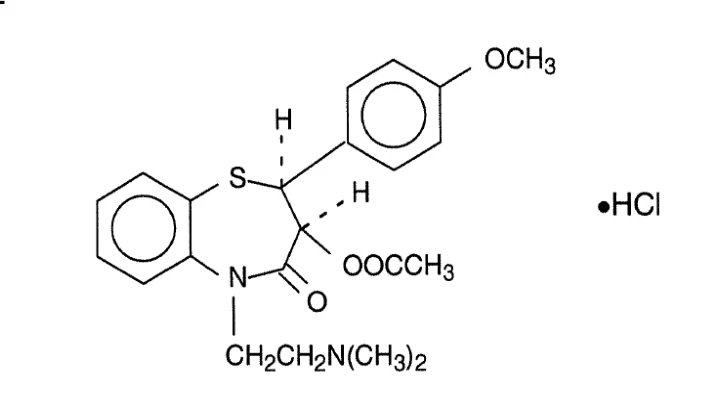
Empirical Formula: C22H26N2O4S.HCl
Molecular Weight: 450.98
Description:
The compound is a white crystalline substance or powder having a bitter taste or odour. Diltiazem is considered freely soluble in water, methanol or chloroform, slightly soluble in absolute ethanol and barely soluble in benzene.
Composition
pms-DILTIAZEM CD : In addition to diltiazem hydrochloride, each capsule contains the non-medicinal ingredients microcrystalline cellulose, methylcellulose, tributyl citrate, polysorbate 80, talc and eudragit. The capsule shell contains the non-medicinal ingredients gelatin, titanium dioxide, FD&C blue #1 and black iron oxide (300 mg only).
Storage Recommendations
Store at room temperature 15-30°C (59-86°F). Protect unit dose packages from humidity and light.
AVAILABILITY OF DOSAGE FORMS
pms-DILTIAZEM CD (Once-a-day) Capsules
pms-DILTIAZEM CD 120 mg are hard gelatin #1 capsules with a light turquoise body and a light turquoise cap, imprinted APO 120. Each capsule contains 120 mg of diltiazem - hydrochloride. Available in bottles of 100 and 500.
pms-DILTIAZEM CD 180 mg are hard gelatin #1 capsules with a light turquoise body and a light blue cap, imprinted APO 180. Each capsule contains 180 mg of diltiazem hydrochloride. Available in bottles of 100 and 500.
pms-DILTIAZEM CD 240 mg are hard gelatin #0 capsules with a light blue body and a light blue cap, imprinted APO 240. Each capsule contains 240 mg of diltiazem - hydrochloride. Available in bottles of 100 and 500.
pms-DILTIAZEM CD 300 mg are hard gelatin #0 elongated capsules with a light grey body and a light blue cap, imprinted APO 300. Each capsule contains 300 mg of diltiazem - hydrochloride. Available in bottles of 100 and 500.
PHARMACOLOGY
In Vitro Observations
Initial experimental work revealed that diltiazem was a coronary and peripheral vasodilator. Subsequent work substantiated that diltiazem's smooth muscle relaxant effect, as well as negative inotropic effect, resulted from the drug's ability to block excitation-contraction coupling by inhibiting slow calcium channel conduction. In a muscle bath study with isolated human coronary artery segments obtained at the time of cardiac transplantation, diltiazem produced nearly complete relaxation of potassium-contracted segments.
Studies in various experimental models have confirmed the negative inotropic effect of diltiazem. At low doses (1.1 x 10⁻⁷ M) diltiazem caused a reduction in contractile force of guinea pig papillary muscle with no demonstrable effect on the action potential. However, at higher concentrations (1.1 x 10⁻⁵ M) both a decrease in contractile tension and a lowering of maximum dp/dt were seen.
Studies done in isolated perfused rat hearts showed that diltiazem (10-6 M) decreases contractility without affecting action potential duration or resting membrane potential. In several experimental models it has been shown that the concentration of diltiazem required to produce smooth muscle relaxation and vasodilation is significantly less than the concentration required to produce a negative inotropic effect.
In Vivo Observations
Experiments in both open and closed-chest dog models indicate that diltiazem increases coronary blood flow and reduces coronary vascular resistance. Intravenous diltiazem (100 μg/kg) increased coronary blood flow by 90%, with a predominant effect on large coronary arteries and collaterals. Increase in coronary blood flow has also been shown following diltiazem administration in both the epicardial and subendocardial regions in ischemic and non-ischemic models. There was also a dose-related decrease in mean aortic pressure and systemic vascular resistance with an increase in stroke volume and cardiac output. No significant change was noted in determinants of LV function such as LVEDP or LV dP/dT. The reduction in blood pressure that is seen with diltiazem is due to a direct vasodilatory effect on the blood vessels and is not mediated by sympathetic alpha receptor blockade, beta receptor stimulation, or ganglionic blockade. Diltiazem has been shown to inhibit the pressor responses induced by norepinephrine and angiotensin II.
In animal studies, the negative inotropic effect of diltiazem appears to be offset by its ability to decrease afterload and induce a mild reflex adrenergic response.
Pharmacokinetics
The effect of diltiazem on the pharmacokinetics of phenytoin was investigated in rats. Animals were given 20 mg/kg i.p. phenytoin alone or phenytoin together with 5 mg/kg i.p. diltiazem and the plasma samples were collected at different time intervals. The study showed that diltiazem significantly (p<0.05) increased phenytoin AUC (4-fold), Cmax (2-fold), and elimination halflife (t½: from 1.1h to 2.0h), in the rat.
TOXICOLOGY
Acute Toxicity
| Route | Animal | Sex | LD50(mg/kg) | LD50 95% Confidence Limits (mg/kg) | ||||||||
| oral | Mice | M&F | 415 – 700 | (343 – 736) | ||||||||
| Rats | M&F | 560 – 810 | (505 – 1004) | |||||||||
| s.c | Mice | M&F | 260 – 550 | (220 – 672) | ||||||||
| i.p. | Mice | M&F | 187 | (165 – 211) | ||||||||
| Rats | M&F | 211 | (155 – 287) | |||||||||
| i.v. | Mice | M&F | 58 - 61 | (52 – 69) | ||||||||
| Rats | M&F | 38 – 39 | (34 – 44) | |||||||||
Toxic effects appeared rapidly and toxicity included reduction of spontaneous activity, ptosis, piloerection, ataxia, loss of muscle tone and loss of righting reflex. Gross autopsy of animals who died as well as the survivors revealed no abnormalities.
Tolerance was evaluated in rabbits and dogs. Dogs received oral doses of 12.5, 25, 50 or 100 mg/kg. Ataxia, disorientation, decreased activity, diuresis and mydriasis were noted at 25 mg/kg. In addition, heavy sedation and emesis were seen at 50 mg/kg. At 100 mg/kg, convulsions occurred and one of the two animals died. Rabbits received 100, 200, 300 and 400 mg/kg. The major symptoms were decreased activity, increased respiration, salivation and opisthotonos. One of the two rabbits died at 300 mg/kg and the two rabbits in the 400 mg/kg group died.
Subacute Toxicity
In rats, oral doses of 10, 20, 50, 100, 250 or 500 mg/kg/day of diltiazem were administered for 28 or 30 days. The relative liver weights of animals receiving 250 mg/kg/day and 500 mg/kg/day were increased. Microscopic examination revealed drug related degeneration of hepatic and renal cells in the highest dose group.
When the drug was given to rats intraperitoneally at 25 mg/kg/day for 30 days, hepatic and renal cell degeneration was seen. Macular hyaloid degeneration of the heart also was seen in 50% of the rats in this study.
Thirty day subacute studies in dogs revealed hepatic and renal cell degeneration when diltiazem was given at doses of 25 mg/kg/day orally and 5 mg/kg/day intravenously. Two dogs out of 5 receiving 50 mg/kg/day orally, died.
Chronic Toxicity/Carcinogenicity
In mice, diltiazem was administered at doses of 5, 15 or 30 mg/kg/day for a period of 21 months in females. Because of a lower survival, males were terminated at 20 months. Gross and histopathological examination failed to reveal any treatment related increase in the incidence of either neoplastic or other toxic lesions.
Rats received 6.25, 25 or 100 mg/kg/day of diltiazem for 24 months. An additional group received 200 mg/kg for 12 months. Treatment was terminated at 23 months in females receiving 100 mg/kg because of the low survival. Females had increased weight gain at 100 and 200 mg/kg; food consumption was increased among both sexes at these dose levels. Organ weight data revealed a significant increase in liver weight for rats of both sexes given 200 mg/kg. Microscopic evaluation revealed some evidence of dose dependent hepatic cytoplasmic vacuolization in rats treated with doses of 100 and 200 mg/kg/day and killed at 12 months. At 24 months, there were similar findings in control and treated animals. There was no increase in the incidence of neoplastic or other toxic lesions in rats treated with diltiazem.
Diltiazem was administered orally to dogs for 12 months at doses of 5, 10, 20 mg/kg/day. A dose related suppression of body weight gain became noticeable after 6 months.
Mutagenicity
No mutagenic changes were observed in the recombination test and two Ames reverse mutagenicity assays.
REPRODUCTION STUDIES
Results in mice
| Route | Doses (mg/kg) | Time of administration during gestation | Findings in the offspring |
| Oral | 10, 25, 50, 100, 200, 400 | Day 7 to day 12 | High incidence of vertebral column malformations when more than 50 mg/kg was administered. |
| Oral | Single doses of 12.5, 25, 50, 100, 200 | One of days 7 to 14 | Cleft palate and malformation of extremities or trunk were significantly higher when 50 or 100 mg/kg was administered on day 12. Vertebral malformations were most prevalent when 50 or 100 mg/kg was administered on day 9. |
| Intraperitoneal | 0.2, 3.1, 6.3, 12.5, 25 | Day 7 to day 12 | Fetal mortality greatly increased when 12.5 mg/kg or more was administered. No teratogenic effect was demonstrated. |
| Intraperitoneal | Single Doses of 3.1, 6.3, 12.5, 25, 50 | One of days 5 to 16 | Brachydactyly and hematoma in the extremities when 50 mg/kg was administered on day 13. Vertebral column malformations from the thoracic to coccygeal level and malformations of the ribs were observed when a dose of 25 mg/kg or greater was administered on day 9. |
Results in Rats
| Route | Doses (mg/kg) | Time of administration during gestation | Findings in the offspring |
|---|---|---|---|
| Oral | 10, 50, 100, 200, 400 | Day 9 to 14 | No teratogenic effect. High fetal death rate when 200 & 400 mg/kg were administered. |
| Oral | 10, 30, 100 | Day 6 to 15 | No teratogenic effect. |
| Oral | Single doses of 300, 400, 600 | On one of days 9 to 14 | Significant incidence of skeletal malformations involving vertebrae & sternebrae when 400 mg/kg was administered on day 11. General edema, short or absent tail was observed when 600 mg/kg was administered on day 12. |
| Intraperitoneal | 0.2, 2.0, 20, 40, 80 | Day 9 to 14 | Brachydactyly & hematoma in the front paw and tail and a high fetal mortality rate were observed when 80 mg/kg was administered. |
| Intraperitoneal | 80 | Day 9 to 11 | Vertebral anomalies |
| Intraperitoneal | 80 | Day 12 to 14 | Brachydactyly, hematoma of the front paw and tail deformities and high fetal mortality rate. |
| Intraperitoneal | Single dose of 80 | One of days 9 to 14 | Fetal mortality increased on day 11 reached 100% on day 12 and decreased thereafter. Limb & tail deformities were induced when 80 mg/kg was administered on days 13 & 14. Vertebral column deformities were induced when 80 mg/kg was administered on day 11. |
| Single dose of 40 | One of days 11 to 14 | No teratogenic effect |
Results in rabbits
| Route | Doses (mg/kg) | Time of administration during gestation | Findings in the offspring |
| Oral | 17.5, 35, 70 | Day 6 to 18 | Significant increase in skeletal malformations occurred when 35 mg/kg was administered. All pregnant dams aborted between days 21 and 25 of gestation when 70 mg/kg was administered. |
| Intraperitoneal | 6.3, 12.5, 25 | Day 7 to 16 | Fetal mortality greatly increased at 12.5 mg/kg and reached 100% at 25 mg/kg. Skeletal defects and external malformations were induced when 12.5 mg/kg was administered. Their incidence was not statistically significant due to the low number of surviving fetuses. |
In fertility studies, female rats received doses of 12.5,25,50 and 100 mg/kg p.o. In the 100 mg/kg group, there was a reduction in the number showing a positive mating. However, the overall pregnancy rates and the average pre-coital time were comparable.
In peri- and post-natal studies, rats received diltiazem in doses of 10, 30 or 100 mg/kg/day from day 14 of gestation through day 21 post-partum. Diltiazem was associated with a reduction in early individual weights and survival rates of the pups. At 100 mg/kg/day, dystocia was evident. Retinal and tongue malformations were more frequent in the offspring of the 30 and 100 mg/kg/day group.
SELECTED BIBLIOGRAPHY
- 1. Anderson JL, et al: Comparative effects of diltiazem, propranolol and placebo on exercise performance using radionuclide ventriculography in patients with symptomatic coronary artery disease: Results of a double-blind, randomized, crossover study. Am Heart J 1984;107(4):698-706.
- 2. Andre-Fouet X, Viallet M, Gayet C, et al. Diltiazem versus propranolol: a randomized trial in unstable angina. Circulation 1981; 64 (Suppl): IV-293.
- 3. Bourassa MG, Cote P, Theroux, P, et al. Hemodynamic and coronary flow following diltiazem administration in anesthetized dogs and humans. Chest 1980; 78 (Suppl): 224-230.
- 4. Cassagnes J, Lamaison 0, Palcoux MC, et al. Traitement du syndrome de menace par Ie diltiazem. Therapie 1980; 35: 465-473.
- 5. Eimer, M and Carter, BL: Elevated serum carbamazepine concentrations following diltiazem initiation. Drug Intelligence and Clinical Pharmacy 1987; 21:340-342.
- 6. Feldman RL, Pepine CJ, Whittle J, Conti CR. Short- and long-term responses to diltiazem in patients with variant angina. Am J. Cardiol 1982; 49: 554-559.
- 7. Frishman WH, et al. Comparison of hydrochlorothiazide and sustained-release diltiazem for mild-to-moderate systemic hypertension. Am J Cardiol 1987; 59:615-623.
- 8. Hossack KF, Bruce RA, Ritterman JB, et al. Divergent effects of diltiazem in patients with exertional angina. Am J Cardiol 1982; 49: 538-546.
- 9. Hossack KF, Pool PE, Steele P, et al. Efficacy of diltiazem in angina of effort: a multicenter trial. Am J Cardiol1982; 49: 567-572.
- 10. Hung J, et al: The effect of diltiazem and propranolol, alone and in combination, on exercise performance and left ventricular function in patients with stable effort angina: A double-blind, randomized, and placebo-controlled study. Circulation 1983;68:560-567.
- 11. Ishikawa T, et al: Atrioventricular dissociation and sinus arrest induced by oral diltiazem. N Engl J Med 1983;309:1124-1125.
- 12. Marion Laboratories. Cardizem Tablets and Cardizem SR (diltiazem hydrochloride). Physician's Desk Reference. Barnhart ER (Publ.). Medical Economics Co. Inc., Oradell, NJ 1990; Edition 44: 1259-1262.
- 13. Jacobs MB: Diltiazem and akathisia. Ann Int Med 1983;99:794-795.
- 14. Josephson MA, et al: Hemodynamic and metabolic effects of diltiazem during coronary sinus pacing with particular reference to left ventricular ejection fraction. Am J Cardiol 1985;55:286-290.
- 15. Massie B, et al. Diltiazem and propranolol in mild to moderate essential hypertension as monotherapy or with hydrochlorothiazide. Ann Intern Med 1987; 107: 150-157.
- 16. Moser, M et al: Comparative effects of diltiazem and hydrochlorothiazide in blacks with systemic hypertension. Am J Cardiol 1985;56(16):101H-104H.
- 17. Moss AJ, et al: The effect of diltiazem on mortality and reinfarction after myocardial infarction: The Multicenter Diltiazem Postinfarction Trial Research Group. N Engl J Med 1988;319:385-392.
- 18. Nicolas G, et al: Le traitement de l'angor instable par le diltiazem. À propos de 61 observations. Ann Cardiol Angeiol (Paris) 1981;30:289-292.
- 19. Pool PE, Seagren SC. Long-term efficacy of diltiazem in chronic stable angina associated with atherosclerosis: effect on treadmill exercise. Am J Cardiol 1982; 49: 573-577.
- 20. Pool PE, et al. Diltiazem as monotherapy for systemic hypertension: a multicenter, randomized, placebo-controlled trial. Am J Cardiol1986; 57: 212-217.
- 21. Rameis H, Magometschnigg D, Ganzinger U. The diltiazem-digoxin interaction. Clin PharmacoITher1984;36: 183-189.
- 22. Reboud JP: Accidents au cours de l'association diltiazem bêta-bloquants. Presse médicale 1984;13:1396.
- 23. Schroeder JS, et al: Multiclinic controlled trial of diltiazem for Prinzmetal's angina. Am Med 1982;72:227-232.
- 24. Schroeder JS, et al: Diltiazem for long-term therapy of coronary arterial spasm. Am J Cardiol 1982;49:533-537.
- 25. Strauss WE, Mcintyre KM, Parisi AF, Shapiro W. Safety and efficacy of diltiazem hydrochloride for the treatment of stable angina pectoris: report of a cooperative clinical trial. Am J Cardiol 1982; 49: 560-566.
- 26. Summary Basis of Approval FDA-NDA-18602 (Cardizem).
- 27. Swartz SL: Endocrine and vascular responses in hypertensive patients to long-term treatment with diltiazem. J Cardiovasc Pharmacol 1987;9(4):391-395.
- 28. Szlachcic J, et al: Diltiazem versus propranolol in essential hypertension: Responses of rest and exercise blood pressure and effects on exercise capacity. Am J Cardiol 1987;59:393-399.
- 29. Taeymans Y, Theroux P, Waters DD, et al. A prospective randomized study of propranolol versus diltiazem in patients with unstable angina. Am J Cardiol 1982; 49: 896.
- 30.
Tilmant PY et al: Detrimental effect of propranolol in patients with coronary arterial spasm
countered by combination with diltiazem. Am J Cardiol; 1983;52:230-233.
- 31. Valantine, H, et al: Cost containment: coadministration of diltiazem with cyclosporine after heart transplantation. J Heart Lung Transplantation 1992; 11: 1-7.
- 32. Waters DD, Theroux P, Szlachcic J, Dauwe F. Provocative testing with ergonovine to assess efficacy of treatment with nifedipine, diltiazem, and verapamil in variant angina. Am J Cardiol1981; 48: 123-130.
- 33. Weir MR, et al. Sustained-release diltiazem compared with atenolol monotherapy for mild to moderate systemic hypertension. Am J Cardiol 1987; 60: 361-411.
- 34. Winship, LC et al; The effect of ranitidine and cimetidine on single-dose diltiazem pharmacokinetics. Pharmacotherapy 1985; 5: 16-19.
- 35. Zawada ET, et al: Renal-metabolic consequences of antihypertensive therapy with diltiazem versus hydrochlorothiazide. Miner Electrolyte Metab 1987;13(2):72-77.
- 36. Zelis RF, Kinney EL. The pharmacokinetics of diltiazem in healthy American men. Am J Cardiol 1982; 49: 529-532.
- 37. Product Monograph CARDIZEM® CD (diltiazem hydrochloride) Once-a-day Controlled Delivery Capsules, Valeant Canada LP. Control # 187782: Date of Revision: December 18, 2015.