


Product Monograph - PMS-Haloperidol-LA
INDICATIONS AND CLINICAL USE
pms-HALOPERIDOL-LA (haloperidol decanoate) is of value in the management of manifestations of chronic schizophrenia.
CONTRAINDICATIONS
pms-HALOPERIDOL-LA is contraindicated in comatose states and in the presence of CNS depression due to alcohol or other depressant drugs. It is also contraindicated in patients with severe depressive states, previous spastic diseases, lesions of the basal ganglia and in Parkinson's syndrome, except in the case of dyskinesias due to levodopa treatment. It should not be used in patients known to be sensitive to the drug, nor in senile patients with pre-existing Parkinson-like symptoms.
Children
Safety and effectiveness in children have not been established; therefore, pms-HALOPERIDOL-LA is contraindicated in this age group.
Pregnancy and Lactation
Haloperidol decanoate has shown no significant increase in fetal anomalies in large population studies. There have been isolated case reports of birth defects following fetal exposure to haloperidol decanoate in combination with other drugs. It should, therefore, not be administered to women of childbearing potential or nursing mothers unless, in the opinion of the physician, the expected benefits of the drug outweigh the potential hazard to the fetus or child. Haloperidol is excreted in breast milk. Extrapyramidal symptoms have been observed in breast-fed infants of haloperidol decanoate treated women.
WARNINGS
Rare cases of sudden death have been reported in psychiatric patients receiving antipsychotic drugs, including haloperidol decanoate. Since QT-prolongation has been observed during haloperidol decanoate treatment, it is advised to be cautious in patients with QT-prolonging conditions (QT-syndrome, hypokalemia, drugs known to prolong QT).
Tardive Dyskinesia
Tardive dyskinesia is known to occur in patients treated with neuroleptics with antipsychotic properties and other drugs with substantial neuroleptic activity. Although the dyskinetic syndrome may remit partially or completely if the medication is withdrawn, it is irreversible in some patients. At the present time there is uncertainty as to whether neuroleptic drugs differ in their potential to cause tardive dyskinesia.
Since there is a significant prevalence in this syndrome associated with the use of neuroleptic drugs, and since there is no known effective treatment, chronic use of these drugs should generally be restricted to patients for whom neuroleptics are known to be effective and for whom there is no alternative therapy available with better risk acceptability. If manifestations of tardive dyskinesia are detected during the use of a neuroleptic, the drug should be discontinued.
The risk of a patient developing tardive dyskinesia and of the syndrome becoming irreversible appear to increase with the duration of treatment and the total amount of drugs administered, although, in some instances, tardive dyskinesia may develop after relatively short periods of treatment at low doses. The risk of developing tardive dyskinesia may, therefore, be minimized by reducing the dose of the neuroleptic drug used and its duration of administration, consistent with the effective management of the patient’s condition. Continued use of neuroleptics should be periodically reassessed.
Withdrawal Emergent Neurological Signs
Generally, patients receiving short-term therapy experience no problems with abrupt discontinuation of antipsychotic drugs. However, some patients on maintenance treatment experience transient dyskinetic signs after withdrawal. In certain of these cases the dyskinetic movements are indistinguishable from the syndrome described under Tardive Dyskinesia, except for duration. It is not known whether gradual withdrawal of antipsychotic drugs will reduce the rate of occurrence of withdrawal emergent neurological signs but, until further evidence becomes available, it seems reasonable to withdraw gradually use of antipsychotic drugs.
In rare cases the following symptoms were reported during the concomitant use of lithium and haloperidol: encephalopathy, extrapyramidal symptoms, tardive dyskinesia, neuroleptic malignant syndrome, brain stem disorder, acute brain syndrome and coma. Most of these symptoms were reversible; it remains unclear whether this represents a distinct clinical entity. Nonetheless, it is advised that in patients who are treated concomitantly with lithium and haloperidol, therapy should be stopped immediately if such symptoms occur.
Elderly or debilitated patients receiving the drug should be carefully observed for lethargy and a decreased sensation of thirst due to central inhibition which might lead to dehydration and reduced pulmonary ventilation and could result in complications, such as terminal bronchopneumonia.
Occupational Hazards
Although haloperidol is a relatively non-sedating neuroleptic, sedation may occur in some patients. Therefore, physicians should be aware of this possibility and caution patients about the danger of participating in activities requiring complete mental alertness, judgement and physical coordination, such as driving and operating dangerous machinery.
Haloperidol may prolong the hypnotic action of barbiturates and may potentiate the effects of alcohol and other CNS depressant drugs, such as anesthetics and narcotics; caution should therefore be exercised when it is used with agents of this type. Adjustments in their dosage may be required.
Endocrine and Metabolism
Hyperglycemia: Diabetic ketoacidosis (DKA) has occurred in patients with no reported history of hyperglycemia. Patients should have baseline and periodic monitoring of blood glucose and body weight.
Hyperprolactinemia: Long-standing hyperprolactinemia when associated with hypogonadism may lead to decreased bone mineral density in both female and male subjects.
Genitourinary: Rare cases of priapism have been reported with antipsychotic use, such as pms-
HALOPERIDOL-LA. This adverse reaction, as with other psychotropic drugs, did not appear to be dose-dependent and did not correlate with the duration of treatment.
PRECAUTIONS
Administration to patients with severe cardiac involvement should be guarded, despite the fact that haloperidol is well tolerated by patients with cardiac insufficiency and that it has been used with favorable results to maintain the cardiovascular function of patients with excitive crises. In very rare instances, it has been felt that haloperidol was contributory to the precipitation of attacks in angina-prone patients. Moderate hypotension may occur with parenteral administration or excessive oral doses of haloperidol; however, vertigo and syncope occur only rarely.
It has been reported that seizures can be triggered by haloperidol decanoate. Caution is advised in patients suffering from epilepsy and in conditions predisposing to convulsions (e.g., alcohol withdrawal and brain damage).
As with other antipsychotic agents, pms-HALOPERIDOL-LA should be administered cautiously to patients with severe impairment of liver or kidney function, and to patients with known allergies, or history of allergies to other neuroleptic drugs. Caution is also advised in patients with pheochromocytoma and conditions predisposing to epilepsy such as alcohol withdrawal and brain damage.
Haloperidol has lowered the level of cholesterol in the serum and liver of monkeys. An accumulation of desmosterol has been observed in the serum of rats given repeated high doses (10 mg/kg) of haloperidol. In man, mild transient decreases in serum cholesterol were reported in preliminary studies. However, in a study involving a group of schizophrenic patients on extended medication, significant lowering of serum cholesterol was not observed with Haloperidol, and there was no accumulation of desmosterol or 7-dehydrocholesterol. A significant lowering of cholesterol together with an accumulation of another sterol (possibly 7-dehydrocholesterol) has been reported in patients receiving a chemically related drug (trifluperidol) and skin and eye changes (ichthyosis and cataracts) have occurred clinically with another butyrophenone derivative. Skin and eye changes
have not been observed in patients receiving haloperidol. However, it is advisable that all patients receiving haloperidol for a prolonged period of time be carefully observed for any changes in the skin and eyes. If such changes are seen, the drug should be discontinued promptly.
Neutropenia, granulocytopenia and agranulocytosis have been reported during antipsychotic use. Therefore, it is recommended that patients have their complete blood count (CBC) tested prior to starting pms-HALOPERIDOL-LA and then periodically throughout treatment.
Drug Interactions
Haloperidol has been reported to interfere with the anticoagulant properties of phenindione in an isolated case, and the possibility should be kept in mind of a similar effect occurring when this product is used together with anticoagulants.
Haloperidol may antagonize the action of epinephrine and other sympathomimetic agents and reverse the blood-pressure-lowering effects of adrenergic-blocking agents such as guanethidine.
Enhanced CNS effects have been reported when haloperidol is used in combination with methyldopa.
Haloperidol inhibits the metabolization of tricyclic antidepressants, thereby increasing plasma levels of these drugs.
When prolonged treatment with enzyme-inducing drugs (such as carbamazepine, phenobarbital, rifampicine) is added to haloperidol therapy, this results in a significant reduction of haloperidol plasma levels. Therefore, during combination treatment, the pms-HALOPERIDOL-LA dose should be adjusted, when necessary. After stopping such drugs it will be necessary to reduce the dosage of pms-HALOPERIDOL-LA.
Haloperidol may impair the antiparkinson effects of levodopa. If concomitant antiparkinson medication is required, it may have to be continued for at least a couple of weeks after the last pms-HALOPERIDOL-LA injection due to the very long half-life of haloperidol decanoate.
The physician should keep in mind the possibility of an increase in intraocular pressure when anticholinergic drugs, including antiparkinson agents, are administered concomitantly with haloperidol.
The antiemetic action of haloperidol may obscure signs of toxicity due to overdosage of other drugs or mask the symptoms of some organic diseases, such as brain tumor or intestinal obstructions.
Severe neurotoxicity (rigidity, inability to walk or talk) may occur in patients with thyrotoxicosis who are also receiving antipsychotic medication, including haloperidol.
Carcinogenicity studies in mice (18 months) and rats (24 months) showed a significant increase in mammary gland neoplasia and total tumor incidence in female mice at 1.25 and 5 mg/kg/day and in pituitary gland neoplasia in female mice at 5 mg/kg. A significant dose-related increase in pituitary gland hyperplasia was observed in female rats at 1.25 and 5 mg/kg/day. The potential significance of these findings to man is not known.
Neuroleptic drugs elevate prolactin levels; the elevation persists during chronic administration. Tissue culture experiments indicate that approximately one-third of human breast cancers are prolactin dependent in vitro, a factor of potential importance if the prescription of these drugs is contemplated in a patient with a previously detected breast cancer. Although disturbances such as galactorrhea, amenorrhea, gynecomastia and impotence have been reported, which are presumed to be linked to elevated prolactin levels, the clinical significance of elevated serum prolactin levels is unknown for most patients. An increase in mammary neoplasms has been found in rodents after chronic administration of neuroleptic drugs. Neither clinical studies nor epidemiologic studies conducted to date, however, have shown an association between chronic administration of these drugs and mammary tumorigenesis; the available evidence is considered too limited to be conclusive at this time.
It is recommended that patients being considered for haloperidol decanoate therapy be initially put on oral haloperidol to exclude the possibility of an unexpected adverse sensitivity to haloperidol.
As with all antipsychotic agents, pms-HALOPERIDOL-LA should not be used alone where depression is predominant. It may be combined with antidepressants to treat those conditions in which depression and psychosis coexist.
In pharmacokinetic studies mild to moderately increased haloperidol decanoate levels have been reported when haloperidol was given concomitantly with the following drugs: quinidine, buspirone, fluoxetine. It may be necessary to reduce the haloperidol (decanoate) dosage.
Effects on Driving Ability and Use of Machinery
Some degree of sedation or impairment of alertness may occur, particularly with higher doses and at the start of treatment and may be potentiated by alcohol. Patients should be advised not to drive or operate machinery during treatment, until their susceptibility is known.
Special Populations
Pregnant Women
Non-Teratogenic Effects: Neonates exposed to antipsychotic drugs (including haloperidol) during the third trimester of pregnancy are at risk for extrapyramidal and/or withdrawal symptoms following delivery. There have been reports of agitation, hypertonia, hypotonia, tremor, somnolence, respiratory distress and feeding disorder in these neonates. These complications have varied in severity; while in some cases symptoms have been self-limited, in other cases neonates have required intensive care unit support and prolonged hospitalization.
pms-HALOPERIDOL-LA should not be used during pregnancy unless the expected benefits to the mother markedly outweigh the potential risks to the fetus.
ADVERSE REACTIONS
Neurological effects are the most common.
Extrapyramidal Symptoms
In common with all neuroleptics, extrapyramidal symptoms may occur, e.g. tremor, rigidity, hypersalivation, bradykinesia, akathisia, acute dystonia. Headache, vertigo, and cerebral seizures have also been reported. The extrapyramidal reactions are usually dose-related in occurrence and severity and, as a rule, tend to subside when the dose is reduced or the drug is temporarily discontinued. However, considerable interpatient variability exists, and although some individuals may tolerate higher than average doses of haloperidol, severe extrapyramidal reactions, necessitating discontinuation of the drug, may occur at relatively low doses.
Antiparkinson drugs of the anticholinergic type may be prescribed as required, but should not be prescribed routinely as a preventive measure.
Tardive Dyskinesia
As with all antipsychotic agents, tardive dyskinesia may appear in some patients on long-term therapy or may appear after drug therapy has been discontinued. The syndrome is characterized by rhythmical involuntary movements of the tongue, face, mouth or jaw (e.g.; protrusion of tongue, puffing of cheeks, puckering of mouth, chewing movements). Sometimes these may be accompanied by involuntary movements of extremities. The manifestations may be permanent in some patients.
The syndrome may be masked when treatment is reinstituted, when the dosage is increased or when a switch is made to a different antipsychotic drug. Treatment should be discontinued as soon as possible.
Tardive dystonia, not associated with the above syndrome, has also been reported. Tardive dystonia is characterized by delayed onset of choreic or dystonic movements, is often persistent, and has the potential of becoming irreversible.
Other CNS Effects
Insomnia, depressive reactions, and toxic confusional states are the more common effects encountered. Drowsiness, lethargy, stupor and catalepsy, confusion, restlessness, agitation, anxiety, euphoria, vertigo, grand mal seizures and exacerbation of psychotic symptoms, including hallucinations, have also been reported.
Cardiovascular
Tachycardia, hypertension and ECG changes including ventricular arrhythmias and/or prolongation of the QT interval and ECG pattern changes compatible with the polymorphous configurations of torsades de pointes have been reported. Hypotension has occurred, but severe orthostatic hypotension has not been reported. However, should it occur, supportive measures, including intravenous (i.v.) vasopressors, such as norepinephrine, may be required. EPINEPHRINE SHOULD NOT
BE USED, haloperidol decanoate may block the vasoconstrictor effects of this drug.
Autonomic
Dry mouth, blurred vision, urinary retention, incontinence, diaphoresis and priapism, erectile dysfunctions, peripheral edema, excessive perspiration or salivation, heartburn, and body temperature disregulation have been reported.
Allergic and Toxic
The overall incidence of significant hematologic changes in patients on haloperidol has been low. Occasionally there have been reports of mild and usually transient leukopenia and leukocytosis,
decreases in blood cell counts, anemia, and a tendency toward lymphomonocytosis. Agranulocytosis has rarely been reported with the use of haloperidol, and then only in association with other medication. Impairment of liver function (jaundice or hepatitis) has been reported rarely. One case of photosensitization is known and isolated cases of idiosyncratic cutaneous involvement have been observed.
Agranulocytosis and thrombocytopenia have rarely been reported with the use of haloperidol, and then only in association with other medication.
Endocrine
Hormonal effects of antipsychotic neuroleptic drugs include hyperprolactinemia, which may cause galactorrhea, gynecomastia and oligo- or amenorrhea. Lactation, breast engorgement, mastalgia, menstrual irregularities, gynecomastia, impotence, increased libido, changes in blood sugar levels and very rare cases of Syndrome of Inappropriate ADH Secretion have been reported.
Gastrointestinal
Heartburn, nausea, vomiting, anorexia, weight loss, weight gain, constipation, diarrhea and hypersalivation have been reported.
Miscellaneous
Other untoward effects which may be encountered include peripheral edema, hypocholesterolemia, alopecia, laryngospasm, bronchospasm and increased depth of respiration and stasis pneumonia. Hyperammonemia has been reported in a 52 year old child with citrullinemia, and inherited disorder of ammonia excretion, following treatment with haloperidol.
Cases of sudden and unexpected death have been reported in association with the administration of haloperidol. The nature of the evidence makes it impossible to determine definitively what role, if any, haloperidol played in the outcome of the reported cases. The possibility that haloperidol caused death cannot, of course, be excluded, but it is to be kept in mind that sudden and unexpected death may occur in psychotic patients when they go untreated or when they are treated with other neuroleptic drugs.
Neuroleptic Malignant Syndrome
As with other neuroleptic drugs, a symptom complex sometimes referred to as neuroleptic malignant syndrome (NMS) has been reported. Cardinal features of NMS are hyperpyrexia, generalized muscle rigidity, altered mental status (including catatonic signs), and evidence of autonomic instability (irregular pulse or blood pressure). Hyperthermia is often an early sign of this syndrome. Additional
signs may include elevated CPK, myoglobinuria (rhabdomyolysis), and acute renal failure. NMS is potentially fatal, requires intensive symptomatic treatment and immediate discontinuation of neuroleptic treatment.
Hyperpyrexia and heat stroke, not associated with the above symptom complex, have also been reported.
Patients should be advised of the risk of severe constipation during pms-HALOPERIDOL-LA treatment, and that they should tell their doctor if constipation occurs or worsens, as they may need laxatives.
SYMPTOMS AND TREATMENT OF OVERDOSAGE
Symptoms
In general, the symptoms of overdosage would be an exaggeration of known pharmacologic effects and adverse reactions, the most prominent of which would be: severe extrapyramidal reactions, hypotension, or sedation. The patient would appear comatose with respiratory depression and hypotension which could be severe enough to produce a shock-like state. The extrapyramidal reaction would be manifest by muscular weakness or rigidity and a generalized or localized tremor as demonstrated by the akinetic or agitans types, respectively.
In extreme cases the patient would appear comatose with respiratory depression and hypotension that could be severe enough to produce a shock-like state. The risk of ventricular arrhythmias, possibly associated with QT-prolongation should be considered. (For further information regarding torsades de pointes, please refer to ADVERSE REACTIONS).
Treatment
Since there is no specific antidote, treatment is primarily supportive but gastric lavage or induction of emesis is advised (unless the patient is obtunded, comatose, or convulsing) followed by administration of activated charcoal. For comatose patients, a patent airway must be established by use of an oropharyngeal airway or endotracheal tube or, in prolonged cases of coma, by tracheostomy. Respiratory depression may be counteracted by artificial respiration and mechanical respirators. Hypotension and circulatory collapse may be counteracted by use of i.v. fluids or plasma or concentrated albumin and vasopressor agents such as norepinephrine. Epinephrine should not be used since it may cause profound hypotension in the presence of haloperidol. In case of severe
extrapyramidal reactions, antiparkinson medication should be administered. ECG and vital signs should be monitored especially for signs of QT prolongation or dysrhythmias and monitoring should continue until the ECG is normal. Severe arrhythmias should be treated with appropriate antiarrhythmic measures.
For management of a suspected drug overdose, contact your regional Poison Control Centre immediately.
DOSAGE AND ADMINISTRATION
Administer by deep i.m. injection, preferably in the gluteus maximus. This drug is not for i.v. use.
As a long acting depot neuroleptic, it has been found useful in the maintenance management of chronic schizophrenic patients who have been stabilized with short acting medication, and who might benefit from transfer to longer acting injectable therapy. The changeover to haloperidol decanoate should aim at maintaining a clinical outcome similar to or better than that obtained with previous therapy in patients who cannot be relied upon to take oral medication regularly.
It is suggested that previous antipsychotic medication be discontinued before instituting therapy with haloperidol decanoate. Continuous supervision is required during the initial period of dosage adjustment in order to minimize the risk of overdosage or insufficient suppression of psychotic symptoms before the next injection. Supplemental oral haloperidol may be required in diminishing dosage during this period.
The selection of the initial dose of haloperidol decanoate should be based on the patient's symptomatology and previous oral neuroleptic dosage. A ratio of 20:1 of haloperidol decanoate to oral haloperidol appears to produce comparable steady state plasma levels of haloperidol with both dosage forms. Control of psychotic symptoms, however, has also been achieved with doses based on lower ratios (10 to 15 times the daily maintenance dose of oral haloperidol). In order to reduce the possible occurrence of adverse effects, it is advisable to initiate therapy with pms-HALOPERIDOL-LA at lower doses and adjust the dose upwards as needed. There is limited experience with patients transferred to haloperidol decanoate from other oral neuroleptics. If such a transfer is deemed desirable, it is suggested that the patient be converted initially from the previous antipsychotic medication to oral haloperidol in order to exclude the possibility of an unexpected adverse sensitivity to haloperidol.
The average duration of action of haloperidol decanoate is 4 weeks. The frequency of administration and the dosage must, however, be individually determined for each patient. The dose should not be increased with the intent of prolonging the interval between injections beyond 4 weeks, since higher doses may increase the incidence of extrapyramidal symptoms and other adverse effects. Occasionally, patients may require higher dosages and/or shorter injection intervals, such as 3 or even 2 weeks.
Clinical experience with haloperidol decanoate at doses greater than 300 mg has been limited and much lower doses are usually adequate to achieve symptom control. In order to minimize the possible occurrence of serious and potentially irreversible adverse effects, the lowest neuroleptic dosage should be used which is consistent with effective management of the patient.
After appropriate dosage adjustment is achieved, regular reassessment is considered essential to allow additional adjustments which will ensure that the lowest effective individual doses are used.
Geriatrics and Debilitated Patients
Lower initial doses and more gradual titration are recommended in elderly and debilitated patients.
Patients who require higher doses of haloperidol decanoate and/or those who complain of discomfort with a large injection volume may be administered pms-HALOPERIDOL-LA 100 mg/mL in preference to pms-HALOPERIDOL-LA 50 mg/mL.
As with all oily injections, it is important to ensure, by aspiration before injection, that inadvertent intravascular injection does not occur.
A dry syringe and a dry 5 cm needle of 21 gauge should be used for patients with a normal amount of body fat. Obese patients should be injected with a 6.5 cm needle in order to ensure that the injection goes into muscle.
PHARMACEUTICAL INFORMATION
Drug Substance
Proper Name: Haloperidol decanoate
Chemical Name: 1-(3-p-Fluorobenzoylpropyl)-4-chlorophenyl-4-hydroxy piperidine,
Decanoate
Structural Formula:
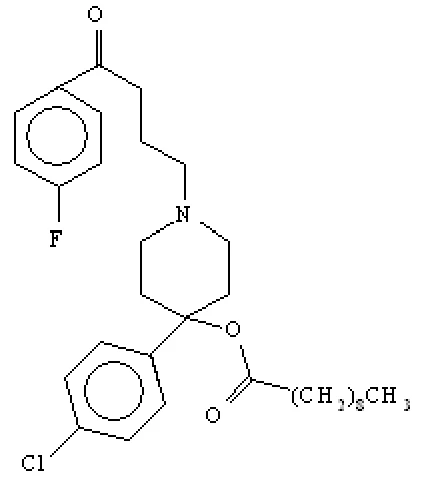
Molecular Formula: C31H41ClFNO3
Molecular Weight: 530.13 g/mol
Description: A white to faintly yellowish odorless, crystalline powder. Slightly soluble in water;
soluble in ethanol, ether, acetone and chloroform. The melting point is 42°C.
Composition:
Each 50 mg/mL dose of pms-HALOPERIDOL-LA contains 70.52 mg Haloperidol Decanoate, equivalent to 50 mg Haloperidol, and the following non-medicinal ingredients: Benzyl Alcohol (15.0 mg), Nitrogen Ultra Pure and Sesame Oil.
Each 100 mg/mL dose of pms-HALOPERIDOL-LA contains 141.04 mg Haloperidol Decanoate, equivalent to 100 mg Haloperidol, and the following non-medicinal ingredients: Benzyl Alcohol (15.0 mg), Nitrogen Ultra Pure and Sesame Oil.
Stability and Storage Recommendations
Store pms-HALOPERIDOL-LA between 15°C and 30°C (59-86ºF). Protect from freezing. Protect from light.
Discard 28 days after initial puncture. Keep in carton until discarded.
AVAILABILITY OF DOSAGE FORMS
pms-HALOPERIDOL-LA intramuscular injection is available in doses of 50 mg and 100 mg Haloperidol per mL.
50 mg/mL: Available in multidose vials of 5 mL.
100 mg/mL: Available in vials of 1 mL (boxes of 10 x 1 mL), and multidose vials of 5 mL.
PHARMACOLOGY
The pharmacological profile of haloperidol in laboratory animals resembles that of the phenothiazine antipsychotics. As with other neuroleptics, it reduces locomotor and exploratory behaviour (ambulation and "emotional" defecation) in rats at low doses and induces cataleptic immobility and palpebral ptosis at higher doses. Haloperidol is more potent than chlorpromazine in abolishing the righting reflex in mice (milligram potency two times that of chlorpromazine). It also depresses food consumption and weight increase in laboratory animals and has an epileptogenic effect at subtoxic dose levels. Haloperidol suppresses the conditioned avoidance response in the jumping box test (milligram potency 16 times that of chlorpromazine in rats). It blocks amphetamine-induced activity in rats and apomorphine-induced emesis in dogs (milligram potency 50 times that of chlorpromazine), but it is weaker than chlorpromazine in prolonging barbiturate sleeping time. It has relatively weak adrenolytic properties. Equal doses of haloperidol and chlorpromazine are required to produce significant hypotension in the cat and hypothermia in the rat. In dogs and cats, it decreases the epinephrine-induced contractions of the nictitating membrane, but is less effective against norepinephrine. It would appear from studies in the rabbit that the decreased responsiveness of the reticular formation produced by the drug may be more marked in the caudal portion of that area. Changes in the EEG activity produced by haloperidol are similar to those seen with phenothiazine derivatives.
The duration of the antiemetic activity of single intramuscular doses of haloperidol decanoate was studied in dogs. Protection against apomorphine-induced emesis in 50% of the dogs was obtained for 14 days with 0.63 mg/kg, for 28 days with 2.5 mg/kg, and for up to 56 days with 10 mg/kg.
In another study, 6 mg/kg of a 10% concentration of haloperidol decanoate protected 5/5 dogs for a mean of 49 days, while 2 mg/kg of the same concentration afforded protection for 29 days. The effectiveness of 6 mg/kg of a 5% concentration was more variable, and, on average, of shorter duration. The onset of antiemetic activity was usually more than 4, but less than 24, hours after administration. Slight to moderate decrease in motor activity was seen during the first few days.
A study in dogs exploring the relationship between the subcutaneous dose of haloperidol, the plasma concentration, and the antiemetic activity showed that all dogs in the study vomited when haloperidol plasma concentrations were below 1 ng/mL, while all were protected against vomiting at levels higher than 1 ng/mL. Pharmacokinetic studies in the dog show that the single dose of haloperidol decanoate required to maintain a level of at least 1 ng/mL over a period of 28 days is between 2 and 3.8 mg/kg. After repeated dosing, 1 mg/kg is almost, but not quite, sufficient to maintain a plasma level of 1 ng/mL for 28 days.
Pharmacokinetics
The pharmacokinetic profile of haloperidol decanoate in Beagle dogs was studied after both single and repeated administration at different dose levels. Haloperidol plasma levels were determined by radioimmunoassay.
After single doses (equivalent to 0.5, 1, 2, 4, and 8 mg haloperidol base/kg), plasma levels of haloperidol were maximal 4-11 days after dosing. At the lowest dose, detectable plasma levels were observed one hour after administration. Plasma levels decreased monophasically for the lower (0.5 and 1 mg/kg) and biphasically for the higher dose levels (2, 4 and 8 mg/kg), corresponding to half-life values of 12-20 days for the first phase and more than 40 days for the second phase.
After repeated administration of the equivalent of 1, 4 and 16 mg haloperidol base/kg at 4-week intervals for six months, haloperidol plasma levels were observed to peak 3-9 days after each dosing. Steady-state levels were reached after the third injection for the lowest dose and after the sixth injection for the two higher doses. Minimum steady-state levels were, respectively, 1.5, 2 and 3 times higher than plasma levels 4 weeks after the first dose. Steady state levels were dose related.
Tissue levels of haloperidol, three weeks after the seventh intramuscular dose of haloperidol decanoate, were highest in the liver and adrenals. Markedly lower levels were found in the brain, lung, kidney, fat and skeletal muscle. Tissue concentrations exceeded many times those found in plasma.
Receptor binding studies have demonstrated that the affinity of haloperidol decanoate for the neuroleptic receptors is negligible, indicating that haloperidol decanoate is a pro-drug which itself is not active but has to be transferred by enzymatic hydrolysis into the active drug haloperidol in order to achieve a pharmacological effect.
TOXICOLOGY
Acute Toxicity Studies
The intramuscular LD50 was estimated to be greater than 400 mg/kg in rats. Attempts to determine LD50 values were not successful since the maximum dose that could be injected without seepage was 400 mg/kg using the 50 mg eq/mL formulation and 800 mg/kg using the 100 eq/mL formulation.
Similar side effects were observed in rats dosed with either of the two drug formulations. These include decreased activity, relaxed palpebrae, unkempt appearance, chromorhinorrhea and hyperreactivity to touch. Chromodacryorrhea, hyperemia of the skin and paw pads, hunched posture, thin appearance, urine stained abdominal hair, diarrhea and lacrimation were also seen.
Subacute and Chronic Toxicity Studies
In a single dose irritation study, 0.4 mL haloperidol decanoate in 4 different concentrations (equivalent to 40, 50, 75 and 100 mg haloperidol base/mL) was administered intramuscularly to rabbits. Over a 14 day observation period, a slight local irritation in approximately half the injection sites was observed with all concentrations of the haloperidol decanoate solutions without dosage response. A control group, receiving 25 mg/mL fluphenazine decanoate i.m., showed no local irritation.
In another intramuscular toxicity and irritation study, haloperidol decanoate was administered to rabbits weekly for 13 weeks at doses of 0, 5, 25 and 50 mg haloperidol base/kg. Effects attributed to drug treatment were injection site erythema (no apparent dosage relationship to incidence or severity), suppression of body weight gain (dose related) and decreased liver weight.
The toxicity of haloperidol decanoate was studied in dogs which received monthly i.m. injections of placebo or haloperidol decanoate (equivalent to 1, 4 and 16 mg haloperidol base/kg) for 6 months. All animals survived the study. No drug-related effects were observed except for an increase in and proliferation of basal cells in the prostates of high dose male dogs in comparison to the control animals.
During an 18-month evaluation in rats, haloperidol was administered in the diet in amounts that averaged 33.0, 14.5, 6.5, and 3.5, mg/kg/day. No gross or microscopic abnormalities were observed. At the end of the evaluation, however, there was a decrease in mean body weights and food consumption.
Two safety evaluations of haloperidol were conducted in dogs. In one study, the dogs received 2.0, 0.5 or 0 mg/kg/day for 6 months; in the other, 12.0, 6.0, 2.0 or 0 mg/kg/day for 12 months. No fatalities occurred in either study and none of the dogs in the 6-month evaluation exhibited any drug-related toxic effects (gross or microscopic). In the 12-month study, decreased weight gain, convulsions, tremors and emesis were observed at the higher dose levels only. Transient breast engorgement and lactation occurred in 6 of 12 female dogs but were not dose-related. Dose-related liver toxicity with hepatocellular changes were seen in dogs on the two highest doses and possibly at all dose levels. SGPT changes (increase) were reversible since they returned to normal in animals studied for one month after termination of dosing; liver sections from animals sacrificed at this time also indicated that cellular changes had returned toward normal.
Reproductive Studies
When haloperidol was administered to rats (0.6 - 3.0 mg/kg), rabbits (1.0 and 6.0 mg/kg) and dogs (1.0 - 4.0 mg/kg), the offspring of each of these species did not exhibit a greater incidence of teratologic effects than was observed in the respective control groups. In rats receiving amounts of the drug (4.0 mg/kg) large enough to produce marked CNS depression, increased delivery time was noted. Available data suggest that, in rats large oral doses (1.9 mg/kg) may reduce libido, and that larger i.v. doses (3.0 mg/kg) may decrease implantation. An increased incidence of fetal resorptions was observed in rabbits receiving 6.0 mg/kg orally; however, at 1.0 mg/kg orally this effect was not observed.
Carcinogenicity Studies
Rats were given haloperidol as a drug/diet mixture at dosage levels of 0, 0.31, 1.25 and 5.0 mg/kg/day for 24 months. The survival rate was less than optimal in all dose groups, reducing the number of rats at risk.
Body weight gain was decreased in both male and female rats at the mid and high dose levels, and a temporary decrease also occurred in females at the low dose level. No drug or dose-related macroscopic lesions were observed in male rats. In female rats, an increased incidence of stimulation of the mammary glands was noted at the high dose.
Histopathological observations occurring at increased incidence in treated males included spleen parenchymal and follicular pigmentation at 5.0 mg/kg and mammary gland development at 5.0 and 1.25 mg/kg. Significant changes in females included an increase in pituitary gland hyperplasia and spleen parenchymal pigmentation at 5.0 and 1.25 mg/kg, and an increase in spleen follicular pigmentation, mammary gland development and parenchymal pigmentation at 5.0 mg/kg.
In an 18-month carcinogenicity study in mice, haloperidol was mixed with the animals normal daily diet at dosage levels of 0, 0.31, 1.25 and 5.0 mg/kg/day. Clinical observations included an increased incidence of subcutaneous masses at 5.0 and 1.25 mg/kg in female and a sedative effect in both male and female mice at the 5.0 mg/kg dose level.
Observations at necropsy revealed a number of drug-and dose-related changes. In female mice, there was an increased incidence of stimulation of the mammary glands and swelling of pituitary glands, often with hemorrhagic changes, at the 5.0 and 1.25 mg/kg dose levels. Other gross findings, not dose-related, included an increased incidence of anemia in males at 0.31 mg/kg, an increased incidence of obesity in females at 0.31 mg/kg, and an increased incidence of swollen spleen in females at 1.25 mg/kg.
Neoplastic changes included dose-dependent increases in the incidence of mammary gland carcinoma and pituitary gland adenoma in females at 5.0 and 1.25 mg/kg.
Other histopathological changes occurring at increased incidence in treated mice were also restricted to females. These were mammary gland inflammatory cell infiltration and metaplasia at 5.0 and 1.25 mg/kg, and secretion, fibrosis and hyperplasia at 5.0 mg/kg; pituitary gland ectasia at 5.0 and 1.25 mg/kg and, hyperplasia at 5.0 mg/kg; myelopoiesis of the lymph nodes at 5.0 mg/kg and myelopoiesis of the adrenal gland and dilated tubules of the kidney at 1.25 mg/kg.
The mammary and pituitary changes are thought to be related to the known enhancement of prolactin release and synthesis occurring as a result of dopamine antagonism.
REFERENCES
- 1.
Ban TA, Ceskova E. Long-acting antipsychotic drugs. Psychopharmacol Bull 1980; 16(4): 6-
13.
- 2. Chouinard G, et al: A double-blind, controlled clinical trial of haloperidol decanoate and fluphenazine decanoate in the maintenance treatment of schizophrenia. Psychopharmacol Bull 1984; 20: 108-109.
- 3. Cressman WA, Bianchine JR, Slotnick VB, Johnson PC, Plostnieks J. Plasma level profile of haloperidol in man following intramuscular administration. Eur J Clin Pharm 1974; 7: 99.
- 4.
Deberdt R, Elens P, Berghmans W, Heykants J, Woestenborghs R, Driesens F, Reyntjens A,
Van Wijngaarden I. Intramuscular haloperidol decanoate for neuroleptic maintenance therapy. Efficacy, dosage schedule and plama levels. Acta Psychiat Scand 1980; 62: 356-363.
- 5.
De Buck RP, et al: Theoretical and practical importance of plasma levels of haloperidol.
Correlations with clinical and computerized EEG data. Prog Neuro-Psychopharmacol 1981; 5: 499-502.
- 6.
Forsman A, Ohman R. Applied pharmacokinetics of haloperidol. Man Curr Ther Res 1977;
21: 396-411.
- 7. Haloperidol in psychiatry. The Medical Letter 1975; Jan. 31, 17(3).
- 8. Holley FO, Magliozzi JR, Stanski DR, Lombrozo L, Hollister LE. Haloperidol kinetics after oral and intravenous doses. Clin Pharmacol & Therap 1983; 33(4): 477-484.
- 9. Nair NPV, et al. A clinical trial comparing intramuscular haloperidol decanoate and oral haloperidol in chronic schizophrenic patients: Efficacy, safety, and dosage equivalence. J Clin Psychopharmacol 1986; 6(1): 30S-37S.
- 10.
Reyntjens AJM, et al: Pharmacokinetics of haloperidol decanoate. A 2-year follow-up. Int
Pharmacopsychiat 1982; 17: 238-246.
- 11. Roose K. Haloperidol decanoate as a replacement for maintenance therapy with intramuscular fluphenazine decanoate in schizophrenia and other chronic psychoses. Acta Psychiat Belg 1982; 2: 216-223.
- 12. Suy E, Woestenborghs R, Heykants J. Bioavailability and clinical effect of two different concentrations of haloperidol decanoate. Curr Therap Res 1982; 31(6): 982-991.
- 13. Viukari M, Salo H, Lamminsivu U, Grodin A. Tolerance and serum levels of haloperidol during parenteral and oral haloperidol treatment in geriatric patients. Acta Psychiat Scand 1982; 65: 301-308.
- 14.
Youssef HA. A one-year study of haloperidol decanoate in schizophrenic patients. Curr
Therap Res 1982; 31(6): 976-981.
- 15. Zissis NP, Psaras M, Lyketsos G. Haloperidol decanoate, a new long-acting antipsychotic, in chronic schizophrenics: Double-blind comparison with placebo. Curr Therap Res 1982; 31(4): 650-655.
- 16.
CPS Monograph. Haldol® LA (Haloperidol Decanoate) - Antipsychotic. IN: Gillis MC,
Welbanks L, Bergeron D, et al, eds. Compendium of Pharmaceuticals and Specialties. Canadian Pharmacists Association, Ottawa, 1998; pp. 688-689.
- 17.
Product Monograph. Haldol® LA (Haloperidol Decanoate) - Antipsychotic Agent. McNeil
Pharmaceutical (Canada) Ltd., Stouffville, Ontario, November 14, 1988.
- 18.
Product Monograph APO-HALOPERIDOL LA(Haloperidol Decanoate Injection) Apotex
Inc. (Canada), Date of Revision: October 18, 2011, Control Number: 148961