


Product Monograph - PMS-Ibuprofen (Pharmascience, 400 mg, 200 mg)
RECENT MAJOR LABEL CHANGES
| 3 SERIOUS WARNINGS AND PRECAUTIONS BOX | 06/2023 |
|---|---|
| 7 WARNINGS AND PRECAUTIONS, Monitoring and Laboratory Tests | 06/2023 |
| 7 WARNINGS AND PRECAUTIONS, 7.1.1 Pregnant Women | 06/2023 |
TABLE OF CONTENTS
Sections or subsections that are not applicable at the time of authorization are not listed.
RECENT MAJOR LABEL CHANGES ............................................................................................. 2
TABLE OF CONTENTS ............................................................................................................... 2
1 INDICATIONS ..................................................................................................................... 4
1.1 Pediatrics ..................................................................................................................... 4
1.2 Geriatrics ..................................................................................................................... 4
2 CONTRAINDICATIONS ........................................................................................................ 4
3 SERIOUS WARNINGS AND PRECAUTIONS BOX ................................................................... 5
4 DOSAGE AND ADMINISTRATION ........................................................................................... 6
4.1 Dosing Considerations ................................................................................................. 6
4.2 Recommended Dose and Dosage Adjustment ............................................................ 6
4.5 Missed Dose ................................................................................................................ 7
5 OVERDOSAGE .................................................................................................................... 7
6 DOSAGE FORMS, STRENGTHS, COMPOSITION AND PACKAGING ........................................ 9
7 WARNINGS AND PRECAUTIONS ......................................................................................... 9
7.1 Special Populations ................................................................................................... 14
7.1.1 Pregnant Women ...................................................................................................... 15
7.1.2 Breast-feeding ........................................................................................................... 16
7.1.3 Pediatrics ................................................................................................................... 16
7.1.4 Geriatrics ................................................................................................................... 16
8 ADVERSE REACTIONS ....................................................................................................... 16
8.1 Adverse Reaction Overview ....................................................................................... 16
9 DRUG INTERACTIONS ....................................................................................................... 20
9.1 Serious Drug Interactions .......................................................................................... 20
9.2 Drug Interactions Overview ....................................................................................... 20
9.3 Drug-Behavioural Interactions ................................................................................... 20
9.4 Drug-Drug Interactions .............................................................................................. 20
9.5 Drug-Food Interactions.............................................................................................. 22
9.6 Drug-Herb Interactions .............................................................................................. 22
9.7 Drug-Laboratory Test Interactions ............................................................................ 22
10 CLINICAL PHARMACOLOGY .............................................................................................. 22
10.1 Mechanism of Action ................................................................................................. 22
10.2 Pharmacodynamics ................................................................................................... 23
10.3 Pharmacokinetics ...................................................................................................... 23
11 STORAGE, STABILITY AND DISPOSAL ................................................................................ 24
12 SPECIAL HANDLING INSTRUCTIONS .................................................................................. 24
PART II: SCIENTIFIC INFORMATION ........................................................................................ 25
13 PHARMACEUTICAL INFORMATION ................................................................................... 25
14 CLINICAL TRIALS ............................................................................................................... 26
14.1 Trial Design and Study Demographics ....................................................................... 26
14.2 Study Results ............................................................................................................. 26
14.3 Comparative Bioavailability Studies .......................................................................... 28
15 MICROBIOLOGY ............................................................................................................... 30
16 NON-CLINICAL TOXICOLOGY ............................................................................................ 31
17 SUPPORTING PRODUCT MONOGRAPHS ........................................................................... 34
PATIENT MEDICATION INFORMATION ................................................................................... 35
PART I: HEALTH PROFESSIONAL INFORMATION
1 INDICATIONS
Ibuprofen is indicated for fast and effective relief of:
- headache pain (including mild to moderate migraine and tension headache)
- menstrual pain
- toothache (dental pain)
pain from inflammation associated with conditions including:
- o arthritis
- o physical or athletic overexertion, (e.g., sprains or strains)
- minor aches and pains in muscles, bones and joints
- backache
- the aches and pain due to the common cold and flu
- reduction of fever
1.1 Pediatrics
Pediatrics (< 12 years of age): Based on the data submitted and reviewed by Health Canada, the safety and efficacy of pms-IBUPROFEN in pediatric patients has not been established; therefore, Health Canada has not authorized an indication for pediatric use. Children’s Ibuprofen formulations are available to treat children under 12 years of age (see Children’s Ibuprofen Product Monograph).
1.2 Geriatrics
Geriatrics (> 65 years of age): Evidence from clinical studies and experience suggest that use in the geriatric population is associated with differences in safety or effectiveness and a brief discussion can be found in the appropriate sections (e.g., 7 WARNINGS AND PRECAUTIONS).
2 CONTRAINDICATIONS
The following are contraindications to the use of Ibuprofen:
- Patients who are hypersensitive to ibuprofen, other non-steroidal anti-inflammatory drugs (NSAIDs), or to any of the ingredients in the formulation, including any non-medicinal ingredient or component of the container. For a complete listing, see 6 DOSAGE FORMS, STRENGTHS, COMPOSITION AND PACKAGING. The potential for cross-reactivity between different NSAIDs must be kept in mind.
Ibuprofen should not be used in patients with the complete or partial syndrome of acetylsalicylic acid (ASA) intolerance (rhinosinusitis, urticaria/angioedema, nasal polyps, asthma) in whom asthma, anaphylaxis, urticaria/angioedema, rhinitis, or other allergic manifestations are precipitated by ASA or other nonsteroidal anti-inflammatory agents.
- Fatal anaphylactoid reactions have occurred in such individuals. As well, individuals with the above medical problems are at risk of a severe reaction even if they have taken NSAIDs in the past without any adverse effects.
- Active gastric or duodenal ulcer, a history of recurrent ulceration, gastrointestinal bleeding, or active inflammatory disease of the gastrointestinal system.
- Significant hepatic impairment or active liver disease.
- Severely impaired or deteriorating renal function (creatinine clearance < 30 mL/min).
- Ibuprofen should not be used in the presence of known hyperkalemia (also see 7 WARNINGS AND PRECAUTIONS, Renal).
- Children with kidney disease and/or who have suffered significant fluid loss.
- Ibuprofen is contraindicated in patients with systemic lupus erythematosus as an anaphylaxis-like reaction with fever may occur, particularly when ibuprofen has been administered previously.
- The third trimester of pregnancy, because of risk of premature closure of the ductus arteriosus and prolonged parturition.
Do not use right before or after heart surgery (see Peri-Operative Considerations).
See 7 WARNINGS AND PRECAUTIONS; and 9 DRUG INTERACTIONS.
3 SERIOUS WARNINGS AND PRECAUTIONS BOX
|
|---|
|
|---|
4 DOSAGE AND ADMINISTRATION
4.1 Dosing Considerations
- Do not take for pain for more than 5 consecutive days or fever for more than 3 days unless directed by a physician.
- If your condition deteriorates or new symptoms occur (such as the painful area becomes unusually red, swollen or tender), consult a physician.
- Individuals older than 65 years who are frail or debilitated should be given a starting dose lower than the one usually recommended, with individual adjustments when necessary.
- Use the lowest effective dose for the shortest duration.
4.2 Recommended Dose and Dosage Adjustment
Mild to moderate pain or fever.
Adults: Single oral dose may be taken every 4–6 hours, as required, not to exceed the maximum daily dose (1,200 mg) in 24 hours unless directed by a physician.
| Product | Strength (Ibuprofen mg/Tablet) | Single Oral Dose | Maximum Daily Dose (1,200 mg) |
| pms-IBUPROFEN | 200 mg | 1 or 2 tablets or caplets | 6 tablets or caplets |
| pms-IBUPROFEN | 400 mg | 1 tablet | 3 tablets |
Children: Children’s Ibuprofen formulations are available to treat children under 12 years of age.
The administration of ibuprofen with food or milk is recommended since occasional and mild heartburn, upset stomach or stomach pain may occur with its use.
4.5 Missed Dose
If you miss a dose, take the missed dose as soon as you remember. If it is almost time for your next dose, wait until then to take your medicine and skip the missed dose. Do not take two doses at the same time.
5 OVERDOSAGE
Clinical Features
A clear pattern of clinical features associated with accidental or intentional overdose of ibuprofen has not been established. Reported cases of overdose have often been complicated by co-ingestions or additional suicidal gestures. The range of symptoms observed has included nausea, vomiting, abdominal pain, drowsiness, nystagmus, diplopia, headache, tinnitus, impaired renal function, renal tubular acidosis, coma and hypotension lethargy, central nervous system depression, seizures, metabolic acidosis, coma, rhabdomyolysis, hypothermia, fulminant hepatic failure, apnea (primarily in very young children), cardiovascular toxicity including bradycardia, tachycardia and atrial fibrillation. A review of four fatalities associated with ibuprofen overdose indicates other contributing factors co-existed so it would be difficult to identify the toxicity of ibuprofen as a specific cause of death.
Post-ingestion blood levels may be useful to confirm a diagnosis and to quantify the degree of exposure but otherwise have not been helpful in predicting clinical outcome. Generally, full recovery can be expected with appropriate symptomatic management.
The following cases of overdose have been reported. A 19-month-old child, 1-1/2 hours after the ingestion of seven to ten 400 mg tablets of ibuprofen presented apnea, cyanosis and responded only to painful stimuli. After treatment with 02, NaHCO3, infusion of dextrose and normal saline, the child was responsive and 12 hours after ingestion appeared completely recovered. Blood levels of ibuprofen reached 102.9 mcg/mL, 8-1/2 hours after the accident. Two other children weighing approximately 10 kg had taken an estimated 120 mg/kg. There were no signs of acute intoxication or late sequelae. In one child the ibuprofen blood level at 90 minutes after ingestion was approximately 700 mcg/mL. A nineteen-year-old male who ingested 8,000 mg of ibuprofen reported dizziness and nystagmus was noted. He recovered with no reported sequelae after parenteral hydration and 3 days of bed rest.
For perspective, a single 200 mg oral dose study in 6 fasting healthy men produced a peak plasma concentration of 15.0 mcg/mL at 0.75 hr. Another study using a single oral 400 mg dose in humans produced a peak serum level of 31.9 + 8.8 mcg/mL 0.5 hour after ingestion, and at 16 hours serum concentrations had dropped to 1 mcg/mL. (See 14.2 Detailed Pharmacology, Human Studies, Pharmacokinetics, Absorption)
Management of Overdose
Appropriate interventions to decontaminate the gastrointestinal tract may be beneficial within the first four hours after ingestion. Routine symptomatic and supportive treatment is then recommended. Physicians should contact the Regional Poison Control Centre for additional guidance about ibuprofen overdose management.
| For management of a suspected drug overdose, contact your regional poison control centre. |
|---|
6 DOSAGE FORMS, STRENGTHS, COMPOSITION AND PACKAGING
Route of Administration | Dosage Form / Strength / Composition | Non-Medicinal Ingredients |
| Oral | Tablet and Caplet / 200 mg | Colloidal Silicon Dioxide, Iron Oxide Red Polyethylene Glycol, Polyvinyl Alcohol, Povidone, Pre-gelatinized Starch, Sodium Starch Glycolate, Starch, Stearic Acid, Talc and Titanium Dioxide. |
| Oral | Tablet / 400 mg | Colloidal Silicon Dioxide, Iron Oxide Red, Polyethylene Glycol, Polyvinyl Alcohol, Povidone, Pre-gelatinized Starch, Sodium Starch Glycolate, Starch, Stearic Acid, Talc and Titanium Dioxide. |
pms- IBUPROFEN 200 mg tablets are available as red -brown, round, biconvex, film-coated tablets debossed with “200” and “IBU” on one side and nothing on the other side packed in bottles of 24, 30, 50, 60, 120, 150, 200, 250 and 500.
pms-IBUPROFEN 200 mg caplets are available as red -brown, round, biconvex, film-coated caplets debossed with “200” and “IBU” on one side and nothing on the other side packed in bottles of 24, 30, 50,60, 120, 150, 200 (in 100 cc HDPE bottle polyethylene) and 200 (in 150 cc HDPE bottle plastic), 250 and 500.
pms-IBUPROFEN 400 mg tablets are available as red- brown, capsule- shaped, film-coated tablet, debossed with “IBU 400” on one side and nothing on the other side packed in bottles of 16, 32, 72, 144.
7 WARNINGS AND PRECAUTIONS
Please see 3 SERIOUS WARNINGS AND PRECAUTIONS BOX.
General
Several medical conditions that can predispose patients to the adverse effects of non-steroidal anti-inflammatory drugs in general may be applicable to ibuprofen.
Patients with any serious medical condition should consult a physician before using ibuprofen as an analgesic or antipyretic.
In common with other anti-inflammatory drugs, ibuprofen may mask the usual signs of infection.
If symptoms persist or get worse, or if new symptoms occur, patients should stop use and consult a physician.
Cardiovascular
Some patients with pre-existing hypertension may develop worsening of blood pressure control when placed on an NSAID and regular monitoring of blood pressure should be performed under such circumstances. NSAIDs may exacerbate congestive heart failure.
Patients who are taking low-dose ASA as cardio protective therapy should consult with a health professional prior to taking ibuprofen (see also 9 DRUG INTERACTIONS, Acetylsalicylic Acid).
NSAIDs may cause an increased risk of serious cardiovascular thrombotic events, myocardial infarction, and stroke. This risk may increase with dose and duration of use. Patients with cardiovascular disease or risk factors for cardiovascular disease may be at greater risk.
Gastrointestinal
Serious GI toxicity, such as ulceration, perforation, obstruction and gastrointestinal bleeding, sometimes severe and occasionally fatal, can occur at any time, with or without symptoms in patients treated with nonsteroidal anti-inflammatory drugs (NSAIDs) including ibuprofen. The risk may increase with dose and duration of use.
GI symptoms, such as dyspepsia, are common, usually developing early in therapy. Health providers should remain alert for ulceration and bleeding in patients treated with non-steroidal anti-inflammatory drugs, even in the absence of previous GI tract symptoms.
In patients observed in clinical trials of such agents, symptomatic upper GI ulcers, gross bleeding, or perforation occur in approximately 1% of patients treated for 3-6 months and in about 2-4% of patients treated for one year. The risk continues beyond one year. The incidence of these complications is related to dose, past history of known ulcer disease, and advanced age (see 7.1 Special Populations). Studies have shown that the use of oral corticosteroids increases the risk of upper gastrointestinal complications associated with NSAIDs.
Ibuprofen should be given under close medical supervision to patients with a history of ulcer of the upper gastrointestinal tract or inflammatory disease of the gastrointestinal tract such as ulcerative colitis and Crohn’s disease. In these cases, the health provider must weigh the benefits of treatment against the possible hazards.
Health providers should inform patients about the signs and symptoms of serious GI toxicity and instruct them to contact a health provider immediately if they experience persistent dyspepsia or other symptoms or signs suggestive of gastrointestinal ulceration or bleeding.
Because serious GI tract ulceration and bleeding can occur without warning symptoms, health providers should follow chronically treated patients and watch for the signs and symptoms of ulceration and bleeding and should inform the patients of the importance of this follow-up.
If ulceration is suspected or confirmed, or if GI bleeding occurs ibuprofen should be discontinued immediately, appropriate treatment instituted and the patient monitored closely.
No studies, to date, have identified any group of patients not at risk of developing ulceration and bleeding. The major risk factors are a prior history of serious GI events and increasing age. Possible risk factors include Helicobacter pylori infection, excess alcohol intake, smoking, and concomitant oral steroids, anti-coagulants, anti-platelet agents (including ASA), other NSAIDs, or selective serotonin reuptake inhibitors (SSRIs).
The administration of ibuprofen with food or milk is recommended since occasional and mild heartburn, upset stomach or stomach pain may occur with its use. Patients should be advised to seek the consultation of a physician if gastrointestinal side effects occur consistently, persist, or appear to worsen.
Genitourinary
Some NSAIDs are associated with persistent urinary symptoms (bladder pain, dysuria, urinary frequency), hematuria or cystitis. The onset of these symptoms may occur at any time after the initiation of therapy with an NSAID. Should urinary symptoms occur, in the absence of an alternate explanation, treatment with ibuprofen should be stopped to ascertain if symptoms disappear. This should be done before urological investigations or treatments are considered.
Hematologic
Ibuprofen, like other non-steroidal anti-inflammatory agents, can inhibit platelet aggregation but the effect is quantitatively less than that seen with acetylsalicylic acid. Ibuprofen has been shown to prolong bleeding time (but within the normal range) in normal subjects. Because this prolonged bleeding effect may be exaggerated in patients with underlying haemostatic defects, ibuprofen should be avoided by persons with intrinsic coagulation defects and by those on anticoagulant therapy. Concurrent therapy of ibuprofen with warfarin requires close monitoring of INR (see 9 DRUG INTERACTIONS).
Also, patients with underlying medical or pharmacologically-induced haemostatic defects could experience further prolongation of bleeding time through the inhibition of platelet aggregation induced to varying degrees by this class of drugs.
Blood dyscrasias (such as neutropenia, leukopenia, thrombocytopenia, aplastic anemia and agranulocytosis) associated with the use of non-steroidal anti-inflammatory drugs are rare, but could occur with severe consequences.
Hepatic/Biliary/Pancreatic
As with other nonsteroidal anti-inflammatory drugs, borderline elevations of one or more liver enzyme tests (AST, ALT, ALP) may occur in up to 15% of patients. These abnormalities may progress, may remain essentially unchanged, or may be transient with continued therapy.
A patient with symptoms and/or signs suggesting liver dysfunction, or in whom an abnormal liver test has occurred, should be evaluated for evidence of the development of a more severe hepatic reaction while on therapy with this drug. Severe hepatic reactions including jaundice and cases of fatal hepatitis have been reported with nonsteroidal anti-inflammatory drugs. Very rarely, ibuprofen has been reported to cause vanishing bile duct syndrome. Patients should seek medical advice if they develop sudden onset abdominal pain or chronic abdominal pain associated with loss of appetite and/or jaundice and/or new onset itching.
Although such reactions are rare, if abnormal liver tests persist or worsen, if clinical signs and symptoms consistent with liver disease develop (e.g., jaundice), or if systemic manifestations occur (e.g., eosinophilia, associated with rash, etc.), this drug should be discontinued.
If there is a need to prescribe this drug in the presence of impaired liver function, it must be done under strict observation.
Immune
Patients sensitive to any one of the nonsteroidal anti-inflammatory drugs may be sensitive to any of the other NSAIDs also.
As with NSAIDs in general, some patients may experience urticaria and angioedema upon exposure to ibuprofen. Ibuprofen should not be given to patients with the complete or partial syndrome of ASA-intolerance (see 2 CONTRAINDICATIONS).
Monitoring and Laboratory Tests
Pregnancy: If pms-IBUPROFEN is administered in the middle (approximately 20 weeks) to the end of the second trimester, it is recommended that pregnant women on
pms-IBUPROFEN be closely monitored for amniotic fluid volume since pms-IBUPROFEN may result in reduction of amniotic fluid volume and even oligohydramnios (see 7.1 Special Populations). pms-IBUPROFEN is CONTRAINDICATED for use in the third trimester of pregnancy.
Neurologic
Some patients may experience drowsiness, dizziness, vertigo, tinnitus or hearing loss with the use of ibuprofen. If patients experience these side effects, they should exercise caution in carrying out activities that require alertness.
In occasional rare cases, with some NSAIDs, the symptoms of aseptic meningitis (stiff neck, severe headaches, nausea and vomiting, fever or clouding of consciousness) have been observed. Patients with autoimmune disorders (systemic lupus erythematosus, mixed connective tissues diseases, etc.) seem to be pre-disposed. Therefore, in such patients, the health provider must be vigilant to the development of this complication.
Ophthalmologic
Blurred and/or diminished vision, scotoma, and/or changes in colour vision have been reported. If a patient develops such complaints while taking ibuprofen, the drug should be discontinued. Patients with any visual disturbances should have an ophthalmologic examination.
Peri-Operative Considerations
In general, NSAIDs should be discontinued prior to surgeries to decrease the risk of post-operative bleeding.
Renal
Long-term administration of nonsteroidal anti-inflammatory drugs to animals has resulted in renal papillary necrosis and other abnormal renal pathology. In humans, there have been reports of acute interstitial nephritis with hematuria, proteinuria, and occasionally nephrotic syndrome.
A second form of renal toxicity has been seen in patients with pre-renal conditions leading to reduction in renal blood flow or blood volume, where the renal prostaglandins have a supportive role in the maintenance of renal perfusion. In these patients, administration of a non-steroidal anti-inflammatory drug may cause a dose dependent reduction in prostaglandin formation and may precipitate overt renal decompensation. Patients at greatest risk of this reaction are those with impaired renal function (Glomerular Filtration Rate (GFR) < 60 mL/min or 1 mL/sec), patients on salt restricted diets, those with congestive heart failure, cirrhosis, liver dysfunction, those taking diuretics, angiotensin-converting enzyme inhibitors, angiotensin-II receptor blockers, cyclosporin, ASA and the elderly. Serious or life-threatening renal failure has been reported in patients with normal or impaired renal function after short-term therapy with NSAIDs. Even patients at risk who demonstrate the ability to tolerate an NSAID under stable conditions may decompensate during periods of added stress, for example during states of fluid restriction as can occur during gastroenteritis. Discontinuation of nonsteroidal anti-inflammatory therapy is usually followed by recovery to the pretreatment state.
NSAIDs can increase the risk of hyperkalemia. In patients on dialysis, NSAIDs should be used with caution.
Fluid retention and edema have been observed in patients treated with ibuprofen. Therefore, as with many other NSAIDs, the possibility of precipitating congestive heart failure in elderly patients or those with compromised cardiac function should be borne in mind. Ibuprofen should be used with caution in patients with heart failure, hypertension or other conditions predisposing to fluid retention. Ask patients who are on chronic therapy and at risk for fluid retention to weigh themselves at regular intervals to assist in monitoring for fluid accumulation.
With nonsteroidal anti-inflammatory treatment there is a potential risk of hyperkalemia, particularly in patients with conditions such as diabetes mellitus or renal failure; elderly patients; or in patients receiving concomitant therapy with angiotensin-II receptor antagonists, adrenergic blockers, angiotensin-converting enzyme inhibitors or some diuretics. Patients at risk should be monitored periodically during long-term therapy.
Respiratory
ASA-induced asthma is an uncommon but very important indication of ASA and NSAID sensitivity. It occurs more frequently in patients with asthma who have nasal polyps.
Skin
Ibuprofen may cause a severe allergic reaction, especially in patients allergic to acetylsalicylic acid. Symptoms may include hives, facial swelling, asthma (wheezing), shock, skin reddening, rash or blisters with or without pyrexia or erythema. If any of these symptoms occur, patients should stop use and seek medical help right away.
In rare cases, serious skin reactions such as Stevens-Johnson syndrome (SJS), toxic epidermal necrolysis (TEN), exfoliative dermatitis and erythema multiforme (EM), drug reaction with eosinophilia and systemic symptoms (DRESS) and acute generalized exanthematous pustulosis (AGEP) have been associated with the use of some NSAIDs and have been reported very rarely in patients receiving ibuprofen. Because the rate of these reactions is low, they have usually been noted during post-marketing surveillance in patients taking other medications also associated with the potential development of these serious skin reactions. Thus, causality is not clear. These reactions are potentially life threatening but may be reversible if the causative agent is discontinued and appropriate treatment instituted. Patients should be advised that if they experience a skin rash they should discontinue their NSAID and contact their physician for assessment and advice, including which additional therapies to discontinue.
7.1 Special Populations
Oligohydramnios/Neonatal Renal Impairment:
Use of NSAIDs, including pms-IBUPROFEN, at approximately 20 weeks gestation or later in pregnancy may cause fetal renal dysfunction leading to oligohydramnios and, in some more severe cases, neonatal respiratory, musculoskeletal and renal problems (see 16 NON-CLINICAL TOXICOLOGY).
Published studies and post-marketing reports describe maternal NSAID use at approximately 20 weeks gestation or later in pregnancy associated with fetal renal dysfunction leading to oligohydramnios, and in some cases, neonatal renal impairment, or failure. NSAIDs were shown to cause significant reduction in fetal urine production prior to reduction of amniotic fluid volume. There have also been a limited number of case reports of maternal NSAID use and neonatal renal dysfunction without oligohydramnios, some of which were irreversible, even after treatment discontinuation.
These adverse outcomes are seen, on average, after days to weeks of treatment, although oligohydramnios has been infrequently reported as soon as 48 hours after NSAID initiation.
Oligohydramnios is often, but not always, reversible with treatment discontinuation. Complications of prolonged oligohydramnios may, for example, include limb contractures and delayed lung maturation. In some post-marketing cases of impaired neonatal renal function, invasive procedures such as exchange transfusion or dialysis were required.
If, after careful consideration of alternative treatment options for pain management, NSAID treatment is necessary anywhere from the middle (onset approximately 20 weeks) to the end of the second trimester of pregnancy, it is recommended that the use be limited to the lowest effective dose and shortest duration possible.
Consider ultrasound monitoring of fetal well-being, including of amniotic fluid volume assessment if pms-IBUPROFEN treatment extends beyond 48 hours. It is recommended that NSAIDs treatment be discontinued if oligohydramnios occurs, followed by appropriate medical follow up.
Inform pregnant women not to use pms-IBUPROFEN and other NSAIDs from the third trimester of pregnancy because of the risk of the premature closing of the fetal ductus arteriosus (see 2 CONTRAINDICATIONS). If treatment with pms-IBUPROFEN is needed for a pregnant woman anywhere from the middle (onset approximately 20 weeks gestation to the end of the second trimester of pregnancy), advise her that she may need to be monitored for oligohydramnios, if treatment continues for longer than 48 hours.
7.1.1 Pregnant Women
No evidence specifically identifies exposure to analgesic doses of ibuprofen as a cause of harm to either mother or fetus during pregnancy. Non-steroidal anti-inflammatory drugs in general, however, are known to affect the action of prostaglandin synthetase which could alter a variety of the physiological functions of prostaglandins or platelets during delivery such as facilitating uterine contraction in the mother, premature closure of the fetal ductus arteriosus which may result in persistent pulmonary hypertension in the newborn infant, and platelet-related haemostasis. Patients should therefore be advised not to use ibuprofen during pregnancy without the advice of a physician, particularly during the last trimester. The use of nonsteroidal anti-inflammatory drugs at 20 weeks gestation or later in pregnancy is associated with fetal renal dysfunction leading to oligohydramnios.
Inhibition of prostaglandin synthesis may adversely affect pregnancy and/or embryo-fetal development. Data from epidemiological studies suggest an increased risk of miscarriage and of cardiac malformation after use of a prostaglandin synthesis inhibitor in early pregnancy.
In animals, administration of a prostaglandin synthesis inhibitor has been shown to result in increased pre- and post-implantation loss and embryo-fetal lethality. In addition, increased incidences of various malformations, including cardiovascular, have been reported in animals given a prostaglandin synthesis inhibitor during the organogenetic period.
7.1.2 Breast-feeding
Pharmacokinetic studies indicated that following oral administration of ibuprofen 400 mg the level of drug that appeared in breast milk was below detection levels of 1 mcg/mL. The amount of ibuprofen to which an infant would be exposed through this source was considered negligible. However, since the absolute safety of ibuprofen ingested under these circumstances has not been determined, nursing mothers should be advised to consult a physician before using ibuprofen.
7.1.3 Pediatrics
Caregivers should ask a physician before use if they believe that the child maybe dehydrated. Not drinking fluids, excessive fluid loss due to vomiting, diarrhea and high fevers may contribute to the risk of dehydration.
7.1.4 Geriatrics
Patients older than 65 years and frail or debilitated patients are most susceptible to a variety of adverse reactions from nonsteroidal anti-inflammatory drugs (NSAIDs); the incidence of these adverse reactions increases with dose and duration of treatment. In addition, these patients are less tolerant to ulceration and bleeding. Most reports of fatal GI events are in this population, especially those with cardiovascular disease. Older patients are also at risk of lower esophageal ulceration and bleeding. Elderly patients appear to be more susceptible to the central nervous system reactions; cognitive dysfunction (forgetfulness, inability to concentrate, a feeling of separation from the surroundings) in such patients has been reported.
For such patients, consideration should be given to a starting dose lower than the one usually recommended, with individual adjustment when necessary and under close supervision.
8 ADVERSE REACTIONS
8.1 Adverse Reaction Overview
Clinical Trial & Post-Market Adverse Drug Reactions
Clinical trials are conducted under very specific conditions. The adverse reaction rates observed in the clinical trials, therefore, may not reflect the rates observed in practice and should not be compared to the rates in the clinical trials of another drug. Adverse reaction information from clinical trials may be useful in identifying and approximating rates of adverse drug reactions in real-world use.
The most common adverse reactions encountered with nonsteroidal anti-inflammatory drugs are gastrointestinal, of which gastric or duodenal ulcer, with or without bleeding, is the most severe. Fatalities have occurred, particularly in the elderly.
Experience reported with prescription use of ibuprofen has included the following adverse reactions. Note: Reactions listed below under Causal Relationship Unknown are those where a causal relationship could not be established; however, in these rarely reported events, the possibility of a relationship to ibuprofen also cannot be excluded.
| Adverse Effect | Common (> 1% but < 10%) | Less Common (< 1%) | |
|---|---|---|---|
Incidence 3-9% | Incidence 1-3% | ||
| Allergic |
| ||
Also reported but with unknown causal relationship, rarely:
| |||
| Cardiovascular |
| ||
Also reported but with unknown causal relationship, rare cases of:
| |||
Central Nervous System |
|
|
|
Also reported but with unknown causal relationship:
| |||
| Immune System Disorders | Rare:
| ||
| Dermatologic |
|
|
|
| Adverse Effect | Common (> 1% but < 10%) | Less Common (< 1%) | |
|---|---|---|---|
Incidence 3-9% | Incidence 1-3% | ||
|
| ||
Also reported but with unknown causal relationship:
| |||
| Endocrine | Also reported but with unknown causal relationship, rare cases of:
| ||
| Gastrointestinal |
|
|
|
| The generally modest elevations of serum transaminase activity that has been observed are usually without clinical sequelae but severe, potentially fatal toxic hepatitis can occur. | |||
| Hematologic |
| ||
Also reported but with unknown causal relationship, rare cases of:
| |||
| Adverse Effect | Common (> 1% but < 10%) | Less Common (< 1%) |
|---|---|---|
Incidence 3-9% | Incidence 1-3% | |
| Metabolic | ||
| ||
| Fluid retention generally responds promptly to drug discontinuation. | ||
| Renal | Also reported but with unknown causal relationship:
Like other non-steroidal anti-inflammatory agents, ibuprofen inhibits renal prostaglandin synthesis that may decrease renal function and cause sodium retention. Renal blood flow glomerular filtration rate decreased in patients with mild impairment of renal functions who took 1200 mg/day of ibuprofen for one week.
| |
| Special Senses | ||
|
| |
Also reported but with unknown causal relationship:
| ||
| General |
| |
| Hepatobiliary |
| |
| Respiratory |
| |
9 DRUG INTERACTIONS
9.1 Serious Drug Interactions
Serious Drug Interactions
See detailed information in 9.4 Drug-Drug Interactions. |
|---|
9.2 Drug Interactions Overview
Drugs that may interact with pms-IBUPROFEN include: acetylsalicylic acid (ASA) or other NSAIDs, blood thinning medications (anticoagulants), blood pressure medication (anti-hypertensives), diuretics (water pills), oral steroids (glucocorticoids), lithium, diabetes medications (hypoglycemics), methotrexate, phenytoin, acetaminophen and digoxin.
9.3 Drug-Behavioural Interactions
9.4 Drug-Drug Interactions
Acetylsalicylic Acid (ASA) or Other NSAIDs
The use of ibuprofen in addition to any other NSAID is not recommended because of the absence of any evidence demonstrating synergistic benefits and the potential for additive side effects.
Animal studies show that ASA given with NSAID agents, including ibuprofen, yield a net decrease in anti-inflammatory activity with lowered blood levels of the non-ASA drug. Single dose bioavailability studies in normal volunteers have failed to show an effect of ASA on ibuprofen blood levels. Correlative clinical studies have not been done.
Also, some NSAIDs may interfere with the anti-platelet effects of low dose ASA (81-325 mg per day), possibly by competing with ASA for access to the active site of cyclooxygenase-I.
The concomitant administration of ibuprofen but not acetaminophen has been shown to antagonize the irreversible platelet inhibition induced by ASA. Regular use of ibuprofen in patients with increased cardiovascular risk may limit the cardio protective effects of ASA . To minimize this interaction, regular users of ibuprofen and low-dose, immediate-release ASA should take the ibuprofen at least one hour after or 11 hours before the daily low-dose ASA. The use of delayed-release (e.g., enteric coated) ASA is not recommended when using ibuprofen regularly. Healthcare professionals should advise consumers and patients regarding the appropriate concomitant use of ibuprofen and ASA.
Anti-Platelet Agents (including ASA)
See 7 WARNINGS AND PRECAUTIONS, Hematologic section.
Anticoagulants
See 7 WARNINGS AND PRECAUTIONS, Hematologic section.
Coumarin Type Anticoagulants:
Several short-term controlled studies failed to show that ibuprofen significantly affected prothrombin time or a variety of other clotting factors when administered to individuals on coumarin-type anticoagulants. However, bleeding has been reported when ibuprofen and other NSAID agents have been administered to patients on coumarin-type anticoagulants. The use of ibuprofen in patients who are taking anticoagulants should therefore be avoided because of the possibility of enhanced GI bleeding or an additive effect due to ibuprofen’s reversible anti-platelet actions.
Oral Hypoglycemics
Ibuprofen may increase the hypoglycemic effects of oral sulfonylurea hypoglycemic agents.
Anti-hypertensives
NSAIDs may diminish the antihypertensive effect of Angiotensin Converting Enzyme (ACE) inhibitors.
Combinations of ACE inhibitors, diuretics and NSAIDs might have an increased risk for acute renal failure and hyperkalemia. In longer term therapy blood pressure and kidney function should be monitored more closely, as occasionally there can be a substantial increase in blood pressure.
Diuretics
Ibuprofen, because of its fluid retention properties, can decrease the diuretic and anti-hypertensive effects of diuretics, and increased diuretic dosage may be needed. Patients with impaired renal function taking potassium-sparing diuretics who develop ibuprofen-induced renal insufficiency might be in serious danger of fatal hyperkalemia.
Glucocorticoids
Some studies have shown that the concomitant use of NSAIDs and oral glucocorticoids increases the risk of GI side effects such as ulceration and bleeding. This is especially the case in older (> 65 years of age) individuals.
Lithium
Monitoring of plasma lithium concentrations is advised when stopping or starting an NSAID, as increased lithium concentrations can occur.
Other Drug Interactions
Although ibuprofen binds to a significant extent to plasma proteins, interactions with other protein-bound drugs occur uncommonly. Nevertheless, caution should be observed when other drugs also having a high affinity for protein binding sites are used concurrently. Some observations have suggested a potential for ibuprofen to interact with digoxin, methotrexate, and phenytoin. However, the mechanisms and clinical significance of these observations are presently not known.
Patients taking other prescribed medications should consult a physician before using ibuprofen to assure its compatibility with the other medications.
9.5 Drug-Food Interactions
Interactions with food have not been established.
9.6 Drug-Herb Interactions
Interactions with herbal products have not been established.
9.7 Drug-Laboratory Test Interactions
Interactions with laboratory tests have not been established.
10 CLINICAL PHARMACOLOGY
10.1 Mechanism of Action
Ibuprofen is a member of the class of agents commonly known as non-steroidal anti-inflammatory drugs (NSAID). Like all NSAIDs, ibuprofen is an analgesic, antipyretic, and anti-inflammatory medication.
It is generally accepted that the basic mechanism of pharmacological action of ibuprofen, and other NSAIDs, is the inhibition of prostaglandin synthesis.
Nonselective NSAIDs (such as ibuprofen) and ASA act by inhibiting systemic (peripheral and central) prostaglandin G/H synthase isoenzymes, also known as cyclooxygenase-1 (COX-1) and cyclooxygenase-2 (COX-2). These isoenzymes are responsible for the conversion of arachidonic acid to various tissue specific prostaglandins and thromboxanes. COX-1 is constitutively expressed in all tissues and is responsible for generating prostaglandins that maintain organ function, protect the integrity of the gastric mucosa and generate platelet-derived thromboxane responsible for platelet aggregation and vasoconstriction. During the inflammatory process COX-2 is induced, generating prostaglandins that mediate pain and inflammation. COX-2 is also present constitutively in the kidneys and vascular endothelium. Reported adverse experiences with ASA and other NSAIDs can be understood on the basis of this mechanism of action.
10.2 Pharmacodynamics
Consistent with the NSAID classification, ibuprofen exhibits anti-inflammatory activity at higher dosage ranges. At lower adult single doses relevant to a non-prescription dosage (200 mg to 400 mg) ibuprofen relieves pain of mild to moderate intensity and reduces fever. Analogous to acetylsalicylic acid, the prototype of this class, this analgesic/antipyretic activity of ibuprofen occurs at lower doses than necessary for anti-inflammatory effects, which are thought to require sustained administration of higher individual doses.
Clinical studies indicate a duration of clinical effect for up to 8 hours for fever and up to 6 hours for pain.
10.3 Pharmacokinetics
Absorption
Ibuprofen is rapidly absorbed after oral administration, with peak serum or plasma levels generally appearing within 1 to 2 hours. Oral absorption is estimated to be 80% of the dose. Both the rate of absorption and peak plasma concentrations are reduced when the drug is taken with food, but bioavailability as measured by total area under the concentration-time curve is minimally altered.
Distribution
Ibuprofen, like most drugs of its class, is highly protein bound (> 99% bound at 20 mcg/mL) (29, 30). Tissue distribution of ibuprofen is also extensive in humans. Studies comparing synovial fluid levels with serum concentrations indicated that equilibration time post-ingestion occurred within approximately 3 to 5 hours.
Metabolism
It is rapidly metabolized through oxidation and glucuronic acid conjugation with urinary excretion of the inactive metabolites usually complete within 24 hours. Less than 10% is excreted unchanged in the urine.
Elimination
Ibuprofen has an elimination half-life of approximately two hours.
Special Populations and Conditions
- Pediatrics: see Children’s Ibuprofen Product Monograph
- Geriatrics: Studies demonstrate no apparent clinically significant alterations in ibuprofen pharmacokinetics in the elderly.
- Hepatic Insufficiency: Ibuprofen pharmacokinetics have also been studied in patients with alcoholic liver disease who have been assessed to have fair to poor hepatic function. Results suggest that, despite the liver being the primary organ of metabolism of ibuprofen, its kinetic parameters are not substantially altered by this condition.
11 STORAGE, STABILITY AND DISPOSAL
Tablets and Caplets
Store away from heat and direct light at controlled room temperature (15°C – 30°C).
12 SPECIAL HANDLING INSTRUCTIONS
Not applicable.
PART II: SCIENTIFIC INFORMATION
13 PHARMACEUTICAL INFORMATION
Drug Substance
Proper name: Ibuprofen
Chemical name: 2 - (p-isobutylphenyl) propionic acid
Molecular formula: C13H18O2
Molecular mass: 206.28 g/mol
Structural formula:
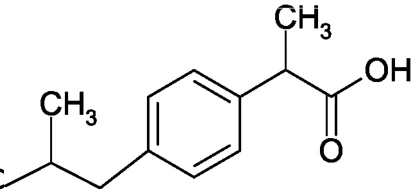
H3C
Physicochemical Properties:
Description: Ibuprofen is a white crystalline powder with a characteristic odour and slight taste.
Solubility: It is very slightly soluble in water and very soluble in alcohol and other common organic solvents.
pKa: The apparent pKa of ibuprofen is 5.2
Melting Point: Its melting point is 75°C to 75.5°C.
14 CLINICAL TRIALS
14.1 Trial Design and Study Demographics
The efficacy of ibuprofen as an analgesic and antipyretic has been demonstrated by a variety of clinical studies and pain models.
14.2 Study Results
Dental Pain
In adults, the effects of a drug on post-surgical dental extraction pain serves as a standard model for relief of pain of mild to moderate intensity. Ibuprofen 200 mg and 400 mg has been clearly demonstrated to provide pain relief significantly superior to placebo. When compared to the "standard" non-prescription analgesics, ibuprofen 200 mg is found to be comparable to ASA 650 mg.
Sore Throat or Ear Pain (Pediatric Models)
In children 6 – 12 years, ibuprofen 10 mg/kg was found to be effective for the relief of pain using a sore throat model, both post-op sore throat (tonsillectomy) and pharyngitis due to upper respiratory infection.
Controlled clinical trials comparing doses of 5 and 10 mg/kg ibuprofen and 12.5 mg/kg acetaminophen have been conducted in children 5 to 12 years of age with sore throat pain believed due to an infectious agent or ear pain believed due to acute otitis media. All three active treatments provided significant pain relief versus placebo within 1 to 2 hours of administration and had a duration of action of up to 6 hours. There were no statistically significant differences among the three active treatments in the degree of maximum pain relief, although the trends favored ibuprofen 10 mg/kg. Ibuprofen 5 mg/kg demonstrated pain relief comparable to acetaminophen 12.5 mg/kg. Ibuprofen 10 mg/kg demonstrated greater pain relief than acetaminophen 12.5 mg/kg from 3 to 6 hours after administration. A pediatric dosage schedule has been developed for Children’s Ibuprofen based on an ibuprofen dose of approximately 7.5 mg/kg body weight.
Dysmenorrhea
Nonsteroidal anti-inflammatory drugs, which inhibit prostaglandin synthesis such as ibuprofen, are particularly suitable for management of primary dysmenorrhea. Menstrual pain is now thought to result from abnormal uterine activity, which is secondary to increased production and release of endometrial prostaglandins at the time of menstruation.
Several adequate and well-controlled clinical trials provide substantial evidence of the safety and efficacy of ibuprofen at doses of 200 to 400 mg in relieving the pain of menstrual cramps.
A summary of trials of ibuprofen in the treatment of dysmenorrhea indicates the usual dose administered to be 400 mg. The few studies, which are available at a 200 mg dosage, indicate superiority of both ibuprofen 200 mg and 400 mg compared with ASA 650 mg.
Pain of Osteoarthritis
Several controlled clinical studies in adults provide substantial evidence of the safety and efficacy of ibuprofen at doses of 1200 mg or less per day in relieving the pain of osteoarthritis. Collectively, these studies support an indication for the temporary relief of minor pains of arthritis and, in conjunction with single dose analgesia studies, support the broader indication: for the temporary relief of minor aches and pains.
Headache
Ibuprofen has also been used satisfactorily in the management of headache. The efficacy of 200 mg of ibuprofen has been reported to be significantly superior to placebo and ASA 650 mg in the treatment of muscle contraction headaches. No differences in the frequency of side effects were found in the treatment groups. Similar results were reported in a study with patients referred to a Headache Clinic with frequent muscle contraction headache.
Soft Tissue Injury
Several studies also document the efficacy of analgesic doses of ibuprofen in the treatment of soft tissue injuries such as muscular aches or athletic injuries.
Fever
Studies of its efficacy in the management of fever in adults and children demonstrate ibuprofen to be an effective antipyretic, with a duration of action of up to eight hours when administered at a dose of 7.5 mg/kg.
Controlled clinical trials comparing doses between 5 and 10 mg/kg of ibuprofen and 10-15 mg/kg of acetaminophen have been conducted in children 6 months to 12 years of age with fever primarily due to viral illnesses. In these studies, there were few differences between treatments in fever reduction in the first hour and maximum fever reduction occurred between 2 and 4 hours. There was some evidence that the higher dosage range of ibuprofen (10 mg/kg) resulted in a prolonged duration of effect (from six to eight hours) and that it was more effective for children with higher baseline temperatures (above 102.5°F/39.1°C) but the numbers of patients were not adequate to draw definitive conclusions. In children with baseline temperatures at or below 102.5°F (39.1°C) both ibuprofen doses and acetaminophen were equally effective in their maximum effect.
One controlled clinical trial comparing a single dose of ibuprofen 7.5 mg/kg with acetaminophen 12.5 mg/kg demonstrated the superiority of ibuprofen over an eight-hour period.
14.3 Comparative Bioavailability Studies
A blinded, randomized, 2-way crossover bioequivalence study of pms-Ibuprofen 400 mg tablets was performed versus the Canadian reference product, Super Strength Motrin IB (ibuprofen) 400 mg tablets as 1 x 400 mg tablet in 25 healthy male subjects under fasting conditions. Bioavailability data were measured, and the results are summarized in the following table:
Ibuprofen (1 x 400 mg tablet) From measured data uncorrected for potency Geometric Mean Arithmetic Mean (CV %) | ||||
| Parameter | Test* | Reference† | % Ratio of Geometric Means# | Confidence Interval 90%# |
AUCT (mcg·h/mL) | 111.474 113.885 (20.4) | 114.351 116.568 (19.9) | 97.48 | 94.61 – 100.45 |
AUCI (mcg·h/mL) | 116.819 119.569 (21.3) | 119.820 122.495 (21.3) | 97.50 | 94.47 – 100.62 |
Cmax (mcg/mL) | 31.662 31.996 (15.3) | 37.112 37.860 (19.9) | 85.31 | 79.49 – 91.56 |
Tmax§ (h) | 1.25 (0.83 – 4.00) | 0.83 (0.50 – 2.50) | ||
T½€ (h) | 2.15 (12.4) | 2.20 (10.9) | ||
* pms-Ibuprofen 400 mg tablets
† Motrin® IB Super Strength 400 mg tablets, McNeil, (Guelph, Canada)
§ Expressed as the median (range) only
€ Expressed as the arithmetic mean (CV%) only
# Based on the least square mean estimates
DETAILED PHARMACOLOGY
Animal Studies
Pharmacodynamics
While the mechanism of action of ibuprofen is not definitely known, the generally accepted mechanism is the inhibition of prostaglandin synthesis. Inhibition of prostaglandin biosynthesis prevents sensitization of tissues by prostaglandins to other inflammatory, pain and thermoregulatory mediators, hence accounting for the activity of ibuprofen and other nonsteroidal anti-inflammatory drugs against pain, inflammation and fever.
Inhibition of prostaglandin synthesis by ibuprofen has been demonstrated in several different experimental models: bull seminal vesicle microsomes, stomach, duodenum, kidney and brain of the rat, microsomal preparations from rabbit brain and kidney medulla.
The analgesic efficacy of ibuprofen has been demonstrated in several animal models: phenylbenzoquinone-induced writhing in the mouse, acetylcholine-induced writhing in the mouse, the Randall-Selitto inflamed paw model in the rat, the mouse hot plate and adjuvant-induced arthritis model in the rat.
The antipyretic activity of ibuprofen has been demonstrated in yeast-induced fever in rats.
Pharmacokinetics
Several aspects of the pharmacokinetics of ibuprofen have been studied in vivo in rats, rabbits, dogs and baboons.
Studies in rats indicate that while limited absorption of ibuprofen occurs in the stomach, the principal site of absorption is the intestine. Single dose studies using C14 labelled ibuprofen in rats, rabbits and dogs show rapid absorption rates.
Tissue distribution studies performed in rats after both single and repeated doses of 20 mg/kg of C14 labelled ibuprofen demonstrate broad distribution with accumulation of radioactivity in the thyroid, adrenals, ovaries, fat and skin. Transplacental passage of ibuprofen was also noted with similar plasma levels measured in both the pregnant rats and fetuses.
Protein binding studies with plasma levels of 20 mcg/mL indicate the percent bound in rats 96%, dogs 99%, baboons 95% and man 99%.
Four metabolites of ibuprofen have been found in the plasma of rabbits, three in rats, none in dogs, two in baboons and two in man, with the liver suggested as the principal organ of metabolism. Excretion of metabolites was noted to varying degrees through both urine and feces indicating species variability in the bile and kidney excretion ratios.
Human Studies
Pharmacodynamics
Effect of Ibuprofen on Platelet Aggregation, Bleeding and Clotting Times in Normal Volunteers: Experimental data suggest that ibuprofen may inhibit the effect of low dose ASA (81-325 mg per day) on platelet aggregation when they are dosed concomitantly. In one study, when a single dose of ibuprofen 400 mg was taken within 8 hours before or within 30 minutes after immediate-release ASA dosing, a decreased effect of ASA on the formation of thromboxane or platelet aggregation occurred. However, the limitations of these data and the uncertainties regarding extrapolation of ex vivo data to the clinical situation imply that no firm conclusions can be made for regular ibuprofen use, and no clinically relevant effect is considered to be likely for occasional ibuprofen use.
Pharmacokinetics
The pharmacokinetics of ibuprofen has also been studied in humans. Although there is little evidence of clinically significant age dependent kinetics in febrile children ages 3 months to
12 years, some differences in the pharmacokinetic parameters of volume of distribution and clearance have been observed between adults and children.
Absorption: In-vivo studies indicate that ibuprofen is well absorbed orally with peak plasma levels usually occurring within 1 to 2 hours. A single 200 mg oral dose study in 6 fasting healthy men produced a peak plasma concentration of 15.0 mcg/mL at 0.75 hr. Another study using a single oral 400 mg dose in humans produced a peak serum level of 31.9 + 8.8 mcg/mL 0.5 hour after ingestion, and at 16 hours serum concentrations had dropped to 1 mcg/mL. Comparable serum levels and time to peak within 1-2 hours were confirmed by other investigations with 200 mg and 400 mg solid doses. A multiple dose study of administration of a 200 mg ibuprofen tablet three times a day for 2 weeks showed no evidence of accumulation of ibuprofen.
Distribution: Ibuprofen, like most drugs of its class, is highly protein bound (> 99% bound at 20 mcg/mL). Based on oral dosing data there is an age-or fever-related change in volume of distribution for ibuprofen. Febrile children < 11 years old have a volume of approximately 0.2 L/kg while adults have a volume of approximately 0.12 L/kg. The clinical significance of these findings is unknown. Tissue distribution of ibuprofen is also extensive in humans. Studies comparing synovial fluid levels with serum concentrations indicated that equilibration time post-ingestion occurred within approximately 3 to 5 hours.
Metabolism: Ibuprofen is extensively metabolized in humans with approximately 84% recoverable in the urine, primarily as conjugated hydroxy- and carboxy- metabolites, with only approximately l% excreted unchanged. The two major metabolites of ibuprofen in humans have been found to have no activity in the ultraviolet erythema test in guinea pigs and in the acetylcholine-induced mouse writhing test at doses of l0 mg/kg and l5 mg/kg respectively.
Elimination: Ibuprofen is rapidly metabolized and eliminated in the urine. The excretion of ibuprofen is virtually complete 24 hours after the last dose. It has a biphasic plasma elimination time curve with a half-life of approximately 2.0 hours. There is no difference in the observed terminal elimination rate or half-life between children and adults, however, there is an age-or fever-related change in total clearance. This suggests that the observed difference in clearance is due to differences in the volume of distribution of ibuprofen, as described above. The clinical relevance of these differences in clearance is unknown, although extensive clinical experience with ibuprofen in children at the pertinent dosage range (5 – 10 mg/kg) indicates a wide margin of safety.
15 MICROBIOLOGY
No microbiological information is required for this drug product.
16 NON-CLINICAL TOXICOLOGY
General Toxicology
Toxicity studies have been conducted using a variety of species, including: mice, rats, rabbits, guinea pigs and beagle dogs.
Acute Toxicity Studies
Single-dose acute toxicity studies indicate that ibuprofen in lethal doses depresses the central nervous system of rodents and that large doses are ulcerogenic in both rodents and nonrodents. Ulcerogenesis may occur with both parenteral and oral administration indicating that the mechanism may have both a systemic as well as topical component.
Acute toxicity of ibuprofen in the rodent was studied in a number of models.
Single graded doses of ibuprofen were administered by oral intubation or by intraperitoneal or subcutaneous injection to groups of l0 male albino mice and male albino rats. Gross reactions were observed and mortalities recorded over a period of l4 days. The LD50 values determined by this method were 800 mg/kg orally and 320 mg/kg intraperitoneally in the mouse and l600 mg/kg orally and l300 mg/kg subcutaneously in the rat. Acute signs of poisoning were prostration in mice, and sedation, prostration, loss of righting reflex and labored respiration in rats. Death occurred within 3 days from perforated gastric ulcers in mice and intestinal ulceration in rats, irrespective of the route of administration.
Similar LD50 determinations in other strains of rats and mice are summarized in the following Table 1.
Table 1: Acute Toxicity in Rodents (LD50)
| Species | Route | LD50 Range (mg/kg) |
| Albino Mice | Oral Intraperitoneal | 800 – 1,000 320 |
| Albino Rats | Oral Subcutaneous | 1,600 1,300 |
| Sprague Dawley Rat | 1,050 | |
| Long Evans Rat | 1,000 |
In a comparison of several non-steroidal anti-inflammatory drugs (NSAID) including ibuprofen, male rats were sacrificed, and the stomachs removed and examined for ulceration either 3 or 24 hours after oral administration of various single doses of ibuprofen. Using a standard scoring technique, a mean score for each dosage group was calculated and the ulcerogenic potential was expressed as a minimum ulcerogenic dose. The minimum oral ulcerogenic dose for ibuprofen in rats was calculated to be 6 – 13 mg/kg.
Another group studied the production of gastrointestinal lesions in the rat comparing ulcerogenic doses of ibuprofen and other NSAIDs after oral or intravenous administration. Both male and female Long Evans rats were used in all experiments. Prior to drug administration the animals were fasted for 8 hours. After treatment they were fed a normal diet and sacrificed after l7 hours. Gastric and intestinal mucosa was examined for presence of ulcers. The ulcerogenic dose in 50% of treated animals (UD50) was calculated. The UD50 following oral administration of ibuprofen was determined to be 70 mg/kg while for intravenous ibuprofen it was 210 mg/kg. The intestinal UD50 was 88 mg/kg following oral and 172 mg/kg with intravenous administrations. A calculated "severity index" of gastric lesions was higher by the oral than the IV route at all doses tested.
Studies of the ulcerogenic potential of ibuprofen are summarized in the following Table 2.
Table 2: Single-Dose Ulcerogenicity Studies in Rodents
| Species | Route | UD50*(mg/kg) | MUD**(mg/kg) |
| Long Evans Rat | Oral IV | 70 210 | 50 - |
| Sprague Dawley Rat | Oral | - | 6 – 13 |
* UD50 = ulcerogenic dose in 50% treated animals
** MUD = minimum ulcerogenic dose
Acute toxicity has also been studied in dogs.
Various single oral doses of ibuprofen were administered to dogs with subsequent hematologic examination and biochemical analyses of blood and urine, and examination of feces for occult blood. Gross examination of the major organs occurred after the animals were sacrificed. No ill effects were seen following doses of 20 or 50 mg/kg. Oral doses of 125 mg/kg or greater produced emesis, scouring, albuminuria, fecal blood loss and erosions in the gastric antrum and pylorus.
Multiple Dose Toxicity Studies
Multiple dose ulcerogenicity studies of ibuprofen have also been conducted.
Rats were dosed by the oral route for a specific number of consecutive days, then sacrificed for examination. The ulcerogenic effect of oral ibuprofen was graded and reported by various scoring systems such as percent of animals in which ulcers were produced by a specific dose, or the UD50.
In one typical such study, Long Evans rats were administered comparative NSAIDs orally once a day for 5 days. The gastric and small intestinal mucosa were then examined for ulceration. The
UD50, MUD and potency ratio of the drugs tested were calculated. The minimal ulcerogenic doses of ibuprofen were 25 mg/kg for the stomach and 50 mg/kg for the intestine.
Similar studies of multiple dose ulcerogenic potential of ibuprofen are summarized in the following Table 3.
Table 3: Multiple Oral Dose Toxicity Studies
| Species | Daily Dose | Duration | Ulcerogenic Factor |
| Albino Rat | 400 mg/kg | 30 hours | Ulcers in 100% |
| Albino Rat | 4 days | UD50 = 455 mg/kg/day UD28 = 240 mg/kg/day | |
| Long Evans Rat | 5 days | MUD = 25 – 50 mg/kg/day | |
| Sprague Dawley Rat | 5.8 – 225 mg/kg | 10 days | None |
| Albino Rat | 7.5 mg/kg 180 mg/kg | 26 weeks 26 weeks | None Ulcers in 20% |
| Dog | 4 mg/kg 8 mg/kg 16 mg/kg | 30 days 30 days 30 days | None 100% 100% |
No other organ systems were generally noted to be significantly affected by these chronic administration studies. In one 30-day study, Wistar rats receiving 157 mg/kg/day ibuprofen had serum transaminase levels approximately double of those of a control, untreated group. Lower doses of ibuprofen in the same study had no significant effect on the activity of these enzymes.
Chronic toxicity studies in dogs demonstrated no gross or clinical signs of toxicity at 4, 8 or 16 mg/kg/day for 30 days. However, in all dogs given 8 or 16 mg/kg/day, post-mortem examination revealed gastric ulcers or erosions. No lesions were observed in dogs given 4 mg/kg/day.
A more complete assessment of chronic toxicity of ibuprofen in dogs studied the effects of administration of oral doses of 0, 2, 4 or 26 mg/kg/day over 26 weeks. Periodic blood, urine and fecal sample analyses were performed. Histologic examination of selected organs and tissues was performed at the completion of the study. During the 26-week period, some reversible signs of gastrointestinal disturbance characterized by frequent vomiting, diarrhea, occasional passage of fresh blood and weight loss occurred in the 2 female dogs but not the males receiving 16 mg/kg ibuprofen. Occult blood was irregularly detected in fecal samples but urinalysis, liver function tests and other hematologic and blood biochemical values were not altered significantly. Gross examination of organs was normal except for ulcerative lesions in the gastrointestinal tract of organs of all dogs receiving 16 mg/kg/day. Dogs given 2 and 4 mg/kg/day suffered no adverse reactions or gastrointestinal damage.
Carcinogenicity: A study to evaluate the potential carcinogenic activity of ibuprofen involved administration of a minimum of 100 mg/kg/day to mice for 80 weeks and 60 mg/kg/day to rats for 2 years. The proportion of animals with tumors of all types examined did not differ from those in the control group. The studies confirm that in the rat and mouse, ibuprofen does not induce tumors of the liver or other organs. Further, despite prolonged treatment, no other drug-induced hepatic lesions were seen in either species.
Reproductive and Developmental Toxicology: Teratogenicity studies of ibuprofen have been conducted in rabbits and rats. Results of the experiments indicate that ibuprofen is not teratogenic when given in toxic doses to rabbits nor is there embryotoxic or teratogenic activity in pregnant rats even when administered in ulcerogenic doses.
Effects of ibuprofen on circular strips of fetal lamb ductus arterious indicate that exposure may produced contraction of the ductus. Such an effect might be anticipated because of the known prostaglandin inhibiting properties of ibuprofen.
17 SUPPORTING PRODUCT MONOGRAPHS
- 1. MOTRIN® 200 mg, MOTRIN® 300 mg and MOTRIN® 400 mg, tablets, 200 mg, 300 mg and 400 mg, Product Monograph, McNeil Consumer Healthcare Division of Johnson & Johnson Inc., April 4, 2023, submission control 265403.